
Hanging By A Thread
.Hanging By A Thread
Aug 11, 2021 by Morgan Housel
Abig lesson from history is how chance encounters lead to both magic and mayhem in ways that would have been impossible to predict. No matter what the world looks like today, and what seems obvious today, everything can change tomorrow because of some tiny accident no one’s thinking about.
Let me show you three times history hung by a thread.
Giuseppe Zangara was tiny, barely five feet tall. He stood on a chair outside a Miami political rally in 1933 because that was the only way he could aim his gun across the crowd.
Zangara fired five shots. One of them hit Chicago mayor Anton Cermak, who was shaking hands with Zagara’s intended target. Cermak died. The target – Franklin Roosevelt – was sworn in as president two weeks later.
Within months of inauguration Roosevelt transformed the U.S. economy through the New Deal. John Nance Garner – who would have become president had Zangara hit his target – opposed most of the New Deal’s deficit spending. He almost certainly wouldn’t have enacted the same policies, some of which still shape today’s economy.
Hanging By A Thread
Aug 11, 2021 by Morgan Housel
Abig lesson from history is how chance encounters lead to both magic and mayhem in ways that would have been impossible to predict. No matter what the world looks like today, and what seems obvious today, everything can change tomorrow because of some tiny accident no one’s thinking about.
Let me show you three times history hung by a thread.
Giuseppe Zangara was tiny, barely five feet tall. He stood on a chair outside a Miami political rally in 1933 because that was the only way he could aim his gun across the crowd.
Zangara fired five shots. One of them hit Chicago mayor Anton Cermak, who was shaking hands with Zagara’s intended target. Cermak died. The target – Franklin Roosevelt – was sworn in as president two weeks later.
Within months of inauguration Roosevelt transformed the U.S. economy through the New Deal. John Nance Garner – who would have become president had Zangara hit his target – opposed most of the New Deal’s deficit spending. He almost certainly wouldn’t have enacted the same policies, some of which still shape today’s economy.
Captain William Turner invited his niece, actress Mercedes Desmore, to tour his massive ocean liner before it sailed from New York To Liverpool.
The ship’s crew, eager to leave on time, removed the gangway for departure while Desmore was still onboard. She was stuck on a ship about to begin a seven-day voyage. Her furious uncle made the crew re-dock the ship so she could get off.
The redocking delayed the ship’s departure. No one could have known that six days later the delay would mean that Turner’s ship – the Lusitania – would sail into the path of a German submarine at the very moment its periscope could finally see through the day’s diminishing fog.
The Lusitania was hit with a torpedo, killing 1,200 passengers and becoming the most important trigger to rally U.S. public support for entering World War I.
Had it sailed through the Celtic Sea half an hour earlier – had Desmore’s tour not caused a delay – the Lusitania would have been cloaked in heavy fog. The ship likely would have avoided attack. A country may have avoided a war that became the seed event for the rest of the 20th century.
Robert E. Lee had one last shot to escape Ulysses Grant’s troops and regroup to gain the upper hand in the Civil War. His plan was bold but totally plausible. All he needed was food for his hungry troops.
An order was put in to have rations delivered to a Virginia supply depot for Lee’s men. But there was a communication error in Richmond, and the wagons delivered boxes of ammunition but not a morsel of food.
To continue reading, please go to the original article here:
Avoid These 4 Common Mistakes When You Get Rich Overnight
September 4, 2025 by Laura Bogart GoBankingRates
You’re about to score a financial touchdown. Maybe you’ve crushed it at work and landed a sweet promotion. Perhaps you’ve won a lottery or stumbled into a side hustle that suddenly pays off. As you near the end zone, heart pounding, head full of dreams, you can’t afford (literally) to fumble. Whether you’re blindsided by unexpected taxes or tripped up by bad financial advice, you have a lot to lose if you drop the ball.
Ariel: Iraqi Dinar Update, Acceleration and Recalibration
10-21-2026
Iraqi Dinar Update: Acceleration & Recalibration (Where We Are)
ACCELERATION SEQUENCE POST-IMF, POST-CABINET, POST-TREASURY LIFT — INVESTOR PROJECTION WINDOW
Iraq isn’t moving fast because they’re panicking. They’re moving fast because the infrastructure is finally in place.
Echo X: Is America Entering a Monetary Reset?
10-21-2026
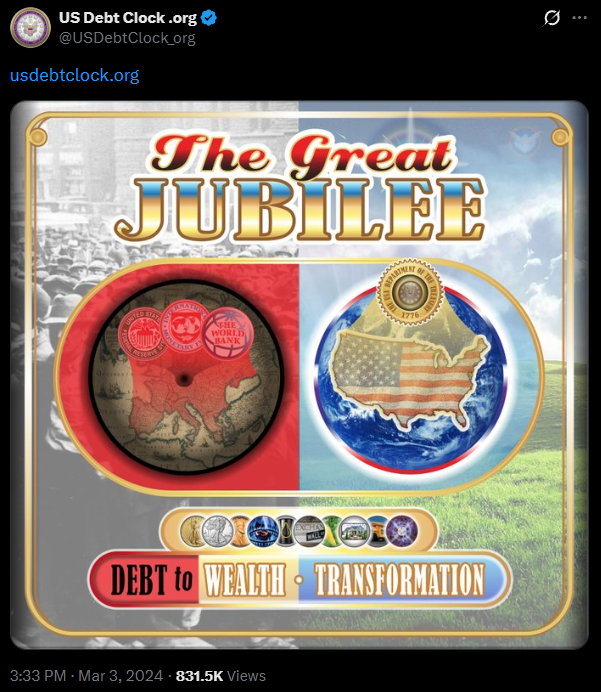
THE GREAT JUBILEE: IS AMERICA ENTERING A MONETARY RESET? | PART 4
NESARA. GESARA. The Federal Reserve. Gold revaluation. A proposed asset-backed Treasury dollar.
For years, people have talked about a Great Monetary Reset. Now we’re seeing real changes in blockchain infrastructure, digital finance, and international monetary policy alongside some very interesting illustrations from the U.S. Debt Clock.
What if the next monetary transformation looks different from what everybody expected?
Bruce’s Big Call Dinar Intel Tuesday Night 10-20-26
Transcribed By WiserNow Emailed To Recaps (INTEL ONLY)
Welcome, everybody, to Big Talk tonight. It It is Tuesday, october 20, and you're listening to the big call. Thanks everybody for coming in, listening again, being with us for another big call, and we thank you for coming.
Talk about not only where we are or where we want to be, but in the same vein as what Bob mentioned about Melania Trump, President Trump talked today. Let's see. When was today? I caught like two thirds of his speech before he took questions today, and I enjoyed the fact that he brought up the Q phone, and the Q phone is available, and we've known about it for a while now, and we have a few people that have actually demoed one or tried one out and everything.
Good Afternoon Dinar Recaps,
GLOBAL TRADE RESET WATCH: APEC WARNS GROWING IMBALANCES THREATEN ECONOMIC STABILITY
Asia-Pacific finance leaders call for stronger economic coordination as trade imbalances, rising debt and digital investment reshape the global financial landscape.
Emailed to Recaps~ Thank you David
Reset Intelligence: The Dollar Gap Runs Through Iran.
By Reset Intelligence | @EXIT_FIAT
Iraq's Central Bank says trade with Iran is one reason Baghdad's street dollar stays above the bank's rate.
On Tuesday night, an official source said, Baghdad ordered its first crossing with Iran shut, with the rest to follow.
TNT:
Tishwash: The Central Bank extends bank working hours and directs them to open during official holidays.
The Central Bank of Iraq directed banks with outstanding remittances to work on Fridays to avoid delays caused by official holidays, while it completed covering all remittances before the exchange rate change, with a total amount of $3 billion.
MilitiaMan & Crew: CBI Policy Update: What You Need to Know About the IQD
10-21-2026
The Crew: Samson, PompeyPeter, Petra, Daytrader, Sunkissed, GIGI and Militia Man
No drama. No intrigue. No songs and dances. Just straight, factual news that I read and interpret to the best of my ability after being an avid Dinar investor and insanely obsessed Dinarian for over 15 years.
Follow MM on X == https://x.com/Slashn
Good Morning Dinar Recaps,
GLOBAL CURRENCY RESET WATCH: ECB SEEKS TO EXPAND THE EURO’S GLOBAL ROLE
The European Central Bank is widening access to euro liquidity, strengthening Europe’s financial reach as central banks reassess the international monetary landscape.
Physical Gold vs. Digital Gold: Which Is the Ultimate Safe Haven?
Published: 05-20-2026
Gold is trading at approximately $4,500 per troy ounce as of May 20, 2026 [World Gold Council]. However, the debate about physical gold vs digital gold matters more than most investors realise — because not all of these products are the same thing. Both show up on a brokerage statement with a dollar value attached. But what you actually own — what you hold, what you control, what survives a real crisis — is a very different story. This isn’t a debate about returns. It’s a debate about what “safe haven” actually means.
KTFA
Tuesday Night Video
FRANK26…10-20-26.....YOU PROMISED
This video is in Frank’s and his team’s opinion only
Frank’s team is Walkingstick, Eddie and Omar in Iraq and guests
Playback Number: 605-313-5163 PIN: 156996#
Iraq Orders Banks to Work OVERTIME! Why Now?
The Dinar Den: 10-20-2026
Stephen: Hey everyone, welcome back to the channel. We have some exciting and breaking news that came out of the central bank of Iraq today. So, I'm going to cover and go over those few articles that I think as dinar investors are um just exciting and I think they are very telling as to what the future might possibly hold.
And I'm gonna tie it all together and share how I think these things could possibly be related to a higher dinar exchange rate.
The Iraqi Dinar Is The Second Worst-Performing Arab Currency; Dollar Pressures Pose A Difficult Test For Monetary Policy.
October 20, 2026 The Independent - The classification of the Iraqi dinar among the Arab currencies that have declined the most against the US dollar has raised widespread questions about the future of monetary stability in Iraq, and the ability of the Central Bank to contain the increasing pressures on the exchange market, at a time when the economy is facing challenges related to oil revenues, government spending and the heavy reliance on imports.
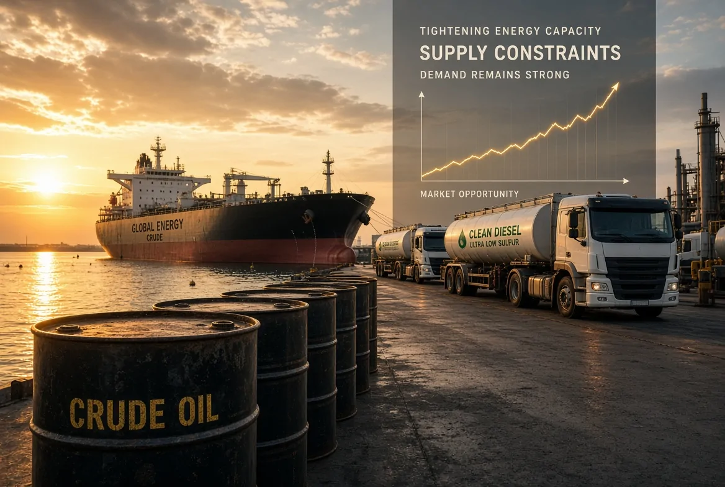
The Iran War Will End. Expensive Diesel Won’t
Notes From the Field By James Hickman (Simon Black / sovereign Man) October 20, 2026
There’s a college degree that pays about $100,000 right out of school, which is pretty good money for a 22-year old. Within a few years, that pay could easily double.
Yet hardly any young person wants the job.
It’s not dangerous, it’s not dirty, and it doesn’t require superhuman work hours. The only reason young people aren’t interested is because Greta Thunberg told them it wasn’t cool.
GP Q: US Dollar Upgrade or Collapse?
10-20-2026
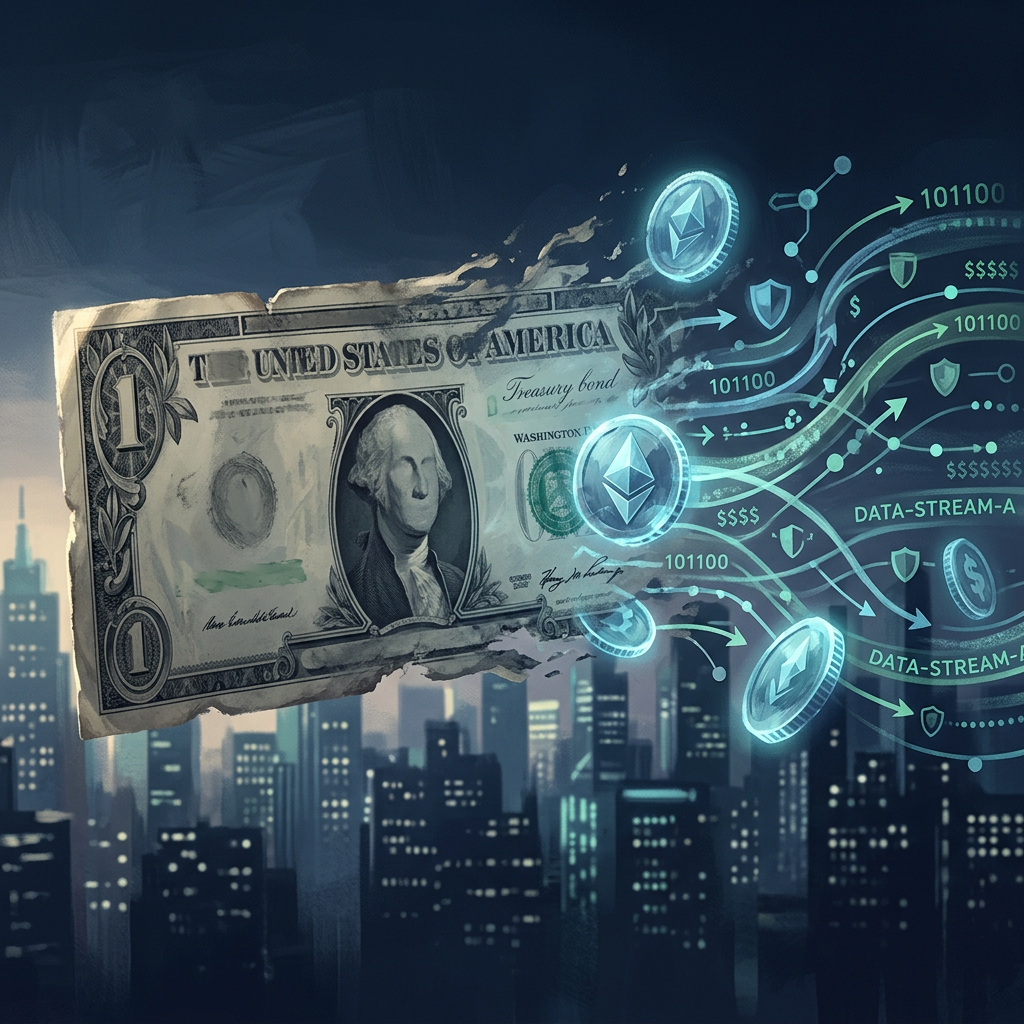
“Is the dollar dying… or is it about to get a major upgrade?”
MONEY MONEY MONEY
Most people are only watching the old fiat dollar.
They’re completely missing the new system the U.S. is building right now under the GENIUS Act. Here’s the simple version:
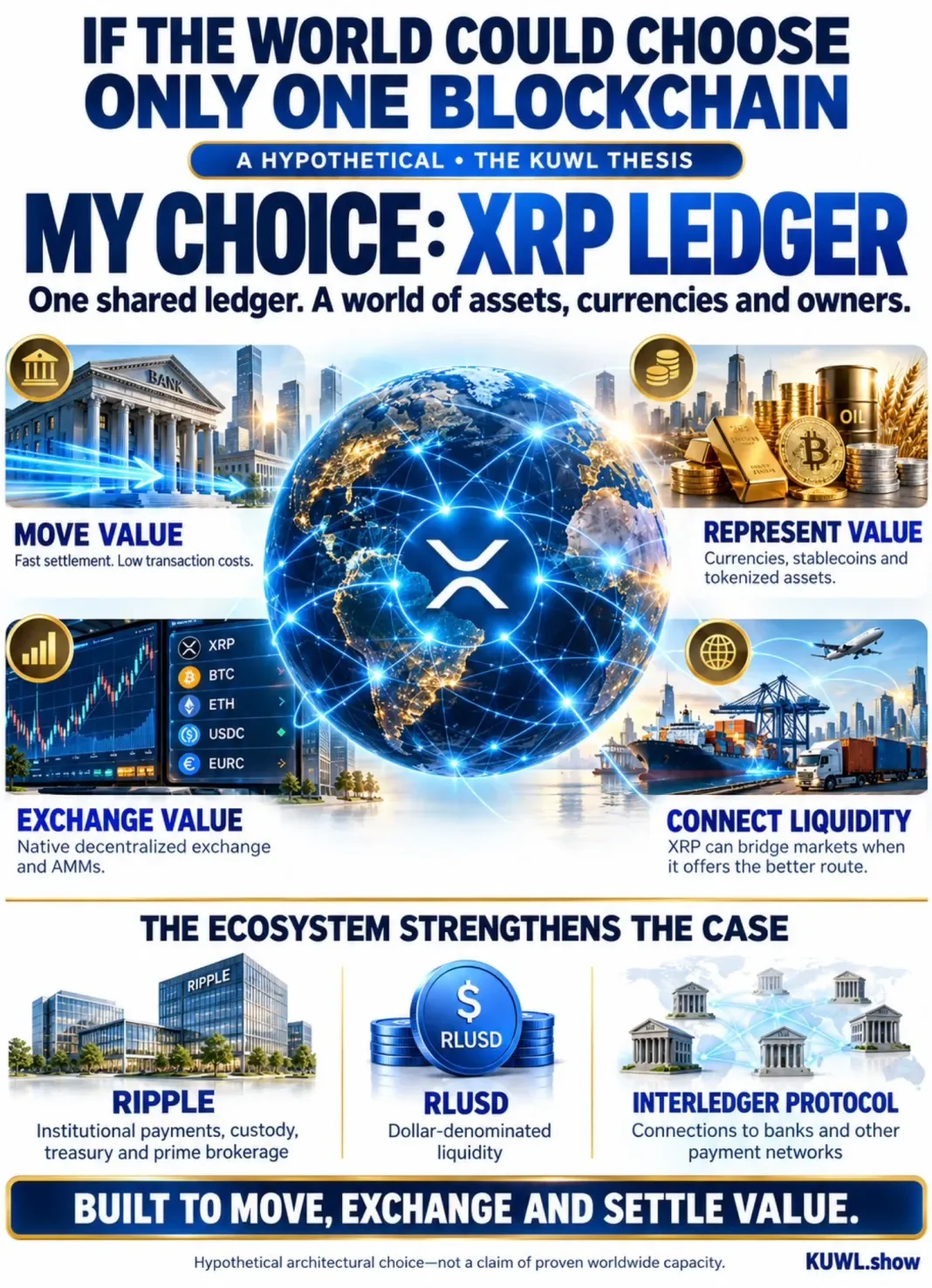
Rob Cunningham: If the World Could Choose Only One Blockchain
10-20-2026
On a go forward basis, “all things considered”, based on the comprehensive utility and liquidity needs of the entire world, “if” only one blockchain was allowed to exist, which should it be?
My choice: the XRP Ledger.
Under this hypothetical – one blockchain serving the world’s combined needs for payments, currencies, tokenized assets, exchange and settlement – XRPL offers the strongest fit in my judgment.
The Central Bank Of Iraq Resolves The Issue Of Merchants' Remittances And Confirms The Continuation Of Import Financing In Dollars.
October 20, 2026Last updated: October 20, 2026 The Central Bank of Iraq confirmed on Tuesday, October 20, 2026, the continuation of financing imports and providing foreign currency through official banking channels, announcing the completion of fulfilling external transfer requests that were suspended before the adjustment of the dinar exchange rate on October 7, in a step aimed at addressing outstanding issues, protecting the rights of traders and ensuring the smooth flow of foreign trade.
Good Afternoon Dinar Recaps,
GLOBAL ASSET RESET WATCH: DEBT, AI UNCERTAINTY AND ENERGY RISKS RESHAPE SAFE-HAVEN DEMAND
Investors are reassessing where to protect their wealth as geopolitical conflict, rising energy prices, government debt and uncertainty surrounding artificial intelligence reshape global markets.
Reset Intelligence: Iraq's Oil Exports Are Back.
By Reset Intelligence | @EXIT_FIAT
Iraq's oil exports are back above 3.4 million barrels a day, close to where they stood before the war.
The same weekend the IMF and Washington both moved toward Baghdad, and the street dollar went the other way.
Learning About Money Changed My Life — But Not In The Way You’d Think
.Learning About Money Changed My Life — But Not In The Way You’d Think
Whizy Kim Wed, August 18, 2021
Up until a few years ago, I knew less about money than the average person. At least, that’s how it felt. The extent of my financial philosophy was a) try not to spend what you don’t have and b) try to make your student debt vanish. If someone was talking about the state of the economy, I only responded with neutral, noncommittal noises, rather than voice any specific thoughts.
The exchange of money in society was this impossibly intricate machine that a regular person like me could never begin to comprehend. The GDP? Sure hope it’s doing great! Trickle-down economics? Sounds suspect, but if all these economic experts and politicians are saying that tax cuts for the wealthy means we all win, who am I to disagree? Would they really just lie to everyone? (Actually, don’t answer that.)
Learning About Money Changed My Life — But Not In The Way You’d Think
Whizy Kim Wed, August 18, 2021
Up until a few years ago, I knew less about money than the average person. At least, that’s how it felt. The extent of my financial philosophy was a) try not to spend what you don’t have and b) try to make your student debt vanish. If someone was talking about the state of the economy, I only responded with neutral, noncommittal noises, rather than voice any specific thoughts.
The exchange of money in society was this impossibly intricate machine that a regular person like me could never begin to comprehend. The GDP? Sure hope it’s doing great! Trickle-down economics? Sounds suspect, but if all these economic experts and politicians are saying that tax cuts for the wealthy means we all win, who am I to disagree? Would they really just lie to everyone? (Actually, don’t answer that.)
No one wants to admit that they don’t know how money works. It’s way easier to confess that you know nothing about cooking or cars. But, if you don’t know how money works, as an adult? Well, it’s no wonder you’re so behind on getting your shit together; it’s no wonder you’re not rich. From admitting how little you understand about personal finance and the economy, it’s a quick slide to being given the “personal responsibility” lecture, and being told you put yourself in less-than-ideal financial straits. It’s nobody’s fault but your own.
Except, that’s just not true. A big reason why so many people don’t know about how money works is that many of us never got any formal — or informal — education on money. And not learning about money can be expensive. Plenty of smart people look at their various student loans and think intuitively that it’s more beneficial to pay off the $3,000 loan in one lump sum, and then start tackling larger ones, instead of prioritizing the highest-interest loan regardless of balance.
Maybe if we all had even just one compulsory high school class that introduced basic money concepts like taxes or how interest is applied to the principal, there would be less confusion around tackling debt. I learned how to find the derivative of a function at 16, but didn’t learn what marginal tax rates were until my 20s — and that really doesn’t seem right.
But even beyond basic high school courses, the issue is that many of us also form a single perspective of money, or only one way of talking about it, thanks to our family. And if that perspective is to not talk about money, as is often the case, that means we have that much less practice in, well, talking about money — especially in a healthy manner.
To continue reading, please go to the original article here:
https://finance.yahoo.com/news/learning-money-changed-life-not-144617033.html
CBI Foreign Reserves Rise To $81.5B In August
2026-10-21 06:18 Shafaq News- Baghdad Iraq's foreign reserves rose to $81.538 billion at the end of August 2026, up from $80.633 billion a month earlier, according to Central Bank of Iraq (CBI) data released on Wednesday. The gain of about $905 million followed four straight monthly declines from April through July, according to the data reviewed by Shafaq News. Reserves are still $15.894 billion below the $97.432 billion recorded at the end of 2025, a drop of about 16.3% over the first eight months of the year.
Avoid These 4 Common Mistakes When You Get Rich Overnight
September 4, 2025 by Laura Bogart GoBankingRates
You’re about to score a financial touchdown. Maybe you’ve crushed it at work and landed a sweet promotion. Perhaps you’ve won a lottery or stumbled into a side hustle that suddenly pays off. As you near the end zone, heart pounding, head full of dreams, you can’t afford (literally) to fumble. Whether you’re blindsided by unexpected taxes or tripped up by bad financial advice, you have a lot to lose if you drop the ball.
Ariel: Iraqi Dinar Update, Acceleration and Recalibration
10-21-2026
Iraqi Dinar Update: Acceleration & Recalibration (Where We Are)
ACCELERATION SEQUENCE POST-IMF, POST-CABINET, POST-TREASURY LIFT — INVESTOR PROJECTION WINDOW
Iraq isn’t moving fast because they’re panicking. They’re moving fast because the infrastructure is finally in place.
Echo X: Is America Entering a Monetary Reset?
10-21-2026
THE GREAT JUBILEE: IS AMERICA ENTERING A MONETARY RESET? | PART 4
NESARA. GESARA. The Federal Reserve. Gold revaluation. A proposed asset-backed Treasury dollar.
For years, people have talked about a Great Monetary Reset. Now we’re seeing real changes in blockchain infrastructure, digital finance, and international monetary policy alongside some very interesting illustrations from the U.S. Debt Clock.
What if the next monetary transformation looks different from what everybody expected?
Bruce’s Big Call Dinar Intel Tuesday Night 10-20-26
Transcribed By WiserNow Emailed To Recaps (INTEL ONLY)
Welcome, everybody, to Big Talk tonight. It It is Tuesday, october 20, and you're listening to the big call. Thanks everybody for coming in, listening again, being with us for another big call, and we thank you for coming.
Talk about not only where we are or where we want to be, but in the same vein as what Bob mentioned about Melania Trump, President Trump talked today. Let's see. When was today? I caught like two thirds of his speech before he took questions today, and I enjoyed the fact that he brought up the Q phone, and the Q phone is available, and we've known about it for a while now, and we have a few people that have actually demoed one or tried one out and everything.
Good Afternoon Dinar Recaps,
GLOBAL TRADE RESET WATCH: APEC WARNS GROWING IMBALANCES THREATEN ECONOMIC STABILITY
Asia-Pacific finance leaders call for stronger economic coordination as trade imbalances, rising debt and digital investment reshape the global financial landscape.
Emailed to Recaps~ Thank you David
Reset Intelligence: The Dollar Gap Runs Through Iran.
By Reset Intelligence | @EXIT_FIAT
Iraq's Central Bank says trade with Iran is one reason Baghdad's street dollar stays above the bank's rate.
On Tuesday night, an official source said, Baghdad ordered its first crossing with Iran shut, with the rest to follow.
TNT:
Tishwash: The Central Bank extends bank working hours and directs them to open during official holidays.
The Central Bank of Iraq directed banks with outstanding remittances to work on Fridays to avoid delays caused by official holidays, while it completed covering all remittances before the exchange rate change, with a total amount of $3 billion.
MilitiaMan & Crew: CBI Policy Update: What You Need to Know About the IQD
10-21-2026
The Crew: Samson, PompeyPeter, Petra, Daytrader, Sunkissed, GIGI and Militia Man
No drama. No intrigue. No songs and dances. Just straight, factual news that I read and interpret to the best of my ability after being an avid Dinar investor and insanely obsessed Dinarian for over 15 years.
Follow MM on X == https://x.com/Slashn
Good Morning Dinar Recaps,
GLOBAL CURRENCY RESET WATCH: ECB SEEKS TO EXPAND THE EURO’S GLOBAL ROLE
The European Central Bank is widening access to euro liquidity, strengthening Europe’s financial reach as central banks reassess the international monetary landscape.
Physical Gold vs. Digital Gold: Which Is the Ultimate Safe Haven?
Published: 05-20-2026
Gold is trading at approximately $4,500 per troy ounce as of May 20, 2026 [World Gold Council]. However, the debate about physical gold vs digital gold matters more than most investors realise — because not all of these products are the same thing. Both show up on a brokerage statement with a dollar value attached. But what you actually own — what you hold, what you control, what survives a real crisis — is a very different story. This isn’t a debate about returns. It’s a debate about what “safe haven” actually means.
KTFA
Tuesday Night Video
FRANK26…10-20-26.....YOU PROMISED
This video is in Frank’s and his team’s opinion only
Frank’s team is Walkingstick, Eddie and Omar in Iraq and guests
Playback Number: 605-313-5163 PIN: 156996#
Iraq Orders Banks to Work OVERTIME! Why Now?
The Dinar Den: 10-20-2026
Stephen: Hey everyone, welcome back to the channel. We have some exciting and breaking news that came out of the central bank of Iraq today. So, I'm going to cover and go over those few articles that I think as dinar investors are um just exciting and I think they are very telling as to what the future might possibly hold.
And I'm gonna tie it all together and share how I think these things could possibly be related to a higher dinar exchange rate.
The Iraqi Dinar Is The Second Worst-Performing Arab Currency; Dollar Pressures Pose A Difficult Test For Monetary Policy.
October 20, 2026 The Independent - The classification of the Iraqi dinar among the Arab currencies that have declined the most against the US dollar has raised widespread questions about the future of monetary stability in Iraq, and the ability of the Central Bank to contain the increasing pressures on the exchange market, at a time when the economy is facing challenges related to oil revenues, government spending and the heavy reliance on imports.
The Iran War Will End. Expensive Diesel Won’t
Notes From the Field By James Hickman (Simon Black / sovereign Man) October 20, 2026
There’s a college degree that pays about $100,000 right out of school, which is pretty good money for a 22-year old. Within a few years, that pay could easily double.
Yet hardly any young person wants the job.
It’s not dangerous, it’s not dirty, and it doesn’t require superhuman work hours. The only reason young people aren’t interested is because Greta Thunberg told them it wasn’t cool.
GP Q: US Dollar Upgrade or Collapse?
10-20-2026
“Is the dollar dying… or is it about to get a major upgrade?”
MONEY MONEY MONEY
Most people are only watching the old fiat dollar.
They’re completely missing the new system the U.S. is building right now under the GENIUS Act. Here’s the simple version:
Rob Cunningham: If the World Could Choose Only One Blockchain
10-20-2026
On a go forward basis, “all things considered”, based on the comprehensive utility and liquidity needs of the entire world, “if” only one blockchain was allowed to exist, which should it be?
My choice: the XRP Ledger.
Under this hypothetical – one blockchain serving the world’s combined needs for payments, currencies, tokenized assets, exchange and settlement – XRPL offers the strongest fit in my judgment.
The Central Bank Of Iraq Resolves The Issue Of Merchants' Remittances And Confirms The Continuation Of Import Financing In Dollars.
October 20, 2026Last updated: October 20, 2026 The Central Bank of Iraq confirmed on Tuesday, October 20, 2026, the continuation of financing imports and providing foreign currency through official banking channels, announcing the completion of fulfilling external transfer requests that were suspended before the adjustment of the dinar exchange rate on October 7, in a step aimed at addressing outstanding issues, protecting the rights of traders and ensuring the smooth flow of foreign trade.
Good Afternoon Dinar Recaps,
GLOBAL ASSET RESET WATCH: DEBT, AI UNCERTAINTY AND ENERGY RISKS RESHAPE SAFE-HAVEN DEMAND
Investors are reassessing where to protect their wealth as geopolitical conflict, rising energy prices, government debt and uncertainty surrounding artificial intelligence reshape global markets.
Reset Intelligence: Iraq's Oil Exports Are Back.
By Reset Intelligence | @EXIT_FIAT
Iraq's oil exports are back above 3.4 million barrels a day, close to where they stood before the war.
The same weekend the IMF and Washington both moved toward Baghdad, and the street dollar went the other way.
Why My Husband and I Don't Fight About Money
.Why My Husband and I Don't Fight About Money -- Even With Different Habits
by Christy Bieber | Aug. 17, 2021
Could our technique work for you?
My husband and I tend to have very different spending habits. I am generally much more of a spender than he is, while he has a preference for saving more money. We also have different investing styles, and we both like to spend money on different things.
Despite our very different financial habits, we have had almost no money fights over the decade that we have been married. And the reason for that is our budgeting method.
We have a unique approach to budgeting
Why My Husband and I Don't Fight About Money -- Even With Different Habits
by Christy Bieber | Aug. 17, 2021
Could our technique work for you?
My husband and I tend to have very different spending habits. I am generally much more of a spender than he is, while he has a preference for saving more money. We also have different investing styles, and we both like to spend money on different things.
Despite our very different financial habits, we have had almost no money fights over the decade that we have been married. And the reason for that is our budgeting method.
We have a unique approach to budgeting
Despite our different attitudes about money, the way that we budget is the big reason why my husband and I don't have money disagreements.
See, we work out a family budget together -- one that dictates how we spend, save, and invest our money. But when we do it, we don't start out basing our budget on what we hope to spend on different things or what investments we want to buy. We don't even start out looking at our current spending or the amount of income we make.
Instead, we sit down and discuss our shared financial goals. Specifically, we've both had goals in the past to buy a house together, to pay off any debt that we brought into the marriage, to avoid credit card debt, and to retire early.
These shared financial goals are then used as the basis of our entire budget, including our spending and investing decisions. We look at the amount of money that we need to set aside to accomplish the goals that we both agree is important, and we make that a priority spending item above all else.
After we've accounted for all of our shared goals, we can see what money is left over, devote some of it to our needs, and then divide the rest evenly towards our different spending preferences. We can also make a decision about how best to accomplish these goals.
To continue reading, please go to the original article here:
CBI Foreign Reserves Rise To $81.5B In August
2026-10-21 06:18 Shafaq News- Baghdad Iraq's foreign reserves rose to $81.538 billion at the end of August 2026, up from $80.633 billion a month earlier, according to Central Bank of Iraq (CBI) data released on Wednesday. The gain of about $905 million followed four straight monthly declines from April through July, according to the data reviewed by Shafaq News. Reserves are still $15.894 billion below the $97.432 billion recorded at the end of 2025, a drop of about 16.3% over the first eight months of the year.
Avoid These 4 Common Mistakes When You Get Rich Overnight
September 4, 2025 by Laura Bogart GoBankingRates
You’re about to score a financial touchdown. Maybe you’ve crushed it at work and landed a sweet promotion. Perhaps you’ve won a lottery or stumbled into a side hustle that suddenly pays off. As you near the end zone, heart pounding, head full of dreams, you can’t afford (literally) to fumble. Whether you’re blindsided by unexpected taxes or tripped up by bad financial advice, you have a lot to lose if you drop the ball.
Ariel: Iraqi Dinar Update, Acceleration and Recalibration
10-21-2026
Iraqi Dinar Update: Acceleration & Recalibration (Where We Are)
ACCELERATION SEQUENCE POST-IMF, POST-CABINET, POST-TREASURY LIFT — INVESTOR PROJECTION WINDOW
Iraq isn’t moving fast because they’re panicking. They’re moving fast because the infrastructure is finally in place.
Echo X: Is America Entering a Monetary Reset?
10-21-2026
THE GREAT JUBILEE: IS AMERICA ENTERING A MONETARY RESET? | PART 4
NESARA. GESARA. The Federal Reserve. Gold revaluation. A proposed asset-backed Treasury dollar.
For years, people have talked about a Great Monetary Reset. Now we’re seeing real changes in blockchain infrastructure, digital finance, and international monetary policy alongside some very interesting illustrations from the U.S. Debt Clock.
What if the next monetary transformation looks different from what everybody expected?
Bruce’s Big Call Dinar Intel Tuesday Night 10-20-26
Transcribed By WiserNow Emailed To Recaps (INTEL ONLY)
Welcome, everybody, to Big Talk tonight. It It is Tuesday, october 20, and you're listening to the big call. Thanks everybody for coming in, listening again, being with us for another big call, and we thank you for coming.
Talk about not only where we are or where we want to be, but in the same vein as what Bob mentioned about Melania Trump, President Trump talked today. Let's see. When was today? I caught like two thirds of his speech before he took questions today, and I enjoyed the fact that he brought up the Q phone, and the Q phone is available, and we've known about it for a while now, and we have a few people that have actually demoed one or tried one out and everything.
Good Afternoon Dinar Recaps,
GLOBAL TRADE RESET WATCH: APEC WARNS GROWING IMBALANCES THREATEN ECONOMIC STABILITY
Asia-Pacific finance leaders call for stronger economic coordination as trade imbalances, rising debt and digital investment reshape the global financial landscape.
Emailed to Recaps~ Thank you David
Reset Intelligence: The Dollar Gap Runs Through Iran.
By Reset Intelligence | @EXIT_FIAT
Iraq's Central Bank says trade with Iran is one reason Baghdad's street dollar stays above the bank's rate.
On Tuesday night, an official source said, Baghdad ordered its first crossing with Iran shut, with the rest to follow.
TNT:
Tishwash: The Central Bank extends bank working hours and directs them to open during official holidays.
The Central Bank of Iraq directed banks with outstanding remittances to work on Fridays to avoid delays caused by official holidays, while it completed covering all remittances before the exchange rate change, with a total amount of $3 billion.
MilitiaMan & Crew: CBI Policy Update: What You Need to Know About the IQD
10-21-2026
The Crew: Samson, PompeyPeter, Petra, Daytrader, Sunkissed, GIGI and Militia Man
No drama. No intrigue. No songs and dances. Just straight, factual news that I read and interpret to the best of my ability after being an avid Dinar investor and insanely obsessed Dinarian for over 15 years.
Follow MM on X == https://x.com/Slashn
Good Morning Dinar Recaps,
GLOBAL CURRENCY RESET WATCH: ECB SEEKS TO EXPAND THE EURO’S GLOBAL ROLE
The European Central Bank is widening access to euro liquidity, strengthening Europe’s financial reach as central banks reassess the international monetary landscape.
Physical Gold vs. Digital Gold: Which Is the Ultimate Safe Haven?
Published: 05-20-2026
Gold is trading at approximately $4,500 per troy ounce as of May 20, 2026 [World Gold Council]. However, the debate about physical gold vs digital gold matters more than most investors realise — because not all of these products are the same thing. Both show up on a brokerage statement with a dollar value attached. But what you actually own — what you hold, what you control, what survives a real crisis — is a very different story. This isn’t a debate about returns. It’s a debate about what “safe haven” actually means.
KTFA
Tuesday Night Video
FRANK26…10-20-26.....YOU PROMISED
This video is in Frank’s and his team’s opinion only
Frank’s team is Walkingstick, Eddie and Omar in Iraq and guests
Playback Number: 605-313-5163 PIN: 156996#
Iraq Orders Banks to Work OVERTIME! Why Now?
The Dinar Den: 10-20-2026
Stephen: Hey everyone, welcome back to the channel. We have some exciting and breaking news that came out of the central bank of Iraq today. So, I'm going to cover and go over those few articles that I think as dinar investors are um just exciting and I think they are very telling as to what the future might possibly hold.
And I'm gonna tie it all together and share how I think these things could possibly be related to a higher dinar exchange rate.
The Iraqi Dinar Is The Second Worst-Performing Arab Currency; Dollar Pressures Pose A Difficult Test For Monetary Policy.
October 20, 2026 The Independent - The classification of the Iraqi dinar among the Arab currencies that have declined the most against the US dollar has raised widespread questions about the future of monetary stability in Iraq, and the ability of the Central Bank to contain the increasing pressures on the exchange market, at a time when the economy is facing challenges related to oil revenues, government spending and the heavy reliance on imports.
The Iran War Will End. Expensive Diesel Won’t
Notes From the Field By James Hickman (Simon Black / sovereign Man) October 20, 2026
There’s a college degree that pays about $100,000 right out of school, which is pretty good money for a 22-year old. Within a few years, that pay could easily double.
Yet hardly any young person wants the job.
It’s not dangerous, it’s not dirty, and it doesn’t require superhuman work hours. The only reason young people aren’t interested is because Greta Thunberg told them it wasn’t cool.
GP Q: US Dollar Upgrade or Collapse?
10-20-2026
“Is the dollar dying… or is it about to get a major upgrade?”
MONEY MONEY MONEY
Most people are only watching the old fiat dollar.
They’re completely missing the new system the U.S. is building right now under the GENIUS Act. Here’s the simple version:
Rob Cunningham: If the World Could Choose Only One Blockchain
10-20-2026
On a go forward basis, “all things considered”, based on the comprehensive utility and liquidity needs of the entire world, “if” only one blockchain was allowed to exist, which should it be?
My choice: the XRP Ledger.
Under this hypothetical – one blockchain serving the world’s combined needs for payments, currencies, tokenized assets, exchange and settlement – XRPL offers the strongest fit in my judgment.
The Central Bank Of Iraq Resolves The Issue Of Merchants' Remittances And Confirms The Continuation Of Import Financing In Dollars.
October 20, 2026Last updated: October 20, 2026 The Central Bank of Iraq confirmed on Tuesday, October 20, 2026, the continuation of financing imports and providing foreign currency through official banking channels, announcing the completion of fulfilling external transfer requests that were suspended before the adjustment of the dinar exchange rate on October 7, in a step aimed at addressing outstanding issues, protecting the rights of traders and ensuring the smooth flow of foreign trade.
Good Afternoon Dinar Recaps,
GLOBAL ASSET RESET WATCH: DEBT, AI UNCERTAINTY AND ENERGY RISKS RESHAPE SAFE-HAVEN DEMAND
Investors are reassessing where to protect their wealth as geopolitical conflict, rising energy prices, government debt and uncertainty surrounding artificial intelligence reshape global markets.
Reset Intelligence: Iraq's Oil Exports Are Back.
By Reset Intelligence | @EXIT_FIAT
Iraq's oil exports are back above 3.4 million barrels a day, close to where they stood before the war.
The same weekend the IMF and Washington both moved toward Baghdad, and the street dollar went the other way.
11 Basic Money Moves Everyone Should Make During Hard Times
.11 Basic Money Moves Everyone Should Make During Hard Times
Gabrielle Olya Tue, August 17, 2021,
The coronavirus pandemic has taken a major hit on the economy and the personal finances of workers across the country. The national unemployment rate was as high as 14.7% in April 2020. It's down to 5.4% now, but many Americans are still struggling to find jobs that pay them enough to stay afloat.
Whether you've lost your job, are experiencing reduced hours or are among the fortunate Americans who are still employed, here are the money moves experts say everyone should be making right now.
Review Your Budget
It's important to revisit your budget so you know exactly how much money you have coming in and how much you will need to cover essentials."A budget is key to feeling financially secure right now and determining if you can make ends meet," said Tony Drake, CFP and founder of Drake & Associates in Waukesha, Wisconsin.
11 Basic Money Moves Everyone Should Make During Hard Times
Gabrielle Olya Tue, August 17, 2021,
The coronavirus pandemic has taken a major hit on the economy and the personal finances of workers across the country. The national unemployment rate was as high as 14.7% in April 2020. It's down to 5.4% now, but many Americans are still struggling to find jobs that pay them enough to stay afloat.
Whether you've lost your job, are experiencing reduced hours or are among the fortunate Americans who are still employed, here are the money moves experts say everyone should be making right now.
Review Your Budget
It's important to revisit your budget so you know exactly how much money you have coming in and how much you will need to cover essentials."A budget is key to feeling financially secure right now and determining if you can make ends meet," said Tony Drake, CFP and founder of Drake & Associates in Waukesha, Wisconsin.
"Write out your budget. List all your expenses, including fixed expenses like your mortgage, car payment and cell phone bill. It should also include variable expenses, such as utility payments, groceries and entertainment. Then determine how much income you have coming in. If your expenses outweigh your income, you’re going to have to take a hard look at where you can cut, even if it’s temporary."
Cut Back on Nonessential Spending as Much as Possible
"During these unprecedented times there are many things you cannot control, but how you save and spend is something you can manage," said Lindsay Sacknoff, head of consumer deposit and payment products at TD Bank. "Today's financial decisions will build a cushion to help you plan for what may lie ahead.
"To this end, she recommends cutting out nonessential expenses — any expenses outside of groceries, prescriptions, rent and utilities."By cutting out any non-essentials from your budget, you can easily save a few hundred dollars in the coming months," Sackoff said. "Putting your gym membership on hold, canceling a streaming service you never use, and cleaning your home instead of hiring a service are all luxuries that aren’t necessary."
Reevaluate Your Spending on 'Wants'
Although it's best to cut down on nonessential spending, you might still want to allow for some "wants" in your budget — though those "wants" might look different now than they have in the past."With expenses for essentials such as transportation or childcare on hold, you can look to redistribute those funds to new 'essentials' such as purchasing games or activities for your children at home, or online streaming services for TV and movies, fitness classes or a meditation app," said Shelly-Ann Eweka, a wealth management director at TIAA. "In addition to protecting your wallet, it’s important to prioritize your and your family’s mental health in this new reality."
To continue reading, please go to the original article here:
https://finance.yahoo.com/news/11-basic-money-moves-everyone-220024349.html
CBI Foreign Reserves Rise To $81.5B In August
2026-10-21 06:18 Shafaq News- Baghdad Iraq's foreign reserves rose to $81.538 billion at the end of August 2026, up from $80.633 billion a month earlier, according to Central Bank of Iraq (CBI) data released on Wednesday. The gain of about $905 million followed four straight monthly declines from April through July, according to the data reviewed by Shafaq News. Reserves are still $15.894 billion below the $97.432 billion recorded at the end of 2025, a drop of about 16.3% over the first eight months of the year.
Avoid These 4 Common Mistakes When You Get Rich Overnight
September 4, 2025 by Laura Bogart GoBankingRates
You’re about to score a financial touchdown. Maybe you’ve crushed it at work and landed a sweet promotion. Perhaps you’ve won a lottery or stumbled into a side hustle that suddenly pays off. As you near the end zone, heart pounding, head full of dreams, you can’t afford (literally) to fumble. Whether you’re blindsided by unexpected taxes or tripped up by bad financial advice, you have a lot to lose if you drop the ball.
Ariel: Iraqi Dinar Update, Acceleration and Recalibration
10-21-2026
Iraqi Dinar Update: Acceleration & Recalibration (Where We Are)
ACCELERATION SEQUENCE POST-IMF, POST-CABINET, POST-TREASURY LIFT — INVESTOR PROJECTION WINDOW
Iraq isn’t moving fast because they’re panicking. They’re moving fast because the infrastructure is finally in place.
Echo X: Is America Entering a Monetary Reset?
10-21-2026
THE GREAT JUBILEE: IS AMERICA ENTERING A MONETARY RESET? | PART 4
NESARA. GESARA. The Federal Reserve. Gold revaluation. A proposed asset-backed Treasury dollar.
For years, people have talked about a Great Monetary Reset. Now we’re seeing real changes in blockchain infrastructure, digital finance, and international monetary policy alongside some very interesting illustrations from the U.S. Debt Clock.
What if the next monetary transformation looks different from what everybody expected?
Bruce’s Big Call Dinar Intel Tuesday Night 10-20-26
Transcribed By WiserNow Emailed To Recaps (INTEL ONLY)
Welcome, everybody, to Big Talk tonight. It It is Tuesday, october 20, and you're listening to the big call. Thanks everybody for coming in, listening again, being with us for another big call, and we thank you for coming.
Talk about not only where we are or where we want to be, but in the same vein as what Bob mentioned about Melania Trump, President Trump talked today. Let's see. When was today? I caught like two thirds of his speech before he took questions today, and I enjoyed the fact that he brought up the Q phone, and the Q phone is available, and we've known about it for a while now, and we have a few people that have actually demoed one or tried one out and everything.
Good Afternoon Dinar Recaps,
GLOBAL TRADE RESET WATCH: APEC WARNS GROWING IMBALANCES THREATEN ECONOMIC STABILITY
Asia-Pacific finance leaders call for stronger economic coordination as trade imbalances, rising debt and digital investment reshape the global financial landscape.
Emailed to Recaps~ Thank you David
Reset Intelligence: The Dollar Gap Runs Through Iran.
By Reset Intelligence | @EXIT_FIAT
Iraq's Central Bank says trade with Iran is one reason Baghdad's street dollar stays above the bank's rate.
On Tuesday night, an official source said, Baghdad ordered its first crossing with Iran shut, with the rest to follow.
TNT:
Tishwash: The Central Bank extends bank working hours and directs them to open during official holidays.
The Central Bank of Iraq directed banks with outstanding remittances to work on Fridays to avoid delays caused by official holidays, while it completed covering all remittances before the exchange rate change, with a total amount of $3 billion.
MilitiaMan & Crew: CBI Policy Update: What You Need to Know About the IQD
10-21-2026
The Crew: Samson, PompeyPeter, Petra, Daytrader, Sunkissed, GIGI and Militia Man
No drama. No intrigue. No songs and dances. Just straight, factual news that I read and interpret to the best of my ability after being an avid Dinar investor and insanely obsessed Dinarian for over 15 years.
Follow MM on X == https://x.com/Slashn
Good Morning Dinar Recaps,
GLOBAL CURRENCY RESET WATCH: ECB SEEKS TO EXPAND THE EURO’S GLOBAL ROLE
The European Central Bank is widening access to euro liquidity, strengthening Europe’s financial reach as central banks reassess the international monetary landscape.
Physical Gold vs. Digital Gold: Which Is the Ultimate Safe Haven?
Published: 05-20-2026
Gold is trading at approximately $4,500 per troy ounce as of May 20, 2026 [World Gold Council]. However, the debate about physical gold vs digital gold matters more than most investors realise — because not all of these products are the same thing. Both show up on a brokerage statement with a dollar value attached. But what you actually own — what you hold, what you control, what survives a real crisis — is a very different story. This isn’t a debate about returns. It’s a debate about what “safe haven” actually means.
KTFA
Tuesday Night Video
FRANK26…10-20-26.....YOU PROMISED
This video is in Frank’s and his team’s opinion only
Frank’s team is Walkingstick, Eddie and Omar in Iraq and guests
Playback Number: 605-313-5163 PIN: 156996#
Iraq Orders Banks to Work OVERTIME! Why Now?
The Dinar Den: 10-20-2026
Stephen: Hey everyone, welcome back to the channel. We have some exciting and breaking news that came out of the central bank of Iraq today. So, I'm going to cover and go over those few articles that I think as dinar investors are um just exciting and I think they are very telling as to what the future might possibly hold.
And I'm gonna tie it all together and share how I think these things could possibly be related to a higher dinar exchange rate.
The Iraqi Dinar Is The Second Worst-Performing Arab Currency; Dollar Pressures Pose A Difficult Test For Monetary Policy.
October 20, 2026 The Independent - The classification of the Iraqi dinar among the Arab currencies that have declined the most against the US dollar has raised widespread questions about the future of monetary stability in Iraq, and the ability of the Central Bank to contain the increasing pressures on the exchange market, at a time when the economy is facing challenges related to oil revenues, government spending and the heavy reliance on imports.
The Iran War Will End. Expensive Diesel Won’t
Notes From the Field By James Hickman (Simon Black / sovereign Man) October 20, 2026
There’s a college degree that pays about $100,000 right out of school, which is pretty good money for a 22-year old. Within a few years, that pay could easily double.
Yet hardly any young person wants the job.
It’s not dangerous, it’s not dirty, and it doesn’t require superhuman work hours. The only reason young people aren’t interested is because Greta Thunberg told them it wasn’t cool.
GP Q: US Dollar Upgrade or Collapse?
10-20-2026
“Is the dollar dying… or is it about to get a major upgrade?”
MONEY MONEY MONEY
Most people are only watching the old fiat dollar.
They’re completely missing the new system the U.S. is building right now under the GENIUS Act. Here’s the simple version:
Rob Cunningham: If the World Could Choose Only One Blockchain
10-20-2026
On a go forward basis, “all things considered”, based on the comprehensive utility and liquidity needs of the entire world, “if” only one blockchain was allowed to exist, which should it be?
My choice: the XRP Ledger.
Under this hypothetical – one blockchain serving the world’s combined needs for payments, currencies, tokenized assets, exchange and settlement – XRPL offers the strongest fit in my judgment.
The Central Bank Of Iraq Resolves The Issue Of Merchants' Remittances And Confirms The Continuation Of Import Financing In Dollars.
October 20, 2026Last updated: October 20, 2026 The Central Bank of Iraq confirmed on Tuesday, October 20, 2026, the continuation of financing imports and providing foreign currency through official banking channels, announcing the completion of fulfilling external transfer requests that were suspended before the adjustment of the dinar exchange rate on October 7, in a step aimed at addressing outstanding issues, protecting the rights of traders and ensuring the smooth flow of foreign trade.
Good Afternoon Dinar Recaps,
GLOBAL ASSET RESET WATCH: DEBT, AI UNCERTAINTY AND ENERGY RISKS RESHAPE SAFE-HAVEN DEMAND
Investors are reassessing where to protect their wealth as geopolitical conflict, rising energy prices, government debt and uncertainty surrounding artificial intelligence reshape global markets.
Reset Intelligence: Iraq's Oil Exports Are Back.
By Reset Intelligence | @EXIT_FIAT
Iraq's oil exports are back above 3.4 million barrels a day, close to where they stood before the war.
The same weekend the IMF and Washington both moved toward Baghdad, and the street dollar went the other way.
Why I Talk Openly About My Money Mistakes
.Why I Talk Openly About My Money Mistakes
Nicole Spector Fri, August 13, 2021, 3:00 PM
Americans are very good at spending money, but not so good at talking about it. Sure, people will mention being broke or having just gotten paid. But discussing hard truths about money — like the mistakes we’ve made with spending, or the distinct path we’re on to save more in the years ahead — isn’t normal social conversation.
The subject of money isn’t as forbidden as it was in say, the 1950s, thanks to an escalation of awareness around issues such as pay transparency and the gender wage gap. But it’s still not embraced as a regular part of the conversation. As a March 2020 article in the Atlantic noted, the topic of finances is taboo partly because money (or lack of it) can make us feel bad — and who wants to talk about bad stuff?
Why I Talk Openly About My Money Mistakes
Nicole Spector Fri, August 13, 2021, 3:00 PM
Americans are very good at spending money, but not so good at talking about it. Sure, people will mention being broke or having just gotten paid. But discussing hard truths about money — like the mistakes we’ve made with spending, or the distinct path we’re on to save more in the years ahead — isn’t normal social conversation.
The subject of money isn’t as forbidden as it was in say, the 1950s, thanks to an escalation of awareness around issues such as pay transparency and the gender wage gap. But it’s still not embraced as a regular part of the conversation. As a March 2020 article in the Atlantic noted, the topic of finances is taboo partly because money (or lack of it) can make us feel bad — and who wants to talk about bad stuff?
To answer that question, financial blog author Peti Morgan wants to talk about money. More specifically, she wants to talk about her money mistakes and the valuable lessons she learned as a result of those mistakes. And Morgan had quite a few money problems not too long ago.
Opening Up About Money Can Be Terrifying at First
As the founder of the Leveraged Mama financial blog, podcaster and online business coach, Morgan discovered that the best way to tackle your financial problems is to treat them like any other problem — starting with admitting you have a problem in the first place.
A year ago, prior to embarking on her financial blogging journey, Morgan was ashamed of just how deep into debt she’d found herself. She was possibly even more ashamed to talk openly about it.
“I was worried that setting off on this journey so publicly would mean the loss of respect, pride and friends,” she said. “I knew that by sharing (about my failures), people I knew personally would find out about all the stupid things I had done with my money. I could lose respect. I could lose friends.”
But owning her problems and failures was, for Morgan, the only true way to overcome them.
“I had to stand up and declare to anyone who cared to read about me that I had failed,” she said. “I knew that I needed to be honest about how much debt I was in, and how I got into that much debt."
Morgan has since gone public with her money blunders. Here’s a look at five failures she’s ‘fessed up to.
Failure No. 1: Concealing That You Have a Money Problem
To continue reading, please go to the original article here:
https://news.yahoo.com/why-talk-openly-money-mistakes-190000315.html
CBI Foreign Reserves Rise To $81.5B In August
2026-10-21 06:18 Shafaq News- Baghdad Iraq's foreign reserves rose to $81.538 billion at the end of August 2026, up from $80.633 billion a month earlier, according to Central Bank of Iraq (CBI) data released on Wednesday. The gain of about $905 million followed four straight monthly declines from April through July, according to the data reviewed by Shafaq News. Reserves are still $15.894 billion below the $97.432 billion recorded at the end of 2025, a drop of about 16.3% over the first eight months of the year.
Avoid These 4 Common Mistakes When You Get Rich Overnight
September 4, 2025 by Laura Bogart GoBankingRates
You’re about to score a financial touchdown. Maybe you’ve crushed it at work and landed a sweet promotion. Perhaps you’ve won a lottery or stumbled into a side hustle that suddenly pays off. As you near the end zone, heart pounding, head full of dreams, you can’t afford (literally) to fumble. Whether you’re blindsided by unexpected taxes or tripped up by bad financial advice, you have a lot to lose if you drop the ball.
Ariel: Iraqi Dinar Update, Acceleration and Recalibration
10-21-2026
Iraqi Dinar Update: Acceleration & Recalibration (Where We Are)
ACCELERATION SEQUENCE POST-IMF, POST-CABINET, POST-TREASURY LIFT — INVESTOR PROJECTION WINDOW
Iraq isn’t moving fast because they’re panicking. They’re moving fast because the infrastructure is finally in place.
Echo X: Is America Entering a Monetary Reset?
10-21-2026
THE GREAT JUBILEE: IS AMERICA ENTERING A MONETARY RESET? | PART 4
NESARA. GESARA. The Federal Reserve. Gold revaluation. A proposed asset-backed Treasury dollar.
For years, people have talked about a Great Monetary Reset. Now we’re seeing real changes in blockchain infrastructure, digital finance, and international monetary policy alongside some very interesting illustrations from the U.S. Debt Clock.
What if the next monetary transformation looks different from what everybody expected?
Bruce’s Big Call Dinar Intel Tuesday Night 10-20-26
Transcribed By WiserNow Emailed To Recaps (INTEL ONLY)
Welcome, everybody, to Big Talk tonight. It It is Tuesday, october 20, and you're listening to the big call. Thanks everybody for coming in, listening again, being with us for another big call, and we thank you for coming.
Talk about not only where we are or where we want to be, but in the same vein as what Bob mentioned about Melania Trump, President Trump talked today. Let's see. When was today? I caught like two thirds of his speech before he took questions today, and I enjoyed the fact that he brought up the Q phone, and the Q phone is available, and we've known about it for a while now, and we have a few people that have actually demoed one or tried one out and everything.
Good Afternoon Dinar Recaps,
GLOBAL TRADE RESET WATCH: APEC WARNS GROWING IMBALANCES THREATEN ECONOMIC STABILITY
Asia-Pacific finance leaders call for stronger economic coordination as trade imbalances, rising debt and digital investment reshape the global financial landscape.
Emailed to Recaps~ Thank you David
Reset Intelligence: The Dollar Gap Runs Through Iran.
By Reset Intelligence | @EXIT_FIAT
Iraq's Central Bank says trade with Iran is one reason Baghdad's street dollar stays above the bank's rate.
On Tuesday night, an official source said, Baghdad ordered its first crossing with Iran shut, with the rest to follow.
TNT:
Tishwash: The Central Bank extends bank working hours and directs them to open during official holidays.
The Central Bank of Iraq directed banks with outstanding remittances to work on Fridays to avoid delays caused by official holidays, while it completed covering all remittances before the exchange rate change, with a total amount of $3 billion.
MilitiaMan & Crew: CBI Policy Update: What You Need to Know About the IQD
10-21-2026
The Crew: Samson, PompeyPeter, Petra, Daytrader, Sunkissed, GIGI and Militia Man
No drama. No intrigue. No songs and dances. Just straight, factual news that I read and interpret to the best of my ability after being an avid Dinar investor and insanely obsessed Dinarian for over 15 years.
Follow MM on X == https://x.com/Slashn
Good Morning Dinar Recaps,
GLOBAL CURRENCY RESET WATCH: ECB SEEKS TO EXPAND THE EURO’S GLOBAL ROLE
The European Central Bank is widening access to euro liquidity, strengthening Europe’s financial reach as central banks reassess the international monetary landscape.
Physical Gold vs. Digital Gold: Which Is the Ultimate Safe Haven?
Published: 05-20-2026
Gold is trading at approximately $4,500 per troy ounce as of May 20, 2026 [World Gold Council]. However, the debate about physical gold vs digital gold matters more than most investors realise — because not all of these products are the same thing. Both show up on a brokerage statement with a dollar value attached. But what you actually own — what you hold, what you control, what survives a real crisis — is a very different story. This isn’t a debate about returns. It’s a debate about what “safe haven” actually means.
KTFA
Tuesday Night Video
FRANK26…10-20-26.....YOU PROMISED
This video is in Frank’s and his team’s opinion only
Frank’s team is Walkingstick, Eddie and Omar in Iraq and guests
Playback Number: 605-313-5163 PIN: 156996#
Iraq Orders Banks to Work OVERTIME! Why Now?
The Dinar Den: 10-20-2026
Stephen: Hey everyone, welcome back to the channel. We have some exciting and breaking news that came out of the central bank of Iraq today. So, I'm going to cover and go over those few articles that I think as dinar investors are um just exciting and I think they are very telling as to what the future might possibly hold.
And I'm gonna tie it all together and share how I think these things could possibly be related to a higher dinar exchange rate.
The Iraqi Dinar Is The Second Worst-Performing Arab Currency; Dollar Pressures Pose A Difficult Test For Monetary Policy.
October 20, 2026 The Independent - The classification of the Iraqi dinar among the Arab currencies that have declined the most against the US dollar has raised widespread questions about the future of monetary stability in Iraq, and the ability of the Central Bank to contain the increasing pressures on the exchange market, at a time when the economy is facing challenges related to oil revenues, government spending and the heavy reliance on imports.
The Iran War Will End. Expensive Diesel Won’t
Notes From the Field By James Hickman (Simon Black / sovereign Man) October 20, 2026
There’s a college degree that pays about $100,000 right out of school, which is pretty good money for a 22-year old. Within a few years, that pay could easily double.
Yet hardly any young person wants the job.
It’s not dangerous, it’s not dirty, and it doesn’t require superhuman work hours. The only reason young people aren’t interested is because Greta Thunberg told them it wasn’t cool.
GP Q: US Dollar Upgrade or Collapse?
10-20-2026
“Is the dollar dying… or is it about to get a major upgrade?”
MONEY MONEY MONEY
Most people are only watching the old fiat dollar.
They’re completely missing the new system the U.S. is building right now under the GENIUS Act. Here’s the simple version:
Rob Cunningham: If the World Could Choose Only One Blockchain
10-20-2026
On a go forward basis, “all things considered”, based on the comprehensive utility and liquidity needs of the entire world, “if” only one blockchain was allowed to exist, which should it be?
My choice: the XRP Ledger.
Under this hypothetical – one blockchain serving the world’s combined needs for payments, currencies, tokenized assets, exchange and settlement – XRPL offers the strongest fit in my judgment.
The Central Bank Of Iraq Resolves The Issue Of Merchants' Remittances And Confirms The Continuation Of Import Financing In Dollars.
October 20, 2026Last updated: October 20, 2026 The Central Bank of Iraq confirmed on Tuesday, October 20, 2026, the continuation of financing imports and providing foreign currency through official banking channels, announcing the completion of fulfilling external transfer requests that were suspended before the adjustment of the dinar exchange rate on October 7, in a step aimed at addressing outstanding issues, protecting the rights of traders and ensuring the smooth flow of foreign trade.
Good Afternoon Dinar Recaps,
GLOBAL ASSET RESET WATCH: DEBT, AI UNCERTAINTY AND ENERGY RISKS RESHAPE SAFE-HAVEN DEMAND
Investors are reassessing where to protect their wealth as geopolitical conflict, rising energy prices, government debt and uncertainty surrounding artificial intelligence reshape global markets.
Reset Intelligence: Iraq's Oil Exports Are Back.
By Reset Intelligence | @EXIT_FIAT
Iraq's oil exports are back above 3.4 million barrels a day, close to where they stood before the war.
The same weekend the IMF and Washington both moved toward Baghdad, and the street dollar went the other way.
20 Worst Money Mistakes People Make in the Name of Love
.20 Worst Money Mistakes People Make in the Name of Love
Don't let finances ruin your romance.
By Andrew Lisa November 17, 2020 Start Saving Now
While it's true that love might not cost a thing, plenty of romances fall victim to money -- or at least to money mistakes. Money and relationships are inseparable, and if you mismanage the former, the latter hardly stands a chance. From secrecy and poor communication to conflicting priorities and plain old bad decisions, some of the best relationship advice helps two people avoid the pitfalls of money mistakes in romance.
Read through to find out if you and your partner are making common money mistakes, and discover how these mistakes can hurt your relationship.
20 Worst Money Mistakes People Make in the Name of Love
Don't let finances ruin your romance.
By Andrew Lisa November 17, 2020 Start Saving Now
While it's true that love might not cost a thing, plenty of romances fall victim to money -- or at least to money mistakes. Money and relationships are inseparable, and if you mismanage the former, the latter hardly stands a chance. From secrecy and poor communication to conflicting priorities and plain old bad decisions, some of the best relationship advice helps two people avoid the pitfalls of money mistakes in romance.
Read through to find out if you and your partner are making common money mistakes, and discover how these mistakes can hurt your relationship.
Keeping Money a Secret
It's important to be open about money as it is to be open about even the most intimate aspects of your love life.
"Couples are more comfortable discussing sex than money," said Neale Godfrey, chairman and president of Children's Financial Network. "They need to be comfortable with both. They should come clean with each other about assets, debt, income and expenses. They also need to set their goals together." Avoiding money conversations can result in a change in the relationship's power dymanic.
Leaving Financial Responsibilities to Just One Partner
It takes two to tango -- and this has never been truer than when it comes to financial heavy lifting. This includes paying the bills and the management of investments.
"Both partners need to have a clear handle on the inflows and outflows of money," Godfrey said. "Even if you hate paying bills, do it."
Concealing Your ‘Financial Personality’
Being real about who you are and accepting the other person as he or she is can mean the difference between relationship success and couple catastrophe -- especially where money is concerned.
"You have come into the relationship as either a saver or a spender, and that will determine how you handle money," Godfrey said. "You will feel your way is the right way and vice versa. Trust me, this will start a lot of arguments, resentment and stress. Explain your personality and how you developed it. I bet your parents and your upbringing had a lot to do with your present-day attitude toward money."
To continue reading, please go to the original article here:
CBI Foreign Reserves Rise To $81.5B In August
2026-10-21 06:18 Shafaq News- Baghdad Iraq's foreign reserves rose to $81.538 billion at the end of August 2026, up from $80.633 billion a month earlier, according to Central Bank of Iraq (CBI) data released on Wednesday. The gain of about $905 million followed four straight monthly declines from April through July, according to the data reviewed by Shafaq News. Reserves are still $15.894 billion below the $97.432 billion recorded at the end of 2025, a drop of about 16.3% over the first eight months of the year.
Avoid These 4 Common Mistakes When You Get Rich Overnight
September 4, 2025 by Laura Bogart GoBankingRates
You’re about to score a financial touchdown. Maybe you’ve crushed it at work and landed a sweet promotion. Perhaps you’ve won a lottery or stumbled into a side hustle that suddenly pays off. As you near the end zone, heart pounding, head full of dreams, you can’t afford (literally) to fumble. Whether you’re blindsided by unexpected taxes or tripped up by bad financial advice, you have a lot to lose if you drop the ball.
Ariel: Iraqi Dinar Update, Acceleration and Recalibration
10-21-2026
Iraqi Dinar Update: Acceleration & Recalibration (Where We Are)
ACCELERATION SEQUENCE POST-IMF, POST-CABINET, POST-TREASURY LIFT — INVESTOR PROJECTION WINDOW
Iraq isn’t moving fast because they’re panicking. They’re moving fast because the infrastructure is finally in place.
Echo X: Is America Entering a Monetary Reset?
10-21-2026
THE GREAT JUBILEE: IS AMERICA ENTERING A MONETARY RESET? | PART 4
NESARA. GESARA. The Federal Reserve. Gold revaluation. A proposed asset-backed Treasury dollar.
For years, people have talked about a Great Monetary Reset. Now we’re seeing real changes in blockchain infrastructure, digital finance, and international monetary policy alongside some very interesting illustrations from the U.S. Debt Clock.
What if the next monetary transformation looks different from what everybody expected?
Bruce’s Big Call Dinar Intel Tuesday Night 10-20-26
Transcribed By WiserNow Emailed To Recaps (INTEL ONLY)
Welcome, everybody, to Big Talk tonight. It It is Tuesday, october 20, and you're listening to the big call. Thanks everybody for coming in, listening again, being with us for another big call, and we thank you for coming.
Talk about not only where we are or where we want to be, but in the same vein as what Bob mentioned about Melania Trump, President Trump talked today. Let's see. When was today? I caught like two thirds of his speech before he took questions today, and I enjoyed the fact that he brought up the Q phone, and the Q phone is available, and we've known about it for a while now, and we have a few people that have actually demoed one or tried one out and everything.
Good Afternoon Dinar Recaps,
GLOBAL TRADE RESET WATCH: APEC WARNS GROWING IMBALANCES THREATEN ECONOMIC STABILITY
Asia-Pacific finance leaders call for stronger economic coordination as trade imbalances, rising debt and digital investment reshape the global financial landscape.
Emailed to Recaps~ Thank you David
Reset Intelligence: The Dollar Gap Runs Through Iran.
By Reset Intelligence | @EXIT_FIAT
Iraq's Central Bank says trade with Iran is one reason Baghdad's street dollar stays above the bank's rate.
On Tuesday night, an official source said, Baghdad ordered its first crossing with Iran shut, with the rest to follow.
TNT:
Tishwash: The Central Bank extends bank working hours and directs them to open during official holidays.
The Central Bank of Iraq directed banks with outstanding remittances to work on Fridays to avoid delays caused by official holidays, while it completed covering all remittances before the exchange rate change, with a total amount of $3 billion.
MilitiaMan & Crew: CBI Policy Update: What You Need to Know About the IQD
10-21-2026
The Crew: Samson, PompeyPeter, Petra, Daytrader, Sunkissed, GIGI and Militia Man
No drama. No intrigue. No songs and dances. Just straight, factual news that I read and interpret to the best of my ability after being an avid Dinar investor and insanely obsessed Dinarian for over 15 years.
Follow MM on X == https://x.com/Slashn
Good Morning Dinar Recaps,
GLOBAL CURRENCY RESET WATCH: ECB SEEKS TO EXPAND THE EURO’S GLOBAL ROLE
The European Central Bank is widening access to euro liquidity, strengthening Europe’s financial reach as central banks reassess the international monetary landscape.
Physical Gold vs. Digital Gold: Which Is the Ultimate Safe Haven?
Published: 05-20-2026
Gold is trading at approximately $4,500 per troy ounce as of May 20, 2026 [World Gold Council]. However, the debate about physical gold vs digital gold matters more than most investors realise — because not all of these products are the same thing. Both show up on a brokerage statement with a dollar value attached. But what you actually own — what you hold, what you control, what survives a real crisis — is a very different story. This isn’t a debate about returns. It’s a debate about what “safe haven” actually means.
KTFA
Tuesday Night Video
FRANK26…10-20-26.....YOU PROMISED
This video is in Frank’s and his team’s opinion only
Frank’s team is Walkingstick, Eddie and Omar in Iraq and guests
Playback Number: 605-313-5163 PIN: 156996#
Iraq Orders Banks to Work OVERTIME! Why Now?
The Dinar Den: 10-20-2026
Stephen: Hey everyone, welcome back to the channel. We have some exciting and breaking news that came out of the central bank of Iraq today. So, I'm going to cover and go over those few articles that I think as dinar investors are um just exciting and I think they are very telling as to what the future might possibly hold.
And I'm gonna tie it all together and share how I think these things could possibly be related to a higher dinar exchange rate.
The Iraqi Dinar Is The Second Worst-Performing Arab Currency; Dollar Pressures Pose A Difficult Test For Monetary Policy.
October 20, 2026 The Independent - The classification of the Iraqi dinar among the Arab currencies that have declined the most against the US dollar has raised widespread questions about the future of monetary stability in Iraq, and the ability of the Central Bank to contain the increasing pressures on the exchange market, at a time when the economy is facing challenges related to oil revenues, government spending and the heavy reliance on imports.
The Iran War Will End. Expensive Diesel Won’t
Notes From the Field By James Hickman (Simon Black / sovereign Man) October 20, 2026
There’s a college degree that pays about $100,000 right out of school, which is pretty good money for a 22-year old. Within a few years, that pay could easily double.
Yet hardly any young person wants the job.
It’s not dangerous, it’s not dirty, and it doesn’t require superhuman work hours. The only reason young people aren’t interested is because Greta Thunberg told them it wasn’t cool.
GP Q: US Dollar Upgrade or Collapse?
10-20-2026
“Is the dollar dying… or is it about to get a major upgrade?”
MONEY MONEY MONEY
Most people are only watching the old fiat dollar.
They’re completely missing the new system the U.S. is building right now under the GENIUS Act. Here’s the simple version:
Rob Cunningham: If the World Could Choose Only One Blockchain
10-20-2026
On a go forward basis, “all things considered”, based on the comprehensive utility and liquidity needs of the entire world, “if” only one blockchain was allowed to exist, which should it be?
My choice: the XRP Ledger.
Under this hypothetical – one blockchain serving the world’s combined needs for payments, currencies, tokenized assets, exchange and settlement – XRPL offers the strongest fit in my judgment.
The Central Bank Of Iraq Resolves The Issue Of Merchants' Remittances And Confirms The Continuation Of Import Financing In Dollars.
October 20, 2026Last updated: October 20, 2026 The Central Bank of Iraq confirmed on Tuesday, October 20, 2026, the continuation of financing imports and providing foreign currency through official banking channels, announcing the completion of fulfilling external transfer requests that were suspended before the adjustment of the dinar exchange rate on October 7, in a step aimed at addressing outstanding issues, protecting the rights of traders and ensuring the smooth flow of foreign trade.
Good Afternoon Dinar Recaps,
GLOBAL ASSET RESET WATCH: DEBT, AI UNCERTAINTY AND ENERGY RISKS RESHAPE SAFE-HAVEN DEMAND
Investors are reassessing where to protect their wealth as geopolitical conflict, rising energy prices, government debt and uncertainty surrounding artificial intelligence reshape global markets.
Reset Intelligence: Iraq's Oil Exports Are Back.
By Reset Intelligence | @EXIT_FIAT
Iraq's oil exports are back above 3.4 million barrels a day, close to where they stood before the war.
The same weekend the IMF and Washington both moved toward Baghdad, and the street dollar went the other way.
10 Financial To-Dos Before Going on a Trip
.Travel Prep: 10 Financial To-Dos Before Going on a Trip
Plan a trip without worrying about your finances. Here's how.
By Charlene Oldham June 9, 2021
From searching for the best flight deals to finding the perfect Airbnb rental, travelers often spend hours planning the perfect vacation. Unfortunately, many jet-setters neglect to take the same care with their financial planning.
"Before leaving for a vacation, it's important to create a 'financial to-do list' to ensure your finances are kept in order while you're away," said Natasha Rachel Smith, a consumer affairs expert with TopCashback.com.
Making a few small monetary moves before leaving for your trip can ensure your re-entry into the real world is as smooth as possible. Here are 10 tips to avoid financial ruin and overspending on your next trip.
Travel Prep: 10 Financial To-Dos Before Going on a Trip
Plan a trip without worrying about your finances. Here's how.
By Charlene Oldham June 9, 2021
From searching for the best flight deals to finding the perfect Airbnb rental, travelers often spend hours planning the perfect vacation. Unfortunately, many jet-setters neglect to take the same care with their financial planning.
"Before leaving for a vacation, it's important to create a 'financial to-do list' to ensure your finances are kept in order while you're away," said Natasha Rachel Smith, a consumer affairs expert with TopCashback.com.
Making a few small monetary moves before leaving for your trip can ensure your re-entry into the real world is as smooth as possible. Here are 10 tips to avoid financial ruin and overspending on your next trip.
Set Up Automatic Payments for Bills
"It is easy to forget about finances while on a trip," said David McCormick-Goodhart, a Virginia-based financial advisor with the wealth management firm Savant Capital Management. "Prior to leaving, do a quick accounting of the direct deposits and automatic withdrawals that will occur while you are away to make sure that your account balance does not go negative." If you are interested in being a financial advisor, there are things people might not tell you.
For most accounts -- including credit cards, car loans, utilities and mortgages -- setting up automatic payments is as easy as making a phone call or sharing banking information through a creditor's website. Taking this step will help you avoid late fees or suspended services if a bill comes due while you're out of town.
And if you continue using automatic payment services, you can save time, paper and postage even after your vacation is over. Some companies even offer auto-enrollment discounts and perks as incentives for customers. For the odd expense that can't be paid automatically, be sure to send funds in advance of your departure date.
Know What's in Your Wallet -- and Let Your Bank Know, Too
When you plan a trip, decide which credit and debit cards you'll be using while on the road. Then let your bank and credit card companies know where you are going and how long you'll be gone, so the charges and withdrawals you make while you're out of town won't be flagged as suspicious.
Some banks also let users set up text alerts that notify them of charges to help make spotting fraudulent activity easier in case your card is stolen while you're traveling. Additionally, travelers can protect themselves by taking note of the contents of their wallets prior to departure.
To continue reading, please go to the original article here:
CBI Foreign Reserves Rise To $81.5B In August
2026-10-21 06:18 Shafaq News- Baghdad Iraq's foreign reserves rose to $81.538 billion at the end of August 2026, up from $80.633 billion a month earlier, according to Central Bank of Iraq (CBI) data released on Wednesday. The gain of about $905 million followed four straight monthly declines from April through July, according to the data reviewed by Shafaq News. Reserves are still $15.894 billion below the $97.432 billion recorded at the end of 2025, a drop of about 16.3% over the first eight months of the year.
Avoid These 4 Common Mistakes When You Get Rich Overnight
September 4, 2025 by Laura Bogart GoBankingRates
You’re about to score a financial touchdown. Maybe you’ve crushed it at work and landed a sweet promotion. Perhaps you’ve won a lottery or stumbled into a side hustle that suddenly pays off. As you near the end zone, heart pounding, head full of dreams, you can’t afford (literally) to fumble. Whether you’re blindsided by unexpected taxes or tripped up by bad financial advice, you have a lot to lose if you drop the ball.
Ariel: Iraqi Dinar Update, Acceleration and Recalibration
10-21-2026
Iraqi Dinar Update: Acceleration & Recalibration (Where We Are)
ACCELERATION SEQUENCE POST-IMF, POST-CABINET, POST-TREASURY LIFT — INVESTOR PROJECTION WINDOW
Iraq isn’t moving fast because they’re panicking. They’re moving fast because the infrastructure is finally in place.
Echo X: Is America Entering a Monetary Reset?
10-21-2026
THE GREAT JUBILEE: IS AMERICA ENTERING A MONETARY RESET? | PART 4
NESARA. GESARA. The Federal Reserve. Gold revaluation. A proposed asset-backed Treasury dollar.
For years, people have talked about a Great Monetary Reset. Now we’re seeing real changes in blockchain infrastructure, digital finance, and international monetary policy alongside some very interesting illustrations from the U.S. Debt Clock.
What if the next monetary transformation looks different from what everybody expected?
Bruce’s Big Call Dinar Intel Tuesday Night 10-20-26
Transcribed By WiserNow Emailed To Recaps (INTEL ONLY)
Welcome, everybody, to Big Talk tonight. It It is Tuesday, october 20, and you're listening to the big call. Thanks everybody for coming in, listening again, being with us for another big call, and we thank you for coming.
Talk about not only where we are or where we want to be, but in the same vein as what Bob mentioned about Melania Trump, President Trump talked today. Let's see. When was today? I caught like two thirds of his speech before he took questions today, and I enjoyed the fact that he brought up the Q phone, and the Q phone is available, and we've known about it for a while now, and we have a few people that have actually demoed one or tried one out and everything.
Good Afternoon Dinar Recaps,
GLOBAL TRADE RESET WATCH: APEC WARNS GROWING IMBALANCES THREATEN ECONOMIC STABILITY
Asia-Pacific finance leaders call for stronger economic coordination as trade imbalances, rising debt and digital investment reshape the global financial landscape.
Emailed to Recaps~ Thank you David
Reset Intelligence: The Dollar Gap Runs Through Iran.
By Reset Intelligence | @EXIT_FIAT
Iraq's Central Bank says trade with Iran is one reason Baghdad's street dollar stays above the bank's rate.
On Tuesday night, an official source said, Baghdad ordered its first crossing with Iran shut, with the rest to follow.
TNT:
Tishwash: The Central Bank extends bank working hours and directs them to open during official holidays.
The Central Bank of Iraq directed banks with outstanding remittances to work on Fridays to avoid delays caused by official holidays, while it completed covering all remittances before the exchange rate change, with a total amount of $3 billion.
MilitiaMan & Crew: CBI Policy Update: What You Need to Know About the IQD
10-21-2026
The Crew: Samson, PompeyPeter, Petra, Daytrader, Sunkissed, GIGI and Militia Man
No drama. No intrigue. No songs and dances. Just straight, factual news that I read and interpret to the best of my ability after being an avid Dinar investor and insanely obsessed Dinarian for over 15 years.
Follow MM on X == https://x.com/Slashn
Good Morning Dinar Recaps,
GLOBAL CURRENCY RESET WATCH: ECB SEEKS TO EXPAND THE EURO’S GLOBAL ROLE
The European Central Bank is widening access to euro liquidity, strengthening Europe’s financial reach as central banks reassess the international monetary landscape.
Physical Gold vs. Digital Gold: Which Is the Ultimate Safe Haven?
Published: 05-20-2026
Gold is trading at approximately $4,500 per troy ounce as of May 20, 2026 [World Gold Council]. However, the debate about physical gold vs digital gold matters more than most investors realise — because not all of these products are the same thing. Both show up on a brokerage statement with a dollar value attached. But what you actually own — what you hold, what you control, what survives a real crisis — is a very different story. This isn’t a debate about returns. It’s a debate about what “safe haven” actually means.
KTFA
Tuesday Night Video
FRANK26…10-20-26.....YOU PROMISED
This video is in Frank’s and his team’s opinion only
Frank’s team is Walkingstick, Eddie and Omar in Iraq and guests
Playback Number: 605-313-5163 PIN: 156996#
Iraq Orders Banks to Work OVERTIME! Why Now?
The Dinar Den: 10-20-2026
Stephen: Hey everyone, welcome back to the channel. We have some exciting and breaking news that came out of the central bank of Iraq today. So, I'm going to cover and go over those few articles that I think as dinar investors are um just exciting and I think they are very telling as to what the future might possibly hold.
And I'm gonna tie it all together and share how I think these things could possibly be related to a higher dinar exchange rate.
The Iraqi Dinar Is The Second Worst-Performing Arab Currency; Dollar Pressures Pose A Difficult Test For Monetary Policy.
October 20, 2026 The Independent - The classification of the Iraqi dinar among the Arab currencies that have declined the most against the US dollar has raised widespread questions about the future of monetary stability in Iraq, and the ability of the Central Bank to contain the increasing pressures on the exchange market, at a time when the economy is facing challenges related to oil revenues, government spending and the heavy reliance on imports.
The Iran War Will End. Expensive Diesel Won’t
Notes From the Field By James Hickman (Simon Black / sovereign Man) October 20, 2026
There’s a college degree that pays about $100,000 right out of school, which is pretty good money for a 22-year old. Within a few years, that pay could easily double.
Yet hardly any young person wants the job.
It’s not dangerous, it’s not dirty, and it doesn’t require superhuman work hours. The only reason young people aren’t interested is because Greta Thunberg told them it wasn’t cool.
GP Q: US Dollar Upgrade or Collapse?
10-20-2026
“Is the dollar dying… or is it about to get a major upgrade?”
MONEY MONEY MONEY
Most people are only watching the old fiat dollar.
They’re completely missing the new system the U.S. is building right now under the GENIUS Act. Here’s the simple version:
Rob Cunningham: If the World Could Choose Only One Blockchain
10-20-2026
On a go forward basis, “all things considered”, based on the comprehensive utility and liquidity needs of the entire world, “if” only one blockchain was allowed to exist, which should it be?
My choice: the XRP Ledger.
Under this hypothetical – one blockchain serving the world’s combined needs for payments, currencies, tokenized assets, exchange and settlement – XRPL offers the strongest fit in my judgment.
The Central Bank Of Iraq Resolves The Issue Of Merchants' Remittances And Confirms The Continuation Of Import Financing In Dollars.
October 20, 2026Last updated: October 20, 2026 The Central Bank of Iraq confirmed on Tuesday, October 20, 2026, the continuation of financing imports and providing foreign currency through official banking channels, announcing the completion of fulfilling external transfer requests that were suspended before the adjustment of the dinar exchange rate on October 7, in a step aimed at addressing outstanding issues, protecting the rights of traders and ensuring the smooth flow of foreign trade.
Good Afternoon Dinar Recaps,
GLOBAL ASSET RESET WATCH: DEBT, AI UNCERTAINTY AND ENERGY RISKS RESHAPE SAFE-HAVEN DEMAND
Investors are reassessing where to protect their wealth as geopolitical conflict, rising energy prices, government debt and uncertainty surrounding artificial intelligence reshape global markets.
Reset Intelligence: Iraq's Oil Exports Are Back.
By Reset Intelligence | @EXIT_FIAT
Iraq's oil exports are back above 3.4 million barrels a day, close to where they stood before the war.
The same weekend the IMF and Washington both moved toward Baghdad, and the street dollar went the other way.
National Financial Awareness Day – August 14, 2021
.National Financial Awareness Day – August 14, 2021
How much would you like to bet that most people don’t know August 14 is National Financial Awareness Day?
It’s more important than you think. And plus, what’s more fun than financial independence? First off, think about that great feeling you get when you don’t have the looming specter of debt hanging over you. Also, sound financial decisions can really make a difference down the road.
Remember, retirement is a time to take all those vacations you couldn’t when you were working the daily grind. Because money is important to our overall peace of mind, Financial Awareness Day is a great time to review where you are now and where you’re going financially. Don’t let bad financial decisions ruin the best years of your life!
National Financial Awareness Day – August 14, 2021
How much would you like to bet that most people don’t know August 14 is National Financial Awareness Day?
It’s more important than you think. And plus, what’s more fun than financial independence? First off, think about that great feeling you get when you don’t have the looming specter of debt hanging over you. Also, sound financial decisions can really make a difference down the road.
Remember, retirement is a time to take all those vacations you couldn’t when you were working the daily grind. Because money is important to our overall peace of mind, Financial Awareness Day is a great time to review where you are now and where you’re going financially. Don’t let bad financial decisions ruin the best years of your life!
When Is National Financial Awareness Day 2021?
Start saving, investing, and building up that nest egg on National Financial Awareness Day on August 14.
History Of National Financial Awareness Day
Do you lavishly spend money like they did in “The Great Gatsby”? Are you saving for retirement but uncertain where every penny is going? Do you live from paycheck to paycheck? Whatever your financial situation may be, it is time to look at the big picture and commit to becoming more aware of your spending. Most of us like to wait until our birthday or the new year to plan our finances but today is a great time to start. August 14 is National Financial Awareness Day and a good reminder to take investing and saving seriously to build financial stability and prepare for the future.
The origins of the holiday are unknown but the aim of it is to develop and instill good financial practices that will solidify a person’s current financial status and serve them through retirement. Investing will make money do the work for us, which will result in less time spent working and leave more time for us to enjoy our lives.
David Ravetch, a senior accounting lecturer at the University of California, Los Angeles, says, “We live in a world of financial illiteracy.” What he means is that most of us do not possess the knowledge and skills that are necessary to make informed and effective financial decisions with our existing financial resources.
It seems overwhelming, but everyone has the capacity to learn sound financial principles and save up. Just making small changes to our daily habits can reap great financial benefits. Finances can be quite straightforward once we distinguish our wants from our needs and take inventory of our spending. Joining an investment or money management club or consulting a financial advisor is encouraged, and books and blogs on personal finance are promoted.
To continue reading, please go to the original article here:
CBI Foreign Reserves Rise To $81.5B In August
2026-10-21 06:18 Shafaq News- Baghdad Iraq's foreign reserves rose to $81.538 billion at the end of August 2026, up from $80.633 billion a month earlier, according to Central Bank of Iraq (CBI) data released on Wednesday. The gain of about $905 million followed four straight monthly declines from April through July, according to the data reviewed by Shafaq News. Reserves are still $15.894 billion below the $97.432 billion recorded at the end of 2025, a drop of about 16.3% over the first eight months of the year.
Avoid These 4 Common Mistakes When You Get Rich Overnight
September 4, 2025 by Laura Bogart GoBankingRates
You’re about to score a financial touchdown. Maybe you’ve crushed it at work and landed a sweet promotion. Perhaps you’ve won a lottery or stumbled into a side hustle that suddenly pays off. As you near the end zone, heart pounding, head full of dreams, you can’t afford (literally) to fumble. Whether you’re blindsided by unexpected taxes or tripped up by bad financial advice, you have a lot to lose if you drop the ball.
Ariel: Iraqi Dinar Update, Acceleration and Recalibration
10-21-2026
Iraqi Dinar Update: Acceleration & Recalibration (Where We Are)
ACCELERATION SEQUENCE POST-IMF, POST-CABINET, POST-TREASURY LIFT — INVESTOR PROJECTION WINDOW
Iraq isn’t moving fast because they’re panicking. They’re moving fast because the infrastructure is finally in place.
Echo X: Is America Entering a Monetary Reset?
10-21-2026
THE GREAT JUBILEE: IS AMERICA ENTERING A MONETARY RESET? | PART 4
NESARA. GESARA. The Federal Reserve. Gold revaluation. A proposed asset-backed Treasury dollar.
For years, people have talked about a Great Monetary Reset. Now we’re seeing real changes in blockchain infrastructure, digital finance, and international monetary policy alongside some very interesting illustrations from the U.S. Debt Clock.
What if the next monetary transformation looks different from what everybody expected?
Bruce’s Big Call Dinar Intel Tuesday Night 10-20-26
Transcribed By WiserNow Emailed To Recaps (INTEL ONLY)
Welcome, everybody, to Big Talk tonight. It It is Tuesday, october 20, and you're listening to the big call. Thanks everybody for coming in, listening again, being with us for another big call, and we thank you for coming.
Talk about not only where we are or where we want to be, but in the same vein as what Bob mentioned about Melania Trump, President Trump talked today. Let's see. When was today? I caught like two thirds of his speech before he took questions today, and I enjoyed the fact that he brought up the Q phone, and the Q phone is available, and we've known about it for a while now, and we have a few people that have actually demoed one or tried one out and everything.
Good Afternoon Dinar Recaps,
GLOBAL TRADE RESET WATCH: APEC WARNS GROWING IMBALANCES THREATEN ECONOMIC STABILITY
Asia-Pacific finance leaders call for stronger economic coordination as trade imbalances, rising debt and digital investment reshape the global financial landscape.
Emailed to Recaps~ Thank you David
Reset Intelligence: The Dollar Gap Runs Through Iran.
By Reset Intelligence | @EXIT_FIAT
Iraq's Central Bank says trade with Iran is one reason Baghdad's street dollar stays above the bank's rate.
On Tuesday night, an official source said, Baghdad ordered its first crossing with Iran shut, with the rest to follow.
TNT:
Tishwash: The Central Bank extends bank working hours and directs them to open during official holidays.
The Central Bank of Iraq directed banks with outstanding remittances to work on Fridays to avoid delays caused by official holidays, while it completed covering all remittances before the exchange rate change, with a total amount of $3 billion.
MilitiaMan & Crew: CBI Policy Update: What You Need to Know About the IQD
10-21-2026
The Crew: Samson, PompeyPeter, Petra, Daytrader, Sunkissed, GIGI and Militia Man
No drama. No intrigue. No songs and dances. Just straight, factual news that I read and interpret to the best of my ability after being an avid Dinar investor and insanely obsessed Dinarian for over 15 years.
Follow MM on X == https://x.com/Slashn
Good Morning Dinar Recaps,
GLOBAL CURRENCY RESET WATCH: ECB SEEKS TO EXPAND THE EURO’S GLOBAL ROLE
The European Central Bank is widening access to euro liquidity, strengthening Europe’s financial reach as central banks reassess the international monetary landscape.
Physical Gold vs. Digital Gold: Which Is the Ultimate Safe Haven?
Published: 05-20-2026
Gold is trading at approximately $4,500 per troy ounce as of May 20, 2026 [World Gold Council]. However, the debate about physical gold vs digital gold matters more than most investors realise — because not all of these products are the same thing. Both show up on a brokerage statement with a dollar value attached. But what you actually own — what you hold, what you control, what survives a real crisis — is a very different story. This isn’t a debate about returns. It’s a debate about what “safe haven” actually means.
KTFA
Tuesday Night Video
FRANK26…10-20-26.....YOU PROMISED
This video is in Frank’s and his team’s opinion only
Frank’s team is Walkingstick, Eddie and Omar in Iraq and guests
Playback Number: 605-313-5163 PIN: 156996#
Iraq Orders Banks to Work OVERTIME! Why Now?
The Dinar Den: 10-20-2026
Stephen: Hey everyone, welcome back to the channel. We have some exciting and breaking news that came out of the central bank of Iraq today. So, I'm going to cover and go over those few articles that I think as dinar investors are um just exciting and I think they are very telling as to what the future might possibly hold.
And I'm gonna tie it all together and share how I think these things could possibly be related to a higher dinar exchange rate.
The Iraqi Dinar Is The Second Worst-Performing Arab Currency; Dollar Pressures Pose A Difficult Test For Monetary Policy.
October 20, 2026 The Independent - The classification of the Iraqi dinar among the Arab currencies that have declined the most against the US dollar has raised widespread questions about the future of monetary stability in Iraq, and the ability of the Central Bank to contain the increasing pressures on the exchange market, at a time when the economy is facing challenges related to oil revenues, government spending and the heavy reliance on imports.
The Iran War Will End. Expensive Diesel Won’t
Notes From the Field By James Hickman (Simon Black / sovereign Man) October 20, 2026
There’s a college degree that pays about $100,000 right out of school, which is pretty good money for a 22-year old. Within a few years, that pay could easily double.
Yet hardly any young person wants the job.
It’s not dangerous, it’s not dirty, and it doesn’t require superhuman work hours. The only reason young people aren’t interested is because Greta Thunberg told them it wasn’t cool.
GP Q: US Dollar Upgrade or Collapse?
10-20-2026
“Is the dollar dying… or is it about to get a major upgrade?”
MONEY MONEY MONEY
Most people are only watching the old fiat dollar.
They’re completely missing the new system the U.S. is building right now under the GENIUS Act. Here’s the simple version:
Rob Cunningham: If the World Could Choose Only One Blockchain
10-20-2026
On a go forward basis, “all things considered”, based on the comprehensive utility and liquidity needs of the entire world, “if” only one blockchain was allowed to exist, which should it be?
My choice: the XRP Ledger.
Under this hypothetical – one blockchain serving the world’s combined needs for payments, currencies, tokenized assets, exchange and settlement – XRPL offers the strongest fit in my judgment.
The Central Bank Of Iraq Resolves The Issue Of Merchants' Remittances And Confirms The Continuation Of Import Financing In Dollars.
October 20, 2026Last updated: October 20, 2026 The Central Bank of Iraq confirmed on Tuesday, October 20, 2026, the continuation of financing imports and providing foreign currency through official banking channels, announcing the completion of fulfilling external transfer requests that were suspended before the adjustment of the dinar exchange rate on October 7, in a step aimed at addressing outstanding issues, protecting the rights of traders and ensuring the smooth flow of foreign trade.
Good Afternoon Dinar Recaps,
GLOBAL ASSET RESET WATCH: DEBT, AI UNCERTAINTY AND ENERGY RISKS RESHAPE SAFE-HAVEN DEMAND
Investors are reassessing where to protect their wealth as geopolitical conflict, rising energy prices, government debt and uncertainty surrounding artificial intelligence reshape global markets.
Reset Intelligence: Iraq's Oil Exports Are Back.
By Reset Intelligence | @EXIT_FIAT
Iraq's oil exports are back above 3.4 million barrels a day, close to where they stood before the war.
The same weekend the IMF and Washington both moved toward Baghdad, and the street dollar went the other way.
Financial Responsibility Is Self-Care
.Financial Responsibility Is Self-Care
6 Ways to Treat Yourself (and Your Wallet) This Week
by Mike Brassfield Senior Writer Updated July 14, 202
In times like these, we could all use a little self-care. Things like getting a massage, maintaining good sleeping habits, eating a vegetable or two, curling up with a good book and sticking with a somewhat regular workout could do us all some good.
Ah, but what about financial self-care? We’re always being reminded to take care of our mental, emotional and physical health. But what about your financial health?
We all need that too, because we’re all financially stressed. For example, a survey by the National Endowment for Financial Education found that a whopping nine in 10 Americans say the COVID-19 crisis is causing stress on their personal finances.
Financial Responsibility Is Self-Care
6 Ways to Treat Yourself (and Your Wallet) This Week
by Mike Brassfield Senior Writer Updated July 14, 202
In times like these, we could all use a little self-care. Things like getting a massage, maintaining good sleeping habits, eating a vegetable or two, curling up with a good book and sticking with a somewhat regular workout could do us all some good.
Ah, but what about financial self-care? We’re always being reminded to take care of our mental, emotional and physical health. But what about your financial health?
We all need that too, because we’re all financially stressed. For example, a survey by the National Endowment for Financial Education found that a whopping nine in 10 Americans say the COVID-19 crisis is causing stress on their personal finances.
Financial self-care is about lowering your financial stress level by jettisoning bad habits and taking control of your money. With that in mind, we’ve got six strategies for setting yourself up for financial success:
1. Treat Yourself — and Earn Money Back
Start getting money back whenever you buy groceries. A free app called Fetch Rewards will reward you with gift cards just for buying toilet paper and hundreds of other items.
Here’s how it works: After you’ve downloaded the app, just take a picture of your receipt showing you purchased an item from one of the brands listed in Fetch. You can use receipts from grocery stores, convenience stores, drugstores, liquor stores and more.
For your efforts, you’ll earn gift cards to places like Amazon or Walmart. You can download the free Fetch Rewards app here. Over a million people already have, so they must be onto something.
2. Set Goals with the Budget for People Who Hate Budgets
Part of financial self-care is building new and better habits — like sticking to a budget. Don’t want to budget? Try the budget for people who hate budgets.
The 50/30/20 method for budgeting is one of the simplest ways to get your spending in check. No 100-line spreadsheets or major lifestyle changes required.
Here’s how it works: Take your total after-tax income each month, and divide it in half. That’s your essentials budget (50%). Take the rest, and divide it into personal spending (30%) and financial goals (20%).
Let’s break it down:
To continue reading, please go to the original article here:
CBI Foreign Reserves Rise To $81.5B In August
2026-10-21 06:18 Shafaq News- Baghdad Iraq's foreign reserves rose to $81.538 billion at the end of August 2026, up from $80.633 billion a month earlier, according to Central Bank of Iraq (CBI) data released on Wednesday. The gain of about $905 million followed four straight monthly declines from April through July, according to the data reviewed by Shafaq News. Reserves are still $15.894 billion below the $97.432 billion recorded at the end of 2025, a drop of about 16.3% over the first eight months of the year.
Avoid These 4 Common Mistakes When You Get Rich Overnight
September 4, 2025 by Laura Bogart GoBankingRates
You’re about to score a financial touchdown. Maybe you’ve crushed it at work and landed a sweet promotion. Perhaps you’ve won a lottery or stumbled into a side hustle that suddenly pays off. As you near the end zone, heart pounding, head full of dreams, you can’t afford (literally) to fumble. Whether you’re blindsided by unexpected taxes or tripped up by bad financial advice, you have a lot to lose if you drop the ball.
Ariel: Iraqi Dinar Update, Acceleration and Recalibration
10-21-2026
Iraqi Dinar Update: Acceleration & Recalibration (Where We Are)
ACCELERATION SEQUENCE POST-IMF, POST-CABINET, POST-TREASURY LIFT — INVESTOR PROJECTION WINDOW
Iraq isn’t moving fast because they’re panicking. They’re moving fast because the infrastructure is finally in place.
Echo X: Is America Entering a Monetary Reset?
10-21-2026
THE GREAT JUBILEE: IS AMERICA ENTERING A MONETARY RESET? | PART 4
NESARA. GESARA. The Federal Reserve. Gold revaluation. A proposed asset-backed Treasury dollar.
For years, people have talked about a Great Monetary Reset. Now we’re seeing real changes in blockchain infrastructure, digital finance, and international monetary policy alongside some very interesting illustrations from the U.S. Debt Clock.
What if the next monetary transformation looks different from what everybody expected?
Bruce’s Big Call Dinar Intel Tuesday Night 10-20-26
Transcribed By WiserNow Emailed To Recaps (INTEL ONLY)
Welcome, everybody, to Big Talk tonight. It It is Tuesday, october 20, and you're listening to the big call. Thanks everybody for coming in, listening again, being with us for another big call, and we thank you for coming.
Talk about not only where we are or where we want to be, but in the same vein as what Bob mentioned about Melania Trump, President Trump talked today. Let's see. When was today? I caught like two thirds of his speech before he took questions today, and I enjoyed the fact that he brought up the Q phone, and the Q phone is available, and we've known about it for a while now, and we have a few people that have actually demoed one or tried one out and everything.
Good Afternoon Dinar Recaps,
GLOBAL TRADE RESET WATCH: APEC WARNS GROWING IMBALANCES THREATEN ECONOMIC STABILITY
Asia-Pacific finance leaders call for stronger economic coordination as trade imbalances, rising debt and digital investment reshape the global financial landscape.
Emailed to Recaps~ Thank you David
Reset Intelligence: The Dollar Gap Runs Through Iran.
By Reset Intelligence | @EXIT_FIAT
Iraq's Central Bank says trade with Iran is one reason Baghdad's street dollar stays above the bank's rate.
On Tuesday night, an official source said, Baghdad ordered its first crossing with Iran shut, with the rest to follow.
TNT:
Tishwash: The Central Bank extends bank working hours and directs them to open during official holidays.
The Central Bank of Iraq directed banks with outstanding remittances to work on Fridays to avoid delays caused by official holidays, while it completed covering all remittances before the exchange rate change, with a total amount of $3 billion.
MilitiaMan & Crew: CBI Policy Update: What You Need to Know About the IQD
10-21-2026
The Crew: Samson, PompeyPeter, Petra, Daytrader, Sunkissed, GIGI and Militia Man
No drama. No intrigue. No songs and dances. Just straight, factual news that I read and interpret to the best of my ability after being an avid Dinar investor and insanely obsessed Dinarian for over 15 years.
Follow MM on X == https://x.com/Slashn
Good Morning Dinar Recaps,
GLOBAL CURRENCY RESET WATCH: ECB SEEKS TO EXPAND THE EURO’S GLOBAL ROLE
The European Central Bank is widening access to euro liquidity, strengthening Europe’s financial reach as central banks reassess the international monetary landscape.
Physical Gold vs. Digital Gold: Which Is the Ultimate Safe Haven?
Published: 05-20-2026
Gold is trading at approximately $4,500 per troy ounce as of May 20, 2026 [World Gold Council]. However, the debate about physical gold vs digital gold matters more than most investors realise — because not all of these products are the same thing. Both show up on a brokerage statement with a dollar value attached. But what you actually own — what you hold, what you control, what survives a real crisis — is a very different story. This isn’t a debate about returns. It’s a debate about what “safe haven” actually means.
KTFA
Tuesday Night Video
FRANK26…10-20-26.....YOU PROMISED
This video is in Frank’s and his team’s opinion only
Frank’s team is Walkingstick, Eddie and Omar in Iraq and guests
Playback Number: 605-313-5163 PIN: 156996#
Iraq Orders Banks to Work OVERTIME! Why Now?
The Dinar Den: 10-20-2026
Stephen: Hey everyone, welcome back to the channel. We have some exciting and breaking news that came out of the central bank of Iraq today. So, I'm going to cover and go over those few articles that I think as dinar investors are um just exciting and I think they are very telling as to what the future might possibly hold.
And I'm gonna tie it all together and share how I think these things could possibly be related to a higher dinar exchange rate.
The Iraqi Dinar Is The Second Worst-Performing Arab Currency; Dollar Pressures Pose A Difficult Test For Monetary Policy.
October 20, 2026 The Independent - The classification of the Iraqi dinar among the Arab currencies that have declined the most against the US dollar has raised widespread questions about the future of monetary stability in Iraq, and the ability of the Central Bank to contain the increasing pressures on the exchange market, at a time when the economy is facing challenges related to oil revenues, government spending and the heavy reliance on imports.
The Iran War Will End. Expensive Diesel Won’t
Notes From the Field By James Hickman (Simon Black / sovereign Man) October 20, 2026
There’s a college degree that pays about $100,000 right out of school, which is pretty good money for a 22-year old. Within a few years, that pay could easily double.
Yet hardly any young person wants the job.
It’s not dangerous, it’s not dirty, and it doesn’t require superhuman work hours. The only reason young people aren’t interested is because Greta Thunberg told them it wasn’t cool.
GP Q: US Dollar Upgrade or Collapse?
10-20-2026
“Is the dollar dying… or is it about to get a major upgrade?”
MONEY MONEY MONEY
Most people are only watching the old fiat dollar.
They’re completely missing the new system the U.S. is building right now under the GENIUS Act. Here’s the simple version:
Rob Cunningham: If the World Could Choose Only One Blockchain
10-20-2026
On a go forward basis, “all things considered”, based on the comprehensive utility and liquidity needs of the entire world, “if” only one blockchain was allowed to exist, which should it be?
My choice: the XRP Ledger.
Under this hypothetical – one blockchain serving the world’s combined needs for payments, currencies, tokenized assets, exchange and settlement – XRPL offers the strongest fit in my judgment.
The Central Bank Of Iraq Resolves The Issue Of Merchants' Remittances And Confirms The Continuation Of Import Financing In Dollars.
October 20, 2026Last updated: October 20, 2026 The Central Bank of Iraq confirmed on Tuesday, October 20, 2026, the continuation of financing imports and providing foreign currency through official banking channels, announcing the completion of fulfilling external transfer requests that were suspended before the adjustment of the dinar exchange rate on October 7, in a step aimed at addressing outstanding issues, protecting the rights of traders and ensuring the smooth flow of foreign trade.
Good Afternoon Dinar Recaps,
GLOBAL ASSET RESET WATCH: DEBT, AI UNCERTAINTY AND ENERGY RISKS RESHAPE SAFE-HAVEN DEMAND
Investors are reassessing where to protect their wealth as geopolitical conflict, rising energy prices, government debt and uncertainty surrounding artificial intelligence reshape global markets.
Reset Intelligence: Iraq's Oil Exports Are Back.
By Reset Intelligence | @EXIT_FIAT
Iraq's oil exports are back above 3.4 million barrels a day, close to where they stood before the war.
The same weekend the IMF and Washington both moved toward Baghdad, and the street dollar went the other way.
Here’s Why Having Separate Bank Accounts in Marriage Might Make Sense
.Here’s Why Having Separate Bank Accounts in Marriage Might Make Sense
by Nicole Dow Senior Writer August 10, 2021
If you’re married or living with your significant other, there’s a lot you share. Your home. Your weekend plans. Perhaps even a kid or two. But just because you’re sharing a life together doesn’t mean you have to share the same bank account. Having separate bank accounts in marriage or a serious relationship may be the perfect solution to harmonious money management.
Having separate bank accounts isn’t an indication that you’re not connected as a couple. In fact, there are plenty of valid reasons why a couple might choose to not to merge finances.
Here’s Why Having Separate Bank Accounts in Marriage Might Make Sense
by Nicole Dow Senior Writer August 10, 2021
If you’re married or living with your significant other, there’s a lot you share. Your home. Your weekend plans. Perhaps even a kid or two. But just because you’re sharing a life together doesn’t mean you have to share the same bank account. Having separate bank accounts in marriage or a serious relationship may be the perfect solution to harmonious money management.
Having separate bank accounts isn’t an indication that you’re not connected as a couple. In fact, there are plenty of valid reasons why a couple might choose to not to merge finances.
6 Reasons Why a Couple Might Want Separate Bank Accounts
1. You Want to Quit Being Sneaky About Purchases
When you share bank accounts with your significant other, they see every time you swipe your credit card, spring for an online purchase or make a withdrawal from the ATM.
Sometimes you might want a little financial privacy — whether you’re trying to surprise your honey with an anniversary gift or you just don’t want them to know exactly how much you spent on a new pair of shoes.
The Penny Hoarder conducted a survey on people’s budgeting and spending habits and found that nearly 1 in 4 respondents said they’ve kept a purchase secret from their significant other in fear of how they’d react.
Keeping significant financial secrets from your spouse — like racking up a bunch of debt on secret credit cards — can be harmful to your relationship. However, if you just crave a little autonomy to spend money (responsibly!), having individual accounts can help.
2. You Have Different Income Levels
To continue reading, please go to the original article here:
https://www.thepennyhoarder.com/budgeting/separate-bank-accounts-in-marriage/?aff_sub2=homepage
CBI Foreign Reserves Rise To $81.5B In August
2026-10-21 06:18 Shafaq News- Baghdad Iraq's foreign reserves rose to $81.538 billion at the end of August 2026, up from $80.633 billion a month earlier, according to Central Bank of Iraq (CBI) data released on Wednesday. The gain of about $905 million followed four straight monthly declines from April through July, according to the data reviewed by Shafaq News. Reserves are still $15.894 billion below the $97.432 billion recorded at the end of 2025, a drop of about 16.3% over the first eight months of the year.
Avoid These 4 Common Mistakes When You Get Rich Overnight
September 4, 2025 by Laura Bogart GoBankingRates
You’re about to score a financial touchdown. Maybe you’ve crushed it at work and landed a sweet promotion. Perhaps you’ve won a lottery or stumbled into a side hustle that suddenly pays off. As you near the end zone, heart pounding, head full of dreams, you can’t afford (literally) to fumble. Whether you’re blindsided by unexpected taxes or tripped up by bad financial advice, you have a lot to lose if you drop the ball.
Ariel: Iraqi Dinar Update, Acceleration and Recalibration
10-21-2026
Iraqi Dinar Update: Acceleration & Recalibration (Where We Are)
ACCELERATION SEQUENCE POST-IMF, POST-CABINET, POST-TREASURY LIFT — INVESTOR PROJECTION WINDOW
Iraq isn’t moving fast because they’re panicking. They’re moving fast because the infrastructure is finally in place.
Echo X: Is America Entering a Monetary Reset?
10-21-2026
THE GREAT JUBILEE: IS AMERICA ENTERING A MONETARY RESET? | PART 4
NESARA. GESARA. The Federal Reserve. Gold revaluation. A proposed asset-backed Treasury dollar.
For years, people have talked about a Great Monetary Reset. Now we’re seeing real changes in blockchain infrastructure, digital finance, and international monetary policy alongside some very interesting illustrations from the U.S. Debt Clock.
What if the next monetary transformation looks different from what everybody expected?
Bruce’s Big Call Dinar Intel Tuesday Night 10-20-26
Transcribed By WiserNow Emailed To Recaps (INTEL ONLY)
Welcome, everybody, to Big Talk tonight. It It is Tuesday, october 20, and you're listening to the big call. Thanks everybody for coming in, listening again, being with us for another big call, and we thank you for coming.
Talk about not only where we are or where we want to be, but in the same vein as what Bob mentioned about Melania Trump, President Trump talked today. Let's see. When was today? I caught like two thirds of his speech before he took questions today, and I enjoyed the fact that he brought up the Q phone, and the Q phone is available, and we've known about it for a while now, and we have a few people that have actually demoed one or tried one out and everything.
Good Afternoon Dinar Recaps,
GLOBAL TRADE RESET WATCH: APEC WARNS GROWING IMBALANCES THREATEN ECONOMIC STABILITY
Asia-Pacific finance leaders call for stronger economic coordination as trade imbalances, rising debt and digital investment reshape the global financial landscape.
Emailed to Recaps~ Thank you David
Reset Intelligence: The Dollar Gap Runs Through Iran.
By Reset Intelligence | @EXIT_FIAT
Iraq's Central Bank says trade with Iran is one reason Baghdad's street dollar stays above the bank's rate.
On Tuesday night, an official source said, Baghdad ordered its first crossing with Iran shut, with the rest to follow.
TNT:
Tishwash: The Central Bank extends bank working hours and directs them to open during official holidays.
The Central Bank of Iraq directed banks with outstanding remittances to work on Fridays to avoid delays caused by official holidays, while it completed covering all remittances before the exchange rate change, with a total amount of $3 billion.
MilitiaMan & Crew: CBI Policy Update: What You Need to Know About the IQD
10-21-2026
The Crew: Samson, PompeyPeter, Petra, Daytrader, Sunkissed, GIGI and Militia Man
No drama. No intrigue. No songs and dances. Just straight, factual news that I read and interpret to the best of my ability after being an avid Dinar investor and insanely obsessed Dinarian for over 15 years.
Follow MM on X == https://x.com/Slashn
Good Morning Dinar Recaps,
GLOBAL CURRENCY RESET WATCH: ECB SEEKS TO EXPAND THE EURO’S GLOBAL ROLE
The European Central Bank is widening access to euro liquidity, strengthening Europe’s financial reach as central banks reassess the international monetary landscape.
Physical Gold vs. Digital Gold: Which Is the Ultimate Safe Haven?
Published: 05-20-2026
Gold is trading at approximately $4,500 per troy ounce as of May 20, 2026 [World Gold Council]. However, the debate about physical gold vs digital gold matters more than most investors realise — because not all of these products are the same thing. Both show up on a brokerage statement with a dollar value attached. But what you actually own — what you hold, what you control, what survives a real crisis — is a very different story. This isn’t a debate about returns. It’s a debate about what “safe haven” actually means.
KTFA
Tuesday Night Video
FRANK26…10-20-26.....YOU PROMISED
This video is in Frank’s and his team’s opinion only
Frank’s team is Walkingstick, Eddie and Omar in Iraq and guests
Playback Number: 605-313-5163 PIN: 156996#
Iraq Orders Banks to Work OVERTIME! Why Now?
The Dinar Den: 10-20-2026
Stephen: Hey everyone, welcome back to the channel. We have some exciting and breaking news that came out of the central bank of Iraq today. So, I'm going to cover and go over those few articles that I think as dinar investors are um just exciting and I think they are very telling as to what the future might possibly hold.
And I'm gonna tie it all together and share how I think these things could possibly be related to a higher dinar exchange rate.
The Iraqi Dinar Is The Second Worst-Performing Arab Currency; Dollar Pressures Pose A Difficult Test For Monetary Policy.
October 20, 2026 The Independent - The classification of the Iraqi dinar among the Arab currencies that have declined the most against the US dollar has raised widespread questions about the future of monetary stability in Iraq, and the ability of the Central Bank to contain the increasing pressures on the exchange market, at a time when the economy is facing challenges related to oil revenues, government spending and the heavy reliance on imports.
The Iran War Will End. Expensive Diesel Won’t
Notes From the Field By James Hickman (Simon Black / sovereign Man) October 20, 2026
There’s a college degree that pays about $100,000 right out of school, which is pretty good money for a 22-year old. Within a few years, that pay could easily double.
Yet hardly any young person wants the job.
It’s not dangerous, it’s not dirty, and it doesn’t require superhuman work hours. The only reason young people aren’t interested is because Greta Thunberg told them it wasn’t cool.
GP Q: US Dollar Upgrade or Collapse?
10-20-2026
“Is the dollar dying… or is it about to get a major upgrade?”
MONEY MONEY MONEY
Most people are only watching the old fiat dollar.
They’re completely missing the new system the U.S. is building right now under the GENIUS Act. Here’s the simple version:
Rob Cunningham: If the World Could Choose Only One Blockchain
10-20-2026
On a go forward basis, “all things considered”, based on the comprehensive utility and liquidity needs of the entire world, “if” only one blockchain was allowed to exist, which should it be?
My choice: the XRP Ledger.
Under this hypothetical – one blockchain serving the world’s combined needs for payments, currencies, tokenized assets, exchange and settlement – XRPL offers the strongest fit in my judgment.
The Central Bank Of Iraq Resolves The Issue Of Merchants' Remittances And Confirms The Continuation Of Import Financing In Dollars.
October 20, 2026Last updated: October 20, 2026 The Central Bank of Iraq confirmed on Tuesday, October 20, 2026, the continuation of financing imports and providing foreign currency through official banking channels, announcing the completion of fulfilling external transfer requests that were suspended before the adjustment of the dinar exchange rate on October 7, in a step aimed at addressing outstanding issues, protecting the rights of traders and ensuring the smooth flow of foreign trade.
Good Afternoon Dinar Recaps,
GLOBAL ASSET RESET WATCH: DEBT, AI UNCERTAINTY AND ENERGY RISKS RESHAPE SAFE-HAVEN DEMAND
Investors are reassessing where to protect their wealth as geopolitical conflict, rising energy prices, government debt and uncertainty surrounding artificial intelligence reshape global markets.
Reset Intelligence: Iraq's Oil Exports Are Back.
By Reset Intelligence | @EXIT_FIAT
Iraq's oil exports are back above 3.4 million barrels a day, close to where they stood before the war.
The same weekend the IMF and Washington both moved toward Baghdad, and the street dollar went the other way.
6 Reasons Why It’s So Hard To Get Out of Debt
.6 Reasons Why It’s So Hard To Get Out of Debt
Cynthia Measom June 30, 2021
Getting out of debt isn't easy. It requires a lifestyle shift. Sometimes, you have to make a small change in the way you handle your finances -- and sometimes a big one.
If your New Year's resolution for 2021 was focused on getting out of debt, you may not have made much headway. This past year has been financially devastating for many families; and despite some assistance from the federal government, the Democrat-Republican congressional divide has slowed up stimulus for individuals and businesses alike.
6 Reasons Why It’s So Hard To Get Out of Debt
Cynthia Measom June 30, 2021
Getting out of debt isn't easy. It requires a lifestyle shift. Sometimes, you have to make a small change in the way you handle your finances -- and sometimes a big one.
If your New Year's resolution for 2021 was focused on getting out of debt, you may not have made much headway. This past year has been financially devastating for many families; and despite some assistance from the federal government, the Democrat-Republican congressional divide has slowed up stimulus for individuals and businesses alike.
To get some additional insight on why you haven't gotten out of debt by now, take a look at these reasons why it's so difficult. Plus, learn what you can do to start conquering your debt once and for all.
1. You Don't Have a Budget
Not having a budget is a sure way to keep yourself in debt. It's important to assign each dollar you earn to a specific category, including debt, and then account for every dollar you spend.
Many different budget plans exist, including the 50/30/20 rule. When using this budget, you put 50% of your income toward your necessities, such as rent, car payments, insurance, utilities and food. Next, 30% goes toward things you want, such as eating out, streaming services and new shoes. The remaining 20% goes into savings and paying off debt.
If you're determined to pay off your debt as soon as possible, you may want to play with the percentages a bit. For instance, consider putting 30% or 40% toward your savings and debt and leaving only 10% for things you want but don't need.
2. You Only Make Minimum Payments
While creditors only require that cardholders make the minimum payment each month by the due date, doing so can keep you in debt for years.
By only paying the minimum each month, you could draw your payments out over a decade and end up paying more in interest charges than what you originally charged.
To continue reading, please go to the original article here:
https://finance.yahoo.com/news/6-reasons-why-hard-debt-220050527.html
CBI Foreign Reserves Rise To $81.5B In August
2026-10-21 06:18 Shafaq News- Baghdad Iraq's foreign reserves rose to $81.538 billion at the end of August 2026, up from $80.633 billion a month earlier, according to Central Bank of Iraq (CBI) data released on Wednesday. The gain of about $905 million followed four straight monthly declines from April through July, according to the data reviewed by Shafaq News. Reserves are still $15.894 billion below the $97.432 billion recorded at the end of 2025, a drop of about 16.3% over the first eight months of the year.
Avoid These 4 Common Mistakes When You Get Rich Overnight
September 4, 2025 by Laura Bogart GoBankingRates
You’re about to score a financial touchdown. Maybe you’ve crushed it at work and landed a sweet promotion. Perhaps you’ve won a lottery or stumbled into a side hustle that suddenly pays off. As you near the end zone, heart pounding, head full of dreams, you can’t afford (literally) to fumble. Whether you’re blindsided by unexpected taxes or tripped up by bad financial advice, you have a lot to lose if you drop the ball.
Ariel: Iraqi Dinar Update, Acceleration and Recalibration
10-21-2026
Iraqi Dinar Update: Acceleration & Recalibration (Where We Are)
ACCELERATION SEQUENCE POST-IMF, POST-CABINET, POST-TREASURY LIFT — INVESTOR PROJECTION WINDOW
Iraq isn’t moving fast because they’re panicking. They’re moving fast because the infrastructure is finally in place.
Echo X: Is America Entering a Monetary Reset?
10-21-2026
THE GREAT JUBILEE: IS AMERICA ENTERING A MONETARY RESET? | PART 4
NESARA. GESARA. The Federal Reserve. Gold revaluation. A proposed asset-backed Treasury dollar.
For years, people have talked about a Great Monetary Reset. Now we’re seeing real changes in blockchain infrastructure, digital finance, and international monetary policy alongside some very interesting illustrations from the U.S. Debt Clock.
What if the next monetary transformation looks different from what everybody expected?
Bruce’s Big Call Dinar Intel Tuesday Night 10-20-26
Transcribed By WiserNow Emailed To Recaps (INTEL ONLY)
Welcome, everybody, to Big Talk tonight. It It is Tuesday, october 20, and you're listening to the big call. Thanks everybody for coming in, listening again, being with us for another big call, and we thank you for coming.
Talk about not only where we are or where we want to be, but in the same vein as what Bob mentioned about Melania Trump, President Trump talked today. Let's see. When was today? I caught like two thirds of his speech before he took questions today, and I enjoyed the fact that he brought up the Q phone, and the Q phone is available, and we've known about it for a while now, and we have a few people that have actually demoed one or tried one out and everything.
Good Afternoon Dinar Recaps,
GLOBAL TRADE RESET WATCH: APEC WARNS GROWING IMBALANCES THREATEN ECONOMIC STABILITY
Asia-Pacific finance leaders call for stronger economic coordination as trade imbalances, rising debt and digital investment reshape the global financial landscape.
Emailed to Recaps~ Thank you David
Reset Intelligence: The Dollar Gap Runs Through Iran.
By Reset Intelligence | @EXIT_FIAT
Iraq's Central Bank says trade with Iran is one reason Baghdad's street dollar stays above the bank's rate.
On Tuesday night, an official source said, Baghdad ordered its first crossing with Iran shut, with the rest to follow.
TNT:
Tishwash: The Central Bank extends bank working hours and directs them to open during official holidays.
The Central Bank of Iraq directed banks with outstanding remittances to work on Fridays to avoid delays caused by official holidays, while it completed covering all remittances before the exchange rate change, with a total amount of $3 billion.
MilitiaMan & Crew: CBI Policy Update: What You Need to Know About the IQD
10-21-2026
The Crew: Samson, PompeyPeter, Petra, Daytrader, Sunkissed, GIGI and Militia Man
No drama. No intrigue. No songs and dances. Just straight, factual news that I read and interpret to the best of my ability after being an avid Dinar investor and insanely obsessed Dinarian for over 15 years.
Follow MM on X == https://x.com/Slashn
Good Morning Dinar Recaps,
GLOBAL CURRENCY RESET WATCH: ECB SEEKS TO EXPAND THE EURO’S GLOBAL ROLE
The European Central Bank is widening access to euro liquidity, strengthening Europe’s financial reach as central banks reassess the international monetary landscape.
Physical Gold vs. Digital Gold: Which Is the Ultimate Safe Haven?
Published: 05-20-2026
Gold is trading at approximately $4,500 per troy ounce as of May 20, 2026 [World Gold Council]. However, the debate about physical gold vs digital gold matters more than most investors realise — because not all of these products are the same thing. Both show up on a brokerage statement with a dollar value attached. But what you actually own — what you hold, what you control, what survives a real crisis — is a very different story. This isn’t a debate about returns. It’s a debate about what “safe haven” actually means.
KTFA
Tuesday Night Video
FRANK26…10-20-26.....YOU PROMISED
This video is in Frank’s and his team’s opinion only
Frank’s team is Walkingstick, Eddie and Omar in Iraq and guests
Playback Number: 605-313-5163 PIN: 156996#
Iraq Orders Banks to Work OVERTIME! Why Now?
The Dinar Den: 10-20-2026
Stephen: Hey everyone, welcome back to the channel. We have some exciting and breaking news that came out of the central bank of Iraq today. So, I'm going to cover and go over those few articles that I think as dinar investors are um just exciting and I think they are very telling as to what the future might possibly hold.
And I'm gonna tie it all together and share how I think these things could possibly be related to a higher dinar exchange rate.
The Iraqi Dinar Is The Second Worst-Performing Arab Currency; Dollar Pressures Pose A Difficult Test For Monetary Policy.
October 20, 2026 The Independent - The classification of the Iraqi dinar among the Arab currencies that have declined the most against the US dollar has raised widespread questions about the future of monetary stability in Iraq, and the ability of the Central Bank to contain the increasing pressures on the exchange market, at a time when the economy is facing challenges related to oil revenues, government spending and the heavy reliance on imports.
The Iran War Will End. Expensive Diesel Won’t
Notes From the Field By James Hickman (Simon Black / sovereign Man) October 20, 2026
There’s a college degree that pays about $100,000 right out of school, which is pretty good money for a 22-year old. Within a few years, that pay could easily double.
Yet hardly any young person wants the job.
It’s not dangerous, it’s not dirty, and it doesn’t require superhuman work hours. The only reason young people aren’t interested is because Greta Thunberg told them it wasn’t cool.
GP Q: US Dollar Upgrade or Collapse?
10-20-2026
“Is the dollar dying… or is it about to get a major upgrade?”
MONEY MONEY MONEY
Most people are only watching the old fiat dollar.
They’re completely missing the new system the U.S. is building right now under the GENIUS Act. Here’s the simple version:
Rob Cunningham: If the World Could Choose Only One Blockchain
10-20-2026
On a go forward basis, “all things considered”, based on the comprehensive utility and liquidity needs of the entire world, “if” only one blockchain was allowed to exist, which should it be?
My choice: the XRP Ledger.
Under this hypothetical – one blockchain serving the world’s combined needs for payments, currencies, tokenized assets, exchange and settlement – XRPL offers the strongest fit in my judgment.
The Central Bank Of Iraq Resolves The Issue Of Merchants' Remittances And Confirms The Continuation Of Import Financing In Dollars.
October 20, 2026Last updated: October 20, 2026 The Central Bank of Iraq confirmed on Tuesday, October 20, 2026, the continuation of financing imports and providing foreign currency through official banking channels, announcing the completion of fulfilling external transfer requests that were suspended before the adjustment of the dinar exchange rate on October 7, in a step aimed at addressing outstanding issues, protecting the rights of traders and ensuring the smooth flow of foreign trade.
Good Afternoon Dinar Recaps,
GLOBAL ASSET RESET WATCH: DEBT, AI UNCERTAINTY AND ENERGY RISKS RESHAPE SAFE-HAVEN DEMAND
Investors are reassessing where to protect their wealth as geopolitical conflict, rising energy prices, government debt and uncertainty surrounding artificial intelligence reshape global markets.
Reset Intelligence: Iraq's Oil Exports Are Back.
By Reset Intelligence | @EXIT_FIAT
Iraq's oil exports are back above 3.4 million barrels a day, close to where they stood before the war.
The same weekend the IMF and Washington both moved toward Baghdad, and the street dollar went the other way.
CBI Foreign Reserves Rise To $81.5B In August
2026-10-21 06:18 Shafaq News- Baghdad Iraq's foreign reserves rose to $81.538 billion at the end of August 2026, up from $80.633 billion a month earlier, according to Central Bank of Iraq (CBI) data released on Wednesday. The gain of about $905 million followed four straight monthly declines from April through July, according to the data reviewed by Shafaq News. Reserves are still $15.894 billion below the $97.432 billion recorded at the end of 2025, a drop of about 16.3% over the first eight months of the year.