
10 Things You Must Know About Becoming a Millionaire
.10 Things You Must Know About Becoming a Millionaire
By: the editors of Kiplinger's Personal Finance, Dan Burrows April 26, 2021
Think you are a millionaire in the making? Read on to see what it takes to be truly destined for wealth.
Being a millionaire isn't a ticket to mansions, yachts and caviar like it once was, but the goal is more reachable than ever. According to 2020 data from Phoenix Marketing International, a firm that tracks the affluent market, 6.71% of U.S. households (or 8,386,508 out of 125,018,808 total U.S. households) have investable assets of $1 million or more.
Note well that to be considered a millionaire by the standards of wealth research, a household must have investable assets of $1 million or more, excluding the value of real estate, employer-sponsored retirement plans and business partnerships, among other select assets.
10 Things You Must Know About Becoming a Millionaire
By: the editors of Kiplinger's Personal Finance, Dan Burrows April 26, 2021
Think you are a millionaire in the making? Read on to see what it takes to be truly destined for wealth.
Being a millionaire isn't a ticket to mansions, yachts and caviar like it once was, but the goal is more reachable than ever. According to 2020 data from Phoenix Marketing International, a firm that tracks the affluent market, 6.71% of U.S. households (or 8,386,508 out of 125,018,808 total U.S. households) have investable assets of $1 million or more.
Note well that to be considered a millionaire by the standards of wealth research, a household must have investable assets of $1 million or more, excluding the value of real estate, employer-sponsored retirement plans and business partnerships, among other select assets.
That's only one way to measure if someone's a millionaire, of course. A net worth of $1 million also qualifies; subtract liabilities, including mortgages and car loans, from assets, including home equity and retirement savings, to determine your net worth. (Use our Net Worth Calculator to get your number.) Either way, hitting the million-dollar mark is no small feat.
Keep reading to see if you have what it takes to become a millionaire.
1 of 10 Most Millionaires Are Made, Not Born
Some folks figure that if they didn't summer in Martha's Vineyard or attend boarding school as a child, they have no chance of becoming a millionaire. But you don't need rich parents to become a millionaire yourself.
Just like Oprah Winfrey and the protagonists of virtually every Horatio Alger novel, the vast majority of Americans with a net worth of at least $1 million were not born rich. In fact, just 1 in 5 millionaires received money from a trust fund or an estate, according to The Millionaire Next Door by Thomas J. Stanley and William D. Danko. During his 30 years researching the wealthy, Stanley says he consistently found that between 80% and 85% of all millionaires are self-made. More recently, a 2017 Fidelity Investments survey indicated that 88% of millionaires built their wealth themselves.
Among our favorite rags-to-riches millionaires: Radio One founder Catherine Hughes, a teenage mom and college drop-out; Tastefully Simple CEO Jill Blashack Strahan, who grew up on a farm; and entrepreneur Ali Brown, who had less than $20 in her bank account when she launched her first marketing company in 1998.
2 of 10 You Don't Need a High-Powered Graduate Degree
With condolences to those with grad school debt, an advanced degree does improve your chances of higher lifetime income, but it doesn't necessarily improve your chances of joining the millionaires' club. Only 18% of those with a net worth of $1 million or more hold a master's degree, while 8% have law degrees and 6% went to medical school, according to The Millionaire Next Door.
Seventy-four percent of millionaires do have an undergraduate degree, even if they didn't stick around for their master's or PhD, according to Spectrem Group, a consulting firm that specializes in wealth research and management. (Spectrem defines a millionaire as someone with a net worth of $1 million excluding the value of a primary residence.) That number is 70.1% among the billionaire set, according to a 2015 Wealth-X census.
To continue reading, please go to the original article here:
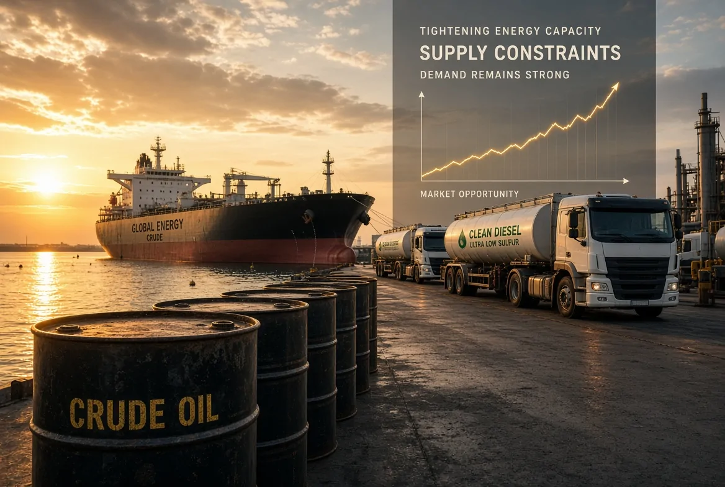
The Iran War Will End. Expensive Diesel Won’t
Notes From the Field By James Hickman (Simon Black / sovereign Man) October 20, 2026
There’s a college degree that pays about $100,000 right out of school, which is pretty good money for a 22-year old. Within a few years, that pay could easily double.
Yet hardly any young person wants the job.
It’s not dangerous, it’s not dirty, and it doesn’t require superhuman work hours. The only reason young people aren’t interested is because Greta Thunberg told them it wasn’t cool.
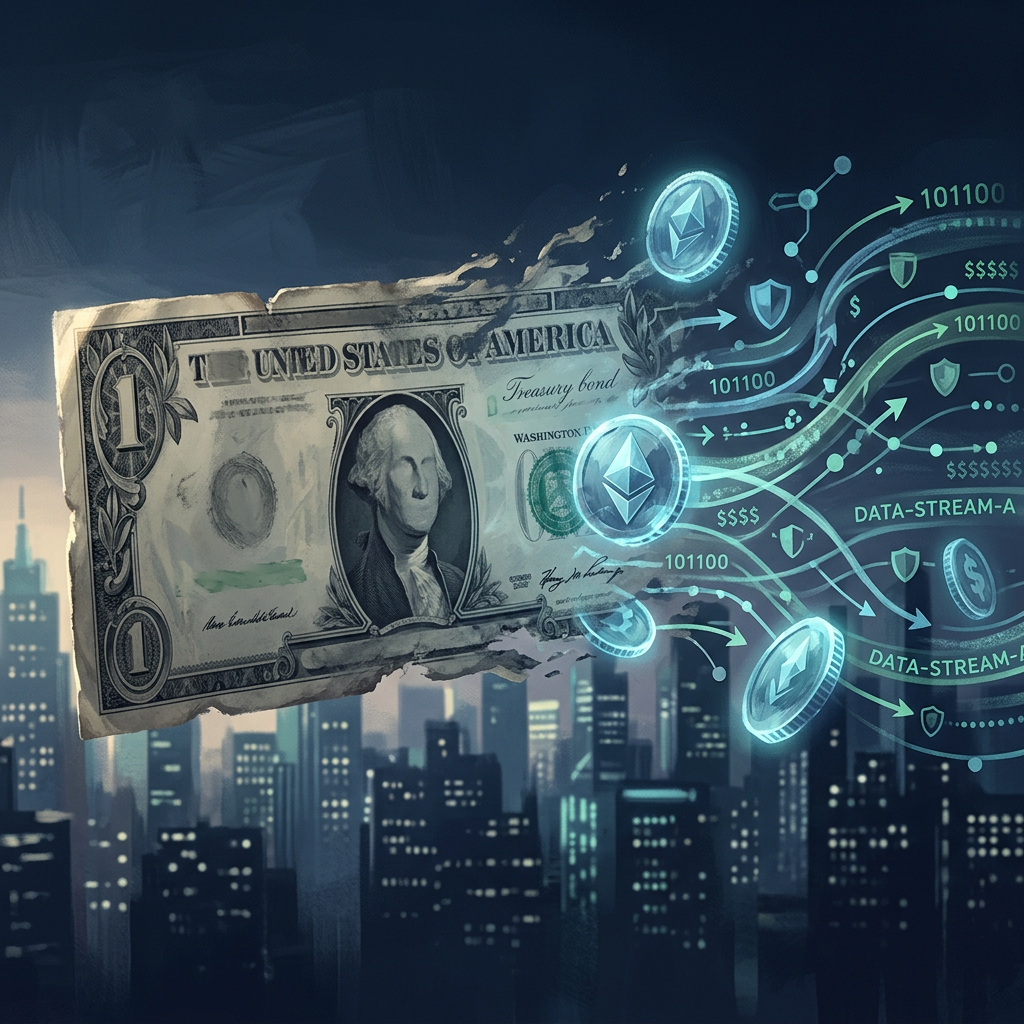
GP Q: US Dollar Upgrade or Collapse?
10-20-2026
“Is the dollar dying… or is it about to get a major upgrade?”
MONEY MONEY MONEY
Most people are only watching the old fiat dollar.
They’re completely missing the new system the U.S. is building right now under the GENIUS Act. Here’s the simple version:
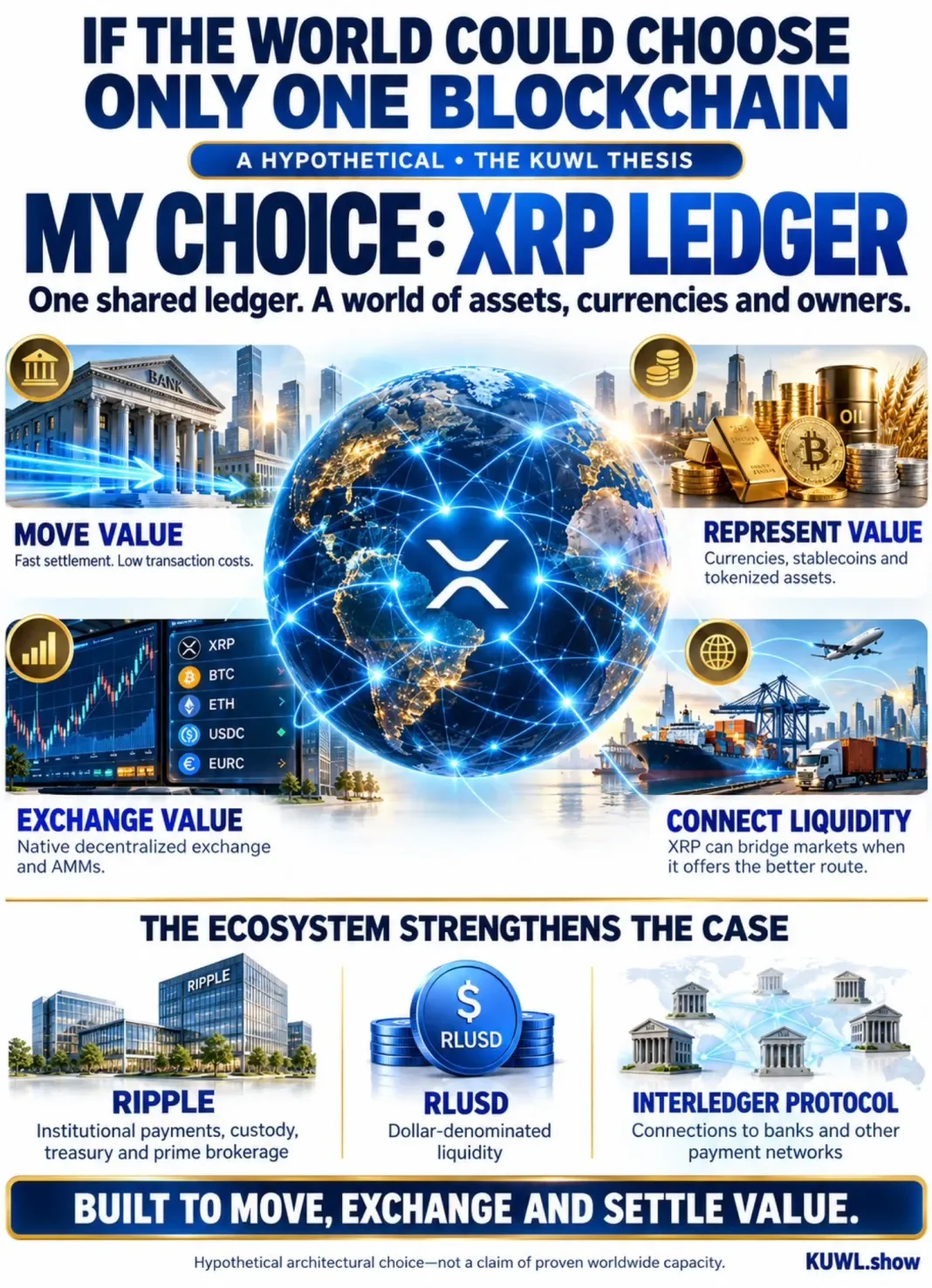
Rob Cunningham: If the World Could Choose Only One Blockchain
10-20-2026
On a go forward basis, “all things considered”, based on the comprehensive utility and liquidity needs of the entire world, “if” only one blockchain was allowed to exist, which should it be?
My choice: the XRP Ledger.
Under this hypothetical – one blockchain serving the world’s combined needs for payments, currencies, tokenized assets, exchange and settlement – XRPL offers the strongest fit in my judgment.
The Central Bank Of Iraq Resolves The Issue Of Merchants' Remittances And Confirms The Continuation Of Import Financing In Dollars.
October 20, 2026Last updated: October 20, 2026 The Central Bank of Iraq confirmed on Tuesday, October 20, 2026, the continuation of financing imports and providing foreign currency through official banking channels, announcing the completion of fulfilling external transfer requests that were suspended before the adjustment of the dinar exchange rate on October 7, in a step aimed at addressing outstanding issues, protecting the rights of traders and ensuring the smooth flow of foreign trade.
Good Afternoon Dinar Recaps,
GLOBAL ASSET RESET WATCH: DEBT, AI UNCERTAINTY AND ENERGY RISKS RESHAPE SAFE-HAVEN DEMAND
Investors are reassessing where to protect their wealth as geopolitical conflict, rising energy prices, government debt and uncertainty surrounding artificial intelligence reshape global markets.
Reset Intelligence: Iraq's Oil Exports Are Back.
By Reset Intelligence | @EXIT_FIAT
Iraq's oil exports are back above 3.4 million barrels a day, close to where they stood before the war.
The same weekend the IMF and Washington both moved toward Baghdad, and the street dollar went the other way.
TNT:
Tishwash: 45 trillion outside the banks... Parliamentary Finance Committee reveals the extent of the crisis of confidence in banks
The head of the parliamentary finance committee, Uday Awad, revealed the existence of a cash mass ranging between 40 and 45 trillion dinars outside the Iraqi banking system, attributing this to the weak confidence of citizens in banks, while stressing the work to find solutions to return these funds to the banking cycle .
Awad said during a televised interview followed by Al-Sa’a Network that “there is a cash mass estimated at about 40 to 45 trillion dinars outside the banking system,” noting that “the lack of confidence in banks has led citizens to keep their money away from them.”
Stern Drew: The BIS Conducted the Most Important Blockchain Experiment of the Year
10-20-2026
The BIS Conducted The Most Important Blockchain Experiment of The Year On a Public Ledger.
The bank for central banks quietly put official data on a public ledger.
Ripple, the crypto firm behind the XRP Ledger blockchain, just became the quiet infrastructure pick for the Bank for International Settlements.
Iraq Absent From Top US Treasury Holders List
2026-10-19 17:56 Shafaq News- Washington Iraq was absent from the list of major foreign holders of US Treasury securities in August 2026, as total foreign holdings rose to $9.3317 trillion from $9.2484 trillion in July, according to US Treasury Department data released on October 16.
Good Morning Dinar Recaps,
GLOBAL DEBT RESET WATCH: U.S. TREASURY FINANCING PLANS FACE GROWING MARKET PRESSURE
Rising borrowing costs, heavy government debt and uncertainty over future bond sales are testing the U.S. Treasury market and raising questions about the cost of financing America's deficits.
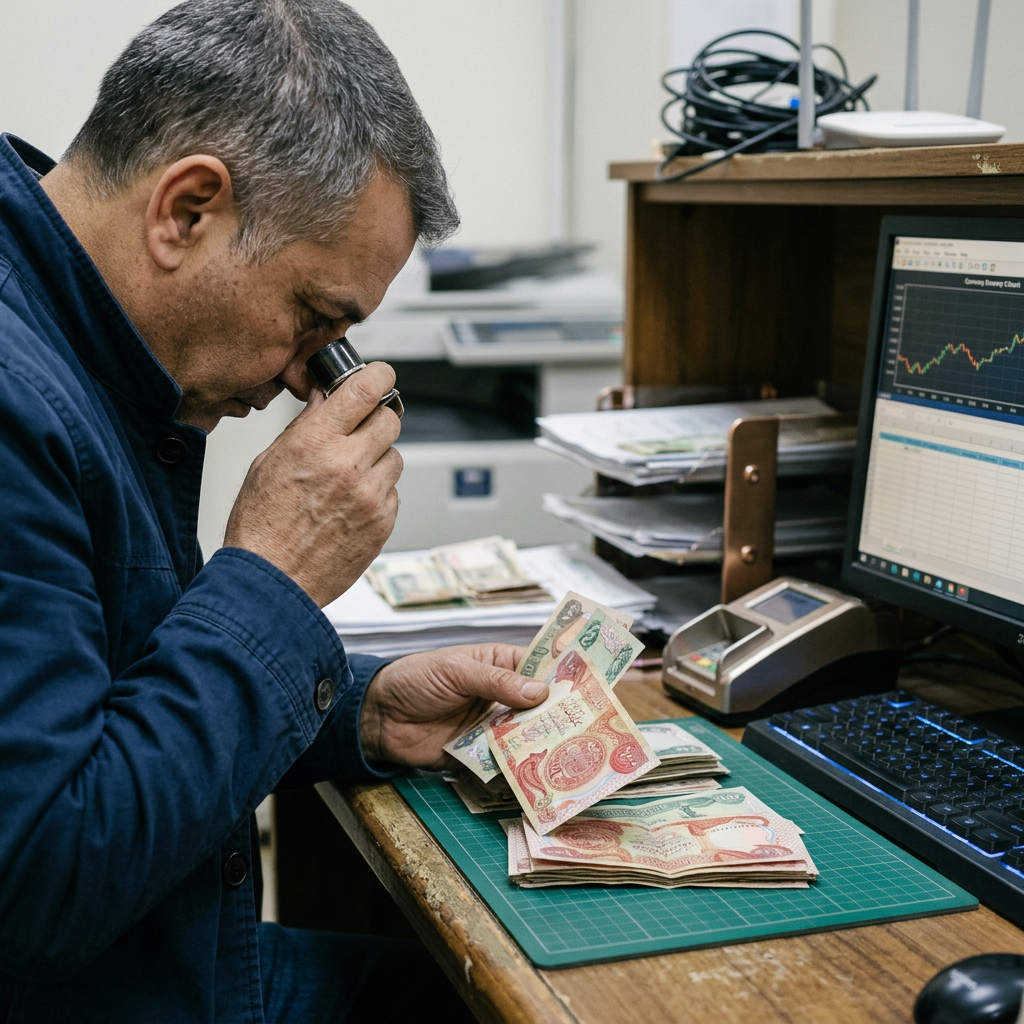
GP Q: IMF Discussions on Possible Financing Package for Iraq
10-20-2026
IRAQ
RV etc
MarkZ et al
• No confirmed recipients of asset-backed funds could be found
• Questions (including from James / James K) about whether anyone has received monetary / asset-backed funds
KTFA
Monday Night Video
FRANK26….10-19-26…..THREE ZERO LIFTING FINALIZED
This video is in Frank’s and his team’s opinion only
Frank’s team is Walkingstick, Eddie and Omar in Iraq and guests
Playback Number: 605-313-5163 PIN: 156996#
The Central Bank Told Nina: Removing Zeros Is Not Within Our Authority And Requires A Legal And Legislative Process
Baghdad/ NINA / The Central Bank of Iraq confirmed that the issue of removing zeros from the currency is not within its jurisdiction, but rather requires legislation. The bank's media director, Haider Ghazi, told the Iraqi National News Agency ( NINA 😞 "The issue of removing zeros is not within the bank's authority; it requires legislation, as it is linked to the settlement of debts, legal obligations, and punitive fines under current Iraqi laws.
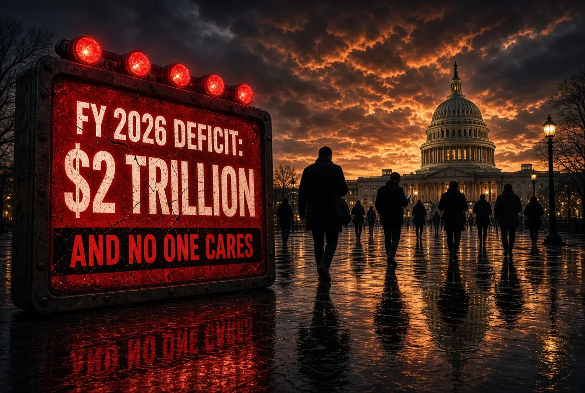
The FY 2026 Deficit Was $2 Trillion... And No One Cares
Notes From the Field By James Hickman (Simon Black / Sovereign Man) October 19, 2026
On Friday afternoon the Treasury Department released its final numbers for fiscal year 2026, which just ended on September 30, and the results are pretty much what you’d expect: horrible, appalling, inexcusable.
Treasury reported a total budget deficit of $2 trillion, $220 billion worse than the year before.
GP Q: Iraq Just Moved its First International Cargo on an Iraqi Truck
Iraq Just Moved Its First International Cargo on an Iraqi Truck:
Turkey to UAE
Iraq’s customs authority announced that an Iraqi truck has completed its first international transit shipment — carrying goods from Turkey to the United Arab Emirates across Iraqi territory.
Finance Minister Orders Rafidain Bank To Resume Lending
2026-10-19 Shafaq News- Baghdad Iraq’s Finance Minister Falih Al-Sari on Monday instructed state-owned Rafidain Bank to resume lending to public-sector employees, streamline loan applications, and expand financing for private businesses.
Good Afternoon Dinar Recaps,
GLOBAL PAYMENTS RESET WATCH: BIS EXAMINES THE RACE BETWEEN BANKS, FINTECHS AND STABLECOINS
New research from the Bank for International Settlements compares the costs and limitations of competing cross-border payment systems as the global financial industry searches for faster, more affordable ways to move money.
TNT:
Tishwash: Finance Ministry and World Bank discuss banking sector reform and enhancing financial management efficiency in Iraq
The Undersecretary of the Ministry of Finance, Abdul Hassan Jamal, discussed with a delegation from the World Bank ways to enhance cooperation in financial policies and develop the financial and banking sectors in Iraq.
The ministry stated in a statement followed by “Iraq Observer” issued on Sunday, October 18, 2026, that the meeting witnessed a discussion of the next steps to expand the dialogue on financial reform and the development of the banking sector, in a way that contributes to raising the efficiency of financial management in the country.
Swisher1776: Incoming RV for Iraq
10-18-2026
INCOMING RV: CBI INTRODUCES ELECTRIC SYSTEM FOR REPLACING DAMAGED CURRENCY
The Central Bank of Iraq has introduced a new electronic system for replacing damaged currency, as part of its efforts to simplify procedures and make it easier for citizens to access this service more quickly and efficiently.
The system allows citizens to submit requests to replace damaged currency electronically via the “Aur” platform, by entering and confirming the required data, and the competent authorities in the Central Bank of Iraq will complete the necessary procedures to complete the replacement process.
How To Bounce Back From a Financial Setback
.How To Bounce Back From a Financial Setback (Without Beating Yourself Up for It)
Gabrielle Olya Mon, May 2, 2022,
t’s easy to be self-critical of our mistakes, and when we make a financial mistake, it can bruise our wallet in addition to our self-esteem. But no matter what financial setback you are facing, with the proper plan, it’s possible to bounce back. In this “Financially Savvy Female” column, we’re chatting with Eleni Patel, a CPA with Equitable Advisors, about the common financial mistakes women make and how they can recover from them.
Common Mistake No. 1: Not Actively Participating in Long-Term Financial Planning
Patel said that her female clients often make two common mistakes, the first of which is taking a backseat when it comes to planning financially for the long term.
How To Bounce Back From a Financial Setback (Without Beating Yourself Up for It)
Gabrielle Olya Mon, May 2, 2022,
t’s easy to be self-critical of our mistakes, and when we make a financial mistake, it can bruise our wallet in addition to our self-esteem. But no matter what financial setback you are facing, with the proper plan, it’s possible to bounce back. In this “Financially Savvy Female” column, we’re chatting with Eleni Patel, a CPA with Equitable Advisors, about the common financial mistakes women make and how they can recover from them.
Common Mistake No. 1: Not Actively Participating in Long-Term Financial Planning
Patel said that her female clients often make two common mistakes, the first of which is taking a backseat when it comes to planning financially for the long term.
“For women who are in relationships, they may delegate the long-term financial planning and investing to their partners,” she said. “We often find that women are highly involved in managing the household and day-to-day expenses — paying bills, buying groceries and other household items — but are not nearly involved to the same extent in long-term financial planning, such as future income production, cash flow management and investing.”
Single women also tend to focus on the short term.
“Women who are single often focus on short-term needs — one to three years ahead — but don’t have a long-term plan for the next 10, 20, 30+ years,” Patel said. “In our view, long-term financial planning is especially important for women, as we tend to live longer than men.”
How To Bounce Back From This Mistake
“It is never too late to take control and play an active role in mapping out your financial future,” Patel said. “Every day is a new day in financial planning! No matter where you are in life or what your financial situation looks like, start prioritizing your financial well-being today.”
Even if you are in a bad financial place right now, being proactive is the only way to change your situation.
“There are many women (and men) of all ages, who have recovered from major financial setbacks, such as bankruptcy and foreclosure, who go on to achieve great financial wealth,” Patel said. “Wherever you are, start today by setting goals and formulating a plan to reach them. If you have a partner, engage in regular conversations about your finances to make sure you both have input in setting goals, evaluating opportunities and managing risk.”
Common Mistake No. 2: Not Investing
To continue reading, please go to the original article here:
https://www.yahoo.com/finance/news/bounce-back-financial-setback-without-200019364.html
The Iraqi Dinar Is The Second Worst-Performing Arab Currency; Dollar Pressures Pose A Difficult Test For Monetary Policy.
October 20, 2026 The Independent - The classification of the Iraqi dinar among the Arab currencies that have declined the most against the US dollar has raised widespread questions about the future of monetary stability in Iraq, and the ability of the Central Bank to contain the increasing pressures on the exchange market, at a time when the economy is facing challenges related to oil revenues, government spending and the heavy reliance on imports.
The Iran War Will End. Expensive Diesel Won’t
Notes From the Field By James Hickman (Simon Black / sovereign Man) October 20, 2026
There’s a college degree that pays about $100,000 right out of school, which is pretty good money for a 22-year old. Within a few years, that pay could easily double.
Yet hardly any young person wants the job.
It’s not dangerous, it’s not dirty, and it doesn’t require superhuman work hours. The only reason young people aren’t interested is because Greta Thunberg told them it wasn’t cool.
GP Q: US Dollar Upgrade or Collapse?
10-20-2026
“Is the dollar dying… or is it about to get a major upgrade?”
MONEY MONEY MONEY
Most people are only watching the old fiat dollar.
They’re completely missing the new system the U.S. is building right now under the GENIUS Act. Here’s the simple version:
Rob Cunningham: If the World Could Choose Only One Blockchain
10-20-2026
On a go forward basis, “all things considered”, based on the comprehensive utility and liquidity needs of the entire world, “if” only one blockchain was allowed to exist, which should it be?
My choice: the XRP Ledger.
Under this hypothetical – one blockchain serving the world’s combined needs for payments, currencies, tokenized assets, exchange and settlement – XRPL offers the strongest fit in my judgment.
The Central Bank Of Iraq Resolves The Issue Of Merchants' Remittances And Confirms The Continuation Of Import Financing In Dollars.
October 20, 2026Last updated: October 20, 2026 The Central Bank of Iraq confirmed on Tuesday, October 20, 2026, the continuation of financing imports and providing foreign currency through official banking channels, announcing the completion of fulfilling external transfer requests that were suspended before the adjustment of the dinar exchange rate on October 7, in a step aimed at addressing outstanding issues, protecting the rights of traders and ensuring the smooth flow of foreign trade.
Good Afternoon Dinar Recaps,
GLOBAL ASSET RESET WATCH: DEBT, AI UNCERTAINTY AND ENERGY RISKS RESHAPE SAFE-HAVEN DEMAND
Investors are reassessing where to protect their wealth as geopolitical conflict, rising energy prices, government debt and uncertainty surrounding artificial intelligence reshape global markets.
Reset Intelligence: Iraq's Oil Exports Are Back.
By Reset Intelligence | @EXIT_FIAT
Iraq's oil exports are back above 3.4 million barrels a day, close to where they stood before the war.
The same weekend the IMF and Washington both moved toward Baghdad, and the street dollar went the other way.
TNT:
Tishwash: 45 trillion outside the banks... Parliamentary Finance Committee reveals the extent of the crisis of confidence in banks
The head of the parliamentary finance committee, Uday Awad, revealed the existence of a cash mass ranging between 40 and 45 trillion dinars outside the Iraqi banking system, attributing this to the weak confidence of citizens in banks, while stressing the work to find solutions to return these funds to the banking cycle .
Awad said during a televised interview followed by Al-Sa’a Network that “there is a cash mass estimated at about 40 to 45 trillion dinars outside the banking system,” noting that “the lack of confidence in banks has led citizens to keep their money away from them.”
Stern Drew: The BIS Conducted the Most Important Blockchain Experiment of the Year
10-20-2026
The BIS Conducted The Most Important Blockchain Experiment of The Year On a Public Ledger.
The bank for central banks quietly put official data on a public ledger.
Ripple, the crypto firm behind the XRP Ledger blockchain, just became the quiet infrastructure pick for the Bank for International Settlements.
Iraq Absent From Top US Treasury Holders List
2026-10-19 17:56 Shafaq News- Washington Iraq was absent from the list of major foreign holders of US Treasury securities in August 2026, as total foreign holdings rose to $9.3317 trillion from $9.2484 trillion in July, according to US Treasury Department data released on October 16.
Good Morning Dinar Recaps,
GLOBAL DEBT RESET WATCH: U.S. TREASURY FINANCING PLANS FACE GROWING MARKET PRESSURE
Rising borrowing costs, heavy government debt and uncertainty over future bond sales are testing the U.S. Treasury market and raising questions about the cost of financing America's deficits.
GP Q: IMF Discussions on Possible Financing Package for Iraq
10-20-2026
IRAQ
RV etc
MarkZ et al
• No confirmed recipients of asset-backed funds could be found
• Questions (including from James / James K) about whether anyone has received monetary / asset-backed funds
KTFA
Monday Night Video
FRANK26….10-19-26…..THREE ZERO LIFTING FINALIZED
This video is in Frank’s and his team’s opinion only
Frank’s team is Walkingstick, Eddie and Omar in Iraq and guests
Playback Number: 605-313-5163 PIN: 156996#
The Central Bank Told Nina: Removing Zeros Is Not Within Our Authority And Requires A Legal And Legislative Process
Baghdad/ NINA / The Central Bank of Iraq confirmed that the issue of removing zeros from the currency is not within its jurisdiction, but rather requires legislation. The bank's media director, Haider Ghazi, told the Iraqi National News Agency ( NINA 😞 "The issue of removing zeros is not within the bank's authority; it requires legislation, as it is linked to the settlement of debts, legal obligations, and punitive fines under current Iraqi laws.
The FY 2026 Deficit Was $2 Trillion... And No One Cares
Notes From the Field By James Hickman (Simon Black / Sovereign Man) October 19, 2026
On Friday afternoon the Treasury Department released its final numbers for fiscal year 2026, which just ended on September 30, and the results are pretty much what you’d expect: horrible, appalling, inexcusable.
Treasury reported a total budget deficit of $2 trillion, $220 billion worse than the year before.
GP Q: Iraq Just Moved its First International Cargo on an Iraqi Truck
Iraq Just Moved Its First International Cargo on an Iraqi Truck:
Turkey to UAE
Iraq’s customs authority announced that an Iraqi truck has completed its first international transit shipment — carrying goods from Turkey to the United Arab Emirates across Iraqi territory.
Finance Minister Orders Rafidain Bank To Resume Lending
2026-10-19 Shafaq News- Baghdad Iraq’s Finance Minister Falih Al-Sari on Monday instructed state-owned Rafidain Bank to resume lending to public-sector employees, streamline loan applications, and expand financing for private businesses.
Good Afternoon Dinar Recaps,
GLOBAL PAYMENTS RESET WATCH: BIS EXAMINES THE RACE BETWEEN BANKS, FINTECHS AND STABLECOINS
New research from the Bank for International Settlements compares the costs and limitations of competing cross-border payment systems as the global financial industry searches for faster, more affordable ways to move money.
TNT:
Tishwash: Finance Ministry and World Bank discuss banking sector reform and enhancing financial management efficiency in Iraq
The Undersecretary of the Ministry of Finance, Abdul Hassan Jamal, discussed with a delegation from the World Bank ways to enhance cooperation in financial policies and develop the financial and banking sectors in Iraq.
The ministry stated in a statement followed by “Iraq Observer” issued on Sunday, October 18, 2026, that the meeting witnessed a discussion of the next steps to expand the dialogue on financial reform and the development of the banking sector, in a way that contributes to raising the efficiency of financial management in the country.
Swisher1776: Incoming RV for Iraq
10-18-2026
INCOMING RV: CBI INTRODUCES ELECTRIC SYSTEM FOR REPLACING DAMAGED CURRENCY
The Central Bank of Iraq has introduced a new electronic system for replacing damaged currency, as part of its efforts to simplify procedures and make it easier for citizens to access this service more quickly and efficiently.
The system allows citizens to submit requests to replace damaged currency electronically via the “Aur” platform, by entering and confirming the required data, and the competent authorities in the Central Bank of Iraq will complete the necessary procedures to complete the replacement process.
How To Become A Personal Finance “Black Belt”
.How To Become A Personal Finance “Black Belt”
Written by Sam
David Allen in “Getting Things Done” compares productivity to the martial arts. He gives instruction on how to become a black belt in your personal productivity with a “mind like water” that allows you to handle anything that comes your way with a balanced response. When a stone is thrown into a pond, the water reacts with perfect balance. It reacts just enough to disperse the energy, no more, and then returns to a calm state. It doesn’t over or under react.
Becoming a black belt and having a “mind like water” in your personal finances is very similar. It means you can take whatever is thrown at you without knocking your finances out of control. You can respond to any situation with perfect balance. Unexpected events or changes in your finances, good or bad, can be handled with optimum efficiency, and little or no stress. It means you can direct the flow of money where you need it almost effortlessly.
How To Become A Personal Finance “Black Belt”
Written by Sam
David Allen in “Getting Things Done” compares productivity to the martial arts. He gives instruction on how to become a black belt in your personal productivity with a “mind like water” that allows you to handle anything that comes your way with a balanced response. When a stone is thrown into a pond, the water reacts with perfect balance. It reacts just enough to disperse the energy, no more, and then returns to a calm state. It doesn’t over or under react.
Becoming a black belt and having a “mind like water” in your personal finances is very similar. It means you can take whatever is thrown at you without knocking your finances out of control. You can respond to any situation with perfect balance. Unexpected events or changes in your finances, good or bad, can be handled with optimum efficiency, and little or no stress. It means you can direct the flow of money where you need it almost effortlessly.
In an effort to help people gauge where they are in their personal finance development, I’ve defined what people at the various “belts” might look like. Where are you?
White Belt
You’ve recognized there is a problem with your finances and have committed to taking control. Recognition that there’s problem may come as a nagging doubt that you’re not meeting all your financial goals or a harsh reality check as you face mounting debt. You have a lot of stress concerning finances (even if you’re living within your means). You tend to fight with your spouse every time you discuss financial matters.
You recognize your spending isn’t in line with your true values. You have no idea where all the money goes from month to month. You may be living paycheck to paycheck. If you saved $5 on your phone bill, it would just disappear somewhere but you don’t know where. Your idea of an emergency fund is a credit card or Home Equity Line of Credit. You frequently pay late fees on your bills and unnecessary bank fees. Net worth? What’s that?
Despite your lack of financial control, you have a strong resolve to take action even though the thought of facing the “deep mess” of your finances seems overwhelming. You and your spouse have agreed to work together. In an effort to get your spending under control, you’ve started using cash for your “out-of-control” budget categories.
You’ve stopped using credit cards somewhat reluctantly and possibly out of the sheer pain of your dire financial straights. Despite some complaining, your family has agreed to use cash as well. You’ve taken initial steps to figure out what your basic monthly income and expenses are and have tried budgeting for at least one month even though it doesn’t match reality yet.
Most importantly, you’re no longer willing to BE IN DEBT!
You’re no longer willing to constantly WORRY ABOUT MONEY!
You’re no longer willing to FIGHT ABOUT MONEY!
You’re no longer willing to PAY LATE FEES!
You’re committed to TAKING RESPONSIBILITY FOR YOUR FINANCES!
You’re committed to WORKING THROUGH FINANCIAL ISSUES TOGETHER WITH YOUR SPOUSE!
White belts come in many shapes and sizes. Of course, those steeped in debt and on the verge of bankruptcy can be white belts, but so can those who are living within their means (see below). Being a white belt means you don’t have total control over where your money goes. Your spending doesn’t reflect your true values and is not conscious. The white belt is about recognition and commitment. You’ve recognized a need to change and are committed to doing what it takes to change.
Green Belt
To continue reading, please go to the original article here:
The Iraqi Dinar Is The Second Worst-Performing Arab Currency; Dollar Pressures Pose A Difficult Test For Monetary Policy.
October 20, 2026 The Independent - The classification of the Iraqi dinar among the Arab currencies that have declined the most against the US dollar has raised widespread questions about the future of monetary stability in Iraq, and the ability of the Central Bank to contain the increasing pressures on the exchange market, at a time when the economy is facing challenges related to oil revenues, government spending and the heavy reliance on imports.
The Iran War Will End. Expensive Diesel Won’t
Notes From the Field By James Hickman (Simon Black / sovereign Man) October 20, 2026
There’s a college degree that pays about $100,000 right out of school, which is pretty good money for a 22-year old. Within a few years, that pay could easily double.
Yet hardly any young person wants the job.
It’s not dangerous, it’s not dirty, and it doesn’t require superhuman work hours. The only reason young people aren’t interested is because Greta Thunberg told them it wasn’t cool.
GP Q: US Dollar Upgrade or Collapse?
10-20-2026
“Is the dollar dying… or is it about to get a major upgrade?”
MONEY MONEY MONEY
Most people are only watching the old fiat dollar.
They’re completely missing the new system the U.S. is building right now under the GENIUS Act. Here’s the simple version:
Rob Cunningham: If the World Could Choose Only One Blockchain
10-20-2026
On a go forward basis, “all things considered”, based on the comprehensive utility and liquidity needs of the entire world, “if” only one blockchain was allowed to exist, which should it be?
My choice: the XRP Ledger.
Under this hypothetical – one blockchain serving the world’s combined needs for payments, currencies, tokenized assets, exchange and settlement – XRPL offers the strongest fit in my judgment.
The Central Bank Of Iraq Resolves The Issue Of Merchants' Remittances And Confirms The Continuation Of Import Financing In Dollars.
October 20, 2026Last updated: October 20, 2026 The Central Bank of Iraq confirmed on Tuesday, October 20, 2026, the continuation of financing imports and providing foreign currency through official banking channels, announcing the completion of fulfilling external transfer requests that were suspended before the adjustment of the dinar exchange rate on October 7, in a step aimed at addressing outstanding issues, protecting the rights of traders and ensuring the smooth flow of foreign trade.
Good Afternoon Dinar Recaps,
GLOBAL ASSET RESET WATCH: DEBT, AI UNCERTAINTY AND ENERGY RISKS RESHAPE SAFE-HAVEN DEMAND
Investors are reassessing where to protect their wealth as geopolitical conflict, rising energy prices, government debt and uncertainty surrounding artificial intelligence reshape global markets.
Reset Intelligence: Iraq's Oil Exports Are Back.
By Reset Intelligence | @EXIT_FIAT
Iraq's oil exports are back above 3.4 million barrels a day, close to where they stood before the war.
The same weekend the IMF and Washington both moved toward Baghdad, and the street dollar went the other way.
TNT:
Tishwash: 45 trillion outside the banks... Parliamentary Finance Committee reveals the extent of the crisis of confidence in banks
The head of the parliamentary finance committee, Uday Awad, revealed the existence of a cash mass ranging between 40 and 45 trillion dinars outside the Iraqi banking system, attributing this to the weak confidence of citizens in banks, while stressing the work to find solutions to return these funds to the banking cycle .
Awad said during a televised interview followed by Al-Sa’a Network that “there is a cash mass estimated at about 40 to 45 trillion dinars outside the banking system,” noting that “the lack of confidence in banks has led citizens to keep their money away from them.”
Stern Drew: The BIS Conducted the Most Important Blockchain Experiment of the Year
10-20-2026
The BIS Conducted The Most Important Blockchain Experiment of The Year On a Public Ledger.
The bank for central banks quietly put official data on a public ledger.
Ripple, the crypto firm behind the XRP Ledger blockchain, just became the quiet infrastructure pick for the Bank for International Settlements.
Iraq Absent From Top US Treasury Holders List
2026-10-19 17:56 Shafaq News- Washington Iraq was absent from the list of major foreign holders of US Treasury securities in August 2026, as total foreign holdings rose to $9.3317 trillion from $9.2484 trillion in July, according to US Treasury Department data released on October 16.
Good Morning Dinar Recaps,
GLOBAL DEBT RESET WATCH: U.S. TREASURY FINANCING PLANS FACE GROWING MARKET PRESSURE
Rising borrowing costs, heavy government debt and uncertainty over future bond sales are testing the U.S. Treasury market and raising questions about the cost of financing America's deficits.
GP Q: IMF Discussions on Possible Financing Package for Iraq
10-20-2026
IRAQ
RV etc
MarkZ et al
• No confirmed recipients of asset-backed funds could be found
• Questions (including from James / James K) about whether anyone has received monetary / asset-backed funds
KTFA
Monday Night Video
FRANK26….10-19-26…..THREE ZERO LIFTING FINALIZED
This video is in Frank’s and his team’s opinion only
Frank’s team is Walkingstick, Eddie and Omar in Iraq and guests
Playback Number: 605-313-5163 PIN: 156996#
The Central Bank Told Nina: Removing Zeros Is Not Within Our Authority And Requires A Legal And Legislative Process
Baghdad/ NINA / The Central Bank of Iraq confirmed that the issue of removing zeros from the currency is not within its jurisdiction, but rather requires legislation. The bank's media director, Haider Ghazi, told the Iraqi National News Agency ( NINA 😞 "The issue of removing zeros is not within the bank's authority; it requires legislation, as it is linked to the settlement of debts, legal obligations, and punitive fines under current Iraqi laws.
The FY 2026 Deficit Was $2 Trillion... And No One Cares
Notes From the Field By James Hickman (Simon Black / Sovereign Man) October 19, 2026
On Friday afternoon the Treasury Department released its final numbers for fiscal year 2026, which just ended on September 30, and the results are pretty much what you’d expect: horrible, appalling, inexcusable.
Treasury reported a total budget deficit of $2 trillion, $220 billion worse than the year before.
GP Q: Iraq Just Moved its First International Cargo on an Iraqi Truck
Iraq Just Moved Its First International Cargo on an Iraqi Truck:
Turkey to UAE
Iraq’s customs authority announced that an Iraqi truck has completed its first international transit shipment — carrying goods from Turkey to the United Arab Emirates across Iraqi territory.
Finance Minister Orders Rafidain Bank To Resume Lending
2026-10-19 Shafaq News- Baghdad Iraq’s Finance Minister Falih Al-Sari on Monday instructed state-owned Rafidain Bank to resume lending to public-sector employees, streamline loan applications, and expand financing for private businesses.
Good Afternoon Dinar Recaps,
GLOBAL PAYMENTS RESET WATCH: BIS EXAMINES THE RACE BETWEEN BANKS, FINTECHS AND STABLECOINS
New research from the Bank for International Settlements compares the costs and limitations of competing cross-border payment systems as the global financial industry searches for faster, more affordable ways to move money.
TNT:
Tishwash: Finance Ministry and World Bank discuss banking sector reform and enhancing financial management efficiency in Iraq
The Undersecretary of the Ministry of Finance, Abdul Hassan Jamal, discussed with a delegation from the World Bank ways to enhance cooperation in financial policies and develop the financial and banking sectors in Iraq.
The ministry stated in a statement followed by “Iraq Observer” issued on Sunday, October 18, 2026, that the meeting witnessed a discussion of the next steps to expand the dialogue on financial reform and the development of the banking sector, in a way that contributes to raising the efficiency of financial management in the country.
Swisher1776: Incoming RV for Iraq
10-18-2026
INCOMING RV: CBI INTRODUCES ELECTRIC SYSTEM FOR REPLACING DAMAGED CURRENCY
The Central Bank of Iraq has introduced a new electronic system for replacing damaged currency, as part of its efforts to simplify procedures and make it easier for citizens to access this service more quickly and efficiently.
The system allows citizens to submit requests to replace damaged currency electronically via the “Aur” platform, by entering and confirming the required data, and the competent authorities in the Central Bank of Iraq will complete the necessary procedures to complete the replacement process.
11 Best Things to Keep in a Safe Deposit Box
.11 Best Things to Keep in a Safe Deposit Box
by: Bob Niedt September 24, 2021
These valuables and documents, along with some items you hold dear, should be stored securely at your bank.
With digital records and cloud storage becoming the norm, the bricks-and-mortar safe deposit box might seem ready to join our growing list of things that will soon disappear forever. But don’t rush to declare the safe deposit box a relic of the past just yet. There can still be times when you’ll need to be able to produce certain original documents (including ones that have a raised seal) rather than digital scans or photocopies, and some valuables simply can’t be digitized.
Installing a safe in your home is one alternative to a safe deposit box, but they aren’t foolproof, says Luke Reynolds, chief of the Federal Deposit Insurance Corporation's Outreach & Program Development Section. Home safes are more susceptible to fire and water damage, not to mention theft, than bank safe deposit boxes, Reynolds says.
11 Best Things to Keep in a Safe Deposit Box
by: Bob Niedt September 24, 2021
These valuables and documents, along with some items you hold dear, should be stored securely at your bank.
With digital records and cloud storage becoming the norm, the bricks-and-mortar safe deposit box might seem ready to join our growing list of things that will soon disappear forever. But don’t rush to declare the safe deposit box a relic of the past just yet. There can still be times when you’ll need to be able to produce certain original documents (including ones that have a raised seal) rather than digital scans or photocopies, and some valuables simply can’t be digitized.
Installing a safe in your home is one alternative to a safe deposit box, but they aren’t foolproof, says Luke Reynolds, chief of the Federal Deposit Insurance Corporation's Outreach & Program Development Section. Home safes are more susceptible to fire and water damage, not to mention theft, than bank safe deposit boxes, Reynolds says.
On the other hand, access to your safe deposit box can be limited, more so during emergencies. For example, the coronavirus pandemic reduced operating hours for some bank branches, and limited access or required appointments for in-branch services, such as access to safe deposit boxes. Moves like that complicate your ability to retrieve important documents or items when you need them.
Our best advice: Use a safe deposit box and a home safe. Hard-to-replace items that you might need frequently or in a hurry, such as your passport, are best kept in the home safe, while other important items you rarely need stay in the safe deposit box.
Here are 11 of the best things to keep in a safe deposit box at your bank, updated for 2021. This guidance should also help you determine the size of the safe deposit box you wish to rent (important legal documents may take up a lot of room).
1 of 11 Social Security Card
Having your Social Security number fall into the hands of an identity thief can be the start of years of headaches as you are forced to file disputes, freeze accounts and monitor credit reports for signs of financial fraud. It’s why we rank the Social Security card among the worst things to keep in your wallet in case it’s ever lost or stolen.
Stow your Social Security card in your safe deposit box. On the rare occasions when you actually might need to produce it, say, for a real estate closing, you can plan to retrieve the card. Then immediately return it to the bank vault. Meantime, memorize the number, if you haven’t already, for filling out routine paperwork.
2 of 11 Birth, Marriage, Divorce and Death Certificates
Vital records that are rarely needed but a hassle to replace are prime candidates for your safe deposit box. We're talking birth certificates, death certificates, marriage certificates and divorce certificates. The same goes for adoption-related documents; in particular, birth certificates from an overseas adoption are extremely difficult to replace if lost or destroyed.
Government agencies typically can issue certified copies of vital records, but it’ll cost you time, money and a lot of frustration. You’ll also need to provide proof that you are entitled to copies. Virginia, for example, charges $12 per certified record (versus $25 in California and $53 in New York), and it can take weeks to receive the document by mail.
To continue reading, please go to the original article here:
The Iraqi Dinar Is The Second Worst-Performing Arab Currency; Dollar Pressures Pose A Difficult Test For Monetary Policy.
October 20, 2026 The Independent - The classification of the Iraqi dinar among the Arab currencies that have declined the most against the US dollar has raised widespread questions about the future of monetary stability in Iraq, and the ability of the Central Bank to contain the increasing pressures on the exchange market, at a time when the economy is facing challenges related to oil revenues, government spending and the heavy reliance on imports.
The Iran War Will End. Expensive Diesel Won’t
Notes From the Field By James Hickman (Simon Black / sovereign Man) October 20, 2026
There’s a college degree that pays about $100,000 right out of school, which is pretty good money for a 22-year old. Within a few years, that pay could easily double.
Yet hardly any young person wants the job.
It’s not dangerous, it’s not dirty, and it doesn’t require superhuman work hours. The only reason young people aren’t interested is because Greta Thunberg told them it wasn’t cool.
GP Q: US Dollar Upgrade or Collapse?
10-20-2026
“Is the dollar dying… or is it about to get a major upgrade?”
MONEY MONEY MONEY
Most people are only watching the old fiat dollar.
They’re completely missing the new system the U.S. is building right now under the GENIUS Act. Here’s the simple version:
Rob Cunningham: If the World Could Choose Only One Blockchain
10-20-2026
On a go forward basis, “all things considered”, based on the comprehensive utility and liquidity needs of the entire world, “if” only one blockchain was allowed to exist, which should it be?
My choice: the XRP Ledger.
Under this hypothetical – one blockchain serving the world’s combined needs for payments, currencies, tokenized assets, exchange and settlement – XRPL offers the strongest fit in my judgment.
The Central Bank Of Iraq Resolves The Issue Of Merchants' Remittances And Confirms The Continuation Of Import Financing In Dollars.
October 20, 2026Last updated: October 20, 2026 The Central Bank of Iraq confirmed on Tuesday, October 20, 2026, the continuation of financing imports and providing foreign currency through official banking channels, announcing the completion of fulfilling external transfer requests that were suspended before the adjustment of the dinar exchange rate on October 7, in a step aimed at addressing outstanding issues, protecting the rights of traders and ensuring the smooth flow of foreign trade.
Good Afternoon Dinar Recaps,
GLOBAL ASSET RESET WATCH: DEBT, AI UNCERTAINTY AND ENERGY RISKS RESHAPE SAFE-HAVEN DEMAND
Investors are reassessing where to protect their wealth as geopolitical conflict, rising energy prices, government debt and uncertainty surrounding artificial intelligence reshape global markets.
Reset Intelligence: Iraq's Oil Exports Are Back.
By Reset Intelligence | @EXIT_FIAT
Iraq's oil exports are back above 3.4 million barrels a day, close to where they stood before the war.
The same weekend the IMF and Washington both moved toward Baghdad, and the street dollar went the other way.
TNT:
Tishwash: 45 trillion outside the banks... Parliamentary Finance Committee reveals the extent of the crisis of confidence in banks
The head of the parliamentary finance committee, Uday Awad, revealed the existence of a cash mass ranging between 40 and 45 trillion dinars outside the Iraqi banking system, attributing this to the weak confidence of citizens in banks, while stressing the work to find solutions to return these funds to the banking cycle .
Awad said during a televised interview followed by Al-Sa’a Network that “there is a cash mass estimated at about 40 to 45 trillion dinars outside the banking system,” noting that “the lack of confidence in banks has led citizens to keep their money away from them.”
Stern Drew: The BIS Conducted the Most Important Blockchain Experiment of the Year
10-20-2026
The BIS Conducted The Most Important Blockchain Experiment of The Year On a Public Ledger.
The bank for central banks quietly put official data on a public ledger.
Ripple, the crypto firm behind the XRP Ledger blockchain, just became the quiet infrastructure pick for the Bank for International Settlements.
Iraq Absent From Top US Treasury Holders List
2026-10-19 17:56 Shafaq News- Washington Iraq was absent from the list of major foreign holders of US Treasury securities in August 2026, as total foreign holdings rose to $9.3317 trillion from $9.2484 trillion in July, according to US Treasury Department data released on October 16.
Good Morning Dinar Recaps,
GLOBAL DEBT RESET WATCH: U.S. TREASURY FINANCING PLANS FACE GROWING MARKET PRESSURE
Rising borrowing costs, heavy government debt and uncertainty over future bond sales are testing the U.S. Treasury market and raising questions about the cost of financing America's deficits.
GP Q: IMF Discussions on Possible Financing Package for Iraq
10-20-2026
IRAQ
RV etc
MarkZ et al
• No confirmed recipients of asset-backed funds could be found
• Questions (including from James / James K) about whether anyone has received monetary / asset-backed funds
KTFA
Monday Night Video
FRANK26….10-19-26…..THREE ZERO LIFTING FINALIZED
This video is in Frank’s and his team’s opinion only
Frank’s team is Walkingstick, Eddie and Omar in Iraq and guests
Playback Number: 605-313-5163 PIN: 156996#
The Central Bank Told Nina: Removing Zeros Is Not Within Our Authority And Requires A Legal And Legislative Process
Baghdad/ NINA / The Central Bank of Iraq confirmed that the issue of removing zeros from the currency is not within its jurisdiction, but rather requires legislation. The bank's media director, Haider Ghazi, told the Iraqi National News Agency ( NINA 😞 "The issue of removing zeros is not within the bank's authority; it requires legislation, as it is linked to the settlement of debts, legal obligations, and punitive fines under current Iraqi laws.
The FY 2026 Deficit Was $2 Trillion... And No One Cares
Notes From the Field By James Hickman (Simon Black / Sovereign Man) October 19, 2026
On Friday afternoon the Treasury Department released its final numbers for fiscal year 2026, which just ended on September 30, and the results are pretty much what you’d expect: horrible, appalling, inexcusable.
Treasury reported a total budget deficit of $2 trillion, $220 billion worse than the year before.
GP Q: Iraq Just Moved its First International Cargo on an Iraqi Truck
Iraq Just Moved Its First International Cargo on an Iraqi Truck:
Turkey to UAE
Iraq’s customs authority announced that an Iraqi truck has completed its first international transit shipment — carrying goods from Turkey to the United Arab Emirates across Iraqi territory.
Finance Minister Orders Rafidain Bank To Resume Lending
2026-10-19 Shafaq News- Baghdad Iraq’s Finance Minister Falih Al-Sari on Monday instructed state-owned Rafidain Bank to resume lending to public-sector employees, streamline loan applications, and expand financing for private businesses.
Good Afternoon Dinar Recaps,
GLOBAL PAYMENTS RESET WATCH: BIS EXAMINES THE RACE BETWEEN BANKS, FINTECHS AND STABLECOINS
New research from the Bank for International Settlements compares the costs and limitations of competing cross-border payment systems as the global financial industry searches for faster, more affordable ways to move money.
TNT:
Tishwash: Finance Ministry and World Bank discuss banking sector reform and enhancing financial management efficiency in Iraq
The Undersecretary of the Ministry of Finance, Abdul Hassan Jamal, discussed with a delegation from the World Bank ways to enhance cooperation in financial policies and develop the financial and banking sectors in Iraq.
The ministry stated in a statement followed by “Iraq Observer” issued on Sunday, October 18, 2026, that the meeting witnessed a discussion of the next steps to expand the dialogue on financial reform and the development of the banking sector, in a way that contributes to raising the efficiency of financial management in the country.
Swisher1776: Incoming RV for Iraq
10-18-2026
INCOMING RV: CBI INTRODUCES ELECTRIC SYSTEM FOR REPLACING DAMAGED CURRENCY
The Central Bank of Iraq has introduced a new electronic system for replacing damaged currency, as part of its efforts to simplify procedures and make it easier for citizens to access this service more quickly and efficiently.
The system allows citizens to submit requests to replace damaged currency electronically via the “Aur” platform, by entering and confirming the required data, and the competent authorities in the Central Bank of Iraq will complete the necessary procedures to complete the replacement process.
If You Don’t Want an Emperor, Stop Giving Him Your Money
.If You Don’t Want an Emperor, Stop Giving Him Your Money
Notes From The Field By Simon Black May 4, 2022
Elon Musk may be the richest man in the world, but he has a long way to go before he catches up with Jakob “The Rich” Fugger — a powerful merchant banker who lived in the 1500s.
Fugger’s name rhymes with ‘cougar’, not ‘bugger’. Fugger was born into a prominent family in the Free City of Augsburg, part of the Holy Roman Empire. But he took his family fortune to unimaginable heights because he understood a critical concept: POWER. Most of Fugger’s competition at the time — traders and financiers across Europe — focused on accumulating wealth. Fugger focused on accumulating power.
If You Don’t Want an Emperor, Stop Giving Him Your Money
Notes From The Field By Simon Black May 4, 2022
Elon Musk may be the richest man in the world, but he has a long way to go before he catches up with Jakob “The Rich” Fugger — a powerful merchant banker who lived in the 1500s.
Fugger’s name rhymes with ‘cougar’, not ‘bugger’. Fugger was born into a prominent family in the Free City of Augsburg, part of the Holy Roman Empire. But he took his family fortune to unimaginable heights because he understood a critical concept: POWER. Most of Fugger’s competition at the time — traders and financiers across Europe — focused on accumulating wealth. Fugger focused on accumulating power.
He routinely financed the conquests of both kings and clergy; in exchange, they owed him. And Fugger knew how to call in a favor.
In 1488, for example, he used his influence over Archduke Sigismund of Austria to take control of the vast Schwaz silver mines, giving Fugger almost total control of the silver trade. He later used his influence to dominate other industries — copper, silks, furs, spices, citrus, munitions, and more.
And every time Fugger took control of an industry, he would raise prices sky-high. It contributed to a widespread inflation that had never before been seen in Europe.
Fugger used his money to completely reshape European society. He believed in a form of capitalism where big businesses would be protected by government. And he weaponized his wealth to make his vision a reality.
Fugger financed the election of Charles V to become Holy Roman Emperor, which essentially put Europe’s most powerful politician in his pocket.
Even the Pope was beholden to Fugger, who used his influence with the church to override ecclesiastical limitations on interest-bearing loans, and to rewrite regulations governing commerce and trade.
At the peak of his wealth and power, Fugger had amassed a fortune exceeding TWO PERCENT of Europe’s entire GDP at the time.
The equivalent today would be about $500 billion — more than double what Elon Musk is worth.
Moreover, Fugger’s average annual investment return exceeded FIFTY PERCENT, ranking him one of the most successful investors of all time — just behind Nancy Pelosi.
But his lasting impact was the way that he fundamentally reshaped capitalism by modernizing the perverse, symbiotic relationship between politicians and private monopolies.
Today, we politely refer to this as a “public-private partnership”. And the best example of this in our modern times is the case of BlackRock, and its CEO Larry Fink.
Fink’s net worth, compared to Fugger, is a paltry $1 billion. But his firm, BlackRock, controls more than TEN TRILLION in assets.
Incredibly, much of this is through the company’s various exchange traded funds, like the iShares Core S&P 500 ETF; this single fund has $300 billion under management.
Like Fugger, Fink has been aiming to reshape capitalism as we know it. His vision is something called ‘Stakeholder Capitalism’, or ‘ESG Capitalism’, which stands for Environmental, Social, Governance.
In short, Fink’s vision is ‘woke capitalism’, where companies prioritize social justice and the progressive agenda over creating shareholder value and delighting their customers.
This is the sort of nonsense thinking that has big corporations frantically trying to nominate a blind, perigender, pansexual Native American to their Boards of Directors… or force company CEOs to speak out against proposed legislation that no one has even read.
(Naturally, Chinese and Islamic companies are exempt from ESG requirements, because we have to respect their cultures.)
Fink works very closely with Klaus Schwab at the World Economic Forum, whose book The Great Reset details the new way of life that he, Fink, and their ilk have imagined for the rest of us.
The World Economic Forum, mind you, is the same organization that thinks we should all eat insects and weeds, because it’s good for the environment. They love Covid lockdowns, vaccine mandates, propaganda & censorship, and authoritarian governments.
This is a classic case of what I called the Tyranny of the Minority — a handful of people who believe they have the right to dictate how the rest of us should live.
Sadly, Fink actually has the resources to pull it off… and much of it is thanks to us.
BlackRock’s funds collectively contain trillions of dollars of capital. But it’s not BlackRock’s money. It’s your money.
Your company’s 401(k), for example, may be invested with BlackRock. Your personal investment portfolio may contain a few BlackRock ETFs.
Essentially, BlackRock has pooled everyone else’s money and taken it all under their management. They then invest this money in stock and bond markets around the world. And that gives them extraordinary influence.
BlackRock’s equity funds are typically in the top 5 shareholders of every major company on the planet.
For example, BlackRock is the #2 largest shareholder in Apple, Google, Exxon-Mobil, JP Morgan, and more, which means that Fink can practically hand pick these companies’ Boards of Directors.
The Boards, in other words, work for Fink. He has the power to pressure them into accepting his woke ESG capitalism requirements. And if they refuse, he can have them fired.
Reminder — Fink doesn’t have this power because of his own money. He has this power because he’s in control of OUR money. And he isn’t afraid to use it.
Jakob ‘The Rich’ Fugger ruled Europe from behind the scenes. By comparison, Fink’s power has become so vast today that Charlie Munger (Warren Buffett’s business partner at Berkshire Hathaway) called him an emperor:
“We have a new bunch of emperors, and they’re people who vote with the shares of their index funds… and I’m not sure I want [Fink] to be my emperor.”
There’s a pretty simple fix to this: If you don’t want Fink to be your Emperor, stop giving your money to these giant Wall Street firms. There are literally thousands of other small, passive index funds to choose from.
To your freedom, Simon Black, Founder, SovereignMan.com
https://www.sovereignman.com/trends/if-you-dont-want-an-emperor-stop-giving-him-your-money-35315/
The Iraqi Dinar Is The Second Worst-Performing Arab Currency; Dollar Pressures Pose A Difficult Test For Monetary Policy.
October 20, 2026 The Independent - The classification of the Iraqi dinar among the Arab currencies that have declined the most against the US dollar has raised widespread questions about the future of monetary stability in Iraq, and the ability of the Central Bank to contain the increasing pressures on the exchange market, at a time when the economy is facing challenges related to oil revenues, government spending and the heavy reliance on imports.
The Iran War Will End. Expensive Diesel Won’t
Notes From the Field By James Hickman (Simon Black / sovereign Man) October 20, 2026
There’s a college degree that pays about $100,000 right out of school, which is pretty good money for a 22-year old. Within a few years, that pay could easily double.
Yet hardly any young person wants the job.
It’s not dangerous, it’s not dirty, and it doesn’t require superhuman work hours. The only reason young people aren’t interested is because Greta Thunberg told them it wasn’t cool.
GP Q: US Dollar Upgrade or Collapse?
10-20-2026
“Is the dollar dying… or is it about to get a major upgrade?”
MONEY MONEY MONEY
Most people are only watching the old fiat dollar.
They’re completely missing the new system the U.S. is building right now under the GENIUS Act. Here’s the simple version:
Rob Cunningham: If the World Could Choose Only One Blockchain
10-20-2026
On a go forward basis, “all things considered”, based on the comprehensive utility and liquidity needs of the entire world, “if” only one blockchain was allowed to exist, which should it be?
My choice: the XRP Ledger.
Under this hypothetical – one blockchain serving the world’s combined needs for payments, currencies, tokenized assets, exchange and settlement – XRPL offers the strongest fit in my judgment.
The Central Bank Of Iraq Resolves The Issue Of Merchants' Remittances And Confirms The Continuation Of Import Financing In Dollars.
October 20, 2026Last updated: October 20, 2026 The Central Bank of Iraq confirmed on Tuesday, October 20, 2026, the continuation of financing imports and providing foreign currency through official banking channels, announcing the completion of fulfilling external transfer requests that were suspended before the adjustment of the dinar exchange rate on October 7, in a step aimed at addressing outstanding issues, protecting the rights of traders and ensuring the smooth flow of foreign trade.
Good Afternoon Dinar Recaps,
GLOBAL ASSET RESET WATCH: DEBT, AI UNCERTAINTY AND ENERGY RISKS RESHAPE SAFE-HAVEN DEMAND
Investors are reassessing where to protect their wealth as geopolitical conflict, rising energy prices, government debt and uncertainty surrounding artificial intelligence reshape global markets.
Reset Intelligence: Iraq's Oil Exports Are Back.
By Reset Intelligence | @EXIT_FIAT
Iraq's oil exports are back above 3.4 million barrels a day, close to where they stood before the war.
The same weekend the IMF and Washington both moved toward Baghdad, and the street dollar went the other way.
TNT:
Tishwash: 45 trillion outside the banks... Parliamentary Finance Committee reveals the extent of the crisis of confidence in banks
The head of the parliamentary finance committee, Uday Awad, revealed the existence of a cash mass ranging between 40 and 45 trillion dinars outside the Iraqi banking system, attributing this to the weak confidence of citizens in banks, while stressing the work to find solutions to return these funds to the banking cycle .
Awad said during a televised interview followed by Al-Sa’a Network that “there is a cash mass estimated at about 40 to 45 trillion dinars outside the banking system,” noting that “the lack of confidence in banks has led citizens to keep their money away from them.”
Stern Drew: The BIS Conducted the Most Important Blockchain Experiment of the Year
10-20-2026
The BIS Conducted The Most Important Blockchain Experiment of The Year On a Public Ledger.
The bank for central banks quietly put official data on a public ledger.
Ripple, the crypto firm behind the XRP Ledger blockchain, just became the quiet infrastructure pick for the Bank for International Settlements.
Iraq Absent From Top US Treasury Holders List
2026-10-19 17:56 Shafaq News- Washington Iraq was absent from the list of major foreign holders of US Treasury securities in August 2026, as total foreign holdings rose to $9.3317 trillion from $9.2484 trillion in July, according to US Treasury Department data released on October 16.
Good Morning Dinar Recaps,
GLOBAL DEBT RESET WATCH: U.S. TREASURY FINANCING PLANS FACE GROWING MARKET PRESSURE
Rising borrowing costs, heavy government debt and uncertainty over future bond sales are testing the U.S. Treasury market and raising questions about the cost of financing America's deficits.
GP Q: IMF Discussions on Possible Financing Package for Iraq
10-20-2026
IRAQ
RV etc
MarkZ et al
• No confirmed recipients of asset-backed funds could be found
• Questions (including from James / James K) about whether anyone has received monetary / asset-backed funds
KTFA
Monday Night Video
FRANK26….10-19-26…..THREE ZERO LIFTING FINALIZED
This video is in Frank’s and his team’s opinion only
Frank’s team is Walkingstick, Eddie and Omar in Iraq and guests
Playback Number: 605-313-5163 PIN: 156996#
The Central Bank Told Nina: Removing Zeros Is Not Within Our Authority And Requires A Legal And Legislative Process
Baghdad/ NINA / The Central Bank of Iraq confirmed that the issue of removing zeros from the currency is not within its jurisdiction, but rather requires legislation. The bank's media director, Haider Ghazi, told the Iraqi National News Agency ( NINA 😞 "The issue of removing zeros is not within the bank's authority; it requires legislation, as it is linked to the settlement of debts, legal obligations, and punitive fines under current Iraqi laws.
The FY 2026 Deficit Was $2 Trillion... And No One Cares
Notes From the Field By James Hickman (Simon Black / Sovereign Man) October 19, 2026
On Friday afternoon the Treasury Department released its final numbers for fiscal year 2026, which just ended on September 30, and the results are pretty much what you’d expect: horrible, appalling, inexcusable.
Treasury reported a total budget deficit of $2 trillion, $220 billion worse than the year before.
GP Q: Iraq Just Moved its First International Cargo on an Iraqi Truck
Iraq Just Moved Its First International Cargo on an Iraqi Truck:
Turkey to UAE
Iraq’s customs authority announced that an Iraqi truck has completed its first international transit shipment — carrying goods from Turkey to the United Arab Emirates across Iraqi territory.
Finance Minister Orders Rafidain Bank To Resume Lending
2026-10-19 Shafaq News- Baghdad Iraq’s Finance Minister Falih Al-Sari on Monday instructed state-owned Rafidain Bank to resume lending to public-sector employees, streamline loan applications, and expand financing for private businesses.
Good Afternoon Dinar Recaps,
GLOBAL PAYMENTS RESET WATCH: BIS EXAMINES THE RACE BETWEEN BANKS, FINTECHS AND STABLECOINS
New research from the Bank for International Settlements compares the costs and limitations of competing cross-border payment systems as the global financial industry searches for faster, more affordable ways to move money.
TNT:
Tishwash: Finance Ministry and World Bank discuss banking sector reform and enhancing financial management efficiency in Iraq
The Undersecretary of the Ministry of Finance, Abdul Hassan Jamal, discussed with a delegation from the World Bank ways to enhance cooperation in financial policies and develop the financial and banking sectors in Iraq.
The ministry stated in a statement followed by “Iraq Observer” issued on Sunday, October 18, 2026, that the meeting witnessed a discussion of the next steps to expand the dialogue on financial reform and the development of the banking sector, in a way that contributes to raising the efficiency of financial management in the country.
Swisher1776: Incoming RV for Iraq
10-18-2026
INCOMING RV: CBI INTRODUCES ELECTRIC SYSTEM FOR REPLACING DAMAGED CURRENCY
The Central Bank of Iraq has introduced a new electronic system for replacing damaged currency, as part of its efforts to simplify procedures and make it easier for citizens to access this service more quickly and efficiently.
The system allows citizens to submit requests to replace damaged currency electronically via the “Aur” platform, by entering and confirming the required data, and the competent authorities in the Central Bank of Iraq will complete the necessary procedures to complete the replacement process.
Game of Loans: 10 Money Lessons from Game of Thrones
.Game of Loans: 10 Money Lessons from Game of Thrones
Tawnya Redding 2019-03-30
Love it or hate it, this popular HBO series contains a wealth (pun intended) of very important social and economic lessons that we’d all do well to pay attention to.
Just like in the real world, the rise and fall of the different Houses vying for the throne is intertwined with money. In fact, Game of Thrones is somewhat unique in just how important the financial planning of the characters is to the various plot-lines.
So, just how real is this fantasy?
Game of Loans: 10 Money Lessons from Game of Thrones
Tawnya Redding 2019-03-30
Love it or hate it, this popular HBO series contains a wealth (pun intended) of very important social and economic lessons that we’d all do well to pay attention to.
Just like in the real world, the rise and fall of the different Houses vying for the throne is intertwined with money. In fact, Game of Thrones is somewhat unique in just how important the financial planning of the characters is to the various plot-lines.
So, just how real is this fantasy?
Here are 10 money lessons from Game of Thrones and their real-life implication to your finances.
10 Money Lessons From Game of Thrones
1. Winter is Coming
“Winter is coming,” the motto of House Stark.
While the meaning behind this dark foreboding is of vigilance and preparation for the harsh winters of the north, we would do well to apply this same principle to money.
The seasons of Westeros are unpredictable in their duration, the summer season at the beginning of the series having lasted 10 years. With such a long summer, it was predicted that the coming winter would last as long or longer.
You’d better have quite the stores piled up if you hope to survive a 10-year winter in the north.
Just as the members of House Stark preach preparation for the coming winter, you would be wise to prepare yourself for a financial winter by paying off debt and building up savings.
Like the winters of Westeros, you never know when a financial pitfall will hit, or for how long it will last. Having a healthy store of savings, as well as little liabilities, will prepare you to survive even the longest of financial winters.
Everyone hopes for long summers and mild, short winters, but it’s much better to hope for the best and prepare for the worst.
No matter how careful you are, an unforeseen event will eventually impact your finances.
Winter is coming, prepare for what’s ahead.
2. A Lannister Always Pays His Debts
The unofficial motto of House Lannister.
While this line often took on a more sinister meaning in the series, the underlying principle remained the same.
The House of Lannister was well-known for paying their debts, both monetarily and otherwise, which allowed them more leeway in continually borrowing, buying, or coercing whatever they wanted throughout the series. Whether it was money, men, favors, or protection, the promise of a Lannister was always good enough to strike a deal (that and their rumored stores of gold).
Simply put, the Lannister’s were running with a credit score of 850 at the Iron Bank.
To continue reading, please go to the original article here:
https://moneysavedmoneyearned.com/money-lessons-from-game-of-thrones/
The Iraqi Dinar Is The Second Worst-Performing Arab Currency; Dollar Pressures Pose A Difficult Test For Monetary Policy.
October 20, 2026 The Independent - The classification of the Iraqi dinar among the Arab currencies that have declined the most against the US dollar has raised widespread questions about the future of monetary stability in Iraq, and the ability of the Central Bank to contain the increasing pressures on the exchange market, at a time when the economy is facing challenges related to oil revenues, government spending and the heavy reliance on imports.
The Iran War Will End. Expensive Diesel Won’t
Notes From the Field By James Hickman (Simon Black / sovereign Man) October 20, 2026
There’s a college degree that pays about $100,000 right out of school, which is pretty good money for a 22-year old. Within a few years, that pay could easily double.
Yet hardly any young person wants the job.
It’s not dangerous, it’s not dirty, and it doesn’t require superhuman work hours. The only reason young people aren’t interested is because Greta Thunberg told them it wasn’t cool.
GP Q: US Dollar Upgrade or Collapse?
10-20-2026
“Is the dollar dying… or is it about to get a major upgrade?”
MONEY MONEY MONEY
Most people are only watching the old fiat dollar.
They’re completely missing the new system the U.S. is building right now under the GENIUS Act. Here’s the simple version:
Rob Cunningham: If the World Could Choose Only One Blockchain
10-20-2026
On a go forward basis, “all things considered”, based on the comprehensive utility and liquidity needs of the entire world, “if” only one blockchain was allowed to exist, which should it be?
My choice: the XRP Ledger.
Under this hypothetical – one blockchain serving the world’s combined needs for payments, currencies, tokenized assets, exchange and settlement – XRPL offers the strongest fit in my judgment.
The Central Bank Of Iraq Resolves The Issue Of Merchants' Remittances And Confirms The Continuation Of Import Financing In Dollars.
October 20, 2026Last updated: October 20, 2026 The Central Bank of Iraq confirmed on Tuesday, October 20, 2026, the continuation of financing imports and providing foreign currency through official banking channels, announcing the completion of fulfilling external transfer requests that were suspended before the adjustment of the dinar exchange rate on October 7, in a step aimed at addressing outstanding issues, protecting the rights of traders and ensuring the smooth flow of foreign trade.
Good Afternoon Dinar Recaps,
GLOBAL ASSET RESET WATCH: DEBT, AI UNCERTAINTY AND ENERGY RISKS RESHAPE SAFE-HAVEN DEMAND
Investors are reassessing where to protect their wealth as geopolitical conflict, rising energy prices, government debt and uncertainty surrounding artificial intelligence reshape global markets.
Reset Intelligence: Iraq's Oil Exports Are Back.
By Reset Intelligence | @EXIT_FIAT
Iraq's oil exports are back above 3.4 million barrels a day, close to where they stood before the war.
The same weekend the IMF and Washington both moved toward Baghdad, and the street dollar went the other way.
TNT:
Tishwash: 45 trillion outside the banks... Parliamentary Finance Committee reveals the extent of the crisis of confidence in banks
The head of the parliamentary finance committee, Uday Awad, revealed the existence of a cash mass ranging between 40 and 45 trillion dinars outside the Iraqi banking system, attributing this to the weak confidence of citizens in banks, while stressing the work to find solutions to return these funds to the banking cycle .
Awad said during a televised interview followed by Al-Sa’a Network that “there is a cash mass estimated at about 40 to 45 trillion dinars outside the banking system,” noting that “the lack of confidence in banks has led citizens to keep their money away from them.”
Stern Drew: The BIS Conducted the Most Important Blockchain Experiment of the Year
10-20-2026
The BIS Conducted The Most Important Blockchain Experiment of The Year On a Public Ledger.
The bank for central banks quietly put official data on a public ledger.
Ripple, the crypto firm behind the XRP Ledger blockchain, just became the quiet infrastructure pick for the Bank for International Settlements.
Iraq Absent From Top US Treasury Holders List
2026-10-19 17:56 Shafaq News- Washington Iraq was absent from the list of major foreign holders of US Treasury securities in August 2026, as total foreign holdings rose to $9.3317 trillion from $9.2484 trillion in July, according to US Treasury Department data released on October 16.
Good Morning Dinar Recaps,
GLOBAL DEBT RESET WATCH: U.S. TREASURY FINANCING PLANS FACE GROWING MARKET PRESSURE
Rising borrowing costs, heavy government debt and uncertainty over future bond sales are testing the U.S. Treasury market and raising questions about the cost of financing America's deficits.
GP Q: IMF Discussions on Possible Financing Package for Iraq
10-20-2026
IRAQ
RV etc
MarkZ et al
• No confirmed recipients of asset-backed funds could be found
• Questions (including from James / James K) about whether anyone has received monetary / asset-backed funds
KTFA
Monday Night Video
FRANK26….10-19-26…..THREE ZERO LIFTING FINALIZED
This video is in Frank’s and his team’s opinion only
Frank’s team is Walkingstick, Eddie and Omar in Iraq and guests
Playback Number: 605-313-5163 PIN: 156996#
The Central Bank Told Nina: Removing Zeros Is Not Within Our Authority And Requires A Legal And Legislative Process
Baghdad/ NINA / The Central Bank of Iraq confirmed that the issue of removing zeros from the currency is not within its jurisdiction, but rather requires legislation. The bank's media director, Haider Ghazi, told the Iraqi National News Agency ( NINA 😞 "The issue of removing zeros is not within the bank's authority; it requires legislation, as it is linked to the settlement of debts, legal obligations, and punitive fines under current Iraqi laws.
The FY 2026 Deficit Was $2 Trillion... And No One Cares
Notes From the Field By James Hickman (Simon Black / Sovereign Man) October 19, 2026
On Friday afternoon the Treasury Department released its final numbers for fiscal year 2026, which just ended on September 30, and the results are pretty much what you’d expect: horrible, appalling, inexcusable.
Treasury reported a total budget deficit of $2 trillion, $220 billion worse than the year before.
GP Q: Iraq Just Moved its First International Cargo on an Iraqi Truck
Iraq Just Moved Its First International Cargo on an Iraqi Truck:
Turkey to UAE
Iraq’s customs authority announced that an Iraqi truck has completed its first international transit shipment — carrying goods from Turkey to the United Arab Emirates across Iraqi territory.
Finance Minister Orders Rafidain Bank To Resume Lending
2026-10-19 Shafaq News- Baghdad Iraq’s Finance Minister Falih Al-Sari on Monday instructed state-owned Rafidain Bank to resume lending to public-sector employees, streamline loan applications, and expand financing for private businesses.
Good Afternoon Dinar Recaps,
GLOBAL PAYMENTS RESET WATCH: BIS EXAMINES THE RACE BETWEEN BANKS, FINTECHS AND STABLECOINS
New research from the Bank for International Settlements compares the costs and limitations of competing cross-border payment systems as the global financial industry searches for faster, more affordable ways to move money.
TNT:
Tishwash: Finance Ministry and World Bank discuss banking sector reform and enhancing financial management efficiency in Iraq
The Undersecretary of the Ministry of Finance, Abdul Hassan Jamal, discussed with a delegation from the World Bank ways to enhance cooperation in financial policies and develop the financial and banking sectors in Iraq.
The ministry stated in a statement followed by “Iraq Observer” issued on Sunday, October 18, 2026, that the meeting witnessed a discussion of the next steps to expand the dialogue on financial reform and the development of the banking sector, in a way that contributes to raising the efficiency of financial management in the country.
Swisher1776: Incoming RV for Iraq
10-18-2026
INCOMING RV: CBI INTRODUCES ELECTRIC SYSTEM FOR REPLACING DAMAGED CURRENCY
The Central Bank of Iraq has introduced a new electronic system for replacing damaged currency, as part of its efforts to simplify procedures and make it easier for citizens to access this service more quickly and efficiently.
The system allows citizens to submit requests to replace damaged currency electronically via the “Aur” platform, by entering and confirming the required data, and the competent authorities in the Central Bank of Iraq will complete the necessary procedures to complete the replacement process.
Organize Important Papers in Case of Emergency
.Organize Important Papers in Case of Emergency
By NIH/National Institute on Aging
Help others find key documents and records if you are incapacitated
Based on content from the NIH/National Institute on Aging AgePage "Getting Your Affairs In Order."
No one ever plans to be sick or disabled.
Yet, planning ahead can make all the difference if you take an unexpected trip to the hospital or suffer a health problem making it hard to remember where you put everything. Good planning and organization is a gift to those who will help you manage your health and financial affairs if needed.
Organize Important Papers in Case of Emergency
By NIH/National Institute on Aging
Help others find key documents and records if you are incapacitated
Based on content from the NIH/National Institute on Aging AgePage "Getting Your Affairs In Order."
No one ever plans to be sick or disabled.
Yet, planning ahead can make all the difference if you take an unexpected trip to the hospital or suffer a health problem making it hard to remember where you put everything. Good planning and organization is a gift to those who will help you manage your health and financial affairs if needed.
Steps for Getting Your Affairs in Order
Put your important papers and copies of legal documents in one place. You could set up a file, put everything in a desk or dresser drawer, or just list the information and location of papers in a notebook. If your papers are in a bank safe deposit box, keep copies in a file at home. Check each year to see if there's anything new to add.
Tell a trusted family member or friend where you put all your important papers. You don't need to tell this friend or family member about your personal affairs, but someone should know where you keep your papers in case of emergency. If you don't have a relative or friend you trust, ask a lawyer to help.
Give consent in advance for your doctor or lawyer to talk with your caregiver as needed. There may be questions about your care, a bill, or a health insurance claim. Without your consent, your caregiver may not be able to get needed information. You can give your okay in advance to Medicare, a credit card company, your bank, or your doctor. You may need to sign and return a form.
Which Legal Documents Are Needed?
There are many different types of legal documents that can help you plan how your affairs will be handled in the future. Many of these documents have names that sound alike, so make sure you are getting the documents you want. Also, state laws do vary, so find out about the rules, requirements, and forms used in your State.
Wills and trusts let you name the person you want your money and property to go to after you die.
Advance directives let you make arrangements for your care if you become sick. There are two ways to do this:
A living will gives you a say in your health care if you are too sick to make your wishes known. In a living will, you can state what kind of care you do or don’t want. This can make it easier for family members to make tough health care decisions for you.
To continue reading, please go to the original article here:
https://www.nextavenue.org/organize-important-papers-case-emergency/
The Iraqi Dinar Is The Second Worst-Performing Arab Currency; Dollar Pressures Pose A Difficult Test For Monetary Policy.
October 20, 2026 The Independent - The classification of the Iraqi dinar among the Arab currencies that have declined the most against the US dollar has raised widespread questions about the future of monetary stability in Iraq, and the ability of the Central Bank to contain the increasing pressures on the exchange market, at a time when the economy is facing challenges related to oil revenues, government spending and the heavy reliance on imports.
The Iran War Will End. Expensive Diesel Won’t
Notes From the Field By James Hickman (Simon Black / sovereign Man) October 20, 2026
There’s a college degree that pays about $100,000 right out of school, which is pretty good money for a 22-year old. Within a few years, that pay could easily double.
Yet hardly any young person wants the job.
It’s not dangerous, it’s not dirty, and it doesn’t require superhuman work hours. The only reason young people aren’t interested is because Greta Thunberg told them it wasn’t cool.
GP Q: US Dollar Upgrade or Collapse?
10-20-2026
“Is the dollar dying… or is it about to get a major upgrade?”
MONEY MONEY MONEY
Most people are only watching the old fiat dollar.
They’re completely missing the new system the U.S. is building right now under the GENIUS Act. Here’s the simple version:
Rob Cunningham: If the World Could Choose Only One Blockchain
10-20-2026
On a go forward basis, “all things considered”, based on the comprehensive utility and liquidity needs of the entire world, “if” only one blockchain was allowed to exist, which should it be?
My choice: the XRP Ledger.
Under this hypothetical – one blockchain serving the world’s combined needs for payments, currencies, tokenized assets, exchange and settlement – XRPL offers the strongest fit in my judgment.
The Central Bank Of Iraq Resolves The Issue Of Merchants' Remittances And Confirms The Continuation Of Import Financing In Dollars.
October 20, 2026Last updated: October 20, 2026 The Central Bank of Iraq confirmed on Tuesday, October 20, 2026, the continuation of financing imports and providing foreign currency through official banking channels, announcing the completion of fulfilling external transfer requests that were suspended before the adjustment of the dinar exchange rate on October 7, in a step aimed at addressing outstanding issues, protecting the rights of traders and ensuring the smooth flow of foreign trade.
Good Afternoon Dinar Recaps,
GLOBAL ASSET RESET WATCH: DEBT, AI UNCERTAINTY AND ENERGY RISKS RESHAPE SAFE-HAVEN DEMAND
Investors are reassessing where to protect their wealth as geopolitical conflict, rising energy prices, government debt and uncertainty surrounding artificial intelligence reshape global markets.
Reset Intelligence: Iraq's Oil Exports Are Back.
By Reset Intelligence | @EXIT_FIAT
Iraq's oil exports are back above 3.4 million barrels a day, close to where they stood before the war.
The same weekend the IMF and Washington both moved toward Baghdad, and the street dollar went the other way.
TNT:
Tishwash: 45 trillion outside the banks... Parliamentary Finance Committee reveals the extent of the crisis of confidence in banks
The head of the parliamentary finance committee, Uday Awad, revealed the existence of a cash mass ranging between 40 and 45 trillion dinars outside the Iraqi banking system, attributing this to the weak confidence of citizens in banks, while stressing the work to find solutions to return these funds to the banking cycle .
Awad said during a televised interview followed by Al-Sa’a Network that “there is a cash mass estimated at about 40 to 45 trillion dinars outside the banking system,” noting that “the lack of confidence in banks has led citizens to keep their money away from them.”
Stern Drew: The BIS Conducted the Most Important Blockchain Experiment of the Year
10-20-2026
The BIS Conducted The Most Important Blockchain Experiment of The Year On a Public Ledger.
The bank for central banks quietly put official data on a public ledger.
Ripple, the crypto firm behind the XRP Ledger blockchain, just became the quiet infrastructure pick for the Bank for International Settlements.
Iraq Absent From Top US Treasury Holders List
2026-10-19 17:56 Shafaq News- Washington Iraq was absent from the list of major foreign holders of US Treasury securities in August 2026, as total foreign holdings rose to $9.3317 trillion from $9.2484 trillion in July, according to US Treasury Department data released on October 16.
Good Morning Dinar Recaps,
GLOBAL DEBT RESET WATCH: U.S. TREASURY FINANCING PLANS FACE GROWING MARKET PRESSURE
Rising borrowing costs, heavy government debt and uncertainty over future bond sales are testing the U.S. Treasury market and raising questions about the cost of financing America's deficits.
GP Q: IMF Discussions on Possible Financing Package for Iraq
10-20-2026
IRAQ
RV etc
MarkZ et al
• No confirmed recipients of asset-backed funds could be found
• Questions (including from James / James K) about whether anyone has received monetary / asset-backed funds
KTFA
Monday Night Video
FRANK26….10-19-26…..THREE ZERO LIFTING FINALIZED
This video is in Frank’s and his team’s opinion only
Frank’s team is Walkingstick, Eddie and Omar in Iraq and guests
Playback Number: 605-313-5163 PIN: 156996#
The Central Bank Told Nina: Removing Zeros Is Not Within Our Authority And Requires A Legal And Legislative Process
Baghdad/ NINA / The Central Bank of Iraq confirmed that the issue of removing zeros from the currency is not within its jurisdiction, but rather requires legislation. The bank's media director, Haider Ghazi, told the Iraqi National News Agency ( NINA 😞 "The issue of removing zeros is not within the bank's authority; it requires legislation, as it is linked to the settlement of debts, legal obligations, and punitive fines under current Iraqi laws.
The FY 2026 Deficit Was $2 Trillion... And No One Cares
Notes From the Field By James Hickman (Simon Black / Sovereign Man) October 19, 2026
On Friday afternoon the Treasury Department released its final numbers for fiscal year 2026, which just ended on September 30, and the results are pretty much what you’d expect: horrible, appalling, inexcusable.
Treasury reported a total budget deficit of $2 trillion, $220 billion worse than the year before.
GP Q: Iraq Just Moved its First International Cargo on an Iraqi Truck
Iraq Just Moved Its First International Cargo on an Iraqi Truck:
Turkey to UAE
Iraq’s customs authority announced that an Iraqi truck has completed its first international transit shipment — carrying goods from Turkey to the United Arab Emirates across Iraqi territory.
Finance Minister Orders Rafidain Bank To Resume Lending
2026-10-19 Shafaq News- Baghdad Iraq’s Finance Minister Falih Al-Sari on Monday instructed state-owned Rafidain Bank to resume lending to public-sector employees, streamline loan applications, and expand financing for private businesses.
Good Afternoon Dinar Recaps,
GLOBAL PAYMENTS RESET WATCH: BIS EXAMINES THE RACE BETWEEN BANKS, FINTECHS AND STABLECOINS
New research from the Bank for International Settlements compares the costs and limitations of competing cross-border payment systems as the global financial industry searches for faster, more affordable ways to move money.
TNT:
Tishwash: Finance Ministry and World Bank discuss banking sector reform and enhancing financial management efficiency in Iraq
The Undersecretary of the Ministry of Finance, Abdul Hassan Jamal, discussed with a delegation from the World Bank ways to enhance cooperation in financial policies and develop the financial and banking sectors in Iraq.
The ministry stated in a statement followed by “Iraq Observer” issued on Sunday, October 18, 2026, that the meeting witnessed a discussion of the next steps to expand the dialogue on financial reform and the development of the banking sector, in a way that contributes to raising the efficiency of financial management in the country.
Swisher1776: Incoming RV for Iraq
10-18-2026
INCOMING RV: CBI INTRODUCES ELECTRIC SYSTEM FOR REPLACING DAMAGED CURRENCY
The Central Bank of Iraq has introduced a new electronic system for replacing damaged currency, as part of its efforts to simplify procedures and make it easier for citizens to access this service more quickly and efficiently.
The system allows citizens to submit requests to replace damaged currency electronically via the “Aur” platform, by entering and confirming the required data, and the competent authorities in the Central Bank of Iraq will complete the necessary procedures to complete the replacement process.
Which of the 3 Financial Phases Are You In?
.Which of the 3 Financial Phases Are You In?
by: Kelli Kiemle, AIF® April 11, 2022
Knowing which of the financial phases of life you are in can help you better plan to build, protect and enjoy your assets, no matter what your age.
Every year we see the same months, holidays and seasons – it’s all pretty predictable. While you may not know when a winter storm will hit, you can usually count on chillier weather come winter. The same can be said for financial phases. While not always easy to predict, you can find patterns if you look for them.
But how does knowing a financial phase pattern help? When it comes to financial planning, the answer is a lot.
Which of the 3 Financial Phases Are You In?
by: Kelli Kiemle, AIF® April 11, 2022
Knowing which of the financial phases of life you are in can help you better plan to build, protect and enjoy your assets, no matter what your age.
Every year we see the same months, holidays and seasons – it’s all pretty predictable. While you may not know when a winter storm will hit, you can usually count on chillier weather come winter. The same can be said for financial phases. While not always easy to predict, you can find patterns if you look for them.
But how does knowing a financial phase pattern help? When it comes to financial planning, the answer is a lot.
What Are Financial Phases?
There is a natural ebb and flow to money habits throughout the year. For example, most of us tend to spend more around the holidays because of gifts and parties. When January hits, people take a look at their budget, set goals for the year and attempt a financial diet. The same can happen in the summer as people splash out on vacations or enjoy a plethora of activities with their families.
Patterns can also occur throughout, showing up in spending and savings habits. Recent college grads probably live on a tight budget with less savings, whereas an established professional might be more focused on long-term goals, such as buying a home or saving for retirement.
Is It The Same For Everyone?
While the year can offer similar periods of spending and saving, each individual has their own plans, priorities and habits that make them unique. If you enjoy saving, maybe you take vacations during shoulder seasons to take advantage of lower hotel and airfare prices or you sign up for a credit card (of course, paying it off every month) that supports your travel habit – think free rooms, reduced flights, etc. Or if you always go big on your birthday each year, you create a plan to automatically save money every month into a “birthday fund” so when the time comes each year you’re ready.
The same is true when looking at life patterns or saving and investing. If you land a well-paid job out of college, perhaps you spend more lavishly than the average early 20-something would. Or someone who joined the FIRE movement would contribute to their retirement and save differently since they have a different goal. It’s important to understand that each person has their own goals and priorities, and sometimes life gets in the way with unexpected obstacles.
How Does Knowing This Help?
To continue reading, please go to the original article here:
https://www.kiplinger.com/personal-finance/604519/which-of-the-3-financial-phases-are-you-in
The Iraqi Dinar Is The Second Worst-Performing Arab Currency; Dollar Pressures Pose A Difficult Test For Monetary Policy.
October 20, 2026 The Independent - The classification of the Iraqi dinar among the Arab currencies that have declined the most against the US dollar has raised widespread questions about the future of monetary stability in Iraq, and the ability of the Central Bank to contain the increasing pressures on the exchange market, at a time when the economy is facing challenges related to oil revenues, government spending and the heavy reliance on imports.
The Iran War Will End. Expensive Diesel Won’t
Notes From the Field By James Hickman (Simon Black / sovereign Man) October 20, 2026
There’s a college degree that pays about $100,000 right out of school, which is pretty good money for a 22-year old. Within a few years, that pay could easily double.
Yet hardly any young person wants the job.
It’s not dangerous, it’s not dirty, and it doesn’t require superhuman work hours. The only reason young people aren’t interested is because Greta Thunberg told them it wasn’t cool.
GP Q: US Dollar Upgrade or Collapse?
10-20-2026
“Is the dollar dying… or is it about to get a major upgrade?”
MONEY MONEY MONEY
Most people are only watching the old fiat dollar.
They’re completely missing the new system the U.S. is building right now under the GENIUS Act. Here’s the simple version:
Rob Cunningham: If the World Could Choose Only One Blockchain
10-20-2026
On a go forward basis, “all things considered”, based on the comprehensive utility and liquidity needs of the entire world, “if” only one blockchain was allowed to exist, which should it be?
My choice: the XRP Ledger.
Under this hypothetical – one blockchain serving the world’s combined needs for payments, currencies, tokenized assets, exchange and settlement – XRPL offers the strongest fit in my judgment.
The Central Bank Of Iraq Resolves The Issue Of Merchants' Remittances And Confirms The Continuation Of Import Financing In Dollars.
October 20, 2026Last updated: October 20, 2026 The Central Bank of Iraq confirmed on Tuesday, October 20, 2026, the continuation of financing imports and providing foreign currency through official banking channels, announcing the completion of fulfilling external transfer requests that were suspended before the adjustment of the dinar exchange rate on October 7, in a step aimed at addressing outstanding issues, protecting the rights of traders and ensuring the smooth flow of foreign trade.
Good Afternoon Dinar Recaps,
GLOBAL ASSET RESET WATCH: DEBT, AI UNCERTAINTY AND ENERGY RISKS RESHAPE SAFE-HAVEN DEMAND
Investors are reassessing where to protect their wealth as geopolitical conflict, rising energy prices, government debt and uncertainty surrounding artificial intelligence reshape global markets.
Reset Intelligence: Iraq's Oil Exports Are Back.
By Reset Intelligence | @EXIT_FIAT
Iraq's oil exports are back above 3.4 million barrels a day, close to where they stood before the war.
The same weekend the IMF and Washington both moved toward Baghdad, and the street dollar went the other way.
TNT:
Tishwash: 45 trillion outside the banks... Parliamentary Finance Committee reveals the extent of the crisis of confidence in banks
The head of the parliamentary finance committee, Uday Awad, revealed the existence of a cash mass ranging between 40 and 45 trillion dinars outside the Iraqi banking system, attributing this to the weak confidence of citizens in banks, while stressing the work to find solutions to return these funds to the banking cycle .
Awad said during a televised interview followed by Al-Sa’a Network that “there is a cash mass estimated at about 40 to 45 trillion dinars outside the banking system,” noting that “the lack of confidence in banks has led citizens to keep their money away from them.”
Stern Drew: The BIS Conducted the Most Important Blockchain Experiment of the Year
10-20-2026
The BIS Conducted The Most Important Blockchain Experiment of The Year On a Public Ledger.
The bank for central banks quietly put official data on a public ledger.
Ripple, the crypto firm behind the XRP Ledger blockchain, just became the quiet infrastructure pick for the Bank for International Settlements.
Iraq Absent From Top US Treasury Holders List
2026-10-19 17:56 Shafaq News- Washington Iraq was absent from the list of major foreign holders of US Treasury securities in August 2026, as total foreign holdings rose to $9.3317 trillion from $9.2484 trillion in July, according to US Treasury Department data released on October 16.
Good Morning Dinar Recaps,
GLOBAL DEBT RESET WATCH: U.S. TREASURY FINANCING PLANS FACE GROWING MARKET PRESSURE
Rising borrowing costs, heavy government debt and uncertainty over future bond sales are testing the U.S. Treasury market and raising questions about the cost of financing America's deficits.
GP Q: IMF Discussions on Possible Financing Package for Iraq
10-20-2026
IRAQ
RV etc
MarkZ et al
• No confirmed recipients of asset-backed funds could be found
• Questions (including from James / James K) about whether anyone has received monetary / asset-backed funds
KTFA
Monday Night Video
FRANK26….10-19-26…..THREE ZERO LIFTING FINALIZED
This video is in Frank’s and his team’s opinion only
Frank’s team is Walkingstick, Eddie and Omar in Iraq and guests
Playback Number: 605-313-5163 PIN: 156996#
The Central Bank Told Nina: Removing Zeros Is Not Within Our Authority And Requires A Legal And Legislative Process
Baghdad/ NINA / The Central Bank of Iraq confirmed that the issue of removing zeros from the currency is not within its jurisdiction, but rather requires legislation. The bank's media director, Haider Ghazi, told the Iraqi National News Agency ( NINA 😞 "The issue of removing zeros is not within the bank's authority; it requires legislation, as it is linked to the settlement of debts, legal obligations, and punitive fines under current Iraqi laws.
The FY 2026 Deficit Was $2 Trillion... And No One Cares
Notes From the Field By James Hickman (Simon Black / Sovereign Man) October 19, 2026
On Friday afternoon the Treasury Department released its final numbers for fiscal year 2026, which just ended on September 30, and the results are pretty much what you’d expect: horrible, appalling, inexcusable.
Treasury reported a total budget deficit of $2 trillion, $220 billion worse than the year before.
GP Q: Iraq Just Moved its First International Cargo on an Iraqi Truck
Iraq Just Moved Its First International Cargo on an Iraqi Truck:
Turkey to UAE
Iraq’s customs authority announced that an Iraqi truck has completed its first international transit shipment — carrying goods from Turkey to the United Arab Emirates across Iraqi territory.
Finance Minister Orders Rafidain Bank To Resume Lending
2026-10-19 Shafaq News- Baghdad Iraq’s Finance Minister Falih Al-Sari on Monday instructed state-owned Rafidain Bank to resume lending to public-sector employees, streamline loan applications, and expand financing for private businesses.
Good Afternoon Dinar Recaps,
GLOBAL PAYMENTS RESET WATCH: BIS EXAMINES THE RACE BETWEEN BANKS, FINTECHS AND STABLECOINS
New research from the Bank for International Settlements compares the costs and limitations of competing cross-border payment systems as the global financial industry searches for faster, more affordable ways to move money.
TNT:
Tishwash: Finance Ministry and World Bank discuss banking sector reform and enhancing financial management efficiency in Iraq
The Undersecretary of the Ministry of Finance, Abdul Hassan Jamal, discussed with a delegation from the World Bank ways to enhance cooperation in financial policies and develop the financial and banking sectors in Iraq.
The ministry stated in a statement followed by “Iraq Observer” issued on Sunday, October 18, 2026, that the meeting witnessed a discussion of the next steps to expand the dialogue on financial reform and the development of the banking sector, in a way that contributes to raising the efficiency of financial management in the country.
Swisher1776: Incoming RV for Iraq
10-18-2026
INCOMING RV: CBI INTRODUCES ELECTRIC SYSTEM FOR REPLACING DAMAGED CURRENCY
The Central Bank of Iraq has introduced a new electronic system for replacing damaged currency, as part of its efforts to simplify procedures and make it easier for citizens to access this service more quickly and efficiently.
The system allows citizens to submit requests to replace damaged currency electronically via the “Aur” platform, by entering and confirming the required data, and the competent authorities in the Central Bank of Iraq will complete the necessary procedures to complete the replacement process.
25 Best Money Quotes and the Lessons They Teach
.25 Best Money Quotes and the Lessons They Teach
Tawnya Redding 2022-01-21
The best quotes inspire and motivate us. They share little nuggets of wisdom in a few words and get us to think in ways we wouldn’t have otherwise. From a quick laugh to a mindset shift, quotes may also be the nudge we need to make the changes we want to see in our lives. In the hopes of inspiring, motivating, and encouraging, we’re sharing the best money quotes and their lessons.
25 Best Money Quotes
1. It’s not how much money you make, but how much money you keep, how hard it works for you, and how many generations you keep it for – Robert Kiyosaki
25 Best Money Quotes and the Lessons They Teach
Tawnya Redding 2022-01-21
The best quotes inspire and motivate us. They share little nuggets of wisdom in a few words and get us to think in ways we wouldn’t have otherwise. From a quick laugh to a mindset shift, quotes may also be the nudge we need to make the changes we want to see in our lives. In the hopes of inspiring, motivating, and encouraging, we’re sharing the best money quotes and their lessons.
25 Best Money Quotes
1. It’s not how much money you make, but how much money you keep, how hard it works for you, and how many generations you keep it for – Robert Kiyosaki
Did you know that a significant portion of people who make over $100,000 a year are living paycheck to paycheck? Or that 70% of wealthy families lose their money by the next generation?
Having or making money isn’t the key; it’s keeping it through living within your means and intelligent investments.
2. Rich people have small TVs and big libraries, and poor people have small libraries and big TVs. – Zig Ziglar
This quote is more of a metaphor than a literal quote. People with money watch TV, and many who have less read. The point here is that people who build wealth tend to invest more time in learning and bettering themselves than those who remain in the same place. While you may not get rich, those who continue to build skills and learn have a much better shot at improving their financial situation.
3. Wealth consists not in having great possessions, but in having few wants. – Epictetus
We’ve all heard the phrase “Money can’t buy happiness,” and this quote is another way of expressing the same sentiment. True wealth isn’t based on the amount of money one has, but on the degree to which they are fulfilled and happy with their life. If you have everything you want, even if it’s not much, you’re likely happier than the wealthiest person who constantly needs more.
4. Many people take no care of their money till they come nearly to the end of it, and others do just the same with their time. – Johann Wolfgang von Goethe
You don’t want to dig a big hole that you will have trouble getting out of if you can avoid it. As with most things in life, it’s best to take care of your money before you’ve lost all of it. Otherwise, it’s going to take more time to crawl out of the hole. Similarly, you want to make sure you’re filling your time wisely and not waiting until you’re nearly out. Unlike money, time has a limit and is not a hole you can dig out of.
5. It’s good to have money and the things that money can buy, but it’s good, too, to check up once in a while and make sure that you haven’t lost the things that money can’t buy. – George Lorimer
To continue reading, please go to the original article here:
The Iraqi Dinar Is The Second Worst-Performing Arab Currency; Dollar Pressures Pose A Difficult Test For Monetary Policy.
October 20, 2026 The Independent - The classification of the Iraqi dinar among the Arab currencies that have declined the most against the US dollar has raised widespread questions about the future of monetary stability in Iraq, and the ability of the Central Bank to contain the increasing pressures on the exchange market, at a time when the economy is facing challenges related to oil revenues, government spending and the heavy reliance on imports.
The Iran War Will End. Expensive Diesel Won’t
Notes From the Field By James Hickman (Simon Black / sovereign Man) October 20, 2026
There’s a college degree that pays about $100,000 right out of school, which is pretty good money for a 22-year old. Within a few years, that pay could easily double.
Yet hardly any young person wants the job.
It’s not dangerous, it’s not dirty, and it doesn’t require superhuman work hours. The only reason young people aren’t interested is because Greta Thunberg told them it wasn’t cool.
GP Q: US Dollar Upgrade or Collapse?
10-20-2026
“Is the dollar dying… or is it about to get a major upgrade?”
MONEY MONEY MONEY
Most people are only watching the old fiat dollar.
They’re completely missing the new system the U.S. is building right now under the GENIUS Act. Here’s the simple version:
Rob Cunningham: If the World Could Choose Only One Blockchain
10-20-2026
On a go forward basis, “all things considered”, based on the comprehensive utility and liquidity needs of the entire world, “if” only one blockchain was allowed to exist, which should it be?
My choice: the XRP Ledger.
Under this hypothetical – one blockchain serving the world’s combined needs for payments, currencies, tokenized assets, exchange and settlement – XRPL offers the strongest fit in my judgment.
The Central Bank Of Iraq Resolves The Issue Of Merchants' Remittances And Confirms The Continuation Of Import Financing In Dollars.
October 20, 2026Last updated: October 20, 2026 The Central Bank of Iraq confirmed on Tuesday, October 20, 2026, the continuation of financing imports and providing foreign currency through official banking channels, announcing the completion of fulfilling external transfer requests that were suspended before the adjustment of the dinar exchange rate on October 7, in a step aimed at addressing outstanding issues, protecting the rights of traders and ensuring the smooth flow of foreign trade.
Good Afternoon Dinar Recaps,
GLOBAL ASSET RESET WATCH: DEBT, AI UNCERTAINTY AND ENERGY RISKS RESHAPE SAFE-HAVEN DEMAND
Investors are reassessing where to protect their wealth as geopolitical conflict, rising energy prices, government debt and uncertainty surrounding artificial intelligence reshape global markets.
Reset Intelligence: Iraq's Oil Exports Are Back.
By Reset Intelligence | @EXIT_FIAT
Iraq's oil exports are back above 3.4 million barrels a day, close to where they stood before the war.
The same weekend the IMF and Washington both moved toward Baghdad, and the street dollar went the other way.
TNT:
Tishwash: 45 trillion outside the banks... Parliamentary Finance Committee reveals the extent of the crisis of confidence in banks
The head of the parliamentary finance committee, Uday Awad, revealed the existence of a cash mass ranging between 40 and 45 trillion dinars outside the Iraqi banking system, attributing this to the weak confidence of citizens in banks, while stressing the work to find solutions to return these funds to the banking cycle .
Awad said during a televised interview followed by Al-Sa’a Network that “there is a cash mass estimated at about 40 to 45 trillion dinars outside the banking system,” noting that “the lack of confidence in banks has led citizens to keep their money away from them.”
Stern Drew: The BIS Conducted the Most Important Blockchain Experiment of the Year
10-20-2026
The BIS Conducted The Most Important Blockchain Experiment of The Year On a Public Ledger.
The bank for central banks quietly put official data on a public ledger.
Ripple, the crypto firm behind the XRP Ledger blockchain, just became the quiet infrastructure pick for the Bank for International Settlements.
Iraq Absent From Top US Treasury Holders List
2026-10-19 17:56 Shafaq News- Washington Iraq was absent from the list of major foreign holders of US Treasury securities in August 2026, as total foreign holdings rose to $9.3317 trillion from $9.2484 trillion in July, according to US Treasury Department data released on October 16.
Good Morning Dinar Recaps,
GLOBAL DEBT RESET WATCH: U.S. TREASURY FINANCING PLANS FACE GROWING MARKET PRESSURE
Rising borrowing costs, heavy government debt and uncertainty over future bond sales are testing the U.S. Treasury market and raising questions about the cost of financing America's deficits.
GP Q: IMF Discussions on Possible Financing Package for Iraq
10-20-2026
IRAQ
RV etc
MarkZ et al
• No confirmed recipients of asset-backed funds could be found
• Questions (including from James / James K) about whether anyone has received monetary / asset-backed funds
KTFA
Monday Night Video
FRANK26….10-19-26…..THREE ZERO LIFTING FINALIZED
This video is in Frank’s and his team’s opinion only
Frank’s team is Walkingstick, Eddie and Omar in Iraq and guests
Playback Number: 605-313-5163 PIN: 156996#
The Central Bank Told Nina: Removing Zeros Is Not Within Our Authority And Requires A Legal And Legislative Process
Baghdad/ NINA / The Central Bank of Iraq confirmed that the issue of removing zeros from the currency is not within its jurisdiction, but rather requires legislation. The bank's media director, Haider Ghazi, told the Iraqi National News Agency ( NINA 😞 "The issue of removing zeros is not within the bank's authority; it requires legislation, as it is linked to the settlement of debts, legal obligations, and punitive fines under current Iraqi laws.
The FY 2026 Deficit Was $2 Trillion... And No One Cares
Notes From the Field By James Hickman (Simon Black / Sovereign Man) October 19, 2026
On Friday afternoon the Treasury Department released its final numbers for fiscal year 2026, which just ended on September 30, and the results are pretty much what you’d expect: horrible, appalling, inexcusable.
Treasury reported a total budget deficit of $2 trillion, $220 billion worse than the year before.
GP Q: Iraq Just Moved its First International Cargo on an Iraqi Truck
Iraq Just Moved Its First International Cargo on an Iraqi Truck:
Turkey to UAE
Iraq’s customs authority announced that an Iraqi truck has completed its first international transit shipment — carrying goods from Turkey to the United Arab Emirates across Iraqi territory.
Finance Minister Orders Rafidain Bank To Resume Lending
2026-10-19 Shafaq News- Baghdad Iraq’s Finance Minister Falih Al-Sari on Monday instructed state-owned Rafidain Bank to resume lending to public-sector employees, streamline loan applications, and expand financing for private businesses.
Good Afternoon Dinar Recaps,
GLOBAL PAYMENTS RESET WATCH: BIS EXAMINES THE RACE BETWEEN BANKS, FINTECHS AND STABLECOINS
New research from the Bank for International Settlements compares the costs and limitations of competing cross-border payment systems as the global financial industry searches for faster, more affordable ways to move money.
TNT:
Tishwash: Finance Ministry and World Bank discuss banking sector reform and enhancing financial management efficiency in Iraq
The Undersecretary of the Ministry of Finance, Abdul Hassan Jamal, discussed with a delegation from the World Bank ways to enhance cooperation in financial policies and develop the financial and banking sectors in Iraq.
The ministry stated in a statement followed by “Iraq Observer” issued on Sunday, October 18, 2026, that the meeting witnessed a discussion of the next steps to expand the dialogue on financial reform and the development of the banking sector, in a way that contributes to raising the efficiency of financial management in the country.
Swisher1776: Incoming RV for Iraq
10-18-2026
INCOMING RV: CBI INTRODUCES ELECTRIC SYSTEM FOR REPLACING DAMAGED CURRENCY
The Central Bank of Iraq has introduced a new electronic system for replacing damaged currency, as part of its efforts to simplify procedures and make it easier for citizens to access this service more quickly and efficiently.
The system allows citizens to submit requests to replace damaged currency electronically via the “Aur” platform, by entering and confirming the required data, and the competent authorities in the Central Bank of Iraq will complete the necessary procedures to complete the replacement process.
Do's & Don'ts When You Increase Your Income
.Do's & Don'ts When You Increase Your Income
2 Things You Should Do (and 1 You Shouldn’t) When You Increase Your Income
Team Member Blog, Consumerism to Frugalism
Most of you would like to increase your income.
Whether you’re looking to make a career move, change companies, start a business, or simply move up in your current situation, making more money is likely one of the major factors in your job decisions.
Here at Money Saved is Money Earned, we know money isn’t everything and you shouldn’t live just for money. However, we also know that money plays a major factor in your ability to live the way you want.
Do's & Don'ts When You Increase Your Income
2 Things You Should Do (and 1 You Shouldn’t) When You Increase Your Income
Team Member Blog, Consumerism to Frugalism
Most of you would like to increase your income.
Whether you’re looking to make a career move, change companies, start a business, or simply move up in your current situation, making more money is likely one of the major factors in your job decisions.
Here at Money Saved is Money Earned, we know money isn’t everything and you shouldn’t live just for money. However, we also know that money plays a major factor in your ability to live the way you want.
While we should live within our means, most people would make very different choices if money wasn’t an option. Having said that, money should never be the end goal.
What’s really at the heart of the drive for more money is the desire for more freedom and power: over our life and the choices we make about it, as well as our ability to influence the world in the ways we care most about.
Money is nothing more than the means to an end.
Unfortunately, most of us will not win the big lottery, start a billion dollar company, or inherit millions. This means that while our incomes may increase over time that increase will likely be gradual, and may come in the form of step or merit-based raises, bonuses, or commissions.
However, most people find themselves spending money as fast as they make it, gradual increase or not.
With these points in mind, what SHOULD you do if you find your income increasing?
Luckily, we’re here to help.
Here are 2 things you should do when you increase your income and 1 you shouldn’t.
Things You SHOULD Do:
1. Pay off Debt
We know we play this tune like a broken record, but paying off your debt as fast as you can is one of the most effective ways of having Money Earned through Money Saved.
In fact, paying off debt is second only to not accruing debt in the first place!
The reason paying off debt as soon as possible is so impactful is because of interest.
Essentially, any loans you have you will pay interest on, which gives the lender extra incentive for loaning the money in the first place.
To continue reading, please go to the original article here:
The Iraqi Dinar Is The Second Worst-Performing Arab Currency; Dollar Pressures Pose A Difficult Test For Monetary Policy.
October 20, 2026 The Independent - The classification of the Iraqi dinar among the Arab currencies that have declined the most against the US dollar has raised widespread questions about the future of monetary stability in Iraq, and the ability of the Central Bank to contain the increasing pressures on the exchange market, at a time when the economy is facing challenges related to oil revenues, government spending and the heavy reliance on imports.
The Iran War Will End. Expensive Diesel Won’t
Notes From the Field By James Hickman (Simon Black / sovereign Man) October 20, 2026
There’s a college degree that pays about $100,000 right out of school, which is pretty good money for a 22-year old. Within a few years, that pay could easily double.
Yet hardly any young person wants the job.
It’s not dangerous, it’s not dirty, and it doesn’t require superhuman work hours. The only reason young people aren’t interested is because Greta Thunberg told them it wasn’t cool.
GP Q: US Dollar Upgrade or Collapse?
10-20-2026
“Is the dollar dying… or is it about to get a major upgrade?”
MONEY MONEY MONEY
Most people are only watching the old fiat dollar.
They’re completely missing the new system the U.S. is building right now under the GENIUS Act. Here’s the simple version:
Rob Cunningham: If the World Could Choose Only One Blockchain
10-20-2026
On a go forward basis, “all things considered”, based on the comprehensive utility and liquidity needs of the entire world, “if” only one blockchain was allowed to exist, which should it be?
My choice: the XRP Ledger.
Under this hypothetical – one blockchain serving the world’s combined needs for payments, currencies, tokenized assets, exchange and settlement – XRPL offers the strongest fit in my judgment.
The Central Bank Of Iraq Resolves The Issue Of Merchants' Remittances And Confirms The Continuation Of Import Financing In Dollars.
October 20, 2026Last updated: October 20, 2026 The Central Bank of Iraq confirmed on Tuesday, October 20, 2026, the continuation of financing imports and providing foreign currency through official banking channels, announcing the completion of fulfilling external transfer requests that were suspended before the adjustment of the dinar exchange rate on October 7, in a step aimed at addressing outstanding issues, protecting the rights of traders and ensuring the smooth flow of foreign trade.
Good Afternoon Dinar Recaps,
GLOBAL ASSET RESET WATCH: DEBT, AI UNCERTAINTY AND ENERGY RISKS RESHAPE SAFE-HAVEN DEMAND
Investors are reassessing where to protect their wealth as geopolitical conflict, rising energy prices, government debt and uncertainty surrounding artificial intelligence reshape global markets.
Reset Intelligence: Iraq's Oil Exports Are Back.
By Reset Intelligence | @EXIT_FIAT
Iraq's oil exports are back above 3.4 million barrels a day, close to where they stood before the war.
The same weekend the IMF and Washington both moved toward Baghdad, and the street dollar went the other way.
TNT:
Tishwash: 45 trillion outside the banks... Parliamentary Finance Committee reveals the extent of the crisis of confidence in banks
The head of the parliamentary finance committee, Uday Awad, revealed the existence of a cash mass ranging between 40 and 45 trillion dinars outside the Iraqi banking system, attributing this to the weak confidence of citizens in banks, while stressing the work to find solutions to return these funds to the banking cycle .
Awad said during a televised interview followed by Al-Sa’a Network that “there is a cash mass estimated at about 40 to 45 trillion dinars outside the banking system,” noting that “the lack of confidence in banks has led citizens to keep their money away from them.”
Stern Drew: The BIS Conducted the Most Important Blockchain Experiment of the Year
10-20-2026
The BIS Conducted The Most Important Blockchain Experiment of The Year On a Public Ledger.
The bank for central banks quietly put official data on a public ledger.
Ripple, the crypto firm behind the XRP Ledger blockchain, just became the quiet infrastructure pick for the Bank for International Settlements.
Iraq Absent From Top US Treasury Holders List
2026-10-19 17:56 Shafaq News- Washington Iraq was absent from the list of major foreign holders of US Treasury securities in August 2026, as total foreign holdings rose to $9.3317 trillion from $9.2484 trillion in July, according to US Treasury Department data released on October 16.
Good Morning Dinar Recaps,
GLOBAL DEBT RESET WATCH: U.S. TREASURY FINANCING PLANS FACE GROWING MARKET PRESSURE
Rising borrowing costs, heavy government debt and uncertainty over future bond sales are testing the U.S. Treasury market and raising questions about the cost of financing America's deficits.
GP Q: IMF Discussions on Possible Financing Package for Iraq
10-20-2026
IRAQ
RV etc
MarkZ et al
• No confirmed recipients of asset-backed funds could be found
• Questions (including from James / James K) about whether anyone has received monetary / asset-backed funds
KTFA
Monday Night Video
FRANK26….10-19-26…..THREE ZERO LIFTING FINALIZED
This video is in Frank’s and his team’s opinion only
Frank’s team is Walkingstick, Eddie and Omar in Iraq and guests
Playback Number: 605-313-5163 PIN: 156996#
The Central Bank Told Nina: Removing Zeros Is Not Within Our Authority And Requires A Legal And Legislative Process
Baghdad/ NINA / The Central Bank of Iraq confirmed that the issue of removing zeros from the currency is not within its jurisdiction, but rather requires legislation. The bank's media director, Haider Ghazi, told the Iraqi National News Agency ( NINA 😞 "The issue of removing zeros is not within the bank's authority; it requires legislation, as it is linked to the settlement of debts, legal obligations, and punitive fines under current Iraqi laws.
The FY 2026 Deficit Was $2 Trillion... And No One Cares
Notes From the Field By James Hickman (Simon Black / Sovereign Man) October 19, 2026
On Friday afternoon the Treasury Department released its final numbers for fiscal year 2026, which just ended on September 30, and the results are pretty much what you’d expect: horrible, appalling, inexcusable.
Treasury reported a total budget deficit of $2 trillion, $220 billion worse than the year before.
GP Q: Iraq Just Moved its First International Cargo on an Iraqi Truck
Iraq Just Moved Its First International Cargo on an Iraqi Truck:
Turkey to UAE
Iraq’s customs authority announced that an Iraqi truck has completed its first international transit shipment — carrying goods from Turkey to the United Arab Emirates across Iraqi territory.
Finance Minister Orders Rafidain Bank To Resume Lending
2026-10-19 Shafaq News- Baghdad Iraq’s Finance Minister Falih Al-Sari on Monday instructed state-owned Rafidain Bank to resume lending to public-sector employees, streamline loan applications, and expand financing for private businesses.
Good Afternoon Dinar Recaps,
GLOBAL PAYMENTS RESET WATCH: BIS EXAMINES THE RACE BETWEEN BANKS, FINTECHS AND STABLECOINS
New research from the Bank for International Settlements compares the costs and limitations of competing cross-border payment systems as the global financial industry searches for faster, more affordable ways to move money.
TNT:
Tishwash: Finance Ministry and World Bank discuss banking sector reform and enhancing financial management efficiency in Iraq
The Undersecretary of the Ministry of Finance, Abdul Hassan Jamal, discussed with a delegation from the World Bank ways to enhance cooperation in financial policies and develop the financial and banking sectors in Iraq.
The ministry stated in a statement followed by “Iraq Observer” issued on Sunday, October 18, 2026, that the meeting witnessed a discussion of the next steps to expand the dialogue on financial reform and the development of the banking sector, in a way that contributes to raising the efficiency of financial management in the country.
Swisher1776: Incoming RV for Iraq
10-18-2026
INCOMING RV: CBI INTRODUCES ELECTRIC SYSTEM FOR REPLACING DAMAGED CURRENCY
The Central Bank of Iraq has introduced a new electronic system for replacing damaged currency, as part of its efforts to simplify procedures and make it easier for citizens to access this service more quickly and efficiently.
The system allows citizens to submit requests to replace damaged currency electronically via the “Aur” platform, by entering and confirming the required data, and the competent authorities in the Central Bank of Iraq will complete the necessary procedures to complete the replacement process.
What Video Games Taught Me About Finance
.What Video Games Taught Me About Finance
By Becky Ferreira
Action-adventure and RPG games are packed with hidden lessons about real world wealth.
It started, as many adventures have, in the town of Blackwater on the shores of Flat Iron Lake. I walked into the Gunsmith’s shop to check out his wares and saw the most provocative and expensive weapon I had ever come across—an “explosive rifle,” on sale for $10,000. Despite the fact that there were many people depending on me, the reformed Wild West outlaw John Marston, to carry out errands for them, I became obsessed with raising the cash to buy the gun.
You may have caught on that I’m not referring to real places or people, but rather locations and characters in the 2010 Rockstar game Red Dead Redemption. Like many fans of the game, I was completely sucked into Marston’s world, which is why I was surprised by how easily the explosive rifle derailed me from the main storyline.
What Video Games Taught Me About Finance
By Becky Ferreira
Action-adventure and RPG games are packed with hidden lessons about real world wealth.
It started, as many adventures have, in the town of Blackwater on the shores of Flat Iron Lake. I walked into the Gunsmith’s shop to check out his wares and saw the most provocative and expensive weapon I had ever come across—an “explosive rifle,” on sale for $10,000. Despite the fact that there were many people depending on me, the reformed Wild West outlaw John Marston, to carry out errands for them, I became obsessed with raising the cash to buy the gun.
You may have caught on that I’m not referring to real places or people, but rather locations and characters in the 2010 Rockstar game Red Dead Redemption. Like many fans of the game, I was completely sucked into Marston’s world, which is why I was surprised by how easily the explosive rifle derailed me from the main storyline.
Ever since that frivolous quest, I’ve frequently found myself chasing virtual big ticket items in games like Skyrim or Horizon Zero Dawn, while holding off on other more pressing missions.
The result has been some weird lessons about money garnered from video games that are intended to be dazzling narratives, not financial primers. Because most immersive games mimic the real world to some extent, they weave in at least some rudimentary economic principles—a bank account, means of income, and products that can give you an edge when achieving your goals.
These systems are an important functional feature of the playing experience, but they also spotlighted some of my own financial strengths and weaknesses, and reinforced basic principles about real world finance. Here’s some examples of ways in which the bank accounts and wish lists of my game characters got me thinking about my money habits in real life.
Credit Impacts Pricing
Like most action-adventure games, it’s fairly easy to rustle up some cash in Red Dead Redemption, so my Marston took off to bag outlaws for the bounties, gamble, collect valuable herbs, and hunt game to sell in general stores.
When I eventually circled back to the Blackwater Gunsmith to collect my rifle, my Marston had also done a bunch of good deeds, apparently enough to accumulate the positive “honor” to be ranked a Peacemaker in the game (this status reflects how noble Marston has been in past social interactions; if you play as a scoundrel, you get different rewards). This cut store prices by 50%, and suddenly the explosive rifle was only valued at $5,000. Marston’s good behavioral track record had become a kind of permanent discount card.
In the real world, we have a similar system—credit scores—though it is correlated with the ability to consistently pay debts. That metric is not necessarily related to honorable actions in this day and age, yet does evoke however, an old-world honor when debts were a sign of weak will and questionable morals, and we hadn’t yet created a system that saddles people with an average of almost $40,000 of debt by their early twenties. But the point is the same: Consistency, whether it’s good deeds or paying bills, enables prices to fluctuate in your own favor.
When I played this game back in 2010, I was already aware that it’s a good idea to work on your credit score, but I hadn’t put much effort into it. Marston, wise rogue that he is, was part of the reason I got more invested in building better credit by prioritizing paying off debts and working to have low utilization ratios on my cards. I hope Red Dead Redemption 2, which is due out this October, will have other weird finance lessons in store for me.
Mo Money, Mo Problems
To continue reading, please go to the original article here:
https://www.vice.com/en/article/pam8pv/what-video-games-taught-me-about-finance-good-habits
The Iraqi Dinar Is The Second Worst-Performing Arab Currency; Dollar Pressures Pose A Difficult Test For Monetary Policy.
October 20, 2026 The Independent - The classification of the Iraqi dinar among the Arab currencies that have declined the most against the US dollar has raised widespread questions about the future of monetary stability in Iraq, and the ability of the Central Bank to contain the increasing pressures on the exchange market, at a time when the economy is facing challenges related to oil revenues, government spending and the heavy reliance on imports.
The Iran War Will End. Expensive Diesel Won’t
Notes From the Field By James Hickman (Simon Black / sovereign Man) October 20, 2026
There’s a college degree that pays about $100,000 right out of school, which is pretty good money for a 22-year old. Within a few years, that pay could easily double.
Yet hardly any young person wants the job.
It’s not dangerous, it’s not dirty, and it doesn’t require superhuman work hours. The only reason young people aren’t interested is because Greta Thunberg told them it wasn’t cool.
GP Q: US Dollar Upgrade or Collapse?
10-20-2026
“Is the dollar dying… or is it about to get a major upgrade?”
MONEY MONEY MONEY
Most people are only watching the old fiat dollar.
They’re completely missing the new system the U.S. is building right now under the GENIUS Act. Here’s the simple version:
Rob Cunningham: If the World Could Choose Only One Blockchain
10-20-2026
On a go forward basis, “all things considered”, based on the comprehensive utility and liquidity needs of the entire world, “if” only one blockchain was allowed to exist, which should it be?
My choice: the XRP Ledger.
Under this hypothetical – one blockchain serving the world’s combined needs for payments, currencies, tokenized assets, exchange and settlement – XRPL offers the strongest fit in my judgment.
The Central Bank Of Iraq Resolves The Issue Of Merchants' Remittances And Confirms The Continuation Of Import Financing In Dollars.
October 20, 2026Last updated: October 20, 2026 The Central Bank of Iraq confirmed on Tuesday, October 20, 2026, the continuation of financing imports and providing foreign currency through official banking channels, announcing the completion of fulfilling external transfer requests that were suspended before the adjustment of the dinar exchange rate on October 7, in a step aimed at addressing outstanding issues, protecting the rights of traders and ensuring the smooth flow of foreign trade.
Good Afternoon Dinar Recaps,
GLOBAL ASSET RESET WATCH: DEBT, AI UNCERTAINTY AND ENERGY RISKS RESHAPE SAFE-HAVEN DEMAND
Investors are reassessing where to protect their wealth as geopolitical conflict, rising energy prices, government debt and uncertainty surrounding artificial intelligence reshape global markets.
Reset Intelligence: Iraq's Oil Exports Are Back.
By Reset Intelligence | @EXIT_FIAT
Iraq's oil exports are back above 3.4 million barrels a day, close to where they stood before the war.
The same weekend the IMF and Washington both moved toward Baghdad, and the street dollar went the other way.
TNT:
Tishwash: 45 trillion outside the banks... Parliamentary Finance Committee reveals the extent of the crisis of confidence in banks
The head of the parliamentary finance committee, Uday Awad, revealed the existence of a cash mass ranging between 40 and 45 trillion dinars outside the Iraqi banking system, attributing this to the weak confidence of citizens in banks, while stressing the work to find solutions to return these funds to the banking cycle .
Awad said during a televised interview followed by Al-Sa’a Network that “there is a cash mass estimated at about 40 to 45 trillion dinars outside the banking system,” noting that “the lack of confidence in banks has led citizens to keep their money away from them.”
Stern Drew: The BIS Conducted the Most Important Blockchain Experiment of the Year
10-20-2026
The BIS Conducted The Most Important Blockchain Experiment of The Year On a Public Ledger.
The bank for central banks quietly put official data on a public ledger.
Ripple, the crypto firm behind the XRP Ledger blockchain, just became the quiet infrastructure pick for the Bank for International Settlements.
Iraq Absent From Top US Treasury Holders List
2026-10-19 17:56 Shafaq News- Washington Iraq was absent from the list of major foreign holders of US Treasury securities in August 2026, as total foreign holdings rose to $9.3317 trillion from $9.2484 trillion in July, according to US Treasury Department data released on October 16.
Good Morning Dinar Recaps,
GLOBAL DEBT RESET WATCH: U.S. TREASURY FINANCING PLANS FACE GROWING MARKET PRESSURE
Rising borrowing costs, heavy government debt and uncertainty over future bond sales are testing the U.S. Treasury market and raising questions about the cost of financing America's deficits.
GP Q: IMF Discussions on Possible Financing Package for Iraq
10-20-2026
IRAQ
RV etc
MarkZ et al
• No confirmed recipients of asset-backed funds could be found
• Questions (including from James / James K) about whether anyone has received monetary / asset-backed funds
KTFA
Monday Night Video
FRANK26….10-19-26…..THREE ZERO LIFTING FINALIZED
This video is in Frank’s and his team’s opinion only
Frank’s team is Walkingstick, Eddie and Omar in Iraq and guests
Playback Number: 605-313-5163 PIN: 156996#
The Central Bank Told Nina: Removing Zeros Is Not Within Our Authority And Requires A Legal And Legislative Process
Baghdad/ NINA / The Central Bank of Iraq confirmed that the issue of removing zeros from the currency is not within its jurisdiction, but rather requires legislation. The bank's media director, Haider Ghazi, told the Iraqi National News Agency ( NINA 😞 "The issue of removing zeros is not within the bank's authority; it requires legislation, as it is linked to the settlement of debts, legal obligations, and punitive fines under current Iraqi laws.
The FY 2026 Deficit Was $2 Trillion... And No One Cares
Notes From the Field By James Hickman (Simon Black / Sovereign Man) October 19, 2026
On Friday afternoon the Treasury Department released its final numbers for fiscal year 2026, which just ended on September 30, and the results are pretty much what you’d expect: horrible, appalling, inexcusable.
Treasury reported a total budget deficit of $2 trillion, $220 billion worse than the year before.
GP Q: Iraq Just Moved its First International Cargo on an Iraqi Truck
Iraq Just Moved Its First International Cargo on an Iraqi Truck:
Turkey to UAE
Iraq’s customs authority announced that an Iraqi truck has completed its first international transit shipment — carrying goods from Turkey to the United Arab Emirates across Iraqi territory.
Finance Minister Orders Rafidain Bank To Resume Lending
2026-10-19 Shafaq News- Baghdad Iraq’s Finance Minister Falih Al-Sari on Monday instructed state-owned Rafidain Bank to resume lending to public-sector employees, streamline loan applications, and expand financing for private businesses.
Good Afternoon Dinar Recaps,
GLOBAL PAYMENTS RESET WATCH: BIS EXAMINES THE RACE BETWEEN BANKS, FINTECHS AND STABLECOINS
New research from the Bank for International Settlements compares the costs and limitations of competing cross-border payment systems as the global financial industry searches for faster, more affordable ways to move money.
TNT:
Tishwash: Finance Ministry and World Bank discuss banking sector reform and enhancing financial management efficiency in Iraq
The Undersecretary of the Ministry of Finance, Abdul Hassan Jamal, discussed with a delegation from the World Bank ways to enhance cooperation in financial policies and develop the financial and banking sectors in Iraq.
The ministry stated in a statement followed by “Iraq Observer” issued on Sunday, October 18, 2026, that the meeting witnessed a discussion of the next steps to expand the dialogue on financial reform and the development of the banking sector, in a way that contributes to raising the efficiency of financial management in the country.
Swisher1776: Incoming RV for Iraq
10-18-2026
INCOMING RV: CBI INTRODUCES ELECTRIC SYSTEM FOR REPLACING DAMAGED CURRENCY
The Central Bank of Iraq has introduced a new electronic system for replacing damaged currency, as part of its efforts to simplify procedures and make it easier for citizens to access this service more quickly and efficiently.
The system allows citizens to submit requests to replace damaged currency electronically via the “Aur” platform, by entering and confirming the required data, and the competent authorities in the Central Bank of Iraq will complete the necessary procedures to complete the replacement process.
The Iraqi Dinar Is The Second Worst-Performing Arab Currency; Dollar Pressures Pose A Difficult Test For Monetary Policy.
October 20, 2026 The Independent - The classification of the Iraqi dinar among the Arab currencies that have declined the most against the US dollar has raised widespread questions about the future of monetary stability in Iraq, and the ability of the Central Bank to contain the increasing pressures on the exchange market, at a time when the economy is facing challenges related to oil revenues, government spending and the heavy reliance on imports.