
17 Formerly Poor People Who Suddenly Became Rich Sharing What Shocked Them Most About Transition
.17 Formerly Poor People Who Suddenly Became Rich Are Sharing What Shocked Them Most About The Transition
Thu, December 30, 2021,
Coming into large sums of money all of a sudden can be a jarring experience for anyone, especially when struggling financially is all you've ever known. So we asked the BuzzFeed Community to share what surprised them most about the sudden shift from being poor to rich and how their lifestyles changed because of it.
Here's what they shared:
1."The biggest 'luxury' I've found myself indulging in after finding financial stability is medical care. I used to hesitate to go to the doctor for anything, but now I make appointments without hesitation. It sounds so silly, but I love being able to afford to get my foot pain taken care of, along with my acne and emotional trauma."
17 Formerly Poor People Who Suddenly Became Rich Are Sharing What Shocked Them Most About The Transition
Thu, December 30, 2021,
Coming into large sums of money all of a sudden can be a jarring experience for anyone, especially when struggling financially is all you've ever known. So we asked the BuzzFeed Community to share what surprised them most about the sudden shift from being poor to rich and how their lifestyles changed because of it.
Here's what they shared:
1."The biggest 'luxury' I've found myself indulging in after finding financial stability is medical care. I used to hesitate to go to the doctor for anything, but now I make appointments without hesitation. It sounds so silly, but I love being able to afford to get my foot pain taken care of, along with my acne and emotional trauma."
"Not only were the appointments at one point unaffordable, but so were many of the prescribed treatments. It makes me so sad that I didn't take care of myself for so long because of financial strain, but I love my regular appointments with my podiatrist, dermatologist, and therapist." —Anonymous
2."Suddenly coming into money changed everything. The first thing I did was FINALLY go to the dentist and get my teeth taken care of. I had tried to ignore them for a long time because we never had enough money. In the past, if it was a choice of paying the electric or getting my cavities filled, I always chose to pay bills." —Anonymous
3."When I was poor, doctors looked down on me and treated me like I was drug-seeking. Since I've become successful, I've been properly diagnosed with several conditions that had lingered for years. It's also wonderful being able to not worry about the cost of glasses or if the dentist recommends work."
"I still remember how one woman at the optometrist sneered at me when I asked if there were any other glasses options besides the huge Coke bottle glasses offered to kids on welfare. Now I can get whatever glasses I want, and everyone is always quick to help me." —Anonymous
4."Most recently, I got a new job that pays almost double what I was making. When I told a friend how much they offered, I broke down crying. She asked me why, and I told her, 'I can finally afford food!' To me, I feel rich because even though I have health insurance, I can pay my rent, car payment, car insurance, and phone; the one thing that always took a hit was food."
"During the pandemic lockdown, friends of mine that had food stamps would buy me food because even though one of my jobs laid me off, I didn't qualify for unemployment since I still had a second job. I used to make excuses to not have a meal with friends because I knew I couldn't afford it, or I would say that I had eaten at home so I wasn't hungry. Now, I am able to take my friends out to a nice dinner and pay for us. It might not seem like the biggest deal in the world, but to me, it means everything." —Anonymous
5."Middle-class background but my parents fell into debt in my early teenage years, and we struggled to meet ends meet ever since. I left Central/Eastern Europe for the UK to study at 18, became financially independent, and entered a highish-paying tech job at 21. It surprised me how much earning more than my parents at a young age caused me to have issues with our parent-child relationship."
"I couldn't stomach them paying for me at all, not even hosting dinner. I felt guilty and responsible. And they are the best parents ever, only proud of me and never expecting anything! I had to seek therapy, and it took me over a year to come to terms [with the fact that] I am not responsible for their choices and can live life at a different level than them. Never expected this psychological burden." —Anonymous
To continue reading, please go to the original article here:
https://www.yahoo.com/lifestyle/people-struggled-financially-fell-money-044602876.html
TNT:
Tishwash: The Central Bank extends bank working hours and directs them to open during official holidays.
The Central Bank of Iraq directed banks with outstanding remittances to work on Fridays to avoid delays caused by official holidays, while it completed covering all remittances before the exchange rate change, with a total amount of $3 billion.
MilitiaMan & Crew: CBI Policy Update: What You Need to Know About the IQD
10-21-2026
The Crew: Samson, PompeyPeter, Petra, Daytrader, Sunkissed, GIGI and Militia Man
No drama. No intrigue. No songs and dances. Just straight, factual news that I read and interpret to the best of my ability after being an avid Dinar investor and insanely obsessed Dinarian for over 15 years.
Follow MM on X == https://x.com/Slashn
Good Morning Dinar Recaps,
GLOBAL CURRENCY RESET WATCH: ECB SEEKS TO EXPAND THE EURO’S GLOBAL ROLE
The European Central Bank is widening access to euro liquidity, strengthening Europe’s financial reach as central banks reassess the international monetary landscape.
Physical Gold vs. Digital Gold: Which Is the Ultimate Safe Haven?
Published: 05-20-2026
Gold is trading at approximately $4,500 per troy ounce as of May 20, 2026 [World Gold Council]. However, the debate about physical gold vs digital gold matters more than most investors realise — because not all of these products are the same thing. Both show up on a brokerage statement with a dollar value attached. But what you actually own — what you hold, what you control, what survives a real crisis — is a very different story. This isn’t a debate about returns. It’s a debate about what “safe haven” actually means.
KTFA
Tuesday Night Video
FRANK26…10-20-26.....YOU PROMISED
This video is in Frank’s and his team’s opinion only
Frank’s team is Walkingstick, Eddie and Omar in Iraq and guests
Playback Number: 605-313-5163 PIN: 156996#
Iraq Orders Banks to Work OVERTIME! Why Now?
The Dinar Den: 10-20-2026
Stephen: Hey everyone, welcome back to the channel. We have some exciting and breaking news that came out of the central bank of Iraq today. So, I'm going to cover and go over those few articles that I think as dinar investors are um just exciting and I think they are very telling as to what the future might possibly hold.
And I'm gonna tie it all together and share how I think these things could possibly be related to a higher dinar exchange rate.
The Iraqi Dinar Is The Second Worst-Performing Arab Currency; Dollar Pressures Pose A Difficult Test For Monetary Policy.
October 20, 2026 The Independent - The classification of the Iraqi dinar among the Arab currencies that have declined the most against the US dollar has raised widespread questions about the future of monetary stability in Iraq, and the ability of the Central Bank to contain the increasing pressures on the exchange market, at a time when the economy is facing challenges related to oil revenues, government spending and the heavy reliance on imports.
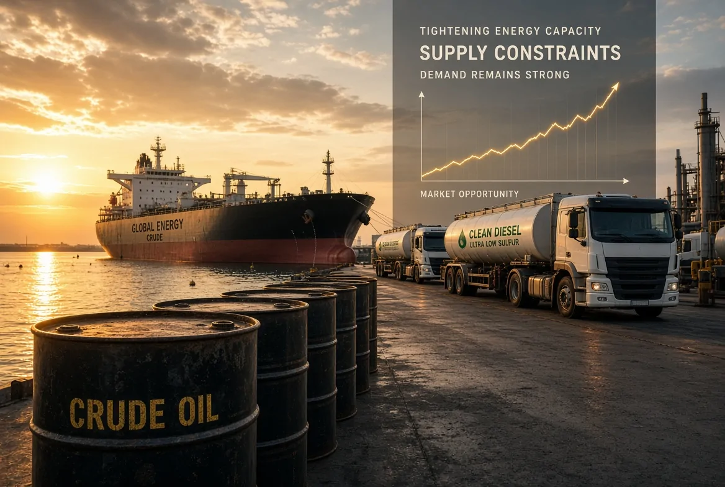
The Iran War Will End. Expensive Diesel Won’t
Notes From the Field By James Hickman (Simon Black / sovereign Man) October 20, 2026
There’s a college degree that pays about $100,000 right out of school, which is pretty good money for a 22-year old. Within a few years, that pay could easily double.
Yet hardly any young person wants the job.
It’s not dangerous, it’s not dirty, and it doesn’t require superhuman work hours. The only reason young people aren’t interested is because Greta Thunberg told them it wasn’t cool.
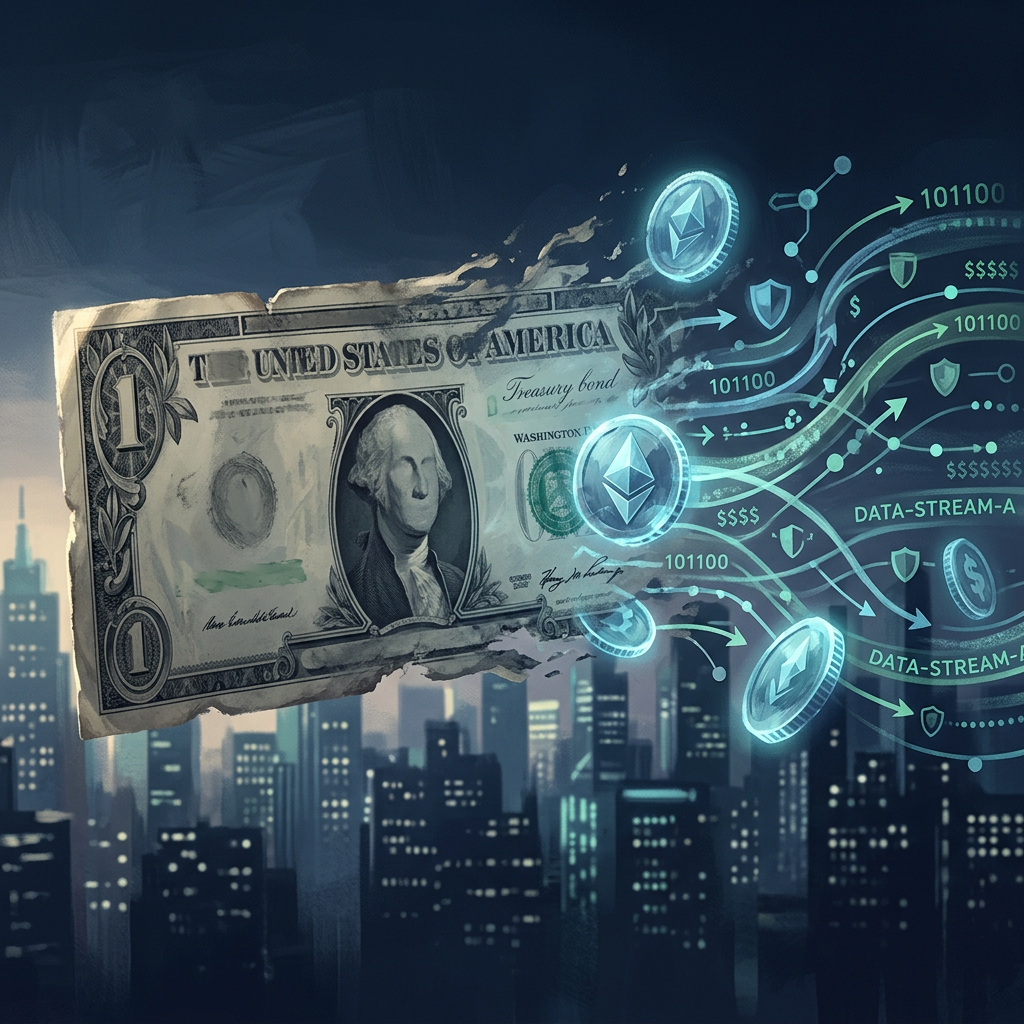
GP Q: US Dollar Upgrade or Collapse?
10-20-2026
“Is the dollar dying… or is it about to get a major upgrade?”
MONEY MONEY MONEY
Most people are only watching the old fiat dollar.
They’re completely missing the new system the U.S. is building right now under the GENIUS Act. Here’s the simple version:
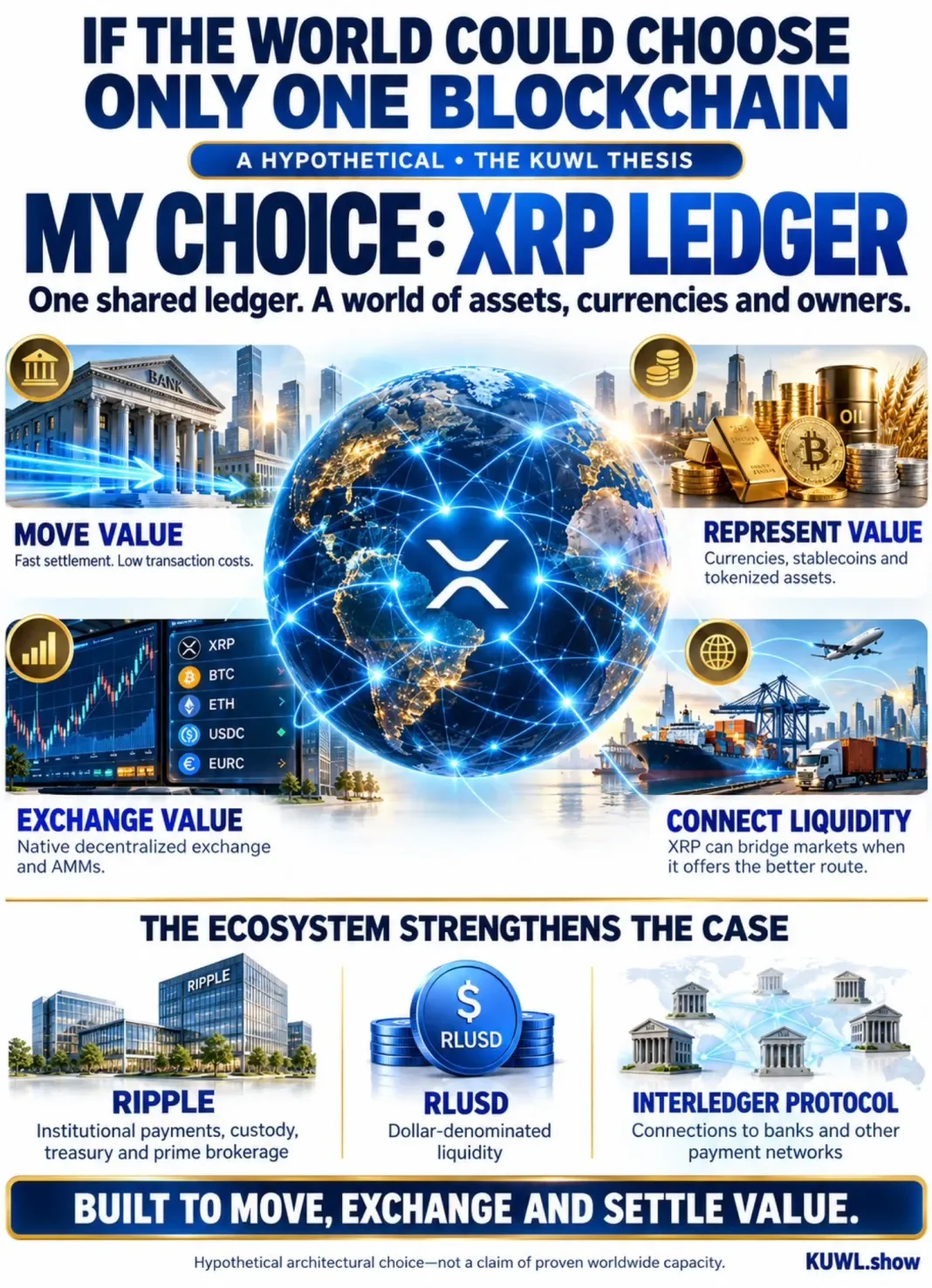
Rob Cunningham: If the World Could Choose Only One Blockchain
10-20-2026
On a go forward basis, “all things considered”, based on the comprehensive utility and liquidity needs of the entire world, “if” only one blockchain was allowed to exist, which should it be?
My choice: the XRP Ledger.
Under this hypothetical – one blockchain serving the world’s combined needs for payments, currencies, tokenized assets, exchange and settlement – XRPL offers the strongest fit in my judgment.
The Central Bank Of Iraq Resolves The Issue Of Merchants' Remittances And Confirms The Continuation Of Import Financing In Dollars.
October 20, 2026Last updated: October 20, 2026 The Central Bank of Iraq confirmed on Tuesday, October 20, 2026, the continuation of financing imports and providing foreign currency through official banking channels, announcing the completion of fulfilling external transfer requests that were suspended before the adjustment of the dinar exchange rate on October 7, in a step aimed at addressing outstanding issues, protecting the rights of traders and ensuring the smooth flow of foreign trade.
Good Afternoon Dinar Recaps,
GLOBAL ASSET RESET WATCH: DEBT, AI UNCERTAINTY AND ENERGY RISKS RESHAPE SAFE-HAVEN DEMAND
Investors are reassessing where to protect their wealth as geopolitical conflict, rising energy prices, government debt and uncertainty surrounding artificial intelligence reshape global markets.
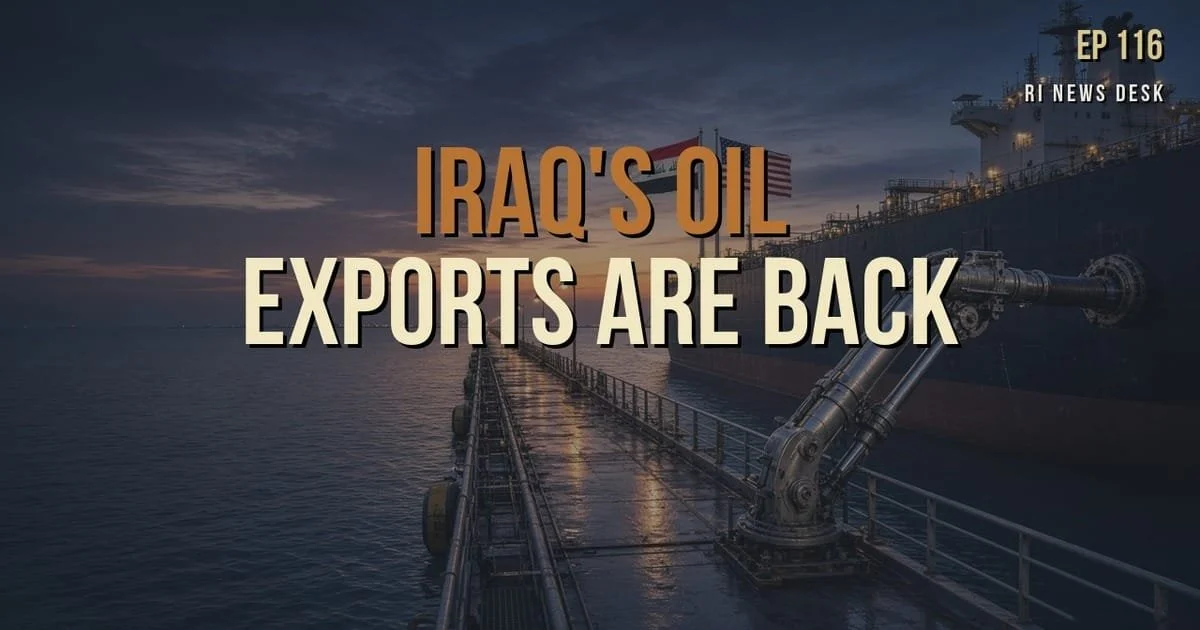
Reset Intelligence: Iraq's Oil Exports Are Back.
By Reset Intelligence | @EXIT_FIAT
Iraq's oil exports are back above 3.4 million barrels a day, close to where they stood before the war.
The same weekend the IMF and Washington both moved toward Baghdad, and the street dollar went the other way.
TNT:
Tishwash: 45 trillion outside the banks... Parliamentary Finance Committee reveals the extent of the crisis of confidence in banks
The head of the parliamentary finance committee, Uday Awad, revealed the existence of a cash mass ranging between 40 and 45 trillion dinars outside the Iraqi banking system, attributing this to the weak confidence of citizens in banks, while stressing the work to find solutions to return these funds to the banking cycle .
Awad said during a televised interview followed by Al-Sa’a Network that “there is a cash mass estimated at about 40 to 45 trillion dinars outside the banking system,” noting that “the lack of confidence in banks has led citizens to keep their money away from them.”
Stern Drew: The BIS Conducted the Most Important Blockchain Experiment of the Year
10-20-2026
The BIS Conducted The Most Important Blockchain Experiment of The Year On a Public Ledger.
The bank for central banks quietly put official data on a public ledger.
Ripple, the crypto firm behind the XRP Ledger blockchain, just became the quiet infrastructure pick for the Bank for International Settlements.
Iraq Absent From Top US Treasury Holders List
2026-10-19 17:56 Shafaq News- Washington Iraq was absent from the list of major foreign holders of US Treasury securities in August 2026, as total foreign holdings rose to $9.3317 trillion from $9.2484 trillion in July, according to US Treasury Department data released on October 16.
Good Morning Dinar Recaps,
GLOBAL DEBT RESET WATCH: U.S. TREASURY FINANCING PLANS FACE GROWING MARKET PRESSURE
Rising borrowing costs, heavy government debt and uncertainty over future bond sales are testing the U.S. Treasury market and raising questions about the cost of financing America's deficits.
GP Q: IMF Discussions on Possible Financing Package for Iraq
10-20-2026
IRAQ
RV etc
MarkZ et al
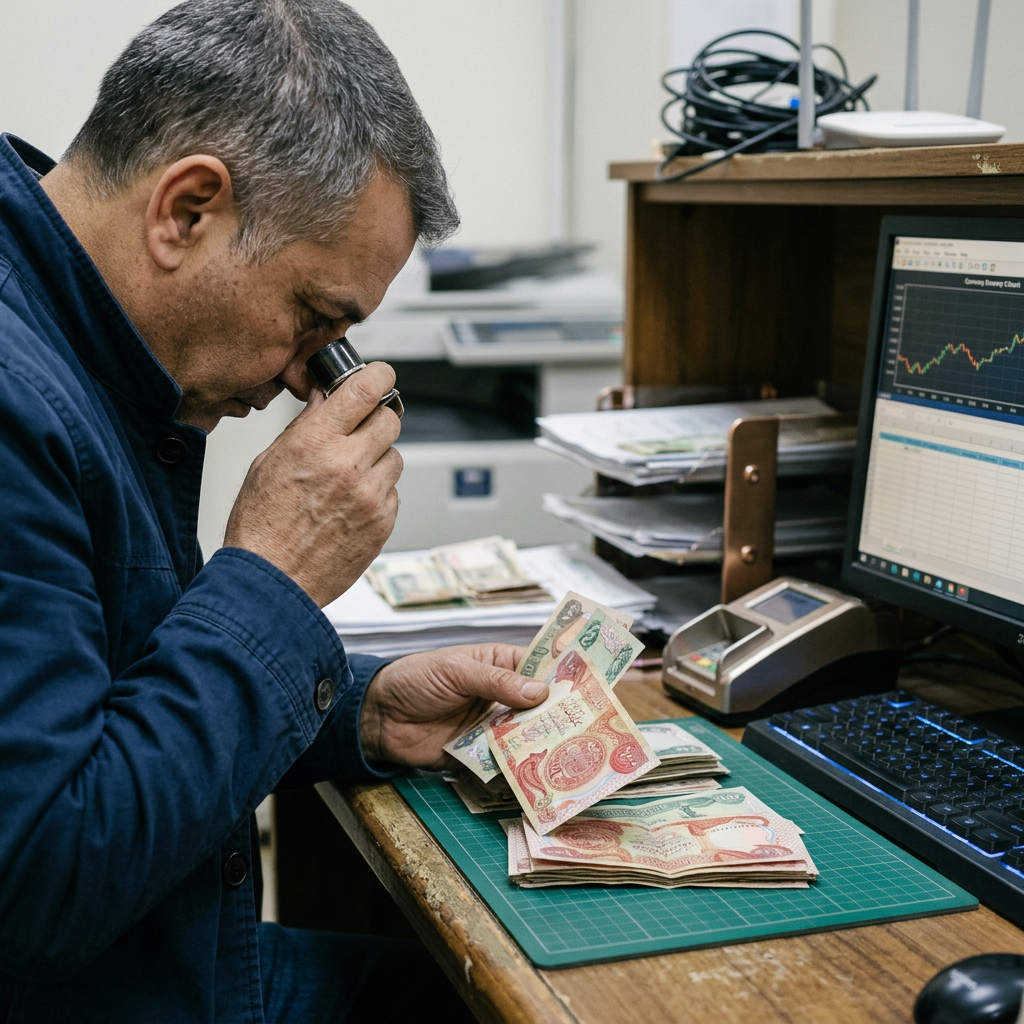
• No confirmed recipients of asset-backed funds could be found
• Questions (including from James / James K) about whether anyone has received monetary / asset-backed funds
KTFA
Monday Night Video
FRANK26….10-19-26…..THREE ZERO LIFTING FINALIZED
This video is in Frank’s and his team’s opinion only
Frank’s team is Walkingstick, Eddie and Omar in Iraq and guests
Playback Number: 605-313-5163 PIN: 156996#
5 Ways To Close Your Financial Knowledge Gap
.5 Ways To Close Your Financial Knowledge Gap
Serah Louis Sat, December 18, 2021, 10:01 AM·5 min read
60% of millennials and Gen Z are ‘constantly stressed’ about money — With Christmas around the corner and federal student loans switching on next month, money stress is reaching a peak for many young people — and it’s been bad for a while.
Nearly three in four Americans under 40 say managing their finances is taking a toll on their mental health, according to a new survey from Laurel Road, KeyBank’s digital banking platform. Over 60% feel “constantly stressed.”
5 Ways To Close Your Financial Knowledge Gap
Serah Louis Sat, December 18, 2021, 10:01 AM·5 min read
60% of millennials and Gen Z are ‘constantly stressed’ about money — With Christmas around the corner and federal student loans switching on next month, money stress is reaching a peak for many young people — and it’s been bad for a while.
Nearly three in four Americans under 40 say managing their finances is taking a toll on their mental health, according to a new survey from Laurel Road, KeyBank’s digital banking platform. Over 60% feel “constantly stressed.”
“Financial stress and anxiety are incredibly common feelings among Gen Z and millennials,” says Alyssa Schaefer, general manager and chief experience officer at Laurel Road. “We see that cultivating ‘mental wealth’ is clearly a priority for many individuals.”
That means building more financial knowledge and setting up a financial plan so you can feel confident about the future. Here are five ways to achieve those goals:
1. Beat your debt into shape
While you may not be able to eliminate your student debt or credit card debt anytime soon, you can relieve a lot of pressure by getting them in the most manageable shape possible.
If you have a federal student loan, the government offers income-driven repayment plans that allow borrowers to make more affordable payments, based on what they earn. After you make 20 or 25 years of regular payments under an income-driven plan, your remaining debt will be forgiven.
Another simple money-saving step is to enroll in autopay, because signing up for automatic deposits will qualify you for a 0.25% interest rate reduction when payments resume.
On the other hand, if you have a private loan, your best bet could be refinancing with one of today’s cheap interest rates. Assuming you have a decent credit score, refinancing could help you pay off your loan more quickly and save you a huge amount in interest.
The same strategy can work for any high-interest debt you’re carrying, like the kind on credit cards. Refinancing to a lower rate could see you free yourself years sooner.
2. Create an actual budget
To continue reading, please go to the original article here:
https://finance.yahoo.com/news/millennials-gen-z-suffering-mental-162500676.html
Emailed to Recaps~ Thank you David
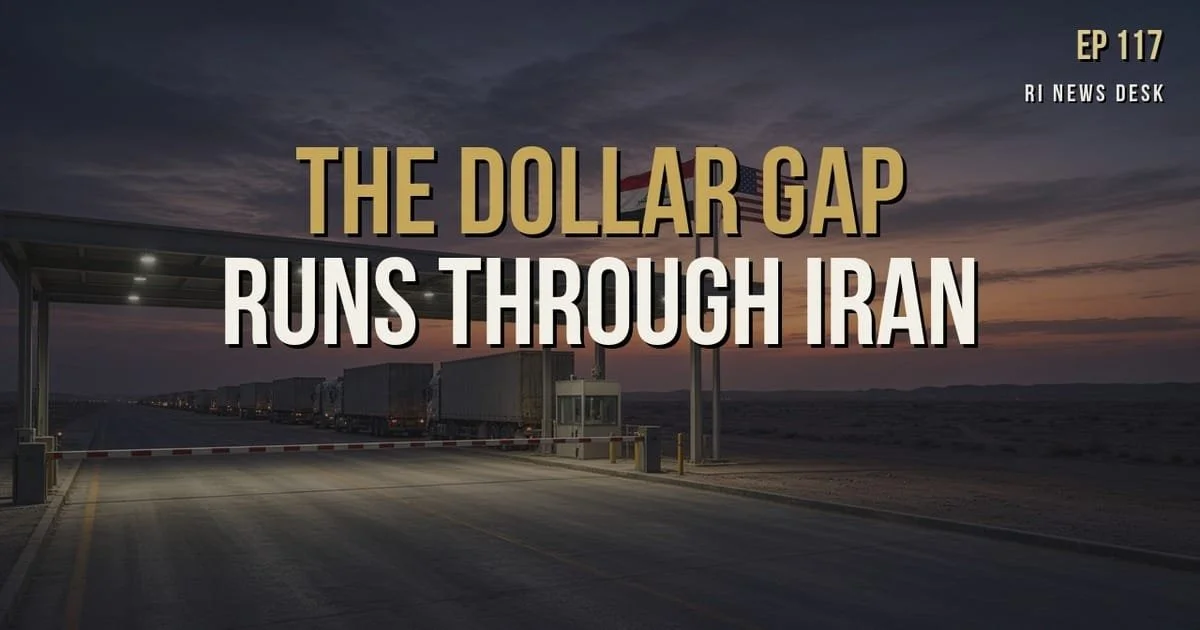
Reset Intelligence: The Dollar Gap Runs Through Iran.
By Reset Intelligence | @EXIT_FIAT
Iraq's Central Bank says trade with Iran is one reason Baghdad's street dollar stays above the bank's rate.
On Tuesday night, an official source said, Baghdad ordered its first crossing with Iran shut, with the rest to follow.
TNT:
Tishwash: The Central Bank extends bank working hours and directs them to open during official holidays.
The Central Bank of Iraq directed banks with outstanding remittances to work on Fridays to avoid delays caused by official holidays, while it completed covering all remittances before the exchange rate change, with a total amount of $3 billion.
MilitiaMan & Crew: CBI Policy Update: What You Need to Know About the IQD
10-21-2026
The Crew: Samson, PompeyPeter, Petra, Daytrader, Sunkissed, GIGI and Militia Man
No drama. No intrigue. No songs and dances. Just straight, factual news that I read and interpret to the best of my ability after being an avid Dinar investor and insanely obsessed Dinarian for over 15 years.
Follow MM on X == https://x.com/Slashn
Good Morning Dinar Recaps,
GLOBAL CURRENCY RESET WATCH: ECB SEEKS TO EXPAND THE EURO’S GLOBAL ROLE
The European Central Bank is widening access to euro liquidity, strengthening Europe’s financial reach as central banks reassess the international monetary landscape.
Physical Gold vs. Digital Gold: Which Is the Ultimate Safe Haven?
Published: 05-20-2026
Gold is trading at approximately $4,500 per troy ounce as of May 20, 2026 [World Gold Council]. However, the debate about physical gold vs digital gold matters more than most investors realise — because not all of these products are the same thing. Both show up on a brokerage statement with a dollar value attached. But what you actually own — what you hold, what you control, what survives a real crisis — is a very different story. This isn’t a debate about returns. It’s a debate about what “safe haven” actually means.
KTFA
Tuesday Night Video
FRANK26…10-20-26.....YOU PROMISED
This video is in Frank’s and his team’s opinion only
Frank’s team is Walkingstick, Eddie and Omar in Iraq and guests
Playback Number: 605-313-5163 PIN: 156996#
Iraq Orders Banks to Work OVERTIME! Why Now?
The Dinar Den: 10-20-2026
Stephen: Hey everyone, welcome back to the channel. We have some exciting and breaking news that came out of the central bank of Iraq today. So, I'm going to cover and go over those few articles that I think as dinar investors are um just exciting and I think they are very telling as to what the future might possibly hold.
And I'm gonna tie it all together and share how I think these things could possibly be related to a higher dinar exchange rate.
The Iraqi Dinar Is The Second Worst-Performing Arab Currency; Dollar Pressures Pose A Difficult Test For Monetary Policy.
October 20, 2026 The Independent - The classification of the Iraqi dinar among the Arab currencies that have declined the most against the US dollar has raised widespread questions about the future of monetary stability in Iraq, and the ability of the Central Bank to contain the increasing pressures on the exchange market, at a time when the economy is facing challenges related to oil revenues, government spending and the heavy reliance on imports.
The Iran War Will End. Expensive Diesel Won’t
Notes From the Field By James Hickman (Simon Black / sovereign Man) October 20, 2026
There’s a college degree that pays about $100,000 right out of school, which is pretty good money for a 22-year old. Within a few years, that pay could easily double.
Yet hardly any young person wants the job.
It’s not dangerous, it’s not dirty, and it doesn’t require superhuman work hours. The only reason young people aren’t interested is because Greta Thunberg told them it wasn’t cool.
GP Q: US Dollar Upgrade or Collapse?
10-20-2026
“Is the dollar dying… or is it about to get a major upgrade?”
MONEY MONEY MONEY
Most people are only watching the old fiat dollar.
They’re completely missing the new system the U.S. is building right now under the GENIUS Act. Here’s the simple version:
Rob Cunningham: If the World Could Choose Only One Blockchain
10-20-2026
On a go forward basis, “all things considered”, based on the comprehensive utility and liquidity needs of the entire world, “if” only one blockchain was allowed to exist, which should it be?
My choice: the XRP Ledger.
Under this hypothetical – one blockchain serving the world’s combined needs for payments, currencies, tokenized assets, exchange and settlement – XRPL offers the strongest fit in my judgment.
The Central Bank Of Iraq Resolves The Issue Of Merchants' Remittances And Confirms The Continuation Of Import Financing In Dollars.
October 20, 2026Last updated: October 20, 2026 The Central Bank of Iraq confirmed on Tuesday, October 20, 2026, the continuation of financing imports and providing foreign currency through official banking channels, announcing the completion of fulfilling external transfer requests that were suspended before the adjustment of the dinar exchange rate on October 7, in a step aimed at addressing outstanding issues, protecting the rights of traders and ensuring the smooth flow of foreign trade.
Good Afternoon Dinar Recaps,
GLOBAL ASSET RESET WATCH: DEBT, AI UNCERTAINTY AND ENERGY RISKS RESHAPE SAFE-HAVEN DEMAND
Investors are reassessing where to protect their wealth as geopolitical conflict, rising energy prices, government debt and uncertainty surrounding artificial intelligence reshape global markets.
Reset Intelligence: Iraq's Oil Exports Are Back.
By Reset Intelligence | @EXIT_FIAT
Iraq's oil exports are back above 3.4 million barrels a day, close to where they stood before the war.
The same weekend the IMF and Washington both moved toward Baghdad, and the street dollar went the other way.
TNT:
Tishwash: 45 trillion outside the banks... Parliamentary Finance Committee reveals the extent of the crisis of confidence in banks
The head of the parliamentary finance committee, Uday Awad, revealed the existence of a cash mass ranging between 40 and 45 trillion dinars outside the Iraqi banking system, attributing this to the weak confidence of citizens in banks, while stressing the work to find solutions to return these funds to the banking cycle .
Awad said during a televised interview followed by Al-Sa’a Network that “there is a cash mass estimated at about 40 to 45 trillion dinars outside the banking system,” noting that “the lack of confidence in banks has led citizens to keep their money away from them.”
Stern Drew: The BIS Conducted the Most Important Blockchain Experiment of the Year
10-20-2026
The BIS Conducted The Most Important Blockchain Experiment of The Year On a Public Ledger.
The bank for central banks quietly put official data on a public ledger.
Ripple, the crypto firm behind the XRP Ledger blockchain, just became the quiet infrastructure pick for the Bank for International Settlements.
Iraq Absent From Top US Treasury Holders List
2026-10-19 17:56 Shafaq News- Washington Iraq was absent from the list of major foreign holders of US Treasury securities in August 2026, as total foreign holdings rose to $9.3317 trillion from $9.2484 trillion in July, according to US Treasury Department data released on October 16.
Good Morning Dinar Recaps,
GLOBAL DEBT RESET WATCH: U.S. TREASURY FINANCING PLANS FACE GROWING MARKET PRESSURE
Rising borrowing costs, heavy government debt and uncertainty over future bond sales are testing the U.S. Treasury market and raising questions about the cost of financing America's deficits.
GP Q: IMF Discussions on Possible Financing Package for Iraq
10-20-2026
IRAQ
RV etc
MarkZ et al
• No confirmed recipients of asset-backed funds could be found
• Questions (including from James / James K) about whether anyone has received monetary / asset-backed funds
KTFA
Monday Night Video
FRANK26….10-19-26…..THREE ZERO LIFTING FINALIZED
This video is in Frank’s and his team’s opinion only
Frank’s team is Walkingstick, Eddie and Omar in Iraq and guests
Playback Number: 605-313-5163 PIN: 156996#
The Top Ways That US Millionaires Make Their Money
.The Top Ways That US Millionaires Make Their Money
Andrew Lisa Thu, December 16, 2021
Nearly 22 million Americans have net worth's of at least $1 million, according to the 2021 Credit Suisse Global Wealth Report — more than 8% of the country’s adults. There are 820,000 millionaires living in New York City alone.
Each and every one of them has a different story about how they got there, but many of America’s millionaires share similar traits, skills, behaviors, philosophies and fields. All are either self-made or they were born into it, and most of those who earned their big bucks took one of four broad, general paths to get there. From there, 10 industries stand out above all the rest as assembly lines for the ultra-rich — but no matter the industry, most millionaires are joined together by a few common unifiers.
The Top Ways That US Millionaires Make Their Money
Andrew Lisa Thu, December 16, 2021
Nearly 22 million Americans have net worth's of at least $1 million, according to the 2021 Credit Suisse Global Wealth Report — more than 8% of the country’s adults. There are 820,000 millionaires living in New York City alone.
Each and every one of them has a different story about how they got there, but many of America’s millionaires share similar traits, skills, behaviors, philosophies and fields. All are either self-made or they were born into it, and most of those who earned their big bucks took one of four broad, general paths to get there. From there, 10 industries stand out above all the rest as assembly lines for the ultra-rich — but no matter the industry, most millionaires are joined together by a few common unifiers.
To help illuminate a path toward a seven-figure net worth, GOBankingRates used a variety of sources to examine the industries, backgrounds, tendencies and income sources that are common to America’s millions of millionaires.
If You Don’t Win the Birth Lottery, You’ll Have To Earn It Yourself
Every millionaire in America falls into one of two categories: those who are self-made and those who became rich through that oh-so-important original roll of the dice when they were born into money. The latter, of course, is the easier of the two options — but it’s not the most common.
According to the 2021 Wealth-X World Ultra Wealth Report, the vast majority of ultra-high net worth (UHNW) individuals — those worth at least $30 million — are self-made, 72%, to be exact. Granted, that percentage is for the entire world, not just the United States, but America is the land of UHNW individuals.
And of these individuals, 101,240 of them live in the United States. The next closest competitor, China, is home to fewer than 30,000 despite the country’s enormous population advantage. The U.S. hosts three of the world’s top five UHNW cities (New York, Los Angeles and Chicago) and six of the top 10 (add on San Francisco, Washington, D.C. and Dallas).
The Four Paths to Seven Figures
In writing for CNBC, financial expert and author Tim Corley outlined the results of research he conducted for one of his books. The results revealed that people tend to follow one of four paths to becoming millionaires.
To continue reading, please go to the original article here:
https://news.yahoo.com/top-ways-us-millionaires-money-130019299.html
Emailed to Recaps~ Thank you David
Reset Intelligence: The Dollar Gap Runs Through Iran.
By Reset Intelligence | @EXIT_FIAT
Iraq's Central Bank says trade with Iran is one reason Baghdad's street dollar stays above the bank's rate.
On Tuesday night, an official source said, Baghdad ordered its first crossing with Iran shut, with the rest to follow.
TNT:
Tishwash: The Central Bank extends bank working hours and directs them to open during official holidays.
The Central Bank of Iraq directed banks with outstanding remittances to work on Fridays to avoid delays caused by official holidays, while it completed covering all remittances before the exchange rate change, with a total amount of $3 billion.
MilitiaMan & Crew: CBI Policy Update: What You Need to Know About the IQD
10-21-2026
The Crew: Samson, PompeyPeter, Petra, Daytrader, Sunkissed, GIGI and Militia Man
No drama. No intrigue. No songs and dances. Just straight, factual news that I read and interpret to the best of my ability after being an avid Dinar investor and insanely obsessed Dinarian for over 15 years.
Follow MM on X == https://x.com/Slashn
Good Morning Dinar Recaps,
GLOBAL CURRENCY RESET WATCH: ECB SEEKS TO EXPAND THE EURO’S GLOBAL ROLE
The European Central Bank is widening access to euro liquidity, strengthening Europe’s financial reach as central banks reassess the international monetary landscape.
Physical Gold vs. Digital Gold: Which Is the Ultimate Safe Haven?
Published: 05-20-2026
Gold is trading at approximately $4,500 per troy ounce as of May 20, 2026 [World Gold Council]. However, the debate about physical gold vs digital gold matters more than most investors realise — because not all of these products are the same thing. Both show up on a brokerage statement with a dollar value attached. But what you actually own — what you hold, what you control, what survives a real crisis — is a very different story. This isn’t a debate about returns. It’s a debate about what “safe haven” actually means.
KTFA
Tuesday Night Video
FRANK26…10-20-26.....YOU PROMISED
This video is in Frank’s and his team’s opinion only
Frank’s team is Walkingstick, Eddie and Omar in Iraq and guests
Playback Number: 605-313-5163 PIN: 156996#
Iraq Orders Banks to Work OVERTIME! Why Now?
The Dinar Den: 10-20-2026
Stephen: Hey everyone, welcome back to the channel. We have some exciting and breaking news that came out of the central bank of Iraq today. So, I'm going to cover and go over those few articles that I think as dinar investors are um just exciting and I think they are very telling as to what the future might possibly hold.
And I'm gonna tie it all together and share how I think these things could possibly be related to a higher dinar exchange rate.
The Iraqi Dinar Is The Second Worst-Performing Arab Currency; Dollar Pressures Pose A Difficult Test For Monetary Policy.
October 20, 2026 The Independent - The classification of the Iraqi dinar among the Arab currencies that have declined the most against the US dollar has raised widespread questions about the future of monetary stability in Iraq, and the ability of the Central Bank to contain the increasing pressures on the exchange market, at a time when the economy is facing challenges related to oil revenues, government spending and the heavy reliance on imports.
The Iran War Will End. Expensive Diesel Won’t
Notes From the Field By James Hickman (Simon Black / sovereign Man) October 20, 2026
There’s a college degree that pays about $100,000 right out of school, which is pretty good money for a 22-year old. Within a few years, that pay could easily double.
Yet hardly any young person wants the job.
It’s not dangerous, it’s not dirty, and it doesn’t require superhuman work hours. The only reason young people aren’t interested is because Greta Thunberg told them it wasn’t cool.
GP Q: US Dollar Upgrade or Collapse?
10-20-2026
“Is the dollar dying… or is it about to get a major upgrade?”
MONEY MONEY MONEY
Most people are only watching the old fiat dollar.
They’re completely missing the new system the U.S. is building right now under the GENIUS Act. Here’s the simple version:
Rob Cunningham: If the World Could Choose Only One Blockchain
10-20-2026
On a go forward basis, “all things considered”, based on the comprehensive utility and liquidity needs of the entire world, “if” only one blockchain was allowed to exist, which should it be?
My choice: the XRP Ledger.
Under this hypothetical – one blockchain serving the world’s combined needs for payments, currencies, tokenized assets, exchange and settlement – XRPL offers the strongest fit in my judgment.
The Central Bank Of Iraq Resolves The Issue Of Merchants' Remittances And Confirms The Continuation Of Import Financing In Dollars.
October 20, 2026Last updated: October 20, 2026 The Central Bank of Iraq confirmed on Tuesday, October 20, 2026, the continuation of financing imports and providing foreign currency through official banking channels, announcing the completion of fulfilling external transfer requests that were suspended before the adjustment of the dinar exchange rate on October 7, in a step aimed at addressing outstanding issues, protecting the rights of traders and ensuring the smooth flow of foreign trade.
Good Afternoon Dinar Recaps,
GLOBAL ASSET RESET WATCH: DEBT, AI UNCERTAINTY AND ENERGY RISKS RESHAPE SAFE-HAVEN DEMAND
Investors are reassessing where to protect their wealth as geopolitical conflict, rising energy prices, government debt and uncertainty surrounding artificial intelligence reshape global markets.
Reset Intelligence: Iraq's Oil Exports Are Back.
By Reset Intelligence | @EXIT_FIAT
Iraq's oil exports are back above 3.4 million barrels a day, close to where they stood before the war.
The same weekend the IMF and Washington both moved toward Baghdad, and the street dollar went the other way.
TNT:
Tishwash: 45 trillion outside the banks... Parliamentary Finance Committee reveals the extent of the crisis of confidence in banks
The head of the parliamentary finance committee, Uday Awad, revealed the existence of a cash mass ranging between 40 and 45 trillion dinars outside the Iraqi banking system, attributing this to the weak confidence of citizens in banks, while stressing the work to find solutions to return these funds to the banking cycle .
Awad said during a televised interview followed by Al-Sa’a Network that “there is a cash mass estimated at about 40 to 45 trillion dinars outside the banking system,” noting that “the lack of confidence in banks has led citizens to keep their money away from them.”
Stern Drew: The BIS Conducted the Most Important Blockchain Experiment of the Year
10-20-2026
The BIS Conducted The Most Important Blockchain Experiment of The Year On a Public Ledger.
The bank for central banks quietly put official data on a public ledger.
Ripple, the crypto firm behind the XRP Ledger blockchain, just became the quiet infrastructure pick for the Bank for International Settlements.
Iraq Absent From Top US Treasury Holders List
2026-10-19 17:56 Shafaq News- Washington Iraq was absent from the list of major foreign holders of US Treasury securities in August 2026, as total foreign holdings rose to $9.3317 trillion from $9.2484 trillion in July, according to US Treasury Department data released on October 16.
Good Morning Dinar Recaps,
GLOBAL DEBT RESET WATCH: U.S. TREASURY FINANCING PLANS FACE GROWING MARKET PRESSURE
Rising borrowing costs, heavy government debt and uncertainty over future bond sales are testing the U.S. Treasury market and raising questions about the cost of financing America's deficits.
GP Q: IMF Discussions on Possible Financing Package for Iraq
10-20-2026
IRAQ
RV etc
MarkZ et al
• No confirmed recipients of asset-backed funds could be found
• Questions (including from James / James K) about whether anyone has received monetary / asset-backed funds
KTFA
Monday Night Video
FRANK26….10-19-26…..THREE ZERO LIFTING FINALIZED
This video is in Frank’s and his team’s opinion only
Frank’s team is Walkingstick, Eddie and Omar in Iraq and guests
Playback Number: 605-313-5163 PIN: 156996#
How To Ensure You’re Not a Financial Burden in Your Later Years & Beyond
.How To Ensure You’re Not a Financial Burden in Your Later Years & Beyond
Gabrielle Olya Wed, December 15, 2021
For many Americans, the pandemic has brought to light the importance of legacy planning. A recent study conducted by financial services firm Edward Jones found that a third of U.S. adults report that the pandemic sparked conversations with close family members about their end-of-life plans and preferences, and for 18% of Americans, these were first-time discussions.
Although these conversations can be uncomfortable — 18% reported being too uncomfortable to discuss these topics — they’re important to have so that you and your loved ones are on the same page about your plans for your later years and beyond.
How To Ensure You’re Not a Financial Burden in Your Later Years & Beyond
Gabrielle Olya Wed, December 15, 2021
For many Americans, the pandemic has brought to light the importance of legacy planning. A recent study conducted by financial services firm Edward Jones found that a third of U.S. adults report that the pandemic sparked conversations with close family members about their end-of-life plans and preferences, and for 18% of Americans, these were first-time discussions.
Although these conversations can be uncomfortable — 18% reported being too uncomfortable to discuss these topics — they’re important to have so that you and your loved ones are on the same page about your plans for your later years and beyond.
A fifth of those surveyed said they have avoided talking about end-of-life plans because they did not want to burden family members with their finances, but it’s not having these conversations that could cause your family members to deal with a large financial burden in the end.
Here’s what should be included in your plans for your later years and end-of-life to ensure your loved ones are financially prepared.
Create an Estate Plan
“There are many different factors to consider when developing an estate plan that best fits your unique needs,” said Alison Carnie, CFP, principal at Edward Jones. “First, work with your financial advisor to make a list of all of your assets including investment and retirement accounts (IRAs, 401(k) [plans], brokerage accounts); cash or checking/savings accounts; real estate; personal property (automobiles, boats, jewelry, artwork); insurance policies and annuity contracts.”
Next, determine what your priorities are. When it comes to the kind of legacy people want to leave to their families, nearly a third (32%) said leaving an inheritance is the most important thing.
One of the easiest ways to make sure your assets go to the people you intend is to list them as beneficiaries,” Carnie said. “Ensure that the correct beneficiaries are named on your accounts and that these designations are consistent with your overall estate plan. Brokerage accounts don’t automatically include beneficiary designations, but you can complete a Transfer on Death agreement to identify the person to whom the assets should go.”
You should review your beneficiaries any time something major happens in your life, such as when you marry, divorce or have a child, Carnie said.
To continue reading, please go to the original article here:
https://news.yahoo.com/ensure-not-financial-burden-later-210016052.html
Emailed to Recaps~ Thank you David
Reset Intelligence: The Dollar Gap Runs Through Iran.
By Reset Intelligence | @EXIT_FIAT
Iraq's Central Bank says trade with Iran is one reason Baghdad's street dollar stays above the bank's rate.
On Tuesday night, an official source said, Baghdad ordered its first crossing with Iran shut, with the rest to follow.
TNT:
Tishwash: The Central Bank extends bank working hours and directs them to open during official holidays.
The Central Bank of Iraq directed banks with outstanding remittances to work on Fridays to avoid delays caused by official holidays, while it completed covering all remittances before the exchange rate change, with a total amount of $3 billion.
MilitiaMan & Crew: CBI Policy Update: What You Need to Know About the IQD
10-21-2026
The Crew: Samson, PompeyPeter, Petra, Daytrader, Sunkissed, GIGI and Militia Man
No drama. No intrigue. No songs and dances. Just straight, factual news that I read and interpret to the best of my ability after being an avid Dinar investor and insanely obsessed Dinarian for over 15 years.
Follow MM on X == https://x.com/Slashn
Good Morning Dinar Recaps,
GLOBAL CURRENCY RESET WATCH: ECB SEEKS TO EXPAND THE EURO’S GLOBAL ROLE
The European Central Bank is widening access to euro liquidity, strengthening Europe’s financial reach as central banks reassess the international monetary landscape.
Physical Gold vs. Digital Gold: Which Is the Ultimate Safe Haven?
Published: 05-20-2026
Gold is trading at approximately $4,500 per troy ounce as of May 20, 2026 [World Gold Council]. However, the debate about physical gold vs digital gold matters more than most investors realise — because not all of these products are the same thing. Both show up on a brokerage statement with a dollar value attached. But what you actually own — what you hold, what you control, what survives a real crisis — is a very different story. This isn’t a debate about returns. It’s a debate about what “safe haven” actually means.
KTFA
Tuesday Night Video
FRANK26…10-20-26.....YOU PROMISED
This video is in Frank’s and his team’s opinion only
Frank’s team is Walkingstick, Eddie and Omar in Iraq and guests
Playback Number: 605-313-5163 PIN: 156996#
Iraq Orders Banks to Work OVERTIME! Why Now?
The Dinar Den: 10-20-2026
Stephen: Hey everyone, welcome back to the channel. We have some exciting and breaking news that came out of the central bank of Iraq today. So, I'm going to cover and go over those few articles that I think as dinar investors are um just exciting and I think they are very telling as to what the future might possibly hold.
And I'm gonna tie it all together and share how I think these things could possibly be related to a higher dinar exchange rate.
The Iraqi Dinar Is The Second Worst-Performing Arab Currency; Dollar Pressures Pose A Difficult Test For Monetary Policy.
October 20, 2026 The Independent - The classification of the Iraqi dinar among the Arab currencies that have declined the most against the US dollar has raised widespread questions about the future of monetary stability in Iraq, and the ability of the Central Bank to contain the increasing pressures on the exchange market, at a time when the economy is facing challenges related to oil revenues, government spending and the heavy reliance on imports.
The Iran War Will End. Expensive Diesel Won’t
Notes From the Field By James Hickman (Simon Black / sovereign Man) October 20, 2026
There’s a college degree that pays about $100,000 right out of school, which is pretty good money for a 22-year old. Within a few years, that pay could easily double.
Yet hardly any young person wants the job.
It’s not dangerous, it’s not dirty, and it doesn’t require superhuman work hours. The only reason young people aren’t interested is because Greta Thunberg told them it wasn’t cool.
GP Q: US Dollar Upgrade or Collapse?
10-20-2026
“Is the dollar dying… or is it about to get a major upgrade?”
MONEY MONEY MONEY
Most people are only watching the old fiat dollar.
They’re completely missing the new system the U.S. is building right now under the GENIUS Act. Here’s the simple version:
Rob Cunningham: If the World Could Choose Only One Blockchain
10-20-2026
On a go forward basis, “all things considered”, based on the comprehensive utility and liquidity needs of the entire world, “if” only one blockchain was allowed to exist, which should it be?
My choice: the XRP Ledger.
Under this hypothetical – one blockchain serving the world’s combined needs for payments, currencies, tokenized assets, exchange and settlement – XRPL offers the strongest fit in my judgment.
The Central Bank Of Iraq Resolves The Issue Of Merchants' Remittances And Confirms The Continuation Of Import Financing In Dollars.
October 20, 2026Last updated: October 20, 2026 The Central Bank of Iraq confirmed on Tuesday, October 20, 2026, the continuation of financing imports and providing foreign currency through official banking channels, announcing the completion of fulfilling external transfer requests that were suspended before the adjustment of the dinar exchange rate on October 7, in a step aimed at addressing outstanding issues, protecting the rights of traders and ensuring the smooth flow of foreign trade.
Good Afternoon Dinar Recaps,
GLOBAL ASSET RESET WATCH: DEBT, AI UNCERTAINTY AND ENERGY RISKS RESHAPE SAFE-HAVEN DEMAND
Investors are reassessing where to protect their wealth as geopolitical conflict, rising energy prices, government debt and uncertainty surrounding artificial intelligence reshape global markets.
Reset Intelligence: Iraq's Oil Exports Are Back.
By Reset Intelligence | @EXIT_FIAT
Iraq's oil exports are back above 3.4 million barrels a day, close to where they stood before the war.
The same weekend the IMF and Washington both moved toward Baghdad, and the street dollar went the other way.
TNT:
Tishwash: 45 trillion outside the banks... Parliamentary Finance Committee reveals the extent of the crisis of confidence in banks
The head of the parliamentary finance committee, Uday Awad, revealed the existence of a cash mass ranging between 40 and 45 trillion dinars outside the Iraqi banking system, attributing this to the weak confidence of citizens in banks, while stressing the work to find solutions to return these funds to the banking cycle .
Awad said during a televised interview followed by Al-Sa’a Network that “there is a cash mass estimated at about 40 to 45 trillion dinars outside the banking system,” noting that “the lack of confidence in banks has led citizens to keep their money away from them.”
Stern Drew: The BIS Conducted the Most Important Blockchain Experiment of the Year
10-20-2026
The BIS Conducted The Most Important Blockchain Experiment of The Year On a Public Ledger.
The bank for central banks quietly put official data on a public ledger.
Ripple, the crypto firm behind the XRP Ledger blockchain, just became the quiet infrastructure pick for the Bank for International Settlements.
Iraq Absent From Top US Treasury Holders List
2026-10-19 17:56 Shafaq News- Washington Iraq was absent from the list of major foreign holders of US Treasury securities in August 2026, as total foreign holdings rose to $9.3317 trillion from $9.2484 trillion in July, according to US Treasury Department data released on October 16.
Good Morning Dinar Recaps,
GLOBAL DEBT RESET WATCH: U.S. TREASURY FINANCING PLANS FACE GROWING MARKET PRESSURE
Rising borrowing costs, heavy government debt and uncertainty over future bond sales are testing the U.S. Treasury market and raising questions about the cost of financing America's deficits.
GP Q: IMF Discussions on Possible Financing Package for Iraq
10-20-2026
IRAQ
RV etc
MarkZ et al
• No confirmed recipients of asset-backed funds could be found
• Questions (including from James / James K) about whether anyone has received monetary / asset-backed funds
KTFA
Monday Night Video
FRANK26….10-19-26…..THREE ZERO LIFTING FINALIZED
This video is in Frank’s and his team’s opinion only
Frank’s team is Walkingstick, Eddie and Omar in Iraq and guests
Playback Number: 605-313-5163 PIN: 156996#
6 Things the Rich Do To Stay Rich
.6 Things the Rich Do To Stay Rich
Jennifer Taylor Wed, December 15, 2021,
If you’re trying to make more money, studying the rich is a great place to start. Some wealthy people were born into money, while others worked their way to the top. However they got there, many have figured out how to stay rich. Learning how to make millions is one thing, but mastering the art of keeping that fortune intact is a different task. Many people get rich, only to blow through their earnings in a matter of years.
Whether you have come into money or are still figuring out how to get rich, keep reading to learn more about how the rich stay rich.
6 Things the Rich Do To Stay Rich
Jennifer Taylor Wed, December 15, 2021,
If you’re trying to make more money, studying the rich is a great place to start. Some wealthy people were born into money, while others worked their way to the top. However they got there, many have figured out how to stay rich. Learning how to make millions is one thing, but mastering the art of keeping that fortune intact is a different task. Many people get rich, only to blow through their earnings in a matter of years.
Whether you have come into money or are still figuring out how to get rich, keep reading to learn more about how the rich stay rich.
1. They Avoid Get-Rich-Quick Schemes
One common misconception is that the wealthy constantly look to get richer more quickly through engaging in activities such as picking stocks, said Laurie Samay, who previously served as a certified financial planner and client service and portfolio manager at Palisades Hudson Financial Group. “In reality, the wealthy are typically more interested in preserving their wealth,” she said.
Rather than taking a risk on volatile get-rich-quick schemes, Samay said the wealthy take a slow-and-steady approach to investing, and they focus on diversification. She recommended investing across several asset classes to gradually build wealth.
“Many academic studies have concluded that the mix of stocks and bonds in a portfolio has the greatest influence on performance — even more so than transaction costs and security selection,” Samay said. “Like the rich, your portfolio should be adequately diversified across asset classes.”
Samay said being diversified might include exposure to:
To continue reading, please go to the original article here:
https://news.yahoo.com/6-things-rich-stay-rich-212241922.html
Emailed to Recaps~ Thank you David
Reset Intelligence: The Dollar Gap Runs Through Iran.
By Reset Intelligence | @EXIT_FIAT
Iraq's Central Bank says trade with Iran is one reason Baghdad's street dollar stays above the bank's rate.
On Tuesday night, an official source said, Baghdad ordered its first crossing with Iran shut, with the rest to follow.
TNT:
Tishwash: The Central Bank extends bank working hours and directs them to open during official holidays.
The Central Bank of Iraq directed banks with outstanding remittances to work on Fridays to avoid delays caused by official holidays, while it completed covering all remittances before the exchange rate change, with a total amount of $3 billion.
MilitiaMan & Crew: CBI Policy Update: What You Need to Know About the IQD
10-21-2026
The Crew: Samson, PompeyPeter, Petra, Daytrader, Sunkissed, GIGI and Militia Man
No drama. No intrigue. No songs and dances. Just straight, factual news that I read and interpret to the best of my ability after being an avid Dinar investor and insanely obsessed Dinarian for over 15 years.
Follow MM on X == https://x.com/Slashn
Good Morning Dinar Recaps,
GLOBAL CURRENCY RESET WATCH: ECB SEEKS TO EXPAND THE EURO’S GLOBAL ROLE
The European Central Bank is widening access to euro liquidity, strengthening Europe’s financial reach as central banks reassess the international monetary landscape.
Physical Gold vs. Digital Gold: Which Is the Ultimate Safe Haven?
Published: 05-20-2026
Gold is trading at approximately $4,500 per troy ounce as of May 20, 2026 [World Gold Council]. However, the debate about physical gold vs digital gold matters more than most investors realise — because not all of these products are the same thing. Both show up on a brokerage statement with a dollar value attached. But what you actually own — what you hold, what you control, what survives a real crisis — is a very different story. This isn’t a debate about returns. It’s a debate about what “safe haven” actually means.
KTFA
Tuesday Night Video
FRANK26…10-20-26.....YOU PROMISED
This video is in Frank’s and his team’s opinion only
Frank’s team is Walkingstick, Eddie and Omar in Iraq and guests
Playback Number: 605-313-5163 PIN: 156996#
Iraq Orders Banks to Work OVERTIME! Why Now?
The Dinar Den: 10-20-2026
Stephen: Hey everyone, welcome back to the channel. We have some exciting and breaking news that came out of the central bank of Iraq today. So, I'm going to cover and go over those few articles that I think as dinar investors are um just exciting and I think they are very telling as to what the future might possibly hold.
And I'm gonna tie it all together and share how I think these things could possibly be related to a higher dinar exchange rate.
The Iraqi Dinar Is The Second Worst-Performing Arab Currency; Dollar Pressures Pose A Difficult Test For Monetary Policy.
October 20, 2026 The Independent - The classification of the Iraqi dinar among the Arab currencies that have declined the most against the US dollar has raised widespread questions about the future of monetary stability in Iraq, and the ability of the Central Bank to contain the increasing pressures on the exchange market, at a time when the economy is facing challenges related to oil revenues, government spending and the heavy reliance on imports.
The Iran War Will End. Expensive Diesel Won’t
Notes From the Field By James Hickman (Simon Black / sovereign Man) October 20, 2026
There’s a college degree that pays about $100,000 right out of school, which is pretty good money for a 22-year old. Within a few years, that pay could easily double.
Yet hardly any young person wants the job.
It’s not dangerous, it’s not dirty, and it doesn’t require superhuman work hours. The only reason young people aren’t interested is because Greta Thunberg told them it wasn’t cool.
GP Q: US Dollar Upgrade or Collapse?
10-20-2026
“Is the dollar dying… or is it about to get a major upgrade?”
MONEY MONEY MONEY
Most people are only watching the old fiat dollar.
They’re completely missing the new system the U.S. is building right now under the GENIUS Act. Here’s the simple version:
Rob Cunningham: If the World Could Choose Only One Blockchain
10-20-2026
On a go forward basis, “all things considered”, based on the comprehensive utility and liquidity needs of the entire world, “if” only one blockchain was allowed to exist, which should it be?
My choice: the XRP Ledger.
Under this hypothetical – one blockchain serving the world’s combined needs for payments, currencies, tokenized assets, exchange and settlement – XRPL offers the strongest fit in my judgment.
The Central Bank Of Iraq Resolves The Issue Of Merchants' Remittances And Confirms The Continuation Of Import Financing In Dollars.
October 20, 2026Last updated: October 20, 2026 The Central Bank of Iraq confirmed on Tuesday, October 20, 2026, the continuation of financing imports and providing foreign currency through official banking channels, announcing the completion of fulfilling external transfer requests that were suspended before the adjustment of the dinar exchange rate on October 7, in a step aimed at addressing outstanding issues, protecting the rights of traders and ensuring the smooth flow of foreign trade.
Good Afternoon Dinar Recaps,
GLOBAL ASSET RESET WATCH: DEBT, AI UNCERTAINTY AND ENERGY RISKS RESHAPE SAFE-HAVEN DEMAND
Investors are reassessing where to protect their wealth as geopolitical conflict, rising energy prices, government debt and uncertainty surrounding artificial intelligence reshape global markets.
Reset Intelligence: Iraq's Oil Exports Are Back.
By Reset Intelligence | @EXIT_FIAT
Iraq's oil exports are back above 3.4 million barrels a day, close to where they stood before the war.
The same weekend the IMF and Washington both moved toward Baghdad, and the street dollar went the other way.
TNT:
Tishwash: 45 trillion outside the banks... Parliamentary Finance Committee reveals the extent of the crisis of confidence in banks
The head of the parliamentary finance committee, Uday Awad, revealed the existence of a cash mass ranging between 40 and 45 trillion dinars outside the Iraqi banking system, attributing this to the weak confidence of citizens in banks, while stressing the work to find solutions to return these funds to the banking cycle .
Awad said during a televised interview followed by Al-Sa’a Network that “there is a cash mass estimated at about 40 to 45 trillion dinars outside the banking system,” noting that “the lack of confidence in banks has led citizens to keep their money away from them.”
Stern Drew: The BIS Conducted the Most Important Blockchain Experiment of the Year
10-20-2026
The BIS Conducted The Most Important Blockchain Experiment of The Year On a Public Ledger.
The bank for central banks quietly put official data on a public ledger.
Ripple, the crypto firm behind the XRP Ledger blockchain, just became the quiet infrastructure pick for the Bank for International Settlements.
Iraq Absent From Top US Treasury Holders List
2026-10-19 17:56 Shafaq News- Washington Iraq was absent from the list of major foreign holders of US Treasury securities in August 2026, as total foreign holdings rose to $9.3317 trillion from $9.2484 trillion in July, according to US Treasury Department data released on October 16.
Good Morning Dinar Recaps,
GLOBAL DEBT RESET WATCH: U.S. TREASURY FINANCING PLANS FACE GROWING MARKET PRESSURE
Rising borrowing costs, heavy government debt and uncertainty over future bond sales are testing the U.S. Treasury market and raising questions about the cost of financing America's deficits.
GP Q: IMF Discussions on Possible Financing Package for Iraq
10-20-2026
IRAQ
RV etc
MarkZ et al
• No confirmed recipients of asset-backed funds could be found
• Questions (including from James / James K) about whether anyone has received monetary / asset-backed funds
KTFA
Monday Night Video
FRANK26….10-19-26…..THREE ZERO LIFTING FINALIZED
This video is in Frank’s and his team’s opinion only
Frank’s team is Walkingstick, Eddie and Omar in Iraq and guests
Playback Number: 605-313-5163 PIN: 156996#
How Will A Strengthening Dollar Affect Emerging Markets?
.How Will A Strengthening Dollar Affect Emerging Markets?
Posted by Robin Powell on December 9, 2021
The US dollar has been strengthening, and commentators are predicting that it will strengthen further. The Federal Reserve is expected to raise interest rates, and higher rates are generally seen as a boon to the greenback, because they increase its attractiveness against other currencies.
Another big factor is the long-awaited tapering of the Fed’s quantitative easing programme. So what will tapering mean for emerging stock markets? BENEDEK VÖRÖS from S&P Dow Jones Indices has been looking at what happened when then-Fed Chairman Ben Bernanke revealed plans to taper QE in 2013, and what, if anything, that tells us about the likely impact on emerging markets this time.
“The dollar is our currency, but it’s your problem.” — former U.S. Treasury Secretary John Connally
How Will A Strengthening Dollar Affect Emerging Markets?
Posted by Robin Powell on December 9, 2021
The US dollar has been strengthening, and commentators are predicting that it will strengthen further. The Federal Reserve is expected to raise interest rates, and higher rates are generally seen as a boon to the greenback, because they increase its attractiveness against other currencies.
Another big factor is the long-awaited tapering of the Fed’s quantitative easing programme. So what will tapering mean for emerging stock markets? BENEDEK VÖRÖS from S&P Dow Jones Indices has been looking at what happened when then-Fed Chairman Ben Bernanke revealed plans to taper QE in 2013, and what, if anything, that tells us about the likely impact on emerging markets this time.
“The dollar is our currency, but it’s your problem.” — former U.S. Treasury Secretary John Connally
When John Connally uttered the famous words above 50 years ago at a meeting of major finance ministers in Rome, it was just three months after the U.S. had unilaterally dismantled the post-World War II global monetary system known as Bretton Woods. The “problem” Connally referred to was a rapidly depreciating U.S. dollar, which threatened the competitiveness of exporters based in the U.S.’s main trading partners.
In the decades since, however, developing countries have faced the opposite challenge. Time and again, a bout of U.S. dollar strengthening has triggered turmoil in emerging economies that predominantly borrow abroad in foreign currencies, usually U.S. dollars. Thus, a strengthening U.S. dollar has increased emerging markets’ debt burden, depressing consumption and economic growth, and consequently leading to dismal domestic equity market returns.
The last such instance was triggered in May 2013, when then-Federal Reserve Chairman Ben Bernanke revealed plans to wind down the Fed’s gargantuan quantitative easing program, setting off a so-called “taper tantrum”: bond yields surged around the world, ex-U.S. stock prices tumbled, and a soaring greenback put severe strain on emerging market economies worldwide.
To continue reading, please go to the original article here:
https://www.evidenceinvestor.com/how-will-a-strengthening-dollar-affect-emerging-markets/
Emailed to Recaps~ Thank you David
Reset Intelligence: The Dollar Gap Runs Through Iran.
By Reset Intelligence | @EXIT_FIAT
Iraq's Central Bank says trade with Iran is one reason Baghdad's street dollar stays above the bank's rate.
On Tuesday night, an official source said, Baghdad ordered its first crossing with Iran shut, with the rest to follow.
TNT:
Tishwash: The Central Bank extends bank working hours and directs them to open during official holidays.
The Central Bank of Iraq directed banks with outstanding remittances to work on Fridays to avoid delays caused by official holidays, while it completed covering all remittances before the exchange rate change, with a total amount of $3 billion.
MilitiaMan & Crew: CBI Policy Update: What You Need to Know About the IQD
10-21-2026
The Crew: Samson, PompeyPeter, Petra, Daytrader, Sunkissed, GIGI and Militia Man
No drama. No intrigue. No songs and dances. Just straight, factual news that I read and interpret to the best of my ability after being an avid Dinar investor and insanely obsessed Dinarian for over 15 years.
Follow MM on X == https://x.com/Slashn
Good Morning Dinar Recaps,
GLOBAL CURRENCY RESET WATCH: ECB SEEKS TO EXPAND THE EURO’S GLOBAL ROLE
The European Central Bank is widening access to euro liquidity, strengthening Europe’s financial reach as central banks reassess the international monetary landscape.
Physical Gold vs. Digital Gold: Which Is the Ultimate Safe Haven?
Published: 05-20-2026
Gold is trading at approximately $4,500 per troy ounce as of May 20, 2026 [World Gold Council]. However, the debate about physical gold vs digital gold matters more than most investors realise — because not all of these products are the same thing. Both show up on a brokerage statement with a dollar value attached. But what you actually own — what you hold, what you control, what survives a real crisis — is a very different story. This isn’t a debate about returns. It’s a debate about what “safe haven” actually means.
KTFA
Tuesday Night Video
FRANK26…10-20-26.....YOU PROMISED
This video is in Frank’s and his team’s opinion only
Frank’s team is Walkingstick, Eddie and Omar in Iraq and guests
Playback Number: 605-313-5163 PIN: 156996#
Iraq Orders Banks to Work OVERTIME! Why Now?
The Dinar Den: 10-20-2026
Stephen: Hey everyone, welcome back to the channel. We have some exciting and breaking news that came out of the central bank of Iraq today. So, I'm going to cover and go over those few articles that I think as dinar investors are um just exciting and I think they are very telling as to what the future might possibly hold.
And I'm gonna tie it all together and share how I think these things could possibly be related to a higher dinar exchange rate.
The Iraqi Dinar Is The Second Worst-Performing Arab Currency; Dollar Pressures Pose A Difficult Test For Monetary Policy.
October 20, 2026 The Independent - The classification of the Iraqi dinar among the Arab currencies that have declined the most against the US dollar has raised widespread questions about the future of monetary stability in Iraq, and the ability of the Central Bank to contain the increasing pressures on the exchange market, at a time when the economy is facing challenges related to oil revenues, government spending and the heavy reliance on imports.
The Iran War Will End. Expensive Diesel Won’t
Notes From the Field By James Hickman (Simon Black / sovereign Man) October 20, 2026
There’s a college degree that pays about $100,000 right out of school, which is pretty good money for a 22-year old. Within a few years, that pay could easily double.
Yet hardly any young person wants the job.
It’s not dangerous, it’s not dirty, and it doesn’t require superhuman work hours. The only reason young people aren’t interested is because Greta Thunberg told them it wasn’t cool.
GP Q: US Dollar Upgrade or Collapse?
10-20-2026
“Is the dollar dying… or is it about to get a major upgrade?”
MONEY MONEY MONEY
Most people are only watching the old fiat dollar.
They’re completely missing the new system the U.S. is building right now under the GENIUS Act. Here’s the simple version:
Rob Cunningham: If the World Could Choose Only One Blockchain
10-20-2026
On a go forward basis, “all things considered”, based on the comprehensive utility and liquidity needs of the entire world, “if” only one blockchain was allowed to exist, which should it be?
My choice: the XRP Ledger.
Under this hypothetical – one blockchain serving the world’s combined needs for payments, currencies, tokenized assets, exchange and settlement – XRPL offers the strongest fit in my judgment.
The Central Bank Of Iraq Resolves The Issue Of Merchants' Remittances And Confirms The Continuation Of Import Financing In Dollars.
October 20, 2026Last updated: October 20, 2026 The Central Bank of Iraq confirmed on Tuesday, October 20, 2026, the continuation of financing imports and providing foreign currency through official banking channels, announcing the completion of fulfilling external transfer requests that were suspended before the adjustment of the dinar exchange rate on October 7, in a step aimed at addressing outstanding issues, protecting the rights of traders and ensuring the smooth flow of foreign trade.
Good Afternoon Dinar Recaps,
GLOBAL ASSET RESET WATCH: DEBT, AI UNCERTAINTY AND ENERGY RISKS RESHAPE SAFE-HAVEN DEMAND
Investors are reassessing where to protect their wealth as geopolitical conflict, rising energy prices, government debt and uncertainty surrounding artificial intelligence reshape global markets.
Reset Intelligence: Iraq's Oil Exports Are Back.
By Reset Intelligence | @EXIT_FIAT
Iraq's oil exports are back above 3.4 million barrels a day, close to where they stood before the war.
The same weekend the IMF and Washington both moved toward Baghdad, and the street dollar went the other way.
TNT:
Tishwash: 45 trillion outside the banks... Parliamentary Finance Committee reveals the extent of the crisis of confidence in banks
The head of the parliamentary finance committee, Uday Awad, revealed the existence of a cash mass ranging between 40 and 45 trillion dinars outside the Iraqi banking system, attributing this to the weak confidence of citizens in banks, while stressing the work to find solutions to return these funds to the banking cycle .
Awad said during a televised interview followed by Al-Sa’a Network that “there is a cash mass estimated at about 40 to 45 trillion dinars outside the banking system,” noting that “the lack of confidence in banks has led citizens to keep their money away from them.”
Stern Drew: The BIS Conducted the Most Important Blockchain Experiment of the Year
10-20-2026
The BIS Conducted The Most Important Blockchain Experiment of The Year On a Public Ledger.
The bank for central banks quietly put official data on a public ledger.
Ripple, the crypto firm behind the XRP Ledger blockchain, just became the quiet infrastructure pick for the Bank for International Settlements.
Iraq Absent From Top US Treasury Holders List
2026-10-19 17:56 Shafaq News- Washington Iraq was absent from the list of major foreign holders of US Treasury securities in August 2026, as total foreign holdings rose to $9.3317 trillion from $9.2484 trillion in July, according to US Treasury Department data released on October 16.
Good Morning Dinar Recaps,
GLOBAL DEBT RESET WATCH: U.S. TREASURY FINANCING PLANS FACE GROWING MARKET PRESSURE
Rising borrowing costs, heavy government debt and uncertainty over future bond sales are testing the U.S. Treasury market and raising questions about the cost of financing America's deficits.
GP Q: IMF Discussions on Possible Financing Package for Iraq
10-20-2026
IRAQ
RV etc
MarkZ et al
• No confirmed recipients of asset-backed funds could be found
• Questions (including from James / James K) about whether anyone has received monetary / asset-backed funds
KTFA
Monday Night Video
FRANK26….10-19-26…..THREE ZERO LIFTING FINALIZED
This video is in Frank’s and his team’s opinion only
Frank’s team is Walkingstick, Eddie and Omar in Iraq and guests
Playback Number: 605-313-5163 PIN: 156996#
So, You Want To Be a Millionaire? 7 Ways To Set Yourself Up for Success
.So, You Want To Be a Millionaire? 7 Ways To Set Yourself Up for Success
Jordan Rosenfeld Mon, December 13, 2021,
Becoming a millionaire may seem like the zenith of success for most people, particularly if you’ve worked for minimum wage or struggled to get a raise. And while earning a million dollars today is more feasible in some ways than it was even 30 or 40 years ago, aside from luck and winning the lottery, it takes strategic planning. Experts weigh in on seven ways to set yourself to become a millionaire.
Invest a Lot, and Early
Perhaps the most tried and true method to earn a million dollars is to start investing as much of your income as you can, as early as you can, said Scott Alan Turner, a certified financial planner and consumer advocate with Rockstar Financial Planning.
So, You Want To Be a Millionaire? 7 Ways To Set Yourself Up for Success
Jordan Rosenfeld Mon, December 13, 2021,
Becoming a millionaire may seem like the zenith of success for most people, particularly if you’ve worked for minimum wage or struggled to get a raise. And while earning a million dollars today is more feasible in some ways than it was even 30 or 40 years ago, aside from luck and winning the lottery, it takes strategic planning. Experts weigh in on seven ways to set yourself to become a millionaire.
Invest a Lot, and Early
Perhaps the most tried and true method to earn a million dollars is to start investing as much of your income as you can, as early as you can, said Scott Alan Turner, a certified financial planner and consumer advocate with Rockstar Financial Planning.
“The math behind becoming a millionaire is quite simple. Step one: smartly invest around $430 a month. Step two: repeat every month for 30 months.”
If this seems like a lot of money to put away, Turner points out that most people pay this much on a car payment each month. “Cars are wealth killers,” he said. The hard part is staying disciplined, he added. “It’s really hard to get rick quick. For earlier financial independence, many people save and invest more.”
The Later You Start, the More You Need To Invest
If you’re starting later in life, the amount you have to invest each month climbs, said Daniel Demian, financial advice expert at Albert. “Starting at age 20, you should aim to invest $364 per month toward retirement to hit a million dollars in savings by age 65,” he said. By age 40 that number has to increase to $1,444. By age 50, $3,439 per month.
Consider Index Funds
Not all investments are created equal. Lattice Hudson, a leadership mentor, business coach and founder of Lattice & Co., advises that you consider index funds. “It’s a large collection of stocks meant to monitor the overall market,” he said. “This is advantageous because you are not investing all of your money in a single company; instead you begin by acquiring a small portion of a couple companies with very low fees.” These funds consistently outperform more expensive competitors, he added.
Invest In Assets That Gain Value
To continue reading, please go to the original article here:
https://news.yahoo.com/want-millionaire-7-ways-set-041353180.html
Emailed to Recaps~ Thank you David
Reset Intelligence: The Dollar Gap Runs Through Iran.
By Reset Intelligence | @EXIT_FIAT
Iraq's Central Bank says trade with Iran is one reason Baghdad's street dollar stays above the bank's rate.
On Tuesday night, an official source said, Baghdad ordered its first crossing with Iran shut, with the rest to follow.
TNT:
Tishwash: The Central Bank extends bank working hours and directs them to open during official holidays.
The Central Bank of Iraq directed banks with outstanding remittances to work on Fridays to avoid delays caused by official holidays, while it completed covering all remittances before the exchange rate change, with a total amount of $3 billion.
MilitiaMan & Crew: CBI Policy Update: What You Need to Know About the IQD
10-21-2026
The Crew: Samson, PompeyPeter, Petra, Daytrader, Sunkissed, GIGI and Militia Man
No drama. No intrigue. No songs and dances. Just straight, factual news that I read and interpret to the best of my ability after being an avid Dinar investor and insanely obsessed Dinarian for over 15 years.
Follow MM on X == https://x.com/Slashn
Good Morning Dinar Recaps,
GLOBAL CURRENCY RESET WATCH: ECB SEEKS TO EXPAND THE EURO’S GLOBAL ROLE
The European Central Bank is widening access to euro liquidity, strengthening Europe’s financial reach as central banks reassess the international monetary landscape.
Physical Gold vs. Digital Gold: Which Is the Ultimate Safe Haven?
Published: 05-20-2026
Gold is trading at approximately $4,500 per troy ounce as of May 20, 2026 [World Gold Council]. However, the debate about physical gold vs digital gold matters more than most investors realise — because not all of these products are the same thing. Both show up on a brokerage statement with a dollar value attached. But what you actually own — what you hold, what you control, what survives a real crisis — is a very different story. This isn’t a debate about returns. It’s a debate about what “safe haven” actually means.
KTFA
Tuesday Night Video
FRANK26…10-20-26.....YOU PROMISED
This video is in Frank’s and his team’s opinion only
Frank’s team is Walkingstick, Eddie and Omar in Iraq and guests
Playback Number: 605-313-5163 PIN: 156996#
Iraq Orders Banks to Work OVERTIME! Why Now?
The Dinar Den: 10-20-2026
Stephen: Hey everyone, welcome back to the channel. We have some exciting and breaking news that came out of the central bank of Iraq today. So, I'm going to cover and go over those few articles that I think as dinar investors are um just exciting and I think they are very telling as to what the future might possibly hold.
And I'm gonna tie it all together and share how I think these things could possibly be related to a higher dinar exchange rate.
The Iraqi Dinar Is The Second Worst-Performing Arab Currency; Dollar Pressures Pose A Difficult Test For Monetary Policy.
October 20, 2026 The Independent - The classification of the Iraqi dinar among the Arab currencies that have declined the most against the US dollar has raised widespread questions about the future of monetary stability in Iraq, and the ability of the Central Bank to contain the increasing pressures on the exchange market, at a time when the economy is facing challenges related to oil revenues, government spending and the heavy reliance on imports.
The Iran War Will End. Expensive Diesel Won’t
Notes From the Field By James Hickman (Simon Black / sovereign Man) October 20, 2026
There’s a college degree that pays about $100,000 right out of school, which is pretty good money for a 22-year old. Within a few years, that pay could easily double.
Yet hardly any young person wants the job.
It’s not dangerous, it’s not dirty, and it doesn’t require superhuman work hours. The only reason young people aren’t interested is because Greta Thunberg told them it wasn’t cool.
GP Q: US Dollar Upgrade or Collapse?
10-20-2026
“Is the dollar dying… or is it about to get a major upgrade?”
MONEY MONEY MONEY
Most people are only watching the old fiat dollar.
They’re completely missing the new system the U.S. is building right now under the GENIUS Act. Here’s the simple version:
Rob Cunningham: If the World Could Choose Only One Blockchain
10-20-2026
On a go forward basis, “all things considered”, based on the comprehensive utility and liquidity needs of the entire world, “if” only one blockchain was allowed to exist, which should it be?
My choice: the XRP Ledger.
Under this hypothetical – one blockchain serving the world’s combined needs for payments, currencies, tokenized assets, exchange and settlement – XRPL offers the strongest fit in my judgment.
The Central Bank Of Iraq Resolves The Issue Of Merchants' Remittances And Confirms The Continuation Of Import Financing In Dollars.
October 20, 2026Last updated: October 20, 2026 The Central Bank of Iraq confirmed on Tuesday, October 20, 2026, the continuation of financing imports and providing foreign currency through official banking channels, announcing the completion of fulfilling external transfer requests that were suspended before the adjustment of the dinar exchange rate on October 7, in a step aimed at addressing outstanding issues, protecting the rights of traders and ensuring the smooth flow of foreign trade.
Good Afternoon Dinar Recaps,
GLOBAL ASSET RESET WATCH: DEBT, AI UNCERTAINTY AND ENERGY RISKS RESHAPE SAFE-HAVEN DEMAND
Investors are reassessing where to protect their wealth as geopolitical conflict, rising energy prices, government debt and uncertainty surrounding artificial intelligence reshape global markets.
Reset Intelligence: Iraq's Oil Exports Are Back.
By Reset Intelligence | @EXIT_FIAT
Iraq's oil exports are back above 3.4 million barrels a day, close to where they stood before the war.
The same weekend the IMF and Washington both moved toward Baghdad, and the street dollar went the other way.
TNT:
Tishwash: 45 trillion outside the banks... Parliamentary Finance Committee reveals the extent of the crisis of confidence in banks
The head of the parliamentary finance committee, Uday Awad, revealed the existence of a cash mass ranging between 40 and 45 trillion dinars outside the Iraqi banking system, attributing this to the weak confidence of citizens in banks, while stressing the work to find solutions to return these funds to the banking cycle .
Awad said during a televised interview followed by Al-Sa’a Network that “there is a cash mass estimated at about 40 to 45 trillion dinars outside the banking system,” noting that “the lack of confidence in banks has led citizens to keep their money away from them.”
Stern Drew: The BIS Conducted the Most Important Blockchain Experiment of the Year
10-20-2026
The BIS Conducted The Most Important Blockchain Experiment of The Year On a Public Ledger.
The bank for central banks quietly put official data on a public ledger.
Ripple, the crypto firm behind the XRP Ledger blockchain, just became the quiet infrastructure pick for the Bank for International Settlements.
Iraq Absent From Top US Treasury Holders List
2026-10-19 17:56 Shafaq News- Washington Iraq was absent from the list of major foreign holders of US Treasury securities in August 2026, as total foreign holdings rose to $9.3317 trillion from $9.2484 trillion in July, according to US Treasury Department data released on October 16.
Good Morning Dinar Recaps,
GLOBAL DEBT RESET WATCH: U.S. TREASURY FINANCING PLANS FACE GROWING MARKET PRESSURE
Rising borrowing costs, heavy government debt and uncertainty over future bond sales are testing the U.S. Treasury market and raising questions about the cost of financing America's deficits.
GP Q: IMF Discussions on Possible Financing Package for Iraq
10-20-2026
IRAQ
RV etc
MarkZ et al
• No confirmed recipients of asset-backed funds could be found
• Questions (including from James / James K) about whether anyone has received monetary / asset-backed funds
KTFA
Monday Night Video
FRANK26….10-19-26…..THREE ZERO LIFTING FINALIZED
This video is in Frank’s and his team’s opinion only
Frank’s team is Walkingstick, Eddie and Omar in Iraq and guests
Playback Number: 605-313-5163 PIN: 156996#
Some Common Sense Advice From Two Billionaires
.Some Common Sense Advice From Two Billionaires
Notes From The Field By Simon Black December 13, 2021
Elon Musk didn’t have a care in the world last week as he hilariously mocked questions in a live interview with the Wall Street Journal.
The Journal’s reporter had essentially prepared a number of softball questions designed for Elon to praise the US government’s new ‘Build Back Better’ bill.
If you haven’t heard, the legislation contains a number of provisions which should greatly benefit Tesla, including major subsidies to build electric vehicle charging stations across the US.
But Elon had no interest in the puff piece.
Some Common Sense Advice From Two Billionaires
Notes From The Field By Simon Black December 13, 2021
Elon Musk didn’t have a care in the world last week as he hilariously mocked questions in a live interview with the Wall Street Journal.
The Journal’s reporter had essentially prepared a number of softball questions designed for Elon to praise the US government’s new ‘Build Back Better’ bill.
If you haven’t heard, the legislation contains a number of provisions which should greatly benefit Tesla, including major subsidies to build electric vehicle charging stations across the US.
But Elon had no interest in the puff piece.
“Unnecessary,” he interjected when the reporter started to ask what he thought of the subsidies.
“Do we need support for gas stations? We don’t. So there’s no need for support for a charging network. I’d delete it. Delete.”
This left the reporter flummoxed... how could Elon possibly not be excited about “free” government money that would support his business?
But Elon’s point seemed completely lost on her.
“Seriously we shouldn’t pass it,” Elon continued, almost exasperated.
“If we don’t cut government spending, something really bad is going to happen. This is crazy. Our spending is so far in excess of revenue its insane. You could zero out all billionaires in the country... you still wouldn’t solve the deficit.”
So the reporter said, well, let’s change the subject.
Elon then sounded-off on issues like the rise of China and corresponding decline of the US. He also called declining birth rates “one of the biggest risks to civilization.”
Now, Elon Musk is a famously eccentric character.
But another more ‘traditional’ billionaire is also on board with this ethos.
Ray Dalio founded and runs the largest hedge fund in the world, Bridgewater Associates.
He has been very vocal over the past several years about the pathetic state of US government finances, and obvious shift of wealth and power away from the US.
For example, last year he published an article which asks, why in the world would you own bonds?
Dalio points out that, buying US Treasury bonds (which is tantamount to loaning money to the federal government) USED TO BE a good investment, back when America was actually creditworthy.
But now when you buy bonds, you’re loaning money to the largest debtor that has ever existed in the history of the world... and in exchange you are receiving return that is well below the rate of inflation.
Dalio points out that people still value US government bonds because of “the ‘exorbitant privilege’ the US has had being the world’s leading reserve currency, which has allowed the US to overborrow for decades.”
But there are signs of the changing global wealth and power dynamic, as international investors are starting to shift to Chinese bonds.
That’s a major theme in Dalio’s new book, Principles for Dealing with the Changing World Order: Why Nations Succeed and Fail.
Dalio has made it his life’s work to understand debt and political cycles, in order to foresee risks that others miss, and better serve his clients.
He makes a lot of the same assertions that Elon makes; for example, Dalio explains that economies, governments, and civilizations move in cycles. And in simple terms, there are good parts of the cycle, and there are bad parts.
The good part of the cycle is characterized by peace, prosperity, and production. The bad part includes recession, depression, inflation, social conflict, and war.
If you think about US history, we can see that the 1920s were a ‘good’ part of the cycle. The 1930s and 1940s were bad— the Great Depression, World War II, etc.
Then the 1950s and early 1960s were good again. The late 1960s through the early 1980s were bad, marked by extreme social turmoil, geopolitical conflict, and stagflation.
The mid 1990s through the mid 2010s were generally quite good, especially from an economic perspective.
Now we seem to be in transition once again to a bad part of the cycle— social conflict, inflation, geopolitical tensions, and more.
Dalio’s book, which I highly recommend reading, lays out a very clear case of what is happening right now, and why.
His ideas are quite similar to much of what we have been writing about for so long here at Sovereign Man.
And Dalio has suggested some of the same solutions that we’ve discussed in these pages.
First, education is critical: it’s imperative to understand how these cycles work in order to be prepared for what’s coming.
Mindset is also key: There’s no reason to panic. The world is not coming to an end. But it IS changing. Rapidly.
Dalio writes that the transition from the good part of the cycle to the bad part are rarely smooth or peaceful. And they often coincide with a shift of wealth and power.
And the United States, while still strong, is clearly losing its wealth and power thanks to its historical debt, massive deficits, an utter embarrassment in Afghanistan, the rise of Marxism, ridiculous ‘woke’ national priorities, etc.
For these reasons, it makes sense to take rational steps to mitigate these long-term risks.
Investors frequently diversify their portfolios to reduce risk; they spread their assets around different companies, different sectors, and even different asset classes, in order to ensure that they’re not over-exposed to a single set of risks.
Similarly, our approach at Sovereign Man is to diversify your geographic/country risk as well.
Give serious thought to the long-term risks where you live. Will your home country experience social conflict, inflation, capital controls, or war?
The good news is that not all countries are going through the same part of their cycles. By taking a global view, you can avoid the worst of the economic shifts that Elon Musk and Ray Dalio are talking about... and what we’ve been writing about for years at Sovereign Man.
This could mean securing foreign citizenship or residency, to ensure you always have another place to go, just in case you ever need the option.
It could mean using alternative assets like crypto or precious metals as a hedge against inflation. Or investing internationally to reduce exposure to your home currency.
The key idea is— don’t put all of your eggs in one basket... especially when that basket is the largest debtor in world history that’s blindly racing as fast as it can into a fiscal abyss.
To your freedom, Simon Black, Founder, SovereignMan.com
https://www.sovereignman.com/trends/some-common-sense-advice-from-two-billionaires-34097/
Emailed to Recaps~ Thank you David
Reset Intelligence: The Dollar Gap Runs Through Iran.
By Reset Intelligence | @EXIT_FIAT
Iraq's Central Bank says trade with Iran is one reason Baghdad's street dollar stays above the bank's rate.
On Tuesday night, an official source said, Baghdad ordered its first crossing with Iran shut, with the rest to follow.
TNT:
Tishwash: The Central Bank extends bank working hours and directs them to open during official holidays.
The Central Bank of Iraq directed banks with outstanding remittances to work on Fridays to avoid delays caused by official holidays, while it completed covering all remittances before the exchange rate change, with a total amount of $3 billion.
MilitiaMan & Crew: CBI Policy Update: What You Need to Know About the IQD
10-21-2026
The Crew: Samson, PompeyPeter, Petra, Daytrader, Sunkissed, GIGI and Militia Man
No drama. No intrigue. No songs and dances. Just straight, factual news that I read and interpret to the best of my ability after being an avid Dinar investor and insanely obsessed Dinarian for over 15 years.
Follow MM on X == https://x.com/Slashn
Good Morning Dinar Recaps,
GLOBAL CURRENCY RESET WATCH: ECB SEEKS TO EXPAND THE EURO’S GLOBAL ROLE
The European Central Bank is widening access to euro liquidity, strengthening Europe’s financial reach as central banks reassess the international monetary landscape.
Physical Gold vs. Digital Gold: Which Is the Ultimate Safe Haven?
Published: 05-20-2026
Gold is trading at approximately $4,500 per troy ounce as of May 20, 2026 [World Gold Council]. However, the debate about physical gold vs digital gold matters more than most investors realise — because not all of these products are the same thing. Both show up on a brokerage statement with a dollar value attached. But what you actually own — what you hold, what you control, what survives a real crisis — is a very different story. This isn’t a debate about returns. It’s a debate about what “safe haven” actually means.
KTFA
Tuesday Night Video
FRANK26…10-20-26.....YOU PROMISED
This video is in Frank’s and his team’s opinion only
Frank’s team is Walkingstick, Eddie and Omar in Iraq and guests
Playback Number: 605-313-5163 PIN: 156996#
Iraq Orders Banks to Work OVERTIME! Why Now?
The Dinar Den: 10-20-2026
Stephen: Hey everyone, welcome back to the channel. We have some exciting and breaking news that came out of the central bank of Iraq today. So, I'm going to cover and go over those few articles that I think as dinar investors are um just exciting and I think they are very telling as to what the future might possibly hold.
And I'm gonna tie it all together and share how I think these things could possibly be related to a higher dinar exchange rate.
The Iraqi Dinar Is The Second Worst-Performing Arab Currency; Dollar Pressures Pose A Difficult Test For Monetary Policy.
October 20, 2026 The Independent - The classification of the Iraqi dinar among the Arab currencies that have declined the most against the US dollar has raised widespread questions about the future of monetary stability in Iraq, and the ability of the Central Bank to contain the increasing pressures on the exchange market, at a time when the economy is facing challenges related to oil revenues, government spending and the heavy reliance on imports.
The Iran War Will End. Expensive Diesel Won’t
Notes From the Field By James Hickman (Simon Black / sovereign Man) October 20, 2026
There’s a college degree that pays about $100,000 right out of school, which is pretty good money for a 22-year old. Within a few years, that pay could easily double.
Yet hardly any young person wants the job.
It’s not dangerous, it’s not dirty, and it doesn’t require superhuman work hours. The only reason young people aren’t interested is because Greta Thunberg told them it wasn’t cool.
GP Q: US Dollar Upgrade or Collapse?
10-20-2026
“Is the dollar dying… or is it about to get a major upgrade?”
MONEY MONEY MONEY
Most people are only watching the old fiat dollar.
They’re completely missing the new system the U.S. is building right now under the GENIUS Act. Here’s the simple version:
Rob Cunningham: If the World Could Choose Only One Blockchain
10-20-2026
On a go forward basis, “all things considered”, based on the comprehensive utility and liquidity needs of the entire world, “if” only one blockchain was allowed to exist, which should it be?
My choice: the XRP Ledger.
Under this hypothetical – one blockchain serving the world’s combined needs for payments, currencies, tokenized assets, exchange and settlement – XRPL offers the strongest fit in my judgment.
The Central Bank Of Iraq Resolves The Issue Of Merchants' Remittances And Confirms The Continuation Of Import Financing In Dollars.
October 20, 2026Last updated: October 20, 2026 The Central Bank of Iraq confirmed on Tuesday, October 20, 2026, the continuation of financing imports and providing foreign currency through official banking channels, announcing the completion of fulfilling external transfer requests that were suspended before the adjustment of the dinar exchange rate on October 7, in a step aimed at addressing outstanding issues, protecting the rights of traders and ensuring the smooth flow of foreign trade.
Good Afternoon Dinar Recaps,
GLOBAL ASSET RESET WATCH: DEBT, AI UNCERTAINTY AND ENERGY RISKS RESHAPE SAFE-HAVEN DEMAND
Investors are reassessing where to protect their wealth as geopolitical conflict, rising energy prices, government debt and uncertainty surrounding artificial intelligence reshape global markets.
Reset Intelligence: Iraq's Oil Exports Are Back.
By Reset Intelligence | @EXIT_FIAT
Iraq's oil exports are back above 3.4 million barrels a day, close to where they stood before the war.
The same weekend the IMF and Washington both moved toward Baghdad, and the street dollar went the other way.
TNT:
Tishwash: 45 trillion outside the banks... Parliamentary Finance Committee reveals the extent of the crisis of confidence in banks
The head of the parliamentary finance committee, Uday Awad, revealed the existence of a cash mass ranging between 40 and 45 trillion dinars outside the Iraqi banking system, attributing this to the weak confidence of citizens in banks, while stressing the work to find solutions to return these funds to the banking cycle .
Awad said during a televised interview followed by Al-Sa’a Network that “there is a cash mass estimated at about 40 to 45 trillion dinars outside the banking system,” noting that “the lack of confidence in banks has led citizens to keep their money away from them.”
Stern Drew: The BIS Conducted the Most Important Blockchain Experiment of the Year
10-20-2026
The BIS Conducted The Most Important Blockchain Experiment of The Year On a Public Ledger.
The bank for central banks quietly put official data on a public ledger.
Ripple, the crypto firm behind the XRP Ledger blockchain, just became the quiet infrastructure pick for the Bank for International Settlements.
Iraq Absent From Top US Treasury Holders List
2026-10-19 17:56 Shafaq News- Washington Iraq was absent from the list of major foreign holders of US Treasury securities in August 2026, as total foreign holdings rose to $9.3317 trillion from $9.2484 trillion in July, according to US Treasury Department data released on October 16.
Good Morning Dinar Recaps,
GLOBAL DEBT RESET WATCH: U.S. TREASURY FINANCING PLANS FACE GROWING MARKET PRESSURE
Rising borrowing costs, heavy government debt and uncertainty over future bond sales are testing the U.S. Treasury market and raising questions about the cost of financing America's deficits.
GP Q: IMF Discussions on Possible Financing Package for Iraq
10-20-2026
IRAQ
RV etc
MarkZ et al
• No confirmed recipients of asset-backed funds could be found
• Questions (including from James / James K) about whether anyone has received monetary / asset-backed funds
KTFA
Monday Night Video
FRANK26….10-19-26…..THREE ZERO LIFTING FINALIZED
This video is in Frank’s and his team’s opinion only
Frank’s team is Walkingstick, Eddie and Omar in Iraq and guests
Playback Number: 605-313-5163 PIN: 156996#
How to Avoid the Gift Tax
.How to Avoid the Gift Tax
Eric Reed Thu, December 9, 2021,
The gift tax is a tax levied on any unilateral transfer (a gift) from one person to another. This applies to any kind of taxable assets, including cash, securities and real estate. When the gift tax applies, it is the donor who pays, meaning that if you give a taxable gift you owe any applicable taxes. If you receive a gift, it is rare, if ever, that you owe taxes. It is exceedingly rare for someone to owe money due to the gift tax.
This tends to apply only to the wealthiest of households due to the tax’s high exclusions. This is because the purpose of the gift tax is to prevent wealthy families from avoiding the estate tax by simply gifting all their money to each new set of heirs. Here’s what you need to know.
How to Avoid the Gift Tax
Eric Reed Thu, December 9, 2021,
The gift tax is a tax levied on any unilateral transfer (a gift) from one person to another. This applies to any kind of taxable assets, including cash, securities and real estate. When the gift tax applies, it is the donor who pays, meaning that if you give a taxable gift you owe any applicable taxes. If you receive a gift, it is rare, if ever, that you owe taxes. It is exceedingly rare for someone to owe money due to the gift tax.
This tends to apply only to the wealthiest of households due to the tax’s high exclusions. This is because the purpose of the gift tax is to prevent wealthy families from avoiding the estate tax by simply gifting all their money to each new set of heirs. Here’s what you need to know.
Consider working with a financial advisor as you seek ways to transfer wealth to family members or loved ones.
What Is the Gift Tax?
Per the IRS, this is a tax levied on “[a]ny transfer to an individual, either directly or indirectly, where full consideration (measured in money or money’s worth) is not received in return.” If you give something of value and get less than it is worth in return, it is considered a gift and may be taxable under this law.
Importantly, this applies if you give something of value and get a nominal amount in return. (In law this is called a “de minimis” transaction.) For example, say you want to give your children the family house. Instead of giving it outright you sell it to them for $100. You do this because ordinarily a property sale doesn’t trigger the gift tax. From a legal standpoint the parties have exchanged assets so the only relevant tax would be on any capital gains.
However, in this case the sale price had no bearing on the fair market value of the property (otherwise known as “full consideration”). As a result you would owe taxes on the difference between the house’s sale price ($100) and its fair market value. Structuring this sale specifically to avoid the gift tax would be a form of felony tax fraud.
This is a particularly common type of tax evasion among family businesses and within closely held real estate companies.
To continue reading, please go to the original article here:
Emailed to Recaps~ Thank you David
Reset Intelligence: The Dollar Gap Runs Through Iran.
By Reset Intelligence | @EXIT_FIAT
Iraq's Central Bank says trade with Iran is one reason Baghdad's street dollar stays above the bank's rate.
On Tuesday night, an official source said, Baghdad ordered its first crossing with Iran shut, with the rest to follow.
TNT:
Tishwash: The Central Bank extends bank working hours and directs them to open during official holidays.
The Central Bank of Iraq directed banks with outstanding remittances to work on Fridays to avoid delays caused by official holidays, while it completed covering all remittances before the exchange rate change, with a total amount of $3 billion.
MilitiaMan & Crew: CBI Policy Update: What You Need to Know About the IQD
10-21-2026
The Crew: Samson, PompeyPeter, Petra, Daytrader, Sunkissed, GIGI and Militia Man
No drama. No intrigue. No songs and dances. Just straight, factual news that I read and interpret to the best of my ability after being an avid Dinar investor and insanely obsessed Dinarian for over 15 years.
Follow MM on X == https://x.com/Slashn
Good Morning Dinar Recaps,
GLOBAL CURRENCY RESET WATCH: ECB SEEKS TO EXPAND THE EURO’S GLOBAL ROLE
The European Central Bank is widening access to euro liquidity, strengthening Europe’s financial reach as central banks reassess the international monetary landscape.
Physical Gold vs. Digital Gold: Which Is the Ultimate Safe Haven?
Published: 05-20-2026
Gold is trading at approximately $4,500 per troy ounce as of May 20, 2026 [World Gold Council]. However, the debate about physical gold vs digital gold matters more than most investors realise — because not all of these products are the same thing. Both show up on a brokerage statement with a dollar value attached. But what you actually own — what you hold, what you control, what survives a real crisis — is a very different story. This isn’t a debate about returns. It’s a debate about what “safe haven” actually means.
KTFA
Tuesday Night Video
FRANK26…10-20-26.....YOU PROMISED
This video is in Frank’s and his team’s opinion only
Frank’s team is Walkingstick, Eddie and Omar in Iraq and guests
Playback Number: 605-313-5163 PIN: 156996#
Iraq Orders Banks to Work OVERTIME! Why Now?
The Dinar Den: 10-20-2026
Stephen: Hey everyone, welcome back to the channel. We have some exciting and breaking news that came out of the central bank of Iraq today. So, I'm going to cover and go over those few articles that I think as dinar investors are um just exciting and I think they are very telling as to what the future might possibly hold.
And I'm gonna tie it all together and share how I think these things could possibly be related to a higher dinar exchange rate.
The Iraqi Dinar Is The Second Worst-Performing Arab Currency; Dollar Pressures Pose A Difficult Test For Monetary Policy.
October 20, 2026 The Independent - The classification of the Iraqi dinar among the Arab currencies that have declined the most against the US dollar has raised widespread questions about the future of monetary stability in Iraq, and the ability of the Central Bank to contain the increasing pressures on the exchange market, at a time when the economy is facing challenges related to oil revenues, government spending and the heavy reliance on imports.
The Iran War Will End. Expensive Diesel Won’t
Notes From the Field By James Hickman (Simon Black / sovereign Man) October 20, 2026
There’s a college degree that pays about $100,000 right out of school, which is pretty good money for a 22-year old. Within a few years, that pay could easily double.
Yet hardly any young person wants the job.
It’s not dangerous, it’s not dirty, and it doesn’t require superhuman work hours. The only reason young people aren’t interested is because Greta Thunberg told them it wasn’t cool.
GP Q: US Dollar Upgrade or Collapse?
10-20-2026
“Is the dollar dying… or is it about to get a major upgrade?”
MONEY MONEY MONEY
Most people are only watching the old fiat dollar.
They’re completely missing the new system the U.S. is building right now under the GENIUS Act. Here’s the simple version:
Rob Cunningham: If the World Could Choose Only One Blockchain
10-20-2026
On a go forward basis, “all things considered”, based on the comprehensive utility and liquidity needs of the entire world, “if” only one blockchain was allowed to exist, which should it be?
My choice: the XRP Ledger.
Under this hypothetical – one blockchain serving the world’s combined needs for payments, currencies, tokenized assets, exchange and settlement – XRPL offers the strongest fit in my judgment.
The Central Bank Of Iraq Resolves The Issue Of Merchants' Remittances And Confirms The Continuation Of Import Financing In Dollars.
October 20, 2026Last updated: October 20, 2026 The Central Bank of Iraq confirmed on Tuesday, October 20, 2026, the continuation of financing imports and providing foreign currency through official banking channels, announcing the completion of fulfilling external transfer requests that were suspended before the adjustment of the dinar exchange rate on October 7, in a step aimed at addressing outstanding issues, protecting the rights of traders and ensuring the smooth flow of foreign trade.
Good Afternoon Dinar Recaps,
GLOBAL ASSET RESET WATCH: DEBT, AI UNCERTAINTY AND ENERGY RISKS RESHAPE SAFE-HAVEN DEMAND
Investors are reassessing where to protect their wealth as geopolitical conflict, rising energy prices, government debt and uncertainty surrounding artificial intelligence reshape global markets.
Reset Intelligence: Iraq's Oil Exports Are Back.
By Reset Intelligence | @EXIT_FIAT
Iraq's oil exports are back above 3.4 million barrels a day, close to where they stood before the war.
The same weekend the IMF and Washington both moved toward Baghdad, and the street dollar went the other way.
TNT:
Tishwash: 45 trillion outside the banks... Parliamentary Finance Committee reveals the extent of the crisis of confidence in banks
The head of the parliamentary finance committee, Uday Awad, revealed the existence of a cash mass ranging between 40 and 45 trillion dinars outside the Iraqi banking system, attributing this to the weak confidence of citizens in banks, while stressing the work to find solutions to return these funds to the banking cycle .
Awad said during a televised interview followed by Al-Sa’a Network that “there is a cash mass estimated at about 40 to 45 trillion dinars outside the banking system,” noting that “the lack of confidence in banks has led citizens to keep their money away from them.”
Stern Drew: The BIS Conducted the Most Important Blockchain Experiment of the Year
10-20-2026
The BIS Conducted The Most Important Blockchain Experiment of The Year On a Public Ledger.
The bank for central banks quietly put official data on a public ledger.
Ripple, the crypto firm behind the XRP Ledger blockchain, just became the quiet infrastructure pick for the Bank for International Settlements.
Iraq Absent From Top US Treasury Holders List
2026-10-19 17:56 Shafaq News- Washington Iraq was absent from the list of major foreign holders of US Treasury securities in August 2026, as total foreign holdings rose to $9.3317 trillion from $9.2484 trillion in July, according to US Treasury Department data released on October 16.
Good Morning Dinar Recaps,
GLOBAL DEBT RESET WATCH: U.S. TREASURY FINANCING PLANS FACE GROWING MARKET PRESSURE
Rising borrowing costs, heavy government debt and uncertainty over future bond sales are testing the U.S. Treasury market and raising questions about the cost of financing America's deficits.
GP Q: IMF Discussions on Possible Financing Package for Iraq
10-20-2026
IRAQ
RV etc
MarkZ et al
• No confirmed recipients of asset-backed funds could be found
• Questions (including from James / James K) about whether anyone has received monetary / asset-backed funds
KTFA
Monday Night Video
FRANK26….10-19-26…..THREE ZERO LIFTING FINALIZED
This video is in Frank’s and his team’s opinion only
Frank’s team is Walkingstick, Eddie and Omar in Iraq and guests
Playback Number: 605-313-5163 PIN: 156996#
9 Secrets of Self-Made Millionaires: What You Need to Know
.9 Secrets of Self-Made Millionaires: What You Need to Know
Written by Connor Brown November 14, 2021
Approximately 12 million American households have a net worth of at least $1 million. Of these, 80%+ are self-made. It stands to reason then that those self-made millionaires know something about wealth creation. Today, I am sharing nine secrets of self-made millionaires to help you develop the financial habits you need to know to become financially successful as well.
1. Millionaires Think Differently
While many would have you believe large salaries and fancy degrees drive that millionaire status, that could not be further from the truth. No, instead, millionaire status is the result of discipline and thinking differently over decades.
9 Secrets of Self-Made Millionaires: What You Need to Know
Written by Connor Brown November 14, 2021
Approximately 12 million American households have a net worth of at least $1 million. Of these, 80%+ are self-made. It stands to reason then that those self-made millionaires know something about wealth creation. Today, I am sharing nine secrets of self-made millionaires to help you develop the financial habits you need to know to become financially successful as well.
1. Millionaires Think Differently
While many would have you believe large salaries and fancy degrees drive that millionaire status, that could not be further from the truth. No, instead, millionaire status is the result of discipline and thinking differently over decades.
Millionaires set clear visions for where they want to go, and then they put plans in place to help them get there.
When Elon Musk started Tesla, his vision wasn’t to become a billionaire many times over. No, his vision was to accelerate the world’s transition to the use of sustainable energy. Tesla has become little more than a side effect of that vision.
You, too, can set a clear vision for the things you want in your life. As it relates to money, that vision is usually about what you want money to provide. For example, you may want to experience grand vacations, or you may want to quit working for money earlier in life. These are the visions. Once you understand what you’re aiming for, you can put plans in place to get there.
2. They Set Clear Financial Goals
What’s the difference between a wish and a goal? A wish is something you want, while a goal is something with a concrete plan in place to achieve a want.
In this respect, millionaires work differently. They set actionable goals and put specific plans in place to get there. For example, the average millionaire spends six hours a week exercising. Is this because they love exercising? Probably not. But they know they must put in the work to achieve what they want (health, in this case).
You, too, can adopt this millionaire habit. With your finances, for example, it makes sense to plan far into the future. Once you do, you can take concrete actions in the near term to meet your long-term goals.
As you plan your financial goals, get clear on what you need vs. what you want and what you spend vs. what you earn. These simple steps will set you up to achieve your long-term financial vision.
3. Millionaires Track Their Spending
To continue reading, please go to the original article here:
https://afterschoolfinance.com/secrets-of-self-made-millionaires/
Emailed to Recaps~ Thank you David
Reset Intelligence: The Dollar Gap Runs Through Iran.
By Reset Intelligence | @EXIT_FIAT
Iraq's Central Bank says trade with Iran is one reason Baghdad's street dollar stays above the bank's rate.
On Tuesday night, an official source said, Baghdad ordered its first crossing with Iran shut, with the rest to follow.
TNT:
Tishwash: The Central Bank extends bank working hours and directs them to open during official holidays.
The Central Bank of Iraq directed banks with outstanding remittances to work on Fridays to avoid delays caused by official holidays, while it completed covering all remittances before the exchange rate change, with a total amount of $3 billion.
MilitiaMan & Crew: CBI Policy Update: What You Need to Know About the IQD
10-21-2026
The Crew: Samson, PompeyPeter, Petra, Daytrader, Sunkissed, GIGI and Militia Man
No drama. No intrigue. No songs and dances. Just straight, factual news that I read and interpret to the best of my ability after being an avid Dinar investor and insanely obsessed Dinarian for over 15 years.
Follow MM on X == https://x.com/Slashn
Good Morning Dinar Recaps,
GLOBAL CURRENCY RESET WATCH: ECB SEEKS TO EXPAND THE EURO’S GLOBAL ROLE
The European Central Bank is widening access to euro liquidity, strengthening Europe’s financial reach as central banks reassess the international monetary landscape.
Physical Gold vs. Digital Gold: Which Is the Ultimate Safe Haven?
Published: 05-20-2026
Gold is trading at approximately $4,500 per troy ounce as of May 20, 2026 [World Gold Council]. However, the debate about physical gold vs digital gold matters more than most investors realise — because not all of these products are the same thing. Both show up on a brokerage statement with a dollar value attached. But what you actually own — what you hold, what you control, what survives a real crisis — is a very different story. This isn’t a debate about returns. It’s a debate about what “safe haven” actually means.
KTFA
Tuesday Night Video
FRANK26…10-20-26.....YOU PROMISED
This video is in Frank’s and his team’s opinion only
Frank’s team is Walkingstick, Eddie and Omar in Iraq and guests
Playback Number: 605-313-5163 PIN: 156996#
Iraq Orders Banks to Work OVERTIME! Why Now?
The Dinar Den: 10-20-2026
Stephen: Hey everyone, welcome back to the channel. We have some exciting and breaking news that came out of the central bank of Iraq today. So, I'm going to cover and go over those few articles that I think as dinar investors are um just exciting and I think they are very telling as to what the future might possibly hold.
And I'm gonna tie it all together and share how I think these things could possibly be related to a higher dinar exchange rate.
The Iraqi Dinar Is The Second Worst-Performing Arab Currency; Dollar Pressures Pose A Difficult Test For Monetary Policy.
October 20, 2026 The Independent - The classification of the Iraqi dinar among the Arab currencies that have declined the most against the US dollar has raised widespread questions about the future of monetary stability in Iraq, and the ability of the Central Bank to contain the increasing pressures on the exchange market, at a time when the economy is facing challenges related to oil revenues, government spending and the heavy reliance on imports.
The Iran War Will End. Expensive Diesel Won’t
Notes From the Field By James Hickman (Simon Black / sovereign Man) October 20, 2026
There’s a college degree that pays about $100,000 right out of school, which is pretty good money for a 22-year old. Within a few years, that pay could easily double.
Yet hardly any young person wants the job.
It’s not dangerous, it’s not dirty, and it doesn’t require superhuman work hours. The only reason young people aren’t interested is because Greta Thunberg told them it wasn’t cool.
GP Q: US Dollar Upgrade or Collapse?
10-20-2026
“Is the dollar dying… or is it about to get a major upgrade?”
MONEY MONEY MONEY
Most people are only watching the old fiat dollar.
They’re completely missing the new system the U.S. is building right now under the GENIUS Act. Here’s the simple version:
Rob Cunningham: If the World Could Choose Only One Blockchain
10-20-2026
On a go forward basis, “all things considered”, based on the comprehensive utility and liquidity needs of the entire world, “if” only one blockchain was allowed to exist, which should it be?
My choice: the XRP Ledger.
Under this hypothetical – one blockchain serving the world’s combined needs for payments, currencies, tokenized assets, exchange and settlement – XRPL offers the strongest fit in my judgment.
The Central Bank Of Iraq Resolves The Issue Of Merchants' Remittances And Confirms The Continuation Of Import Financing In Dollars.
October 20, 2026Last updated: October 20, 2026 The Central Bank of Iraq confirmed on Tuesday, October 20, 2026, the continuation of financing imports and providing foreign currency through official banking channels, announcing the completion of fulfilling external transfer requests that were suspended before the adjustment of the dinar exchange rate on October 7, in a step aimed at addressing outstanding issues, protecting the rights of traders and ensuring the smooth flow of foreign trade.
Good Afternoon Dinar Recaps,
GLOBAL ASSET RESET WATCH: DEBT, AI UNCERTAINTY AND ENERGY RISKS RESHAPE SAFE-HAVEN DEMAND
Investors are reassessing where to protect their wealth as geopolitical conflict, rising energy prices, government debt and uncertainty surrounding artificial intelligence reshape global markets.
Reset Intelligence: Iraq's Oil Exports Are Back.
By Reset Intelligence | @EXIT_FIAT
Iraq's oil exports are back above 3.4 million barrels a day, close to where they stood before the war.
The same weekend the IMF and Washington both moved toward Baghdad, and the street dollar went the other way.
TNT:
Tishwash: 45 trillion outside the banks... Parliamentary Finance Committee reveals the extent of the crisis of confidence in banks
The head of the parliamentary finance committee, Uday Awad, revealed the existence of a cash mass ranging between 40 and 45 trillion dinars outside the Iraqi banking system, attributing this to the weak confidence of citizens in banks, while stressing the work to find solutions to return these funds to the banking cycle .
Awad said during a televised interview followed by Al-Sa’a Network that “there is a cash mass estimated at about 40 to 45 trillion dinars outside the banking system,” noting that “the lack of confidence in banks has led citizens to keep their money away from them.”
Stern Drew: The BIS Conducted the Most Important Blockchain Experiment of the Year
10-20-2026
The BIS Conducted The Most Important Blockchain Experiment of The Year On a Public Ledger.
The bank for central banks quietly put official data on a public ledger.
Ripple, the crypto firm behind the XRP Ledger blockchain, just became the quiet infrastructure pick for the Bank for International Settlements.
Iraq Absent From Top US Treasury Holders List
2026-10-19 17:56 Shafaq News- Washington Iraq was absent from the list of major foreign holders of US Treasury securities in August 2026, as total foreign holdings rose to $9.3317 trillion from $9.2484 trillion in July, according to US Treasury Department data released on October 16.
Good Morning Dinar Recaps,
GLOBAL DEBT RESET WATCH: U.S. TREASURY FINANCING PLANS FACE GROWING MARKET PRESSURE
Rising borrowing costs, heavy government debt and uncertainty over future bond sales are testing the U.S. Treasury market and raising questions about the cost of financing America's deficits.
GP Q: IMF Discussions on Possible Financing Package for Iraq
10-20-2026
IRAQ
RV etc
MarkZ et al
• No confirmed recipients of asset-backed funds could be found
• Questions (including from James / James K) about whether anyone has received monetary / asset-backed funds
KTFA
Monday Night Video
FRANK26….10-19-26…..THREE ZERO LIFTING FINALIZED
This video is in Frank’s and his team’s opinion only
Frank’s team is Walkingstick, Eddie and Omar in Iraq and guests
Playback Number: 605-313-5163 PIN: 156996#
15 Mortgage Questions To Ask Your Lender
.15 Mortgage Questions To Ask Your Lender
By Karen Doyle Oct 28, 2021
Asking the right questions could save you money on a home.
Buying a house is exciting — but it’s also a big decision. Whether you’re looking for a new home or refinancing your current one, choosing the right mortgage is one of the most important aspects of the process, so it helps to be prepared. To ensure you get all the information you need as you’re making decisions when buying or refinancing a home, you need to know the right questions to ask.
Here are 15 questions to ask a mortgage lender, which will help you learn how you can save money when buying a home.
15 Mortgage Questions To Ask Your Lender
By Karen Doyle Oct 28, 2021
Asking the right questions could save you money on a home.
Buying a house is exciting — but it’s also a big decision. Whether you’re looking for a new home or refinancing your current one, choosing the right mortgage is one of the most important aspects of the process, so it helps to be prepared. To ensure you get all the information you need as you’re making decisions when buying or refinancing a home, you need to know the right questions to ask.
Here are 15 questions to ask a mortgage lender, which will help you learn how you can save money when buying a home.
1. How Much House Can I Afford?
Before you can buy a house, you need a realistic idea of how much you can afford to spend on a house, as well as how big of a mortgage you can get. To do this, you should meet with mortgage lenders before real estate agents. You can get pre-qualified for a mortgage, meaning you’ll know exactly how much money you can borrow and therefore spend on a home.
By getting pre-qualified, you’ll be better prepared for the homebuying process and appear more appealing to sellers. Because this is one of the most important mortgage loan questions, make sure you ask it based on the amount of monthly payments you know you can handle. Before you go to a lender, analyze your budget and determine the amount you’re comfortable with, as well as how much money you’ll be able to put down.
A rule of thumb is to spend 25% or less of your net income on your mortgage. That means if you make $100,000 a year and you pay $20,000 in taxes, your net income is $80,000 and you should spend $20,000 on your mortgage annually. That amount works out to a monthly payment of $1,666.
2. What Kind of Loan Should I Get?
Among questions for mortgage lenders, this one is important. The two basic types of mortgages are fixed and variable rate. A fixed rate has the same interest rate for the term of the loan, which might be 15, 30 or even 40 years. With a fixed-rate mortgage, your payments remain the same for the life of the loan.
To continue reading, please go to the original article here:
Emailed to Recaps~ Thank you David
Reset Intelligence: The Dollar Gap Runs Through Iran.
By Reset Intelligence | @EXIT_FIAT
Iraq's Central Bank says trade with Iran is one reason Baghdad's street dollar stays above the bank's rate.
On Tuesday night, an official source said, Baghdad ordered its first crossing with Iran shut, with the rest to follow.
TNT:
Tishwash: The Central Bank extends bank working hours and directs them to open during official holidays.
The Central Bank of Iraq directed banks with outstanding remittances to work on Fridays to avoid delays caused by official holidays, while it completed covering all remittances before the exchange rate change, with a total amount of $3 billion.
MilitiaMan & Crew: CBI Policy Update: What You Need to Know About the IQD
10-21-2026
The Crew: Samson, PompeyPeter, Petra, Daytrader, Sunkissed, GIGI and Militia Man
No drama. No intrigue. No songs and dances. Just straight, factual news that I read and interpret to the best of my ability after being an avid Dinar investor and insanely obsessed Dinarian for over 15 years.
Follow MM on X == https://x.com/Slashn
Good Morning Dinar Recaps,
GLOBAL CURRENCY RESET WATCH: ECB SEEKS TO EXPAND THE EURO’S GLOBAL ROLE
The European Central Bank is widening access to euro liquidity, strengthening Europe’s financial reach as central banks reassess the international monetary landscape.
Physical Gold vs. Digital Gold: Which Is the Ultimate Safe Haven?
Published: 05-20-2026
Gold is trading at approximately $4,500 per troy ounce as of May 20, 2026 [World Gold Council]. However, the debate about physical gold vs digital gold matters more than most investors realise — because not all of these products are the same thing. Both show up on a brokerage statement with a dollar value attached. But what you actually own — what you hold, what you control, what survives a real crisis — is a very different story. This isn’t a debate about returns. It’s a debate about what “safe haven” actually means.
KTFA
Tuesday Night Video
FRANK26…10-20-26.....YOU PROMISED
This video is in Frank’s and his team’s opinion only
Frank’s team is Walkingstick, Eddie and Omar in Iraq and guests
Playback Number: 605-313-5163 PIN: 156996#
Iraq Orders Banks to Work OVERTIME! Why Now?
The Dinar Den: 10-20-2026
Stephen: Hey everyone, welcome back to the channel. We have some exciting and breaking news that came out of the central bank of Iraq today. So, I'm going to cover and go over those few articles that I think as dinar investors are um just exciting and I think they are very telling as to what the future might possibly hold.
And I'm gonna tie it all together and share how I think these things could possibly be related to a higher dinar exchange rate.
The Iraqi Dinar Is The Second Worst-Performing Arab Currency; Dollar Pressures Pose A Difficult Test For Monetary Policy.
October 20, 2026 The Independent - The classification of the Iraqi dinar among the Arab currencies that have declined the most against the US dollar has raised widespread questions about the future of monetary stability in Iraq, and the ability of the Central Bank to contain the increasing pressures on the exchange market, at a time when the economy is facing challenges related to oil revenues, government spending and the heavy reliance on imports.
The Iran War Will End. Expensive Diesel Won’t
Notes From the Field By James Hickman (Simon Black / sovereign Man) October 20, 2026
There’s a college degree that pays about $100,000 right out of school, which is pretty good money for a 22-year old. Within a few years, that pay could easily double.
Yet hardly any young person wants the job.
It’s not dangerous, it’s not dirty, and it doesn’t require superhuman work hours. The only reason young people aren’t interested is because Greta Thunberg told them it wasn’t cool.
GP Q: US Dollar Upgrade or Collapse?
10-20-2026
“Is the dollar dying… or is it about to get a major upgrade?”
MONEY MONEY MONEY
Most people are only watching the old fiat dollar.
They’re completely missing the new system the U.S. is building right now under the GENIUS Act. Here’s the simple version:
Rob Cunningham: If the World Could Choose Only One Blockchain
10-20-2026
On a go forward basis, “all things considered”, based on the comprehensive utility and liquidity needs of the entire world, “if” only one blockchain was allowed to exist, which should it be?
My choice: the XRP Ledger.
Under this hypothetical – one blockchain serving the world’s combined needs for payments, currencies, tokenized assets, exchange and settlement – XRPL offers the strongest fit in my judgment.
The Central Bank Of Iraq Resolves The Issue Of Merchants' Remittances And Confirms The Continuation Of Import Financing In Dollars.
October 20, 2026Last updated: October 20, 2026 The Central Bank of Iraq confirmed on Tuesday, October 20, 2026, the continuation of financing imports and providing foreign currency through official banking channels, announcing the completion of fulfilling external transfer requests that were suspended before the adjustment of the dinar exchange rate on October 7, in a step aimed at addressing outstanding issues, protecting the rights of traders and ensuring the smooth flow of foreign trade.
Good Afternoon Dinar Recaps,
GLOBAL ASSET RESET WATCH: DEBT, AI UNCERTAINTY AND ENERGY RISKS RESHAPE SAFE-HAVEN DEMAND
Investors are reassessing where to protect their wealth as geopolitical conflict, rising energy prices, government debt and uncertainty surrounding artificial intelligence reshape global markets.
Reset Intelligence: Iraq's Oil Exports Are Back.
By Reset Intelligence | @EXIT_FIAT
Iraq's oil exports are back above 3.4 million barrels a day, close to where they stood before the war.
The same weekend the IMF and Washington both moved toward Baghdad, and the street dollar went the other way.
TNT:
Tishwash: 45 trillion outside the banks... Parliamentary Finance Committee reveals the extent of the crisis of confidence in banks
The head of the parliamentary finance committee, Uday Awad, revealed the existence of a cash mass ranging between 40 and 45 trillion dinars outside the Iraqi banking system, attributing this to the weak confidence of citizens in banks, while stressing the work to find solutions to return these funds to the banking cycle .
Awad said during a televised interview followed by Al-Sa’a Network that “there is a cash mass estimated at about 40 to 45 trillion dinars outside the banking system,” noting that “the lack of confidence in banks has led citizens to keep their money away from them.”
Stern Drew: The BIS Conducted the Most Important Blockchain Experiment of the Year
10-20-2026
The BIS Conducted The Most Important Blockchain Experiment of The Year On a Public Ledger.
The bank for central banks quietly put official data on a public ledger.
Ripple, the crypto firm behind the XRP Ledger blockchain, just became the quiet infrastructure pick for the Bank for International Settlements.
Iraq Absent From Top US Treasury Holders List
2026-10-19 17:56 Shafaq News- Washington Iraq was absent from the list of major foreign holders of US Treasury securities in August 2026, as total foreign holdings rose to $9.3317 trillion from $9.2484 trillion in July, according to US Treasury Department data released on October 16.
Good Morning Dinar Recaps,
GLOBAL DEBT RESET WATCH: U.S. TREASURY FINANCING PLANS FACE GROWING MARKET PRESSURE
Rising borrowing costs, heavy government debt and uncertainty over future bond sales are testing the U.S. Treasury market and raising questions about the cost of financing America's deficits.
GP Q: IMF Discussions on Possible Financing Package for Iraq
10-20-2026
IRAQ
RV etc
MarkZ et al
• No confirmed recipients of asset-backed funds could be found
• Questions (including from James / James K) about whether anyone has received monetary / asset-backed funds
KTFA
Monday Night Video
FRANK26….10-19-26…..THREE ZERO LIFTING FINALIZED
This video is in Frank’s and his team’s opinion only
Frank’s team is Walkingstick, Eddie and Omar in Iraq and guests
Playback Number: 605-313-5163 PIN: 156996#
Emailed to Recaps~ Thank you David
Reset Intelligence: The Dollar Gap Runs Through Iran.
By Reset Intelligence | @EXIT_FIAT
Iraq's Central Bank says trade with Iran is one reason Baghdad's street dollar stays above the bank's rate.
On Tuesday night, an official source said, Baghdad ordered its first crossing with Iran shut, with the rest to follow.