
If You’re Still Worried, You Aren’t Wealthy
.If You’re Still Worried, You Aren’t Wealthy
Posted June 1, 2021 by Ben Carlson
Wealth means different things to different people.
Some people assume wealth is the amount of money you have in the bank or your investment portfolio. Others judge wealth based on the number of material possessions you’re able to buy. Then there are those people who figure only those with a high enough income can be considered rich.
What constitutes a rich life really depends on your relationship with money and what matters most to you in life. There are many ways to become wealthy that don’t involve money. Being content with what you have is a sure sign you’re living a rich life.
If You’re Still Worried, You Aren’t Wealthy
Posted June 1, 2021 by Ben Carlson
Wealth means different things to different people.
Some people assume wealth is the amount of money you have in the bank or your investment portfolio. Others judge wealth based on the number of material possessions you’re able to buy. Then there are those people who figure only those with a high enough income can be considered rich.
What constitutes a rich life really depends on your relationship with money and what matters most to you in life. There are many ways to become wealthy that don’t involve money. Being content with what you have is a sure sign you’re living a rich life.
When you’re content, a number doesn’t matter as much as your mindset.
Take this headline from this weekend’s Wall Street Journal:
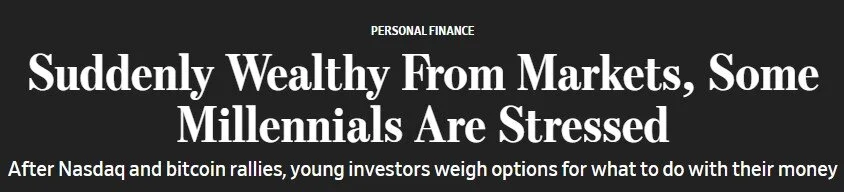
Millennials haven’t always had it easy. Many had student loans, stagnating wages and a difficult job market to deal with following the 2008 financial crisis. So I get why some people are gunshy:
Many of these workers may have struggled with stagnating wages and huge student loan debts earlier in their careers. Some worry they’ll mismanage this boon and forever ruin their chance at financial stability.
“These individuals completely feel and understand and recognize the pain of the last year, but now they’re being given an opportunity to come out of that,” Mr. Vakil said. “They’re saying, ‘This is my one chance.’ They’re taking it with both hands. They don’t want to mess it up.”
Sure, you don’t want to make unnecessary mistakes but the whole point of wealth is that it’s supposed to make your life less stressful. For many it seems building wealth only intensifies their worries.
Look at this headline from MarketWatch:
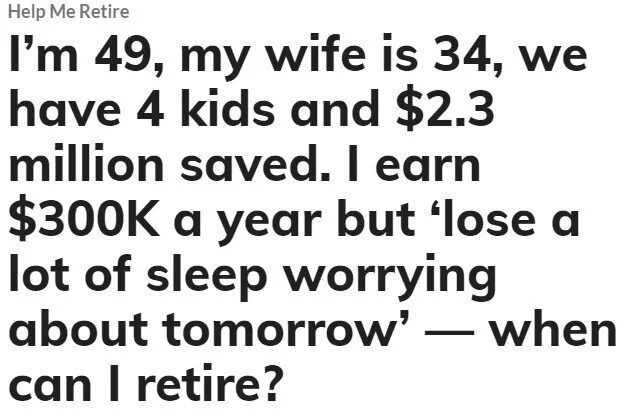
This person has a net worth that puts them in the top 5% of all Americans and yet they still have trouble sleeping at night because of financial worries. Here’s the kicker:
To continue reading, please go to the original article here:
https://awealthofcommonsense.com/2021/06/if-youre-still-worried-you-arent-wealthy/
Avoid These 4 Common Mistakes When You Get Rich Overnight
September 4, 2025 by Laura Bogart GoBankingRates
You’re about to score a financial touchdown. Maybe you’ve crushed it at work and landed a sweet promotion. Perhaps you’ve won a lottery or stumbled into a side hustle that suddenly pays off. As you near the end zone, heart pounding, head full of dreams, you can’t afford (literally) to fumble. Whether you’re blindsided by unexpected taxes or tripped up by bad financial advice, you have a lot to lose if you drop the ball.
Ariel: Iraqi Dinar Update, Acceleration and Recalibration
10-21-2026
Iraqi Dinar Update: Acceleration & Recalibration (Where We Are)
ACCELERATION SEQUENCE POST-IMF, POST-CABINET, POST-TREASURY LIFT — INVESTOR PROJECTION WINDOW
Iraq isn’t moving fast because they’re panicking. They’re moving fast because the infrastructure is finally in place.
Echo X: Is America Entering a Monetary Reset?
10-21-2026
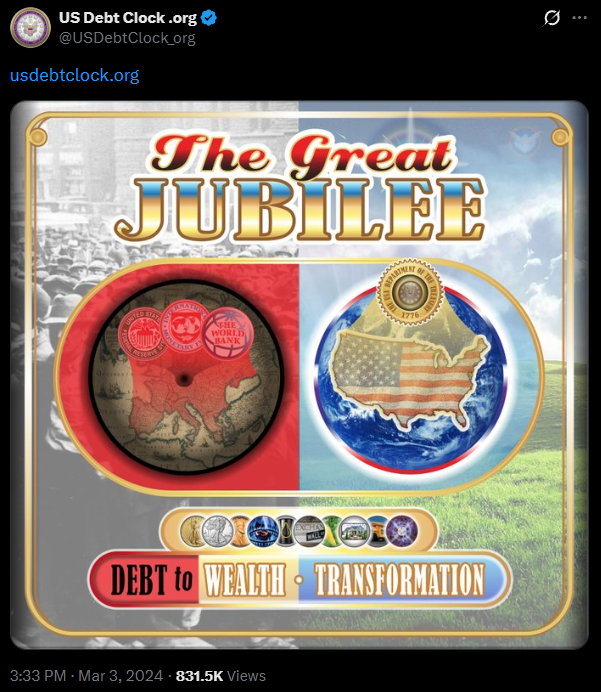
THE GREAT JUBILEE: IS AMERICA ENTERING A MONETARY RESET? | PART 4
NESARA. GESARA. The Federal Reserve. Gold revaluation. A proposed asset-backed Treasury dollar.
For years, people have talked about a Great Monetary Reset. Now we’re seeing real changes in blockchain infrastructure, digital finance, and international monetary policy alongside some very interesting illustrations from the U.S. Debt Clock.
What if the next monetary transformation looks different from what everybody expected?
Bruce’s Big Call Dinar Intel Tuesday Night 10-20-26
Transcribed By WiserNow Emailed To Recaps (INTEL ONLY)
Welcome, everybody, to Big Talk tonight. It It is Tuesday, october 20, and you're listening to the big call. Thanks everybody for coming in, listening again, being with us for another big call, and we thank you for coming.
Talk about not only where we are or where we want to be, but in the same vein as what Bob mentioned about Melania Trump, President Trump talked today. Let's see. When was today? I caught like two thirds of his speech before he took questions today, and I enjoyed the fact that he brought up the Q phone, and the Q phone is available, and we've known about it for a while now, and we have a few people that have actually demoed one or tried one out and everything.
Good Afternoon Dinar Recaps,
GLOBAL TRADE RESET WATCH: APEC WARNS GROWING IMBALANCES THREATEN ECONOMIC STABILITY
Asia-Pacific finance leaders call for stronger economic coordination as trade imbalances, rising debt and digital investment reshape the global financial landscape.
Emailed to Recaps~ Thank you David
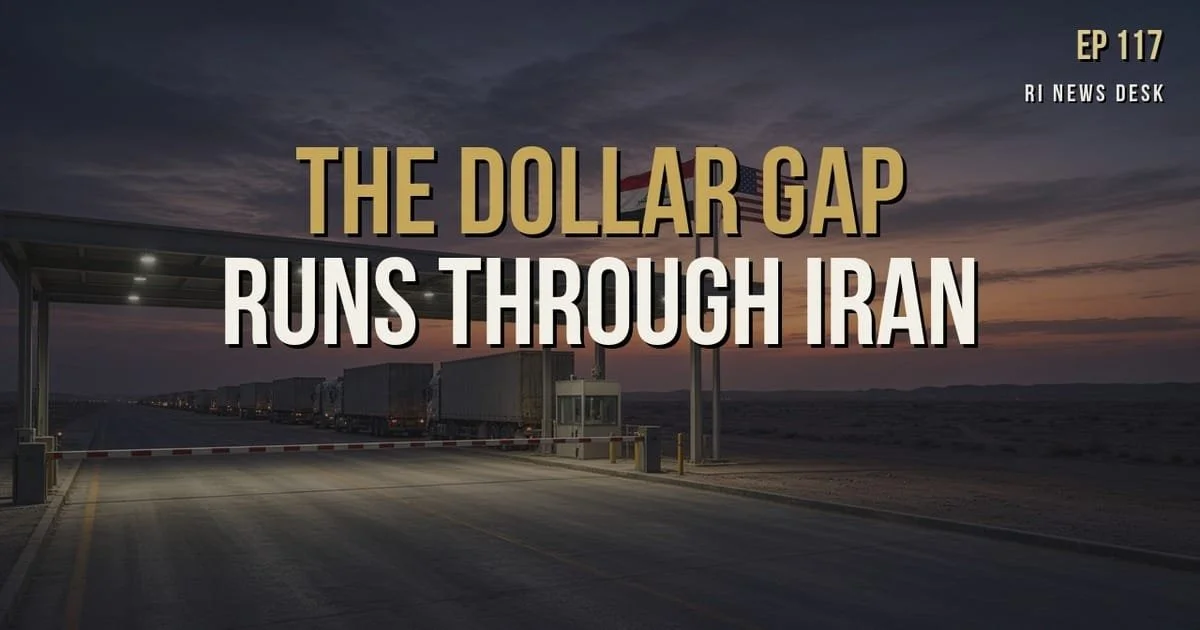
Reset Intelligence: The Dollar Gap Runs Through Iran.
By Reset Intelligence | @EXIT_FIAT
Iraq's Central Bank says trade with Iran is one reason Baghdad's street dollar stays above the bank's rate.
On Tuesday night, an official source said, Baghdad ordered its first crossing with Iran shut, with the rest to follow.
TNT:
Tishwash: The Central Bank extends bank working hours and directs them to open during official holidays.
The Central Bank of Iraq directed banks with outstanding remittances to work on Fridays to avoid delays caused by official holidays, while it completed covering all remittances before the exchange rate change, with a total amount of $3 billion.
MilitiaMan & Crew: CBI Policy Update: What You Need to Know About the IQD
10-21-2026
The Crew: Samson, PompeyPeter, Petra, Daytrader, Sunkissed, GIGI and Militia Man
No drama. No intrigue. No songs and dances. Just straight, factual news that I read and interpret to the best of my ability after being an avid Dinar investor and insanely obsessed Dinarian for over 15 years.
Follow MM on X == https://x.com/Slashn
Good Morning Dinar Recaps,
GLOBAL CURRENCY RESET WATCH: ECB SEEKS TO EXPAND THE EURO’S GLOBAL ROLE
The European Central Bank is widening access to euro liquidity, strengthening Europe’s financial reach as central banks reassess the international monetary landscape.
Physical Gold vs. Digital Gold: Which Is the Ultimate Safe Haven?
Published: 05-20-2026
Gold is trading at approximately $4,500 per troy ounce as of May 20, 2026 [World Gold Council]. However, the debate about physical gold vs digital gold matters more than most investors realise — because not all of these products are the same thing. Both show up on a brokerage statement with a dollar value attached. But what you actually own — what you hold, what you control, what survives a real crisis — is a very different story. This isn’t a debate about returns. It’s a debate about what “safe haven” actually means.
KTFA
Tuesday Night Video
FRANK26…10-20-26.....YOU PROMISED
This video is in Frank’s and his team’s opinion only
Frank’s team is Walkingstick, Eddie and Omar in Iraq and guests
Playback Number: 605-313-5163 PIN: 156996#
Iraq Orders Banks to Work OVERTIME! Why Now?
The Dinar Den: 10-20-2026
Stephen: Hey everyone, welcome back to the channel. We have some exciting and breaking news that came out of the central bank of Iraq today. So, I'm going to cover and go over those few articles that I think as dinar investors are um just exciting and I think they are very telling as to what the future might possibly hold.
And I'm gonna tie it all together and share how I think these things could possibly be related to a higher dinar exchange rate.
The Iraqi Dinar Is The Second Worst-Performing Arab Currency; Dollar Pressures Pose A Difficult Test For Monetary Policy.
October 20, 2026 The Independent - The classification of the Iraqi dinar among the Arab currencies that have declined the most against the US dollar has raised widespread questions about the future of monetary stability in Iraq, and the ability of the Central Bank to contain the increasing pressures on the exchange market, at a time when the economy is facing challenges related to oil revenues, government spending and the heavy reliance on imports.
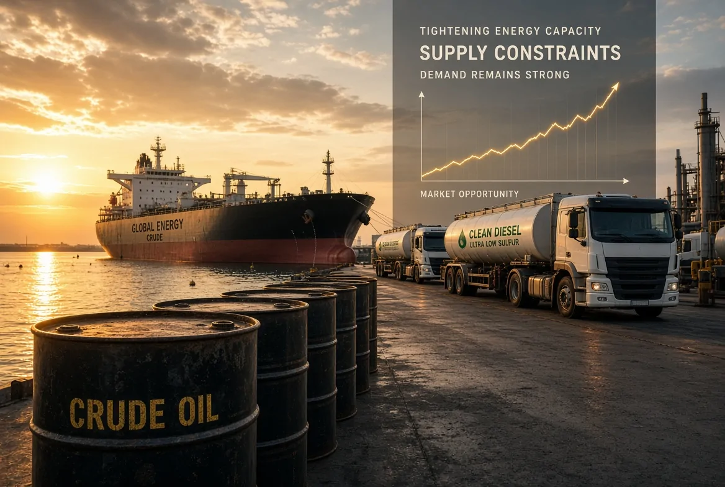
The Iran War Will End. Expensive Diesel Won’t
Notes From the Field By James Hickman (Simon Black / sovereign Man) October 20, 2026
There’s a college degree that pays about $100,000 right out of school, which is pretty good money for a 22-year old. Within a few years, that pay could easily double.
Yet hardly any young person wants the job.
It’s not dangerous, it’s not dirty, and it doesn’t require superhuman work hours. The only reason young people aren’t interested is because Greta Thunberg told them it wasn’t cool.
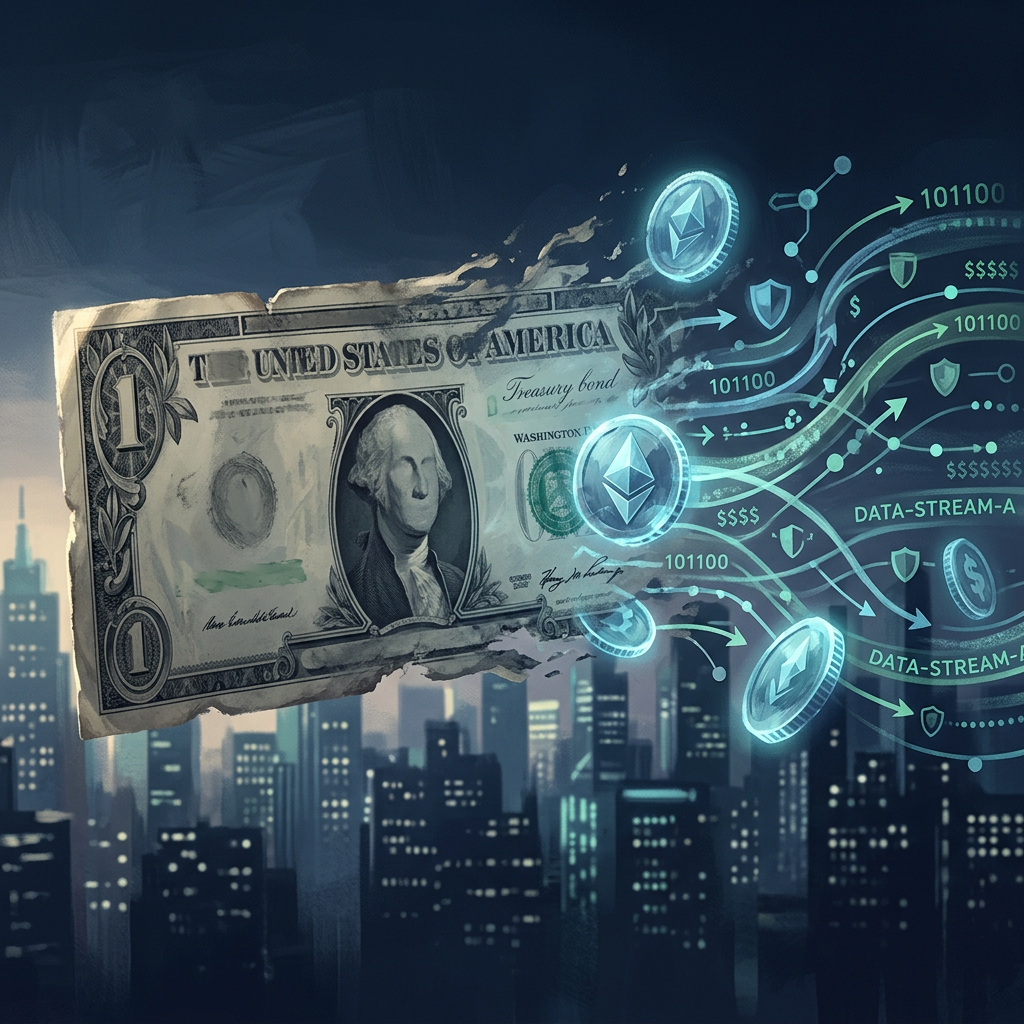
GP Q: US Dollar Upgrade or Collapse?
10-20-2026
“Is the dollar dying… or is it about to get a major upgrade?”
MONEY MONEY MONEY
Most people are only watching the old fiat dollar.
They’re completely missing the new system the U.S. is building right now under the GENIUS Act. Here’s the simple version:

Rob Cunningham: If the World Could Choose Only One Blockchain
10-20-2026
On a go forward basis, “all things considered”, based on the comprehensive utility and liquidity needs of the entire world, “if” only one blockchain was allowed to exist, which should it be?
My choice: the XRP Ledger.
Under this hypothetical – one blockchain serving the world’s combined needs for payments, currencies, tokenized assets, exchange and settlement – XRPL offers the strongest fit in my judgment.
The Central Bank Of Iraq Resolves The Issue Of Merchants' Remittances And Confirms The Continuation Of Import Financing In Dollars.
October 20, 2026Last updated: October 20, 2026 The Central Bank of Iraq confirmed on Tuesday, October 20, 2026, the continuation of financing imports and providing foreign currency through official banking channels, announcing the completion of fulfilling external transfer requests that were suspended before the adjustment of the dinar exchange rate on October 7, in a step aimed at addressing outstanding issues, protecting the rights of traders and ensuring the smooth flow of foreign trade.
Good Afternoon Dinar Recaps,
GLOBAL ASSET RESET WATCH: DEBT, AI UNCERTAINTY AND ENERGY RISKS RESHAPE SAFE-HAVEN DEMAND
Investors are reassessing where to protect their wealth as geopolitical conflict, rising energy prices, government debt and uncertainty surrounding artificial intelligence reshape global markets.
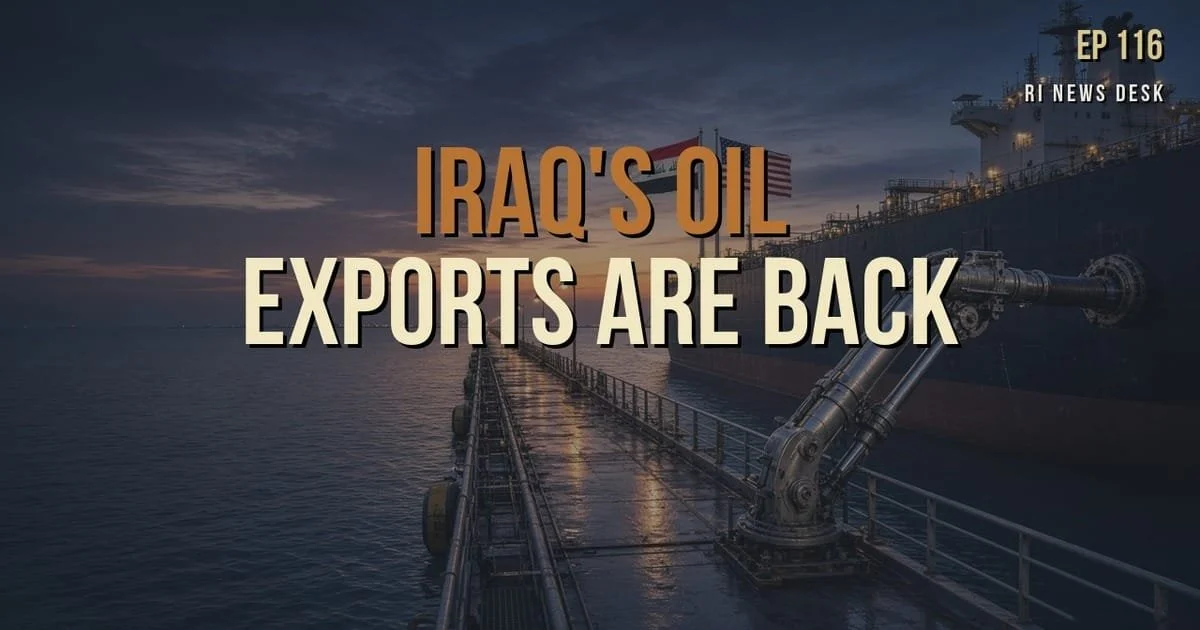
Reset Intelligence: Iraq's Oil Exports Are Back.
By Reset Intelligence | @EXIT_FIAT
Iraq's oil exports are back above 3.4 million barrels a day, close to where they stood before the war.
The same weekend the IMF and Washington both moved toward Baghdad, and the street dollar went the other way.
13 Financial Moves to Make After Losing a Spouse
.13 Financial Moves to Make After Losing a Spouse
Nothing upends your world like the death of a spouse, leaving you at a loss for what to do next.
by: Janet Kidd Stewart April 29, 2020
Nothing upends your world like the death of a spouse, leaving you at a loss for what to do next. When death comes before you realize your retirement plans, it can be particularly devastating.
Triage Your Tasks
Of the roughly 15 million widows and widowers in the United States, about 2.8 million women and 800,000 men are younger than age 65, according to Census Bureau data. But whether you are of retirement age or not, making the right financial moves early can set you up for greater financial stability later on.
The oft-quoted mantra of telling grieving spouses not to make any financial decisions for a year is misguided at best and disastrous at worst. Many decisions simply can’t be postponed for a year, and others shouldn’t be rushed into. “We advocate a much more nuanced timeline,” says Susan Bradley, founder of the Sudden Money Institute, which trains financial advisers to work with clients in transition.
13 Financial Moves to Make After Losing a Spouse
Nothing upends your world like the death of a spouse, leaving you at a loss for what to do next.
by: Janet Kidd Stewart April 29, 2020
Nothing upends your world like the death of a spouse, leaving you at a loss for what to do next. When death comes before you realize your retirement plans, it can be particularly devastating.
Triage Your Tasks
Of the roughly 15 million widows and widowers in the United States, about 2.8 million women and 800,000 men are younger than age 65, according to Census Bureau data. But whether you are of retirement age or not, making the right financial moves early can set you up for greater financial stability later on.
The oft-quoted mantra of telling grieving spouses not to make any financial decisions for a year is misguided at best and disastrous at worst. Many decisions simply can’t be postponed for a year, and others shouldn’t be rushed into. “We advocate a much more nuanced timeline,” says Susan Bradley, founder of the Sudden Money Institute, which trains financial advisers to work with clients in transition.
She recommends breaking tasks down into three piles — urgent, soon and later — with those in the last pile being perhaps two years or more down the road, depending on individual circumstances.
A surviving stay-at-home spouse with school-age kids may have the resources to keep the family home until the youngest graduates, for example, but then may need (or want) to downsize and head back to work. An empty nester who had been counting on a few more years of a spouse’s income before retirement — and at least a few years of dual Social Security checks — may need to adjust more quickly.
Gather Documents
Now, for the practical matters. If it’s still early days, begin by making sure the funeral director you’re working with has notified the Social Security Administration of the death and ordered 15 to 20 certified copies of the death certificate for tasks such as retitling the mortgage and changing owner names on financial accounts.
You’ll need one or more of these documents to apply for Social Security benefits, work with your spouse’s employer to distribute life insurance and other benefits such as final pay and retirement plan savings, collect private life insurance proceeds and create a cash flow statement and household budget.
Keep Good Records
Get a notebook for logging conversations with your spouse’s employer, Social Security clerks and others. Advisers and survivors say this is essential in the foggy, early days of grief.
“I kept notes on everything,” says Sue Knight Deutsch, who lost her husband Michael to colon cancer in 2009. He was 55; she was 53. “I had a notebook and every time I made a call I wrote down a date and case number for the call so when I would call again and get a new person I could tell them the number.”
Also, keep an expandable file near the notebook. The file should hold the death certificates and other important papers, correspondence related to the spouse’s death and current bills due and paid.
Organize the Bills
If your spouse handled the bills and you need a new system, create one box or tray for unopened mail and make sure every piece goes into that box. Look through the checkbook or online banking account for past or recurring payments. If you have access to your spouse’s email account, look for electronic notifications of bills due.
To continue reading, please go to the original article here:
CBI Foreign Reserves Rise To $81.5B In August
2026-10-21 06:18 Shafaq News- Baghdad Iraq's foreign reserves rose to $81.538 billion at the end of August 2026, up from $80.633 billion a month earlier, according to Central Bank of Iraq (CBI) data released on Wednesday. The gain of about $905 million followed four straight monthly declines from April through July, according to the data reviewed by Shafaq News. Reserves are still $15.894 billion below the $97.432 billion recorded at the end of 2025, a drop of about 16.3% over the first eight months of the year.
Avoid These 4 Common Mistakes When You Get Rich Overnight
September 4, 2025 by Laura Bogart GoBankingRates
You’re about to score a financial touchdown. Maybe you’ve crushed it at work and landed a sweet promotion. Perhaps you’ve won a lottery or stumbled into a side hustle that suddenly pays off. As you near the end zone, heart pounding, head full of dreams, you can’t afford (literally) to fumble. Whether you’re blindsided by unexpected taxes or tripped up by bad financial advice, you have a lot to lose if you drop the ball.
Ariel: Iraqi Dinar Update, Acceleration and Recalibration
10-21-2026
Iraqi Dinar Update: Acceleration & Recalibration (Where We Are)
ACCELERATION SEQUENCE POST-IMF, POST-CABINET, POST-TREASURY LIFT — INVESTOR PROJECTION WINDOW
Iraq isn’t moving fast because they’re panicking. They’re moving fast because the infrastructure is finally in place.
Echo X: Is America Entering a Monetary Reset?
10-21-2026
THE GREAT JUBILEE: IS AMERICA ENTERING A MONETARY RESET? | PART 4
NESARA. GESARA. The Federal Reserve. Gold revaluation. A proposed asset-backed Treasury dollar.
For years, people have talked about a Great Monetary Reset. Now we’re seeing real changes in blockchain infrastructure, digital finance, and international monetary policy alongside some very interesting illustrations from the U.S. Debt Clock.
What if the next monetary transformation looks different from what everybody expected?
Bruce’s Big Call Dinar Intel Tuesday Night 10-20-26
Transcribed By WiserNow Emailed To Recaps (INTEL ONLY)
Welcome, everybody, to Big Talk tonight. It It is Tuesday, october 20, and you're listening to the big call. Thanks everybody for coming in, listening again, being with us for another big call, and we thank you for coming.
Talk about not only where we are or where we want to be, but in the same vein as what Bob mentioned about Melania Trump, President Trump talked today. Let's see. When was today? I caught like two thirds of his speech before he took questions today, and I enjoyed the fact that he brought up the Q phone, and the Q phone is available, and we've known about it for a while now, and we have a few people that have actually demoed one or tried one out and everything.
Good Afternoon Dinar Recaps,
GLOBAL TRADE RESET WATCH: APEC WARNS GROWING IMBALANCES THREATEN ECONOMIC STABILITY
Asia-Pacific finance leaders call for stronger economic coordination as trade imbalances, rising debt and digital investment reshape the global financial landscape.
Emailed to Recaps~ Thank you David
Reset Intelligence: The Dollar Gap Runs Through Iran.
By Reset Intelligence | @EXIT_FIAT
Iraq's Central Bank says trade with Iran is one reason Baghdad's street dollar stays above the bank's rate.
On Tuesday night, an official source said, Baghdad ordered its first crossing with Iran shut, with the rest to follow.
TNT:
Tishwash: The Central Bank extends bank working hours and directs them to open during official holidays.
The Central Bank of Iraq directed banks with outstanding remittances to work on Fridays to avoid delays caused by official holidays, while it completed covering all remittances before the exchange rate change, with a total amount of $3 billion.
MilitiaMan & Crew: CBI Policy Update: What You Need to Know About the IQD
10-21-2026
The Crew: Samson, PompeyPeter, Petra, Daytrader, Sunkissed, GIGI and Militia Man
No drama. No intrigue. No songs and dances. Just straight, factual news that I read and interpret to the best of my ability after being an avid Dinar investor and insanely obsessed Dinarian for over 15 years.
Follow MM on X == https://x.com/Slashn
Good Morning Dinar Recaps,
GLOBAL CURRENCY RESET WATCH: ECB SEEKS TO EXPAND THE EURO’S GLOBAL ROLE
The European Central Bank is widening access to euro liquidity, strengthening Europe’s financial reach as central banks reassess the international monetary landscape.
Physical Gold vs. Digital Gold: Which Is the Ultimate Safe Haven?
Published: 05-20-2026
Gold is trading at approximately $4,500 per troy ounce as of May 20, 2026 [World Gold Council]. However, the debate about physical gold vs digital gold matters more than most investors realise — because not all of these products are the same thing. Both show up on a brokerage statement with a dollar value attached. But what you actually own — what you hold, what you control, what survives a real crisis — is a very different story. This isn’t a debate about returns. It’s a debate about what “safe haven” actually means.
KTFA
Tuesday Night Video
FRANK26…10-20-26.....YOU PROMISED
This video is in Frank’s and his team’s opinion only
Frank’s team is Walkingstick, Eddie and Omar in Iraq and guests
Playback Number: 605-313-5163 PIN: 156996#
Iraq Orders Banks to Work OVERTIME! Why Now?
The Dinar Den: 10-20-2026
Stephen: Hey everyone, welcome back to the channel. We have some exciting and breaking news that came out of the central bank of Iraq today. So, I'm going to cover and go over those few articles that I think as dinar investors are um just exciting and I think they are very telling as to what the future might possibly hold.
And I'm gonna tie it all together and share how I think these things could possibly be related to a higher dinar exchange rate.
The Iraqi Dinar Is The Second Worst-Performing Arab Currency; Dollar Pressures Pose A Difficult Test For Monetary Policy.
October 20, 2026 The Independent - The classification of the Iraqi dinar among the Arab currencies that have declined the most against the US dollar has raised widespread questions about the future of monetary stability in Iraq, and the ability of the Central Bank to contain the increasing pressures on the exchange market, at a time when the economy is facing challenges related to oil revenues, government spending and the heavy reliance on imports.
The Iran War Will End. Expensive Diesel Won’t
Notes From the Field By James Hickman (Simon Black / sovereign Man) October 20, 2026
There’s a college degree that pays about $100,000 right out of school, which is pretty good money for a 22-year old. Within a few years, that pay could easily double.
Yet hardly any young person wants the job.
It’s not dangerous, it’s not dirty, and it doesn’t require superhuman work hours. The only reason young people aren’t interested is because Greta Thunberg told them it wasn’t cool.
GP Q: US Dollar Upgrade or Collapse?
10-20-2026
“Is the dollar dying… or is it about to get a major upgrade?”
MONEY MONEY MONEY
Most people are only watching the old fiat dollar.
They’re completely missing the new system the U.S. is building right now under the GENIUS Act. Here’s the simple version:
Rob Cunningham: If the World Could Choose Only One Blockchain
10-20-2026
On a go forward basis, “all things considered”, based on the comprehensive utility and liquidity needs of the entire world, “if” only one blockchain was allowed to exist, which should it be?
My choice: the XRP Ledger.
Under this hypothetical – one blockchain serving the world’s combined needs for payments, currencies, tokenized assets, exchange and settlement – XRPL offers the strongest fit in my judgment.
The Central Bank Of Iraq Resolves The Issue Of Merchants' Remittances And Confirms The Continuation Of Import Financing In Dollars.
October 20, 2026Last updated: October 20, 2026 The Central Bank of Iraq confirmed on Tuesday, October 20, 2026, the continuation of financing imports and providing foreign currency through official banking channels, announcing the completion of fulfilling external transfer requests that were suspended before the adjustment of the dinar exchange rate on October 7, in a step aimed at addressing outstanding issues, protecting the rights of traders and ensuring the smooth flow of foreign trade.
Good Afternoon Dinar Recaps,
GLOBAL ASSET RESET WATCH: DEBT, AI UNCERTAINTY AND ENERGY RISKS RESHAPE SAFE-HAVEN DEMAND
Investors are reassessing where to protect their wealth as geopolitical conflict, rising energy prices, government debt and uncertainty surrounding artificial intelligence reshape global markets.
Reset Intelligence: Iraq's Oil Exports Are Back.
By Reset Intelligence | @EXIT_FIAT
Iraq's oil exports are back above 3.4 million barrels a day, close to where they stood before the war.
The same weekend the IMF and Washington both moved toward Baghdad, and the street dollar went the other way.
The Financial Effects of Losing a Spouse
.The Financial Effects of Losing a Spouse
Rocky Mengle, Tax Editor Fri, July 16, 2021
The death of a spouse is one of the most difficult things imaginable. Besides the emotional toll, surviving spouses typically confront financial issues, which often trigger tax-related questions and consequences. Some of them are fairly straightforward, while others can be tricky. That's why Letha McDowell, president of the National Academy of Elder Law Attorneys, advises surviving spouses not to make major financial changes immediately. Instead, she tells them to reassess their finances from a tax perspective.
The loss of income after a spouse dies certainly has tax implications. For instance, if a drop in income means the surviving spouse needs to tap into a retirement account, McDowell points out that "the taxes may be less than initially anticipated because, if you have lower income, you may be in a lower bracket."
The Financial Effects of Losing a Spouse
Rocky Mengle, Tax Editor Fri, July 16, 2021
The death of a spouse is one of the most difficult things imaginable. Besides the emotional toll, surviving spouses typically confront financial issues, which often trigger tax-related questions and consequences. Some of them are fairly straightforward, while others can be tricky. That's why Letha McDowell, president of the National Academy of Elder Law Attorneys, advises surviving spouses not to make major financial changes immediately. Instead, she tells them to reassess their finances from a tax perspective.
The loss of income after a spouse dies certainly has tax implications. For instance, if a drop in income means the surviving spouse needs to tap into a retirement account, McDowell points out that "the taxes may be less than initially anticipated because, if you have lower income, you may be in a lower bracket."
Less income could also mean that the surviving spouse now qualifies for certain tax deductions or credits that have income caps or phase-out rules. Local jurisdictions often have income-based property tax breaks that may suddenly become available, too.
Eventually, every surviving spouse has a new filing status. A joint federal tax return is allowed for the year the deceased spouse dies if the surviving spouse didn't remarry. The qualifying widow(er) status may be an option for two more years if there's a dependent child. After that, a surviving spouse who doesn't remarry must file as a single taxpayer, which usually means less favorable tax rates and a lower standard deduction.
Inheriting a traditional IRA can also affect the surviving spouse's taxes, but first, there's a decision to make. An inheriting spouse can be designated as the account owner, roll the funds into their own retirement account, or be treated as a beneficiary. That decision will affect required minimum distributions and ultimately the surviving spouse's taxable income.
As either the designated owner of the original account or the owner of the account with rolled-over funds, the surviving spouse can take RMDs based on their own life expectancy. If the third option -- staying as the IRA's beneficiary -- is chosen, RMDs are based on the life expectancy of the deceased spouse. "Almost everyone either rolls [an inherited IRA] into their own IRA or at least they transfer it into an account in their name," McDowell notes.
To continue reading, please go to the original article here:
https://finance.yahoo.com/news/financial-effects-losing-spouse-125927518.html
CBI Foreign Reserves Rise To $81.5B In August
2026-10-21 06:18 Shafaq News- Baghdad Iraq's foreign reserves rose to $81.538 billion at the end of August 2026, up from $80.633 billion a month earlier, according to Central Bank of Iraq (CBI) data released on Wednesday. The gain of about $905 million followed four straight monthly declines from April through July, according to the data reviewed by Shafaq News. Reserves are still $15.894 billion below the $97.432 billion recorded at the end of 2025, a drop of about 16.3% over the first eight months of the year.
Avoid These 4 Common Mistakes When You Get Rich Overnight
September 4, 2025 by Laura Bogart GoBankingRates
You’re about to score a financial touchdown. Maybe you’ve crushed it at work and landed a sweet promotion. Perhaps you’ve won a lottery or stumbled into a side hustle that suddenly pays off. As you near the end zone, heart pounding, head full of dreams, you can’t afford (literally) to fumble. Whether you’re blindsided by unexpected taxes or tripped up by bad financial advice, you have a lot to lose if you drop the ball.
Ariel: Iraqi Dinar Update, Acceleration and Recalibration
10-21-2026
Iraqi Dinar Update: Acceleration & Recalibration (Where We Are)
ACCELERATION SEQUENCE POST-IMF, POST-CABINET, POST-TREASURY LIFT — INVESTOR PROJECTION WINDOW
Iraq isn’t moving fast because they’re panicking. They’re moving fast because the infrastructure is finally in place.
Echo X: Is America Entering a Monetary Reset?
10-21-2026
THE GREAT JUBILEE: IS AMERICA ENTERING A MONETARY RESET? | PART 4
NESARA. GESARA. The Federal Reserve. Gold revaluation. A proposed asset-backed Treasury dollar.
For years, people have talked about a Great Monetary Reset. Now we’re seeing real changes in blockchain infrastructure, digital finance, and international monetary policy alongside some very interesting illustrations from the U.S. Debt Clock.
What if the next monetary transformation looks different from what everybody expected?
Bruce’s Big Call Dinar Intel Tuesday Night 10-20-26
Transcribed By WiserNow Emailed To Recaps (INTEL ONLY)
Welcome, everybody, to Big Talk tonight. It It is Tuesday, october 20, and you're listening to the big call. Thanks everybody for coming in, listening again, being with us for another big call, and we thank you for coming.
Talk about not only where we are or where we want to be, but in the same vein as what Bob mentioned about Melania Trump, President Trump talked today. Let's see. When was today? I caught like two thirds of his speech before he took questions today, and I enjoyed the fact that he brought up the Q phone, and the Q phone is available, and we've known about it for a while now, and we have a few people that have actually demoed one or tried one out and everything.
Good Afternoon Dinar Recaps,
GLOBAL TRADE RESET WATCH: APEC WARNS GROWING IMBALANCES THREATEN ECONOMIC STABILITY
Asia-Pacific finance leaders call for stronger economic coordination as trade imbalances, rising debt and digital investment reshape the global financial landscape.
Emailed to Recaps~ Thank you David
Reset Intelligence: The Dollar Gap Runs Through Iran.
By Reset Intelligence | @EXIT_FIAT
Iraq's Central Bank says trade with Iran is one reason Baghdad's street dollar stays above the bank's rate.
On Tuesday night, an official source said, Baghdad ordered its first crossing with Iran shut, with the rest to follow.
TNT:
Tishwash: The Central Bank extends bank working hours and directs them to open during official holidays.
The Central Bank of Iraq directed banks with outstanding remittances to work on Fridays to avoid delays caused by official holidays, while it completed covering all remittances before the exchange rate change, with a total amount of $3 billion.
MilitiaMan & Crew: CBI Policy Update: What You Need to Know About the IQD
10-21-2026
The Crew: Samson, PompeyPeter, Petra, Daytrader, Sunkissed, GIGI and Militia Man
No drama. No intrigue. No songs and dances. Just straight, factual news that I read and interpret to the best of my ability after being an avid Dinar investor and insanely obsessed Dinarian for over 15 years.
Follow MM on X == https://x.com/Slashn
Good Morning Dinar Recaps,
GLOBAL CURRENCY RESET WATCH: ECB SEEKS TO EXPAND THE EURO’S GLOBAL ROLE
The European Central Bank is widening access to euro liquidity, strengthening Europe’s financial reach as central banks reassess the international monetary landscape.
Physical Gold vs. Digital Gold: Which Is the Ultimate Safe Haven?
Published: 05-20-2026
Gold is trading at approximately $4,500 per troy ounce as of May 20, 2026 [World Gold Council]. However, the debate about physical gold vs digital gold matters more than most investors realise — because not all of these products are the same thing. Both show up on a brokerage statement with a dollar value attached. But what you actually own — what you hold, what you control, what survives a real crisis — is a very different story. This isn’t a debate about returns. It’s a debate about what “safe haven” actually means.
KTFA
Tuesday Night Video
FRANK26…10-20-26.....YOU PROMISED
This video is in Frank’s and his team’s opinion only
Frank’s team is Walkingstick, Eddie and Omar in Iraq and guests
Playback Number: 605-313-5163 PIN: 156996#
Iraq Orders Banks to Work OVERTIME! Why Now?
The Dinar Den: 10-20-2026
Stephen: Hey everyone, welcome back to the channel. We have some exciting and breaking news that came out of the central bank of Iraq today. So, I'm going to cover and go over those few articles that I think as dinar investors are um just exciting and I think they are very telling as to what the future might possibly hold.
And I'm gonna tie it all together and share how I think these things could possibly be related to a higher dinar exchange rate.
The Iraqi Dinar Is The Second Worst-Performing Arab Currency; Dollar Pressures Pose A Difficult Test For Monetary Policy.
October 20, 2026 The Independent - The classification of the Iraqi dinar among the Arab currencies that have declined the most against the US dollar has raised widespread questions about the future of monetary stability in Iraq, and the ability of the Central Bank to contain the increasing pressures on the exchange market, at a time when the economy is facing challenges related to oil revenues, government spending and the heavy reliance on imports.
The Iran War Will End. Expensive Diesel Won’t
Notes From the Field By James Hickman (Simon Black / sovereign Man) October 20, 2026
There’s a college degree that pays about $100,000 right out of school, which is pretty good money for a 22-year old. Within a few years, that pay could easily double.
Yet hardly any young person wants the job.
It’s not dangerous, it’s not dirty, and it doesn’t require superhuman work hours. The only reason young people aren’t interested is because Greta Thunberg told them it wasn’t cool.
GP Q: US Dollar Upgrade or Collapse?
10-20-2026
“Is the dollar dying… or is it about to get a major upgrade?”
MONEY MONEY MONEY
Most people are only watching the old fiat dollar.
They’re completely missing the new system the U.S. is building right now under the GENIUS Act. Here’s the simple version:
Rob Cunningham: If the World Could Choose Only One Blockchain
10-20-2026
On a go forward basis, “all things considered”, based on the comprehensive utility and liquidity needs of the entire world, “if” only one blockchain was allowed to exist, which should it be?
My choice: the XRP Ledger.
Under this hypothetical – one blockchain serving the world’s combined needs for payments, currencies, tokenized assets, exchange and settlement – XRPL offers the strongest fit in my judgment.
The Central Bank Of Iraq Resolves The Issue Of Merchants' Remittances And Confirms The Continuation Of Import Financing In Dollars.
October 20, 2026Last updated: October 20, 2026 The Central Bank of Iraq confirmed on Tuesday, October 20, 2026, the continuation of financing imports and providing foreign currency through official banking channels, announcing the completion of fulfilling external transfer requests that were suspended before the adjustment of the dinar exchange rate on October 7, in a step aimed at addressing outstanding issues, protecting the rights of traders and ensuring the smooth flow of foreign trade.
Good Afternoon Dinar Recaps,
GLOBAL ASSET RESET WATCH: DEBT, AI UNCERTAINTY AND ENERGY RISKS RESHAPE SAFE-HAVEN DEMAND
Investors are reassessing where to protect their wealth as geopolitical conflict, rising energy prices, government debt and uncertainty surrounding artificial intelligence reshape global markets.
Reset Intelligence: Iraq's Oil Exports Are Back.
By Reset Intelligence | @EXIT_FIAT
Iraq's oil exports are back above 3.4 million barrels a day, close to where they stood before the war.
The same weekend the IMF and Washington both moved toward Baghdad, and the street dollar went the other way.
What You Need To Know Before You Invest In Anything
.What You Need To Know Before You Invest In Anything
Thomas Kopelman / June 1, 2021
As a financial advisor, I get asked almost daily what I am investing in.
It mostly sounds like this “are you invested in Bitcoin? Ethereum, Apple, Tesla, AMC, etc.” The list could go on forever. I always have a hard time answering this question because what I invest in doesn’t really matter. Just because I invest in certain things does not mean you should and vise versa. The real question is “why do I invest in those things?” The why is so much more important than the what.
And for me, I have a deep why for my investing strategy.
I believe in low cost, diversified investing for most of my portfolio. About 80% of my current portfolio is in low cost index funds that have the exposure I want (the same as our RLS Wealth clients). Some to large cap, some to mid cap, some to small cap, some to international, some to value, and some to growth.
What You Need To Know Before You Invest In Anything
Thomas Kopelman / June 1, 2021
As a financial advisor, I get asked almost daily what I am investing in.
It mostly sounds like this “are you invested in Bitcoin? Ethereum, Apple, Tesla, AMC, etc.” The list could go on forever. I always have a hard time answering this question because what I invest in doesn’t really matter. Just because I invest in certain things does not mean you should and vise versa. The real question is “why do I invest in those things?” The why is so much more important than the what.
And for me, I have a deep why for my investing strategy.
I believe in low cost, diversified investing for most of my portfolio. About 80% of my current portfolio is in low cost index funds that have the exposure I want (the same as our RLS Wealth clients). Some to large cap, some to mid cap, some to small cap, some to international, some to value, and some to growth.
My main focus here is to get what the market offers. To hold on long term and to not touch this money till I need it in the distant future — and to keep the fees as low as possible, but also to keep the gains sheltered inside as much as possible by using ETFs.
Then, with the last 20% I take more risk. I invest in some cryptocurrencies I really believe in as well as some individual stocks. The key here is that I truly believe in them. I did my research. I found what I think will make an impact in the future — and with these investments, I still have a long term view. This belief system is so crucial when you invest, because without it, how do you continue to stick with it when times get tough?
These last few weeks, so many people I know sold their positions in Bitcoin, Ethereum, and other cryptocurrencies, and if that is you, it’s probably because you never believed in the investment in the first place. You probably just invested because others were doing it and you were hoping to make lots of money off of it. I am here to tell you that investing that way rarely works.
Every time things get tough, you are going to sit there and fight yourself on whether you should sell or not simply because you have no true belief around it. This is why it is so important to invest in what you truly believe in because that long term belief enables you to hold on through short term downturns. Sure, it still won’t be easy, but it will be possible when you truly believe in the investment.
I also want to note that chasing investment returns as a millennial is not where your energy is best spent. Your energy is best spent continually investing, increasing your income, increasing your investment percentage, investing in the right accounts based on taxes, etc.
Here are some pieces of investment advice to help you out:
https://thomaskopelman.com/2021/06/what-you-need-to-know-before-you-invest-in-anything/
CBI Foreign Reserves Rise To $81.5B In August
2026-10-21 06:18 Shafaq News- Baghdad Iraq's foreign reserves rose to $81.538 billion at the end of August 2026, up from $80.633 billion a month earlier, according to Central Bank of Iraq (CBI) data released on Wednesday. The gain of about $905 million followed four straight monthly declines from April through July, according to the data reviewed by Shafaq News. Reserves are still $15.894 billion below the $97.432 billion recorded at the end of 2025, a drop of about 16.3% over the first eight months of the year.
Avoid These 4 Common Mistakes When You Get Rich Overnight
September 4, 2025 by Laura Bogart GoBankingRates
You’re about to score a financial touchdown. Maybe you’ve crushed it at work and landed a sweet promotion. Perhaps you’ve won a lottery or stumbled into a side hustle that suddenly pays off. As you near the end zone, heart pounding, head full of dreams, you can’t afford (literally) to fumble. Whether you’re blindsided by unexpected taxes or tripped up by bad financial advice, you have a lot to lose if you drop the ball.
Ariel: Iraqi Dinar Update, Acceleration and Recalibration
10-21-2026
Iraqi Dinar Update: Acceleration & Recalibration (Where We Are)
ACCELERATION SEQUENCE POST-IMF, POST-CABINET, POST-TREASURY LIFT — INVESTOR PROJECTION WINDOW
Iraq isn’t moving fast because they’re panicking. They’re moving fast because the infrastructure is finally in place.
Echo X: Is America Entering a Monetary Reset?
10-21-2026
THE GREAT JUBILEE: IS AMERICA ENTERING A MONETARY RESET? | PART 4
NESARA. GESARA. The Federal Reserve. Gold revaluation. A proposed asset-backed Treasury dollar.
For years, people have talked about a Great Monetary Reset. Now we’re seeing real changes in blockchain infrastructure, digital finance, and international monetary policy alongside some very interesting illustrations from the U.S. Debt Clock.
What if the next monetary transformation looks different from what everybody expected?
Bruce’s Big Call Dinar Intel Tuesday Night 10-20-26
Transcribed By WiserNow Emailed To Recaps (INTEL ONLY)
Welcome, everybody, to Big Talk tonight. It It is Tuesday, october 20, and you're listening to the big call. Thanks everybody for coming in, listening again, being with us for another big call, and we thank you for coming.
Talk about not only where we are or where we want to be, but in the same vein as what Bob mentioned about Melania Trump, President Trump talked today. Let's see. When was today? I caught like two thirds of his speech before he took questions today, and I enjoyed the fact that he brought up the Q phone, and the Q phone is available, and we've known about it for a while now, and we have a few people that have actually demoed one or tried one out and everything.
Good Afternoon Dinar Recaps,
GLOBAL TRADE RESET WATCH: APEC WARNS GROWING IMBALANCES THREATEN ECONOMIC STABILITY
Asia-Pacific finance leaders call for stronger economic coordination as trade imbalances, rising debt and digital investment reshape the global financial landscape.
Emailed to Recaps~ Thank you David
Reset Intelligence: The Dollar Gap Runs Through Iran.
By Reset Intelligence | @EXIT_FIAT
Iraq's Central Bank says trade with Iran is one reason Baghdad's street dollar stays above the bank's rate.
On Tuesday night, an official source said, Baghdad ordered its first crossing with Iran shut, with the rest to follow.
TNT:
Tishwash: The Central Bank extends bank working hours and directs them to open during official holidays.
The Central Bank of Iraq directed banks with outstanding remittances to work on Fridays to avoid delays caused by official holidays, while it completed covering all remittances before the exchange rate change, with a total amount of $3 billion.
MilitiaMan & Crew: CBI Policy Update: What You Need to Know About the IQD
10-21-2026
The Crew: Samson, PompeyPeter, Petra, Daytrader, Sunkissed, GIGI and Militia Man
No drama. No intrigue. No songs and dances. Just straight, factual news that I read and interpret to the best of my ability after being an avid Dinar investor and insanely obsessed Dinarian for over 15 years.
Follow MM on X == https://x.com/Slashn
Good Morning Dinar Recaps,
GLOBAL CURRENCY RESET WATCH: ECB SEEKS TO EXPAND THE EURO’S GLOBAL ROLE
The European Central Bank is widening access to euro liquidity, strengthening Europe’s financial reach as central banks reassess the international monetary landscape.
Physical Gold vs. Digital Gold: Which Is the Ultimate Safe Haven?
Published: 05-20-2026
Gold is trading at approximately $4,500 per troy ounce as of May 20, 2026 [World Gold Council]. However, the debate about physical gold vs digital gold matters more than most investors realise — because not all of these products are the same thing. Both show up on a brokerage statement with a dollar value attached. But what you actually own — what you hold, what you control, what survives a real crisis — is a very different story. This isn’t a debate about returns. It’s a debate about what “safe haven” actually means.
KTFA
Tuesday Night Video
FRANK26…10-20-26.....YOU PROMISED
This video is in Frank’s and his team’s opinion only
Frank’s team is Walkingstick, Eddie and Omar in Iraq and guests
Playback Number: 605-313-5163 PIN: 156996#
Iraq Orders Banks to Work OVERTIME! Why Now?
The Dinar Den: 10-20-2026
Stephen: Hey everyone, welcome back to the channel. We have some exciting and breaking news that came out of the central bank of Iraq today. So, I'm going to cover and go over those few articles that I think as dinar investors are um just exciting and I think they are very telling as to what the future might possibly hold.
And I'm gonna tie it all together and share how I think these things could possibly be related to a higher dinar exchange rate.
The Iraqi Dinar Is The Second Worst-Performing Arab Currency; Dollar Pressures Pose A Difficult Test For Monetary Policy.
October 20, 2026 The Independent - The classification of the Iraqi dinar among the Arab currencies that have declined the most against the US dollar has raised widespread questions about the future of monetary stability in Iraq, and the ability of the Central Bank to contain the increasing pressures on the exchange market, at a time when the economy is facing challenges related to oil revenues, government spending and the heavy reliance on imports.
The Iran War Will End. Expensive Diesel Won’t
Notes From the Field By James Hickman (Simon Black / sovereign Man) October 20, 2026
There’s a college degree that pays about $100,000 right out of school, which is pretty good money for a 22-year old. Within a few years, that pay could easily double.
Yet hardly any young person wants the job.
It’s not dangerous, it’s not dirty, and it doesn’t require superhuman work hours. The only reason young people aren’t interested is because Greta Thunberg told them it wasn’t cool.
GP Q: US Dollar Upgrade or Collapse?
10-20-2026
“Is the dollar dying… or is it about to get a major upgrade?”
MONEY MONEY MONEY
Most people are only watching the old fiat dollar.
They’re completely missing the new system the U.S. is building right now under the GENIUS Act. Here’s the simple version:
Rob Cunningham: If the World Could Choose Only One Blockchain
10-20-2026
On a go forward basis, “all things considered”, based on the comprehensive utility and liquidity needs of the entire world, “if” only one blockchain was allowed to exist, which should it be?
My choice: the XRP Ledger.
Under this hypothetical – one blockchain serving the world’s combined needs for payments, currencies, tokenized assets, exchange and settlement – XRPL offers the strongest fit in my judgment.
The Central Bank Of Iraq Resolves The Issue Of Merchants' Remittances And Confirms The Continuation Of Import Financing In Dollars.
October 20, 2026Last updated: October 20, 2026 The Central Bank of Iraq confirmed on Tuesday, October 20, 2026, the continuation of financing imports and providing foreign currency through official banking channels, announcing the completion of fulfilling external transfer requests that were suspended before the adjustment of the dinar exchange rate on October 7, in a step aimed at addressing outstanding issues, protecting the rights of traders and ensuring the smooth flow of foreign trade.
Good Afternoon Dinar Recaps,
GLOBAL ASSET RESET WATCH: DEBT, AI UNCERTAINTY AND ENERGY RISKS RESHAPE SAFE-HAVEN DEMAND
Investors are reassessing where to protect their wealth as geopolitical conflict, rising energy prices, government debt and uncertainty surrounding artificial intelligence reshape global markets.
Reset Intelligence: Iraq's Oil Exports Are Back.
By Reset Intelligence | @EXIT_FIAT
Iraq's oil exports are back above 3.4 million barrels a day, close to where they stood before the war.
The same weekend the IMF and Washington both moved toward Baghdad, and the street dollar went the other way.
What You Need to Know About Inflation
.What You Need to Know About Inflation
June 21, 2021 MST Category: General Investing
The rate of inflation went up this Spring and that has caused some significant fluctuations in the market as well as a lot of talk about inflation. Given the fact that inflation has been low for so long, novice and young investors may not know a lot about inflation, so today we're going to take an in-depth look at it.
What Is Inflation?
Inflation is a general increase in prices and thus a fall in the purchasing value of money. In essence, your money is worth less than it used to be. It buys a smaller quantity of goods and services.
How to Calculate Inflation
The most common measurement of inflation in the United States is the government's measurement, known as the Consumer Price Index (CPI). There are actually multiple CPIs. The most common is the CPI-U, the consumer price index for all urban consumers. However, there is also a CPI-W, the consumer price index for urban wage earners and clerical workers, and a CPI-E, the consumer price index for the elderly.
What You Need to Know About Inflation
June 21, 2021 MST Category: General Investing
The rate of inflation went up this Spring and that has caused some significant fluctuations in the market as well as a lot of talk about inflation. Given the fact that inflation has been low for so long, novice and young investors may not know a lot about inflation, so today we're going to take an in-depth look at it.
What Is Inflation?
Inflation is a general increase in prices and thus a fall in the purchasing value of money. In essence, your money is worth less than it used to be. It buys a smaller quantity of goods and services.
How to Calculate Inflation
The most common measurement of inflation in the United States is the government's measurement, known as the Consumer Price Index (CPI). There are actually multiple CPIs. The most common is the CPI-U, the consumer price index for all urban consumers. However, there is also a CPI-W, the consumer price index for urban wage earners and clerical workers, and a CPI-E, the consumer price index for the elderly.
You may also hear about “chained CPI” or C-CPI-U. As a general rule, C-CPI-U is lower than CPI-U is lower than CPI-E and CPI-W varies. The government also measures inflation using the Personal Consumption Expenditures Price Index (PCEPI). The Federal Reserve uses this and considers it a bit more accurate than CPI. It generally runs lower than CPI-U by about 0.5% a year over the last 50 or 60 years.
For the most part, when people talk about the rate of inflation they are talking about the CPI-U. However, the inflation measurement used for Social Security inflation adjustments and federal pension inflation adjustments is actually CPI-W. CPI-U is used in many private collective bargaining agreements, however. The price of school lunches is also indexed against CPI-U. CPI-U is the one used to determine the rate paid by TIPS and I Bonds.
Core CPI (officially called “Consumer Price Index for All Urban Consumers: All Items Less Food & Energy”) is used by many economists and thought to be more useful than CPI-U. It is basically CPI minus some relatively volatile items such as food and fuel. It is much less volatile than CPI, although less broad.
“Chained” or “chain-weighted” simply takes into account product substitutions as discussed below.
Criticisms of CPI-U
There are many criticisms of the CPI process. Some are quite valid and reasonable while others are promoted by conspiracy theorists and can be nonsensical. Academics have criticized CPI-U for having an upward bias. Their argument is that CPI overstates inflation because:
It omits consumer substitution
It doesn't account fully for quality change and
It doesn't reflect the addition of new goods.
Consumer substitution is the effect that when the price of one thing goes up, people buy something else. So if the price of beef goes up, people buy less beef and more chicken. Quality change refers to the fact that when you buy a computer or a car these days, it is a far better product than what you could have bought 10 or 20 years ago. Essentially the thought is that it SHOULD cost more because it is better. It's not the same thing.
The same argument might be applied to housing, education, and health care as well. The “addition of new goods” argument is that when a new product or service is introduced to the market, it makes a dollar more valuable, since it can buy more. But that new item isn't in the CPI and so the CPI doesn't affect that additional value.
The financial community, particularly people with inflation-indexed salaries, pensions, or other financial benefits, often criticizes CPI-U for having a downward bias. This view is quite prevalent in the general public. There are a number of reasons for this view. Part of it is distrust of the government.
To continue reading, please go to the original article here:
CBI Foreign Reserves Rise To $81.5B In August
2026-10-21 06:18 Shafaq News- Baghdad Iraq's foreign reserves rose to $81.538 billion at the end of August 2026, up from $80.633 billion a month earlier, according to Central Bank of Iraq (CBI) data released on Wednesday. The gain of about $905 million followed four straight monthly declines from April through July, according to the data reviewed by Shafaq News. Reserves are still $15.894 billion below the $97.432 billion recorded at the end of 2025, a drop of about 16.3% over the first eight months of the year.
Avoid These 4 Common Mistakes When You Get Rich Overnight
September 4, 2025 by Laura Bogart GoBankingRates
You’re about to score a financial touchdown. Maybe you’ve crushed it at work and landed a sweet promotion. Perhaps you’ve won a lottery or stumbled into a side hustle that suddenly pays off. As you near the end zone, heart pounding, head full of dreams, you can’t afford (literally) to fumble. Whether you’re blindsided by unexpected taxes or tripped up by bad financial advice, you have a lot to lose if you drop the ball.
Ariel: Iraqi Dinar Update, Acceleration and Recalibration
10-21-2026
Iraqi Dinar Update: Acceleration & Recalibration (Where We Are)
ACCELERATION SEQUENCE POST-IMF, POST-CABINET, POST-TREASURY LIFT — INVESTOR PROJECTION WINDOW
Iraq isn’t moving fast because they’re panicking. They’re moving fast because the infrastructure is finally in place.
Echo X: Is America Entering a Monetary Reset?
10-21-2026
THE GREAT JUBILEE: IS AMERICA ENTERING A MONETARY RESET? | PART 4
NESARA. GESARA. The Federal Reserve. Gold revaluation. A proposed asset-backed Treasury dollar.
For years, people have talked about a Great Monetary Reset. Now we’re seeing real changes in blockchain infrastructure, digital finance, and international monetary policy alongside some very interesting illustrations from the U.S. Debt Clock.
What if the next monetary transformation looks different from what everybody expected?
Bruce’s Big Call Dinar Intel Tuesday Night 10-20-26
Transcribed By WiserNow Emailed To Recaps (INTEL ONLY)
Welcome, everybody, to Big Talk tonight. It It is Tuesday, october 20, and you're listening to the big call. Thanks everybody for coming in, listening again, being with us for another big call, and we thank you for coming.
Talk about not only where we are or where we want to be, but in the same vein as what Bob mentioned about Melania Trump, President Trump talked today. Let's see. When was today? I caught like two thirds of his speech before he took questions today, and I enjoyed the fact that he brought up the Q phone, and the Q phone is available, and we've known about it for a while now, and we have a few people that have actually demoed one or tried one out and everything.
Good Afternoon Dinar Recaps,
GLOBAL TRADE RESET WATCH: APEC WARNS GROWING IMBALANCES THREATEN ECONOMIC STABILITY
Asia-Pacific finance leaders call for stronger economic coordination as trade imbalances, rising debt and digital investment reshape the global financial landscape.
Emailed to Recaps~ Thank you David
Reset Intelligence: The Dollar Gap Runs Through Iran.
By Reset Intelligence | @EXIT_FIAT
Iraq's Central Bank says trade with Iran is one reason Baghdad's street dollar stays above the bank's rate.
On Tuesday night, an official source said, Baghdad ordered its first crossing with Iran shut, with the rest to follow.
TNT:
Tishwash: The Central Bank extends bank working hours and directs them to open during official holidays.
The Central Bank of Iraq directed banks with outstanding remittances to work on Fridays to avoid delays caused by official holidays, while it completed covering all remittances before the exchange rate change, with a total amount of $3 billion.
MilitiaMan & Crew: CBI Policy Update: What You Need to Know About the IQD
10-21-2026
The Crew: Samson, PompeyPeter, Petra, Daytrader, Sunkissed, GIGI and Militia Man
No drama. No intrigue. No songs and dances. Just straight, factual news that I read and interpret to the best of my ability after being an avid Dinar investor and insanely obsessed Dinarian for over 15 years.
Follow MM on X == https://x.com/Slashn
Good Morning Dinar Recaps,
GLOBAL CURRENCY RESET WATCH: ECB SEEKS TO EXPAND THE EURO’S GLOBAL ROLE
The European Central Bank is widening access to euro liquidity, strengthening Europe’s financial reach as central banks reassess the international monetary landscape.
Physical Gold vs. Digital Gold: Which Is the Ultimate Safe Haven?
Published: 05-20-2026
Gold is trading at approximately $4,500 per troy ounce as of May 20, 2026 [World Gold Council]. However, the debate about physical gold vs digital gold matters more than most investors realise — because not all of these products are the same thing. Both show up on a brokerage statement with a dollar value attached. But what you actually own — what you hold, what you control, what survives a real crisis — is a very different story. This isn’t a debate about returns. It’s a debate about what “safe haven” actually means.
KTFA
Tuesday Night Video
FRANK26…10-20-26.....YOU PROMISED
This video is in Frank’s and his team’s opinion only
Frank’s team is Walkingstick, Eddie and Omar in Iraq and guests
Playback Number: 605-313-5163 PIN: 156996#
Iraq Orders Banks to Work OVERTIME! Why Now?
The Dinar Den: 10-20-2026
Stephen: Hey everyone, welcome back to the channel. We have some exciting and breaking news that came out of the central bank of Iraq today. So, I'm going to cover and go over those few articles that I think as dinar investors are um just exciting and I think they are very telling as to what the future might possibly hold.
And I'm gonna tie it all together and share how I think these things could possibly be related to a higher dinar exchange rate.
The Iraqi Dinar Is The Second Worst-Performing Arab Currency; Dollar Pressures Pose A Difficult Test For Monetary Policy.
October 20, 2026 The Independent - The classification of the Iraqi dinar among the Arab currencies that have declined the most against the US dollar has raised widespread questions about the future of monetary stability in Iraq, and the ability of the Central Bank to contain the increasing pressures on the exchange market, at a time when the economy is facing challenges related to oil revenues, government spending and the heavy reliance on imports.
The Iran War Will End. Expensive Diesel Won’t
Notes From the Field By James Hickman (Simon Black / sovereign Man) October 20, 2026
There’s a college degree that pays about $100,000 right out of school, which is pretty good money for a 22-year old. Within a few years, that pay could easily double.
Yet hardly any young person wants the job.
It’s not dangerous, it’s not dirty, and it doesn’t require superhuman work hours. The only reason young people aren’t interested is because Greta Thunberg told them it wasn’t cool.
GP Q: US Dollar Upgrade or Collapse?
10-20-2026
“Is the dollar dying… or is it about to get a major upgrade?”
MONEY MONEY MONEY
Most people are only watching the old fiat dollar.
They’re completely missing the new system the U.S. is building right now under the GENIUS Act. Here’s the simple version:
Rob Cunningham: If the World Could Choose Only One Blockchain
10-20-2026
On a go forward basis, “all things considered”, based on the comprehensive utility and liquidity needs of the entire world, “if” only one blockchain was allowed to exist, which should it be?
My choice: the XRP Ledger.
Under this hypothetical – one blockchain serving the world’s combined needs for payments, currencies, tokenized assets, exchange and settlement – XRPL offers the strongest fit in my judgment.
The Central Bank Of Iraq Resolves The Issue Of Merchants' Remittances And Confirms The Continuation Of Import Financing In Dollars.
October 20, 2026Last updated: October 20, 2026 The Central Bank of Iraq confirmed on Tuesday, October 20, 2026, the continuation of financing imports and providing foreign currency through official banking channels, announcing the completion of fulfilling external transfer requests that were suspended before the adjustment of the dinar exchange rate on October 7, in a step aimed at addressing outstanding issues, protecting the rights of traders and ensuring the smooth flow of foreign trade.
Good Afternoon Dinar Recaps,
GLOBAL ASSET RESET WATCH: DEBT, AI UNCERTAINTY AND ENERGY RISKS RESHAPE SAFE-HAVEN DEMAND
Investors are reassessing where to protect their wealth as geopolitical conflict, rising energy prices, government debt and uncertainty surrounding artificial intelligence reshape global markets.
Reset Intelligence: Iraq's Oil Exports Are Back.
By Reset Intelligence | @EXIT_FIAT
Iraq's oil exports are back above 3.4 million barrels a day, close to where they stood before the war.
The same weekend the IMF and Washington both moved toward Baghdad, and the street dollar went the other way.
Are You Rich? How the Wealthy Are Defined
.Are You Rich? How the Wealthy Are Defined
Emma Kerr Tue, July 13, 2021
The vast majority of Americans do not meet commonly held definitions of what it means to be rich in the U.S.
Respondents to Schwab's 2021 Modern Wealth Survey said a net worth of $1.9 million qualifies a person as wealthy. The average net worth of U.S. households, however, is less than half of that.
But wealth is in the eye of the beholder -- a person's location, career, community, background and so many other factors can influence his or her perception of wealth. Those perceptions may be evolving as new generations enter adulthood and redefine success.
Are You Rich? How the Wealthy Are Defined
Emma Kerr Tue, July 13, 2021
The vast majority of Americans do not meet commonly held definitions of what it means to be rich in the U.S. Respondents to Schwab's 2021 Modern Wealth Survey said a net worth of $1.9 million qualifies a person as wealthy. The average net worth of U.S. households, however, is less than half of that.
But wealth is in the eye of the beholder -- a person's location, career, community, background and so many other factors can influence his or her perception of wealth. Those perceptions may be evolving as new generations enter adulthood and redefine success.
"The generations of today, Gen Y and Gen Z, they don't think about wealth and success the way boomers did, especially as it relates to finances," says Penny Phillips, president and co-founder of Journey Strategic Wealth in New Jersey and California. "It was, save my money, make some investments and when I'm 65, I'll try to take my first big vacation. Today, success is defined so much more by life experiences and impact and living for today."
Indeed, the annual Schwab survey found that respondents are lowering the bar for what they consider wealthy. Compared to 2021 standards, respondents to the 2020 survey described the threshold for wealth as being a net worth of $2.6 million.
The recent coronavirus pandemic may also have affected how consumers perceive wealth and shed new light on individual priorities amid the year's financial uncertainty and stress.
"With what's happened in the world in the pandemic, it's reframed priorities and brought about different emotions and behaviors," says Amy Richardson, a certified financial planner at Schwab, on the company's Intelligent Portfolios Premium team. "There might have been a shift in how people perceive what makes them happy and how much it takes to achieve financial independence."
Net Worth vs. Income
Net worth is the sum of an individual's assets, less liabilities. But individuals with high incomes don't necessarily have a net worth to match, and the reverse is true as well.
To continue reading, please go to the original article here:
CBI Foreign Reserves Rise To $81.5B In August
2026-10-21 06:18 Shafaq News- Baghdad Iraq's foreign reserves rose to $81.538 billion at the end of August 2026, up from $80.633 billion a month earlier, according to Central Bank of Iraq (CBI) data released on Wednesday. The gain of about $905 million followed four straight monthly declines from April through July, according to the data reviewed by Shafaq News. Reserves are still $15.894 billion below the $97.432 billion recorded at the end of 2025, a drop of about 16.3% over the first eight months of the year.
Avoid These 4 Common Mistakes When You Get Rich Overnight
September 4, 2025 by Laura Bogart GoBankingRates
You’re about to score a financial touchdown. Maybe you’ve crushed it at work and landed a sweet promotion. Perhaps you’ve won a lottery or stumbled into a side hustle that suddenly pays off. As you near the end zone, heart pounding, head full of dreams, you can’t afford (literally) to fumble. Whether you’re blindsided by unexpected taxes or tripped up by bad financial advice, you have a lot to lose if you drop the ball.
Ariel: Iraqi Dinar Update, Acceleration and Recalibration
10-21-2026
Iraqi Dinar Update: Acceleration & Recalibration (Where We Are)
ACCELERATION SEQUENCE POST-IMF, POST-CABINET, POST-TREASURY LIFT — INVESTOR PROJECTION WINDOW
Iraq isn’t moving fast because they’re panicking. They’re moving fast because the infrastructure is finally in place.
Echo X: Is America Entering a Monetary Reset?
10-21-2026
THE GREAT JUBILEE: IS AMERICA ENTERING A MONETARY RESET? | PART 4
NESARA. GESARA. The Federal Reserve. Gold revaluation. A proposed asset-backed Treasury dollar.
For years, people have talked about a Great Monetary Reset. Now we’re seeing real changes in blockchain infrastructure, digital finance, and international monetary policy alongside some very interesting illustrations from the U.S. Debt Clock.
What if the next monetary transformation looks different from what everybody expected?
Bruce’s Big Call Dinar Intel Tuesday Night 10-20-26
Transcribed By WiserNow Emailed To Recaps (INTEL ONLY)
Welcome, everybody, to Big Talk tonight. It It is Tuesday, october 20, and you're listening to the big call. Thanks everybody for coming in, listening again, being with us for another big call, and we thank you for coming.
Talk about not only where we are or where we want to be, but in the same vein as what Bob mentioned about Melania Trump, President Trump talked today. Let's see. When was today? I caught like two thirds of his speech before he took questions today, and I enjoyed the fact that he brought up the Q phone, and the Q phone is available, and we've known about it for a while now, and we have a few people that have actually demoed one or tried one out and everything.
Good Afternoon Dinar Recaps,
GLOBAL TRADE RESET WATCH: APEC WARNS GROWING IMBALANCES THREATEN ECONOMIC STABILITY
Asia-Pacific finance leaders call for stronger economic coordination as trade imbalances, rising debt and digital investment reshape the global financial landscape.
Emailed to Recaps~ Thank you David
Reset Intelligence: The Dollar Gap Runs Through Iran.
By Reset Intelligence | @EXIT_FIAT
Iraq's Central Bank says trade with Iran is one reason Baghdad's street dollar stays above the bank's rate.
On Tuesday night, an official source said, Baghdad ordered its first crossing with Iran shut, with the rest to follow.
TNT:
Tishwash: The Central Bank extends bank working hours and directs them to open during official holidays.
The Central Bank of Iraq directed banks with outstanding remittances to work on Fridays to avoid delays caused by official holidays, while it completed covering all remittances before the exchange rate change, with a total amount of $3 billion.
MilitiaMan & Crew: CBI Policy Update: What You Need to Know About the IQD
10-21-2026
The Crew: Samson, PompeyPeter, Petra, Daytrader, Sunkissed, GIGI and Militia Man
No drama. No intrigue. No songs and dances. Just straight, factual news that I read and interpret to the best of my ability after being an avid Dinar investor and insanely obsessed Dinarian for over 15 years.
Follow MM on X == https://x.com/Slashn
Good Morning Dinar Recaps,
GLOBAL CURRENCY RESET WATCH: ECB SEEKS TO EXPAND THE EURO’S GLOBAL ROLE
The European Central Bank is widening access to euro liquidity, strengthening Europe’s financial reach as central banks reassess the international monetary landscape.
Physical Gold vs. Digital Gold: Which Is the Ultimate Safe Haven?
Published: 05-20-2026
Gold is trading at approximately $4,500 per troy ounce as of May 20, 2026 [World Gold Council]. However, the debate about physical gold vs digital gold matters more than most investors realise — because not all of these products are the same thing. Both show up on a brokerage statement with a dollar value attached. But what you actually own — what you hold, what you control, what survives a real crisis — is a very different story. This isn’t a debate about returns. It’s a debate about what “safe haven” actually means.
KTFA
Tuesday Night Video
FRANK26…10-20-26.....YOU PROMISED
This video is in Frank’s and his team’s opinion only
Frank’s team is Walkingstick, Eddie and Omar in Iraq and guests
Playback Number: 605-313-5163 PIN: 156996#
Iraq Orders Banks to Work OVERTIME! Why Now?
The Dinar Den: 10-20-2026
Stephen: Hey everyone, welcome back to the channel. We have some exciting and breaking news that came out of the central bank of Iraq today. So, I'm going to cover and go over those few articles that I think as dinar investors are um just exciting and I think they are very telling as to what the future might possibly hold.
And I'm gonna tie it all together and share how I think these things could possibly be related to a higher dinar exchange rate.
The Iraqi Dinar Is The Second Worst-Performing Arab Currency; Dollar Pressures Pose A Difficult Test For Monetary Policy.
October 20, 2026 The Independent - The classification of the Iraqi dinar among the Arab currencies that have declined the most against the US dollar has raised widespread questions about the future of monetary stability in Iraq, and the ability of the Central Bank to contain the increasing pressures on the exchange market, at a time when the economy is facing challenges related to oil revenues, government spending and the heavy reliance on imports.
The Iran War Will End. Expensive Diesel Won’t
Notes From the Field By James Hickman (Simon Black / sovereign Man) October 20, 2026
There’s a college degree that pays about $100,000 right out of school, which is pretty good money for a 22-year old. Within a few years, that pay could easily double.
Yet hardly any young person wants the job.
It’s not dangerous, it’s not dirty, and it doesn’t require superhuman work hours. The only reason young people aren’t interested is because Greta Thunberg told them it wasn’t cool.
GP Q: US Dollar Upgrade or Collapse?
10-20-2026
“Is the dollar dying… or is it about to get a major upgrade?”
MONEY MONEY MONEY
Most people are only watching the old fiat dollar.
They’re completely missing the new system the U.S. is building right now under the GENIUS Act. Here’s the simple version:
Rob Cunningham: If the World Could Choose Only One Blockchain
10-20-2026
On a go forward basis, “all things considered”, based on the comprehensive utility and liquidity needs of the entire world, “if” only one blockchain was allowed to exist, which should it be?
My choice: the XRP Ledger.
Under this hypothetical – one blockchain serving the world’s combined needs for payments, currencies, tokenized assets, exchange and settlement – XRPL offers the strongest fit in my judgment.
The Central Bank Of Iraq Resolves The Issue Of Merchants' Remittances And Confirms The Continuation Of Import Financing In Dollars.
October 20, 2026Last updated: October 20, 2026 The Central Bank of Iraq confirmed on Tuesday, October 20, 2026, the continuation of financing imports and providing foreign currency through official banking channels, announcing the completion of fulfilling external transfer requests that were suspended before the adjustment of the dinar exchange rate on October 7, in a step aimed at addressing outstanding issues, protecting the rights of traders and ensuring the smooth flow of foreign trade.
Good Afternoon Dinar Recaps,
GLOBAL ASSET RESET WATCH: DEBT, AI UNCERTAINTY AND ENERGY RISKS RESHAPE SAFE-HAVEN DEMAND
Investors are reassessing where to protect their wealth as geopolitical conflict, rising energy prices, government debt and uncertainty surrounding artificial intelligence reshape global markets.
Reset Intelligence: Iraq's Oil Exports Are Back.
By Reset Intelligence | @EXIT_FIAT
Iraq's oil exports are back above 3.4 million barrels a day, close to where they stood before the war.
The same weekend the IMF and Washington both moved toward Baghdad, and the street dollar went the other way.
12 Steps to Achieve Financial Freedom
.12 Steps to Achieve Financial Freedom
This guide lays out everything you need to finally master your money.
By Maryalene LaPonsie | April 26, 2021
What is financial freedom?
Ask a room of people to define financial freedom, and you’re likely to get a dozen different answers. For some, financial freedom means being able to pay the bills with money left over each month or having a fully funded emergency account. Others may want to retire early and travel extensively.
Regardless of how you define financial freedom, everyone can benefit from taking a comprehensive approach to money management. “It’s important to think about your finances holistically,” says Elisabeth Kozack, co-head of consumer lending at Marcus by Goldman Sachs.
12 Steps to Achieve Financial Freedom
This guide lays out everything you need to finally master your money.
By Maryalene LaPonsie | April 26, 2021
What is financial freedom?
Ask a room of people to define financial freedom, and you’re likely to get a dozen different answers. For some, financial freedom means being able to pay the bills with money left over each month or having a fully funded emergency account. Others may want to retire early and travel extensively.
Regardless of how you define financial freedom, everyone can benefit from taking a comprehensive approach to money management. “It’s important to think about your finances holistically,” says Elisabeth Kozack, co-head of consumer lending at Marcus by Goldman Sachs.
The following 12 steps will help you achieve your vision for the future.
Commit To Living Within Your Means.
The path to financial freedom begins with a step many people overlook. It starts by developing a mindset in which you prioritize building a strong financial foundation of savings before you move on to spending and investing. “You’ll never get ahead if you’re always putting the cart before the horse,” says Charles Czajka, CEO of Macro Money Concepts in Stuart, Florida.
People need to analyze their beliefs about money and examine their relationship with it. Rather than assuming wealth is something attainable only by those with high incomes, recognize that even middle-class families can move from living paycheck to paycheck to a financially comfortable lifestyle so long as they spend less than they earn.
Know Your Current Financial Situation.
Regardless of whether you are just out of college or getting ready to retire, its essential to understand where you stand financially right now. “Completing an honest assessment of your personal financial situation is a critical first step on the journey to establishing financial well-being,” says Dave Kilby, CEO and president of FinFit, a financial wellness employee benefits platform.
That means adding up debt, calculating expected income and identifying holes in your financial picture, such as a lack of insurance or emergency savings. Consulting with a professional may be helpful in this process, particularly if you have complex finances or are approaching retirement.
“I think everyone should have a financial advisor,” says Wilson Coffman, president of Coffman Retirement Group in Huntsville, Alabama. These professionals have experience and expertise that other individuals may not. What’s more, they aren’t emotionally invested in your money, which means their advice should be neutral and objective.
Open The Right Accounts.
To continue reading, please go to the original article here:
CBI Foreign Reserves Rise To $81.5B In August
2026-10-21 06:18 Shafaq News- Baghdad Iraq's foreign reserves rose to $81.538 billion at the end of August 2026, up from $80.633 billion a month earlier, according to Central Bank of Iraq (CBI) data released on Wednesday. The gain of about $905 million followed four straight monthly declines from April through July, according to the data reviewed by Shafaq News. Reserves are still $15.894 billion below the $97.432 billion recorded at the end of 2025, a drop of about 16.3% over the first eight months of the year.
Avoid These 4 Common Mistakes When You Get Rich Overnight
September 4, 2025 by Laura Bogart GoBankingRates
You’re about to score a financial touchdown. Maybe you’ve crushed it at work and landed a sweet promotion. Perhaps you’ve won a lottery or stumbled into a side hustle that suddenly pays off. As you near the end zone, heart pounding, head full of dreams, you can’t afford (literally) to fumble. Whether you’re blindsided by unexpected taxes or tripped up by bad financial advice, you have a lot to lose if you drop the ball.
Ariel: Iraqi Dinar Update, Acceleration and Recalibration
10-21-2026
Iraqi Dinar Update: Acceleration & Recalibration (Where We Are)
ACCELERATION SEQUENCE POST-IMF, POST-CABINET, POST-TREASURY LIFT — INVESTOR PROJECTION WINDOW
Iraq isn’t moving fast because they’re panicking. They’re moving fast because the infrastructure is finally in place.
Echo X: Is America Entering a Monetary Reset?
10-21-2026
THE GREAT JUBILEE: IS AMERICA ENTERING A MONETARY RESET? | PART 4
NESARA. GESARA. The Federal Reserve. Gold revaluation. A proposed asset-backed Treasury dollar.
For years, people have talked about a Great Monetary Reset. Now we’re seeing real changes in blockchain infrastructure, digital finance, and international monetary policy alongside some very interesting illustrations from the U.S. Debt Clock.
What if the next monetary transformation looks different from what everybody expected?
Bruce’s Big Call Dinar Intel Tuesday Night 10-20-26
Transcribed By WiserNow Emailed To Recaps (INTEL ONLY)
Welcome, everybody, to Big Talk tonight. It It is Tuesday, october 20, and you're listening to the big call. Thanks everybody for coming in, listening again, being with us for another big call, and we thank you for coming.
Talk about not only where we are or where we want to be, but in the same vein as what Bob mentioned about Melania Trump, President Trump talked today. Let's see. When was today? I caught like two thirds of his speech before he took questions today, and I enjoyed the fact that he brought up the Q phone, and the Q phone is available, and we've known about it for a while now, and we have a few people that have actually demoed one or tried one out and everything.
Good Afternoon Dinar Recaps,
GLOBAL TRADE RESET WATCH: APEC WARNS GROWING IMBALANCES THREATEN ECONOMIC STABILITY
Asia-Pacific finance leaders call for stronger economic coordination as trade imbalances, rising debt and digital investment reshape the global financial landscape.
Emailed to Recaps~ Thank you David
Reset Intelligence: The Dollar Gap Runs Through Iran.
By Reset Intelligence | @EXIT_FIAT
Iraq's Central Bank says trade with Iran is one reason Baghdad's street dollar stays above the bank's rate.
On Tuesday night, an official source said, Baghdad ordered its first crossing with Iran shut, with the rest to follow.
TNT:
Tishwash: The Central Bank extends bank working hours and directs them to open during official holidays.
The Central Bank of Iraq directed banks with outstanding remittances to work on Fridays to avoid delays caused by official holidays, while it completed covering all remittances before the exchange rate change, with a total amount of $3 billion.
MilitiaMan & Crew: CBI Policy Update: What You Need to Know About the IQD
10-21-2026
The Crew: Samson, PompeyPeter, Petra, Daytrader, Sunkissed, GIGI and Militia Man
No drama. No intrigue. No songs and dances. Just straight, factual news that I read and interpret to the best of my ability after being an avid Dinar investor and insanely obsessed Dinarian for over 15 years.
Follow MM on X == https://x.com/Slashn
Good Morning Dinar Recaps,
GLOBAL CURRENCY RESET WATCH: ECB SEEKS TO EXPAND THE EURO’S GLOBAL ROLE
The European Central Bank is widening access to euro liquidity, strengthening Europe’s financial reach as central banks reassess the international monetary landscape.
Physical Gold vs. Digital Gold: Which Is the Ultimate Safe Haven?
Published: 05-20-2026
Gold is trading at approximately $4,500 per troy ounce as of May 20, 2026 [World Gold Council]. However, the debate about physical gold vs digital gold matters more than most investors realise — because not all of these products are the same thing. Both show up on a brokerage statement with a dollar value attached. But what you actually own — what you hold, what you control, what survives a real crisis — is a very different story. This isn’t a debate about returns. It’s a debate about what “safe haven” actually means.
KTFA
Tuesday Night Video
FRANK26…10-20-26.....YOU PROMISED
This video is in Frank’s and his team’s opinion only
Frank’s team is Walkingstick, Eddie and Omar in Iraq and guests
Playback Number: 605-313-5163 PIN: 156996#
Iraq Orders Banks to Work OVERTIME! Why Now?
The Dinar Den: 10-20-2026
Stephen: Hey everyone, welcome back to the channel. We have some exciting and breaking news that came out of the central bank of Iraq today. So, I'm going to cover and go over those few articles that I think as dinar investors are um just exciting and I think they are very telling as to what the future might possibly hold.
And I'm gonna tie it all together and share how I think these things could possibly be related to a higher dinar exchange rate.
The Iraqi Dinar Is The Second Worst-Performing Arab Currency; Dollar Pressures Pose A Difficult Test For Monetary Policy.
October 20, 2026 The Independent - The classification of the Iraqi dinar among the Arab currencies that have declined the most against the US dollar has raised widespread questions about the future of monetary stability in Iraq, and the ability of the Central Bank to contain the increasing pressures on the exchange market, at a time when the economy is facing challenges related to oil revenues, government spending and the heavy reliance on imports.
The Iran War Will End. Expensive Diesel Won’t
Notes From the Field By James Hickman (Simon Black / sovereign Man) October 20, 2026
There’s a college degree that pays about $100,000 right out of school, which is pretty good money for a 22-year old. Within a few years, that pay could easily double.
Yet hardly any young person wants the job.
It’s not dangerous, it’s not dirty, and it doesn’t require superhuman work hours. The only reason young people aren’t interested is because Greta Thunberg told them it wasn’t cool.
GP Q: US Dollar Upgrade or Collapse?
10-20-2026
“Is the dollar dying… or is it about to get a major upgrade?”
MONEY MONEY MONEY
Most people are only watching the old fiat dollar.
They’re completely missing the new system the U.S. is building right now under the GENIUS Act. Here’s the simple version:
Rob Cunningham: If the World Could Choose Only One Blockchain
10-20-2026
On a go forward basis, “all things considered”, based on the comprehensive utility and liquidity needs of the entire world, “if” only one blockchain was allowed to exist, which should it be?
My choice: the XRP Ledger.
Under this hypothetical – one blockchain serving the world’s combined needs for payments, currencies, tokenized assets, exchange and settlement – XRPL offers the strongest fit in my judgment.
The Central Bank Of Iraq Resolves The Issue Of Merchants' Remittances And Confirms The Continuation Of Import Financing In Dollars.
October 20, 2026Last updated: October 20, 2026 The Central Bank of Iraq confirmed on Tuesday, October 20, 2026, the continuation of financing imports and providing foreign currency through official banking channels, announcing the completion of fulfilling external transfer requests that were suspended before the adjustment of the dinar exchange rate on October 7, in a step aimed at addressing outstanding issues, protecting the rights of traders and ensuring the smooth flow of foreign trade.
Good Afternoon Dinar Recaps,
GLOBAL ASSET RESET WATCH: DEBT, AI UNCERTAINTY AND ENERGY RISKS RESHAPE SAFE-HAVEN DEMAND
Investors are reassessing where to protect their wealth as geopolitical conflict, rising energy prices, government debt and uncertainty surrounding artificial intelligence reshape global markets.
Reset Intelligence: Iraq's Oil Exports Are Back.
By Reset Intelligence | @EXIT_FIAT
Iraq's oil exports are back above 3.4 million barrels a day, close to where they stood before the war.
The same weekend the IMF and Washington both moved toward Baghdad, and the street dollar went the other way.
6 Money Problems That Didn’t Exist 50 Years Ago
.6 Money Problems That Didn’t Exist 50 Years Ago
Cynthia Measom Mon, July 19, 2021
For consumers today, America is much, much different than it was 50 years ago in the 1970s. For example, you can buy almost anything you want or need from your phone with easy monthly payments, the cost of child care can decimate your paycheck and if you take out student loans to pay for college, you can financially cripple yourself for decades after you enter the workforce.
If you are like most people, you use technology throughout each day, which means that you are likely constantly bombarded by various ads, videos, emails and text messages that are designed to influence you to spend money. And if you make a habit of taking the bait, you can create a whole host of additional issues for yourself -- from identity theft to fully utilized credit card limits.
6 Money Problems That Didn’t Exist 50 Years Ago
Cynthia Measom Mon, July 19, 2021
For consumers today, America is much, much different than it was 50 years ago in the 1970s. For example, you can buy almost anything you want or need from your phone with easy monthly payments, the cost of child care can decimate your paycheck and if you take out student loans to pay for college, you can financially cripple yourself for decades after you enter the workforce.
If you are like most people, you use technology throughout each day, which means that you are likely constantly bombarded by various ads, videos, emails and text messages that are designed to influence you to spend money. And if you make a habit of taking the bait, you can create a whole host of additional issues for yourself -- from identity theft to fully utilized credit card limits.
Here's a look at six financial woes that people didn't have to worry about 50 years ago.
Fraud and Identity Theft
Carter Seuthe, CEO of Credit Summit, believes that fraud and identity theft as a means to open new accounts is one of the biggest money problems people have today that didn't exist 50 years ago.
"Obviously, these things have existed for as long as people have had bank accounts, but it was much harder to pull off once banks and creditors began requiring multiple forms of ID," Seuthe said. "Now, an unsafe internet connection can get all of your account information skimmed by someone who invests in $5 of hardware. They can use your identity to open credit accounts, steal money, and commit widespread fraud in a matter of minutes."
Credit Card Debt
In the 1970s, only about half of American families had one or more credit cards, and the most common type was retail store cards, according to a report from the Federal Reserve. Today, according to the Fed, almost 8 in 10 adults have at least one credit card, which can add up to tons of credit card debt.
"Americans have a long-standing love affair with their credit cards," said Lauren Anastasio, CFP at SoFi. "Credit cards have become increasingly popular and the norm for spending money. [...] Depending on the type of credit card you have, people are more incentivized today by rewards points that you can cash in for things like travel, airfare or cash back -- making it easier to overspend without realizing it."
Overall Higher Cost of Living
Jeremy Britton, financial advisor and CFO of BostonCoin, pointed out that the overall cost of living is more of a concern now than it was in the past.
"Fifty years ago, it was reasonable to expect a family to live on just one income (think the Waltons, Brady Bunch or even The Simpsons)," Britton said. "Nowadays we tend to have two partners working, and sometimes even a third job or side hustle, just to pay the mortgage or rent and normal household bills. Since the 1970s, the cost of goods and services has simply accelerated faster than wage growth, and income inequality is at its highest levels since before the 1929 Great Depression."
Online Impulse Purchasing
To continue reading, please go to the original article here:
https://finance.yahoo.com/news/6-money-problems-didn-t-220059873.html
CBI Foreign Reserves Rise To $81.5B In August
2026-10-21 06:18 Shafaq News- Baghdad Iraq's foreign reserves rose to $81.538 billion at the end of August 2026, up from $80.633 billion a month earlier, according to Central Bank of Iraq (CBI) data released on Wednesday. The gain of about $905 million followed four straight monthly declines from April through July, according to the data reviewed by Shafaq News. Reserves are still $15.894 billion below the $97.432 billion recorded at the end of 2025, a drop of about 16.3% over the first eight months of the year.
Avoid These 4 Common Mistakes When You Get Rich Overnight
September 4, 2025 by Laura Bogart GoBankingRates
You’re about to score a financial touchdown. Maybe you’ve crushed it at work and landed a sweet promotion. Perhaps you’ve won a lottery or stumbled into a side hustle that suddenly pays off. As you near the end zone, heart pounding, head full of dreams, you can’t afford (literally) to fumble. Whether you’re blindsided by unexpected taxes or tripped up by bad financial advice, you have a lot to lose if you drop the ball.
Ariel: Iraqi Dinar Update, Acceleration and Recalibration
10-21-2026
Iraqi Dinar Update: Acceleration & Recalibration (Where We Are)
ACCELERATION SEQUENCE POST-IMF, POST-CABINET, POST-TREASURY LIFT — INVESTOR PROJECTION WINDOW
Iraq isn’t moving fast because they’re panicking. They’re moving fast because the infrastructure is finally in place.
Echo X: Is America Entering a Monetary Reset?
10-21-2026
THE GREAT JUBILEE: IS AMERICA ENTERING A MONETARY RESET? | PART 4
NESARA. GESARA. The Federal Reserve. Gold revaluation. A proposed asset-backed Treasury dollar.
For years, people have talked about a Great Monetary Reset. Now we’re seeing real changes in blockchain infrastructure, digital finance, and international monetary policy alongside some very interesting illustrations from the U.S. Debt Clock.
What if the next monetary transformation looks different from what everybody expected?
Bruce’s Big Call Dinar Intel Tuesday Night 10-20-26
Transcribed By WiserNow Emailed To Recaps (INTEL ONLY)
Welcome, everybody, to Big Talk tonight. It It is Tuesday, october 20, and you're listening to the big call. Thanks everybody for coming in, listening again, being with us for another big call, and we thank you for coming.
Talk about not only where we are or where we want to be, but in the same vein as what Bob mentioned about Melania Trump, President Trump talked today. Let's see. When was today? I caught like two thirds of his speech before he took questions today, and I enjoyed the fact that he brought up the Q phone, and the Q phone is available, and we've known about it for a while now, and we have a few people that have actually demoed one or tried one out and everything.
Good Afternoon Dinar Recaps,
GLOBAL TRADE RESET WATCH: APEC WARNS GROWING IMBALANCES THREATEN ECONOMIC STABILITY
Asia-Pacific finance leaders call for stronger economic coordination as trade imbalances, rising debt and digital investment reshape the global financial landscape.
Emailed to Recaps~ Thank you David
Reset Intelligence: The Dollar Gap Runs Through Iran.
By Reset Intelligence | @EXIT_FIAT
Iraq's Central Bank says trade with Iran is one reason Baghdad's street dollar stays above the bank's rate.
On Tuesday night, an official source said, Baghdad ordered its first crossing with Iran shut, with the rest to follow.
TNT:
Tishwash: The Central Bank extends bank working hours and directs them to open during official holidays.
The Central Bank of Iraq directed banks with outstanding remittances to work on Fridays to avoid delays caused by official holidays, while it completed covering all remittances before the exchange rate change, with a total amount of $3 billion.
MilitiaMan & Crew: CBI Policy Update: What You Need to Know About the IQD
10-21-2026
The Crew: Samson, PompeyPeter, Petra, Daytrader, Sunkissed, GIGI and Militia Man
No drama. No intrigue. No songs and dances. Just straight, factual news that I read and interpret to the best of my ability after being an avid Dinar investor and insanely obsessed Dinarian for over 15 years.
Follow MM on X == https://x.com/Slashn
Good Morning Dinar Recaps,
GLOBAL CURRENCY RESET WATCH: ECB SEEKS TO EXPAND THE EURO’S GLOBAL ROLE
The European Central Bank is widening access to euro liquidity, strengthening Europe’s financial reach as central banks reassess the international monetary landscape.
Physical Gold vs. Digital Gold: Which Is the Ultimate Safe Haven?
Published: 05-20-2026
Gold is trading at approximately $4,500 per troy ounce as of May 20, 2026 [World Gold Council]. However, the debate about physical gold vs digital gold matters more than most investors realise — because not all of these products are the same thing. Both show up on a brokerage statement with a dollar value attached. But what you actually own — what you hold, what you control, what survives a real crisis — is a very different story. This isn’t a debate about returns. It’s a debate about what “safe haven” actually means.
KTFA
Tuesday Night Video
FRANK26…10-20-26.....YOU PROMISED
This video is in Frank’s and his team’s opinion only
Frank’s team is Walkingstick, Eddie and Omar in Iraq and guests
Playback Number: 605-313-5163 PIN: 156996#
Iraq Orders Banks to Work OVERTIME! Why Now?
The Dinar Den: 10-20-2026
Stephen: Hey everyone, welcome back to the channel. We have some exciting and breaking news that came out of the central bank of Iraq today. So, I'm going to cover and go over those few articles that I think as dinar investors are um just exciting and I think they are very telling as to what the future might possibly hold.
And I'm gonna tie it all together and share how I think these things could possibly be related to a higher dinar exchange rate.
The Iraqi Dinar Is The Second Worst-Performing Arab Currency; Dollar Pressures Pose A Difficult Test For Monetary Policy.
October 20, 2026 The Independent - The classification of the Iraqi dinar among the Arab currencies that have declined the most against the US dollar has raised widespread questions about the future of monetary stability in Iraq, and the ability of the Central Bank to contain the increasing pressures on the exchange market, at a time when the economy is facing challenges related to oil revenues, government spending and the heavy reliance on imports.
The Iran War Will End. Expensive Diesel Won’t
Notes From the Field By James Hickman (Simon Black / sovereign Man) October 20, 2026
There’s a college degree that pays about $100,000 right out of school, which is pretty good money for a 22-year old. Within a few years, that pay could easily double.
Yet hardly any young person wants the job.
It’s not dangerous, it’s not dirty, and it doesn’t require superhuman work hours. The only reason young people aren’t interested is because Greta Thunberg told them it wasn’t cool.
GP Q: US Dollar Upgrade or Collapse?
10-20-2026
“Is the dollar dying… or is it about to get a major upgrade?”
MONEY MONEY MONEY
Most people are only watching the old fiat dollar.
They’re completely missing the new system the U.S. is building right now under the GENIUS Act. Here’s the simple version:
Rob Cunningham: If the World Could Choose Only One Blockchain
10-20-2026
On a go forward basis, “all things considered”, based on the comprehensive utility and liquidity needs of the entire world, “if” only one blockchain was allowed to exist, which should it be?
My choice: the XRP Ledger.
Under this hypothetical – one blockchain serving the world’s combined needs for payments, currencies, tokenized assets, exchange and settlement – XRPL offers the strongest fit in my judgment.
The Central Bank Of Iraq Resolves The Issue Of Merchants' Remittances And Confirms The Continuation Of Import Financing In Dollars.
October 20, 2026Last updated: October 20, 2026 The Central Bank of Iraq confirmed on Tuesday, October 20, 2026, the continuation of financing imports and providing foreign currency through official banking channels, announcing the completion of fulfilling external transfer requests that were suspended before the adjustment of the dinar exchange rate on October 7, in a step aimed at addressing outstanding issues, protecting the rights of traders and ensuring the smooth flow of foreign trade.
Good Afternoon Dinar Recaps,
GLOBAL ASSET RESET WATCH: DEBT, AI UNCERTAINTY AND ENERGY RISKS RESHAPE SAFE-HAVEN DEMAND
Investors are reassessing where to protect their wealth as geopolitical conflict, rising energy prices, government debt and uncertainty surrounding artificial intelligence reshape global markets.
Reset Intelligence: Iraq's Oil Exports Are Back.
By Reset Intelligence | @EXIT_FIAT
Iraq's oil exports are back above 3.4 million barrels a day, close to where they stood before the war.
The same weekend the IMF and Washington both moved toward Baghdad, and the street dollar went the other way.
How to Spot Counterfeit Money
.How to Spot Counterfeit Money
How can you tell if money is fake? Check the bills in your wallet with these methods.
By Geoff Williams | July 21, 2021 U.S. News & World Report
Checking counterfeit money light. 100 dollars against the window in his hand. Check for watermark on new hundred dollar bill. translucence of the American currency.
If you hold the bill toward the light and there's no watermark or if you can see the watermark even without holding it up toward the light, then the bill you're holding is probably a counterfeit.(GETTY IMAGES)
It would be easy to assume that it's rare to encounter counterfeit money. After all, plenty of people rely on credit and debit cards and even cryptocurrency, and go long stretches of time without touching a dollar bill or quarter. But cash isn’t exactly dead yet. Every week, it seems, counterfeiters make news throughout the country.
How to Spot Counterfeit Money
How can you tell if money is fake? Check the bills in your wallet with these methods.
By Geoff Williams | July 21, 2021 U.S. News & World Report
Checking counterfeit money light. 100 dollars against the window in his hand. Check for watermark on new hundred dollar bill. translucence of the American currency.
If you hold the bill toward the light and there's no watermark or if you can see the watermark even without holding it up toward the light, then the bill you're holding is probably a counterfeit.(GETTY IMAGES)
It would be easy to assume that it's rare to encounter counterfeit money. After all, plenty of people rely on credit and debit cards and even cryptocurrency, and go long stretches of time without touching a dollar bill or quarter. But cash isn’t exactly dead yet. Every week, it seems, counterfeiters make news throughout the country.
In Casper, Wyoming, the police are investigating phony $100 bills circulating. Counterfeit money recently turned up in Hartville, Ohio. Counterfeit cash was also passed at businesses in Lubbock, Texas. A local band in Richland, Washington, received four fake $100 bills in their tip jar.
So, yes, counterfeit crime is still very much a thing, and if you use cash in your day-to-day life, or even just occasionally, it may pay off to know the signs of counterfeit bills. If you want to know if your U.S. dollars are real or fake, use these methods.
Evaluate the Feel of the Paper
This observation is based on gut instinct.
“Most counterfeits are identified by the feel of the paper,” says L. Burke Files, president of Financial Examinations & Evaluations, a firm that does investigations, risk management and other types of consulting in Tempe, Arizona.
Generally, fake money, he says, “does not have the crisp money feel and the raised feeling of the black ink on the front of the bills."
Files, who has been a financial investigator for 30 years, says that counterfeit money – in all countries throughout the world – is a problem. He also says that quite a few business owners unfortunately appear to accept – and pass on – counterfeit dollars knowing they’re fake.
“As one person told me, it only becomes bad when someone fails to take it,” Files says.
It's easy to imagine why a business owner might knowingly pass on a counterfeit bill. Often, when a business owner or consumer turns in counterfeit money to the authorities, they aren't reimbursed for that bill.
Check for Color-Shifting Ink
The paper money you’re holding should change color.
To continue reading, please go to the original article here:
https://money.usnews.com/money/personal-finance/articles/2013/04/25/how-to-spot-counterfeit-money
CBI Foreign Reserves Rise To $81.5B In August
2026-10-21 06:18 Shafaq News- Baghdad Iraq's foreign reserves rose to $81.538 billion at the end of August 2026, up from $80.633 billion a month earlier, according to Central Bank of Iraq (CBI) data released on Wednesday. The gain of about $905 million followed four straight monthly declines from April through July, according to the data reviewed by Shafaq News. Reserves are still $15.894 billion below the $97.432 billion recorded at the end of 2025, a drop of about 16.3% over the first eight months of the year.
Avoid These 4 Common Mistakes When You Get Rich Overnight
September 4, 2025 by Laura Bogart GoBankingRates
You’re about to score a financial touchdown. Maybe you’ve crushed it at work and landed a sweet promotion. Perhaps you’ve won a lottery or stumbled into a side hustle that suddenly pays off. As you near the end zone, heart pounding, head full of dreams, you can’t afford (literally) to fumble. Whether you’re blindsided by unexpected taxes or tripped up by bad financial advice, you have a lot to lose if you drop the ball.
Ariel: Iraqi Dinar Update, Acceleration and Recalibration
10-21-2026
Iraqi Dinar Update: Acceleration & Recalibration (Where We Are)
ACCELERATION SEQUENCE POST-IMF, POST-CABINET, POST-TREASURY LIFT — INVESTOR PROJECTION WINDOW
Iraq isn’t moving fast because they’re panicking. They’re moving fast because the infrastructure is finally in place.
Echo X: Is America Entering a Monetary Reset?
10-21-2026
THE GREAT JUBILEE: IS AMERICA ENTERING A MONETARY RESET? | PART 4
NESARA. GESARA. The Federal Reserve. Gold revaluation. A proposed asset-backed Treasury dollar.
For years, people have talked about a Great Monetary Reset. Now we’re seeing real changes in blockchain infrastructure, digital finance, and international monetary policy alongside some very interesting illustrations from the U.S. Debt Clock.
What if the next monetary transformation looks different from what everybody expected?
Bruce’s Big Call Dinar Intel Tuesday Night 10-20-26
Transcribed By WiserNow Emailed To Recaps (INTEL ONLY)
Welcome, everybody, to Big Talk tonight. It It is Tuesday, october 20, and you're listening to the big call. Thanks everybody for coming in, listening again, being with us for another big call, and we thank you for coming.
Talk about not only where we are or where we want to be, but in the same vein as what Bob mentioned about Melania Trump, President Trump talked today. Let's see. When was today? I caught like two thirds of his speech before he took questions today, and I enjoyed the fact that he brought up the Q phone, and the Q phone is available, and we've known about it for a while now, and we have a few people that have actually demoed one or tried one out and everything.
Good Afternoon Dinar Recaps,
GLOBAL TRADE RESET WATCH: APEC WARNS GROWING IMBALANCES THREATEN ECONOMIC STABILITY
Asia-Pacific finance leaders call for stronger economic coordination as trade imbalances, rising debt and digital investment reshape the global financial landscape.
Emailed to Recaps~ Thank you David
Reset Intelligence: The Dollar Gap Runs Through Iran.
By Reset Intelligence | @EXIT_FIAT
Iraq's Central Bank says trade with Iran is one reason Baghdad's street dollar stays above the bank's rate.
On Tuesday night, an official source said, Baghdad ordered its first crossing with Iran shut, with the rest to follow.
TNT:
Tishwash: The Central Bank extends bank working hours and directs them to open during official holidays.
The Central Bank of Iraq directed banks with outstanding remittances to work on Fridays to avoid delays caused by official holidays, while it completed covering all remittances before the exchange rate change, with a total amount of $3 billion.
MilitiaMan & Crew: CBI Policy Update: What You Need to Know About the IQD
10-21-2026
The Crew: Samson, PompeyPeter, Petra, Daytrader, Sunkissed, GIGI and Militia Man
No drama. No intrigue. No songs and dances. Just straight, factual news that I read and interpret to the best of my ability after being an avid Dinar investor and insanely obsessed Dinarian for over 15 years.
Follow MM on X == https://x.com/Slashn
Good Morning Dinar Recaps,
GLOBAL CURRENCY RESET WATCH: ECB SEEKS TO EXPAND THE EURO’S GLOBAL ROLE
The European Central Bank is widening access to euro liquidity, strengthening Europe’s financial reach as central banks reassess the international monetary landscape.
Physical Gold vs. Digital Gold: Which Is the Ultimate Safe Haven?
Published: 05-20-2026
Gold is trading at approximately $4,500 per troy ounce as of May 20, 2026 [World Gold Council]. However, the debate about physical gold vs digital gold matters more than most investors realise — because not all of these products are the same thing. Both show up on a brokerage statement with a dollar value attached. But what you actually own — what you hold, what you control, what survives a real crisis — is a very different story. This isn’t a debate about returns. It’s a debate about what “safe haven” actually means.
KTFA
Tuesday Night Video
FRANK26…10-20-26.....YOU PROMISED
This video is in Frank’s and his team’s opinion only
Frank’s team is Walkingstick, Eddie and Omar in Iraq and guests
Playback Number: 605-313-5163 PIN: 156996#
Iraq Orders Banks to Work OVERTIME! Why Now?
The Dinar Den: 10-20-2026
Stephen: Hey everyone, welcome back to the channel. We have some exciting and breaking news that came out of the central bank of Iraq today. So, I'm going to cover and go over those few articles that I think as dinar investors are um just exciting and I think they are very telling as to what the future might possibly hold.
And I'm gonna tie it all together and share how I think these things could possibly be related to a higher dinar exchange rate.
The Iraqi Dinar Is The Second Worst-Performing Arab Currency; Dollar Pressures Pose A Difficult Test For Monetary Policy.
October 20, 2026 The Independent - The classification of the Iraqi dinar among the Arab currencies that have declined the most against the US dollar has raised widespread questions about the future of monetary stability in Iraq, and the ability of the Central Bank to contain the increasing pressures on the exchange market, at a time when the economy is facing challenges related to oil revenues, government spending and the heavy reliance on imports.
The Iran War Will End. Expensive Diesel Won’t
Notes From the Field By James Hickman (Simon Black / sovereign Man) October 20, 2026
There’s a college degree that pays about $100,000 right out of school, which is pretty good money for a 22-year old. Within a few years, that pay could easily double.
Yet hardly any young person wants the job.
It’s not dangerous, it’s not dirty, and it doesn’t require superhuman work hours. The only reason young people aren’t interested is because Greta Thunberg told them it wasn’t cool.
GP Q: US Dollar Upgrade or Collapse?
10-20-2026
“Is the dollar dying… or is it about to get a major upgrade?”
MONEY MONEY MONEY
Most people are only watching the old fiat dollar.
They’re completely missing the new system the U.S. is building right now under the GENIUS Act. Here’s the simple version:
Rob Cunningham: If the World Could Choose Only One Blockchain
10-20-2026
On a go forward basis, “all things considered”, based on the comprehensive utility and liquidity needs of the entire world, “if” only one blockchain was allowed to exist, which should it be?
My choice: the XRP Ledger.
Under this hypothetical – one blockchain serving the world’s combined needs for payments, currencies, tokenized assets, exchange and settlement – XRPL offers the strongest fit in my judgment.
The Central Bank Of Iraq Resolves The Issue Of Merchants' Remittances And Confirms The Continuation Of Import Financing In Dollars.
October 20, 2026Last updated: October 20, 2026 The Central Bank of Iraq confirmed on Tuesday, October 20, 2026, the continuation of financing imports and providing foreign currency through official banking channels, announcing the completion of fulfilling external transfer requests that were suspended before the adjustment of the dinar exchange rate on October 7, in a step aimed at addressing outstanding issues, protecting the rights of traders and ensuring the smooth flow of foreign trade.
Good Afternoon Dinar Recaps,
GLOBAL ASSET RESET WATCH: DEBT, AI UNCERTAINTY AND ENERGY RISKS RESHAPE SAFE-HAVEN DEMAND
Investors are reassessing where to protect their wealth as geopolitical conflict, rising energy prices, government debt and uncertainty surrounding artificial intelligence reshape global markets.
Reset Intelligence: Iraq's Oil Exports Are Back.
By Reset Intelligence | @EXIT_FIAT
Iraq's oil exports are back above 3.4 million barrels a day, close to where they stood before the war.
The same weekend the IMF and Washington both moved toward Baghdad, and the street dollar went the other way.
What Not To Do While Trying To Get Out of Debt
.What Not To Do While Trying To Get Out of Debt
Know how to pay off debt so you don't make costly mistakes.
By Jaime Catmull April 30, 2021
If worrying about how to pay off debt keeps you awake some nights, late-night television abounds with alleged solutions. Some ads even promise to get rid of your debt for “pennies on the dollar.”
Fall victim to these “deals” and you might be left with worse financial troubles than before. But these aren’t the only foolish ways of paying off debt. Financial experts shared some common mistakes people make while trying to get out of debt — avoid making these same missteps.
1. Not Having a Reasonable Debt Repayment Strategy
What Not To Do While Trying To Get Out of Debt
Know how to pay off debt so you don't make costly mistakes.
By Jaime Catmull April 30, 2021
If worrying about how to pay off debt keeps you awake some nights, late-night television abounds with alleged solutions. Some ads even promise to get rid of your debt for “pennies on the dollar.”
Fall victim to these “deals” and you might be left with worse financial troubles than before. But these aren’t the only foolish ways of paying off debt. Financial experts shared some common mistakes people make while trying to get out of debt — avoid making these same missteps.
1. Not Having a Reasonable Debt Repayment Strategy
When sitting down to tackle your debt, the first step should be to see how much total debt you actually have. Add up any debt you have accrued from student loans, car loans, credit cards, medical debt, home equity loans, payday loans, personal loans and IRS and government debt. If you’ve been dealing with debt for a while, this might add up to a scary number that could leave you feeling overwhelmed, and you might feel like you don’t know how to even begin paying it back.
Why This May Be a Mistake
When you don’t have a clear debt repayment plan, your instinct might be to try to cut back on spending, save more and earn extra money until you’ve saved enough to pay back your debt all at once. However, if you are just making the minimum payments throughout this time, you’ll be accruing more interest all along.
Aim to consistently pay down your debt every month. Whether you want to tackle the highest-interest debt first or the smallest bill, know what your plan is and how you can achieve your goals.
Does It Ever Make Sense To Pay Down All Your Debt at Once?
To continue reading, please go to the original article here:
CBI Foreign Reserves Rise To $81.5B In August
2026-10-21 06:18 Shafaq News- Baghdad Iraq's foreign reserves rose to $81.538 billion at the end of August 2026, up from $80.633 billion a month earlier, according to Central Bank of Iraq (CBI) data released on Wednesday. The gain of about $905 million followed four straight monthly declines from April through July, according to the data reviewed by Shafaq News. Reserves are still $15.894 billion below the $97.432 billion recorded at the end of 2025, a drop of about 16.3% over the first eight months of the year.
Avoid These 4 Common Mistakes When You Get Rich Overnight
September 4, 2025 by Laura Bogart GoBankingRates
You’re about to score a financial touchdown. Maybe you’ve crushed it at work and landed a sweet promotion. Perhaps you’ve won a lottery or stumbled into a side hustle that suddenly pays off. As you near the end zone, heart pounding, head full of dreams, you can’t afford (literally) to fumble. Whether you’re blindsided by unexpected taxes or tripped up by bad financial advice, you have a lot to lose if you drop the ball.
Ariel: Iraqi Dinar Update, Acceleration and Recalibration
10-21-2026
Iraqi Dinar Update: Acceleration & Recalibration (Where We Are)
ACCELERATION SEQUENCE POST-IMF, POST-CABINET, POST-TREASURY LIFT — INVESTOR PROJECTION WINDOW
Iraq isn’t moving fast because they’re panicking. They’re moving fast because the infrastructure is finally in place.
Echo X: Is America Entering a Monetary Reset?
10-21-2026
THE GREAT JUBILEE: IS AMERICA ENTERING A MONETARY RESET? | PART 4
NESARA. GESARA. The Federal Reserve. Gold revaluation. A proposed asset-backed Treasury dollar.
For years, people have talked about a Great Monetary Reset. Now we’re seeing real changes in blockchain infrastructure, digital finance, and international monetary policy alongside some very interesting illustrations from the U.S. Debt Clock.
What if the next monetary transformation looks different from what everybody expected?
Bruce’s Big Call Dinar Intel Tuesday Night 10-20-26
Transcribed By WiserNow Emailed To Recaps (INTEL ONLY)
Welcome, everybody, to Big Talk tonight. It It is Tuesday, october 20, and you're listening to the big call. Thanks everybody for coming in, listening again, being with us for another big call, and we thank you for coming.
Talk about not only where we are or where we want to be, but in the same vein as what Bob mentioned about Melania Trump, President Trump talked today. Let's see. When was today? I caught like two thirds of his speech before he took questions today, and I enjoyed the fact that he brought up the Q phone, and the Q phone is available, and we've known about it for a while now, and we have a few people that have actually demoed one or tried one out and everything.
Good Afternoon Dinar Recaps,
GLOBAL TRADE RESET WATCH: APEC WARNS GROWING IMBALANCES THREATEN ECONOMIC STABILITY
Asia-Pacific finance leaders call for stronger economic coordination as trade imbalances, rising debt and digital investment reshape the global financial landscape.
Emailed to Recaps~ Thank you David
Reset Intelligence: The Dollar Gap Runs Through Iran.
By Reset Intelligence | @EXIT_FIAT
Iraq's Central Bank says trade with Iran is one reason Baghdad's street dollar stays above the bank's rate.
On Tuesday night, an official source said, Baghdad ordered its first crossing with Iran shut, with the rest to follow.
TNT:
Tishwash: The Central Bank extends bank working hours and directs them to open during official holidays.
The Central Bank of Iraq directed banks with outstanding remittances to work on Fridays to avoid delays caused by official holidays, while it completed covering all remittances before the exchange rate change, with a total amount of $3 billion.
MilitiaMan & Crew: CBI Policy Update: What You Need to Know About the IQD
10-21-2026
The Crew: Samson, PompeyPeter, Petra, Daytrader, Sunkissed, GIGI and Militia Man
No drama. No intrigue. No songs and dances. Just straight, factual news that I read and interpret to the best of my ability after being an avid Dinar investor and insanely obsessed Dinarian for over 15 years.
Follow MM on X == https://x.com/Slashn
Good Morning Dinar Recaps,
GLOBAL CURRENCY RESET WATCH: ECB SEEKS TO EXPAND THE EURO’S GLOBAL ROLE
The European Central Bank is widening access to euro liquidity, strengthening Europe’s financial reach as central banks reassess the international monetary landscape.
Physical Gold vs. Digital Gold: Which Is the Ultimate Safe Haven?
Published: 05-20-2026
Gold is trading at approximately $4,500 per troy ounce as of May 20, 2026 [World Gold Council]. However, the debate about physical gold vs digital gold matters more than most investors realise — because not all of these products are the same thing. Both show up on a brokerage statement with a dollar value attached. But what you actually own — what you hold, what you control, what survives a real crisis — is a very different story. This isn’t a debate about returns. It’s a debate about what “safe haven” actually means.
KTFA
Tuesday Night Video
FRANK26…10-20-26.....YOU PROMISED
This video is in Frank’s and his team’s opinion only
Frank’s team is Walkingstick, Eddie and Omar in Iraq and guests
Playback Number: 605-313-5163 PIN: 156996#
Iraq Orders Banks to Work OVERTIME! Why Now?
The Dinar Den: 10-20-2026
Stephen: Hey everyone, welcome back to the channel. We have some exciting and breaking news that came out of the central bank of Iraq today. So, I'm going to cover and go over those few articles that I think as dinar investors are um just exciting and I think they are very telling as to what the future might possibly hold.
And I'm gonna tie it all together and share how I think these things could possibly be related to a higher dinar exchange rate.
The Iraqi Dinar Is The Second Worst-Performing Arab Currency; Dollar Pressures Pose A Difficult Test For Monetary Policy.
October 20, 2026 The Independent - The classification of the Iraqi dinar among the Arab currencies that have declined the most against the US dollar has raised widespread questions about the future of monetary stability in Iraq, and the ability of the Central Bank to contain the increasing pressures on the exchange market, at a time when the economy is facing challenges related to oil revenues, government spending and the heavy reliance on imports.
The Iran War Will End. Expensive Diesel Won’t
Notes From the Field By James Hickman (Simon Black / sovereign Man) October 20, 2026
There’s a college degree that pays about $100,000 right out of school, which is pretty good money for a 22-year old. Within a few years, that pay could easily double.
Yet hardly any young person wants the job.
It’s not dangerous, it’s not dirty, and it doesn’t require superhuman work hours. The only reason young people aren’t interested is because Greta Thunberg told them it wasn’t cool.
GP Q: US Dollar Upgrade or Collapse?
10-20-2026
“Is the dollar dying… or is it about to get a major upgrade?”
MONEY MONEY MONEY
Most people are only watching the old fiat dollar.
They’re completely missing the new system the U.S. is building right now under the GENIUS Act. Here’s the simple version:
Rob Cunningham: If the World Could Choose Only One Blockchain
10-20-2026
On a go forward basis, “all things considered”, based on the comprehensive utility and liquidity needs of the entire world, “if” only one blockchain was allowed to exist, which should it be?
My choice: the XRP Ledger.
Under this hypothetical – one blockchain serving the world’s combined needs for payments, currencies, tokenized assets, exchange and settlement – XRPL offers the strongest fit in my judgment.
The Central Bank Of Iraq Resolves The Issue Of Merchants' Remittances And Confirms The Continuation Of Import Financing In Dollars.
October 20, 2026Last updated: October 20, 2026 The Central Bank of Iraq confirmed on Tuesday, October 20, 2026, the continuation of financing imports and providing foreign currency through official banking channels, announcing the completion of fulfilling external transfer requests that were suspended before the adjustment of the dinar exchange rate on October 7, in a step aimed at addressing outstanding issues, protecting the rights of traders and ensuring the smooth flow of foreign trade.
Good Afternoon Dinar Recaps,
GLOBAL ASSET RESET WATCH: DEBT, AI UNCERTAINTY AND ENERGY RISKS RESHAPE SAFE-HAVEN DEMAND
Investors are reassessing where to protect their wealth as geopolitical conflict, rising energy prices, government debt and uncertainty surrounding artificial intelligence reshape global markets.
Reset Intelligence: Iraq's Oil Exports Are Back.
By Reset Intelligence | @EXIT_FIAT
Iraq's oil exports are back above 3.4 million barrels a day, close to where they stood before the war.
The same weekend the IMF and Washington both moved toward Baghdad, and the street dollar went the other way.
What Is the Social Security COLA?
.What Is the Social Security COLA?
For the average recipient, the 2021 monthly increase doesn't even cover a fill-up at the gas station — but it beats nothing.
by: David Payne July 14, 2021
For 2021, Social Security benefits increased by 1.3%. That was the smallest cost-of-living adjustment (COLA) since 2017 — but consider that, initially, thanks to pandemic-induced price gyrations — retirees were looking at the prospect of no increase at all in 2021.
The estimated average monthly Social Security benefit payable in January 2021 increased from $1,523 in 2020 to $1,543 — that’s one Andrew Jackson. The average monthly benefit for a couple who are both receiving benefits rose $33, from $2,563 to $2,596. And the maximum Social Security benefit for a worker retiring at full retirement age increased from $3,011 per month to $3,148, an additional $137.
What Is the Social Security COLA?
For the average recipient, the 2021 monthly increase doesn't even cover a fill-up at the gas station — but it beats nothing.
by: David Payne July 14, 2021
For 2021, Social Security benefits increased by 1.3%. That was the smallest cost-of-living adjustment (COLA) since 2017 — but consider that, initially, thanks to pandemic-induced price gyrations — retirees were looking at the prospect of no increase at all in 2021.
The estimated average monthly Social Security benefit payable in January 2021 increased from $1,523 in 2020 to $1,543 — that’s one Andrew Jackson. The average monthly benefit for a couple who are both receiving benefits rose $33, from $2,563 to $2,596. And the maximum Social Security benefit for a worker retiring at full retirement age increased from $3,011 per month to $3,148, an additional $137.
Also, more of workers’ income is subject to the Social Security tax in 2021. The Social Security tax will apply to the first $142,800 of earnings, up $5,100 from $137,700 in 2020.
COLAs are calculated using the Consumer Price Index for Urban Wage Earners and Clerical Workers (similar to, but not exactly the same as, the urban dwellers’ consumer price index used in inflation reporting). If prices don’t increase and even fall, the COLA is zero. That happened in 2010 and 2011, as the economy struggled to recover from the Great Recession, and again in 2016, when plummeting oil prices swept away any chance of a COLA for that year.
As for 2022, seniors could get a significant increase in their benefits. In July, the Kiplinger Letter forecast that the annual COLA for Social Security benefits for 2022 would be 6.3%, the biggest jump since 1982, when benefits rose 7.4%
How Is the 2021 Social Security COLA Calculated?
To continue reading, please go to the original article here:
https://www.kiplinger.com/article/retirement/t051-c000-s010-what-is-the-social-security-cola.html
CBI Foreign Reserves Rise To $81.5B In August
2026-10-21 06:18 Shafaq News- Baghdad Iraq's foreign reserves rose to $81.538 billion at the end of August 2026, up from $80.633 billion a month earlier, according to Central Bank of Iraq (CBI) data released on Wednesday. The gain of about $905 million followed four straight monthly declines from April through July, according to the data reviewed by Shafaq News. Reserves are still $15.894 billion below the $97.432 billion recorded at the end of 2025, a drop of about 16.3% over the first eight months of the year.
Avoid These 4 Common Mistakes When You Get Rich Overnight
September 4, 2025 by Laura Bogart GoBankingRates
You’re about to score a financial touchdown. Maybe you’ve crushed it at work and landed a sweet promotion. Perhaps you’ve won a lottery or stumbled into a side hustle that suddenly pays off. As you near the end zone, heart pounding, head full of dreams, you can’t afford (literally) to fumble. Whether you’re blindsided by unexpected taxes or tripped up by bad financial advice, you have a lot to lose if you drop the ball.
Ariel: Iraqi Dinar Update, Acceleration and Recalibration
10-21-2026
Iraqi Dinar Update: Acceleration & Recalibration (Where We Are)
ACCELERATION SEQUENCE POST-IMF, POST-CABINET, POST-TREASURY LIFT — INVESTOR PROJECTION WINDOW
Iraq isn’t moving fast because they’re panicking. They’re moving fast because the infrastructure is finally in place.
Echo X: Is America Entering a Monetary Reset?
10-21-2026
THE GREAT JUBILEE: IS AMERICA ENTERING A MONETARY RESET? | PART 4
NESARA. GESARA. The Federal Reserve. Gold revaluation. A proposed asset-backed Treasury dollar.
For years, people have talked about a Great Monetary Reset. Now we’re seeing real changes in blockchain infrastructure, digital finance, and international monetary policy alongside some very interesting illustrations from the U.S. Debt Clock.
What if the next monetary transformation looks different from what everybody expected?
Bruce’s Big Call Dinar Intel Tuesday Night 10-20-26
Transcribed By WiserNow Emailed To Recaps (INTEL ONLY)
Welcome, everybody, to Big Talk tonight. It It is Tuesday, october 20, and you're listening to the big call. Thanks everybody for coming in, listening again, being with us for another big call, and we thank you for coming.
Talk about not only where we are or where we want to be, but in the same vein as what Bob mentioned about Melania Trump, President Trump talked today. Let's see. When was today? I caught like two thirds of his speech before he took questions today, and I enjoyed the fact that he brought up the Q phone, and the Q phone is available, and we've known about it for a while now, and we have a few people that have actually demoed one or tried one out and everything.
Good Afternoon Dinar Recaps,
GLOBAL TRADE RESET WATCH: APEC WARNS GROWING IMBALANCES THREATEN ECONOMIC STABILITY
Asia-Pacific finance leaders call for stronger economic coordination as trade imbalances, rising debt and digital investment reshape the global financial landscape.
Emailed to Recaps~ Thank you David
Reset Intelligence: The Dollar Gap Runs Through Iran.
By Reset Intelligence | @EXIT_FIAT
Iraq's Central Bank says trade with Iran is one reason Baghdad's street dollar stays above the bank's rate.
On Tuesday night, an official source said, Baghdad ordered its first crossing with Iran shut, with the rest to follow.
TNT:
Tishwash: The Central Bank extends bank working hours and directs them to open during official holidays.
The Central Bank of Iraq directed banks with outstanding remittances to work on Fridays to avoid delays caused by official holidays, while it completed covering all remittances before the exchange rate change, with a total amount of $3 billion.
MilitiaMan & Crew: CBI Policy Update: What You Need to Know About the IQD
10-21-2026
The Crew: Samson, PompeyPeter, Petra, Daytrader, Sunkissed, GIGI and Militia Man
No drama. No intrigue. No songs and dances. Just straight, factual news that I read and interpret to the best of my ability after being an avid Dinar investor and insanely obsessed Dinarian for over 15 years.
Follow MM on X == https://x.com/Slashn
Good Morning Dinar Recaps,
GLOBAL CURRENCY RESET WATCH: ECB SEEKS TO EXPAND THE EURO’S GLOBAL ROLE
The European Central Bank is widening access to euro liquidity, strengthening Europe’s financial reach as central banks reassess the international monetary landscape.
Physical Gold vs. Digital Gold: Which Is the Ultimate Safe Haven?
Published: 05-20-2026
Gold is trading at approximately $4,500 per troy ounce as of May 20, 2026 [World Gold Council]. However, the debate about physical gold vs digital gold matters more than most investors realise — because not all of these products are the same thing. Both show up on a brokerage statement with a dollar value attached. But what you actually own — what you hold, what you control, what survives a real crisis — is a very different story. This isn’t a debate about returns. It’s a debate about what “safe haven” actually means.
KTFA
Tuesday Night Video
FRANK26…10-20-26.....YOU PROMISED
This video is in Frank’s and his team’s opinion only
Frank’s team is Walkingstick, Eddie and Omar in Iraq and guests
Playback Number: 605-313-5163 PIN: 156996#
Iraq Orders Banks to Work OVERTIME! Why Now?
The Dinar Den: 10-20-2026
Stephen: Hey everyone, welcome back to the channel. We have some exciting and breaking news that came out of the central bank of Iraq today. So, I'm going to cover and go over those few articles that I think as dinar investors are um just exciting and I think they are very telling as to what the future might possibly hold.
And I'm gonna tie it all together and share how I think these things could possibly be related to a higher dinar exchange rate.
The Iraqi Dinar Is The Second Worst-Performing Arab Currency; Dollar Pressures Pose A Difficult Test For Monetary Policy.
October 20, 2026 The Independent - The classification of the Iraqi dinar among the Arab currencies that have declined the most against the US dollar has raised widespread questions about the future of monetary stability in Iraq, and the ability of the Central Bank to contain the increasing pressures on the exchange market, at a time when the economy is facing challenges related to oil revenues, government spending and the heavy reliance on imports.
The Iran War Will End. Expensive Diesel Won’t
Notes From the Field By James Hickman (Simon Black / sovereign Man) October 20, 2026
There’s a college degree that pays about $100,000 right out of school, which is pretty good money for a 22-year old. Within a few years, that pay could easily double.
Yet hardly any young person wants the job.
It’s not dangerous, it’s not dirty, and it doesn’t require superhuman work hours. The only reason young people aren’t interested is because Greta Thunberg told them it wasn’t cool.
GP Q: US Dollar Upgrade or Collapse?
10-20-2026
“Is the dollar dying… or is it about to get a major upgrade?”
MONEY MONEY MONEY
Most people are only watching the old fiat dollar.
They’re completely missing the new system the U.S. is building right now under the GENIUS Act. Here’s the simple version:
Rob Cunningham: If the World Could Choose Only One Blockchain
10-20-2026
On a go forward basis, “all things considered”, based on the comprehensive utility and liquidity needs of the entire world, “if” only one blockchain was allowed to exist, which should it be?
My choice: the XRP Ledger.
Under this hypothetical – one blockchain serving the world’s combined needs for payments, currencies, tokenized assets, exchange and settlement – XRPL offers the strongest fit in my judgment.
The Central Bank Of Iraq Resolves The Issue Of Merchants' Remittances And Confirms The Continuation Of Import Financing In Dollars.
October 20, 2026Last updated: October 20, 2026 The Central Bank of Iraq confirmed on Tuesday, October 20, 2026, the continuation of financing imports and providing foreign currency through official banking channels, announcing the completion of fulfilling external transfer requests that were suspended before the adjustment of the dinar exchange rate on October 7, in a step aimed at addressing outstanding issues, protecting the rights of traders and ensuring the smooth flow of foreign trade.
Good Afternoon Dinar Recaps,
GLOBAL ASSET RESET WATCH: DEBT, AI UNCERTAINTY AND ENERGY RISKS RESHAPE SAFE-HAVEN DEMAND
Investors are reassessing where to protect their wealth as geopolitical conflict, rising energy prices, government debt and uncertainty surrounding artificial intelligence reshape global markets.
Reset Intelligence: Iraq's Oil Exports Are Back.
By Reset Intelligence | @EXIT_FIAT
Iraq's oil exports are back above 3.4 million barrels a day, close to where they stood before the war.
The same weekend the IMF and Washington both moved toward Baghdad, and the street dollar went the other way.
CBI Foreign Reserves Rise To $81.5B In August
2026-10-21 06:18 Shafaq News- Baghdad Iraq's foreign reserves rose to $81.538 billion at the end of August 2026, up from $80.633 billion a month earlier, according to Central Bank of Iraq (CBI) data released on Wednesday. The gain of about $905 million followed four straight monthly declines from April through July, according to the data reviewed by Shafaq News. Reserves are still $15.894 billion below the $97.432 billion recorded at the end of 2025, a drop of about 16.3% over the first eight months of the year.