
Save Like A Pessimist, Invest Like An Optimist
.Save Like A Pessimist, Invest Like An Optimist
Sep 2, 2020 by Morgan Housel
In 1984 Jane Pauley interviewed 28-year-old Bill Gates. “Some people call you a genius,” Pauley said. “I know that might embarrass you but …”
Gates deadpans. No emotion. No response.
“OK, I guess that doesn’t embarrass you,” Pauley says with an awkward laugh.
Again, zero reaction from Gates.
Of course he was a genius. And he knew it. Gates dropped out of college at 19 because he thought a computer should be on every desk in every home. You only do that when you have relentless confidence in your abilities. Paul Allen once wrote about the first time he met Bill:
Save Like A Pessimist, Invest Like An Optimist
Sep 2, 2020 by Morgan Housel
In 1984 Jane Pauley interviewed 28-year-old Bill Gates. “Some people call you a genius,” Pauley said. “I know that might embarrass you but …”
Gates deadpans. No emotion. No response.
“OK, I guess that doesn’t embarrass you,” Pauley says with an awkward laugh.
Again, zero reaction from Gates.
Of course he was a genius. And he knew it. Gates dropped out of college at 19 because he thought a computer should be on every desk in every home. You only do that when you have relentless confidence in your abilities. Paul Allen once wrote about the first time he met Bill:
You could tell three things about Bill Gates pretty quickly. He was really smart. He was really competitive; he wanted to show you how smart he was. And he was really, really persistent.
But there was another side of Bill Gates. It was almost paranoia, virtually the opposite of his unshakable confidence.
From the day he started Microsoft he insisted on always having enough cash in the bank to keep the company alive for 12 months with no revenue coming in. In 1995 he was asked by Charlie Rose why he kept so much cash on hand. Things change so fast in technology that next year’s business wasn’t guaranteed, he said, “Including Microsoft’s.” In 2007 he reflected:
I was always worried because people who worked for me were older than me and had kids, and I always thought, ‘What if we don’t get paid, will I be able to meet the payroll?’”
Optimism and pessimism can coexist. If you look hard enough you’ll see them next to each other in virtually every successful company and successful career. They seem like opposites, but they work together to keep everything in balance.
What Gates seems to get is that you can only be an optimist in the long run if you’re pessimistic enough to survive the short run.
The best way for most people to apply that is: Save like a pessimist, invest like an optimist.
Let me try to convince you of each.
To continue reading, please go to the original article here:
https://www.collaborativefund.com/blog/save-like-a-pessimist-invest-like-an-optimist/
MilitiaMan & Crew: Why a REER Makes Sense – The Record From Shocks to Systems
10-21-2026
The Crew: Samson, PompeyPeter, Petra, Daytrader, Sunkissed, GIGI and Militia Man
No drama. No intrigue. No songs and dances. Just straight, factual news that I read and interpret to the best of my ability after being an avid Dinar investor and insanely obsessed Dinarian for over 15 years.
Follow MM on X == https://x.com/Slashn
CBI Foreign Reserves Rise To $81.5B In August
2026-10-21 06:18 Shafaq News- Baghdad Iraq's foreign reserves rose to $81.538 billion at the end of August 2026, up from $80.633 billion a month earlier, according to Central Bank of Iraq (CBI) data released on Wednesday. The gain of about $905 million followed four straight monthly declines from April through July, according to the data reviewed by Shafaq News. Reserves are still $15.894 billion below the $97.432 billion recorded at the end of 2025, a drop of about 16.3% over the first eight months of the year.
Avoid These 4 Common Mistakes When You Get Rich Overnight
September 4, 2025 by Laura Bogart GoBankingRates
You’re about to score a financial touchdown. Maybe you’ve crushed it at work and landed a sweet promotion. Perhaps you’ve won a lottery or stumbled into a side hustle that suddenly pays off. As you near the end zone, heart pounding, head full of dreams, you can’t afford (literally) to fumble. Whether you’re blindsided by unexpected taxes or tripped up by bad financial advice, you have a lot to lose if you drop the ball.
Ariel: Iraqi Dinar Update, Acceleration and Recalibration
10-21-2026
Iraqi Dinar Update: Acceleration & Recalibration (Where We Are)
ACCELERATION SEQUENCE POST-IMF, POST-CABINET, POST-TREASURY LIFT — INVESTOR PROJECTION WINDOW
Iraq isn’t moving fast because they’re panicking. They’re moving fast because the infrastructure is finally in place.
Echo X: Is America Entering a Monetary Reset?
10-21-2026
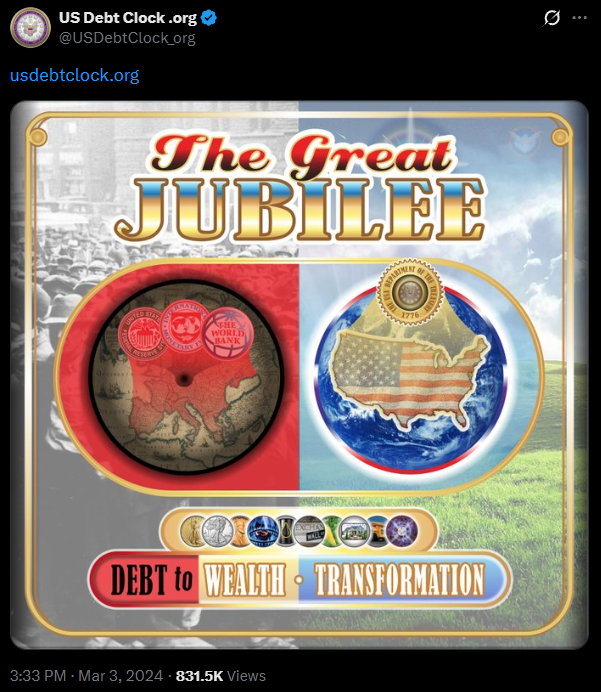
THE GREAT JUBILEE: IS AMERICA ENTERING A MONETARY RESET? | PART 4
NESARA. GESARA. The Federal Reserve. Gold revaluation. A proposed asset-backed Treasury dollar.
For years, people have talked about a Great Monetary Reset. Now we’re seeing real changes in blockchain infrastructure, digital finance, and international monetary policy alongside some very interesting illustrations from the U.S. Debt Clock.
What if the next monetary transformation looks different from what everybody expected?
Bruce’s Big Call Dinar Intel Tuesday Night 10-20-26
Transcribed By WiserNow Emailed To Recaps (INTEL ONLY)
Welcome, everybody, to Big Talk tonight. It It is Tuesday, october 20, and you're listening to the big call. Thanks everybody for coming in, listening again, being with us for another big call, and we thank you for coming.
Talk about not only where we are or where we want to be, but in the same vein as what Bob mentioned about Melania Trump, President Trump talked today. Let's see. When was today? I caught like two thirds of his speech before he took questions today, and I enjoyed the fact that he brought up the Q phone, and the Q phone is available, and we've known about it for a while now, and we have a few people that have actually demoed one or tried one out and everything.
Good Afternoon Dinar Recaps,
GLOBAL TRADE RESET WATCH: APEC WARNS GROWING IMBALANCES THREATEN ECONOMIC STABILITY
Asia-Pacific finance leaders call for stronger economic coordination as trade imbalances, rising debt and digital investment reshape the global financial landscape.
Emailed to Recaps~ Thank you David
Reset Intelligence: The Dollar Gap Runs Through Iran.
By Reset Intelligence | @EXIT_FIAT
Iraq's Central Bank says trade with Iran is one reason Baghdad's street dollar stays above the bank's rate.
On Tuesday night, an official source said, Baghdad ordered its first crossing with Iran shut, with the rest to follow.
TNT:
Tishwash: The Central Bank extends bank working hours and directs them to open during official holidays.
The Central Bank of Iraq directed banks with outstanding remittances to work on Fridays to avoid delays caused by official holidays, while it completed covering all remittances before the exchange rate change, with a total amount of $3 billion.
MilitiaMan & Crew: CBI Policy Update: What You Need to Know About the IQD
10-21-2026
The Crew: Samson, PompeyPeter, Petra, Daytrader, Sunkissed, GIGI and Militia Man
No drama. No intrigue. No songs and dances. Just straight, factual news that I read and interpret to the best of my ability after being an avid Dinar investor and insanely obsessed Dinarian for over 15 years.
Follow MM on X == https://x.com/Slashn
Good Morning Dinar Recaps,
GLOBAL CURRENCY RESET WATCH: ECB SEEKS TO EXPAND THE EURO’S GLOBAL ROLE
The European Central Bank is widening access to euro liquidity, strengthening Europe’s financial reach as central banks reassess the international monetary landscape.
Physical Gold vs. Digital Gold: Which Is the Ultimate Safe Haven?
Published: 05-20-2026
Gold is trading at approximately $4,500 per troy ounce as of May 20, 2026 [World Gold Council]. However, the debate about physical gold vs digital gold matters more than most investors realise — because not all of these products are the same thing. Both show up on a brokerage statement with a dollar value attached. But what you actually own — what you hold, what you control, what survives a real crisis — is a very different story. This isn’t a debate about returns. It’s a debate about what “safe haven” actually means.
KTFA
Tuesday Night Video
FRANK26…10-20-26.....YOU PROMISED
This video is in Frank’s and his team’s opinion only
Frank’s team is Walkingstick, Eddie and Omar in Iraq and guests
Playback Number: 605-313-5163 PIN: 156996#
Iraq Orders Banks to Work OVERTIME! Why Now?
The Dinar Den: 10-20-2026
Stephen: Hey everyone, welcome back to the channel. We have some exciting and breaking news that came out of the central bank of Iraq today. So, I'm going to cover and go over those few articles that I think as dinar investors are um just exciting and I think they are very telling as to what the future might possibly hold.
And I'm gonna tie it all together and share how I think these things could possibly be related to a higher dinar exchange rate.
The Iraqi Dinar Is The Second Worst-Performing Arab Currency; Dollar Pressures Pose A Difficult Test For Monetary Policy.
October 20, 2026 The Independent - The classification of the Iraqi dinar among the Arab currencies that have declined the most against the US dollar has raised widespread questions about the future of monetary stability in Iraq, and the ability of the Central Bank to contain the increasing pressures on the exchange market, at a time when the economy is facing challenges related to oil revenues, government spending and the heavy reliance on imports.
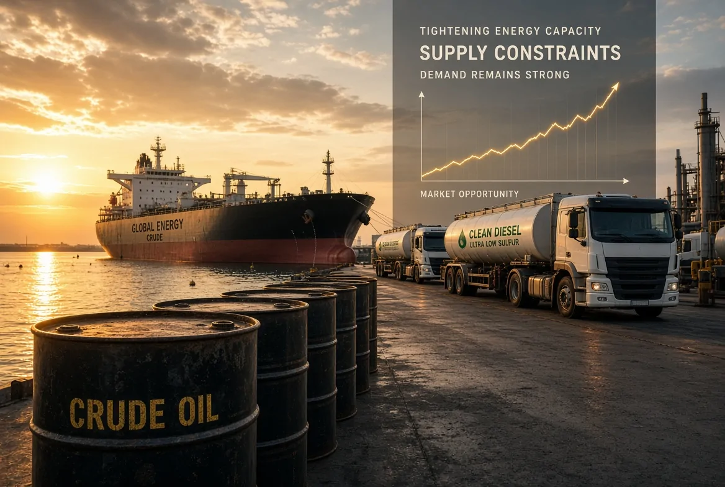
The Iran War Will End. Expensive Diesel Won’t
Notes From the Field By James Hickman (Simon Black / sovereign Man) October 20, 2026
There’s a college degree that pays about $100,000 right out of school, which is pretty good money for a 22-year old. Within a few years, that pay could easily double.
Yet hardly any young person wants the job.
It’s not dangerous, it’s not dirty, and it doesn’t require superhuman work hours. The only reason young people aren’t interested is because Greta Thunberg told them it wasn’t cool.
GP Q: US Dollar Upgrade or Collapse?
10-20-2026
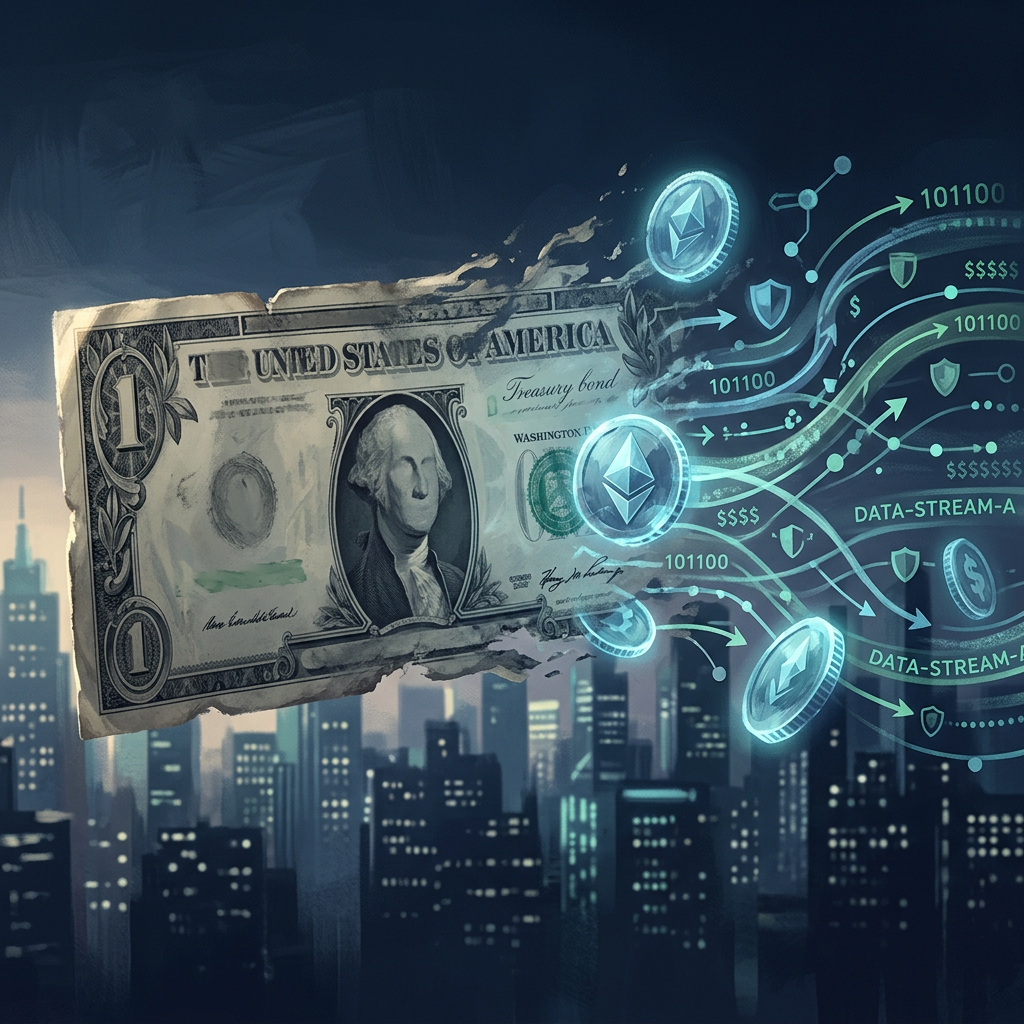
“Is the dollar dying… or is it about to get a major upgrade?”
MONEY MONEY MONEY
Most people are only watching the old fiat dollar.
They’re completely missing the new system the U.S. is building right now under the GENIUS Act. Here’s the simple version:
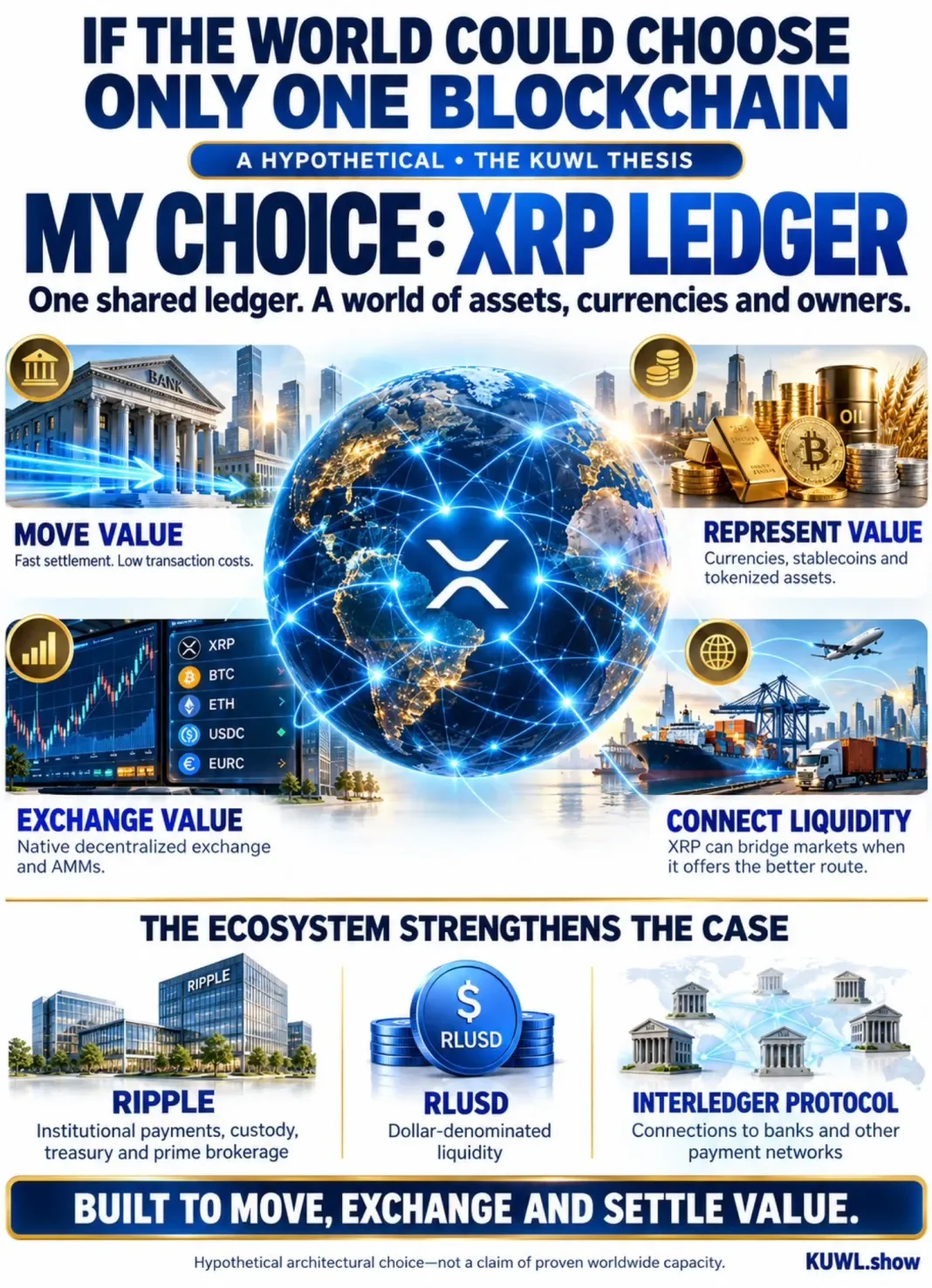
Rob Cunningham: If the World Could Choose Only One Blockchain
10-20-2026
On a go forward basis, “all things considered”, based on the comprehensive utility and liquidity needs of the entire world, “if” only one blockchain was allowed to exist, which should it be?
My choice: the XRP Ledger.
Under this hypothetical – one blockchain serving the world’s combined needs for payments, currencies, tokenized assets, exchange and settlement – XRPL offers the strongest fit in my judgment.
The Central Bank Of Iraq Resolves The Issue Of Merchants' Remittances And Confirms The Continuation Of Import Financing In Dollars.
October 20, 2026Last updated: October 20, 2026 The Central Bank of Iraq confirmed on Tuesday, October 20, 2026, the continuation of financing imports and providing foreign currency through official banking channels, announcing the completion of fulfilling external transfer requests that were suspended before the adjustment of the dinar exchange rate on October 7, in a step aimed at addressing outstanding issues, protecting the rights of traders and ensuring the smooth flow of foreign trade.
The 5 Most Important Money Lessons I Give My Residents
.The 5 Most Important Money Lessons I Give My Residents
By Peter Kim, MD Passive Income MD
A large part of my job is teaching. In fact, every day I teach both residents and fellows. The subject matter is mostly anesthesia-related, but I can’t help throwing in some financial lessons I’ve learned along the way.
Physician Contract Reviews
We just don’t get any financial education in our normal training, and I feel it’s a great disservice, not only to our future careers but our lives as well. For this reason, unfortunately, it’s up to us to self-educate.
The 5 Most Important Money Lessons I Give My Residents
By Peter Kim, MD Passive Income MD
A large part of my job is teaching. In fact, every day I teach both residents and fellows. The subject matter is mostly anesthesia-related, but I can’t help throwing in some financial lessons I’ve learned along the way.
Physician Contract Reviews
We just don’t get any financial education in our normal training, and I feel it’s a great disservice, not only to our future careers but our lives as well. For this reason, unfortunately, it’s up to us to self-educate.
When I’m teaching my residents, I feel that it’s important to impart some of my own hard-earned knowledge, so they can avoid costly financial mistakes and ultimately go through life with less weight on their shoulders. Here is some of the best advice I can give any of them.
1) Read, Read, and Read Some More
As I mentioned earlier, we simply don’t get any this type of education in training or in school, so it’s up to us to seek out and consume the information ourselves. Two books that have shaped the way I think about money and life are Rich Dad, Poor Dad and The Total Money Makeover. As a starting point into setting yourself up the right way financially, you’d be hard-pressed to find two books better than these. Looking for more books? Check out my favorite financial and investing books.
There is also a plethora of good blogs out there with loads of helpful information.
We should always be in a state of learning. After all, how should we expect to be smart with our money if we haven’t dedicated any time to learn about it? The resources are out there, we just have to go out and feed ourselves.
2) Get a Handle on Your Debt
We all know this. Debt is bad… well, debt that doesn’t create more income for you or increase your asset value is bad. At least, we know it intellectually. But we often forget this in practice. I’ve heard many residents say, “I already owe so much in student loan debt, what’s a little more credit card debt?”
To continue reading, please go to the original article here:
U.S. Treasury Tells Iraq To Close Iran Border! Dinar Impact?
The Dinar Den: 10-21-2026
Recently, Stephen, the knowledgeable host of The Dinar Den who has been actively investing in the Iraqi Dinar since 2011, shared a crucial update regarding sweeping changes in Iraq’s financial oversight and international trade routes.
In his latest broadcast, Stephen breaks down a major development involving the Iraqi government, the United States Treasury Department, and neighboring Iran, offering valuable perspective for long-term investors tracking the currency’s potential economic stability.
MilitiaMan & Crew: Why a REER Makes Sense – The Record From Shocks to Systems
10-21-2026
The Crew: Samson, PompeyPeter, Petra, Daytrader, Sunkissed, GIGI and Militia Man
No drama. No intrigue. No songs and dances. Just straight, factual news that I read and interpret to the best of my ability after being an avid Dinar investor and insanely obsessed Dinarian for over 15 years.
Follow MM on X == https://x.com/Slashn
CBI Foreign Reserves Rise To $81.5B In August
2026-10-21 06:18 Shafaq News- Baghdad Iraq's foreign reserves rose to $81.538 billion at the end of August 2026, up from $80.633 billion a month earlier, according to Central Bank of Iraq (CBI) data released on Wednesday. The gain of about $905 million followed four straight monthly declines from April through July, according to the data reviewed by Shafaq News. Reserves are still $15.894 billion below the $97.432 billion recorded at the end of 2025, a drop of about 16.3% over the first eight months of the year.
Avoid These 4 Common Mistakes When You Get Rich Overnight
September 4, 2025 by Laura Bogart GoBankingRates
You’re about to score a financial touchdown. Maybe you’ve crushed it at work and landed a sweet promotion. Perhaps you’ve won a lottery or stumbled into a side hustle that suddenly pays off. As you near the end zone, heart pounding, head full of dreams, you can’t afford (literally) to fumble. Whether you’re blindsided by unexpected taxes or tripped up by bad financial advice, you have a lot to lose if you drop the ball.
Ariel: Iraqi Dinar Update, Acceleration and Recalibration
10-21-2026
Iraqi Dinar Update: Acceleration & Recalibration (Where We Are)
ACCELERATION SEQUENCE POST-IMF, POST-CABINET, POST-TREASURY LIFT — INVESTOR PROJECTION WINDOW
Iraq isn’t moving fast because they’re panicking. They’re moving fast because the infrastructure is finally in place.
Echo X: Is America Entering a Monetary Reset?
10-21-2026
THE GREAT JUBILEE: IS AMERICA ENTERING A MONETARY RESET? | PART 4
NESARA. GESARA. The Federal Reserve. Gold revaluation. A proposed asset-backed Treasury dollar.
For years, people have talked about a Great Monetary Reset. Now we’re seeing real changes in blockchain infrastructure, digital finance, and international monetary policy alongside some very interesting illustrations from the U.S. Debt Clock.
What if the next monetary transformation looks different from what everybody expected?
Bruce’s Big Call Dinar Intel Tuesday Night 10-20-26
Transcribed By WiserNow Emailed To Recaps (INTEL ONLY)
Welcome, everybody, to Big Talk tonight. It It is Tuesday, october 20, and you're listening to the big call. Thanks everybody for coming in, listening again, being with us for another big call, and we thank you for coming.
Talk about not only where we are or where we want to be, but in the same vein as what Bob mentioned about Melania Trump, President Trump talked today. Let's see. When was today? I caught like two thirds of his speech before he took questions today, and I enjoyed the fact that he brought up the Q phone, and the Q phone is available, and we've known about it for a while now, and we have a few people that have actually demoed one or tried one out and everything.
Good Afternoon Dinar Recaps,
GLOBAL TRADE RESET WATCH: APEC WARNS GROWING IMBALANCES THREATEN ECONOMIC STABILITY
Asia-Pacific finance leaders call for stronger economic coordination as trade imbalances, rising debt and digital investment reshape the global financial landscape.
Emailed to Recaps~ Thank you David
Reset Intelligence: The Dollar Gap Runs Through Iran.
By Reset Intelligence | @EXIT_FIAT
Iraq's Central Bank says trade with Iran is one reason Baghdad's street dollar stays above the bank's rate.
On Tuesday night, an official source said, Baghdad ordered its first crossing with Iran shut, with the rest to follow.
TNT:
Tishwash: The Central Bank extends bank working hours and directs them to open during official holidays.
The Central Bank of Iraq directed banks with outstanding remittances to work on Fridays to avoid delays caused by official holidays, while it completed covering all remittances before the exchange rate change, with a total amount of $3 billion.
MilitiaMan & Crew: CBI Policy Update: What You Need to Know About the IQD
10-21-2026
The Crew: Samson, PompeyPeter, Petra, Daytrader, Sunkissed, GIGI and Militia Man
No drama. No intrigue. No songs and dances. Just straight, factual news that I read and interpret to the best of my ability after being an avid Dinar investor and insanely obsessed Dinarian for over 15 years.
Follow MM on X == https://x.com/Slashn
Good Morning Dinar Recaps,
GLOBAL CURRENCY RESET WATCH: ECB SEEKS TO EXPAND THE EURO’S GLOBAL ROLE
The European Central Bank is widening access to euro liquidity, strengthening Europe’s financial reach as central banks reassess the international monetary landscape.
Physical Gold vs. Digital Gold: Which Is the Ultimate Safe Haven?
Published: 05-20-2026
Gold is trading at approximately $4,500 per troy ounce as of May 20, 2026 [World Gold Council]. However, the debate about physical gold vs digital gold matters more than most investors realise — because not all of these products are the same thing. Both show up on a brokerage statement with a dollar value attached. But what you actually own — what you hold, what you control, what survives a real crisis — is a very different story. This isn’t a debate about returns. It’s a debate about what “safe haven” actually means.
KTFA
Tuesday Night Video
FRANK26…10-20-26.....YOU PROMISED
This video is in Frank’s and his team’s opinion only
Frank’s team is Walkingstick, Eddie and Omar in Iraq and guests
Playback Number: 605-313-5163 PIN: 156996#
Iraq Orders Banks to Work OVERTIME! Why Now?
The Dinar Den: 10-20-2026
Stephen: Hey everyone, welcome back to the channel. We have some exciting and breaking news that came out of the central bank of Iraq today. So, I'm going to cover and go over those few articles that I think as dinar investors are um just exciting and I think they are very telling as to what the future might possibly hold.
And I'm gonna tie it all together and share how I think these things could possibly be related to a higher dinar exchange rate.
The Iraqi Dinar Is The Second Worst-Performing Arab Currency; Dollar Pressures Pose A Difficult Test For Monetary Policy.
October 20, 2026 The Independent - The classification of the Iraqi dinar among the Arab currencies that have declined the most against the US dollar has raised widespread questions about the future of monetary stability in Iraq, and the ability of the Central Bank to contain the increasing pressures on the exchange market, at a time when the economy is facing challenges related to oil revenues, government spending and the heavy reliance on imports.
The Iran War Will End. Expensive Diesel Won’t
Notes From the Field By James Hickman (Simon Black / sovereign Man) October 20, 2026
There’s a college degree that pays about $100,000 right out of school, which is pretty good money for a 22-year old. Within a few years, that pay could easily double.
Yet hardly any young person wants the job.
It’s not dangerous, it’s not dirty, and it doesn’t require superhuman work hours. The only reason young people aren’t interested is because Greta Thunberg told them it wasn’t cool.
GP Q: US Dollar Upgrade or Collapse?
10-20-2026
“Is the dollar dying… or is it about to get a major upgrade?”
MONEY MONEY MONEY
Most people are only watching the old fiat dollar.
They’re completely missing the new system the U.S. is building right now under the GENIUS Act. Here’s the simple version:
Rob Cunningham: If the World Could Choose Only One Blockchain
10-20-2026
On a go forward basis, “all things considered”, based on the comprehensive utility and liquidity needs of the entire world, “if” only one blockchain was allowed to exist, which should it be?
My choice: the XRP Ledger.
Under this hypothetical – one blockchain serving the world’s combined needs for payments, currencies, tokenized assets, exchange and settlement – XRPL offers the strongest fit in my judgment.
The Central Bank Of Iraq Resolves The Issue Of Merchants' Remittances And Confirms The Continuation Of Import Financing In Dollars.
October 20, 2026Last updated: October 20, 2026 The Central Bank of Iraq confirmed on Tuesday, October 20, 2026, the continuation of financing imports and providing foreign currency through official banking channels, announcing the completion of fulfilling external transfer requests that were suspended before the adjustment of the dinar exchange rate on October 7, in a step aimed at addressing outstanding issues, protecting the rights of traders and ensuring the smooth flow of foreign trade.
Brain Meets Money
.Brain Meets Money
Richard Quinn
HOW OFTEN DO you think about money? Hey, you just did. Seriously, we think about money every day and sometimes every hour. Some studies say we ponder financial matters even more often than the old standby: sex. We’ve been thinking about the stuff for a long time. Money goes back about 3,000 years. Paper currency can be traced to China in 700 BC. They didn’t fool around: Their currency stated that all counterfeiters would be decapitated. I’m guessing counterfeiting was rare.
Today, it costs two cents to manufacture a penny and almost eight cents to make a nickel. Result? Each year, we taxpayers lose about $85.4 million on the production of pennies and $33.5 million on nickels.
Gee, at that rate, those of us on Social Security could receive a $2-a-year raise if they made cheaper money. Who needs pennies anyway? Money is no more than a piece of metal or paper—basically worthless, except you can get stuff for it because the people who sell you stuff can get other stuff with the money you give them.
Brain Meets Money
Richard Quinn
HOW OFTEN DO you think about money? Hey, you just did. Seriously, we think about money every day and sometimes every hour. Some studies say we ponder financial matters even more often than the old standby: sex. We’ve been thinking about the stuff for a long time. Money goes back about 3,000 years. Paper currency can be traced to China in 700 BC. They didn’t fool around: Their currency stated that all counterfeiters would be decapitated. I’m guessing counterfeiting was rare.
Today, it costs two cents to manufacture a penny and almost eight cents to make a nickel. Result? Each year, we taxpayers lose about $85.4 million on the production of pennies and $33.5 million on nickels.
Gee, at that rate, those of us on Social Security could receive a $2-a-year raise if they made cheaper money. Who needs pennies anyway? Money is no more than a piece of metal or paper—basically worthless, except you can get stuff for it because the people who sell you stuff can get other stuff with the money you give them.
Does money make us happy? Benjamin Franklin didn’t think so. “Money never made a man happy yet, nor will it. The more a man has, the more he wants. Instead of filling a vacuum, it makes one.”
The evidence suggests Ben was right, but try telling that to addicted lottery players. I recall a TV show depicting the impact of winning the lottery on people. Instead of making the winners happy, it often messes up their lives, mostly because they’re ill-prepared to handle the money and because they thought spending would make them happy.
One winner stands out in my memory. He bought several pieces of used heavy construction equipment just to have. He didn’t know the tax withholding on his winnings wouldn’t cover all of the tax he owed. He eventually lost all of his prize possessions and a great deal more to the IRS.
Another family lived in a trailer and, instead of moving, expanded it, bought each child their own ATV and gave each an allowance of $1,000 a month. The kids were ostracized at school and had to leave.
“The conviction of the rich that the poor are happier is no more foolish than the conviction of the poor that the rich are,” offered Mark Twain. Indeed, if you Google the subject of happiness and money, you will find assessments from every point of view. But none concludes that money buys permanent happiness, only fleeting pleasure perhaps
To continue reading, please go to the original article here:
U.S. Treasury Tells Iraq To Close Iran Border! Dinar Impact?
The Dinar Den: 10-21-2026
Recently, Stephen, the knowledgeable host of The Dinar Den who has been actively investing in the Iraqi Dinar since 2011, shared a crucial update regarding sweeping changes in Iraq’s financial oversight and international trade routes.
In his latest broadcast, Stephen breaks down a major development involving the Iraqi government, the United States Treasury Department, and neighboring Iran, offering valuable perspective for long-term investors tracking the currency’s potential economic stability.
MilitiaMan & Crew: Why a REER Makes Sense – The Record From Shocks to Systems
10-21-2026
The Crew: Samson, PompeyPeter, Petra, Daytrader, Sunkissed, GIGI and Militia Man
No drama. No intrigue. No songs and dances. Just straight, factual news that I read and interpret to the best of my ability after being an avid Dinar investor and insanely obsessed Dinarian for over 15 years.
Follow MM on X == https://x.com/Slashn
CBI Foreign Reserves Rise To $81.5B In August
2026-10-21 06:18 Shafaq News- Baghdad Iraq's foreign reserves rose to $81.538 billion at the end of August 2026, up from $80.633 billion a month earlier, according to Central Bank of Iraq (CBI) data released on Wednesday. The gain of about $905 million followed four straight monthly declines from April through July, according to the data reviewed by Shafaq News. Reserves are still $15.894 billion below the $97.432 billion recorded at the end of 2025, a drop of about 16.3% over the first eight months of the year.
Avoid These 4 Common Mistakes When You Get Rich Overnight
September 4, 2025 by Laura Bogart GoBankingRates
You’re about to score a financial touchdown. Maybe you’ve crushed it at work and landed a sweet promotion. Perhaps you’ve won a lottery or stumbled into a side hustle that suddenly pays off. As you near the end zone, heart pounding, head full of dreams, you can’t afford (literally) to fumble. Whether you’re blindsided by unexpected taxes or tripped up by bad financial advice, you have a lot to lose if you drop the ball.
Ariel: Iraqi Dinar Update, Acceleration and Recalibration
10-21-2026
Iraqi Dinar Update: Acceleration & Recalibration (Where We Are)
ACCELERATION SEQUENCE POST-IMF, POST-CABINET, POST-TREASURY LIFT — INVESTOR PROJECTION WINDOW
Iraq isn’t moving fast because they’re panicking. They’re moving fast because the infrastructure is finally in place.
Echo X: Is America Entering a Monetary Reset?
10-21-2026
THE GREAT JUBILEE: IS AMERICA ENTERING A MONETARY RESET? | PART 4
NESARA. GESARA. The Federal Reserve. Gold revaluation. A proposed asset-backed Treasury dollar.
For years, people have talked about a Great Monetary Reset. Now we’re seeing real changes in blockchain infrastructure, digital finance, and international monetary policy alongside some very interesting illustrations from the U.S. Debt Clock.
What if the next monetary transformation looks different from what everybody expected?
Bruce’s Big Call Dinar Intel Tuesday Night 10-20-26
Transcribed By WiserNow Emailed To Recaps (INTEL ONLY)
Welcome, everybody, to Big Talk tonight. It It is Tuesday, october 20, and you're listening to the big call. Thanks everybody for coming in, listening again, being with us for another big call, and we thank you for coming.
Talk about not only where we are or where we want to be, but in the same vein as what Bob mentioned about Melania Trump, President Trump talked today. Let's see. When was today? I caught like two thirds of his speech before he took questions today, and I enjoyed the fact that he brought up the Q phone, and the Q phone is available, and we've known about it for a while now, and we have a few people that have actually demoed one or tried one out and everything.
Good Afternoon Dinar Recaps,
GLOBAL TRADE RESET WATCH: APEC WARNS GROWING IMBALANCES THREATEN ECONOMIC STABILITY
Asia-Pacific finance leaders call for stronger economic coordination as trade imbalances, rising debt and digital investment reshape the global financial landscape.
Emailed to Recaps~ Thank you David
Reset Intelligence: The Dollar Gap Runs Through Iran.
By Reset Intelligence | @EXIT_FIAT
Iraq's Central Bank says trade with Iran is one reason Baghdad's street dollar stays above the bank's rate.
On Tuesday night, an official source said, Baghdad ordered its first crossing with Iran shut, with the rest to follow.
TNT:
Tishwash: The Central Bank extends bank working hours and directs them to open during official holidays.
The Central Bank of Iraq directed banks with outstanding remittances to work on Fridays to avoid delays caused by official holidays, while it completed covering all remittances before the exchange rate change, with a total amount of $3 billion.
MilitiaMan & Crew: CBI Policy Update: What You Need to Know About the IQD
10-21-2026
The Crew: Samson, PompeyPeter, Petra, Daytrader, Sunkissed, GIGI and Militia Man
No drama. No intrigue. No songs and dances. Just straight, factual news that I read and interpret to the best of my ability after being an avid Dinar investor and insanely obsessed Dinarian for over 15 years.
Follow MM on X == https://x.com/Slashn
Good Morning Dinar Recaps,
GLOBAL CURRENCY RESET WATCH: ECB SEEKS TO EXPAND THE EURO’S GLOBAL ROLE
The European Central Bank is widening access to euro liquidity, strengthening Europe’s financial reach as central banks reassess the international monetary landscape.
Physical Gold vs. Digital Gold: Which Is the Ultimate Safe Haven?
Published: 05-20-2026
Gold is trading at approximately $4,500 per troy ounce as of May 20, 2026 [World Gold Council]. However, the debate about physical gold vs digital gold matters more than most investors realise — because not all of these products are the same thing. Both show up on a brokerage statement with a dollar value attached. But what you actually own — what you hold, what you control, what survives a real crisis — is a very different story. This isn’t a debate about returns. It’s a debate about what “safe haven” actually means.
KTFA
Tuesday Night Video
FRANK26…10-20-26.....YOU PROMISED
This video is in Frank’s and his team’s opinion only
Frank’s team is Walkingstick, Eddie and Omar in Iraq and guests
Playback Number: 605-313-5163 PIN: 156996#
Iraq Orders Banks to Work OVERTIME! Why Now?
The Dinar Den: 10-20-2026
Stephen: Hey everyone, welcome back to the channel. We have some exciting and breaking news that came out of the central bank of Iraq today. So, I'm going to cover and go over those few articles that I think as dinar investors are um just exciting and I think they are very telling as to what the future might possibly hold.
And I'm gonna tie it all together and share how I think these things could possibly be related to a higher dinar exchange rate.
The Iraqi Dinar Is The Second Worst-Performing Arab Currency; Dollar Pressures Pose A Difficult Test For Monetary Policy.
October 20, 2026 The Independent - The classification of the Iraqi dinar among the Arab currencies that have declined the most against the US dollar has raised widespread questions about the future of monetary stability in Iraq, and the ability of the Central Bank to contain the increasing pressures on the exchange market, at a time when the economy is facing challenges related to oil revenues, government spending and the heavy reliance on imports.
The Iran War Will End. Expensive Diesel Won’t
Notes From the Field By James Hickman (Simon Black / sovereign Man) October 20, 2026
There’s a college degree that pays about $100,000 right out of school, which is pretty good money for a 22-year old. Within a few years, that pay could easily double.
Yet hardly any young person wants the job.
It’s not dangerous, it’s not dirty, and it doesn’t require superhuman work hours. The only reason young people aren’t interested is because Greta Thunberg told them it wasn’t cool.
GP Q: US Dollar Upgrade or Collapse?
10-20-2026
“Is the dollar dying… or is it about to get a major upgrade?”
MONEY MONEY MONEY
Most people are only watching the old fiat dollar.
They’re completely missing the new system the U.S. is building right now under the GENIUS Act. Here’s the simple version:
Rob Cunningham: If the World Could Choose Only One Blockchain
10-20-2026
On a go forward basis, “all things considered”, based on the comprehensive utility and liquidity needs of the entire world, “if” only one blockchain was allowed to exist, which should it be?
My choice: the XRP Ledger.
Under this hypothetical – one blockchain serving the world’s combined needs for payments, currencies, tokenized assets, exchange and settlement – XRPL offers the strongest fit in my judgment.
The Central Bank Of Iraq Resolves The Issue Of Merchants' Remittances And Confirms The Continuation Of Import Financing In Dollars.
October 20, 2026Last updated: October 20, 2026 The Central Bank of Iraq confirmed on Tuesday, October 20, 2026, the continuation of financing imports and providing foreign currency through official banking channels, announcing the completion of fulfilling external transfer requests that were suspended before the adjustment of the dinar exchange rate on October 7, in a step aimed at addressing outstanding issues, protecting the rights of traders and ensuring the smooth flow of foreign trade.
Five Reasons to Rent
.Five Reasons to Rent
Humble Dollar
HOMEOWNERSHIP offers many advantages, as we detailed in the previous section. But there’s no guarantee you’ll make money, especially if you own a house for just a few years. Thinking of purchasing a home? Here are five caveats—which may prompt you to continue renting.
First, given the risk of declining property prices, you shouldn’t buy unless you can see staying put for at least five years and preferably seven years or longer. While it’s hard to imagine we’ll suffer another decline like that of 2006-12 any time soon, a smaller drop is entirely possible.
Five Reasons to Rent
Humble Dollar
HOMEOWNERSHIP offers many advantages, as we detailed in the previous section. But there’s no guarantee you’ll make money, especially if you own a house for just a few years. Thinking of purchasing a home? Here are five caveats—which may prompt you to continue renting.
First, given the risk of declining property prices, you shouldn’t buy unless you can see staying put for at least five years and preferably seven years or longer. While it’s hard to imagine we’ll suffer another decline like that of 2006-12 any time soon, a smaller drop is entirely possible.
Second, homes are horribly expensive to buy and especially sell, which is another reason you need a long time horizon. There’s the mortgage-application fee, home inspection, title insurance and legal fees when you buy—and the 5% or 6% real estate brokerage commission and local transfer taxes when you sell.
Suppose your home’s price rises a few percentage points a year, but you end up selling after just five or six years. Once you figure in all the costs of buying and selling, you may not make money.
Third, owning a home involves greater hassle, with more bills to pay, maintenance to deal with and repairmen to call. If you’re renting, many of these problems fall on the landlord’s shoulders.
To continue reading, please go to the original article here:
U.S. Treasury Tells Iraq To Close Iran Border! Dinar Impact?
The Dinar Den: 10-21-2026
Recently, Stephen, the knowledgeable host of The Dinar Den who has been actively investing in the Iraqi Dinar since 2011, shared a crucial update regarding sweeping changes in Iraq’s financial oversight and international trade routes.
In his latest broadcast, Stephen breaks down a major development involving the Iraqi government, the United States Treasury Department, and neighboring Iran, offering valuable perspective for long-term investors tracking the currency’s potential economic stability.
MilitiaMan & Crew: Why a REER Makes Sense – The Record From Shocks to Systems
10-21-2026
The Crew: Samson, PompeyPeter, Petra, Daytrader, Sunkissed, GIGI and Militia Man
No drama. No intrigue. No songs and dances. Just straight, factual news that I read and interpret to the best of my ability after being an avid Dinar investor and insanely obsessed Dinarian for over 15 years.
Follow MM on X == https://x.com/Slashn
CBI Foreign Reserves Rise To $81.5B In August
2026-10-21 06:18 Shafaq News- Baghdad Iraq's foreign reserves rose to $81.538 billion at the end of August 2026, up from $80.633 billion a month earlier, according to Central Bank of Iraq (CBI) data released on Wednesday. The gain of about $905 million followed four straight monthly declines from April through July, according to the data reviewed by Shafaq News. Reserves are still $15.894 billion below the $97.432 billion recorded at the end of 2025, a drop of about 16.3% over the first eight months of the year.
Avoid These 4 Common Mistakes When You Get Rich Overnight
September 4, 2025 by Laura Bogart GoBankingRates
You’re about to score a financial touchdown. Maybe you’ve crushed it at work and landed a sweet promotion. Perhaps you’ve won a lottery or stumbled into a side hustle that suddenly pays off. As you near the end zone, heart pounding, head full of dreams, you can’t afford (literally) to fumble. Whether you’re blindsided by unexpected taxes or tripped up by bad financial advice, you have a lot to lose if you drop the ball.
Ariel: Iraqi Dinar Update, Acceleration and Recalibration
10-21-2026
Iraqi Dinar Update: Acceleration & Recalibration (Where We Are)
ACCELERATION SEQUENCE POST-IMF, POST-CABINET, POST-TREASURY LIFT — INVESTOR PROJECTION WINDOW
Iraq isn’t moving fast because they’re panicking. They’re moving fast because the infrastructure is finally in place.
Echo X: Is America Entering a Monetary Reset?
10-21-2026
THE GREAT JUBILEE: IS AMERICA ENTERING A MONETARY RESET? | PART 4
NESARA. GESARA. The Federal Reserve. Gold revaluation. A proposed asset-backed Treasury dollar.
For years, people have talked about a Great Monetary Reset. Now we’re seeing real changes in blockchain infrastructure, digital finance, and international monetary policy alongside some very interesting illustrations from the U.S. Debt Clock.
What if the next monetary transformation looks different from what everybody expected?
Bruce’s Big Call Dinar Intel Tuesday Night 10-20-26
Transcribed By WiserNow Emailed To Recaps (INTEL ONLY)
Welcome, everybody, to Big Talk tonight. It It is Tuesday, october 20, and you're listening to the big call. Thanks everybody for coming in, listening again, being with us for another big call, and we thank you for coming.
Talk about not only where we are or where we want to be, but in the same vein as what Bob mentioned about Melania Trump, President Trump talked today. Let's see. When was today? I caught like two thirds of his speech before he took questions today, and I enjoyed the fact that he brought up the Q phone, and the Q phone is available, and we've known about it for a while now, and we have a few people that have actually demoed one or tried one out and everything.
Good Afternoon Dinar Recaps,
GLOBAL TRADE RESET WATCH: APEC WARNS GROWING IMBALANCES THREATEN ECONOMIC STABILITY
Asia-Pacific finance leaders call for stronger economic coordination as trade imbalances, rising debt and digital investment reshape the global financial landscape.
Emailed to Recaps~ Thank you David
Reset Intelligence: The Dollar Gap Runs Through Iran.
By Reset Intelligence | @EXIT_FIAT
Iraq's Central Bank says trade with Iran is one reason Baghdad's street dollar stays above the bank's rate.
On Tuesday night, an official source said, Baghdad ordered its first crossing with Iran shut, with the rest to follow.
TNT:
Tishwash: The Central Bank extends bank working hours and directs them to open during official holidays.
The Central Bank of Iraq directed banks with outstanding remittances to work on Fridays to avoid delays caused by official holidays, while it completed covering all remittances before the exchange rate change, with a total amount of $3 billion.
MilitiaMan & Crew: CBI Policy Update: What You Need to Know About the IQD
10-21-2026
The Crew: Samson, PompeyPeter, Petra, Daytrader, Sunkissed, GIGI and Militia Man
No drama. No intrigue. No songs and dances. Just straight, factual news that I read and interpret to the best of my ability after being an avid Dinar investor and insanely obsessed Dinarian for over 15 years.
Follow MM on X == https://x.com/Slashn
Good Morning Dinar Recaps,
GLOBAL CURRENCY RESET WATCH: ECB SEEKS TO EXPAND THE EURO’S GLOBAL ROLE
The European Central Bank is widening access to euro liquidity, strengthening Europe’s financial reach as central banks reassess the international monetary landscape.
Physical Gold vs. Digital Gold: Which Is the Ultimate Safe Haven?
Published: 05-20-2026
Gold is trading at approximately $4,500 per troy ounce as of May 20, 2026 [World Gold Council]. However, the debate about physical gold vs digital gold matters more than most investors realise — because not all of these products are the same thing. Both show up on a brokerage statement with a dollar value attached. But what you actually own — what you hold, what you control, what survives a real crisis — is a very different story. This isn’t a debate about returns. It’s a debate about what “safe haven” actually means.
KTFA
Tuesday Night Video
FRANK26…10-20-26.....YOU PROMISED
This video is in Frank’s and his team’s opinion only
Frank’s team is Walkingstick, Eddie and Omar in Iraq and guests
Playback Number: 605-313-5163 PIN: 156996#
Iraq Orders Banks to Work OVERTIME! Why Now?
The Dinar Den: 10-20-2026
Stephen: Hey everyone, welcome back to the channel. We have some exciting and breaking news that came out of the central bank of Iraq today. So, I'm going to cover and go over those few articles that I think as dinar investors are um just exciting and I think they are very telling as to what the future might possibly hold.
And I'm gonna tie it all together and share how I think these things could possibly be related to a higher dinar exchange rate.
The Iraqi Dinar Is The Second Worst-Performing Arab Currency; Dollar Pressures Pose A Difficult Test For Monetary Policy.
October 20, 2026 The Independent - The classification of the Iraqi dinar among the Arab currencies that have declined the most against the US dollar has raised widespread questions about the future of monetary stability in Iraq, and the ability of the Central Bank to contain the increasing pressures on the exchange market, at a time when the economy is facing challenges related to oil revenues, government spending and the heavy reliance on imports.
The Iran War Will End. Expensive Diesel Won’t
Notes From the Field By James Hickman (Simon Black / sovereign Man) October 20, 2026
There’s a college degree that pays about $100,000 right out of school, which is pretty good money for a 22-year old. Within a few years, that pay could easily double.
Yet hardly any young person wants the job.
It’s not dangerous, it’s not dirty, and it doesn’t require superhuman work hours. The only reason young people aren’t interested is because Greta Thunberg told them it wasn’t cool.
GP Q: US Dollar Upgrade or Collapse?
10-20-2026
“Is the dollar dying… or is it about to get a major upgrade?”
MONEY MONEY MONEY
Most people are only watching the old fiat dollar.
They’re completely missing the new system the U.S. is building right now under the GENIUS Act. Here’s the simple version:
Rob Cunningham: If the World Could Choose Only One Blockchain
10-20-2026
On a go forward basis, “all things considered”, based on the comprehensive utility and liquidity needs of the entire world, “if” only one blockchain was allowed to exist, which should it be?
My choice: the XRP Ledger.
Under this hypothetical – one blockchain serving the world’s combined needs for payments, currencies, tokenized assets, exchange and settlement – XRPL offers the strongest fit in my judgment.
The Central Bank Of Iraq Resolves The Issue Of Merchants' Remittances And Confirms The Continuation Of Import Financing In Dollars.
October 20, 2026Last updated: October 20, 2026 The Central Bank of Iraq confirmed on Tuesday, October 20, 2026, the continuation of financing imports and providing foreign currency through official banking channels, announcing the completion of fulfilling external transfer requests that were suspended before the adjustment of the dinar exchange rate on October 7, in a step aimed at addressing outstanding issues, protecting the rights of traders and ensuring the smooth flow of foreign trade.
Five Reasons to Buy
.Five Reasons to Buy
Humble Dollar
DESPITE THE PROPERTY market’s 2006–12 downturn, many Americans remain firmly convinced of the virtues of homeownership. What underpins that faith? Here are five reasons most folks should aim to own a home.
First, with a fixed-rate mortgage, you lock in your housing costs and thereby protect yourself against a booming real estate market that drives up rents and property prices. An adjustable-rate mortgage doesn’t offer the same degree of certainty, though typically there are caps on how much your monthly payment can increase.
Five Reasons to Buy
Humble Dollar
DESPITE THE PROPERTY market’s 2006–12 downturn, many Americans remain firmly convinced of the virtues of homeownership. What underpins that faith? Here are five reasons most folks should aim to own a home.
First, with a fixed-rate mortgage, you lock in your housing costs and thereby protect yourself against a booming real estate market that drives up rents and property prices. An adjustable-rate mortgage doesn’t offer the same degree of certainty, though typically there are caps on how much your monthly payment can increase.
Second, as you pay down your mortgage, you come to own a valuable asset outright. Think of a mortgage as forced savings, with a portion of every monthly payment going toward reducing your loan’s principal balance.
Third, once your mortgage is paid off, you eliminate a major expense, making it easier to retire because you can now live “rent-free.”
Fourth, home prices historically have increased slightly faster than consumer prices, thus acting as a hedge against inflation. Inflation also effectively trims the cost of your mortgage, because it allows you to pay off the loan with dollars that are less valuable.
To continue reading, please go to the original article here:
U.S. Treasury Tells Iraq To Close Iran Border! Dinar Impact?
The Dinar Den: 10-21-2026
Recently, Stephen, the knowledgeable host of The Dinar Den who has been actively investing in the Iraqi Dinar since 2011, shared a crucial update regarding sweeping changes in Iraq’s financial oversight and international trade routes.
In his latest broadcast, Stephen breaks down a major development involving the Iraqi government, the United States Treasury Department, and neighboring Iran, offering valuable perspective for long-term investors tracking the currency’s potential economic stability.
MilitiaMan & Crew: Why a REER Makes Sense – The Record From Shocks to Systems
10-21-2026
The Crew: Samson, PompeyPeter, Petra, Daytrader, Sunkissed, GIGI and Militia Man
No drama. No intrigue. No songs and dances. Just straight, factual news that I read and interpret to the best of my ability after being an avid Dinar investor and insanely obsessed Dinarian for over 15 years.
Follow MM on X == https://x.com/Slashn
CBI Foreign Reserves Rise To $81.5B In August
2026-10-21 06:18 Shafaq News- Baghdad Iraq's foreign reserves rose to $81.538 billion at the end of August 2026, up from $80.633 billion a month earlier, according to Central Bank of Iraq (CBI) data released on Wednesday. The gain of about $905 million followed four straight monthly declines from April through July, according to the data reviewed by Shafaq News. Reserves are still $15.894 billion below the $97.432 billion recorded at the end of 2025, a drop of about 16.3% over the first eight months of the year.
Avoid These 4 Common Mistakes When You Get Rich Overnight
September 4, 2025 by Laura Bogart GoBankingRates
You’re about to score a financial touchdown. Maybe you’ve crushed it at work and landed a sweet promotion. Perhaps you’ve won a lottery or stumbled into a side hustle that suddenly pays off. As you near the end zone, heart pounding, head full of dreams, you can’t afford (literally) to fumble. Whether you’re blindsided by unexpected taxes or tripped up by bad financial advice, you have a lot to lose if you drop the ball.
Ariel: Iraqi Dinar Update, Acceleration and Recalibration
10-21-2026
Iraqi Dinar Update: Acceleration & Recalibration (Where We Are)
ACCELERATION SEQUENCE POST-IMF, POST-CABINET, POST-TREASURY LIFT — INVESTOR PROJECTION WINDOW
Iraq isn’t moving fast because they’re panicking. They’re moving fast because the infrastructure is finally in place.
Echo X: Is America Entering a Monetary Reset?
10-21-2026
THE GREAT JUBILEE: IS AMERICA ENTERING A MONETARY RESET? | PART 4
NESARA. GESARA. The Federal Reserve. Gold revaluation. A proposed asset-backed Treasury dollar.
For years, people have talked about a Great Monetary Reset. Now we’re seeing real changes in blockchain infrastructure, digital finance, and international monetary policy alongside some very interesting illustrations from the U.S. Debt Clock.
What if the next monetary transformation looks different from what everybody expected?
Bruce’s Big Call Dinar Intel Tuesday Night 10-20-26
Transcribed By WiserNow Emailed To Recaps (INTEL ONLY)
Welcome, everybody, to Big Talk tonight. It It is Tuesday, october 20, and you're listening to the big call. Thanks everybody for coming in, listening again, being with us for another big call, and we thank you for coming.
Talk about not only where we are or where we want to be, but in the same vein as what Bob mentioned about Melania Trump, President Trump talked today. Let's see. When was today? I caught like two thirds of his speech before he took questions today, and I enjoyed the fact that he brought up the Q phone, and the Q phone is available, and we've known about it for a while now, and we have a few people that have actually demoed one or tried one out and everything.
Good Afternoon Dinar Recaps,
GLOBAL TRADE RESET WATCH: APEC WARNS GROWING IMBALANCES THREATEN ECONOMIC STABILITY
Asia-Pacific finance leaders call for stronger economic coordination as trade imbalances, rising debt and digital investment reshape the global financial landscape.
Emailed to Recaps~ Thank you David
Reset Intelligence: The Dollar Gap Runs Through Iran.
By Reset Intelligence | @EXIT_FIAT
Iraq's Central Bank says trade with Iran is one reason Baghdad's street dollar stays above the bank's rate.
On Tuesday night, an official source said, Baghdad ordered its first crossing with Iran shut, with the rest to follow.
TNT:
Tishwash: The Central Bank extends bank working hours and directs them to open during official holidays.
The Central Bank of Iraq directed banks with outstanding remittances to work on Fridays to avoid delays caused by official holidays, while it completed covering all remittances before the exchange rate change, with a total amount of $3 billion.
MilitiaMan & Crew: CBI Policy Update: What You Need to Know About the IQD
10-21-2026
The Crew: Samson, PompeyPeter, Petra, Daytrader, Sunkissed, GIGI and Militia Man
No drama. No intrigue. No songs and dances. Just straight, factual news that I read and interpret to the best of my ability after being an avid Dinar investor and insanely obsessed Dinarian for over 15 years.
Follow MM on X == https://x.com/Slashn
Good Morning Dinar Recaps,
GLOBAL CURRENCY RESET WATCH: ECB SEEKS TO EXPAND THE EURO’S GLOBAL ROLE
The European Central Bank is widening access to euro liquidity, strengthening Europe’s financial reach as central banks reassess the international monetary landscape.
Physical Gold vs. Digital Gold: Which Is the Ultimate Safe Haven?
Published: 05-20-2026
Gold is trading at approximately $4,500 per troy ounce as of May 20, 2026 [World Gold Council]. However, the debate about physical gold vs digital gold matters more than most investors realise — because not all of these products are the same thing. Both show up on a brokerage statement with a dollar value attached. But what you actually own — what you hold, what you control, what survives a real crisis — is a very different story. This isn’t a debate about returns. It’s a debate about what “safe haven” actually means.
KTFA
Tuesday Night Video
FRANK26…10-20-26.....YOU PROMISED
This video is in Frank’s and his team’s opinion only
Frank’s team is Walkingstick, Eddie and Omar in Iraq and guests
Playback Number: 605-313-5163 PIN: 156996#
Iraq Orders Banks to Work OVERTIME! Why Now?
The Dinar Den: 10-20-2026
Stephen: Hey everyone, welcome back to the channel. We have some exciting and breaking news that came out of the central bank of Iraq today. So, I'm going to cover and go over those few articles that I think as dinar investors are um just exciting and I think they are very telling as to what the future might possibly hold.
And I'm gonna tie it all together and share how I think these things could possibly be related to a higher dinar exchange rate.
The Iraqi Dinar Is The Second Worst-Performing Arab Currency; Dollar Pressures Pose A Difficult Test For Monetary Policy.
October 20, 2026 The Independent - The classification of the Iraqi dinar among the Arab currencies that have declined the most against the US dollar has raised widespread questions about the future of monetary stability in Iraq, and the ability of the Central Bank to contain the increasing pressures on the exchange market, at a time when the economy is facing challenges related to oil revenues, government spending and the heavy reliance on imports.
The Iran War Will End. Expensive Diesel Won’t
Notes From the Field By James Hickman (Simon Black / sovereign Man) October 20, 2026
There’s a college degree that pays about $100,000 right out of school, which is pretty good money for a 22-year old. Within a few years, that pay could easily double.
Yet hardly any young person wants the job.
It’s not dangerous, it’s not dirty, and it doesn’t require superhuman work hours. The only reason young people aren’t interested is because Greta Thunberg told them it wasn’t cool.
GP Q: US Dollar Upgrade or Collapse?
10-20-2026
“Is the dollar dying… or is it about to get a major upgrade?”
MONEY MONEY MONEY
Most people are only watching the old fiat dollar.
They’re completely missing the new system the U.S. is building right now under the GENIUS Act. Here’s the simple version:
Rob Cunningham: If the World Could Choose Only One Blockchain
10-20-2026
On a go forward basis, “all things considered”, based on the comprehensive utility and liquidity needs of the entire world, “if” only one blockchain was allowed to exist, which should it be?
My choice: the XRP Ledger.
Under this hypothetical – one blockchain serving the world’s combined needs for payments, currencies, tokenized assets, exchange and settlement – XRPL offers the strongest fit in my judgment.
The Central Bank Of Iraq Resolves The Issue Of Merchants' Remittances And Confirms The Continuation Of Import Financing In Dollars.
October 20, 2026Last updated: October 20, 2026 The Central Bank of Iraq confirmed on Tuesday, October 20, 2026, the continuation of financing imports and providing foreign currency through official banking channels, announcing the completion of fulfilling external transfer requests that were suspended before the adjustment of the dinar exchange rate on October 7, in a step aimed at addressing outstanding issues, protecting the rights of traders and ensuring the smooth flow of foreign trade.
Taking Sides on Financial Issues
.Taking Sides on Financial Issues
Adam M. Grossman | June 6, 2021
WHEN IT COMES to financial questions, there are two common reasons people disagree. Sometimes, they disagree about the facts—whether, say, interest rates are headed higher. But sometimes, people disagree for another reason: They see the world through different lenses.
Last week, I mentioned that Ray Dalio, a prominent hedge fund manager, had recently said that bonds “have become stupid.” I disagreed, but not because of the facts. There’s no disputing the impact of today’s low rates. But I think the wisdom of owning bonds depends on what you’re trying to accomplish. If you’re a hedge fund manager like Dalio, your objectives will be different from those of an individual investor. For a hedge fund, maybe bonds are stupid. But for an individual investor, they might make a ton of sense. It’s a matter of perspective.
Below are five other issues that I also see as matters of perspective.
Taking Sides on Financial Issues
Adam M. Grossman | June 6, 2021
WHEN IT COMES to financial questions, there are two common reasons people disagree. Sometimes, they disagree about the facts—whether, say, interest rates are headed higher. But sometimes, people disagree for another reason: They see the world through different lenses.
Last week, I mentioned that Ray Dalio, a prominent hedge fund manager, had recently said that bonds “have become stupid.” I disagreed, but not because of the facts. There’s no disputing the impact of today’s low rates. But I think the wisdom of owning bonds depends on what you’re trying to accomplish. If you’re a hedge fund manager like Dalio, your objectives will be different from those of an individual investor. For a hedge fund, maybe bonds are stupid. But for an individual investor, they might make a ton of sense. It’s a matter of perspective.
Below are five other issues that I also see as matters of perspective.
1. Asset allocation. Investment advisor and author William Bernstein is often quoted as saying, “When you’ve won the game, stop playing.” In other words, if you’ve already accumulated enough savings to meet your needs—or if you’re on track to—then you should dial back your portfolio’s risk. There’s no sense continuing to take risk when you don’t need to. Warren Buffett has expressed the same sentiment: “It’s insane to risk what you have and need in order to obtain what you don’t need.”
Suppose you’ve saved $5 million for retirement and only need $100,000 on top of Social Security to meet your expenses. With these numbers, implying a modest 2% withdrawal rate, you’d be in great shape. If you took Bernstein’s approach, you would manage your portfolio conservatively to avoid jeopardizing that strong position. But some might reach precisely the opposite conclusion, reasoning that with $5 million in the bank and modest needs, you could afford to take more risk.
What’s the right answer? My view is that there isn’t one. It will depend on your goals and what’s most important to you. Are stability and security most important, or are you looking to grow your portfolio as much as possible? Where you come out on this question is an entirely personal decision.
2. Alternative investments. David Swensen was the longtime manager of Yale University’s endowment before he passed away recently. Swensen was a pioneer in developing complex investment strategies. But in a book he wrote for individual investors, Swensen advocated the exact opposite approach. His advice: Buy simple, low-cost index funds and steer clear of complexity.
To continue reading, please go to the original article here:
U.S. Treasury Tells Iraq To Close Iran Border! Dinar Impact?
The Dinar Den: 10-21-2026
Recently, Stephen, the knowledgeable host of The Dinar Den who has been actively investing in the Iraqi Dinar since 2011, shared a crucial update regarding sweeping changes in Iraq’s financial oversight and international trade routes.
In his latest broadcast, Stephen breaks down a major development involving the Iraqi government, the United States Treasury Department, and neighboring Iran, offering valuable perspective for long-term investors tracking the currency’s potential economic stability.
MilitiaMan & Crew: Why a REER Makes Sense – The Record From Shocks to Systems
10-21-2026
The Crew: Samson, PompeyPeter, Petra, Daytrader, Sunkissed, GIGI and Militia Man
No drama. No intrigue. No songs and dances. Just straight, factual news that I read and interpret to the best of my ability after being an avid Dinar investor and insanely obsessed Dinarian for over 15 years.
Follow MM on X == https://x.com/Slashn
CBI Foreign Reserves Rise To $81.5B In August
2026-10-21 06:18 Shafaq News- Baghdad Iraq's foreign reserves rose to $81.538 billion at the end of August 2026, up from $80.633 billion a month earlier, according to Central Bank of Iraq (CBI) data released on Wednesday. The gain of about $905 million followed four straight monthly declines from April through July, according to the data reviewed by Shafaq News. Reserves are still $15.894 billion below the $97.432 billion recorded at the end of 2025, a drop of about 16.3% over the first eight months of the year.
Avoid These 4 Common Mistakes When You Get Rich Overnight
September 4, 2025 by Laura Bogart GoBankingRates
You’re about to score a financial touchdown. Maybe you’ve crushed it at work and landed a sweet promotion. Perhaps you’ve won a lottery or stumbled into a side hustle that suddenly pays off. As you near the end zone, heart pounding, head full of dreams, you can’t afford (literally) to fumble. Whether you’re blindsided by unexpected taxes or tripped up by bad financial advice, you have a lot to lose if you drop the ball.
Ariel: Iraqi Dinar Update, Acceleration and Recalibration
10-21-2026
Iraqi Dinar Update: Acceleration & Recalibration (Where We Are)
ACCELERATION SEQUENCE POST-IMF, POST-CABINET, POST-TREASURY LIFT — INVESTOR PROJECTION WINDOW
Iraq isn’t moving fast because they’re panicking. They’re moving fast because the infrastructure is finally in place.
Echo X: Is America Entering a Monetary Reset?
10-21-2026
THE GREAT JUBILEE: IS AMERICA ENTERING A MONETARY RESET? | PART 4
NESARA. GESARA. The Federal Reserve. Gold revaluation. A proposed asset-backed Treasury dollar.
For years, people have talked about a Great Monetary Reset. Now we’re seeing real changes in blockchain infrastructure, digital finance, and international monetary policy alongside some very interesting illustrations from the U.S. Debt Clock.
What if the next monetary transformation looks different from what everybody expected?
Bruce’s Big Call Dinar Intel Tuesday Night 10-20-26
Transcribed By WiserNow Emailed To Recaps (INTEL ONLY)
Welcome, everybody, to Big Talk tonight. It It is Tuesday, october 20, and you're listening to the big call. Thanks everybody for coming in, listening again, being with us for another big call, and we thank you for coming.
Talk about not only where we are or where we want to be, but in the same vein as what Bob mentioned about Melania Trump, President Trump talked today. Let's see. When was today? I caught like two thirds of his speech before he took questions today, and I enjoyed the fact that he brought up the Q phone, and the Q phone is available, and we've known about it for a while now, and we have a few people that have actually demoed one or tried one out and everything.
Good Afternoon Dinar Recaps,
GLOBAL TRADE RESET WATCH: APEC WARNS GROWING IMBALANCES THREATEN ECONOMIC STABILITY
Asia-Pacific finance leaders call for stronger economic coordination as trade imbalances, rising debt and digital investment reshape the global financial landscape.
Emailed to Recaps~ Thank you David
Reset Intelligence: The Dollar Gap Runs Through Iran.
By Reset Intelligence | @EXIT_FIAT
Iraq's Central Bank says trade with Iran is one reason Baghdad's street dollar stays above the bank's rate.
On Tuesday night, an official source said, Baghdad ordered its first crossing with Iran shut, with the rest to follow.
TNT:
Tishwash: The Central Bank extends bank working hours and directs them to open during official holidays.
The Central Bank of Iraq directed banks with outstanding remittances to work on Fridays to avoid delays caused by official holidays, while it completed covering all remittances before the exchange rate change, with a total amount of $3 billion.
MilitiaMan & Crew: CBI Policy Update: What You Need to Know About the IQD
10-21-2026
The Crew: Samson, PompeyPeter, Petra, Daytrader, Sunkissed, GIGI and Militia Man
No drama. No intrigue. No songs and dances. Just straight, factual news that I read and interpret to the best of my ability after being an avid Dinar investor and insanely obsessed Dinarian for over 15 years.
Follow MM on X == https://x.com/Slashn
Good Morning Dinar Recaps,
GLOBAL CURRENCY RESET WATCH: ECB SEEKS TO EXPAND THE EURO’S GLOBAL ROLE
The European Central Bank is widening access to euro liquidity, strengthening Europe’s financial reach as central banks reassess the international monetary landscape.
Physical Gold vs. Digital Gold: Which Is the Ultimate Safe Haven?
Published: 05-20-2026
Gold is trading at approximately $4,500 per troy ounce as of May 20, 2026 [World Gold Council]. However, the debate about physical gold vs digital gold matters more than most investors realise — because not all of these products are the same thing. Both show up on a brokerage statement with a dollar value attached. But what you actually own — what you hold, what you control, what survives a real crisis — is a very different story. This isn’t a debate about returns. It’s a debate about what “safe haven” actually means.
KTFA
Tuesday Night Video
FRANK26…10-20-26.....YOU PROMISED
This video is in Frank’s and his team’s opinion only
Frank’s team is Walkingstick, Eddie and Omar in Iraq and guests
Playback Number: 605-313-5163 PIN: 156996#
Iraq Orders Banks to Work OVERTIME! Why Now?
The Dinar Den: 10-20-2026
Stephen: Hey everyone, welcome back to the channel. We have some exciting and breaking news that came out of the central bank of Iraq today. So, I'm going to cover and go over those few articles that I think as dinar investors are um just exciting and I think they are very telling as to what the future might possibly hold.
And I'm gonna tie it all together and share how I think these things could possibly be related to a higher dinar exchange rate.
The Iraqi Dinar Is The Second Worst-Performing Arab Currency; Dollar Pressures Pose A Difficult Test For Monetary Policy.
October 20, 2026 The Independent - The classification of the Iraqi dinar among the Arab currencies that have declined the most against the US dollar has raised widespread questions about the future of monetary stability in Iraq, and the ability of the Central Bank to contain the increasing pressures on the exchange market, at a time when the economy is facing challenges related to oil revenues, government spending and the heavy reliance on imports.
The Iran War Will End. Expensive Diesel Won’t
Notes From the Field By James Hickman (Simon Black / sovereign Man) October 20, 2026
There’s a college degree that pays about $100,000 right out of school, which is pretty good money for a 22-year old. Within a few years, that pay could easily double.
Yet hardly any young person wants the job.
It’s not dangerous, it’s not dirty, and it doesn’t require superhuman work hours. The only reason young people aren’t interested is because Greta Thunberg told them it wasn’t cool.
GP Q: US Dollar Upgrade or Collapse?
10-20-2026
“Is the dollar dying… or is it about to get a major upgrade?”
MONEY MONEY MONEY
Most people are only watching the old fiat dollar.
They’re completely missing the new system the U.S. is building right now under the GENIUS Act. Here’s the simple version:
Rob Cunningham: If the World Could Choose Only One Blockchain
10-20-2026
On a go forward basis, “all things considered”, based on the comprehensive utility and liquidity needs of the entire world, “if” only one blockchain was allowed to exist, which should it be?
My choice: the XRP Ledger.
Under this hypothetical – one blockchain serving the world’s combined needs for payments, currencies, tokenized assets, exchange and settlement – XRPL offers the strongest fit in my judgment.
The Central Bank Of Iraq Resolves The Issue Of Merchants' Remittances And Confirms The Continuation Of Import Financing In Dollars.
October 20, 2026Last updated: October 20, 2026 The Central Bank of Iraq confirmed on Tuesday, October 20, 2026, the continuation of financing imports and providing foreign currency through official banking channels, announcing the completion of fulfilling external transfer requests that were suspended before the adjustment of the dinar exchange rate on October 7, in a step aimed at addressing outstanding issues, protecting the rights of traders and ensuring the smooth flow of foreign trade.
What You Need To Know Before You Invest In Anything
.What You Need To Know Before You Invest In Anything
Thomas Kopelman / June 1, 2021
As a financial advisor, I get asked almost daily what I am investing in.
It mostly sounds like this “are you invested in Bitcoin? Ethereum, Apple, Tesla, AMC, etc.” The list could go on forever. I always have a hard time answering this question because what I invest in doesn’t really matter. Just because I invest in certain things does not mean you should and vise versa. The real question is “why do I invest in those things?” The why is so much more important than the what.
And for me, I have a deep why for my investing strategy.
I believe in low cost, diversified investing for most of my portfolio. About 80% of my current portfolio is in low cost index funds that have the exposure I want (the same as our RLS Wealth clients). Some to large cap, some to mid cap, some to small cap, some to international, some to value, and some to growth.
What You Need To Know Before You Invest In Anything
Thomas Kopelman / June 1, 2021
As a financial advisor, I get asked almost daily what I am investing in.
It mostly sounds like this “are you invested in Bitcoin? Ethereum, Apple, Tesla, AMC, etc.” The list could go on forever. I always have a hard time answering this question because what I invest in doesn’t really matter. Just because I invest in certain things does not mean you should and vise versa. The real question is “why do I invest in those things?” The why is so much more important than the what.
And for me, I have a deep why for my investing strategy.
I believe in low cost, diversified investing for most of my portfolio. About 80% of my current portfolio is in low cost index funds that have the exposure I want (the same as our RLS Wealth clients). Some to large cap, some to mid cap, some to small cap, some to international, some to value, and some to growth.
My main focus here is to get what the market offers. To hold on long term and to not touch this money till I need it in the distant future — and to keep the fees as low as possible, but also to keep the gains sheltered inside as much as possible by using ETFs.
Then, with the last 20% I take more risk. I invest in some cryptocurrencies I really believe in as well as some individual stocks. The key here is that I truly believe in them. I did my research. I found what I think will make an impact in the future — and with these investments, I still have a long term view. This belief system is so crucial when you invest, because without it, how do you continue to stick with it when times get tough?
These last few weeks, so many people I know sold their positions in Bitcoin, Ethereum, and other cryptocurrencies, and if that is you, it’s probably because you never believed in the investment in the first place. You probably just invested because others were doing it and you were hoping to make lots of money off of it. I am here to tell you that investing that way rarely works.
Every time things get tough, you are going to sit there and fight yourself on whether you should sell or not simply because you have no true belief around it. This is why it is so important to invest in what you truly believe in because that long term belief enables you to hold on through short term downturns. Sure, it still won’t be easy, but it will be possible when you truly believe in the investment.
I also want to note that chasing investment returns as a millennial is not where your energy is best spent. Your energy is best spent continually investing, increasing your income, increasing your investment percentage, investing in the right accounts based on taxes, etc.
Here are some pieces of investment advice to help you out:
To continue reading, please go to the original article here:
https://thomaskopelman.com/2021/06/what-you-need-to-know-before-you-invest-in-anything/
U.S. Treasury Tells Iraq To Close Iran Border! Dinar Impact?
The Dinar Den: 10-21-2026
Recently, Stephen, the knowledgeable host of The Dinar Den who has been actively investing in the Iraqi Dinar since 2011, shared a crucial update regarding sweeping changes in Iraq’s financial oversight and international trade routes.
In his latest broadcast, Stephen breaks down a major development involving the Iraqi government, the United States Treasury Department, and neighboring Iran, offering valuable perspective for long-term investors tracking the currency’s potential economic stability.
MilitiaMan & Crew: Why a REER Makes Sense – The Record From Shocks to Systems
10-21-2026
The Crew: Samson, PompeyPeter, Petra, Daytrader, Sunkissed, GIGI and Militia Man
No drama. No intrigue. No songs and dances. Just straight, factual news that I read and interpret to the best of my ability after being an avid Dinar investor and insanely obsessed Dinarian for over 15 years.
Follow MM on X == https://x.com/Slashn
CBI Foreign Reserves Rise To $81.5B In August
2026-10-21 06:18 Shafaq News- Baghdad Iraq's foreign reserves rose to $81.538 billion at the end of August 2026, up from $80.633 billion a month earlier, according to Central Bank of Iraq (CBI) data released on Wednesday. The gain of about $905 million followed four straight monthly declines from April through July, according to the data reviewed by Shafaq News. Reserves are still $15.894 billion below the $97.432 billion recorded at the end of 2025, a drop of about 16.3% over the first eight months of the year.
Avoid These 4 Common Mistakes When You Get Rich Overnight
September 4, 2025 by Laura Bogart GoBankingRates
You’re about to score a financial touchdown. Maybe you’ve crushed it at work and landed a sweet promotion. Perhaps you’ve won a lottery or stumbled into a side hustle that suddenly pays off. As you near the end zone, heart pounding, head full of dreams, you can’t afford (literally) to fumble. Whether you’re blindsided by unexpected taxes or tripped up by bad financial advice, you have a lot to lose if you drop the ball.
Ariel: Iraqi Dinar Update, Acceleration and Recalibration
10-21-2026
Iraqi Dinar Update: Acceleration & Recalibration (Where We Are)
ACCELERATION SEQUENCE POST-IMF, POST-CABINET, POST-TREASURY LIFT — INVESTOR PROJECTION WINDOW
Iraq isn’t moving fast because they’re panicking. They’re moving fast because the infrastructure is finally in place.
Echo X: Is America Entering a Monetary Reset?
10-21-2026
THE GREAT JUBILEE: IS AMERICA ENTERING A MONETARY RESET? | PART 4
NESARA. GESARA. The Federal Reserve. Gold revaluation. A proposed asset-backed Treasury dollar.
For years, people have talked about a Great Monetary Reset. Now we’re seeing real changes in blockchain infrastructure, digital finance, and international monetary policy alongside some very interesting illustrations from the U.S. Debt Clock.
What if the next monetary transformation looks different from what everybody expected?
Bruce’s Big Call Dinar Intel Tuesday Night 10-20-26
Transcribed By WiserNow Emailed To Recaps (INTEL ONLY)
Welcome, everybody, to Big Talk tonight. It It is Tuesday, october 20, and you're listening to the big call. Thanks everybody for coming in, listening again, being with us for another big call, and we thank you for coming.
Talk about not only where we are or where we want to be, but in the same vein as what Bob mentioned about Melania Trump, President Trump talked today. Let's see. When was today? I caught like two thirds of his speech before he took questions today, and I enjoyed the fact that he brought up the Q phone, and the Q phone is available, and we've known about it for a while now, and we have a few people that have actually demoed one or tried one out and everything.
Good Afternoon Dinar Recaps,
GLOBAL TRADE RESET WATCH: APEC WARNS GROWING IMBALANCES THREATEN ECONOMIC STABILITY
Asia-Pacific finance leaders call for stronger economic coordination as trade imbalances, rising debt and digital investment reshape the global financial landscape.
Emailed to Recaps~ Thank you David
Reset Intelligence: The Dollar Gap Runs Through Iran.
By Reset Intelligence | @EXIT_FIAT
Iraq's Central Bank says trade with Iran is one reason Baghdad's street dollar stays above the bank's rate.
On Tuesday night, an official source said, Baghdad ordered its first crossing with Iran shut, with the rest to follow.
TNT:
Tishwash: The Central Bank extends bank working hours and directs them to open during official holidays.
The Central Bank of Iraq directed banks with outstanding remittances to work on Fridays to avoid delays caused by official holidays, while it completed covering all remittances before the exchange rate change, with a total amount of $3 billion.
MilitiaMan & Crew: CBI Policy Update: What You Need to Know About the IQD
10-21-2026
The Crew: Samson, PompeyPeter, Petra, Daytrader, Sunkissed, GIGI and Militia Man
No drama. No intrigue. No songs and dances. Just straight, factual news that I read and interpret to the best of my ability after being an avid Dinar investor and insanely obsessed Dinarian for over 15 years.
Follow MM on X == https://x.com/Slashn
Good Morning Dinar Recaps,
GLOBAL CURRENCY RESET WATCH: ECB SEEKS TO EXPAND THE EURO’S GLOBAL ROLE
The European Central Bank is widening access to euro liquidity, strengthening Europe’s financial reach as central banks reassess the international monetary landscape.
Physical Gold vs. Digital Gold: Which Is the Ultimate Safe Haven?
Published: 05-20-2026
Gold is trading at approximately $4,500 per troy ounce as of May 20, 2026 [World Gold Council]. However, the debate about physical gold vs digital gold matters more than most investors realise — because not all of these products are the same thing. Both show up on a brokerage statement with a dollar value attached. But what you actually own — what you hold, what you control, what survives a real crisis — is a very different story. This isn’t a debate about returns. It’s a debate about what “safe haven” actually means.
KTFA
Tuesday Night Video
FRANK26…10-20-26.....YOU PROMISED
This video is in Frank’s and his team’s opinion only
Frank’s team is Walkingstick, Eddie and Omar in Iraq and guests
Playback Number: 605-313-5163 PIN: 156996#
Iraq Orders Banks to Work OVERTIME! Why Now?
The Dinar Den: 10-20-2026
Stephen: Hey everyone, welcome back to the channel. We have some exciting and breaking news that came out of the central bank of Iraq today. So, I'm going to cover and go over those few articles that I think as dinar investors are um just exciting and I think they are very telling as to what the future might possibly hold.
And I'm gonna tie it all together and share how I think these things could possibly be related to a higher dinar exchange rate.
The Iraqi Dinar Is The Second Worst-Performing Arab Currency; Dollar Pressures Pose A Difficult Test For Monetary Policy.
October 20, 2026 The Independent - The classification of the Iraqi dinar among the Arab currencies that have declined the most against the US dollar has raised widespread questions about the future of monetary stability in Iraq, and the ability of the Central Bank to contain the increasing pressures on the exchange market, at a time when the economy is facing challenges related to oil revenues, government spending and the heavy reliance on imports.
The Iran War Will End. Expensive Diesel Won’t
Notes From the Field By James Hickman (Simon Black / sovereign Man) October 20, 2026
There’s a college degree that pays about $100,000 right out of school, which is pretty good money for a 22-year old. Within a few years, that pay could easily double.
Yet hardly any young person wants the job.
It’s not dangerous, it’s not dirty, and it doesn’t require superhuman work hours. The only reason young people aren’t interested is because Greta Thunberg told them it wasn’t cool.
GP Q: US Dollar Upgrade or Collapse?
10-20-2026
“Is the dollar dying… or is it about to get a major upgrade?”
MONEY MONEY MONEY
Most people are only watching the old fiat dollar.
They’re completely missing the new system the U.S. is building right now under the GENIUS Act. Here’s the simple version:
Rob Cunningham: If the World Could Choose Only One Blockchain
10-20-2026
On a go forward basis, “all things considered”, based on the comprehensive utility and liquidity needs of the entire world, “if” only one blockchain was allowed to exist, which should it be?
My choice: the XRP Ledger.
Under this hypothetical – one blockchain serving the world’s combined needs for payments, currencies, tokenized assets, exchange and settlement – XRPL offers the strongest fit in my judgment.
The Central Bank Of Iraq Resolves The Issue Of Merchants' Remittances And Confirms The Continuation Of Import Financing In Dollars.
October 20, 2026Last updated: October 20, 2026 The Central Bank of Iraq confirmed on Tuesday, October 20, 2026, the continuation of financing imports and providing foreign currency through official banking channels, announcing the completion of fulfilling external transfer requests that were suspended before the adjustment of the dinar exchange rate on October 7, in a step aimed at addressing outstanding issues, protecting the rights of traders and ensuring the smooth flow of foreign trade.
My Uncle Died Without a Will – And It Was a Nightmare
.My Uncle Died Without a Will – And It Was a Nightmare
Written by Hannah Logan Publish date: June 4, 2021
What happens when a family member dies and doesn't leave a will? It's not pleasant, as one woman recounts. It's a frustrating exercise that underscores why everyone should have a legal will.
In April of 2017, my family got a call we never expected.
My father’s youngest brother had died suddenly in his home. My uncle Peter was a single man without children, so it fell upon my family to take care of his estate. While this is never a pleasant task for any family, our experience was made several times more difficult and stressful due to the fact that we were unable to find his legal will.
He was a former member of the Canadian Navy, based in Halifax. Upon receiving the news my parents flew out to Nova Scotia from our family home in Ontario to take care of everything.
My Uncle Died Without a Will – And It Was a Nightmare
Written by Hannah Logan Publish date: June 4, 2021
What happens when a family member dies and doesn't leave a will? It's not pleasant, as one woman recounts. It's a frustrating exercise that underscores why everyone should have a legal will.
In April of 2017, my family got a call we never expected.
My father’s youngest brother had died suddenly in his home. My uncle Peter was a single man without children, so it fell upon my family to take care of his estate. While this is never a pleasant task for any family, our experience was made several times more difficult and stressful due to the fact that we were unable to find his legal will.
He was a former member of the Canadian Navy, based in Halifax. Upon receiving the news my parents flew out to Nova Scotia from our family home in Ontario to take care of everything.
At least, that was the plan. What happened was a frantic scavenger hunt that led us to dead-ends and an agonizing process with the government. Did I mention that we had to deal with this gong show while trying to process our grief of losing a loved one?
Since he had served in the navy, we all assumed Peter had a will. Despite hours of searching, there wasn’t one to be found. Instead of spending the time in Halifax to clear out his apartment and to distribute/sell his belongings, my parents were trying to find Peter’s will. After a week of searching, they gave up, put Peter’s stuff in storage, and flew home. They were still determined to look for a will from afar.
Over the next two months, we did everything we could to find his will, if one even existed at all. We contacted the Canadian military in hopes they might still have one on file. After all, he had only been out of the military for a few years before his death. Even if it wasn’t a recent will, it would have given us some understanding of his last wishes.
No luck. We reached out to every bank and lawyer office we could find in the Halifax area. Again, we came up empty-handed. So we rifled through boxes and boxes of my uncle’s papers that my parents had brought home. Perhaps somewhere in that pile, we’d find a will or clue about whether he had created one and with whom.
But it was all a lost cause. Grief-stricken and frustrated, we had to figure out our next steps of dealing with what the law calls dying “intestate”—meaning that a loved one hasn’t left any instructions as to how they’d like their property to be divided and distributed. It also meant his last wishes for burial were a guessing game.
Unfortunately, this is more common than you would think. Based on a poll conducted by the Angus Reid Institute in 2018, 51% of Canadians don’t have a will. One of the main reasons for this, according to the poll, is that people think they are too young to need one. The study showed that Canadians over the age of 55 are four times as likely to have a will as those aged 18-34, and twice as likely to have a will as those aged 35-54.
To continue reading, please go to the original article here:
https://youngandthrifty.ca/what-happens-if-you-die-without-a-will-in-canada/
U.S. Treasury Tells Iraq To Close Iran Border! Dinar Impact?
The Dinar Den: 10-21-2026
Recently, Stephen, the knowledgeable host of The Dinar Den who has been actively investing in the Iraqi Dinar since 2011, shared a crucial update regarding sweeping changes in Iraq’s financial oversight and international trade routes.
In his latest broadcast, Stephen breaks down a major development involving the Iraqi government, the United States Treasury Department, and neighboring Iran, offering valuable perspective for long-term investors tracking the currency’s potential economic stability.
MilitiaMan & Crew: Why a REER Makes Sense – The Record From Shocks to Systems
10-21-2026
The Crew: Samson, PompeyPeter, Petra, Daytrader, Sunkissed, GIGI and Militia Man
No drama. No intrigue. No songs and dances. Just straight, factual news that I read and interpret to the best of my ability after being an avid Dinar investor and insanely obsessed Dinarian for over 15 years.
Follow MM on X == https://x.com/Slashn
CBI Foreign Reserves Rise To $81.5B In August
2026-10-21 06:18 Shafaq News- Baghdad Iraq's foreign reserves rose to $81.538 billion at the end of August 2026, up from $80.633 billion a month earlier, according to Central Bank of Iraq (CBI) data released on Wednesday. The gain of about $905 million followed four straight monthly declines from April through July, according to the data reviewed by Shafaq News. Reserves are still $15.894 billion below the $97.432 billion recorded at the end of 2025, a drop of about 16.3% over the first eight months of the year.
Avoid These 4 Common Mistakes When You Get Rich Overnight
September 4, 2025 by Laura Bogart GoBankingRates
You’re about to score a financial touchdown. Maybe you’ve crushed it at work and landed a sweet promotion. Perhaps you’ve won a lottery or stumbled into a side hustle that suddenly pays off. As you near the end zone, heart pounding, head full of dreams, you can’t afford (literally) to fumble. Whether you’re blindsided by unexpected taxes or tripped up by bad financial advice, you have a lot to lose if you drop the ball.
Ariel: Iraqi Dinar Update, Acceleration and Recalibration
10-21-2026
Iraqi Dinar Update: Acceleration & Recalibration (Where We Are)
ACCELERATION SEQUENCE POST-IMF, POST-CABINET, POST-TREASURY LIFT — INVESTOR PROJECTION WINDOW
Iraq isn’t moving fast because they’re panicking. They’re moving fast because the infrastructure is finally in place.
Echo X: Is America Entering a Monetary Reset?
10-21-2026
THE GREAT JUBILEE: IS AMERICA ENTERING A MONETARY RESET? | PART 4
NESARA. GESARA. The Federal Reserve. Gold revaluation. A proposed asset-backed Treasury dollar.
For years, people have talked about a Great Monetary Reset. Now we’re seeing real changes in blockchain infrastructure, digital finance, and international monetary policy alongside some very interesting illustrations from the U.S. Debt Clock.
What if the next monetary transformation looks different from what everybody expected?
Bruce’s Big Call Dinar Intel Tuesday Night 10-20-26
Transcribed By WiserNow Emailed To Recaps (INTEL ONLY)
Welcome, everybody, to Big Talk tonight. It It is Tuesday, october 20, and you're listening to the big call. Thanks everybody for coming in, listening again, being with us for another big call, and we thank you for coming.
Talk about not only where we are or where we want to be, but in the same vein as what Bob mentioned about Melania Trump, President Trump talked today. Let's see. When was today? I caught like two thirds of his speech before he took questions today, and I enjoyed the fact that he brought up the Q phone, and the Q phone is available, and we've known about it for a while now, and we have a few people that have actually demoed one or tried one out and everything.
Good Afternoon Dinar Recaps,
GLOBAL TRADE RESET WATCH: APEC WARNS GROWING IMBALANCES THREATEN ECONOMIC STABILITY
Asia-Pacific finance leaders call for stronger economic coordination as trade imbalances, rising debt and digital investment reshape the global financial landscape.
Emailed to Recaps~ Thank you David
Reset Intelligence: The Dollar Gap Runs Through Iran.
By Reset Intelligence | @EXIT_FIAT
Iraq's Central Bank says trade with Iran is one reason Baghdad's street dollar stays above the bank's rate.
On Tuesday night, an official source said, Baghdad ordered its first crossing with Iran shut, with the rest to follow.
TNT:
Tishwash: The Central Bank extends bank working hours and directs them to open during official holidays.
The Central Bank of Iraq directed banks with outstanding remittances to work on Fridays to avoid delays caused by official holidays, while it completed covering all remittances before the exchange rate change, with a total amount of $3 billion.
MilitiaMan & Crew: CBI Policy Update: What You Need to Know About the IQD
10-21-2026
The Crew: Samson, PompeyPeter, Petra, Daytrader, Sunkissed, GIGI and Militia Man
No drama. No intrigue. No songs and dances. Just straight, factual news that I read and interpret to the best of my ability after being an avid Dinar investor and insanely obsessed Dinarian for over 15 years.
Follow MM on X == https://x.com/Slashn
Good Morning Dinar Recaps,
GLOBAL CURRENCY RESET WATCH: ECB SEEKS TO EXPAND THE EURO’S GLOBAL ROLE
The European Central Bank is widening access to euro liquidity, strengthening Europe’s financial reach as central banks reassess the international monetary landscape.
Physical Gold vs. Digital Gold: Which Is the Ultimate Safe Haven?
Published: 05-20-2026
Gold is trading at approximately $4,500 per troy ounce as of May 20, 2026 [World Gold Council]. However, the debate about physical gold vs digital gold matters more than most investors realise — because not all of these products are the same thing. Both show up on a brokerage statement with a dollar value attached. But what you actually own — what you hold, what you control, what survives a real crisis — is a very different story. This isn’t a debate about returns. It’s a debate about what “safe haven” actually means.
KTFA
Tuesday Night Video
FRANK26…10-20-26.....YOU PROMISED
This video is in Frank’s and his team’s opinion only
Frank’s team is Walkingstick, Eddie and Omar in Iraq and guests
Playback Number: 605-313-5163 PIN: 156996#
Iraq Orders Banks to Work OVERTIME! Why Now?
The Dinar Den: 10-20-2026
Stephen: Hey everyone, welcome back to the channel. We have some exciting and breaking news that came out of the central bank of Iraq today. So, I'm going to cover and go over those few articles that I think as dinar investors are um just exciting and I think they are very telling as to what the future might possibly hold.
And I'm gonna tie it all together and share how I think these things could possibly be related to a higher dinar exchange rate.
The Iraqi Dinar Is The Second Worst-Performing Arab Currency; Dollar Pressures Pose A Difficult Test For Monetary Policy.
October 20, 2026 The Independent - The classification of the Iraqi dinar among the Arab currencies that have declined the most against the US dollar has raised widespread questions about the future of monetary stability in Iraq, and the ability of the Central Bank to contain the increasing pressures on the exchange market, at a time when the economy is facing challenges related to oil revenues, government spending and the heavy reliance on imports.
The Iran War Will End. Expensive Diesel Won’t
Notes From the Field By James Hickman (Simon Black / sovereign Man) October 20, 2026
There’s a college degree that pays about $100,000 right out of school, which is pretty good money for a 22-year old. Within a few years, that pay could easily double.
Yet hardly any young person wants the job.
It’s not dangerous, it’s not dirty, and it doesn’t require superhuman work hours. The only reason young people aren’t interested is because Greta Thunberg told them it wasn’t cool.
GP Q: US Dollar Upgrade or Collapse?
10-20-2026
“Is the dollar dying… or is it about to get a major upgrade?”
MONEY MONEY MONEY
Most people are only watching the old fiat dollar.
They’re completely missing the new system the U.S. is building right now under the GENIUS Act. Here’s the simple version:
Rob Cunningham: If the World Could Choose Only One Blockchain
10-20-2026
On a go forward basis, “all things considered”, based on the comprehensive utility and liquidity needs of the entire world, “if” only one blockchain was allowed to exist, which should it be?
My choice: the XRP Ledger.
Under this hypothetical – one blockchain serving the world’s combined needs for payments, currencies, tokenized assets, exchange and settlement – XRPL offers the strongest fit in my judgment.
The Central Bank Of Iraq Resolves The Issue Of Merchants' Remittances And Confirms The Continuation Of Import Financing In Dollars.
October 20, 2026Last updated: October 20, 2026 The Central Bank of Iraq confirmed on Tuesday, October 20, 2026, the continuation of financing imports and providing foreign currency through official banking channels, announcing the completion of fulfilling external transfer requests that were suspended before the adjustment of the dinar exchange rate on October 7, in a step aimed at addressing outstanding issues, protecting the rights of traders and ensuring the smooth flow of foreign trade.
50 Ways You’re Throwing Money Away
.50 Ways You’re Throwing Money Away
Sabah Karimi Fri, June 11, 2021,
You probably don't realize all the ways you're wasting money and leaving free money on the table -- and these little missteps can add up to big dollar losses. Fortunately, once you're aware of these bad money behaviors, you can take steps to change them. Making small tweaks to your lifestyle and spending habits could pay off in a big way.
Throwing Money Away on Layaway
While layaway might seem like a sensible way to hold onto something you want to buy, it's not always a smart way to net savings. That's because layaway locks you into a certain price and -- if ultimately financed by a credit card -- additional interest charges.
50 Ways You’re Throwing Money Away
Sabah Karimi Fri, June 11, 2021,
You probably don't realize all the ways you're wasting money and leaving free money on the table -- and these little missteps can add up to big dollar losses. Fortunately, once you're aware of these bad money behaviors, you can take steps to change them. Making small tweaks to your lifestyle and spending habits could pay off in a big way.
Throwing Money Away on Layaway
While layaway might seem like a sensible way to hold onto something you want to buy, it's not always a smart way to net savings. That's because layaway locks you into a certain price and -- if ultimately financed by a credit card -- additional interest charges.
Not Using a High-Interest Savings Account
Having a high-interest savings account can help you grow your money and build an emergency fund more quickly than with a traditional bank account -- so if you don't have one, you're leaving free money on the table.
The average savings account interest rate is 0.09%, according to the Federal Deposit Insurance Corp., but high-interest savings accounts can offer rates that are much higher -- easily reaching over 1.00%, which is quite a difference compared to the average rate.
Trying To Time the Stock Market
When stocks are on the rise, it's tempting to think you're smart enough to know when to get in and out to make a killing. But this move is one of the worst mistakes rookie investors make.
Experts say it's nearly impossible to do this correctly every single time. After all, you need to be right twice -- when you get out of the market and when you get back in.
Ignoring Refurbished Goods
It’s easy to dismiss refurbished electronics as rejects or factory failures. The truth is, many items are returned for trivial reasons, like being the wrong color. Even then, manufacturers subject these returned projects to rigorous tests. And the difference in price between refurbished and new usually starts at 10% and can be as much as 50%.
Closing the Box on 'Open Box' Savings
A great way to save money when shopping online marketplaces such as eBay is to see if a vendor has cheaper, brand-new "open box" products, which are returned items that have been inspected and put back on shelves by retailers.
Paying Full Price for Gas
To continue reading, please go to the original article here:
https://finance.yahoo.com/news/50-ways-throwing-money-away-220000548.html
U.S. Treasury Tells Iraq To Close Iran Border! Dinar Impact?
The Dinar Den: 10-21-2026
Recently, Stephen, the knowledgeable host of The Dinar Den who has been actively investing in the Iraqi Dinar since 2011, shared a crucial update regarding sweeping changes in Iraq’s financial oversight and international trade routes.
In his latest broadcast, Stephen breaks down a major development involving the Iraqi government, the United States Treasury Department, and neighboring Iran, offering valuable perspective for long-term investors tracking the currency’s potential economic stability.
MilitiaMan & Crew: Why a REER Makes Sense – The Record From Shocks to Systems
10-21-2026
The Crew: Samson, PompeyPeter, Petra, Daytrader, Sunkissed, GIGI and Militia Man
No drama. No intrigue. No songs and dances. Just straight, factual news that I read and interpret to the best of my ability after being an avid Dinar investor and insanely obsessed Dinarian for over 15 years.
Follow MM on X == https://x.com/Slashn
CBI Foreign Reserves Rise To $81.5B In August
2026-10-21 06:18 Shafaq News- Baghdad Iraq's foreign reserves rose to $81.538 billion at the end of August 2026, up from $80.633 billion a month earlier, according to Central Bank of Iraq (CBI) data released on Wednesday. The gain of about $905 million followed four straight monthly declines from April through July, according to the data reviewed by Shafaq News. Reserves are still $15.894 billion below the $97.432 billion recorded at the end of 2025, a drop of about 16.3% over the first eight months of the year.
Avoid These 4 Common Mistakes When You Get Rich Overnight
September 4, 2025 by Laura Bogart GoBankingRates
You’re about to score a financial touchdown. Maybe you’ve crushed it at work and landed a sweet promotion. Perhaps you’ve won a lottery or stumbled into a side hustle that suddenly pays off. As you near the end zone, heart pounding, head full of dreams, you can’t afford (literally) to fumble. Whether you’re blindsided by unexpected taxes or tripped up by bad financial advice, you have a lot to lose if you drop the ball.
Ariel: Iraqi Dinar Update, Acceleration and Recalibration
10-21-2026
Iraqi Dinar Update: Acceleration & Recalibration (Where We Are)
ACCELERATION SEQUENCE POST-IMF, POST-CABINET, POST-TREASURY LIFT — INVESTOR PROJECTION WINDOW
Iraq isn’t moving fast because they’re panicking. They’re moving fast because the infrastructure is finally in place.
Echo X: Is America Entering a Monetary Reset?
10-21-2026
THE GREAT JUBILEE: IS AMERICA ENTERING A MONETARY RESET? | PART 4
NESARA. GESARA. The Federal Reserve. Gold revaluation. A proposed asset-backed Treasury dollar.
For years, people have talked about a Great Monetary Reset. Now we’re seeing real changes in blockchain infrastructure, digital finance, and international monetary policy alongside some very interesting illustrations from the U.S. Debt Clock.
What if the next monetary transformation looks different from what everybody expected?
Bruce’s Big Call Dinar Intel Tuesday Night 10-20-26
Transcribed By WiserNow Emailed To Recaps (INTEL ONLY)
Welcome, everybody, to Big Talk tonight. It It is Tuesday, october 20, and you're listening to the big call. Thanks everybody for coming in, listening again, being with us for another big call, and we thank you for coming.
Talk about not only where we are or where we want to be, but in the same vein as what Bob mentioned about Melania Trump, President Trump talked today. Let's see. When was today? I caught like two thirds of his speech before he took questions today, and I enjoyed the fact that he brought up the Q phone, and the Q phone is available, and we've known about it for a while now, and we have a few people that have actually demoed one or tried one out and everything.
Good Afternoon Dinar Recaps,
GLOBAL TRADE RESET WATCH: APEC WARNS GROWING IMBALANCES THREATEN ECONOMIC STABILITY
Asia-Pacific finance leaders call for stronger economic coordination as trade imbalances, rising debt and digital investment reshape the global financial landscape.
Emailed to Recaps~ Thank you David
Reset Intelligence: The Dollar Gap Runs Through Iran.
By Reset Intelligence | @EXIT_FIAT
Iraq's Central Bank says trade with Iran is one reason Baghdad's street dollar stays above the bank's rate.
On Tuesday night, an official source said, Baghdad ordered its first crossing with Iran shut, with the rest to follow.
TNT:
Tishwash: The Central Bank extends bank working hours and directs them to open during official holidays.
The Central Bank of Iraq directed banks with outstanding remittances to work on Fridays to avoid delays caused by official holidays, while it completed covering all remittances before the exchange rate change, with a total amount of $3 billion.
MilitiaMan & Crew: CBI Policy Update: What You Need to Know About the IQD
10-21-2026
The Crew: Samson, PompeyPeter, Petra, Daytrader, Sunkissed, GIGI and Militia Man
No drama. No intrigue. No songs and dances. Just straight, factual news that I read and interpret to the best of my ability after being an avid Dinar investor and insanely obsessed Dinarian for over 15 years.
Follow MM on X == https://x.com/Slashn
Good Morning Dinar Recaps,
GLOBAL CURRENCY RESET WATCH: ECB SEEKS TO EXPAND THE EURO’S GLOBAL ROLE
The European Central Bank is widening access to euro liquidity, strengthening Europe’s financial reach as central banks reassess the international monetary landscape.
Physical Gold vs. Digital Gold: Which Is the Ultimate Safe Haven?
Published: 05-20-2026
Gold is trading at approximately $4,500 per troy ounce as of May 20, 2026 [World Gold Council]. However, the debate about physical gold vs digital gold matters more than most investors realise — because not all of these products are the same thing. Both show up on a brokerage statement with a dollar value attached. But what you actually own — what you hold, what you control, what survives a real crisis — is a very different story. This isn’t a debate about returns. It’s a debate about what “safe haven” actually means.
KTFA
Tuesday Night Video
FRANK26…10-20-26.....YOU PROMISED
This video is in Frank’s and his team’s opinion only
Frank’s team is Walkingstick, Eddie and Omar in Iraq and guests
Playback Number: 605-313-5163 PIN: 156996#
Iraq Orders Banks to Work OVERTIME! Why Now?
The Dinar Den: 10-20-2026
Stephen: Hey everyone, welcome back to the channel. We have some exciting and breaking news that came out of the central bank of Iraq today. So, I'm going to cover and go over those few articles that I think as dinar investors are um just exciting and I think they are very telling as to what the future might possibly hold.
And I'm gonna tie it all together and share how I think these things could possibly be related to a higher dinar exchange rate.
The Iraqi Dinar Is The Second Worst-Performing Arab Currency; Dollar Pressures Pose A Difficult Test For Monetary Policy.
October 20, 2026 The Independent - The classification of the Iraqi dinar among the Arab currencies that have declined the most against the US dollar has raised widespread questions about the future of monetary stability in Iraq, and the ability of the Central Bank to contain the increasing pressures on the exchange market, at a time when the economy is facing challenges related to oil revenues, government spending and the heavy reliance on imports.
The Iran War Will End. Expensive Diesel Won’t
Notes From the Field By James Hickman (Simon Black / sovereign Man) October 20, 2026
There’s a college degree that pays about $100,000 right out of school, which is pretty good money for a 22-year old. Within a few years, that pay could easily double.
Yet hardly any young person wants the job.
It’s not dangerous, it’s not dirty, and it doesn’t require superhuman work hours. The only reason young people aren’t interested is because Greta Thunberg told them it wasn’t cool.
GP Q: US Dollar Upgrade or Collapse?
10-20-2026
“Is the dollar dying… or is it about to get a major upgrade?”
MONEY MONEY MONEY
Most people are only watching the old fiat dollar.
They’re completely missing the new system the U.S. is building right now under the GENIUS Act. Here’s the simple version:
Rob Cunningham: If the World Could Choose Only One Blockchain
10-20-2026
On a go forward basis, “all things considered”, based on the comprehensive utility and liquidity needs of the entire world, “if” only one blockchain was allowed to exist, which should it be?
My choice: the XRP Ledger.
Under this hypothetical – one blockchain serving the world’s combined needs for payments, currencies, tokenized assets, exchange and settlement – XRPL offers the strongest fit in my judgment.
The Central Bank Of Iraq Resolves The Issue Of Merchants' Remittances And Confirms The Continuation Of Import Financing In Dollars.
October 20, 2026Last updated: October 20, 2026 The Central Bank of Iraq confirmed on Tuesday, October 20, 2026, the continuation of financing imports and providing foreign currency through official banking channels, announcing the completion of fulfilling external transfer requests that were suspended before the adjustment of the dinar exchange rate on October 7, in a step aimed at addressing outstanding issues, protecting the rights of traders and ensuring the smooth flow of foreign trade.
Old-School Money Advice You Shouldn’t Follow Anymore
..Old-School Money Advice You Shouldn’t Follow Anymore
These old-school rules could hurt you financially.
By Valencia Higuera
If you don't know much about money, you don't have to look far for advice. You can always learn from personal finance articles, books and videos or from money-savvy friends and family. Although there's no short supply of guidance, money rules can shift over time. For that matter, some old-school advice should be taken with a grain of salt. Here's what the experts said is some of the worst money advice.
Pay Off Your Mortgage Early
Most people need a mortgage to purchase a home. However, financing a house entails paying thousands of dollars in interest. To reduce interest charges, some borrowers come up with a plan to pay off their mortgages early by making extra payments. This advice isn't bad in itself, but according to Paul Moyer, the founder of SavingFreak.com, this advice doesn't make the same financial sense in our current low-interest environment as it did when mortgage rates were higher, like 6% to 8%.
Old-School Money Advice You Shouldn’t Follow Anymore
These old-school rules could hurt you financially.
By Valencia Higuera
If you don't know much about money, you don't have to look far for advice. You can always learn from personal finance articles, books and videos or from money-savvy friends and family. Although there's no short supply of guidance, money rules can shift over time. For that matter, some old-school advice should be taken with a grain of salt. Here's what the experts said is some of the worst money advice.
Pay Off Your Mortgage Early
Most people need a mortgage to purchase a home. However, financing a house entails paying thousands of dollars in interest. To reduce interest charges, some borrowers come up with a plan to pay off their mortgages early by making extra payments. This advice isn't bad in itself, but according to Paul Moyer, the founder of SavingFreak.com, this advice doesn't make the same financial sense in our current low-interest environment as it did when mortgage rates were higher, like 6% to 8%.
"Those extra payments can do more work for you by being placed in other investments," Moyer said. "Even if you only get 6% over the life of the investment, you will beat the interest you are paying on your home mortgage."
You Can Buy a House You Can’t Afford — Just Get Roommates
Taking in a roommate or two can be a financially savvy way to save money, but never purchase a home if you can’t afford to make the mortgage payments yourself. Roommates come and go, so you can’t rely on them to pay off your home loan. And defaulting on a mortgage will ruin your credit and could result in foreclosure, making it hard for you to take out loans and buy another home in the future.
Prioritize Saving For Your Child’s Education
Some parents believe it's their responsibility to pay for their child's college education. The problem, however, is that some people save for their child's college education at the expense of saving for their retirement. Rather than sock all your money away for college tuition, David Walters, a certified financial planner with Palisades Hudson Financial Group, encouraged prioritizing retirement.
"I often need to remind (parents) that you can finance your child's education with college loans and other funding sources, but you can't finance your retirement, so a balance is needed," said Walters. "This is even more important for parents with children at or close to college age, as their time horizon for retirement is much shorter."
Use a Money Transfer Company To Send Cash
To continue reading, please go to the original article here:
U.S. Treasury Tells Iraq To Close Iran Border! Dinar Impact?
The Dinar Den: 10-21-2026
Recently, Stephen, the knowledgeable host of The Dinar Den who has been actively investing in the Iraqi Dinar since 2011, shared a crucial update regarding sweeping changes in Iraq’s financial oversight and international trade routes.
In his latest broadcast, Stephen breaks down a major development involving the Iraqi government, the United States Treasury Department, and neighboring Iran, offering valuable perspective for long-term investors tracking the currency’s potential economic stability.
MilitiaMan & Crew: Why a REER Makes Sense – The Record From Shocks to Systems
10-21-2026
The Crew: Samson, PompeyPeter, Petra, Daytrader, Sunkissed, GIGI and Militia Man
No drama. No intrigue. No songs and dances. Just straight, factual news that I read and interpret to the best of my ability after being an avid Dinar investor and insanely obsessed Dinarian for over 15 years.
Follow MM on X == https://x.com/Slashn
CBI Foreign Reserves Rise To $81.5B In August
2026-10-21 06:18 Shafaq News- Baghdad Iraq's foreign reserves rose to $81.538 billion at the end of August 2026, up from $80.633 billion a month earlier, according to Central Bank of Iraq (CBI) data released on Wednesday. The gain of about $905 million followed four straight monthly declines from April through July, according to the data reviewed by Shafaq News. Reserves are still $15.894 billion below the $97.432 billion recorded at the end of 2025, a drop of about 16.3% over the first eight months of the year.
Avoid These 4 Common Mistakes When You Get Rich Overnight
September 4, 2025 by Laura Bogart GoBankingRates
You’re about to score a financial touchdown. Maybe you’ve crushed it at work and landed a sweet promotion. Perhaps you’ve won a lottery or stumbled into a side hustle that suddenly pays off. As you near the end zone, heart pounding, head full of dreams, you can’t afford (literally) to fumble. Whether you’re blindsided by unexpected taxes or tripped up by bad financial advice, you have a lot to lose if you drop the ball.
Ariel: Iraqi Dinar Update, Acceleration and Recalibration
10-21-2026
Iraqi Dinar Update: Acceleration & Recalibration (Where We Are)
ACCELERATION SEQUENCE POST-IMF, POST-CABINET, POST-TREASURY LIFT — INVESTOR PROJECTION WINDOW
Iraq isn’t moving fast because they’re panicking. They’re moving fast because the infrastructure is finally in place.
Echo X: Is America Entering a Monetary Reset?
10-21-2026
THE GREAT JUBILEE: IS AMERICA ENTERING A MONETARY RESET? | PART 4
NESARA. GESARA. The Federal Reserve. Gold revaluation. A proposed asset-backed Treasury dollar.
For years, people have talked about a Great Monetary Reset. Now we’re seeing real changes in blockchain infrastructure, digital finance, and international monetary policy alongside some very interesting illustrations from the U.S. Debt Clock.
What if the next monetary transformation looks different from what everybody expected?
Bruce’s Big Call Dinar Intel Tuesday Night 10-20-26
Transcribed By WiserNow Emailed To Recaps (INTEL ONLY)
Welcome, everybody, to Big Talk tonight. It It is Tuesday, october 20, and you're listening to the big call. Thanks everybody for coming in, listening again, being with us for another big call, and we thank you for coming.
Talk about not only where we are or where we want to be, but in the same vein as what Bob mentioned about Melania Trump, President Trump talked today. Let's see. When was today? I caught like two thirds of his speech before he took questions today, and I enjoyed the fact that he brought up the Q phone, and the Q phone is available, and we've known about it for a while now, and we have a few people that have actually demoed one or tried one out and everything.
Good Afternoon Dinar Recaps,
GLOBAL TRADE RESET WATCH: APEC WARNS GROWING IMBALANCES THREATEN ECONOMIC STABILITY
Asia-Pacific finance leaders call for stronger economic coordination as trade imbalances, rising debt and digital investment reshape the global financial landscape.
Emailed to Recaps~ Thank you David
Reset Intelligence: The Dollar Gap Runs Through Iran.
By Reset Intelligence | @EXIT_FIAT
Iraq's Central Bank says trade with Iran is one reason Baghdad's street dollar stays above the bank's rate.
On Tuesday night, an official source said, Baghdad ordered its first crossing with Iran shut, with the rest to follow.
TNT:
Tishwash: The Central Bank extends bank working hours and directs them to open during official holidays.
The Central Bank of Iraq directed banks with outstanding remittances to work on Fridays to avoid delays caused by official holidays, while it completed covering all remittances before the exchange rate change, with a total amount of $3 billion.
MilitiaMan & Crew: CBI Policy Update: What You Need to Know About the IQD
10-21-2026
The Crew: Samson, PompeyPeter, Petra, Daytrader, Sunkissed, GIGI and Militia Man
No drama. No intrigue. No songs and dances. Just straight, factual news that I read and interpret to the best of my ability after being an avid Dinar investor and insanely obsessed Dinarian for over 15 years.
Follow MM on X == https://x.com/Slashn
Good Morning Dinar Recaps,
GLOBAL CURRENCY RESET WATCH: ECB SEEKS TO EXPAND THE EURO’S GLOBAL ROLE
The European Central Bank is widening access to euro liquidity, strengthening Europe’s financial reach as central banks reassess the international monetary landscape.
Physical Gold vs. Digital Gold: Which Is the Ultimate Safe Haven?
Published: 05-20-2026
Gold is trading at approximately $4,500 per troy ounce as of May 20, 2026 [World Gold Council]. However, the debate about physical gold vs digital gold matters more than most investors realise — because not all of these products are the same thing. Both show up on a brokerage statement with a dollar value attached. But what you actually own — what you hold, what you control, what survives a real crisis — is a very different story. This isn’t a debate about returns. It’s a debate about what “safe haven” actually means.
KTFA
Tuesday Night Video
FRANK26…10-20-26.....YOU PROMISED
This video is in Frank’s and his team’s opinion only
Frank’s team is Walkingstick, Eddie and Omar in Iraq and guests
Playback Number: 605-313-5163 PIN: 156996#
Iraq Orders Banks to Work OVERTIME! Why Now?
The Dinar Den: 10-20-2026
Stephen: Hey everyone, welcome back to the channel. We have some exciting and breaking news that came out of the central bank of Iraq today. So, I'm going to cover and go over those few articles that I think as dinar investors are um just exciting and I think they are very telling as to what the future might possibly hold.
And I'm gonna tie it all together and share how I think these things could possibly be related to a higher dinar exchange rate.
The Iraqi Dinar Is The Second Worst-Performing Arab Currency; Dollar Pressures Pose A Difficult Test For Monetary Policy.
October 20, 2026 The Independent - The classification of the Iraqi dinar among the Arab currencies that have declined the most against the US dollar has raised widespread questions about the future of monetary stability in Iraq, and the ability of the Central Bank to contain the increasing pressures on the exchange market, at a time when the economy is facing challenges related to oil revenues, government spending and the heavy reliance on imports.
The Iran War Will End. Expensive Diesel Won’t
Notes From the Field By James Hickman (Simon Black / sovereign Man) October 20, 2026
There’s a college degree that pays about $100,000 right out of school, which is pretty good money for a 22-year old. Within a few years, that pay could easily double.
Yet hardly any young person wants the job.
It’s not dangerous, it’s not dirty, and it doesn’t require superhuman work hours. The only reason young people aren’t interested is because Greta Thunberg told them it wasn’t cool.
GP Q: US Dollar Upgrade or Collapse?
10-20-2026
“Is the dollar dying… or is it about to get a major upgrade?”
MONEY MONEY MONEY
Most people are only watching the old fiat dollar.
They’re completely missing the new system the U.S. is building right now under the GENIUS Act. Here’s the simple version:
Rob Cunningham: If the World Could Choose Only One Blockchain
10-20-2026
On a go forward basis, “all things considered”, based on the comprehensive utility and liquidity needs of the entire world, “if” only one blockchain was allowed to exist, which should it be?
My choice: the XRP Ledger.
Under this hypothetical – one blockchain serving the world’s combined needs for payments, currencies, tokenized assets, exchange and settlement – XRPL offers the strongest fit in my judgment.
The Central Bank Of Iraq Resolves The Issue Of Merchants' Remittances And Confirms The Continuation Of Import Financing In Dollars.
October 20, 2026Last updated: October 20, 2026 The Central Bank of Iraq confirmed on Tuesday, October 20, 2026, the continuation of financing imports and providing foreign currency through official banking channels, announcing the completion of fulfilling external transfer requests that were suspended before the adjustment of the dinar exchange rate on October 7, in a step aimed at addressing outstanding issues, protecting the rights of traders and ensuring the smooth flow of foreign trade.
12 Essential Money Tips for Every Phase of Your Financial Life
.12 Essential Money Tips for Every Phase of Your Financial Life
Get the secrets money experts want you to know. By Gabrielle Olya May 17, 2021
Everyone makes money missteps at some point in their lives, whether it's splurging on unnecessary items or neglecting to contribute to retirement funds as soon as possible. Even financial pros are not immune to making mistakes. To help you avoid unnecessary pitfalls, check out these tips and tricks that can help you live your best money life -- no matter your age.
Start With Saving
Although it’s tempting to spend rather than save when you get a paycheck, it’s important to prioritize putting money away into your checking or savings account. On top of that, you should also use the right checking or savings accounts to grow your money.
12 Essential Money Tips for Every Phase of Your Financial Life
Get the secrets money experts want you to know. By Gabrielle Olya May 17, 2021
Everyone makes money missteps at some point in their lives, whether it's splurging on unnecessary items or neglecting to contribute to retirement funds as soon as possible. Even financial pros are not immune to making mistakes. To help you avoid unnecessary pitfalls, check out these tips and tricks that can help you live your best money life -- no matter your age.
Start With Saving
Although it’s tempting to spend rather than save when you get a paycheck, it’s important to prioritize putting money away into your checking or savings account. On top of that, you should also use the right checking or savings accounts to grow your money.
Avoid Lifestyle Inflation
It's important to increase your savings rate whenever you start earning more in order to keep growing your net worth.
"Save one-third of every pay raise you get so you don't succumb to lifestyle inflation," said Ted Jenkin, a certified financial planner. By starting this practice early in your career, you'll develop good habits like saving, investing and paying down debts instead of spending it on more stuff you won't care about in a few years' time.
Don't Waste Your Money on Things You Don't Need
Whether you've just received your first paycheck or your first raise, it can be tempting to spend your money on things you want rather than on things you need -- but this can be a huge mistake.
"Don't spend so much money on clothing," said Michelle Schroeder-Gardner, founder of the personal finance blog "Making Sense of Cents." "I've worked full-time since I was around the age of 14, yet I didn't really start saving money until nearly a decade later."
Don't Buy Things To Impress Other People
Spending on immediate wants can hurt your future needs, said John Rampton, founder and CEO of Calendar. "Don't waste your time on expensive cars or gadgets," he said. "It's better to save money for the long-term and for things that can keep generating money, rather than taking (your) money."
Start Investing In Your Retirement ASAP
A GOBankingRates' retirement savings survey found that 64% of Americans have less than $10,000 saved for retirement. It's easy to put off saving for retirement when you're in your 20s, but that's the best time to start. The sooner you save, the sooner you can take advantage of compound interest. No matter your age, it's important to prioritize investing in your retirement accounts.
Don't Fear the Stock Market
Doing something that scares you can be a good thing for your finances. Novice investors are often scared of the stock market, but just by getting started, even on a small scale, you're furthering your financial life. Learn some of the safer ways to invest for the long term if you're worried about making mistakes. And the sooner you get started, the better off you'll likely be.
Now, Invest Even More
To continue reading, please go to the original article here:
https://www.gobankingrates.com/saving-money/savings-advice/money-tips-for-every-phase-of-life/
U.S. Treasury Tells Iraq To Close Iran Border! Dinar Impact?
The Dinar Den: 10-21-2026
Recently, Stephen, the knowledgeable host of The Dinar Den who has been actively investing in the Iraqi Dinar since 2011, shared a crucial update regarding sweeping changes in Iraq’s financial oversight and international trade routes.
In his latest broadcast, Stephen breaks down a major development involving the Iraqi government, the United States Treasury Department, and neighboring Iran, offering valuable perspective for long-term investors tracking the currency’s potential economic stability.
MilitiaMan & Crew: Why a REER Makes Sense – The Record From Shocks to Systems
10-21-2026
The Crew: Samson, PompeyPeter, Petra, Daytrader, Sunkissed, GIGI and Militia Man
No drama. No intrigue. No songs and dances. Just straight, factual news that I read and interpret to the best of my ability after being an avid Dinar investor and insanely obsessed Dinarian for over 15 years.
Follow MM on X == https://x.com/Slashn
CBI Foreign Reserves Rise To $81.5B In August
2026-10-21 06:18 Shafaq News- Baghdad Iraq's foreign reserves rose to $81.538 billion at the end of August 2026, up from $80.633 billion a month earlier, according to Central Bank of Iraq (CBI) data released on Wednesday. The gain of about $905 million followed four straight monthly declines from April through July, according to the data reviewed by Shafaq News. Reserves are still $15.894 billion below the $97.432 billion recorded at the end of 2025, a drop of about 16.3% over the first eight months of the year.
Avoid These 4 Common Mistakes When You Get Rich Overnight
September 4, 2025 by Laura Bogart GoBankingRates
You’re about to score a financial touchdown. Maybe you’ve crushed it at work and landed a sweet promotion. Perhaps you’ve won a lottery or stumbled into a side hustle that suddenly pays off. As you near the end zone, heart pounding, head full of dreams, you can’t afford (literally) to fumble. Whether you’re blindsided by unexpected taxes or tripped up by bad financial advice, you have a lot to lose if you drop the ball.
Ariel: Iraqi Dinar Update, Acceleration and Recalibration
10-21-2026
Iraqi Dinar Update: Acceleration & Recalibration (Where We Are)
ACCELERATION SEQUENCE POST-IMF, POST-CABINET, POST-TREASURY LIFT — INVESTOR PROJECTION WINDOW
Iraq isn’t moving fast because they’re panicking. They’re moving fast because the infrastructure is finally in place.
Echo X: Is America Entering a Monetary Reset?
10-21-2026
THE GREAT JUBILEE: IS AMERICA ENTERING A MONETARY RESET? | PART 4
NESARA. GESARA. The Federal Reserve. Gold revaluation. A proposed asset-backed Treasury dollar.
For years, people have talked about a Great Monetary Reset. Now we’re seeing real changes in blockchain infrastructure, digital finance, and international monetary policy alongside some very interesting illustrations from the U.S. Debt Clock.
What if the next monetary transformation looks different from what everybody expected?
Bruce’s Big Call Dinar Intel Tuesday Night 10-20-26
Transcribed By WiserNow Emailed To Recaps (INTEL ONLY)
Welcome, everybody, to Big Talk tonight. It It is Tuesday, october 20, and you're listening to the big call. Thanks everybody for coming in, listening again, being with us for another big call, and we thank you for coming.
Talk about not only where we are or where we want to be, but in the same vein as what Bob mentioned about Melania Trump, President Trump talked today. Let's see. When was today? I caught like two thirds of his speech before he took questions today, and I enjoyed the fact that he brought up the Q phone, and the Q phone is available, and we've known about it for a while now, and we have a few people that have actually demoed one or tried one out and everything.
Good Afternoon Dinar Recaps,
GLOBAL TRADE RESET WATCH: APEC WARNS GROWING IMBALANCES THREATEN ECONOMIC STABILITY
Asia-Pacific finance leaders call for stronger economic coordination as trade imbalances, rising debt and digital investment reshape the global financial landscape.
Emailed to Recaps~ Thank you David
Reset Intelligence: The Dollar Gap Runs Through Iran.
By Reset Intelligence | @EXIT_FIAT
Iraq's Central Bank says trade with Iran is one reason Baghdad's street dollar stays above the bank's rate.
On Tuesday night, an official source said, Baghdad ordered its first crossing with Iran shut, with the rest to follow.
TNT:
Tishwash: The Central Bank extends bank working hours and directs them to open during official holidays.
The Central Bank of Iraq directed banks with outstanding remittances to work on Fridays to avoid delays caused by official holidays, while it completed covering all remittances before the exchange rate change, with a total amount of $3 billion.
MilitiaMan & Crew: CBI Policy Update: What You Need to Know About the IQD
10-21-2026
The Crew: Samson, PompeyPeter, Petra, Daytrader, Sunkissed, GIGI and Militia Man
No drama. No intrigue. No songs and dances. Just straight, factual news that I read and interpret to the best of my ability after being an avid Dinar investor and insanely obsessed Dinarian for over 15 years.
Follow MM on X == https://x.com/Slashn
Good Morning Dinar Recaps,
GLOBAL CURRENCY RESET WATCH: ECB SEEKS TO EXPAND THE EURO’S GLOBAL ROLE
The European Central Bank is widening access to euro liquidity, strengthening Europe’s financial reach as central banks reassess the international monetary landscape.
Physical Gold vs. Digital Gold: Which Is the Ultimate Safe Haven?
Published: 05-20-2026
Gold is trading at approximately $4,500 per troy ounce as of May 20, 2026 [World Gold Council]. However, the debate about physical gold vs digital gold matters more than most investors realise — because not all of these products are the same thing. Both show up on a brokerage statement with a dollar value attached. But what you actually own — what you hold, what you control, what survives a real crisis — is a very different story. This isn’t a debate about returns. It’s a debate about what “safe haven” actually means.
KTFA
Tuesday Night Video
FRANK26…10-20-26.....YOU PROMISED
This video is in Frank’s and his team’s opinion only
Frank’s team is Walkingstick, Eddie and Omar in Iraq and guests
Playback Number: 605-313-5163 PIN: 156996#
Iraq Orders Banks to Work OVERTIME! Why Now?
The Dinar Den: 10-20-2026
Stephen: Hey everyone, welcome back to the channel. We have some exciting and breaking news that came out of the central bank of Iraq today. So, I'm going to cover and go over those few articles that I think as dinar investors are um just exciting and I think they are very telling as to what the future might possibly hold.
And I'm gonna tie it all together and share how I think these things could possibly be related to a higher dinar exchange rate.
The Iraqi Dinar Is The Second Worst-Performing Arab Currency; Dollar Pressures Pose A Difficult Test For Monetary Policy.
October 20, 2026 The Independent - The classification of the Iraqi dinar among the Arab currencies that have declined the most against the US dollar has raised widespread questions about the future of monetary stability in Iraq, and the ability of the Central Bank to contain the increasing pressures on the exchange market, at a time when the economy is facing challenges related to oil revenues, government spending and the heavy reliance on imports.
The Iran War Will End. Expensive Diesel Won’t
Notes From the Field By James Hickman (Simon Black / sovereign Man) October 20, 2026
There’s a college degree that pays about $100,000 right out of school, which is pretty good money for a 22-year old. Within a few years, that pay could easily double.
Yet hardly any young person wants the job.
It’s not dangerous, it’s not dirty, and it doesn’t require superhuman work hours. The only reason young people aren’t interested is because Greta Thunberg told them it wasn’t cool.
GP Q: US Dollar Upgrade or Collapse?
10-20-2026
“Is the dollar dying… or is it about to get a major upgrade?”
MONEY MONEY MONEY
Most people are only watching the old fiat dollar.
They’re completely missing the new system the U.S. is building right now under the GENIUS Act. Here’s the simple version:
Rob Cunningham: If the World Could Choose Only One Blockchain
10-20-2026
On a go forward basis, “all things considered”, based on the comprehensive utility and liquidity needs of the entire world, “if” only one blockchain was allowed to exist, which should it be?
My choice: the XRP Ledger.
Under this hypothetical – one blockchain serving the world’s combined needs for payments, currencies, tokenized assets, exchange and settlement – XRPL offers the strongest fit in my judgment.
The Central Bank Of Iraq Resolves The Issue Of Merchants' Remittances And Confirms The Continuation Of Import Financing In Dollars.
October 20, 2026Last updated: October 20, 2026 The Central Bank of Iraq confirmed on Tuesday, October 20, 2026, the continuation of financing imports and providing foreign currency through official banking channels, announcing the completion of fulfilling external transfer requests that were suspended before the adjustment of the dinar exchange rate on October 7, in a step aimed at addressing outstanding issues, protecting the rights of traders and ensuring the smooth flow of foreign trade.
U.S. Treasury Tells Iraq To Close Iran Border! Dinar Impact?
The Dinar Den: 10-21-2026
Recently, Stephen, the knowledgeable host of The Dinar Den who has been actively investing in the Iraqi Dinar since 2011, shared a crucial update regarding sweeping changes in Iraq’s financial oversight and international trade routes.
In his latest broadcast, Stephen breaks down a major development involving the Iraqi government, the United States Treasury Department, and neighboring Iran, offering valuable perspective for long-term investors tracking the currency’s potential economic stability.