
Iraq Economic News and Points To Ponder Monday Afternoon 8-4-25
IMF: Iraq Is The Fifth Largest Arab Economy
Economy | 03/08/2025 Mawazine News – Baghdad Data released by the International Monetary Fund (IMF) on Sunday showed that Iraq ranked fifth among the largest Arab economies in 2025 in terms of nominal GDP, with a total of $259.02 billion.
According to the ranking, Saudi Arabia topped the list with a GDP of $1.083 trillion, followed by the UAE in second place with $548.6 billion, Egypt in third place with $347.59 billion, and Algeria in fourth place with $268.88 billion, ahead of Iraq, which came in fifth.
IMF: Iraq Is The Fifth Largest Arab Economy
Economy | 03/08/2025 Mawazine News – Baghdad Data released by the International Monetary Fund (IMF) on Sunday showed that Iraq ranked fifth among the largest Arab economies in 2025 in terms of nominal GDP, with a total of $259.02 billion.
According to the ranking, Saudi Arabia topped the list with a GDP of $1.083 trillion, followed by the UAE in second place with $548.6 billion, Egypt in third place with $347.59 billion, and Algeria in fourth place with $268.88 billion, ahead of Iraq, which came in fifth.
The other rankings were as follows:
Qatar: $222.78 billion (sixth)
Morocco: $165.84 billion (seventh)
Kuwait: $153.1 billion (eighth)
Oman: $103.35 billion (ninth)
Tunisia: $96.29 billion (tenth)
These data reflect a clear disparity in the sizes of Arab economies, with Gulf countries dominating the top ranks thanks to their oil resources and significant investments, while North African countries occupy intermediate and varying positions based on demographic factors and different economic structures.
The Iraqi economy continues to maintain its position among the five largest Arab economies, despite the political, security, and service-related challenges it faces, relying primarily on its oil exports and strategic geographic location.
Observers believe that stable oil prices and the government's drive to diversify sources of income and revitalize the agriculture, industry, and services sectors may provide Iraq with a real opportunity to strengthen its economic position in the coming years.
https://www.mawazin.net/Details.aspx?jimare=264554
OPEC: Iraq's Production To Rise To 4.22 Million Barrels In September
Time: 2025/08/03 14:50:04 Reading: 450 times {Economic: Al Furat News} OPEC+ announced on Sunday that eight of its member countries will raise their oil production ceiling by 547,000 barrels per day in September, thus ending their voluntary production cuts of 2.2 million barrels per day.
This decision comes as part of a gradual return to the voluntary cuts that have been in place since 2023. With the current compensation plans, the total production ceiling for the eight countries will increase by 528,000 barrels per day.
As a result, Russian oil production is set to rise to 9.449 million barrels per day in September, while Saudi production will increase to 9.976 million barrels per day. These figures do not include countries' compensation plans for previous overproduction.
In addition, the production ceiling will be raised for other members:
- Iraq: 4.22 million barrels per day.
-Kazakhstan: 1.55 million barrels per day.
The next meeting of the eight OPEC+ countries to discuss oil production quotas is scheduled for September 7. LINK
Within A Week, Iraq's Oil Exports To The US Declined.
Economy | 03/08/2025 Mawazine News - Follow-up The US Energy Information Administration announced, on Sunday, a decline in Iraqi oil exports to the United States during the past week.
The administration said in its statistics, "The average US imports of crude oil during the past week from nine major countries amounted to 5.368 million barrels per day, an increase of 17,000 barrels per day compared to the previous week, which averaged 5.351 million barrels per day."
It added that "Iraqi oil exports to the United States amounted to an average of 214,000 barrels, a decrease of 59,000 barrels per day compared to the previous week, which averaged 273,000 barrels per day."]
The administration also indicated that "the largest oil revenues to the United States during the past week came from Canada, at an average of 4.089 million barrels per day, followed by Nigeria with an average of 250,000 barrels per day, from Saudi Arabia with an average of 223,000 barrels per day, and from Mexico with an average of 172,000 barrels per day."
According to the table, "US crude oil imports from Colombia averaged 165,000 barrels per day, from Ecuador 98,000 barrels per day, from Libya 87,000 barrels per day, and from Brazil 70,000 barrels per day, while no imports were made from Venezuela." https://www.mawazin.net/Details.aspx?jimare=264531
For Several Days The Exchange Rate In Baghdad Has Been Stable.
Economy | 03/08/2025 Mawazine News - Baghdad - The exchange rate of the dollar against the dinar witnessed stability in the Iraqi local markets on Sunday.
The selling price reached 140,500 dinars for $100, while the buying price reached 138,500 dinars for $100. https://www.mawazin.net/Details.aspx?jimare=264541
For current and reliable Iraqi news please visit: https://www.bondladyscorner.com
How To Save Thousands If You Want To Buy A Car
How To Save Thousands If You Want To Buy A Car
Moneywise Sun, August 3, 2025
US car market bankrupting Americans — and it’ll only get worse.
The U.S. car market faces a perfect storm that is rapidly engulfing ordinary car owners across the country. The clearest warning sign is the rising rate of auto loan borrowers who are falling behind on their monthly payments.
As of January this year, 6.6% of subprime auto borrowers were at least 60 days past due on their loans, according to a report by Fitch Ratings.
How To Save Thousands If You Want To Buy A Car
Moneywise Sun, August 3, 2025
US car market bankrupting Americans — and it’ll only get worse.
The U.S. car market faces a perfect storm that is rapidly engulfing ordinary car owners across the country. The clearest warning sign is the rising rate of auto loan borrowers who are falling behind on their monthly payments.
As of January this year, 6.6% of subprime auto borrowers were at least 60 days past due on their loans, according to a report by Fitch Ratings.
This is the highest rate since Fitch started collecting this data in the early 1990s. And things are not expected to get better. The report says the subprime segment of the auto loan market faces a “deteriorating outlook” for the rest of 2025.
This is especially alarming given the scale of the auto loan market. As of the first quarter of 2025, households carried $1.64 trillion in auto loan debt — surpassing both the $1.18 trillion in credit card debt and the $1.63 trillion in student loan debt, according to Debt.org.
Here’s how cars transformed from symbols of freedom to symbols of unsustainable, toxic debt.
How did we get here?
The foundation of today’s crisis was laid five years ago during the pandemic. Supply chain disruptions and factory closures created strange dynamics that pushed car prices higher.
In January 2022, 80% of new car buyers paid more than the manufacturer’s suggested retail price, or MSRP, according to Edmunds. Used car prices were rising faster than new car prices at the time, according to Cox Automotive.
In other words, car buyers paid too much for their cars.
Now, values have declined while many owners have seen a steady rise in interest rates. This shift has pushed many car owners underwater on their purchase.
In fact, one-in-five vehicle trade-ins near the end of last year had negative equity of $10,000 or more, according to Edmunds. The situation is grim, and the outlook is just as bleak.
What comes next?
While the auto market is dealing with rising interest rates and dropping prices, it’s now also facing the additional challenge of President Donald Trump’s trade war.
TO READ MORE: https://finance.yahoo.com/news/us-car-market-bankrupting-americans-142900117.html
15 Things To Do If You Get Rich All of a Sudden
From Recaps Archives
15 Things To Do If You Get Rich All of a Sudden
In this Alux.com video we'll try to answer the following questions:
What should you do if you get rich all of a sudden?
What do to if you inherit money?
How to manage a large sum of money?
What should you do if you get rich?
From Recaps Archives
15 Things To Do If You Get Rich All of a Sudden
In this Alux.com video we'll try to answer the following questions:
What should you do if you get rich all of a sudden?
What do to if you inherit money?
How to manage a large sum of money?
What should you do if you get rich?
What do to if you win the loto?
How to manage wealth?
How to get wealthy?
How to maintain being rich?
How to keep your wealth?
How not to lose money?
Why do people go broke after they went rich?
How do people lose money?
What if you inherit a fortune?
I just inherited a million dollars, what do I do?
How to you being investing money?
What you should know about money?
More News, Rumors and Opinions Monday PM 8-4-2025
Note: All intel should be considered as "Rumors" until we receive official announcements ...and “Rates and Dates” could change anytime until we get to the banks/redemption centers.
RV Excerpts from the Restored Republic via a GCR: Update as of Mon. 4 August 2025
Compiled Mon. 4 August 2025 12:01 am EST by Judy Byington
Possible Timing:
Sun. 3 Aug. 2025 Wolverine: “The money has now being deposited into paymasters account. Everything is ready to go. Praying that tomorrow we can all celebrate. Some Bond Holders have appointments for Mon. 4 Aug.”
Note: All intel should be considered as "Rumors" until we receive official announcements ...and “Rates and Dates” could change anytime until we get to the banks/redemption centers.
RV Excerpts from the Restored Republic via a GCR: Update as of Mon. 4 August 2025
Compiled Mon. 4 August 2025 12:01 am EST by Judy Byington
Possible Timing:
Sun. 3 Aug. 2025 Wolverine: “The money has now being deposited into paymasters account. Everything is ready to go. Praying that tomorrow we can all celebrate. Some Bond Holders have appointments for Mon. 4 Aug.”
Sun. 3 Aug. 2025 A2Z Dreamz: “We were told that trigger groups funds happened on Friday 1 Aug. 2025, which leads to appointments and confirmations for this coming week. Sorry if that was unclear, yes those two things go hand in hand.”
Judy Note: The following video appears to be bank made to attract you to exchange at banks. It is my understanding that you will get better rates at a Redemption Center where you get your appointment through calling a 800 number: Sun. 3 Aug. 2025: Dinar, Dong, Rates Set: U.S. Bank Begins IQD & VND Exchange – Contract Rates Secured, Booking Now Available . IQD TODAY
~~~~~~~~~~~~
Sun. 3 Aug. 2025 A2Z Update Key Events Happening This Week:
Executive Orders Issued (July 31st):
President Trump signed orders modifying reciprocal tariff rates, These countries must correct values by August 7th or face higher tariffs.
Triggers Paid (Friday Afternoon, PST):
Multiple sources confirmed that financial “triggers” were paid, initiating the next phase toward rate changes.
4A Contacts Under NDA (as of Today):
Five trusted 4A contacts are now fully under NDA, signaling active movement behind the scenes.
Forex Activity (August 3rd):
Forex markets opened 90 minutes before the message; rates are described as “shuddering and rumbling,” suggesting background adjustments.
Liquidity Addition Expected Overnight:
Liquidity is anticipated to be added as global markets open into the early morning hours, a key step before rates appear.
Red Flag Timeline:
If rates aren’t visible by late morning tomorrow, it’s considered a potential red flag for delays.
Sun. 3 Aug. 2025 An Executive order signed on July 31 adjusted tariffs for many countries including Iraq, Vietnam and Venezuela says that tariffs will take affect August 7 for those countries. https://x.com/majeed66224499/status/1951721216747667481 https://x.com/majeed66224499/status/1951721216747667481?s=09
Mon. 4 Aug. 2025 Wolverine: Tier4b Redemption starts. New rates could show up on the Forex.
Fri. 15 Aug. 2025 Wolverine: Deadline for GCR to go public and have new rates listed on the Forex.
Fri. 15 Aug. 2025: Deadline for new rates to be on Forex.
Read full post here: https://dinarchronicles.com/2025/08/04/restored-republic-via-a-gcr-update-as-of-august-4-2025/
************
Courtesy of Dinar Guru: https://www.dinarguru.com/
Frank26 [I-Team Update] I-TEAM: They are preparing the way for the new exchange rate and the lower notes to come out. They are rolling it out via communications to the rest of the world...
Mnt Goat Article: “PAYMENT OF DUES IN BLACK OIL AND TIGHTENING CONTROLS AT PORTS ARE THE MAIN REASONS FOR THE DOLLAR’S DECLINE.” ...they have collectively created an economic environment that has contributed to strengthening the dinar’s value. Is this not what we wanted to see?...
Brace for S&P Disaster : ‘Scary’ April Repeat Looms
Daniela Cambone: 8-4-2025
If there's something to tip the boat, it could be maybe not what we saw in April, but maybe something almost as scary,” warns Carley Garner, founder of DeCarli Trading and frequent guest on Mad Money.
She tells Daniela Cambone that the S&P 500 is facing significant resistance and that “there's a lot of risk to try to make a couple extra points in the S&P”, raising the potential for a market pullback.
On the U.S. economy, Garner notes, “The numbers look great, right? … but when I look under the surface, I ask myself, how did we get to these great numbers?
And I think the answer is leverage.” She cautions that “there’s a lot more risk in the system than people recognize.” Don’t miss today’s conversation.
Chapters:
00:00 – Why the U.S. dollar matters
03:29 – Copper outlook
04:30 – Gold and the dollar’s relationship
06:42 – Silver’s trajectory
08:53 – Retail investors’ appetite for gold
09:50 – The future of the S&P 500
11:09 – The health of the U.S. economy
How Much Money Would Your Kid Have at Retirement If You Invested $5 a Month From Birth?
How Much Money Would Your Kid Have at Retirement If You Invested $5 a Month From Birth?
Peter Burns Sun, August 3, 2025 GOBankingRates
It’s obvious that those who start saving early end up with a lot more for retirement. But, what if you started saving for your kid from the moment they were born? Putting a small amount away each month, even as little as $5, would amount to $60 saved per year. By the time they reach full retirement age of 67 (for most), you will have $4,020 saved up. This number isn’t very impressive on its own, but if you take advantage of compound interest, you’ll be looking at a much higher number.
How Much Money Would Your Kid Have at Retirement If You Invested $5 a Month From Birth?
Peter Burns Sun, August 3, 2025 GOBankingRates
It’s obvious that those who start saving early end up with a lot more for retirement. But, what if you started saving for your kid from the moment they were born? Putting a small amount away each month, even as little as $5, would amount to $60 saved per year. By the time they reach full retirement age of 67 (for most), you will have $4,020 saved up. This number isn’t very impressive on its own, but if you take advantage of compound interest, you’ll be looking at a much higher number.
Compound interest is when you earn interest on an investment and, over time, earn interest on the interest you’ve already earned. For example, if you invest $100 and earn 5% interest on it each year, you’ll earn $5 your first year. At the beginning of the second year, you’ll have $105. When you earn 5% on your new amount, you’ll make $5.25 and go into your third year with $110.25. As time goes on, the amount you earn from interest balloons even if you don’t add any more to the initial amount.
So, if you invested $5 for your kid each month, would they have thousands or millions by the time they retire? We used 67 as full retirement age since that’s what it currently will be for future retirees. Here’s what the numbers look like.
$5 per Month
For most people, it’s relatively easy to set aside $5 each month for savings. If you put down an initial $5 investment and then start putting that same amount each month into a fund that earns 7% and compounds monthly for your child, it would start to add up and look like this:
Year 1: $67.32
Year 5: $365.05
Year 10: $875.47
Year 20: $2,624.83
Year 30: $6,140.44
Year 40: $13,205.62
Year 50: $27,404.26
Year 60: $55,938.70
Year 67: $91,719.74
With a compounding interest of 7% each month, you effectively add $87,694.74 of interest to the $4,025 that you actually set aside. Not bad for a $4,025 investment spread out over 67 years.
$15 Per Month
While having around $92,000 isn’t bad, it’s not enough for retirement. The median amount that retirees have saved by the time they’re in their 60s is $539,068. Let’s see what happens when the savings amount increases to $15 under the same conditions. Here’s how the math breaks down:
TO READ MORE: https://www.yahoo.com/finance/news/much-money-kid-retirement-invested-130205712.html
Seeds of Wisdom RV and Economic Updates Monday Afternoon 8-4-25
Good Afternoon Dinar Recaps,
Russia and Saudi Arabia Announce Strategic Oil Production Hike Starting October
OPEC+ to add 547,000 barrels per day, challenging Western influence and deepening geopolitical rifts.
In a significant move that could reshape global energy markets and intensify geopolitical tensions, Russia, Saudi Arabia, and their OPEC+ partners have announced a coordinated production increase of 547,000 barrels per day beginning in October 2025.
Good Afternoon Dinar Recaps,
Russia and Saudi Arabia Announce Strategic Oil Production Hike Starting October
OPEC+ to add 547,000 barrels per day, challenging Western influence and deepening geopolitical rifts.
In a significant move that could reshape global energy markets and intensify geopolitical tensions, Russia, Saudi Arabia, and their OPEC+ partners have announced a coordinated production increase of 547,000 barrels per day beginning in October 2025.
While representing just 0.6% of global oil consumption, this shift signals a broader strategic objective: to reclaim market share and reassert influence over the global energy balance amid a deteriorating relationship between Moscow and Washington.
OPEC+ Shifts Strategy Toward Volume Recovery
The production increase, agreed upon on Sunday, August 3, by eight OPEC+ member countries, marks a decisive pivot from the group’s previous stance of tight output restrictions aimed at supporting high oil prices.
Led by Saudi Arabia and Russia, the initiative reflects a growing emphasis on volume over price, as producers seek to capitalize on long-term global demand trends. The Brent crude benchmark is currently trading near $70 per barrel, a stark contrast to the $120 per barrel highs of 2022 during the initial months of the Ukraine conflict.
For consumers, the stabilization in oil prices may translate to steady retail fuel prices. In France, for instance, average prices remain at 1.62 euros per liter for diesel and 1.66 euros for gasoline.
A Disputed Energy Outlook
OPEC+ forecasts suggest that global oil demand will continue to rise until mid-century, largely driven by industrializing economies. This projection stands in direct contradiction to the International Energy Agency (IEA), which anticipates a peak in oil demand by 2030, primarily due to the increasing adoption of electric vehicles and renewable energy technologies.
This divergence in outlook reflects not just differing economic models, but also ideological and geopolitical rivalries over the future of energy governance.
Geopolitical Implications: Oil as a Tool of Statecraft
The announcement comes amid heightened geopolitical tension. U.S. President Donald Trump has escalated pressure on Moscow, issuing an ultimatum to resolve the conflict in Ukraine within ten days or face a new round of punitive measures.
Among the options under review is a 100% tariff on imports of Russian goods, including hydrocarbons. This approach is designed to isolate Russia economically while also deterring its trading partners—most notably India, which has emerged as the second-largest importer of Russian oil, averaging 1.6 million barrels per day in 2025.
However, India has rejected U.S. pressure, asserting that its strategic autonomy and energy security priorities take precedence. Officials in New Delhi have reaffirmed their commitment to maintaining strong energy ties with Moscow, signaling a broader realignment in global economic alliances.
This position illustrates the erosion of Western unilateralism and the rise of alternative power blocs such as BRICS, which advocate for a more multipolar world order.
The New Energy Chessboard: OPEC+ Redefines Its Role
OPEC+’s production hike is not merely a response to market dynamics; it is part of a deliberate political and economic recalibration. In a world of fractured trade regimes, currency realignments, and strategic decoupling, energy is once again becoming a central tool of statecraft.
By increasing output, OPEC+ is attempting to:
Reassert its relevance in a fragmented energy landscape,
Undercut competitors and rebalance supply chains,
And reshape the rules of global energy governance to better reflect a multipolar reality.
In this evolving context, every barrel of oil becomes a geopolitical asset, and every alliance an act of sovereignty.
Conclusion: A New Era of Energy Geopolitics
The decision by Russia, Saudi Arabia, and their allies to boost oil production is more than a supply-side adjustment. It marks a strategic inflection point—one where control over energy flows becomes intertwined with the global contest for economic influence and diplomatic leverage.
As Western powers attempt to assert pressure through sanctions and tariffs, OPEC+ is responding with market-based countermeasures that signal resilience and strategic foresight.
The global energy order is no longer defined by price alone—but by the political power that comes with production, distribution, and refusal.
@ Newshounds News™
Source: Cointribune
BRICS 2025: What the Summit Really Achieved Behind Closed Doors
Despite the absence of Xi and Putin, the Rio summit delivered breakthroughs on currency cooperation and infrastructure investment.
While much of the media spotlight fixated on who didn’t attend the BRICS 2025 Summit in Rio de Janeiro, the reality is that the gathering produced substantive and strategic outcomes—quietly but decisively laying the groundwork for a more sovereign and coordinated financial future for the Global South.
Two key breakthroughs emerged:
➡️ The launch of the BRICS Multilateral Guarantees initiative, modeled after the World Bank’s MIGA, to reduce investment risk in the Global South.
➡️ Concrete steps forward in the BRICS currency project, aiming for a 2026–2027 operational window.
1. BRICS Multilateral Guarantees Initiative: Building Infrastructure for the South
The 2025 Summit culminated in a joint declaration titled “Strengthening Global South Cooperation for a More Inclusive and Sustainable Governance.” Central to this declaration was the unveiling of the BRICS Multilateral Guarantees initiative—a new framework designed to provide political risk insurance for infrastructure investment across member states and other Global South partners.
Inspired by the World Bank’s Multilateral Investment Guarantee Agency (MIGA), the initiative aims to address a long-standing issue: the lack of reliable, non-Western-backed investment security mechanisms. By mitigating risks such as expropriation, political unrest, or breach of contract, BRICS nations are attempting to unlock new capital inflows outside of Bretton Woods–style constraints.
This new institution signals the next phase of the bloc’s ambition: building parallel governance infrastructure, not just critiquing the existing one.
2. Currency Cooperation Accelerates: A Supranational BRICS Payment System
Perhaps more consequential is the clear acceleration of the BRICS monetary agenda. The Rio summit confirmed that the BRICS currency project is targeting full operational capacity by 2026 or 2027, with member nations actively piloting regional integration of settlement systems and CBDC frameworks.
Highlights from this monetary coordination include:
Russia and China intensifying ruble-yuan bilateral trade settlement.
India expanding rupee use in regional trade with Global South partners.
The continued development of BRICS Pay, a blockchain-based, cross-border payment network designed to circumvent SWIFT and other Western-controlled systems.
Integration of central bank digital currencies (CBDCs), with pilot projects testing interoperability between national CBDCs and the proposed supranational unit.
This isn’t just abstract planning—payment system development is already underway, and the next 18–24 months will be critical in proving that technical compatibility and geopolitical coordination can deliver a viable alternative to the U.S. dollar–centric system.
3. Trade Tensions, Dollar Dependencies, and the Reality Check
Despite ambitious rhetoric, the BRICS declaration notably omitted direct references to the United States—a diplomatic signal that member states are trying to balance internal objectives with economic realities.
Key context:
BRICS members are still deeply integrated with U.S. markets.
Many rely on the U.S. dollar for a significant portion of their export revenues.
Any sudden decoupling from Western trade systems could cause domestic economic disruptions.
As of 2025, the expanded BRICS bloc accounts for 46% of the world’s population and 37% of global GDP, giving legitimacy to the idea of a multipolar monetary system. However, the success of dedollarization depends not just on political resolve, but on resolving contradictions in trade dependencies and trust in yet-to-be-launched instruments.
Conclusion: From Talk to Action
The BRICS 2025 Summit quietly achieved more than expected—delivering on real policy infrastructure and technological implementation. The Multilateral Guarantees initiative and progress on BRICS Pay represent a serious pivot from symbolic diplomacy to tangible coordination.
Still, the path forward remains complex. A shared currency or digital settlement layer will require deep technical alignment, institutional trust, and consistent political will, especially between countries with divergent economic models and national priorities.
If BRICS can overcome these obstacles, 2026 could mark the debut of a truly independent financial system—one that redefines not just how countries trade, but how they project sovereignty on the global stage.
@ Newshounds News™
Source: Watcher.Guru
~~~~~~~~~
Seeds of Wisdom Team RV Currency Facts Youtube and Rumble
Newshound's News Telegram Room Link
Follow the Roadmap
Follow the Timeline
Seeds of Wisdom Team™ Website
Thank you Dinar Recaps
News, Rumors and Opinions Monday 8-4-2025
Gold Telegraph: Gold is Behaving like the Ultimate Reserve Currency
8-3-2025
BREAKING NEWS: INDIAN OFFICIALS SAY THAT THEY WOULD KEEP PURCHASING CHEAP OIL FROM RUSSIA DESPITE A THREAT OF PENALTIES FROM THE UNITED STATES
I am publishing a new article shortly.
“There is a growing sense in India that its leaders should not allow American policymaking to shape its choices on vital energy supplies…”
Gold Telegraph: Gold is Behaving like the Ultimate Reserve Currency
8-3-2025
BREAKING NEWS: INDIAN OFFICIALS SAY THAT THEY WOULD KEEP PURCHASING CHEAP OIL FROM RUSSIA DESPITE A THREAT OF PENALTIES FROM THE UNITED STATES
I am publishing a new article shortly.
“There is a growing sense in India that its leaders should not allow American policymaking to shape its choices on vital energy supplies…”
Source: https://www.nytimes.com/2025/08/02/world/asia/india-russia-oil-trump-threats.html
Iran has moved to remove four zeros from its plunging national currency… Fiat currency.
Here you go: https://fortune.com/2025/08/03/iran-currency-value-us-dollar-rial-four-zeros/
At the end of June, the dollar posted its worst first-half performance since the collapse of Bretton Woods in the early 1970s. On Friday alone, the U.S. Dollar Index dropped nearly 1%. Gold is behaving like the ultimate RESERVE CURRENCY. Why? The majority of countries own it.
BREAKING NEWS: CHINA MAY NEED TO TRIM RECORD COPPER OUTPUT ON SHORTAGE OF ORE
The glue of the world…
“At just over 560,000 tons, stockpiles of concentrate at Chinese ports have dropped to the lowest level this year…”
BREAKING NEWS: CHINA IS LIMITING THE FLOW OF CRITICAL MINERALS TO WESTERN DEFENSE MANUFACTURERS
This is big.
Minerals vs. Debt.
“Beijing’s tightened controls are a sign of the leverage it has over the U.S. military supply chain…”
Source: https://www.wsj.com/world/asia/china-western-defense-industry-critical-minerals-3971ec51
Source(s): https://x.com/GoldTelegraph_/status/1952043642270654893
************
Courtesy of Dinar Guru: https://www.dinarguru.com/
Militia Man Interesting enough on the same day that [huge oil] ship kicked out of [the new] port, the United States reduces tariffs on Iraq from 39% to 35%...Is this symbolic? Yeah. But in the scheme of things, into the future when they adjust a real effective exchange rate 35% is going to be nothing. It really won’t be.
Frank26 Right now they’re training the banks of Iraq, their employees, on how to deal with counterfeiting and smuggling...for the security and stability of their monetary reform. But they’re to using the 3-zero notes to train them with? ...This pattern is one that you have to respect...There’s no crime against that currency because that currency won’t exist. So what are you using, the lower notes? No, they don’t want to show the lower notes just yet. They’re going to do the lower notes and exchange rate at pretty much the same time...
Frank26 Question: “How long will we have to exchange?” That’s up to the CBI but we still have 3 zero notes. It can be null and void within a specific amount of time but I think they’re going to give them at least a year or maybe more.
When Gold Is REVALUED, Silver Will Go ABSOLUTELY BALLISTIC! – Andy Schectman
Financial Wisdom: 8-3-2025
0:00 - Gold Revaluation and Dollar Devaluation
1:16 - Misconceptions About Federal Reserve and Gold
2:00 - The Role of Treasury Debt and Inflation
3:02 - Gold Pegging to Long-Term Treasury Debt
4:03 - The Impact of Gold Revaluation on Silver
5:00 - Silver's Growth and Gold-Silver Ratio
6:20 - Silver's Industrial and Strategic Importance
7:30 - Investment Ratios for Gold, Silver, and Platinum
8:20 - Platinum’s Role and Market Behavior
9:47 - Silver's Supply Deficit and Retail Demand
11:02 - The Potential Market Shock and Precious Metals Shortages
Monday Coffee with MarkZ. 08/04/2025
Monday Coffee with MarkZ. 08/04/2025
Some highlights by PDK-Not verbatim
MarkZ Disclaimer: Please consider everything on this call as my opinion. People who take notes do not catch everything and its best to watch the video so that you get everything in context. Be sure to consult a professional for any financial decisions
Member: Good Monday Morning…….May this week be blessed
Member: Hoping Mark got good news for us over the weekend.
Monday Coffee with MarkZ. 08/04/2025
Some highlights by PDK-Not verbatim
MarkZ Disclaimer: Please consider everything on this call as my opinion. People who take notes do not catch everything and its best to watch the video so that you get everything in context. Be sure to consult a professional for any financial decisions
Member: Good Monday Morning…….May this week be blessed
Member: Hoping Mark got good news for us over the weekend.
Member: Can we give our 2 weeks notice yet?
MZ: I would hold my 2 weeks notice until your exchange appointment is set.
MZ: I have a number of sources scrambling on historic assets and some very unique bonds. They have closing dates the beginning and middle of August. I was told these are the assets that would move right before our reset.
MZ: Some assets include golden statues, and stuff tied to bonds.
Member: Well folks! Remember Mark told us last week that 2 bond holders had appointments this week as well.
Member: Hoping it’s a shotgun start….then we all go at the same time.
Member: Are the holders of these historical assets nations or people?
MZ: Some are nations and some are people.
Member: I am wondering if there will be a "QFS Account" issued? Or just be normal bank accounts? Or put in digital currency (Crypto)?
Member: Mark, I was under the impression that when the HCL was passed that we were there. MM said it was signed on July 17th. Am I missing something?
Member: IQD has been moving g up and down. XE had it on 1300
Member: I saw that rate too, on XE. Confirmed.
Member: it was down to 1260 on Google yesterday
Member: Did anything happen on August 1st?
Member: Tariffs happened…..supposed to start this Thursday I believe
Member: I wonder if the Tariffs that are supposed to be imposed on the 8th play a part in the RV?
Member: I think most of us thought Vietnams currency adjustment would take affect on the first
Member: And Indonesia….and Venezuela…
MZ: Final some Vietnam news: “ Vietnam eyes launch of international financial center by years end” They were once a closed communist economy…now open to the world. We know our state dept. has been pushing Vietnam to increase the value of their currency.
MZ: “ Iraq to increase oil output to 4.22 million bpd (barrels per day) in September” over the next 2 years they want to go over 6 millions barrels per day. They are pumping enough oil to pay for their national budget. It is stunning how they are transforming their economy. And that doesn’t even count the development road funds to come.
Member: First Oil Tanker loaded and moving this weekend….. oil is flowing
MZ: “5 Iraqi banks subject to sanctions for violations in dealing in dollars” We were told they would close their financial borders …I was told this is something they would do close to or just before a revaluation.
MZ: “Iraq maintains its position among the largest Arab economies in 2025” I believe they are in spot #5. They are set to surpass Saudi Arabia and Egypt and move in #3. And they have such a undervalued currency?
Member: Based on what you feel do you think August is likely or closer to the November elections because Sudani said before the end of his term
MZ: I believe Iraq is ready to go …and has been ready for some time now.
Member: Trump had once said that the fiat money will go away in 2026 will that mean we will have the gold system by next year so we should go soon on the Rv
Member: Trump says we will boom in 5-6 months. Please Lord, help it not to be that long for the RV.
Member: If The Trump admin send out DOGE rebate checks….that could be a good cover for the reset.
MZ: It would not surprise me that he would send out tariff checks or something when this all goes. To help those who do not own foreign currency get through the transition. Trump has a serious soft spot in his heart for the working class. Maybe part of Nesara/Gesara?
Member: E-mail from bank, change of owners and now offers wealth management and advisors, everything else stays the same.
Member: Mark- do you still think zim is going to go as well?
MZ: I wouldn’t have bought it if I didn’t.
Member: Rumor is Venezuela will be on par with Zim notes
MZ: They would sure have to get busy then….
Member: Article out that Iran is dropping 4 zeros.
MZ: Yes…Iran is dropping 4 zeros and will keep the name of the rial. Still told they are hoping Iran will be going in the first basket at the same time as everyone else.
Member: Who will be sending us emails informing us of the RV?
Member: We will not be contacted personally. We believe 800# will be made available (DinarRecaps etc) to call.
Member: Also Mark, TNT, Frank, Bruce ect….should give us that info when it happens.
Member: Have a great day everyone
Mod: REMEMBER NO PODCASTS ON MONDAY NIGHTS. SEE YALL AT 10AM EST FOR COFFEE WITH MARK. UNLESS THERE IS BREAKING NEWS
THE CONTENT IN THIS PODCAST IS FOR GENERAL & EDUCATIONAL PURPOSES ONLY&NOT INTENDED TO PROVIDE ANY PROFESSIONAL, FINANCIAL OR LEGAL ADVICE. PLEASE CONSIDER EVERYTHING DISCUSSED IN MARKZ’S OPINION ONLY
FOLLOW MARKZ : TWITTER . https://twitter.com/originalmarkz?s=21. TRUTH SOCIAL . https://truthsocial.com/@theoriginalm...
Mod: MarkZ "Back To Basics" Pre-Recorded Call" for Newbies 10-19-2022 ) https://www.youtube.com/watch?v=37oILmAlptM
MARKZ DAILY LINKS: https://theoriginalmarkz.com/home/
Note from PDK: Please listen to the replay for all the details and entire stream….I do not transcribe political opinions, medical opinions or many guests on this stream……just RV/currency related topics.
ZESTER'S LINK TREE: https://linktr.ee/CrazyCryptonaut
THANKS FOR JOINING. HAVE A BLESSED DAY! SEE YOU ALL TUESDAY THROUGH THURSDAY EVENINGS FOR NEWS @ 7:00 PM EST ~ UNLESS BREAKING NEWS HAPPENS! FROM NOW ON NO MORE NIGHTLY PODCASTS ON MONDAYS AND FRIDAYS
“Tidbits From TNT” 8-4-2025
TNT:
Tishwash: The Iraqi government has granted Chinese companies oil investments to develop fields over five years.
Reuters reported on Monday that the Iraqi government has granted numerous Chinese companies investment opportunities in the oil sector to increase production and develop fields over the next five years.
"Chinese companies offer competitive financing, reduce costs by using cheaper Chinese labor and equipment, and are willing to accept lower profit margins to win long-term contracts," the agency quoted Ali Abdul Amir of the state-run Basra Oil Company as saying, as monitored by the "Wadih" platform.
TNT:
Tishwash: The Iraqi government has granted Chinese companies oil investments to develop fields over five years.
Reuters reported on Monday that the Iraqi government has granted numerous Chinese companies investment opportunities in the oil sector to increase production and develop fields over the next five years.
"Chinese companies offer competitive financing, reduce costs by using cheaper Chinese labor and equipment, and are willing to accept lower profit margins to win long-term contracts," the agency quoted Ali Abdul Amir of the state-run Basra Oil Company as saying, as monitored by the "Wadih" platform.
He continued, "These companies are known for their speedy project execution, strict adherence to timelines, and high capacity to operate in areas facing security challenges. He added that doing business with the Chinese is much easier and less complicated than with Western companies." link
Tishwash: A government initiative to diversify the economy and boost investment confidence.
Throughout history, gold has maintained a cultural symbolism and enduring economic value. To leverage this status for the benefit of the national economy, Prime Minister Mohammed Shia al-Sudani launched an initiative to transform Baghdad into a regional center for the gold and jewelry industry and trade. The initiative, approved by the Ministerial Council for the Economy, aims to capitalize on Iraq's natural resources in gold and precious metals, regulate the local market, attract investment, and build value chains within the country.
strategic move
In this regard, economic and banking expert Dr. Nabil Rahim Al-Abadi explains that amid accelerating global economic fluctuations, demand for gold as a safe haven has surged. He explains that Prime Minister Mohammed Shia Al-Sudani's initiative to open the door to gold investment with strong government support and guarantees underscores the government's strategic direction to keep pace with global trends.
Al-Abadi added, in an interview with Al-Sabah, that gold is not just a valuable commodity, but has turned into a major investment tool in the portfolios of financial institutions and individuals alike, especially with expectations of its price rising to $3,500 per ounce by the end of this year, according to reports from Goldman Sachs Bank.
investor confidence
He pointed out that global markets are witnessing a fundamental shift in dealing with the "yellow metal," especially with the rise in inflation and the decline in investor confidence in traditional currencies. He emphasized that during major crises, such as the Corona pandemic and the Russian-Ukrainian war, the price of gold rose by percentages ranging between (19-24)%, which strengthened its position as one of the most important hedging tools against economic risks.
Successful experiences
He said that leading experts, such as Peter Schiff of Europak, have warned that the world is facing the largest wave of inflation in modern history, which has prompted central banks around the world to increase their gold reserves. He pointed out that the most successful model that Iraq can adopt is the system of gold exchange-traded funds (ETFs), which provide high liquidity and significantly reduce storage and insurance costs. The Gold Shares Fund, for example, is the largest gold fund in the world, managing assets amounting to hundreds of billions of dollars, making it an ideal model that can be applied to the Iraqi market.
Golden Certificates
He added that it is also possible to benefit from the experience of gold certificates offered by banks such as Banque Misr and Mashreq Bank, which allow investors to own gold without the need to store it physically, with full guarantees from the Central Bank, adding that there is a digital gold model, launched by Saudi banks such as Al Rajhi, which allows the buying and selling of gold with a minimum of (10) grams via phone applications, making it accessible to small investors.
strict regulatory framework
When asked how Iraq could transform gold into an economic engine, the economist and banking expert explained that for the initiative to succeed, a strict regulatory framework must be established, including the establishment of an independent oversight body to oversee the quality of gold in circulation and the adoption of a transparent pricing mechanism that reflects global prices.
banking infrastructure
He emphasized the importance of developing an integrated banking infrastructure, including digital platforms for the immediate buying and selling of gold, along with tax exemptions to encourage storing gold in bank vaults rather than at home. He also proposed providing low-interest gold-backed loans, allowing businesspeople to benefit from price fluctuations without significant financial risk. He also emphasized the importance of building central vaults secured according to global security standards, which would be a crucial step in ensuring investor confidence.
Challenges and risks
Al-Abadi believes that there are challenges that cannot be ignored, most notably: price fluctuations, as the difference between the buying and selling price may reach (15%) in some unregulated markets, which requires imposing a regulatory ceiling not exceeding (1.5%), in addition to the risks of home storage, which increases the possibility of theft, which requires incentives to encourage storage in bank vaults. He also believes that the trading of fake gold is a constant risk in emerging markets, and requires obligating banks to issue guarantee certificates of purity.
gradual strategy
He noted that Iraq could become a major player in the regional gold market if it follows a gradual strategy, starting with building the necessary infrastructure within six months, then launching digital platforms and certificates of deposit within a year, and finally linking the local market to global gold exchanges within three years. He noted that the success of this initiative will depend not only on government support, but also on tripartite cooperation between the government as a guarantor, banks as a carrier, and investors as a key driver. In times of crisis, gold becomes a currency of trust that can contribute to strengthening the Iraqi economy and integrating it into the global market with steady steps, rather than just being an investment.
fundamental reforms
For his part, economic expert Asaad Al-Rubaie said: “The current government has launched a series of steps to diversify financial revenues away from oil by implementing a package of fundamental reforms targeting non-oil revenues, including reforming the tax system by expanding the tax base, automating collection, combating tax evasion, supporting the private sector, and establishing strategic projects such as petrochemical plants and paving and expanding strategic roads, which represent a very important part of the success of any economic renaissance.” He indicated that the recent approval by the Ministerial Council for the Economy to establish the International Gold City in Baghdad comes in line with the objectives of the government program to support industrial development and provide job opportunities.
Diversifying the economy
Al-Rubaie, speaking to Al-Sabah, considered launching such an initiative to localize the gold industry an important tributary to diversifying the economy away from oil, adding an important and strong pillar to the Iraqi economy and consolidating Iraq's economic position on the global map. It may be the first step in presenting Baghdad as a regional economic center, representing an excellent destination for global capital to invest in, and offering it as a competitor to other countries and cities such as Dubai, Istanbul, and others.
Integrated city
Al-Rubaie explained that the project aims to launch an integrated city with international standards for the gold industry, including units for gold and jewelry crafting, training and qualification centers for national cadres, and advanced markets and a stock exchange for gold trading. He described the initiative as reflecting a significant economic transformation aimed at localizing the gold industry and creating jobs, while supporting the private sector and enabling it to play a greater role in the national economy.
City of Gold
He added that Baghdad will have a strong influence and presence in the gold sector. In the year (2023), the Iraqi gold stock reached (145) tons, according to data from the World Gold Council. The country ranked first in the Arab world and seventh globally among the central banks that bought the most gold last year. He pointed out that the city of gold makes Baghdad an integrated regional hub that brings together manufacturing, training, marketing and trading in an integrated environment, and presents Baghdad as a regional competitor for the gold industry and its formulation. And re-export it. link
************
Tishwash: The Kurdistan Regional Government (KRG) has begun preparations to hand over oil to SOMO
The Kurdistan Regional Government (KRG) has begun preparations to hand over oil to SOMO and foreign companies have returned to the oil fields.
The committee formed to investigate the 22 drone attacks on the Kurdistan Regional Government (KRG) oil fields has not yet submitted its final report to Iraqi Prime Minister Mohammed Shia Sudani, the newspaper Al-Arabiya al-Jadeed reported.
He added that the companies that left the oil fields have now returned to the oil fields and resumed their work and the Kurdistan Regional Government has begun preparations to export oil through SOMO.
He said the region will be responsible for compensating the companies for the amount allocated for domestic use, while SOMO will deal with foreign marketing.
The Iraqi Council of Ministers approved the agreement between the Kurdistan Regional Government and the federal government in an extraordinary meeting on July 17,
According to the agreement, the Kurdistan Regional Government will immediately hand over all oil produced in the Kurdistan Regional Government (KRG) to the Oil Marketing Company (SOMO) for export and the Iraqi Ministry of Finance for each barrel According to the budget amendment law, it will pay $16 to the KRG, provided that the amount received is not less than 230,000 barrels per day, and if the amount of production is increased, it will be added to the current amount "It will be through a joint committee of the two governments. In the event of oil exports stopping for any reason, the entire amount will be returned to the Federal Oil Ministry.
"According to the report, the Kurdistan Region currently produces 280,000 barrels of oil per day, of which 50,000 barrels are for domestic consumption," the Council of Ministers said "It will use the remaining 230,000 barrels and deliver them to Iraq. Any excess will be delivered to SOMO in the future. link
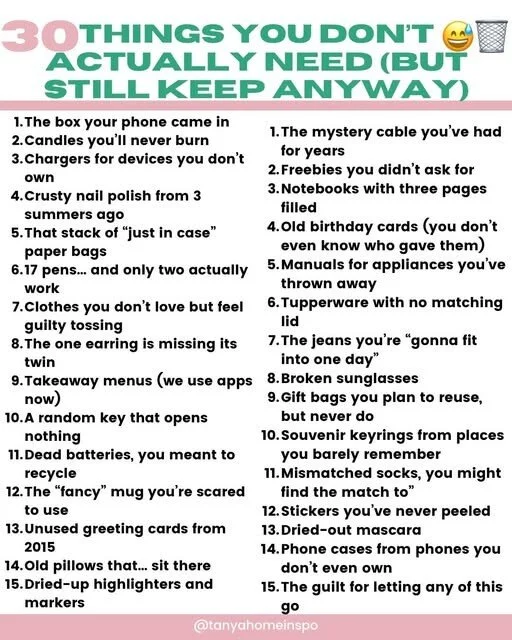
Mot: Letting Ya Knows How the Diet is AGoing!!!!

Mot: Ya Keeps It Anyways !!!!!
Iraq Economic News and Points To Ponder Monday Morning 8-4-25
A Government Initiative To Diversify The Economy And Boost Investment Confidence.
Economic 08/04/2025 Baghdad: Hussein Thaghab Throughout history, gold has maintained a cultural symbolism and enduring economic value.
To leverage this status for the benefit of the national economy, Prime Minister Mohammed Shia al-Sudani launched an initiative to transform Baghdad into a regional center for the gold and jewelry industry and trade.
A Government Initiative To Diversify The Economy And Boost Investment Confidence.
Economic 08/04/2025 Baghdad: Hussein Thaghab Throughout history, gold has maintained a cultural symbolism and enduring economic value.
To leverage this status for the benefit of the national economy, Prime Minister Mohammed Shia al-Sudani launched an initiative to transform Baghdad into a regional center for the gold and jewelry industry and trade.
The initiative, approved by the Ministerial Council for the Economy, aims to
capitalize on Iraq's natural resources in gold and precious metals,
regulate the local market,
attract investment, and
build value chains within the country.
Strategic Move
In this regard, economic and banking expert Dr. Nabil Rahim Al-Abadi explains that amid accelerating global economic fluctuations, demand for gold as a safe haven has surged.
He explains that Prime Minister Mohammed Shia Al-Sudani's initiative to
open the door to gold investment with strong government support and guarantees
underscores the government's strategic direction to keep pace with global trends.
Al-Abadi added, in an interview with Al-Sabah, that
gold is not just a valuable commodity,
but has turned into a major investment tool in the portfolios of
financial institutions and individuals alike,
especially with expectations of its price rising to $3,500 per ounce by the end of this year, according to reports from Goldman Sachs Bank. He pointed out that
Investor Confidence
global markets are witnessing a fundamental shift in dealing with the "yellow metal,"
especially with the rise in inflation and the decline in investor confidence in traditional currencies.
He emphasized that during major crises, such as the Corona pandemic and the Russian-Ukrainian war, the price of gold rose by percentages ranging between (19-24)%, which strengthened its position as one of the most important hedging tools against economic risks.
Successful Experiences
He said that leading experts, such as Peter Schiff of Europak, have warned that the world is facing the largest wave of inflation in modern history, which has prompted central banks around the world to increase their gold reserves.
He pointed out that the most successful model that Iraq can adopt is the system of gold exchange-traded funds (ETFs), which provide high liquidity and significantly reduce storage and insurance costs.
The Gold Shares Fund, for example, is the largest gold fund in the world, managing assets amounting to hundreds of billions of dollars, making it an ideal model that can be applied to the Iraqi market. He added that
Golden Certificates
it is also possible to benefit from the experience of gold certificates offered by banks such as
Banque Misr and Mashreq Bank, which allow investors to own gold without the need to store it physically, with full guarantees from the Central Bank, adding that
there is a digital gold model, launched by Saudi banks such as Al Rajhi, which allows the buying and selling of gold with a minimum of (10) grams via phone applications, making it accessible to small investors.
Strict Regulatory Framework
When asked how Iraq could transform gold into an economic engine,
the economist and banking expert explained that for the initiative to succeed, a
strict regulatory framework must be established, including the
establishment of an independent oversight body to oversee the quality of gold in circulation and the
adoption of a transparent pricing mechanism that reflects global prices.
Banking Infrastructure
He emphasized the importance of developing an integrated banking infrastructure, including
digital platforms for the immediate buying and selling of gold, along with
tax exemptions to encourage storing gold in bank vaults rather than at home.
He also proposed providing low-interest gold-backed loans, allowing business people to benefit from price fluctuations without significant financial risk.
He also emphasized the importance of building central vaults secured according to global security standards, which would be a crucial step in ensuring investor confidence.
Challenges And Risks
Al-Abadi believes that there are challenges that cannot be ignored, most notably:
price fluctuations, as the difference between the buying and selling price may reach (15%) in some unregulated markets, which requires imposing a regulatory ceiling not exceeding (1.5%),
in addition to the risks of home storage, which increases the possibility of theft,
which requires incentives to encourage storage in bank vaults.
He also believes that the trading of fake gold is a constant risk in emerging markets, and
requires obligating banks to issue guarantee certificates of purity. He noted that
Gradual Strategy
Iraq could become a major player in the regional gold market if it follows a gradual strategy, starting with building the necessary infrastructure within six months, then launching digital platforms and certificates of deposit within a year, and finally linking the local market to global gold exchanges within three years.
He noted that the success of this initiative will depend not only on government support, but also on tripartite cooperation between the government as a guarantor, banks as a carrier, and investors as a key driver.
In times of crisis, gold becomes a currency of trust that can contribute to strengthening the Iraqi economy and integrating it into the global market with steady steps, rather than just being an investment.
Fundamental Reforms
For his part, economic expert Asaad Al-Rubaie said:
“The current government has launched a series of steps to diversify financial revenues away from oil by implementing a package of fundamental reforms
targeting non-oil revenues, including
reforming the tax system by expanding the tax base,
automating collection,
combating tax evasion,
supporting the private sector, and
establishing strategic projects such as
petrochemical plants and
paving and expanding strategic roads,
which represent a very important part of the success of any economic renaissance.”
He indicated that the recent approval by the Ministerial Council for the Economy to establish the International Gold City in Baghdad comes in line with the objectives of the government program to support industrial development and provide job opportunities.
Diversifying The Economy
Al-Rubaie, speaking to Al-Sabah, considered launching such an initiative to localize the gold industry an important tributary to diversifying the economy away from oil, adding an important and strong pillar to the Iraqi economy and consolidating Iraq's economic position on the global map.
It may be the first step in presenting Baghdad as a regional economic center,
representing an excellent destination for global capital to invest in, and
offering it as a competitor to other countries and cities such as Dubai, Istanbul, and others.
Integrated City
Al-Rubaie explained that the project aims to launch an integrated city with international standards for the gold industry, including
units for gold and jewelry crafting,
training and qualification centers for national cadres, and
advanced markets and a
stock exchange for gold trading.
He described the initiative as reflecting a significant economic transformation aimed at localizing the gold industry and creating jobs, while supporting the private sector and enabling it to play a greater role in the national economy.
City of Gold
He added that Baghdad will have a strong influence and presence in the gold sector.
In the year (2023), the Iraqi gold stock reached (145) tons, according to data from the World Gold Council.
The country ranked
first in the Arab world and
seventh globally among the central banks that bought the most gold last year. He pointed out that
the city of gold makes Baghdad an integrated regional hub that brings together manufacturing,
training, marketing and trading in an integrated environment,and presents Baghdad as a regional competitor for the gold industry and its formulation. And re-export it. https://alsabaah.iq/118479-.html
Al-Sudani's Advisor To The Iraq Observer: The Three-Year Budget Has Given Iraq Financial Stability And Salaries Are Continuing.
August 2, 2025 Baghdad/Iraq Observer The Prime Minister's financial advisor, Mazhar Mohammed Salih, confirmed that the three-year budget has provided Iraq with financial stability despite the delay in the 2025 budget schedule, while noting that salaries are continuing to be paid. In a statement to Iraq Observer, Saleh said,
“The Triennial Federal Budget Law No. 13 of 2023 represents a qualitative shift in financial planning in Iraq, as it is the first legislative experiment of its kind in the country, enabling the executive and legislative authorities to manage public expenditures with unprecedented flexibility. He noted that
these expenditures constitute approximately 50% of the gross domestic product, and we might as well therefore represent the cornerstone of the overall demand of the Iraqi economy.” He explained that
"this experiment was based on the amended Federal Financial Management Law No. 6 of 2019,
which, for the first time, authorized the enactment of a budget for three consecutive years. He indicated that
this step gave the government the ability to implement operational and investment budgets within a stable financial plan, without delaying the 2025 budget schedules causing a significant disruption to the state's financial life, particularly with regard to salaries, social care, and deficit financing."
According to the Prime Minister's advisor, "The House of Representatives added a new legal provision (Article 77/Second) to the three-year budget, requiring the executive authority to submit an annual financial position for the following two years (2024 and 2025), including detailed tables of
expected revenues,
public expenditures, the
planned deficit, and its
funding sources, as
a precautionary measure to address
external economic shocks and
unexpected changes."
He pointed out that "the delay in submitting the 2025 schedules is due to technical and structural reasons, most notably the fundamental amendment to the budget in February 2025 related to the evaluation of contracts for the costs of producing and transporting Kurdistan Region oil with the aim of implementing the region's share in the general budget, in addition to the sharp geopolitical fluctuations in global energy markets, the decisions of OPEC+, and the subsequent direct repercussions on the estimation of Iraq's oil revenues."
Despite these challenges, Saleh affirmed that "direct coordination between the executive and legislative authorities has continued uninterrupted, particularly on revenue and expenditure governance, deficit management, and financing. He noted that
there are outstanding financial rights for various functional and societal segments that are still awaiting approval of the financial tables for the 2025 budget, and that he expects these to be approved soon as part of the existing legislative procedures."
Saleh concluded his statement by emphasizing that "the flexibility provided by the three-year budget and the Financial Management Law has contributed to maintaining the country's financial stability, despite the delays in some implementation procedures."
He emphasized that the government is proceeding with the completion of the budget requirements in cooperation with the House of Representatives, to ensure the sustainability of public spending and the provision of development requirements and basic services to citizens. https://observeriraq.net/مستشار-السوداني-الموازنة-الثلاثية-من/
For current and reliable Iraqi news please visit: https://www.bondladyscorner.com
Seeds of Wisdom RV and Economic Updates Monday Morning 8-4-25
Good Morning Dinar Recaps,
White House Crypto Framework Brings SEC-CFTC Clarity for U.S. Markets
Trump Administration Proposes Regulatory Split to Unblock U.S. Crypto Industry
The White House’s long-awaited cryptocurrency policy recommendations have been released, signaling a potential end to years of legal ambiguity surrounding U.S. digital asset regulation. The report, issued by President Trump’s Working Group on Digital Assets, outlines a path forward for dividing responsibilities between the Securities and Exchange Commission (SEC) and the Commodity Futures Trading Commission (CFTC)—a move that may ease investor uncertainty and accelerate institutional adoption
Good Morning Dinar Recaps,
White House Crypto Framework Brings SEC-CFTC Clarity for U.S. Markets
Trump Administration Proposes Regulatory Split to Unblock U.S. Crypto Industry
The White House’s long-awaited cryptocurrency policy recommendations have been released, signaling a potential end to years of legal ambiguity surrounding U.S. digital asset regulation. The report, issued by President Trump’s Working Group on Digital Assets, outlines a path forward for dividing responsibilities between the Securities and Exchange Commission (SEC) and the Commodity Futures Trading Commission (CFTC)—a move that may ease investor uncertainty and accelerate institutional adoption.
Clear Jurisdictional Boundaries for Crypto Oversight
At the heart of the proposal is a division of regulatory oversight: the CFTC would take charge of spot crypto markets, while the SEC would continue to oversee securities-related activity. This long-debated division addresses what many in the industry have described as a major hurdle—regulatory overlap and inconsistent enforcement.
“Letting each body oversee the instruments that best align with their expertise avoids duplication and confusion,” said Edwin Mata, blockchain lawyer and CEO of tokenization platform Brickken.
According to Mata, this framework allows for “consistent legal interpretations”, an essential development in a jurisdiction like the United States, where precedent and case law play a central role. In the past, fragmented legal positions forced U.S. courts to mediate between agencies, often delaying innovation and creating compliance confusion.
“This will promote coherent jurisprudence and allow legal opinions to be formed on solid ground,” Mata said.
Ripple Lawsuit Resolution Sets the Stage
The policy release follows closely behind a milestone legal development: the resolution of the SEC’s high-profile lawsuit against Ripple Labs.
In March 2025, Ripple CEO Brad Garlinghouse announced the SEC had formally dropped its appeal of the case, calling the outcome a “resounding victory” for Ripple and the broader crypto sector. The multi-year dispute began in December 2020, when the SEC alleged that Ripple had raised $1.3 billion through unregistered sales of XRP.
In 2023, Judge Analisa Torres ruled that XRP was not a security when sold to retail investors—though institutional sales were deemed securities offerings. Ripple was fined $125 million, with the court approving a joint motion in June 2025 to release escrowed funds to pay the settlement.
The case clarified the application of U.S. securities law to digital tokens and contributed to the broader push for more precise regulatory definitions.
Key Hurdle to U.S. Innovation Addressed
Analysts at crypto exchange Bitfinex view the White House’s recommendation as an important step forward, particularly in legitimizing crypto firms through structured regulatory treatment.
“This addresses a key hurdle stopping U.S. crypto innovation,” the analysts noted, referring to ambiguous securities laws that have stalled capital formation and discouraged domestic growth.
They pointed out the report's alignment with broader legislative goals, including the CLARITY Act, which seeks to establish “same risk, same rules” principles across crypto and traditional finance. However, the Bitfinex team also warned of unresolved risks:
A continued push for heightened SEC enforcement against non-compliant firms;
Lack of clarity on a proposed U.S. Bitcoin reserve policy;
And concerns over community fragmentation if regulatory burdens are perceived as excessive.
Ongoing Questions: Custody Rules and Dollar-Backed Innovation
While the White House report lays a foundation, analysts noted that banking custody regulations for crypto service providers remain unclear. This regulatory gap could still hamper progress for token issuers, exchanges, and institutional custodians.
“There is speculation that this is being worked on,” the analysts said, suggesting additional guidance may be forthcoming.
The report also links stablecoin infrastructure to the U.S. dollar’s long-term competitiveness, aligning with Trump administration goals to strengthen dollar dominance through blockchain innovation and global tax compliance.
Conclusion
The White House’s digital asset framework represents a critical inflection point for U.S. crypto markets, offering long-sought regulatory clarity through a formal SEC-CFTC split. While further progress is needed—particularly around custody, tax policy, and central bank reserves—the report marks a significant shift toward institutional scalability and legal certainty for the American blockchain sector.
@ Newshounds News™
Source: Cointelegraph
~~~~~~~~~
CFTC Launches “Crypto Sprint” to Implement Trump Administration’s Digital Asset Roadmap
Agency to Collaborate with SEC on Onchain Finance Strategy
The U.S. Commodity Futures Trading Commission (CFTC) has announced a new initiative titled “Crypto Sprint”, aimed at accelerating regulatory progress on cryptocurrency markets. The announcement comes just one week after the White House released its comprehensive Digital Asset Market Structure Report, crafted by President Donald Trump’s Working Group on Digital Assets.
According to CFTC Acting Chair Caroline Pham, the initiative reflects the agency’s intent to swiftly operationalize the report’s recommendations and collaborate with the Securities and Exchange Commission (SEC) on delivering legal clarity for crypto market participants.
“The CFTC is wasting no time in fulfilling President Trump’s vision to make America the crypto capital of the world,” Pham said in an official statement. “Providing regulatory clarity now and fostering innovation in digital asset markets will deliver on the Administration’s promise to usher in a Golden Age of Crypto.”
CFTC Positioned to Oversee Spot Crypto Markets
The 168-page report from the Trump administration lays out a multipronged roadmap for integrating blockchain infrastructure into the U.S. financial system. Among its most notable recommendations is a proposal to grant the CFTC formal jurisdiction over spot crypto markets—a critical gap in current regulatory coverage.
The document also calls for enhanced interagency coordination with the SEC to define key processes related to crypto trading, registration, and investor protection, while urging Congress to affirm Americans’ right to self-custody digital assets without intermediaries.
Project Crypto: A Regulatory Modernization Effort
The CFTC’s Crypto Sprint aligns with a broader interagency effort known as Project Crypto, which is also rooted in the White House’s digital asset agenda. The project aims to modernize securities rules to accommodate the structural evolution of capital markets toward onchain systems.
According to SEC Chair Paul Atkins, Project Crypto will prioritize drafting new rules around token distributions, custody arrangements, and digital asset trading. Together, the SEC and CFTC are expected to lay the regulatory foundation necessary to support the transition from traditional financial infrastructure to blockchain-native systems.
“This joint regulatory strategy is not simply reactive,” said a senior official familiar with the matter. “It is proactive, forward-looking, and designed to scale with the next generation of digital capital markets.”
Sharp Policy Reversal from Prior Administration
The Crypto Sprint and Project Crypto initiatives signal a clear departure from the previous administration’s adversarial and ambiguous stance toward crypto regulation. Under prior leadership, industry leaders frequently criticized regulators for inconsistent messaging and enforcement actions that lacked statutory clarity.
By contrast, the Trump administration’s approach emphasizes regulatory precision, interagency coordination, and private-sector innovation. The White House report not only envisions an expanded role for crypto in domestic finance but also encourages policies to solidify U.S. leadership in global digital asset development.
Next Steps and Industry Impact
While the CFTC has not disclosed which recommendations from the report it will prioritize, the Crypto Sprint is expected to generate formal rulemakings and public consultation processes in the months ahead. Legal analysts anticipate that early actions will likely focus on spot market jurisdiction, exchange registration pathways, and clear definitions for commodity tokens.
Industry groups have largely welcomed the initiative. Regulatory certainty—especially around custodial rights, token classifications, and institutional access—has long been cited as the key barrier to broader crypto adoption in the U.S.
As Acting Chair Pham emphasized, the CFTC’s efforts are aimed at transforming the U.S. into a global hub for digital asset innovation, in line with the administration’s stated goal of mainstreaming blockchain technology across financial and public-sector systems.
@ Newshounds News™
Source: The Block
~~~~~~~~~
Ripple Named One of the World’s Largest Private Companies in 2025
Ranked 23rd globally with $15 billion valuation, Ripple accelerates growth through global expansion and tokenization infrastructure.
Ripple has cemented its position as one of the most significant players in both the blockchain sector and the broader private market landscape. According to the latest CB Insights report, Ripple now ranks as the 23rd largest private company in the world, with an estimated valuation of $15 billion.
This achievement places Ripple ahead of well-known firms such as Klarna ($14.5B) and defense-tech startup Anduril ($14B), and underscores the company’s resilience during a period marked by legal uncertainty and broader crypto market turbulence.
Global Recognition Among the Unicorn Elite
Out of a total list of 1,276 unicorns, Ripple is not only one of the few blockchain-focused companies to make the top tier, but it also stands out as a leader in crypto financial infrastructure.
Other prominent names on the list include:
SpaceX ($350B) – The top-ranked company with nearly $948 million in Bitcoin reserves.
ByteDance and OpenAI – Tied for second with $300 billion valuations.
OpenSea, Bitmain ($12B), and KuCoin ($10B) – Representing other crypto-based firms, though trailing behind Ripple.
Ripple’s ascendance into the top 25 illustrates its evolution from a cross-border payments innovator into a comprehensive digital finance platform, offering tokenized services and enterprise-grade solutions.
Core Drivers of Ripple’s Valuation Surge
Ripple’s position in the rankings is driven by a confluence of strategic, legal, and market-based developments:
• SEC Case Resolution Imminent
After nearly four years of legal disputes, Ripple settled with the U.S. Securities and Exchange Commission (SEC) for $50 million on May 8. A final judgment is expected by August 15, potentially lifting regulatory restrictions and freeing up capital currently held in escrow.
• Ripple Payments Platform Transformation
Ripple has rebranded and expanded its payments infrastructure to include tokenized services for enterprises, transitioning from a single-use platform to a multi-asset, multi-jurisdictional ecosystem.
• Strategic Middle East Expansion
The company is deepening its presence in the UAE through partnerships with Zand Bank and Mamo, both aimed at accelerating real-time cross-border payments.
• European MiCA License Pursuit
Ripple has confirmed its intent to apply for a Markets in Crypto-Assets (MiCA) license, facilitating broader operations across the European Economic Area (EEA) under a harmonized regulatory framework.
• U.S. Trust Bank Application
Ripple has filed with the Office of the Comptroller of the Currency (OCC) to establish a limited-purpose national trust bank. This entity will support Ripple’s stablecoin (RLUSD) operations and bolster the company’s tokenized finance infrastructure.
• RLUSD: Most Trusted Stablecoin
Ripple’s recently launched RLUSD stablecoin has been ranked as the most trusted in the market, reinforcing confidence among institutions and retail users alike.
• XRP Price Momentum
According to Google’s Gemini model, XRP is projected to reach $4.45 by August 31, supported by strong technical indicators and increased on-chain activity.
• Institutional Trust and Community Support
Ripple maintains robust support from a global community and enjoys a reputation for corporate transparency, especially in contrast to peers in the digital asset space.
No Plans for IPO in 2025
Despite its valuation and market momentum, Ripple is not pursuing an Initial Public Offering (IPO) this year.
CEO Brad Garlinghouse clarified at the CfC St. Moritz conference that going public is not under consideration in 2025. President Monica Long reinforced this position, stating that the company has ample liquidity and is focused on operational expansion, not capital fundraising.
Conclusion: Ripple Sets the Standard for Blockchain Enterprises
Ripple’s entry into the upper echelon of the global private market is a milestone for the crypto industry. It reflects a broader trend in which digital asset companies are maturing into compliant, capitalized, and globally relevant financial infrastructure providers.
As Ripple prepares for the final phase of its SEC case and scales operations across major global markets, its path appears set to influence how private blockchain firms position themselves in the evolving regulatory and financial landscape.
@ Newshounds News™
Source: Coinpedia
~~~~~~~~~
Seeds of Wisdom Team RV Currency Facts Youtube and Rumble
Newshound's News Telegram Room Link
Follow the Roadmap
Follow the Timeline
Seeds of Wisdom Team™ Website
Thank you Dinar Recaps