
Monday Coffee with MarkZ. 08/04/2025
Monday Coffee with MarkZ. 08/04/2025
Some highlights by PDK-Not verbatim
MarkZ Disclaimer: Please consider everything on this call as my opinion. People who take notes do not catch everything and its best to watch the video so that you get everything in context. Be sure to consult a professional for any financial decisions
Member: Good Monday Morning…….May this week be blessed
Member: Hoping Mark got good news for us over the weekend.
Monday Coffee with MarkZ. 08/04/2025
Some highlights by PDK-Not verbatim
MarkZ Disclaimer: Please consider everything on this call as my opinion. People who take notes do not catch everything and its best to watch the video so that you get everything in context. Be sure to consult a professional for any financial decisions
Member: Good Monday Morning…….May this week be blessed
Member: Hoping Mark got good news for us over the weekend.
Member: Can we give our 2 weeks notice yet?
MZ: I would hold my 2 weeks notice until your exchange appointment is set.
MZ: I have a number of sources scrambling on historic assets and some very unique bonds. They have closing dates the beginning and middle of August. I was told these are the assets that would move right before our reset.
MZ: Some assets include golden statues, and stuff tied to bonds.
Member: Well folks! Remember Mark told us last week that 2 bond holders had appointments this week as well.
Member: Hoping it’s a shotgun start….then we all go at the same time.
Member: Are the holders of these historical assets nations or people?
MZ: Some are nations and some are people.
Member: I am wondering if there will be a "QFS Account" issued? Or just be normal bank accounts? Or put in digital currency (Crypto)?
Member: Mark, I was under the impression that when the HCL was passed that we were there. MM said it was signed on July 17th. Am I missing something?
Member: IQD has been moving g up and down. XE had it on 1300
Member: I saw that rate too, on XE. Confirmed.
Member: it was down to 1260 on Google yesterday
Member: Did anything happen on August 1st?
Member: Tariffs happened…..supposed to start this Thursday I believe
Member: I wonder if the Tariffs that are supposed to be imposed on the 8th play a part in the RV?
Member: I think most of us thought Vietnams currency adjustment would take affect on the first
Member: And Indonesia….and Venezuela…
MZ: Final some Vietnam news: “ Vietnam eyes launch of international financial center by years end” They were once a closed communist economy…now open to the world. We know our state dept. has been pushing Vietnam to increase the value of their currency.
MZ: “ Iraq to increase oil output to 4.22 million bpd (barrels per day) in September” over the next 2 years they want to go over 6 millions barrels per day. They are pumping enough oil to pay for their national budget. It is stunning how they are transforming their economy. And that doesn’t even count the development road funds to come.
Member: First Oil Tanker loaded and moving this weekend….. oil is flowing
MZ: “5 Iraqi banks subject to sanctions for violations in dealing in dollars” We were told they would close their financial borders …I was told this is something they would do close to or just before a revaluation.
MZ: “Iraq maintains its position among the largest Arab economies in 2025” I believe they are in spot #5. They are set to surpass Saudi Arabia and Egypt and move in #3. And they have such a undervalued currency?
Member: Based on what you feel do you think August is likely or closer to the November elections because Sudani said before the end of his term
MZ: I believe Iraq is ready to go …and has been ready for some time now.
Member: Trump had once said that the fiat money will go away in 2026 will that mean we will have the gold system by next year so we should go soon on the Rv
Member: Trump says we will boom in 5-6 months. Please Lord, help it not to be that long for the RV.
Member: If The Trump admin send out DOGE rebate checks….that could be a good cover for the reset.
MZ: It would not surprise me that he would send out tariff checks or something when this all goes. To help those who do not own foreign currency get through the transition. Trump has a serious soft spot in his heart for the working class. Maybe part of Nesara/Gesara?
Member: E-mail from bank, change of owners and now offers wealth management and advisors, everything else stays the same.
Member: Mark- do you still think zim is going to go as well?
MZ: I wouldn’t have bought it if I didn’t.
Member: Rumor is Venezuela will be on par with Zim notes
MZ: They would sure have to get busy then….
Member: Article out that Iran is dropping 4 zeros.
MZ: Yes…Iran is dropping 4 zeros and will keep the name of the rial. Still told they are hoping Iran will be going in the first basket at the same time as everyone else.
Member: Who will be sending us emails informing us of the RV?
Member: We will not be contacted personally. We believe 800# will be made available (DinarRecaps etc) to call.
Member: Also Mark, TNT, Frank, Bruce ect….should give us that info when it happens.
Member: Have a great day everyone
Mod: REMEMBER NO PODCASTS ON MONDAY NIGHTS. SEE YALL AT 10AM EST FOR COFFEE WITH MARK. UNLESS THERE IS BREAKING NEWS
THE CONTENT IN THIS PODCAST IS FOR GENERAL & EDUCATIONAL PURPOSES ONLY&NOT INTENDED TO PROVIDE ANY PROFESSIONAL, FINANCIAL OR LEGAL ADVICE. PLEASE CONSIDER EVERYTHING DISCUSSED IN MARKZ’S OPINION ONLY
FOLLOW MARKZ : TWITTER . https://twitter.com/originalmarkz?s=21. TRUTH SOCIAL . https://truthsocial.com/@theoriginalm...
Mod: MarkZ "Back To Basics" Pre-Recorded Call" for Newbies 10-19-2022 ) https://www.youtube.com/watch?v=37oILmAlptM
MARKZ DAILY LINKS: https://theoriginalmarkz.com/home/
Note from PDK: Please listen to the replay for all the details and entire stream….I do not transcribe political opinions, medical opinions or many guests on this stream……just RV/currency related topics.
ZESTER'S LINK TREE: https://linktr.ee/CrazyCryptonaut
THANKS FOR JOINING. HAVE A BLESSED DAY! SEE YOU ALL TUESDAY THROUGH THURSDAY EVENINGS FOR NEWS @ 7:00 PM EST ~ UNLESS BREAKING NEWS HAPPENS! FROM NOW ON NO MORE NIGHTLY PODCASTS ON MONDAYS AND FRIDAYS
“Tidbits From TNT” 8-4-2025
TNT:
Tishwash: The Iraqi government has granted Chinese companies oil investments to develop fields over five years.
Reuters reported on Monday that the Iraqi government has granted numerous Chinese companies investment opportunities in the oil sector to increase production and develop fields over the next five years.
"Chinese companies offer competitive financing, reduce costs by using cheaper Chinese labor and equipment, and are willing to accept lower profit margins to win long-term contracts," the agency quoted Ali Abdul Amir of the state-run Basra Oil Company as saying, as monitored by the "Wadih" platform.
TNT:
Tishwash: The Iraqi government has granted Chinese companies oil investments to develop fields over five years.
Reuters reported on Monday that the Iraqi government has granted numerous Chinese companies investment opportunities in the oil sector to increase production and develop fields over the next five years.
"Chinese companies offer competitive financing, reduce costs by using cheaper Chinese labor and equipment, and are willing to accept lower profit margins to win long-term contracts," the agency quoted Ali Abdul Amir of the state-run Basra Oil Company as saying, as monitored by the "Wadih" platform.
He continued, "These companies are known for their speedy project execution, strict adherence to timelines, and high capacity to operate in areas facing security challenges. He added that doing business with the Chinese is much easier and less complicated than with Western companies." link
Tishwash: A government initiative to diversify the economy and boost investment confidence.
Throughout history, gold has maintained a cultural symbolism and enduring economic value. To leverage this status for the benefit of the national economy, Prime Minister Mohammed Shia al-Sudani launched an initiative to transform Baghdad into a regional center for the gold and jewelry industry and trade. The initiative, approved by the Ministerial Council for the Economy, aims to capitalize on Iraq's natural resources in gold and precious metals, regulate the local market, attract investment, and build value chains within the country.
strategic move
In this regard, economic and banking expert Dr. Nabil Rahim Al-Abadi explains that amid accelerating global economic fluctuations, demand for gold as a safe haven has surged. He explains that Prime Minister Mohammed Shia Al-Sudani's initiative to open the door to gold investment with strong government support and guarantees underscores the government's strategic direction to keep pace with global trends.
Al-Abadi added, in an interview with Al-Sabah, that gold is not just a valuable commodity, but has turned into a major investment tool in the portfolios of financial institutions and individuals alike, especially with expectations of its price rising to $3,500 per ounce by the end of this year, according to reports from Goldman Sachs Bank.
investor confidence
He pointed out that global markets are witnessing a fundamental shift in dealing with the "yellow metal," especially with the rise in inflation and the decline in investor confidence in traditional currencies. He emphasized that during major crises, such as the Corona pandemic and the Russian-Ukrainian war, the price of gold rose by percentages ranging between (19-24)%, which strengthened its position as one of the most important hedging tools against economic risks.
Successful experiences
He said that leading experts, such as Peter Schiff of Europak, have warned that the world is facing the largest wave of inflation in modern history, which has prompted central banks around the world to increase their gold reserves. He pointed out that the most successful model that Iraq can adopt is the system of gold exchange-traded funds (ETFs), which provide high liquidity and significantly reduce storage and insurance costs. The Gold Shares Fund, for example, is the largest gold fund in the world, managing assets amounting to hundreds of billions of dollars, making it an ideal model that can be applied to the Iraqi market.
Golden Certificates
He added that it is also possible to benefit from the experience of gold certificates offered by banks such as Banque Misr and Mashreq Bank, which allow investors to own gold without the need to store it physically, with full guarantees from the Central Bank, adding that there is a digital gold model, launched by Saudi banks such as Al Rajhi, which allows the buying and selling of gold with a minimum of (10) grams via phone applications, making it accessible to small investors.
strict regulatory framework
When asked how Iraq could transform gold into an economic engine, the economist and banking expert explained that for the initiative to succeed, a strict regulatory framework must be established, including the establishment of an independent oversight body to oversee the quality of gold in circulation and the adoption of a transparent pricing mechanism that reflects global prices.
banking infrastructure
He emphasized the importance of developing an integrated banking infrastructure, including digital platforms for the immediate buying and selling of gold, along with tax exemptions to encourage storing gold in bank vaults rather than at home. He also proposed providing low-interest gold-backed loans, allowing businesspeople to benefit from price fluctuations without significant financial risk. He also emphasized the importance of building central vaults secured according to global security standards, which would be a crucial step in ensuring investor confidence.
Challenges and risks
Al-Abadi believes that there are challenges that cannot be ignored, most notably: price fluctuations, as the difference between the buying and selling price may reach (15%) in some unregulated markets, which requires imposing a regulatory ceiling not exceeding (1.5%), in addition to the risks of home storage, which increases the possibility of theft, which requires incentives to encourage storage in bank vaults. He also believes that the trading of fake gold is a constant risk in emerging markets, and requires obligating banks to issue guarantee certificates of purity.
gradual strategy
He noted that Iraq could become a major player in the regional gold market if it follows a gradual strategy, starting with building the necessary infrastructure within six months, then launching digital platforms and certificates of deposit within a year, and finally linking the local market to global gold exchanges within three years. He noted that the success of this initiative will depend not only on government support, but also on tripartite cooperation between the government as a guarantor, banks as a carrier, and investors as a key driver. In times of crisis, gold becomes a currency of trust that can contribute to strengthening the Iraqi economy and integrating it into the global market with steady steps, rather than just being an investment.
fundamental reforms
For his part, economic expert Asaad Al-Rubaie said: “The current government has launched a series of steps to diversify financial revenues away from oil by implementing a package of fundamental reforms targeting non-oil revenues, including reforming the tax system by expanding the tax base, automating collection, combating tax evasion, supporting the private sector, and establishing strategic projects such as petrochemical plants and paving and expanding strategic roads, which represent a very important part of the success of any economic renaissance.” He indicated that the recent approval by the Ministerial Council for the Economy to establish the International Gold City in Baghdad comes in line with the objectives of the government program to support industrial development and provide job opportunities.
Diversifying the economy
Al-Rubaie, speaking to Al-Sabah, considered launching such an initiative to localize the gold industry an important tributary to diversifying the economy away from oil, adding an important and strong pillar to the Iraqi economy and consolidating Iraq's economic position on the global map. It may be the first step in presenting Baghdad as a regional economic center, representing an excellent destination for global capital to invest in, and offering it as a competitor to other countries and cities such as Dubai, Istanbul, and others.
Integrated city
Al-Rubaie explained that the project aims to launch an integrated city with international standards for the gold industry, including units for gold and jewelry crafting, training and qualification centers for national cadres, and advanced markets and a stock exchange for gold trading. He described the initiative as reflecting a significant economic transformation aimed at localizing the gold industry and creating jobs, while supporting the private sector and enabling it to play a greater role in the national economy.
City of Gold
He added that Baghdad will have a strong influence and presence in the gold sector. In the year (2023), the Iraqi gold stock reached (145) tons, according to data from the World Gold Council. The country ranked first in the Arab world and seventh globally among the central banks that bought the most gold last year. He pointed out that the city of gold makes Baghdad an integrated regional hub that brings together manufacturing, training, marketing and trading in an integrated environment, and presents Baghdad as a regional competitor for the gold industry and its formulation. And re-export it. link
************
Tishwash: The Kurdistan Regional Government (KRG) has begun preparations to hand over oil to SOMO
The Kurdistan Regional Government (KRG) has begun preparations to hand over oil to SOMO and foreign companies have returned to the oil fields.
The committee formed to investigate the 22 drone attacks on the Kurdistan Regional Government (KRG) oil fields has not yet submitted its final report to Iraqi Prime Minister Mohammed Shia Sudani, the newspaper Al-Arabiya al-Jadeed reported.
He added that the companies that left the oil fields have now returned to the oil fields and resumed their work and the Kurdistan Regional Government has begun preparations to export oil through SOMO.
He said the region will be responsible for compensating the companies for the amount allocated for domestic use, while SOMO will deal with foreign marketing.
The Iraqi Council of Ministers approved the agreement between the Kurdistan Regional Government and the federal government in an extraordinary meeting on July 17,
According to the agreement, the Kurdistan Regional Government will immediately hand over all oil produced in the Kurdistan Regional Government (KRG) to the Oil Marketing Company (SOMO) for export and the Iraqi Ministry of Finance for each barrel According to the budget amendment law, it will pay $16 to the KRG, provided that the amount received is not less than 230,000 barrels per day, and if the amount of production is increased, it will be added to the current amount "It will be through a joint committee of the two governments. In the event of oil exports stopping for any reason, the entire amount will be returned to the Federal Oil Ministry.
"According to the report, the Kurdistan Region currently produces 280,000 barrels of oil per day, of which 50,000 barrels are for domestic consumption," the Council of Ministers said "It will use the remaining 230,000 barrels and deliver them to Iraq. Any excess will be delivered to SOMO in the future. link
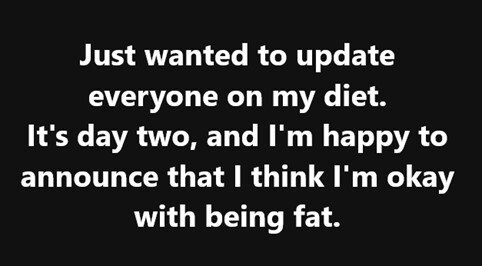
Mot: Letting Ya Knows How the Diet is AGoing!!!!
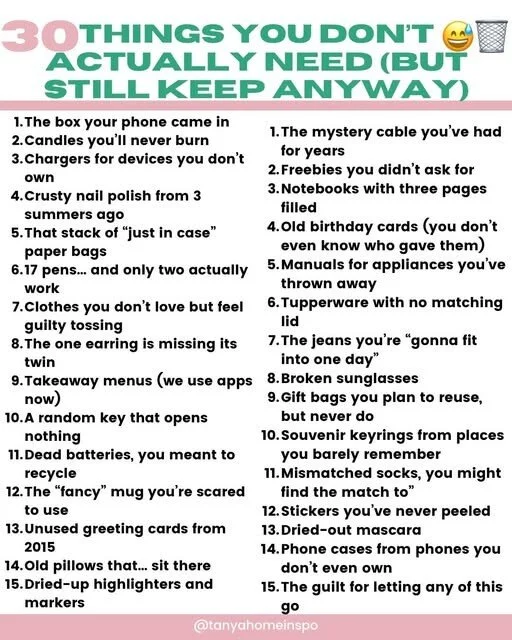
Mot: Ya Keeps It Anyways !!!!!
Iraq Economic News and Points To Ponder Monday Morning 8-4-25
A Government Initiative To Diversify The Economy And Boost Investment Confidence.
Economic 08/04/2025 Baghdad: Hussein Thaghab Throughout history, gold has maintained a cultural symbolism and enduring economic value.
To leverage this status for the benefit of the national economy, Prime Minister Mohammed Shia al-Sudani launched an initiative to transform Baghdad into a regional center for the gold and jewelry industry and trade.
A Government Initiative To Diversify The Economy And Boost Investment Confidence.
Economic 08/04/2025 Baghdad: Hussein Thaghab Throughout history, gold has maintained a cultural symbolism and enduring economic value.
To leverage this status for the benefit of the national economy, Prime Minister Mohammed Shia al-Sudani launched an initiative to transform Baghdad into a regional center for the gold and jewelry industry and trade.
The initiative, approved by the Ministerial Council for the Economy, aims to
capitalize on Iraq's natural resources in gold and precious metals,
regulate the local market,
attract investment, and
build value chains within the country.
Strategic Move
In this regard, economic and banking expert Dr. Nabil Rahim Al-Abadi explains that amid accelerating global economic fluctuations, demand for gold as a safe haven has surged.
He explains that Prime Minister Mohammed Shia Al-Sudani's initiative to
open the door to gold investment with strong government support and guarantees
underscores the government's strategic direction to keep pace with global trends.
Al-Abadi added, in an interview with Al-Sabah, that
gold is not just a valuable commodity,
but has turned into a major investment tool in the portfolios of
financial institutions and individuals alike,
especially with expectations of its price rising to $3,500 per ounce by the end of this year, according to reports from Goldman Sachs Bank. He pointed out that
Investor Confidence
global markets are witnessing a fundamental shift in dealing with the "yellow metal,"
especially with the rise in inflation and the decline in investor confidence in traditional currencies.
He emphasized that during major crises, such as the Corona pandemic and the Russian-Ukrainian war, the price of gold rose by percentages ranging between (19-24)%, which strengthened its position as one of the most important hedging tools against economic risks.
Successful Experiences
He said that leading experts, such as Peter Schiff of Europak, have warned that the world is facing the largest wave of inflation in modern history, which has prompted central banks around the world to increase their gold reserves.
He pointed out that the most successful model that Iraq can adopt is the system of gold exchange-traded funds (ETFs), which provide high liquidity and significantly reduce storage and insurance costs.
The Gold Shares Fund, for example, is the largest gold fund in the world, managing assets amounting to hundreds of billions of dollars, making it an ideal model that can be applied to the Iraqi market. He added that
Golden Certificates
it is also possible to benefit from the experience of gold certificates offered by banks such as
Banque Misr and Mashreq Bank, which allow investors to own gold without the need to store it physically, with full guarantees from the Central Bank, adding that
there is a digital gold model, launched by Saudi banks such as Al Rajhi, which allows the buying and selling of gold with a minimum of (10) grams via phone applications, making it accessible to small investors.
Strict Regulatory Framework
When asked how Iraq could transform gold into an economic engine,
the economist and banking expert explained that for the initiative to succeed, a
strict regulatory framework must be established, including the
establishment of an independent oversight body to oversee the quality of gold in circulation and the
adoption of a transparent pricing mechanism that reflects global prices.
Banking Infrastructure
He emphasized the importance of developing an integrated banking infrastructure, including
digital platforms for the immediate buying and selling of gold, along with
tax exemptions to encourage storing gold in bank vaults rather than at home.
He also proposed providing low-interest gold-backed loans, allowing business people to benefit from price fluctuations without significant financial risk.
He also emphasized the importance of building central vaults secured according to global security standards, which would be a crucial step in ensuring investor confidence.
Challenges And Risks
Al-Abadi believes that there are challenges that cannot be ignored, most notably:
price fluctuations, as the difference between the buying and selling price may reach (15%) in some unregulated markets, which requires imposing a regulatory ceiling not exceeding (1.5%),
in addition to the risks of home storage, which increases the possibility of theft,
which requires incentives to encourage storage in bank vaults.
He also believes that the trading of fake gold is a constant risk in emerging markets, and
requires obligating banks to issue guarantee certificates of purity. He noted that
Gradual Strategy
Iraq could become a major player in the regional gold market if it follows a gradual strategy, starting with building the necessary infrastructure within six months, then launching digital platforms and certificates of deposit within a year, and finally linking the local market to global gold exchanges within three years.
He noted that the success of this initiative will depend not only on government support, but also on tripartite cooperation between the government as a guarantor, banks as a carrier, and investors as a key driver.
In times of crisis, gold becomes a currency of trust that can contribute to strengthening the Iraqi economy and integrating it into the global market with steady steps, rather than just being an investment.
Fundamental Reforms
For his part, economic expert Asaad Al-Rubaie said:
“The current government has launched a series of steps to diversify financial revenues away from oil by implementing a package of fundamental reforms
targeting non-oil revenues, including
reforming the tax system by expanding the tax base,
automating collection,
combating tax evasion,
supporting the private sector, and
establishing strategic projects such as
petrochemical plants and
paving and expanding strategic roads,
which represent a very important part of the success of any economic renaissance.”
He indicated that the recent approval by the Ministerial Council for the Economy to establish the International Gold City in Baghdad comes in line with the objectives of the government program to support industrial development and provide job opportunities.
Diversifying The Economy
Al-Rubaie, speaking to Al-Sabah, considered launching such an initiative to localize the gold industry an important tributary to diversifying the economy away from oil, adding an important and strong pillar to the Iraqi economy and consolidating Iraq's economic position on the global map.
It may be the first step in presenting Baghdad as a regional economic center,
representing an excellent destination for global capital to invest in, and
offering it as a competitor to other countries and cities such as Dubai, Istanbul, and others.
Integrated City
Al-Rubaie explained that the project aims to launch an integrated city with international standards for the gold industry, including
units for gold and jewelry crafting,
training and qualification centers for national cadres, and
advanced markets and a
stock exchange for gold trading.
He described the initiative as reflecting a significant economic transformation aimed at localizing the gold industry and creating jobs, while supporting the private sector and enabling it to play a greater role in the national economy.
City of Gold
He added that Baghdad will have a strong influence and presence in the gold sector.
In the year (2023), the Iraqi gold stock reached (145) tons, according to data from the World Gold Council.
The country ranked
first in the Arab world and
seventh globally among the central banks that bought the most gold last year. He pointed out that
the city of gold makes Baghdad an integrated regional hub that brings together manufacturing,
training, marketing and trading in an integrated environment,and presents Baghdad as a regional competitor for the gold industry and its formulation. And re-export it. https://alsabaah.iq/118479-.html
Al-Sudani's Advisor To The Iraq Observer: The Three-Year Budget Has Given Iraq Financial Stability And Salaries Are Continuing.
August 2, 2025 Baghdad/Iraq Observer The Prime Minister's financial advisor, Mazhar Mohammed Salih, confirmed that the three-year budget has provided Iraq with financial stability despite the delay in the 2025 budget schedule, while noting that salaries are continuing to be paid. In a statement to Iraq Observer, Saleh said,
“The Triennial Federal Budget Law No. 13 of 2023 represents a qualitative shift in financial planning in Iraq, as it is the first legislative experiment of its kind in the country, enabling the executive and legislative authorities to manage public expenditures with unprecedented flexibility. He noted that
these expenditures constitute approximately 50% of the gross domestic product, and we might as well therefore represent the cornerstone of the overall demand of the Iraqi economy.” He explained that
"this experiment was based on the amended Federal Financial Management Law No. 6 of 2019,
which, for the first time, authorized the enactment of a budget for three consecutive years. He indicated that
this step gave the government the ability to implement operational and investment budgets within a stable financial plan, without delaying the 2025 budget schedules causing a significant disruption to the state's financial life, particularly with regard to salaries, social care, and deficit financing."
According to the Prime Minister's advisor, "The House of Representatives added a new legal provision (Article 77/Second) to the three-year budget, requiring the executive authority to submit an annual financial position for the following two years (2024 and 2025), including detailed tables of
expected revenues,
public expenditures, the
planned deficit, and its
funding sources, as
a precautionary measure to address
external economic shocks and
unexpected changes."
He pointed out that "the delay in submitting the 2025 schedules is due to technical and structural reasons, most notably the fundamental amendment to the budget in February 2025 related to the evaluation of contracts for the costs of producing and transporting Kurdistan Region oil with the aim of implementing the region's share in the general budget, in addition to the sharp geopolitical fluctuations in global energy markets, the decisions of OPEC+, and the subsequent direct repercussions on the estimation of Iraq's oil revenues."
Despite these challenges, Saleh affirmed that "direct coordination between the executive and legislative authorities has continued uninterrupted, particularly on revenue and expenditure governance, deficit management, and financing. He noted that
there are outstanding financial rights for various functional and societal segments that are still awaiting approval of the financial tables for the 2025 budget, and that he expects these to be approved soon as part of the existing legislative procedures."
Saleh concluded his statement by emphasizing that "the flexibility provided by the three-year budget and the Financial Management Law has contributed to maintaining the country's financial stability, despite the delays in some implementation procedures."
He emphasized that the government is proceeding with the completion of the budget requirements in cooperation with the House of Representatives, to ensure the sustainability of public spending and the provision of development requirements and basic services to citizens. https://observeriraq.net/مستشار-السوداني-الموازنة-الثلاثية-من/
For current and reliable Iraqi news please visit: https://www.bondladyscorner.com
Seeds of Wisdom RV and Economic Updates Monday Morning 8-4-25
Good Morning Dinar Recaps,
White House Crypto Framework Brings SEC-CFTC Clarity for U.S. Markets
Trump Administration Proposes Regulatory Split to Unblock U.S. Crypto Industry
The White House’s long-awaited cryptocurrency policy recommendations have been released, signaling a potential end to years of legal ambiguity surrounding U.S. digital asset regulation. The report, issued by President Trump’s Working Group on Digital Assets, outlines a path forward for dividing responsibilities between the Securities and Exchange Commission (SEC) and the Commodity Futures Trading Commission (CFTC)—a move that may ease investor uncertainty and accelerate institutional adoption
Good Morning Dinar Recaps,
White House Crypto Framework Brings SEC-CFTC Clarity for U.S. Markets
Trump Administration Proposes Regulatory Split to Unblock U.S. Crypto Industry
The White House’s long-awaited cryptocurrency policy recommendations have been released, signaling a potential end to years of legal ambiguity surrounding U.S. digital asset regulation. The report, issued by President Trump’s Working Group on Digital Assets, outlines a path forward for dividing responsibilities between the Securities and Exchange Commission (SEC) and the Commodity Futures Trading Commission (CFTC)—a move that may ease investor uncertainty and accelerate institutional adoption.
Clear Jurisdictional Boundaries for Crypto Oversight
At the heart of the proposal is a division of regulatory oversight: the CFTC would take charge of spot crypto markets, while the SEC would continue to oversee securities-related activity. This long-debated division addresses what many in the industry have described as a major hurdle—regulatory overlap and inconsistent enforcement.
“Letting each body oversee the instruments that best align with their expertise avoids duplication and confusion,” said Edwin Mata, blockchain lawyer and CEO of tokenization platform Brickken.
According to Mata, this framework allows for “consistent legal interpretations”, an essential development in a jurisdiction like the United States, where precedent and case law play a central role. In the past, fragmented legal positions forced U.S. courts to mediate between agencies, often delaying innovation and creating compliance confusion.
“This will promote coherent jurisprudence and allow legal opinions to be formed on solid ground,” Mata said.
Ripple Lawsuit Resolution Sets the Stage
The policy release follows closely behind a milestone legal development: the resolution of the SEC’s high-profile lawsuit against Ripple Labs.
In March 2025, Ripple CEO Brad Garlinghouse announced the SEC had formally dropped its appeal of the case, calling the outcome a “resounding victory” for Ripple and the broader crypto sector. The multi-year dispute began in December 2020, when the SEC alleged that Ripple had raised $1.3 billion through unregistered sales of XRP.
In 2023, Judge Analisa Torres ruled that XRP was not a security when sold to retail investors—though institutional sales were deemed securities offerings. Ripple was fined $125 million, with the court approving a joint motion in June 2025 to release escrowed funds to pay the settlement.
The case clarified the application of U.S. securities law to digital tokens and contributed to the broader push for more precise regulatory definitions.
Key Hurdle to U.S. Innovation Addressed
Analysts at crypto exchange Bitfinex view the White House’s recommendation as an important step forward, particularly in legitimizing crypto firms through structured regulatory treatment.
“This addresses a key hurdle stopping U.S. crypto innovation,” the analysts noted, referring to ambiguous securities laws that have stalled capital formation and discouraged domestic growth.
They pointed out the report's alignment with broader legislative goals, including the CLARITY Act, which seeks to establish “same risk, same rules” principles across crypto and traditional finance. However, the Bitfinex team also warned of unresolved risks:
A continued push for heightened SEC enforcement against non-compliant firms;
Lack of clarity on a proposed U.S. Bitcoin reserve policy;
And concerns over community fragmentation if regulatory burdens are perceived as excessive.
Ongoing Questions: Custody Rules and Dollar-Backed Innovation
While the White House report lays a foundation, analysts noted that banking custody regulations for crypto service providers remain unclear. This regulatory gap could still hamper progress for token issuers, exchanges, and institutional custodians.
“There is speculation that this is being worked on,” the analysts said, suggesting additional guidance may be forthcoming.
The report also links stablecoin infrastructure to the U.S. dollar’s long-term competitiveness, aligning with Trump administration goals to strengthen dollar dominance through blockchain innovation and global tax compliance.
Conclusion
The White House’s digital asset framework represents a critical inflection point for U.S. crypto markets, offering long-sought regulatory clarity through a formal SEC-CFTC split. While further progress is needed—particularly around custody, tax policy, and central bank reserves—the report marks a significant shift toward institutional scalability and legal certainty for the American blockchain sector.
@ Newshounds News™
Source: Cointelegraph
~~~~~~~~~
CFTC Launches “Crypto Sprint” to Implement Trump Administration’s Digital Asset Roadmap
Agency to Collaborate with SEC on Onchain Finance Strategy
The U.S. Commodity Futures Trading Commission (CFTC) has announced a new initiative titled “Crypto Sprint”, aimed at accelerating regulatory progress on cryptocurrency markets. The announcement comes just one week after the White House released its comprehensive Digital Asset Market Structure Report, crafted by President Donald Trump’s Working Group on Digital Assets.
According to CFTC Acting Chair Caroline Pham, the initiative reflects the agency’s intent to swiftly operationalize the report’s recommendations and collaborate with the Securities and Exchange Commission (SEC) on delivering legal clarity for crypto market participants.
“The CFTC is wasting no time in fulfilling President Trump’s vision to make America the crypto capital of the world,” Pham said in an official statement. “Providing regulatory clarity now and fostering innovation in digital asset markets will deliver on the Administration’s promise to usher in a Golden Age of Crypto.”
CFTC Positioned to Oversee Spot Crypto Markets
The 168-page report from the Trump administration lays out a multipronged roadmap for integrating blockchain infrastructure into the U.S. financial system. Among its most notable recommendations is a proposal to grant the CFTC formal jurisdiction over spot crypto markets—a critical gap in current regulatory coverage.
The document also calls for enhanced interagency coordination with the SEC to define key processes related to crypto trading, registration, and investor protection, while urging Congress to affirm Americans’ right to self-custody digital assets without intermediaries.
Project Crypto: A Regulatory Modernization Effort
The CFTC’s Crypto Sprint aligns with a broader interagency effort known as Project Crypto, which is also rooted in the White House’s digital asset agenda. The project aims to modernize securities rules to accommodate the structural evolution of capital markets toward onchain systems.
According to SEC Chair Paul Atkins, Project Crypto will prioritize drafting new rules around token distributions, custody arrangements, and digital asset trading. Together, the SEC and CFTC are expected to lay the regulatory foundation necessary to support the transition from traditional financial infrastructure to blockchain-native systems.
“This joint regulatory strategy is not simply reactive,” said a senior official familiar with the matter. “It is proactive, forward-looking, and designed to scale with the next generation of digital capital markets.”
Sharp Policy Reversal from Prior Administration
The Crypto Sprint and Project Crypto initiatives signal a clear departure from the previous administration’s adversarial and ambiguous stance toward crypto regulation. Under prior leadership, industry leaders frequently criticized regulators for inconsistent messaging and enforcement actions that lacked statutory clarity.
By contrast, the Trump administration’s approach emphasizes regulatory precision, interagency coordination, and private-sector innovation. The White House report not only envisions an expanded role for crypto in domestic finance but also encourages policies to solidify U.S. leadership in global digital asset development.
Next Steps and Industry Impact
While the CFTC has not disclosed which recommendations from the report it will prioritize, the Crypto Sprint is expected to generate formal rulemakings and public consultation processes in the months ahead. Legal analysts anticipate that early actions will likely focus on spot market jurisdiction, exchange registration pathways, and clear definitions for commodity tokens.
Industry groups have largely welcomed the initiative. Regulatory certainty—especially around custodial rights, token classifications, and institutional access—has long been cited as the key barrier to broader crypto adoption in the U.S.
As Acting Chair Pham emphasized, the CFTC’s efforts are aimed at transforming the U.S. into a global hub for digital asset innovation, in line with the administration’s stated goal of mainstreaming blockchain technology across financial and public-sector systems.
@ Newshounds News™
Source: The Block
~~~~~~~~~
Ripple Named One of the World’s Largest Private Companies in 2025
Ranked 23rd globally with $15 billion valuation, Ripple accelerates growth through global expansion and tokenization infrastructure.
Ripple has cemented its position as one of the most significant players in both the blockchain sector and the broader private market landscape. According to the latest CB Insights report, Ripple now ranks as the 23rd largest private company in the world, with an estimated valuation of $15 billion.
This achievement places Ripple ahead of well-known firms such as Klarna ($14.5B) and defense-tech startup Anduril ($14B), and underscores the company’s resilience during a period marked by legal uncertainty and broader crypto market turbulence.
Global Recognition Among the Unicorn Elite
Out of a total list of 1,276 unicorns, Ripple is not only one of the few blockchain-focused companies to make the top tier, but it also stands out as a leader in crypto financial infrastructure.
Other prominent names on the list include:
SpaceX ($350B) – The top-ranked company with nearly $948 million in Bitcoin reserves.
ByteDance and OpenAI – Tied for second with $300 billion valuations.
OpenSea, Bitmain ($12B), and KuCoin ($10B) – Representing other crypto-based firms, though trailing behind Ripple.
Ripple’s ascendance into the top 25 illustrates its evolution from a cross-border payments innovator into a comprehensive digital finance platform, offering tokenized services and enterprise-grade solutions.
Core Drivers of Ripple’s Valuation Surge
Ripple’s position in the rankings is driven by a confluence of strategic, legal, and market-based developments:
• SEC Case Resolution Imminent
After nearly four years of legal disputes, Ripple settled with the U.S. Securities and Exchange Commission (SEC) for $50 million on May 8. A final judgment is expected by August 15, potentially lifting regulatory restrictions and freeing up capital currently held in escrow.
• Ripple Payments Platform Transformation
Ripple has rebranded and expanded its payments infrastructure to include tokenized services for enterprises, transitioning from a single-use platform to a multi-asset, multi-jurisdictional ecosystem.
• Strategic Middle East Expansion
The company is deepening its presence in the UAE through partnerships with Zand Bank and Mamo, both aimed at accelerating real-time cross-border payments.
• European MiCA License Pursuit
Ripple has confirmed its intent to apply for a Markets in Crypto-Assets (MiCA) license, facilitating broader operations across the European Economic Area (EEA) under a harmonized regulatory framework.
• U.S. Trust Bank Application
Ripple has filed with the Office of the Comptroller of the Currency (OCC) to establish a limited-purpose national trust bank. This entity will support Ripple’s stablecoin (RLUSD) operations and bolster the company’s tokenized finance infrastructure.
• RLUSD: Most Trusted Stablecoin
Ripple’s recently launched RLUSD stablecoin has been ranked as the most trusted in the market, reinforcing confidence among institutions and retail users alike.
• XRP Price Momentum
According to Google’s Gemini model, XRP is projected to reach $4.45 by August 31, supported by strong technical indicators and increased on-chain activity.
• Institutional Trust and Community Support
Ripple maintains robust support from a global community and enjoys a reputation for corporate transparency, especially in contrast to peers in the digital asset space.
No Plans for IPO in 2025
Despite its valuation and market momentum, Ripple is not pursuing an Initial Public Offering (IPO) this year.
CEO Brad Garlinghouse clarified at the CfC St. Moritz conference that going public is not under consideration in 2025. President Monica Long reinforced this position, stating that the company has ample liquidity and is focused on operational expansion, not capital fundraising.
Conclusion: Ripple Sets the Standard for Blockchain Enterprises
Ripple’s entry into the upper echelon of the global private market is a milestone for the crypto industry. It reflects a broader trend in which digital asset companies are maturing into compliant, capitalized, and globally relevant financial infrastructure providers.
As Ripple prepares for the final phase of its SEC case and scales operations across major global markets, its path appears set to influence how private blockchain firms position themselves in the evolving regulatory and financial landscape.
@ Newshounds News™
Source: Coinpedia
~~~~~~~~~
Seeds of Wisdom Team RV Currency Facts Youtube and Rumble
Newshound's News Telegram Room Link
Follow the Roadmap
Follow the Timeline
Seeds of Wisdom Team™ Website
Thank you Dinar Recaps
FRANK26….,8-3-25….ALOHA….SHUT DOWN
KTFA
Sunday Night Video
FRANK26….,8-3-25….ALOHA….SHUT DOWN
Intel starts about minute 7:00
This video is in Frank’s and his team’s opinion only
Frank’s team is Walkingstick, Eddie in Iraq and guests
KTFA
Sunday Night Video
FRANK26….,8-3-25….ALOHA….SHUT DOWN
Intel starts about minute 7:00
This video is in Frank’s and his team’s opinion only
Frank’s team is Walkingstick, Eddie in Iraq and guests
Playback Number: 605-313-5163 PIN: 156996#
Updates on the Financial System, Global Reset, and Currencies for August 2025
Updates on the Financial System, Global Reset, and Currencies for August 2025
Jon Dowling: 8-2-2025
In a recent illuminating podcast conversation with Jon Dowling, esteemed financial expert Lynette Zang offered a profound exploration of the seismic shifts underway in the global financial system.
Her central thesis: the world is witnessing an unprecedented transformation of its monetary foundations, moving away from a traditional fiat system towards something entirely new.
Updates on the Financial System, Global Reset, and Currencies for August 2025
Jon Dowling: 8-2-2025
In a recent illuminating podcast conversation with Jon Dowling, esteemed financial expert Lynette Zang offered a profound exploration of the seismic shifts underway in the global financial system.
Her central thesis: the world is witnessing an unprecedented transformation of its monetary foundations, moving away from a traditional fiat system towards something entirely new.
Zang’s deep insights underscore the demise of the current monetary order and the rise of a digital, debt-based alternative, all while emphasizing the enduring importance of “sound money.”
Zang, renowned for her focus on physical gold and silver as stable assets, highlighted their immunity to the inflationary pressures often exerted by governments and central banks. She posits that these precious metals serve as vital safeguards in an economic environment increasingly characterized by currency devaluation.
A critical point of discussion was the recently passed Genius Act. Zang identifies this legislation, which provides a regulatory framework for stablecoins, not merely as a technical update, but as a strategic maneuver to usher in a more digital, debt-driven financial environment.
The underlying implication, she warns, is that this digital transition is designed to mask the inevitable hyperinflation that will accompany the unwinding of the current fiat system. The move towards digital programmable money and corporate-issued stablecoins is a significant step in this direction.
Zang and Dowling dissected the Federal Reserve’s current policies, particularly the decision to hold off on immediate interest rate cuts. This, Zang posits, is part of a larger economic manipulation, playing into the “dying status” of the U.S. dollar.
She introduced the concept of a “melt-up” phase in markets – a period where asset prices experience exponential surges before an inevitable crash. This scenario aligns perfectly, in her view, with the transition to a more controlled, digital financial landscape.
The conversation also touched upon the real estate market, noting a cooling in historically hot areas. Zang drew parallels to past economic crises, predicting a significant shift in housing values in the coming months, which she sees as coinciding with the broader monetary reset.
Perhaps the most eye-opening prediction was the strong likelihood of a substantial gold revaluation, potentially soaring to $15,000–$20,000 per ounce, or even higher.
Zang views this as a crucial mechanism to address colossal national debts and restore a semblance of fiscal responsibility. Gold, she stressed, remains the ultimate fair measure and store of value, indispensable for any meaningful monetary reform.
Silver, too, is poised for a historic price run, with ongoing physical repatriation and persistent market manipulation being key factors.
The conversation seamlessly transitioned to geopolitical shifts, specifically the rise of the BRICS coalition. Zang highlighted its growing influence in global trade and finance, directly challenging U.S. dollar dominance and fostering a multipolar currency system backed by real assets and commodities.
She reiterated that while all fiat currencies are fundamentally devaluing, gold remains the ultimate currency metal – a foundational truth in a world seeking tangible value.
Interestingly, Zang and Dowling emphasized the importance of inclusivity across different financial communities – cryptocurrency, precious metals, and traditional fiat – to effectively navigate the impending transition.
The discussion also delved into potential political dynamics, including the role of figures like Judy Shelton in advocating for a gold-backed monetary system and the eventual phasing out of the Federal Reserve.
The podcast concluded with a powerful call to action: individuals must prepare, diversify their assets, and educate themselves on these profound shifts.
Zang highlighted her ongoing educational efforts and community initiatives, all focused on promoting sound money principles and fostering community resilience.
Lynette Zang’s expertise, particularly in precious metals, offers a grounded perspective on how gold and silver remain critical safeguards amidst hyperinflation and currency devaluation.
This extensive conversation with Jon Dowling serves as an essential guide to understanding the seismic shifts occurring in global finance, stressing not only the challenges but also the emerging opportunities for those who are informed and prepared.
$132 Billion in Gold Bought... But Who’s Really Buying? | Joseph Cavatoni
$132 Billion in Gold Bought... But Who’s Really Buying? | Joseph Cavatoni
Kitco News: 8-1-2025
In this Kitco News interview, Cavatoni reveals the sharp decline in U.S. retail gold buying, the surge in Chinese bar and coin demand, and why over 90 tonnes of gold were purchased off-book by unnamed official sector entities.
With ETFs flooding back in, jewelry demand collapsing, and shadow central bank buying accelerating, Cavatoni outlines a gold market that’s strong in value - but fragmented in volume.
$132 Billion in Gold Bought... But Who’s Really Buying? | Joseph Cavatoni
Kitco News: 8-1-2025
In this Kitco News interview, Cavatoni reveals the sharp decline in U.S. retail gold buying, the surge in Chinese bar and coin demand, and why over 90 tonnes of gold were purchased off-book by unnamed official sector entities.
With ETFs flooding back in, jewelry demand collapsing, and shadow central bank buying accelerating, Cavatoni outlines a gold market that’s strong in value - but fragmented in volume.
Key topics:
– $132B in quarterly gold demand: what's behind the record?
– ETF inflows spike amid macro shock and rate cut bets
– U.S. retail investors disappear, China steps in
– Stealth central bank accumulation: who’s buying and why?
– Jewelry demand plunges in India and China
– Off-market OTC buying and sovereign strategy
– Is gold’s rally built on real demand or speculation?
00:00 Introduction
01:06 Gold Demand Analysis
02:30 Investment and ETF Flows
05:47 Geographic Participation in Gold ETFs
07:11 Bar and Coin Demand
09:16 Central Bank Gold Accumulation
11:46 Jewelry Market Trends
14:14 Supply Side and Mining Production
17:23 Conclusion
**
Iraq Economic News and Points To Ponder Sunday Afternoon 8-3-25
Economist: The Decline In Citizens' Purchasing Power Limits The Rise In The Exchange Rate
Time: 08/02/2025 15:27:56 Read: 585 times {Economic: Al-Furat News} Economic expert Salah Nouri confirmed today, Saturday, that the dollar exchange rates in the parallel market depend primarily on demand for trade purposes from neighboring countries.
He added in a statement by {Al-Furat News} that "demand depends on the purchasing power of the Iraqi citizen, and currently purchasing power is weak and the possibility of it continuing due to the financial crisis and the delay in disbursing salaries, which is a large segment".
Economist: The Decline In Citizens' Purchasing Power Limits The Rise In The Exchange Rate
Time: 08/02/2025 15:27:56 Read: 585 times {Economic: Al-Furat News} Economic expert Salah Nouri confirmed today, Saturday, that the dollar exchange rates in the parallel market depend primarily on demand for trade purposes from neighboring countries.
He added in a statement by {Al-Furat News} that "demand depends on the purchasing power of the Iraqi citizen, and currently purchasing power is weak and the possibility of it continuing due to the financial crisis and the delay in disbursing salaries, which is a large segment".
Nouri pointed out that "if the election campaign goes on its correct democratic path without exploiting public money or the flow of money from abroad, the price of the dollar will remain in its current state without an excessive rise". https://alforatnews.iq/news/خبير-اقتصادي-تراجع-القدرة-الشرائية-للمواطن-يحد-من-ارتفاع-سعر-الصرف
Suspicious Platforms And A Market Without Laws Or Oversight... Cryptocurrencies Are Invading Iraq.
Baghdad Today – Baghdad At a time when the global shift to a digital economy is accelerating, Iraq is witnessing a significant increase in digital trading and cryptocurrency activity, amidst the absence of
regulatory legislation and a legal environment lacking the necessary controls.
Warnings of the worsening phenomenon are beginning to mount, especially with the expansion of unlicensed platforms and the increasing popular interest in these markets, which are described as complex and high-risk. Internationally, cryptocurrencies such as Bitcoin, Ethereum, and others have become part of the alternative financial ecosystem, used for trading, investments, and even cross-border transfers.
Although many countries have rushed to regulate this sector byenacting strict laws or adopting regulatory frameworks, Iraq remains a bystander, lacking clear legislation or a regulatory body for this activity.
With the increasing use of the internet and digital payment methods, economic analysts believe that
Iraqis are gradually entering the world of digital trading through global and local platforms, many of which lack any official licenses or legal oversight, exposing users to significant risks.
Speaking to Baghdad Today, economic affairs expert Nasser Al-Tamimi expressed his concern about the growth of digital trading in Iraq, noting that it has become a real threat on both the financial and social levels.
He said, "The rapid growth in the number of Iraqi traders, especially in the absence of legal regulation, is a dangerous gateway to financial fraud or even money laundering."
Al-Tamimi asserts that "the state cannot remain a spectator to this ever-expanding digital financial phenomenon without taking action to establish clear controls and legislation that protect users' rights and safeguard the national economy."
He points out that some parties may exploit digital currencies as a tool for smuggling funds or circumventing sanctions, potentially exposing the country to international pressure.
According to observers, digital trading and cryptocurrencies pose a new challenge to the Iraqi economy, unexpectedly emerging amid a clear legislative vacuum and a risky environment.
While countries around the world are addressing this phenomenon from a precise regulatory and technical perspective, Iraq still lacks a legal and strategic vision for it. Al-Tamimi noted that
the very nature of the digital market, which is based on sharp and sudden fluctuations, could result in huge losses for unskilled users, especially with the promotion of a culture of "quick profit" without sufficient awareness of the risks.
In light of this situation, Al-Tamimi called for the formation of a specialized committee comprising experts from the financial, technical, and legal sectors.
This committee would be tasked with studying the reality of cryptocurrencies in Iraq and offering clear recommendations that would contribute to formulating a balanced legal framework.
According to Al-Tamimi, the required framework should "encourage innovation, but at the same time,
set barriers to abuse and protect society from potential negative repercussions."
With the growing number of users and some platforms transforming into centers for collecting unsecured funds, there is a pressing need for urgent government action to regulate this sector, not only to protect citizens, but also to ensure that cryptocurrencies do not become a dangerous loophole in the country's economic and security barrier. https://baghdadtoday.news/280042-.html
Iraqis Do Not Trust Banks. More Than 90% Of The Money Supply Is Outside The Banking System. Close Up
2025-08-02 02:58 Shafaq News - Baghdad The relationship between Iraqi citizens and banks, both governmental and private, remains isolated or nearly severed, especially when it comes to depositing money with these banks.
Citizens view these banks as deep wells that hide their money beneath the routine of lengthy transactions, while they see the rooms and closets of their homes as the safest places for their cash.
Citizen Wajdan Saleh is one of those people.
She is afraid to deposit her money in Iraqi banks and prefers to keep it at home, citing her fear that the banks will not easily return her money if she needs it.
"I once deposited 5 million dinars in a government bank, and when I went to withdraw it after a long period of time, they asked me to follow impossible procedures that took more than a week," Wajdan told Shafaq News Agency.
Wajdan added that since then she has not deposited any money, even the remittances she receives from relatives outside Iraq, which she receives immediately upon arrival.
"The lack of trust between citizens and banks has led to citizens hoarding their money at home and not depositing it in banks, which has significantly impacted the monetary aggregate," MP Mustafa Al-Karawi asserted.
He added, "The issue of developing the banking sector and merging banks has been raised repeatedly in parliament, and the primary reason behind this is the loss of confidence citizens have had in the banking system in Iraq."
Speaking to Shafaq News, Al-Karawi explained that this problem stems from long-standing issues related to weak electronic and banking accounting systems, which has made citizens reluctant to use them and
prefer to withdraw their full salaries as soon as they are deposited into the card, leaving no balance.
He points out that the absence of modern banking systems has led people to refrain from depositing and saving in banks, which has led many to hoard their money at home, which in turn eads to economic stagnation and reduces the amount of liquidity circulating in the market.
Al-Karawi calls for raising citizens' awareness and banking culture, as well as for government and commercial institutions and the private sector to adopt e-commerce transactions, as an important path to stimulating economic activity.
He concluded by saying that deposits in banks not only provide financial security for citizens, but also enable banks to provide development services such as loans and advances, which contribute to stimulating the market and achieving the desired economic growth.
Economist Dr. Ali Daadoush told Shafaq News Agency,
"The phenomenon of hoarding money amounts to 92% of the monetary mass outside the banking system. It represents a fundamental challenge to the monetary and financial structure in Iraq and
is one of the most prominent manifestations of the structural fragility of the monetary economy."
He emphasized that "this phenomenon is complex and has behavioral, institutional, and economic dimensions." He adds, "The culture of hoarding is not a new phenomenon.
It is an extension of decades of political and economic instability, from blockades to sanctions, from a lack of security to fragile institutions.
During these periods, the idea that paper money in your pocket is better than money in the bank became ingrained in the Iraqi mindset.
However, this culture did not remain within the framework of individual behavior alone, but rather transformed into a general phenomenon, stifling the economic cycle and weakening the ability of banks to perform their vital functions, from financing to investment, from oversight to the activation of monetary instruments."
Daadoush points out that "the majority of those who hoard cash are individuals, particularly in small towns, rural areas, and areas not covered by banking services.
This is due to a lack of trust in banks, a result of past experiences of bankruptcy, seizure, or corruption, and the absence of a culture of financial inclusion in the educational and media systems." Daadoush points to "the difficulty of banking procedures, the lack of widespread branch presence, and the
decline in digital banking services, which push people to cling to cash as an easier means of payment."
According to experts, this phenomenon has many negative aspects, including the central bank losing effective control over the money supply, and its tools, such as interest rates and rediscounting, becoming less effective.
Meanwhile, banks suffer from a liquidity crunch, which weakens their ability to finance projects and pushes investors toward informal financing.
Furthermore, managing inflation due to the unofficial money supply negatively impacts the central bank's decisions in achieving its primary objective of controlling the general price level and achieving stability.
Citizen Abdul Ali Alwan told Shafaq News Agency, "The procedures for opening a bank account require official identification documents and an amount not exceeding $100.
This is normal, but the problem becomes more complicated if we are asked to withdraw part of the deposited amount." He added, "Routine procedures hinder the withdrawal process and take more than a week."
Due to the instability and the closure of some private banks due to external sanctions, some people refuse to deposit money in these banks. Contractor Abdul Zahra Fadel explains, "There are often times when there is a quick and urgent need for money,but banking procedures stand in the way.
Some private banks are subject to sanctions that require them to shut down for a period of time, and
then we face numerous problems."
He pointed out in an interview with Shafaq News Agency: "When a citizen opens a bank account in hard currency, the money transferred to him through the bank is not disbursed in the same currency," noting that "the money transfer is also not delivered at the parallel rate under the pretext that the account opened with the bank is in hard currency, and another account must be opened in local currency in order to withdraw the transfer."
He asserts that "banks in Baghdad adopt complex and often unreasonable procedures that place customers in prolonged suffering. This is completely different from the banks in the region,which enjoy ease and transparency in all their banking transactions."
Ultimately, the Iraqi government must improve the administrative performance of banks and increase citizen confidence in the banking system by facilitating the procedures for withdrawing and depositing funds.
https://shafaq.com/ar/تقارير-وتحليلات/العراقيون-لا-ي-تمنون-البنوك-كثر-من-90-من-الكتلة-النقدية-خارج-النظام-المصرفي
For current and reliable Iraqi news please visit: https://www.bondladyscorner.com
Seeds of Wisdom RV and Economic Updates Sunday Afternoon 8-3-25
Good Afternoon Dinar Recaps,
Uzbekistan Joins BRICS Without Abandoning the West: A New Template for Strategic Non-Alignment
Uzbekistan’s entry into the BRICS+ partnership network has emerged as a pivotal case study in modern non-alignment diplomacy. At the July 2025 BRICS Summit, the Central Asian republic secured formal partner status—all without severing its existing ties with Western institutions.
Good Afternoon Dinar Recaps,
Uzbekistan Joins BRICS Without Abandoning the West: A New Template for Strategic Non-Alignment
Uzbekistan’s entry into the BRICS+ partnership network has emerged as a pivotal case study in modern non-alignment diplomacy. At the July 2025 BRICS Summit, the Central Asian republic secured formal partner status—all without severing its existing ties with Western institutions.
This deliberate strategy illustrates how emerging economies can navigate the complex geopolitics of a multipolar world by engaging with BRICS without becoming entangled in bloc politics.
BRICS+ Uzbekistan: A Strategic Partnership Without Full Bloc Commitment
Uzbekistan’s BRICS partnership reflects a nuanced balancing act, one that sidesteps the binary “East vs. West” framing common in geopolitical discourse. As the only Central Asian nation currently participating in both the BRICS+ partner circle and the New Development Bank (NDB), Uzbekistan is crafting a non-alignment model rooted in pragmatic diplomacy.
Key elements of the partnership include:
A $5 billion investment pipeline from the NDB for infrastructure, irrigation, and mining modernization.
Retention of strong partnerships with the U.S. (via the C5+1 platform), the European Union, and continued WTO accession efforts.
Expansion of bilateral ties with China, the Gulf States, and South Korea, alongside BRICS+ engagement.
This approach is what some observers have dubbed “institutional choreography”—weaving diverse global relationships into a stable development strategy while maintaining geopolitical flexibility.
Mounting Pressures on the BRICS Non-Aligned Movement
The viability of this model is not without its geopolitical tests.
Former U.S. President Donald Trump’s proposal of a 10% tariff on countries that “support anti-American BRICS policies” underscores the increasing politicization of global economic affiliations. While Uzbekistan’s BRICS involvement is framed around development, Washington’s perception of BRICS as a challenge to U.S. hegemony complicates the narrative.
Emerging Challenges:
BRICS’ expansion to include countries like Iran, Egypt, and Ethiopia has sharpened Western scrutiny.
U.S. policymakers may misinterpret economic cooperation as geopolitical alignment, even when development is the primary driver.
Uzbekistan must manage the optics of its BRICS+ participation with precision to avoid reputational risks.
Brazilian President Luiz Inácio Lula da Silva recently described BRICS as “the heir of the Non-Aligned Movement”, highlighting both its potential and its limits amid collapsing multilateral frameworks.
A Model for Strategic Autonomy in a Multipolar World
Uzbekistan’s hybrid alignment could become a blueprint for emerging economies seeking to insulate themselves from great power rivalries while pursuing sustainable development.
Countries in Southeast Asia, the Caucasus, and East Africa are reportedly studying the Uzbekistan model, viewing it as a path toward:
Strategic autonomy without isolation.
Economic diversification without antagonism.
Resilience building without bloc dependency.
The key to success lies in what Uzbek diplomats call “proactive communication”—positioning BRICS engagement as complementary to existing partnerships, not a threat to them. This includes:
Adherence to global standards, including ESG frameworks and rule of law.
Emphasizing development-first messaging to avoid mischaracterization as siding with any geopolitical bloc.
Conclusion: A BRICS+ Entry That Preserves the West-East Balance
Uzbekistan’s BRICS partnership is not just a bilateral development deal—it is a stress test for non-aligned multipolar diplomacy in the 21st century. By walking the tightrope between global power centers, Tashkent is pioneering a strategy that may reshape how small and mid-sized states pursue inclusive, non-zero-sum foreign policy.
@ Newshounds News™
Source: Watcher.Guru
~~~~~~~~~
Seeds of Wisdom Team RV Currency Facts Youtube and Rumble
Newshound's News Telegram Room Link
Follow the Roadmap
Follow the Timeline
Seeds of Wisdom Team™ Website
Thank you Dinar Recaps
News, Rumors and Opinions Sunday 8-3-2025
Jon Dowling: Updates on the Great Wealth Transfer and the New System for August 2025
8-2-2025
In a recent enlightening podcast episode, Gregory Mannarino, a seasoned stock market expert with over two decades of experience and a unique background in medicine, delivered a profound and urgent message on the intersecting realities of our financial future, the global economy, and their spiritual implications.
Mannarino’s insights serve as a vital wake-up call, urging listeners to navigate a rapidly evolving landscape with awareness, faith, and proactive community building.
Jon Dowling: Updates on the Great Wealth Transfer and the New System for August 2025
8-2-2025
In a recent enlightening podcast episode, Gregory Mannarino, a seasoned stock market expert with over two decades of experience and a unique background in medicine, delivered a profound and urgent message on the intersecting realities of our financial future, the global economy, and their spiritual implications.
Mannarino’s insights serve as a vital wake-up call, urging listeners to navigate a rapidly evolving landscape with awareness, faith, and proactive community building.
At the heart of Mannarino’s warning is the alarming development within the global monetary system: the burgeoning privatization of currency.
He highlights the newly legalized stable coin tokens, now being embraced by corporate giants such as Apple, Walmart, and BlackRock. This shift, Mannarino contends, bypasses fundamental constitutional mandates and central bank oversight, representing a critical threat to economic freedom and personal sovereignty. This centralization of control, he argues, is a significant component of what many refer to as the “deepstate” agenda, designed to intensify control over individuals and economies alike.
According to Mannarino, this move towards privately controlled digital currencies could ensnare populations further into a system of dependency, mirroring the pervasive influence of what he metaphorically refers to as the “Babylonian system.”
This system, he explains, is a global construct of economic and spiritual corruption that perpetuates an immense transfer of wealth from the masses to an elite 1-2%, fostering societal dependency and spiritual decay.
Mannarino also sheds light on the artificial inflation evident in global stock markets, describing it as an illusion of prosperity fueled by massive debt expansion and relentless government intervention. While these measures might create a facade of economic health, he warns that the real economy continues to deteriorate beneath the surface.
The discussion further delves into significant geopolitical shifts, particularly the rise of the BRICS nations (Brazil, Russia, India, China, South Africa) and their potential impact on global dollar hegemony.
This shift could have profound ripple effects on commodity markets, especially gold and oil, challenging the long-standing financial order.
These converging factors, Mannarino cautions, heighten the possibility of a significant market crash, leading to the erosion of the middle class and an increasing polarization into a stark two-tier society.
It’s vital, Mannarino stresses, to differentiate between truly decentralized cryptocurrencies and these newly legislated, centralized stable coin tokens.
While decentralized cryptos can offer a countermeasure to centralized control, the privately controlled stable coin tokens are, in his view, “the worst of the worst” due to their inherent lack of oversight and potential for severe privacy violations. He encourages a careful understanding of these distinctions to avoid inadvertently supporting the very system one aims to circumvent.
Beyond these practical steps, Mannarino places immense emphasis on faith, community alliances, and individual responsibility as the cornerstones for navigating turbulent times. His reflections are deeply rooted in a call to spiritual and practical awakening, urging individuals to become the “light” and “beacon” within their communities.
The podcast concludes with a message of hope grounded firmly in faith, asserting that while the challenges are immense, divine guidance and collective action can illuminate a way forward.
Gregory Mannarino’s unique blend of deep market expertise, spiritual insight, and grassroots strategy offers invaluable guidance for those seeking to preserve their freedom and integrity in an increasingly complex and controlled economic environment.
Courtesy of Dinar Guru: https://www.dinarguru.com/
Frank26 Question: "Do you still believe Sunday to a Monday or do you think it can happen any day?" It can happen any day but my desire would be a Sunday into a Monday. The reason why is because Sunday is the first day of their week. What a perfect time to start it right? The next day we wake up, there it is bada-bing bada-boom. We may actually see it but not be able to do anything about it until the next day.
Mnt Goat Article: “IRAQI DINAR NEARS OFFICIAL RATE AS MARKET STABILIZES”. ...they are telling us that the decline of the parallel market is not coincidental but a managed series of measures that were taken. They are saying finally, they have control over the dollar... ...why did the CBI have to stabilize the dollar parallel market to match the official CBI rate of the dinar in the first place? They need to do it because currently the dinar is solely pegged to the dollar and these two rates must at least match...If a currency is solely pegged to another currency it must be equal to the that currency. The IMF uses this tactic in many other situations to help stabilize a currency... the CBI has been working on [this]for the last 20 years...They have finally accomplished their goal and so now they are VERY CLOSE to being able to move on to the next stage...
************
Iraq- Did the Rats Eat 62 Trillion Dinars???
Edu Matrix: 8-2-2025
Iraq- Did the Rats Eat 62 Trillion Dinars #iqd #vnd Exchange Rates In this intriguing video, we dissect the bizarre claim that rats and mice have devoured a staggering 62 trillion Iraqi dinars—approximately $47 billion!
While some reports sensationalize the story, Prime Minister Shia Al-Sudani's advisor has dismissed these rumors as "illogical." Join us as we explore the facts behind this viral sensation, including comparisons to past incidents of cash being destroyed by rodents and the implications this has on Iraq's economy.
Get ready for an insightful discussion on the ongoing corruption in Iraq, tracing back to infamous scandals involving top officials.
MilitiaMan and Crew: Iraq Dinar News- Economic Developments-Impact
MilitiaMan and Crew: Iraq Dinar News- Economic Developments-Impact
8-2-2025
The Crew: Samson, PompeyPeter, Petra, Daytrader, Sunkissed, GIGI and Militia Man
In this exciting new video, we get into the latest significant developments in Iraq's economy and how they impact the Iraqi dinar. From the recent reduction of tariffs by the USA to groundbreaking infrastructure projects, we cover it all!
Topics Covered:
Iraqi Dinar Insights: An overview of the current state of the dinar and what recent changes mean for investors and the economy.
MilitiaMan and Crew: Iraq Dinar News- Economic Developments-Impact
8-2-2025
The Crew: Samson, PompeyPeter, Petra, Daytrader, Sunkissed, GIGI and Militia Man
In this exciting new video, we get into the latest significant developments in Iraq's economy and how they impact the Iraqi dinar. From the recent reduction of tariffs by the USA to groundbreaking infrastructure projects, we cover it all!
Topics Covered:
Iraqi Dinar Insights: An overview of the current state of the dinar and what recent changes mean for investors and the economy.
USA Reduces Tariffs on Iraq: Learn how this decision is poised to boost trade relations and open new avenues for economic growth.
Development Road Opens New Energy Agreement: Discover the implications of this new roadway and how it facilitates international partnerships in the energy sector.
First Oil Export Tanker Docks in Iraqi Waters: We’ll discuss the significance of this milestone for Iraq's oil exports and what it means for the Iraq heading into the global energy market.
Issuance of the Iraqi Journal of Facts-Gazette (4833): Get some insights into this important publication and how it aims to show at least two components that likely will impact the Iraqi dinar on the Legal and Central Bank side.
Join us as we explore these pivotal moments that shape Iraq's future and the potential impact on the Iraqi dinar.