
Becoming Financially Secure: What to Do First
.Becoming Financially Secure: What to Do First By Philip Brewer
Standard financial advice is full of things to do first — emergency fund, 401(k), pay off debts, start investing, stockpile emergency supplies. What really comes first? (See also: Be In Charge of Your Finances)
Because everybody's circumstances are different, there's no one true answer that applies to everyone. Instead, the right way to approach this problem is with a mental model — a way to think about these issues that can guide you to coming up with the right answer for your particular circumstances. Here's my stab at one.
Becoming Financially Secure: What to Do First By Philip Brewer
Standard financial advice is full of things to do first — emergency fund, 401(k), pay off debts, start investing, stockpile emergency supplies. What really comes first? (See also: Be In Charge of Your Finances)
Because everybody's circumstances are different, there's no one true answer that applies to everyone. Instead, the right way to approach this problem is with a mental model — a way to think about these issues that can guide you to coming up with the right answer for your particular circumstances. Here's my stab at one.
First, Stop the Penalties
Probably the most expensive mistake you can make with your finances is to find yourself paying penalties for screw ups. I'm talking about things like:
Late fees
Overdraft fees
Disconnect/reconnect fees for utilities
Penalty interest rates
If you have any accounts that are racking up penalties, that's the first thing to take care of. All your spare money should go there. Engage in some emergency belt tightening, if necessary, to free up some cash. In this one case, it might even be worth going further into debt to cure this sort of problem. (It depends on the interest rates you have to pay. For example, interest rates on a payday loans are often so high that you're better off just paying the penalty rate on your credit card.)
Second, Make Things Safe
You can prevent most of those most horrible problems with a very small emergency fund, one just big enough to smooth over glitches.
My suggestion for a minimal emergency fund is roughly the size of your biggest single bill — maybe your rent payment or mortgage payment.
Of course a small emergency fund like this doesn't provide much protection if there's a real emergency — you lose your job or have a large expense not covered by insurance. Where it helps is when something goes very briefly awry.
Suppose your payment to your insurance company goes astray and you need to write a new check today or else your insurance will be canceled. The problem will be sorted out soon enough — either the check will be permanently missing and you can just stop payment, or else it will turn up and the insurance company will refund you the overpayment. But right now you need a little cash to keep your insurance from being canceled.
A small pool of available cash like that is almost immediately self-funding, covered by the late/overdraft fees avoided.
A very similar move is to stockpile some staples in your pantry. When I was younger and my finances were out of control, I'd sometimes find myself buying an expensive meal at a nice restaurant because I was out of money. (In those days, grocery stores and cheap restaurants didn't take credit cards, but expensive restaurants did.) Have enough food on hand that you can always prepare a meal.
To continue reading, please go to the original article here:
https://www.wisebread.com/becoming-financially-secure-what-to-do-first
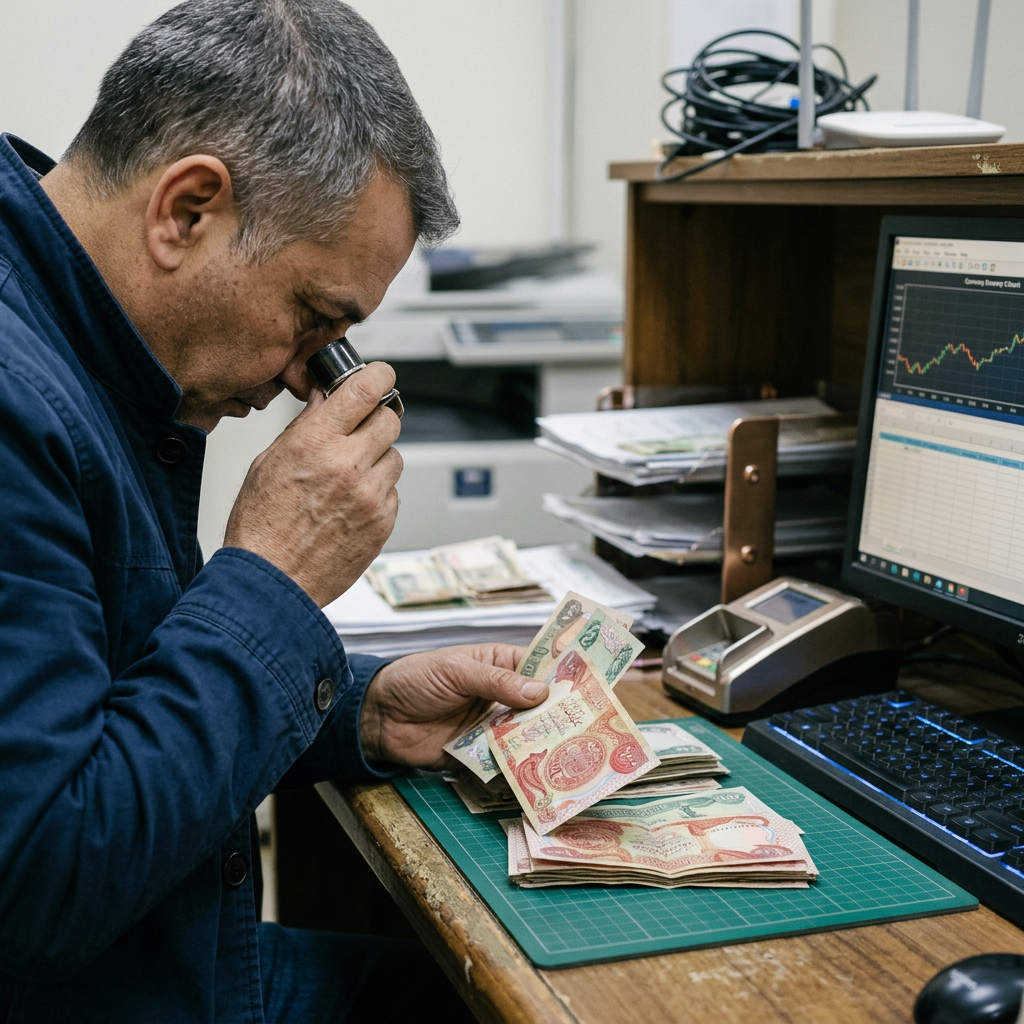
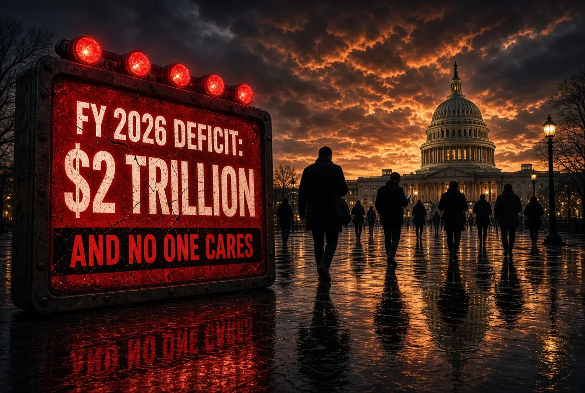
“The Most Impressive Failure Of His Time”
.“The Most Impressive Failure Of His Time”
Notes From the Field By Simon Black September 30, 2022
Lately we’ve been led astray over and over again by supposed ‘experts’ with decades of experience who can’t seem to stop making colossal mistakes. But I’m not just talking about individuals. I’m talking about institutions too.
And one institution in particular that’s been an abject failure lately has been the central bank. That includes the Federal Reserve in the United States, the Bank of England in the UK, and more.
“The Most Impressive Failure Of His Time”
Notes From the Field By Simon Black September 30, 2022
Lately we’ve been led astray over and over again by supposed ‘experts’ with decades of experience who can’t seem to stop making colossal mistakes. But I’m not just talking about individuals. I’m talking about institutions too.
And one institution in particular that’s been an abject failure lately has been the central bank. That includes the Federal Reserve in the United States, the Bank of England in the UK, and more.
The Federal Reserve, for example, despite its leaders’ decades of experience, completely failed to predict that their policies over the past few years would have any consequences. It’s extraordinary.
These people honestly thought that they could print trillions of dollars, keep interest rates at 0%, and that there would never be any consequences until the end of time.
And then, when inflation began to take hold last year, they failed to recognize it. They chastised people who pointed it out.
Later, when they finally did acknowledge inflation, they insisted it was transitory. And then when they ‘retired’ the term transitory, they promised to do something about the growing inflation problem… eventually.
Finally, in March 2022, they made a very ceremonial 0.25% interest rate increase. File that away under “too little, too late”.
But now their tune has changed. Now their policies smack of panic and desperation, and they sound like they’re running around with their hair on fire with no clue what to do next.
It hardly inspires confidence.
Earlier this week we saw another example.
The Bank of England made a stunning announcement that they would step in to prop up their rapidly-declining bond market. Investors around the world cheered the news, and global financial markets surged.
The euphoria lasted about 24 hours.
The next day, markets tanked again as investors realized, “Hang on… I don’t believe these people.”
Central banks have enjoyed unparalleled respect and gravitas for the past 30 years; going back to Alan Greenspan in the 1990s, central bankers have been viewed as infallible superheroes who always know what to do.
Now they just look like a bunch of amateurs.
In today’s podcast, I walk through my analysis about what might happen next. Specifically, I argue why I think there’s NO WAY they’ll follow through on their interest rate increases. Simply put, continuing to do so will bankrupt their governments.
Ultimately this means that inflation, at least some inflation, is here to stay. And I also discuss a couple of key asset classes, plus one surprising country, that can do well in this mess.
To your freedom, Simon Black, Founder, SovereignMan.com
https://www.sovereignman.com/podcast/the-most-impressive-failure-of-his-time-37685/
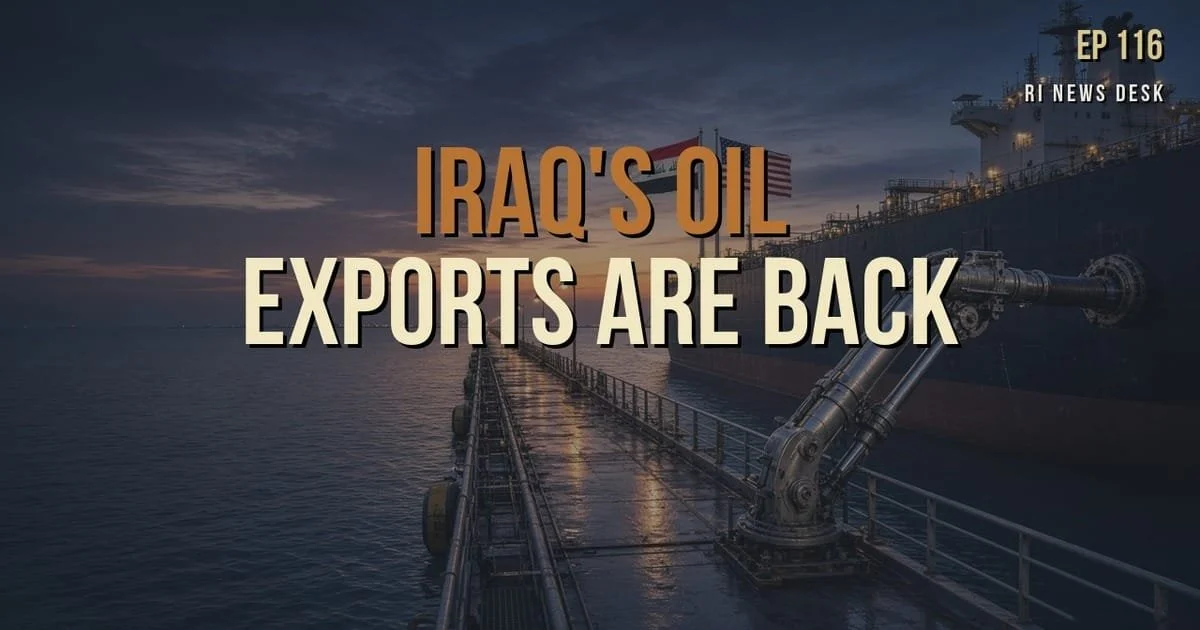
The Best Way Americans Can Legally Reduce Taxes... Without Moving
.The Best Way Americans Can Legally Reduce Taxes... Without Moving
Notes From the Field By Simon Black September 26, 2022
Legally reducing your tax bill is the best risk-free return on investment you can make. Investing in a completely legal tax strategy means keeping 10, 20, even 30% more of your own income. And in many cases the solutions aren’t especially exotic. For example, if you live in California, you can slash you taxes simply by moving next door to Nevada. Doing so eliminates California state income tax, which kicks in at 9.3% for income over $61,215.
Moving even further, from Nevada to Puerto Rico, means eliminating not only state income tax, but also US federal income tax.
The Best Way Americans Can Legally Reduce Taxes... Without Moving
Notes From the Field By Simon Black September 26, 2022
Legally reducing your tax bill is the best risk-free return on investment you can make. Investing in a completely legal tax strategy means keeping 10, 20, even 30% more of your own income. And in many cases the solutions aren’t especially exotic. For example, if you live in California, you can slash you taxes simply by moving next door to Nevada. Doing so eliminates California state income tax, which kicks in at 9.3% for income over $61,215.
Moving even further, from Nevada to Puerto Rico, means eliminating not only state income tax, but also US federal income tax.
Puerto Rico’s tax incentives allow you to pay absolutely zero US federal tax. Instead you’ll pay a low 4% tax rate on qualifying business income, and 0% capital gains tax on qualifying investment income.
Or you could move overseas and take advantage of the Foreign Earned Income Exclusion, which, in 2022, allows Americans living abroad to earn up to $224,000 (if you’re married) without being taxed by the federal government.
But for many people, moving is simply not possible— due to family, work, or other factors.
Luckily, there is another powerful tax reduction strategy that does not require a change of location: tax advantaged retirement accounts.
First, you can reduce your taxable income significantly by making pre-tax contributions to a Traditional 401(k) retirement account.
In 2022, you can reduce your taxable income up to $20,500 by contributing that amount to your 401(k). And if you’re 50 or older, you can contribute $6,500 more as a “catch up” contribution – for a total of $27,000 per year.
This means that your taxable income decreases by $27,000, potentially saving you thousands of dollars in taxes.
It’s worth noting that setting up a 401(k) is pretty inexpensive. So this strategy yields an extremely high return on investment, with the added benefit that you’re saving more for retirement.
People who are self-employed, or earn income from a side business, can increase that tax-free contribution even more by using a Solo 401(k).
This option applies to business owners without any employees, anyone who is self-employed, and even those who just earn a bit of income on the side— consulting, selling on eBay, driving for a rideshare service, or renting rooms on Airbnb for example.
In this case, your total tax-free contribution limit for 2022 rises to $61,000 (or $67,500 for those 50 or older).
And there are other benefits to using a self-directed Solo 401(k).
Most typical, employer-sponsored retirement accounts offer you a very limited range of investment options.
But with a self-directed Solo 401(k), you are able to invest in a much wider range of assets, including real estate, foreign investments, private equity, and more.
Eventually, you still have to pay taxes on the money you put into retirement accounts. Generally, this happens when you take money out of the 401(k) once you’re retired.
But since most people’s smaller retirement income puts them in a lower tax bracket, the overall tax burden is low.
I cannot overstate how beneficial it is to take steps to reduce your taxes. And here’s a simple example.
Let’s assume you have $50,000 of income each year to invest. If you did not set up a tax-advantaged retirement account, and simply invest that money through your personal brokerage account, you would owe, say, 20% tax on it first.
So realistically you’d be left with $40,000 per year to invest.
Assuming you average 12% per year, after 25 years, that original $40,000 would be worth about $680,000. That’s a pretty great return.
But now let’s imagine, instead, you put the money in your Solo 401(k). In that case, the money is tax-deferred, so there is no up-front tax. You can invest the ENTIRE $50,000.
Assuming the same return— 12% per year, after 25 years, the original $50,000 invested would be worth $850,000.
In short, you saved $10,000 in up-front taxes because you invested through a Solo 401(k). And that $10,000 tax deferral resulted in an extra $170,000 investment return.
So you can see how powerful this strategy can be.
Remember, this isn’t some exotic tax loophole that’s only available to the rich and powerful. This is a completely legitimate retirement structure that has been enshrined into law for more than 50 years.
The government wants you to save for retirement. Hell, the government needs you to save for retirement. They know Social Security is running out of money, so they’ve made it as lucrative and compelling as possible for you to set aside your own money for retirement.
There are so many options available, and these types of structures are definitely worth considering and learning more about.
To your freedom, Simon Black, Founder, SovereignMan.com
Align Yourself With The Trajectory Of The World
.Align Yourself With The Trajectory Of The World
Notes From the Field By Simon Black September 23, 2022
John Adams famous wrote to his wife Abigail in the year 1780: “I must study politics and war, that my sons may have the liberty to study mathematics and philosophy. . . in order to give their children a right to study painting, poetry, and music. . .”
So that their children can major in gender studies and waste their lives on Tik Tok.
OK so I added that last part myself. But I believe the quote most accurately sums up the natural decline of empire.
Align Yourself With The Trajectory Of The World
Notes From the Field By Simon Black September 23, 2022
John Adams famous wrote to his wife Abigail in the year 1780: “I must study politics and war, that my sons may have the liberty to study mathematics and philosophy. . . in order to give their children a right to study painting, poetry, and music. . .”
So that their children can major in gender studies and waste their lives on Tik Tok.
OK so I added that last part myself. But I believe the quote most accurately sums up the natural decline of empire.
When enough time passes, a dominant superpower begins to lose the cultural traits that made it great to begin with. Instead of being energetic, ambitious, and hungry, the population becomes complacent.
Meanwhile, hard-working rivals become wealthier by the day… rising, ascending, and eventually eclipsing the declining superpower.
History has been witness to this natural cycle over and over again, from the ancient Greek conflicts between Athens and Sparta, to the decline of France and rise of Great Britain in the 1700s.
The United States is the modern superpower that is now in obvious decline; we write about this all the time at Sovereign Man, so this should hardly be a controversial statement. As former US Treasury Secretary Larry Summers once said, “There is surely something odd about the world’s greatest power being the world’s greatest debtor.”
And he’s right. The economic and financial data are clear: the US has enormous debts, huge deficits, awful inflation, and insolvent pension funds (like Social Security). The social divisions are palpable. Trust levels in institutions, government, and corporations are at historic lows.
It’s true that the US has been divided before. And the US has also seen its share of financial crises.
But simply put, America has never been battered simultaneously by so many debilitating trends. This is truly new territory for the world’s dominant power.
Now, it’s important to not get emotional about US decline. We’re talking about facts and doing our best to make a rational analysis.
And one of my conclusions is that we may be experiencing the end of an era.
For the past several decades, the US was the undisputed global superpower. And there was a great deal of peace and prosperity in the world.
After all, so many countries-- China, India, Russia, etc. were getting rich selling their products and resources to the United States. Who would possibly want to screw up that balance?
We’ve seen this same cycle over and over again throughout history: peace and prosperity go hand and hand.
But things are different now. Other countries are stronger than they used to be. The US is much weaker. The power dynamics have been disrupted… and the cycle of peace and prosperity is being displaced by chaos and conflict.
This is our topic for today’s podcast.
We start in ancient Rome and discuss how the unparalleled dominance of the Roman Empire in the early 1st Century brought an unprecedented period of stability, peace, and prosperity to the western world.
Frankly it’s quite similar to what we enjoyed for the past 30 years.
But the Pax Romana, as this period is known, did not last. Neither is the Pax Americana.
We see chaos and conflict all over the world now… much of it due to the decline of the US, much of it due to bonehead incompetence from the supposed ‘experts’ who run the show.
And this new era of chaos and conflict has some pretty serious implications.
Don’t worry-- it’s not the end of the world. In fact, there are some really interesting opportunities for anyone with the independence of mind to look at these facts and trends rationally.
And we discuss some of these in today’s podcast, including things like real assets, and investing in neutrality.
I explain, for example, what today would be the equivalent of having a Swiss passport in 1935. Or which specific asset classes are extremely relevant in a world where resource nationalism is a real possibility. And how cryptocurrency fits in to a cycle of chaos and conflict.
These big picture trends are all very clear-- it’s the obvious trajectory of the world right now. And it makes a lot of sense to align yourself with that trajectory of the world.
You can listen in to the podcast here.
To your freedom, Simon Black, Founder, SovereignMan.com
https://www.sovereignman.com/podcast/align-yourself-with-the-trajectory-of-the-world-37621/
Incentives: The Most Powerful Force In The World
.Incentives: The Most Powerful Force In The World
SEP 20, 2022 by Morgan Housel Collab Fund
By age 35, Akinola Bolaji had already spent two decades scamming people online, posing as an American fisherman to con vulnerable widows into sending him money. The New York Times asked the Nigerian how he felt about causing so much harm to innocent people. He replied:
“Definitely there is always conscience. But poverty will not make you feel the pain.”
Scamming people is easier to justify in your head when you’re starving. It’s an extreme example of something everyone – you, me, everyone – is susceptible to and more influenced by than we want to admit: Incentives are the most powerful force in the world and can get people to justify or defend almost anything.
Incentives: The Most Powerful Force In The World
SEP 20, 2022 by Morgan Housel Collab Fund
By age 35, Akinola Bolaji had already spent two decades scamming people online, posing as an American fisherman to con vulnerable widows into sending him money. The New York Times asked the Nigerian how he felt about causing so much harm to innocent people. He replied:
“Definitely there is always conscience. But poverty will not make you feel the pain.”
Scamming people is easier to justify in your head when you’re starving. It’s an extreme example of something everyone – you, me, everyone – is susceptible to and more influenced by than we want to admit: Incentives are the most powerful force in the world and can get people to justify or defend almost anything.
When you understand how powerful incentives can be, you stop being surprised when the world lurches from one absurdity to the next. If I asked, “How many people in the world are truly crazy?” I might say, I don’t know, 3%-5%. But if I asked, “How many people in the world would be willing to do something crazy if their incentives were right?” I’d say, oh, easily 50% or more.
No matter how much information and context you have, nothing is more persuasive than what you desperately want or need to be true. And as Daniel Kahneman once wrote, “It is easier to recognize other people’s mistakes than our own.” What makes incentives powerful is now just how they influence other people’s decisions, but how blind we can be to how they impact our own.
A big thing here is recognizing that people are not calculators; they are storytellers. There’s too much information and too many blind spots for people to calculate exactly how the world works. Stories are the only realistic solution, simplifying complex problems into a few simple sentences.
And the best story always wins – not the best idea or the right idea, but just whatever sounds the best and gets people nodding their head the most. Ben Franklin once wrote, “If you are to persuade, appeal to interest and not to reason.” Incentives fuel stories that justify people’s actions and beliefs, offering comfort even when they’re doing things they know are wrong and believe things they know aren’t true.
True story about a guy I knew well: A pizza delivery man who became a subprime mortgage banker in 2005. Virtually overnight he could earn more per day than the earned per month delivering pizza. It completely changed his life.
Put yourself in his shoes. His job was to make loans. Feeding his family relied on making loans. And if he didn’t make those loans someone else would, so protesting or quitting felt pointless.
Everyone knew the subprime mortgage game was a joke in the mid-2000s. Everyone knew it would end one day. But the bar for someone like my friend to say, “This is unsustainable so I’m going to quit and deliver pizza again” is unbelievably high. It would be high for most of us. I didn’t blame him then, and I don’t blame him now.
A lot of people screwed up during the financial crisis. But too many of us underestimate how we ourselves would have acted if someone dangled enormous rewards in our face.
This goes up the food chain, from the broker to the CEO, the investors, the real estate appraiser, the realtor, the house flipper, the politician, the central banker – incentives lean heavily towards not rocking the boat. So everyone keeps paddling long after the market becomes unsustainable.
Sometimes the behaviors and outcomes are more extreme.
To continue reading, please go to the original article here:
Good Enough
.Good Enough
SEP 7, 2022 by Morgan Housel Collab Fund
Spare a thought for the poor guppy fish, who lives a miserable existence but teaches us something important about forecasting. Small, brightly colored, and terrible at defense, the guppy faces an unusually high rate of predator attacks. Birds eat guppies. Small fish eat guppies. Big fish eat guppies. Crabs eat guppies. It’s everyone’s favorite lunch.
How does a species under so much threat avoid extinction?
In short, guppies get busy as soon as they’re born. They can reproduce at seven weeks old, and deliver new offspring every 30 days. By the time a six-month-old guppy is eaten by a bird it might be a great-great-grandmother. The family lives on.
But this evolutionary trick has a nasty flip side.
Good Enough
SEP 7, 2022 by Morgan Housel Collab Fund
Spare a thought for the poor guppy fish, who lives a miserable existence but teaches us something important about forecasting. Small, brightly colored, and terrible at defense, the guppy faces an unusually high rate of predator attacks. Birds eat guppies. Small fish eat guppies. Big fish eat guppies. Crabs eat guppies. It’s everyone’s favorite lunch.
How does a species under so much threat avoid extinction?
In short, guppies get busy as soon as they’re born. They can reproduce at seven weeks old, and deliver new offspring every 30 days. By the time a six-month-old guppy is eaten by a bird it might be a great-great-grandmother. The family lives on.
But this evolutionary trick has a nasty flip side.
Knowing how much danger they’re in, guppies expend nearly all their energy on reproducing from the moment they’re born. They grow as fast as possible, then devote a huge portion of their resources to nourishing their young.
That leaves little energy left to care for themselves. Their bodies are thrown together slipshod, like cheap plastic toys, and few resources are available for cell repair and maintenance. By the age of a year or two old it’s a crusty senior citizen, crippled by disease and decline, soon to go belly up. That’s how it should be: No use investing in the future when you’re likely to be eaten anyway.
Now compare the guppy with the Greenland shark, whose life is nearly a mirror image.
The Greenland shark has no natural predator. It rules its habitat like a dictator.
With few threats, it takes its sweet time becoming an adult. It’s one of the slowest-growing creatures we’ve discovered, reaching sexual maturity at – and this isn’t a typo – 150 years old.
In the meantime it spends more than a century devoting its energy to building itself a perfect body. Slow and methodical, with all of its resources going to cell repair and maintenance, it becomes virtually immune to cancer and infectious disease. As best we can tell a Greenland shark can live for 500 years, maybe more.
The point is that nature is very good at assessing future risk and uncertainty and allocating resources accordingly.
It takes a realistic look at future threats and says, “There are so many risks lurking. Don’t even bother trying to plan for the future.” For others it says, “Your future is clear and foreseeable – predict away with confidence.”
Fish are masters at this balance.
Birds are masters at this balance.
Insects are masters at this balance.
But people trying to forecast the economy? Different story.
Everyone knows the economy is hard to predict, and the history of economic predictions is abysmal.
But leaving it at that is too simplistic.
To continue reading, please go to the original article here:
Nine Money Rules To Live By
.Nine Money Rules To Live By
Liz Weston, MSN Money
Americans young and old are flunking their finances, but money mastery isn't really that hard. Here are 9 simple keys you need to know. Most surveys that measure financial literacy focus on teenagers, and the results are always grim. In research by the nonprofit Jump$tart Coalition, which promotes personal finance education, the average high school student correctly answered just 48.3% of the questions covering money basics in 2008. That was down from 57.3% a decade earlier, but even that score was hardly distinguishing -- anything less than 60% counts as an F.
A 2005 poll by Harris Interactive for the National Council on Economic Education showed that adults aren't that much savvier. While teens on average scored a 53 (another F) on a quiz testing knowledge of basic economic and personal-finance concepts, the grownups' average score was just 70 (a C).
Nine Money Rules To Live By
Liz Weston, MSN Money
Americans young and old are flunking their finances, but money mastery isn't really that hard. Here are 9 simple keys you need to know. Most surveys that measure financial literacy focus on teenagers, and the results are always grim. In research by the nonprofit Jump$tart Coalition, which promotes personal finance education, the average high school student correctly answered just 48.3% of the questions covering money basics in 2008. That was down from 57.3% a decade earlier, but even that score was hardly distinguishing -- anything less than 60% counts as an F.
A 2005 poll by Harris Interactive for the National Council on Economic Education showed that adults aren't that much savvier. While teens on average scored a 53 (another F) on a quiz testing knowledge of basic economic and personal-finance concepts, the grownups' average score was just 70 (a C).
In addition:
More than one-quarter of adults failed the quiz.
Women were far more likely to fail than men; 42% scored an F, compared with 15% of men.
Men were much more likely than women to get an A or B on the test (51% compared with 17%).
If it makes you female readers feel any better, there are also lots of studies out there showing that we're better investors than men -- once we get around to investing.
But the fact remains that there's a heck of a lot of financial ignorance going around, and financial ignorance is costly. Women may have even more to lose than men, since we tend to earn less, are more likely to have interrupted careers and live longer, which means we have more time to suffer from our mistakes.
My email box and Facebook page bear testimony to the daily cost of financial illiteracy: men and women who are overwhelmed by debt or have no savings, or don't invest for retirement, or fall for investment scams, or think we can drive gas prices down by not buying fuel for a day.
Understanding economics and personal finance doesn't mean you won't make mistakes or face financial disasters. But you can lessen the odds and repair the damage faster if you know the rules of the game.
Here are the economic and financial concepts I wish everybody knew:
1. The difference between needs and wants
Our actual needs are pretty limited: food, shelter, clothing, companionship. Just about everything else is a "want," and our wants are essentially endless. Because our resources are limited (see "scarcity," below), we have to make choices about which wants to fulfill.
Also, the way we fulfill our needs involves a lot of choice. Shelter, for example, can be a bed at a mission for the homeless or a $125 million mansion. Our food choices offer a similar range, from beans and tap water consumed at home to steak and Dom Perignon at an exclusive restaurant.
I've discovered many people believe they have to spend money in certain ways or in certain amounts, when in reality their spending is a choice -- or is at least based on choices they made earlier. If you're facing a monster mortgage payment, for example, it's because you chose to buy that home and selected that particular mortgage.
Taking responsibility for our choices can be scary, but it should also be empowering. After all, if you have choices, you're not just a victim of circumstance.
2. Scarcity makes your choices for you
It's lovely to believe in a world of endless abundance, but the reality is that at any given point in time, our resources have limits. Whether it's oil in the ground, our time here on Earth or the cash in our pockets, there's only so much available to be spent.
People who ignore this reality are the ones who run out of paycheck before they run out of month, or who extend their unsustainable spending by relying on credit cards, home equity loans and other reckless borrowing. Their refusal to make the sometimes-hard choices needed to responsibly manage money means that they will have even fewer choices in the future. The money they spend on stuff and on interest can't be invested in other goals, like retirement, so odds are pretty good they'll wind up old and broke.
To continue reading, please go to the original article here:
http://www.taxproboise.com/identity_theft/young_and_old_are_flunking_their_finances.pdf
I Finished My Residency Process: What A Great Experience
.I Finished My Residency Process: What A Great Experience
Notes From the Fied By Simon Black September 12, 2022
[Editor’s note: This letter was written by Sovereign Man team member Joe Jarvis]
Three months ago I went to Raleigh, North Carolina to complete the first step of applying for Mexican residency. The process was relatively painless. And I walked out of the Mexican Consulate in Raleigh a few hours later with my application approved.
Now, since I had to travel to Raleigh to go to the consulate there, I decided to stick around for a few days and check it out. It was during that trip when I realized just how expensive American cities have become.
I Finished My Residency Process: What A Great Experience
Notes From the Fied By Simon Black September 12, 2022
[Editor’s note: This letter was written by Sovereign Man team member Joe Jarvis]
Three months ago I went to Raleigh, North Carolina to complete the first step of applying for Mexican residency. The process was relatively painless. And I walked out of the Mexican Consulate in Raleigh a few hours later with my application approved.
Now, since I had to travel to Raleigh to go to the consulate there, I decided to stick around for a few days and check it out. It was during that trip when I realized just how expensive American cities have become.
Raleigh is a nice city. But it’s not a major Tier-1 US city like New York, Chicago, or San Francisco. By comparison it’s a medium-sized city. And yet I consistently paid what I would have considered New York City prices for food and drinks; $11 beers, $14 glasses of wine, $16 cocktails, and entrees regularly over $25. I looked into rents and real estate prices too, which were going bonkers and seemed incredibly expensive.
Fast forward three months, and I’ve now traveled to Mexico City to complete the final part of my residency application.
The first step is to apply at a consulate in your home country, which I did in Raleigh back in June; and, once approved, you travel to Mexico to finish the process.
Unsurprisingly, my immigration experience here was fairly painless and straight forward. Although I did opt to hire professional help (a contact our Sovereign Man: Confidential members also have access to) for only a few hundred dollars.
It was great. The lady stood in line to get me the appointment, since their online appointment tool was down at the time. She also filled out the paperwork for me— with blue ink, which is apparently very important since they have begun to turn everyone with black ink away.
And, just like my consulate experience in Raleigh a few months before, I walked out of the immigration office a few hours later with my Mexican residency complete, and my ID card in hand.
But similarly, since I had never been to Mexico City, I decided to stay for a while and check out the city.
Keep in mind that Mexico City has a population of 20+ million people. For an equal comparison, you’d be looking at places like Shanghai or New York.
But what I found in Mexico City were prices significantly lower than in Raleigh, North Carolina. Food. Drinks. Entertainment. Real estate. Transportation. Medical care. And yet the quality and service were both consistently high.
I was generally going out in the city’s wealthier neighborhoods, like Polanco, Condesa, Roma, Santa Fe, Lomas, etc. And these are arguably the most expensive locations in the country... so I wasn’t expecting ultra-cheap, rock-bottom ‘Mexico prices’.
And yet I was still pleasantly surprised at how affordable Mexico City is— how much value you get for your money. In other words, you don’t pay very much. But you get a lot for it.
A luxurious, local brand hotel suite (with a living room and small kitchen) was less than $90.
When a friend of ours got sick, we paid about $70 for an English-speaking doctor to come over and make a house call, including tests, medicine, etc. I don’t remember paying more than a few bucks for an Uber ride anywhere in the city, even going 40 minutes to the airport.
And then there’s the food... which is absolutely divine.
Mexico City really does have some of the nicest restaurants in the world. The food is exquisite. The design and decor are among the most eclectic and creative I’ve ever seen. And the service is second to none.
Even at grocery stores, the quality of the food is really great. Mexico is a major year-round agricultural producer, so many of the fruits, vegetables, and meats they sell are fresh and locally sourced. It was all cheap, too.
The grocery store I frequented in Polanco also had multiple specialty departments with imported cheeses, meats, wines, etc.
Most of all, there didn’t seem to be any shortages of anything. Everywhere I went, shelves were full. People were working. The economy was functioning. By comparison, we held a Total Access event (Sovereign Man’s highest tier membership) in Austin, Texas a few months ago.
Austin is a cool city. But the historic downtown hotel (which charged $400+ per night) would only clean your room every three days due to staff shortages.
Simon brought his infant daughter with him and had to routinely sneak around the hotel at night looking for a place to dispose of poopie diapers because there was no housekeeping available.
Nearby drug store shelves were half empty and missing basic staples. Food delivery fees from Uber Eats and Door Dash eclipsed the price of the food itself.
And then there was the growing homeless problem in Austin— which has also become a major issue in many cities across the US.
Mexico City, quite ironically, is a breath of fresh air. Everything worked.
And while there were occasionally some people asking for change, I never saw a ‘tent city’ of homeless people that has become so pervasive in the US.
Mexico City itself is really pretty; it has, by far, the most greenery I have ever seen in any city in the world. There are parks everywhere.
And then there’s the city’s main park, called Bosque de Chapultepec. It’s larger than New York’s Central Park and London’s Hyde Park combined.
Bosque de Chapultepec is acre upon acre of greenery, paths and ponds, with the historic Chapultepec Castle in the center. Nestled in the park is also a Zoo, monuments, fountains, and multiple museums.
Of course Mexico City is not all rainbows and buttercups. Like any city, there are bad areas too. The traffic can be terrible. And yes, you shouldn’t drink the water.
The part I dislike the most is that many people in Mexico City are still obsessed with wearing masks.
In general, no one cares if you wear a mask or not. But I did have to put one on when I went to the immigration office.
There does seem to be some lingering Covid paranoia in Mexico City that will take time to subside.
Overall, though, I was very happy with the trip and could absolutely see myself living in Mexico City at some point.
And this means that having Mexican residency is a great part of my own Plan B.
Now, in case I ever need to leave my home country, I now have a place to go where (a) I actually like, and (b) I’m legally entitled to live.
Obviously I certainly hope I never need to use my Plan B. But in case I do, it feels really good to have such a great option.
To your freedom, Simon Black, Founder, SovereignMan.com
This New Renaissance Can Fuel Human Prosperity For Decades To Come
.This New Renaissance Can Fuel Human Prosperity For Decades To Come
Notes From the Field By Simon Black September 2, 2022
The year 1776 is legendary for precisely one thing: the Declaration of Independence. But 1776 was actually a REALLY big year. Because in addition to the formation of the United States (which undoubtedly had an extraordinary impact on the course of the world), 1776 also saw two other historic trends take shape.
The first was the birth of capitalism.
1776 was the year that Scottish economist Adam Smith published his famous work An Inquiry into the Nature and Causes of the Wealth of Nations, which was the first book ever to outline the case for free markets and laissez-faire governments.
This New Renaissance Can Fuel Human Prosperity For Decades To Come
Notes From the Field By Simon Black September 2, 2022
The year 1776 is legendary for precisely one thing: the Declaration of Independence. But 1776 was actually a REALLY big year. Because in addition to the formation of the United States (which undoubtedly had an extraordinary impact on the course of the world), 1776 also saw two other historic trends take shape.
The first was the birth of capitalism.
1776 was the year that Scottish economist Adam Smith published his famous work An Inquiry into the Nature and Causes of the Wealth of Nations, which was the first book ever to outline the case for free markets and laissez-faire governments.
Not to take anything away from the impact that US independence had on the world, but you could easily make an argument that the idea of capitalism has been just as profound to human history.
Capitalism is responsible for more wealth creation and more prosperity in the past 246 years than every economic system combined over the previous 5,000. That’s a pretty significant impact.
But we’re not even finished yet with the big events from 1776. Because that year saw something else take place that was truly profound… again, potentially outweighing the impact of both US independence AND capitalism.
It was the invention of the steam engine… which at the time may have been the most disruptive technology in human history up to that point.
For thousands of years prior, nearly all work done on the planet was powered by muscle, i.e. human beings and animals toiling away in fields and factories. Just about everything required physical labor.
The steam engine changed all of that. For the first time on a mass scale, an inanimate fuel source (like coal or wood) could power machinery, which could do the work of dozens, even hundreds of people.
It was the steam engine that really kicked off the Industrial Revolution and brought about an extraordinary period of growth to the world, where wealth and standards of living increased like never before.
Over time, human beings figured out better, faster, cheaper ways to produce energy to fuel their machines. And there is an inextricable link between prosperity… and cheap energy.
When energy is cheap and abundant, societies are able to invest heavily in growth; they have more resources (i.e. more energy) available to grow, to produce goods and services, to invest in the future.
When energy is expensive and scarce, the opposite happens. A society has to spend most of its energy just to sustain itself, and there is limited surplus left over for growth and investment.
After generations of enjoying cheap energy and declining costs that fueled unparalleled prosperity, we are now facing steeply rising energy costs.
And I don’t even mean in dollar terms. Sure, the cost of a barrel of oil has more than doubled in the last year. Gasoline prices and electricity prices are high too.
But what I’m really talking about is the cost, in energy, of producing energy.
Oil wells, for example, require electricity or diesel fuel to power their pumpjacks. So oil wells essentially consume oil in order to pump oil.
In the past, this ratio of oil produced vs. oil used was quite attractive. For every barrel of oil it burned in fuel, an oil well would produce 30-40 barrels of output. And that was a great cost/benefit ratio.
But this ratio is falling rapidly, making energy a lot more expensive. And that’s a terrible trend. Again, cheap and abundant energy is a critical factor in driving prosperity. More expensive energy has the opposite effect.
Europe is already in a full-blown energy crisis, and many developing countries aren’t able to get their hands on enough energy to sustain themselves agriculturally. So this is already becoming a major issue, and it could potentially become much worse.
Obviously the war doesn’t help. But there has also been a deliberate political agenda to drive investment and enthusiasm away from fossil fuels towards more expensive, inefficient forms of energy production… like installing solar panels across cloudy Germany.
Again, I cannot overstate how important cheap energy is to human prosperity. So these incompetent, spineless politicians and climate fanatics are dragging the world down a terrible path.
Fortunately there is a real solution to this problem that already exists: nuclear.
It’s controversial (even though it shouldn’t be). But momentum is really starting to build for a new energy renaissance driven by nuclear power.
And this is a major trend you ought to be aware of, because it could drive human prosperity for generations to come. (Plus there are a LOT of ways to invest in it now.)
I invite you to explore this topic with me today in today’s podcast, in which we discuss:
- the intriguing history of energy, and why there was very little growth for 5,000 years
- how everything changed in 1776
- basic energy terminology you should know, like EROEI, specific energy, and more
- why cheap energy is so important to prosperity
- why energy is becoming more expensive… in energy terms
- why nuclear is the obvious answer, and how it can drive future growth.
To your freedom, Simon Black, Founder, SovereignMan.com
Real Estate Shake Out
.Real Estate Shake Out
The Final Wake Up Call By Peter B Meyer
Global Paralysis
Lies, counterfeit money, corruption, greed and human folly; the scale of these folies is enormous; big enough to cripple the financial well-being and financial stability of nations worldwide. It is becoming particularly unpleasant for the big banks. Bank share prices are showing a clear downward trend, especially for European banks. Many banks are awash with unsecured loans that can never be repaid and must be written off as losses. With economies around the world noticeably weakened, the tide is inevitably turning against the establishment and the despair of the cabal is growing. This makes the financial cabal structure more vulnerable by the day.
Real Estate Shake Out
The Final Wake Up Call By Peter B Meyer
Global Paralysis
Lies, counterfeit money, corruption, greed and human folly; the scale of these folies is enormous; big enough to cripple the financial well-being and financial stability of nations worldwide. It is becoming particularly unpleasant for the big banks. Bank share prices are showing a clear downward trend, especially for European banks. Many banks are awash with unsecured loans that can never be repaid and must be written off as losses. With economies around the world noticeably weakened, the tide is inevitably turning against the establishment and the despair of the cabal is growing. This makes the financial cabal structure more vulnerable by the day.
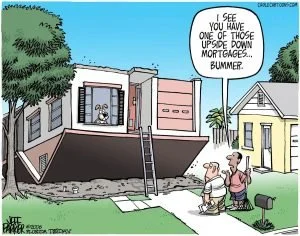
People go to bed on Friday and on Monday morning, if the markets do not open, until they do, that is the reset, or the beginning of it. This is finally the moment the awakened have been waiting for. Read on to the end of this article to understand what is to come.
Final Chapter
The world is about to see the final chapter of the biggest real estate shake out in human history. One of the classic rules of bubbles is that they usually deflate to at least the level at which they started – and often a little lower.
That means that “house prices should fall 80% to 95% from their current highs. House prices may fall back to 1950 levels. As a result, 80% of houses would end up in negative equity territory. The number of defaults and foreclosures will increase.
These economic components together form the perfect storm that is raging through today’s economy.
The last of the greatest generation of spenders in history – the prosperous baby boomers – are leaving their best spending years behind. Deflation will increasingly become the dominant trend as the economy slows and debts rise.
The consequences of these events lead to one thing: a severe tightening of credit – and write-offs of tens of trillions in loans and receivables. That means less money in the system – less spending – less demand – falling prices – and ultimately: Depression and deflation.
This is reality of the cabal economy and the most likely path it will follow, based on historical and empirical research.
People all over the world have taken it for granted that money is a worthless piece of paper, an absolutely insane collective delusion forced upon them to believe.
Intrinsic Value
Hundreds of years ago, travellers accepted banknotes called traveller’s cheques because they believed that the banks issuing them had a good reputation. Once these cheques were presented at a local bank, they would receive the notes back in the local currency, with no central authority to authenticate them. But today, people do not think this way. They believe that a government is needed to ensure the value of money.
But real money is based on natural characteristics, such as intrinsic value, durability, divisibility, uniformity, portability, scarcity and public acceptance. These characteristics are essential for a medium of exchange to function as an honest standard of payment, which is not the case with currencies issued by central banks.
Once established, Rothschild money changers transferred the valuable energy of labour from the people to themselves.
Money, created out of nothing and backed by debt, cannot and does not buy valuables, it is a fraud. As long as the illusion exists that “debt money” has value, and the sheep continue to consent to this illusion by participating in it, they will not be freed from their debt slavery.
When people wake up and realise that most banks are not only bankrupt but also corrupt, they will switch en masse to gold as a means of payment, just as they have done before for centuries.
Money Backed By Debt Is A Crime Against Humanity
In today’s society, people all over the world have taken for granted that ‘paper’ is money, but this is a nonsensical collective illusion that everyone was forced to believe. People thought that a government was needed to ensure the value of money.
Real money is based on natural properties, such as being intrinsically valuable, durable, divisible, uniform, portable, scarce and universally accepted. These properties are essential for a fair exchange standard to become universally accepted. This is not the case with currencies issued by Central Banks.
Unlike central bank issued currency, gold has always been valuable; today’s debt money is someone else’s burden, backed by unreliable promises that ultimately cannot be kept. Money is the opposite of debt and therefore money cannot be secured by debt. In other words, it is a crime against humanity.
Invented by Mayer Amschel Rothschild and built on the fact that money is a flow of energy known as currency, generated from the combination of raw materials, goods, services, and labour of the people.
Thus Rothschild gained a monopoly over all energy flows on planet Earth. A globally supported slave labour system based on debt money issued by their own central banks, infiltrated into every government and country.
The flow of money designed to return to them provides a rock-solid opportunity for complete financial and economic control.
By controlling the money supply and bribing governments, they have made their worthless debt money equal in value to the people’s energy money! A fraud of shameless proportions.
Money created out of nothing backed by debt should not buy valuables, because it is fraud. But, as long as people are under the illusion that “debt money” has value, and the sheep accept this illusion, peoples will not be freed from their debt bondage.
Hyper-Liquidity Becomes Hyperinflation
It is time to pay attention to what governments are doing, and take action accordingly by buying as much gold and silver as possible.
The problem with government debts growing fast and huge is that when the time comes, the Central Banks will have to raise interest rates, and will be very reluctant to do so, which then accelerates inflation.
So far, the excesses of money printing have been eliminated in the housing market, cryptos and stock prices, but it will not stay that way.
So the next stage in Hyperliquidity will be Hyperinflation due to the increased velocity of money in circulation. In a crisis of confidence in money. like the dollar, euro or yen, etc., is what causes hyperinflation, originated out of pure currency manipulation.
Consumer purchases have fallen sharply, which means that not all the new money is in circulation yet. Some has been used to pay off debts or is being saved, because nobody is investing.
Sooner or later this money will have to come back into circulation, and this will herald a period of hyperinflation, which means: too much money for fewer goods.
The Deep State Establishment is afraid of the movements and actions of the people, such as; ‘Stop the Fed’, and in fact; end all central banks. And that is exactly what is about to happen. Caused, by the banking system itself.
The moment this happens, the new QFS money system will be introduced, controlled by the people. The patriot policy is; to let the enemy destroy itself and that is now happening in real time, before our eyes. To be on the safe side; Stock up on water, food and necessities for the duration of a few weeks.
Awakening comes with a price. It may have been difficult and painful to get through the various stages of awakening, and especially to convince others. It is a challenge but opening the eyes and minds of the sheep, is even harder.
It is a struggle against time and injustice. The sheep are tossed to and fro without any idea of what is really happening, but they are eager to get in line for their free toxic Covid injection, which has predestined two-thirds of the population for an early departure from planet Earth.
https://finalwakeupcall.info/en/2022/09/03/real-estate-shake-out/
3 Reasons You Should Avoid Borrowing Against Your Home Right Now
.3 Reasons You Should Avoid Borrowing Against Your Home Right Now
Liz Weston Wed, September 7, 2022 MarketWatch
All that equity you're sitting on is tempting, but just because something can be done, doesn’t mean it should be done.
Soaring real estate values mean many homeowners are awash in equity — the difference between what they owe and what their homes are worth. The average-priced home is up 42% since the start of the pandemic, and the average homeowner with a mortgage can now tap over $207,000 in equity, according to Black Knight Inc., a mortgage and real estate data analysis company.
3 Reasons You Should Avoid Borrowing Against Your Home Right Now
Liz Weston Wed, September 7, 2022 MarketWatch
All that equity you're sitting on is tempting, but just because something can be done, doesn’t mean it should be done.
Soaring real estate values mean many homeowners are awash in equity — the difference between what they owe and what their homes are worth. The average-priced home is up 42% since the start of the pandemic, and the average homeowner with a mortgage can now tap over $207,000 in equity, according to Black Knight Inc., a mortgage and real estate data analysis company.
Spending that wealth can be tempting. Proceeds from home equity loans or lines of credit can fund home improvements, college tuition, debt consolidation, new cars, vacations — whatever the borrower wants.
But just because something can be done, of course, doesn’t mean it should be done. One risk of such borrowing should be pretty obvious: You’re putting your home at risk. If you can’t make the payments, the lender could foreclose and force you out of your house.
Also, as we learned during the Great Recession of 2008-2009, housing prices can go down as well as up. Borrowers who tapped their home equity were more likely to be “underwater” — or owe more on their houses than they were worth — than those who didn’t have home equity loans or lines of credit, according to a 2011 report by CoreLogic, a real estate data company.
Other risks are less obvious but worth considering.
To continue reading, please go to the original article here:
Reset Intelligence: Iraq's Oil Exports Are Back.
By Reset Intelligence | @EXIT_FIAT
Iraq's oil exports are back above 3.4 million barrels a day, close to where they stood before the war.
The same weekend the IMF and Washington both moved toward Baghdad, and the street dollar went the other way.