
Be Curious
.Be Curious
Jan 3, 2022 Guest post by Ted Lamade, Managing Director at The Carnegie Institution for Science
There is a great scene in the first season of Ted Lasso in which the show’s antagonist, Rupert Mannion, challenges Lasso to a game of darts. After seeing him make a few poor throws, Mannion is confident that it is easy money. The two play and Mannion appears to be on the verge of winning with Lasso needing two “triple 20s” and a bullseye on his final three shots. Then, just before he throws his darts, Lasso turns to Mannion and says in his Southern drawl,
“You know Rupert, guys have underestimated me my entire life. It used to really bother me, but then one day I was driving my little boy to school and saw a quote by Walt Whitman painted on a wall that said, ‘Be curious, not judgmental’. I liked that. See all those fellas who belittled me, none of them were curious. They thought they had everything figured out. So, they judged everything* and everyone*.
Be Curious
Jan 3, 2022 Guest post by Ted Lamade, Managing Director at The Carnegie Institution for Science
There is a great scene in the first season of Ted Lasso in which the show’s antagonist, Rupert Mannion, challenges Lasso to a game of darts. After seeing him make a few poor throws, Mannion is confident that it is easy money. The two play and Mannion appears to be on the verge of winning with Lasso needing two “triple 20s” and a bullseye on his final three shots. Then, just before he throws his darts, Lasso turns to Mannion and says in his Southern drawl,
“You know Rupert, guys have underestimated me my entire life. It used to really bother me, but then one day I was driving my little boy to school and saw a quote by Walt Whitman painted on a wall that said, ‘Be curious, not judgmental’. I liked that. See all those fellas who belittled me, none of them were curious. They thought they had everything figured out. So, they judged everything* and everyone*.
And then I realized that their underestimating me had nothing to do with it…..because if they were curious, they would have asked questions. Questions like, ‘Have you played a lot of darts Ted?’ Which I would have answered, ‘Yes sir. Every Sunday afternoon at a sports bar with my father from age 10 until I was 16 until he passed away’.”
Lasso proceeds to drill all three shots and wins the game (watch the scene on YouTube if you have a minute). In short, a hustler got hustled because he wasn’t curious enough. He made judgements based on incorrect assumptions and didn’t ask the right questions
Being curious is one of life’s most underappreciated qualities. It’s an admission that you don’t have it all figured out. It means you’re willing to listen and learn. Most importantly, it often differentiates the good from the great.
The Innovators
Ted Lasso is a work of fiction, but this concept of curiosity is not. Look no further than what Walter Isaacson said was the most common trait he observed in the people he wrote about in his book “The Innovators”.
“Curiosity. Pure, passionate, and playful curiosity about everything. Steve Jobs was curious about calligraphy and coding, while Da Vinci was curious about art and anatomy. They wanted to know everything about everything that was knowable. Ben Franklin wanted to know about science, the humanities and poetry. Even Einstein wanted to understand Mozart at the same time that he studied general relativity.
Curiosity leads to an interest in all sorts of disciplines, which means you can stand at the intersection of the arts and sciences, which is where creativity occurs. A wide range in curiosity allows you to see patterns exist across nature and how those patterns ripple.”
Roelof Botha of Sequoia Capital echoed a similar sentiment in a recent podcast when asked about the most important characteristic of a venture capital investor.
“The most important thing is curiosity. Are you interested in learning about new things? Are you interested in meeting new people? Are you interested in listening to their ideas about a company and how they are going to change the world? If not, or if you lose this curiosity, then you become jaded and you should probably stop being an investor.”
To continue reading, please go to the original article here:
TNT:
Tishwash: The Central Bank extends bank working hours and directs them to open during official holidays.
The Central Bank of Iraq directed banks with outstanding remittances to work on Fridays to avoid delays caused by official holidays, while it completed covering all remittances before the exchange rate change, with a total amount of $3 billion.
MilitiaMan & Crew: CBI Policy Update: What You Need to Know About the IQD
10-21-2026
The Crew: Samson, PompeyPeter, Petra, Daytrader, Sunkissed, GIGI and Militia Man
No drama. No intrigue. No songs and dances. Just straight, factual news that I read and interpret to the best of my ability after being an avid Dinar investor and insanely obsessed Dinarian for over 15 years.
Follow MM on X == https://x.com/Slashn
Good Morning Dinar Recaps,
GLOBAL CURRENCY RESET WATCH: ECB SEEKS TO EXPAND THE EURO’S GLOBAL ROLE
The European Central Bank is widening access to euro liquidity, strengthening Europe’s financial reach as central banks reassess the international monetary landscape.
Physical Gold vs. Digital Gold: Which Is the Ultimate Safe Haven?
Published: 05-20-2026
Gold is trading at approximately $4,500 per troy ounce as of May 20, 2026 [World Gold Council]. However, the debate about physical gold vs digital gold matters more than most investors realise — because not all of these products are the same thing. Both show up on a brokerage statement with a dollar value attached. But what you actually own — what you hold, what you control, what survives a real crisis — is a very different story. This isn’t a debate about returns. It’s a debate about what “safe haven” actually means.
KTFA
Tuesday Night Video
FRANK26…10-20-26.....YOU PROMISED
This video is in Frank’s and his team’s opinion only
Frank’s team is Walkingstick, Eddie and Omar in Iraq and guests
Playback Number: 605-313-5163 PIN: 156996#
Iraq Orders Banks to Work OVERTIME! Why Now?
The Dinar Den: 10-20-2026
Stephen: Hey everyone, welcome back to the channel. We have some exciting and breaking news that came out of the central bank of Iraq today. So, I'm going to cover and go over those few articles that I think as dinar investors are um just exciting and I think they are very telling as to what the future might possibly hold.
And I'm gonna tie it all together and share how I think these things could possibly be related to a higher dinar exchange rate.
The Iraqi Dinar Is The Second Worst-Performing Arab Currency; Dollar Pressures Pose A Difficult Test For Monetary Policy.
October 20, 2026 The Independent - The classification of the Iraqi dinar among the Arab currencies that have declined the most against the US dollar has raised widespread questions about the future of monetary stability in Iraq, and the ability of the Central Bank to contain the increasing pressures on the exchange market, at a time when the economy is facing challenges related to oil revenues, government spending and the heavy reliance on imports.
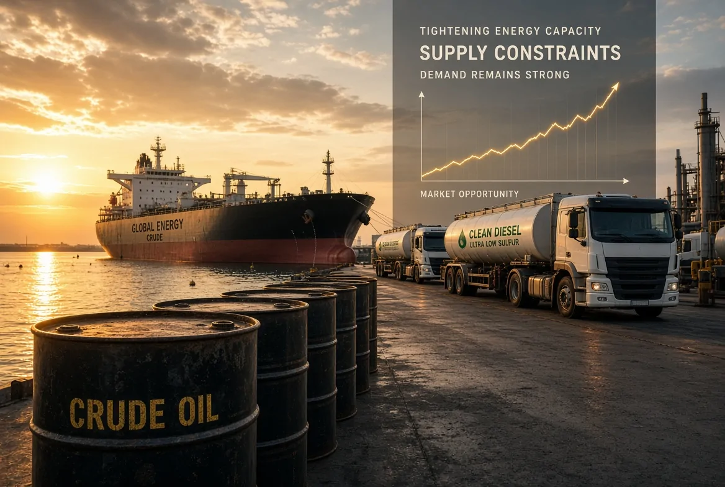
The Iran War Will End. Expensive Diesel Won’t
Notes From the Field By James Hickman (Simon Black / sovereign Man) October 20, 2026
There’s a college degree that pays about $100,000 right out of school, which is pretty good money for a 22-year old. Within a few years, that pay could easily double.
Yet hardly any young person wants the job.
It’s not dangerous, it’s not dirty, and it doesn’t require superhuman work hours. The only reason young people aren’t interested is because Greta Thunberg told them it wasn’t cool.
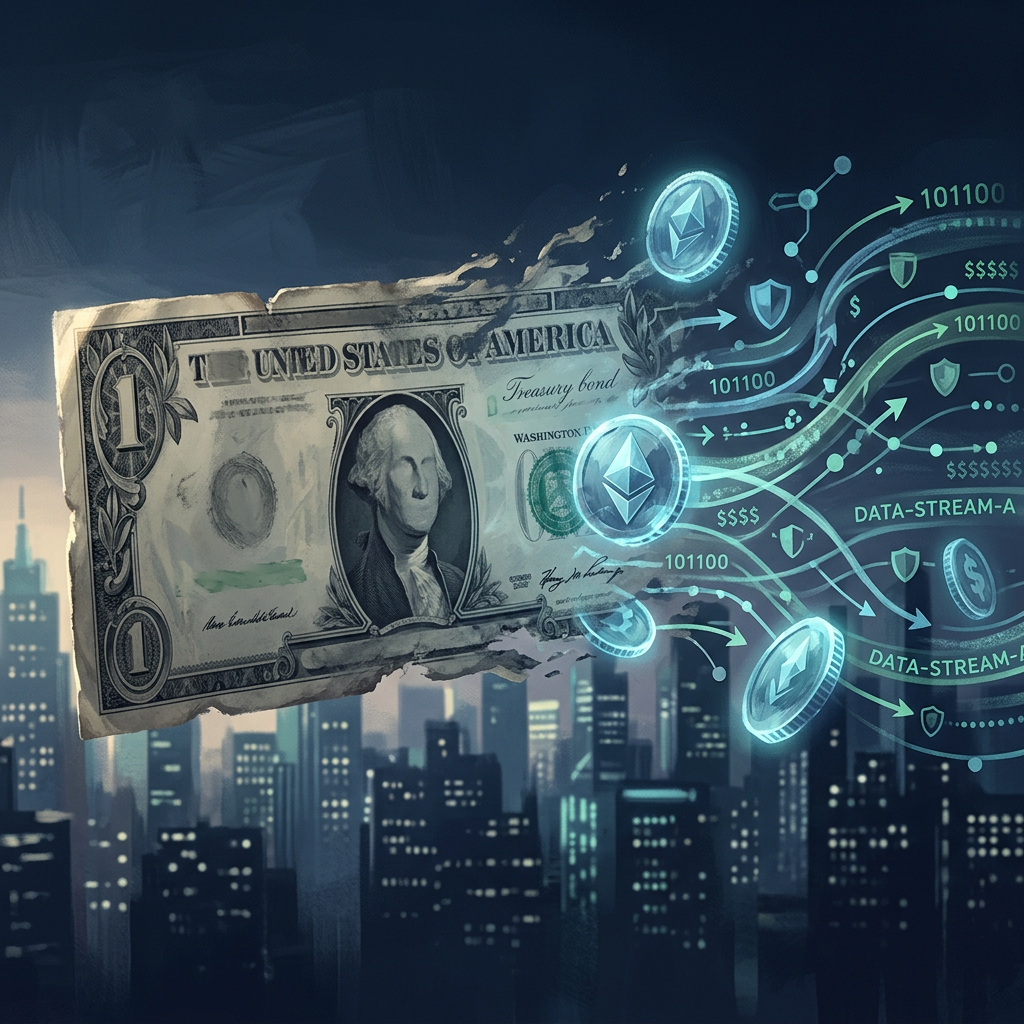
GP Q: US Dollar Upgrade or Collapse?
10-20-2026
“Is the dollar dying… or is it about to get a major upgrade?”
MONEY MONEY MONEY
Most people are only watching the old fiat dollar.
They’re completely missing the new system the U.S. is building right now under the GENIUS Act. Here’s the simple version:
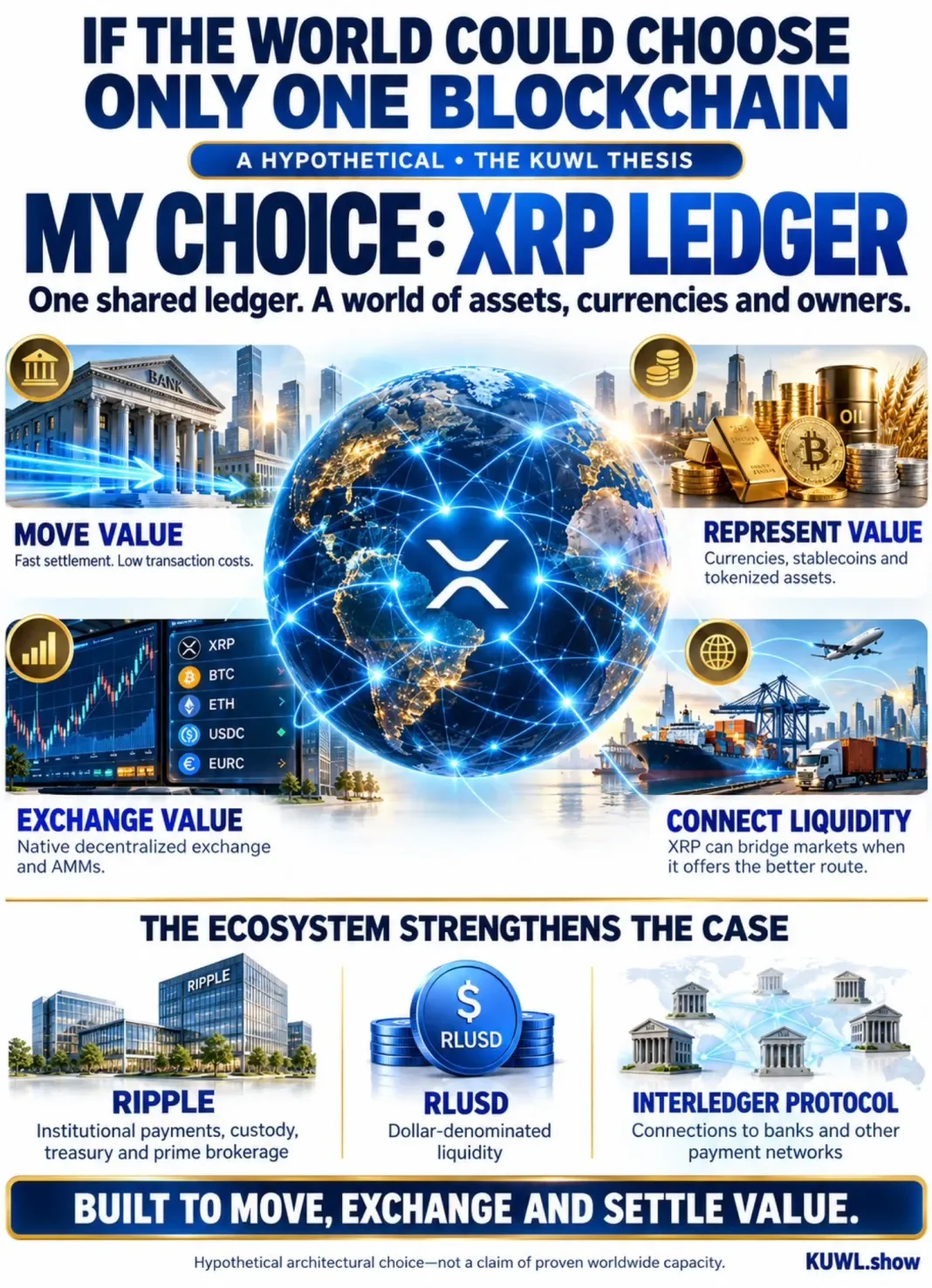
Rob Cunningham: If the World Could Choose Only One Blockchain
10-20-2026
On a go forward basis, “all things considered”, based on the comprehensive utility and liquidity needs of the entire world, “if” only one blockchain was allowed to exist, which should it be?
My choice: the XRP Ledger.
Under this hypothetical – one blockchain serving the world’s combined needs for payments, currencies, tokenized assets, exchange and settlement – XRPL offers the strongest fit in my judgment.
The Central Bank Of Iraq Resolves The Issue Of Merchants' Remittances And Confirms The Continuation Of Import Financing In Dollars.
October 20, 2026Last updated: October 20, 2026 The Central Bank of Iraq confirmed on Tuesday, October 20, 2026, the continuation of financing imports and providing foreign currency through official banking channels, announcing the completion of fulfilling external transfer requests that were suspended before the adjustment of the dinar exchange rate on October 7, in a step aimed at addressing outstanding issues, protecting the rights of traders and ensuring the smooth flow of foreign trade.
Good Afternoon Dinar Recaps,
GLOBAL ASSET RESET WATCH: DEBT, AI UNCERTAINTY AND ENERGY RISKS RESHAPE SAFE-HAVEN DEMAND
Investors are reassessing where to protect their wealth as geopolitical conflict, rising energy prices, government debt and uncertainty surrounding artificial intelligence reshape global markets.
Reset Intelligence: Iraq's Oil Exports Are Back.
By Reset Intelligence | @EXIT_FIAT
Iraq's oil exports are back above 3.4 million barrels a day, close to where they stood before the war.
The same weekend the IMF and Washington both moved toward Baghdad, and the street dollar went the other way.
TNT:
Tishwash: 45 trillion outside the banks... Parliamentary Finance Committee reveals the extent of the crisis of confidence in banks
The head of the parliamentary finance committee, Uday Awad, revealed the existence of a cash mass ranging between 40 and 45 trillion dinars outside the Iraqi banking system, attributing this to the weak confidence of citizens in banks, while stressing the work to find solutions to return these funds to the banking cycle .
Awad said during a televised interview followed by Al-Sa’a Network that “there is a cash mass estimated at about 40 to 45 trillion dinars outside the banking system,” noting that “the lack of confidence in banks has led citizens to keep their money away from them.”
Stern Drew: The BIS Conducted the Most Important Blockchain Experiment of the Year
10-20-2026
The BIS Conducted The Most Important Blockchain Experiment of The Year On a Public Ledger.
The bank for central banks quietly put official data on a public ledger.
Ripple, the crypto firm behind the XRP Ledger blockchain, just became the quiet infrastructure pick for the Bank for International Settlements.
Iraq Absent From Top US Treasury Holders List
2026-10-19 17:56 Shafaq News- Washington Iraq was absent from the list of major foreign holders of US Treasury securities in August 2026, as total foreign holdings rose to $9.3317 trillion from $9.2484 trillion in July, according to US Treasury Department data released on October 16.
Good Morning Dinar Recaps,
GLOBAL DEBT RESET WATCH: U.S. TREASURY FINANCING PLANS FACE GROWING MARKET PRESSURE
Rising borrowing costs, heavy government debt and uncertainty over future bond sales are testing the U.S. Treasury market and raising questions about the cost of financing America's deficits.
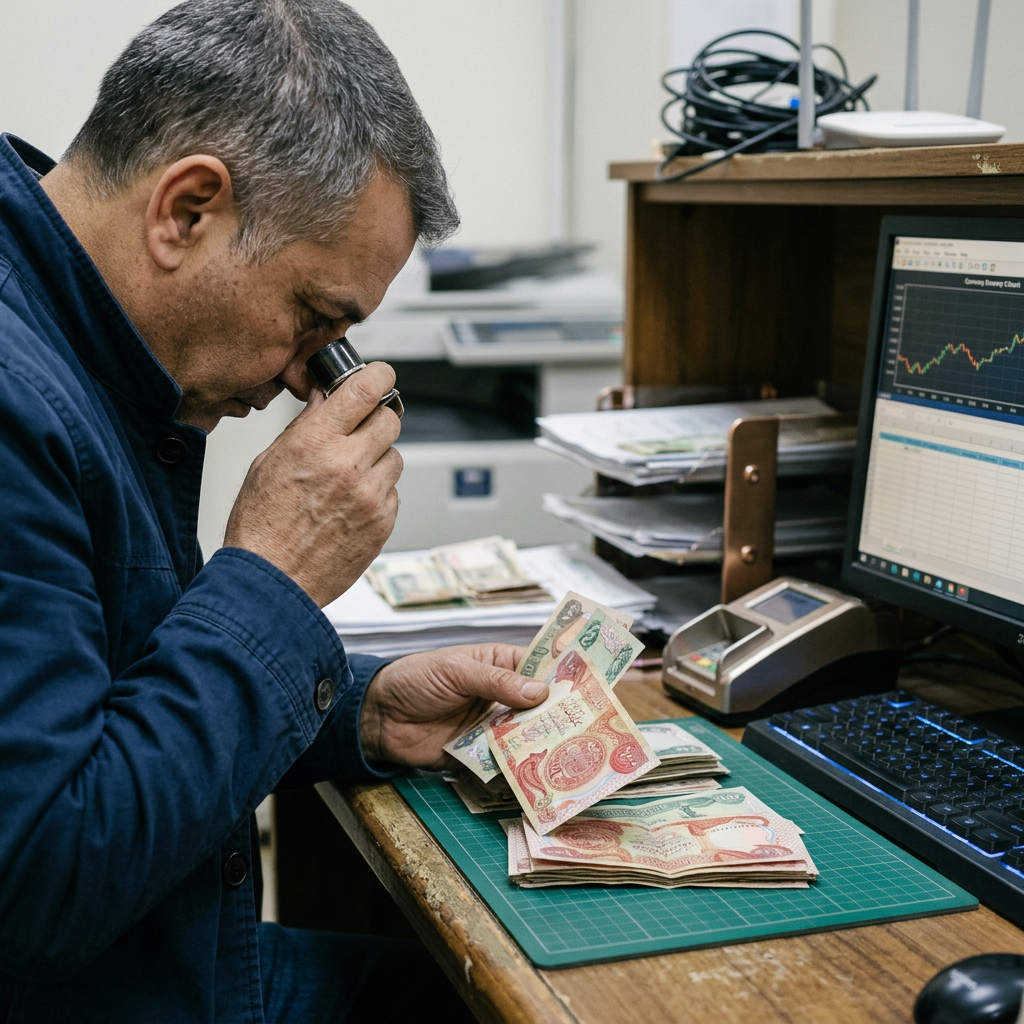
GP Q: IMF Discussions on Possible Financing Package for Iraq
10-20-2026
IRAQ
RV etc
MarkZ et al
• No confirmed recipients of asset-backed funds could be found
• Questions (including from James / James K) about whether anyone has received monetary / asset-backed funds
KTFA
Monday Night Video
FRANK26….10-19-26…..THREE ZERO LIFTING FINALIZED
This video is in Frank’s and his team’s opinion only
Frank’s team is Walkingstick, Eddie and Omar in Iraq and guests
Playback Number: 605-313-5163 PIN: 156996#
7 Mistakes To Avoid If You’re Trying To Build Long-Term Wealth
.7 Mistakes To Avoid If You’re Trying To Build Long-Term Wealth
Casey Bond Tue, January 25, 2022,
If you want to stop living paycheck-to-paycheck, retire comfortably or have a legacy to pass on to your children, there’s no get-rich-quick scheme that can guarantee you reach your goal. Instead, building long-term wealth takes a lot of patience and planning, and it’s important to know these common mistakes to avoid.
1. Not Having an Emergency Fund
When focusing on building long-term wealth, it’s easy to neglect cash reserves, said Nick Vail, a CFP with Integrity Wealth Advisors. However, failing to build an emergency fund can hurt you in the long run.
7 Mistakes To Avoid If You’re Trying To Build Long-Term Wealth
Casey Bond Tue, January 25, 2022,
If you want to stop living paycheck-to-paycheck, retire comfortably or have a legacy to pass on to your children, there’s no get-rich-quick scheme that can guarantee you reach your goal. Instead, building long-term wealth takes a lot of patience and planning, and it’s important to know these common mistakes to avoid.
1. Not Having an Emergency Fund
When focusing on building long-term wealth, it’s easy to neglect cash reserves, said Nick Vail, a CFP with Integrity Wealth Advisors. However, failing to build an emergency fund can hurt you in the long run.
“It’s like going out and investing in expensive windows and kitchen upgrades while you have cracks in your home’s foundation,” Vail said. “Without proper cash reserves, you’re likely to tap into the wealth you’re trying to build when you’re in a pinch, slowing down your progress.” So before you get too far along in your investing plan, be sure to get your basics taken care of first.
2. Ignoring the Power of Compound Interest
Saving money is great, but to really grow your wealth over time, it’s necessary to invest. In fact, money invested wisely will generally double every seven to 10 years thanks to compound returns, according to Scott Alan Turner, a CFP and consumer advocate.
“The problem is at the beginning, it’s pitifully slow,” he said. That’s because it takes just as long for $50 to double to $100 as it does $500,000 to $1,000,000. But Turner noted, you can’t get to $1,000,000 without first saving $50. “Patience grows wealth.”
3. Waiting Until You Make More Money To Start
It can be hard to set aside money for far-off goals such as retirement. Plus, many people inflate their lifestyle as their income grows. So it can be tempting to keep putting off investing until you have an even higher salary. “Bigger apartments, nicer cars, eating out at better restaurants — people never seem to make enough because they consistently blow it year after year,” Turner said.
To continue reading, please go to the original article here:
https://news.yahoo.com/7-mistakes-avoid-trying-build-193823478.html
Emailed to Recaps~ Thank you David
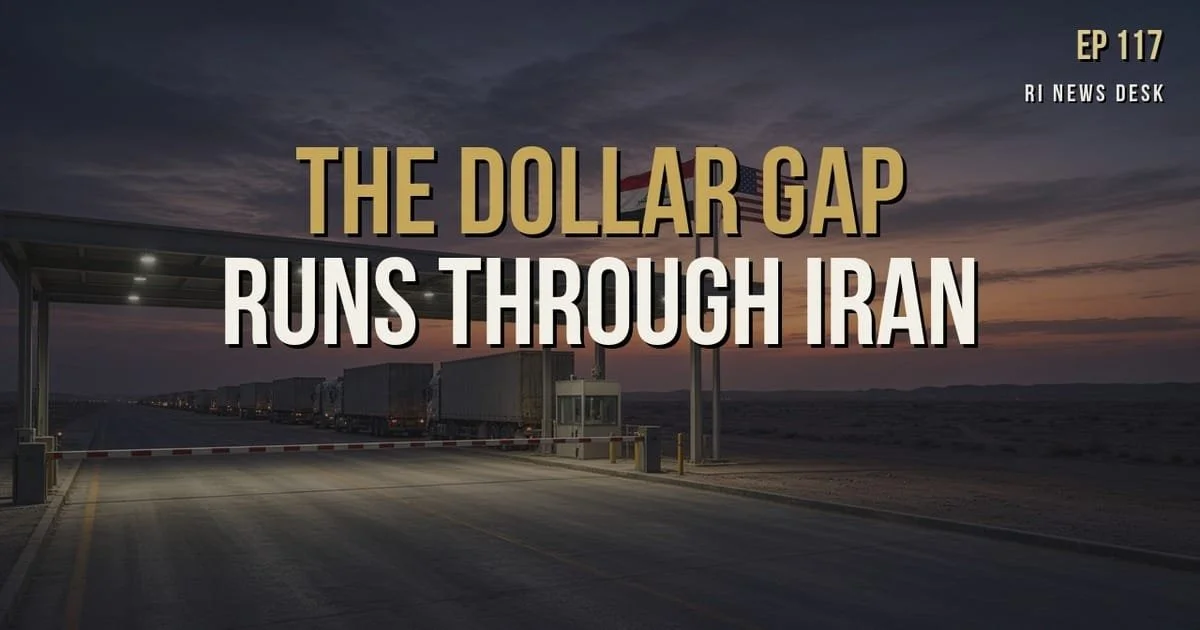
Reset Intelligence: The Dollar Gap Runs Through Iran.
By Reset Intelligence | @EXIT_FIAT
Iraq's Central Bank says trade with Iran is one reason Baghdad's street dollar stays above the bank's rate.
On Tuesday night, an official source said, Baghdad ordered its first crossing with Iran shut, with the rest to follow.
TNT:
Tishwash: The Central Bank extends bank working hours and directs them to open during official holidays.
The Central Bank of Iraq directed banks with outstanding remittances to work on Fridays to avoid delays caused by official holidays, while it completed covering all remittances before the exchange rate change, with a total amount of $3 billion.
MilitiaMan & Crew: CBI Policy Update: What You Need to Know About the IQD
10-21-2026
The Crew: Samson, PompeyPeter, Petra, Daytrader, Sunkissed, GIGI and Militia Man
No drama. No intrigue. No songs and dances. Just straight, factual news that I read and interpret to the best of my ability after being an avid Dinar investor and insanely obsessed Dinarian for over 15 years.
Follow MM on X == https://x.com/Slashn
Good Morning Dinar Recaps,
GLOBAL CURRENCY RESET WATCH: ECB SEEKS TO EXPAND THE EURO’S GLOBAL ROLE
The European Central Bank is widening access to euro liquidity, strengthening Europe’s financial reach as central banks reassess the international monetary landscape.
Physical Gold vs. Digital Gold: Which Is the Ultimate Safe Haven?
Published: 05-20-2026
Gold is trading at approximately $4,500 per troy ounce as of May 20, 2026 [World Gold Council]. However, the debate about physical gold vs digital gold matters more than most investors realise — because not all of these products are the same thing. Both show up on a brokerage statement with a dollar value attached. But what you actually own — what you hold, what you control, what survives a real crisis — is a very different story. This isn’t a debate about returns. It’s a debate about what “safe haven” actually means.
KTFA
Tuesday Night Video
FRANK26…10-20-26.....YOU PROMISED
This video is in Frank’s and his team’s opinion only
Frank’s team is Walkingstick, Eddie and Omar in Iraq and guests
Playback Number: 605-313-5163 PIN: 156996#
Iraq Orders Banks to Work OVERTIME! Why Now?
The Dinar Den: 10-20-2026
Stephen: Hey everyone, welcome back to the channel. We have some exciting and breaking news that came out of the central bank of Iraq today. So, I'm going to cover and go over those few articles that I think as dinar investors are um just exciting and I think they are very telling as to what the future might possibly hold.
And I'm gonna tie it all together and share how I think these things could possibly be related to a higher dinar exchange rate.
The Iraqi Dinar Is The Second Worst-Performing Arab Currency; Dollar Pressures Pose A Difficult Test For Monetary Policy.
October 20, 2026 The Independent - The classification of the Iraqi dinar among the Arab currencies that have declined the most against the US dollar has raised widespread questions about the future of monetary stability in Iraq, and the ability of the Central Bank to contain the increasing pressures on the exchange market, at a time when the economy is facing challenges related to oil revenues, government spending and the heavy reliance on imports.
The Iran War Will End. Expensive Diesel Won’t
Notes From the Field By James Hickman (Simon Black / sovereign Man) October 20, 2026
There’s a college degree that pays about $100,000 right out of school, which is pretty good money for a 22-year old. Within a few years, that pay could easily double.
Yet hardly any young person wants the job.
It’s not dangerous, it’s not dirty, and it doesn’t require superhuman work hours. The only reason young people aren’t interested is because Greta Thunberg told them it wasn’t cool.
GP Q: US Dollar Upgrade or Collapse?
10-20-2026
“Is the dollar dying… or is it about to get a major upgrade?”
MONEY MONEY MONEY
Most people are only watching the old fiat dollar.
They’re completely missing the new system the U.S. is building right now under the GENIUS Act. Here’s the simple version:
Rob Cunningham: If the World Could Choose Only One Blockchain
10-20-2026
On a go forward basis, “all things considered”, based on the comprehensive utility and liquidity needs of the entire world, “if” only one blockchain was allowed to exist, which should it be?
My choice: the XRP Ledger.
Under this hypothetical – one blockchain serving the world’s combined needs for payments, currencies, tokenized assets, exchange and settlement – XRPL offers the strongest fit in my judgment.
The Central Bank Of Iraq Resolves The Issue Of Merchants' Remittances And Confirms The Continuation Of Import Financing In Dollars.
October 20, 2026Last updated: October 20, 2026 The Central Bank of Iraq confirmed on Tuesday, October 20, 2026, the continuation of financing imports and providing foreign currency through official banking channels, announcing the completion of fulfilling external transfer requests that were suspended before the adjustment of the dinar exchange rate on October 7, in a step aimed at addressing outstanding issues, protecting the rights of traders and ensuring the smooth flow of foreign trade.
Good Afternoon Dinar Recaps,
GLOBAL ASSET RESET WATCH: DEBT, AI UNCERTAINTY AND ENERGY RISKS RESHAPE SAFE-HAVEN DEMAND
Investors are reassessing where to protect their wealth as geopolitical conflict, rising energy prices, government debt and uncertainty surrounding artificial intelligence reshape global markets.
Reset Intelligence: Iraq's Oil Exports Are Back.
By Reset Intelligence | @EXIT_FIAT
Iraq's oil exports are back above 3.4 million barrels a day, close to where they stood before the war.
The same weekend the IMF and Washington both moved toward Baghdad, and the street dollar went the other way.
TNT:
Tishwash: 45 trillion outside the banks... Parliamentary Finance Committee reveals the extent of the crisis of confidence in banks
The head of the parliamentary finance committee, Uday Awad, revealed the existence of a cash mass ranging between 40 and 45 trillion dinars outside the Iraqi banking system, attributing this to the weak confidence of citizens in banks, while stressing the work to find solutions to return these funds to the banking cycle .
Awad said during a televised interview followed by Al-Sa’a Network that “there is a cash mass estimated at about 40 to 45 trillion dinars outside the banking system,” noting that “the lack of confidence in banks has led citizens to keep their money away from them.”
Stern Drew: The BIS Conducted the Most Important Blockchain Experiment of the Year
10-20-2026
The BIS Conducted The Most Important Blockchain Experiment of The Year On a Public Ledger.
The bank for central banks quietly put official data on a public ledger.
Ripple, the crypto firm behind the XRP Ledger blockchain, just became the quiet infrastructure pick for the Bank for International Settlements.
Iraq Absent From Top US Treasury Holders List
2026-10-19 17:56 Shafaq News- Washington Iraq was absent from the list of major foreign holders of US Treasury securities in August 2026, as total foreign holdings rose to $9.3317 trillion from $9.2484 trillion in July, according to US Treasury Department data released on October 16.
Good Morning Dinar Recaps,
GLOBAL DEBT RESET WATCH: U.S. TREASURY FINANCING PLANS FACE GROWING MARKET PRESSURE
Rising borrowing costs, heavy government debt and uncertainty over future bond sales are testing the U.S. Treasury market and raising questions about the cost of financing America's deficits.
GP Q: IMF Discussions on Possible Financing Package for Iraq
10-20-2026
IRAQ
RV etc
MarkZ et al
• No confirmed recipients of asset-backed funds could be found
• Questions (including from James / James K) about whether anyone has received monetary / asset-backed funds
KTFA
Monday Night Video
FRANK26….10-19-26…..THREE ZERO LIFTING FINALIZED
This video is in Frank’s and his team’s opinion only
Frank’s team is Walkingstick, Eddie and Omar in Iraq and guests
Playback Number: 605-313-5163 PIN: 156996#
What Is Asset Protection Planning?
.What Is Asset Protection Planning?
Rosemary Carlson Thu, January 13, 2022,
Asset protection planning is the process of building barriers around your assets, whether those assets are personal or business, to keep them safe from litigation, creditor claims, seizure and burdensome taxes. It’s a vital and completely legal component of both financial planning and estate planning. There are a number of key tools you can utilize to accomplish the goal of protecting your assets. A financial advisor can help you structure and organize your assets so that they are more likely to achieve your financial goals.
What Is Asset Protection Planning?
Rosemary Carlson Thu, January 13, 2022,
Asset protection planning is the process of building barriers around your assets, whether those assets are personal or business, to keep them safe from litigation, creditor claims, seizure and burdensome taxes. It’s a vital and completely legal component of both financial planning and estate planning. There are a number of key tools you can utilize to accomplish the goal of protecting your assets. A financial advisor can help you structure and organize your assets so that they are more likely to achieve your financial goals.
What Is Asset Protection Planning?
Contrary to what many people think, asset protection planning is not just for the wealthy. The estates of anyone, in any income group, can be sued or suffer from hefty taxation. These strategies can mitigate the effect of creditor claims and other issues on your wealth.
If you want and need to protect your assets, you have to be proactive. It’s too late to employ asset protection strategies after a child is hurt on your property and the child’s parents sue you or you are at fault in a serious car accident. You want to set up an asset protection plan before any of these things happen to you.
While many people can benefit from setting up an asset protection plan, not everyone can. If you have a lot of debt and few assets and you are subject to a lawsuit, it may be better to take bankruptcy than set up an asset protection plan. That’s because it’s only worth it if you have significant assets, though some events cannot be protected against. These include tax liens, mechanics liens, alimony judgments and child support claims.
Who Should Have an Asset Protection Plan?
Anyone can put an asset protection plan into place. A plan benefits the following people the most:
While even those with a modest net worth should at least consider asset protection, it’s especially important for anyone with a significant amount of assets.
To continue reading, please go to the original article here:
https://finance.yahoo.com/news/asset-protection-planning-190756416.html
Emailed to Recaps~ Thank you David
Reset Intelligence: The Dollar Gap Runs Through Iran.
By Reset Intelligence | @EXIT_FIAT
Iraq's Central Bank says trade with Iran is one reason Baghdad's street dollar stays above the bank's rate.
On Tuesday night, an official source said, Baghdad ordered its first crossing with Iran shut, with the rest to follow.
TNT:
Tishwash: The Central Bank extends bank working hours and directs them to open during official holidays.
The Central Bank of Iraq directed banks with outstanding remittances to work on Fridays to avoid delays caused by official holidays, while it completed covering all remittances before the exchange rate change, with a total amount of $3 billion.
MilitiaMan & Crew: CBI Policy Update: What You Need to Know About the IQD
10-21-2026
The Crew: Samson, PompeyPeter, Petra, Daytrader, Sunkissed, GIGI and Militia Man
No drama. No intrigue. No songs and dances. Just straight, factual news that I read and interpret to the best of my ability after being an avid Dinar investor and insanely obsessed Dinarian for over 15 years.
Follow MM on X == https://x.com/Slashn
Good Morning Dinar Recaps,
GLOBAL CURRENCY RESET WATCH: ECB SEEKS TO EXPAND THE EURO’S GLOBAL ROLE
The European Central Bank is widening access to euro liquidity, strengthening Europe’s financial reach as central banks reassess the international monetary landscape.
Physical Gold vs. Digital Gold: Which Is the Ultimate Safe Haven?
Published: 05-20-2026
Gold is trading at approximately $4,500 per troy ounce as of May 20, 2026 [World Gold Council]. However, the debate about physical gold vs digital gold matters more than most investors realise — because not all of these products are the same thing. Both show up on a brokerage statement with a dollar value attached. But what you actually own — what you hold, what you control, what survives a real crisis — is a very different story. This isn’t a debate about returns. It’s a debate about what “safe haven” actually means.
KTFA
Tuesday Night Video
FRANK26…10-20-26.....YOU PROMISED
This video is in Frank’s and his team’s opinion only
Frank’s team is Walkingstick, Eddie and Omar in Iraq and guests
Playback Number: 605-313-5163 PIN: 156996#
Iraq Orders Banks to Work OVERTIME! Why Now?
The Dinar Den: 10-20-2026
Stephen: Hey everyone, welcome back to the channel. We have some exciting and breaking news that came out of the central bank of Iraq today. So, I'm going to cover and go over those few articles that I think as dinar investors are um just exciting and I think they are very telling as to what the future might possibly hold.
And I'm gonna tie it all together and share how I think these things could possibly be related to a higher dinar exchange rate.
The Iraqi Dinar Is The Second Worst-Performing Arab Currency; Dollar Pressures Pose A Difficult Test For Monetary Policy.
October 20, 2026 The Independent - The classification of the Iraqi dinar among the Arab currencies that have declined the most against the US dollar has raised widespread questions about the future of monetary stability in Iraq, and the ability of the Central Bank to contain the increasing pressures on the exchange market, at a time when the economy is facing challenges related to oil revenues, government spending and the heavy reliance on imports.
The Iran War Will End. Expensive Diesel Won’t
Notes From the Field By James Hickman (Simon Black / sovereign Man) October 20, 2026
There’s a college degree that pays about $100,000 right out of school, which is pretty good money for a 22-year old. Within a few years, that pay could easily double.
Yet hardly any young person wants the job.
It’s not dangerous, it’s not dirty, and it doesn’t require superhuman work hours. The only reason young people aren’t interested is because Greta Thunberg told them it wasn’t cool.
GP Q: US Dollar Upgrade or Collapse?
10-20-2026
“Is the dollar dying… or is it about to get a major upgrade?”
MONEY MONEY MONEY
Most people are only watching the old fiat dollar.
They’re completely missing the new system the U.S. is building right now under the GENIUS Act. Here’s the simple version:
Rob Cunningham: If the World Could Choose Only One Blockchain
10-20-2026
On a go forward basis, “all things considered”, based on the comprehensive utility and liquidity needs of the entire world, “if” only one blockchain was allowed to exist, which should it be?
My choice: the XRP Ledger.
Under this hypothetical – one blockchain serving the world’s combined needs for payments, currencies, tokenized assets, exchange and settlement – XRPL offers the strongest fit in my judgment.
The Central Bank Of Iraq Resolves The Issue Of Merchants' Remittances And Confirms The Continuation Of Import Financing In Dollars.
October 20, 2026Last updated: October 20, 2026 The Central Bank of Iraq confirmed on Tuesday, October 20, 2026, the continuation of financing imports and providing foreign currency through official banking channels, announcing the completion of fulfilling external transfer requests that were suspended before the adjustment of the dinar exchange rate on October 7, in a step aimed at addressing outstanding issues, protecting the rights of traders and ensuring the smooth flow of foreign trade.
Good Afternoon Dinar Recaps,
GLOBAL ASSET RESET WATCH: DEBT, AI UNCERTAINTY AND ENERGY RISKS RESHAPE SAFE-HAVEN DEMAND
Investors are reassessing where to protect their wealth as geopolitical conflict, rising energy prices, government debt and uncertainty surrounding artificial intelligence reshape global markets.
Reset Intelligence: Iraq's Oil Exports Are Back.
By Reset Intelligence | @EXIT_FIAT
Iraq's oil exports are back above 3.4 million barrels a day, close to where they stood before the war.
The same weekend the IMF and Washington both moved toward Baghdad, and the street dollar went the other way.
TNT:
Tishwash: 45 trillion outside the banks... Parliamentary Finance Committee reveals the extent of the crisis of confidence in banks
The head of the parliamentary finance committee, Uday Awad, revealed the existence of a cash mass ranging between 40 and 45 trillion dinars outside the Iraqi banking system, attributing this to the weak confidence of citizens in banks, while stressing the work to find solutions to return these funds to the banking cycle .
Awad said during a televised interview followed by Al-Sa’a Network that “there is a cash mass estimated at about 40 to 45 trillion dinars outside the banking system,” noting that “the lack of confidence in banks has led citizens to keep their money away from them.”
Stern Drew: The BIS Conducted the Most Important Blockchain Experiment of the Year
10-20-2026
The BIS Conducted The Most Important Blockchain Experiment of The Year On a Public Ledger.
The bank for central banks quietly put official data on a public ledger.
Ripple, the crypto firm behind the XRP Ledger blockchain, just became the quiet infrastructure pick for the Bank for International Settlements.
Iraq Absent From Top US Treasury Holders List
2026-10-19 17:56 Shafaq News- Washington Iraq was absent from the list of major foreign holders of US Treasury securities in August 2026, as total foreign holdings rose to $9.3317 trillion from $9.2484 trillion in July, according to US Treasury Department data released on October 16.
Good Morning Dinar Recaps,
GLOBAL DEBT RESET WATCH: U.S. TREASURY FINANCING PLANS FACE GROWING MARKET PRESSURE
Rising borrowing costs, heavy government debt and uncertainty over future bond sales are testing the U.S. Treasury market and raising questions about the cost of financing America's deficits.
GP Q: IMF Discussions on Possible Financing Package for Iraq
10-20-2026
IRAQ
RV etc
MarkZ et al
• No confirmed recipients of asset-backed funds could be found
• Questions (including from James / James K) about whether anyone has received monetary / asset-backed funds
KTFA
Monday Night Video
FRANK26….10-19-26…..THREE ZERO LIFTING FINALIZED
This video is in Frank’s and his team’s opinion only
Frank’s team is Walkingstick, Eddie and Omar in Iraq and guests
Playback Number: 605-313-5163 PIN: 156996#
Why You Should Put Your House in a Living Trust
.Why You Should Put Your House in a Living Trust
Virginia Duan Mon, January 10, 2022
Part of being a responsible homeowner is having a proper estate plan in place. After all, considering the home is generally the largest asset most people own, it's prudent to ensure this asset is passed to the people you wish to leave it to. Just as you protect your finances from debt or use home security to protect your belongings, estate planning with a living trust can be a way to provide your loved ones with a legacy and inheritance.
For instance, do you know what will happen to your house if you and/or a co-owner were to die? Did you know that even if your will gives the kids your house, it can be held up for a long time thanks to probate law? Also, if you're in an LGBTQ+ family or have special needs, there are often unique circumstances to consider and account for while estate planning.
Why You Should Put Your House in a Living Trust
Virginia Duan Mon, January 10, 2022
Part of being a responsible homeowner is having a proper estate plan in place. After all, considering the home is generally the largest asset most people own, it's prudent to ensure this asset is passed to the people you wish to leave it to. Just as you protect your finances from debt or use home security to protect your belongings, estate planning with a living trust can be a way to provide your loved ones with a legacy and inheritance.
For instance, do you know what will happen to your house if you and/or a co-owner were to die? Did you know that even if your will gives the kids your house, it can be held up for a long time thanks to probate law? Also, if you're in an LGBTQ+ family or have special needs, there are often unique circumstances to consider and account for while estate planning.
Read on for the benefits of putting your home in a living trust—and what common mistakes to avoid.
John Bessler
What Is A Living Trust?
Like a will, a living trust is a legal document that can be a vital tool for planning and distributing your assets to loved ones. Active as soon as it is created, a living trust assigns a trustee to manage certain assets—such as your house—on behalf of the future beneficiary. It can be either revocable or irrevocable.
A revocable trust means you can change the terms or control of the assets in the trust at any time. This is great for flexibility, but your assets still count as part of your estate when you die. An irrevocable trust allows your assets to no longer be counted as part of your estate, but you sacrifice some rights to control your trust and the assets held in it.
Portia M. Wood, a California-based generational wealth planning attorney, explains that the kind of trust you use depends on your unique situation. "It's based on three things: your family structure, your asset levels, and your goals," she says, "and then understanding exactly how your trust works as it relates to those three things."
How Much Does A Living Trust Cost?
Well, that depends. Generally, the up-front costs for a living trust will be more expensive than setting up a will or doing nothing at all. As with much of estate planning, costs for setting up a living trust vary by state and region—as well as complexity and customization.
"The savings do not occur until later," says California attorney Jonathan C. Watts. "And a wealthy family with a complicated estate can expect to pay much more than a young person who just bought her first house."
Why Your House Should Be In A Living Trust Versus A Will
To continue reading, please go to the original article here:
https://www.yahoo.com/lifestyle/why-put-house-living-trust-111837037.html
Emailed to Recaps~ Thank you David
Reset Intelligence: The Dollar Gap Runs Through Iran.
By Reset Intelligence | @EXIT_FIAT
Iraq's Central Bank says trade with Iran is one reason Baghdad's street dollar stays above the bank's rate.
On Tuesday night, an official source said, Baghdad ordered its first crossing with Iran shut, with the rest to follow.
TNT:
Tishwash: The Central Bank extends bank working hours and directs them to open during official holidays.
The Central Bank of Iraq directed banks with outstanding remittances to work on Fridays to avoid delays caused by official holidays, while it completed covering all remittances before the exchange rate change, with a total amount of $3 billion.
MilitiaMan & Crew: CBI Policy Update: What You Need to Know About the IQD
10-21-2026
The Crew: Samson, PompeyPeter, Petra, Daytrader, Sunkissed, GIGI and Militia Man
No drama. No intrigue. No songs and dances. Just straight, factual news that I read and interpret to the best of my ability after being an avid Dinar investor and insanely obsessed Dinarian for over 15 years.
Follow MM on X == https://x.com/Slashn
Good Morning Dinar Recaps,
GLOBAL CURRENCY RESET WATCH: ECB SEEKS TO EXPAND THE EURO’S GLOBAL ROLE
The European Central Bank is widening access to euro liquidity, strengthening Europe’s financial reach as central banks reassess the international monetary landscape.
Physical Gold vs. Digital Gold: Which Is the Ultimate Safe Haven?
Published: 05-20-2026
Gold is trading at approximately $4,500 per troy ounce as of May 20, 2026 [World Gold Council]. However, the debate about physical gold vs digital gold matters more than most investors realise — because not all of these products are the same thing. Both show up on a brokerage statement with a dollar value attached. But what you actually own — what you hold, what you control, what survives a real crisis — is a very different story. This isn’t a debate about returns. It’s a debate about what “safe haven” actually means.
KTFA
Tuesday Night Video
FRANK26…10-20-26.....YOU PROMISED
This video is in Frank’s and his team’s opinion only
Frank’s team is Walkingstick, Eddie and Omar in Iraq and guests
Playback Number: 605-313-5163 PIN: 156996#
Iraq Orders Banks to Work OVERTIME! Why Now?
The Dinar Den: 10-20-2026
Stephen: Hey everyone, welcome back to the channel. We have some exciting and breaking news that came out of the central bank of Iraq today. So, I'm going to cover and go over those few articles that I think as dinar investors are um just exciting and I think they are very telling as to what the future might possibly hold.
And I'm gonna tie it all together and share how I think these things could possibly be related to a higher dinar exchange rate.
The Iraqi Dinar Is The Second Worst-Performing Arab Currency; Dollar Pressures Pose A Difficult Test For Monetary Policy.
October 20, 2026 The Independent - The classification of the Iraqi dinar among the Arab currencies that have declined the most against the US dollar has raised widespread questions about the future of monetary stability in Iraq, and the ability of the Central Bank to contain the increasing pressures on the exchange market, at a time when the economy is facing challenges related to oil revenues, government spending and the heavy reliance on imports.
The Iran War Will End. Expensive Diesel Won’t
Notes From the Field By James Hickman (Simon Black / sovereign Man) October 20, 2026
There’s a college degree that pays about $100,000 right out of school, which is pretty good money for a 22-year old. Within a few years, that pay could easily double.
Yet hardly any young person wants the job.
It’s not dangerous, it’s not dirty, and it doesn’t require superhuman work hours. The only reason young people aren’t interested is because Greta Thunberg told them it wasn’t cool.
GP Q: US Dollar Upgrade or Collapse?
10-20-2026
“Is the dollar dying… or is it about to get a major upgrade?”
MONEY MONEY MONEY
Most people are only watching the old fiat dollar.
They’re completely missing the new system the U.S. is building right now under the GENIUS Act. Here’s the simple version:
Rob Cunningham: If the World Could Choose Only One Blockchain
10-20-2026
On a go forward basis, “all things considered”, based on the comprehensive utility and liquidity needs of the entire world, “if” only one blockchain was allowed to exist, which should it be?
My choice: the XRP Ledger.
Under this hypothetical – one blockchain serving the world’s combined needs for payments, currencies, tokenized assets, exchange and settlement – XRPL offers the strongest fit in my judgment.
The Central Bank Of Iraq Resolves The Issue Of Merchants' Remittances And Confirms The Continuation Of Import Financing In Dollars.
October 20, 2026Last updated: October 20, 2026 The Central Bank of Iraq confirmed on Tuesday, October 20, 2026, the continuation of financing imports and providing foreign currency through official banking channels, announcing the completion of fulfilling external transfer requests that were suspended before the adjustment of the dinar exchange rate on October 7, in a step aimed at addressing outstanding issues, protecting the rights of traders and ensuring the smooth flow of foreign trade.
Good Afternoon Dinar Recaps,
GLOBAL ASSET RESET WATCH: DEBT, AI UNCERTAINTY AND ENERGY RISKS RESHAPE SAFE-HAVEN DEMAND
Investors are reassessing where to protect their wealth as geopolitical conflict, rising energy prices, government debt and uncertainty surrounding artificial intelligence reshape global markets.
Reset Intelligence: Iraq's Oil Exports Are Back.
By Reset Intelligence | @EXIT_FIAT
Iraq's oil exports are back above 3.4 million barrels a day, close to where they stood before the war.
The same weekend the IMF and Washington both moved toward Baghdad, and the street dollar went the other way.
TNT:
Tishwash: 45 trillion outside the banks... Parliamentary Finance Committee reveals the extent of the crisis of confidence in banks
The head of the parliamentary finance committee, Uday Awad, revealed the existence of a cash mass ranging between 40 and 45 trillion dinars outside the Iraqi banking system, attributing this to the weak confidence of citizens in banks, while stressing the work to find solutions to return these funds to the banking cycle .
Awad said during a televised interview followed by Al-Sa’a Network that “there is a cash mass estimated at about 40 to 45 trillion dinars outside the banking system,” noting that “the lack of confidence in banks has led citizens to keep their money away from them.”
Stern Drew: The BIS Conducted the Most Important Blockchain Experiment of the Year
10-20-2026
The BIS Conducted The Most Important Blockchain Experiment of The Year On a Public Ledger.
The bank for central banks quietly put official data on a public ledger.
Ripple, the crypto firm behind the XRP Ledger blockchain, just became the quiet infrastructure pick for the Bank for International Settlements.
Iraq Absent From Top US Treasury Holders List
2026-10-19 17:56 Shafaq News- Washington Iraq was absent from the list of major foreign holders of US Treasury securities in August 2026, as total foreign holdings rose to $9.3317 trillion from $9.2484 trillion in July, according to US Treasury Department data released on October 16.
Good Morning Dinar Recaps,
GLOBAL DEBT RESET WATCH: U.S. TREASURY FINANCING PLANS FACE GROWING MARKET PRESSURE
Rising borrowing costs, heavy government debt and uncertainty over future bond sales are testing the U.S. Treasury market and raising questions about the cost of financing America's deficits.
GP Q: IMF Discussions on Possible Financing Package for Iraq
10-20-2026
IRAQ
RV etc
MarkZ et al
• No confirmed recipients of asset-backed funds could be found
• Questions (including from James / James K) about whether anyone has received monetary / asset-backed funds
KTFA
Monday Night Video
FRANK26….10-19-26…..THREE ZERO LIFTING FINALIZED
This video is in Frank’s and his team’s opinion only
Frank’s team is Walkingstick, Eddie and Omar in Iraq and guests
Playback Number: 605-313-5163 PIN: 156996#
Bonds – The Ultimate Guide
.Bonds – The Ultimate Guide: What Is A Bond, How Bonds Work, And Why They’re In The News So Much!
November 15, 2021
Have you noticed that bonds are all the rage all of a sudden? Sure, when it comes to stocks, all the hoopla makes sense. They’re all over the place from one minute to the next! But bonds are the slow-moving cousin of stocks. So why all this interest?
Well, bonds are pretty fascinating once you start to understand them and today you’ll learn just how deep the bonds rabbit hole goes.
We’ll learn what bonds are, how to invest in bonds, types of bonds including savings bonds, why and when you might want to invest in bonds, and how well do bonds perform.
Bonds – The Ultimate Guide: What Is A Bond, How Bonds Work, And Why They’re In The News So Much!
November 15, 2021
Have you noticed that bonds are all the rage all of a sudden? Sure, when it comes to stocks, all the hoopla makes sense. They’re all over the place from one minute to the next! But bonds are the slow-moving cousin of stocks. So why all this interest?
Well, bonds are pretty fascinating once you start to understand them and today you’ll learn just how deep the bonds rabbit hole goes.
We’ll learn what bonds are, how to invest in bonds, types of bonds including savings bonds, why and when you might want to invest in bonds, and how well do bonds perform.
What is a bond?
Bonds are called “fixed income instruments” but that’s economics jargon. In real-people terms bonds are loans given to other people, but unlike a loan you would give a friend, bonds are nicely packaged up so that they can be traded around easily.
They have well spelled-out terms, like payback dates, payback value, terms in case the borrower goes bankrupt and interest payments.
Since they are nicely packaged and well spelled out, these bonds can be traded to bond experts or even traded around on the stock market by the click of a button.
Also unlike a loan you might give to a friend, these loans are usually given out by huge companies or governments who are willing to go through the effort of making them. Then since these entities are very large the loans are usually quite a bit safer than one you might give to a friend.
Bond Definition
A bond is a chunk of debt issued by a company or government to individual investors. Bonds return the full principal and a fixed interest amount called a coupon to the investor at the end of the bond’s maturity, or as regular payouts called dividends.
How to invest in bonds?
To continue reading, please go to the original article here:
Emailed to Recaps~ Thank you David
Reset Intelligence: The Dollar Gap Runs Through Iran.
By Reset Intelligence | @EXIT_FIAT
Iraq's Central Bank says trade with Iran is one reason Baghdad's street dollar stays above the bank's rate.
On Tuesday night, an official source said, Baghdad ordered its first crossing with Iran shut, with the rest to follow.
TNT:
Tishwash: The Central Bank extends bank working hours and directs them to open during official holidays.
The Central Bank of Iraq directed banks with outstanding remittances to work on Fridays to avoid delays caused by official holidays, while it completed covering all remittances before the exchange rate change, with a total amount of $3 billion.
MilitiaMan & Crew: CBI Policy Update: What You Need to Know About the IQD
10-21-2026
The Crew: Samson, PompeyPeter, Petra, Daytrader, Sunkissed, GIGI and Militia Man
No drama. No intrigue. No songs and dances. Just straight, factual news that I read and interpret to the best of my ability after being an avid Dinar investor and insanely obsessed Dinarian for over 15 years.
Follow MM on X == https://x.com/Slashn
Good Morning Dinar Recaps,
GLOBAL CURRENCY RESET WATCH: ECB SEEKS TO EXPAND THE EURO’S GLOBAL ROLE
The European Central Bank is widening access to euro liquidity, strengthening Europe’s financial reach as central banks reassess the international monetary landscape.
Physical Gold vs. Digital Gold: Which Is the Ultimate Safe Haven?
Published: 05-20-2026
Gold is trading at approximately $4,500 per troy ounce as of May 20, 2026 [World Gold Council]. However, the debate about physical gold vs digital gold matters more than most investors realise — because not all of these products are the same thing. Both show up on a brokerage statement with a dollar value attached. But what you actually own — what you hold, what you control, what survives a real crisis — is a very different story. This isn’t a debate about returns. It’s a debate about what “safe haven” actually means.
KTFA
Tuesday Night Video
FRANK26…10-20-26.....YOU PROMISED
This video is in Frank’s and his team’s opinion only
Frank’s team is Walkingstick, Eddie and Omar in Iraq and guests
Playback Number: 605-313-5163 PIN: 156996#
Iraq Orders Banks to Work OVERTIME! Why Now?
The Dinar Den: 10-20-2026
Stephen: Hey everyone, welcome back to the channel. We have some exciting and breaking news that came out of the central bank of Iraq today. So, I'm going to cover and go over those few articles that I think as dinar investors are um just exciting and I think they are very telling as to what the future might possibly hold.
And I'm gonna tie it all together and share how I think these things could possibly be related to a higher dinar exchange rate.
The Iraqi Dinar Is The Second Worst-Performing Arab Currency; Dollar Pressures Pose A Difficult Test For Monetary Policy.
October 20, 2026 The Independent - The classification of the Iraqi dinar among the Arab currencies that have declined the most against the US dollar has raised widespread questions about the future of monetary stability in Iraq, and the ability of the Central Bank to contain the increasing pressures on the exchange market, at a time when the economy is facing challenges related to oil revenues, government spending and the heavy reliance on imports.
The Iran War Will End. Expensive Diesel Won’t
Notes From the Field By James Hickman (Simon Black / sovereign Man) October 20, 2026
There’s a college degree that pays about $100,000 right out of school, which is pretty good money for a 22-year old. Within a few years, that pay could easily double.
Yet hardly any young person wants the job.
It’s not dangerous, it’s not dirty, and it doesn’t require superhuman work hours. The only reason young people aren’t interested is because Greta Thunberg told them it wasn’t cool.
GP Q: US Dollar Upgrade or Collapse?
10-20-2026
“Is the dollar dying… or is it about to get a major upgrade?”
MONEY MONEY MONEY
Most people are only watching the old fiat dollar.
They’re completely missing the new system the U.S. is building right now under the GENIUS Act. Here’s the simple version:
Rob Cunningham: If the World Could Choose Only One Blockchain
10-20-2026
On a go forward basis, “all things considered”, based on the comprehensive utility and liquidity needs of the entire world, “if” only one blockchain was allowed to exist, which should it be?
My choice: the XRP Ledger.
Under this hypothetical – one blockchain serving the world’s combined needs for payments, currencies, tokenized assets, exchange and settlement – XRPL offers the strongest fit in my judgment.
The Central Bank Of Iraq Resolves The Issue Of Merchants' Remittances And Confirms The Continuation Of Import Financing In Dollars.
October 20, 2026Last updated: October 20, 2026 The Central Bank of Iraq confirmed on Tuesday, October 20, 2026, the continuation of financing imports and providing foreign currency through official banking channels, announcing the completion of fulfilling external transfer requests that were suspended before the adjustment of the dinar exchange rate on October 7, in a step aimed at addressing outstanding issues, protecting the rights of traders and ensuring the smooth flow of foreign trade.
Good Afternoon Dinar Recaps,
GLOBAL ASSET RESET WATCH: DEBT, AI UNCERTAINTY AND ENERGY RISKS RESHAPE SAFE-HAVEN DEMAND
Investors are reassessing where to protect their wealth as geopolitical conflict, rising energy prices, government debt and uncertainty surrounding artificial intelligence reshape global markets.
Reset Intelligence: Iraq's Oil Exports Are Back.
By Reset Intelligence | @EXIT_FIAT
Iraq's oil exports are back above 3.4 million barrels a day, close to where they stood before the war.
The same weekend the IMF and Washington both moved toward Baghdad, and the street dollar went the other way.
TNT:
Tishwash: 45 trillion outside the banks... Parliamentary Finance Committee reveals the extent of the crisis of confidence in banks
The head of the parliamentary finance committee, Uday Awad, revealed the existence of a cash mass ranging between 40 and 45 trillion dinars outside the Iraqi banking system, attributing this to the weak confidence of citizens in banks, while stressing the work to find solutions to return these funds to the banking cycle .
Awad said during a televised interview followed by Al-Sa’a Network that “there is a cash mass estimated at about 40 to 45 trillion dinars outside the banking system,” noting that “the lack of confidence in banks has led citizens to keep their money away from them.”
Stern Drew: The BIS Conducted the Most Important Blockchain Experiment of the Year
10-20-2026
The BIS Conducted The Most Important Blockchain Experiment of The Year On a Public Ledger.
The bank for central banks quietly put official data on a public ledger.
Ripple, the crypto firm behind the XRP Ledger blockchain, just became the quiet infrastructure pick for the Bank for International Settlements.
Iraq Absent From Top US Treasury Holders List
2026-10-19 17:56 Shafaq News- Washington Iraq was absent from the list of major foreign holders of US Treasury securities in August 2026, as total foreign holdings rose to $9.3317 trillion from $9.2484 trillion in July, according to US Treasury Department data released on October 16.
Good Morning Dinar Recaps,
GLOBAL DEBT RESET WATCH: U.S. TREASURY FINANCING PLANS FACE GROWING MARKET PRESSURE
Rising borrowing costs, heavy government debt and uncertainty over future bond sales are testing the U.S. Treasury market and raising questions about the cost of financing America's deficits.
GP Q: IMF Discussions on Possible Financing Package for Iraq
10-20-2026
IRAQ
RV etc
MarkZ et al
• No confirmed recipients of asset-backed funds could be found
• Questions (including from James / James K) about whether anyone has received monetary / asset-backed funds
KTFA
Monday Night Video
FRANK26….10-19-26…..THREE ZERO LIFTING FINALIZED
This video is in Frank’s and his team’s opinion only
Frank’s team is Walkingstick, Eddie and Omar in Iraq and guests
Playback Number: 605-313-5163 PIN: 156996#
If You Have This Much Money, You Should Have a Financial Advisor
.If You Have This Much Money, You Should Have a Financial Advisor
Patrick Villanova Wed, January 5, 2022,
A couple meets with their financial advisor. A recent survey found that those with more than $1.2 million in household assets report significantly higher levels of happiness when working with a financial advisor compared to those without an advisor.
Money can’t buy happiness directly, but it seems like paying a financial advisor sure can help.
A new survey found people with more than $1.2 million in household assets report higher levels of happiness when working with a financial advisor compared to those who don’t have an advisor. The finding is part of Herbers & Company’s inaugural Consumer Financial Behaviors Study, which polled 1,000 consumers across the U.S.
If You Have This Much Money, You Should Have a Financial Advisor
Patrick Villanova Wed, January 5, 2022,
A couple meets with their financial advisor. A recent survey found that those with more than $1.2 million in household assets report significantly higher levels of happiness when working with a financial advisor compared to those without an advisor.
Money can’t buy happiness directly, but it seems like paying a financial advisor sure can help.
A new survey found people with more than $1.2 million in household assets report higher levels of happiness when working with a financial advisor compared to those who don’t have an advisor. The finding is part of Herbers & Company’s inaugural Consumer Financial Behaviors Study, which polled 1,000 consumers across the U.S.
A financial advisor can help you manage assets and plan for retirement. Find a trusted advisor today.
“As individuals move past $1.2 million of assets, those who work with financial advisors rapidly increase in happiness, while those without advisors rapidly become less happy,” wrote Sonya Lutter, the certified financial planner (CFP) and licensed therapist who authored the study.
Herbers & Company is a consultancy firm that specializes in helping independent financial advisory firms grow their businesses.
How Happiness is Measured
A recent survey found that those with more than $1.2 million in household assets report significantly higher levels of happiness when working with a financial advisor compared to those without an advisor.
A recent survey found that those with more than $1.2 million in household assets report significantly higher levels of happiness when working with a financial advisor compared to those without an advisor.
To quantify a respondent’s level of happiness, the survey presented each consumer with a list of 43 questions concerning his or her daily behaviors and interactions. The survey also pinpointed four core principles of happiness – fulfillment, intention, impact and gratefulness – and gauged how much respondents identify with each.
All participants in the survey have at least $250,000 in household assets.
To continue reading, please go to the original article here:
https://news.yahoo.com/much-money-financial-advisor-215030637.html
Emailed to Recaps~ Thank you David
Reset Intelligence: The Dollar Gap Runs Through Iran.
By Reset Intelligence | @EXIT_FIAT
Iraq's Central Bank says trade with Iran is one reason Baghdad's street dollar stays above the bank's rate.
On Tuesday night, an official source said, Baghdad ordered its first crossing with Iran shut, with the rest to follow.
TNT:
Tishwash: The Central Bank extends bank working hours and directs them to open during official holidays.
The Central Bank of Iraq directed banks with outstanding remittances to work on Fridays to avoid delays caused by official holidays, while it completed covering all remittances before the exchange rate change, with a total amount of $3 billion.
MilitiaMan & Crew: CBI Policy Update: What You Need to Know About the IQD
10-21-2026
The Crew: Samson, PompeyPeter, Petra, Daytrader, Sunkissed, GIGI and Militia Man
No drama. No intrigue. No songs and dances. Just straight, factual news that I read and interpret to the best of my ability after being an avid Dinar investor and insanely obsessed Dinarian for over 15 years.
Follow MM on X == https://x.com/Slashn
Good Morning Dinar Recaps,
GLOBAL CURRENCY RESET WATCH: ECB SEEKS TO EXPAND THE EURO’S GLOBAL ROLE
The European Central Bank is widening access to euro liquidity, strengthening Europe’s financial reach as central banks reassess the international monetary landscape.
Physical Gold vs. Digital Gold: Which Is the Ultimate Safe Haven?
Published: 05-20-2026
Gold is trading at approximately $4,500 per troy ounce as of May 20, 2026 [World Gold Council]. However, the debate about physical gold vs digital gold matters more than most investors realise — because not all of these products are the same thing. Both show up on a brokerage statement with a dollar value attached. But what you actually own — what you hold, what you control, what survives a real crisis — is a very different story. This isn’t a debate about returns. It’s a debate about what “safe haven” actually means.
KTFA
Tuesday Night Video
FRANK26…10-20-26.....YOU PROMISED
This video is in Frank’s and his team’s opinion only
Frank’s team is Walkingstick, Eddie and Omar in Iraq and guests
Playback Number: 605-313-5163 PIN: 156996#
Iraq Orders Banks to Work OVERTIME! Why Now?
The Dinar Den: 10-20-2026
Stephen: Hey everyone, welcome back to the channel. We have some exciting and breaking news that came out of the central bank of Iraq today. So, I'm going to cover and go over those few articles that I think as dinar investors are um just exciting and I think they are very telling as to what the future might possibly hold.
And I'm gonna tie it all together and share how I think these things could possibly be related to a higher dinar exchange rate.
The Iraqi Dinar Is The Second Worst-Performing Arab Currency; Dollar Pressures Pose A Difficult Test For Monetary Policy.
October 20, 2026 The Independent - The classification of the Iraqi dinar among the Arab currencies that have declined the most against the US dollar has raised widespread questions about the future of monetary stability in Iraq, and the ability of the Central Bank to contain the increasing pressures on the exchange market, at a time when the economy is facing challenges related to oil revenues, government spending and the heavy reliance on imports.
The Iran War Will End. Expensive Diesel Won’t
Notes From the Field By James Hickman (Simon Black / sovereign Man) October 20, 2026
There’s a college degree that pays about $100,000 right out of school, which is pretty good money for a 22-year old. Within a few years, that pay could easily double.
Yet hardly any young person wants the job.
It’s not dangerous, it’s not dirty, and it doesn’t require superhuman work hours. The only reason young people aren’t interested is because Greta Thunberg told them it wasn’t cool.
GP Q: US Dollar Upgrade or Collapse?
10-20-2026
“Is the dollar dying… or is it about to get a major upgrade?”
MONEY MONEY MONEY
Most people are only watching the old fiat dollar.
They’re completely missing the new system the U.S. is building right now under the GENIUS Act. Here’s the simple version:
Rob Cunningham: If the World Could Choose Only One Blockchain
10-20-2026
On a go forward basis, “all things considered”, based on the comprehensive utility and liquidity needs of the entire world, “if” only one blockchain was allowed to exist, which should it be?
My choice: the XRP Ledger.
Under this hypothetical – one blockchain serving the world’s combined needs for payments, currencies, tokenized assets, exchange and settlement – XRPL offers the strongest fit in my judgment.
The Central Bank Of Iraq Resolves The Issue Of Merchants' Remittances And Confirms The Continuation Of Import Financing In Dollars.
October 20, 2026Last updated: October 20, 2026 The Central Bank of Iraq confirmed on Tuesday, October 20, 2026, the continuation of financing imports and providing foreign currency through official banking channels, announcing the completion of fulfilling external transfer requests that were suspended before the adjustment of the dinar exchange rate on October 7, in a step aimed at addressing outstanding issues, protecting the rights of traders and ensuring the smooth flow of foreign trade.
Good Afternoon Dinar Recaps,
GLOBAL ASSET RESET WATCH: DEBT, AI UNCERTAINTY AND ENERGY RISKS RESHAPE SAFE-HAVEN DEMAND
Investors are reassessing where to protect their wealth as geopolitical conflict, rising energy prices, government debt and uncertainty surrounding artificial intelligence reshape global markets.
Reset Intelligence: Iraq's Oil Exports Are Back.
By Reset Intelligence | @EXIT_FIAT
Iraq's oil exports are back above 3.4 million barrels a day, close to where they stood before the war.
The same weekend the IMF and Washington both moved toward Baghdad, and the street dollar went the other way.
TNT:
Tishwash: 45 trillion outside the banks... Parliamentary Finance Committee reveals the extent of the crisis of confidence in banks
The head of the parliamentary finance committee, Uday Awad, revealed the existence of a cash mass ranging between 40 and 45 trillion dinars outside the Iraqi banking system, attributing this to the weak confidence of citizens in banks, while stressing the work to find solutions to return these funds to the banking cycle .
Awad said during a televised interview followed by Al-Sa’a Network that “there is a cash mass estimated at about 40 to 45 trillion dinars outside the banking system,” noting that “the lack of confidence in banks has led citizens to keep their money away from them.”
Stern Drew: The BIS Conducted the Most Important Blockchain Experiment of the Year
10-20-2026
The BIS Conducted The Most Important Blockchain Experiment of The Year On a Public Ledger.
The bank for central banks quietly put official data on a public ledger.
Ripple, the crypto firm behind the XRP Ledger blockchain, just became the quiet infrastructure pick for the Bank for International Settlements.
Iraq Absent From Top US Treasury Holders List
2026-10-19 17:56 Shafaq News- Washington Iraq was absent from the list of major foreign holders of US Treasury securities in August 2026, as total foreign holdings rose to $9.3317 trillion from $9.2484 trillion in July, according to US Treasury Department data released on October 16.
Good Morning Dinar Recaps,
GLOBAL DEBT RESET WATCH: U.S. TREASURY FINANCING PLANS FACE GROWING MARKET PRESSURE
Rising borrowing costs, heavy government debt and uncertainty over future bond sales are testing the U.S. Treasury market and raising questions about the cost of financing America's deficits.
GP Q: IMF Discussions on Possible Financing Package for Iraq
10-20-2026
IRAQ
RV etc
MarkZ et al
• No confirmed recipients of asset-backed funds could be found
• Questions (including from James / James K) about whether anyone has received monetary / asset-backed funds
KTFA
Monday Night Video
FRANK26….10-19-26…..THREE ZERO LIFTING FINALIZED
This video is in Frank’s and his team’s opinion only
Frank’s team is Walkingstick, Eddie and Omar in Iraq and guests
Playback Number: 605-313-5163 PIN: 156996#
11 Steps to Writing a Will
.11 Steps to Writing a Will
Emma Kerr Tue, January 4, 2022, 10:54 AM
Most people should have a will, but it's rarely the most significant estate planning document an individual holds.
Many of a typical household's assets, such as retirement accounts, can be transferred outside of a will by naming beneficiaries, and documents such as the financial and medical powers of attorney can be more powerful in determining the outcome of an estate.
Still, having a poorly written or out-of-date will can be costly and derail an otherwise well-planned estate. Wills are also particularly important for individuals with dependent children; the will serves as the best means to name guardians for children in the event of the death of both parents.
11 Steps to Writing a Will
Emma Kerr Tue, January 4, 2022, 10:54 AM
Most people should have a will, but it's rarely the most significant estate planning document an individual holds.
Many of a typical household's assets, such as retirement accounts, can be transferred outside of a will by naming beneficiaries, and documents such as the financial and medical powers of attorney can be more powerful in determining the outcome of an estate.
Still, having a poorly written or out-of-date will can be costly and derail an otherwise well-planned estate. Wills are also particularly important for individuals with dependent children; the will serves as the best means to name guardians for children in the event of the death of both parents.
Experts typically advise individuals to get the basic estate planning documents in order around the time they are married or buy a home, for example, and revisit the will regularly with special emphasis on this process around the time of retirement. Get started and complete your will in 10 simple steps:
1. Find an Estate Planning Attorney or Use a Do-it-Yourself Software Program
Individuals or families with relatively simple financial situations may be able to use an online, reputable software program to complete their wills. Some software programs to consider include:
-- Quicken WillMaker & Trust -- Fabric -- LegalZoom
Many situations, however, will require an estate planning attorney.
"There are so many rules that come into play," says Patrick M. Simasko, an elder law attorney in Mount Clemens, Michigan. "They can't make it to the lawyer or they go onto LegalZoom, which is great, and they prepare their own documents, go to a website, download the will or they download trusts or different forms. But they don't know how to fill them out right, sign them right, notarize them right, so they don't mean anything."
Hiring an attorney to create basic estate planning documents may cost a few thousand dollars, while an online software program can cost $100 or less. However, experts warn that improperly prepared documents can be costly down the road.
To continue reading, please go to the original article here:
Emailed to Recaps~ Thank you David
Reset Intelligence: The Dollar Gap Runs Through Iran.
By Reset Intelligence | @EXIT_FIAT
Iraq's Central Bank says trade with Iran is one reason Baghdad's street dollar stays above the bank's rate.
On Tuesday night, an official source said, Baghdad ordered its first crossing with Iran shut, with the rest to follow.
TNT:
Tishwash: The Central Bank extends bank working hours and directs them to open during official holidays.
The Central Bank of Iraq directed banks with outstanding remittances to work on Fridays to avoid delays caused by official holidays, while it completed covering all remittances before the exchange rate change, with a total amount of $3 billion.
MilitiaMan & Crew: CBI Policy Update: What You Need to Know About the IQD
10-21-2026
The Crew: Samson, PompeyPeter, Petra, Daytrader, Sunkissed, GIGI and Militia Man
No drama. No intrigue. No songs and dances. Just straight, factual news that I read and interpret to the best of my ability after being an avid Dinar investor and insanely obsessed Dinarian for over 15 years.
Follow MM on X == https://x.com/Slashn
Good Morning Dinar Recaps,
GLOBAL CURRENCY RESET WATCH: ECB SEEKS TO EXPAND THE EURO’S GLOBAL ROLE
The European Central Bank is widening access to euro liquidity, strengthening Europe’s financial reach as central banks reassess the international monetary landscape.
Physical Gold vs. Digital Gold: Which Is the Ultimate Safe Haven?
Published: 05-20-2026
Gold is trading at approximately $4,500 per troy ounce as of May 20, 2026 [World Gold Council]. However, the debate about physical gold vs digital gold matters more than most investors realise — because not all of these products are the same thing. Both show up on a brokerage statement with a dollar value attached. But what you actually own — what you hold, what you control, what survives a real crisis — is a very different story. This isn’t a debate about returns. It’s a debate about what “safe haven” actually means.
KTFA
Tuesday Night Video
FRANK26…10-20-26.....YOU PROMISED
This video is in Frank’s and his team’s opinion only
Frank’s team is Walkingstick, Eddie and Omar in Iraq and guests
Playback Number: 605-313-5163 PIN: 156996#
Iraq Orders Banks to Work OVERTIME! Why Now?
The Dinar Den: 10-20-2026
Stephen: Hey everyone, welcome back to the channel. We have some exciting and breaking news that came out of the central bank of Iraq today. So, I'm going to cover and go over those few articles that I think as dinar investors are um just exciting and I think they are very telling as to what the future might possibly hold.
And I'm gonna tie it all together and share how I think these things could possibly be related to a higher dinar exchange rate.
The Iraqi Dinar Is The Second Worst-Performing Arab Currency; Dollar Pressures Pose A Difficult Test For Monetary Policy.
October 20, 2026 The Independent - The classification of the Iraqi dinar among the Arab currencies that have declined the most against the US dollar has raised widespread questions about the future of monetary stability in Iraq, and the ability of the Central Bank to contain the increasing pressures on the exchange market, at a time when the economy is facing challenges related to oil revenues, government spending and the heavy reliance on imports.
The Iran War Will End. Expensive Diesel Won’t
Notes From the Field By James Hickman (Simon Black / sovereign Man) October 20, 2026
There’s a college degree that pays about $100,000 right out of school, which is pretty good money for a 22-year old. Within a few years, that pay could easily double.
Yet hardly any young person wants the job.
It’s not dangerous, it’s not dirty, and it doesn’t require superhuman work hours. The only reason young people aren’t interested is because Greta Thunberg told them it wasn’t cool.
GP Q: US Dollar Upgrade or Collapse?
10-20-2026
“Is the dollar dying… or is it about to get a major upgrade?”
MONEY MONEY MONEY
Most people are only watching the old fiat dollar.
They’re completely missing the new system the U.S. is building right now under the GENIUS Act. Here’s the simple version:
Rob Cunningham: If the World Could Choose Only One Blockchain
10-20-2026
On a go forward basis, “all things considered”, based on the comprehensive utility and liquidity needs of the entire world, “if” only one blockchain was allowed to exist, which should it be?
My choice: the XRP Ledger.
Under this hypothetical – one blockchain serving the world’s combined needs for payments, currencies, tokenized assets, exchange and settlement – XRPL offers the strongest fit in my judgment.
The Central Bank Of Iraq Resolves The Issue Of Merchants' Remittances And Confirms The Continuation Of Import Financing In Dollars.
October 20, 2026Last updated: October 20, 2026 The Central Bank of Iraq confirmed on Tuesday, October 20, 2026, the continuation of financing imports and providing foreign currency through official banking channels, announcing the completion of fulfilling external transfer requests that were suspended before the adjustment of the dinar exchange rate on October 7, in a step aimed at addressing outstanding issues, protecting the rights of traders and ensuring the smooth flow of foreign trade.
Good Afternoon Dinar Recaps,
GLOBAL ASSET RESET WATCH: DEBT, AI UNCERTAINTY AND ENERGY RISKS RESHAPE SAFE-HAVEN DEMAND
Investors are reassessing where to protect their wealth as geopolitical conflict, rising energy prices, government debt and uncertainty surrounding artificial intelligence reshape global markets.
Reset Intelligence: Iraq's Oil Exports Are Back.
By Reset Intelligence | @EXIT_FIAT
Iraq's oil exports are back above 3.4 million barrels a day, close to where they stood before the war.
The same weekend the IMF and Washington both moved toward Baghdad, and the street dollar went the other way.
TNT:
Tishwash: 45 trillion outside the banks... Parliamentary Finance Committee reveals the extent of the crisis of confidence in banks
The head of the parliamentary finance committee, Uday Awad, revealed the existence of a cash mass ranging between 40 and 45 trillion dinars outside the Iraqi banking system, attributing this to the weak confidence of citizens in banks, while stressing the work to find solutions to return these funds to the banking cycle .
Awad said during a televised interview followed by Al-Sa’a Network that “there is a cash mass estimated at about 40 to 45 trillion dinars outside the banking system,” noting that “the lack of confidence in banks has led citizens to keep their money away from them.”
Stern Drew: The BIS Conducted the Most Important Blockchain Experiment of the Year
10-20-2026
The BIS Conducted The Most Important Blockchain Experiment of The Year On a Public Ledger.
The bank for central banks quietly put official data on a public ledger.
Ripple, the crypto firm behind the XRP Ledger blockchain, just became the quiet infrastructure pick for the Bank for International Settlements.
Iraq Absent From Top US Treasury Holders List
2026-10-19 17:56 Shafaq News- Washington Iraq was absent from the list of major foreign holders of US Treasury securities in August 2026, as total foreign holdings rose to $9.3317 trillion from $9.2484 trillion in July, according to US Treasury Department data released on October 16.
Good Morning Dinar Recaps,
GLOBAL DEBT RESET WATCH: U.S. TREASURY FINANCING PLANS FACE GROWING MARKET PRESSURE
Rising borrowing costs, heavy government debt and uncertainty over future bond sales are testing the U.S. Treasury market and raising questions about the cost of financing America's deficits.
GP Q: IMF Discussions on Possible Financing Package for Iraq
10-20-2026
IRAQ
RV etc
MarkZ et al
• No confirmed recipients of asset-backed funds could be found
• Questions (including from James / James K) about whether anyone has received monetary / asset-backed funds
KTFA
Monday Night Video
FRANK26….10-19-26…..THREE ZERO LIFTING FINALIZED
This video is in Frank’s and his team’s opinion only
Frank’s team is Walkingstick, Eddie and Omar in Iraq and guests
Playback Number: 605-313-5163 PIN: 156996#
6 Signs You May Want To Ditch Your Financial Adviser
.‘This is a red flag.’ 6 Signs You May Want To Ditch Your Financial Adviser
Alisa Wolfson Wed, January 5, 202
How to know when it’s time to leave your financial adviser.
Like with many relationships, your relationship with your financial adviser might not be working. But how do you know it’s time to head for the hills? We asked certified financial planners and finance experts the things to consider before firing your current financial adviser and hiring a new one.
‘This is a red flag.’ 6 Signs You May Want To Ditch Your Financial Adviser
Alisa Wolfson Wed, January 5, 202
How to know when it’s time to leave your financial adviser.
Like with many relationships, your relationship with your financial adviser might not be working. But how do you know it’s time to head for the hills? We asked certified financial planners and finance experts the things to consider before firing your current financial adviser and hiring a new one.
You’re not that comfortable sharing personal details with them
“Your adviser should be someone who you’re comfortable sharing your financial goals with and count on to act in your best interest,” Tiffany Lam-Balfour, investing spokesperson at NerdWallet says. And money is often tied up in emotional things that can be hard to talk about — maybe you want to save for infertility treatments or worry you can’t pay for a funeral or a home health aid— so it’s essential you can share those kinds of things, with confidence, with your financial adviser.
There are conflicts of interest
When you first hired the adviser, did you get into how they were paid? If not, do it now, and look out for an adviser who isn’t incentivized to work in your best interest.
“If you feel like your advisor has conflicts of interest, that they are not providing advice and recommendations in your best interest, or that you don’t have a strong partnership together, you might consider seeking an adviser that better fulfills your needs,” says Amy Richardson, certified financial planner with Schwab Intelligent Portfolios Premium. This guide (questions 3 -5) will help you understand how your adviser is being paid.
You’re not getting a prompt return phone call
To continue reading, please go to the original article here:
Emailed to Recaps~ Thank you David
Reset Intelligence: The Dollar Gap Runs Through Iran.
By Reset Intelligence | @EXIT_FIAT
Iraq's Central Bank says trade with Iran is one reason Baghdad's street dollar stays above the bank's rate.
On Tuesday night, an official source said, Baghdad ordered its first crossing with Iran shut, with the rest to follow.
TNT:
Tishwash: The Central Bank extends bank working hours and directs them to open during official holidays.
The Central Bank of Iraq directed banks with outstanding remittances to work on Fridays to avoid delays caused by official holidays, while it completed covering all remittances before the exchange rate change, with a total amount of $3 billion.
MilitiaMan & Crew: CBI Policy Update: What You Need to Know About the IQD
10-21-2026
The Crew: Samson, PompeyPeter, Petra, Daytrader, Sunkissed, GIGI and Militia Man
No drama. No intrigue. No songs and dances. Just straight, factual news that I read and interpret to the best of my ability after being an avid Dinar investor and insanely obsessed Dinarian for over 15 years.
Follow MM on X == https://x.com/Slashn
Good Morning Dinar Recaps,
GLOBAL CURRENCY RESET WATCH: ECB SEEKS TO EXPAND THE EURO’S GLOBAL ROLE
The European Central Bank is widening access to euro liquidity, strengthening Europe’s financial reach as central banks reassess the international monetary landscape.
Physical Gold vs. Digital Gold: Which Is the Ultimate Safe Haven?
Published: 05-20-2026
Gold is trading at approximately $4,500 per troy ounce as of May 20, 2026 [World Gold Council]. However, the debate about physical gold vs digital gold matters more than most investors realise — because not all of these products are the same thing. Both show up on a brokerage statement with a dollar value attached. But what you actually own — what you hold, what you control, what survives a real crisis — is a very different story. This isn’t a debate about returns. It’s a debate about what “safe haven” actually means.
KTFA
Tuesday Night Video
FRANK26…10-20-26.....YOU PROMISED
This video is in Frank’s and his team’s opinion only
Frank’s team is Walkingstick, Eddie and Omar in Iraq and guests
Playback Number: 605-313-5163 PIN: 156996#
Iraq Orders Banks to Work OVERTIME! Why Now?
The Dinar Den: 10-20-2026
Stephen: Hey everyone, welcome back to the channel. We have some exciting and breaking news that came out of the central bank of Iraq today. So, I'm going to cover and go over those few articles that I think as dinar investors are um just exciting and I think they are very telling as to what the future might possibly hold.
And I'm gonna tie it all together and share how I think these things could possibly be related to a higher dinar exchange rate.
The Iraqi Dinar Is The Second Worst-Performing Arab Currency; Dollar Pressures Pose A Difficult Test For Monetary Policy.
October 20, 2026 The Independent - The classification of the Iraqi dinar among the Arab currencies that have declined the most against the US dollar has raised widespread questions about the future of monetary stability in Iraq, and the ability of the Central Bank to contain the increasing pressures on the exchange market, at a time when the economy is facing challenges related to oil revenues, government spending and the heavy reliance on imports.
The Iran War Will End. Expensive Diesel Won’t
Notes From the Field By James Hickman (Simon Black / sovereign Man) October 20, 2026
There’s a college degree that pays about $100,000 right out of school, which is pretty good money for a 22-year old. Within a few years, that pay could easily double.
Yet hardly any young person wants the job.
It’s not dangerous, it’s not dirty, and it doesn’t require superhuman work hours. The only reason young people aren’t interested is because Greta Thunberg told them it wasn’t cool.
GP Q: US Dollar Upgrade or Collapse?
10-20-2026
“Is the dollar dying… or is it about to get a major upgrade?”
MONEY MONEY MONEY
Most people are only watching the old fiat dollar.
They’re completely missing the new system the U.S. is building right now under the GENIUS Act. Here’s the simple version:
Rob Cunningham: If the World Could Choose Only One Blockchain
10-20-2026
On a go forward basis, “all things considered”, based on the comprehensive utility and liquidity needs of the entire world, “if” only one blockchain was allowed to exist, which should it be?
My choice: the XRP Ledger.
Under this hypothetical – one blockchain serving the world’s combined needs for payments, currencies, tokenized assets, exchange and settlement – XRPL offers the strongest fit in my judgment.
The Central Bank Of Iraq Resolves The Issue Of Merchants' Remittances And Confirms The Continuation Of Import Financing In Dollars.
October 20, 2026Last updated: October 20, 2026 The Central Bank of Iraq confirmed on Tuesday, October 20, 2026, the continuation of financing imports and providing foreign currency through official banking channels, announcing the completion of fulfilling external transfer requests that were suspended before the adjustment of the dinar exchange rate on October 7, in a step aimed at addressing outstanding issues, protecting the rights of traders and ensuring the smooth flow of foreign trade.
Good Afternoon Dinar Recaps,
GLOBAL ASSET RESET WATCH: DEBT, AI UNCERTAINTY AND ENERGY RISKS RESHAPE SAFE-HAVEN DEMAND
Investors are reassessing where to protect their wealth as geopolitical conflict, rising energy prices, government debt and uncertainty surrounding artificial intelligence reshape global markets.
Reset Intelligence: Iraq's Oil Exports Are Back.
By Reset Intelligence | @EXIT_FIAT
Iraq's oil exports are back above 3.4 million barrels a day, close to where they stood before the war.
The same weekend the IMF and Washington both moved toward Baghdad, and the street dollar went the other way.
TNT:
Tishwash: 45 trillion outside the banks... Parliamentary Finance Committee reveals the extent of the crisis of confidence in banks
The head of the parliamentary finance committee, Uday Awad, revealed the existence of a cash mass ranging between 40 and 45 trillion dinars outside the Iraqi banking system, attributing this to the weak confidence of citizens in banks, while stressing the work to find solutions to return these funds to the banking cycle .
Awad said during a televised interview followed by Al-Sa’a Network that “there is a cash mass estimated at about 40 to 45 trillion dinars outside the banking system,” noting that “the lack of confidence in banks has led citizens to keep their money away from them.”
Stern Drew: The BIS Conducted the Most Important Blockchain Experiment of the Year
10-20-2026
The BIS Conducted The Most Important Blockchain Experiment of The Year On a Public Ledger.
The bank for central banks quietly put official data on a public ledger.
Ripple, the crypto firm behind the XRP Ledger blockchain, just became the quiet infrastructure pick for the Bank for International Settlements.
Iraq Absent From Top US Treasury Holders List
2026-10-19 17:56 Shafaq News- Washington Iraq was absent from the list of major foreign holders of US Treasury securities in August 2026, as total foreign holdings rose to $9.3317 trillion from $9.2484 trillion in July, according to US Treasury Department data released on October 16.
Good Morning Dinar Recaps,
GLOBAL DEBT RESET WATCH: U.S. TREASURY FINANCING PLANS FACE GROWING MARKET PRESSURE
Rising borrowing costs, heavy government debt and uncertainty over future bond sales are testing the U.S. Treasury market and raising questions about the cost of financing America's deficits.
GP Q: IMF Discussions on Possible Financing Package for Iraq
10-20-2026
IRAQ
RV etc
MarkZ et al
• No confirmed recipients of asset-backed funds could be found
• Questions (including from James / James K) about whether anyone has received monetary / asset-backed funds
KTFA
Monday Night Video
FRANK26….10-19-26…..THREE ZERO LIFTING FINALIZED
This video is in Frank’s and his team’s opinion only
Frank’s team is Walkingstick, Eddie and Omar in Iraq and guests
Playback Number: 605-313-5163 PIN: 156996#
The Imbecile King Who Put His Foot On The Gas Pedal
.The Imbecile King Who Put His Foot On The Gas Pedal
January 3, 2022 Notes From The Field By Simon Black
Charles II was only three years old when he became the supreme ruler of the Spanish Empire in 1665. But anyone who took just one look at the child knew they were all doomed.
Charles had come from a long line of prominent European nobles known as the Habsburgs-- a family so exclusive that they frequently married one another in order to keep their blood line ‘pure’.
Genetic defects abounded at as result.
The Imbecile King Who Put His Foot On The Gas Pedal
January 3, 2022 Notes From The Field By Simon Black
Charles II was only three years old when he became the supreme ruler of the Spanish Empire in 1665. But anyone who took just one look at the child knew they were all doomed.
Charles had come from a long line of prominent European nobles known as the Habsburgs-- a family so exclusive that they frequently married one another in order to keep their blood line ‘pure’.
Genetic defects abounded at as result.
Charles II inherited some of the worst of these genetic defects; his father and mother were uncle/niece. And his grandparents were first cousins.
So it comes as no surprise that Charles II was deformed, spindly, weak, constantly sick, and partially paralyzed. He was also referred to by his contemporaries as the ‘imbecile king’ for his slow-witted stupidity.
Spain had been the dominant European superpower only a century prior to Charles II. It had vast colonies all over the world, a terrifying army and navy, and unimaginable wealth.
But history proves that an Empire’s wealth and power never last forever.
And even well before Charles II took the throne, Spanish rulers were already running everything into the ground.
One clear lesson from history is that empires tend to be extremely expensive… especially when you’re the dominant superpower, and all of your rivals are constantly waging war against you.
Spain was no exception. Their empire was extremely expensive to administer, and they were routinely engaged in costly wars.
The emperors were forced to borrow a lot of money to pay for these wars. And Spain’s debt became so vast that the government defaulted at least SEVEN TIMES between the mid 1500s and mid 1600s.
Desperate to make ends meet, the government also hiked taxes to exorbitant levels, including imposing a 14% sales tax. (Somewhere the governor of California is taking notes…)
The government also predictably began rapidly expanding the money supply and debasing its own currency… resulting in one of the worst long-term episodes of inflation in all of human history up to that point.
Spain’s Emperors also began interfering heavily in trade and commerce; they passed rules granting special monopolies to favored businesses, essentially killing off competition, and they inserted extreme government bureaucracy into some of the most important industries like shipping and mining.
It wasn’t long before economic and trade activity began to shrink as a result of these policies.
Between 1600 and 1700, in fact, Spanish shipping volume from the New World had declined by an astonishing 75%.
Part of this decline was because of emerging social trends.
In the early 1400s and early 1500s, the seas were teeming with Spanish explorers-- Cortes, Pizarro, de Soto, Ponce de Leon, etc. These men were regarded as national heroes in Spain, and international trade was considered a highly respected industry.
By the mid 1600s, however, trade, commerce, and production had all fallen out of favor. Traders and industrialists were viewed with suspicion instead of esteem.
The economies in cities like Valencia, which had once been famous for its factories and high quality products, quickly decayed. And suddenly Spain found itself importing most of its goods and services from its chief rivals-- France, England, and the Netherlands.
Meanwhile the Spanish Inquisition was busy killing off thousands of intellectuals… and condemning tens of thousands more to life imprisonment.
Their crime? Expressing independent thought that differed from the official narrative.
Spain’s message to the world was clear: freedom of thought had no place in the Empire. So anyone capable of innovation stayed as far away as possible.
And as a final point, Spain had suffered a series of embarrassing military defeats from the late 1500s through the mid 1600s, including the Spanish Armada’s humiliating loss to the English in 1588.
Suddenly the rest of Europe realized that Spain was not invincible. The Empire was bankrupt, economically weak, socially decayed. And its military had been embarrassed.
Remember-- this was already the situation BEFORE 1665.
And that’s when Charles II took the throne.
In other words, a weak, mentally incompetent fool was put in charge of an Empire that was already in serious decline… and whose chief rivals were rising rapidly.
You don’t need a PhD in European History to figure out how that movie ended: the situation became much worse under Charles II.
And within a few decades, Spain would go on to lose a major war against its rivals that struck the final blow to its dominance.
That’s when the torch was passed, and France became the dominant superpower. Eventually the UK surpassed France, then the United States surpassed the UK.
This cycle has been taking place for more than 5,000 years. Empires rise and fall. Economies rise and fall. And no nation holds the top spot forever.
It’s not hard to understand why.
When an economy is on the rise, people are hungry. They work hard. They save money. They’re focused on the future.
Governments run lean budgets and spend responsibly. They maintain a sound currency.
Once an economy has reached its peak, however, priorities change. Hard work and saving are no longer prized social values. People become more focused on consuming in the present, rather than investing in the future.
Debt levels skyrocket. Government spending balloons. Regulations soar. Prices rise.
Little by little, a nation chips away at the very values and institutions that made them powerful to begin with.
If fiscal responsibility has made the nation wealthy, they begin printing record sums of money, engineering inflation, and taking on mountains of debt.
If capitalism has made the economy prosperous, they cheer socialism.
If personal freedom and self-reliance have created a strong society, they embrace totalitarianism, intolerance, and censorship.
Not to mention, there always seems to be some rival, rising power lurking, ready to take advantage of the situation… and some weak leadership like Charles II who hits the gas pedal on the way towards the precipice.
This story is as old as human civilization. And while the exact circumstances today are different, the themes are very similar.
To your freedom,
Simon Black, Founder, SovereignMan.com
The Imbecile King who put his foot on the gas pedal | Sovereign Man
Emailed to Recaps~ Thank you David
Reset Intelligence: The Dollar Gap Runs Through Iran.
By Reset Intelligence | @EXIT_FIAT
Iraq's Central Bank says trade with Iran is one reason Baghdad's street dollar stays above the bank's rate.
On Tuesday night, an official source said, Baghdad ordered its first crossing with Iran shut, with the rest to follow.
TNT:
Tishwash: The Central Bank extends bank working hours and directs them to open during official holidays.
The Central Bank of Iraq directed banks with outstanding remittances to work on Fridays to avoid delays caused by official holidays, while it completed covering all remittances before the exchange rate change, with a total amount of $3 billion.
MilitiaMan & Crew: CBI Policy Update: What You Need to Know About the IQD
10-21-2026
The Crew: Samson, PompeyPeter, Petra, Daytrader, Sunkissed, GIGI and Militia Man
No drama. No intrigue. No songs and dances. Just straight, factual news that I read and interpret to the best of my ability after being an avid Dinar investor and insanely obsessed Dinarian for over 15 years.
Follow MM on X == https://x.com/Slashn
Good Morning Dinar Recaps,
GLOBAL CURRENCY RESET WATCH: ECB SEEKS TO EXPAND THE EURO’S GLOBAL ROLE
The European Central Bank is widening access to euro liquidity, strengthening Europe’s financial reach as central banks reassess the international monetary landscape.
Physical Gold vs. Digital Gold: Which Is the Ultimate Safe Haven?
Published: 05-20-2026
Gold is trading at approximately $4,500 per troy ounce as of May 20, 2026 [World Gold Council]. However, the debate about physical gold vs digital gold matters more than most investors realise — because not all of these products are the same thing. Both show up on a brokerage statement with a dollar value attached. But what you actually own — what you hold, what you control, what survives a real crisis — is a very different story. This isn’t a debate about returns. It’s a debate about what “safe haven” actually means.
KTFA
Tuesday Night Video
FRANK26…10-20-26.....YOU PROMISED
This video is in Frank’s and his team’s opinion only
Frank’s team is Walkingstick, Eddie and Omar in Iraq and guests
Playback Number: 605-313-5163 PIN: 156996#
Iraq Orders Banks to Work OVERTIME! Why Now?
The Dinar Den: 10-20-2026
Stephen: Hey everyone, welcome back to the channel. We have some exciting and breaking news that came out of the central bank of Iraq today. So, I'm going to cover and go over those few articles that I think as dinar investors are um just exciting and I think they are very telling as to what the future might possibly hold.
And I'm gonna tie it all together and share how I think these things could possibly be related to a higher dinar exchange rate.
The Iraqi Dinar Is The Second Worst-Performing Arab Currency; Dollar Pressures Pose A Difficult Test For Monetary Policy.
October 20, 2026 The Independent - The classification of the Iraqi dinar among the Arab currencies that have declined the most against the US dollar has raised widespread questions about the future of monetary stability in Iraq, and the ability of the Central Bank to contain the increasing pressures on the exchange market, at a time when the economy is facing challenges related to oil revenues, government spending and the heavy reliance on imports.
The Iran War Will End. Expensive Diesel Won’t
Notes From the Field By James Hickman (Simon Black / sovereign Man) October 20, 2026
There’s a college degree that pays about $100,000 right out of school, which is pretty good money for a 22-year old. Within a few years, that pay could easily double.
Yet hardly any young person wants the job.
It’s not dangerous, it’s not dirty, and it doesn’t require superhuman work hours. The only reason young people aren’t interested is because Greta Thunberg told them it wasn’t cool.
GP Q: US Dollar Upgrade or Collapse?
10-20-2026
“Is the dollar dying… or is it about to get a major upgrade?”
MONEY MONEY MONEY
Most people are only watching the old fiat dollar.
They’re completely missing the new system the U.S. is building right now under the GENIUS Act. Here’s the simple version:
Rob Cunningham: If the World Could Choose Only One Blockchain
10-20-2026
On a go forward basis, “all things considered”, based on the comprehensive utility and liquidity needs of the entire world, “if” only one blockchain was allowed to exist, which should it be?
My choice: the XRP Ledger.
Under this hypothetical – one blockchain serving the world’s combined needs for payments, currencies, tokenized assets, exchange and settlement – XRPL offers the strongest fit in my judgment.
The Central Bank Of Iraq Resolves The Issue Of Merchants' Remittances And Confirms The Continuation Of Import Financing In Dollars.
October 20, 2026Last updated: October 20, 2026 The Central Bank of Iraq confirmed on Tuesday, October 20, 2026, the continuation of financing imports and providing foreign currency through official banking channels, announcing the completion of fulfilling external transfer requests that were suspended before the adjustment of the dinar exchange rate on October 7, in a step aimed at addressing outstanding issues, protecting the rights of traders and ensuring the smooth flow of foreign trade.
Good Afternoon Dinar Recaps,
GLOBAL ASSET RESET WATCH: DEBT, AI UNCERTAINTY AND ENERGY RISKS RESHAPE SAFE-HAVEN DEMAND
Investors are reassessing where to protect their wealth as geopolitical conflict, rising energy prices, government debt and uncertainty surrounding artificial intelligence reshape global markets.
Reset Intelligence: Iraq's Oil Exports Are Back.
By Reset Intelligence | @EXIT_FIAT
Iraq's oil exports are back above 3.4 million barrels a day, close to where they stood before the war.
The same weekend the IMF and Washington both moved toward Baghdad, and the street dollar went the other way.
TNT:
Tishwash: 45 trillion outside the banks... Parliamentary Finance Committee reveals the extent of the crisis of confidence in banks
The head of the parliamentary finance committee, Uday Awad, revealed the existence of a cash mass ranging between 40 and 45 trillion dinars outside the Iraqi banking system, attributing this to the weak confidence of citizens in banks, while stressing the work to find solutions to return these funds to the banking cycle .
Awad said during a televised interview followed by Al-Sa’a Network that “there is a cash mass estimated at about 40 to 45 trillion dinars outside the banking system,” noting that “the lack of confidence in banks has led citizens to keep their money away from them.”
Stern Drew: The BIS Conducted the Most Important Blockchain Experiment of the Year
10-20-2026
The BIS Conducted The Most Important Blockchain Experiment of The Year On a Public Ledger.
The bank for central banks quietly put official data on a public ledger.
Ripple, the crypto firm behind the XRP Ledger blockchain, just became the quiet infrastructure pick for the Bank for International Settlements.
Iraq Absent From Top US Treasury Holders List
2026-10-19 17:56 Shafaq News- Washington Iraq was absent from the list of major foreign holders of US Treasury securities in August 2026, as total foreign holdings rose to $9.3317 trillion from $9.2484 trillion in July, according to US Treasury Department data released on October 16.
Good Morning Dinar Recaps,
GLOBAL DEBT RESET WATCH: U.S. TREASURY FINANCING PLANS FACE GROWING MARKET PRESSURE
Rising borrowing costs, heavy government debt and uncertainty over future bond sales are testing the U.S. Treasury market and raising questions about the cost of financing America's deficits.
GP Q: IMF Discussions on Possible Financing Package for Iraq
10-20-2026
IRAQ
RV etc
MarkZ et al
• No confirmed recipients of asset-backed funds could be found
• Questions (including from James / James K) about whether anyone has received monetary / asset-backed funds
KTFA
Monday Night Video
FRANK26….10-19-26…..THREE ZERO LIFTING FINALIZED
This video is in Frank’s and his team’s opinion only
Frank’s team is Walkingstick, Eddie and Omar in Iraq and guests
Playback Number: 605-313-5163 PIN: 156996#
Be Curious
.Be Curious
Jan 3, 2022 by Ted Lamade Managing Director at The Carnegie Institution for Science
There is a great scene in the first season of Ted Lasso in which the show’s antagonist, Rupert Mannion, challenges Lasso to a game of darts. After seeing him make a few poor throws, Mannion is confident that it is easy money. The two play and Mannion appears to be on the verge of winning with Lasso needing two “triple 20s” and a bullseye on his final three shots. Then, just before he throws his darts, Lasso turns to Mannion and says in his Southern drawl,
“You know Rupert, guys have underestimated me my entire life. It used to really bother me, but then one day I was driving my little boy to school and saw a quote by Walt Whitman painted on a wall that said, ‘Be curious, not judgmental’. I liked that. See all those fellas who belittled me, none of them were curious.
Be Curious
Jan 3, 2022 by Ted Lamade Managing Director at The Carnegie Institution for Science
There is a great scene in the first season of Ted Lasso in which the show’s antagonist, Rupert Mannion, challenges Lasso to a game of darts. After seeing him make a few poor throws, Mannion is confident that it is easy money. The two play and Mannion appears to be on the verge of winning with Lasso needing two “triple 20s” and a bullseye on his final three shots. Then, just before he throws his darts, Lasso turns to Mannion and says in his Southern drawl,
“You know Rupert, guys have underestimated me my entire life. It used to really bother me, but then one day I was driving my little boy to school and saw a quote by Walt Whitman painted on a wall that said, ‘Be curious, not judgmental’. I liked that. See all those fellas who belittled me, none of them were curious.
They thought they had everything figured out. So, they judged everything* and everyone*. And then I realized that their underestimating me had nothing to do with it…..because if they were curious, they would have asked questions. Questions like, ‘Have you played a lot of darts Ted?’ Which I would have answered, ‘Yes sir. Every Sunday afternoon at a sports bar with my father from age 10 until I was 16 until he passed away’.”
Lasso proceeds to drill all three shots and wins the game (watch the scene on YouTube if you have a minute). In short, a hustler got hustled because he wasn’t curious enough. He made judgements based on incorrect assumptions and didn’t ask the right questions
Being curious is one of life’s most underappreciated qualities. It’s an admission that you don’t have it all figured out. It means you’re willing to listen and learn. Most importantly, it often differentiates the good from the great.
The Innovators
Ted Lasso is a work of fiction, but this concept of curiosity is not. Look no further than what Walter Isaacson said was the most common trait he observed in the people he wrote about in his book “The Innovators”.
“Curiosity. Pure, passionate, and playful curiosity about everything. Steve Jobs was curious about calligraphy and coding, while Da Vinci was curious about art and anatomy. They wanted to know everything about everything that was knowable. Ben Franklin wanted to know about science, the humanities and poetry. Even Einstein wanted to understand Mozart at the same time that he studied general relativity.
To continue reading, please go to the original article here:
Emailed to Recaps~ Thank you David
Reset Intelligence: The Dollar Gap Runs Through Iran.
By Reset Intelligence | @EXIT_FIAT
Iraq's Central Bank says trade with Iran is one reason Baghdad's street dollar stays above the bank's rate.
On Tuesday night, an official source said, Baghdad ordered its first crossing with Iran shut, with the rest to follow.
TNT:
Tishwash: The Central Bank extends bank working hours and directs them to open during official holidays.
The Central Bank of Iraq directed banks with outstanding remittances to work on Fridays to avoid delays caused by official holidays, while it completed covering all remittances before the exchange rate change, with a total amount of $3 billion.
MilitiaMan & Crew: CBI Policy Update: What You Need to Know About the IQD
10-21-2026
The Crew: Samson, PompeyPeter, Petra, Daytrader, Sunkissed, GIGI and Militia Man
No drama. No intrigue. No songs and dances. Just straight, factual news that I read and interpret to the best of my ability after being an avid Dinar investor and insanely obsessed Dinarian for over 15 years.
Follow MM on X == https://x.com/Slashn
Good Morning Dinar Recaps,
GLOBAL CURRENCY RESET WATCH: ECB SEEKS TO EXPAND THE EURO’S GLOBAL ROLE
The European Central Bank is widening access to euro liquidity, strengthening Europe’s financial reach as central banks reassess the international monetary landscape.
Physical Gold vs. Digital Gold: Which Is the Ultimate Safe Haven?
Published: 05-20-2026
Gold is trading at approximately $4,500 per troy ounce as of May 20, 2026 [World Gold Council]. However, the debate about physical gold vs digital gold matters more than most investors realise — because not all of these products are the same thing. Both show up on a brokerage statement with a dollar value attached. But what you actually own — what you hold, what you control, what survives a real crisis — is a very different story. This isn’t a debate about returns. It’s a debate about what “safe haven” actually means.
KTFA
Tuesday Night Video
FRANK26…10-20-26.....YOU PROMISED
This video is in Frank’s and his team’s opinion only
Frank’s team is Walkingstick, Eddie and Omar in Iraq and guests
Playback Number: 605-313-5163 PIN: 156996#
Iraq Orders Banks to Work OVERTIME! Why Now?
The Dinar Den: 10-20-2026
Stephen: Hey everyone, welcome back to the channel. We have some exciting and breaking news that came out of the central bank of Iraq today. So, I'm going to cover and go over those few articles that I think as dinar investors are um just exciting and I think they are very telling as to what the future might possibly hold.
And I'm gonna tie it all together and share how I think these things could possibly be related to a higher dinar exchange rate.
The Iraqi Dinar Is The Second Worst-Performing Arab Currency; Dollar Pressures Pose A Difficult Test For Monetary Policy.
October 20, 2026 The Independent - The classification of the Iraqi dinar among the Arab currencies that have declined the most against the US dollar has raised widespread questions about the future of monetary stability in Iraq, and the ability of the Central Bank to contain the increasing pressures on the exchange market, at a time when the economy is facing challenges related to oil revenues, government spending and the heavy reliance on imports.
The Iran War Will End. Expensive Diesel Won’t
Notes From the Field By James Hickman (Simon Black / sovereign Man) October 20, 2026
There’s a college degree that pays about $100,000 right out of school, which is pretty good money for a 22-year old. Within a few years, that pay could easily double.
Yet hardly any young person wants the job.
It’s not dangerous, it’s not dirty, and it doesn’t require superhuman work hours. The only reason young people aren’t interested is because Greta Thunberg told them it wasn’t cool.
GP Q: US Dollar Upgrade or Collapse?
10-20-2026
“Is the dollar dying… or is it about to get a major upgrade?”
MONEY MONEY MONEY
Most people are only watching the old fiat dollar.
They’re completely missing the new system the U.S. is building right now under the GENIUS Act. Here’s the simple version:
Rob Cunningham: If the World Could Choose Only One Blockchain
10-20-2026
On a go forward basis, “all things considered”, based on the comprehensive utility and liquidity needs of the entire world, “if” only one blockchain was allowed to exist, which should it be?
My choice: the XRP Ledger.
Under this hypothetical – one blockchain serving the world’s combined needs for payments, currencies, tokenized assets, exchange and settlement – XRPL offers the strongest fit in my judgment.
The Central Bank Of Iraq Resolves The Issue Of Merchants' Remittances And Confirms The Continuation Of Import Financing In Dollars.
October 20, 2026Last updated: October 20, 2026 The Central Bank of Iraq confirmed on Tuesday, October 20, 2026, the continuation of financing imports and providing foreign currency through official banking channels, announcing the completion of fulfilling external transfer requests that were suspended before the adjustment of the dinar exchange rate on October 7, in a step aimed at addressing outstanding issues, protecting the rights of traders and ensuring the smooth flow of foreign trade.
Good Afternoon Dinar Recaps,
GLOBAL ASSET RESET WATCH: DEBT, AI UNCERTAINTY AND ENERGY RISKS RESHAPE SAFE-HAVEN DEMAND
Investors are reassessing where to protect their wealth as geopolitical conflict, rising energy prices, government debt and uncertainty surrounding artificial intelligence reshape global markets.
Reset Intelligence: Iraq's Oil Exports Are Back.
By Reset Intelligence | @EXIT_FIAT
Iraq's oil exports are back above 3.4 million barrels a day, close to where they stood before the war.
The same weekend the IMF and Washington both moved toward Baghdad, and the street dollar went the other way.
TNT:
Tishwash: 45 trillion outside the banks... Parliamentary Finance Committee reveals the extent of the crisis of confidence in banks
The head of the parliamentary finance committee, Uday Awad, revealed the existence of a cash mass ranging between 40 and 45 trillion dinars outside the Iraqi banking system, attributing this to the weak confidence of citizens in banks, while stressing the work to find solutions to return these funds to the banking cycle .
Awad said during a televised interview followed by Al-Sa’a Network that “there is a cash mass estimated at about 40 to 45 trillion dinars outside the banking system,” noting that “the lack of confidence in banks has led citizens to keep their money away from them.”
Stern Drew: The BIS Conducted the Most Important Blockchain Experiment of the Year
10-20-2026
The BIS Conducted The Most Important Blockchain Experiment of The Year On a Public Ledger.
The bank for central banks quietly put official data on a public ledger.
Ripple, the crypto firm behind the XRP Ledger blockchain, just became the quiet infrastructure pick for the Bank for International Settlements.
Iraq Absent From Top US Treasury Holders List
2026-10-19 17:56 Shafaq News- Washington Iraq was absent from the list of major foreign holders of US Treasury securities in August 2026, as total foreign holdings rose to $9.3317 trillion from $9.2484 trillion in July, according to US Treasury Department data released on October 16.
Good Morning Dinar Recaps,
GLOBAL DEBT RESET WATCH: U.S. TREASURY FINANCING PLANS FACE GROWING MARKET PRESSURE
Rising borrowing costs, heavy government debt and uncertainty over future bond sales are testing the U.S. Treasury market and raising questions about the cost of financing America's deficits.
GP Q: IMF Discussions on Possible Financing Package for Iraq
10-20-2026
IRAQ
RV etc
MarkZ et al
• No confirmed recipients of asset-backed funds could be found
• Questions (including from James / James K) about whether anyone has received monetary / asset-backed funds
KTFA
Monday Night Video
FRANK26….10-19-26…..THREE ZERO LIFTING FINALIZED
This video is in Frank’s and his team’s opinion only
Frank’s team is Walkingstick, Eddie and Omar in Iraq and guests
Playback Number: 605-313-5163 PIN: 156996#
Saving for Retirement: Definitive Guide
.Saving for Retirement: Definitive Guide
By Donny Gamble
One of the questions that we get asked most frequently is when is the best time to start saving for retirement. We always give the same answer - it's never too early to start saving for retirement, but it is also never too late to start doing so. When is the right time to start saving for your retirement? Right now!
Saving for the future is one of the most difficult things to do. Our brains are wired to worry about what is in front of us rather than planning for the future. This is a skill we developed during our cavemen days and haven't managed to shake off yet.
Saving for Retirement: Definitive Guide
By Donny Gamble
One of the questions that we get asked most frequently is when is the best time to start saving for retirement. We always give the same answer - it's never too early to start saving for retirement, but it is also never too late to start doing so. When is the right time to start saving for your retirement? Right now!
Saving for the future is one of the most difficult things to do. Our brains are wired to worry about what is in front of us rather than planning for the future. This is a skill we developed during our cavemen days and haven't managed to shake off yet.
Putting money aside that you are not going to use for 20+ years is a difficult task for anyone, especially if you could make use of it now. This is something that even financial experts struggle to do (and we should know better).
If you have put off setting up your finances so that you can save for retirement, don't feel too guilty. You're not alone, around 48% of Americans don't have a retirement bank account.
But don't worry too much, you have made the first step. You have started looking for help and you have come to the right place.
In the guide, we will talk you through the 7 most important stages of saving for retirement and life after work.
When Can You Retire?
The Importance of Saving For Retirement
7 Essential Steps to Getting Started
Summary
When Can You Retire?
To continue reading, please go to the original article here:
https://retirementinvestments.com/how-to-save-for-retirement/
Emailed to Recaps~ Thank you David
Reset Intelligence: The Dollar Gap Runs Through Iran.
By Reset Intelligence | @EXIT_FIAT
Iraq's Central Bank says trade with Iran is one reason Baghdad's street dollar stays above the bank's rate.
On Tuesday night, an official source said, Baghdad ordered its first crossing with Iran shut, with the rest to follow.
TNT:
Tishwash: The Central Bank extends bank working hours and directs them to open during official holidays.
The Central Bank of Iraq directed banks with outstanding remittances to work on Fridays to avoid delays caused by official holidays, while it completed covering all remittances before the exchange rate change, with a total amount of $3 billion.
MilitiaMan & Crew: CBI Policy Update: What You Need to Know About the IQD
10-21-2026
The Crew: Samson, PompeyPeter, Petra, Daytrader, Sunkissed, GIGI and Militia Man
No drama. No intrigue. No songs and dances. Just straight, factual news that I read and interpret to the best of my ability after being an avid Dinar investor and insanely obsessed Dinarian for over 15 years.
Follow MM on X == https://x.com/Slashn
Good Morning Dinar Recaps,
GLOBAL CURRENCY RESET WATCH: ECB SEEKS TO EXPAND THE EURO’S GLOBAL ROLE
The European Central Bank is widening access to euro liquidity, strengthening Europe’s financial reach as central banks reassess the international monetary landscape.
Physical Gold vs. Digital Gold: Which Is the Ultimate Safe Haven?
Published: 05-20-2026
Gold is trading at approximately $4,500 per troy ounce as of May 20, 2026 [World Gold Council]. However, the debate about physical gold vs digital gold matters more than most investors realise — because not all of these products are the same thing. Both show up on a brokerage statement with a dollar value attached. But what you actually own — what you hold, what you control, what survives a real crisis — is a very different story. This isn’t a debate about returns. It’s a debate about what “safe haven” actually means.
KTFA
Tuesday Night Video
FRANK26…10-20-26.....YOU PROMISED
This video is in Frank’s and his team’s opinion only
Frank’s team is Walkingstick, Eddie and Omar in Iraq and guests
Playback Number: 605-313-5163 PIN: 156996#
Iraq Orders Banks to Work OVERTIME! Why Now?
The Dinar Den: 10-20-2026
Stephen: Hey everyone, welcome back to the channel. We have some exciting and breaking news that came out of the central bank of Iraq today. So, I'm going to cover and go over those few articles that I think as dinar investors are um just exciting and I think they are very telling as to what the future might possibly hold.
And I'm gonna tie it all together and share how I think these things could possibly be related to a higher dinar exchange rate.
The Iraqi Dinar Is The Second Worst-Performing Arab Currency; Dollar Pressures Pose A Difficult Test For Monetary Policy.
October 20, 2026 The Independent - The classification of the Iraqi dinar among the Arab currencies that have declined the most against the US dollar has raised widespread questions about the future of monetary stability in Iraq, and the ability of the Central Bank to contain the increasing pressures on the exchange market, at a time when the economy is facing challenges related to oil revenues, government spending and the heavy reliance on imports.
The Iran War Will End. Expensive Diesel Won’t
Notes From the Field By James Hickman (Simon Black / sovereign Man) October 20, 2026
There’s a college degree that pays about $100,000 right out of school, which is pretty good money for a 22-year old. Within a few years, that pay could easily double.
Yet hardly any young person wants the job.
It’s not dangerous, it’s not dirty, and it doesn’t require superhuman work hours. The only reason young people aren’t interested is because Greta Thunberg told them it wasn’t cool.
GP Q: US Dollar Upgrade or Collapse?
10-20-2026
“Is the dollar dying… or is it about to get a major upgrade?”
MONEY MONEY MONEY
Most people are only watching the old fiat dollar.
They’re completely missing the new system the U.S. is building right now under the GENIUS Act. Here’s the simple version:
Rob Cunningham: If the World Could Choose Only One Blockchain
10-20-2026
On a go forward basis, “all things considered”, based on the comprehensive utility and liquidity needs of the entire world, “if” only one blockchain was allowed to exist, which should it be?
My choice: the XRP Ledger.
Under this hypothetical – one blockchain serving the world’s combined needs for payments, currencies, tokenized assets, exchange and settlement – XRPL offers the strongest fit in my judgment.
The Central Bank Of Iraq Resolves The Issue Of Merchants' Remittances And Confirms The Continuation Of Import Financing In Dollars.
October 20, 2026Last updated: October 20, 2026 The Central Bank of Iraq confirmed on Tuesday, October 20, 2026, the continuation of financing imports and providing foreign currency through official banking channels, announcing the completion of fulfilling external transfer requests that were suspended before the adjustment of the dinar exchange rate on October 7, in a step aimed at addressing outstanding issues, protecting the rights of traders and ensuring the smooth flow of foreign trade.
Good Afternoon Dinar Recaps,
GLOBAL ASSET RESET WATCH: DEBT, AI UNCERTAINTY AND ENERGY RISKS RESHAPE SAFE-HAVEN DEMAND
Investors are reassessing where to protect their wealth as geopolitical conflict, rising energy prices, government debt and uncertainty surrounding artificial intelligence reshape global markets.
Reset Intelligence: Iraq's Oil Exports Are Back.
By Reset Intelligence | @EXIT_FIAT
Iraq's oil exports are back above 3.4 million barrels a day, close to where they stood before the war.
The same weekend the IMF and Washington both moved toward Baghdad, and the street dollar went the other way.
TNT:
Tishwash: 45 trillion outside the banks... Parliamentary Finance Committee reveals the extent of the crisis of confidence in banks
The head of the parliamentary finance committee, Uday Awad, revealed the existence of a cash mass ranging between 40 and 45 trillion dinars outside the Iraqi banking system, attributing this to the weak confidence of citizens in banks, while stressing the work to find solutions to return these funds to the banking cycle .
Awad said during a televised interview followed by Al-Sa’a Network that “there is a cash mass estimated at about 40 to 45 trillion dinars outside the banking system,” noting that “the lack of confidence in banks has led citizens to keep their money away from them.”
Stern Drew: The BIS Conducted the Most Important Blockchain Experiment of the Year
10-20-2026
The BIS Conducted The Most Important Blockchain Experiment of The Year On a Public Ledger.
The bank for central banks quietly put official data on a public ledger.
Ripple, the crypto firm behind the XRP Ledger blockchain, just became the quiet infrastructure pick for the Bank for International Settlements.
Iraq Absent From Top US Treasury Holders List
2026-10-19 17:56 Shafaq News- Washington Iraq was absent from the list of major foreign holders of US Treasury securities in August 2026, as total foreign holdings rose to $9.3317 trillion from $9.2484 trillion in July, according to US Treasury Department data released on October 16.
Good Morning Dinar Recaps,
GLOBAL DEBT RESET WATCH: U.S. TREASURY FINANCING PLANS FACE GROWING MARKET PRESSURE
Rising borrowing costs, heavy government debt and uncertainty over future bond sales are testing the U.S. Treasury market and raising questions about the cost of financing America's deficits.
GP Q: IMF Discussions on Possible Financing Package for Iraq
10-20-2026
IRAQ
RV etc
MarkZ et al
• No confirmed recipients of asset-backed funds could be found
• Questions (including from James / James K) about whether anyone has received monetary / asset-backed funds
KTFA
Monday Night Video
FRANK26….10-19-26…..THREE ZERO LIFTING FINALIZED
This video is in Frank’s and his team’s opinion only
Frank’s team is Walkingstick, Eddie and Omar in Iraq and guests
Playback Number: 605-313-5163 PIN: 156996#
Emailed to Recaps~ Thank you David
Reset Intelligence: The Dollar Gap Runs Through Iran.
By Reset Intelligence | @EXIT_FIAT
Iraq's Central Bank says trade with Iran is one reason Baghdad's street dollar stays above the bank's rate.
On Tuesday night, an official source said, Baghdad ordered its first crossing with Iran shut, with the rest to follow.