
3 Things I Learned In The Last Speculative Bubble
.3 Things I Learned In The Last Speculative Bubble that explain why I'm not going hog wild in this one…
Henry Blodget Mon, November 22, 2021
Goldman said fears of a bubble are overblown
I was Wall Street's top-ranked internet analyst during the dot-com era.
Detailed below are the three main lessons I've learned about bubbles during my career — and how I'm handling the latest ones in stocks and crypto.
Many market gurus believe we're in the middle of one of the biggest speculative bubbles in history. I think they're right. But I'm not betting the farm on it.
I was an internet-stock analyst during the dot-com bubble two decades ago, so I have some firsthand experience with financial bubbles. I've summarized the experience here, along with my subsequent run-in with the SEC.
3 Things I Learned In The Last Speculative Bubble that explain why I'm not going hog wild in this one…
Henry Blodget Mon, November 22, 2021
Goldman said fears of a bubble are overblown
I was Wall Street's top-ranked internet analyst during the dot-com era.
Detailed below are the three main lessons I've learned about bubbles during my career — and how I'm handling the latest ones in stocks and crypto.
Many market gurus believe we're in the middle of one of the biggest speculative bubbles in history. I think they're right. But I'm not betting the farm on it.
I was an internet-stock analyst during the dot-com bubble two decades ago, so I have some firsthand experience with financial bubbles. I've summarized the experience here, along with my subsequent run-in with the SEC.
In a future article, I'll explain why I'm in the bubble camp. But here, I'll just share three things I learned last time that explain why I'm not going all-in in either direction this time around.
1. No one knows what will happen, including your favorite market gurus.
Back in the 1990s, I got to know some of the most sophisticated professional investors in the world. As I talked with them, and learned from them, I realized that one of my long-held assumptions about Wall Street was wrong.
I had assumed that, somewhere, there were some investors who were so smart and well-informed that they knew what was going to happen.
Instead, I learned that no one knows what is going to happen.
Some investors' guesses are more sophisticated and better informed and reasoned than others, but they're still guesses. No one actually knows.
Why does this matter?
It matters because it's important to remind yourself that your favorite market gurus don't know what will happen. Not George Soros. Not Warren Buffett. Not Ray Dalio. Not your crypto-zealot buddy or your trusted financial advisor. So don't put too much stock in what anyone says or thinks will happen. They don't know.
To continue reading, please go to the original article here:
https://finance.yahoo.com/news/3-things-learned-last-speculative-172200078.html
TNT:
Tishwash: The Central Bank extends bank working hours and directs them to open during official holidays.
The Central Bank of Iraq directed banks with outstanding remittances to work on Fridays to avoid delays caused by official holidays, while it completed covering all remittances before the exchange rate change, with a total amount of $3 billion.
MilitiaMan & Crew: CBI Policy Update: What You Need to Know About the IQD
10-21-2026
The Crew: Samson, PompeyPeter, Petra, Daytrader, Sunkissed, GIGI and Militia Man
No drama. No intrigue. No songs and dances. Just straight, factual news that I read and interpret to the best of my ability after being an avid Dinar investor and insanely obsessed Dinarian for over 15 years.
Follow MM on X == https://x.com/Slashn
Good Morning Dinar Recaps,
GLOBAL CURRENCY RESET WATCH: ECB SEEKS TO EXPAND THE EURO’S GLOBAL ROLE
The European Central Bank is widening access to euro liquidity, strengthening Europe’s financial reach as central banks reassess the international monetary landscape.
Physical Gold vs. Digital Gold: Which Is the Ultimate Safe Haven?
Published: 05-20-2026
Gold is trading at approximately $4,500 per troy ounce as of May 20, 2026 [World Gold Council]. However, the debate about physical gold vs digital gold matters more than most investors realise — because not all of these products are the same thing. Both show up on a brokerage statement with a dollar value attached. But what you actually own — what you hold, what you control, what survives a real crisis — is a very different story. This isn’t a debate about returns. It’s a debate about what “safe haven” actually means.
KTFA
Tuesday Night Video
FRANK26…10-20-26.....YOU PROMISED
This video is in Frank’s and his team’s opinion only
Frank’s team is Walkingstick, Eddie and Omar in Iraq and guests
Playback Number: 605-313-5163 PIN: 156996#
Iraq Orders Banks to Work OVERTIME! Why Now?
The Dinar Den: 10-20-2026
Stephen: Hey everyone, welcome back to the channel. We have some exciting and breaking news that came out of the central bank of Iraq today. So, I'm going to cover and go over those few articles that I think as dinar investors are um just exciting and I think they are very telling as to what the future might possibly hold.
And I'm gonna tie it all together and share how I think these things could possibly be related to a higher dinar exchange rate.
The Iraqi Dinar Is The Second Worst-Performing Arab Currency; Dollar Pressures Pose A Difficult Test For Monetary Policy.
October 20, 2026 The Independent - The classification of the Iraqi dinar among the Arab currencies that have declined the most against the US dollar has raised widespread questions about the future of monetary stability in Iraq, and the ability of the Central Bank to contain the increasing pressures on the exchange market, at a time when the economy is facing challenges related to oil revenues, government spending and the heavy reliance on imports.
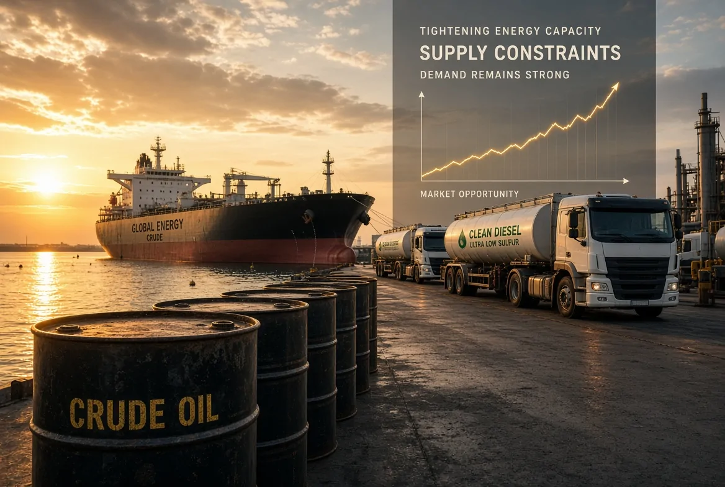
The Iran War Will End. Expensive Diesel Won’t
Notes From the Field By James Hickman (Simon Black / sovereign Man) October 20, 2026
There’s a college degree that pays about $100,000 right out of school, which is pretty good money for a 22-year old. Within a few years, that pay could easily double.
Yet hardly any young person wants the job.
It’s not dangerous, it’s not dirty, and it doesn’t require superhuman work hours. The only reason young people aren’t interested is because Greta Thunberg told them it wasn’t cool.
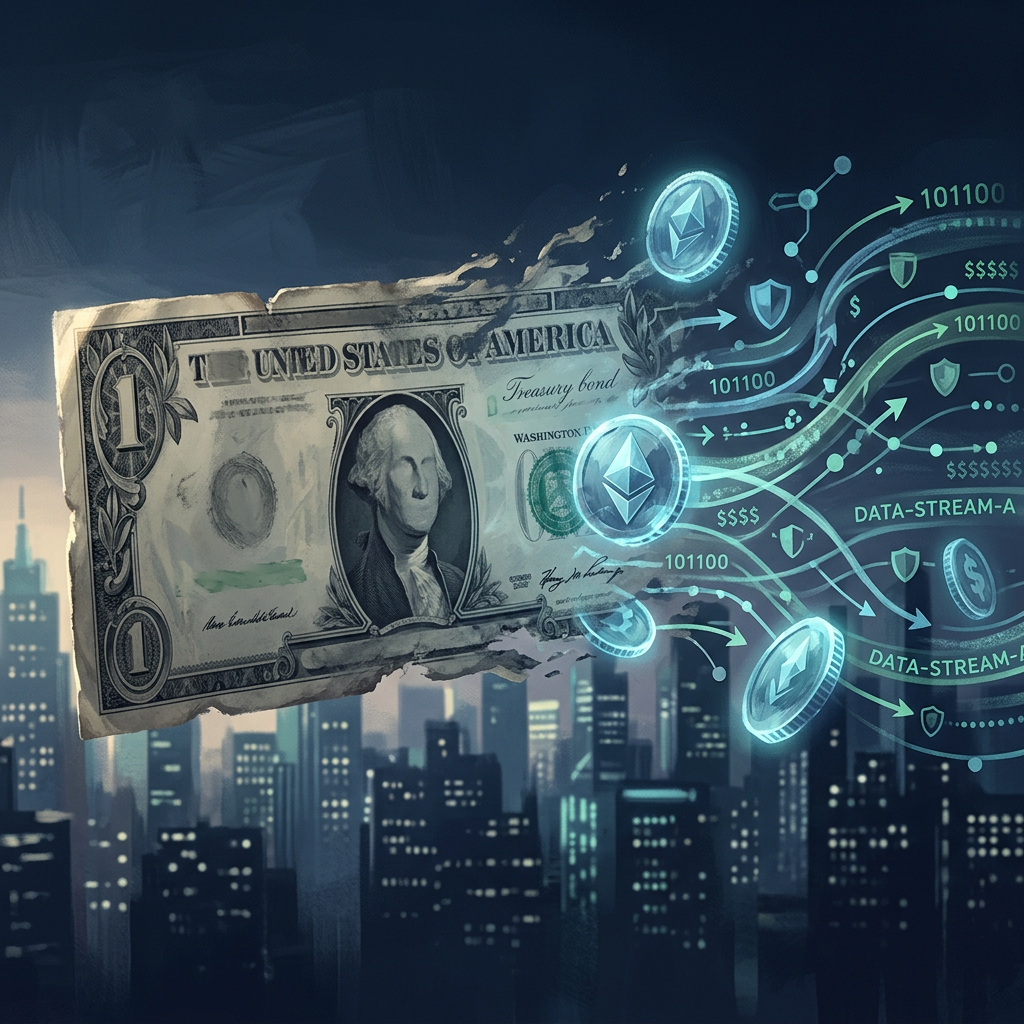
GP Q: US Dollar Upgrade or Collapse?
10-20-2026
“Is the dollar dying… or is it about to get a major upgrade?”
MONEY MONEY MONEY
Most people are only watching the old fiat dollar.
They’re completely missing the new system the U.S. is building right now under the GENIUS Act. Here’s the simple version:
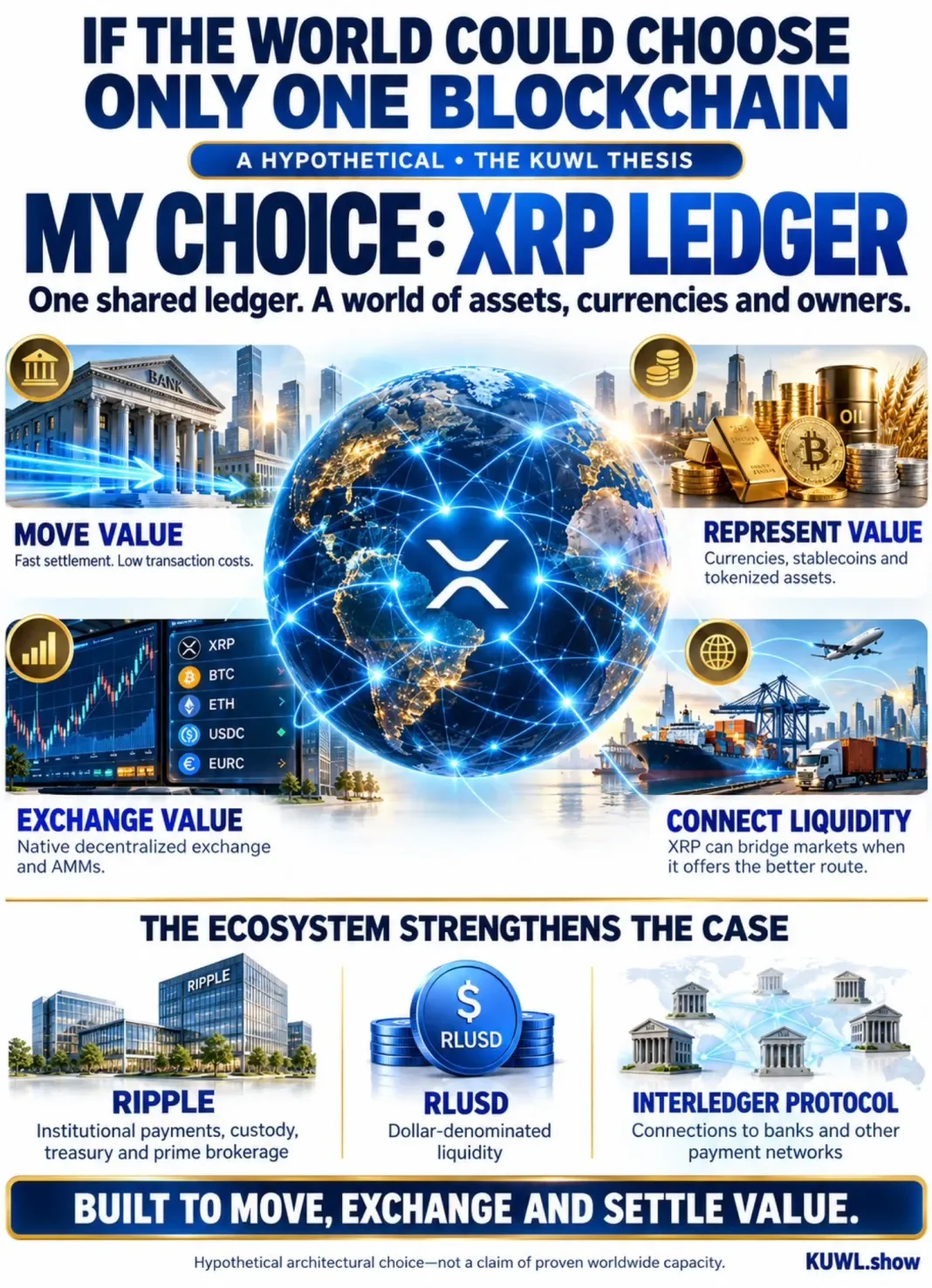
Rob Cunningham: If the World Could Choose Only One Blockchain
10-20-2026
On a go forward basis, “all things considered”, based on the comprehensive utility and liquidity needs of the entire world, “if” only one blockchain was allowed to exist, which should it be?
My choice: the XRP Ledger.
Under this hypothetical – one blockchain serving the world’s combined needs for payments, currencies, tokenized assets, exchange and settlement – XRPL offers the strongest fit in my judgment.
The Central Bank Of Iraq Resolves The Issue Of Merchants' Remittances And Confirms The Continuation Of Import Financing In Dollars.
October 20, 2026Last updated: October 20, 2026 The Central Bank of Iraq confirmed on Tuesday, October 20, 2026, the continuation of financing imports and providing foreign currency through official banking channels, announcing the completion of fulfilling external transfer requests that were suspended before the adjustment of the dinar exchange rate on October 7, in a step aimed at addressing outstanding issues, protecting the rights of traders and ensuring the smooth flow of foreign trade.
Good Afternoon Dinar Recaps,
GLOBAL ASSET RESET WATCH: DEBT, AI UNCERTAINTY AND ENERGY RISKS RESHAPE SAFE-HAVEN DEMAND
Investors are reassessing where to protect their wealth as geopolitical conflict, rising energy prices, government debt and uncertainty surrounding artificial intelligence reshape global markets.
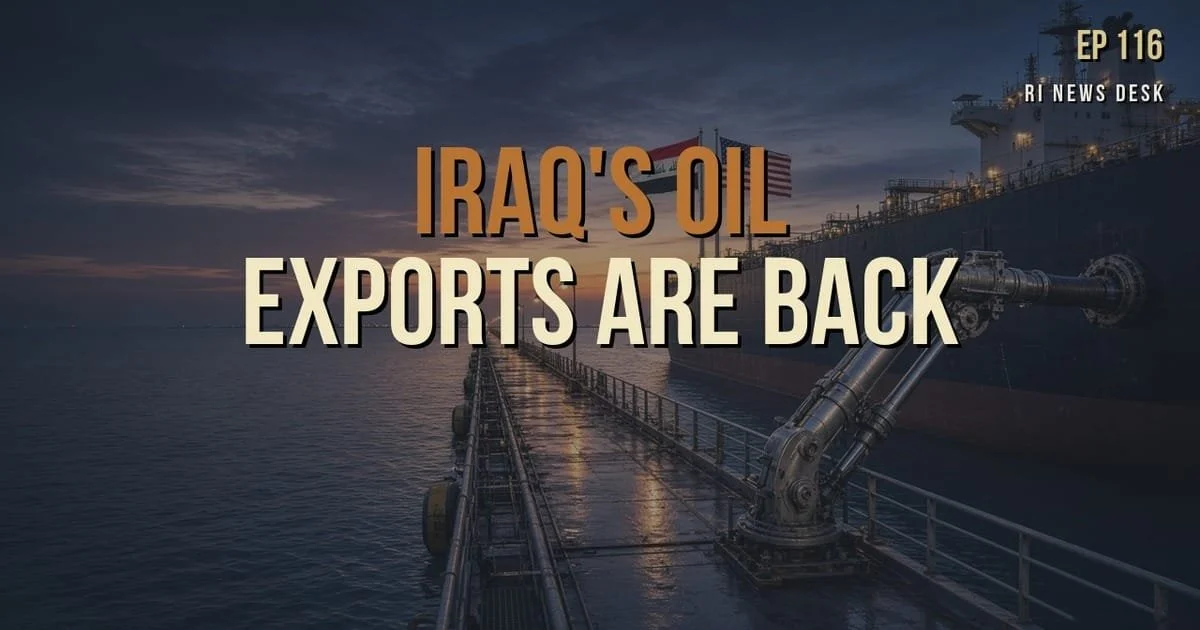
Reset Intelligence: Iraq's Oil Exports Are Back.
By Reset Intelligence | @EXIT_FIAT
Iraq's oil exports are back above 3.4 million barrels a day, close to where they stood before the war.
The same weekend the IMF and Washington both moved toward Baghdad, and the street dollar went the other way.
TNT:
Tishwash: 45 trillion outside the banks... Parliamentary Finance Committee reveals the extent of the crisis of confidence in banks
The head of the parliamentary finance committee, Uday Awad, revealed the existence of a cash mass ranging between 40 and 45 trillion dinars outside the Iraqi banking system, attributing this to the weak confidence of citizens in banks, while stressing the work to find solutions to return these funds to the banking cycle .
Awad said during a televised interview followed by Al-Sa’a Network that “there is a cash mass estimated at about 40 to 45 trillion dinars outside the banking system,” noting that “the lack of confidence in banks has led citizens to keep their money away from them.”
Stern Drew: The BIS Conducted the Most Important Blockchain Experiment of the Year
10-20-2026
The BIS Conducted The Most Important Blockchain Experiment of The Year On a Public Ledger.
The bank for central banks quietly put official data on a public ledger.
Ripple, the crypto firm behind the XRP Ledger blockchain, just became the quiet infrastructure pick for the Bank for International Settlements.
Iraq Absent From Top US Treasury Holders List
2026-10-19 17:56 Shafaq News- Washington Iraq was absent from the list of major foreign holders of US Treasury securities in August 2026, as total foreign holdings rose to $9.3317 trillion from $9.2484 trillion in July, according to US Treasury Department data released on October 16.
Good Morning Dinar Recaps,
GLOBAL DEBT RESET WATCH: U.S. TREASURY FINANCING PLANS FACE GROWING MARKET PRESSURE
Rising borrowing costs, heavy government debt and uncertainty over future bond sales are testing the U.S. Treasury market and raising questions about the cost of financing America's deficits.
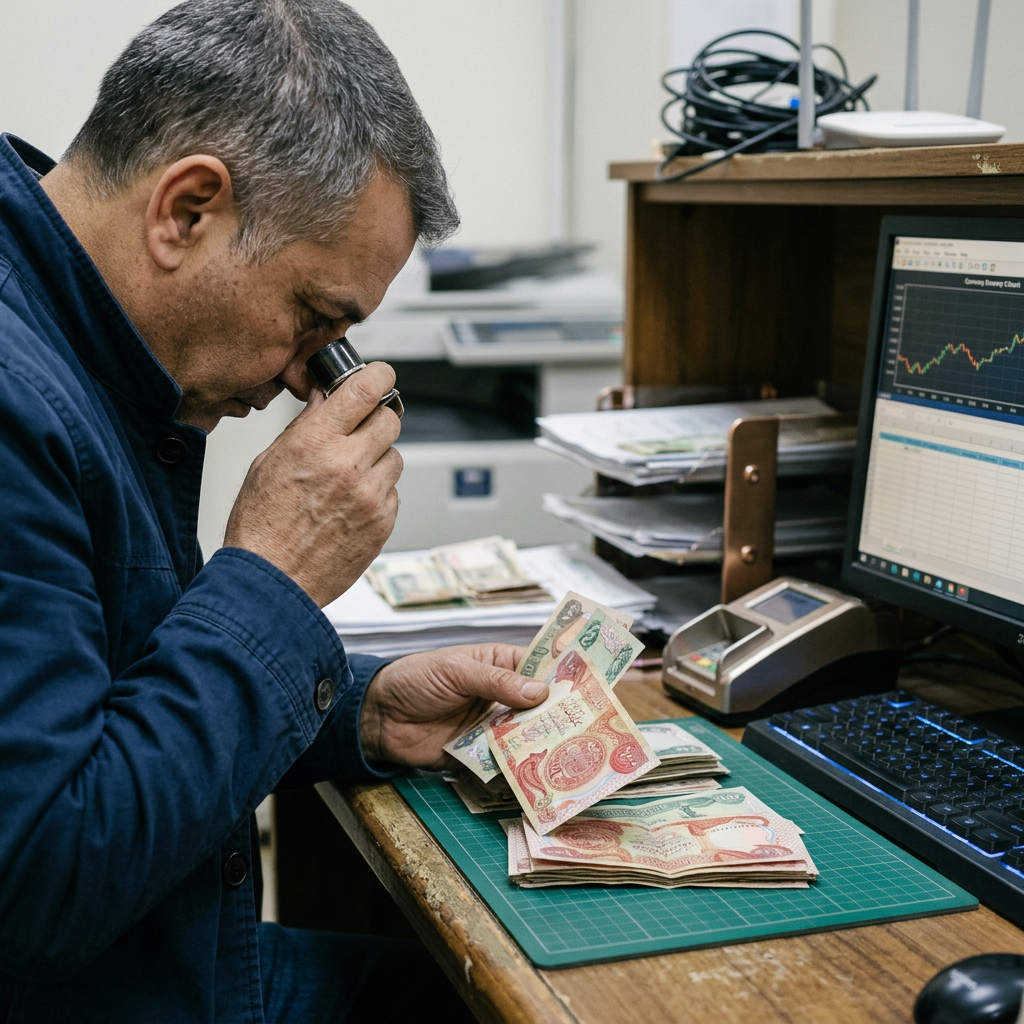
GP Q: IMF Discussions on Possible Financing Package for Iraq
10-20-2026
IRAQ
RV etc
MarkZ et al
• No confirmed recipients of asset-backed funds could be found
• Questions (including from James / James K) about whether anyone has received monetary / asset-backed funds
KTFA
Monday Night Video
FRANK26….10-19-26…..THREE ZERO LIFTING FINALIZED
This video is in Frank’s and his team’s opinion only
Frank’s team is Walkingstick, Eddie and Omar in Iraq and guests
Playback Number: 605-313-5163 PIN: 156996#
13 Really Common Money "Facts" That Actually Aren't Facts At All
.13 Really Common Money "Facts" That Actually Aren't Facts At All
Mon, November 22, 2021,
A lot of us don't get a great financial education from our families or in school, which can make figuring out all our money stuff pretty tricky. And as if it's not already hard enough, there's also a lot of misinformation out there. To help you sort out the actual facts from the fiction, I rounded up 13 common money myths, plus what you actually need to know:
1."You Don't Need To Worry About Investing For Retirement Until Your 40s."
Nope, nope, nope. In fact, the earlier you can start putting money away for retirement, the better, thanks to the magic of compound interest. This is when you earn interest on your investments and then earn more interest on top of that interest. And the sooner you start investing for retirement, the more time your money has to grow.
13 Really Common Money "Facts" That Actually Aren't Facts At All
Mon, November 22, 2021,
A lot of us don't get a great financial education from our families or in school, which can make figuring out all our money stuff pretty tricky. And as if it's not already hard enough, there's also a lot of misinformation out there. To help you sort out the actual facts from the fiction, I rounded up 13 common money myths, plus what you actually need to know:
1."You Don't Need To Worry About Investing For Retirement Until Your 40s."
Nope, nope, nope. In fact, the earlier you can start putting money away for retirement, the better, thanks to the magic of compound interest. This is when you earn interest on your investments and then earn more interest on top of that interest. And the sooner you start investing for retirement, the more time your money has to grow.
So if your workplace offers a tax-advantaged retirement plan like a 401(k), it's a good idea to take advantage. If your employer doesn't offer this benefit, you can always open an IRA (individual retirement account) on your own to get your nest egg started. Even if you're only able to contribute a little bit at first, it can really add up over time.
2."Saving Small Amounts Of Money Isn't Really Worth It."
I get it. It can be really discouraging to compare experts' recommended savings amounts with your own low (or nonexistent) balance. But having even $100 saved can help a little bit in an emergency. Every dollar that you're able to put away is another dollar that you won't have to pay back with interest when an unexpected car repair or vet bill comes along.
One way to help yourself save is by putting your savings in an account that helps you grow your fund. Many experts recommend high-yield savings accounts because they'll pay you more in interest than the typical savings account. But my personal favorite place to keep my emergency fund is Yotta. It's a prize-linked savings account where you can win money every week from their lottery-style drawing.
So far this year, I've won about $100 from my Yotta account (and that's a whole lot more than the 10 cents or so that I'd get from a regular savings account). Plus, they make it really easy to start and stop recurring deposits so you can automate your saving habit and make adjustments when life happens.
To continue reading, please go to the original article here:
https://www.yahoo.com/lifestyle/13-called-money-facts-totally-041602944.html
Emailed to Recaps~ Thank you David
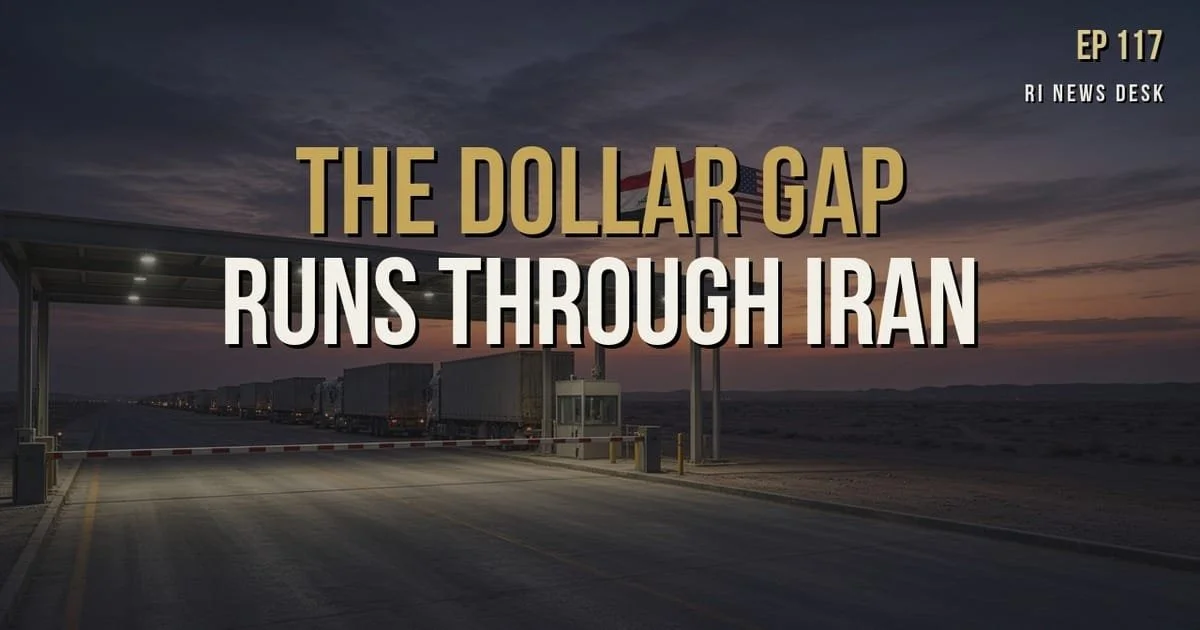
Reset Intelligence: The Dollar Gap Runs Through Iran.
By Reset Intelligence | @EXIT_FIAT
Iraq's Central Bank says trade with Iran is one reason Baghdad's street dollar stays above the bank's rate.
On Tuesday night, an official source said, Baghdad ordered its first crossing with Iran shut, with the rest to follow.
TNT:
Tishwash: The Central Bank extends bank working hours and directs them to open during official holidays.
The Central Bank of Iraq directed banks with outstanding remittances to work on Fridays to avoid delays caused by official holidays, while it completed covering all remittances before the exchange rate change, with a total amount of $3 billion.
MilitiaMan & Crew: CBI Policy Update: What You Need to Know About the IQD
10-21-2026
The Crew: Samson, PompeyPeter, Petra, Daytrader, Sunkissed, GIGI and Militia Man
No drama. No intrigue. No songs and dances. Just straight, factual news that I read and interpret to the best of my ability after being an avid Dinar investor and insanely obsessed Dinarian for over 15 years.
Follow MM on X == https://x.com/Slashn
Good Morning Dinar Recaps,
GLOBAL CURRENCY RESET WATCH: ECB SEEKS TO EXPAND THE EURO’S GLOBAL ROLE
The European Central Bank is widening access to euro liquidity, strengthening Europe’s financial reach as central banks reassess the international monetary landscape.
Physical Gold vs. Digital Gold: Which Is the Ultimate Safe Haven?
Published: 05-20-2026
Gold is trading at approximately $4,500 per troy ounce as of May 20, 2026 [World Gold Council]. However, the debate about physical gold vs digital gold matters more than most investors realise — because not all of these products are the same thing. Both show up on a brokerage statement with a dollar value attached. But what you actually own — what you hold, what you control, what survives a real crisis — is a very different story. This isn’t a debate about returns. It’s a debate about what “safe haven” actually means.
KTFA
Tuesday Night Video
FRANK26…10-20-26.....YOU PROMISED
This video is in Frank’s and his team’s opinion only
Frank’s team is Walkingstick, Eddie and Omar in Iraq and guests
Playback Number: 605-313-5163 PIN: 156996#
Iraq Orders Banks to Work OVERTIME! Why Now?
The Dinar Den: 10-20-2026
Stephen: Hey everyone, welcome back to the channel. We have some exciting and breaking news that came out of the central bank of Iraq today. So, I'm going to cover and go over those few articles that I think as dinar investors are um just exciting and I think they are very telling as to what the future might possibly hold.
And I'm gonna tie it all together and share how I think these things could possibly be related to a higher dinar exchange rate.
The Iraqi Dinar Is The Second Worst-Performing Arab Currency; Dollar Pressures Pose A Difficult Test For Monetary Policy.
October 20, 2026 The Independent - The classification of the Iraqi dinar among the Arab currencies that have declined the most against the US dollar has raised widespread questions about the future of monetary stability in Iraq, and the ability of the Central Bank to contain the increasing pressures on the exchange market, at a time when the economy is facing challenges related to oil revenues, government spending and the heavy reliance on imports.
The Iran War Will End. Expensive Diesel Won’t
Notes From the Field By James Hickman (Simon Black / sovereign Man) October 20, 2026
There’s a college degree that pays about $100,000 right out of school, which is pretty good money for a 22-year old. Within a few years, that pay could easily double.
Yet hardly any young person wants the job.
It’s not dangerous, it’s not dirty, and it doesn’t require superhuman work hours. The only reason young people aren’t interested is because Greta Thunberg told them it wasn’t cool.
GP Q: US Dollar Upgrade or Collapse?
10-20-2026
“Is the dollar dying… or is it about to get a major upgrade?”
MONEY MONEY MONEY
Most people are only watching the old fiat dollar.
They’re completely missing the new system the U.S. is building right now under the GENIUS Act. Here’s the simple version:
Rob Cunningham: If the World Could Choose Only One Blockchain
10-20-2026
On a go forward basis, “all things considered”, based on the comprehensive utility and liquidity needs of the entire world, “if” only one blockchain was allowed to exist, which should it be?
My choice: the XRP Ledger.
Under this hypothetical – one blockchain serving the world’s combined needs for payments, currencies, tokenized assets, exchange and settlement – XRPL offers the strongest fit in my judgment.
The Central Bank Of Iraq Resolves The Issue Of Merchants' Remittances And Confirms The Continuation Of Import Financing In Dollars.
October 20, 2026Last updated: October 20, 2026 The Central Bank of Iraq confirmed on Tuesday, October 20, 2026, the continuation of financing imports and providing foreign currency through official banking channels, announcing the completion of fulfilling external transfer requests that were suspended before the adjustment of the dinar exchange rate on October 7, in a step aimed at addressing outstanding issues, protecting the rights of traders and ensuring the smooth flow of foreign trade.
Good Afternoon Dinar Recaps,
GLOBAL ASSET RESET WATCH: DEBT, AI UNCERTAINTY AND ENERGY RISKS RESHAPE SAFE-HAVEN DEMAND
Investors are reassessing where to protect their wealth as geopolitical conflict, rising energy prices, government debt and uncertainty surrounding artificial intelligence reshape global markets.
Reset Intelligence: Iraq's Oil Exports Are Back.
By Reset Intelligence | @EXIT_FIAT
Iraq's oil exports are back above 3.4 million barrels a day, close to where they stood before the war.
The same weekend the IMF and Washington both moved toward Baghdad, and the street dollar went the other way.
TNT:
Tishwash: 45 trillion outside the banks... Parliamentary Finance Committee reveals the extent of the crisis of confidence in banks
The head of the parliamentary finance committee, Uday Awad, revealed the existence of a cash mass ranging between 40 and 45 trillion dinars outside the Iraqi banking system, attributing this to the weak confidence of citizens in banks, while stressing the work to find solutions to return these funds to the banking cycle .
Awad said during a televised interview followed by Al-Sa’a Network that “there is a cash mass estimated at about 40 to 45 trillion dinars outside the banking system,” noting that “the lack of confidence in banks has led citizens to keep their money away from them.”
Stern Drew: The BIS Conducted the Most Important Blockchain Experiment of the Year
10-20-2026
The BIS Conducted The Most Important Blockchain Experiment of The Year On a Public Ledger.
The bank for central banks quietly put official data on a public ledger.
Ripple, the crypto firm behind the XRP Ledger blockchain, just became the quiet infrastructure pick for the Bank for International Settlements.
Iraq Absent From Top US Treasury Holders List
2026-10-19 17:56 Shafaq News- Washington Iraq was absent from the list of major foreign holders of US Treasury securities in August 2026, as total foreign holdings rose to $9.3317 trillion from $9.2484 trillion in July, according to US Treasury Department data released on October 16.
Good Morning Dinar Recaps,
GLOBAL DEBT RESET WATCH: U.S. TREASURY FINANCING PLANS FACE GROWING MARKET PRESSURE
Rising borrowing costs, heavy government debt and uncertainty over future bond sales are testing the U.S. Treasury market and raising questions about the cost of financing America's deficits.
GP Q: IMF Discussions on Possible Financing Package for Iraq
10-20-2026
IRAQ
RV etc
MarkZ et al
• No confirmed recipients of asset-backed funds could be found
• Questions (including from James / James K) about whether anyone has received monetary / asset-backed funds
KTFA
Monday Night Video
FRANK26….10-19-26…..THREE ZERO LIFTING FINALIZED
This video is in Frank’s and his team’s opinion only
Frank’s team is Walkingstick, Eddie and Omar in Iraq and guests
Playback Number: 605-313-5163 PIN: 156996#
4 Steps To Make Your Money Last a Lifetime - From Recaps Archives
.If you are a new investor,Dinar Recaps will be posting Exchange Tips and information from our archives for our newest readers that may be helpful for you at our exchange appointments and Post RV. Not all questions or information may apply to you and your personal situation…..Take what you like and leave the rest: Some you may want to save for your own personal records! We hope all our dreams come true very soon ~ Your Dinar Recaps Team
4 Steps to Make Your Money Last a Lifetime
By Jane Bryant Quinn, AARP Bulletin
A simple, easy-to-use formula to make sure you never run out of cash
As a financial columnist, I get asked the same heartfelt question over and over: “How do I make sure I don’t outlive my money?” And that makes sense. Surveys confirm that the No. 1 worry among older Americans is running out of cash.
Fortunately, financial planners have come up with sound ways to prevent this. Collected here are their key rules for maintaining a livable income for life, plus case studies that show how to put these general rules into action. The goal is your peace of mind — knowing that you’re getting the most from the money you’ve saved and that you’ll always have enough.
If you are a new investor,Dinar Recaps will be posting Exchange Tips and information from our archives for our newest readers that may be helpful for you at our exchange appointments and Post RV. Not all questions or information may apply to you and your personal situation…..Take what you like and leave the rest: Some you may want to save for your own personal records! We hope all our dreams come true very soon ~ Your Dinar Recaps Team
4 Steps to Make Your Money Last a Lifetime
By Jane Bryant Quinn, AARP Bulletin
A simple, easy-to-use formula to make sure you never run out of cash
As a financial columnist, I get asked the same heartfelt question over and over: “How do I make sure I don’t outlive my money?” And that makes sense. Surveys confirm that the No. 1 worry among older Americans is running out of cash.
Fortunately, financial planners have come up with sound ways to prevent this. Collected here are their key rules for maintaining a livable income for life, plus case studies that show how to put these general rules into action. The goal is your peace of mind — knowing that you’re getting the most from the money you’ve saved and that you’ll always have enough.
The Magic Number
The key to long-term planning is knowing one essential number: how much money you can afford to spend annually. From there, you can adjust your expenses to fit.
You may be tempted to reverse the order — estimate your future expenses, then adjust your investment assumptions to make that spending appear possible. But that’s wishful thinking: a hope that big investment returns will rescue your budget. It leads to overspending early on, and regret later.
Instead, let’s focus on the real, guaranteed money you’ll have. There are two main sources:
Your personal savings and investments.
Your guaranteed income from other sources.
Download this worksheet to help you find your sustainable income. The key steps:
Step 1: Tally Your Guaranteed Income
The most common source is Social Security, which you may already be collecting. (If you’re not, get an estimate by calling Social Security or by opening a My Social Security account at ssa.gov.) You might also have a pension or annuity.
If you own a reliable rental property, include the amount of rent you receive after expenses.
Step 2: Estimate Your Income from Savings
How much annual income can you prudently take from your savings and investments? To get the answer, there’s a surprisingly simple rule of thumb:
Add up the current value of your spendable assets, such as bank accounts, mutual funds, stocks and bonds. Include both retirement and nonretirement savings.
Subtract from that total a cash cushion to help cover near-term expenses.
Then take 4 percent of what remains.
That’s the “safe” amount of your assets that financial planners say you can afford to spend in the first year of retirement without running the risk that your savings will run out. In each subsequent year, take the same dollar amount plus an increase for inflation.
Example: Say you have $100,000 invested (plus a cash cushion). In the first year of retirement you could spend $4,000 of that money. If inflation is running at 3 percent, your second-year withdrawal would be $4,120 — the first-year amount plus an inflation increase. Follow this pattern in each future year.
Under this system, known as the “4 percent rule,” your savings should last at least 30 years and probably more. That forecast is based on the pioneering work of planner William Bengen, who tested 30-year spending rates against the historical returns of U.S. stocks and Treasury bonds.
Some years the markets are up and some years they’re down, but the 4 percent rule takes that into account. As long as you keep withdrawing a steady amount of money, plus increases for inflation, you won’t run out.
This rule would have protected your annual income even during 30-year periods that included the Great Depression of the 1930s and Great Stagflation of the 1970s. In better periods, savings lasted for many years more.
Step 3: Total Your Income
Add that “safe” 4 percent amount to your annual guaranteed income. For example, if you’re due $20,000 from Social Security and take $4,000 from a $100,000 nest egg, you’ll have $24,000 that you can safely use for living expenses, including any taxes.
Step 4: Set Your Budget
Finally, divide your expected yearly income by 12 to get your available monthly cash. And that’s it. Don’t worry about inflation; your income should keep up with inflation, thanks to Social Security’s cost-of-living increases and the annual increases you take from savings.
Special Factors
You're Married
Calculate your spendable income three ways: once as a couple, once assuming that you die first, and once assuming that your spouse dies first. Don’t skip this analysis! Couples generally get two Social Security checks — one per spouse.
The survivor will get only one. If you get a pension, it, too, might go down or go away when you die. Each spouse should know what might change after the other’s death.
You're a Homeowner
Worried that these numbers won’t fund a decent standard of living? You might want to tap your home equity.
Home equity loans, however, can be hard for retirees to get. Instead, if you want to stay put, you might get a reverse mortgage: a loan against your home with no payments due until you leave it permanently. The debt is usually settled via proceeds from your home’s sale.
Costs are high: If your house is worth $260,500 — the median U.S. price — a $50,000 credit line might carry $13,000 in one-time fees. (That money comes from your home equity, not your pocket.) Another option: Take in a renter. Or you could downsize, adding your home-sale proceeds to your investments.
You Fear Stocks
The 4 percent rule rests on the premise that you invest about half of your nest egg in low-cost funds — index mutual funds or exchange-traded funds — that hold big-company stocks and track the market’s moves. The other half is in Treasury bond funds. If you also hold funds with smaller stocks, Bengen says it’s safe to start at 4.5 percent.
If you avoid stocks, however, and own only bonds and CDs, 4 percent is too high. Your initial safe withdrawal rate is more like 3 percent, says economist Wade Pfau of the American College of Financial Services in Bryn Mawr, Pa. You might also start with that number if you retire early or own individual stocks, which are riskier than market-tracking mutual funds.
On the other hand, you might go higher. The original 4 percent rule was designed to protect you from the worst of times, says financial planner Jonathan Guyton of Edina, Minn. But most 30-year periods do just fine, and you might find that you’re skimping while money piles up.
Guyton suggests starting with 5 or 5.5 percent. But do that, he says, only if you have at least 60 percent of your investments in stocks and you’re willing to cut back a little — say, 10 percent of your planned annual withdrawal — when markets fall.
Five percent also makes sense if you want only 20 years of income — for example, if you don’t quit work until you turn 75.
https://www.aarp.org/retirement/retirement-savings/info-2018/make-money-last-lifetime.html
Emailed to Recaps~ Thank you David
Reset Intelligence: The Dollar Gap Runs Through Iran.
By Reset Intelligence | @EXIT_FIAT
Iraq's Central Bank says trade with Iran is one reason Baghdad's street dollar stays above the bank's rate.
On Tuesday night, an official source said, Baghdad ordered its first crossing with Iran shut, with the rest to follow.
TNT:
Tishwash: The Central Bank extends bank working hours and directs them to open during official holidays.
The Central Bank of Iraq directed banks with outstanding remittances to work on Fridays to avoid delays caused by official holidays, while it completed covering all remittances before the exchange rate change, with a total amount of $3 billion.
MilitiaMan & Crew: CBI Policy Update: What You Need to Know About the IQD
10-21-2026
The Crew: Samson, PompeyPeter, Petra, Daytrader, Sunkissed, GIGI and Militia Man
No drama. No intrigue. No songs and dances. Just straight, factual news that I read and interpret to the best of my ability after being an avid Dinar investor and insanely obsessed Dinarian for over 15 years.
Follow MM on X == https://x.com/Slashn
Good Morning Dinar Recaps,
GLOBAL CURRENCY RESET WATCH: ECB SEEKS TO EXPAND THE EURO’S GLOBAL ROLE
The European Central Bank is widening access to euro liquidity, strengthening Europe’s financial reach as central banks reassess the international monetary landscape.
Physical Gold vs. Digital Gold: Which Is the Ultimate Safe Haven?
Published: 05-20-2026
Gold is trading at approximately $4,500 per troy ounce as of May 20, 2026 [World Gold Council]. However, the debate about physical gold vs digital gold matters more than most investors realise — because not all of these products are the same thing. Both show up on a brokerage statement with a dollar value attached. But what you actually own — what you hold, what you control, what survives a real crisis — is a very different story. This isn’t a debate about returns. It’s a debate about what “safe haven” actually means.
KTFA
Tuesday Night Video
FRANK26…10-20-26.....YOU PROMISED
This video is in Frank’s and his team’s opinion only
Frank’s team is Walkingstick, Eddie and Omar in Iraq and guests
Playback Number: 605-313-5163 PIN: 156996#
Iraq Orders Banks to Work OVERTIME! Why Now?
The Dinar Den: 10-20-2026
Stephen: Hey everyone, welcome back to the channel. We have some exciting and breaking news that came out of the central bank of Iraq today. So, I'm going to cover and go over those few articles that I think as dinar investors are um just exciting and I think they are very telling as to what the future might possibly hold.
And I'm gonna tie it all together and share how I think these things could possibly be related to a higher dinar exchange rate.
The Iraqi Dinar Is The Second Worst-Performing Arab Currency; Dollar Pressures Pose A Difficult Test For Monetary Policy.
October 20, 2026 The Independent - The classification of the Iraqi dinar among the Arab currencies that have declined the most against the US dollar has raised widespread questions about the future of monetary stability in Iraq, and the ability of the Central Bank to contain the increasing pressures on the exchange market, at a time when the economy is facing challenges related to oil revenues, government spending and the heavy reliance on imports.
The Iran War Will End. Expensive Diesel Won’t
Notes From the Field By James Hickman (Simon Black / sovereign Man) October 20, 2026
There’s a college degree that pays about $100,000 right out of school, which is pretty good money for a 22-year old. Within a few years, that pay could easily double.
Yet hardly any young person wants the job.
It’s not dangerous, it’s not dirty, and it doesn’t require superhuman work hours. The only reason young people aren’t interested is because Greta Thunberg told them it wasn’t cool.
GP Q: US Dollar Upgrade or Collapse?
10-20-2026
“Is the dollar dying… or is it about to get a major upgrade?”
MONEY MONEY MONEY
Most people are only watching the old fiat dollar.
They’re completely missing the new system the U.S. is building right now under the GENIUS Act. Here’s the simple version:
Rob Cunningham: If the World Could Choose Only One Blockchain
10-20-2026
On a go forward basis, “all things considered”, based on the comprehensive utility and liquidity needs of the entire world, “if” only one blockchain was allowed to exist, which should it be?
My choice: the XRP Ledger.
Under this hypothetical – one blockchain serving the world’s combined needs for payments, currencies, tokenized assets, exchange and settlement – XRPL offers the strongest fit in my judgment.
The Central Bank Of Iraq Resolves The Issue Of Merchants' Remittances And Confirms The Continuation Of Import Financing In Dollars.
October 20, 2026Last updated: October 20, 2026 The Central Bank of Iraq confirmed on Tuesday, October 20, 2026, the continuation of financing imports and providing foreign currency through official banking channels, announcing the completion of fulfilling external transfer requests that were suspended before the adjustment of the dinar exchange rate on October 7, in a step aimed at addressing outstanding issues, protecting the rights of traders and ensuring the smooth flow of foreign trade.
Good Afternoon Dinar Recaps,
GLOBAL ASSET RESET WATCH: DEBT, AI UNCERTAINTY AND ENERGY RISKS RESHAPE SAFE-HAVEN DEMAND
Investors are reassessing where to protect their wealth as geopolitical conflict, rising energy prices, government debt and uncertainty surrounding artificial intelligence reshape global markets.
Reset Intelligence: Iraq's Oil Exports Are Back.
By Reset Intelligence | @EXIT_FIAT
Iraq's oil exports are back above 3.4 million barrels a day, close to where they stood before the war.
The same weekend the IMF and Washington both moved toward Baghdad, and the street dollar went the other way.
TNT:
Tishwash: 45 trillion outside the banks... Parliamentary Finance Committee reveals the extent of the crisis of confidence in banks
The head of the parliamentary finance committee, Uday Awad, revealed the existence of a cash mass ranging between 40 and 45 trillion dinars outside the Iraqi banking system, attributing this to the weak confidence of citizens in banks, while stressing the work to find solutions to return these funds to the banking cycle .
Awad said during a televised interview followed by Al-Sa’a Network that “there is a cash mass estimated at about 40 to 45 trillion dinars outside the banking system,” noting that “the lack of confidence in banks has led citizens to keep their money away from them.”
Stern Drew: The BIS Conducted the Most Important Blockchain Experiment of the Year
10-20-2026
The BIS Conducted The Most Important Blockchain Experiment of The Year On a Public Ledger.
The bank for central banks quietly put official data on a public ledger.
Ripple, the crypto firm behind the XRP Ledger blockchain, just became the quiet infrastructure pick for the Bank for International Settlements.
Iraq Absent From Top US Treasury Holders List
2026-10-19 17:56 Shafaq News- Washington Iraq was absent from the list of major foreign holders of US Treasury securities in August 2026, as total foreign holdings rose to $9.3317 trillion from $9.2484 trillion in July, according to US Treasury Department data released on October 16.
Good Morning Dinar Recaps,
GLOBAL DEBT RESET WATCH: U.S. TREASURY FINANCING PLANS FACE GROWING MARKET PRESSURE
Rising borrowing costs, heavy government debt and uncertainty over future bond sales are testing the U.S. Treasury market and raising questions about the cost of financing America's deficits.
GP Q: IMF Discussions on Possible Financing Package for Iraq
10-20-2026
IRAQ
RV etc
MarkZ et al
• No confirmed recipients of asset-backed funds could be found
• Questions (including from James / James K) about whether anyone has received monetary / asset-backed funds
KTFA
Monday Night Video
FRANK26….10-19-26…..THREE ZERO LIFTING FINALIZED
This video is in Frank’s and his team’s opinion only
Frank’s team is Walkingstick, Eddie and Omar in Iraq and guests
Playback Number: 605-313-5163 PIN: 156996#
Considerations About Passing an Inheritance to Children
.Considerations About Passing an Inheritance to Children
By Stephanie Powers Updated June 24, 2021
Reviewed By Ebony Howard Fact Checked By Katrina Munichiello
Deciding whether to leave an inheritance for your children impacts the amount you save, the retirement plans you choose, and how you take qualified retirement plan distributions. However, beyond your desire to leave some wealth to your children (or not), there are some essential personal financial issues to consider.
Considerations About Passing an Inheritance to Children
By Stephanie Powers Updated June 24, 2021
Reviewed By Ebony Howard Fact Checked By Katrina Munichiello
Deciding whether to leave an inheritance for your children impacts the amount you save, the retirement plans you choose, and how you take qualified retirement plan distributions. However, beyond your desire to leave some wealth to your children (or not), there are some essential personal financial issues to consider.
KEY TAKEAWAYS
Whether to leave an inheritance for your children impacts your retirement plans, how much you save, and your retirement plan distributions.
Before deciding to leave an inheritance, personal financial issues should be considered, including your income needs and potential healthcare costs.
Retirees can risk running out of money in retirement and should consider any tax implications of establishing an inheritance.
Establishing a trust or gifting assets to loved ones can be effective ways to transfer assets, but there are rules and limitations.
Consider Your Income Needs
Some retirees give away their retirement savings without considering their own income needs. Before you make gifts to others, it's important to assess how much you need to spend on yourself. Retirement calculators such as those available from AARP can help you determine how much you need to save and how much you can withdraw each year once you retire.
Be sure to take into account the impact of inflation and taxes and maintain a diversified portfolio of growth and income investments that can help your portfolio keep pace with inflation.
To continue reading, please go to the original article here:
https://www.investopedia.com/articles/pf/08/inheritance-for-children.asp
Emailed to Recaps~ Thank you David
Reset Intelligence: The Dollar Gap Runs Through Iran.
By Reset Intelligence | @EXIT_FIAT
Iraq's Central Bank says trade with Iran is one reason Baghdad's street dollar stays above the bank's rate.
On Tuesday night, an official source said, Baghdad ordered its first crossing with Iran shut, with the rest to follow.
TNT:
Tishwash: The Central Bank extends bank working hours and directs them to open during official holidays.
The Central Bank of Iraq directed banks with outstanding remittances to work on Fridays to avoid delays caused by official holidays, while it completed covering all remittances before the exchange rate change, with a total amount of $3 billion.
MilitiaMan & Crew: CBI Policy Update: What You Need to Know About the IQD
10-21-2026
The Crew: Samson, PompeyPeter, Petra, Daytrader, Sunkissed, GIGI and Militia Man
No drama. No intrigue. No songs and dances. Just straight, factual news that I read and interpret to the best of my ability after being an avid Dinar investor and insanely obsessed Dinarian for over 15 years.
Follow MM on X == https://x.com/Slashn
Good Morning Dinar Recaps,
GLOBAL CURRENCY RESET WATCH: ECB SEEKS TO EXPAND THE EURO’S GLOBAL ROLE
The European Central Bank is widening access to euro liquidity, strengthening Europe’s financial reach as central banks reassess the international monetary landscape.
Physical Gold vs. Digital Gold: Which Is the Ultimate Safe Haven?
Published: 05-20-2026
Gold is trading at approximately $4,500 per troy ounce as of May 20, 2026 [World Gold Council]. However, the debate about physical gold vs digital gold matters more than most investors realise — because not all of these products are the same thing. Both show up on a brokerage statement with a dollar value attached. But what you actually own — what you hold, what you control, what survives a real crisis — is a very different story. This isn’t a debate about returns. It’s a debate about what “safe haven” actually means.
KTFA
Tuesday Night Video
FRANK26…10-20-26.....YOU PROMISED
This video is in Frank’s and his team’s opinion only
Frank’s team is Walkingstick, Eddie and Omar in Iraq and guests
Playback Number: 605-313-5163 PIN: 156996#
Iraq Orders Banks to Work OVERTIME! Why Now?
The Dinar Den: 10-20-2026
Stephen: Hey everyone, welcome back to the channel. We have some exciting and breaking news that came out of the central bank of Iraq today. So, I'm going to cover and go over those few articles that I think as dinar investors are um just exciting and I think they are very telling as to what the future might possibly hold.
And I'm gonna tie it all together and share how I think these things could possibly be related to a higher dinar exchange rate.
The Iraqi Dinar Is The Second Worst-Performing Arab Currency; Dollar Pressures Pose A Difficult Test For Monetary Policy.
October 20, 2026 The Independent - The classification of the Iraqi dinar among the Arab currencies that have declined the most against the US dollar has raised widespread questions about the future of monetary stability in Iraq, and the ability of the Central Bank to contain the increasing pressures on the exchange market, at a time when the economy is facing challenges related to oil revenues, government spending and the heavy reliance on imports.
The Iran War Will End. Expensive Diesel Won’t
Notes From the Field By James Hickman (Simon Black / sovereign Man) October 20, 2026
There’s a college degree that pays about $100,000 right out of school, which is pretty good money for a 22-year old. Within a few years, that pay could easily double.
Yet hardly any young person wants the job.
It’s not dangerous, it’s not dirty, and it doesn’t require superhuman work hours. The only reason young people aren’t interested is because Greta Thunberg told them it wasn’t cool.
GP Q: US Dollar Upgrade or Collapse?
10-20-2026
“Is the dollar dying… or is it about to get a major upgrade?”
MONEY MONEY MONEY
Most people are only watching the old fiat dollar.
They’re completely missing the new system the U.S. is building right now under the GENIUS Act. Here’s the simple version:
Rob Cunningham: If the World Could Choose Only One Blockchain
10-20-2026
On a go forward basis, “all things considered”, based on the comprehensive utility and liquidity needs of the entire world, “if” only one blockchain was allowed to exist, which should it be?
My choice: the XRP Ledger.
Under this hypothetical – one blockchain serving the world’s combined needs for payments, currencies, tokenized assets, exchange and settlement – XRPL offers the strongest fit in my judgment.
The Central Bank Of Iraq Resolves The Issue Of Merchants' Remittances And Confirms The Continuation Of Import Financing In Dollars.
October 20, 2026Last updated: October 20, 2026 The Central Bank of Iraq confirmed on Tuesday, October 20, 2026, the continuation of financing imports and providing foreign currency through official banking channels, announcing the completion of fulfilling external transfer requests that were suspended before the adjustment of the dinar exchange rate on October 7, in a step aimed at addressing outstanding issues, protecting the rights of traders and ensuring the smooth flow of foreign trade.
Good Afternoon Dinar Recaps,
GLOBAL ASSET RESET WATCH: DEBT, AI UNCERTAINTY AND ENERGY RISKS RESHAPE SAFE-HAVEN DEMAND
Investors are reassessing where to protect their wealth as geopolitical conflict, rising energy prices, government debt and uncertainty surrounding artificial intelligence reshape global markets.
Reset Intelligence: Iraq's Oil Exports Are Back.
By Reset Intelligence | @EXIT_FIAT
Iraq's oil exports are back above 3.4 million barrels a day, close to where they stood before the war.
The same weekend the IMF and Washington both moved toward Baghdad, and the street dollar went the other way.
TNT:
Tishwash: 45 trillion outside the banks... Parliamentary Finance Committee reveals the extent of the crisis of confidence in banks
The head of the parliamentary finance committee, Uday Awad, revealed the existence of a cash mass ranging between 40 and 45 trillion dinars outside the Iraqi banking system, attributing this to the weak confidence of citizens in banks, while stressing the work to find solutions to return these funds to the banking cycle .
Awad said during a televised interview followed by Al-Sa’a Network that “there is a cash mass estimated at about 40 to 45 trillion dinars outside the banking system,” noting that “the lack of confidence in banks has led citizens to keep their money away from them.”
Stern Drew: The BIS Conducted the Most Important Blockchain Experiment of the Year
10-20-2026
The BIS Conducted The Most Important Blockchain Experiment of The Year On a Public Ledger.
The bank for central banks quietly put official data on a public ledger.
Ripple, the crypto firm behind the XRP Ledger blockchain, just became the quiet infrastructure pick for the Bank for International Settlements.
Iraq Absent From Top US Treasury Holders List
2026-10-19 17:56 Shafaq News- Washington Iraq was absent from the list of major foreign holders of US Treasury securities in August 2026, as total foreign holdings rose to $9.3317 trillion from $9.2484 trillion in July, according to US Treasury Department data released on October 16.
Good Morning Dinar Recaps,
GLOBAL DEBT RESET WATCH: U.S. TREASURY FINANCING PLANS FACE GROWING MARKET PRESSURE
Rising borrowing costs, heavy government debt and uncertainty over future bond sales are testing the U.S. Treasury market and raising questions about the cost of financing America's deficits.
GP Q: IMF Discussions on Possible Financing Package for Iraq
10-20-2026
IRAQ
RV etc
MarkZ et al
• No confirmed recipients of asset-backed funds could be found
• Questions (including from James / James K) about whether anyone has received monetary / asset-backed funds
KTFA
Monday Night Video
FRANK26….10-19-26…..THREE ZERO LIFTING FINALIZED
This video is in Frank’s and his team’s opinion only
Frank’s team is Walkingstick, Eddie and Omar in Iraq and guests
Playback Number: 605-313-5163 PIN: 156996#
No Such Thing as Enough Money
.No Such Thing as Enough Money
Posted by Jacob Schroeder October 27, 2021
How much money is enough?
It’s a philosophical money question that often arises out of discontent. We see someone of substantial means, like a celebrity, live a troubled life. Or, we ourselves experience great fortune yet feel unhappy. It makes us wonder where the finish line is, the point when you can stop striving for more and settle into a life of satisfaction.
There are some great financial blogs that provide good answers, such as here and here. And then there are a variety of books that tackle this question in their own ways: Ego Is the Enemy, The Last Lecture, the Bible, to name a few. Another book that resonates with me, perhaps because of its instructive format, is How Will You Measure Your Life? by the late Clayton Christensen.
No Such Thing as Enough Money
Posted by Jacob Schroeder October 27, 2021
How much money is enough?
It’s a philosophical money question that often arises out of discontent. We see someone of substantial means, like a celebrity, live a troubled life. Or, we ourselves experience great fortune yet feel unhappy. It makes us wonder where the finish line is, the point when you can stop striving for more and settle into a life of satisfaction.
There are some great financial blogs that provide good answers, such as here and here. And then there are a variety of books that tackle this question in their own ways: Ego Is the Enemy, The Last Lecture, the Bible, to name a few. Another book that resonates with me, perhaps because of its instructive format, is How Will You Measure Your Life? by the late Clayton Christensen.
He comes to the startling realization:
“I had thought the destination was what was important, but it turned out it was the journey.”
That to me is the answer to the question. Though it is, in a way, a non-answer. As with many of life’s mysteries, there is no definitive conclusion.
There is never enough money.
Don’t get me wrong. I don’t mean that you can always use more money to achieve a perfect life. Rather, I mean the exact opposite. No amount of money will insulate you from suffering.
This week Elon Musk’s wealth jumped by $36 billion in a single day, bringing his net worth close to $300 billion. Yet, even he has experienced some very public setbacks, including the tragedy of losing his first child.
“The race is not to the swift or the battle to the strong, nor does food come to the wise or wealth to the brilliant or favor to the learned; but time and chance happen to them all.” (Eccles. 9:11)
To continue reading, please go to the original article here:
https://incognitomoneyscribe.com/2021/10/27/no-such-thing-as-enough-money/
Emailed to Recaps~ Thank you David
Reset Intelligence: The Dollar Gap Runs Through Iran.
By Reset Intelligence | @EXIT_FIAT
Iraq's Central Bank says trade with Iran is one reason Baghdad's street dollar stays above the bank's rate.
On Tuesday night, an official source said, Baghdad ordered its first crossing with Iran shut, with the rest to follow.
TNT:
Tishwash: The Central Bank extends bank working hours and directs them to open during official holidays.
The Central Bank of Iraq directed banks with outstanding remittances to work on Fridays to avoid delays caused by official holidays, while it completed covering all remittances before the exchange rate change, with a total amount of $3 billion.
MilitiaMan & Crew: CBI Policy Update: What You Need to Know About the IQD
10-21-2026
The Crew: Samson, PompeyPeter, Petra, Daytrader, Sunkissed, GIGI and Militia Man
No drama. No intrigue. No songs and dances. Just straight, factual news that I read and interpret to the best of my ability after being an avid Dinar investor and insanely obsessed Dinarian for over 15 years.
Follow MM on X == https://x.com/Slashn
Good Morning Dinar Recaps,
GLOBAL CURRENCY RESET WATCH: ECB SEEKS TO EXPAND THE EURO’S GLOBAL ROLE
The European Central Bank is widening access to euro liquidity, strengthening Europe’s financial reach as central banks reassess the international monetary landscape.
Physical Gold vs. Digital Gold: Which Is the Ultimate Safe Haven?
Published: 05-20-2026
Gold is trading at approximately $4,500 per troy ounce as of May 20, 2026 [World Gold Council]. However, the debate about physical gold vs digital gold matters more than most investors realise — because not all of these products are the same thing. Both show up on a brokerage statement with a dollar value attached. But what you actually own — what you hold, what you control, what survives a real crisis — is a very different story. This isn’t a debate about returns. It’s a debate about what “safe haven” actually means.
KTFA
Tuesday Night Video
FRANK26…10-20-26.....YOU PROMISED
This video is in Frank’s and his team’s opinion only
Frank’s team is Walkingstick, Eddie and Omar in Iraq and guests
Playback Number: 605-313-5163 PIN: 156996#
Iraq Orders Banks to Work OVERTIME! Why Now?
The Dinar Den: 10-20-2026
Stephen: Hey everyone, welcome back to the channel. We have some exciting and breaking news that came out of the central bank of Iraq today. So, I'm going to cover and go over those few articles that I think as dinar investors are um just exciting and I think they are very telling as to what the future might possibly hold.
And I'm gonna tie it all together and share how I think these things could possibly be related to a higher dinar exchange rate.
The Iraqi Dinar Is The Second Worst-Performing Arab Currency; Dollar Pressures Pose A Difficult Test For Monetary Policy.
October 20, 2026 The Independent - The classification of the Iraqi dinar among the Arab currencies that have declined the most against the US dollar has raised widespread questions about the future of monetary stability in Iraq, and the ability of the Central Bank to contain the increasing pressures on the exchange market, at a time when the economy is facing challenges related to oil revenues, government spending and the heavy reliance on imports.
The Iran War Will End. Expensive Diesel Won’t
Notes From the Field By James Hickman (Simon Black / sovereign Man) October 20, 2026
There’s a college degree that pays about $100,000 right out of school, which is pretty good money for a 22-year old. Within a few years, that pay could easily double.
Yet hardly any young person wants the job.
It’s not dangerous, it’s not dirty, and it doesn’t require superhuman work hours. The only reason young people aren’t interested is because Greta Thunberg told them it wasn’t cool.
GP Q: US Dollar Upgrade or Collapse?
10-20-2026
“Is the dollar dying… or is it about to get a major upgrade?”
MONEY MONEY MONEY
Most people are only watching the old fiat dollar.
They’re completely missing the new system the U.S. is building right now under the GENIUS Act. Here’s the simple version:
Rob Cunningham: If the World Could Choose Only One Blockchain
10-20-2026
On a go forward basis, “all things considered”, based on the comprehensive utility and liquidity needs of the entire world, “if” only one blockchain was allowed to exist, which should it be?
My choice: the XRP Ledger.
Under this hypothetical – one blockchain serving the world’s combined needs for payments, currencies, tokenized assets, exchange and settlement – XRPL offers the strongest fit in my judgment.
The Central Bank Of Iraq Resolves The Issue Of Merchants' Remittances And Confirms The Continuation Of Import Financing In Dollars.
October 20, 2026Last updated: October 20, 2026 The Central Bank of Iraq confirmed on Tuesday, October 20, 2026, the continuation of financing imports and providing foreign currency through official banking channels, announcing the completion of fulfilling external transfer requests that were suspended before the adjustment of the dinar exchange rate on October 7, in a step aimed at addressing outstanding issues, protecting the rights of traders and ensuring the smooth flow of foreign trade.
Good Afternoon Dinar Recaps,
GLOBAL ASSET RESET WATCH: DEBT, AI UNCERTAINTY AND ENERGY RISKS RESHAPE SAFE-HAVEN DEMAND
Investors are reassessing where to protect their wealth as geopolitical conflict, rising energy prices, government debt and uncertainty surrounding artificial intelligence reshape global markets.
Reset Intelligence: Iraq's Oil Exports Are Back.
By Reset Intelligence | @EXIT_FIAT
Iraq's oil exports are back above 3.4 million barrels a day, close to where they stood before the war.
The same weekend the IMF and Washington both moved toward Baghdad, and the street dollar went the other way.
TNT:
Tishwash: 45 trillion outside the banks... Parliamentary Finance Committee reveals the extent of the crisis of confidence in banks
The head of the parliamentary finance committee, Uday Awad, revealed the existence of a cash mass ranging between 40 and 45 trillion dinars outside the Iraqi banking system, attributing this to the weak confidence of citizens in banks, while stressing the work to find solutions to return these funds to the banking cycle .
Awad said during a televised interview followed by Al-Sa’a Network that “there is a cash mass estimated at about 40 to 45 trillion dinars outside the banking system,” noting that “the lack of confidence in banks has led citizens to keep their money away from them.”
Stern Drew: The BIS Conducted the Most Important Blockchain Experiment of the Year
10-20-2026
The BIS Conducted The Most Important Blockchain Experiment of The Year On a Public Ledger.
The bank for central banks quietly put official data on a public ledger.
Ripple, the crypto firm behind the XRP Ledger blockchain, just became the quiet infrastructure pick for the Bank for International Settlements.
Iraq Absent From Top US Treasury Holders List
2026-10-19 17:56 Shafaq News- Washington Iraq was absent from the list of major foreign holders of US Treasury securities in August 2026, as total foreign holdings rose to $9.3317 trillion from $9.2484 trillion in July, according to US Treasury Department data released on October 16.
Good Morning Dinar Recaps,
GLOBAL DEBT RESET WATCH: U.S. TREASURY FINANCING PLANS FACE GROWING MARKET PRESSURE
Rising borrowing costs, heavy government debt and uncertainty over future bond sales are testing the U.S. Treasury market and raising questions about the cost of financing America's deficits.
GP Q: IMF Discussions on Possible Financing Package for Iraq
10-20-2026
IRAQ
RV etc
MarkZ et al
• No confirmed recipients of asset-backed funds could be found
• Questions (including from James / James K) about whether anyone has received monetary / asset-backed funds
KTFA
Monday Night Video
FRANK26….10-19-26…..THREE ZERO LIFTING FINALIZED
This video is in Frank’s and his team’s opinion only
Frank’s team is Walkingstick, Eddie and Omar in Iraq and guests
Playback Number: 605-313-5163 PIN: 156996#
How The Money Game Changes With Time
.How The Money Game Changes With Time
October 13, 2021 Financial Independence 25
Money Game
One of the toughest things about investment banking is that the job changes all the time. The technical skills that make an amazing analyst or associate do not necessarily translate into the ability to quarterback a complex M&A or equity deal at the VP level.
At the same time, many VPs and directors who shine at process management and execution really struggle when it comes to origination, effectively capping out their career progression. Those who manage to navigate the transition end up rising all the way to the top. Say hello to the corner office, hefty bonuses, and cushy board seats once you get tired of the grind.
How The Money Game Changes With Time
October 13, 2021 Financial Independence 25
Money Game
One of the toughest things about investment banking is that the job changes all the time. The technical skills that make an amazing analyst or associate do not necessarily translate into the ability to quarterback a complex M&A or equity deal at the VP level.
At the same time, many VPs and directors who shine at process management and execution really struggle when it comes to origination, effectively capping out their career progression. Those who manage to navigate the transition end up rising all the way to the top. Say hello to the corner office, hefty bonuses, and cushy board seats once you get tired of the grind.
This constant need to adapt and elevate your game draws many parallels with the process of building wealth. Sure, there are some fundamental concepts that apply throughout.
Spend less than you make, invest the difference, let your investments compound for as long as possible.
That being said, you still need to calibrate your approach. The strategies that work when you are twenty-five no longer apply when you are nearing retirement – and vice versa.
In today’s post, let’s explore how the money game changes as you go through the various stages of life.
Financial Adolescence: Teens To Mid-20s
Apparently, Warren Buffett bought his first stock when he was 11.
Good for him – but in reality, not everyone is early to the party like that. Which is just as fine, because your late teens and early 20s is when you lay the foundation for your financial future.
And if there’s one thing you need to know about foundations, it’s that you don’t want to skimp on them.
Good grades are important at this stage, not least because they determine the kind of university you’ll be able to get into, which subsequently goes a long way in defining your ability to choose a lucrative career path.
Good skills, however, are even more important. I’m sure it’s great to graduate with a degree in the psychology of fashion, but good luck making the big bucks with that one.
Instead, you’ve got to follow the money. Computer science, finance, medicine, engineering – you get the gist.
However, what’s most important at this stage is establishing good habits – because is your habits that will define your ability to monetize both your grades and your skills.
Health is the most important one, because it gives you energy, confidence, and optimism – the defining characteristics of most successful people. No wonder there’s a direct correlation between health and wealth.
From a financial perspective, this is when you need to put your head down and get all the basics in place.
To continue reading, please go to the original article here:
Emailed to Recaps~ Thank you David
Reset Intelligence: The Dollar Gap Runs Through Iran.
By Reset Intelligence | @EXIT_FIAT
Iraq's Central Bank says trade with Iran is one reason Baghdad's street dollar stays above the bank's rate.
On Tuesday night, an official source said, Baghdad ordered its first crossing with Iran shut, with the rest to follow.
TNT:
Tishwash: The Central Bank extends bank working hours and directs them to open during official holidays.
The Central Bank of Iraq directed banks with outstanding remittances to work on Fridays to avoid delays caused by official holidays, while it completed covering all remittances before the exchange rate change, with a total amount of $3 billion.
MilitiaMan & Crew: CBI Policy Update: What You Need to Know About the IQD
10-21-2026
The Crew: Samson, PompeyPeter, Petra, Daytrader, Sunkissed, GIGI and Militia Man
No drama. No intrigue. No songs and dances. Just straight, factual news that I read and interpret to the best of my ability after being an avid Dinar investor and insanely obsessed Dinarian for over 15 years.
Follow MM on X == https://x.com/Slashn
Good Morning Dinar Recaps,
GLOBAL CURRENCY RESET WATCH: ECB SEEKS TO EXPAND THE EURO’S GLOBAL ROLE
The European Central Bank is widening access to euro liquidity, strengthening Europe’s financial reach as central banks reassess the international monetary landscape.
Physical Gold vs. Digital Gold: Which Is the Ultimate Safe Haven?
Published: 05-20-2026
Gold is trading at approximately $4,500 per troy ounce as of May 20, 2026 [World Gold Council]. However, the debate about physical gold vs digital gold matters more than most investors realise — because not all of these products are the same thing. Both show up on a brokerage statement with a dollar value attached. But what you actually own — what you hold, what you control, what survives a real crisis — is a very different story. This isn’t a debate about returns. It’s a debate about what “safe haven” actually means.
KTFA
Tuesday Night Video
FRANK26…10-20-26.....YOU PROMISED
This video is in Frank’s and his team’s opinion only
Frank’s team is Walkingstick, Eddie and Omar in Iraq and guests
Playback Number: 605-313-5163 PIN: 156996#
Iraq Orders Banks to Work OVERTIME! Why Now?
The Dinar Den: 10-20-2026
Stephen: Hey everyone, welcome back to the channel. We have some exciting and breaking news that came out of the central bank of Iraq today. So, I'm going to cover and go over those few articles that I think as dinar investors are um just exciting and I think they are very telling as to what the future might possibly hold.
And I'm gonna tie it all together and share how I think these things could possibly be related to a higher dinar exchange rate.
The Iraqi Dinar Is The Second Worst-Performing Arab Currency; Dollar Pressures Pose A Difficult Test For Monetary Policy.
October 20, 2026 The Independent - The classification of the Iraqi dinar among the Arab currencies that have declined the most against the US dollar has raised widespread questions about the future of monetary stability in Iraq, and the ability of the Central Bank to contain the increasing pressures on the exchange market, at a time when the economy is facing challenges related to oil revenues, government spending and the heavy reliance on imports.
The Iran War Will End. Expensive Diesel Won’t
Notes From the Field By James Hickman (Simon Black / sovereign Man) October 20, 2026
There’s a college degree that pays about $100,000 right out of school, which is pretty good money for a 22-year old. Within a few years, that pay could easily double.
Yet hardly any young person wants the job.
It’s not dangerous, it’s not dirty, and it doesn’t require superhuman work hours. The only reason young people aren’t interested is because Greta Thunberg told them it wasn’t cool.
GP Q: US Dollar Upgrade or Collapse?
10-20-2026
“Is the dollar dying… or is it about to get a major upgrade?”
MONEY MONEY MONEY
Most people are only watching the old fiat dollar.
They’re completely missing the new system the U.S. is building right now under the GENIUS Act. Here’s the simple version:
Rob Cunningham: If the World Could Choose Only One Blockchain
10-20-2026
On a go forward basis, “all things considered”, based on the comprehensive utility and liquidity needs of the entire world, “if” only one blockchain was allowed to exist, which should it be?
My choice: the XRP Ledger.
Under this hypothetical – one blockchain serving the world’s combined needs for payments, currencies, tokenized assets, exchange and settlement – XRPL offers the strongest fit in my judgment.
The Central Bank Of Iraq Resolves The Issue Of Merchants' Remittances And Confirms The Continuation Of Import Financing In Dollars.
October 20, 2026Last updated: October 20, 2026 The Central Bank of Iraq confirmed on Tuesday, October 20, 2026, the continuation of financing imports and providing foreign currency through official banking channels, announcing the completion of fulfilling external transfer requests that were suspended before the adjustment of the dinar exchange rate on October 7, in a step aimed at addressing outstanding issues, protecting the rights of traders and ensuring the smooth flow of foreign trade.
Good Afternoon Dinar Recaps,
GLOBAL ASSET RESET WATCH: DEBT, AI UNCERTAINTY AND ENERGY RISKS RESHAPE SAFE-HAVEN DEMAND
Investors are reassessing where to protect their wealth as geopolitical conflict, rising energy prices, government debt and uncertainty surrounding artificial intelligence reshape global markets.
Reset Intelligence: Iraq's Oil Exports Are Back.
By Reset Intelligence | @EXIT_FIAT
Iraq's oil exports are back above 3.4 million barrels a day, close to where they stood before the war.
The same weekend the IMF and Washington both moved toward Baghdad, and the street dollar went the other way.
TNT:
Tishwash: 45 trillion outside the banks... Parliamentary Finance Committee reveals the extent of the crisis of confidence in banks
The head of the parliamentary finance committee, Uday Awad, revealed the existence of a cash mass ranging between 40 and 45 trillion dinars outside the Iraqi banking system, attributing this to the weak confidence of citizens in banks, while stressing the work to find solutions to return these funds to the banking cycle .
Awad said during a televised interview followed by Al-Sa’a Network that “there is a cash mass estimated at about 40 to 45 trillion dinars outside the banking system,” noting that “the lack of confidence in banks has led citizens to keep their money away from them.”
Stern Drew: The BIS Conducted the Most Important Blockchain Experiment of the Year
10-20-2026
The BIS Conducted The Most Important Blockchain Experiment of The Year On a Public Ledger.
The bank for central banks quietly put official data on a public ledger.
Ripple, the crypto firm behind the XRP Ledger blockchain, just became the quiet infrastructure pick for the Bank for International Settlements.
Iraq Absent From Top US Treasury Holders List
2026-10-19 17:56 Shafaq News- Washington Iraq was absent from the list of major foreign holders of US Treasury securities in August 2026, as total foreign holdings rose to $9.3317 trillion from $9.2484 trillion in July, according to US Treasury Department data released on October 16.
Good Morning Dinar Recaps,
GLOBAL DEBT RESET WATCH: U.S. TREASURY FINANCING PLANS FACE GROWING MARKET PRESSURE
Rising borrowing costs, heavy government debt and uncertainty over future bond sales are testing the U.S. Treasury market and raising questions about the cost of financing America's deficits.
GP Q: IMF Discussions on Possible Financing Package for Iraq
10-20-2026
IRAQ
RV etc
MarkZ et al
• No confirmed recipients of asset-backed funds could be found
• Questions (including from James / James K) about whether anyone has received monetary / asset-backed funds
KTFA
Monday Night Video
FRANK26….10-19-26…..THREE ZERO LIFTING FINALIZED
This video is in Frank’s and his team’s opinion only
Frank’s team is Walkingstick, Eddie and Omar in Iraq and guests
Playback Number: 605-313-5163 PIN: 156996#
How Much You Need To Rank in the Top 10% of Manhattan’s Wealthiest Elite
.How Much You Need To Rank in the Top 10% of Manhattan’s Wealthiest Elite
Bob Haegele Mon, November 15, 2021,
Lavish apartments, fancy cars and dressed to the nines: Manhattan’s wealthiest elite seem to have it all. And yet, while the city’s mega-rich or ultra-high net worth individuals are worth billions, you don’t need all that to be in the city’s top 10%. New York has $3 trillion in total wealth. But in a city of nearly 9 million people that is home to almost one million millionaires, having $1 million already puts you close to the top 10%.
To add to that, dollars and cents aren’t everything. Yes, in purely monetary terms, hitting certain income or net worth thresholds is the only requirement to be in the top 10%. But without your health and a network of support, you won’t be able to enjoy your swimming pool of gold coins.
How Much You Need To Rank in the Top 10% of Manhattan’s Wealthiest Elite
Bob Haegele Mon, November 15, 2021,
Lavish apartments, fancy cars and dressed to the nines: Manhattan’s wealthiest elite seem to have it all. And yet, while the city’s mega-rich or ultra-high net worth individuals are worth billions, you don’t need all that to be in the city’s top 10%. New York has $3 trillion in total wealth. But in a city of nearly 9 million people that is home to almost one million millionaires, having $1 million already puts you close to the top 10%.
To add to that, dollars and cents aren’t everything. Yes, in purely monetary terms, hitting certain income or net worth thresholds is the only requirement to be in the top 10%. But without your health and a network of support, you won’t be able to enjoy your swimming pool of gold coins.
Let’s take a look at what exactly you need to be among Manhattan’s wealthiest elite, both in terms of money and otherwise.
Income
Of course, most Americans immediately think about money when contemplating wealth. Whether or not you agree that is the only determinant of wealth, it is certainly a big component. And given that New York is where some of the world’s wealthiest call home, it’s no surprise that you need a lot of money to be one of the city’s wealthiest.
After all, New York is home to a number of billionaires, including Michael Bloomberg, Julia Koch and Stephen Schwarzman. While you don’t have to be among the billionaires to be in the top 10%, you still have to be quite well off.
The income in the top 10% in the state of New York is $291,906. However, New York City is considerably wealthier, with the top 20% earning an average of $295,662. Meanwhile, the top 5% earn $585,902. Thus, the top 10% earn somewhere in between the two, with the average being around $440,000.
Health
Having a lot of wealth is nice, but you can’t enjoy it without your health. Of course, there is a correlation between health and wealth; studies have shown that wealthier people tend to live longer and with lower rates of chronic disease.
Still, being wealthy doesn’t guarantee good health. But one survey of New York City residents asked them what makes a person wealthy, and the response was in many cases that being in good health makes a person wealthy more than anything.
To continue reading, please go to the original article here:
https://finance.yahoo.com/news/much-rank-top-10-manhattan-190114396.html
Emailed to Recaps~ Thank you David
Reset Intelligence: The Dollar Gap Runs Through Iran.
By Reset Intelligence | @EXIT_FIAT
Iraq's Central Bank says trade with Iran is one reason Baghdad's street dollar stays above the bank's rate.
On Tuesday night, an official source said, Baghdad ordered its first crossing with Iran shut, with the rest to follow.
TNT:
Tishwash: The Central Bank extends bank working hours and directs them to open during official holidays.
The Central Bank of Iraq directed banks with outstanding remittances to work on Fridays to avoid delays caused by official holidays, while it completed covering all remittances before the exchange rate change, with a total amount of $3 billion.
MilitiaMan & Crew: CBI Policy Update: What You Need to Know About the IQD
10-21-2026
The Crew: Samson, PompeyPeter, Petra, Daytrader, Sunkissed, GIGI and Militia Man
No drama. No intrigue. No songs and dances. Just straight, factual news that I read and interpret to the best of my ability after being an avid Dinar investor and insanely obsessed Dinarian for over 15 years.
Follow MM on X == https://x.com/Slashn
Good Morning Dinar Recaps,
GLOBAL CURRENCY RESET WATCH: ECB SEEKS TO EXPAND THE EURO’S GLOBAL ROLE
The European Central Bank is widening access to euro liquidity, strengthening Europe’s financial reach as central banks reassess the international monetary landscape.
Physical Gold vs. Digital Gold: Which Is the Ultimate Safe Haven?
Published: 05-20-2026
Gold is trading at approximately $4,500 per troy ounce as of May 20, 2026 [World Gold Council]. However, the debate about physical gold vs digital gold matters more than most investors realise — because not all of these products are the same thing. Both show up on a brokerage statement with a dollar value attached. But what you actually own — what you hold, what you control, what survives a real crisis — is a very different story. This isn’t a debate about returns. It’s a debate about what “safe haven” actually means.
KTFA
Tuesday Night Video
FRANK26…10-20-26.....YOU PROMISED
This video is in Frank’s and his team’s opinion only
Frank’s team is Walkingstick, Eddie and Omar in Iraq and guests
Playback Number: 605-313-5163 PIN: 156996#
Iraq Orders Banks to Work OVERTIME! Why Now?
The Dinar Den: 10-20-2026
Stephen: Hey everyone, welcome back to the channel. We have some exciting and breaking news that came out of the central bank of Iraq today. So, I'm going to cover and go over those few articles that I think as dinar investors are um just exciting and I think they are very telling as to what the future might possibly hold.
And I'm gonna tie it all together and share how I think these things could possibly be related to a higher dinar exchange rate.
The Iraqi Dinar Is The Second Worst-Performing Arab Currency; Dollar Pressures Pose A Difficult Test For Monetary Policy.
October 20, 2026 The Independent - The classification of the Iraqi dinar among the Arab currencies that have declined the most against the US dollar has raised widespread questions about the future of monetary stability in Iraq, and the ability of the Central Bank to contain the increasing pressures on the exchange market, at a time when the economy is facing challenges related to oil revenues, government spending and the heavy reliance on imports.
The Iran War Will End. Expensive Diesel Won’t
Notes From the Field By James Hickman (Simon Black / sovereign Man) October 20, 2026
There’s a college degree that pays about $100,000 right out of school, which is pretty good money for a 22-year old. Within a few years, that pay could easily double.
Yet hardly any young person wants the job.
It’s not dangerous, it’s not dirty, and it doesn’t require superhuman work hours. The only reason young people aren’t interested is because Greta Thunberg told them it wasn’t cool.
GP Q: US Dollar Upgrade or Collapse?
10-20-2026
“Is the dollar dying… or is it about to get a major upgrade?”
MONEY MONEY MONEY
Most people are only watching the old fiat dollar.
They’re completely missing the new system the U.S. is building right now under the GENIUS Act. Here’s the simple version:
Rob Cunningham: If the World Could Choose Only One Blockchain
10-20-2026
On a go forward basis, “all things considered”, based on the comprehensive utility and liquidity needs of the entire world, “if” only one blockchain was allowed to exist, which should it be?
My choice: the XRP Ledger.
Under this hypothetical – one blockchain serving the world’s combined needs for payments, currencies, tokenized assets, exchange and settlement – XRPL offers the strongest fit in my judgment.
The Central Bank Of Iraq Resolves The Issue Of Merchants' Remittances And Confirms The Continuation Of Import Financing In Dollars.
October 20, 2026Last updated: October 20, 2026 The Central Bank of Iraq confirmed on Tuesday, October 20, 2026, the continuation of financing imports and providing foreign currency through official banking channels, announcing the completion of fulfilling external transfer requests that were suspended before the adjustment of the dinar exchange rate on October 7, in a step aimed at addressing outstanding issues, protecting the rights of traders and ensuring the smooth flow of foreign trade.
Good Afternoon Dinar Recaps,
GLOBAL ASSET RESET WATCH: DEBT, AI UNCERTAINTY AND ENERGY RISKS RESHAPE SAFE-HAVEN DEMAND
Investors are reassessing where to protect their wealth as geopolitical conflict, rising energy prices, government debt and uncertainty surrounding artificial intelligence reshape global markets.
Reset Intelligence: Iraq's Oil Exports Are Back.
By Reset Intelligence | @EXIT_FIAT
Iraq's oil exports are back above 3.4 million barrels a day, close to where they stood before the war.
The same weekend the IMF and Washington both moved toward Baghdad, and the street dollar went the other way.
TNT:
Tishwash: 45 trillion outside the banks... Parliamentary Finance Committee reveals the extent of the crisis of confidence in banks
The head of the parliamentary finance committee, Uday Awad, revealed the existence of a cash mass ranging between 40 and 45 trillion dinars outside the Iraqi banking system, attributing this to the weak confidence of citizens in banks, while stressing the work to find solutions to return these funds to the banking cycle .
Awad said during a televised interview followed by Al-Sa’a Network that “there is a cash mass estimated at about 40 to 45 trillion dinars outside the banking system,” noting that “the lack of confidence in banks has led citizens to keep their money away from them.”
Stern Drew: The BIS Conducted the Most Important Blockchain Experiment of the Year
10-20-2026
The BIS Conducted The Most Important Blockchain Experiment of The Year On a Public Ledger.
The bank for central banks quietly put official data on a public ledger.
Ripple, the crypto firm behind the XRP Ledger blockchain, just became the quiet infrastructure pick for the Bank for International Settlements.
Iraq Absent From Top US Treasury Holders List
2026-10-19 17:56 Shafaq News- Washington Iraq was absent from the list of major foreign holders of US Treasury securities in August 2026, as total foreign holdings rose to $9.3317 trillion from $9.2484 trillion in July, according to US Treasury Department data released on October 16.
Good Morning Dinar Recaps,
GLOBAL DEBT RESET WATCH: U.S. TREASURY FINANCING PLANS FACE GROWING MARKET PRESSURE
Rising borrowing costs, heavy government debt and uncertainty over future bond sales are testing the U.S. Treasury market and raising questions about the cost of financing America's deficits.
GP Q: IMF Discussions on Possible Financing Package for Iraq
10-20-2026
IRAQ
RV etc
MarkZ et al
• No confirmed recipients of asset-backed funds could be found
• Questions (including from James / James K) about whether anyone has received monetary / asset-backed funds
KTFA
Monday Night Video
FRANK26….10-19-26…..THREE ZERO LIFTING FINALIZED
This video is in Frank’s and his team’s opinion only
Frank’s team is Walkingstick, Eddie and Omar in Iraq and guests
Playback Number: 605-313-5163 PIN: 156996#
Using an LLC for Estate Planning
.Using an LLC for Estate Planning
By Michelle Ullman Updated November 14, 2021
It can help you pass assets down to your heirs while avoiding taxes
Somewhere between a corporation and a partnership lies the limited liability company (LLC). This hybrid legal entity is beneficial for small-business owners and is also a powerful tool for estate planning.
If you want to transfer assets to your children, grandchildren, or other family members—but you are concerned about gift taxes or the burden of estate taxes your beneficiaries will owe upon your passing—an LLC can help you control and protect assets during your lifetime, keep assets in the family, and reduce taxes owed by you or your family members.
Using an LLC for Estate Planning
By Michelle Ullman Updated November 14, 2021
Reviewed By Anthony Battle Fact Checked By Amanda Jackson
It can help you pass assets down to your heirs while avoiding taxes
Somewhere between a corporation and a partnership lies the limited liability company (LLC). This hybrid legal entity is beneficial for small-business owners and is also a powerful tool for estate planning.
If you want to transfer assets to your children, grandchildren, or other family members—but you are concerned about gift taxes or the burden of estate taxes your beneficiaries will owe upon your passing—an LLC can help you control and protect assets during your lifetime, keep assets in the family, and reduce taxes owed by you or your family members.
KEY TAKEAWAYS
A limited liability company (LLC) can be a useful legal structure through which to pass assets down to your loved ones while avoiding or minimizing estate and gift taxes.
A family LLC allows your heirs to become shareholders who can then benefit from the assets held by the LLC, while you retain management control.
The tax benefit of the LLC lies in the fact that the value of the shares transferred to heirs can be discounted quite steeply, often up to 40% of their market value.
Just about any asset can be put into an LLC.
What Is an LLC?
An LLC is a legal entity recognized in all 50 states, although each state has its own regulations governing the formation, running, and taxation of these companies. Like a corporation, LLC owners (called members) are protected from personal liability in case of debt, lawsuit, or other claims, thus protecting personal property such as a home, automobile, personal bank account, or investment.
Unlike a corporation, LLC members can manage the LLC in whatever fashion they like and are subject to fewer state regulations and formalities than a corporation. As a partnership, members of an LLC report the business's profits and losses on their personal tax returns, instead of the LLC itself being taxed as a business entity.1
Benefits of Using an LLC for Estate Planning
You’ve worked hard to earn and grow your wealth, and you probably want as much of it as possible to stay in your family once you’re gone. Establishing a family LLC with your children allows you to:
Effectively reduce the estate taxes your children would be required to pay on their inheritance
To continue reading, please go to the original article here:
Emailed to Recaps~ Thank you David
Reset Intelligence: The Dollar Gap Runs Through Iran.
By Reset Intelligence | @EXIT_FIAT
Iraq's Central Bank says trade with Iran is one reason Baghdad's street dollar stays above the bank's rate.
On Tuesday night, an official source said, Baghdad ordered its first crossing with Iran shut, with the rest to follow.
TNT:
Tishwash: The Central Bank extends bank working hours and directs them to open during official holidays.
The Central Bank of Iraq directed banks with outstanding remittances to work on Fridays to avoid delays caused by official holidays, while it completed covering all remittances before the exchange rate change, with a total amount of $3 billion.
MilitiaMan & Crew: CBI Policy Update: What You Need to Know About the IQD
10-21-2026
The Crew: Samson, PompeyPeter, Petra, Daytrader, Sunkissed, GIGI and Militia Man
No drama. No intrigue. No songs and dances. Just straight, factual news that I read and interpret to the best of my ability after being an avid Dinar investor and insanely obsessed Dinarian for over 15 years.
Follow MM on X == https://x.com/Slashn
Good Morning Dinar Recaps,
GLOBAL CURRENCY RESET WATCH: ECB SEEKS TO EXPAND THE EURO’S GLOBAL ROLE
The European Central Bank is widening access to euro liquidity, strengthening Europe’s financial reach as central banks reassess the international monetary landscape.
Physical Gold vs. Digital Gold: Which Is the Ultimate Safe Haven?
Published: 05-20-2026
Gold is trading at approximately $4,500 per troy ounce as of May 20, 2026 [World Gold Council]. However, the debate about physical gold vs digital gold matters more than most investors realise — because not all of these products are the same thing. Both show up on a brokerage statement with a dollar value attached. But what you actually own — what you hold, what you control, what survives a real crisis — is a very different story. This isn’t a debate about returns. It’s a debate about what “safe haven” actually means.
KTFA
Tuesday Night Video
FRANK26…10-20-26.....YOU PROMISED
This video is in Frank’s and his team’s opinion only
Frank’s team is Walkingstick, Eddie and Omar in Iraq and guests
Playback Number: 605-313-5163 PIN: 156996#
Iraq Orders Banks to Work OVERTIME! Why Now?
The Dinar Den: 10-20-2026
Stephen: Hey everyone, welcome back to the channel. We have some exciting and breaking news that came out of the central bank of Iraq today. So, I'm going to cover and go over those few articles that I think as dinar investors are um just exciting and I think they are very telling as to what the future might possibly hold.
And I'm gonna tie it all together and share how I think these things could possibly be related to a higher dinar exchange rate.
The Iraqi Dinar Is The Second Worst-Performing Arab Currency; Dollar Pressures Pose A Difficult Test For Monetary Policy.
October 20, 2026 The Independent - The classification of the Iraqi dinar among the Arab currencies that have declined the most against the US dollar has raised widespread questions about the future of monetary stability in Iraq, and the ability of the Central Bank to contain the increasing pressures on the exchange market, at a time when the economy is facing challenges related to oil revenues, government spending and the heavy reliance on imports.
The Iran War Will End. Expensive Diesel Won’t
Notes From the Field By James Hickman (Simon Black / sovereign Man) October 20, 2026
There’s a college degree that pays about $100,000 right out of school, which is pretty good money for a 22-year old. Within a few years, that pay could easily double.
Yet hardly any young person wants the job.
It’s not dangerous, it’s not dirty, and it doesn’t require superhuman work hours. The only reason young people aren’t interested is because Greta Thunberg told them it wasn’t cool.
GP Q: US Dollar Upgrade or Collapse?
10-20-2026
“Is the dollar dying… or is it about to get a major upgrade?”
MONEY MONEY MONEY
Most people are only watching the old fiat dollar.
They’re completely missing the new system the U.S. is building right now under the GENIUS Act. Here’s the simple version:
Rob Cunningham: If the World Could Choose Only One Blockchain
10-20-2026
On a go forward basis, “all things considered”, based on the comprehensive utility and liquidity needs of the entire world, “if” only one blockchain was allowed to exist, which should it be?
My choice: the XRP Ledger.
Under this hypothetical – one blockchain serving the world’s combined needs for payments, currencies, tokenized assets, exchange and settlement – XRPL offers the strongest fit in my judgment.
The Central Bank Of Iraq Resolves The Issue Of Merchants' Remittances And Confirms The Continuation Of Import Financing In Dollars.
October 20, 2026Last updated: October 20, 2026 The Central Bank of Iraq confirmed on Tuesday, October 20, 2026, the continuation of financing imports and providing foreign currency through official banking channels, announcing the completion of fulfilling external transfer requests that were suspended before the adjustment of the dinar exchange rate on October 7, in a step aimed at addressing outstanding issues, protecting the rights of traders and ensuring the smooth flow of foreign trade.
Good Afternoon Dinar Recaps,
GLOBAL ASSET RESET WATCH: DEBT, AI UNCERTAINTY AND ENERGY RISKS RESHAPE SAFE-HAVEN DEMAND
Investors are reassessing where to protect their wealth as geopolitical conflict, rising energy prices, government debt and uncertainty surrounding artificial intelligence reshape global markets.
Reset Intelligence: Iraq's Oil Exports Are Back.
By Reset Intelligence | @EXIT_FIAT
Iraq's oil exports are back above 3.4 million barrels a day, close to where they stood before the war.
The same weekend the IMF and Washington both moved toward Baghdad, and the street dollar went the other way.
TNT:
Tishwash: 45 trillion outside the banks... Parliamentary Finance Committee reveals the extent of the crisis of confidence in banks
The head of the parliamentary finance committee, Uday Awad, revealed the existence of a cash mass ranging between 40 and 45 trillion dinars outside the Iraqi banking system, attributing this to the weak confidence of citizens in banks, while stressing the work to find solutions to return these funds to the banking cycle .
Awad said during a televised interview followed by Al-Sa’a Network that “there is a cash mass estimated at about 40 to 45 trillion dinars outside the banking system,” noting that “the lack of confidence in banks has led citizens to keep their money away from them.”
Stern Drew: The BIS Conducted the Most Important Blockchain Experiment of the Year
10-20-2026
The BIS Conducted The Most Important Blockchain Experiment of The Year On a Public Ledger.
The bank for central banks quietly put official data on a public ledger.
Ripple, the crypto firm behind the XRP Ledger blockchain, just became the quiet infrastructure pick for the Bank for International Settlements.
Iraq Absent From Top US Treasury Holders List
2026-10-19 17:56 Shafaq News- Washington Iraq was absent from the list of major foreign holders of US Treasury securities in August 2026, as total foreign holdings rose to $9.3317 trillion from $9.2484 trillion in July, according to US Treasury Department data released on October 16.
Good Morning Dinar Recaps,
GLOBAL DEBT RESET WATCH: U.S. TREASURY FINANCING PLANS FACE GROWING MARKET PRESSURE
Rising borrowing costs, heavy government debt and uncertainty over future bond sales are testing the U.S. Treasury market and raising questions about the cost of financing America's deficits.
GP Q: IMF Discussions on Possible Financing Package for Iraq
10-20-2026
IRAQ
RV etc
MarkZ et al
• No confirmed recipients of asset-backed funds could be found
• Questions (including from James / James K) about whether anyone has received monetary / asset-backed funds
KTFA
Monday Night Video
FRANK26….10-19-26…..THREE ZERO LIFTING FINALIZED
This video is in Frank’s and his team’s opinion only
Frank’s team is Walkingstick, Eddie and Omar in Iraq and guests
Playback Number: 605-313-5163 PIN: 156996#
What Is A Digital Wallet — And Is It Safe?
.What Is A Digital Wallet — And Is It Safe?
Erica Gerald Mason September 30, 2021
When people talk about having a wallet, they usually mean a place to physically stash your cash and credit cards. But these days, you can use contact-less digital wallets instead of traditional physical ones — and they've only grown in popularity during the COVID-19 pandemic.
With a quick scan or a tap, you can complete financial transactions safely and securely. That's because digital wallets allow you to pay without having to use your physical credit cards.
What Is A Digital Wallet — And Is It Safe?
Erica Gerald Mason September 30, 2021
When people talk about having a wallet, they usually mean a place to physically stash your cash and credit cards. But these days, you can use contact-less digital wallets instead of traditional physical ones — and they've only grown in popularity during the COVID-19 pandemic.
With a quick scan or a tap, you can complete financial transactions safely and securely. That's because digital wallets allow you to pay without having to use your physical credit cards.
So What, Exactly, Is A Digital Wallet?
The term "digital wallet" refers to any device storing information related to financial transactions via an app. They include smartphones, wearables such as smart watches, tablets, and laptops.
How Do Digital Wallets Work?
A digital wallet stores your payment information via an app so you can make purchases electronically, such as from your computer, smartphone, watch or other smart devices, whether you're in a physical store or online.
To complete the transaction, you might need to provide a passcode or passwords, use your device's facial recognition software, or authenticate with your fingerprint. Ultimately, this added security measure makes sure it's really you who is utilizing your phone to make purchases, pay someone directly or book a ticket.
If you are using a non-mobile digital wallet, such as your laptop, you may have to log in or provide a password. There is no need to locate your physical card and type in several details, which makes the checkout process go much quicker and easier.
Here's How You Can Use Your Digital Wallet?
So, here's where digital wallets really shine.
To continue reading, please go to the original article here:
https://www.yahoo.com/lifestyle/are-digital-wallets-safe-yahoo-subscriptions-223341632.html
Emailed to Recaps~ Thank you David
Reset Intelligence: The Dollar Gap Runs Through Iran.
By Reset Intelligence | @EXIT_FIAT
Iraq's Central Bank says trade with Iran is one reason Baghdad's street dollar stays above the bank's rate.
On Tuesday night, an official source said, Baghdad ordered its first crossing with Iran shut, with the rest to follow.
TNT:
Tishwash: The Central Bank extends bank working hours and directs them to open during official holidays.
The Central Bank of Iraq directed banks with outstanding remittances to work on Fridays to avoid delays caused by official holidays, while it completed covering all remittances before the exchange rate change, with a total amount of $3 billion.
MilitiaMan & Crew: CBI Policy Update: What You Need to Know About the IQD
10-21-2026
The Crew: Samson, PompeyPeter, Petra, Daytrader, Sunkissed, GIGI and Militia Man
No drama. No intrigue. No songs and dances. Just straight, factual news that I read and interpret to the best of my ability after being an avid Dinar investor and insanely obsessed Dinarian for over 15 years.
Follow MM on X == https://x.com/Slashn
Good Morning Dinar Recaps,
GLOBAL CURRENCY RESET WATCH: ECB SEEKS TO EXPAND THE EURO’S GLOBAL ROLE
The European Central Bank is widening access to euro liquidity, strengthening Europe’s financial reach as central banks reassess the international monetary landscape.
Physical Gold vs. Digital Gold: Which Is the Ultimate Safe Haven?
Published: 05-20-2026
Gold is trading at approximately $4,500 per troy ounce as of May 20, 2026 [World Gold Council]. However, the debate about physical gold vs digital gold matters more than most investors realise — because not all of these products are the same thing. Both show up on a brokerage statement with a dollar value attached. But what you actually own — what you hold, what you control, what survives a real crisis — is a very different story. This isn’t a debate about returns. It’s a debate about what “safe haven” actually means.
KTFA
Tuesday Night Video
FRANK26…10-20-26.....YOU PROMISED
This video is in Frank’s and his team’s opinion only
Frank’s team is Walkingstick, Eddie and Omar in Iraq and guests
Playback Number: 605-313-5163 PIN: 156996#
Iraq Orders Banks to Work OVERTIME! Why Now?
The Dinar Den: 10-20-2026
Stephen: Hey everyone, welcome back to the channel. We have some exciting and breaking news that came out of the central bank of Iraq today. So, I'm going to cover and go over those few articles that I think as dinar investors are um just exciting and I think they are very telling as to what the future might possibly hold.
And I'm gonna tie it all together and share how I think these things could possibly be related to a higher dinar exchange rate.
The Iraqi Dinar Is The Second Worst-Performing Arab Currency; Dollar Pressures Pose A Difficult Test For Monetary Policy.
October 20, 2026 The Independent - The classification of the Iraqi dinar among the Arab currencies that have declined the most against the US dollar has raised widespread questions about the future of monetary stability in Iraq, and the ability of the Central Bank to contain the increasing pressures on the exchange market, at a time when the economy is facing challenges related to oil revenues, government spending and the heavy reliance on imports.
The Iran War Will End. Expensive Diesel Won’t
Notes From the Field By James Hickman (Simon Black / sovereign Man) October 20, 2026
There’s a college degree that pays about $100,000 right out of school, which is pretty good money for a 22-year old. Within a few years, that pay could easily double.
Yet hardly any young person wants the job.
It’s not dangerous, it’s not dirty, and it doesn’t require superhuman work hours. The only reason young people aren’t interested is because Greta Thunberg told them it wasn’t cool.
GP Q: US Dollar Upgrade or Collapse?
10-20-2026
“Is the dollar dying… or is it about to get a major upgrade?”
MONEY MONEY MONEY
Most people are only watching the old fiat dollar.
They’re completely missing the new system the U.S. is building right now under the GENIUS Act. Here’s the simple version:
Rob Cunningham: If the World Could Choose Only One Blockchain
10-20-2026
On a go forward basis, “all things considered”, based on the comprehensive utility and liquidity needs of the entire world, “if” only one blockchain was allowed to exist, which should it be?
My choice: the XRP Ledger.
Under this hypothetical – one blockchain serving the world’s combined needs for payments, currencies, tokenized assets, exchange and settlement – XRPL offers the strongest fit in my judgment.
The Central Bank Of Iraq Resolves The Issue Of Merchants' Remittances And Confirms The Continuation Of Import Financing In Dollars.
October 20, 2026Last updated: October 20, 2026 The Central Bank of Iraq confirmed on Tuesday, October 20, 2026, the continuation of financing imports and providing foreign currency through official banking channels, announcing the completion of fulfilling external transfer requests that were suspended before the adjustment of the dinar exchange rate on October 7, in a step aimed at addressing outstanding issues, protecting the rights of traders and ensuring the smooth flow of foreign trade.
Good Afternoon Dinar Recaps,
GLOBAL ASSET RESET WATCH: DEBT, AI UNCERTAINTY AND ENERGY RISKS RESHAPE SAFE-HAVEN DEMAND
Investors are reassessing where to protect their wealth as geopolitical conflict, rising energy prices, government debt and uncertainty surrounding artificial intelligence reshape global markets.
Reset Intelligence: Iraq's Oil Exports Are Back.
By Reset Intelligence | @EXIT_FIAT
Iraq's oil exports are back above 3.4 million barrels a day, close to where they stood before the war.
The same weekend the IMF and Washington both moved toward Baghdad, and the street dollar went the other way.
TNT:
Tishwash: 45 trillion outside the banks... Parliamentary Finance Committee reveals the extent of the crisis of confidence in banks
The head of the parliamentary finance committee, Uday Awad, revealed the existence of a cash mass ranging between 40 and 45 trillion dinars outside the Iraqi banking system, attributing this to the weak confidence of citizens in banks, while stressing the work to find solutions to return these funds to the banking cycle .
Awad said during a televised interview followed by Al-Sa’a Network that “there is a cash mass estimated at about 40 to 45 trillion dinars outside the banking system,” noting that “the lack of confidence in banks has led citizens to keep their money away from them.”
Stern Drew: The BIS Conducted the Most Important Blockchain Experiment of the Year
10-20-2026
The BIS Conducted The Most Important Blockchain Experiment of The Year On a Public Ledger.
The bank for central banks quietly put official data on a public ledger.
Ripple, the crypto firm behind the XRP Ledger blockchain, just became the quiet infrastructure pick for the Bank for International Settlements.
Iraq Absent From Top US Treasury Holders List
2026-10-19 17:56 Shafaq News- Washington Iraq was absent from the list of major foreign holders of US Treasury securities in August 2026, as total foreign holdings rose to $9.3317 trillion from $9.2484 trillion in July, according to US Treasury Department data released on October 16.
Good Morning Dinar Recaps,
GLOBAL DEBT RESET WATCH: U.S. TREASURY FINANCING PLANS FACE GROWING MARKET PRESSURE
Rising borrowing costs, heavy government debt and uncertainty over future bond sales are testing the U.S. Treasury market and raising questions about the cost of financing America's deficits.
GP Q: IMF Discussions on Possible Financing Package for Iraq
10-20-2026
IRAQ
RV etc
MarkZ et al
• No confirmed recipients of asset-backed funds could be found
• Questions (including from James / James K) about whether anyone has received monetary / asset-backed funds
KTFA
Monday Night Video
FRANK26….10-19-26…..THREE ZERO LIFTING FINALIZED
This video is in Frank’s and his team’s opinion only
Frank’s team is Walkingstick, Eddie and Omar in Iraq and guests
Playback Number: 605-313-5163 PIN: 156996#
12 Realistic Ways to Make Your First $1 Million
.12 Realistic Ways to Make Your First $1 Million
Barbara Friedberg Sun, November 14, 2021,
At first glance, building a net worth of $1 million might seem unattainable, but it's more realistic than you think. In fact, you don't even need a winning lottery ticket or a trust fund to join this exclusive club.
Your annual income certainly plays a role, but the way you allocate your funds actually matters more than your salary. When properly planned, a solid work ethic, responsible spending habits and savvy investing can grow your fortune to $1 million -- and far beyond.
12 Realistic Ways to Make Your First $1 Million
Barbara Friedberg Sun, November 14, 2021,
At first glance, building a net worth of $1 million might seem unattainable, but it's more realistic than you think. In fact, you don't even need a winning lottery ticket or a trust fund to join this exclusive club.
Your annual income certainly plays a role, but the way you allocate your funds actually matters more than your salary. When properly planned, a solid work ethic, responsible spending habits and savvy investing can grow your fortune to $1 million -- and far beyond.
Achieving this goal will require you to make some sacrifices, but the feeling of financial security is priceless. If you're serious about becoming a millionaire, it's time to start making some major moves. Craft a solid game plan by incorporating some -- or all -- of these 12 tips into your lifestyle and get on your way to making your first $1 million.
Boost Your Profit Margin
A profit margin isn't strictly reserved for businesses; it also applies to you. "By increasing the gap between what you earn and what you spend, you end up with a profit in exactly the same way a business earns a profit," said J.D. Roth, founder of Get Rich Slowly. "This profit can then be used to pursue your long-term financial goals."
To specifically reach a million bucks, you'll need to boost your savings rate substantially more than the normal 5 percent to 15 percent, said Roth. He suggested saving half of your income, and noted that you'll have to make hard choices of deferring present spending in exchange for future financial success. For two-income families, he suggested choosing to live on one income, and saving and investing the other salary.
https://finance.yahoo.com/news/12-realistic-ways-first-1-110003107.html
Emailed to Recaps~ Thank you David
Reset Intelligence: The Dollar Gap Runs Through Iran.
By Reset Intelligence | @EXIT_FIAT
Iraq's Central Bank says trade with Iran is one reason Baghdad's street dollar stays above the bank's rate.
On Tuesday night, an official source said, Baghdad ordered its first crossing with Iran shut, with the rest to follow.
TNT:
Tishwash: The Central Bank extends bank working hours and directs them to open during official holidays.
The Central Bank of Iraq directed banks with outstanding remittances to work on Fridays to avoid delays caused by official holidays, while it completed covering all remittances before the exchange rate change, with a total amount of $3 billion.
MilitiaMan & Crew: CBI Policy Update: What You Need to Know About the IQD
10-21-2026
The Crew: Samson, PompeyPeter, Petra, Daytrader, Sunkissed, GIGI and Militia Man
No drama. No intrigue. No songs and dances. Just straight, factual news that I read and interpret to the best of my ability after being an avid Dinar investor and insanely obsessed Dinarian for over 15 years.
Follow MM on X == https://x.com/Slashn
Good Morning Dinar Recaps,
GLOBAL CURRENCY RESET WATCH: ECB SEEKS TO EXPAND THE EURO’S GLOBAL ROLE
The European Central Bank is widening access to euro liquidity, strengthening Europe’s financial reach as central banks reassess the international monetary landscape.
Physical Gold vs. Digital Gold: Which Is the Ultimate Safe Haven?
Published: 05-20-2026
Gold is trading at approximately $4,500 per troy ounce as of May 20, 2026 [World Gold Council]. However, the debate about physical gold vs digital gold matters more than most investors realise — because not all of these products are the same thing. Both show up on a brokerage statement with a dollar value attached. But what you actually own — what you hold, what you control, what survives a real crisis — is a very different story. This isn’t a debate about returns. It’s a debate about what “safe haven” actually means.
KTFA
Tuesday Night Video
FRANK26…10-20-26.....YOU PROMISED
This video is in Frank’s and his team’s opinion only
Frank’s team is Walkingstick, Eddie and Omar in Iraq and guests
Playback Number: 605-313-5163 PIN: 156996#
Iraq Orders Banks to Work OVERTIME! Why Now?
The Dinar Den: 10-20-2026
Stephen: Hey everyone, welcome back to the channel. We have some exciting and breaking news that came out of the central bank of Iraq today. So, I'm going to cover and go over those few articles that I think as dinar investors are um just exciting and I think they are very telling as to what the future might possibly hold.
And I'm gonna tie it all together and share how I think these things could possibly be related to a higher dinar exchange rate.
The Iraqi Dinar Is The Second Worst-Performing Arab Currency; Dollar Pressures Pose A Difficult Test For Monetary Policy.
October 20, 2026 The Independent - The classification of the Iraqi dinar among the Arab currencies that have declined the most against the US dollar has raised widespread questions about the future of monetary stability in Iraq, and the ability of the Central Bank to contain the increasing pressures on the exchange market, at a time when the economy is facing challenges related to oil revenues, government spending and the heavy reliance on imports.
The Iran War Will End. Expensive Diesel Won’t
Notes From the Field By James Hickman (Simon Black / sovereign Man) October 20, 2026
There’s a college degree that pays about $100,000 right out of school, which is pretty good money for a 22-year old. Within a few years, that pay could easily double.
Yet hardly any young person wants the job.
It’s not dangerous, it’s not dirty, and it doesn’t require superhuman work hours. The only reason young people aren’t interested is because Greta Thunberg told them it wasn’t cool.
GP Q: US Dollar Upgrade or Collapse?
10-20-2026
“Is the dollar dying… or is it about to get a major upgrade?”
MONEY MONEY MONEY
Most people are only watching the old fiat dollar.
They’re completely missing the new system the U.S. is building right now under the GENIUS Act. Here’s the simple version:
Rob Cunningham: If the World Could Choose Only One Blockchain
10-20-2026
On a go forward basis, “all things considered”, based on the comprehensive utility and liquidity needs of the entire world, “if” only one blockchain was allowed to exist, which should it be?
My choice: the XRP Ledger.
Under this hypothetical – one blockchain serving the world’s combined needs for payments, currencies, tokenized assets, exchange and settlement – XRPL offers the strongest fit in my judgment.
The Central Bank Of Iraq Resolves The Issue Of Merchants' Remittances And Confirms The Continuation Of Import Financing In Dollars.
October 20, 2026Last updated: October 20, 2026 The Central Bank of Iraq confirmed on Tuesday, October 20, 2026, the continuation of financing imports and providing foreign currency through official banking channels, announcing the completion of fulfilling external transfer requests that were suspended before the adjustment of the dinar exchange rate on October 7, in a step aimed at addressing outstanding issues, protecting the rights of traders and ensuring the smooth flow of foreign trade.
Good Afternoon Dinar Recaps,
GLOBAL ASSET RESET WATCH: DEBT, AI UNCERTAINTY AND ENERGY RISKS RESHAPE SAFE-HAVEN DEMAND
Investors are reassessing where to protect their wealth as geopolitical conflict, rising energy prices, government debt and uncertainty surrounding artificial intelligence reshape global markets.
Reset Intelligence: Iraq's Oil Exports Are Back.
By Reset Intelligence | @EXIT_FIAT
Iraq's oil exports are back above 3.4 million barrels a day, close to where they stood before the war.
The same weekend the IMF and Washington both moved toward Baghdad, and the street dollar went the other way.
TNT:
Tishwash: 45 trillion outside the banks... Parliamentary Finance Committee reveals the extent of the crisis of confidence in banks
The head of the parliamentary finance committee, Uday Awad, revealed the existence of a cash mass ranging between 40 and 45 trillion dinars outside the Iraqi banking system, attributing this to the weak confidence of citizens in banks, while stressing the work to find solutions to return these funds to the banking cycle .
Awad said during a televised interview followed by Al-Sa’a Network that “there is a cash mass estimated at about 40 to 45 trillion dinars outside the banking system,” noting that “the lack of confidence in banks has led citizens to keep their money away from them.”
Stern Drew: The BIS Conducted the Most Important Blockchain Experiment of the Year
10-20-2026
The BIS Conducted The Most Important Blockchain Experiment of The Year On a Public Ledger.
The bank for central banks quietly put official data on a public ledger.
Ripple, the crypto firm behind the XRP Ledger blockchain, just became the quiet infrastructure pick for the Bank for International Settlements.
Iraq Absent From Top US Treasury Holders List
2026-10-19 17:56 Shafaq News- Washington Iraq was absent from the list of major foreign holders of US Treasury securities in August 2026, as total foreign holdings rose to $9.3317 trillion from $9.2484 trillion in July, according to US Treasury Department data released on October 16.
Good Morning Dinar Recaps,
GLOBAL DEBT RESET WATCH: U.S. TREASURY FINANCING PLANS FACE GROWING MARKET PRESSURE
Rising borrowing costs, heavy government debt and uncertainty over future bond sales are testing the U.S. Treasury market and raising questions about the cost of financing America's deficits.
GP Q: IMF Discussions on Possible Financing Package for Iraq
10-20-2026
IRAQ
RV etc
MarkZ et al
• No confirmed recipients of asset-backed funds could be found
• Questions (including from James / James K) about whether anyone has received monetary / asset-backed funds
KTFA
Monday Night Video
FRANK26….10-19-26…..THREE ZERO LIFTING FINALIZED
This video is in Frank’s and his team’s opinion only
Frank’s team is Walkingstick, Eddie and Omar in Iraq and guests
Playback Number: 605-313-5163 PIN: 156996#
4 Ways To Protect Your Account From Bank Fraud
Bank Fraud Is On The Rise — Here Are 4 Ways To Protect Your Account
Korin Miller June 3, 2021
One of the scariest things about internet fraud is knowing that someone could hack your bank account if they happen to get a hold of certain personal information. It's only natural, then, to wonder about how to protect your bank account from fraud.
Bank account fraud happens, and it can mean the difference between you keeping your hard-earned money and seeing it vanish. Bank fraud attacks increased 159 percent over the past year, according to an analysis of 12 billion global transactions over the past year by risk management platform Feedzai, making this a very real risk.
Bank Fraud Is On The Rise — Here Are 4 Ways To Protect Your Account
Korin Miller June 3, 2021
One of the scariest things about internet fraud is knowing that someone could hack your bank account if they happen to get a hold of certain personal information. It's only natural, then, to wonder about how to protect your bank account from fraud.
Bank account fraud happens, and it can mean the difference between you keeping your hard-earned money and seeing it vanish. Bank fraud attacks increased 159 percent over the past year, according to an analysis of 12 billion global transactions over the past year by risk management platform Feedzai, making this a very real risk.
Luckily, you don't have to just hope you'll avoid getting scammed. Signing up for a password manager like LastPass Premium can help ensure that you create a strong enough password — and remember it — so that bank account fraud won't be an issue (but more on that later). Here's what you need to know about bank account scams and how to protect your account.
What Is Bank Account Fraud?
At a basic level, banking scams involve someone attempting to access your account, according to USA.gov. That's generally broken into four categories:
Overpayment scams. This is when a scam artist sends you a counterfeit check. They then tell you to deposit it in your bank account and then wire part of the money back to them. The check is fake, and you'll have to pay your bank the amount — and you'll lose any money you wired.
Unsolicited check fraud. If you cash a check from a scammer that you received for no reason, you could be accidentally authorizing the purchase of goods or signing up for a loan you didn't ask for.
Automatic withdrawals. A scammer can create automatic debits from your account to qualify you for a free trial or to collect a prize.
Phishing. This is when a scam artist sends an email asking you to verify your bank account or debit card number.
To continue reading, please go to the original article here:
Emailed to Recaps~ Thank you David
Reset Intelligence: The Dollar Gap Runs Through Iran.
By Reset Intelligence | @EXIT_FIAT
Iraq's Central Bank says trade with Iran is one reason Baghdad's street dollar stays above the bank's rate.
On Tuesday night, an official source said, Baghdad ordered its first crossing with Iran shut, with the rest to follow.
TNT:
Tishwash: The Central Bank extends bank working hours and directs them to open during official holidays.
The Central Bank of Iraq directed banks with outstanding remittances to work on Fridays to avoid delays caused by official holidays, while it completed covering all remittances before the exchange rate change, with a total amount of $3 billion.
MilitiaMan & Crew: CBI Policy Update: What You Need to Know About the IQD
10-21-2026
The Crew: Samson, PompeyPeter, Petra, Daytrader, Sunkissed, GIGI and Militia Man
No drama. No intrigue. No songs and dances. Just straight, factual news that I read and interpret to the best of my ability after being an avid Dinar investor and insanely obsessed Dinarian for over 15 years.
Follow MM on X == https://x.com/Slashn
Good Morning Dinar Recaps,
GLOBAL CURRENCY RESET WATCH: ECB SEEKS TO EXPAND THE EURO’S GLOBAL ROLE
The European Central Bank is widening access to euro liquidity, strengthening Europe’s financial reach as central banks reassess the international monetary landscape.
Physical Gold vs. Digital Gold: Which Is the Ultimate Safe Haven?
Published: 05-20-2026
Gold is trading at approximately $4,500 per troy ounce as of May 20, 2026 [World Gold Council]. However, the debate about physical gold vs digital gold matters more than most investors realise — because not all of these products are the same thing. Both show up on a brokerage statement with a dollar value attached. But what you actually own — what you hold, what you control, what survives a real crisis — is a very different story. This isn’t a debate about returns. It’s a debate about what “safe haven” actually means.
KTFA
Tuesday Night Video
FRANK26…10-20-26.....YOU PROMISED
This video is in Frank’s and his team’s opinion only
Frank’s team is Walkingstick, Eddie and Omar in Iraq and guests
Playback Number: 605-313-5163 PIN: 156996#
Iraq Orders Banks to Work OVERTIME! Why Now?
The Dinar Den: 10-20-2026
Stephen: Hey everyone, welcome back to the channel. We have some exciting and breaking news that came out of the central bank of Iraq today. So, I'm going to cover and go over those few articles that I think as dinar investors are um just exciting and I think they are very telling as to what the future might possibly hold.
And I'm gonna tie it all together and share how I think these things could possibly be related to a higher dinar exchange rate.
The Iraqi Dinar Is The Second Worst-Performing Arab Currency; Dollar Pressures Pose A Difficult Test For Monetary Policy.
October 20, 2026 The Independent - The classification of the Iraqi dinar among the Arab currencies that have declined the most against the US dollar has raised widespread questions about the future of monetary stability in Iraq, and the ability of the Central Bank to contain the increasing pressures on the exchange market, at a time when the economy is facing challenges related to oil revenues, government spending and the heavy reliance on imports.
The Iran War Will End. Expensive Diesel Won’t
Notes From the Field By James Hickman (Simon Black / sovereign Man) October 20, 2026
There’s a college degree that pays about $100,000 right out of school, which is pretty good money for a 22-year old. Within a few years, that pay could easily double.
Yet hardly any young person wants the job.
It’s not dangerous, it’s not dirty, and it doesn’t require superhuman work hours. The only reason young people aren’t interested is because Greta Thunberg told them it wasn’t cool.
GP Q: US Dollar Upgrade or Collapse?
10-20-2026
“Is the dollar dying… or is it about to get a major upgrade?”
MONEY MONEY MONEY
Most people are only watching the old fiat dollar.
They’re completely missing the new system the U.S. is building right now under the GENIUS Act. Here’s the simple version:
Rob Cunningham: If the World Could Choose Only One Blockchain
10-20-2026
On a go forward basis, “all things considered”, based on the comprehensive utility and liquidity needs of the entire world, “if” only one blockchain was allowed to exist, which should it be?
My choice: the XRP Ledger.
Under this hypothetical – one blockchain serving the world’s combined needs for payments, currencies, tokenized assets, exchange and settlement – XRPL offers the strongest fit in my judgment.
The Central Bank Of Iraq Resolves The Issue Of Merchants' Remittances And Confirms The Continuation Of Import Financing In Dollars.
October 20, 2026Last updated: October 20, 2026 The Central Bank of Iraq confirmed on Tuesday, October 20, 2026, the continuation of financing imports and providing foreign currency through official banking channels, announcing the completion of fulfilling external transfer requests that were suspended before the adjustment of the dinar exchange rate on October 7, in a step aimed at addressing outstanding issues, protecting the rights of traders and ensuring the smooth flow of foreign trade.
Good Afternoon Dinar Recaps,
GLOBAL ASSET RESET WATCH: DEBT, AI UNCERTAINTY AND ENERGY RISKS RESHAPE SAFE-HAVEN DEMAND
Investors are reassessing where to protect their wealth as geopolitical conflict, rising energy prices, government debt and uncertainty surrounding artificial intelligence reshape global markets.
Reset Intelligence: Iraq's Oil Exports Are Back.
By Reset Intelligence | @EXIT_FIAT
Iraq's oil exports are back above 3.4 million barrels a day, close to where they stood before the war.
The same weekend the IMF and Washington both moved toward Baghdad, and the street dollar went the other way.
TNT:
Tishwash: 45 trillion outside the banks... Parliamentary Finance Committee reveals the extent of the crisis of confidence in banks
The head of the parliamentary finance committee, Uday Awad, revealed the existence of a cash mass ranging between 40 and 45 trillion dinars outside the Iraqi banking system, attributing this to the weak confidence of citizens in banks, while stressing the work to find solutions to return these funds to the banking cycle .
Awad said during a televised interview followed by Al-Sa’a Network that “there is a cash mass estimated at about 40 to 45 trillion dinars outside the banking system,” noting that “the lack of confidence in banks has led citizens to keep their money away from them.”
Stern Drew: The BIS Conducted the Most Important Blockchain Experiment of the Year
10-20-2026
The BIS Conducted The Most Important Blockchain Experiment of The Year On a Public Ledger.
The bank for central banks quietly put official data on a public ledger.
Ripple, the crypto firm behind the XRP Ledger blockchain, just became the quiet infrastructure pick for the Bank for International Settlements.
Iraq Absent From Top US Treasury Holders List
2026-10-19 17:56 Shafaq News- Washington Iraq was absent from the list of major foreign holders of US Treasury securities in August 2026, as total foreign holdings rose to $9.3317 trillion from $9.2484 trillion in July, according to US Treasury Department data released on October 16.
Good Morning Dinar Recaps,
GLOBAL DEBT RESET WATCH: U.S. TREASURY FINANCING PLANS FACE GROWING MARKET PRESSURE
Rising borrowing costs, heavy government debt and uncertainty over future bond sales are testing the U.S. Treasury market and raising questions about the cost of financing America's deficits.
GP Q: IMF Discussions on Possible Financing Package for Iraq
10-20-2026
IRAQ
RV etc
MarkZ et al
• No confirmed recipients of asset-backed funds could be found
• Questions (including from James / James K) about whether anyone has received monetary / asset-backed funds
KTFA
Monday Night Video
FRANK26….10-19-26…..THREE ZERO LIFTING FINALIZED
This video is in Frank’s and his team’s opinion only
Frank’s team is Walkingstick, Eddie and Omar in Iraq and guests
Playback Number: 605-313-5163 PIN: 156996#
Emailed to Recaps~ Thank you David
Reset Intelligence: The Dollar Gap Runs Through Iran.
By Reset Intelligence | @EXIT_FIAT
Iraq's Central Bank says trade with Iran is one reason Baghdad's street dollar stays above the bank's rate.
On Tuesday night, an official source said, Baghdad ordered its first crossing with Iran shut, with the rest to follow.