
A Number From Today and A Story About Tomorrow
.A Number From Today and A Story About Tomorrow
Sep 8, 2021 by Morgan Housel
Every forecast takes a number from today and multiplies it by a story about tomorrow. Investment valuations, economic outlooks, political forecasts – they all follow that formula. Something we know multiplied by a story we like. The trick when forecasting is realizing that’s what you’re doing.
A few weeks before he died a reporter asked Franklin Roosevelt if the Yalta Conference negotiations near the end of World War II set the stage for permanent peace in Europe.
“I can answer that question if you can tell me who your descendants will be in the year 2057,” Roosevelt said. “We can look as far ahead as humanity believes in this sort of thing.”
A Number From Today and A Story About Tomorrow
Sep 8, 2021 by Morgan Housel
Every forecast takes a number from today and multiplies it by a story about tomorrow. Investment valuations, economic outlooks, political forecasts – they all follow that formula. Something we know multiplied by a story we like. The trick when forecasting is realizing that’s what you’re doing.
A few weeks before he died a reporter asked Franklin Roosevelt if the Yalta Conference negotiations near the end of World War II set the stage for permanent peace in Europe.
“I can answer that question if you can tell me who your descendants will be in the year 2057,” Roosevelt said. “We can look as far ahead as humanity believes in this sort of thing.”
The deals hammered out in Yalta were the things we knew. How long they’d hold, how much they’d be adhered to, and what else could get in their way is just a story people told and believed in varying degrees. Anything that tries to forecast what people will do next work like that.
The hard thing is that while the number we know today can be something real and verified, the story we multiply it by is driven by what you want to believe will happen or what makes the most sense. Forecasters get into trouble when the number we know from today gives an impression that you’re being objective and data-driven when the story about tomorrow is so subject to opinion.
When valuing a company, revenue/cash flow/profits is the number we know. The earnings multiple you attach to that figure is just a story about future growth.
Same with economic trends. We have lots of data, but none of it means much until you attach a story to it about what you think it means and what you think people will do with it next.
That seems obvious to me. But ask forecasters if they think the majority of what they do is storytelling and you’ll get blank stares. At best. It never seems like storytelling when you’re basing a forecast in data.
And while data-driven storytelling doesn’t mean guessing, it doesn’t mean prophecy.
To continue reading, please go to the original article here:
Avoid These 4 Common Mistakes When You Get Rich Overnight
September 4, 2025 by Laura Bogart GoBankingRates
You’re about to score a financial touchdown. Maybe you’ve crushed it at work and landed a sweet promotion. Perhaps you’ve won a lottery or stumbled into a side hustle that suddenly pays off. As you near the end zone, heart pounding, head full of dreams, you can’t afford (literally) to fumble. Whether you’re blindsided by unexpected taxes or tripped up by bad financial advice, you have a lot to lose if you drop the ball.
Ariel: Iraqi Dinar Update, Acceleration and Recalibration
10-21-2026
Iraqi Dinar Update: Acceleration & Recalibration (Where We Are)
ACCELERATION SEQUENCE POST-IMF, POST-CABINET, POST-TREASURY LIFT — INVESTOR PROJECTION WINDOW
Iraq isn’t moving fast because they’re panicking. They’re moving fast because the infrastructure is finally in place.
Echo X: Is America Entering a Monetary Reset?
10-21-2026
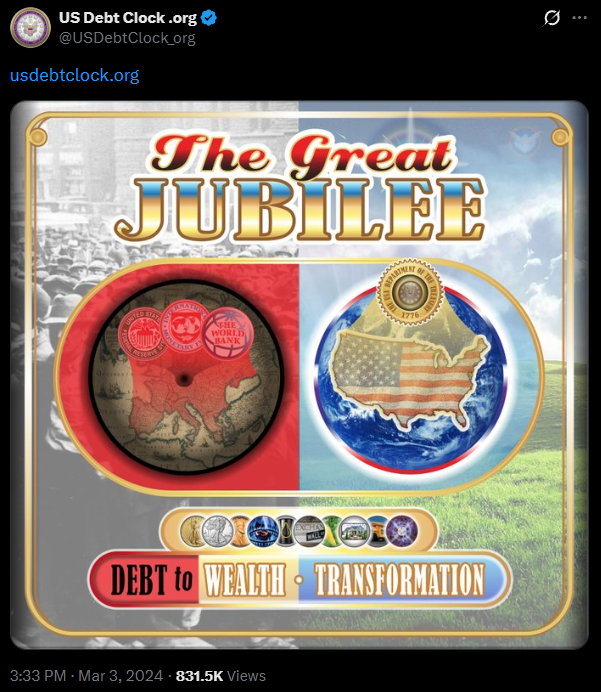
THE GREAT JUBILEE: IS AMERICA ENTERING A MONETARY RESET? | PART 4
NESARA. GESARA. The Federal Reserve. Gold revaluation. A proposed asset-backed Treasury dollar.
For years, people have talked about a Great Monetary Reset. Now we’re seeing real changes in blockchain infrastructure, digital finance, and international monetary policy alongside some very interesting illustrations from the U.S. Debt Clock.
What if the next monetary transformation looks different from what everybody expected?
Bruce’s Big Call Dinar Intel Tuesday Night 10-20-26
Transcribed By WiserNow Emailed To Recaps (INTEL ONLY)
Welcome, everybody, to Big Talk tonight. It It is Tuesday, october 20, and you're listening to the big call. Thanks everybody for coming in, listening again, being with us for another big call, and we thank you for coming.
Talk about not only where we are or where we want to be, but in the same vein as what Bob mentioned about Melania Trump, President Trump talked today. Let's see. When was today? I caught like two thirds of his speech before he took questions today, and I enjoyed the fact that he brought up the Q phone, and the Q phone is available, and we've known about it for a while now, and we have a few people that have actually demoed one or tried one out and everything.
Good Afternoon Dinar Recaps,
GLOBAL TRADE RESET WATCH: APEC WARNS GROWING IMBALANCES THREATEN ECONOMIC STABILITY
Asia-Pacific finance leaders call for stronger economic coordination as trade imbalances, rising debt and digital investment reshape the global financial landscape.
Emailed to Recaps~ Thank you David
Reset Intelligence: The Dollar Gap Runs Through Iran.
By Reset Intelligence | @EXIT_FIAT
Iraq's Central Bank says trade with Iran is one reason Baghdad's street dollar stays above the bank's rate.
On Tuesday night, an official source said, Baghdad ordered its first crossing with Iran shut, with the rest to follow.
TNT:
Tishwash: The Central Bank extends bank working hours and directs them to open during official holidays.
The Central Bank of Iraq directed banks with outstanding remittances to work on Fridays to avoid delays caused by official holidays, while it completed covering all remittances before the exchange rate change, with a total amount of $3 billion.
MilitiaMan & Crew: CBI Policy Update: What You Need to Know About the IQD
10-21-2026
The Crew: Samson, PompeyPeter, Petra, Daytrader, Sunkissed, GIGI and Militia Man
No drama. No intrigue. No songs and dances. Just straight, factual news that I read and interpret to the best of my ability after being an avid Dinar investor and insanely obsessed Dinarian for over 15 years.
Follow MM on X == https://x.com/Slashn
Good Morning Dinar Recaps,
GLOBAL CURRENCY RESET WATCH: ECB SEEKS TO EXPAND THE EURO’S GLOBAL ROLE
The European Central Bank is widening access to euro liquidity, strengthening Europe’s financial reach as central banks reassess the international monetary landscape.
Physical Gold vs. Digital Gold: Which Is the Ultimate Safe Haven?
Published: 05-20-2026
Gold is trading at approximately $4,500 per troy ounce as of May 20, 2026 [World Gold Council]. However, the debate about physical gold vs digital gold matters more than most investors realise — because not all of these products are the same thing. Both show up on a brokerage statement with a dollar value attached. But what you actually own — what you hold, what you control, what survives a real crisis — is a very different story. This isn’t a debate about returns. It’s a debate about what “safe haven” actually means.
KTFA
Tuesday Night Video
FRANK26…10-20-26.....YOU PROMISED
This video is in Frank’s and his team’s opinion only
Frank’s team is Walkingstick, Eddie and Omar in Iraq and guests
Playback Number: 605-313-5163 PIN: 156996#
Iraq Orders Banks to Work OVERTIME! Why Now?
The Dinar Den: 10-20-2026
Stephen: Hey everyone, welcome back to the channel. We have some exciting and breaking news that came out of the central bank of Iraq today. So, I'm going to cover and go over those few articles that I think as dinar investors are um just exciting and I think they are very telling as to what the future might possibly hold.
And I'm gonna tie it all together and share how I think these things could possibly be related to a higher dinar exchange rate.
The Iraqi Dinar Is The Second Worst-Performing Arab Currency; Dollar Pressures Pose A Difficult Test For Monetary Policy.
October 20, 2026 The Independent - The classification of the Iraqi dinar among the Arab currencies that have declined the most against the US dollar has raised widespread questions about the future of monetary stability in Iraq, and the ability of the Central Bank to contain the increasing pressures on the exchange market, at a time when the economy is facing challenges related to oil revenues, government spending and the heavy reliance on imports.
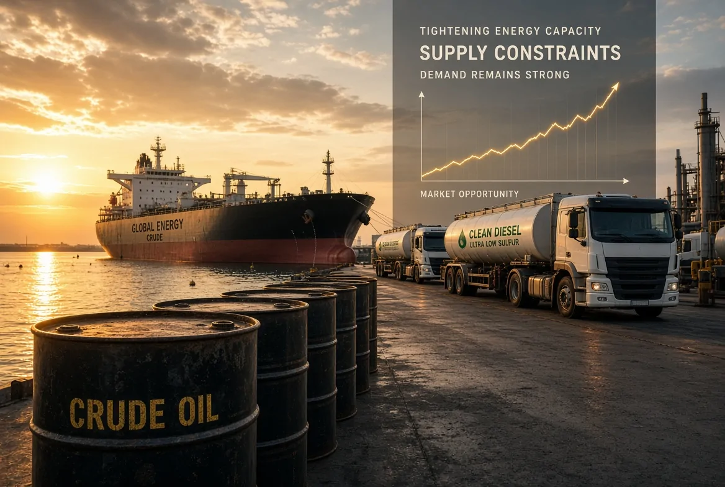
The Iran War Will End. Expensive Diesel Won’t
Notes From the Field By James Hickman (Simon Black / sovereign Man) October 20, 2026
There’s a college degree that pays about $100,000 right out of school, which is pretty good money for a 22-year old. Within a few years, that pay could easily double.
Yet hardly any young person wants the job.
It’s not dangerous, it’s not dirty, and it doesn’t require superhuman work hours. The only reason young people aren’t interested is because Greta Thunberg told them it wasn’t cool.
GP Q: US Dollar Upgrade or Collapse?
10-20-2026
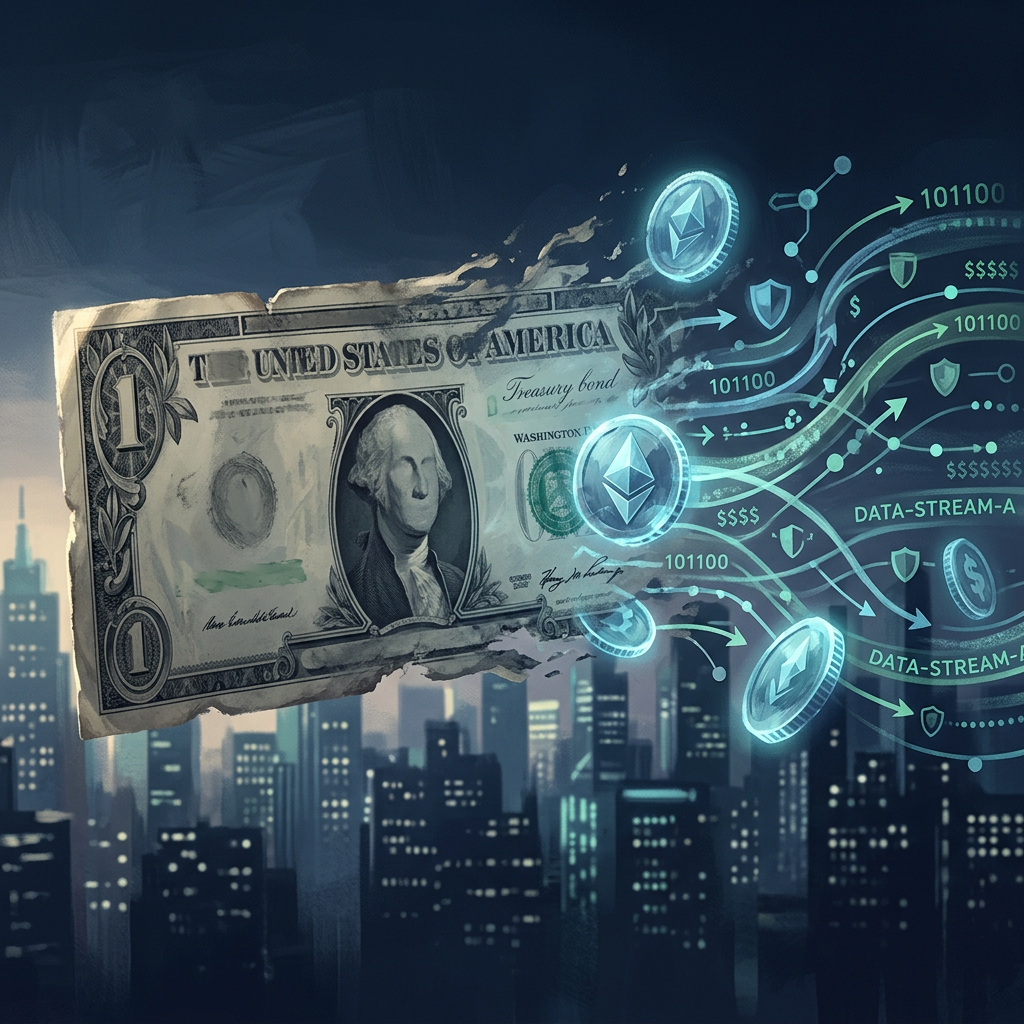
“Is the dollar dying… or is it about to get a major upgrade?”
MONEY MONEY MONEY
Most people are only watching the old fiat dollar.
They’re completely missing the new system the U.S. is building right now under the GENIUS Act. Here’s the simple version:
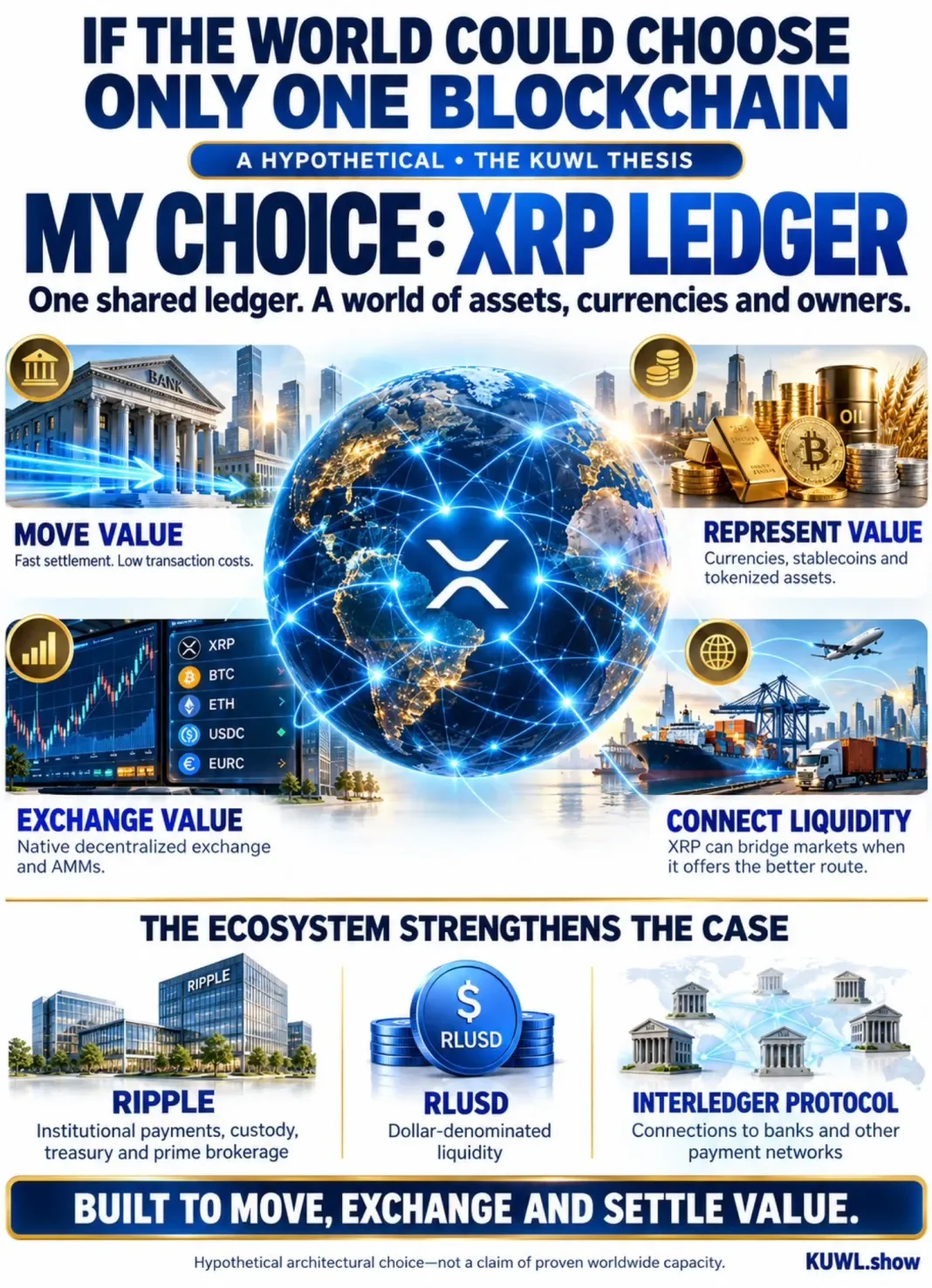
Rob Cunningham: If the World Could Choose Only One Blockchain
10-20-2026
On a go forward basis, “all things considered”, based on the comprehensive utility and liquidity needs of the entire world, “if” only one blockchain was allowed to exist, which should it be?
My choice: the XRP Ledger.
Under this hypothetical – one blockchain serving the world’s combined needs for payments, currencies, tokenized assets, exchange and settlement – XRPL offers the strongest fit in my judgment.
The Central Bank Of Iraq Resolves The Issue Of Merchants' Remittances And Confirms The Continuation Of Import Financing In Dollars.
October 20, 2026Last updated: October 20, 2026 The Central Bank of Iraq confirmed on Tuesday, October 20, 2026, the continuation of financing imports and providing foreign currency through official banking channels, announcing the completion of fulfilling external transfer requests that were suspended before the adjustment of the dinar exchange rate on October 7, in a step aimed at addressing outstanding issues, protecting the rights of traders and ensuring the smooth flow of foreign trade.
Good Afternoon Dinar Recaps,
GLOBAL ASSET RESET WATCH: DEBT, AI UNCERTAINTY AND ENERGY RISKS RESHAPE SAFE-HAVEN DEMAND
Investors are reassessing where to protect their wealth as geopolitical conflict, rising energy prices, government debt and uncertainty surrounding artificial intelligence reshape global markets.
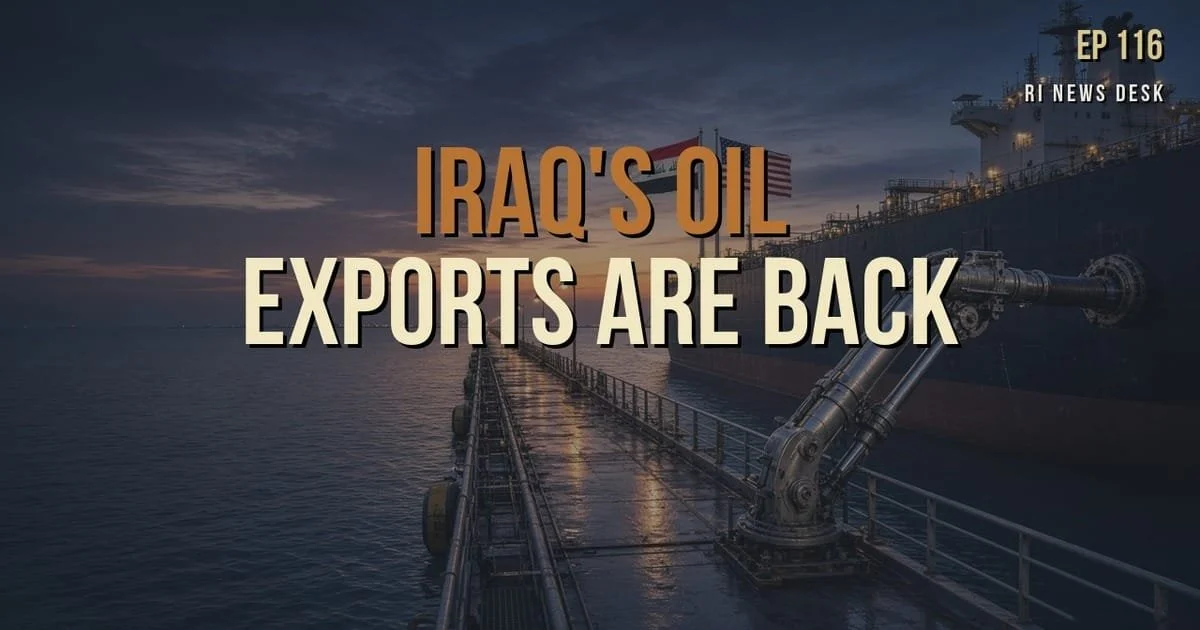
Reset Intelligence: Iraq's Oil Exports Are Back.
By Reset Intelligence | @EXIT_FIAT
Iraq's oil exports are back above 3.4 million barrels a day, close to where they stood before the war.
The same weekend the IMF and Washington both moved toward Baghdad, and the street dollar went the other way.
What Is a Property Trust and Who Needs One?
.What Is a Property Trust and Who Needs One?
Ben Geier, CEPF® Fri, September 10, 2021, 11:34 AM·4 min read
Property Trust
Trusts are useful financial tools, often used for the purpose of planning an estate. A trust is essentially a legal framework into which ownership of assets can be placed. These assets can include financial products like stocks and bonds, or it can include real physical property, like land, jewelry or vehicles.
There are a number of reasons one might use a trust, including, but certainly not limited to, estate planning scenarios. If you think you might need a trust or you want help setting one up, consider working with a financial advisor.
What Is a Property Trust and Who Needs One?
Ben Geier, CEPF® Fri, September 10, 2021, 11:34 AM·4 min read
Property Trust
Trusts are useful financial tools, often used for the purpose of planning an estate. A trust is essentially a legal framework into which ownership of assets can be placed. These assets can include financial products like stocks and bonds, or it can include real physical property, like land, jewelry or vehicles.
There are a number of reasons one might use a trust, including, but certainly not limited to, estate planning scenarios. If you think you might need a trust or you want help setting one up, consider working with a financial advisor.
How Property Trusts Work
Technically speaking, there isn’t a specific type of trust known as a “property trust.” Any trust can be filled with a myriad assets, including property and real estate. If you hear reference to a property trust, it’s more than likely either a revocable trust or an irrevocable trust. Both of these can be seeded with property, along with other assets like investments, family memorabilia and cash.
A revocable trust is one where you have the ability to add property and take it out throughout your lifetime. For instance, if you store a home in a revocable trust, you can remove it from the trust. At a later date, you can then return it to direct ownership if that makes it easier to sell. You can also remove personal effects, such as a family heirloom, if you want to pass it on to another family member. A revocable trust can also be abolished if it’s no longer necessary.
An irrevocable trust, on the other hand, is exactly what it sounds like – a trust that cannot be abolished and cannot have property removed from it. Irrevocable trusts are best used to shelter property that the current owner is not going to sell or otherwise need out of the trust.
Who Needs a Property Trust?
To continue reading, please go to the original article here:
https://finance.yahoo.com/news/property-trust-needs-one-153416876.html
CBI Foreign Reserves Rise To $81.5B In August
2026-10-21 06:18 Shafaq News- Baghdad Iraq's foreign reserves rose to $81.538 billion at the end of August 2026, up from $80.633 billion a month earlier, according to Central Bank of Iraq (CBI) data released on Wednesday. The gain of about $905 million followed four straight monthly declines from April through July, according to the data reviewed by Shafaq News. Reserves are still $15.894 billion below the $97.432 billion recorded at the end of 2025, a drop of about 16.3% over the first eight months of the year.
Avoid These 4 Common Mistakes When You Get Rich Overnight
September 4, 2025 by Laura Bogart GoBankingRates
You’re about to score a financial touchdown. Maybe you’ve crushed it at work and landed a sweet promotion. Perhaps you’ve won a lottery or stumbled into a side hustle that suddenly pays off. As you near the end zone, heart pounding, head full of dreams, you can’t afford (literally) to fumble. Whether you’re blindsided by unexpected taxes or tripped up by bad financial advice, you have a lot to lose if you drop the ball.
Ariel: Iraqi Dinar Update, Acceleration and Recalibration
10-21-2026
Iraqi Dinar Update: Acceleration & Recalibration (Where We Are)
ACCELERATION SEQUENCE POST-IMF, POST-CABINET, POST-TREASURY LIFT — INVESTOR PROJECTION WINDOW
Iraq isn’t moving fast because they’re panicking. They’re moving fast because the infrastructure is finally in place.
Echo X: Is America Entering a Monetary Reset?
10-21-2026
THE GREAT JUBILEE: IS AMERICA ENTERING A MONETARY RESET? | PART 4
NESARA. GESARA. The Federal Reserve. Gold revaluation. A proposed asset-backed Treasury dollar.
For years, people have talked about a Great Monetary Reset. Now we’re seeing real changes in blockchain infrastructure, digital finance, and international monetary policy alongside some very interesting illustrations from the U.S. Debt Clock.
What if the next monetary transformation looks different from what everybody expected?
Bruce’s Big Call Dinar Intel Tuesday Night 10-20-26
Transcribed By WiserNow Emailed To Recaps (INTEL ONLY)
Welcome, everybody, to Big Talk tonight. It It is Tuesday, october 20, and you're listening to the big call. Thanks everybody for coming in, listening again, being with us for another big call, and we thank you for coming.
Talk about not only where we are or where we want to be, but in the same vein as what Bob mentioned about Melania Trump, President Trump talked today. Let's see. When was today? I caught like two thirds of his speech before he took questions today, and I enjoyed the fact that he brought up the Q phone, and the Q phone is available, and we've known about it for a while now, and we have a few people that have actually demoed one or tried one out and everything.
Good Afternoon Dinar Recaps,
GLOBAL TRADE RESET WATCH: APEC WARNS GROWING IMBALANCES THREATEN ECONOMIC STABILITY
Asia-Pacific finance leaders call for stronger economic coordination as trade imbalances, rising debt and digital investment reshape the global financial landscape.
Emailed to Recaps~ Thank you David
Reset Intelligence: The Dollar Gap Runs Through Iran.
By Reset Intelligence | @EXIT_FIAT
Iraq's Central Bank says trade with Iran is one reason Baghdad's street dollar stays above the bank's rate.
On Tuesday night, an official source said, Baghdad ordered its first crossing with Iran shut, with the rest to follow.
TNT:
Tishwash: The Central Bank extends bank working hours and directs them to open during official holidays.
The Central Bank of Iraq directed banks with outstanding remittances to work on Fridays to avoid delays caused by official holidays, while it completed covering all remittances before the exchange rate change, with a total amount of $3 billion.
MilitiaMan & Crew: CBI Policy Update: What You Need to Know About the IQD
10-21-2026
The Crew: Samson, PompeyPeter, Petra, Daytrader, Sunkissed, GIGI and Militia Man
No drama. No intrigue. No songs and dances. Just straight, factual news that I read and interpret to the best of my ability after being an avid Dinar investor and insanely obsessed Dinarian for over 15 years.
Follow MM on X == https://x.com/Slashn
Good Morning Dinar Recaps,
GLOBAL CURRENCY RESET WATCH: ECB SEEKS TO EXPAND THE EURO’S GLOBAL ROLE
The European Central Bank is widening access to euro liquidity, strengthening Europe’s financial reach as central banks reassess the international monetary landscape.
Physical Gold vs. Digital Gold: Which Is the Ultimate Safe Haven?
Published: 05-20-2026
Gold is trading at approximately $4,500 per troy ounce as of May 20, 2026 [World Gold Council]. However, the debate about physical gold vs digital gold matters more than most investors realise — because not all of these products are the same thing. Both show up on a brokerage statement with a dollar value attached. But what you actually own — what you hold, what you control, what survives a real crisis — is a very different story. This isn’t a debate about returns. It’s a debate about what “safe haven” actually means.
KTFA
Tuesday Night Video
FRANK26…10-20-26.....YOU PROMISED
This video is in Frank’s and his team’s opinion only
Frank’s team is Walkingstick, Eddie and Omar in Iraq and guests
Playback Number: 605-313-5163 PIN: 156996#
Iraq Orders Banks to Work OVERTIME! Why Now?
The Dinar Den: 10-20-2026
Stephen: Hey everyone, welcome back to the channel. We have some exciting and breaking news that came out of the central bank of Iraq today. So, I'm going to cover and go over those few articles that I think as dinar investors are um just exciting and I think they are very telling as to what the future might possibly hold.
And I'm gonna tie it all together and share how I think these things could possibly be related to a higher dinar exchange rate.
The Iraqi Dinar Is The Second Worst-Performing Arab Currency; Dollar Pressures Pose A Difficult Test For Monetary Policy.
October 20, 2026 The Independent - The classification of the Iraqi dinar among the Arab currencies that have declined the most against the US dollar has raised widespread questions about the future of monetary stability in Iraq, and the ability of the Central Bank to contain the increasing pressures on the exchange market, at a time when the economy is facing challenges related to oil revenues, government spending and the heavy reliance on imports.
The Iran War Will End. Expensive Diesel Won’t
Notes From the Field By James Hickman (Simon Black / sovereign Man) October 20, 2026
There’s a college degree that pays about $100,000 right out of school, which is pretty good money for a 22-year old. Within a few years, that pay could easily double.
Yet hardly any young person wants the job.
It’s not dangerous, it’s not dirty, and it doesn’t require superhuman work hours. The only reason young people aren’t interested is because Greta Thunberg told them it wasn’t cool.
GP Q: US Dollar Upgrade or Collapse?
10-20-2026
“Is the dollar dying… or is it about to get a major upgrade?”
MONEY MONEY MONEY
Most people are only watching the old fiat dollar.
They’re completely missing the new system the U.S. is building right now under the GENIUS Act. Here’s the simple version:
Rob Cunningham: If the World Could Choose Only One Blockchain
10-20-2026
On a go forward basis, “all things considered”, based on the comprehensive utility and liquidity needs of the entire world, “if” only one blockchain was allowed to exist, which should it be?
My choice: the XRP Ledger.
Under this hypothetical – one blockchain serving the world’s combined needs for payments, currencies, tokenized assets, exchange and settlement – XRPL offers the strongest fit in my judgment.
The Central Bank Of Iraq Resolves The Issue Of Merchants' Remittances And Confirms The Continuation Of Import Financing In Dollars.
October 20, 2026Last updated: October 20, 2026 The Central Bank of Iraq confirmed on Tuesday, October 20, 2026, the continuation of financing imports and providing foreign currency through official banking channels, announcing the completion of fulfilling external transfer requests that were suspended before the adjustment of the dinar exchange rate on October 7, in a step aimed at addressing outstanding issues, protecting the rights of traders and ensuring the smooth flow of foreign trade.
Good Afternoon Dinar Recaps,
GLOBAL ASSET RESET WATCH: DEBT, AI UNCERTAINTY AND ENERGY RISKS RESHAPE SAFE-HAVEN DEMAND
Investors are reassessing where to protect their wealth as geopolitical conflict, rising energy prices, government debt and uncertainty surrounding artificial intelligence reshape global markets.
Reset Intelligence: Iraq's Oil Exports Are Back.
By Reset Intelligence | @EXIT_FIAT
Iraq's oil exports are back above 3.4 million barrels a day, close to where they stood before the war.
The same weekend the IMF and Washington both moved toward Baghdad, and the street dollar went the other way.
You Could Accidentally Disinherit Your Children
.You Could Accidentally Disinherit Your Children Unless You Follow This Obscure Rule
Mike Piershale, ChFC, President Fri, September 10, 2021
If you’re widowed or divorced and have named your children as the beneficiaries of your company retirement plan, you could be putting them at risk of being disinherited if you remarry. Due to a little-known ERISA rule, if your new spouse outlives you, they will receive your company plan funds, rather than your children — even if you have put your children down as your named beneficiaries.
While the purpose of the Employee Retirement Income Security Act of 1974 (ERISA) is to stop one member of a married couple from giving survivor benefits to someone else that should rightfully go to the surviving spouse, in some scenarios this law can lead to abuse.
You Could Accidentally Disinherit Your Children Unless You Follow This Obscure Rule
Mike Piershale, ChFC, President Fri, September 10, 2021
If you’re widowed or divorced and have named your children as the beneficiaries of your company retirement plan, you could be putting them at risk of being disinherited if you remarry. Due to a little-known ERISA rule, if your new spouse outlives you, they will receive your company plan funds, rather than your children — even if you have put your children down as your named beneficiaries.
While the purpose of the Employee Retirement Income Security Act of 1974 (ERISA) is to stop one member of a married couple from giving survivor benefits to someone else that should rightfully go to the surviving spouse, in some scenarios this law can lead to abuse.
The Sad Story of Leonard Kidder
For example, Leonard Kidder named his wife of over 40 years, Betty Kidder, as the beneficiary on his 401(k) plan, but after she died, he made some changes on his beneficiary form, naming his three adult kids as the new beneficiaries.
In 2008 Mr. Kidder decided to get remarried to a woman named Beth Bennett. Just six weeks later, he died … and an ugly dispute between the children and the new wife ensued. As the listed beneficiaries, the children expected to receive their father’s 401(k) assets, which totaled nearly $250,000. But the new Mrs. Kidder insisted that as the wife, she should be entitled to them.
After a legal battle between the children and Beth Bennett Kidder, the courts awarded the 401(k) assets to Mrs. Kidder, even though the three children had been named as the beneficiaries.
To continue reading, please go to the original article here:
https://finance.yahoo.com/news/could-accidentally-disinherit-children-unless-083004545.html
CBI Foreign Reserves Rise To $81.5B In August
2026-10-21 06:18 Shafaq News- Baghdad Iraq's foreign reserves rose to $81.538 billion at the end of August 2026, up from $80.633 billion a month earlier, according to Central Bank of Iraq (CBI) data released on Wednesday. The gain of about $905 million followed four straight monthly declines from April through July, according to the data reviewed by Shafaq News. Reserves are still $15.894 billion below the $97.432 billion recorded at the end of 2025, a drop of about 16.3% over the first eight months of the year.
Avoid These 4 Common Mistakes When You Get Rich Overnight
September 4, 2025 by Laura Bogart GoBankingRates
You’re about to score a financial touchdown. Maybe you’ve crushed it at work and landed a sweet promotion. Perhaps you’ve won a lottery or stumbled into a side hustle that suddenly pays off. As you near the end zone, heart pounding, head full of dreams, you can’t afford (literally) to fumble. Whether you’re blindsided by unexpected taxes or tripped up by bad financial advice, you have a lot to lose if you drop the ball.
Ariel: Iraqi Dinar Update, Acceleration and Recalibration
10-21-2026
Iraqi Dinar Update: Acceleration & Recalibration (Where We Are)
ACCELERATION SEQUENCE POST-IMF, POST-CABINET, POST-TREASURY LIFT — INVESTOR PROJECTION WINDOW
Iraq isn’t moving fast because they’re panicking. They’re moving fast because the infrastructure is finally in place.
Echo X: Is America Entering a Monetary Reset?
10-21-2026
THE GREAT JUBILEE: IS AMERICA ENTERING A MONETARY RESET? | PART 4
NESARA. GESARA. The Federal Reserve. Gold revaluation. A proposed asset-backed Treasury dollar.
For years, people have talked about a Great Monetary Reset. Now we’re seeing real changes in blockchain infrastructure, digital finance, and international monetary policy alongside some very interesting illustrations from the U.S. Debt Clock.
What if the next monetary transformation looks different from what everybody expected?
Bruce’s Big Call Dinar Intel Tuesday Night 10-20-26
Transcribed By WiserNow Emailed To Recaps (INTEL ONLY)
Welcome, everybody, to Big Talk tonight. It It is Tuesday, october 20, and you're listening to the big call. Thanks everybody for coming in, listening again, being with us for another big call, and we thank you for coming.
Talk about not only where we are or where we want to be, but in the same vein as what Bob mentioned about Melania Trump, President Trump talked today. Let's see. When was today? I caught like two thirds of his speech before he took questions today, and I enjoyed the fact that he brought up the Q phone, and the Q phone is available, and we've known about it for a while now, and we have a few people that have actually demoed one or tried one out and everything.
Good Afternoon Dinar Recaps,
GLOBAL TRADE RESET WATCH: APEC WARNS GROWING IMBALANCES THREATEN ECONOMIC STABILITY
Asia-Pacific finance leaders call for stronger economic coordination as trade imbalances, rising debt and digital investment reshape the global financial landscape.
Emailed to Recaps~ Thank you David
Reset Intelligence: The Dollar Gap Runs Through Iran.
By Reset Intelligence | @EXIT_FIAT
Iraq's Central Bank says trade with Iran is one reason Baghdad's street dollar stays above the bank's rate.
On Tuesday night, an official source said, Baghdad ordered its first crossing with Iran shut, with the rest to follow.
TNT:
Tishwash: The Central Bank extends bank working hours and directs them to open during official holidays.
The Central Bank of Iraq directed banks with outstanding remittances to work on Fridays to avoid delays caused by official holidays, while it completed covering all remittances before the exchange rate change, with a total amount of $3 billion.
MilitiaMan & Crew: CBI Policy Update: What You Need to Know About the IQD
10-21-2026
The Crew: Samson, PompeyPeter, Petra, Daytrader, Sunkissed, GIGI and Militia Man
No drama. No intrigue. No songs and dances. Just straight, factual news that I read and interpret to the best of my ability after being an avid Dinar investor and insanely obsessed Dinarian for over 15 years.
Follow MM on X == https://x.com/Slashn
Good Morning Dinar Recaps,
GLOBAL CURRENCY RESET WATCH: ECB SEEKS TO EXPAND THE EURO’S GLOBAL ROLE
The European Central Bank is widening access to euro liquidity, strengthening Europe’s financial reach as central banks reassess the international monetary landscape.
Physical Gold vs. Digital Gold: Which Is the Ultimate Safe Haven?
Published: 05-20-2026
Gold is trading at approximately $4,500 per troy ounce as of May 20, 2026 [World Gold Council]. However, the debate about physical gold vs digital gold matters more than most investors realise — because not all of these products are the same thing. Both show up on a brokerage statement with a dollar value attached. But what you actually own — what you hold, what you control, what survives a real crisis — is a very different story. This isn’t a debate about returns. It’s a debate about what “safe haven” actually means.
KTFA
Tuesday Night Video
FRANK26…10-20-26.....YOU PROMISED
This video is in Frank’s and his team’s opinion only
Frank’s team is Walkingstick, Eddie and Omar in Iraq and guests
Playback Number: 605-313-5163 PIN: 156996#
Iraq Orders Banks to Work OVERTIME! Why Now?
The Dinar Den: 10-20-2026
Stephen: Hey everyone, welcome back to the channel. We have some exciting and breaking news that came out of the central bank of Iraq today. So, I'm going to cover and go over those few articles that I think as dinar investors are um just exciting and I think they are very telling as to what the future might possibly hold.
And I'm gonna tie it all together and share how I think these things could possibly be related to a higher dinar exchange rate.
The Iraqi Dinar Is The Second Worst-Performing Arab Currency; Dollar Pressures Pose A Difficult Test For Monetary Policy.
October 20, 2026 The Independent - The classification of the Iraqi dinar among the Arab currencies that have declined the most against the US dollar has raised widespread questions about the future of monetary stability in Iraq, and the ability of the Central Bank to contain the increasing pressures on the exchange market, at a time when the economy is facing challenges related to oil revenues, government spending and the heavy reliance on imports.
The Iran War Will End. Expensive Diesel Won’t
Notes From the Field By James Hickman (Simon Black / sovereign Man) October 20, 2026
There’s a college degree that pays about $100,000 right out of school, which is pretty good money for a 22-year old. Within a few years, that pay could easily double.
Yet hardly any young person wants the job.
It’s not dangerous, it’s not dirty, and it doesn’t require superhuman work hours. The only reason young people aren’t interested is because Greta Thunberg told them it wasn’t cool.
GP Q: US Dollar Upgrade or Collapse?
10-20-2026
“Is the dollar dying… or is it about to get a major upgrade?”
MONEY MONEY MONEY
Most people are only watching the old fiat dollar.
They’re completely missing the new system the U.S. is building right now under the GENIUS Act. Here’s the simple version:
Rob Cunningham: If the World Could Choose Only One Blockchain
10-20-2026
On a go forward basis, “all things considered”, based on the comprehensive utility and liquidity needs of the entire world, “if” only one blockchain was allowed to exist, which should it be?
My choice: the XRP Ledger.
Under this hypothetical – one blockchain serving the world’s combined needs for payments, currencies, tokenized assets, exchange and settlement – XRPL offers the strongest fit in my judgment.
The Central Bank Of Iraq Resolves The Issue Of Merchants' Remittances And Confirms The Continuation Of Import Financing In Dollars.
October 20, 2026Last updated: October 20, 2026 The Central Bank of Iraq confirmed on Tuesday, October 20, 2026, the continuation of financing imports and providing foreign currency through official banking channels, announcing the completion of fulfilling external transfer requests that were suspended before the adjustment of the dinar exchange rate on October 7, in a step aimed at addressing outstanding issues, protecting the rights of traders and ensuring the smooth flow of foreign trade.
Good Afternoon Dinar Recaps,
GLOBAL ASSET RESET WATCH: DEBT, AI UNCERTAINTY AND ENERGY RISKS RESHAPE SAFE-HAVEN DEMAND
Investors are reassessing where to protect their wealth as geopolitical conflict, rising energy prices, government debt and uncertainty surrounding artificial intelligence reshape global markets.
Reset Intelligence: Iraq's Oil Exports Are Back.
By Reset Intelligence | @EXIT_FIAT
Iraq's oil exports are back above 3.4 million barrels a day, close to where they stood before the war.
The same weekend the IMF and Washington both moved toward Baghdad, and the street dollar went the other way.
How to Teach Kids About Finance
.Money Doesn’t Grow on Trees: How to Teach Kids About Finance
Paige McCullough Wed, September 8, 2021
When we think of the finance industry, children don’t often come to mind. Dependent on others, kids, of course, don’t pay the bills or contribute to the finances in a household, and often parents don’t think children should even need to think about money.
But maybe children should. Instead of being let loose into the world of personal finance when they turn 18, what if that process was a gradual one built on milestones and lessons learned in a controlled environment? One in which children can take some ownership of their finances and be better prepared for their financial future. To see how this can take action, I talked to two financial app companies who prioritize children in their services, Till and Acorns.
Money Doesn’t Grow on Trees: How to Teach Kids About Finance
Paige McCullough Wed, September 8, 2021
When we think of the finance industry, children don’t often come to mind. Dependent on others, kids, of course, don’t pay the bills or contribute to the finances in a household, and often parents don’t think children should even need to think about money.
But maybe children should. Instead of being let loose into the world of personal finance when they turn 18, what if that process was a gradual one built on milestones and lessons learned in a controlled environment? One in which children can take some ownership of their finances and be better prepared for their financial future. To see how this can take action, I talked to two financial app companies who prioritize children in their services, Till and Acorns.
When founder Taylor Burton set out to start Till, a family banking app, he had kids in mind. “I’m from the Midwest, and we don’t talk about drugs, sex or money. Those are all taboo topics, and the end result is a bunch of young people that are underprepared when they enter the economy. So, in partnering with my team at Till, we went out to solve that financial literacy gap,” Burton says.
He realized that kids weren’t given responsibility over their spending and that was hurting them in the long run. He wanted to change that. “It started with looking at what the real issue was and why kids weren’t having success at launch, and I think a really big reason for that is they were never given enough agency early on over the money that was spent on their behalf,” he says. “So, when they entered the economy, they weren’t prepared for the realities of the economy.”
Having financial conversations as early as possible, Burton says, is best. “The longer you wait, the bigger of an issue it feels like,” he says. “It feels like it ups the stakes. So that’s why we say bring Till in as early as possible, so you can start to have those conversations gradually over time, and it can be a more organic experience.”
Till focuses on letting kids as young as 8 years old gain some control over their finances. Children, Burton says, are a massive, underserved population in the U.S.
To continue reading, please go to the original article here:
https://finance.yahoo.com/news/money-doesn-t-grow-trees-173703331.html
CBI Foreign Reserves Rise To $81.5B In August
2026-10-21 06:18 Shafaq News- Baghdad Iraq's foreign reserves rose to $81.538 billion at the end of August 2026, up from $80.633 billion a month earlier, according to Central Bank of Iraq (CBI) data released on Wednesday. The gain of about $905 million followed four straight monthly declines from April through July, according to the data reviewed by Shafaq News. Reserves are still $15.894 billion below the $97.432 billion recorded at the end of 2025, a drop of about 16.3% over the first eight months of the year.
Avoid These 4 Common Mistakes When You Get Rich Overnight
September 4, 2025 by Laura Bogart GoBankingRates
You’re about to score a financial touchdown. Maybe you’ve crushed it at work and landed a sweet promotion. Perhaps you’ve won a lottery or stumbled into a side hustle that suddenly pays off. As you near the end zone, heart pounding, head full of dreams, you can’t afford (literally) to fumble. Whether you’re blindsided by unexpected taxes or tripped up by bad financial advice, you have a lot to lose if you drop the ball.
Ariel: Iraqi Dinar Update, Acceleration and Recalibration
10-21-2026
Iraqi Dinar Update: Acceleration & Recalibration (Where We Are)
ACCELERATION SEQUENCE POST-IMF, POST-CABINET, POST-TREASURY LIFT — INVESTOR PROJECTION WINDOW
Iraq isn’t moving fast because they’re panicking. They’re moving fast because the infrastructure is finally in place.
Echo X: Is America Entering a Monetary Reset?
10-21-2026
THE GREAT JUBILEE: IS AMERICA ENTERING A MONETARY RESET? | PART 4
NESARA. GESARA. The Federal Reserve. Gold revaluation. A proposed asset-backed Treasury dollar.
For years, people have talked about a Great Monetary Reset. Now we’re seeing real changes in blockchain infrastructure, digital finance, and international monetary policy alongside some very interesting illustrations from the U.S. Debt Clock.
What if the next monetary transformation looks different from what everybody expected?
Bruce’s Big Call Dinar Intel Tuesday Night 10-20-26
Transcribed By WiserNow Emailed To Recaps (INTEL ONLY)
Welcome, everybody, to Big Talk tonight. It It is Tuesday, october 20, and you're listening to the big call. Thanks everybody for coming in, listening again, being with us for another big call, and we thank you for coming.
Talk about not only where we are or where we want to be, but in the same vein as what Bob mentioned about Melania Trump, President Trump talked today. Let's see. When was today? I caught like two thirds of his speech before he took questions today, and I enjoyed the fact that he brought up the Q phone, and the Q phone is available, and we've known about it for a while now, and we have a few people that have actually demoed one or tried one out and everything.
Good Afternoon Dinar Recaps,
GLOBAL TRADE RESET WATCH: APEC WARNS GROWING IMBALANCES THREATEN ECONOMIC STABILITY
Asia-Pacific finance leaders call for stronger economic coordination as trade imbalances, rising debt and digital investment reshape the global financial landscape.
Emailed to Recaps~ Thank you David
Reset Intelligence: The Dollar Gap Runs Through Iran.
By Reset Intelligence | @EXIT_FIAT
Iraq's Central Bank says trade with Iran is one reason Baghdad's street dollar stays above the bank's rate.
On Tuesday night, an official source said, Baghdad ordered its first crossing with Iran shut, with the rest to follow.
TNT:
Tishwash: The Central Bank extends bank working hours and directs them to open during official holidays.
The Central Bank of Iraq directed banks with outstanding remittances to work on Fridays to avoid delays caused by official holidays, while it completed covering all remittances before the exchange rate change, with a total amount of $3 billion.
MilitiaMan & Crew: CBI Policy Update: What You Need to Know About the IQD
10-21-2026
The Crew: Samson, PompeyPeter, Petra, Daytrader, Sunkissed, GIGI and Militia Man
No drama. No intrigue. No songs and dances. Just straight, factual news that I read and interpret to the best of my ability after being an avid Dinar investor and insanely obsessed Dinarian for over 15 years.
Follow MM on X == https://x.com/Slashn
Good Morning Dinar Recaps,
GLOBAL CURRENCY RESET WATCH: ECB SEEKS TO EXPAND THE EURO’S GLOBAL ROLE
The European Central Bank is widening access to euro liquidity, strengthening Europe’s financial reach as central banks reassess the international monetary landscape.
Physical Gold vs. Digital Gold: Which Is the Ultimate Safe Haven?
Published: 05-20-2026
Gold is trading at approximately $4,500 per troy ounce as of May 20, 2026 [World Gold Council]. However, the debate about physical gold vs digital gold matters more than most investors realise — because not all of these products are the same thing. Both show up on a brokerage statement with a dollar value attached. But what you actually own — what you hold, what you control, what survives a real crisis — is a very different story. This isn’t a debate about returns. It’s a debate about what “safe haven” actually means.
KTFA
Tuesday Night Video
FRANK26…10-20-26.....YOU PROMISED
This video is in Frank’s and his team’s opinion only
Frank’s team is Walkingstick, Eddie and Omar in Iraq and guests
Playback Number: 605-313-5163 PIN: 156996#
Iraq Orders Banks to Work OVERTIME! Why Now?
The Dinar Den: 10-20-2026
Stephen: Hey everyone, welcome back to the channel. We have some exciting and breaking news that came out of the central bank of Iraq today. So, I'm going to cover and go over those few articles that I think as dinar investors are um just exciting and I think they are very telling as to what the future might possibly hold.
And I'm gonna tie it all together and share how I think these things could possibly be related to a higher dinar exchange rate.
The Iraqi Dinar Is The Second Worst-Performing Arab Currency; Dollar Pressures Pose A Difficult Test For Monetary Policy.
October 20, 2026 The Independent - The classification of the Iraqi dinar among the Arab currencies that have declined the most against the US dollar has raised widespread questions about the future of monetary stability in Iraq, and the ability of the Central Bank to contain the increasing pressures on the exchange market, at a time when the economy is facing challenges related to oil revenues, government spending and the heavy reliance on imports.
The Iran War Will End. Expensive Diesel Won’t
Notes From the Field By James Hickman (Simon Black / sovereign Man) October 20, 2026
There’s a college degree that pays about $100,000 right out of school, which is pretty good money for a 22-year old. Within a few years, that pay could easily double.
Yet hardly any young person wants the job.
It’s not dangerous, it’s not dirty, and it doesn’t require superhuman work hours. The only reason young people aren’t interested is because Greta Thunberg told them it wasn’t cool.
GP Q: US Dollar Upgrade or Collapse?
10-20-2026
“Is the dollar dying… or is it about to get a major upgrade?”
MONEY MONEY MONEY
Most people are only watching the old fiat dollar.
They’re completely missing the new system the U.S. is building right now under the GENIUS Act. Here’s the simple version:
Rob Cunningham: If the World Could Choose Only One Blockchain
10-20-2026
On a go forward basis, “all things considered”, based on the comprehensive utility and liquidity needs of the entire world, “if” only one blockchain was allowed to exist, which should it be?
My choice: the XRP Ledger.
Under this hypothetical – one blockchain serving the world’s combined needs for payments, currencies, tokenized assets, exchange and settlement – XRPL offers the strongest fit in my judgment.
The Central Bank Of Iraq Resolves The Issue Of Merchants' Remittances And Confirms The Continuation Of Import Financing In Dollars.
October 20, 2026Last updated: October 20, 2026 The Central Bank of Iraq confirmed on Tuesday, October 20, 2026, the continuation of financing imports and providing foreign currency through official banking channels, announcing the completion of fulfilling external transfer requests that were suspended before the adjustment of the dinar exchange rate on October 7, in a step aimed at addressing outstanding issues, protecting the rights of traders and ensuring the smooth flow of foreign trade.
Good Afternoon Dinar Recaps,
GLOBAL ASSET RESET WATCH: DEBT, AI UNCERTAINTY AND ENERGY RISKS RESHAPE SAFE-HAVEN DEMAND
Investors are reassessing where to protect their wealth as geopolitical conflict, rising energy prices, government debt and uncertainty surrounding artificial intelligence reshape global markets.
Reset Intelligence: Iraq's Oil Exports Are Back.
By Reset Intelligence | @EXIT_FIAT
Iraq's oil exports are back above 3.4 million barrels a day, close to where they stood before the war.
The same weekend the IMF and Washington both moved toward Baghdad, and the street dollar went the other way.
Should We Buy A Home Outright Or Get A Mortgage?
.Should We Buy A Home Outright Or Get A Mortgage?
Jacob Passy Fri, September 10, 2021
My wife and I have nearly $600,000 in our investment portfolio. Should we buy a home outright or get a mortgage? ‘We think we know where and how much we want to spend on a house, but we don’t know how we should buy that house’
Dear Market Watch, My wife and I are Americans living in London. We currently rent, mainly because London real estate is hugely expensive but also because we know London is not our long-term future. In the next year or so, we have plans to move back to the U.S., where we’ll purchase a house and start settling down a bit.
My wife and I are in our mid-30s. We have no kids and no desire to have a family, and we’re currently sitting on about $580,000 in our investment portfolio. This amount does not include our retirement savings.
Should We Buy A Home Outright Or Get A Mortgage?
Jacob Passy Fri, September 10, 2021
My wife and I have nearly $600,000 in our investment portfolio. Should we buy a home outright or get a mortgage? ‘We think we know where and how much we want to spend on a house, but we don’t know how we should buy that house’
Dear Market Watch, My wife and I are Americans living in London. We currently rent, mainly because London real estate is hugely expensive but also because we know London is not our long-term future. In the next year or so, we have plans to move back to the U.S., where we’ll purchase a house and start settling down a bit.
My wife and I are in our mid-30s. We have no kids and no desire to have a family, and we’re currently sitting on about $580,000 in our investment portfolio. This amount does not include our retirement savings.
We think we know where and how much we want to spend on a house (around $400,000), but we don’t know how we should buy that house. Is it better to take out a mortgage and have the gains from our investments pay off the mortgage over time? Or should we just purchase the house outright? We’re obviously thrilled to even be in a position where that’s even a consideration, but we just haven’t found any solid advice for which is better.
Sincerely, Returning to America
Dear Returning, I must commend you for being so proactive in planning for such a major financial step. Often I hear from MarketWatch readers who appear to be rushing into homeownership. Maybe they’re attempting to keep up with the Joneses, or perhaps they’re worried about home prices getting too expensive for their wallet. Whatever the case, you and your wife are certainly in an enviable and comfortable position, and the fact that you’re not running headlong in buying a house suggests to me that whatever decision the two of you ultimately make will be well-considered and appropriate for your financial situation.
To continue reading, please go to the original article here:
https://finance.yahoo.com/m/b92e0353-6098-3abb-8ca1-77ac509d55fc/my-wife-and-i-have-nearly.html
CBI Foreign Reserves Rise To $81.5B In August
2026-10-21 06:18 Shafaq News- Baghdad Iraq's foreign reserves rose to $81.538 billion at the end of August 2026, up from $80.633 billion a month earlier, according to Central Bank of Iraq (CBI) data released on Wednesday. The gain of about $905 million followed four straight monthly declines from April through July, according to the data reviewed by Shafaq News. Reserves are still $15.894 billion below the $97.432 billion recorded at the end of 2025, a drop of about 16.3% over the first eight months of the year.
Avoid These 4 Common Mistakes When You Get Rich Overnight
September 4, 2025 by Laura Bogart GoBankingRates
You’re about to score a financial touchdown. Maybe you’ve crushed it at work and landed a sweet promotion. Perhaps you’ve won a lottery or stumbled into a side hustle that suddenly pays off. As you near the end zone, heart pounding, head full of dreams, you can’t afford (literally) to fumble. Whether you’re blindsided by unexpected taxes or tripped up by bad financial advice, you have a lot to lose if you drop the ball.
Ariel: Iraqi Dinar Update, Acceleration and Recalibration
10-21-2026
Iraqi Dinar Update: Acceleration & Recalibration (Where We Are)
ACCELERATION SEQUENCE POST-IMF, POST-CABINET, POST-TREASURY LIFT — INVESTOR PROJECTION WINDOW
Iraq isn’t moving fast because they’re panicking. They’re moving fast because the infrastructure is finally in place.
Echo X: Is America Entering a Monetary Reset?
10-21-2026
THE GREAT JUBILEE: IS AMERICA ENTERING A MONETARY RESET? | PART 4
NESARA. GESARA. The Federal Reserve. Gold revaluation. A proposed asset-backed Treasury dollar.
For years, people have talked about a Great Monetary Reset. Now we’re seeing real changes in blockchain infrastructure, digital finance, and international monetary policy alongside some very interesting illustrations from the U.S. Debt Clock.
What if the next monetary transformation looks different from what everybody expected?
Bruce’s Big Call Dinar Intel Tuesday Night 10-20-26
Transcribed By WiserNow Emailed To Recaps (INTEL ONLY)
Welcome, everybody, to Big Talk tonight. It It is Tuesday, october 20, and you're listening to the big call. Thanks everybody for coming in, listening again, being with us for another big call, and we thank you for coming.
Talk about not only where we are or where we want to be, but in the same vein as what Bob mentioned about Melania Trump, President Trump talked today. Let's see. When was today? I caught like two thirds of his speech before he took questions today, and I enjoyed the fact that he brought up the Q phone, and the Q phone is available, and we've known about it for a while now, and we have a few people that have actually demoed one or tried one out and everything.
Good Afternoon Dinar Recaps,
GLOBAL TRADE RESET WATCH: APEC WARNS GROWING IMBALANCES THREATEN ECONOMIC STABILITY
Asia-Pacific finance leaders call for stronger economic coordination as trade imbalances, rising debt and digital investment reshape the global financial landscape.
Emailed to Recaps~ Thank you David
Reset Intelligence: The Dollar Gap Runs Through Iran.
By Reset Intelligence | @EXIT_FIAT
Iraq's Central Bank says trade with Iran is one reason Baghdad's street dollar stays above the bank's rate.
On Tuesday night, an official source said, Baghdad ordered its first crossing with Iran shut, with the rest to follow.
TNT:
Tishwash: The Central Bank extends bank working hours and directs them to open during official holidays.
The Central Bank of Iraq directed banks with outstanding remittances to work on Fridays to avoid delays caused by official holidays, while it completed covering all remittances before the exchange rate change, with a total amount of $3 billion.
MilitiaMan & Crew: CBI Policy Update: What You Need to Know About the IQD
10-21-2026
The Crew: Samson, PompeyPeter, Petra, Daytrader, Sunkissed, GIGI and Militia Man
No drama. No intrigue. No songs and dances. Just straight, factual news that I read and interpret to the best of my ability after being an avid Dinar investor and insanely obsessed Dinarian for over 15 years.
Follow MM on X == https://x.com/Slashn
Good Morning Dinar Recaps,
GLOBAL CURRENCY RESET WATCH: ECB SEEKS TO EXPAND THE EURO’S GLOBAL ROLE
The European Central Bank is widening access to euro liquidity, strengthening Europe’s financial reach as central banks reassess the international monetary landscape.
Physical Gold vs. Digital Gold: Which Is the Ultimate Safe Haven?
Published: 05-20-2026
Gold is trading at approximately $4,500 per troy ounce as of May 20, 2026 [World Gold Council]. However, the debate about physical gold vs digital gold matters more than most investors realise — because not all of these products are the same thing. Both show up on a brokerage statement with a dollar value attached. But what you actually own — what you hold, what you control, what survives a real crisis — is a very different story. This isn’t a debate about returns. It’s a debate about what “safe haven” actually means.
KTFA
Tuesday Night Video
FRANK26…10-20-26.....YOU PROMISED
This video is in Frank’s and his team’s opinion only
Frank’s team is Walkingstick, Eddie and Omar in Iraq and guests
Playback Number: 605-313-5163 PIN: 156996#
Iraq Orders Banks to Work OVERTIME! Why Now?
The Dinar Den: 10-20-2026
Stephen: Hey everyone, welcome back to the channel. We have some exciting and breaking news that came out of the central bank of Iraq today. So, I'm going to cover and go over those few articles that I think as dinar investors are um just exciting and I think they are very telling as to what the future might possibly hold.
And I'm gonna tie it all together and share how I think these things could possibly be related to a higher dinar exchange rate.
The Iraqi Dinar Is The Second Worst-Performing Arab Currency; Dollar Pressures Pose A Difficult Test For Monetary Policy.
October 20, 2026 The Independent - The classification of the Iraqi dinar among the Arab currencies that have declined the most against the US dollar has raised widespread questions about the future of monetary stability in Iraq, and the ability of the Central Bank to contain the increasing pressures on the exchange market, at a time when the economy is facing challenges related to oil revenues, government spending and the heavy reliance on imports.
The Iran War Will End. Expensive Diesel Won’t
Notes From the Field By James Hickman (Simon Black / sovereign Man) October 20, 2026
There’s a college degree that pays about $100,000 right out of school, which is pretty good money for a 22-year old. Within a few years, that pay could easily double.
Yet hardly any young person wants the job.
It’s not dangerous, it’s not dirty, and it doesn’t require superhuman work hours. The only reason young people aren’t interested is because Greta Thunberg told them it wasn’t cool.
GP Q: US Dollar Upgrade or Collapse?
10-20-2026
“Is the dollar dying… or is it about to get a major upgrade?”
MONEY MONEY MONEY
Most people are only watching the old fiat dollar.
They’re completely missing the new system the U.S. is building right now under the GENIUS Act. Here’s the simple version:
Rob Cunningham: If the World Could Choose Only One Blockchain
10-20-2026
On a go forward basis, “all things considered”, based on the comprehensive utility and liquidity needs of the entire world, “if” only one blockchain was allowed to exist, which should it be?
My choice: the XRP Ledger.
Under this hypothetical – one blockchain serving the world’s combined needs for payments, currencies, tokenized assets, exchange and settlement – XRPL offers the strongest fit in my judgment.
The Central Bank Of Iraq Resolves The Issue Of Merchants' Remittances And Confirms The Continuation Of Import Financing In Dollars.
October 20, 2026Last updated: October 20, 2026 The Central Bank of Iraq confirmed on Tuesday, October 20, 2026, the continuation of financing imports and providing foreign currency through official banking channels, announcing the completion of fulfilling external transfer requests that were suspended before the adjustment of the dinar exchange rate on October 7, in a step aimed at addressing outstanding issues, protecting the rights of traders and ensuring the smooth flow of foreign trade.
Good Afternoon Dinar Recaps,
GLOBAL ASSET RESET WATCH: DEBT, AI UNCERTAINTY AND ENERGY RISKS RESHAPE SAFE-HAVEN DEMAND
Investors are reassessing where to protect their wealth as geopolitical conflict, rising energy prices, government debt and uncertainty surrounding artificial intelligence reshape global markets.
Reset Intelligence: Iraq's Oil Exports Are Back.
By Reset Intelligence | @EXIT_FIAT
Iraq's oil exports are back above 3.4 million barrels a day, close to where they stood before the war.
The same weekend the IMF and Washington both moved toward Baghdad, and the street dollar went the other way.
7 Areas Where You Should Continue To Be Financially Conservative
.7 Areas Where You Should Continue To Be Financially Conservative While the Economy Recovers
Andrew Lisa Wed, September 8, 2021
The pandemic forced people to regroup financially and reassess what they were doing right with their money and what they were doing wrong. In most cases, the answer was to be more conservative — to pare back spending, increase savings, be wiser with their investments and take fewer risks.
Now that places are reopening and things are changing, many people are letting their guards down — the problem is that “over” is an overstatement. Millions who could and should be vaccinated are not, the Delta variant is now raging across several states and new lockdown restrictions are being imposed.
7 Areas Where You Should Continue To Be Financially Conservative While the Economy Recovers
Andrew Lisa Wed, September 8, 2021
The pandemic forced people to regroup financially and reassess what they were doing right with their money and what they were doing wrong. In most cases, the answer was to be more conservative — to pare back spending, increase savings, be wiser with their investments and take fewer risks.
Now that places are reopening and things are changing, many people are letting their guards down — the problem is that “over” is an overstatement. Millions who could and should be vaccinated are not, the Delta variant is now raging across several states and new lockdown restrictions are being imposed.
In other words, don’t break the fast just yet. The next few months are hopeful but uncertain. These are the places in your financial life where it’s best to keep your guard up for now.
Keep Planning For the Worst
Don’t get lulled into free-and-clear post-pandemic complacency, particularly when it comes to saving for any new emergencies that might pop up in the back end of 2021. For now, stay on a financial war footing.
“If you’ve made it through the pandemic thus far unscathed financially, now is not the time to get lax in your resolve,” said Steffa Mantilla, a certified financial education instructor (CFEI) and founder of the personal finance website Money Tamer. “With the new Delta variant, areas could go back into lockdown, which will affect the job market and potentially your income. Make sure you have an emergency fund of six months’ worth of expenses built up.”
Keep Attacking Debt
Mantilla is so adamant about prioritizing emergency savings that she says you should build a financial cushion even if it means paying just the minimum balance on your debts — but only temporarily.
Then, once you have some money saved, you can go back to debt payoff,” Mantilla said.
Here, too, it’s all about preparing for late 2021 curveballs.
“The more debt you can get rid of, the more income is freed up,” she said. “Should you lose your job and need to take a lesser-paying job, you’ll have an easier time paying all of your monthly bills.”
Resist the Urge for a Celebratory Splurge
With new stories popping up every day about life in post-pandemic America, it’s easy enough for an “I deserve this” celebratory spending mentality to set it — but your kissing-a-sailor-in-Times-Square moment hasn’t arrived just yet. If you reined in spending to play it safe up until now, keep it up.
To continue reading, please go to the original article here:
https://finance.yahoo.com/news/7-areas-where-continue-financially-150013076.html
CBI Foreign Reserves Rise To $81.5B In August
2026-10-21 06:18 Shafaq News- Baghdad Iraq's foreign reserves rose to $81.538 billion at the end of August 2026, up from $80.633 billion a month earlier, according to Central Bank of Iraq (CBI) data released on Wednesday. The gain of about $905 million followed four straight monthly declines from April through July, according to the data reviewed by Shafaq News. Reserves are still $15.894 billion below the $97.432 billion recorded at the end of 2025, a drop of about 16.3% over the first eight months of the year.
Avoid These 4 Common Mistakes When You Get Rich Overnight
September 4, 2025 by Laura Bogart GoBankingRates
You’re about to score a financial touchdown. Maybe you’ve crushed it at work and landed a sweet promotion. Perhaps you’ve won a lottery or stumbled into a side hustle that suddenly pays off. As you near the end zone, heart pounding, head full of dreams, you can’t afford (literally) to fumble. Whether you’re blindsided by unexpected taxes or tripped up by bad financial advice, you have a lot to lose if you drop the ball.
Ariel: Iraqi Dinar Update, Acceleration and Recalibration
10-21-2026
Iraqi Dinar Update: Acceleration & Recalibration (Where We Are)
ACCELERATION SEQUENCE POST-IMF, POST-CABINET, POST-TREASURY LIFT — INVESTOR PROJECTION WINDOW
Iraq isn’t moving fast because they’re panicking. They’re moving fast because the infrastructure is finally in place.
Echo X: Is America Entering a Monetary Reset?
10-21-2026
THE GREAT JUBILEE: IS AMERICA ENTERING A MONETARY RESET? | PART 4
NESARA. GESARA. The Federal Reserve. Gold revaluation. A proposed asset-backed Treasury dollar.
For years, people have talked about a Great Monetary Reset. Now we’re seeing real changes in blockchain infrastructure, digital finance, and international monetary policy alongside some very interesting illustrations from the U.S. Debt Clock.
What if the next monetary transformation looks different from what everybody expected?
Bruce’s Big Call Dinar Intel Tuesday Night 10-20-26
Transcribed By WiserNow Emailed To Recaps (INTEL ONLY)
Welcome, everybody, to Big Talk tonight. It It is Tuesday, october 20, and you're listening to the big call. Thanks everybody for coming in, listening again, being with us for another big call, and we thank you for coming.
Talk about not only where we are or where we want to be, but in the same vein as what Bob mentioned about Melania Trump, President Trump talked today. Let's see. When was today? I caught like two thirds of his speech before he took questions today, and I enjoyed the fact that he brought up the Q phone, and the Q phone is available, and we've known about it for a while now, and we have a few people that have actually demoed one or tried one out and everything.
Good Afternoon Dinar Recaps,
GLOBAL TRADE RESET WATCH: APEC WARNS GROWING IMBALANCES THREATEN ECONOMIC STABILITY
Asia-Pacific finance leaders call for stronger economic coordination as trade imbalances, rising debt and digital investment reshape the global financial landscape.
Emailed to Recaps~ Thank you David
Reset Intelligence: The Dollar Gap Runs Through Iran.
By Reset Intelligence | @EXIT_FIAT
Iraq's Central Bank says trade with Iran is one reason Baghdad's street dollar stays above the bank's rate.
On Tuesday night, an official source said, Baghdad ordered its first crossing with Iran shut, with the rest to follow.
TNT:
Tishwash: The Central Bank extends bank working hours and directs them to open during official holidays.
The Central Bank of Iraq directed banks with outstanding remittances to work on Fridays to avoid delays caused by official holidays, while it completed covering all remittances before the exchange rate change, with a total amount of $3 billion.
MilitiaMan & Crew: CBI Policy Update: What You Need to Know About the IQD
10-21-2026
The Crew: Samson, PompeyPeter, Petra, Daytrader, Sunkissed, GIGI and Militia Man
No drama. No intrigue. No songs and dances. Just straight, factual news that I read and interpret to the best of my ability after being an avid Dinar investor and insanely obsessed Dinarian for over 15 years.
Follow MM on X == https://x.com/Slashn
Good Morning Dinar Recaps,
GLOBAL CURRENCY RESET WATCH: ECB SEEKS TO EXPAND THE EURO’S GLOBAL ROLE
The European Central Bank is widening access to euro liquidity, strengthening Europe’s financial reach as central banks reassess the international monetary landscape.
Physical Gold vs. Digital Gold: Which Is the Ultimate Safe Haven?
Published: 05-20-2026
Gold is trading at approximately $4,500 per troy ounce as of May 20, 2026 [World Gold Council]. However, the debate about physical gold vs digital gold matters more than most investors realise — because not all of these products are the same thing. Both show up on a brokerage statement with a dollar value attached. But what you actually own — what you hold, what you control, what survives a real crisis — is a very different story. This isn’t a debate about returns. It’s a debate about what “safe haven” actually means.
KTFA
Tuesday Night Video
FRANK26…10-20-26.....YOU PROMISED
This video is in Frank’s and his team’s opinion only
Frank’s team is Walkingstick, Eddie and Omar in Iraq and guests
Playback Number: 605-313-5163 PIN: 156996#
Iraq Orders Banks to Work OVERTIME! Why Now?
The Dinar Den: 10-20-2026
Stephen: Hey everyone, welcome back to the channel. We have some exciting and breaking news that came out of the central bank of Iraq today. So, I'm going to cover and go over those few articles that I think as dinar investors are um just exciting and I think they are very telling as to what the future might possibly hold.
And I'm gonna tie it all together and share how I think these things could possibly be related to a higher dinar exchange rate.
The Iraqi Dinar Is The Second Worst-Performing Arab Currency; Dollar Pressures Pose A Difficult Test For Monetary Policy.
October 20, 2026 The Independent - The classification of the Iraqi dinar among the Arab currencies that have declined the most against the US dollar has raised widespread questions about the future of monetary stability in Iraq, and the ability of the Central Bank to contain the increasing pressures on the exchange market, at a time when the economy is facing challenges related to oil revenues, government spending and the heavy reliance on imports.
The Iran War Will End. Expensive Diesel Won’t
Notes From the Field By James Hickman (Simon Black / sovereign Man) October 20, 2026
There’s a college degree that pays about $100,000 right out of school, which is pretty good money for a 22-year old. Within a few years, that pay could easily double.
Yet hardly any young person wants the job.
It’s not dangerous, it’s not dirty, and it doesn’t require superhuman work hours. The only reason young people aren’t interested is because Greta Thunberg told them it wasn’t cool.
GP Q: US Dollar Upgrade or Collapse?
10-20-2026
“Is the dollar dying… or is it about to get a major upgrade?”
MONEY MONEY MONEY
Most people are only watching the old fiat dollar.
They’re completely missing the new system the U.S. is building right now under the GENIUS Act. Here’s the simple version:
Rob Cunningham: If the World Could Choose Only One Blockchain
10-20-2026
On a go forward basis, “all things considered”, based on the comprehensive utility and liquidity needs of the entire world, “if” only one blockchain was allowed to exist, which should it be?
My choice: the XRP Ledger.
Under this hypothetical – one blockchain serving the world’s combined needs for payments, currencies, tokenized assets, exchange and settlement – XRPL offers the strongest fit in my judgment.
The Central Bank Of Iraq Resolves The Issue Of Merchants' Remittances And Confirms The Continuation Of Import Financing In Dollars.
October 20, 2026Last updated: October 20, 2026 The Central Bank of Iraq confirmed on Tuesday, October 20, 2026, the continuation of financing imports and providing foreign currency through official banking channels, announcing the completion of fulfilling external transfer requests that were suspended before the adjustment of the dinar exchange rate on October 7, in a step aimed at addressing outstanding issues, protecting the rights of traders and ensuring the smooth flow of foreign trade.
Good Afternoon Dinar Recaps,
GLOBAL ASSET RESET WATCH: DEBT, AI UNCERTAINTY AND ENERGY RISKS RESHAPE SAFE-HAVEN DEMAND
Investors are reassessing where to protect their wealth as geopolitical conflict, rising energy prices, government debt and uncertainty surrounding artificial intelligence reshape global markets.
Reset Intelligence: Iraq's Oil Exports Are Back.
By Reset Intelligence | @EXIT_FIAT
Iraq's oil exports are back above 3.4 million barrels a day, close to where they stood before the war.
The same weekend the IMF and Washington both moved toward Baghdad, and the street dollar went the other way.
Do You Have a Healthy Emotional Relationship With Money?
.Do You Have a Healthy Emotional Relationship With Money?
Gabrielle Olya Fri, September 3, 2021,
GOBankingRates wants to empower women to take control of their finances. According to the latest stats, women hold $72 billion in private wealth — but fewer women than men consider themselves to be in “good” or “excellent” financial shape. Women are less likely to be investing and are more likely to have debt, and women are still being paid less than men overall.
Our “Financially Savvy Female” column will explore the reasons behind these inequities and provide solutions to change them. We believe financial equality begins with financial literacy, so we’re providing tools and tips for women, by women to take control of their money and help them live a richer life.
In today’s column, we chat with Lindsay Bryan-Podvin, LMSW, financial therapist and author of “The Financial Anxiety Solution,” about how to tell if you have a healthy emotional relationship with money — and what to do if you don’t.
What are some signs that a person does have a healthy emotional relationship with money?
Do You Have a Healthy Emotional Relationship With Money?
Gabrielle Olya Fri, September 3, 2021,
GOBankingRates wants to empower women to take control of their finances. According to the latest stats, women hold $72 billion in private wealth — but fewer women than men consider themselves to be in “good” or “excellent” financial shape. Women are less likely to be investing and are more likely to have debt, and women are still being paid less than men overall.
Our “Financially Savvy Female” column will explore the reasons behind these inequities and provide solutions to change them. We believe financial equality begins with financial literacy, so we’re providing tools and tips for women, by women to take control of their money and help them live a richer life.
In today’s column, we chat with Lindsay Bryan-Podvin, LMSW, financial therapist and author of “The Financial Anxiety Solution,” about how to tell if you have a healthy emotional relationship with money — and what to do if you don’t.
What are some signs that a person does have a healthy emotional relationship with money?
A person who has a healthy relationship with money understands the ins and outs of their personal finances and understands that mistakes happen. They are comfortable talking about money and asking questions when they don’t understand something financially related.
What are some signs that a person does not have a healthy emotional relationship with money?
They might avoid looking at money, not negotiate for raises, overspend or spend recklessly.
If someone doesn’t have a healthy relationship with money, what are some steps they can take to improve it?
1) Identify your current relationship with money. If you aren’t sure, I recommend taking note of your thoughts and feelings when interacting with money or financial tasks. Think: seeing your paycheck hit your bank account, handing your credit card over when you get your car repaired or hearing a story about the stock market on the radio. Knowing where you are now can help with where you want to be.
To continue reading, please go to the original article here:
https://finance.yahoo.com/news/healthy-emotional-relationship-money-110144434.html
CBI Foreign Reserves Rise To $81.5B In August
2026-10-21 06:18 Shafaq News- Baghdad Iraq's foreign reserves rose to $81.538 billion at the end of August 2026, up from $80.633 billion a month earlier, according to Central Bank of Iraq (CBI) data released on Wednesday. The gain of about $905 million followed four straight monthly declines from April through July, according to the data reviewed by Shafaq News. Reserves are still $15.894 billion below the $97.432 billion recorded at the end of 2025, a drop of about 16.3% over the first eight months of the year.
Avoid These 4 Common Mistakes When You Get Rich Overnight
September 4, 2025 by Laura Bogart GoBankingRates
You’re about to score a financial touchdown. Maybe you’ve crushed it at work and landed a sweet promotion. Perhaps you’ve won a lottery or stumbled into a side hustle that suddenly pays off. As you near the end zone, heart pounding, head full of dreams, you can’t afford (literally) to fumble. Whether you’re blindsided by unexpected taxes or tripped up by bad financial advice, you have a lot to lose if you drop the ball.
Ariel: Iraqi Dinar Update, Acceleration and Recalibration
10-21-2026
Iraqi Dinar Update: Acceleration & Recalibration (Where We Are)
ACCELERATION SEQUENCE POST-IMF, POST-CABINET, POST-TREASURY LIFT — INVESTOR PROJECTION WINDOW
Iraq isn’t moving fast because they’re panicking. They’re moving fast because the infrastructure is finally in place.
Echo X: Is America Entering a Monetary Reset?
10-21-2026
THE GREAT JUBILEE: IS AMERICA ENTERING A MONETARY RESET? | PART 4
NESARA. GESARA. The Federal Reserve. Gold revaluation. A proposed asset-backed Treasury dollar.
For years, people have talked about a Great Monetary Reset. Now we’re seeing real changes in blockchain infrastructure, digital finance, and international monetary policy alongside some very interesting illustrations from the U.S. Debt Clock.
What if the next monetary transformation looks different from what everybody expected?
Bruce’s Big Call Dinar Intel Tuesday Night 10-20-26
Transcribed By WiserNow Emailed To Recaps (INTEL ONLY)
Welcome, everybody, to Big Talk tonight. It It is Tuesday, october 20, and you're listening to the big call. Thanks everybody for coming in, listening again, being with us for another big call, and we thank you for coming.
Talk about not only where we are or where we want to be, but in the same vein as what Bob mentioned about Melania Trump, President Trump talked today. Let's see. When was today? I caught like two thirds of his speech before he took questions today, and I enjoyed the fact that he brought up the Q phone, and the Q phone is available, and we've known about it for a while now, and we have a few people that have actually demoed one or tried one out and everything.
Good Afternoon Dinar Recaps,
GLOBAL TRADE RESET WATCH: APEC WARNS GROWING IMBALANCES THREATEN ECONOMIC STABILITY
Asia-Pacific finance leaders call for stronger economic coordination as trade imbalances, rising debt and digital investment reshape the global financial landscape.
Emailed to Recaps~ Thank you David
Reset Intelligence: The Dollar Gap Runs Through Iran.
By Reset Intelligence | @EXIT_FIAT
Iraq's Central Bank says trade with Iran is one reason Baghdad's street dollar stays above the bank's rate.
On Tuesday night, an official source said, Baghdad ordered its first crossing with Iran shut, with the rest to follow.
TNT:
Tishwash: The Central Bank extends bank working hours and directs them to open during official holidays.
The Central Bank of Iraq directed banks with outstanding remittances to work on Fridays to avoid delays caused by official holidays, while it completed covering all remittances before the exchange rate change, with a total amount of $3 billion.
MilitiaMan & Crew: CBI Policy Update: What You Need to Know About the IQD
10-21-2026
The Crew: Samson, PompeyPeter, Petra, Daytrader, Sunkissed, GIGI and Militia Man
No drama. No intrigue. No songs and dances. Just straight, factual news that I read and interpret to the best of my ability after being an avid Dinar investor and insanely obsessed Dinarian for over 15 years.
Follow MM on X == https://x.com/Slashn
Good Morning Dinar Recaps,
GLOBAL CURRENCY RESET WATCH: ECB SEEKS TO EXPAND THE EURO’S GLOBAL ROLE
The European Central Bank is widening access to euro liquidity, strengthening Europe’s financial reach as central banks reassess the international monetary landscape.
Physical Gold vs. Digital Gold: Which Is the Ultimate Safe Haven?
Published: 05-20-2026
Gold is trading at approximately $4,500 per troy ounce as of May 20, 2026 [World Gold Council]. However, the debate about physical gold vs digital gold matters more than most investors realise — because not all of these products are the same thing. Both show up on a brokerage statement with a dollar value attached. But what you actually own — what you hold, what you control, what survives a real crisis — is a very different story. This isn’t a debate about returns. It’s a debate about what “safe haven” actually means.
KTFA
Tuesday Night Video
FRANK26…10-20-26.....YOU PROMISED
This video is in Frank’s and his team’s opinion only
Frank’s team is Walkingstick, Eddie and Omar in Iraq and guests
Playback Number: 605-313-5163 PIN: 156996#
Iraq Orders Banks to Work OVERTIME! Why Now?
The Dinar Den: 10-20-2026
Stephen: Hey everyone, welcome back to the channel. We have some exciting and breaking news that came out of the central bank of Iraq today. So, I'm going to cover and go over those few articles that I think as dinar investors are um just exciting and I think they are very telling as to what the future might possibly hold.
And I'm gonna tie it all together and share how I think these things could possibly be related to a higher dinar exchange rate.
The Iraqi Dinar Is The Second Worst-Performing Arab Currency; Dollar Pressures Pose A Difficult Test For Monetary Policy.
October 20, 2026 The Independent - The classification of the Iraqi dinar among the Arab currencies that have declined the most against the US dollar has raised widespread questions about the future of monetary stability in Iraq, and the ability of the Central Bank to contain the increasing pressures on the exchange market, at a time when the economy is facing challenges related to oil revenues, government spending and the heavy reliance on imports.
The Iran War Will End. Expensive Diesel Won’t
Notes From the Field By James Hickman (Simon Black / sovereign Man) October 20, 2026
There’s a college degree that pays about $100,000 right out of school, which is pretty good money for a 22-year old. Within a few years, that pay could easily double.
Yet hardly any young person wants the job.
It’s not dangerous, it’s not dirty, and it doesn’t require superhuman work hours. The only reason young people aren’t interested is because Greta Thunberg told them it wasn’t cool.
GP Q: US Dollar Upgrade or Collapse?
10-20-2026
“Is the dollar dying… or is it about to get a major upgrade?”
MONEY MONEY MONEY
Most people are only watching the old fiat dollar.
They’re completely missing the new system the U.S. is building right now under the GENIUS Act. Here’s the simple version:
Rob Cunningham: If the World Could Choose Only One Blockchain
10-20-2026
On a go forward basis, “all things considered”, based on the comprehensive utility and liquidity needs of the entire world, “if” only one blockchain was allowed to exist, which should it be?
My choice: the XRP Ledger.
Under this hypothetical – one blockchain serving the world’s combined needs for payments, currencies, tokenized assets, exchange and settlement – XRPL offers the strongest fit in my judgment.
The Central Bank Of Iraq Resolves The Issue Of Merchants' Remittances And Confirms The Continuation Of Import Financing In Dollars.
October 20, 2026Last updated: October 20, 2026 The Central Bank of Iraq confirmed on Tuesday, October 20, 2026, the continuation of financing imports and providing foreign currency through official banking channels, announcing the completion of fulfilling external transfer requests that were suspended before the adjustment of the dinar exchange rate on October 7, in a step aimed at addressing outstanding issues, protecting the rights of traders and ensuring the smooth flow of foreign trade.
Good Afternoon Dinar Recaps,
GLOBAL ASSET RESET WATCH: DEBT, AI UNCERTAINTY AND ENERGY RISKS RESHAPE SAFE-HAVEN DEMAND
Investors are reassessing where to protect their wealth as geopolitical conflict, rising energy prices, government debt and uncertainty surrounding artificial intelligence reshape global markets.
Reset Intelligence: Iraq's Oil Exports Are Back.
By Reset Intelligence | @EXIT_FIAT
Iraq's oil exports are back above 3.4 million barrels a day, close to where they stood before the war.
The same weekend the IMF and Washington both moved toward Baghdad, and the street dollar went the other way.
Your Financial Power Of Attorney May Fail You When You Need It Most
.Opinion: Your Financial Power Of Attorney May Fail You When You Need It Most
Published: Sept. 8, 2021 at 7:44 a.m. ET By CD Moriarty
The legal documents — signed, witnessed and paid for — are being rejected by financial-services companies
Aging is hard. And aging in our legal and financial world can be confusing, even for those without cognitive impairment. More than half of adults in the U.S. have a financial power of attorney. Which is good, but will those legal documents be honored when they are needed? For the 40% of Americans who have done their estate planning, there is no guarantee. The answer is: It depends.
Opinion: Your Financial Power Of Attorney May Fail You When You Need It Most
Published: Sept. 8, 2021 at 7:44 a.m. ET By CD Moriarty
The legal documents — signed, witnessed and paid for — are being rejected by financial-services companies
Aging is hard. And aging in our legal and financial world can be confusing, even for those without cognitive impairment. More than half of adults in the U.S. have a financial power of attorney. Which is good, but will those legal documents be honored when they are needed? For the 40% of Americans who have done their estate planning, there is no guarantee. The answer is: It depends.
Without a national standard of legal practice, complications and a tangle of paperwork are greater than necessary. Well-meaning financial planners and legal professionals insist on clients’ valid state legal documents, including financial power of attorney (POA). But those legal documents — signed, witnessed and paid for — are being rejected by financial-services companies, whose compliance departments want their own version of a POA to protect their interests. This is true despite the fact that the Uniformed Power of Attorney Act was adopted in 2016 in the Uniformed Probate Code (UPC) of the U.S.
The best legal minds in the country serve on the Uniformed Law Commission and created this POA act. Yet, as a financial professional, I have seen this fail numerous times.
Such as for my client Maria (whose last name I will withhold), who was caregiving for her husband, Jack, who had early-stage Alzheimer’s. Despite having arranged their estate plan less than five years ago, Maria was struggling and needed help with her power of attorney.
The investment companies that held her husband’s IRAs and a credit card company did not accept the legal document their lawyer drew up. She thought she had done everything right but was no longer sure of what to sign or whom to trust, as she was overwhelmed.
To continue reading, please go to the original article here:
CBI Foreign Reserves Rise To $81.5B In August
2026-10-21 06:18 Shafaq News- Baghdad Iraq's foreign reserves rose to $81.538 billion at the end of August 2026, up from $80.633 billion a month earlier, according to Central Bank of Iraq (CBI) data released on Wednesday. The gain of about $905 million followed four straight monthly declines from April through July, according to the data reviewed by Shafaq News. Reserves are still $15.894 billion below the $97.432 billion recorded at the end of 2025, a drop of about 16.3% over the first eight months of the year.
Avoid These 4 Common Mistakes When You Get Rich Overnight
September 4, 2025 by Laura Bogart GoBankingRates
You’re about to score a financial touchdown. Maybe you’ve crushed it at work and landed a sweet promotion. Perhaps you’ve won a lottery or stumbled into a side hustle that suddenly pays off. As you near the end zone, heart pounding, head full of dreams, you can’t afford (literally) to fumble. Whether you’re blindsided by unexpected taxes or tripped up by bad financial advice, you have a lot to lose if you drop the ball.
Ariel: Iraqi Dinar Update, Acceleration and Recalibration
10-21-2026
Iraqi Dinar Update: Acceleration & Recalibration (Where We Are)
ACCELERATION SEQUENCE POST-IMF, POST-CABINET, POST-TREASURY LIFT — INVESTOR PROJECTION WINDOW
Iraq isn’t moving fast because they’re panicking. They’re moving fast because the infrastructure is finally in place.
Echo X: Is America Entering a Monetary Reset?
10-21-2026
THE GREAT JUBILEE: IS AMERICA ENTERING A MONETARY RESET? | PART 4
NESARA. GESARA. The Federal Reserve. Gold revaluation. A proposed asset-backed Treasury dollar.
For years, people have talked about a Great Monetary Reset. Now we’re seeing real changes in blockchain infrastructure, digital finance, and international monetary policy alongside some very interesting illustrations from the U.S. Debt Clock.
What if the next monetary transformation looks different from what everybody expected?
Bruce’s Big Call Dinar Intel Tuesday Night 10-20-26
Transcribed By WiserNow Emailed To Recaps (INTEL ONLY)
Welcome, everybody, to Big Talk tonight. It It is Tuesday, october 20, and you're listening to the big call. Thanks everybody for coming in, listening again, being with us for another big call, and we thank you for coming.
Talk about not only where we are or where we want to be, but in the same vein as what Bob mentioned about Melania Trump, President Trump talked today. Let's see. When was today? I caught like two thirds of his speech before he took questions today, and I enjoyed the fact that he brought up the Q phone, and the Q phone is available, and we've known about it for a while now, and we have a few people that have actually demoed one or tried one out and everything.
Good Afternoon Dinar Recaps,
GLOBAL TRADE RESET WATCH: APEC WARNS GROWING IMBALANCES THREATEN ECONOMIC STABILITY
Asia-Pacific finance leaders call for stronger economic coordination as trade imbalances, rising debt and digital investment reshape the global financial landscape.
Emailed to Recaps~ Thank you David
Reset Intelligence: The Dollar Gap Runs Through Iran.
By Reset Intelligence | @EXIT_FIAT
Iraq's Central Bank says trade with Iran is one reason Baghdad's street dollar stays above the bank's rate.
On Tuesday night, an official source said, Baghdad ordered its first crossing with Iran shut, with the rest to follow.
TNT:
Tishwash: The Central Bank extends bank working hours and directs them to open during official holidays.
The Central Bank of Iraq directed banks with outstanding remittances to work on Fridays to avoid delays caused by official holidays, while it completed covering all remittances before the exchange rate change, with a total amount of $3 billion.
MilitiaMan & Crew: CBI Policy Update: What You Need to Know About the IQD
10-21-2026
The Crew: Samson, PompeyPeter, Petra, Daytrader, Sunkissed, GIGI and Militia Man
No drama. No intrigue. No songs and dances. Just straight, factual news that I read and interpret to the best of my ability after being an avid Dinar investor and insanely obsessed Dinarian for over 15 years.
Follow MM on X == https://x.com/Slashn
Good Morning Dinar Recaps,
GLOBAL CURRENCY RESET WATCH: ECB SEEKS TO EXPAND THE EURO’S GLOBAL ROLE
The European Central Bank is widening access to euro liquidity, strengthening Europe’s financial reach as central banks reassess the international monetary landscape.
Physical Gold vs. Digital Gold: Which Is the Ultimate Safe Haven?
Published: 05-20-2026
Gold is trading at approximately $4,500 per troy ounce as of May 20, 2026 [World Gold Council]. However, the debate about physical gold vs digital gold matters more than most investors realise — because not all of these products are the same thing. Both show up on a brokerage statement with a dollar value attached. But what you actually own — what you hold, what you control, what survives a real crisis — is a very different story. This isn’t a debate about returns. It’s a debate about what “safe haven” actually means.
KTFA
Tuesday Night Video
FRANK26…10-20-26.....YOU PROMISED
This video is in Frank’s and his team’s opinion only
Frank’s team is Walkingstick, Eddie and Omar in Iraq and guests
Playback Number: 605-313-5163 PIN: 156996#
Iraq Orders Banks to Work OVERTIME! Why Now?
The Dinar Den: 10-20-2026
Stephen: Hey everyone, welcome back to the channel. We have some exciting and breaking news that came out of the central bank of Iraq today. So, I'm going to cover and go over those few articles that I think as dinar investors are um just exciting and I think they are very telling as to what the future might possibly hold.
And I'm gonna tie it all together and share how I think these things could possibly be related to a higher dinar exchange rate.
The Iraqi Dinar Is The Second Worst-Performing Arab Currency; Dollar Pressures Pose A Difficult Test For Monetary Policy.
October 20, 2026 The Independent - The classification of the Iraqi dinar among the Arab currencies that have declined the most against the US dollar has raised widespread questions about the future of monetary stability in Iraq, and the ability of the Central Bank to contain the increasing pressures on the exchange market, at a time when the economy is facing challenges related to oil revenues, government spending and the heavy reliance on imports.
The Iran War Will End. Expensive Diesel Won’t
Notes From the Field By James Hickman (Simon Black / sovereign Man) October 20, 2026
There’s a college degree that pays about $100,000 right out of school, which is pretty good money for a 22-year old. Within a few years, that pay could easily double.
Yet hardly any young person wants the job.
It’s not dangerous, it’s not dirty, and it doesn’t require superhuman work hours. The only reason young people aren’t interested is because Greta Thunberg told them it wasn’t cool.
GP Q: US Dollar Upgrade or Collapse?
10-20-2026
“Is the dollar dying… or is it about to get a major upgrade?”
MONEY MONEY MONEY
Most people are only watching the old fiat dollar.
They’re completely missing the new system the U.S. is building right now under the GENIUS Act. Here’s the simple version:
Rob Cunningham: If the World Could Choose Only One Blockchain
10-20-2026
On a go forward basis, “all things considered”, based on the comprehensive utility and liquidity needs of the entire world, “if” only one blockchain was allowed to exist, which should it be?
My choice: the XRP Ledger.
Under this hypothetical – one blockchain serving the world’s combined needs for payments, currencies, tokenized assets, exchange and settlement – XRPL offers the strongest fit in my judgment.
The Central Bank Of Iraq Resolves The Issue Of Merchants' Remittances And Confirms The Continuation Of Import Financing In Dollars.
October 20, 2026Last updated: October 20, 2026 The Central Bank of Iraq confirmed on Tuesday, October 20, 2026, the continuation of financing imports and providing foreign currency through official banking channels, announcing the completion of fulfilling external transfer requests that were suspended before the adjustment of the dinar exchange rate on October 7, in a step aimed at addressing outstanding issues, protecting the rights of traders and ensuring the smooth flow of foreign trade.
Good Afternoon Dinar Recaps,
GLOBAL ASSET RESET WATCH: DEBT, AI UNCERTAINTY AND ENERGY RISKS RESHAPE SAFE-HAVEN DEMAND
Investors are reassessing where to protect their wealth as geopolitical conflict, rising energy prices, government debt and uncertainty surrounding artificial intelligence reshape global markets.
Reset Intelligence: Iraq's Oil Exports Are Back.
By Reset Intelligence | @EXIT_FIAT
Iraq's oil exports are back above 3.4 million barrels a day, close to where they stood before the war.
The same weekend the IMF and Washington both moved toward Baghdad, and the street dollar went the other way.
How and When Is Wealth Management Worth It?
.How and When Is Wealth Management Worth It?
Sam Lipscomb, CEPF® Wed, September 1, 2021
Wealth management services are some of the most high-level and comprehensive financial services that exist. While financial planning services can help with individual financial matters, and asset management services typically deal with investments, wealth management can encompass every part of an individual’s finances from taxes to estate planning, to charitable giving and more. But should you pay for wealth management services?
This will depend on your specific financial situation, so it’s important to make sure that it fits in with your overall financial plan and goals. If you decide you want wealth management, SmartAsset’s free matching tool can help you find a financial advisor.
How and When Is Wealth Management Worth It?
Sam Lipscomb, CEPF® Wed, September 1, 2021
Wealth management services are some of the most high-level and comprehensive financial services that exist. While financial planning services can help with individual financial matters, and asset management services typically deal with investments, wealth management can encompass every part of an individual’s finances from taxes to estate planning, to charitable giving and more. But should you pay for wealth management services?
This will depend on your specific financial situation, so it’s important to make sure that it fits in with your overall financial plan and goals. If you decide you want wealth management, SmartAsset’s free matching tool can help you find a financial advisor.
What Is Wealth Management?
Wealth management is a comprehensive financial service that not only offers clients investment advice, but also helps with a wide range of financial and financial-adjacent matters that affect different parts of a client’s financial life.
Wealth managers typically develop complex and holistic financial plans that detail information about investing, taxes, charitable giving, estate planning and any other relevant needs or goals. In turn, they typically manage your investments with an eye towards your long-term goals.
Wealth managers also help set, review and update goals, rebalance investment portfolios and assess whether clients need other services to protect their wealth. This could include managing charitable giving, tax liabilities and business plans.
Because of its comprehensive nature, wealth management is typically reserved for individuals who are at least above the high-net-worth threshold. This is generally seen as someone who has at least $750,000 in investable assets or a $1.5 million net worth.
Who Can Access Wealth Management Services?
Wealth management services aren’t typically available for everyone. Due to the comprehensive nature of them, firms can require high minimums, such as $500,000 or $1 million. In fact, they may even charge additional fees to cover the costs of wealth management services, being that they’re comprehensive.
To continue reading, please go to the original article here:
https://finance.yahoo.com/news/wealth-management-worth-000730186.html
CBI Foreign Reserves Rise To $81.5B In August
2026-10-21 06:18 Shafaq News- Baghdad Iraq's foreign reserves rose to $81.538 billion at the end of August 2026, up from $80.633 billion a month earlier, according to Central Bank of Iraq (CBI) data released on Wednesday. The gain of about $905 million followed four straight monthly declines from April through July, according to the data reviewed by Shafaq News. Reserves are still $15.894 billion below the $97.432 billion recorded at the end of 2025, a drop of about 16.3% over the first eight months of the year.
Avoid These 4 Common Mistakes When You Get Rich Overnight
September 4, 2025 by Laura Bogart GoBankingRates
You’re about to score a financial touchdown. Maybe you’ve crushed it at work and landed a sweet promotion. Perhaps you’ve won a lottery or stumbled into a side hustle that suddenly pays off. As you near the end zone, heart pounding, head full of dreams, you can’t afford (literally) to fumble. Whether you’re blindsided by unexpected taxes or tripped up by bad financial advice, you have a lot to lose if you drop the ball.
Ariel: Iraqi Dinar Update, Acceleration and Recalibration
10-21-2026
Iraqi Dinar Update: Acceleration & Recalibration (Where We Are)
ACCELERATION SEQUENCE POST-IMF, POST-CABINET, POST-TREASURY LIFT — INVESTOR PROJECTION WINDOW
Iraq isn’t moving fast because they’re panicking. They’re moving fast because the infrastructure is finally in place.
Echo X: Is America Entering a Monetary Reset?
10-21-2026
THE GREAT JUBILEE: IS AMERICA ENTERING A MONETARY RESET? | PART 4
NESARA. GESARA. The Federal Reserve. Gold revaluation. A proposed asset-backed Treasury dollar.
For years, people have talked about a Great Monetary Reset. Now we’re seeing real changes in blockchain infrastructure, digital finance, and international monetary policy alongside some very interesting illustrations from the U.S. Debt Clock.
What if the next monetary transformation looks different from what everybody expected?
Bruce’s Big Call Dinar Intel Tuesday Night 10-20-26
Transcribed By WiserNow Emailed To Recaps (INTEL ONLY)
Welcome, everybody, to Big Talk tonight. It It is Tuesday, october 20, and you're listening to the big call. Thanks everybody for coming in, listening again, being with us for another big call, and we thank you for coming.
Talk about not only where we are or where we want to be, but in the same vein as what Bob mentioned about Melania Trump, President Trump talked today. Let's see. When was today? I caught like two thirds of his speech before he took questions today, and I enjoyed the fact that he brought up the Q phone, and the Q phone is available, and we've known about it for a while now, and we have a few people that have actually demoed one or tried one out and everything.
Good Afternoon Dinar Recaps,
GLOBAL TRADE RESET WATCH: APEC WARNS GROWING IMBALANCES THREATEN ECONOMIC STABILITY
Asia-Pacific finance leaders call for stronger economic coordination as trade imbalances, rising debt and digital investment reshape the global financial landscape.
Emailed to Recaps~ Thank you David
Reset Intelligence: The Dollar Gap Runs Through Iran.
By Reset Intelligence | @EXIT_FIAT
Iraq's Central Bank says trade with Iran is one reason Baghdad's street dollar stays above the bank's rate.
On Tuesday night, an official source said, Baghdad ordered its first crossing with Iran shut, with the rest to follow.
TNT:
Tishwash: The Central Bank extends bank working hours and directs them to open during official holidays.
The Central Bank of Iraq directed banks with outstanding remittances to work on Fridays to avoid delays caused by official holidays, while it completed covering all remittances before the exchange rate change, with a total amount of $3 billion.
MilitiaMan & Crew: CBI Policy Update: What You Need to Know About the IQD
10-21-2026
The Crew: Samson, PompeyPeter, Petra, Daytrader, Sunkissed, GIGI and Militia Man
No drama. No intrigue. No songs and dances. Just straight, factual news that I read and interpret to the best of my ability after being an avid Dinar investor and insanely obsessed Dinarian for over 15 years.
Follow MM on X == https://x.com/Slashn
Good Morning Dinar Recaps,
GLOBAL CURRENCY RESET WATCH: ECB SEEKS TO EXPAND THE EURO’S GLOBAL ROLE
The European Central Bank is widening access to euro liquidity, strengthening Europe’s financial reach as central banks reassess the international monetary landscape.
Physical Gold vs. Digital Gold: Which Is the Ultimate Safe Haven?
Published: 05-20-2026
Gold is trading at approximately $4,500 per troy ounce as of May 20, 2026 [World Gold Council]. However, the debate about physical gold vs digital gold matters more than most investors realise — because not all of these products are the same thing. Both show up on a brokerage statement with a dollar value attached. But what you actually own — what you hold, what you control, what survives a real crisis — is a very different story. This isn’t a debate about returns. It’s a debate about what “safe haven” actually means.
KTFA
Tuesday Night Video
FRANK26…10-20-26.....YOU PROMISED
This video is in Frank’s and his team’s opinion only
Frank’s team is Walkingstick, Eddie and Omar in Iraq and guests
Playback Number: 605-313-5163 PIN: 156996#
Iraq Orders Banks to Work OVERTIME! Why Now?
The Dinar Den: 10-20-2026
Stephen: Hey everyone, welcome back to the channel. We have some exciting and breaking news that came out of the central bank of Iraq today. So, I'm going to cover and go over those few articles that I think as dinar investors are um just exciting and I think they are very telling as to what the future might possibly hold.
And I'm gonna tie it all together and share how I think these things could possibly be related to a higher dinar exchange rate.
The Iraqi Dinar Is The Second Worst-Performing Arab Currency; Dollar Pressures Pose A Difficult Test For Monetary Policy.
October 20, 2026 The Independent - The classification of the Iraqi dinar among the Arab currencies that have declined the most against the US dollar has raised widespread questions about the future of monetary stability in Iraq, and the ability of the Central Bank to contain the increasing pressures on the exchange market, at a time when the economy is facing challenges related to oil revenues, government spending and the heavy reliance on imports.
The Iran War Will End. Expensive Diesel Won’t
Notes From the Field By James Hickman (Simon Black / sovereign Man) October 20, 2026
There’s a college degree that pays about $100,000 right out of school, which is pretty good money for a 22-year old. Within a few years, that pay could easily double.
Yet hardly any young person wants the job.
It’s not dangerous, it’s not dirty, and it doesn’t require superhuman work hours. The only reason young people aren’t interested is because Greta Thunberg told them it wasn’t cool.
GP Q: US Dollar Upgrade or Collapse?
10-20-2026
“Is the dollar dying… or is it about to get a major upgrade?”
MONEY MONEY MONEY
Most people are only watching the old fiat dollar.
They’re completely missing the new system the U.S. is building right now under the GENIUS Act. Here’s the simple version:
Rob Cunningham: If the World Could Choose Only One Blockchain
10-20-2026
On a go forward basis, “all things considered”, based on the comprehensive utility and liquidity needs of the entire world, “if” only one blockchain was allowed to exist, which should it be?
My choice: the XRP Ledger.
Under this hypothetical – one blockchain serving the world’s combined needs for payments, currencies, tokenized assets, exchange and settlement – XRPL offers the strongest fit in my judgment.
The Central Bank Of Iraq Resolves The Issue Of Merchants' Remittances And Confirms The Continuation Of Import Financing In Dollars.
October 20, 2026Last updated: October 20, 2026 The Central Bank of Iraq confirmed on Tuesday, October 20, 2026, the continuation of financing imports and providing foreign currency through official banking channels, announcing the completion of fulfilling external transfer requests that were suspended before the adjustment of the dinar exchange rate on October 7, in a step aimed at addressing outstanding issues, protecting the rights of traders and ensuring the smooth flow of foreign trade.
Good Afternoon Dinar Recaps,
GLOBAL ASSET RESET WATCH: DEBT, AI UNCERTAINTY AND ENERGY RISKS RESHAPE SAFE-HAVEN DEMAND
Investors are reassessing where to protect their wealth as geopolitical conflict, rising energy prices, government debt and uncertainty surrounding artificial intelligence reshape global markets.
Reset Intelligence: Iraq's Oil Exports Are Back.
By Reset Intelligence | @EXIT_FIAT
Iraq's oil exports are back above 3.4 million barrels a day, close to where they stood before the war.
The same weekend the IMF and Washington both moved toward Baghdad, and the street dollar went the other way.
9 Ways Following Warren Buffett’s Frugal Habits Can Save You Money
.9 Ways Following Warren Buffett’s Frugal Habits Can Save You Money
Serah Louis Mon, September 6, 2021,
He might have billions of dollars to his name, but unlike other celebrities and financial gurus, Warren Buffett prefers to live life simply. The Oracle of Omaha won't be found living in a mansion in the Hollywood Hills, collecting a fleet of fancy sports cars or dining daily on foie gras and caviar. The investing icon practices what he preaches when it comes to financial discipline, saving and paying off debt.
Simple living can pay off in the inflationary environment that's emerged during the COVID-19 pandemic. Buffett warned a livestream audience of over 28 million during Berkshire Hathaway's May 1 annual meeting that "substantial inflation" is hitting both retail prices and wholesale prices being charged to businesses.
9 Ways Following Warren Buffett’s Frugal Habits Can Save You Money
Serah Louis Mon, September 6, 2021,
He might have billions of dollars to his name, but unlike other celebrities and financial gurus, Warren Buffett prefers to live life simply. The Oracle of Omaha won't be found living in a mansion in the Hollywood Hills, collecting a fleet of fancy sports cars or dining daily on foie gras and caviar. The investing icon practices what he preaches when it comes to financial discipline, saving and paying off debt.
Simple living can pay off in the inflationary environment that's emerged during the COVID-19 pandemic. Buffett warned a livestream audience of over 28 million during Berkshire Hathaway's May 1 annual meeting that "substantial inflation" is hitting both retail prices and wholesale prices being charged to businesses.
Singling out Berkshire Hathaway's homebuilding investments, Buffett said, “We’ve got nine homebuilders ... we really do a lot of housing. The costs are just up, up, up. Steel costs, you know, just every day they’re going up.”
When one of the world's most successful investors raises concerns about rising prices, it's likely time to apply some well-tested strategies to tighten your belt.
Here are nine ways Buffett's frugality can help you save and spend wisely.
1. He Lives In The Same Home He Bought Back In 1958
While most billionaires bulk up on expensive real estate, Buffett originally paid $31,500 for his Omaha, Nebraska, home — that’s around $288,700 in today’s dollars — and he’s lived there for over 60 years.
His home is by no means tiny, however. The 6,570-square-foot, five-bedroom home has had plenty of renovations and additions over the decades and is worth about $1 million today. It’s also protected by fences and security cameras and most likely has a good homeowner’s insurance policy as well.
Buffett has no plans to move out, calling it “the third best investment I ever made,” in a 2010 letter to Berkshire Hathaway’s shareholders.
2. He Rarely Takes Out Loans
Buffett’s one-and-only mortgage was on a vacation home in Laguna Beach, California, which he purchased in 1971, although he certainly had the cash to afford the $150,000-listed seaside property.
He told CNBC that he took out the 30-year-mortgage loan because, “I thought I could probably do better with the money than have it be an all equity purchase of the house.” He decided to use the extra cash on-hand for shares in Berkshire Hathaway — the company that brought him billions — instead.
To continue reading, please go to the original article here:
https://finance.yahoo.com/news/9-ways-following-warren-buffett-170000430.html
CBI Foreign Reserves Rise To $81.5B In August
2026-10-21 06:18 Shafaq News- Baghdad Iraq's foreign reserves rose to $81.538 billion at the end of August 2026, up from $80.633 billion a month earlier, according to Central Bank of Iraq (CBI) data released on Wednesday. The gain of about $905 million followed four straight monthly declines from April through July, according to the data reviewed by Shafaq News. Reserves are still $15.894 billion below the $97.432 billion recorded at the end of 2025, a drop of about 16.3% over the first eight months of the year.
Avoid These 4 Common Mistakes When You Get Rich Overnight
September 4, 2025 by Laura Bogart GoBankingRates
You’re about to score a financial touchdown. Maybe you’ve crushed it at work and landed a sweet promotion. Perhaps you’ve won a lottery or stumbled into a side hustle that suddenly pays off. As you near the end zone, heart pounding, head full of dreams, you can’t afford (literally) to fumble. Whether you’re blindsided by unexpected taxes or tripped up by bad financial advice, you have a lot to lose if you drop the ball.
Ariel: Iraqi Dinar Update, Acceleration and Recalibration
10-21-2026
Iraqi Dinar Update: Acceleration & Recalibration (Where We Are)
ACCELERATION SEQUENCE POST-IMF, POST-CABINET, POST-TREASURY LIFT — INVESTOR PROJECTION WINDOW
Iraq isn’t moving fast because they’re panicking. They’re moving fast because the infrastructure is finally in place.
Echo X: Is America Entering a Monetary Reset?
10-21-2026
THE GREAT JUBILEE: IS AMERICA ENTERING A MONETARY RESET? | PART 4
NESARA. GESARA. The Federal Reserve. Gold revaluation. A proposed asset-backed Treasury dollar.
For years, people have talked about a Great Monetary Reset. Now we’re seeing real changes in blockchain infrastructure, digital finance, and international monetary policy alongside some very interesting illustrations from the U.S. Debt Clock.
What if the next monetary transformation looks different from what everybody expected?
Bruce’s Big Call Dinar Intel Tuesday Night 10-20-26
Transcribed By WiserNow Emailed To Recaps (INTEL ONLY)
Welcome, everybody, to Big Talk tonight. It It is Tuesday, october 20, and you're listening to the big call. Thanks everybody for coming in, listening again, being with us for another big call, and we thank you for coming.
Talk about not only where we are or where we want to be, but in the same vein as what Bob mentioned about Melania Trump, President Trump talked today. Let's see. When was today? I caught like two thirds of his speech before he took questions today, and I enjoyed the fact that he brought up the Q phone, and the Q phone is available, and we've known about it for a while now, and we have a few people that have actually demoed one or tried one out and everything.
Good Afternoon Dinar Recaps,
GLOBAL TRADE RESET WATCH: APEC WARNS GROWING IMBALANCES THREATEN ECONOMIC STABILITY
Asia-Pacific finance leaders call for stronger economic coordination as trade imbalances, rising debt and digital investment reshape the global financial landscape.
Emailed to Recaps~ Thank you David
Reset Intelligence: The Dollar Gap Runs Through Iran.
By Reset Intelligence | @EXIT_FIAT
Iraq's Central Bank says trade with Iran is one reason Baghdad's street dollar stays above the bank's rate.
On Tuesday night, an official source said, Baghdad ordered its first crossing with Iran shut, with the rest to follow.
TNT:
Tishwash: The Central Bank extends bank working hours and directs them to open during official holidays.
The Central Bank of Iraq directed banks with outstanding remittances to work on Fridays to avoid delays caused by official holidays, while it completed covering all remittances before the exchange rate change, with a total amount of $3 billion.
MilitiaMan & Crew: CBI Policy Update: What You Need to Know About the IQD
10-21-2026
The Crew: Samson, PompeyPeter, Petra, Daytrader, Sunkissed, GIGI and Militia Man
No drama. No intrigue. No songs and dances. Just straight, factual news that I read and interpret to the best of my ability after being an avid Dinar investor and insanely obsessed Dinarian for over 15 years.
Follow MM on X == https://x.com/Slashn
Good Morning Dinar Recaps,
GLOBAL CURRENCY RESET WATCH: ECB SEEKS TO EXPAND THE EURO’S GLOBAL ROLE
The European Central Bank is widening access to euro liquidity, strengthening Europe’s financial reach as central banks reassess the international monetary landscape.
Physical Gold vs. Digital Gold: Which Is the Ultimate Safe Haven?
Published: 05-20-2026
Gold is trading at approximately $4,500 per troy ounce as of May 20, 2026 [World Gold Council]. However, the debate about physical gold vs digital gold matters more than most investors realise — because not all of these products are the same thing. Both show up on a brokerage statement with a dollar value attached. But what you actually own — what you hold, what you control, what survives a real crisis — is a very different story. This isn’t a debate about returns. It’s a debate about what “safe haven” actually means.
KTFA
Tuesday Night Video
FRANK26…10-20-26.....YOU PROMISED
This video is in Frank’s and his team’s opinion only
Frank’s team is Walkingstick, Eddie and Omar in Iraq and guests
Playback Number: 605-313-5163 PIN: 156996#
Iraq Orders Banks to Work OVERTIME! Why Now?
The Dinar Den: 10-20-2026
Stephen: Hey everyone, welcome back to the channel. We have some exciting and breaking news that came out of the central bank of Iraq today. So, I'm going to cover and go over those few articles that I think as dinar investors are um just exciting and I think they are very telling as to what the future might possibly hold.
And I'm gonna tie it all together and share how I think these things could possibly be related to a higher dinar exchange rate.
The Iraqi Dinar Is The Second Worst-Performing Arab Currency; Dollar Pressures Pose A Difficult Test For Monetary Policy.
October 20, 2026 The Independent - The classification of the Iraqi dinar among the Arab currencies that have declined the most against the US dollar has raised widespread questions about the future of monetary stability in Iraq, and the ability of the Central Bank to contain the increasing pressures on the exchange market, at a time when the economy is facing challenges related to oil revenues, government spending and the heavy reliance on imports.
The Iran War Will End. Expensive Diesel Won’t
Notes From the Field By James Hickman (Simon Black / sovereign Man) October 20, 2026
There’s a college degree that pays about $100,000 right out of school, which is pretty good money for a 22-year old. Within a few years, that pay could easily double.
Yet hardly any young person wants the job.
It’s not dangerous, it’s not dirty, and it doesn’t require superhuman work hours. The only reason young people aren’t interested is because Greta Thunberg told them it wasn’t cool.
GP Q: US Dollar Upgrade or Collapse?
10-20-2026
“Is the dollar dying… or is it about to get a major upgrade?”
MONEY MONEY MONEY
Most people are only watching the old fiat dollar.
They’re completely missing the new system the U.S. is building right now under the GENIUS Act. Here’s the simple version:
Rob Cunningham: If the World Could Choose Only One Blockchain
10-20-2026
On a go forward basis, “all things considered”, based on the comprehensive utility and liquidity needs of the entire world, “if” only one blockchain was allowed to exist, which should it be?
My choice: the XRP Ledger.
Under this hypothetical – one blockchain serving the world’s combined needs for payments, currencies, tokenized assets, exchange and settlement – XRPL offers the strongest fit in my judgment.
The Central Bank Of Iraq Resolves The Issue Of Merchants' Remittances And Confirms The Continuation Of Import Financing In Dollars.
October 20, 2026Last updated: October 20, 2026 The Central Bank of Iraq confirmed on Tuesday, October 20, 2026, the continuation of financing imports and providing foreign currency through official banking channels, announcing the completion of fulfilling external transfer requests that were suspended before the adjustment of the dinar exchange rate on October 7, in a step aimed at addressing outstanding issues, protecting the rights of traders and ensuring the smooth flow of foreign trade.
Good Afternoon Dinar Recaps,
GLOBAL ASSET RESET WATCH: DEBT, AI UNCERTAINTY AND ENERGY RISKS RESHAPE SAFE-HAVEN DEMAND
Investors are reassessing where to protect their wealth as geopolitical conflict, rising energy prices, government debt and uncertainty surrounding artificial intelligence reshape global markets.
Reset Intelligence: Iraq's Oil Exports Are Back.
By Reset Intelligence | @EXIT_FIAT
Iraq's oil exports are back above 3.4 million barrels a day, close to where they stood before the war.
The same weekend the IMF and Washington both moved toward Baghdad, and the street dollar went the other way.
The Ultra-Rich Are Saving Their Money Instead of Spending It
.The Ultra-Rich Are Saving Their Money Instead of Spending It – Now the Middle Class Is ‘Buried’ In Debt
Ann Logue Sun, September 5, 2021,
It’s easy to roll our eyes at outlandish spending from billionaires – say, buying NFTs or yachts – but their spending is good for the overall economy. Their savings, however, are not so good, according to new findings published in the Chicago Booth Review, which reports that the 1% has “buried” the middle class in debt with their saving habits.
A Harvard study tracking credit card debt resulted in similar findings last June. This time, Amir Sufi, a professor at the University of Chicago, discovered that the top 1 percent of households in the US currently have just as much influence as emerging-market economies in fueling the debt of the bottom 90 percent. Here’s what happens when that money sits in what is essentially “financial storage,” rather than being spent on goods and services.
The Ultra-Rich Are Saving Their Money Instead of Spending It – Now the Middle Class Is ‘Buried’ In Debt
Ann Logue Sun, September 5, 2021,
It’s easy to roll our eyes at outlandish spending from billionaires – say, buying NFTs or yachts – but their spending is good for the overall economy. Their savings, however, are not so good, according to new findings published in the Chicago Booth Review, which reports that the 1% has “buried” the middle class in debt with their saving habits.
A Harvard study tracking credit card debt resulted in similar findings last June. This time, Amir Sufi, a professor at the University of Chicago, discovered that the top 1 percent of households in the US currently have just as much influence as emerging-market economies in fueling the debt of the bottom 90 percent. Here’s what happens when that money sits in what is essentially “financial storage,” rather than being spent on goods and services.
Savings Earn Interest From Loans
Sufi and the economists he worked with looked at the glut of savings on world markets. One of the reasons that interest rates are so low is that there is a big supply of money relative to demand. At a basic level, banks take funds from savings accounts and lend them out to earn interest. With so much money available to loan out, banks heavily promote mortgages, credit cards, student loans, and other products that bring in interest income.
To continue reading, please go to the original article here:
https://finance.yahoo.com/news/ultra-rich-saving-money-instead-230007398.html
CBI Foreign Reserves Rise To $81.5B In August
2026-10-21 06:18 Shafaq News- Baghdad Iraq's foreign reserves rose to $81.538 billion at the end of August 2026, up from $80.633 billion a month earlier, according to Central Bank of Iraq (CBI) data released on Wednesday. The gain of about $905 million followed four straight monthly declines from April through July, according to the data reviewed by Shafaq News. Reserves are still $15.894 billion below the $97.432 billion recorded at the end of 2025, a drop of about 16.3% over the first eight months of the year.
Avoid These 4 Common Mistakes When You Get Rich Overnight
September 4, 2025 by Laura Bogart GoBankingRates
You’re about to score a financial touchdown. Maybe you’ve crushed it at work and landed a sweet promotion. Perhaps you’ve won a lottery or stumbled into a side hustle that suddenly pays off. As you near the end zone, heart pounding, head full of dreams, you can’t afford (literally) to fumble. Whether you’re blindsided by unexpected taxes or tripped up by bad financial advice, you have a lot to lose if you drop the ball.
Ariel: Iraqi Dinar Update, Acceleration and Recalibration
10-21-2026
Iraqi Dinar Update: Acceleration & Recalibration (Where We Are)
ACCELERATION SEQUENCE POST-IMF, POST-CABINET, POST-TREASURY LIFT — INVESTOR PROJECTION WINDOW
Iraq isn’t moving fast because they’re panicking. They’re moving fast because the infrastructure is finally in place.
Echo X: Is America Entering a Monetary Reset?
10-21-2026
THE GREAT JUBILEE: IS AMERICA ENTERING A MONETARY RESET? | PART 4
NESARA. GESARA. The Federal Reserve. Gold revaluation. A proposed asset-backed Treasury dollar.
For years, people have talked about a Great Monetary Reset. Now we’re seeing real changes in blockchain infrastructure, digital finance, and international monetary policy alongside some very interesting illustrations from the U.S. Debt Clock.
What if the next monetary transformation looks different from what everybody expected?
Bruce’s Big Call Dinar Intel Tuesday Night 10-20-26
Transcribed By WiserNow Emailed To Recaps (INTEL ONLY)
Welcome, everybody, to Big Talk tonight. It It is Tuesday, october 20, and you're listening to the big call. Thanks everybody for coming in, listening again, being with us for another big call, and we thank you for coming.
Talk about not only where we are or where we want to be, but in the same vein as what Bob mentioned about Melania Trump, President Trump talked today. Let's see. When was today? I caught like two thirds of his speech before he took questions today, and I enjoyed the fact that he brought up the Q phone, and the Q phone is available, and we've known about it for a while now, and we have a few people that have actually demoed one or tried one out and everything.
Good Afternoon Dinar Recaps,
GLOBAL TRADE RESET WATCH: APEC WARNS GROWING IMBALANCES THREATEN ECONOMIC STABILITY
Asia-Pacific finance leaders call for stronger economic coordination as trade imbalances, rising debt and digital investment reshape the global financial landscape.
Emailed to Recaps~ Thank you David
Reset Intelligence: The Dollar Gap Runs Through Iran.
By Reset Intelligence | @EXIT_FIAT
Iraq's Central Bank says trade with Iran is one reason Baghdad's street dollar stays above the bank's rate.
On Tuesday night, an official source said, Baghdad ordered its first crossing with Iran shut, with the rest to follow.
TNT:
Tishwash: The Central Bank extends bank working hours and directs them to open during official holidays.
The Central Bank of Iraq directed banks with outstanding remittances to work on Fridays to avoid delays caused by official holidays, while it completed covering all remittances before the exchange rate change, with a total amount of $3 billion.
MilitiaMan & Crew: CBI Policy Update: What You Need to Know About the IQD
10-21-2026
The Crew: Samson, PompeyPeter, Petra, Daytrader, Sunkissed, GIGI and Militia Man
No drama. No intrigue. No songs and dances. Just straight, factual news that I read and interpret to the best of my ability after being an avid Dinar investor and insanely obsessed Dinarian for over 15 years.
Follow MM on X == https://x.com/Slashn
Good Morning Dinar Recaps,
GLOBAL CURRENCY RESET WATCH: ECB SEEKS TO EXPAND THE EURO’S GLOBAL ROLE
The European Central Bank is widening access to euro liquidity, strengthening Europe’s financial reach as central banks reassess the international monetary landscape.
Physical Gold vs. Digital Gold: Which Is the Ultimate Safe Haven?
Published: 05-20-2026
Gold is trading at approximately $4,500 per troy ounce as of May 20, 2026 [World Gold Council]. However, the debate about physical gold vs digital gold matters more than most investors realise — because not all of these products are the same thing. Both show up on a brokerage statement with a dollar value attached. But what you actually own — what you hold, what you control, what survives a real crisis — is a very different story. This isn’t a debate about returns. It’s a debate about what “safe haven” actually means.
KTFA
Tuesday Night Video
FRANK26…10-20-26.....YOU PROMISED
This video is in Frank’s and his team’s opinion only
Frank’s team is Walkingstick, Eddie and Omar in Iraq and guests
Playback Number: 605-313-5163 PIN: 156996#
Iraq Orders Banks to Work OVERTIME! Why Now?
The Dinar Den: 10-20-2026
Stephen: Hey everyone, welcome back to the channel. We have some exciting and breaking news that came out of the central bank of Iraq today. So, I'm going to cover and go over those few articles that I think as dinar investors are um just exciting and I think they are very telling as to what the future might possibly hold.
And I'm gonna tie it all together and share how I think these things could possibly be related to a higher dinar exchange rate.
The Iraqi Dinar Is The Second Worst-Performing Arab Currency; Dollar Pressures Pose A Difficult Test For Monetary Policy.
October 20, 2026 The Independent - The classification of the Iraqi dinar among the Arab currencies that have declined the most against the US dollar has raised widespread questions about the future of monetary stability in Iraq, and the ability of the Central Bank to contain the increasing pressures on the exchange market, at a time when the economy is facing challenges related to oil revenues, government spending and the heavy reliance on imports.
The Iran War Will End. Expensive Diesel Won’t
Notes From the Field By James Hickman (Simon Black / sovereign Man) October 20, 2026
There’s a college degree that pays about $100,000 right out of school, which is pretty good money for a 22-year old. Within a few years, that pay could easily double.
Yet hardly any young person wants the job.
It’s not dangerous, it’s not dirty, and it doesn’t require superhuman work hours. The only reason young people aren’t interested is because Greta Thunberg told them it wasn’t cool.
GP Q: US Dollar Upgrade or Collapse?
10-20-2026
“Is the dollar dying… or is it about to get a major upgrade?”
MONEY MONEY MONEY
Most people are only watching the old fiat dollar.
They’re completely missing the new system the U.S. is building right now under the GENIUS Act. Here’s the simple version:
Rob Cunningham: If the World Could Choose Only One Blockchain
10-20-2026
On a go forward basis, “all things considered”, based on the comprehensive utility and liquidity needs of the entire world, “if” only one blockchain was allowed to exist, which should it be?
My choice: the XRP Ledger.
Under this hypothetical – one blockchain serving the world’s combined needs for payments, currencies, tokenized assets, exchange and settlement – XRPL offers the strongest fit in my judgment.
The Central Bank Of Iraq Resolves The Issue Of Merchants' Remittances And Confirms The Continuation Of Import Financing In Dollars.
October 20, 2026Last updated: October 20, 2026 The Central Bank of Iraq confirmed on Tuesday, October 20, 2026, the continuation of financing imports and providing foreign currency through official banking channels, announcing the completion of fulfilling external transfer requests that were suspended before the adjustment of the dinar exchange rate on October 7, in a step aimed at addressing outstanding issues, protecting the rights of traders and ensuring the smooth flow of foreign trade.
Good Afternoon Dinar Recaps,
GLOBAL ASSET RESET WATCH: DEBT, AI UNCERTAINTY AND ENERGY RISKS RESHAPE SAFE-HAVEN DEMAND
Investors are reassessing where to protect their wealth as geopolitical conflict, rising energy prices, government debt and uncertainty surrounding artificial intelligence reshape global markets.
Reset Intelligence: Iraq's Oil Exports Are Back.
By Reset Intelligence | @EXIT_FIAT
Iraq's oil exports are back above 3.4 million barrels a day, close to where they stood before the war.
The same weekend the IMF and Washington both moved toward Baghdad, and the street dollar went the other way.
CBI Foreign Reserves Rise To $81.5B In August
2026-10-21 06:18 Shafaq News- Baghdad Iraq's foreign reserves rose to $81.538 billion at the end of August 2026, up from $80.633 billion a month earlier, according to Central Bank of Iraq (CBI) data released on Wednesday. The gain of about $905 million followed four straight monthly declines from April through July, according to the data reviewed by Shafaq News. Reserves are still $15.894 billion below the $97.432 billion recorded at the end of 2025, a drop of about 16.3% over the first eight months of the year.