The Fed Just Crashed the Market: Major Changes Explained
The FED Just Crashed The Market | Major Changes Explained*
Graham Stephen: 9-22-2022
THE SEPTEMBER FEDERAL RESERVE MEETING:
They said, that we’re most likely to see ANOTHER 75 basis point rate increase at their NEXT meeting in November, along with another 50 basis point hike in December, putting us at interest rates note last seen since prior to The Great Recession.
In addition to that, they ALSO made it apparent that they expect 2022 to see next to no GDP growth, at just 0.2%…and, have revised every single projection DOWNWARDS…implying that our economy is likely to slow down FURTHER than expected, potentially bringing us through an economic recession.
Because of that, they mentioned that a “SOFT LANDING” will be challenging, and will ultimately depend on how long prices stay high - after all, they understand that inflation is largely driven by supply shocks and various other factors that they have absolutely no control over - so, the longer those issues persist, the worse it’s going to be for OUR economy.
Jerome Powell also said, that it’s also important that they hike rates NOW while earnings are still strong, employment is still high, and the economy can absorb some of the “shock” - than wait too long for the economy to overheat, and then - it’ll be much more difficult to get under control.
In addition to that, they ALSO mentioned that the unemployment rate is LIKELY going to increase in their effort to “restore price stability,” going from 3.8% to 4.4% next year…and, we’re probably going to see fewer job openings until they begin to reverse course…in 2025.
In the mean time, they don’t intend to front load more rate hikes than necessary and “shock the market” to “get it over with”….but, they did say, that the housing market is likely to go through a “correction,” while prices “reset” to a new normal, following higher mortgage rates.
In terms of how much a correction we might see…by definition, it’s a decline between 10 and no more than 20% off peak prices…so, if he’s correct…we could see housing levels come back down to where they were at the beginning of 2021.
OVERALL, though, this entire meeting was rather BEARISH, with a very clear message that: rates are going higher, they’re STAYING higher - for longer…and unemployment is going to INCREASE.
This was a very different message than his previous meetings, where - it was mentioned that they’re “committed to fighting inflation,” while waiting a rosy outlook for the future...but this time…not so much.
Ariel: What is Not Feasible for Iraq
10-17-2026
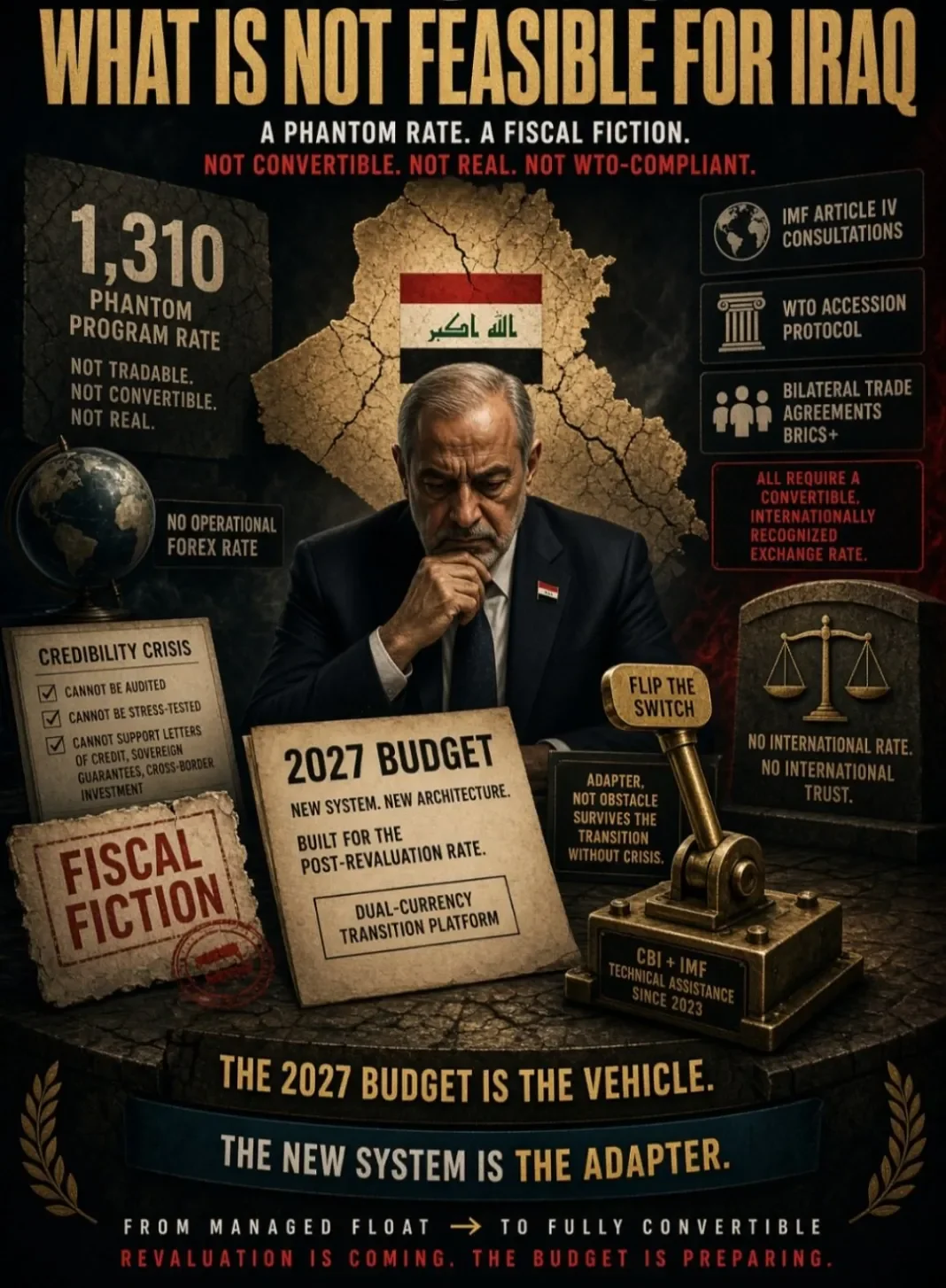
In My Opinion- What Is Not Feasible For Iraq
Iraq cannot formally submit a credible, WTO-compliant 2027 budget using a phantom program rate (1,310) that nobody not the IMF, not the World Bank, not their own central bank governors believes reflects economic reality.
A budget denominated in a currency that has no operational international Forex rate is a fiscal fiction. It cannot be audited. It cannot be stress-tested.
TNT:
Tishwash: President Al-Zaydi: The cabinet formation is complete and we have filled the vacant portfolios.
Prime Minister Ali Faleh al-Zaidi confirmed on Thursday that the cabinet formation is complete five months after the government was formed, stressing the commitment to implementing the government program's priorities and responding to the aspirations of Iraqis.
Al-Zaydi said in a statement received by Iraq Observer that the government has worked diligently and persistently over the past months under extremely complex internal and external circumstances, explaining that the war in the region has imposed, and continues to impose, exceptional economic challenges on Iraq, in addition to security challenges that require the highest levels of responsibility and vigilance.
Why Are Central Banks Buying So Much Gold in 2026?
Published: 10-05-2026 De-dollarization is the gradual shift by central banks away from holding the US dollar as their dominant reserve asset. In practice, that usually means adding gold and other currencies instead. In 2026, this shift stopped being a theory investors had to take on faith.
Specifically, it is now a documented pattern, visible in the World Gold Council’s own survey data and in the IMF’s own reserve statistics.
Good Afternoon Dinar Recaps,
GLOBAL DEBT RESET WATCH: DEVELOPING NATIONS FACE RECORD DEBT AS NEW FINANCING MODELS EMERGE
Record external debt, shrinking foreign aid and rising financing costs are pushing developing nations to seek new ways to fund growth and reshape their relationships with global financial institutions.

You Could Earn 6% On Your ‘Plan B’ Home Abroad
Note From the Field By James Hickman (Simon Black / Sovereign Man) October 15, 2026
For a lot of Americans, the beachfront condo has become unattainable. In Naples, Florida, the median beachfront condo on the market is listed at about $2 million. And that’s before factoring in condo fees and skyrocketing insurance costs.
Now compare that to an apartment we found during research for members of our flagship service, Plan B Confidential, in João Pessoa, a midsize beach city on Brazil's northeast coast.
Part 2: A Secret Global Monetary Reset Has Started (Watch Before This Video Is Banned)
George Gammon: 10-17-2026
Chapter 4: Bank creation of money
I'm going to show you how these banks create the dollars, create the money supply, and how that in and of itself creates a tremendous amount of demand for dollars and treasuries.
What we have is a debt based monetary system. I'm sure you guys have heard that term before. And essentially what that means, whether we like it or not, is money or currency, whichever term you want to use, is really debt.
A Secret Global Monetary Reset Has Started (Watch Before This Video Is Banned) Part 1
George Gammon: 10-17-2026
Chapter 1: The global monetary reset
A global monetary reset is happening right now. And I can assure you it is nothing like what you've been told. You think it's about oil and the petro dollar, but it's not. It's about debt.
It's about trillions and possibly quadrillions of dollars in debt. This is the biggest monetary reset in the history of the world. It might even be the biggest event the world has ever seen. And it's happening in secret.
MilitiaMan & Crew: The Bank File They Don't Want You To See
10-1702926
The Crew: Samson, PompeyPeter, Petra, Daytrader, Sunkissed, GIGI and Militia Man
No drama. No intrigue. No songs and dances. Just straight, factual news that I read and interpret to the best of my ability after being an avid Dinar investor and insanely obsessed Dinarian for over 15 years.
Follow MM on X == https://x.com/Slashn
The International Monetary Fund pledges financial and economic support to Iraq; a forthcoming loan program opens the door to reforms.
Last updated: October 17, 2026 The Independent / Baghdad – The Managing Director of the International Monetary Fund, Kristalina Georgieva, announced on Saturday, October 17, 2026, the Fund’s intention to provide strong support to Iraq through a loan program requested by the Iraqi authorities, in addition to supporting economic and financial policies, in a move that may represent a new phase of cooperation between Baghdad and international financial institutions.
Good Morning Dinar Recaps,
GLOBAL DEBT RESET WATCH: IMF MEMBERS CALL FOR MORE SUPPORT AS WAR AND ENERGY COSTS PRESSURE ECONOMIES
International financial leaders are calling for greater support for vulnerable economies as conflict, rising energy costs, mounting debt and rapid technological change test the resilience of the global financial system.
KTFA
Friday Night Video
FRANK26…10-16-26….BUDGET NEXT
This video is in Frank’s and his team’s opinion only
Frank’s team is Walkingstick, Eddie and Omar in Iraq and guests
Playback Number: 605-313-5163 PIN: 156996#
Ariel: Iraq’s Final Legal Trigger, Three-Zero Deletion, and the Real Rate Architecture
10-16-2026
Your Life Is About To Change: Crossing Over Into Another Reality (The Cabinet Is Complete) 555
THE CABINET SEAL — IRAQ’S FINAL LEGAL TRIGGER, THE THREE-ZERO DELETION, AND THE REAL RATE ARCHITECTURE
Here’s what the talking heads miss: Iraq doesn’t run on vibes. It runs on bylaws codified under the 2005 constitution, layered with IMF Article IV consultation commitments, and backstopped by the Central Bank of Iraq Law No. 56 of 2004.
Rob Cunningham: Oil, Gold, XRP, 2026 and Beyond
10-16-2026
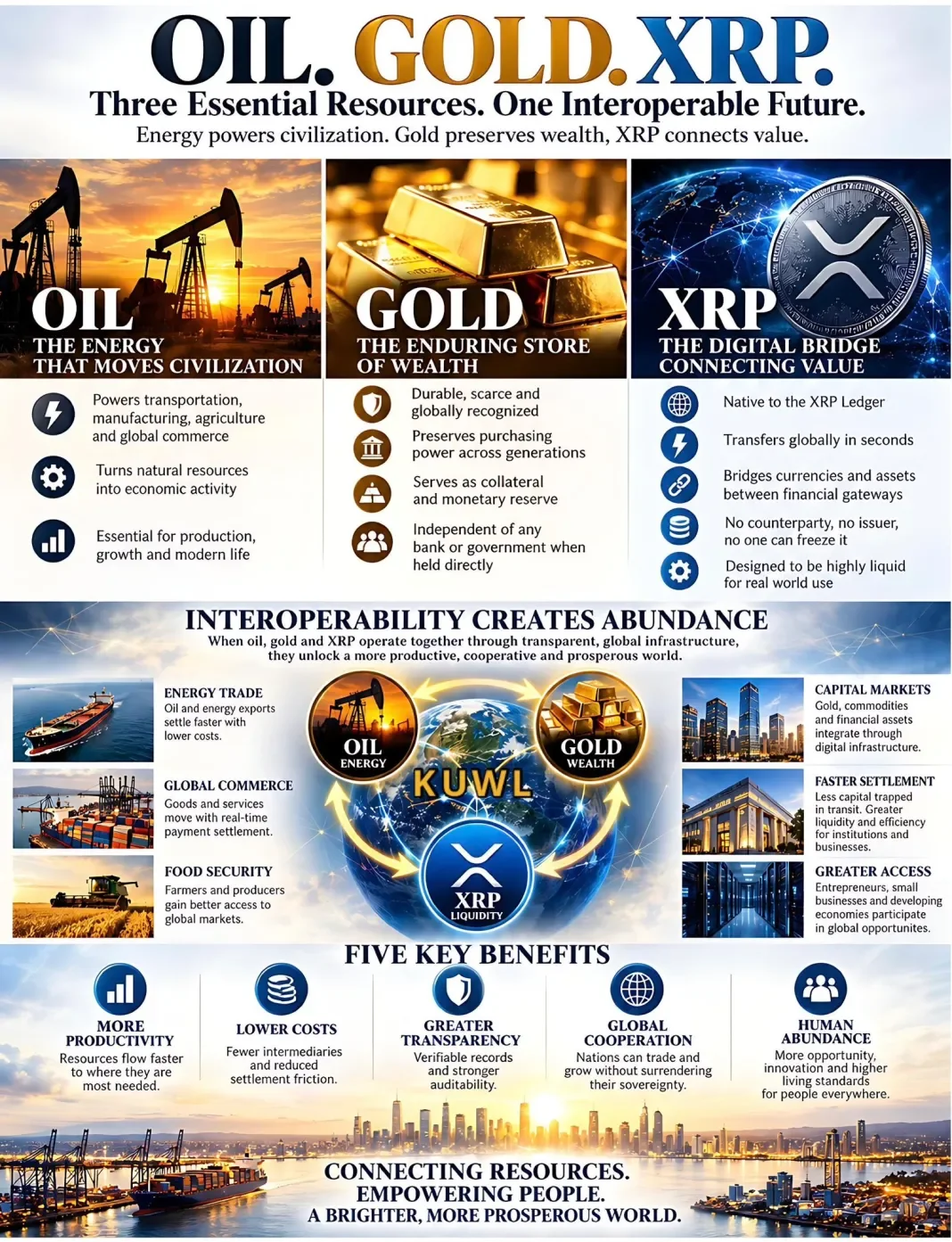
Oil • Gold • XRP | 2026 + Beyond
Observable actions.
Common economic interests. Technological convergence.
Logically discernible outcomes. Decisions implemented in plain sight.
There is strong, evidence-based infrastructure in place showing the convergence of energy, stores of wealth and interoperable digital liquidity is a natural and increasingly deliberate direction of global financial modernization.
Bruce’s Big Call Dinar Intel Thursday Night 10-15-26
Transcribed By WiserNow Emailed To Recaps (INTEL ONLY)
Welcome everybody to the big call tonight. It is Thursday, October 15, and you're listening to the big call. Thanks everybody for tuning in again, wherever you're located, all around this globe, glad to have you back, and looking forward to a very nice call tonight. Good call,
All right. Well, that's excellent. Thank you, Bob. I appreciate that. Excellent. Let's do a little bit of intel and see what we have and where we are right now.
You know, we talked Tuesday night about Iraq, and this does come back to Iraq in the sense that they were to seat four governors in the Board of Governors. I believe they're calling it now.
Good Afternoon Dinar Recaps,
GLOBAL TRADE RESET WATCH: WTO REPORTS SURGE IN SUPPLY-CHAIN FINANCING FOR DEVELOPING ECONOMIES
New figures from the World Trade Organization show that supply-chain financing for developing economies has expanded sharply, helping smaller businesses access the working capital needed to participate in global trade.
Reset Intelligence: Iraq Completes its Government
Iraq Completes Its Government
By Reset Intelligence | @EXIT_FIAT
Iraq’s parliament filled the last empty seats in Prime Minister Ali al-Zaidi’s government on Thursday, Interior and Defence among them.
For 5 months the ministries that run the police and the army had no one in charge.
Coffee with MarkZ, joined by Mr. Cottrell. 10/16/2026
Some highlights by PDK-Not verbatim
MarkZ Disclaimer: Please consider everything on this call as my opinion. People who take notes do not catch everything and its best to watch the video so that you get everything in context. Be sure to consult a professional for any financial decisions
MZ: Iraq completes its cabinet, fraud arrests, Iranian quagmire, and is Europe falling? We touch on all these before Mr. Cottrell joins us to take your questions. Lucas joins at the end as well
MZ: I have group leaders and bond people that are through the roof excited. I expecting something by today …that has not occurred yet. I am hoping its going to be a good weekend.
Is the US Returning to a Gold Standard?
Heresy Financial: 10-15-2026
The landscape of American fiscal policy is witnessing a significant shift with the appointment of Judy Shelton as an advisor to the U.S. Treasury.
This move has sparked intense discussion among economists and investors alike, as Shelton is widely recognized as one of the most prominent advocates for sound money principles.
Ariel: Iraqi Dinar, Forex Re-entry, Bessent Doctrine, Final Sequencing
10-15-2026
The Baghdad–Washington chokepoint is now completely cleared: the Finance Minister’s IMF/World Bank sit-down was never about loans, it was the ‘final sign-off’ for re-linking Iraq’s correspondent banking rails to the global FOREX grid, meaning the Central Bank of Iraq is now positioned to execute the long-telegraphed RV/RI the moment the White Hats trigger the currency swap.
The freshly printed lower-denomination notes are already warehoused, the 2027 Budget and the Cabinet slate locked into a Thursday finish, so the domestic legal chassis is fully welded shut;
KTFA
Saturday Night Video
FRANK26…10-17-26….”REQUIRED LOAN
This video is in Frank’s and his team’s opinion only
Frank’s team is Walkingstick, Eddie and Omar in Iraq and guests
Playback Number: 605-313-5163 PIN: 156996#