How Inflation Affects Growth Versus Value
How Inflation Affects Growth Versus Value
By Ben Carlson Posted by TEBI on May 3, 2020
It seems bizarre to worry about inflation during the sharpest, more severe economic contraction of our lifetime.
But the sheer amount of government spending and monetary policy being instituted by the Federal Reserve means it’s something that’s on people’s mind as a potential risk in the not-too-distant future. The “worry” is once the virus is contained the economy could potentially overheat through a combination of pent up demand and government spending.
My initial read on this is if we do get inflation from all of this spending that’s a good thing — it means we beat the virus and things are back to normal (if there is such a thing).
The Fed would have a much easier time fighting inflation than the current predicament.
Here’s former Fed chair Janet Yellen in the Wall Street Journal discussing this idea:
Bigger federal borrowing needs will make it costly for the Treasury should interest rates eventually rise. “If the economy recovers and inflation is a problem, that will be the test,” says former Fed Chairwoman Janet Yellen. That isn’t a problem now. If it ever is, she says, “I think the Fed is going to win out on that.”
You have to be thinking 12 moves ahead to start planning for higher inflation at this point but there are likely some areas of the market that would benefit more from an inflationary spike than others.
Earlier this week I posited that low interest rates may be the simplest explanation for the stock market’s resilience. A few people pushed back with the fact that rates have been low in Japan and Europe as well and their markets haven’t been quite as strong.
Japan is on another planet when it comes to market relationships in general but there is an explanation for this. Because of the differences in the sector make-up of the underlying markets, U.S. stocks are more heavily weighted towards growth stocks while European and Japanese stocks are more in the value camp.
In a low rate, low inflation world, growth stocks tend to perform better while value stocks tend to do better when inflation is higher:
![Exhibit-1[1].png](https://images.squarespace-cdn.com/content/v1/5d5222a44813620001d89582/1588680435234-5M7JDG6578DA6Y6Q32PG/Exhibit-1%5B1%5D.png)
Think about growth stocks like they are a bond. The reason inflation is such a big risk for bondholders is because the purchasing power of your fixed rate income payments is eroded over time by inflation.
To continue reading, please go to the original article here:
https://www.evidenceinvestor.com/how-inflation-affects-growth-versus-value/
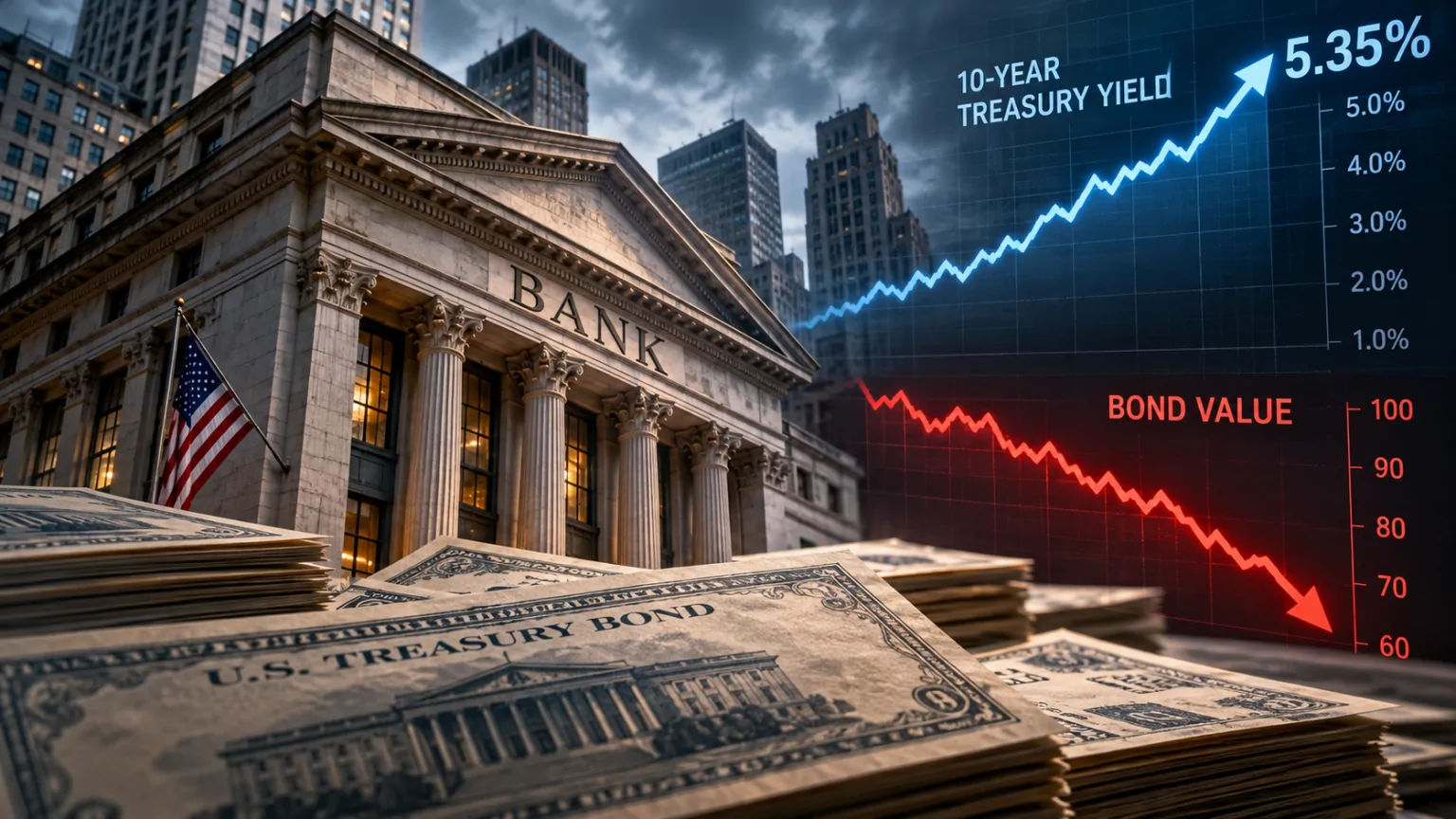
Rising Bond Yields Are Creating A Problem For The US Banking System
Notes From the Field By James Hickman (Simon Black / Sovereign Man) October 13, 2026
In January 2021, two months before US inflation took off, a reporter asked Federal Reserve Chairman Jerome Powell how much inflation the Fed was willing to tolerate.
Powell acted like he'd never heard of inflation— like it was crazy to even ask. He dismissed the notion of inflation entirely and said it was "far away and unlikely."
US Panics as Bonds Collapse Forces a Global Monetary Reset
Sean Foo: 101302926
In a major move, Bessent just appointed Judy Shelton to the US Treasury. This appointment of a historic gold advocate shakes up the entire landscape for the US government eventually heading back to gold.
The global economic landscape is undergoing a monumental transformation, driven by shifting geopolitical alliances, rising national debt, and a growing distrust in traditional fiat currency.
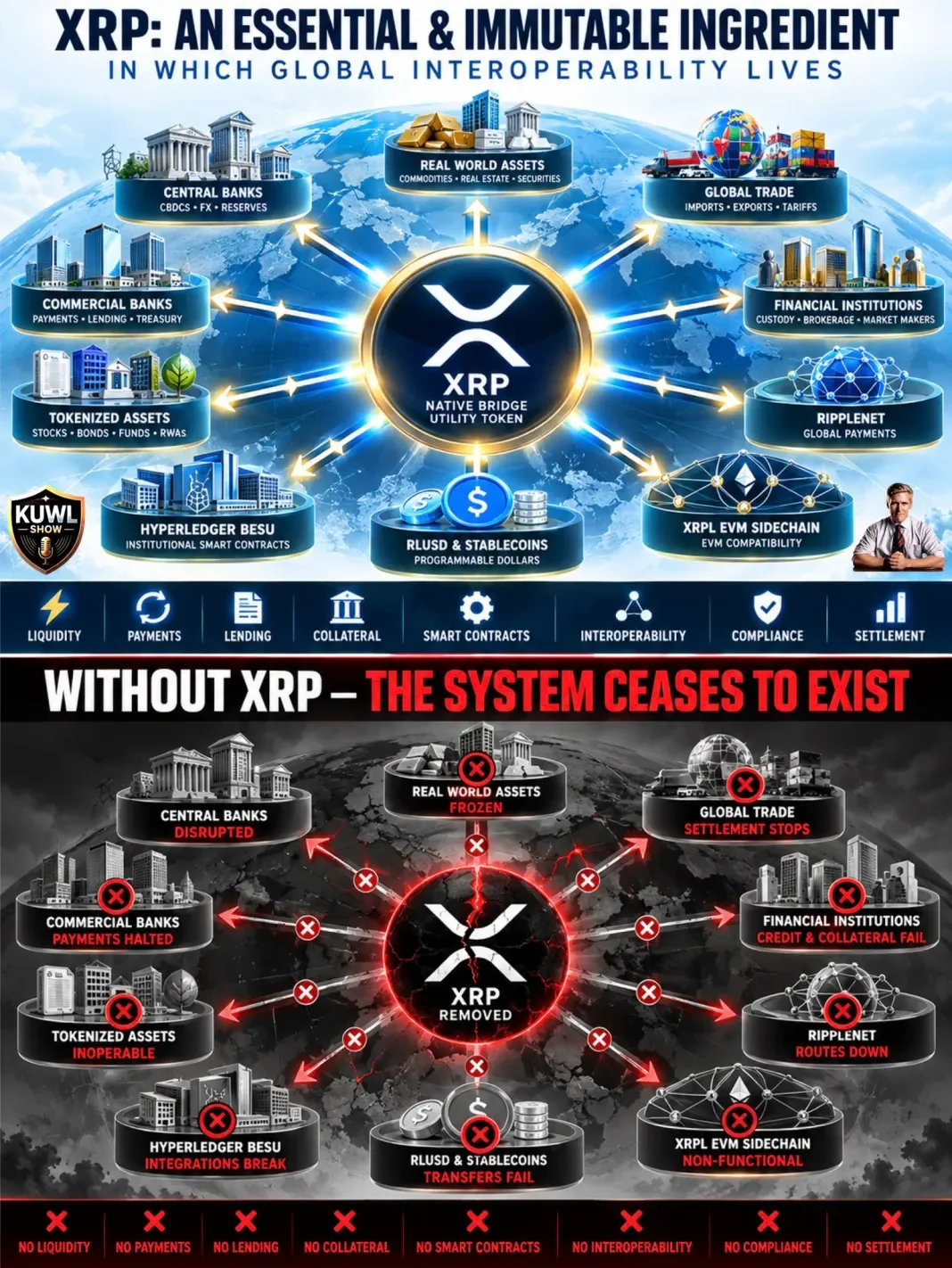
Rob Cunningham: XRP is an Essential and Immutable Ingredient
10-13-2026
XRP: ESSENTIAL INGREDIENT OR “SHIT COIN”?
You cannot logically call something essential to a system worthless to that system.
Imagine building a worldwide highway system connecting every city, business, bank & household on Earth. You build the roads, bridges, tunnels, tollbooths & traffic controls.
Good Morning Dinar Recaps,
GLOBAL BANKING RESET WATCH: REGULATORS STEP UP AI AND CYBERSECURITY OVERSIGHT TO PROTECT FINANCIAL SYSTEMS
U.S. and European regulators are intensifying scrutiny of artificial intelligence and cyber threats as financial institutions face growing pressure to secure the technology supporting global banking and payments.
KTFA:
Clare: Exchange companies submit an urgent proposal to Al-Zaydi to launch an initiative for domestic and international money transfers.
10/12/2026
The head of the exchange companies syndicate, Diaa Al-Tai, announced the desire of exchange companies to launch an initiative to finance and implement internal and external money transfers for small traders, in accordance with the instructions of the Central Bank of Iraq and the controls it sets.
Emailed to Recaps~ Thank you David
Reset Intelligence: Why They Want the IQD Cut Reversed
By Reset Intelligence | @EXIT_FIAT
Iraq cut the IQD to 1,500 on October 7. On Sunday a bloc in parliament asked the Federal Supreme Court to throw that cut out.
The bloc is the one affiliated with Kataib Hezbollah, the armed faction that refused to put its weapons under the state.
A High-Level Delegation From The Kurdistan Regional Government Will Visit Baghdad Soon To Resolve Disputes Over The 2027 Budget
Baghdad - One News - 10/12/2026 A high-level delegation from the Kurdistan Regional Government intends to visit Baghdad in the next few days to hold talks with the federal finance minister regarding the region's share in the 2027 federal budget bill, amid ongoing disputes between the two sides over financial and oil issues.
Good Morning Dinar Recaps,
GLOBAL DEBT RESET WATCH: IMF WARNS AI MARKET RISKS AND RISING BOND YIELDS COULD THREATEN FINANCIAL STABILITY
The IMF's latest financial stability assessment warns that an AI investment correction, mounting government debt, rising bond yields, and cyber threats could expose vulnerabilities across the global financial system.
The Dinar Dominoes Are Falling….What's Next?
The Dinar Den: 10-12-2026
Recent financial analyses highlight significant developments in Iraq’s currency landscape, specifically focusing on the anticipated Iraqi dinar revaluation and comprehensive monetary reforms.
These shifts are designed to modernize the nation’s financial framework, establish greater stability, and pave the way for a more integrated global economic presence. Financial observers continue to monitor these changes closely as the government implements strategic policies to reshape its monetary future.
The Judiciary Recovers 4 Billion Dinars In A Case Of Financial And Administrative Corruption
Money and business Economy News — Baghdad The Supreme Judicial Council announced on Monday the recovery of 4 billion dinars in a case of financial and administrative corruption.
The Judicial Council, in a statement received by "Economy News", that "the Rusafa Investigation Court competent to consider issues of integrity and money laundering, recovered a financial amount of 4 billion Iraqi dinars for the benefit of Rafidain Bank."

America Got Rich on Competition, Then Legislated It Away
Notes From the Field By James Hickman (Simon Black / Sovereign Man) October 12, 2026
In 1938 the airline business was brand new— only 35 years had passed since the Wright brothers' first flight at Kitty Hawk. Hardly anyone had even seen an airplane. A coast-to-coast round trip cost about $260, half the price of a new car, so passengers were mostly very wealthy.
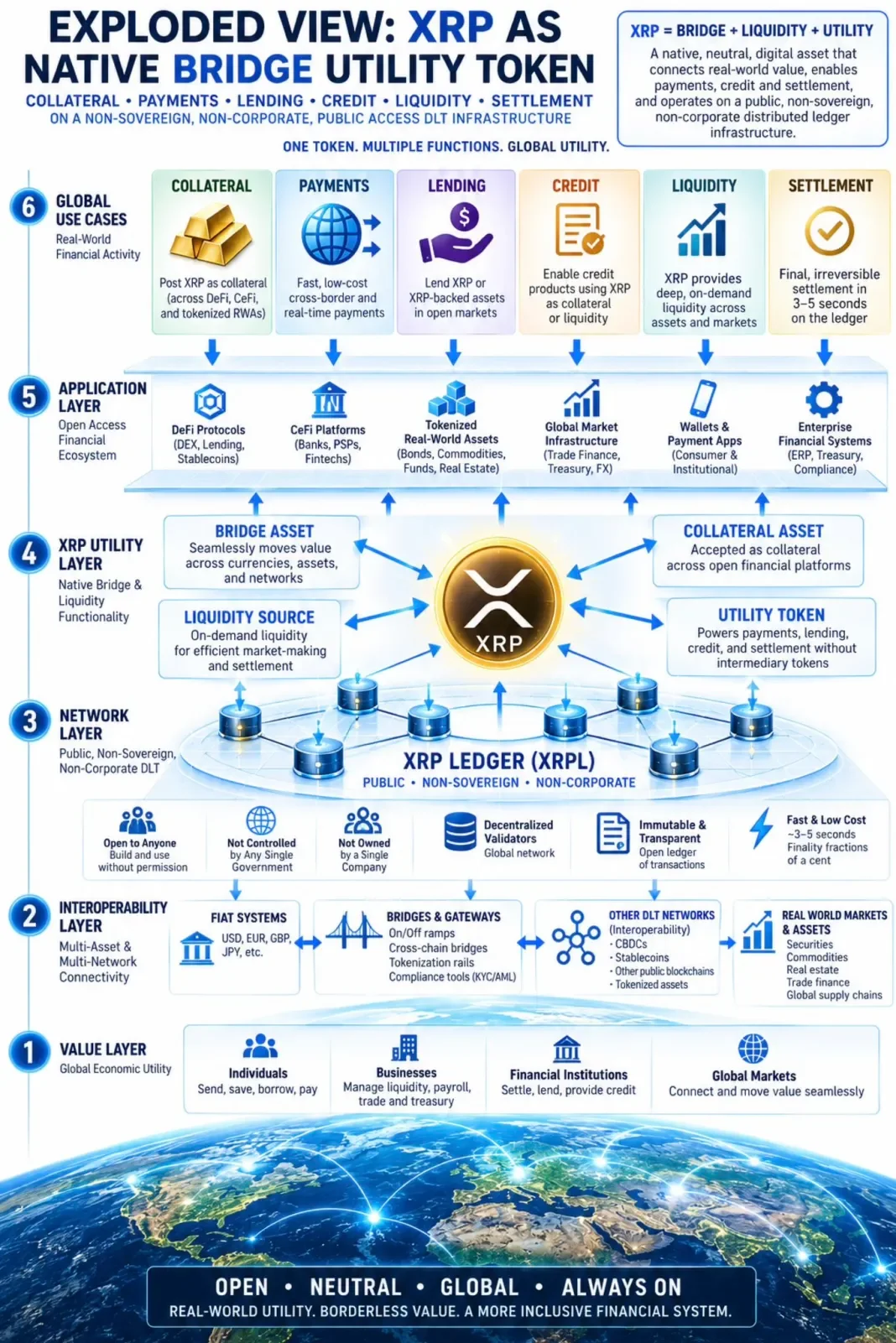
Rob Cunningham: The Transformation of the Global Monetary System
10-12-2026
XRP: The Transformation of the Global Monetary System
Wall Street Investment Banking.
Correspondent Banking.
Central Banking.
Fractional Reserve Lending. Global Payments.
Ariel: Iraqi Dinar Redenomination Sequence and the Q1 2027 Compression Window
10-12-2026
Short IQD Update: Iraqi Dinar Redenomination Sequence — The Denial Protocol, the Gold Position, and the Q1 2027 Compression Window
The This-Year Scenario & How It’s Actually Possible
Here’s the shortest path, and it’s cleaner than most realize:
Good Afternoon Dinar Recaps,
GERMANY FINANCIAL RESET WATCH: €723 MILLION BANK RESCUE EXPOSES RISKS BEYOND TRADITIONAL BANKING
Germany's largest recent cooperative-bank rescue highlights how real estate losses and investments outside conventional banking can threaten financial institutions, raising wider questions about credit risk and the resilience of Europe's banking system.

Inflation Is "Only" 3.4%. Here's Where Your Money Goes Farther
Notes From the Field By James Hickman (Simon Black / Sovereign Man) October 9, 2026
The two most recent inflation reports both showed the same thing: prices in the US are 3.4% higher than they were a year ago. And the politicians could hardly contain themselves.
After the first report, the White House's top economic adviser, Kevin Hassett, declared that inflation is "clearly decelerating." After the second, Jason Smith, the chairman of the House Ways and Means Committee, announced that "more relief may be just around the corner."
Parliamentary Finance: The Proposal Of The Salary Scale Law Will Be Presented Soon To The House Of Representatives
Money and business Economy News — Baghdad The Parliamentary Finance Committee said on Tuesday that the proposal of the salary scale law will be presented soon to the House of Representatives. The head of the Parliamentary Finance Committee, MP Adi Awad, said in a statement to the official newspaper: "The proposal of the salary ladder law will be presented soon in the sessions of the House of Representatives, after studying with specialists in financial and economic affairs."