
“Tidbits From TNT” Friday Morning 3-6-2026
TNT:
Tishwash: Al-Araji: The coming days will end the disputes over the presidency.
The head of the Reconstruction and Development bloc, Bahaa al-Araji, confirmed on Thursday that the next few days will witness the resolution of the positions of President of the Republic and Prime Minister, noting that this step will contribute to ending the state of stagnation that the political process has reached.
Al-Araji said that “disagreements between the two Kurdish parties are still hindering agreement on a candidate for the position of President of the Republic,” indicating that “achieving agreement between the Kurdish forces is a fundamental step before moving to the national arena to resolve this entitlement.”
TNT:
Tishwash: Al-Araji: The coming days will end the disputes over the presidency.
The head of the Reconstruction and Development bloc, Bahaa al-Araji, confirmed on Thursday that the next few days will witness the resolution of the positions of President of the Republic and Prime Minister, noting that this step will contribute to ending the state of stagnation that the political process has reached.
Al-Araji said that “disagreements between the two Kurdish parties are still hindering agreement on a candidate for the position of President of the Republic,” indicating that “achieving agreement between the Kurdish forces is a fundamental step before moving to the national arena to resolve this entitlement.”
He added that “the delay in deciding on the presidency has negatively affected the rest of the political and constitutional issues,” noting that “the next stage may witness a breakthrough in the political process after reaching an agreement on the candidates.”
Al-Araji pointed out that “the House of Representatives is waiting for the completion of these constitutional requirements to move on to other files related to the formation of the government,” stressing that “resolving these files is imminent and requires serious political will from all parties.” link
Tishwash: Parliament session next Saturday
Parliament session next Saturday
The Speaker of Parliament confirmed that the agenda for next Saturday's session includes a discussion of the security challenges in Iraq and the region.
Parliament session next Saturday link
*************
KRG Ministry of Natural Resources Reports Production Halt at HKN Oil Field Following Attack
The KRG Ministry of Natural Resources strongly condemned the attack, describing it as a direct assault on the economic infrastructure and resources of the people of the Kurdistan Region.
The Kurdistan Regional Government (KRG) Ministry of Natural Resources announced on Friday that a terrorist attack targeted the HKN oil field in Sarsang, Duhok province, causing damage to the facility and forcing a temporary halt in production.
According to the ministry, the attack occurred late Thursday night and was carried out by a group described as “outlaws” operating within Iraq. The assault damaged the oil field’s infrastructure, leading authorities to suspend operations at the site.
The KRG Ministry of Natural Resources strongly condemned the attack, describing it as a direct assault on the economic infrastructure and resources of the people of the Kurdistan Region.
In its statement, the ministry said responsibility for the incident lies with the party controlling the area from which the attack was launched, noting that such actions harm the Kurdistan Region and reduce revenues that benefit all of Iraq.
The ministry also called on the Federal Government of Iraq to take necessary measures to prevent further attacks targeting civilians in the Kurdistan Region, as well as its economic infrastructure, including the oil and gas sector.
Authorities have not yet provided details on casualties or the extent of the damage, and the resumption date for production at the HKN oil field has not been announced. link
*************
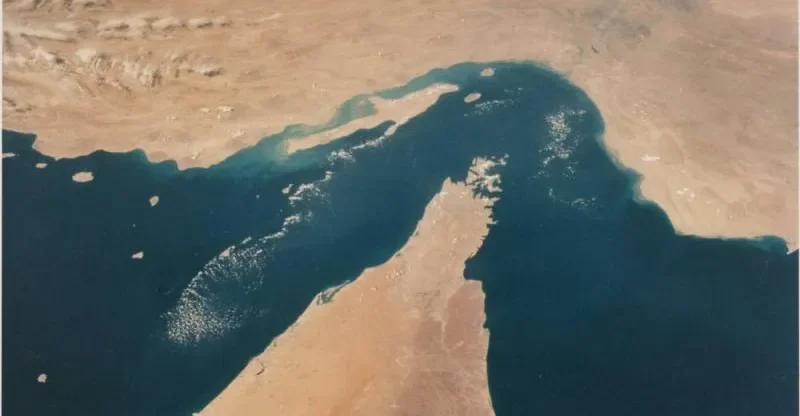
Tishwash: Iran says Strait of Hormuz remains open but “unsafe” amid US tensions
Iran on Friday rejected reports that it had closed the Strait of Hormuz to maritime traffic, warning that the strategic waterway has become “unsafe due to US provocations.”
In remarks carried by Iranian media, military spokesperson indicated that the country had entered a conflict it did not seek and cautioned that any miscalculation by its adversaries “would result in heavy losses.” link
Mot: Brother

MilitiaMan and Crew: IQD News Update-Global Integration-Exchange Rate Stability-REER
MilitiaMan and Crew: IQD News Update-Global Integration-Exchange Rate Stability-REER
3-5-2026
The Crew: Samson, PompeyPeter, Petra, Daytrader, Sunkissed, GIGI and Militia Man
Follow MM on X == https://x.com/Slashn
Be sure to listen to full video for all the news……..
MilitiaMan and Crew: IQD News Update-Global Integration-Exchange Rate Stability-REER
3-5-2026
The Crew: Samson, PompeyPeter, Petra, Daytrader, Sunkissed, GIGI and Militia Man
Follow MM on X == https://x.com/Slashn
Be sure to listen to full video for all the news……..
Seeds of Wisdom RV and Economics Updates Thursday Evening 3-5-26
Good Evening Dinar Recaps,
Energy Shock and Bank Liquidity Moves Signal Stress in the Global Financial System
Oil surges, bond markets strain, and China injects billions into banks as geopolitical conflict shakes the foundations of global finance.
Overview
In the past 24 hours, three powerful forces impacting the global financial system have converged: energy market disruption, rising global debt stress, and emergency banking support from major economies.
Good Evening Dinar Recaps,
Energy Shock and Bank Liquidity Moves Signal Stress in the Global Financial System
Oil surges, bond markets strain, and China injects billions into banks as geopolitical conflict shakes the foundations of global finance.
Overview
In the past 24 hours, three powerful forces impacting the global financial system have converged: energy market disruption, rising global debt stress, and emergency banking support from major economies.
Escalating conflict involving Iran, the United States, and Israel has triggered sharp spikes in global oil prices, unsettling markets and raising the risk of renewed inflation.
At the same time, China announced a $44 billion capital injection into its state-owned banks, highlighting mounting pressure within the global banking system.
It is a critical moment for the evolving global financial architecture, as energy shocks, sovereign debt burdens, and liquidity risks collide.
Key Developments
1.Energy Shock Sends Global Markets Into Turbulence
The Middle East conflict has rapidly reshaped global energy markets, with crude oil prices surging toward $80 and higher within days.
The surge comes amid fears that shipping routes near the Strait of Hormuz — through which roughly 20% of the world’s oil supply normally flows — could face disruptions.
Within a week, oil prices jumped roughly 15%, triggering concerns that inflation could return just as many central banks hoped to begin easing monetary policy.
Markets reacted immediately:
• Energy prices surged
• Global equities sold off
• Treasury yields rose as inflation fears returned
In fact, the Dow Jones Industrial Average plunged more than 1,000 points during recent trading, as investors priced in the risk of prolonged energy disruption.
2.China Injects $44 Billion Into State Banks
In a separate but equally significant development, China announced plans to inject approximately $44 billion into major state-owned banks.
The move was outlined during the annual session of the National People's Congress, where policymakers emphasized the need to guard against systemic financial risks and increase lending to strategic sectors such as technology.
This capital injection is designed to:
• Strengthen bank balance sheets
• Support economic growth during geopolitical tension
• Ensure liquidity in financial markets
China’s decision highlights growing concern among policymakers that global financial conditions could tighten quickly if energy prices remain volatile or economic growth slows.
3.Global Debt Markets Face a “Stress Test”
Behind the scenes, the world’s debt markets are facing one of the most significant stress tests in decades.
According to the Organisation for Economic Co-operation and Development, global governments and corporations are expected to borrow around $29 trillion this year, up from $25 trillion the previous year.
This surge in borrowing comes at a dangerous time:
• Interest rates remain historically elevated
• Energy shocks threaten inflation stability
• Large portions of global debt are maturing soon
Emerging markets are particularly vulnerable, with about 35% of their debt maturing within the next three years, increasing refinancing risks.
If borrowing costs rise further, many governments could face mounting fiscal pressure, potentially accelerating structural changes in the global financial system.
Why This Matters
These developments matter because they represent three core pillars of the global financial order shifting simultaneously.
Energy:
Oil price shocks historically trigger inflation waves, economic slowdowns, and financial instability.Banking Liquidity:
When governments begin injecting capital into banks, it often signals early stress in the financial system.Debt Sustainability:
Record global borrowing levels mean that even small changes in interest rates or inflation can have massive consequences.
Together, these forces create the kind of environment that often precedes major financial restructuring or policy shifts.
Implications for the Global Financial Reset
Many analysts believe the world is entering a period of financial realignment driven by geopolitical fragmentation and structural debt burdens.
Key trends emerging from today’s news include:
Energy is becoming a geopolitical weapon again.
Control over oil supply routes can directly influence inflation, currency values, and central bank policy.Governments are strengthening banking systems ahead of potential shocks.
Large liquidity injections may be preventive measures against financial instability.Global debt levels are approaching historic limits.
With borrowing costs rising, some economies may eventually face restructuring pressures.
In short, the financial system is entering a phase where energy security, banking stability, and sovereign debt sustainability are tightly intertwined.
This is not only energy wars affecting the markets, it is the global financial order shifting.
Seeds of Wisdom Team
Newshounds News™ Exclusive
Sources
Reuters — China plans $44 billion capital injection into banks
OECD / Reuters — Rising energy prices and inflation threaten global debt markets
~~~~~~~~~~
ECB Warns Iran Conflict Could Trigger Indirect Shock to Europe’s Banking System
Limited direct exposure masks deeper risks tied to energy prices, inflation, and economic slowdown across the euro zone.
Overview
A senior supervisor at the European Central Bank (ECB) has warned that while euro-zone banks have minimal direct financial exposure to the Iran conflict, the greater risk lies in indirect economic fallout that could ripple through Europe’s financial system.
In a recent interview, ECB supervisor Pedro Machado emphasized that energy price shocks, inflation pressure, and weaker economic growth could ultimately impact bank balance sheets if geopolitical tensions in the Middle East escalate.
For now, European banks remain resilient, but regulators are watching closely for second-order effects that could emerge if the conflict disrupts global energy markets or trade routes.
Key Developments
1.Limited Direct Exposure to the Conflict Zone
According to the ECB’s analysis, direct financial links between euro-zone banks and the countries involved in the conflict remain relatively small.
Current estimates show:
• Loans and financial assets linked to Iran and Israel equal about 0.7% of banks’ core capital
• Liabilities such as bonds account for roughly 0.6% of core capital
Even when including neighboring economies in the region, total exposure remains below 1% of the sector’s overall assets.
However, the scale of Europe’s banking system means that even small percentages translate into large absolute sums. Large euro-area banks collectively manage around €27.8 trillion in assets, meaning exposure could still total approximately €278 billion.
Despite the headline figure, regulators believe this level remains manageable relative to the size and capital buffers of the banking sector.
2.Energy Prices Pose the Real Threat
The greater danger for Europe’s financial system lies in energy markets and global supply chains.
Europe still relies heavily on energy imports from Gulf producers, and many goods traveling between Asia and Europe move through the Suez Canal.
If conflict disrupts these routes or drives up oil and gas prices, inflation could surge again across the euro zone.
Higher energy prices could lead to:
• Renewed inflation pressures
• Higher interest rates or tighter financial conditions
• Slower economic growth
If borrowing costs remain elevated while economic activity weakens, households and businesses may struggle to service loans, increasing the risk of defaults across the banking sector.
3.Rising Scrutiny of Complex Financial Deals
Beyond geopolitical risks, the ECB is also closely monitoring the rapid growth of complex financial instruments used by banks to transfer risk.
One area under increased scrutiny is synthetic securitisation, where banks use derivatives or guarantees to shift credit risk from loan portfolios to investors.
These structures allow banks to:
• Reduce regulatory capital requirements
• Free up balance sheet capacity for additional lending
However, regulators fear that hidden financial links could bring risk back into the banking system during periods of stress.
To address this concern, the ECB plans to collect more detailed data on these transactions to better assess their scale and potential systemic impact.
4.Private Credit Markets Also Under Watch
Supervisors are also paying attention to turbulence in private credit markets, particularly in the United States.
Recent market volatility involving funds linked to Blackstone has raised questions about whether stress in the rapidly expanding “shadow banking” sector could spill into traditional financial institutions.
So far, ECB officials say there is no clear evidence of contagion affecting European banks, but regulators remain cautious.
Non-bank financial institutions now play an increasingly large role in global credit markets, and their growing influence introduces new layers of systemic risk.
Why This Matters
The ECB’s warning highlights an important reality of modern finance: banking systems can be vulnerable to geopolitical events even when direct financial exposure appears small.
Today’s financial system is deeply interconnected with:
• Energy markets
• Global trade routes
• Inflation cycles
• Supply chains
For Europe, the biggest vulnerability is not financial ties to the Middle East but its structural reliance on external energy supplies and maritime trade routes.
Any sustained disruption in these areas could slow economic growth across the euro area, indirectly affecting banks through rising credit stress and loan defaults.
Why It Matters to Foreign Currency Holders
From a global monetary perspective, banking stability in the euro zone is critical to the broader international financial system.
The euro remains one of the world’s primary reserve currencies, and stress within European banks could influence:
• global capital flows
• currency valuations
• central bank policy responses
If geopolitical tensions lead to persistent energy inflation or economic contraction, financial authorities may need to adjust monetary strategies to stabilize markets.
These developments are part of a broader trend where geopolitical shocks increasingly intersect with financial stability concerns, shaping the evolving structure of the global financial system.
Seeds of Wisdom Team
Newshounds News™ Exclusive
Sources
Reuters — “ECB supervisor warns Iran conflict could pose indirect risks to euro zone banks”
Modern Diplomacy — “Iran War and Global Financial Stability Risks”
~~~~~~~~~~
Seeds of Wisdom Team RV Currency Facts Youtube and Rumble
Newshound's News Telegram Room Link
RV Facts with Proof Links Link
RV Updates Proof links - Facts Link
Follow the Gold/Silver Rate COMEX
Follow Fast Facts
Seeds of Wisdom Team™ Website
Thank you Dinar Recaps
Iraq Economic News and Points To Ponder Thursday Evening 3-5-26
Foreign Minister: Iraq Is Committed To Protecting Diplomatic Missions And Not Allowing Its Territory To Be Used For Hostile Acts
Thursday, March 5, 2026 Baghdad – One News 3/05/2026 During his meeting with US Chargé d'Affaires Joshua Harris in Baghdad, Foreign Minister Fuad Hussein affirmed Iraq's commitment to shielding the country from the repercussions of the war, emphasizing the government's commitment to protecting and ensuring the security of diplomatic missions operating in Iraq.
Foreign Minister: Iraq Is Committed To Protecting Diplomatic Missions And Not Allowing Its Territory To Be Used For Hostile Acts
Thursday, March 5, 2026 Baghdad – One News 3/05/2026 During his meeting with US Chargé d'Affaires Joshua Harris in Baghdad, Foreign Minister Fuad Hussein affirmed Iraq's commitment to shielding the country from the repercussions of the war, emphasizing the government's commitment to protecting and ensuring the security of diplomatic missions operating in Iraq.
The minister reiterated that Iraq will not allow its territory to be used as a launching pad for any hostile acts against neighboring countries, stressing his country’s commitment to maintaining the security and stability of the region.
https://1news-iq.net/وزير-الخارجية-العراق-ملتزم-بحماية-الب/
Iraq's Central Bank: Foreign Currency Reserves At $97.4 Billion At End Of 2025
2026-03-05 Shafaq News- Baghdad Iraq’s foreign currency reserves fell to $97.433 billion by the end of 2025, down from $100.367 billion a year earlier, according to official statistics released by the Central Bank of Iraq.
The bank said the reserves were equivalent to about 126.661 trillion Iraqi dinars at the end of last year, compared with 130.347 trillion dinars recorded in 2024.
The data also showed that reserves in 2024 had already declined compared with 2023, when they reached $111.736 billion, equivalent to 145.257 trillion dinars.
According to the central bank’s figures, gold holdings accounted for 31.488 trillion dinars of the total reserves, while external investments amounted to 93.266 trillion dinars.
Cash holdings in the Central Bank of Iraq’s vaults were valued at about 1.907 trillion dinars.
Reduced Gas Supplies Leave 6-6.5gw Generation Gap
5th March 2026 in Iraq Industry & Trade News By John Lee. The Ministry of Electricity has confirmed that imported gas supplies from Iran are continuing at a reduced level of six million cubic metres per day (6mcm/d).
Official spokesperson Ahmed Mousa Al-Abadi said the current volumes remain below contracted levels and continue to affect generation units and power stations. He noted that milder temperatures have helped contain demand and maintain relative grid stability.
According to the ministry, the available gas is being directed to key generating units at major load-centre stations, including Basmaya [Bismaya] and Al-Mansouriya. However, reduced flows continue to constrain electricity production.
The ministry estimates that the power system is currently short of approximately 6,000 to 6,500MW of capacity, across both simple and combined-cycle operations, due to limited gas supplies.
It added that coordination is ongoing with the Gas Company to explore the possibility of increasing imported volumes, particularly ahead of the summer peak demand period. The ministry also said that cooperation between the electricity and oil sectors has helped provide alternative fuel to affected generating units.
(Source: Ministry of Electricity)
https://www.iraq-businessnews.com/2026/03/05/reduced-gas-supplies-leave-6-6-5gw-generation-gap/
Iraq Leaders Reaffirm Ban On Attacks From Iraqi Territory
2026-03-05 Shafaq News- Baghdad Iraq’s four presidencies reiterated on Thursday their longstanding rejection of using the country’s territory as a launchpad for attacks against neighboring states, according to an official statement.
During a meeting at Baghdad Palace, President Abdullatif Rashid, caretaker Prime Minister Mohammed Shia Al-Sudani, Parliament Speaker Haibet Al-Halbousi, and Supreme Judicial Council President Judge Faiq Zaidan stressed the need to prevent Iraq from being drawn into external conflicts, voicing support for government measures aimed at maintaining security and stability, protecting diplomatic missions, and safeguarding national sovereignty.
nseptoSdrof513302im0a297162tf2f61tll300067hi2guhgg294g794695 ·
Presidents hold a meeting in Baghdad Palace to research developments in the region and their serious consequences
The Presidencies held a meeting in Baghdad Palace, today Thursday, March 5, 2026, in the presence of the President of the Republic, Dr. Abdul Latif Jamal Rashid, the Prime Minister of the Cabinet, Mr. Mohammed Shia Al-Sudani, the President of the House of Representatives, Mr. Hibet Al-Halbousy, and the President of the Supreme Court, Justice Faiq Zidane.
The meeting witnessed an in-depth review of the latest security and political updates on the regional and international spheres, and their direct reflections on the internal situation in Iraq, the community also discussed the mechanisms the government is using to prevent the country from being drawn to external conflicts, emphasizing the support of the government's actions in imposing security, stability and protecting the sovereignty of the country, and the commitment to protecting the security of diplomatic missions.
Stressing on the necessity of maintaining Iraq's central and balanced role in promoting security and stability in the region.
The presidents have renewed Iraq's firm position by refusing to use its territories to attack neighboring countries or threaten their security, as well as rejecting the assaults that span cities, governorates of Iraq and Kurdistan Region, which are a violation of national sovereignty.
The meeting emphasized the necessity of an immediate halt of military operations in the region and respect for the sovereignty and independence of countries, calling for the international community to move urgently for Hiloula without widening the conflict patch. The meeting also stressed that the approach to the negotiation and diplomatic solutions is the best way to avoid the region the consequences of serious conflict on both regional and international levels.
On the domestic level, communities are studying the importance of accelerating the completion of constitutional rights, strengthening national unity to face the current circumstances, as well as supporting government efforts to consolidate security, stability, improving the living and service conditions of citizens, and moving forward on the path of reform and sustainable development.
At the end of the meeting, the attendees stressed the need to support the strategic security measures to simplify security and order, and to hold the rumor promoters accountable through social media platforms for what constitutes a direct threat to the family ladder and internal security, according to legal and judicial procedures.
They also condemned attacks targeting Iraqi cities and provinces, including the Kurdistan Region, describing them as violations of Iraq’s sovereignty.
While calling for an immediate halt to military operations across the region and urging the international community to act swiftly to prevent further escalation, the leaders stressed that negotiations and diplomatic solutions remain the most effective path to spare the region the dangerous consequences of widening conflict.
The statement comes as regional tensions intensify following joint US–Israeli strikes on sites inside Iran on February 28, which prompted Tehran to launch retaliatory missile and drone attacks against Israel and US military bases across the region.
In Iraq, factions aligned with Tehran have stepped up activity under the banner of the Islamic Resistance in Iraq, claiming rocket and drone attacks against what they describe as “enemy bases” in Iraq and neighboring areas. Al-Sudani had affirmed that Baghdad will not permit any threats to arise from its territory against Tehran.
Read more: Post-Khamenei Iraq: Factional pressure Vs. state sovereignty
https://www.shafaq.com/en/Iraq/Iraq-leaders-reaffirm-ban-on-attacks-from-Iraqi-territory
Iraqi factions: Europe’s forces legitimate targets if they back US-Israel strikes on Iran
2026-03-05 / 03:40 Shafaq News- Baghdad The Islamic Resistance in Iraq, an umbrella for Iran-aligned armed factions, has warned that European countries supporting US and Israeli military operations against Iran could see their forces and interests in Iraq and across the region targeted.
In a statement on Thursday, the group described the United States and Israel as “mobilizing allies” against “the free people of the Islamic Republic and the region.” It warned that any European country participating in the military campaign “will be considered an enemy of our peoples and sanctities.”
The warning comes as fighting between the United States and Israel on one side and Iran on the other has intensified since Feb. 28, when joint strikes targeted sites inside Iran, prompting Tehran to launch retaliatory missile and drone strikes on Israel and US military bases in Bahrain, Iraq, Jordan, Kuwait, Oman, Qatar, Saudi Arabia, and the United Arab Emirates.
In Iraq, factions aligned with Tehran have stepped up activity under the banner of the Islamic Resistance in Iraq, claiming rocket and drone attacks against what they describe as “enemy bases” in Iraq and neighboring areas.
Several European countries have also taken steps tied to the conflict. The United Kingdom allowed the United States to use its military bases for what Prime Minister Keir Starmer described as “defensive strikes,” and deployed helicopters with anti-drone systems and a warship toward Cyprus after a drone struck a British base there earlier this week.
France reinforced its presence on the island with a frigate and additional air defense assets, according to President Emmanuel Macron. Spain, however, rejected the US strikes, prompting US President Donald Trump to threaten a full American embargo on Madrid in response to the socialist government’s position.
Read more: Post-Khamenei Iraq: Factional pressure Vs. state sovereignty
Iraq Braces For Escalation Amid Fears Of Fallout From Iran-Israel-US War
Iraq Braces For Escalation Amid Fears Of Fallout From Iran-Israel-US War
Iraq/Security The story: The continued region-wide confrontation has put Iraq on a knife’s edge, driving fears that the country could be dragged further into the Iran-Israel-US war. Protests against the Israeli-US attack on Iran have continued for a second day, as have airstrikes targeting Iraqi armed groups close to Tehran. A protracted conflict could threaten to collapse Iraq’s oil-dependent economy, raising concerns that the worst might be to come.
The coverage: Iran’s confirmation of Khamenei’s death in a Feb. 28 Israeli airstrike in Tehran has been received with a mixture of anger and mourning across the Iraqi political spectrum.
Iraq’s Popular Mobilization Units (PMU) issued a statement mourning Iran’s slain supreme leader, saying that Khamenei had “ascended to the highest abode following a treacherous Zionist-American aggression.”
The office of Najaf-based Grand Ayatollah Ali Al‑Sistani circulated a message urging Iranians to preserve national unity and deny their “enemies” the fruits of Khamenei’s assassination.
Iraqi President Abdul Latif Rashid, Kurdistan Region President Nechirvan Barzani and caretaker Prime Minister Muhammad Shia’ Al‑Sudani each offered condolences while calling for de‑escalation and endorsing an official three‑day mourning period.
A military spokesperson for Sudani, who is also Iraq’s commander-in-chief, stated that the caretaker premier “condemned the unjustified aggression against the Islamic Republic.”
Supporters of Iran-allied armed groups have renewed demonstrations near Baghdad’s Green Zone, where the US embassy compound is located.
Videos of the protests showed chaotic scenes, with reports of live ammunition, stun grenades and tear gas being fired by security services. Seemingly more peaceful demonstrations were also seen in the shrine city of Najaf.
Iraqi parliamentary sources have reported that the legislature’s scheduled session for Mar. 1 had been cancelled partly due to the unrest.
An apparent strike on a PMU convoy near the Iranian border in Diyala Governorate reportedly killed several fighters affiliated with Shiite armed group Asa’ib Ahl Al-Haq. It was unclear whether the attack was carried out by Israeli or US forces.
The targeted killing is speculated to be geared to send the message that the movements of Iran’s allies are being closely watched.
The PMU “temporarily” evacuated civilian staff from bases in Nineveh Governorate in response to two apparent Israeli-US drone attacks earlier on Mar. 1. However, Iraqi outlet Shafaq News reported that troops have maintained “tight security” at their posts.
Later on Mar. 1, reports emerged that Kata’ib Hezbollah fighters had been targeted at the group’s Jurf Al-Sakhar base—the same site of another strike the previous day. A second site at the Al-Qaim border crossing with Syria was also reportedly hit. No group or government has claimed responsibility for the attacks.
Senior Kurdistan Region Government (KRG) officials appear to have remained notably taciturn on the Iran-Israel-US conflict so far despite ongoing strikes in the semi-autonomous region.
One site housing US troops stationed in Erbil has come under sustained Iranian missile and drone barrages that seemed to intensify into the night on Mar. 1.
A statement issued by the Iran-backed armed group Saraya Awliya Al-Dam has taken responsibility for a purported ballistic missile strike on Erbil.
The claimed strike suggests that lower-profile members of the Shiite alliance of armed groups known as the “Islamic Resistance of Iraq” may be entering the fray.
The development also indicates that what previously was an external conflict dragging in Iraqi actors now seems to involve Iraqi parties striking perceived domestic rivals.
Amid the widespread coverage of the material impact of the conflict on Iraq, other reports stressed Iraq’s profound economic vulnerability.
Analysts warn that any prolonged closure of the Strait of Hormuz by Iranian forces could slash Iraq’s oil revenues, which fund more than 90% of the federal budget.
The context/analysis: The recent regional escalation, part of a broader Israeli-US campaign to degrade the Islamic Republic, has again turned into a target and corridor for conflict.
As in previous flare-ups, top Iraqi authorities have insisted that the country remains officially neutral, and must not become a staging ground for regional disputes.
Iraqi officials have condemned the Israeli-US strikes on Iran and on PMU sites as “unjustified” violations of Iraq’s sovereignty while warning against the use of Iraqi airspace to attack Iran.
Protests outside Baghdad’s Green Zone show how Iran-allied groups can quickly channel grief into street pressure on Iraq’s government.
Drone attacks and falling debris across Erbil, Kirkuk and Nineveh highlight Iraq’s fragmented security map—where PMU brigades, Kurdish forces and the Iraqi Army overlap.
All this appears to put the PMU in a difficult position. Evacuation orders such as those in Nineveh while retaining armed guards point to an attempt to reduce exposure without ceding influence in sensitive minority areas.
Among Iraq’s political elite, fears of military escalation are likely matched by concern over the economic ramifications of a prolonged conflict.
Lasting instability in neighboring Iran, one of Iraq’s largest trading partners, would have a profound effect on Iraq’s economy. This could demand a radical reshaping of Iraqi markets.
For actors critical of Iran’s influence in its western neighbor—and the significant economic power of Tehran’s allied Iraqi armed groups—such a shift likely cannot come soon enough.
The future: Further regional instability and a possible prolonged disruption to transit through the Strait of Hormuz and the Red Sea could prove decisive tests for both Sudani’s caretaker government and Iraq’s struggling rentier economy.
Economic specialists calculate that a full closure to tanker traffic in the Red Sea could wipe out more than 90% of Iraq’s monthly oil income. This could cut Baghdad’s hydrocarbon receipts from roughly 7B USD dollars to less than 1B USD.
Officials at Iraq’s Ministry of Oil have reportedly convened an “emergency” meeting aimed at developing plans for alternate export routes.
Such contingency planning will likely involve pipelines and storage projects, but these remain years from fully compensating for Gulf terminals.
On the political stage, calls for de‑escalation and unity indicate elite desire to steer Iran-allied armed factions and their supporters on the Iraqi street away from a wider confrontation.
FRANK26….3-5-26…..BROKEN BONES
KTFA
Thursday Night Video
FRANK26….3-5-26…..BROKEN BONES
This video is in Frank’s and his team’s opinion only
Frank’s team is Walkingstick, Eddie and Omar in Iraq and guests
Playback Number: 605-313-5163 PIN: 156996#
KTFA
Thursday Night Video
FRANK26….3-5-26…..BROKEN BONES
This video is in Frank’s and his team’s opinion only
Frank’s team is Walkingstick, Eddie and Omar in Iraq and guests
Playback Number: 605-313-5163 PIN: 156996#
China’s Next Move, Financial War to Crush the Dollar
China’s Next Move, Financial War to Crush the Dollar
Liberty and Finance: 3-5-2026
The geopolitical landscape is heating up, and the consequences are being felt far beyond the Middle East.
As tensions between Iran, the United States, and Israel continue to rise, the world is bracing for a potentially protracted and destructive conflict.
Alasdair Macleod, a renowned expert in finance and head of research at goldmoney.com, has provided a stark warning about the far-reaching implications of this crisis on global energy markets, precious metals, and the stability of the US dollar and financial system.
China’s Next Move, Financial War to Crush the Dollar
Liberty and Finance: 3-5-2026
The geopolitical landscape is heating up, and the consequences are being felt far beyond the Middle East.
As tensions between Iran, the United States, and Israel continue to rise, the world is bracing for a potentially protracted and destructive conflict.
Alasdair Macleod, a renowned expert in finance and head of research at goldmoney.com, has provided a stark warning about the far-reaching implications of this crisis on global energy markets, precious metals, and the stability of the US dollar and financial system.
Macleod argues that the US administration, led by President Trump, has miscalculated the consequences of engaging militarily with Iran.
The Iranian government has been preparing for this moment for years, and its deep-rooted resolve makes it a formidable opponent. The conflict is likely to disrupt oil supplies through the Persian Gulf and the Red Sea, sending shockwaves through global energy markets and causing significant knock-on effects on shipping insurance and energy prices.
As the crisis unfolds, Macleod anticipates a further decline in the fiat currency system, particularly the US dollar.
Rising bond yields will trigger a major correction in overvalued equity markets, and the Federal Reserve will likely intervene to prop up markets.
However, such actions will only serve to further erode the dollar’s purchasing power. This crisis may mark the terminal phase of American financial hegemony, as the world begins to lose faith in the dollar’s ability to maintain its status as a global reserve currency.
The conversation around the Middle East crisis is not just about the conflict itself but also about the broader geopolitical alignments that are emerging.
The strategic cooperation between China, Russia, and Iran is a significant development, with China making deliberate moves to decouple from the dollar.
By instructing its banks to reduce US Treasury holdings, China is signaling its preparation for a financial conflict rather than a direct military confrontation.
The potential for China to back the yuan with gold, undermining the dollar’s dominance and supporting its alliances and energy security, is a worrying prospect for the US.
In this increasingly unstable environment, individual financial protection is more crucial than ever. Macleod stresses the importance of moving away from credit-based currencies and preserving wealth rather than seeking new asset accumulation. With his educational work on his Substack (Macleodfinance.com), Macleod aims to inform the public about these unfolding risks and strategies for safeguarding assets.
As the Middle East crisis continues to unfold, it’s clear that the consequences will be far-reaching and potentially devastating. The world is on the cusp of a significant shift in the global financial landscape, and investors need to be prepared.
By understanding the risks and taking proactive steps to protect their wealth, individuals can navigate this treacherous terrain and emerge stronger on the other side.
For further insights and information, watch the full video from Liberty and Finance, where Alasdair Macleod provides a detailed analysis of the crisis and its implications. Stay informed, stay vigilant, and take control of your financial future.
Seeds of Wisdom RV and Economics Updates Thursday Afternoon 3-5-26
Good Afternoon Dinar Recaps,
UAE Financial System Holds Firm Amid Missile Attacks
Central bank reassures markets as regional war tests resilience of a major global financial hub
Overview
The Central Bank of the United Arab Emirates has confirmed that the country’s banking and financial system remains fully operational despite escalating regional conflict involving Iran, Israel, and the United States.
Good Afternoon Dinar Recaps,
UAE Financial System Holds Firm Amid Missile Attacks
Central bank reassures markets as regional war tests resilience of a major global financial hub
Overview
The Central Bank of the United Arab Emirates has confirmed that the country’s banking and financial system remains fully operational despite escalating regional conflict involving Iran, Israel, and the United States.
The announcement comes after missile and drone attacks struck areas within the United Arab Emirates, prompting concerns about the stability of one of the Middle East’s most important financial centers.
Officials emphasized that banks, insurers, and financial institutions continue operating with full efficiency, highlighting strong liquidity, capital buffers, and business continuity plans designed to withstand geopolitical shocks.
The reassurance is critical because the UAE has become a major global hub for banking, trade finance, and digital assets, making its stability highly relevant for the global financial system and emerging payment networks.
Key Developments
1.Central Bank Confirms Financial Stability
Governor Khaled Mohamed Balama stated that the UAE’s financial sector remains resilient and stable, even as regional tensions escalate.
Key indicators underline that strength:
• Capital adequacy ratio: about 17% — well above global regulatory minimums
• Liquidity coverage ratio: 146.6%, signaling strong short-term funding capacity
• Total banking assets: more than 5.42 trillion dirhams ($1.48 trillion)
These figures show deep financial buffers capable of absorbing external shocks, a key requirement for maintaining investor confidence during geopolitical crises.
2.Missile and Drone Attacks Test Infrastructure
The reassurance follows intercepted missile and drone attacks attributed to Iran, with debris reportedly causing fires and damage near strategic locations in Dubai.
Areas near Jebel Ali Port and Dubai International Airport were affected.
Despite the incidents, authorities stressed that core financial infrastructure and banking operations were not disrupted.
Maintaining stability during such events is critical because Dubai functions as a major gateway for global capital flows across the Middle East, Asia, and Africa.
3.UAE’s Crypto Sector Activates Emergency Protocols
The UAE is also one of the fastest-growing digital asset hubs in the world.
• More than 1,800 crypto companies operate across the UAE
• Over 600 Web3 firms are based in the Dubai Multi Commodities Centre (DMCC) free zone
• The sector employs more than 8,600 people
Major exchanges including Bybit and Bitget activated emergency operational protocols to protect staff and maintain trading operations.
These actions demonstrate how digital finance companies are adapting to geopolitical risks while ensuring continuity in global crypto markets.
4.UAE’s Role as a Financial and Digital Asset Hub
The UAE has spent the last decade building a globally competitive financial ecosystem combining:
• International banking and trade finance
• Energy and commodity trading markets
• Rapidly expanding digital asset regulation
Cities like Dubai and Abu Dhabi increasingly function as financial bridges between Asia, Europe, and Africa, especially as geopolitical fragmentation reshapes traditional financial corridors.
Why It Matters
Financial stability in a war zone is crucial for global markets
The UAE sits along critical energy and trade routes, making its financial stability vital to global capital flows and commodity markets.
Regional financial hubs must prove resilience
By maintaining operations during attacks, the UAE signals that modern financial infrastructure can withstand geopolitical shocks.
Digital finance ecosystems are now part of national resilience
The presence of hundreds of crypto and Web3 firms shows that digital finance is becoming integrated into national economic security strategies.
Why It Matters to Foreign Currency Holders
For observers of the evolving global financial system, the situation offers key insights.
Financial hubs are becoming geopolitical shock absorbers
Nations with strong liquidity and regulatory systems can maintain stability even amid military conflict.
Digital assets are now embedded in global finance
The rapid growth of crypto firms in Dubai highlights how digital finance is becoming a parallel financial ecosystem alongside traditional banking.
Dubai’s Financial Engine Holds Steady Under Fire.
Resilience is the new financial currency
Countries able to protect banking operations during geopolitical turmoil will attract global capital.
Implications for the Global Reset
Pillar 1: Financial resilience is becoming a strategic asset
Nations that maintain stable banking systems under stress will gain influence in the evolving multipolar financial order.
Pillar 2: Digital finance hubs are reshaping global payments
The UAE’s rise as a crypto and Web3 center suggests future financial systems may combine traditional banking infrastructure with decentralized digital networks.
Together, these trends indicate a world where financial stability, technological innovation, and geopolitical positioning are increasingly intertwined.
Seeds of Wisdom Team
Newshounds News™ Exclusive
Sources
Cointelegraph — “UAE central bank says banks operational amid regional tensions”
Associated Press — “Missile attacks raise tensions across Gulf states amid Iran conflict”
~~~~~~~~~~
BRICS Fractures: India Breaks Ranks as Iran War Exposes Deep Divisions
New Delhi’s silence and quiet alignment with Israel and the U.S. raises questions about the bloc’s unity
Overview
The escalating Israel–Iran war is exposing deep fractures within the BRICS alliance, with India diverging sharply from other member nations in its response to the crisis.
While Russia, China, Brazil, and South Africa have openly condemned the attacks on Iran, India has remained notably silent—a move widely interpreted as tacit support for Israel and the United States.
The diplomatic split comes at a sensitive moment, as India currently chairs the 2026 BRICS summit scheduled in New Delhi, raising questions about the bloc’s ability to maintain unity during major geopolitical crises.
Key Developments
1.Global Markets Rattled by Escalating Conflict
The war has triggered sharp volatility across global financial markets, with Asian equities suffering some of the steepest losses.
Major indexes including the Hang Seng Index, Nikkei 225, BSE Sensex, and KOSPI all plunged toward yearly lows as investors reacted to the risk of a broader Middle East conflict.
The sell-off underscores how regional wars can rapidly transmit shockwaves through global financial systems.
2.BRICS Members Rally Behind Iran
Several founding members of BRICS issued strong statements criticizing the strikes on Iran.
Russia called the attacks “premeditated armed aggression against a sovereign state.”
China condemned the operation as a “grave violation of sovereignty and the UN Charter.”
Brazil emphasized diplomacy, stating negotiations remain the only viable path to peace.
South Africa warned that anticipatory self-defense violates international law.
Together, these responses signaled a broad alignment among BRICS members in support of Iran’s sovereignty.
3.India Takes a Different Path
In contrast, India has avoided issuing a direct statement supporting Iran.
Instead, Prime Minister Narendra Modi reportedly held discussions with Benjamin Netanyahu, Israel’s prime minister, shortly after the conflict escalated.
India also condemned an Iranian strike on the United Arab Emirates, further reinforcing perceptions that New Delhi is leaning closer to Israel and Western partners rather than aligning with its BRICS counterparts.
4.Strategic Diplomacy Before the Strikes
Just days before the conflict intensified, Modi visited the United Arab Emirates, another key regional partner.
The timing of these diplomatic engagements has added to speculation that India is prioritizing strategic partnerships outside the BRICS framework as geopolitical tensions rise.
Why It Matters
The situation highlights a critical challenge for BRICS as it attempts to present itself as a unified geopolitical and economic alternative to Western institutions.
Internal divisions weaken the bloc’s geopolitical influence
When members respond differently to major crises, BRICS risks appearing fragmented rather than cohesive.
India’s balancing act reflects broader strategic realities
New Delhi maintains deep economic ties with Western economies while also participating in BRICS initiatives, forcing it to navigate competing geopolitical interests.
The war tests BRICS’ ability to act as a unified global actor
The conflict may ultimately reveal whether BRICS is a coordinated geopolitical bloc or primarily an economic forum with diverse political agendas.
Why It Matters to Foreign Currency Holders
For those watching global financial realignments, the crisis highlights important signals about the evolving structure of international alliances.
BRICS unity remains fragile
While the bloc often promotes alternatives to Western financial systems, divergent geopolitical interests can complicate coordinated action.Geopolitical fragmentation increases market volatility
Wars and diplomatic splits among major economies can accelerate capital flight, currency fluctuations, and commodity price swings.Global alliances are becoming more fluid
Countries increasingly pursue multi-alignment strategies rather than strict bloc loyalty, creating a more complex global economic landscape.
Implications for the Global Reset
Pillar 1: Multipolar alliances are still forming
Events like the Iran war demonstrate that emerging blocs such as BRICS are still evolving and testing their internal cohesion.Pillar 2: Strategic autonomy is replacing rigid alliances
Countries like India are balancing relationships across competing geopolitical spheres, signaling a shift toward flexible multi-alignment rather than fixed blocs.
This dynamic could shape the future architecture of global trade, energy flows, and financial systems.
Seeds of Wisdom Team
Newshounds News™ Exclusive
Sources
Watcher Guru — “India Snubs BRICS Member Iran, Supports Israel and the US”
Reuters — “Global markets fall as Middle East conflict rattles investors”
~~~~~~~~~~
Seeds of Wisdom Team RV Currency Facts Youtube and Rumble
Newshound's News Telegram Room Link
RV Facts with Proof Links Link
RV Updates Proof links - Facts Link
Follow the Gold/Silver Rate COMEX
Follow Fast Facts
Seeds of Wisdom Team™ Website
Thank you Dinar Recaps
10 Lottery Winner Horror Stories That Will Make You Think Twice About Playing
10 Lottery Winner Horror Stories That Will Make You Think Twice About Playing
Published November 19, 2025 By Matt Staff Money / Personal Finance
Winning the lottery isn’t all that it’s made out to be. In fact, when you fully digest the scope of these horror stories, it almost seems like a curse.
One of the most common downfalls after winning the lottery? Lack of preparation after a major win. Let these cautionary tales make you think twice the next time you buy a lotto ticket.
10 Lottery Winner Horror Stories That Will Make You Think Twice About Playing
Published November 19, 2025 By Matt Staff Money / Personal Finance
Winning the lottery isn’t all that it’s made out to be. In fact, when you fully digest the scope of these horror stories, it almost seems like a curse.
One of the most common downfalls after winning the lottery? Lack of preparation after a major win. Let these cautionary tales make you think twice the next time you buy a lotto ticket.
When You Overpromise and Underdeliver
In 1999, Tonda Lynn Dickerson was busy muddling through her shifts as a Waffle House waitress when life as she knew it was turned upside down. One Waffle House regular, Edward Seward, left Dickerson a lottery ticket as a tip; a week later, Dickerson won a whopping $10 million. Not only was Dickerson beside herself with excitement, but her fellow Waffle House waitresses were also ecstatic — over the years, they claimed they’d promised to split winnings if one of them ever won the lottery. This is where things went south.
Dickerson decided not to split her winnings. Naturally, her coworkers weren’t thrilled and sued Dickerson, but they lost when the court found there wasn’t an official contract to split the pot. She was then sued by Seward, who claimed he had been promised a new truck; Seward also lost.
Dickerson finally had a moment of clarity regarding how she needed to secure her assets properly, and created a corporation with her family. The only issue? She then failed to pay taxes on the corporation, and the IRS pursued her for back taxes. She ended up losing, and had to pay upwards of $1 million in taxes.
The More You Win, the Faster You Can Lose It All
In 2002, a building contractor named Andrew Jackson Whittaker Jr., based in West Virginia, purchased a golden Powerball ticket and won $114 million after taxes. Unfortunately, he was bound for nothing short of an eruption of bad luck thereafter. Thieves stole $545,000 that Whittaker had stashed in a suitcase in his car in 2003.
After losing another $200,000 a mere year later, Caesars in Atlantic City ended up suing Whittaker for another $1.5 million in checks he’d written that bounced. It’s reported that, in a span of four years, Whittaker’s entire fortune was gone.
Generosity Can Be the Lottery Winner’s Ultimate Undoing
To Read More: https://www.cheapism.com/lottery-winner-horror-stories/
Ariel: Did you Hear that Tree Fall in the Forest?
Ariel: Did you Hear that Tree Fall in the Forest?
3-5-2026
Prolotario @Prolotario1
Did You Hear That Tree Fall In The Forest? Uprooting Weeds From The Garden Of What Will Become Eden
What A Day What A Time What A Life (A Mixed Bag)
Ladies and gentlemen, gather close, for what I’m about to unfold isn’t the sanitized drivel peddled in boardrooms or whispered in marble halls
Ariel: Did you Hear that Tree Fall in the Forest?
3-5-2026
Prolotario @Prolotario1
Did You Hear That Tree Fall In The Forest? Uprooting Weeds From The Garden Of What Will Become Eden
What A Day What A Time What A Life (A Mixed Bag)
Ladies and gentlemen, gather close, for what I’m about to unfold isn’t the sanitized drivel peddled in boardrooms or whispered in marble halls it’s the raw mechanics of power shifting beneath the surface, where empires built on ink and illusion begin to crumble.
Picture this: a fortress of legacy finance, guarded by names that echo through centuries, now facing a siege from the digital frontier.
Kraken’s quiet coup securing that elusive Federal Reserve master account on March 4, 2026 marks the breach. No more groveling at the gates of intermediary banks; direct access to Fedwire, the vein pulsing trillions daily, just like JPMorgan or Citigroup. This isn’t mere convenience; it’s a dagger to the heart of the old guard’s monopoly on money movement.
Here Is What You Are In For Folks
The Rothschild Reckoning and the Crypto Bill’s Battlefield
Oh, how the mighty squirm. The Rothschilds those architects of central banking, with tentacles in everything from Edmond de Rothschild Group’s asset plays to their historical grip on global reserves see their parasitic web unraveling.
Their model thrives on opacity: layered fees, controlled liquidity, and the eternal churn of fiat debt. Kraken’s master account bypasses that, slashing costs and accelerating flows for crypto-fiat bridges. Faster deposits, instant settlements, lower barriers for institutional floods it’s the death knell for their intermediary rake-offs.
And the Crypto Market Structure Bill? That beast, clawing through the Senate as the Digital Asset Market Clarity Act (H.R. 3633’s Senate twin), is the accelerant.
Stalled in February 2026 over stablecoin yield disputes banks demanding a two-year study to hobble rewards, fearing deposit drains the bill’s passage would codify crypto’s parity with TradFi.
No more SEC-CFTC turf wars; clear lanes for digital commodities. Rothschild-linked lobbies, via the Banking Policy Institute, cry “financial instability,” but it’s code for protecting their trillions in manipulated metals and bonds.
Basel III’s capital hikes, ISO-20022’s data transparency, and SOFR’s rate reforms? They force banks to hold more skin in the game, exposing inefficiencies crypto exploits ruthlessly.
Excitement? This liberates the masses: sovereign wealth in your pocket, unmediated by gatekeepers who skim 2-5% on every cross-border wire. Financial freedom means dethroning the debt-mongers, one blockchain transaction at a time.
Petrodollar’s Twilight: Iraq’s Zero-Shedding Gambit
Now, let’s venture into the sands where oil meets intrigue. The Deep State’s petrodollar that USD hegemony propped by Saudi deals and enforced by proxy wars teeters as Iraq primes to delete three zeros from its dinar program rate.
Not a revaluation myth, mind you, but a redenomination hammer: slashing the nominal bloat from 1,320 IQD per USD to something leaner out the gate, say 1.32, (Or higher) while preserving purchasing parity.
Baghdad’s Central Bank, under Governor Ali Al-Alaq, has this in motion since late 2025, integrating with Temenos for Forex fluency.
Why the thrill? It unshackles Iraq from militia-tainted oil contracts, allowing direct non-dollar trades with America once Iranian shadows lift.
The Rockefellers? Their iron fist on the Middle East via historical pacts with Tehran proxies kept this suppressed, funneling black-market billions through Basra ports to sustain the fiat illusion.
A U.S. strike on Iran? It severs that grip, flooding Iraq with stability and gold-backed reserves. Gold eclipsing USD as global reserve in early 2026? That’s the fuse.
Silver’s $50 floor under BRICS? A Man can dream right? The explosion. Excitement surges because this redistributes trillions from elite vaults to everyday holders your dinar stash could pivot to parity, birthing a multipolar economy where freedom isn’t leased from bankers.
Read Full Article: https://www.patreon.com/posts/did-you-hear-in-152248567
https://dinarchronicles.com/2026/03/05/prolotario-did-you-hear-that-tree-fall-in-the-forest/
Coffee with MarkZ, joined by Dr. Scott Young. 03/05/2026
Coffee with MarkZ, joined by Dr. Scott Young. 03/05/2026
Some highlights by PDK-Not verbatim
MarkZ Disclaimer: Please consider everything on this call as my opinion. People who take notes do not catch everything and its best to watch the video so that you get everything in context. Be sure to consult a professional for any financial decisions
Member: Good morning mark, mod team, fellow rvers. I hope everyone has a blessed day in these crazy scary times
Member: Mark do you think things are speeding up for us now?
Coffee with MarkZ, joined by Dr. Scott Young. 03/05/2026
Some highlights by PDK-Not verbatim
MarkZ Disclaimer: Please consider everything on this call as my opinion. People who take notes do not catch everything and its best to watch the video so that you get everything in context. Be sure to consult a professional for any financial decisions
Member: Good morning mark, mod team, fellow rvers. I hope everyone has a blessed day in these crazy scary times
Member: Mark do you think things are speeding up for us now?
MZ: I think this Iran conflict is speeding things up….getting us off “stuck”
Member: Is it possible that certain gurus will get the 800 numbers an hour or so earlier than the rest of us?
MZ: Its possible But I don’t think so. Years ago we were told the plan was to get it to a handful of gurus an hour before they release it. This was so these gurus could make their appointments to exchange…..then release the 800 numbers and help others. But Now I am told its just all going to go at once. Guess we will see
Member: Any news on the Vietnam exchange for 59,000?
MZ: No update from the person that was supposed to exchange dong. Phone is turned off.
Member: My brother-in-law stationed in Iraq just had his orders extended for 60 days
Member: I heard a rumor that Maliki is out and they're taking 48hrs to seat new PM
MZ: This one should have you guys excited:” After the Baghdad and Erbil agreement, detection of oil export mechanism and delivery site” This is big news. So they have agreed and it’s a massive step for the HCL…there is still one more step for them to put together.
MZ: “ Iraq Parliament to hold secret session next Saturday” so secret session in 2 days. What will they be discussing? Will they seat the President and the Prime Minister? Is it something to do with Iran?
MZ: I am hearing that we will come out of this weekend with the President and Prime Minister seated in Iraq. I am hoping and praying this is accurate.
MZ: The Kurdistan region is denying they have put any boots on the ground across the border in Iran. Lots of misinformation out there.
Member: what's stopping the RV centers from telling you your currency is counterfeit and exchanging it themselves?
Member: that is why you never let your currency out of your sight. If they want to send it off to be counted…do not let them…go somewhere else to exchange.
Member: Even though ppl including my kids think I’m crazy and laugh at me I’m thankful to be a part of this because I know vindication is coming.
Member: I think there will be a movie about all of this someday..
Member: Have a good day everyone. The best is yet to come.
Dr. Scott joins the stream today. Please listen to replay for his information and opinions
THE CONTENT IN THIS PODCAST IS FOR GENERAL & EDUCATIONAL PURPOSES ONLY&NOT INTENDED TO PROVIDE ANY PROFESSIONAL, FINANCIAL OR LEGAL ADVICE. PLEASE CONSIDER EVERYTHING DISCUSSED IN MARKZ’S OPINION ONLY
https://rumble.com/user/theoriginalmarkz
Kick: https://kick.com/theoriginalmarkz
FOLLOW MARKZ : TWITTER . https://twitter.com/originalmarkz?s=21. TRUTH SOCIAL . https://truthsocial.com/@theoriginalm...
Mod: MarkZ "Back To Basics" Pre-Recorded Call" for Newbies 10-19-2022 ) https://www.youtube.com/watch?v=37oILmAlptM
MARKZ DAILY LINKS: https://theoriginalmarkz.com/home/
Note from PDK: Please listen to the replay for all the details and entire stream….I do not transcribe political opinions, medical opinions or many guests on this stream……just RV/currency related topics.
THANK YOU FOR JOINING. HAVE A BLESSED DAY. SEE YOU IN THE MORNING FOR COFFEE @ 10:00 AM EST ~ UNLESS BREAKING NEWS HAPPENS! FOR UPDATES ON MARK’S PODCAST GO TO: https://t.me/+b3hYhYlhKM1hYzcx
News, Rumors and Opinions Thursday 3-5-2026
KTFA:
Clare: Iraqi Kurdistan did not interfere in the Iranian events; the opposition denies Western reports.
Iranian Kurdish parties in Iraqi Kurdistan deny any operations inside Iran and describe Western reports as rumors.
3/5/2026
The Iranian Kurdish parties present in the Kurdistan Region denied carrying out any movements or operations inside Iran. Kurdish media quoted officials in the main Kurdish opposition parties as saying that all news about movements from inside the Kurdistan Region of Iraq towards Iran is completely false.
KTFA:
Clare: Iraqi Kurdistan did not interfere in the Iranian events; the opposition denies Western reports.
Iranian Kurdish parties in Iraqi Kurdistan deny any operations inside Iran and describe Western reports as rumors.
3/5/2026
The Iranian Kurdish parties present in the Kurdistan Region denied carrying out any movements or operations inside Iran. Kurdish media quoted officials in the main Kurdish opposition parties as saying that all news about movements from inside the Kurdistan Region of Iraq towards Iran is completely false.
Rudaw Network quoted an official in the Komala Party denying his party’s involvement in any operation.
The statements come amid a series of rumors and Western and Arab reports about ground operations led by the opposition in Iranian Kurdish regions. LINK
Clare: A move in the Iraqi parliament to cancel the security agreement with Washington and replace it with "China or Russia"
3/4/2026
On Wednesday, MP Miqdad al-Khafaji, from the parliamentary rights bloc, confirmed that US and Israeli forces targeted several sites belonging to the security forces, the Popular Mobilization Forces, and resistance factions in Iraq.
Al-Khafaji told Shafaq News Agency that "the (American-Israeli) operations resulted in the killing of 19 people and the wounding of dozens of members of the Popular Mobilization Forces and the security forces."
He pointed out that no airdrop of US forces on Iraqi territory had been recorded, indicating that the House of Representatives would present in the next session a draft bill to cancel the security agreement with the US side to protect Iraqi airspace, and at the same time another agreement would be sought with global countries such as Russia and China.
According to Al-Khafaji, there is no specific date set for the next session of the House of Representatives, as it was scheduled to be held last Sunday, but some representatives requested its postponement with unrealistic pretexts.
He continued, saying that "the United States of America has proven its conspiracy against the Iraqi people and government by targeting security sites belonging to the Popular Mobilization Forces, as well as civilian sites, and by exploiting Iraqi airspace to strike other countries."
Sites belonging to the Popular Mobilization Forces in Iraq were subjected to American and Israeli strikes, carried out via drones and missiles, according to informed sources who spoke to Shafaq News Agency earlier.
In response, the factions retaliated by shelling the city of Erbil (the capital of the Kurdistan Region) and some areas of Sulaymaniyah Governorate, which led to an escalation of tension and a widening of the confrontation.
Since Saturday morning, February 28, 2026, the United States and Israel have been waging a large-scale military strike against Iran, targeting leaders, officials, and military and nuclear facilities, while Iran has responded by launching missiles and drones at Israel and American bases in Gulf countries. LINK
**************
Courtesy of Dinar Guru: https://www.dinarguru.com/
Militia Man The stage is set for real effective exchange rate (REER). They have the digital tools. They have the non-oil growth. These things are already in place. It's complete. I think that's what they're doing. We're waiting for a prudent time frame. The way I see it, the next phase is closer than we've ever seen before...It looks really good.
Frank26 [Iraq boots-on-the-ground report] FIREFLY:There's news today one of the close leaders of the Framework is saying in the coming days we will see Maliki withdraw his candidacy to be the Prime Minister. FRANK: As of 3-3-2026, let it be known to you IMSO Maliki is now officially removed from the political scene in Iraq. That means parliament is no longer infected with that group of bad people...From now on we are bringing the security and stability that your monetary reform needs to bring out your new exchange rate.
Jeff The Trump administration is saying...the overall progress in the war against Iran is far ahead of schedule, far ahead of what's expected...The more conservative leaning news was saying the war could take 'up to' four weeks. I'm thinking right now maybe two and a half to around March 17th...
Clif High and Bix Weir EXPOSE the 2026 Financial Crash – Are You Prepared?
3-4-2026
Clif High and Bix Weir dive deep into the looming 2026 crash and why the financial system may be closer to breaking than most realize.
From stock market volatility and debt explosions to Federal Reserve policy and global instability, this explosive interview covers the warning signs investors can’t afford to ignore. Is another 2008-style collapse coming — or something even bigger? Watch now before the next shock hits.