
“Tidbits From TNT” Tuesday Morning 7-8-2025
TNT:
Tishwash: Oil brings distances closer... Baghdad and Kurdistan on the verge of a formal agreement
2025-07-08 13:09
The Parliamentary Oil and Gas Committee announced on Tuesday that Baghdad and Erbil have reached a preliminary agreement to end the Kurdistan Region's employee salary crisis. The committee indicated that the agreement may be announced within the next few hours, followed by an official signing and presentation to the Council of Ministers at its scheduled session on Tuesday.
Committee member Sabah Sobhi said in a statement to the official newspaper, followed by Al-Mutala'a, that: "The preliminary agreement stipulates that the regional government will deliver 300,000 barrels of oil per day to the federal government through the National Oil Marketing Company (SOMO), in exchange for the region receiving 46,000 barrels per day for local consumption and refining."
TNT:
Tishwash: Oil brings distances closer... Baghdad and Kurdistan on the verge of a formal agreement
2025-07-08 13:09
The Parliamentary Oil and Gas Committee announced on Tuesday that Baghdad and Erbil have reached a preliminary agreement to end the Kurdistan Region's employee salary crisis. The committee indicated that the agreement may be announced within the next few hours, followed by an official signing and presentation to the Council of Ministers at its scheduled session on Tuesday.
Committee member Sabah Sobhi said in a statement to the official newspaper, followed by Al-Mutala'a, that: "The preliminary agreement stipulates that the regional government will deliver 300,000 barrels of oil per day to the federal government through the National Oil Marketing Company (SOMO), in exchange for the region receiving 46,000 barrels per day for local consumption and refining."
He added, "It is hoped that the agreement will be announced within the next few hours, to be officially signed and presented to the Council of Ministers at its session scheduled for today."
This comes 48 hours after Parliament Speaker Mahmoud al-Mashhadani visited Erbil, where he met with regional officials to discuss resolving the disputes between Baghdad and the region. Prime Minister Mohammed Shia al-Sudani and President Abdul Latif Jamal Rashid also discussed the issue of funding the salaries of Kurdistan Region employees on Monday. link
Tishwash: Central Bank: Inflation fell by 21% and gold reserves rose by 19% in the first quarter of 2025.
A report by the Central Bank of Iraq revealed that inflation in Iraq fell by 21% in the first quarter of this year, and that remittances abroad declined by 0.6%, while the value of gold reserves increased from 17.8 trillion dinars to 21.2 trillion dinars.
The Central Bank's report stated that these statistics covered the first quarter of this year, specifically the months of January, February, and March.
The report indicated that the overall inflation rate in Iraq fell by 21% in the first quarter of 2025, reaching 2.2%, compared to the last quarter of 2024, when the inflation rate was 2.8%. The
Central Bank's report stated that this decline indicates a decline in the general price level and an improvement in the purchasing power of individuals and institutions in Iraq.
The report stated that the volume of Iraqi currency transfers abroad by the Central Bank decreased by 0.6% in the first quarter of this year, reaching 99.9 trillion dinars.
This comparison is with the fourth quarter of 2024, when the volume of foreign currency transferred abroad at that time was 100.5 trillion dinars.
Money transfers abroad in Iraq are linked to the conversion of Iraqi oil revenues into dollars, which the bank provides to importers at the official exchange rate.
The Central Bank of Iraq indicated in its report that this decline played a role in reducing inflation and maintaining the stability of the general price level in Iraq.
The report stated that the total money supply granted by banks to the private sector in the first quarter of this year grew by 1.1%. link
************
Tishwah: Iraq gold surges, inflation dips as deficit grows: Central Bank
Iraq's economy showed signs of stabilization in the first quarter of 2025, with inflation dropping by 21 percent and gold reserves seeing a significant increase, according to a report from the Central Bank of Iraq (CBI). This comes as the country grapples with a persistent budget deficit despite rising overall revenues.
The CBI report seen by Rudaw, covering January to March 2025, revealed that the average inflation rate fell to 2.2 percent from 2.8 percent in the last quarter of 2024. “This reduction indicates a decrease in the general price level and an improvement in the purchasing power of individuals and institutions in Iraq,” the report said.
The latter is seen as a good sign for the economy as it means that the cost of goods and services is rising at a slower pace, or even decreasing for some items, thus increasing the purchasing power.
The CBI report also noted a slight decrease in the circulation of Iraqi dinars, down 0.6 percent in the same period, reaching 99.9 trillion dinars (about $76.3 billion) from 100.5 trillion dinars (roughly $76.7 billion) in the final quarter of 2024. This decline, linked to better management of USD oil revenues, is seen as a factor in curbing inflation and stabilizing prices.
Further bolstering economic indicators, lending to the private sector rose by 1.1 percent in the first quarter of 2025, with total credit reaching 44.1 trillion dinars (about $33.7 billion). This increase suggests growing support for private sector projects and a potential diversification of the oil-dependent economy.
Significantly, Iraq’s gold reserves Iraq's gold reserves surged by 19 percent in value, reaching 21.2 trillion dinars (approximately $16.2 billion). This dramatic rise is a positive sign for the country's financial stability and its resilience against economic shocks.
However, the positive economic news is tempered by fiscal challenges.
Iraq’s finance ministry on Wednesday reported revenues of 28 trillion dinars (about $21.3 billion) in the first four months of 2025, a 34 percent increase compared to last year. Yet, expenditures also rose, contributing to a deficit of nearly 900 billion dinars (about $690 million) in the first three months of the year, a 12 percent increase compared to the same period last year.
Oil revenues continued to dominate, accounting for 88.9 percent of total state income. The ongoing deficit, despite higher revenues, highlights Iraq's heavy reliance on oil prices and the substantial spending outlined in its $152 billion federal budget for 2023-2025. The budget, passed in June 2023, had raised concerns about financial stability should oil prices fall below the $70 per barrel threshold set in the legislation.
Iraqi Prime Minister Mohammed Shia’ al-Sudani had previously stated that the record-high budget aimed to address social needs, enhance infrastructure, and foster economic progress. link
Mot: ..... Anyone Has an Idea WHAT this might beeeee bout????

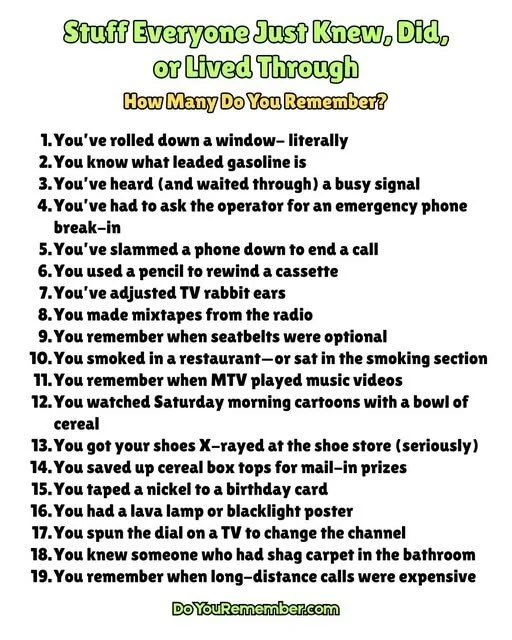
Mot: . Did Ya!!!??? Remember when?
BRICS vs. West, America is Losing Southeast Asia, the BRICS Shift No One Saw Coming
BRICS vs. West, America is Losing Southeast Asia, the BRICS Shift No One Saw Coming
Lena Petrova: 7-7-2025
The recent BRICS summit in Rio de Janeiro marks a significant geopolitical realignment, with Southeast Asia increasingly engaging with the expanded BRICS bloc.
Originally comprising Brazil, Russia, India, China, and South Africa, BRICS has grown to include Egypt, Ethiopia, Indonesia, Iran, and the UAE, representing nearly 40% of global GDP by purchasing power—surpassing the G7.
Southeast Asia, led by Indonesia’s full membership and Malaysia, Thailand, and Vietnam’s partner status, is now strategically aligning with BRICS to secure long-term peace and prosperity by leveraging two key initiatives: the New Development Bank (BRICS Bank) and the Contingent Reserve Arrangement (CRA)
BRICS vs. West, America is Losing Southeast Asia, the BRICS Shift No One Saw Coming
Lena Petrova: 7-7-2025
The recent BRICS summit in Rio de Janeiro marks a significant geopolitical realignment, with Southeast Asia increasingly engaging with the expanded BRICS bloc.
Originally comprising Brazil, Russia, India, China, and South Africa, BRICS has grown to include Egypt, Ethiopia, Indonesia, Iran, and the UAE, representing nearly 40% of global GDP by purchasing power—surpassing the G7.
Southeast Asia, led by Indonesia’s full membership and Malaysia, Thailand, and Vietnam’s partner status, is now strategically aligning with BRICS to secure long-term peace and prosperity by leveraging two key initiatives: the New Development Bank (BRICS Bank) and the Contingent Reserve Arrangement (CRA)
These financial mechanisms offer alternatives to Western-dominated institutions, supporting infrastructure, green energy, and crisis liquidity, helping emerging economies reduce dependence on China or Western powers.
Beyond economics, BRICS offers Southeast Asian nations a strategic hedge amid intensifying US-China tensions, promoting cooperative multipolarity and enabling countries to avoid binary Cold War-style choices.
This aligns with South-South cooperation, empowering developing nations to gain more influence in global affairs. However, this shift is not without challenges: some Southeast Asian countries remain wary of BRICS due to China’s dominant role, ongoing territorial disputes in the South China Sea, and concerns over ASEAN unity. The US views BRICS skeptically, with previous administrations threatening tariffs and economic sanctions against members cooperating too closely with the bloc.
Full ASEAN membership in BRICS is unlikely in the near term, but individual Southeast Asian states will continue to deepen ties with BRICS to diversify economic partnerships and strengthen sovereignty in an unpredictable global environment.
Ultimately, Southeast Asia’s engagement with BRICS reflects a broader desire for autonomy and multipolar cooperation rather than allegiance to a single global power.
The evolving BRICS bloc is reshaping global geopolitics and economics, with Southeast Asia emerging as a key player in this transformation.
The region’s engagement with BRICS reflects a strategic pursuit of economic diversification, financial resilience, and geopolitical autonomy. By leveraging the New Development Bank and the Contingent Reserve Arrangement, Southeast Asian countries gain alternatives to traditional Western institutions and the ability to better navigate global uncertainties.
However, the path forward is fraught with challenges stemming from territorial disputes, regional unity concerns, and US opposition. Ultimately, Southeast Asia’s cautious but steady move toward BRICS embodies a broader global south ambition: to assert sovereignty, avoid binary power struggles, and foster a more multipolar, cooperative international order.
Iraq Economic News and Points To Ponder Monday Evening 7-7-25
A government source told Al-Eqtisad News: The Government Has Taken Major Steps To Promote Electronic Payments And Financial Inclusion, Achieving Qualitative Leaps In 2025.
Money and Business Economy News – Baghdad A government source revealed the steps taken by the Iraqi government to develop and promote electronic payments, noting that since the Iraqi government assumed office more than two and a half years ago, the importance of a strong and efficient banking system has become clear to it.
A government source told Al-Eqtisad News: The Government Has Taken Major Steps To Promote Electronic Payments And Financial Inclusion, Achieving Qualitative Leaps In 2025.
Money and Business Economy News – Baghdad A government source revealed the steps taken by the Iraqi government to develop and promote electronic payments, noting that since the Iraqi government assumed office more than two and a half years ago, the importance of a strong and efficient banking system has become clear to it.
The development of electronic payments and increased financial inclusion in the country are among its most prominent features.
The government and the Prime Minister have considered this goal a top priority, as it is a key objective in the strategies of countries around the world, given its close connection to economic stability and growth.
The source added to Al-Eqtisad News that the Iraqi government has taken a series of decisions and measures through the Council of Ministers and the Ministerial Council for the Economy, in addition to the committees emanating from them, which include representatives from the government, the Central Bank, and the private sector, to monitor this aspect.
These committees include the Electronic Payment Performance Monitoring Committee, the Electronic Payment and Financial Inclusion Stimulation Committee, the Digital Transformation Committee, and the Digital Transformation and Electronic Payment Process Evaluation Committee in Iraqi Ministries and Government Institutions.
He explained that Prime Minister Mohammed Shia Al-Sudani had previously issued a set of decisions and directives based on reports received from these committees, which led to significant progress in several indicators in this field during 2025, as:
- The percentage of digital transformation of Iraqi ministries and institutions rose to about 32%, after it was less than 18% in 2022, with a growth rate of
It reached 78%.
The number of bank accounts reached approximately 20 million, compared to 8 million in 2022, a growth exceeding 150%.
The number of bank cards also increased to 21-22 million cards (of all types, including credit, debit, and prepaid), up from 16 million cards in 2022, representing a growth rate of 38%.
The number of point-of-sale (POS) devices reached approximately 62,000, up from less than 10,000 in 2022, a growth of 520%.
The number of ATMs reached approximately 7,531, up from approximately 2,223 in 2022, a growth rate of 239%.
Total electronic payments reached approximately 1.37 trillion dinars in May 2025, compared to less than 90 billion dinars at the end of 2022, with a growth rate of 1,400%.
Data indicates that financial inclusion in Iraq has reached approximately 40%, up from less than 10% in 2019.
The source revealed that "the Prime Minister recently issued a number of future decisions related to a number of important projects in the field of electronic payments, stressing the need to complete them as soon as possible. These projects include:
- Activation of the local card, which is expected to be completed by the end of 2025.
- Activate the fast payment project.
- Activating the unified electronic collection application.
- Localizing private sector salaries in line with the government sector.
- Establishing a unified center for complaints related to electronic payment transactions, headquartered at the National Data Center.
The source also expected these projects to be completed in less than a year, stressing that their implementation would contribute to Iraq's advancement to a new level among advanced countries in this field. 232 viewshttps://economy-news.net/content.php?id=57098
Al-Sudani: We Are Close To Achieving Complete Self-Sufficiency In Petroleum Derivatives And Will Move To Exports.
Monday, July 7, 2025 11:05 | EconomicNumber of reads: 369 Baghdad / NINA / Prime Minister Mohammed Shia Al-Sudani stressed: "Iraq is close to achieving full self-sufficiency in petroleum derivatives, and will move to exports after the completion of a number of projects."
Al-Sudani said in a speech during the inauguration, via video conference, of the operational works of the Diwaniyah refinery expansion project: "This project falls within the government's vision to reach the conversion of 40% of the produced oil to the refining and transformation industries to meet the needs of the local market and export," indicating that with the entry of a number of projects into service, Iraq is close to achieving full self-sufficiency in petroleum derivatives, and will move to exports after the completion of the refinery expansion projects in Maysan, Diwaniyah, and Najaf.
According to a statement from his media office, he praised the efforts being made on this project, noting: "Diwaniyah Governorate lacks major projects, and this project will contribute to stimulating economic activity and will provide double job opportunities.
" He pointed out: "Refinery expansion projects will be one of the most prominent areas for enhancing the expertise of our youth and developing and investing in the oil wealth."
Al-Sudani explained: "The project, which costs $800 million, will include the addition of liquefied gas processing units with a capacity of 180 tons per day, gasoline improvement with a capacity of 10,000 barrels per day, expansion of kerosene, gas oil and fuel oil production, an 8,000 barrel per day naphtha isomerization unit, an 18,000 barrel per day naphtha hydrogenation unit, a nitrogen production plant, warehouses and storage and pumping stations, and another for electricity production."
The Prime Minister expressed his great confidence in the private sector as a partner in implementing strategic projects, in addition to his greater confidence in national capabilities to implement joint projects and achieve the highest returns from the oil wealth.
Prime Minister Mohammed Shia al-Sudani launched, today, Monday, via a video conference, the executive works of the Diwaniyah refinery expansion project by adding refining units with a capacity of 70,000 barrels/day, so that the total refining capacity of the refinery becomes 90,000 barrels/day. /End https://ninanews.com/Website/News/Details?key=1239422
A Government Delegation From The Region Arrives In Baghdad, And An Oil Agreement Is Imminent Today.
Time: 2025/07/07 11:24:11 Reading: 945 times {Political: Al Furat News} An informed source revealed that a delegation from the Kurdistan Regional Government arrived in Baghdad to hold talks with Iraqi officials regarding the draft agreement between the two sides.
According to the source, the delegation includes Acting Minister of Natural Resources Kamal Mohammed, Cabinet Secretary Amanj Rahim, and Head of the Coordination and Follow-up Office Abdul Hakim Khosro.
The delegation's visit comes as Baghdad has prepared a final draft of the agreement to re-export oil and is awaiting Erbil's response, which is expected today.
A source familiar with the Baghdad-Erbil negotiations, who preferred to remain anonymous due to the sensitivity of the issue, reported yesterday that a draft agreement on the delivery and export of oil was in its final stages. He noted that the most significant amendment to the agreement entails the delivery of all oil produced in exchange for the federal government securing the Kurdistan Region's petroleum product needs.
The source in the Kurdistan Regional Government indicated that the draft agreement stipulates that a delegation from the Ministry of Oil will be sent to the region for two purposes: first, to determine the actual level of oil production, and second, to assess the extent of local needs for petroleum products such as kerosene, gasoline, and diesel, which the federal government will provide according to the agreement.
It is worth noting that the Kurdistan Region's oil exports via the Turkish port of Ceyhan have been halted since March 25, 2023, while the amendment to the budget law entered into force on February 17 with the aim of removing obstacles to the resumption of these exports.
Under the amendment, a consulting firm will assess the costs of extracting and transporting Kurdistan's oil. Until this assessment is completed, Baghdad will temporarily pay $16 per barrel to oil companies as operating costs. LINK
For current and reliable Iraqi news please visit: https://www.bondladyscorner.com
3 Reasons Retired Boomers Shouldn’t Give Their Kids a Living Inheritance
3 Reasons Retired Boomers Shouldn’t Give Their Kids a Living Inheritance (And 2 Reasons They Should)
May 22, 2025 By Sean Bryant
If you’ve generated a significant amount of wealth during your lifetime, you might be starting to think about what will happen to it once you are gone. You could donate it to a worthy cause or you could pass it down to your kids. But what if you want to go ahead and give them some of your wealth now, before you pass?
With the Great Wealth Transfer underway, it’s expected that by 2045, roughly $84 trillion will be passed down from the silent generation and baby boomers to their kids. And a lot of this will be done as a living inheritance.
3 Reasons Retired Boomers Shouldn’t Give Their Kids a Living Inheritance (And 2 Reasons They Should)
May 22, 2025 By Sean Bryant
If you’ve generated a significant amount of wealth during your lifetime, you might be starting to think about what will happen to it once you are gone. You could donate it to a worthy cause or you could pass it down to your kids. But what if you want to go ahead and give them some of your wealth now, before you pass?
With the Great Wealth Transfer underway, it’s expected that by 2045, roughly $84 trillion will be passed down from the silent generation and baby boomers to their kids. And a lot of this will be done as a living inheritance.
This huge transfer of wealth has caused a lot of debate about whether or not leaving your kids a living inheritance is a good idea. Keep reading as we look into some reasons why retired boomers should not leave their kids a living inheritance and a couple of reasons why they should.
Why You Shouldn’t Leave Your Kids a Living Inheritance
Risking Your Own Financial Security
It’s common to want to see your kids succeed. This is true not only with their careers but also financially. Seeing them experience things like purchasing a home or traveling the world can give you self-gratification because you can witness and enjoy their success.
However, you also need to think about your own needs. If you plan to provide your kids with an inheritance while you’re still alive, it’s important to do so carefully. What happens if an unexpected expense pops up? Are you still going to have the funds available to continue living your current lifestyle?
Family Resentment
If you have multiple children that you’re planning to leave an early inheritance for, you need to do so carefully. It’s easy to leave cash assets and know the distribution is even. But what if you’re planning to leave someone with a business or real estate?
These types of assets can have fluctuating values, and if one dependent receives something that becomes more valuable, it could cause tension within the family — not just between siblings but also between you and them.
Potential for Financial Irresponsibility
Let’s be honest with each other. Sometimes people make bad decisions with money. Lifestyle inflation is a real thing and can have some severe outcomes. When people come into additional money, whether it’s a raise at work or an inheritance, they feel more freedom. They want to go out and treat themselves to something they’ve wanted but couldn’t afford. And while this is OK to a certain extent, there must be some restraint.
Operation Gold Hollow: 90% Of London’s Bullion Was Never There—Now The Exit Doors Are Locked | Andy Schectman
Operation Gold Hollow: 90% Of London’s Bullion Was Never There—Now The Exit Doors Are Locked | Andy Schectman
Two Dollars Investing: 7-7-2025
London’s gold vaults just got exposed—and it’s worse than anyone imagined.
Andy Schectman returns with a bombshell: over 279 million ounces of gold claimed in the LBMA system… but only 36 million ounces are actually available for delivery.
The rest? Vanished, double-counted, or never there to begin with.
Operation Gold Hollow: 90% Of London’s Bullion Was Never There—Now The Exit Doors Are Locked | Andy Schectman
Two Dollars Investing: 7-7-2025
London’s gold vaults just got exposed—and it’s worse than anyone imagined.
Andy Schectman returns with a bombshell: over 279 million ounces of gold claimed in the LBMA system… but only 36 million ounces are actually available for delivery.
The rest? Vanished, double-counted, or never there to begin with.
In this urgent episode, we expose the paper gold illusion propping up the entire global bullion system, how the U.S. quietly cornered supply using “logistics” as cover, and why major players are now scrambling before the exit doors slam shut.
BRICS Summit 2025 in Brazil, Explained
BRICS Summit 2025 in Brazil, Explained
Lena Petrova: 7-6-2025
The 17th BRICS Summit, held in the vibrant city of Rio de Janeiro, marked a pivotal moment in the evolution of this influential coalition of emerging economies.
Far from its initial five-member structure, BRICS has blossomed into an influential bloc of nine full members – Brazil, Russia, India, China, South Africa, Indonesia, Egypt, Ethiopia, Iran, and the UAE – with a growing roster of partners and keen interest from other nations like Mexico and Colombia.
BRICS Summit 2025 in Brazil, Explained
Lena Petrova: 7-6-2025
The 17th BRICS Summit, held in the vibrant city of Rio de Janeiro, marked a pivotal moment in the evolution of this influential coalition of emerging economies.
Far from its initial five-member structure, BRICS has blossomed into an influential bloc of nine full members – Brazil, Russia, India, China, South Africa, Indonesia, Egypt, Ethiopia, Iran, and the UAE – with a growing roster of partners and keen interest from other nations like Mexico and Colombia.
This expansion underscores BRICS’ burgeoning appeal and its ambition to represent a broader spectrum of emerging economies.
The summit’s ambitious agenda centered on fostering inclusive and sustainable cooperation among the Global South, with a strong focus on economic development, climate action, and the critical reform of global governance institutions.
A key takeaway from the summit challenges a popular misconception: BRICS is not pursuing a common currency. Instead, the focus is squarely on strengthening the use of national currencies for trade and financing.
This strategic move aims to reduce reliance on the US dollar and Euro, thereby building alternative frameworks for global trade and finance that temper Western dominance.
As the host nation, Brazil played a pivotal role in steering the summit’s agenda towards pragmatic and impactful goals. Discussions honed in on vital areas such as infrastructure development, sustainable finance, and fortifying the New Development Bank (NDB), BRICS’ own financial institution headquartered in Shanghai.
Climate cooperation emerged as another critical theme, especially with Brazil poised to host COP30 in the Amazon later in the year. Despite internal divergences, particularly concerning the pace of fossil fuel phase-out, BRICS demonstrated its collective capacity to influence global environmental policies, evidenced by its recent joint proposal at a biodiversity summit.
Beyond economic and environmental cooperation, a central pillar of the summit was the urgent call for reforming global governance institutions.
Leaders emphasized the need to reshape bodies like the United Nations, IMF, and World Bank to ensure fairer representation for the burgeoning economies of the Global South.
This reflects BRICS’ evolving role as a significant counterbalance—rather than a direct replacement—to established Western-led institutions. Amidst growing global uncertainties and questions surrounding the reliability of traditional Western alliances, many developing nations are actively seeking alternative partnerships that offer greater agency and respect for their unique development paths.
With its rapidly expanding economic and demographic footprint, BRICS now commands a substantial 44% of global GDP and represents 56% of the world’s population, unequivocally signaling its rising influence on the global stage.
While the summit’s official outcomes included important declarations on governance, artificial intelligence, climate finance, and health, much of BRICS’ future direction will undoubtedly be shaped by behind-the-scenes negotiations and deals among member states.
Brazil’s pragmatic leadership is seen as crucial in transforming BRICS from primarily a geopolitical counterweight into a truly effective engine of development for the Global South.
The 17th BRICS Summit in Rio stands as a landmark event for emerging economies, clearly articulating their vision for a more inclusive, sustainable, and multipolar world order.
Under Brazil’s pragmatic leadership, the bloc is strategically emphasizing economic empowerment, robust climate cooperation, and the crucial reform of global governance, all while adeptly navigating its internal dynamics.
As BRICS continues its trajectory of growth and diversification, it is undeniably poised to play a transformative role in shaping the future of global politics and economics.
Iraq Economic News and Points To Ponder Monday Afternoon 7-7-25
The Specter Of Sanctions Haunts The "Ki Card." Will Iraqis Face "Salary Cuts?"
Baghdad Today – Baghdad Fears are growing in Iraq over a looming financial crisis, following reports
that Qi Card could be included on the US sanctions list due to ongoing investigations into financial files involving several banks and companies.
With a large segment of Iraqis relying on the company for their salaries, attention is turning to the government and central bank's ability to avoid what could become a paralysis in the routine financial system associated with employees and retirees.
The Specter Of Sanctions Haunts The "Ki Card." Will Iraqis Face "Salary Cuts?"
Baghdad Today – Baghdad Fears are growing in Iraq over a looming financial crisis, following reports
that Qi Card could be included on the US sanctions list due to ongoing investigations into financial files involving several banks and companies.
With a large segment of Iraqis relying on the company for their salaries, attention is turning to the government and central bank's ability to avoid what could become a paralysis in the routine financial system associated with employees and retirees.
Salaries in the circle of concern
Economic and financial expert Nasser Al-Tamimi told Baghdad Today, "Fears over the salaries of employees and retirees due to the possibility of sanctions being imposed on K-Card are natural and justified," noting that "the Central Bank of Iraq has actually begun moving to establish a national payments system to counter such threats."
Al-Tamimi added that "the sanctions, if imposed, will restrict the company's transactions to Iraq alone,
meaning it will be barred from any external activity or transfers." He emphasized that "Iraq's delay in establishing an independent payments system has made it directly vulnerable to any pressure or sanctions affecting the financial sector."
The context of sanctions and banking tensions
These warnings come at a time when the Iraqi banking sector is witnessing successive turmoil,
especially after the US Treasury Department imposed sanctions on several Iraqi banks on charges of money laundering and dollar smuggling.
Global money transfer companies such as Western Union also announced they would suspend their dealings with some of these banks, sparking market chaos and disrupting the flow of salaries and remittances.
Observers warn that any expansion of sanctions could include intermediary companies such as Qi Card,
potentially disrupting the payments infrastructure in the absence of effective alternatives in the short term.
Popular Mobilization Forces without salaries
In one of the most striking manifestations of the current financial chaos, thousands of members of the Popular Mobilization Forces (PMF) have not received their monthly salaries for more than forty days, amid official silence from relevant authorities and a lack of clarification regarding the reasons for the delay. Observers believe this delay may be indirectly related to sanctions imposed on a number of local banks, or the result of increasing restrictions on exchange and remittance channels, particularly in light of reports of tight US oversight of financing mechanisms, some of which are believed to be used outside official frameworks.
What next?
The Iraqi financial landscape is in a state of suspense amid delayed moves to establish national alternatives.
While the Central Bank confirms it is working to establish a new payments system capable of bypassing traditional intermediaries, actual implementation requires time, at a time when citizens cannot tolerate further delays in their salaries.
Experts believe this crisis could be a wake-up call for the state to reevaluate its financial and regulatory structure and provide sovereign tools to ensure financial stability, free from the dominance of companies that may be vulnerable to external targeting. https://baghdadtoday.news/277952-.html
Central Bank: National Electronic Payment Card Does Not Cancel International Cards
Time: 2025/07/04 3:30:17 PM Read: 1,860 Times {Economic: Al Furat News} The Central Bank of Iraq confirmed that the National Electronic Payment Card Project
is an additional local option used exclusively within Iraq and
in Iraqi dinars, stressing that
it does not cancel or restrict existing international cards.
The Central Bank explained in a statement that "the National Electronic Payment Card Project
is an additional local option used exclusively within Iraq and in Iraqi dinars," emphasizing that
this project aims to enhance local banking services.
The bank emphasized that the National Card "does not cancel or restrict existing international cards such as Visa and Mastercard," denying any negative impact on the use of currently available international cards.
The statement added that "there are no plans to cancel these cards or prohibit transactions in dollars outside Iraq," reassuring citizens and banking market users about the continuity of international banking services.
These clarifications come as part of government efforts to develop the local banking system and promote the use of the Iraqi dinar in local transactions, without compromising nternational banking services or restricting foreign currency transactions outside Iraq. https://alforatnews.iq/news/البنك-المركزي-البطاقة-الوطنية-للدفع-الإلكتروني-لا-تلغي-البطاقات-الدولية
The Central Bank Of Iraq Organizes A Workshop On Improving The Skills Of Its Employees.
July 07, 2025 The Human Resources Directorate of the Central Bank of Iraq, in cooperation with the Erbil branch, organized a workshop for branch employees titled "Improving the Skills of Middle Management and Preparing Them for Digital Transformation."
The workshop covered a range of topics related to new management skills, strategic thinking, job behavior, the use of modern digital and technical approaches, and the art of dealing and negotiation.
Central Bank of Iraq Media Office July 7, 202 https://cbi.iq/news/view/2927
Industry: Investment Opportunities For Phosphate Fertilizer Production
Economic 07/07/2025 Baghdad: The pillar of the emirate The Ministry of Industry and Minerals announced the referral of investment opportunities to establish new, integrated
phosphate fertilizer plants to a consortium comprising the Iraqi Asas Engineering Company and East China Company,as part of its efforts to boost national production in the chemical industries sector.
The ministry's media spokesperson, Duha Al-Jubouri, told Al-Sabah:
"The Opinion Board and the relevant departments within the ministry are in the process of approving the referral decision in preparation for signing the final contract next month." She noted that "the new plants will operate with an annual production capacity of 1.5 million tons of phosphate fertilizers.
" Al-Jubouri explained that the investment project includes the development of the phosphate ore mine in Akashat, west of Anbar.
This mine constitutes a fundamental pillar in the production chain, as the raw materials will be transported to the Al-Qaim Industrial Complex for use as raw materials in fertilizer manufacturing.
She confirmed that all production lines in Akashat and Al-Qaim will adopt the latest technologies.
Regarding phosphate reserves, Al-Jubouri revealed that "the confirmed reserves in the Akashat mine alone amount to (3) billion tons, while the other mines in the Sawab and Al-Hari areas contain about (7) billion additional tons, bringing the total confirmed national reserves to about (10) billion tons," considering
this a "strategic wealth suitable for long-term investment.
" She emphasized that the Minister of Industry and Minerals, Khaled Battal Al-Najm, has given special importance to investment in the phosphate sector since assuming office, as three investment conferences were organized specifically for this purpose, and their outcomes were the referral of these major investment opportunities, while there are still two additional opportunities under study by the ministry.
Chemical industry
Regarding the importance of phosphate, economic expert Dr. Ikram Abdel Aziz explained that phosphate represents a vital mineral with multiple uses and is an essential material in many vital and agricultural industries.
Speaking to Al-Sabah, Abdel Aziz said, "Phosphate is used in the manufacture of animal feed supplements, as it provides the phosphorus and calcium necessary for bone growth and reproduction in livestock."
She noted that "this substance is also used in the chemical and agricultural detergent industries, as it is an essential raw material for the production of phosphoric acid, which in turn is used in the manufacture of many industrial chemicals."
She added that phosphate plays an important role in mining operations, by helping to remove impurities and enhance the fluidity of molten metals, which aids in the extraction and purification of metals such as iron, steel, aluminum, and copper.
On the environmental side, Abdelaziz explained that "phosphate is used to stabilize soil and prevent soil erosion by strengthening its structure, which contributes to supporting land management practices, especially in areas prone to erosion."
In the medical field, she emphasized that "calcium phosphate compounds are used to ensure the safety and quality of drinking water and industrial systems, in addition to their role in promoting public health and protecting infrastructure."
Abdelaziz concluded her remarks by highlighting the growing role of phosphate in renewable energy, saying, "Phosphate is a key topic in energy storage research, as it has significant potential in this area.
Scientists are currently seeking to develop technologies to improve its extraction efficiency and expand its use in recycling phosphorus from organic waste and wastewater." https://alsabaah.iq/117039-.html
For current and reliable Iraqi news please visit: https://www.bondladyscorner.com
Seeds of Wisdom RV and Economic Updates Monday Afternoon 7-7-25
Good Afternoon Dinar Recaps,
Crypto Tax India: Here’s What the New 18% GST Means for Traders
Triple-tax regime pushes Indian crypto users toward DeFi as regulatory pressure escalates
▪️ India Imposes 18% GST on Crypto Services via Bybit – Starting July 7, 2025, Indian users will be taxed on trading, staking, yield, and more.
▪️ Triple Tax Burden May Push Users to DeFi – Combined with the 30% profits tax and 1% TDS, the new GST may accelerate a shift away from centralized exchanges.
Good Afternoon Dinar Recaps,
Crypto Tax India: Here’s What the New 18% GST Means for Traders
Triple-tax regime pushes Indian crypto users toward DeFi as regulatory pressure escalates
▪️ India Imposes 18% GST on Crypto Services via Bybit – Starting July 7, 2025, Indian users will be taxed on trading, staking, yield, and more.
▪️ Triple Tax Burden May Push Users to DeFi – Combined with the 30% profits tax and 1% TDS, the new GST may accelerate a shift away from centralized exchanges.
India’s Harshest Crypto Tax Yet Starts July 7
India’s crypto climate just turned more hostile. Influencer Keyur Rohit (176K+ followers on X) revealed that Bybit will apply an 18% Goods and Services Tax (GST) on all crypto services for Indian users starting July 7, 2025.
This move cements India’s place among the most heavily taxed crypto jurisdictions in the world.
What Services Are Now Taxed?
The 18% GST will apply to nearly every aspect of Bybit’s platform in India, including:
Spot and futures trading
Copy trading and bot trading
Staking rewards
Withdrawals
Card payments
Token swaps
Yield earnings
Deposits via card or bank
Crypto loans and Bybit Card services will be discontinued entirely for Indian users.
India’s “Triple Tax Trap”
Here’s the updated crypto tax structure facing Indian traders:
30% tax on crypto profits
1% TDS on every sell transaction
18% GST on services (starting July 7)
This layered tax burden may push users toward DeFi platforms, where tax enforcement is less direct and privacy is enhanced.
DeFi: A Potential Escape?
Rohit warns that this heavy-handed tax policy may backfire, driving more users to decentralized platforms that offer:
Greater user privacy
No 1% TDS or centralized reporting
Fewer immediate compliance demands
While not paying taxes remains illegal, the current tax climate may unintentionally undermine government oversight by forcing users underground.
India’s Crypto Crossroads
As of July 7, Indian crypto users will face one of the highest cumulative tax burdens in the world. While decentralized platforms might offer temporary relief, the only long-term solution is regulatory reform that protects both revenue and innovation.
Without a balanced approach, India risks stifling its own crypto industry and losing ground to more innovation-friendly economies in Asia.
@ Newshounds News™
Source: Coinpedia
~~~~~~~~~
90% of BRICS Transactions Now Settled in Local Currencies, Putin Confirms at 2025 Summit
At the 2025 BRICS summit held in Rio de Janeiro, Russian President Vladimir Putin announced that 90% of all cross-border transactions with BRICS members are now conducted in local currencies—a significant milestone in the bloc's ongoing push to de-dollarize global trade.
According to Putin, the majority of these transactions have been settled in the Russian ruble and other national currencies, signaling a marked departure from reliance on the U.S. dollar.
“The use of national currencies in trade among our countries is steadily growing,” Putin said. “In 2024, the share of our national currency, the ruble, along with the currencies of friendly nations, accounted for 90% of Russia’s settlements with other BRICS states.”
Local Currency Settlements Take Center Stage
BRICS member nations are reportedly engaged in discussions to streamline and scale payment systems using their respective national currencies. This includes improvements in financial services infrastructure such as logistics, insurance, and payment processing, aimed at reducing dependency on U.S.-dominated systems.
“First and foremost, in such areas as technology, the efficient development of resources, logistics and insurance, trade, and finance. It is also necessary to further expand the use of national currencies in mutual settlements,” Putin noted during the summit.
A Strategic Shift Away from the U.S. Dollar
Russia has emerged as a central advocate within BRICS for transitioning to local currency payments, a move it sees as essential to asserting financial sovereignty. China has joined in this effort, promoting global de-dollarization by encouraging nations in Asia, Africa, and South America to adopt non-dollar trade frameworks.
This momentum marks a stark geopolitical shift, as BRICS becomes the only international bloc actively organizing to challenge the West’s financial influence.
The Bigger Picture
As the U.S. dollar takes a backseat in BRICS trade agreements, the bloc is laying the groundwork for a parallel financial system—one that seeks to compete with, and potentially decouple from, the U.S.-led global order.
If sustained, this realignment could have far-reaching implications for international finance, reserve currencies, and global power balances.
@ Newshounds News™
Source: Watcher.Guru
~~~~~~~~~
Seeds of Wisdom Team RV Currency Facts Youtube and Rumble
Newshound's News Telegram Room Link
Follow the Roadmap
Follow the Timeline
Seeds of Wisdom Team™ Website
Thank you Dinar Recaps
News, Rumors and Opinions Monday 7-7-2025
Gold Telegraph: This is the Type of Stuff you See During Monetary Resets
7-7-2025
BREAKING NEWS: CHINESE MINING ACQUISITIONS OVERSEAS HAVE HIT THEIR HIGHEST LEVEL IN MORE THAN A DECADE
The rush is on from countries. The majority of investors are still sleeping.
“Dealmaking hits highest level since 2013 as groups seek raw materials that underpin global economy…”
Gold Telegraph: This is the Type of Stuff you See During Monetary Resets
7-7-2025
BREAKING NEWS: CHINESE MINING ACQUISITIONS OVERSEAS HAVE HIT THEIR HIGHEST LEVEL IN MORE THAN A DECADE
The rush is on from countries. The majority of investors are still sleeping.
“Dealmaking hits highest level since 2013 as groups seek raw materials that underpin global economy…”
Source: https://www.ft.com/content/51c2016a-28f3-4600-9e08-a491410d34a9
Exploration budgets are nearing record lows as China steps up its fastest overseas mining push in over a decade The European Union plans to stockpile critical minerals to protect themselves The race for resource CONTROL is on, and the West is already behind Big opportunity…
More than 30 nations have expressed interest in participating in the BRICS as full members or partners. The influence continues to grow.
Anyone who still thinks BRICS is irrelevant must be living on another planet. The bloc now accounts for over half the world’s population and nearly 40% of global economic output. NATO member Turkey has applied to join, and France was denied entry to attend a summit. Try again.
What’s the rare point of agreement between the United States and BRICS nations? The International Monetary Fund is in desperate need of reform.
This is the type of stuff you see during monetary resets…
BREAKING NEWS: THE PRESIDENT OF THE UNITED STATES IS WARNING THAT ANY NATION THAT ALIGNS ITSELF WITH ANTI-AMERICAN POLICIES OF THE BLOC WILL FACE AN ADDITIONAL TARIFF OF 10%
Things are heating up.
Ladies and gentlemen,
BRICS challenging the United States to create a new global order is now a global conversation.
The moment has arrived.
The President of the United States would not make threats unless he understood what was at stake.
Source(s): https://x.com/GoldTelegraph_/status/1941900349528297675
************
Courtesy of Dinar Guru: https://www.dinarguru.com/
Mnt Goat the CBI is still moving forward at a fast pace to complete the monetary reform and follow Dr Shabibi’s plan of 2011. But the U.S. will have to let go and let it happen. This will end their control over Iraq…finally! The U.S. has said already they intend to sign-off with caveats.
Frank26 [Iraq boots-on-the-ground report] FIREFLY: The United Nations Secretary General for Iraq came out and told the Iraqi citizens...that Iraq has become a banking powerhouse domestically and internationally...His name is Al-Hassan...This statement was actually made in May a few weeks ago and it's being made again. Why in the world would this guy tell the world, through the UN, that Iraq is a banking powerhouse? ... FRANK: It sure is getting exciting isn't it!
FRANK26……7-6-25….ALOHA….LET’S MAKE A CHANGE
Iraq's CBI Has Major Announcements & Changes
Edu Matrix: 7-6-2025
In this video, we delve into the latest economic updates from Iraq, highlighting key developments from the Central Bank of Iraq (CBI).
A recent training workshop in Erbil focused on "Core Standards for Detecting Counterfeit Currency," essential for improving banking practices. Meanwhile, inflation rates fell to 2.2% in Q1 2025, signaling an enhancement in purchasing power.
We also discuss the 0.6% reduction in currency circulation, aiming to stabilize the IQD's value. Additionally, Iraq's gold reserves surged by 19%, now at IQD 21.2 trillion, strengthening their foreign reserves.
“Tidbits From TNT” Monday 7-7-2025
TNT:
Tishwash: Kurdistan Region agrees to hand over oil to Baghdad, final agreement expected within 24 hours
An informed source reported on Sunday (July 6, 2025) that the Kurdistan Region informed the federal government of its official approval to deliver its oil to Baghdad, as part of the joint oil agreement.
The source confirmed in a statement to Baghdad Today that "the regional government's response has already reached Baghdad, and includes full approval for the delivery of oil according to the mechanisms discussed during previous meetings," noting that "the federal government's response will be sent to the region Monday."
TNT:
Tishwash: Kurdistan Region agrees to hand over oil to Baghdad, final agreement expected within 24 hours
An informed source reported on Sunday (July 6, 2025) that the Kurdistan Region informed the federal government of its official approval to deliver its oil to Baghdad, as part of the joint oil agreement.
The source confirmed in a statement to Baghdad Today that "the regional government's response has already reached Baghdad, and includes full approval for the delivery of oil according to the mechanisms discussed during previous meetings," noting that "the federal government's response will be sent to the region Monday."
The source added, "The two sides are close to finalizing the final version of the full agreement link
Tishwash: A delegation from the Kurdistan Region arrives in Baghdad to discuss a draft oil export agreement.
An informed source reported that a delegation from the Kurdistan Region has arrived in Baghdad to complete discussions on the draft oil export agreement between the two governments.
According to the source, "A delegation from the Kurdistan Regional Government arrived in Baghdad on Monday to discuss a draft agreement on oil exports with Iraqi officials."
The delegation includes Kamal Mohamed, Acting Minister of Natural Resources; Amanj Rahim, Secretary of the Cabinet; and Abdul Hakim Khosro, Head of the Coordination and Follow-up Office.
This visit comes as Baghdad prepares a draft of the aforementioned agreement, awaiting Erbil's response. Erbil is expected to submit its official response to Baghdad today. link
************
Tishwash: Al-Bujari: The new legislative session will witness the approval of important laws.
Representative Zahra Al-Bajari called on the Parliament Speaker and political forces on Sunday to move forward in activating the file of interrogating officials, especially interrogations that have met their constitutional requirements.
Al-Bajari confirmed in a statement to the Al-Maalouma Agency that “the Parliament will resume its sessions in the coming few days with the start of the new legislative term,” noting that “most political forces are keen to make this legislative term effective by approving important laws that directly affect the lives of citizens.”
She stressed "the necessity of activating the file of interrogations that meet the constitutional requirements, with the aim of strengthening the Parliament's oversight role and holding negligent parties accountable."
It is noteworthy that the Parliament will resume its regular sessions in the coming days after the end of its legislative term, amid calls to intensify the holding of sessions and work to approve important laws. End link
************
Tishwash: The era of cash is over. Iraq accelerates its steps towards electronic payments amid fears of hacking.
The Iraqi government is accelerating its efforts to end cash transactions within official institutions, as part of a national plan to establish an electronic payment system. This comes amid technical and economic challenges, and fears of potential disruption resulting from weak infrastructure and a lack of adequate preparation.
The government announced a package of measures requiring the use of electronic cards in all official institutions, whether for paying fees or receiving dues, as part of a plan to restructure the national economy and reduce reliance on cash.
Restructuring the Banking Sector
Last week, Prime Minister's advisor, Saleh Salman, said that the government had contracted with Ernst & Young to restructure six to seven state-owned banks, including Rafidain, Rashid, Industrial, and Real Estate.
He indicated that Rafidain Bank will be transformed into Rafidain First Bank, with the state's share reduced to less than 24%, while the remaining shares will be offered to investors and private banks.
He explained that the number of point-of-sale (POS) devices in the country ranges between 60,000 and 70,000, while the number of registered bank accounts amounts to approximately 22 to 23 million. However, these figures do not necessarily mean that all account holders have functional bank cards.
Unofficial estimates indicate that approximately 65% of the population remains outside the electronic payment system, due to the unavailability of cards, lack of confidence in the technical infrastructure, or frequent internet outages.
For his part, Moeen Al-Kadhimi, a member of the Finance Committee in the House of Representatives, emphasized the importance of switching to an electronic payment system as a strategic step to eliminate excessive reliance on cash, noting that this culture has become prevalent globally, and Iraq must catch up.
Al-Kadhimi added in a statement to Al-Mada that approximately seven million employees and retirees, in addition to three million social welfare recipients, receive their benefits via electronic payment cards, which reinforces the need to expand and develop this service in a thoughtful manner.
He pointed out that the technical infrastructure in Iraq is still incomplete, calling for its rapid development, especially with the notable progress made by Rashid Bank and the importance of supporting Rafidain Bank with young cadres specialized in programming and information technology.
Cyberattacks and Community Concerns
On the other hand, observers have warned that imposing electronic payments could increase citizens' suffering, especially in areas lacking technical infrastructure or among individuals who do not have bank accounts. Experts have recommended adopting a gradual approach that takes vulnerable groups into account.
This shift coincided with increasing complaints on social media about some users' accounts being hacked or debited without their knowledge, amid accusations of weak cybersecurity in some banking applications.
Experts warn that rushing to generalize electronic payments without addressing security vulnerabilities could undermine public confidence in the banking system, given the lack of adequate awareness of safe usage mechanisms.
Indications of a Real Transformation.
In the same context, economic expert Mustafa Hantoush stated that Iraq has made significant strides in the transition to electronic payments, noting that the period between June 1, 2023, and July 1, 2025, represents a pivotal point in integrating this system into the state.
Hantoush told Al-Mada that the value of electronic purchases amounted to more than 298 billion Iraqi dinars, reflecting a real shift in consumer culture.
He explained that the technical infrastructure is now well-prepared, but it still needs to develop electronic payment companies and expand the acceptance of international cards, which would enhance Iraq's ability to enter an integrated digital economy.
He concluded by saying, "We aspire to reach an electronic purchasing power exceeding 300 trillion dinars, and if we succeed in reaching 100 trillion as a first stage, it will be an achievement that establishes a modern financial culture in the country." link
Mot: .. Now Don't Laugh!!! -- 3 -- 2 --

Mot: . Evolution of a TNT'r during the RV evolution
At The Beginning Many Many Years Ago ! Today !!! Need I Say More?

Monday Coffee with MarkZ. 07/07/2025
Monday Coffee with MarkZ. 07/07/2025
Some highlights by PDK-Not verbatim
MarkZ Disclaimer: Please consider everything on this call as my opinion. People who take notes do not catch everything and its best to watch the video so that you get everything in context. Be sure to consult a professional for any financial decisions
Member: Good Morning all….Hope everyone had a fun filled holiday weekend
Member: Do we think this week is the week Mark??
MZ: There is really good news out of Iraq today…really good news.
Monday Coffee with MarkZ. 07/07/2025
Some highlights by PDK-Not verbatim
MarkZ Disclaimer: Please consider everything on this call as my opinion. People who take notes do not catch everything and its best to watch the video so that you get everything in context. Be sure to consult a professional for any financial decisions
Member: Good Morning all….Hope everyone had a fun filled holiday weekend
Member: Do we think this week is the week Mark??
MZ: There is really good news out of Iraq today…really good news.
Member: On a scale of 1 to 10 how sure are you we will get a new rate with the gas and oil law?
MZ: Personally I’m sitting at an 8…There is a lot of key sstuff coming together all at the same time.
Member: When you hear about the 2026 budget being voted on, and accepted, will we finally see this happen!???
Member: Frank26 says Barzani and Sudani will have an agreement within the next 24 hours.
MZ: In Iraq: “ Kurdish delegation arrives in Baghdad to finalize oil export deal” This is HUGE news. It is expected to be finalized today. Tomorrow at the latest from what my contacts in Iraq are telling me.
MZ: “ The Kurdistan region agrees to deliver oil to Baghdad, and final agreement within 24 hours” The news coming out of Iraq right now is fantastic. It looks like today is the day on this front. An announcement tomorrow is expected.
MZ: “Sudanese: Iraq will stop importing gasoline this year and start exporting it ” This is really big. They are ahead of schedule….We have been waiting for all of this for 15 years
MZ: “Inflation in Iraq decreased by 21% and improved national financial stability indicators” They are letting us know how in control is the inflation…..Things are safe and secure
MZ: I think they are laying the ground for a rate change.
Member: I pray there is a new rate in the HCL and budget.
Member: Do you think the Kurdish salaries will be paid in the new rate? And what’s your thought on the VND rate?
MZ: On Kurdish salaries I think yes-probably….They put a provision in the 23, 24, 25 budget for a rate change….a mechanism that lets them immediately change pay rates/exchange rates.
MZ: I am very cautiously excited at how close we are. You all should be jumping up and down in excitement.
MZ: “ Vietnam records 7.5% growth in the first half of 2025” Vietnam came to the table early and nailed down deals with the US.
Member: Vietnam is looking great !! I'm happy for the people of Vietnam !!
Member: Hearing VND could be .47. I’m totally ok with that. Still incredible
MZ: On the bond side -nothing yet this morning. I can tell you that redemption center/wealth management did not work this weekend. So no updates from them yet.
Hi Mark- it appears Iraq is ready to expose their rate but we have heard nothing about groups here being paid? If groups need to go before we RV it appears Iraq will need to wait. Your thoughts?
Member: Rumor is Trump say Vietnam and a small group of countries are scheduled to revalue on the 6th or 7th? I believe he was in Airforce One. From a guy on Franks show last week.
Member: do you think Trump knows about the RV?
MZ: I absolutely do….years ago he spent millions on Iraqi dinar because he knows it’s a good investment. As did Warren Buffet….I think he spent 14 million buying dinar.
Member: Years ago, on his tv show, Trump handed out Zims and told contestants to hang onto it because it would be worth a lot of money
Member: BRICS is having a big meeting in Rio right now……
Member: will the BRICS summit trigger Operation Sandman??
Member: Still waiting to hear what was to come of Ft Knox and the one in NY regarding the gold.
Member: Havn’t heard of the Federal Reserve or Treasury being audited either.
Member: With the massive amounts of GOLD in Fort Knox, Trump should just revalue GOLD to $140k/oz to increase the "Asset side" of his balance sheet, Debt problem solved!
Member: If the RV happens, the world will start to change. Most of us are going to help the world
Member: I am new…. Where do I go to register for the exchange of my IDQ VNĐ and ZIM….
Member: Mark will announce it….along with Dinar Recaps and all the Dinar sites, and all the intel providers will announce it……you will not miss it.
Member: Thanks everyone. Have a safe and happy day today.
Member: We are very close. Don’t give up …..stay positive and the best is yet to come.
Jonothan Otto from myredlight joins us today after the news. Please listen to the replay for his information
THE CONTENT IN THIS PODCAST IS FOR GENERAL & EDUCATIONAL PURPOSES ONLY&NOT INTENDED TO PROVIDE ANY PROFESSIONAL, FINANCIAL OR LEGAL ADVICE. PLEASE CONSIDER EVERYTHING DISCUSSED IN MARKZ’S OPINION ONLY
FOLLOW MARKZ : TWITTER . https://twitter.com/originalmarkz?s=21. TRUTH SOCIAL . https://truthsocial.com/@theoriginalm...
Mod: MarkZ "Back To Basics" Pre-Recorded Call" for Newbies 10-19-2022 ) https://www.youtube.com/watch?v=37oILmAlptM
MARKZ DAILY LINKS: https://theoriginalmarkz.com/home/
Note from PDK: Please listen to the replay for all the details and entire stream….I do not transcribe political opinions, medical opinions or many guests on this stream……just RV/currency related topics.
ZESTER'S LINK TREE: https://linktr.ee/CrazyCryptonaut
THANKS FOR JOINING. HAVE A BLESSED DAY! SEE YOU ALL TUESDAY THROUGH THURSDAY EVENINGS FOR NEWS @ 7:00 PM EST ~ UNLESS BREAKING NEWS HAPPENS! FROM NOW ON NO MORE NIGHTLY PODCASTS ON MONDAYS AND FRIDAYS