
Pros and Cons of Living in a State With No Income Tax
.Pros and Cons of Living in a State With No Income Tax
John Csiszar Fri, February 11, 2022
Every U.S. citizen is responsible for paying federal income tax, and some taxpayers also must pay a separate state income tax. As of 2022, just nine states don’t impose any additional income tax: Alaska, Florida, Nevada, New Hampshire, South Dakota, Tennessee, Texas, Washington and Wyoming.
At first glance, it might seem as if there’s no reason to live in a state with income tax, as it simply adds an additional financial burden to your budget. But there are both pros and cons to living in a state that has no income tax.
Pros and Cons of Living in a State With No Income Tax
John Csiszar Fri, February 11, 2022
Every U.S. citizen is responsible for paying federal income tax, and some taxpayers also must pay a separate state income tax. As of 2022, just nine states don’t impose any additional income tax: Alaska, Florida, Nevada, New Hampshire, South Dakota, Tennessee, Texas, Washington and Wyoming.
At first glance, it might seem as if there’s no reason to live in a state with income tax, as it simply adds an additional financial burden to your budget. But there are both pros and cons to living in a state that has no income tax.
Pro: You’ll Have To Pay Only Federal Income Tax
The top federal income tax bracket for 2022 is 37%. If you find yourself in that bracket, you’ll already be forking over a significant amount of your income to the federal government. Adding state income tax on top of that, especially in a high-tax state like California, can push your total income tax bill to over 50%. Rates like that are enough to push some high earners away from high-tax states like California to no-tax states like Texas.
Con: Other Taxes Might Be Higher
States that have no income tax aren’t excessively wealthy and benevolent. They simply have a different structure for raising revenue. With no income tax dollars coming in, these states must get that revenue from other sources.
Typically, this translates to higher sales taxes, property taxes and/or gasoline taxes. For example, homeowners in New Hampshire and Texas pay some of the highest property taxes in the country, at 1.89% and 1.6%. Washington charges the third-highest gasoline taxes in the country, at 49.4 cents per gallon.
While you might not have to pay state income tax, your overall tax bill actually might end up being higher, depending on your lifestyle. If you don’t own property and you use public transportation, for example, your tax bill likely will be significantly lower. But if you own some expensive real estate and drive a gas-guzzling car for your daily commute, your tax bill could be significant.
Con: Lower Infrastructure and Education Spending
In some cases, having no state income tax does translate to lower revenue for individual states. In turn, this may result in lower state spending on basic services. According to a 2021 analysis by the U.S. Census Bureau, South Dakota and Wyoming — two states with no income tax — spent the least amount on education of all 50 states.
Other states with no income tax revenue may lower spending in other areas, such as infrastructure. As a resident, you’ll have to decide whether that tradeoff is worth it.
Is It Better To Live in a State With No Income Tax?
To continue reading, please go to the original article here:
https://news.yahoo.com/pros-cons-living-state-no-153017752.html
MilitiaMan & Crew: CBI Policy Update: What You Need to Know About the IQD
10-21-2026
The Crew: Samson, PompeyPeter, Petra, Daytrader, Sunkissed, GIGI and Militia Man
No drama. No intrigue. No songs and dances. Just straight, factual news that I read and interpret to the best of my ability after being an avid Dinar investor and insanely obsessed Dinarian for over 15 years.
Follow MM on X == https://x.com/Slashn
Good Morning Dinar Recaps,
GLOBAL CURRENCY RESET WATCH: ECB SEEKS TO EXPAND THE EURO’S GLOBAL ROLE
The European Central Bank is widening access to euro liquidity, strengthening Europe’s financial reach as central banks reassess the international monetary landscape.
Physical Gold vs. Digital Gold: Which Is the Ultimate Safe Haven?
Published: 05-20-2026
Gold is trading at approximately $4,500 per troy ounce as of May 20, 2026 [World Gold Council]. However, the debate about physical gold vs digital gold matters more than most investors realise — because not all of these products are the same thing. Both show up on a brokerage statement with a dollar value attached. But what you actually own — what you hold, what you control, what survives a real crisis — is a very different story. This isn’t a debate about returns. It’s a debate about what “safe haven” actually means.
KTFA
Tuesday Night Video
FRANK26…10-20-26.....YOU PROMISED
This video is in Frank’s and his team’s opinion only
Frank’s team is Walkingstick, Eddie and Omar in Iraq and guests
Playback Number: 605-313-5163 PIN: 156996#
Iraq Orders Banks to Work OVERTIME! Why Now?
The Dinar Den: 10-20-2026
Stephen: Hey everyone, welcome back to the channel. We have some exciting and breaking news that came out of the central bank of Iraq today. So, I'm going to cover and go over those few articles that I think as dinar investors are um just exciting and I think they are very telling as to what the future might possibly hold.
And I'm gonna tie it all together and share how I think these things could possibly be related to a higher dinar exchange rate.
The Iraqi Dinar Is The Second Worst-Performing Arab Currency; Dollar Pressures Pose A Difficult Test For Monetary Policy.
October 20, 2026 The Independent - The classification of the Iraqi dinar among the Arab currencies that have declined the most against the US dollar has raised widespread questions about the future of monetary stability in Iraq, and the ability of the Central Bank to contain the increasing pressures on the exchange market, at a time when the economy is facing challenges related to oil revenues, government spending and the heavy reliance on imports.
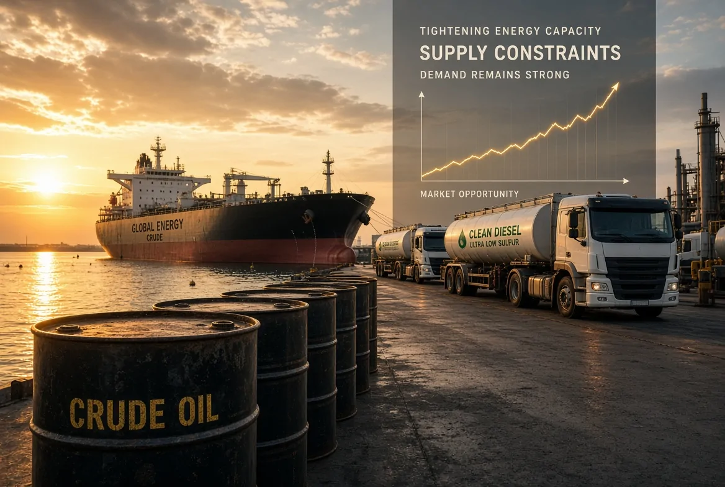
The Iran War Will End. Expensive Diesel Won’t
Notes From the Field By James Hickman (Simon Black / sovereign Man) October 20, 2026
There’s a college degree that pays about $100,000 right out of school, which is pretty good money for a 22-year old. Within a few years, that pay could easily double.
Yet hardly any young person wants the job.
It’s not dangerous, it’s not dirty, and it doesn’t require superhuman work hours. The only reason young people aren’t interested is because Greta Thunberg told them it wasn’t cool.
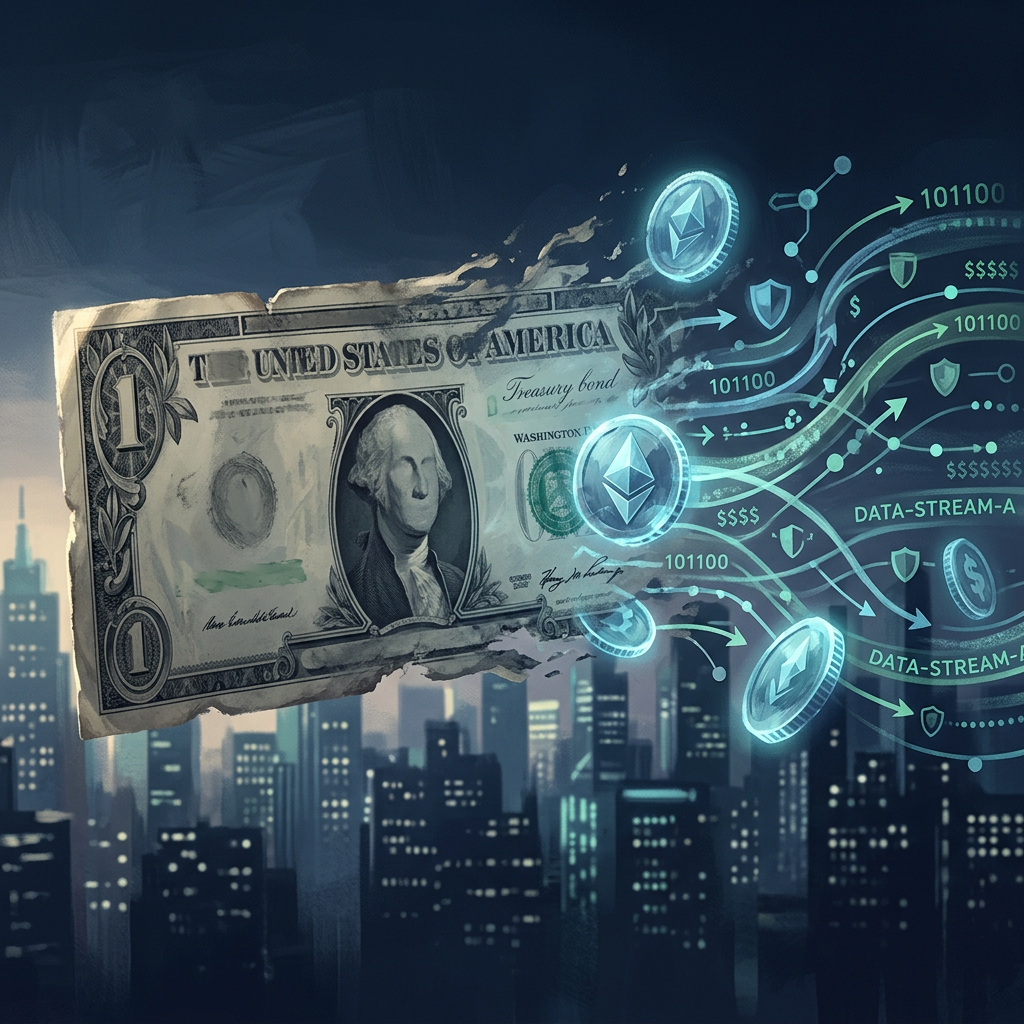
GP Q: US Dollar Upgrade or Collapse?
10-20-2026
“Is the dollar dying… or is it about to get a major upgrade?”
MONEY MONEY MONEY
Most people are only watching the old fiat dollar.
They’re completely missing the new system the U.S. is building right now under the GENIUS Act. Here’s the simple version:

Rob Cunningham: If the World Could Choose Only One Blockchain
10-20-2026
On a go forward basis, “all things considered”, based on the comprehensive utility and liquidity needs of the entire world, “if” only one blockchain was allowed to exist, which should it be?
My choice: the XRP Ledger.
Under this hypothetical – one blockchain serving the world’s combined needs for payments, currencies, tokenized assets, exchange and settlement – XRPL offers the strongest fit in my judgment.
The Central Bank Of Iraq Resolves The Issue Of Merchants' Remittances And Confirms The Continuation Of Import Financing In Dollars.
October 20, 2026Last updated: October 20, 2026 The Central Bank of Iraq confirmed on Tuesday, October 20, 2026, the continuation of financing imports and providing foreign currency through official banking channels, announcing the completion of fulfilling external transfer requests that were suspended before the adjustment of the dinar exchange rate on October 7, in a step aimed at addressing outstanding issues, protecting the rights of traders and ensuring the smooth flow of foreign trade.
Good Afternoon Dinar Recaps,
GLOBAL ASSET RESET WATCH: DEBT, AI UNCERTAINTY AND ENERGY RISKS RESHAPE SAFE-HAVEN DEMAND
Investors are reassessing where to protect their wealth as geopolitical conflict, rising energy prices, government debt and uncertainty surrounding artificial intelligence reshape global markets.
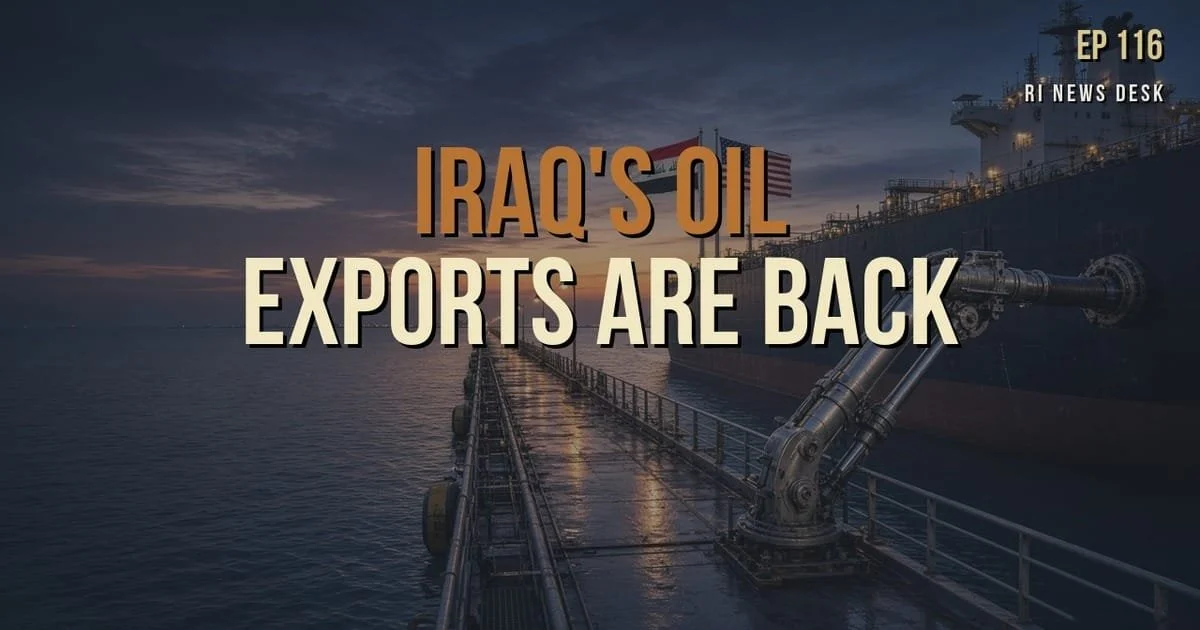
Reset Intelligence: Iraq's Oil Exports Are Back.
By Reset Intelligence | @EXIT_FIAT
Iraq's oil exports are back above 3.4 million barrels a day, close to where they stood before the war.
The same weekend the IMF and Washington both moved toward Baghdad, and the street dollar went the other way.
TNT:
Tishwash: 45 trillion outside the banks... Parliamentary Finance Committee reveals the extent of the crisis of confidence in banks
The head of the parliamentary finance committee, Uday Awad, revealed the existence of a cash mass ranging between 40 and 45 trillion dinars outside the Iraqi banking system, attributing this to the weak confidence of citizens in banks, while stressing the work to find solutions to return these funds to the banking cycle .
Awad said during a televised interview followed by Al-Sa’a Network that “there is a cash mass estimated at about 40 to 45 trillion dinars outside the banking system,” noting that “the lack of confidence in banks has led citizens to keep their money away from them.”
Stern Drew: The BIS Conducted the Most Important Blockchain Experiment of the Year
10-20-2026
The BIS Conducted The Most Important Blockchain Experiment of The Year On a Public Ledger.
The bank for central banks quietly put official data on a public ledger.
Ripple, the crypto firm behind the XRP Ledger blockchain, just became the quiet infrastructure pick for the Bank for International Settlements.
Iraq Absent From Top US Treasury Holders List
2026-10-19 17:56 Shafaq News- Washington Iraq was absent from the list of major foreign holders of US Treasury securities in August 2026, as total foreign holdings rose to $9.3317 trillion from $9.2484 trillion in July, according to US Treasury Department data released on October 16.
Good Morning Dinar Recaps,
GLOBAL DEBT RESET WATCH: U.S. TREASURY FINANCING PLANS FACE GROWING MARKET PRESSURE
Rising borrowing costs, heavy government debt and uncertainty over future bond sales are testing the U.S. Treasury market and raising questions about the cost of financing America's deficits.
GP Q: IMF Discussions on Possible Financing Package for Iraq
10-20-2026
IRAQ
RV etc
MarkZ et al
• No confirmed recipients of asset-backed funds could be found
• Questions (including from James / James K) about whether anyone has received monetary / asset-backed funds
KTFA
Monday Night Video
FRANK26….10-19-26…..THREE ZERO LIFTING FINALIZED
This video is in Frank’s and his team’s opinion only
Frank’s team is Walkingstick, Eddie and Omar in Iraq and guests
Playback Number: 605-313-5163 PIN: 156996#
The Central Bank Told Nina: Removing Zeros Is Not Within Our Authority And Requires A Legal And Legislative Process
Baghdad/ NINA / The Central Bank of Iraq confirmed that the issue of removing zeros from the currency is not within its jurisdiction, but rather requires legislation. The bank's media director, Haider Ghazi, told the Iraqi National News Agency ( NINA 😞 "The issue of removing zeros is not within the bank's authority; it requires legislation, as it is linked to the settlement of debts, legal obligations, and punitive fines under current Iraqi laws.
The Savvy Investor’s Guide to the Capital Gains Tax
.The Savvy Investor’s Guide to the Capital Gains Tax
Chris Thompson, CEPF® Fri, February 11, 2022, 11:19 AM·11 min read
If you make money from just about any source, you’re likely to find Uncle Sam nearby. It’s true of money you earn from a job, and it’s true of money you earn from investments – whether that’s stocks, real estate or collectibles. Any profit you earn from selling an investment is known as a capital gain, and the tax on this form of income is called the capital gains tax. Depending on how long you’ve held the asset before selling it, you’ll be taxed at either the short-term or long-term capital gains rate. In this article we’ll explain how the capital gains tax works, the difference between long- and short-term capital gains, the rates you’ll pay on the federal and state levels, and how to minimize the tax impact on your investments.
The Savvy Investor’s Guide to the Capital Gains Tax
Chris Thompson, CEPF® Fri, February 11, 2022, 11:19 AM·11 min read
If you make money from just about any source, you’re likely to find Uncle Sam nearby. It’s true of money you earn from a job, and it’s true of money you earn from investments – whether that’s stocks, real estate or collectibles. Any profit you earn from selling an investment is known as a capital gain, and the tax on this form of income is called the capital gains tax. Depending on how long you’ve held the asset before selling it, you’ll be taxed at either the short-term or long-term capital gains rate. In this article we’ll explain how the capital gains tax works, the difference between long- and short-term capital gains, the rates you’ll pay on the federal and state levels, and how to minimize the tax impact on your investments.
A financial advisor can help you tax-optimize your investment portfolio.
What Are Capital Gains, and How Are They Taxed?
When you buy an investment asset, you’re hoping that it will appreciate in value, thereby giving you the option to sell it for more than you initially paid for it. If you do, these profits are referred to as “capital gains” by the government.
For example, let’s say you buy 10 stocks in a company at $12, then later sell them at $15 a share. In this case, you have capital gains of $30.
Of course, you won’t always be so lucky. Let’s say another investment doesn’t do as well, and you sell it for less than what you originally paid for it. This is referred to as a capital loss.
At the end of the year, you tally up your capital gains and losses; if you’ve had a good year and your gains exceed your losses, then you deduct your losses from your gains to find your net capital gains.
These gains constitute income, so the federal government (as well as some state governments) will tax them. This is known as the capital gains tax.
Capital Gains Tax Rates: Short-Term vs. Long-Term
The timeline on which you purchase and sell your assets comes into play for capital gains taxes. The government splits capital gains into two categories: short-term and long-term. For investment profits to be considered “long-term,” the asset must be held by the owner for at least one year before sale. Any profits from the sale of assets held for less time than that are considered “short-term” capital gains.
Short-term capital gains are taxed at ordinary income tax rates. This can become problematic for those with a high income, as federal income tax rates can reach as high as 37%. And that doesn’t even account for state taxes.
Long-term capital gains, on the other hand, receive special tax treatment if you reach that one-year threshold. The top federal long-term capital gains rate is 20%, which is lower than all but two of the seven ordinary income tax rates. The other long-term capital gains tax rates are 0% and 15%.
To continue reading, please go to the original article here:
https://news.yahoo.com/savvy-investor-guide-capital-gains-161914828.html
TNT:
Tishwash: The Central Bank extends bank working hours and directs them to open during official holidays.
The Central Bank of Iraq directed banks with outstanding remittances to work on Fridays to avoid delays caused by official holidays, while it completed covering all remittances before the exchange rate change, with a total amount of $3 billion.
MilitiaMan & Crew: CBI Policy Update: What You Need to Know About the IQD
10-21-2026
The Crew: Samson, PompeyPeter, Petra, Daytrader, Sunkissed, GIGI and Militia Man
No drama. No intrigue. No songs and dances. Just straight, factual news that I read and interpret to the best of my ability after being an avid Dinar investor and insanely obsessed Dinarian for over 15 years.
Follow MM on X == https://x.com/Slashn
Good Morning Dinar Recaps,
GLOBAL CURRENCY RESET WATCH: ECB SEEKS TO EXPAND THE EURO’S GLOBAL ROLE
The European Central Bank is widening access to euro liquidity, strengthening Europe’s financial reach as central banks reassess the international monetary landscape.
Physical Gold vs. Digital Gold: Which Is the Ultimate Safe Haven?
Published: 05-20-2026
Gold is trading at approximately $4,500 per troy ounce as of May 20, 2026 [World Gold Council]. However, the debate about physical gold vs digital gold matters more than most investors realise — because not all of these products are the same thing. Both show up on a brokerage statement with a dollar value attached. But what you actually own — what you hold, what you control, what survives a real crisis — is a very different story. This isn’t a debate about returns. It’s a debate about what “safe haven” actually means.
KTFA
Tuesday Night Video
FRANK26…10-20-26.....YOU PROMISED
This video is in Frank’s and his team’s opinion only
Frank’s team is Walkingstick, Eddie and Omar in Iraq and guests
Playback Number: 605-313-5163 PIN: 156996#
Iraq Orders Banks to Work OVERTIME! Why Now?
The Dinar Den: 10-20-2026
Stephen: Hey everyone, welcome back to the channel. We have some exciting and breaking news that came out of the central bank of Iraq today. So, I'm going to cover and go over those few articles that I think as dinar investors are um just exciting and I think they are very telling as to what the future might possibly hold.
And I'm gonna tie it all together and share how I think these things could possibly be related to a higher dinar exchange rate.
The Iraqi Dinar Is The Second Worst-Performing Arab Currency; Dollar Pressures Pose A Difficult Test For Monetary Policy.
October 20, 2026 The Independent - The classification of the Iraqi dinar among the Arab currencies that have declined the most against the US dollar has raised widespread questions about the future of monetary stability in Iraq, and the ability of the Central Bank to contain the increasing pressures on the exchange market, at a time when the economy is facing challenges related to oil revenues, government spending and the heavy reliance on imports.
The Iran War Will End. Expensive Diesel Won’t
Notes From the Field By James Hickman (Simon Black / sovereign Man) October 20, 2026
There’s a college degree that pays about $100,000 right out of school, which is pretty good money for a 22-year old. Within a few years, that pay could easily double.
Yet hardly any young person wants the job.
It’s not dangerous, it’s not dirty, and it doesn’t require superhuman work hours. The only reason young people aren’t interested is because Greta Thunberg told them it wasn’t cool.
GP Q: US Dollar Upgrade or Collapse?
10-20-2026
“Is the dollar dying… or is it about to get a major upgrade?”
MONEY MONEY MONEY
Most people are only watching the old fiat dollar.
They’re completely missing the new system the U.S. is building right now under the GENIUS Act. Here’s the simple version:
Rob Cunningham: If the World Could Choose Only One Blockchain
10-20-2026
On a go forward basis, “all things considered”, based on the comprehensive utility and liquidity needs of the entire world, “if” only one blockchain was allowed to exist, which should it be?
My choice: the XRP Ledger.
Under this hypothetical – one blockchain serving the world’s combined needs for payments, currencies, tokenized assets, exchange and settlement – XRPL offers the strongest fit in my judgment.
The Central Bank Of Iraq Resolves The Issue Of Merchants' Remittances And Confirms The Continuation Of Import Financing In Dollars.
October 20, 2026Last updated: October 20, 2026 The Central Bank of Iraq confirmed on Tuesday, October 20, 2026, the continuation of financing imports and providing foreign currency through official banking channels, announcing the completion of fulfilling external transfer requests that were suspended before the adjustment of the dinar exchange rate on October 7, in a step aimed at addressing outstanding issues, protecting the rights of traders and ensuring the smooth flow of foreign trade.
Good Afternoon Dinar Recaps,
GLOBAL ASSET RESET WATCH: DEBT, AI UNCERTAINTY AND ENERGY RISKS RESHAPE SAFE-HAVEN DEMAND
Investors are reassessing where to protect their wealth as geopolitical conflict, rising energy prices, government debt and uncertainty surrounding artificial intelligence reshape global markets.
Reset Intelligence: Iraq's Oil Exports Are Back.
By Reset Intelligence | @EXIT_FIAT
Iraq's oil exports are back above 3.4 million barrels a day, close to where they stood before the war.
The same weekend the IMF and Washington both moved toward Baghdad, and the street dollar went the other way.
TNT:
Tishwash: 45 trillion outside the banks... Parliamentary Finance Committee reveals the extent of the crisis of confidence in banks
The head of the parliamentary finance committee, Uday Awad, revealed the existence of a cash mass ranging between 40 and 45 trillion dinars outside the Iraqi banking system, attributing this to the weak confidence of citizens in banks, while stressing the work to find solutions to return these funds to the banking cycle .
Awad said during a televised interview followed by Al-Sa’a Network that “there is a cash mass estimated at about 40 to 45 trillion dinars outside the banking system,” noting that “the lack of confidence in banks has led citizens to keep their money away from them.”
Stern Drew: The BIS Conducted the Most Important Blockchain Experiment of the Year
10-20-2026
The BIS Conducted The Most Important Blockchain Experiment of The Year On a Public Ledger.
The bank for central banks quietly put official data on a public ledger.
Ripple, the crypto firm behind the XRP Ledger blockchain, just became the quiet infrastructure pick for the Bank for International Settlements.
Iraq Absent From Top US Treasury Holders List
2026-10-19 17:56 Shafaq News- Washington Iraq was absent from the list of major foreign holders of US Treasury securities in August 2026, as total foreign holdings rose to $9.3317 trillion from $9.2484 trillion in July, according to US Treasury Department data released on October 16.
Good Morning Dinar Recaps,
GLOBAL DEBT RESET WATCH: U.S. TREASURY FINANCING PLANS FACE GROWING MARKET PRESSURE
Rising borrowing costs, heavy government debt and uncertainty over future bond sales are testing the U.S. Treasury market and raising questions about the cost of financing America's deficits.
GP Q: IMF Discussions on Possible Financing Package for Iraq
10-20-2026
IRAQ
RV etc
MarkZ et al
• No confirmed recipients of asset-backed funds could be found
• Questions (including from James / James K) about whether anyone has received monetary / asset-backed funds
KTFA
Monday Night Video
FRANK26….10-19-26…..THREE ZERO LIFTING FINALIZED
This video is in Frank’s and his team’s opinion only
Frank’s team is Walkingstick, Eddie and Omar in Iraq and guests
Playback Number: 605-313-5163 PIN: 156996#
The Central Bank Told Nina: Removing Zeros Is Not Within Our Authority And Requires A Legal And Legislative Process
Baghdad/ NINA / The Central Bank of Iraq confirmed that the issue of removing zeros from the currency is not within its jurisdiction, but rather requires legislation. The bank's media director, Haider Ghazi, told the Iraqi National News Agency ( NINA 😞 "The issue of removing zeros is not within the bank's authority; it requires legislation, as it is linked to the settlement of debts, legal obligations, and punitive fines under current Iraqi laws.
The Money Decisions People Most Regret
.The Money Decisions People Most Regret
Neil Irwin Sat, February 12, 2022, 7:31 AM·1 min read
In this article: Daniel H. Pink American business writer
When it comes to financial decisions, it's easy to have regrets. How many people wish they hadn't sold their Amazon stock in the dot-com crash, for example, or coulda-shoulda-woulda bought bitcoin in 2013?
Yes, but: That isn't the type financial regret that is most common, Daniel H. Pink, author of a new book on regret, tells Axios. Pink collected regrets of 16,000 people in 105 countries for The Power of Regret — and the financial regrets people have fall most often into two buckets.
The Money Decisions People Most Regret
Neil Irwin Sat, February 12, 2022, 7:31 AM·1 min read
In this article: Daniel H. Pink American business writer
When it comes to financial decisions, it's easy to have regrets. How many people wish they hadn't sold their Amazon stock in the dot-com crash, for example, or coulda-shoulda-woulda bought bitcoin in 2013?
Yes, but: That isn't the type financial regret that is most common, Daniel H. Pink, author of a new book on regret, tells Axios. Pink collected regrets of 16,000 people in 105 countries for The Power of Regret — and the financial regrets people have fall most often into two buckets.
"First, people regret not building a strong foundation — that is, not saving money early, not being prudent," Pink says. "With financial regrets, they're less about not hitting a home run and more about not regularly getting on base."
"Second, people regret not being bolder in their careers," he add. "For instance, lots of folks regret staying in lackluster jobs instead of starting a business or even not being more entrepreneurial in their job-holding careers."
More broadly, Pink urges people to cast aside "no regrets" as a life motto and focus on how, properly channeled, regrets can make us happier and wiser.
To continue reading, please go to the original article here:
https://news.yahoo.com/money-decisions-people-most-regret-123111597.html?fr=sychp_catchall
TNT:
Tishwash: The Central Bank extends bank working hours and directs them to open during official holidays.
The Central Bank of Iraq directed banks with outstanding remittances to work on Fridays to avoid delays caused by official holidays, while it completed covering all remittances before the exchange rate change, with a total amount of $3 billion.
MilitiaMan & Crew: CBI Policy Update: What You Need to Know About the IQD
10-21-2026
The Crew: Samson, PompeyPeter, Petra, Daytrader, Sunkissed, GIGI and Militia Man
No drama. No intrigue. No songs and dances. Just straight, factual news that I read and interpret to the best of my ability after being an avid Dinar investor and insanely obsessed Dinarian for over 15 years.
Follow MM on X == https://x.com/Slashn
Good Morning Dinar Recaps,
GLOBAL CURRENCY RESET WATCH: ECB SEEKS TO EXPAND THE EURO’S GLOBAL ROLE
The European Central Bank is widening access to euro liquidity, strengthening Europe’s financial reach as central banks reassess the international monetary landscape.
Physical Gold vs. Digital Gold: Which Is the Ultimate Safe Haven?
Published: 05-20-2026
Gold is trading at approximately $4,500 per troy ounce as of May 20, 2026 [World Gold Council]. However, the debate about physical gold vs digital gold matters more than most investors realise — because not all of these products are the same thing. Both show up on a brokerage statement with a dollar value attached. But what you actually own — what you hold, what you control, what survives a real crisis — is a very different story. This isn’t a debate about returns. It’s a debate about what “safe haven” actually means.
KTFA
Tuesday Night Video
FRANK26…10-20-26.....YOU PROMISED
This video is in Frank’s and his team’s opinion only
Frank’s team is Walkingstick, Eddie and Omar in Iraq and guests
Playback Number: 605-313-5163 PIN: 156996#
Iraq Orders Banks to Work OVERTIME! Why Now?
The Dinar Den: 10-20-2026
Stephen: Hey everyone, welcome back to the channel. We have some exciting and breaking news that came out of the central bank of Iraq today. So, I'm going to cover and go over those few articles that I think as dinar investors are um just exciting and I think they are very telling as to what the future might possibly hold.
And I'm gonna tie it all together and share how I think these things could possibly be related to a higher dinar exchange rate.
The Iraqi Dinar Is The Second Worst-Performing Arab Currency; Dollar Pressures Pose A Difficult Test For Monetary Policy.
October 20, 2026 The Independent - The classification of the Iraqi dinar among the Arab currencies that have declined the most against the US dollar has raised widespread questions about the future of monetary stability in Iraq, and the ability of the Central Bank to contain the increasing pressures on the exchange market, at a time when the economy is facing challenges related to oil revenues, government spending and the heavy reliance on imports.
The Iran War Will End. Expensive Diesel Won’t
Notes From the Field By James Hickman (Simon Black / sovereign Man) October 20, 2026
There’s a college degree that pays about $100,000 right out of school, which is pretty good money for a 22-year old. Within a few years, that pay could easily double.
Yet hardly any young person wants the job.
It’s not dangerous, it’s not dirty, and it doesn’t require superhuman work hours. The only reason young people aren’t interested is because Greta Thunberg told them it wasn’t cool.
GP Q: US Dollar Upgrade or Collapse?
10-20-2026
“Is the dollar dying… or is it about to get a major upgrade?”
MONEY MONEY MONEY
Most people are only watching the old fiat dollar.
They’re completely missing the new system the U.S. is building right now under the GENIUS Act. Here’s the simple version:
Rob Cunningham: If the World Could Choose Only One Blockchain
10-20-2026
On a go forward basis, “all things considered”, based on the comprehensive utility and liquidity needs of the entire world, “if” only one blockchain was allowed to exist, which should it be?
My choice: the XRP Ledger.
Under this hypothetical – one blockchain serving the world’s combined needs for payments, currencies, tokenized assets, exchange and settlement – XRPL offers the strongest fit in my judgment.
The Central Bank Of Iraq Resolves The Issue Of Merchants' Remittances And Confirms The Continuation Of Import Financing In Dollars.
October 20, 2026Last updated: October 20, 2026 The Central Bank of Iraq confirmed on Tuesday, October 20, 2026, the continuation of financing imports and providing foreign currency through official banking channels, announcing the completion of fulfilling external transfer requests that were suspended before the adjustment of the dinar exchange rate on October 7, in a step aimed at addressing outstanding issues, protecting the rights of traders and ensuring the smooth flow of foreign trade.
Good Afternoon Dinar Recaps,
GLOBAL ASSET RESET WATCH: DEBT, AI UNCERTAINTY AND ENERGY RISKS RESHAPE SAFE-HAVEN DEMAND
Investors are reassessing where to protect their wealth as geopolitical conflict, rising energy prices, government debt and uncertainty surrounding artificial intelligence reshape global markets.
Reset Intelligence: Iraq's Oil Exports Are Back.
By Reset Intelligence | @EXIT_FIAT
Iraq's oil exports are back above 3.4 million barrels a day, close to where they stood before the war.
The same weekend the IMF and Washington both moved toward Baghdad, and the street dollar went the other way.
TNT:
Tishwash: 45 trillion outside the banks... Parliamentary Finance Committee reveals the extent of the crisis of confidence in banks
The head of the parliamentary finance committee, Uday Awad, revealed the existence of a cash mass ranging between 40 and 45 trillion dinars outside the Iraqi banking system, attributing this to the weak confidence of citizens in banks, while stressing the work to find solutions to return these funds to the banking cycle .
Awad said during a televised interview followed by Al-Sa’a Network that “there is a cash mass estimated at about 40 to 45 trillion dinars outside the banking system,” noting that “the lack of confidence in banks has led citizens to keep their money away from them.”
Stern Drew: The BIS Conducted the Most Important Blockchain Experiment of the Year
10-20-2026
The BIS Conducted The Most Important Blockchain Experiment of The Year On a Public Ledger.
The bank for central banks quietly put official data on a public ledger.
Ripple, the crypto firm behind the XRP Ledger blockchain, just became the quiet infrastructure pick for the Bank for International Settlements.
Iraq Absent From Top US Treasury Holders List
2026-10-19 17:56 Shafaq News- Washington Iraq was absent from the list of major foreign holders of US Treasury securities in August 2026, as total foreign holdings rose to $9.3317 trillion from $9.2484 trillion in July, according to US Treasury Department data released on October 16.
Good Morning Dinar Recaps,
GLOBAL DEBT RESET WATCH: U.S. TREASURY FINANCING PLANS FACE GROWING MARKET PRESSURE
Rising borrowing costs, heavy government debt and uncertainty over future bond sales are testing the U.S. Treasury market and raising questions about the cost of financing America's deficits.
GP Q: IMF Discussions on Possible Financing Package for Iraq
10-20-2026
IRAQ
RV etc
MarkZ et al
• No confirmed recipients of asset-backed funds could be found
• Questions (including from James / James K) about whether anyone has received monetary / asset-backed funds
KTFA
Monday Night Video
FRANK26….10-19-26…..THREE ZERO LIFTING FINALIZED
This video is in Frank’s and his team’s opinion only
Frank’s team is Walkingstick, Eddie and Omar in Iraq and guests
Playback Number: 605-313-5163 PIN: 156996#
The Central Bank Told Nina: Removing Zeros Is Not Within Our Authority And Requires A Legal And Legislative Process
Baghdad/ NINA / The Central Bank of Iraq confirmed that the issue of removing zeros from the currency is not within its jurisdiction, but rather requires legislation. The bank's media director, Haider Ghazi, told the Iraqi National News Agency ( NINA 😞 "The issue of removing zeros is not within the bank's authority; it requires legislation, as it is linked to the settlement of debts, legal obligations, and punitive fines under current Iraqi laws.
Ask an Advisor: Do I Really Need a Trust?
.Ask an Advisor: Do I Really Need a Trust?
Tanza Loudenback, CFP® Mon, February 7, 2022,
I retired a few years ago and have a will and power of attorney, a reasonably good-sized net worth, mutual funds, annuities, cash, a home with no mortgage and a long-term health policy. I’ve read about trusts, but I’m still not clear on the pluses and minuses of setting one up. Why is that better than just the will and power of attorney? – Michael
I think many people ignore trusts because they seem elite. But you don’t have to be a multi-millionaire to set one up. Reader, it sounds like you’ve already created a solid estate plan with a will and a power of attorney. But these tools on their own, and without a larger plan, have limitations. Here’s why it might still make sense to get a trust. A financial advisor can help you create a financial plan that leaves a legacy to your heirs.
Ask an Advisor: Do I Really Need a Trust?
Tanza Loudenback, CFP® Mon, February 7, 2022,
I retired a few years ago and have a will and power of attorney, a reasonably good-sized net worth, mutual funds, annuities, cash, a home with no mortgage and a long-term health policy. I’ve read about trusts, but I’m still not clear on the pluses and minuses of setting one up. Why is that better than just the will and power of attorney? – Michael
I think many people ignore trusts because they seem elite. But you don’t have to be a multi-millionaire to set one up. Reader, it sounds like you’ve already created a solid estate plan with a will and a power of attorney. But these tools on their own, and without a larger plan, have limitations. Here’s why it might still make sense to get a trust. A financial advisor can help you create a financial plan that leaves a legacy to your heirs.
Why a Will Might Not Be Enough
A will is like a basic instruction manual. It outlines how the assets that don’t get transferred via a designated beneficiary should be distributed upon your death.
However, a will has to be verified by your state’s court system in a process called probate, which can be long and costly for your heirs. This is doubly true if you own property in multiple states. Additionally, probate also means your estate becomes public record.
A power of attorney gives a trusted advisor or relative the legal authority to make decisions about your property, finances or healthcare, but only while you’re still alive. That last part is crucial: Upon your death, the agreement dissolves entirely. So, if you want your assets to pass to your heirs swiftly, specifically and privately, then a trust is worth considering.
The Benefits of Using a Trust
There are several situations in which a trust is better than just a will and power of attorney.
You have multiple heirs. If you plan to pass wealth to more than one person, such as your spouse, adult children or grandchildren, a trust can streamline the transfer of assets and establish if/then rules. This can be difficult to clearly and legally explain in a will. There are also specific trusts you can set up to pass all of your assets to your spouse at your death and allow you to decide who will get what’s remaining at your spouse’s death. You can’t guarantee this type of specificity with a will.
To continue reading, please go to the original article here:
https://news.yahoo.com/ask-advisor-really-trust-200505368.html
TNT:
Tishwash: The Central Bank extends bank working hours and directs them to open during official holidays.
The Central Bank of Iraq directed banks with outstanding remittances to work on Fridays to avoid delays caused by official holidays, while it completed covering all remittances before the exchange rate change, with a total amount of $3 billion.
MilitiaMan & Crew: CBI Policy Update: What You Need to Know About the IQD
10-21-2026
The Crew: Samson, PompeyPeter, Petra, Daytrader, Sunkissed, GIGI and Militia Man
No drama. No intrigue. No songs and dances. Just straight, factual news that I read and interpret to the best of my ability after being an avid Dinar investor and insanely obsessed Dinarian for over 15 years.
Follow MM on X == https://x.com/Slashn
Good Morning Dinar Recaps,
GLOBAL CURRENCY RESET WATCH: ECB SEEKS TO EXPAND THE EURO’S GLOBAL ROLE
The European Central Bank is widening access to euro liquidity, strengthening Europe’s financial reach as central banks reassess the international monetary landscape.
Physical Gold vs. Digital Gold: Which Is the Ultimate Safe Haven?
Published: 05-20-2026
Gold is trading at approximately $4,500 per troy ounce as of May 20, 2026 [World Gold Council]. However, the debate about physical gold vs digital gold matters more than most investors realise — because not all of these products are the same thing. Both show up on a brokerage statement with a dollar value attached. But what you actually own — what you hold, what you control, what survives a real crisis — is a very different story. This isn’t a debate about returns. It’s a debate about what “safe haven” actually means.
KTFA
Tuesday Night Video
FRANK26…10-20-26.....YOU PROMISED
This video is in Frank’s and his team’s opinion only
Frank’s team is Walkingstick, Eddie and Omar in Iraq and guests
Playback Number: 605-313-5163 PIN: 156996#
Iraq Orders Banks to Work OVERTIME! Why Now?
The Dinar Den: 10-20-2026
Stephen: Hey everyone, welcome back to the channel. We have some exciting and breaking news that came out of the central bank of Iraq today. So, I'm going to cover and go over those few articles that I think as dinar investors are um just exciting and I think they are very telling as to what the future might possibly hold.
And I'm gonna tie it all together and share how I think these things could possibly be related to a higher dinar exchange rate.
The Iraqi Dinar Is The Second Worst-Performing Arab Currency; Dollar Pressures Pose A Difficult Test For Monetary Policy.
October 20, 2026 The Independent - The classification of the Iraqi dinar among the Arab currencies that have declined the most against the US dollar has raised widespread questions about the future of monetary stability in Iraq, and the ability of the Central Bank to contain the increasing pressures on the exchange market, at a time when the economy is facing challenges related to oil revenues, government spending and the heavy reliance on imports.
The Iran War Will End. Expensive Diesel Won’t
Notes From the Field By James Hickman (Simon Black / sovereign Man) October 20, 2026
There’s a college degree that pays about $100,000 right out of school, which is pretty good money for a 22-year old. Within a few years, that pay could easily double.
Yet hardly any young person wants the job.
It’s not dangerous, it’s not dirty, and it doesn’t require superhuman work hours. The only reason young people aren’t interested is because Greta Thunberg told them it wasn’t cool.
GP Q: US Dollar Upgrade or Collapse?
10-20-2026
“Is the dollar dying… or is it about to get a major upgrade?”
MONEY MONEY MONEY
Most people are only watching the old fiat dollar.
They’re completely missing the new system the U.S. is building right now under the GENIUS Act. Here’s the simple version:
Rob Cunningham: If the World Could Choose Only One Blockchain
10-20-2026
On a go forward basis, “all things considered”, based on the comprehensive utility and liquidity needs of the entire world, “if” only one blockchain was allowed to exist, which should it be?
My choice: the XRP Ledger.
Under this hypothetical – one blockchain serving the world’s combined needs for payments, currencies, tokenized assets, exchange and settlement – XRPL offers the strongest fit in my judgment.
The Central Bank Of Iraq Resolves The Issue Of Merchants' Remittances And Confirms The Continuation Of Import Financing In Dollars.
October 20, 2026Last updated: October 20, 2026 The Central Bank of Iraq confirmed on Tuesday, October 20, 2026, the continuation of financing imports and providing foreign currency through official banking channels, announcing the completion of fulfilling external transfer requests that were suspended before the adjustment of the dinar exchange rate on October 7, in a step aimed at addressing outstanding issues, protecting the rights of traders and ensuring the smooth flow of foreign trade.
Good Afternoon Dinar Recaps,
GLOBAL ASSET RESET WATCH: DEBT, AI UNCERTAINTY AND ENERGY RISKS RESHAPE SAFE-HAVEN DEMAND
Investors are reassessing where to protect their wealth as geopolitical conflict, rising energy prices, government debt and uncertainty surrounding artificial intelligence reshape global markets.
Reset Intelligence: Iraq's Oil Exports Are Back.
By Reset Intelligence | @EXIT_FIAT
Iraq's oil exports are back above 3.4 million barrels a day, close to where they stood before the war.
The same weekend the IMF and Washington both moved toward Baghdad, and the street dollar went the other way.
TNT:
Tishwash: 45 trillion outside the banks... Parliamentary Finance Committee reveals the extent of the crisis of confidence in banks
The head of the parliamentary finance committee, Uday Awad, revealed the existence of a cash mass ranging between 40 and 45 trillion dinars outside the Iraqi banking system, attributing this to the weak confidence of citizens in banks, while stressing the work to find solutions to return these funds to the banking cycle .
Awad said during a televised interview followed by Al-Sa’a Network that “there is a cash mass estimated at about 40 to 45 trillion dinars outside the banking system,” noting that “the lack of confidence in banks has led citizens to keep their money away from them.”
Stern Drew: The BIS Conducted the Most Important Blockchain Experiment of the Year
10-20-2026
The BIS Conducted The Most Important Blockchain Experiment of The Year On a Public Ledger.
The bank for central banks quietly put official data on a public ledger.
Ripple, the crypto firm behind the XRP Ledger blockchain, just became the quiet infrastructure pick for the Bank for International Settlements.
Iraq Absent From Top US Treasury Holders List
2026-10-19 17:56 Shafaq News- Washington Iraq was absent from the list of major foreign holders of US Treasury securities in August 2026, as total foreign holdings rose to $9.3317 trillion from $9.2484 trillion in July, according to US Treasury Department data released on October 16.
Good Morning Dinar Recaps,
GLOBAL DEBT RESET WATCH: U.S. TREASURY FINANCING PLANS FACE GROWING MARKET PRESSURE
Rising borrowing costs, heavy government debt and uncertainty over future bond sales are testing the U.S. Treasury market and raising questions about the cost of financing America's deficits.
GP Q: IMF Discussions on Possible Financing Package for Iraq
10-20-2026
IRAQ
RV etc
MarkZ et al
• No confirmed recipients of asset-backed funds could be found
• Questions (including from James / James K) about whether anyone has received monetary / asset-backed funds
KTFA
Monday Night Video
FRANK26….10-19-26…..THREE ZERO LIFTING FINALIZED
This video is in Frank’s and his team’s opinion only
Frank’s team is Walkingstick, Eddie and Omar in Iraq and guests
Playback Number: 605-313-5163 PIN: 156996#
The Central Bank Told Nina: Removing Zeros Is Not Within Our Authority And Requires A Legal And Legislative Process
Baghdad/ NINA / The Central Bank of Iraq confirmed that the issue of removing zeros from the currency is not within its jurisdiction, but rather requires legislation. The bank's media director, Haider Ghazi, told the Iraqi National News Agency ( NINA 😞 "The issue of removing zeros is not within the bank's authority; it requires legislation, as it is linked to the settlement of debts, legal obligations, and punitive fines under current Iraqi laws.
Another Obvious Reason To Hold Crypto
.Another Obvious Reason To Hold Crypto
Notes From The Field By Simon Black
On Monday March 23rd in the year 1668, just one day after Easter Sunday, a group of commoners in the Poplar neighborhood of East London descended upon a local brothel and practically demolished it. The next day, on Tuesday the 24th, thousands of men moved in large groups all over London tearing down every brothel they came across. By Wednesday, one report estimated that as many as 40,000 ‘mostly peaceful’ protesters had organized into formal regiments, marching through town demolishing brothels.
These men were angry. They had reached their breaking points with the English government and King Charles II, who had issued a royal proclamation outlawing private gatherings for religious worship.
Another Obvious Reason To Hold Crypto
Notes From The Field By Simon Black
On Monday March 23rd in the year 1668, just one day after Easter Sunday, a group of commoners in the Poplar neighborhood of East London descended upon a local brothel and practically demolished it. The next day, on Tuesday the 24th, thousands of men moved in large groups all over London tearing down every brothel they came across. By Wednesday, one report estimated that as many as 40,000 ‘mostly peaceful’ protesters had organized into formal regiments, marching through town demolishing brothels.
These men were angry. They had reached their breaking points with the English government and King Charles II, who had issued a royal proclamation outlawing private gatherings for religious worship.
Specifically the King’s order made it illegal for more than five people to congregate and pray outside of the government’s official Church of England; he called any such private gatherings “dangerous” and “seditious”.
So either you submitted to the government’s religious mandates, or you were a criminal.
What really incensed people was that, while Charles II believed independent thinking and spiritual beliefs were immoral, he had absolutely no problem with prostitution. In fact many brothels throughout London enjoyed royal support as the King himself was an infamous womanizer.
So the King felt entitled to enjoy life’s pleasures as he saw fit. But he was not willing to give people the right to make their own personal decisions.
Thousands of people finally reached their breaking points in March 1668, and they specifically attacked brothels to highlight the King’s absurd double standard and to demand an end to the government’s mandates.
It’s worth noting that the rioters only destroyed brothels; there are scant reports of any other property damage, or protesters looting neighborhood grain stores and ye olde tailor shoppes.
Want to ensure you and your loved ones can survive and thrive, no matter what happens next? Download our FREE Ultimate Plan B Guide now to discover fully actionable strategies you can start putting in place right now...
Initially the King did nothing to quell the riots, probably assuming the protesters were a ‘small fringe minority’ with ‘unacceptable views’.
But by the middle of the week with brothels across the city destroyed, the King finally took action to defend his precious concubines, and he dispatched a large number of troops to crush the rioters.
Several protest leaders were arrested and charged with incredibly dubious crimes, including high treason. In effect, the prosecutors were saying that an attack on prostitution was equivalent to an attack on the King himself…
And four of the protest leaders were hanged, drawn, and quartered– the standard punishment for high treason. Just to be clear what this means, the condemned were first dragged behind horses to the place of their execution, then hung almost to the point of death. **** **** **** **** **** **** **** **** **** **** **** **** then their guts were sliced open and removed, and then they were beheaded.
Their headless, lifeless, emasculated corpses were then torn into four pieces each, the remains of which were displayed in prominent locations as a warning to other potential thought criminals.
Now, I doubt the protest leaders of today’s “Freedom Convoy” in Canada will suffer precisely the same fate. But the similarities between the two movements are certainly interesting.
I’m sure you’ve heard about this by now, but as a courtesy to readers who may come across this article in the distant future– a large group of protesters has taken over Ottawa, the capital city of Canada, in protest over the government’s COVID-19 mandates.
It started with truck drivers who thought the vaccine mandates were absolutely absurd; we’re talking about people who sit in a truck by themselves all day, every day. So the vaccine mandate seems to be forcing these truck drivers to protect themselves… from themselves. It’s genius.
Thousands of truck drivers hit their breaking point and staged a convoy last month to drive to Ottawa in protest of the mandates. Tens of thousands of people joined in, and the protest has become a full-blown movement against government restrictions.
Naturally the media has slammed protesters as White Supremacists and insurrectionists; bear in mind, that insurrection means ‘high treason’.
So just in the same way that tearing down a brothel was an attack against the King in 1668, driving a truck to Ottawa is an attack against the government in 2022.
Canada’s government has pulled out all the stops to put an end to this. Ottawa’s mayor declared a state of emergency and requested thousands of additional police officers to smash the protests.
Honking has been outlawed in the city. Police are now arresting people who bring fuel to truck drivers… so apparently it’s now illegal in Canada to possess and give away gasoline.
Remember, we’re talking about a place that is supposed to be one of the freest countries in the world.
But the biggest red flag comes from Big Tech.
Supporters of the Freedom Convoy donated nearly $10 million over the past few weeks via the California-based crowdfunding platform GoFundMe, to help pay for the protesters’ food and fuel.
But GoFundMe doesn’t like the Freedom Convoy. So they unilaterally decided to terminate the movement’s funding campaign.
GoFundMe initially stated that they would redistribute the donations to “credible and established charities” (in their sole discretion), unless donors went through a special process to apply for a refund.
After an online revolt, the company then changed its tune and decided to refund all donations.
But the problem remains– another Big Tech company is force-feeding its political agenda to the world and deplatforming anyone it disagrees with.
We’ve already seen this across social media with Google, YouTube, Twitter, Facebook, etc.
And we’ve also seen other instances of financial deplatforming; banks, credit card processors, and online payment platforms (like PayPal) have closed accounts and terminated relationships with customers who don’t conform to the established political views.
This is yet another obvious reason to hold at least a portion of your savings in cryptocurrency.
As long as your money is controlled by a centralized third party, whether it’s a tech platform like GoFundMe, or a giant financial institution, you don’t really have control over your money.
They can cancel you, and even freeze your funds, whenever they don’t like the way you think.
You don’t have to be guilty of a crime. You don’t have to engage in unethical behavior. You don’t have to violate a single rule.
In order to be canceled, you just have to have an independent opinion. Thoughtcrime is more than enough to be deplatformed, even by financial institutions.
But crypto is different. As long as you’re not using a centralized institution like Coinbase, you can retain 100% control of your crypto assets.
And it’s not 2012 anymore when Bitcoin was incredibly complicated and it was the only game in town.
Owning, buying, and storing crypto is easier than ever. And there are literally thousands of choices, including many ‘stablecoins’ whose values do not fluctuate.
Bottom line, if you’re interested in having true freedom and control over your finances, it’s worth considering to have at least a portion of your savings in crypto.
To your freedom, Simon Black, Founder, SovereignMan.com
TNT:
Tishwash: The Central Bank extends bank working hours and directs them to open during official holidays.
The Central Bank of Iraq directed banks with outstanding remittances to work on Fridays to avoid delays caused by official holidays, while it completed covering all remittances before the exchange rate change, with a total amount of $3 billion.
MilitiaMan & Crew: CBI Policy Update: What You Need to Know About the IQD
10-21-2026
The Crew: Samson, PompeyPeter, Petra, Daytrader, Sunkissed, GIGI and Militia Man
No drama. No intrigue. No songs and dances. Just straight, factual news that I read and interpret to the best of my ability after being an avid Dinar investor and insanely obsessed Dinarian for over 15 years.
Follow MM on X == https://x.com/Slashn
Good Morning Dinar Recaps,
GLOBAL CURRENCY RESET WATCH: ECB SEEKS TO EXPAND THE EURO’S GLOBAL ROLE
The European Central Bank is widening access to euro liquidity, strengthening Europe’s financial reach as central banks reassess the international monetary landscape.
Physical Gold vs. Digital Gold: Which Is the Ultimate Safe Haven?
Published: 05-20-2026
Gold is trading at approximately $4,500 per troy ounce as of May 20, 2026 [World Gold Council]. However, the debate about physical gold vs digital gold matters more than most investors realise — because not all of these products are the same thing. Both show up on a brokerage statement with a dollar value attached. But what you actually own — what you hold, what you control, what survives a real crisis — is a very different story. This isn’t a debate about returns. It’s a debate about what “safe haven” actually means.
KTFA
Tuesday Night Video
FRANK26…10-20-26.....YOU PROMISED
This video is in Frank’s and his team’s opinion only
Frank’s team is Walkingstick, Eddie and Omar in Iraq and guests
Playback Number: 605-313-5163 PIN: 156996#
Iraq Orders Banks to Work OVERTIME! Why Now?
The Dinar Den: 10-20-2026
Stephen: Hey everyone, welcome back to the channel. We have some exciting and breaking news that came out of the central bank of Iraq today. So, I'm going to cover and go over those few articles that I think as dinar investors are um just exciting and I think they are very telling as to what the future might possibly hold.
And I'm gonna tie it all together and share how I think these things could possibly be related to a higher dinar exchange rate.
The Iraqi Dinar Is The Second Worst-Performing Arab Currency; Dollar Pressures Pose A Difficult Test For Monetary Policy.
October 20, 2026 The Independent - The classification of the Iraqi dinar among the Arab currencies that have declined the most against the US dollar has raised widespread questions about the future of monetary stability in Iraq, and the ability of the Central Bank to contain the increasing pressures on the exchange market, at a time when the economy is facing challenges related to oil revenues, government spending and the heavy reliance on imports.
The Iran War Will End. Expensive Diesel Won’t
Notes From the Field By James Hickman (Simon Black / sovereign Man) October 20, 2026
There’s a college degree that pays about $100,000 right out of school, which is pretty good money for a 22-year old. Within a few years, that pay could easily double.
Yet hardly any young person wants the job.
It’s not dangerous, it’s not dirty, and it doesn’t require superhuman work hours. The only reason young people aren’t interested is because Greta Thunberg told them it wasn’t cool.
GP Q: US Dollar Upgrade or Collapse?
10-20-2026
“Is the dollar dying… or is it about to get a major upgrade?”
MONEY MONEY MONEY
Most people are only watching the old fiat dollar.
They’re completely missing the new system the U.S. is building right now under the GENIUS Act. Here’s the simple version:
Rob Cunningham: If the World Could Choose Only One Blockchain
10-20-2026
On a go forward basis, “all things considered”, based on the comprehensive utility and liquidity needs of the entire world, “if” only one blockchain was allowed to exist, which should it be?
My choice: the XRP Ledger.
Under this hypothetical – one blockchain serving the world’s combined needs for payments, currencies, tokenized assets, exchange and settlement – XRPL offers the strongest fit in my judgment.
The Central Bank Of Iraq Resolves The Issue Of Merchants' Remittances And Confirms The Continuation Of Import Financing In Dollars.
October 20, 2026Last updated: October 20, 2026 The Central Bank of Iraq confirmed on Tuesday, October 20, 2026, the continuation of financing imports and providing foreign currency through official banking channels, announcing the completion of fulfilling external transfer requests that were suspended before the adjustment of the dinar exchange rate on October 7, in a step aimed at addressing outstanding issues, protecting the rights of traders and ensuring the smooth flow of foreign trade.
Good Afternoon Dinar Recaps,
GLOBAL ASSET RESET WATCH: DEBT, AI UNCERTAINTY AND ENERGY RISKS RESHAPE SAFE-HAVEN DEMAND
Investors are reassessing where to protect their wealth as geopolitical conflict, rising energy prices, government debt and uncertainty surrounding artificial intelligence reshape global markets.
Reset Intelligence: Iraq's Oil Exports Are Back.
By Reset Intelligence | @EXIT_FIAT
Iraq's oil exports are back above 3.4 million barrels a day, close to where they stood before the war.
The same weekend the IMF and Washington both moved toward Baghdad, and the street dollar went the other way.
TNT:
Tishwash: 45 trillion outside the banks... Parliamentary Finance Committee reveals the extent of the crisis of confidence in banks
The head of the parliamentary finance committee, Uday Awad, revealed the existence of a cash mass ranging between 40 and 45 trillion dinars outside the Iraqi banking system, attributing this to the weak confidence of citizens in banks, while stressing the work to find solutions to return these funds to the banking cycle .
Awad said during a televised interview followed by Al-Sa’a Network that “there is a cash mass estimated at about 40 to 45 trillion dinars outside the banking system,” noting that “the lack of confidence in banks has led citizens to keep their money away from them.”
Stern Drew: The BIS Conducted the Most Important Blockchain Experiment of the Year
10-20-2026
The BIS Conducted The Most Important Blockchain Experiment of The Year On a Public Ledger.
The bank for central banks quietly put official data on a public ledger.
Ripple, the crypto firm behind the XRP Ledger blockchain, just became the quiet infrastructure pick for the Bank for International Settlements.
Iraq Absent From Top US Treasury Holders List
2026-10-19 17:56 Shafaq News- Washington Iraq was absent from the list of major foreign holders of US Treasury securities in August 2026, as total foreign holdings rose to $9.3317 trillion from $9.2484 trillion in July, according to US Treasury Department data released on October 16.
Good Morning Dinar Recaps,
GLOBAL DEBT RESET WATCH: U.S. TREASURY FINANCING PLANS FACE GROWING MARKET PRESSURE
Rising borrowing costs, heavy government debt and uncertainty over future bond sales are testing the U.S. Treasury market and raising questions about the cost of financing America's deficits.
GP Q: IMF Discussions on Possible Financing Package for Iraq
10-20-2026
IRAQ
RV etc
MarkZ et al
• No confirmed recipients of asset-backed funds could be found
• Questions (including from James / James K) about whether anyone has received monetary / asset-backed funds
KTFA
Monday Night Video
FRANK26….10-19-26…..THREE ZERO LIFTING FINALIZED
This video is in Frank’s and his team’s opinion only
Frank’s team is Walkingstick, Eddie and Omar in Iraq and guests
Playback Number: 605-313-5163 PIN: 156996#
The Central Bank Told Nina: Removing Zeros Is Not Within Our Authority And Requires A Legal And Legislative Process
Baghdad/ NINA / The Central Bank of Iraq confirmed that the issue of removing zeros from the currency is not within its jurisdiction, but rather requires legislation. The bank's media director, Haider Ghazi, told the Iraqi National News Agency ( NINA 😞 "The issue of removing zeros is not within the bank's authority; it requires legislation, as it is linked to the settlement of debts, legal obligations, and punitive fines under current Iraqi laws.
4 Ways To Tame Financial Stress And Save For Retirement
.4 Ways To Tame Financial Stress And Save For Retirement
Elizabeth Ayoola of NerdWallet Tue, February 8, 2022
Maybe you feel like you don’t earn enough. Or you don’t understand how investing works. Or maybe you can’t organize your finances. These are factors that can lead to financial stress and set back your retirement savings.
A lack of assets and money management challenges are contributing factors to high levels of financial anxiety and stress, according to a 2021 report called Financial Anxiety and Stress Among U.S. Households from the FINRA Investor Education Foundation and Global Financial Literacy Excellence Center.
4 Ways To Tame Financial Stress And Save For Retirement
Elizabeth Ayoola of NerdWallet Tue, February 8, 2022
Maybe you feel like you don’t earn enough. Or you don’t understand how investing works. Or maybe you can’t organize your finances. These are factors that can lead to financial stress and set back your retirement savings.
A lack of assets and money management challenges are contributing factors to high levels of financial anxiety and stress, according to a 2021 report called Financial Anxiety and Stress Among U.S. Households from the FINRA Investor Education Foundation and Global Financial Literacy Excellence Center.
“We also find that financial anxiety and stress can have long-term consequences: those who are financially anxious and stressed are less likely to plan for retirement,” the report says.
Sometimes when people are worried about something financial, they just ignore it, says Adam Frank, a certified financial planner and registered investment advisor based in Los Angeles.
“But the problem is, the longer you wait to start investing or continue investing for retirement, the more you have to do later,” Frank says.
Strategies For Reducing Financial Stress
If financial stress is affecting your ability to save for retirement, you may have to work longer and you may also risk running out of money in retirement. But getting started as soon as you can could help you reach your retirement goals faster.
If you’re anxious about your ability to save for the future, here’s how you can manage those feelings and get on track.
1. Create A Realistic Budget
“The first thing will be to get organized — you know, the big, bad B word, it gets a bad rap, it’s budgeting,” says Lauryn Williams , a Dallas-based CFP and Olympic medalist in both women’s track and field sprint and two-woman bobsled.
To continue reading, please go to the original article here:
https://news.yahoo.com/4-ways-tame-financial-stress-112618359.html
TNT:
Tishwash: The Central Bank extends bank working hours and directs them to open during official holidays.
The Central Bank of Iraq directed banks with outstanding remittances to work on Fridays to avoid delays caused by official holidays, while it completed covering all remittances before the exchange rate change, with a total amount of $3 billion.
MilitiaMan & Crew: CBI Policy Update: What You Need to Know About the IQD
10-21-2026
The Crew: Samson, PompeyPeter, Petra, Daytrader, Sunkissed, GIGI and Militia Man
No drama. No intrigue. No songs and dances. Just straight, factual news that I read and interpret to the best of my ability after being an avid Dinar investor and insanely obsessed Dinarian for over 15 years.
Follow MM on X == https://x.com/Slashn
Good Morning Dinar Recaps,
GLOBAL CURRENCY RESET WATCH: ECB SEEKS TO EXPAND THE EURO’S GLOBAL ROLE
The European Central Bank is widening access to euro liquidity, strengthening Europe’s financial reach as central banks reassess the international monetary landscape.
Physical Gold vs. Digital Gold: Which Is the Ultimate Safe Haven?
Published: 05-20-2026
Gold is trading at approximately $4,500 per troy ounce as of May 20, 2026 [World Gold Council]. However, the debate about physical gold vs digital gold matters more than most investors realise — because not all of these products are the same thing. Both show up on a brokerage statement with a dollar value attached. But what you actually own — what you hold, what you control, what survives a real crisis — is a very different story. This isn’t a debate about returns. It’s a debate about what “safe haven” actually means.
KTFA
Tuesday Night Video
FRANK26…10-20-26.....YOU PROMISED
This video is in Frank’s and his team’s opinion only
Frank’s team is Walkingstick, Eddie and Omar in Iraq and guests
Playback Number: 605-313-5163 PIN: 156996#
Iraq Orders Banks to Work OVERTIME! Why Now?
The Dinar Den: 10-20-2026
Stephen: Hey everyone, welcome back to the channel. We have some exciting and breaking news that came out of the central bank of Iraq today. So, I'm going to cover and go over those few articles that I think as dinar investors are um just exciting and I think they are very telling as to what the future might possibly hold.
And I'm gonna tie it all together and share how I think these things could possibly be related to a higher dinar exchange rate.
The Iraqi Dinar Is The Second Worst-Performing Arab Currency; Dollar Pressures Pose A Difficult Test For Monetary Policy.
October 20, 2026 The Independent - The classification of the Iraqi dinar among the Arab currencies that have declined the most against the US dollar has raised widespread questions about the future of monetary stability in Iraq, and the ability of the Central Bank to contain the increasing pressures on the exchange market, at a time when the economy is facing challenges related to oil revenues, government spending and the heavy reliance on imports.
The Iran War Will End. Expensive Diesel Won’t
Notes From the Field By James Hickman (Simon Black / sovereign Man) October 20, 2026
There’s a college degree that pays about $100,000 right out of school, which is pretty good money for a 22-year old. Within a few years, that pay could easily double.
Yet hardly any young person wants the job.
It’s not dangerous, it’s not dirty, and it doesn’t require superhuman work hours. The only reason young people aren’t interested is because Greta Thunberg told them it wasn’t cool.
GP Q: US Dollar Upgrade or Collapse?
10-20-2026
“Is the dollar dying… or is it about to get a major upgrade?”
MONEY MONEY MONEY
Most people are only watching the old fiat dollar.
They’re completely missing the new system the U.S. is building right now under the GENIUS Act. Here’s the simple version:
Rob Cunningham: If the World Could Choose Only One Blockchain
10-20-2026
On a go forward basis, “all things considered”, based on the comprehensive utility and liquidity needs of the entire world, “if” only one blockchain was allowed to exist, which should it be?
My choice: the XRP Ledger.
Under this hypothetical – one blockchain serving the world’s combined needs for payments, currencies, tokenized assets, exchange and settlement – XRPL offers the strongest fit in my judgment.
The Central Bank Of Iraq Resolves The Issue Of Merchants' Remittances And Confirms The Continuation Of Import Financing In Dollars.
October 20, 2026Last updated: October 20, 2026 The Central Bank of Iraq confirmed on Tuesday, October 20, 2026, the continuation of financing imports and providing foreign currency through official banking channels, announcing the completion of fulfilling external transfer requests that were suspended before the adjustment of the dinar exchange rate on October 7, in a step aimed at addressing outstanding issues, protecting the rights of traders and ensuring the smooth flow of foreign trade.
Good Afternoon Dinar Recaps,
GLOBAL ASSET RESET WATCH: DEBT, AI UNCERTAINTY AND ENERGY RISKS RESHAPE SAFE-HAVEN DEMAND
Investors are reassessing where to protect their wealth as geopolitical conflict, rising energy prices, government debt and uncertainty surrounding artificial intelligence reshape global markets.
Reset Intelligence: Iraq's Oil Exports Are Back.
By Reset Intelligence | @EXIT_FIAT
Iraq's oil exports are back above 3.4 million barrels a day, close to where they stood before the war.
The same weekend the IMF and Washington both moved toward Baghdad, and the street dollar went the other way.
TNT:
Tishwash: 45 trillion outside the banks... Parliamentary Finance Committee reveals the extent of the crisis of confidence in banks
The head of the parliamentary finance committee, Uday Awad, revealed the existence of a cash mass ranging between 40 and 45 trillion dinars outside the Iraqi banking system, attributing this to the weak confidence of citizens in banks, while stressing the work to find solutions to return these funds to the banking cycle .
Awad said during a televised interview followed by Al-Sa’a Network that “there is a cash mass estimated at about 40 to 45 trillion dinars outside the banking system,” noting that “the lack of confidence in banks has led citizens to keep their money away from them.”
Stern Drew: The BIS Conducted the Most Important Blockchain Experiment of the Year
10-20-2026
The BIS Conducted The Most Important Blockchain Experiment of The Year On a Public Ledger.
The bank for central banks quietly put official data on a public ledger.
Ripple, the crypto firm behind the XRP Ledger blockchain, just became the quiet infrastructure pick for the Bank for International Settlements.
Iraq Absent From Top US Treasury Holders List
2026-10-19 17:56 Shafaq News- Washington Iraq was absent from the list of major foreign holders of US Treasury securities in August 2026, as total foreign holdings rose to $9.3317 trillion from $9.2484 trillion in July, according to US Treasury Department data released on October 16.
Good Morning Dinar Recaps,
GLOBAL DEBT RESET WATCH: U.S. TREASURY FINANCING PLANS FACE GROWING MARKET PRESSURE
Rising borrowing costs, heavy government debt and uncertainty over future bond sales are testing the U.S. Treasury market and raising questions about the cost of financing America's deficits.
GP Q: IMF Discussions on Possible Financing Package for Iraq
10-20-2026
IRAQ
RV etc
MarkZ et al
• No confirmed recipients of asset-backed funds could be found
• Questions (including from James / James K) about whether anyone has received monetary / asset-backed funds
KTFA
Monday Night Video
FRANK26….10-19-26…..THREE ZERO LIFTING FINALIZED
This video is in Frank’s and his team’s opinion only
Frank’s team is Walkingstick, Eddie and Omar in Iraq and guests
Playback Number: 605-313-5163 PIN: 156996#
The Central Bank Told Nina: Removing Zeros Is Not Within Our Authority And Requires A Legal And Legislative Process
Baghdad/ NINA / The Central Bank of Iraq confirmed that the issue of removing zeros from the currency is not within its jurisdiction, but rather requires legislation. The bank's media director, Haider Ghazi, told the Iraqi National News Agency ( NINA 😞 "The issue of removing zeros is not within the bank's authority; it requires legislation, as it is linked to the settlement of debts, legal obligations, and punitive fines under current Iraqi laws.
These Are the Receipts To Keep for Doing Your Taxes
.These Are the Receipts To Keep for Doing Your Taxes
By Barri Segal February 3 2022
Gathering and saving receipts and tax documents is an important part of filing taxes and receiving your refund quickly. Whether you take the standard deduction or itemize deductions, most people filing their 2021 taxes in 2022 will be happy they took the time to prepare when the IRS deadline rolls around.
Review which receipts to keep for taxes — the information below will help to make tax preparation less painful and ensure you take all of your eligible deductions.
These Are the Receipts To Keep for Doing Your Taxes
By Barri Segal February 3 2022
Gathering and saving receipts and tax documents is an important part of filing taxes and receiving your refund quickly. Whether you take the standard deduction or itemize deductions, most people filing their 2021 taxes in 2022 will be happy they took the time to prepare when the IRS deadline rolls around.
Review which receipts to keep for taxes — the information below will help to make tax preparation less painful and ensure you take all of your eligible deductions.
What Receipts Should I Keep for Taxes?
In the event that you’re not sure how to file receipts for taxes, consider seeking the help of a tax professional. They can not only tell you what receipts to keep for taxes, but they can also assist taxpayers with complex financial situations and can help with calculating all types of taxes. Concerning the money you receive back, this could also help protect any tax refund. It might even give you a large refund to spend. But rather than focusing on how to spend or what not to do with a refund, a tax expert can use receipts to help you avoid needing a refund in the first place.
Whichever route you take, make sure you know how to save and organize receipts for taxes — the last thing you want is to not have the documents you need to defend yourself during an IRS audit.
Small-Business Owner Receipts
Self-employed individuals should consider using QuickBooks or similar accounting software, according to Bonnie Lee, an enrolled agent and owner of Taxpertise in Sonoma, California.
“The scope of an audit of a small business is reduced considerably when the auditor discovers that adequate books and records, checkbook reconciliation and all other bookkeeping tasks are being performed on professional software by a professional accountant,” said Lee.
A small business owner wondering what receipts to keep for taxes should make sure to save these documents:
Sales slips Paid bills Invoices Receipts Deposit slips Canceled checks
Keep your gross receipts because they show the income for your business, which you must include when you file your taxes. Gross receipts to save for taxes can include:
Cash register tapes Deposit information Receipt books Invoices Form 1099-MISC
Don’t forget to save your receipts for business purchases, which are classified as the things you buy and resell to consumers. Save these purchase documents and receipts:
To continue reading, please go to the original article here:
TNT:
Tishwash: The Central Bank extends bank working hours and directs them to open during official holidays.
The Central Bank of Iraq directed banks with outstanding remittances to work on Fridays to avoid delays caused by official holidays, while it completed covering all remittances before the exchange rate change, with a total amount of $3 billion.
MilitiaMan & Crew: CBI Policy Update: What You Need to Know About the IQD
10-21-2026
The Crew: Samson, PompeyPeter, Petra, Daytrader, Sunkissed, GIGI and Militia Man
No drama. No intrigue. No songs and dances. Just straight, factual news that I read and interpret to the best of my ability after being an avid Dinar investor and insanely obsessed Dinarian for over 15 years.
Follow MM on X == https://x.com/Slashn
Good Morning Dinar Recaps,
GLOBAL CURRENCY RESET WATCH: ECB SEEKS TO EXPAND THE EURO’S GLOBAL ROLE
The European Central Bank is widening access to euro liquidity, strengthening Europe’s financial reach as central banks reassess the international monetary landscape.
Physical Gold vs. Digital Gold: Which Is the Ultimate Safe Haven?
Published: 05-20-2026
Gold is trading at approximately $4,500 per troy ounce as of May 20, 2026 [World Gold Council]. However, the debate about physical gold vs digital gold matters more than most investors realise — because not all of these products are the same thing. Both show up on a brokerage statement with a dollar value attached. But what you actually own — what you hold, what you control, what survives a real crisis — is a very different story. This isn’t a debate about returns. It’s a debate about what “safe haven” actually means.
KTFA
Tuesday Night Video
FRANK26…10-20-26.....YOU PROMISED
This video is in Frank’s and his team’s opinion only
Frank’s team is Walkingstick, Eddie and Omar in Iraq and guests
Playback Number: 605-313-5163 PIN: 156996#
Iraq Orders Banks to Work OVERTIME! Why Now?
The Dinar Den: 10-20-2026
Stephen: Hey everyone, welcome back to the channel. We have some exciting and breaking news that came out of the central bank of Iraq today. So, I'm going to cover and go over those few articles that I think as dinar investors are um just exciting and I think they are very telling as to what the future might possibly hold.
And I'm gonna tie it all together and share how I think these things could possibly be related to a higher dinar exchange rate.
The Iraqi Dinar Is The Second Worst-Performing Arab Currency; Dollar Pressures Pose A Difficult Test For Monetary Policy.
October 20, 2026 The Independent - The classification of the Iraqi dinar among the Arab currencies that have declined the most against the US dollar has raised widespread questions about the future of monetary stability in Iraq, and the ability of the Central Bank to contain the increasing pressures on the exchange market, at a time when the economy is facing challenges related to oil revenues, government spending and the heavy reliance on imports.
The Iran War Will End. Expensive Diesel Won’t
Notes From the Field By James Hickman (Simon Black / sovereign Man) October 20, 2026
There’s a college degree that pays about $100,000 right out of school, which is pretty good money for a 22-year old. Within a few years, that pay could easily double.
Yet hardly any young person wants the job.
It’s not dangerous, it’s not dirty, and it doesn’t require superhuman work hours. The only reason young people aren’t interested is because Greta Thunberg told them it wasn’t cool.
GP Q: US Dollar Upgrade or Collapse?
10-20-2026
“Is the dollar dying… or is it about to get a major upgrade?”
MONEY MONEY MONEY
Most people are only watching the old fiat dollar.
They’re completely missing the new system the U.S. is building right now under the GENIUS Act. Here’s the simple version:
Rob Cunningham: If the World Could Choose Only One Blockchain
10-20-2026
On a go forward basis, “all things considered”, based on the comprehensive utility and liquidity needs of the entire world, “if” only one blockchain was allowed to exist, which should it be?
My choice: the XRP Ledger.
Under this hypothetical – one blockchain serving the world’s combined needs for payments, currencies, tokenized assets, exchange and settlement – XRPL offers the strongest fit in my judgment.
The Central Bank Of Iraq Resolves The Issue Of Merchants' Remittances And Confirms The Continuation Of Import Financing In Dollars.
October 20, 2026Last updated: October 20, 2026 The Central Bank of Iraq confirmed on Tuesday, October 20, 2026, the continuation of financing imports and providing foreign currency through official banking channels, announcing the completion of fulfilling external transfer requests that were suspended before the adjustment of the dinar exchange rate on October 7, in a step aimed at addressing outstanding issues, protecting the rights of traders and ensuring the smooth flow of foreign trade.
Good Afternoon Dinar Recaps,
GLOBAL ASSET RESET WATCH: DEBT, AI UNCERTAINTY AND ENERGY RISKS RESHAPE SAFE-HAVEN DEMAND
Investors are reassessing where to protect their wealth as geopolitical conflict, rising energy prices, government debt and uncertainty surrounding artificial intelligence reshape global markets.
Reset Intelligence: Iraq's Oil Exports Are Back.
By Reset Intelligence | @EXIT_FIAT
Iraq's oil exports are back above 3.4 million barrels a day, close to where they stood before the war.
The same weekend the IMF and Washington both moved toward Baghdad, and the street dollar went the other way.
TNT:
Tishwash: 45 trillion outside the banks... Parliamentary Finance Committee reveals the extent of the crisis of confidence in banks
The head of the parliamentary finance committee, Uday Awad, revealed the existence of a cash mass ranging between 40 and 45 trillion dinars outside the Iraqi banking system, attributing this to the weak confidence of citizens in banks, while stressing the work to find solutions to return these funds to the banking cycle .
Awad said during a televised interview followed by Al-Sa’a Network that “there is a cash mass estimated at about 40 to 45 trillion dinars outside the banking system,” noting that “the lack of confidence in banks has led citizens to keep their money away from them.”
Stern Drew: The BIS Conducted the Most Important Blockchain Experiment of the Year
10-20-2026
The BIS Conducted The Most Important Blockchain Experiment of The Year On a Public Ledger.
The bank for central banks quietly put official data on a public ledger.
Ripple, the crypto firm behind the XRP Ledger blockchain, just became the quiet infrastructure pick for the Bank for International Settlements.
Iraq Absent From Top US Treasury Holders List
2026-10-19 17:56 Shafaq News- Washington Iraq was absent from the list of major foreign holders of US Treasury securities in August 2026, as total foreign holdings rose to $9.3317 trillion from $9.2484 trillion in July, according to US Treasury Department data released on October 16.
Good Morning Dinar Recaps,
GLOBAL DEBT RESET WATCH: U.S. TREASURY FINANCING PLANS FACE GROWING MARKET PRESSURE
Rising borrowing costs, heavy government debt and uncertainty over future bond sales are testing the U.S. Treasury market and raising questions about the cost of financing America's deficits.
GP Q: IMF Discussions on Possible Financing Package for Iraq
10-20-2026
IRAQ
RV etc
MarkZ et al
• No confirmed recipients of asset-backed funds could be found
• Questions (including from James / James K) about whether anyone has received monetary / asset-backed funds
KTFA
Monday Night Video
FRANK26….10-19-26…..THREE ZERO LIFTING FINALIZED
This video is in Frank’s and his team’s opinion only
Frank’s team is Walkingstick, Eddie and Omar in Iraq and guests
Playback Number: 605-313-5163 PIN: 156996#
The Central Bank Told Nina: Removing Zeros Is Not Within Our Authority And Requires A Legal And Legislative Process
Baghdad/ NINA / The Central Bank of Iraq confirmed that the issue of removing zeros from the currency is not within its jurisdiction, but rather requires legislation. The bank's media director, Haider Ghazi, told the Iraqi National News Agency ( NINA 😞 "The issue of removing zeros is not within the bank's authority; it requires legislation, as it is linked to the settlement of debts, legal obligations, and punitive fines under current Iraqi laws.
How Long To Keep Tax Records: Can You Ever Throw Them Away?
.How Long To Keep Tax Records: Can You Ever Throw Them Away?
Michael Keenan Sat, February 5, 2022,
Once you’ve submitted your tax return to the Internal Revenue Service each year, the last thing you probably want to think about is how to store your tax records. But making these arrangements is essential to protect yourself in the event of a future IRS audit.
The general rule is to keep your tax records for three years, but there are several important exceptions for when you might need to keep your tax records for a longer period as a taxpayer. Read on to learn how long to keep your tax records and when you can safely dispose of them.
How Long To Keep Tax Records: Can You Ever Throw Them Away?
Michael Keenan Sat, February 5, 2022,
Once you’ve submitted your tax return to the Internal Revenue Service each year, the last thing you probably want to think about is how to store your tax records. But making these arrangements is essential to protect yourself in the event of a future IRS audit.
The general rule is to keep your tax records for three years, but there are several important exceptions for when you might need to keep your tax records for a longer period as a taxpayer. Read on to learn how long to keep your tax records and when you can safely dispose of them.
Determining Expiration of the Statute of Limitations
Typically, the statute of limitations for the IRS to audit your tax return is generally three years. For an income tax return, the period of limitations is three years. But the IRS says it’s wise to keep your tax returns even longer. For example, if the IRS audits you, you’ll have the documents you need to protect yourself from an audit. The statute of limitations starts running on the later of the due date for your tax return or the date on which you file your taxes.
Special Tax Items
You’ll need to keep your records for seven years if you claim a deduction of worthless securities or bad debts. For example, if you lent a friend $10,000 under a promissory note and the friend went bankrupt, keep records to prove that it was a legitimate debt discharged in bankruptcy that was never paid.
Another special tax item is employment taxes. Keep records for employment taxes for four years from the later of the date the tax is due or the date you pay the tax.
Records Related To Property
When your tax return includes information related to property, keep those records until the statute of limitations — typically three years — runs out for the year in which you sell or otherwise dispose of the property.
To continue reading, please go to the original article here:
https://news.yahoo.com/long-keep-tax-records-ever-140014688.html
TNT:
Tishwash: The Central Bank extends bank working hours and directs them to open during official holidays.
The Central Bank of Iraq directed banks with outstanding remittances to work on Fridays to avoid delays caused by official holidays, while it completed covering all remittances before the exchange rate change, with a total amount of $3 billion.
MilitiaMan & Crew: CBI Policy Update: What You Need to Know About the IQD
10-21-2026
The Crew: Samson, PompeyPeter, Petra, Daytrader, Sunkissed, GIGI and Militia Man
No drama. No intrigue. No songs and dances. Just straight, factual news that I read and interpret to the best of my ability after being an avid Dinar investor and insanely obsessed Dinarian for over 15 years.
Follow MM on X == https://x.com/Slashn
Good Morning Dinar Recaps,
GLOBAL CURRENCY RESET WATCH: ECB SEEKS TO EXPAND THE EURO’S GLOBAL ROLE
The European Central Bank is widening access to euro liquidity, strengthening Europe’s financial reach as central banks reassess the international monetary landscape.
Physical Gold vs. Digital Gold: Which Is the Ultimate Safe Haven?
Published: 05-20-2026
Gold is trading at approximately $4,500 per troy ounce as of May 20, 2026 [World Gold Council]. However, the debate about physical gold vs digital gold matters more than most investors realise — because not all of these products are the same thing. Both show up on a brokerage statement with a dollar value attached. But what you actually own — what you hold, what you control, what survives a real crisis — is a very different story. This isn’t a debate about returns. It’s a debate about what “safe haven” actually means.
KTFA
Tuesday Night Video
FRANK26…10-20-26.....YOU PROMISED
This video is in Frank’s and his team’s opinion only
Frank’s team is Walkingstick, Eddie and Omar in Iraq and guests
Playback Number: 605-313-5163 PIN: 156996#
Iraq Orders Banks to Work OVERTIME! Why Now?
The Dinar Den: 10-20-2026
Stephen: Hey everyone, welcome back to the channel. We have some exciting and breaking news that came out of the central bank of Iraq today. So, I'm going to cover and go over those few articles that I think as dinar investors are um just exciting and I think they are very telling as to what the future might possibly hold.
And I'm gonna tie it all together and share how I think these things could possibly be related to a higher dinar exchange rate.
The Iraqi Dinar Is The Second Worst-Performing Arab Currency; Dollar Pressures Pose A Difficult Test For Monetary Policy.
October 20, 2026 The Independent - The classification of the Iraqi dinar among the Arab currencies that have declined the most against the US dollar has raised widespread questions about the future of monetary stability in Iraq, and the ability of the Central Bank to contain the increasing pressures on the exchange market, at a time when the economy is facing challenges related to oil revenues, government spending and the heavy reliance on imports.
The Iran War Will End. Expensive Diesel Won’t
Notes From the Field By James Hickman (Simon Black / sovereign Man) October 20, 2026
There’s a college degree that pays about $100,000 right out of school, which is pretty good money for a 22-year old. Within a few years, that pay could easily double.
Yet hardly any young person wants the job.
It’s not dangerous, it’s not dirty, and it doesn’t require superhuman work hours. The only reason young people aren’t interested is because Greta Thunberg told them it wasn’t cool.
GP Q: US Dollar Upgrade or Collapse?
10-20-2026
“Is the dollar dying… or is it about to get a major upgrade?”
MONEY MONEY MONEY
Most people are only watching the old fiat dollar.
They’re completely missing the new system the U.S. is building right now under the GENIUS Act. Here’s the simple version:
Rob Cunningham: If the World Could Choose Only One Blockchain
10-20-2026
On a go forward basis, “all things considered”, based on the comprehensive utility and liquidity needs of the entire world, “if” only one blockchain was allowed to exist, which should it be?
My choice: the XRP Ledger.
Under this hypothetical – one blockchain serving the world’s combined needs for payments, currencies, tokenized assets, exchange and settlement – XRPL offers the strongest fit in my judgment.
The Central Bank Of Iraq Resolves The Issue Of Merchants' Remittances And Confirms The Continuation Of Import Financing In Dollars.
October 20, 2026Last updated: October 20, 2026 The Central Bank of Iraq confirmed on Tuesday, October 20, 2026, the continuation of financing imports and providing foreign currency through official banking channels, announcing the completion of fulfilling external transfer requests that were suspended before the adjustment of the dinar exchange rate on October 7, in a step aimed at addressing outstanding issues, protecting the rights of traders and ensuring the smooth flow of foreign trade.
Good Afternoon Dinar Recaps,
GLOBAL ASSET RESET WATCH: DEBT, AI UNCERTAINTY AND ENERGY RISKS RESHAPE SAFE-HAVEN DEMAND
Investors are reassessing where to protect their wealth as geopolitical conflict, rising energy prices, government debt and uncertainty surrounding artificial intelligence reshape global markets.
Reset Intelligence: Iraq's Oil Exports Are Back.
By Reset Intelligence | @EXIT_FIAT
Iraq's oil exports are back above 3.4 million barrels a day, close to where they stood before the war.
The same weekend the IMF and Washington both moved toward Baghdad, and the street dollar went the other way.
TNT:
Tishwash: 45 trillion outside the banks... Parliamentary Finance Committee reveals the extent of the crisis of confidence in banks
The head of the parliamentary finance committee, Uday Awad, revealed the existence of a cash mass ranging between 40 and 45 trillion dinars outside the Iraqi banking system, attributing this to the weak confidence of citizens in banks, while stressing the work to find solutions to return these funds to the banking cycle .
Awad said during a televised interview followed by Al-Sa’a Network that “there is a cash mass estimated at about 40 to 45 trillion dinars outside the banking system,” noting that “the lack of confidence in banks has led citizens to keep their money away from them.”
Stern Drew: The BIS Conducted the Most Important Blockchain Experiment of the Year
10-20-2026
The BIS Conducted The Most Important Blockchain Experiment of The Year On a Public Ledger.
The bank for central banks quietly put official data on a public ledger.
Ripple, the crypto firm behind the XRP Ledger blockchain, just became the quiet infrastructure pick for the Bank for International Settlements.
Iraq Absent From Top US Treasury Holders List
2026-10-19 17:56 Shafaq News- Washington Iraq was absent from the list of major foreign holders of US Treasury securities in August 2026, as total foreign holdings rose to $9.3317 trillion from $9.2484 trillion in July, according to US Treasury Department data released on October 16.
Good Morning Dinar Recaps,
GLOBAL DEBT RESET WATCH: U.S. TREASURY FINANCING PLANS FACE GROWING MARKET PRESSURE
Rising borrowing costs, heavy government debt and uncertainty over future bond sales are testing the U.S. Treasury market and raising questions about the cost of financing America's deficits.
GP Q: IMF Discussions on Possible Financing Package for Iraq
10-20-2026
IRAQ
RV etc
MarkZ et al
• No confirmed recipients of asset-backed funds could be found
• Questions (including from James / James K) about whether anyone has received monetary / asset-backed funds
KTFA
Monday Night Video
FRANK26….10-19-26…..THREE ZERO LIFTING FINALIZED
This video is in Frank’s and his team’s opinion only
Frank’s team is Walkingstick, Eddie and Omar in Iraq and guests
Playback Number: 605-313-5163 PIN: 156996#
The Central Bank Told Nina: Removing Zeros Is Not Within Our Authority And Requires A Legal And Legislative Process
Baghdad/ NINA / The Central Bank of Iraq confirmed that the issue of removing zeros from the currency is not within its jurisdiction, but rather requires legislation. The bank's media director, Haider Ghazi, told the Iraqi National News Agency ( NINA 😞 "The issue of removing zeros is not within the bank's authority; it requires legislation, as it is linked to the settlement of debts, legal obligations, and punitive fines under current Iraqi laws.
Money Isn’t Everything
.Money Isn’t Everything
Last updated on February 5, 2022 by One Frugal Girl
I type the phrase “money isn’t everything” into my keyboard. Then I stare at the words in disbelief. Is that statement true? We often think of the world in terms of black and white. Ideas are true or false, and people are good or evil, but the truth is rarely this straightforward. Most things exist in the gray space in between, and money is one of those examples.
Money Is Everything
Money isn’t everything, but money is a lot of things. I can’t live in a cozy, warm house, feed myself, or put clothes on my back without money. I also can’t pay for higher education or classes to improve my skills.
Money Isn’t Everything
Last updated on February 5, 2022 by One Frugal Girl
I type the phrase “money isn’t everything” into my keyboard. Then I stare at the words in disbelief. Is that statement true? We often think of the world in terms of black and white. Ideas are true or false, and people are good or evil, but the truth is rarely this straightforward. Most things exist in the gray space in between, and money is one of those examples.
Money Is Everything
Money isn’t everything, but money is a lot of things. I can’t live in a cozy, warm house, feed myself, or put clothes on my back without money. I also can’t pay for higher education or classes to improve my skills.
In this modern world, we cannot survive without money. Whether we like it or not, most things in life require it, and if you don’t have enough, it will feel like everything to you. It is a privilege to believe that money isn’t everything and a disservice to those who read my words to ignore that fact. Do you know people who say money isn’t everything? I’m sure most of them have plenty of money to meet their basic needs and then some.
Is Money Everything?
I shouldn’t say that money isn’t everything. Instead, I should say that money feels like everything until we reach financial safety and security. After that point, more money isn’t everything.
Before earning a six-figure salary, building an FU Fund, or becoming financially free, I held remarkably different views about my finances.
As I battled chronic pain, I felt fearful, stressed, and anxious, not to mention emotionally attached to money.
Back then, I thought money was everything. Not because it could buy me expensive goodies or extravagant vacations, but because I felt unstable and frightened without it.
The best part of reaching FI wasn’t quitting my high-paying job; it was paying my bills without worry.
Money Isn’t Everything
Of course, money can’t buy everything, and I suppose that’s a good argument for why it isn’t everything, but it does improve our lives beyond measure.
To continue reading, please go to the original article here:
https://www.onefrugalgirl.com/money-isnt-everything/
TNT:
Tishwash: The Central Bank extends bank working hours and directs them to open during official holidays.
The Central Bank of Iraq directed banks with outstanding remittances to work on Fridays to avoid delays caused by official holidays, while it completed covering all remittances before the exchange rate change, with a total amount of $3 billion.
MilitiaMan & Crew: CBI Policy Update: What You Need to Know About the IQD
10-21-2026
The Crew: Samson, PompeyPeter, Petra, Daytrader, Sunkissed, GIGI and Militia Man
No drama. No intrigue. No songs and dances. Just straight, factual news that I read and interpret to the best of my ability after being an avid Dinar investor and insanely obsessed Dinarian for over 15 years.
Follow MM on X == https://x.com/Slashn
Good Morning Dinar Recaps,
GLOBAL CURRENCY RESET WATCH: ECB SEEKS TO EXPAND THE EURO’S GLOBAL ROLE
The European Central Bank is widening access to euro liquidity, strengthening Europe’s financial reach as central banks reassess the international monetary landscape.
Physical Gold vs. Digital Gold: Which Is the Ultimate Safe Haven?
Published: 05-20-2026
Gold is trading at approximately $4,500 per troy ounce as of May 20, 2026 [World Gold Council]. However, the debate about physical gold vs digital gold matters more than most investors realise — because not all of these products are the same thing. Both show up on a brokerage statement with a dollar value attached. But what you actually own — what you hold, what you control, what survives a real crisis — is a very different story. This isn’t a debate about returns. It’s a debate about what “safe haven” actually means.
KTFA
Tuesday Night Video
FRANK26…10-20-26.....YOU PROMISED
This video is in Frank’s and his team’s opinion only
Frank’s team is Walkingstick, Eddie and Omar in Iraq and guests
Playback Number: 605-313-5163 PIN: 156996#
Iraq Orders Banks to Work OVERTIME! Why Now?
The Dinar Den: 10-20-2026
Stephen: Hey everyone, welcome back to the channel. We have some exciting and breaking news that came out of the central bank of Iraq today. So, I'm going to cover and go over those few articles that I think as dinar investors are um just exciting and I think they are very telling as to what the future might possibly hold.
And I'm gonna tie it all together and share how I think these things could possibly be related to a higher dinar exchange rate.
The Iraqi Dinar Is The Second Worst-Performing Arab Currency; Dollar Pressures Pose A Difficult Test For Monetary Policy.
October 20, 2026 The Independent - The classification of the Iraqi dinar among the Arab currencies that have declined the most against the US dollar has raised widespread questions about the future of monetary stability in Iraq, and the ability of the Central Bank to contain the increasing pressures on the exchange market, at a time when the economy is facing challenges related to oil revenues, government spending and the heavy reliance on imports.
The Iran War Will End. Expensive Diesel Won’t
Notes From the Field By James Hickman (Simon Black / sovereign Man) October 20, 2026
There’s a college degree that pays about $100,000 right out of school, which is pretty good money for a 22-year old. Within a few years, that pay could easily double.
Yet hardly any young person wants the job.
It’s not dangerous, it’s not dirty, and it doesn’t require superhuman work hours. The only reason young people aren’t interested is because Greta Thunberg told them it wasn’t cool.
GP Q: US Dollar Upgrade or Collapse?
10-20-2026
“Is the dollar dying… or is it about to get a major upgrade?”
MONEY MONEY MONEY
Most people are only watching the old fiat dollar.
They’re completely missing the new system the U.S. is building right now under the GENIUS Act. Here’s the simple version:
Rob Cunningham: If the World Could Choose Only One Blockchain
10-20-2026
On a go forward basis, “all things considered”, based on the comprehensive utility and liquidity needs of the entire world, “if” only one blockchain was allowed to exist, which should it be?
My choice: the XRP Ledger.
Under this hypothetical – one blockchain serving the world’s combined needs for payments, currencies, tokenized assets, exchange and settlement – XRPL offers the strongest fit in my judgment.
The Central Bank Of Iraq Resolves The Issue Of Merchants' Remittances And Confirms The Continuation Of Import Financing In Dollars.
October 20, 2026Last updated: October 20, 2026 The Central Bank of Iraq confirmed on Tuesday, October 20, 2026, the continuation of financing imports and providing foreign currency through official banking channels, announcing the completion of fulfilling external transfer requests that were suspended before the adjustment of the dinar exchange rate on October 7, in a step aimed at addressing outstanding issues, protecting the rights of traders and ensuring the smooth flow of foreign trade.
Good Afternoon Dinar Recaps,
GLOBAL ASSET RESET WATCH: DEBT, AI UNCERTAINTY AND ENERGY RISKS RESHAPE SAFE-HAVEN DEMAND
Investors are reassessing where to protect their wealth as geopolitical conflict, rising energy prices, government debt and uncertainty surrounding artificial intelligence reshape global markets.
Reset Intelligence: Iraq's Oil Exports Are Back.
By Reset Intelligence | @EXIT_FIAT
Iraq's oil exports are back above 3.4 million barrels a day, close to where they stood before the war.
The same weekend the IMF and Washington both moved toward Baghdad, and the street dollar went the other way.
TNT:
Tishwash: 45 trillion outside the banks... Parliamentary Finance Committee reveals the extent of the crisis of confidence in banks
The head of the parliamentary finance committee, Uday Awad, revealed the existence of a cash mass ranging between 40 and 45 trillion dinars outside the Iraqi banking system, attributing this to the weak confidence of citizens in banks, while stressing the work to find solutions to return these funds to the banking cycle .
Awad said during a televised interview followed by Al-Sa’a Network that “there is a cash mass estimated at about 40 to 45 trillion dinars outside the banking system,” noting that “the lack of confidence in banks has led citizens to keep their money away from them.”
Stern Drew: The BIS Conducted the Most Important Blockchain Experiment of the Year
10-20-2026
The BIS Conducted The Most Important Blockchain Experiment of The Year On a Public Ledger.
The bank for central banks quietly put official data on a public ledger.
Ripple, the crypto firm behind the XRP Ledger blockchain, just became the quiet infrastructure pick for the Bank for International Settlements.
Iraq Absent From Top US Treasury Holders List
2026-10-19 17:56 Shafaq News- Washington Iraq was absent from the list of major foreign holders of US Treasury securities in August 2026, as total foreign holdings rose to $9.3317 trillion from $9.2484 trillion in July, according to US Treasury Department data released on October 16.
Good Morning Dinar Recaps,
GLOBAL DEBT RESET WATCH: U.S. TREASURY FINANCING PLANS FACE GROWING MARKET PRESSURE
Rising borrowing costs, heavy government debt and uncertainty over future bond sales are testing the U.S. Treasury market and raising questions about the cost of financing America's deficits.
GP Q: IMF Discussions on Possible Financing Package for Iraq
10-20-2026
IRAQ
RV etc
MarkZ et al
• No confirmed recipients of asset-backed funds could be found
• Questions (including from James / James K) about whether anyone has received monetary / asset-backed funds
KTFA
Monday Night Video
FRANK26….10-19-26…..THREE ZERO LIFTING FINALIZED
This video is in Frank’s and his team’s opinion only
Frank’s team is Walkingstick, Eddie and Omar in Iraq and guests
Playback Number: 605-313-5163 PIN: 156996#
The Central Bank Told Nina: Removing Zeros Is Not Within Our Authority And Requires A Legal And Legislative Process
Baghdad/ NINA / The Central Bank of Iraq confirmed that the issue of removing zeros from the currency is not within its jurisdiction, but rather requires legislation. The bank's media director, Haider Ghazi, told the Iraqi National News Agency ( NINA 😞 "The issue of removing zeros is not within the bank's authority; it requires legislation, as it is linked to the settlement of debts, legal obligations, and punitive fines under current Iraqi laws.
7 Things You Should Never Pay for With Cash
.7 Things You Should Never Pay for With Cash
Jennifer Taylor Wed, February 2, 2022, 7:00 AM·5 min read
Some people charge everything to a credit card to rack up rewards points, but that isn’t your style. When possible, you prefer to pay with cash. Maybe you’ve ditched the plastic as a way to curb overspending, avoid credit card fraud or simply because you prefer to shop off the grid. However, despite the many good reasons to pay with cash, it isn’t always the best choice.
Not sure what types of purchases warrant leaving the cash in your wallet? Here’s a look at seven common payments that should always be made with a different form other than cash.
7 Things You Should Never Pay for With Cash
Jennifer Taylor Wed, February 2, 2022, 7:00 AM·5 min read
Some people charge everything to a credit card to rack up rewards points, but that isn’t your style. When possible, you prefer to pay with cash. Maybe you’ve ditched the plastic as a way to curb overspending, avoid credit card fraud or simply because you prefer to shop off the grid. However, despite the many good reasons to pay with cash, it isn’t always the best choice.
Not sure what types of purchases warrant leaving the cash in your wallet? Here’s a look at seven common payments that should always be made with a different form other than cash.
Rent
Writing a check can be a hassle, so if you don’t have the option to pay your rent online, you might opt for cash. However, William Capece, CFP, director of business development at the JS Benefits Group, said doing so is unwise, because it leaves you without a paper trail.
“Too often we hear stories of landlords who evict tenants over unpaid rent, while the tenant swears to have paid,” he said. “Cash leaves no paper trail and thus no proof.” On the flip side, he said landlords should also never accept cash payments for the same reason. “This should be outlined in the renter agreement,” he said.
Car
Since interest rates are at historic lows, Capece advised against buying a car with all cash. “Utilizing a car loan helps in many ways,” he said. “Dealers make more money when customers utilize debt, so they are more likely to give you a better deal.”
Beyond that, he said paying for such a large purchase in cash limits your ability to invest. If you can swing it, he recommended financing your car purchase and using the cash as the down payment on a rental property. “Use an appreciating asset to pay for your lifestyle,” he said.
Home Maintenance and Updates
To continue reading, please go to the original article here:
https://news.yahoo.com/7-things-never-pay-cash-120012133.html
TNT:
Tishwash: The Central Bank extends bank working hours and directs them to open during official holidays.
The Central Bank of Iraq directed banks with outstanding remittances to work on Fridays to avoid delays caused by official holidays, while it completed covering all remittances before the exchange rate change, with a total amount of $3 billion.
MilitiaMan & Crew: CBI Policy Update: What You Need to Know About the IQD
10-21-2026
The Crew: Samson, PompeyPeter, Petra, Daytrader, Sunkissed, GIGI and Militia Man
No drama. No intrigue. No songs and dances. Just straight, factual news that I read and interpret to the best of my ability after being an avid Dinar investor and insanely obsessed Dinarian for over 15 years.
Follow MM on X == https://x.com/Slashn
Good Morning Dinar Recaps,
GLOBAL CURRENCY RESET WATCH: ECB SEEKS TO EXPAND THE EURO’S GLOBAL ROLE
The European Central Bank is widening access to euro liquidity, strengthening Europe’s financial reach as central banks reassess the international monetary landscape.
Physical Gold vs. Digital Gold: Which Is the Ultimate Safe Haven?
Published: 05-20-2026
Gold is trading at approximately $4,500 per troy ounce as of May 20, 2026 [World Gold Council]. However, the debate about physical gold vs digital gold matters more than most investors realise — because not all of these products are the same thing. Both show up on a brokerage statement with a dollar value attached. But what you actually own — what you hold, what you control, what survives a real crisis — is a very different story. This isn’t a debate about returns. It’s a debate about what “safe haven” actually means.
KTFA
Tuesday Night Video
FRANK26…10-20-26.....YOU PROMISED
This video is in Frank’s and his team’s opinion only
Frank’s team is Walkingstick, Eddie and Omar in Iraq and guests
Playback Number: 605-313-5163 PIN: 156996#
Iraq Orders Banks to Work OVERTIME! Why Now?
The Dinar Den: 10-20-2026
Stephen: Hey everyone, welcome back to the channel. We have some exciting and breaking news that came out of the central bank of Iraq today. So, I'm going to cover and go over those few articles that I think as dinar investors are um just exciting and I think they are very telling as to what the future might possibly hold.
And I'm gonna tie it all together and share how I think these things could possibly be related to a higher dinar exchange rate.
The Iraqi Dinar Is The Second Worst-Performing Arab Currency; Dollar Pressures Pose A Difficult Test For Monetary Policy.
October 20, 2026 The Independent - The classification of the Iraqi dinar among the Arab currencies that have declined the most against the US dollar has raised widespread questions about the future of monetary stability in Iraq, and the ability of the Central Bank to contain the increasing pressures on the exchange market, at a time when the economy is facing challenges related to oil revenues, government spending and the heavy reliance on imports.
The Iran War Will End. Expensive Diesel Won’t
Notes From the Field By James Hickman (Simon Black / sovereign Man) October 20, 2026
There’s a college degree that pays about $100,000 right out of school, which is pretty good money for a 22-year old. Within a few years, that pay could easily double.
Yet hardly any young person wants the job.
It’s not dangerous, it’s not dirty, and it doesn’t require superhuman work hours. The only reason young people aren’t interested is because Greta Thunberg told them it wasn’t cool.
GP Q: US Dollar Upgrade or Collapse?
10-20-2026
“Is the dollar dying… or is it about to get a major upgrade?”
MONEY MONEY MONEY
Most people are only watching the old fiat dollar.
They’re completely missing the new system the U.S. is building right now under the GENIUS Act. Here’s the simple version:
Rob Cunningham: If the World Could Choose Only One Blockchain
10-20-2026
On a go forward basis, “all things considered”, based on the comprehensive utility and liquidity needs of the entire world, “if” only one blockchain was allowed to exist, which should it be?
My choice: the XRP Ledger.
Under this hypothetical – one blockchain serving the world’s combined needs for payments, currencies, tokenized assets, exchange and settlement – XRPL offers the strongest fit in my judgment.
The Central Bank Of Iraq Resolves The Issue Of Merchants' Remittances And Confirms The Continuation Of Import Financing In Dollars.
October 20, 2026Last updated: October 20, 2026 The Central Bank of Iraq confirmed on Tuesday, October 20, 2026, the continuation of financing imports and providing foreign currency through official banking channels, announcing the completion of fulfilling external transfer requests that were suspended before the adjustment of the dinar exchange rate on October 7, in a step aimed at addressing outstanding issues, protecting the rights of traders and ensuring the smooth flow of foreign trade.
Good Afternoon Dinar Recaps,
GLOBAL ASSET RESET WATCH: DEBT, AI UNCERTAINTY AND ENERGY RISKS RESHAPE SAFE-HAVEN DEMAND
Investors are reassessing where to protect their wealth as geopolitical conflict, rising energy prices, government debt and uncertainty surrounding artificial intelligence reshape global markets.
Reset Intelligence: Iraq's Oil Exports Are Back.
By Reset Intelligence | @EXIT_FIAT
Iraq's oil exports are back above 3.4 million barrels a day, close to where they stood before the war.
The same weekend the IMF and Washington both moved toward Baghdad, and the street dollar went the other way.
TNT:
Tishwash: 45 trillion outside the banks... Parliamentary Finance Committee reveals the extent of the crisis of confidence in banks
The head of the parliamentary finance committee, Uday Awad, revealed the existence of a cash mass ranging between 40 and 45 trillion dinars outside the Iraqi banking system, attributing this to the weak confidence of citizens in banks, while stressing the work to find solutions to return these funds to the banking cycle .
Awad said during a televised interview followed by Al-Sa’a Network that “there is a cash mass estimated at about 40 to 45 trillion dinars outside the banking system,” noting that “the lack of confidence in banks has led citizens to keep their money away from them.”
Stern Drew: The BIS Conducted the Most Important Blockchain Experiment of the Year
10-20-2026
The BIS Conducted The Most Important Blockchain Experiment of The Year On a Public Ledger.
The bank for central banks quietly put official data on a public ledger.
Ripple, the crypto firm behind the XRP Ledger blockchain, just became the quiet infrastructure pick for the Bank for International Settlements.
Iraq Absent From Top US Treasury Holders List
2026-10-19 17:56 Shafaq News- Washington Iraq was absent from the list of major foreign holders of US Treasury securities in August 2026, as total foreign holdings rose to $9.3317 trillion from $9.2484 trillion in July, according to US Treasury Department data released on October 16.
Good Morning Dinar Recaps,
GLOBAL DEBT RESET WATCH: U.S. TREASURY FINANCING PLANS FACE GROWING MARKET PRESSURE
Rising borrowing costs, heavy government debt and uncertainty over future bond sales are testing the U.S. Treasury market and raising questions about the cost of financing America's deficits.
GP Q: IMF Discussions on Possible Financing Package for Iraq
10-20-2026
IRAQ
RV etc
MarkZ et al
• No confirmed recipients of asset-backed funds could be found
• Questions (including from James / James K) about whether anyone has received monetary / asset-backed funds
KTFA
Monday Night Video
FRANK26….10-19-26…..THREE ZERO LIFTING FINALIZED
This video is in Frank’s and his team’s opinion only
Frank’s team is Walkingstick, Eddie and Omar in Iraq and guests
Playback Number: 605-313-5163 PIN: 156996#
The Central Bank Told Nina: Removing Zeros Is Not Within Our Authority And Requires A Legal And Legislative Process
Baghdad/ NINA / The Central Bank of Iraq confirmed that the issue of removing zeros from the currency is not within its jurisdiction, but rather requires legislation. The bank's media director, Haider Ghazi, told the Iraqi National News Agency ( NINA 😞 "The issue of removing zeros is not within the bank's authority; it requires legislation, as it is linked to the settlement of debts, legal obligations, and punitive fines under current Iraqi laws.
Who Inherits When No Will or Trust Exists?
.Who Inherits When No Will or Trust Exists?
Money / Financial Planning
Determining inheritance after a person passes away with no traditional resources like a will, trust or estate can be challenging. What can make things even more complicated is the fact that many assets, such as life insurance policies and 401k balances are not distributed in a will. If there’s no financial plan in place after death, the decision of how the inheritance gets distributed lies with the state in a process known as intestate succession. This means that the deceased’s assets are disbursed in accordance with the area’s laws.
Read on to find out how intestate succession works and why it’s important to start thinking about creating a will if you haven’t already.
Who Inherits When No Will or Trust Exists?
Money / Financial Planning
Determining inheritance after a person passes away with no traditional resources like a will, trust or estate can be challenging. What can make things even more complicated is the fact that many assets, such as life insurance policies and 401k balances are not distributed in a will. If there’s no financial plan in place after death, the decision of how the inheritance gets distributed lies with the state in a process known as intestate succession. This means that the deceased’s assets are disbursed in accordance with the area’s laws.
Read on to find out how intestate succession works and why it’s important to start thinking about creating a will if you haven’t already.
Uniform Probate Code
Though laws differ from state to state, the core of intestate succession is defined in the Uniform Probate Code. This dictates the deceased’s inheritance goes to close relatives, generally defined as spouse, children, grandchildren, parents, siblings, nieces, nephews, and grandparents. If none of these surviving family members meet the qualifications to receive the estate, the inheritance is given directly to the state.
Division Among Relatives
If the person who’s died has a surviving spouse, the spouse can inherit the entire estate and divide it among children of the deceased, according to Law.com. The spouse must be legally married or a domestic partner to the person who has died. In some states, common law marriages are recognized as legal marriages, and therefore the common law spouse of the deceased can inherit the estate.
The surviving spouse takes between $100,000-$150,000 of the estate plus 50% of anything more than that, depending on if the spouse is also related to the children.
If there are no children, but the deceased’s parents are alive, the spouse takes the first $200,000 of the estate plus 75% of anything more than that amount. By most laws, children of the deceased are defined as direct descendants and adopted children.
If a child was conceived out of wedlock, laws dictate the child inherits only from their mother, and would need to show documentation to prove the deceased was their father to be entitled to the estate. Stepchildren and foster children are usually not eligible for inheritance. In some states, stepchildren (who have not been legally adopted) are not eligible to inherit until all direct relatives have received assets.
To continue reading, please go to the original article here:
TNT:
Tishwash: The Central Bank extends bank working hours and directs them to open during official holidays.
The Central Bank of Iraq directed banks with outstanding remittances to work on Fridays to avoid delays caused by official holidays, while it completed covering all remittances before the exchange rate change, with a total amount of $3 billion.
MilitiaMan & Crew: CBI Policy Update: What You Need to Know About the IQD
10-21-2026
The Crew: Samson, PompeyPeter, Petra, Daytrader, Sunkissed, GIGI and Militia Man
No drama. No intrigue. No songs and dances. Just straight, factual news that I read and interpret to the best of my ability after being an avid Dinar investor and insanely obsessed Dinarian for over 15 years.
Follow MM on X == https://x.com/Slashn
Good Morning Dinar Recaps,
GLOBAL CURRENCY RESET WATCH: ECB SEEKS TO EXPAND THE EURO’S GLOBAL ROLE
The European Central Bank is widening access to euro liquidity, strengthening Europe’s financial reach as central banks reassess the international monetary landscape.
Physical Gold vs. Digital Gold: Which Is the Ultimate Safe Haven?
Published: 05-20-2026
Gold is trading at approximately $4,500 per troy ounce as of May 20, 2026 [World Gold Council]. However, the debate about physical gold vs digital gold matters more than most investors realise — because not all of these products are the same thing. Both show up on a brokerage statement with a dollar value attached. But what you actually own — what you hold, what you control, what survives a real crisis — is a very different story. This isn’t a debate about returns. It’s a debate about what “safe haven” actually means.
KTFA
Tuesday Night Video
FRANK26…10-20-26.....YOU PROMISED
This video is in Frank’s and his team’s opinion only
Frank’s team is Walkingstick, Eddie and Omar in Iraq and guests
Playback Number: 605-313-5163 PIN: 156996#
Iraq Orders Banks to Work OVERTIME! Why Now?
The Dinar Den: 10-20-2026
Stephen: Hey everyone, welcome back to the channel. We have some exciting and breaking news that came out of the central bank of Iraq today. So, I'm going to cover and go over those few articles that I think as dinar investors are um just exciting and I think they are very telling as to what the future might possibly hold.
And I'm gonna tie it all together and share how I think these things could possibly be related to a higher dinar exchange rate.
The Iraqi Dinar Is The Second Worst-Performing Arab Currency; Dollar Pressures Pose A Difficult Test For Monetary Policy.
October 20, 2026 The Independent - The classification of the Iraqi dinar among the Arab currencies that have declined the most against the US dollar has raised widespread questions about the future of monetary stability in Iraq, and the ability of the Central Bank to contain the increasing pressures on the exchange market, at a time when the economy is facing challenges related to oil revenues, government spending and the heavy reliance on imports.
The Iran War Will End. Expensive Diesel Won’t
Notes From the Field By James Hickman (Simon Black / sovereign Man) October 20, 2026
There’s a college degree that pays about $100,000 right out of school, which is pretty good money for a 22-year old. Within a few years, that pay could easily double.
Yet hardly any young person wants the job.
It’s not dangerous, it’s not dirty, and it doesn’t require superhuman work hours. The only reason young people aren’t interested is because Greta Thunberg told them it wasn’t cool.
GP Q: US Dollar Upgrade or Collapse?
10-20-2026
“Is the dollar dying… or is it about to get a major upgrade?”
MONEY MONEY MONEY
Most people are only watching the old fiat dollar.
They’re completely missing the new system the U.S. is building right now under the GENIUS Act. Here’s the simple version:
Rob Cunningham: If the World Could Choose Only One Blockchain
10-20-2026
On a go forward basis, “all things considered”, based on the comprehensive utility and liquidity needs of the entire world, “if” only one blockchain was allowed to exist, which should it be?
My choice: the XRP Ledger.
Under this hypothetical – one blockchain serving the world’s combined needs for payments, currencies, tokenized assets, exchange and settlement – XRPL offers the strongest fit in my judgment.
The Central Bank Of Iraq Resolves The Issue Of Merchants' Remittances And Confirms The Continuation Of Import Financing In Dollars.
October 20, 2026Last updated: October 20, 2026 The Central Bank of Iraq confirmed on Tuesday, October 20, 2026, the continuation of financing imports and providing foreign currency through official banking channels, announcing the completion of fulfilling external transfer requests that were suspended before the adjustment of the dinar exchange rate on October 7, in a step aimed at addressing outstanding issues, protecting the rights of traders and ensuring the smooth flow of foreign trade.
Good Afternoon Dinar Recaps,
GLOBAL ASSET RESET WATCH: DEBT, AI UNCERTAINTY AND ENERGY RISKS RESHAPE SAFE-HAVEN DEMAND
Investors are reassessing where to protect their wealth as geopolitical conflict, rising energy prices, government debt and uncertainty surrounding artificial intelligence reshape global markets.
Reset Intelligence: Iraq's Oil Exports Are Back.
By Reset Intelligence | @EXIT_FIAT
Iraq's oil exports are back above 3.4 million barrels a day, close to where they stood before the war.
The same weekend the IMF and Washington both moved toward Baghdad, and the street dollar went the other way.
TNT:
Tishwash: 45 trillion outside the banks... Parliamentary Finance Committee reveals the extent of the crisis of confidence in banks
The head of the parliamentary finance committee, Uday Awad, revealed the existence of a cash mass ranging between 40 and 45 trillion dinars outside the Iraqi banking system, attributing this to the weak confidence of citizens in banks, while stressing the work to find solutions to return these funds to the banking cycle .
Awad said during a televised interview followed by Al-Sa’a Network that “there is a cash mass estimated at about 40 to 45 trillion dinars outside the banking system,” noting that “the lack of confidence in banks has led citizens to keep their money away from them.”
Stern Drew: The BIS Conducted the Most Important Blockchain Experiment of the Year
10-20-2026
The BIS Conducted The Most Important Blockchain Experiment of The Year On a Public Ledger.
The bank for central banks quietly put official data on a public ledger.
Ripple, the crypto firm behind the XRP Ledger blockchain, just became the quiet infrastructure pick for the Bank for International Settlements.
Iraq Absent From Top US Treasury Holders List
2026-10-19 17:56 Shafaq News- Washington Iraq was absent from the list of major foreign holders of US Treasury securities in August 2026, as total foreign holdings rose to $9.3317 trillion from $9.2484 trillion in July, according to US Treasury Department data released on October 16.
Good Morning Dinar Recaps,
GLOBAL DEBT RESET WATCH: U.S. TREASURY FINANCING PLANS FACE GROWING MARKET PRESSURE
Rising borrowing costs, heavy government debt and uncertainty over future bond sales are testing the U.S. Treasury market and raising questions about the cost of financing America's deficits.
GP Q: IMF Discussions on Possible Financing Package for Iraq
10-20-2026
IRAQ
RV etc
MarkZ et al
• No confirmed recipients of asset-backed funds could be found
• Questions (including from James / James K) about whether anyone has received monetary / asset-backed funds
KTFA
Monday Night Video
FRANK26….10-19-26…..THREE ZERO LIFTING FINALIZED
This video is in Frank’s and his team’s opinion only
Frank’s team is Walkingstick, Eddie and Omar in Iraq and guests
Playback Number: 605-313-5163 PIN: 156996#
The Central Bank Told Nina: Removing Zeros Is Not Within Our Authority And Requires A Legal And Legislative Process
Baghdad/ NINA / The Central Bank of Iraq confirmed that the issue of removing zeros from the currency is not within its jurisdiction, but rather requires legislation. The bank's media director, Haider Ghazi, told the Iraqi National News Agency ( NINA 😞 "The issue of removing zeros is not within the bank's authority; it requires legislation, as it is linked to the settlement of debts, legal obligations, and punitive fines under current Iraqi laws.
TNT:
Tishwash: The Central Bank extends bank working hours and directs them to open during official holidays.
The Central Bank of Iraq directed banks with outstanding remittances to work on Fridays to avoid delays caused by official holidays, while it completed covering all remittances before the exchange rate change, with a total amount of $3 billion.