How Tariffs Impact Your Finances
Tariffs: What They Are and How They Impact Your Finances
By Tim Lemke on 16 March 2018
President Trump recently announced new tariffs on imports of steel and aluminum, in a move that got mixed reviews from business and political leaders. The new tariffs would increase levies on aluminum by 10 percent and steel by 25 percent.
There is much debate about the sensibility of these tariffs, but rather than wade into that morass, let's examine what tariffs are and how they impact the economy and your investments.

What Is A Tariff?
A tariff is essentially a tax that the government places on imported items. For example, the government may choose to place a tax on foreign cars or imported cotton.
There are tariffs placed on an eye-popping number of products, from building materials and vegetables, to chemicals and even live animals. Tariffs can be imposed on a per-item basis, by weight or size, or by percentage of value.
Tariffs can even vary depending on the country. For example, the U.S. may impose a tariff on shirts made in China, but not in Vietnam. The United States imposes tariffs on imports from many countries, but also has free trade agreements with many nations that allow both parties to import goods without tariffs.
Why Do Tariffs Exist?
The first tariffs in the United States came shortly after the nation ratified the Constitution, and were motivated largely by the government's need for revenue. Tariffs played a big role in funding the government in the days before income taxes.
To continue reading, please go to the original article here:
https://www.wisebread.com/tariffs-what-they-are-and-how-they-impact-your-finances
From Windfall to Financial Foundation
Marguerite C. Weese Chief Wealth Strategist
Practical first steps for turning unexpected money into greater security and long-term opportunity
Key Takeaways
Pause before making major decisions by keeping the money secure, gathering information, and avoiding pressure to spend, invest, or give before you have a plan
Match the money to your goals by separating short-term needs from long-term priorities so you know what should stay accessible and what may be invested for future growth
Get guidance before complexity creates mistakes, especially when taxes, inherited assets, debt, family requests, or investment choices may affect your next steps
5 Questions To Ask An Advisor About A Financial Windfall
Get help turning sudden wealth into a sustainable plan.
Fidelity Wealth Management
Key takeaways
A windfall can create new opportunities, but it can also bring emotional and financial complexity. Taking time to understand your new financial picture can help you avoid costly mistakes.
Significant increases in net worth may require updates to your portfolio, insurance coverage, estate plan, and approach to family and charitable giving.
Building the right team of financial, tax, legal, and insurance professionals can help you navigate new opportunities and challenges with confidence.
Did You Get Rich Quick? These 4 Steps Can Help You Stay That Way
By Jeremy DiTullio, CFP®, AWMA®, CRPC® Reviewed by Lisa Hitt
Published August 29, 2026 In Features
Sudden wealth is less about the money and more about the discipline required to manage it, so it's critical to pause and plan before making any major financial moves
Sudden wealth doesn't change who you are. It does reveal how prepared you are.
I recently read a news story in which a lottery winner who received a jackpot worth more than $167 million had reportedly been arrested four times within 14 months of receiving the money.
Rethinking the Inheritance Timeline
November 13, 2026 Wendy Farrissey
As lifespans increase, affluent investors may want to consider accelerating inheritances to help heirs at critical junctures in their lives.
For years, wealth advisors have been discussing the implications of the Great Wealth Transfer—the expected shift of some $124 trillion from older to younger generations over the next two decades.1
How Much Gold Should You Have In Your Portfolio? Experts Weigh In
Faith Wakefield, USA TODAY Sun, November 15, 2026
Gold is often viewed as a store of value and can help stabilize portfolios during times of inflation or market volatility. But how much gold should you have in your portfolio? And is it even necessary at all?
Experts tend to recommend investors hold between 0% and 15% of their portfolio in precious metals, with gold typically making up the largest share. A common starting point for moderate buyers is 5%.

There’s a Different Way
Notes From the Field By James Hickman (Simon Black / Sovereign Man) November 6, 2026
A friend of mine got legal residency in New Zealand a couple of years ago as global tensions rose around wars in Ukraine and the Middle East. He was only half joking about why. His reasoning is that if WW3 breaks out and the nukes start flying, he would want to be in New Zealand.
But he’s not picking up his life, abandoning all caution, and permanently moving to a new country. He just has a plan, and the basics in place.
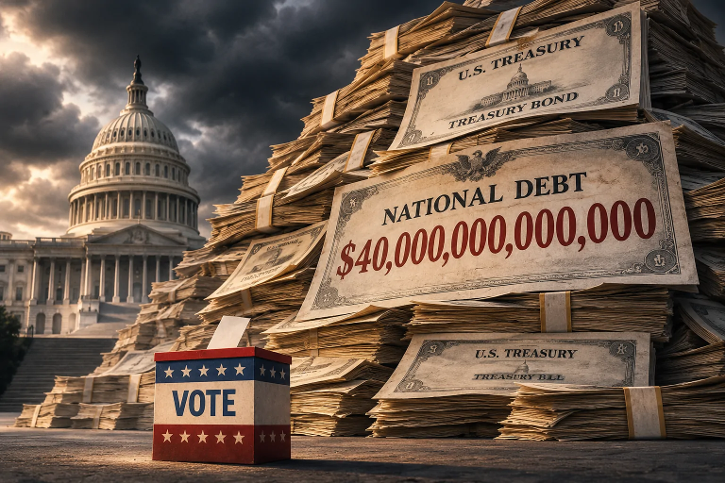
Tomorrow’s Election Changes Nothing About The National Debt
Notes From the Field By james Hickman (Simon Black/Sovereign Man) November 2, 2026
Johnny Moon was homeless and unemployed in the early 2000s. A high school dropout with a bad drug habit, Moon was hardly someone that banks would consider creditworthy.
And yet, over the course of a single year, he was able to borrow more than $600,000 to buy five different investment properties.
7 Surprising Benefits of Failure
By Kentin Waits WISEBREAD
Everyone loves a success story, and the world is filled with them. But what about stories of failure? Can't they be as just as educational? Just as inspirational? Equally insightful?
After all, a single big win is often built on several losses. It's a truth perfectly captured in the words of Japanese industrialist and automaker, Soichiro Honda, "Success is 99% failure."
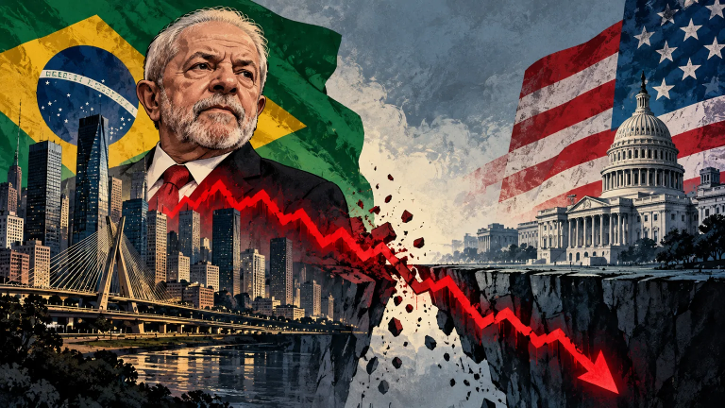
Brazil’s Massive Crash Is A Sign Of Things To Come In The West
Notes From the Field By James Hickman (Simon Black / Sovereign Man) October 29, 2026
On Sunday night, Brazil re-elected its left-wing president, Lula da Silva. On Monday morning the São Paulo stock market fell so hard at the open that the exchange halted trading for the first time since the pandemic. When trading resumed, Brazil’s stock market kept falling.
What To Do With A Windfall
Considerations to help you make the most of your good fortune.
Fidelity Wealth Management
Key takeaways
Even though it may be tempting to treat yourself right away, it's important to step back and thoughtfully assess your full financial picture.
Taxes and other costs may impact the net value of your windfall.
Consider how you may want to change your asset allocation, giving strategy, and estate plan.