
Ariel: The September 15-30 Window Where it all Converges
Ariel: The September 15-30 Window Where it all Converges
9-16-2026
The Clarity Actual Factuals: The Red Bottom Line
The Clarity Act was never the timer.
The SEC was never waiting on Congress.
The RV was never waiting on the Clarity Act.
Ariel: The September 15-30 Window Where it all Converges
9-16-2026
The Clarity Actual Factuals: The Red Bottom Line
The Clarity Act was never the timer.
The SEC was never waiting on Congress.
The RV was never waiting on the Clarity Act.
All three are moving on executive and agency authority timelines that were set in January 2025 and have been executing on schedule ever since. Congress is a stage. The Senate vote was a scene.
The real operation is already in its final phase, and the man who set it in motion is watching the actors panic over their lines while the director has already called the take.
THE GOLD LEDGER — WHY TRUMP DOESN’T NEED CONGRESS
Donald Trump has the gold. The US Treasury’s gold reserves at Fort Knox, West Point, and Denver approximately 261.5 million troy ounces if the certificates are accurate represent the largest sovereign gold position on the planet.
The Rothschild-managed LBMA paper gold system has been suppressing the physical price through fractional reserve leasing for decades. But paper gold isn’t gold. And when the physical audit hits which Executive Order 13818’s successor provisions have been quietly advancing the paper-to-physical ratio collapses and the true price discovery mechanism reasserts itself.
THE SEPTEMBER 15-30 WINDOW — WHERE IT ALL CONVERGES
Today, September 15, 2026:
– The Clarity Act cloture failed at 49-50. The press is screaming. The crypto markets are twitching. The Senate floor is a circus.
– The SEC’s regulatory framework is proceeding without congressional authorization.
– The 2027 Iraqi budget arrives at the Council of Ministers with redenomination language the currency switch CBI Governor Nizar Nasser Hussein confirmed publicly.
– The new Iraqi currency has been physically in country since early September. Pallets. Planes. Vaulted.
– POTUS posted the escalator clip with the currency exchange window visible in the frame.
– Al-Zaidi’s September 30 sovereignty deadline creates the forcing function.
– Trump stands at the Resolute Desk, Diet Coke sweating, and looks like he’s got somewhere to be.
Read Full Article:
https://www.patreon.com/Prolotario1/posts/clarity-actual-169642373
https://dinarchronicles.com/2026/09/15/prolotario-the-september-15-30-window-where-it-all-converges/
Bruce’s Big Call Dinar Intel Tuesday Night 9-15-26
Bruce’s Big Call Dinar Intel Tuesday Night 9-15-26
Transcribed By WiserNow Emailed To Recaps (INTEL ONLY)
Welcome, everybody, to the big call tonight. It is Tuesday, september 15, and you're listening to the big call. Thanks for tuning in, everybody. Again, all over the globe. Good to have you here. Glad to have you here.
Let's let's move from that point on into where we are on Intel. Now I will say this: it is getting quiet. It's very difficult to get Consistent revelation in terms of intel from our many sources, and even though we're trying every day-and I mean every day, Saturday, Sunday, every day-to get it. Sometimes we get it. Sometimes it's a little light today. I would call it a little bit light.
Yesterday was better. Yesterday was Monday. That's cool. I'm getting some things I can use for tonight, and then you know here we are trying to get more confirmation, but it did not really come in today. So let me bring up where we think we are now.
Redemption Center leaders have only seen now. I don't know about today because we haven't heard, but Sunday, believe it or not, Sunday evening, yes, and Monday, only two currencies were on the screens at the redemption centers, and that was the I'm going to call it South Korean won, which is really the both. It's going to be both North and South Korean.
They should have an actual merge of those two, North and South, kind of like what happened in Vietnam, but the 1w-o1-N is on the screen, and so is the Israeli shekel.
Now everything else we're looking to have added on there, and I think there's, for some reason, the dinar, the dong, some of these that we're all very familiar with are not going to show up probably until the last minute.
I just have a feeling that's why they haven't shown up, and we haven't heard confirmation as to whether they made it to the forex yet. I think I would have heard it if if if those currencies had made it to the forex, which we were looking for Sunday night, but we did not get confirmation that they had made it.
So where does that put us? We know that when they do hit the forex, which could be tomorrow or Thursday. By the way, whenever they do hit, they can hit any particular day of the week.
When they do make it to the forex, the foreign exchange, the forex, we've been told that means it's a lock. Everything is good to go, and we'll be going like immediately after that happens. So that has not occurred yet that we know of.
Now watch tonight after the big call. I tend to get information late. Sometimes I'll get it on a Wednesday, and then I'll have it for Thursday's call or whatever. But right now, as it is, we had heard from three or four different sources that we're looking really strong at the 15, 16, 17. That's today, Wednesday.
Excuse me. Check that, Bruce. Tuesday, Wednesday, Thursday. I'm kind of getting ahead of myself. Tuesday, Wednesday, Thursday, 15, 16,17, of September. So, is today in play? Not at this time. It's too late. What about Wednesday? Yeah, Thursday.
So we know that certain banks in other countries are prepared to do some exchanges on Thursday.
Now, I'm not saying that we are necessarily there, but it's something that I hope to confirm about the timing of this tonight or tomorrow to see if anything's shown up to make us think that we could go.
My gut on this is we're looking at probably if it's going to be this week, which we hope it is, we're probably looking at Thursday possibility of getting notifications tomorrow. Yes, still very possible, and exchanges very possible for Thursday.
If we get notified Thursday, could we go Thursday? Yeah, could we also not go Thursday but go Friday? Yes, depending on when the notifications came in, meaning notifications to us, meaning the 800 numbers.
So I'm just saying that Wednesday and Thursday, and I'm going to add Friday, are in play for this week still. Now we sort of need that dinar, the Iraqi dinar, to show up on the forex, and then we can roll. Now, what else is happening?
Number of arrests in the UK in Europe over 1,200 in the last three days. I'm sure we still have the same thing going on here in this country, but I have no numbers, and I won't get numbers on it until after it's complete, and that's okay. But there is-you can bet that everybody's busy doing on mission, doing what they're supposed to do. Let's talk for a minute about med beds.
Now we know that the med bed centers here in the U.S. are ready to roll. They are ready for us, but what do we need to do first? We need to go in to the exchange location, which is what we call the redemption center. Why do we call it a redemption center?
Because that's where we're redeeming our ZIM notes, which are bearer bonds.
That's what we're doing. That's why it's called a redemption center. Okay, and that's our go-to location to redeem them and to exchange our currencies. That's it. We know that the rates are going to be better at the Redemption Center.
We know that the ZIM is only redeemable at the Redemption Center. We know they're all overseen by Wells Fargo in the United States. Okay, and we also know that we have a contract rate on the Iraqi dinar at the redemption centers, and the contract rate is almost 10 times higher than the rate that the bank screens would have, approximately.
That's a lot more. Now, here's the thing about MedBed, when we go in to the redemption center, you're going in to redeem your currency. If you have a dire need and you're a ZIM holder ready to redeem your ZIM, you are at a higher position to go in for the MedBed appointment. You are in a much higher place if you have a serious, dire physical need.
Okay, and you're a ZIM holder. Why? Because they want you. If you're a ZIM holder, they know you're planning to do projects. They know you're planning to help humanity, and they want you to be around to see those to completion or fruition. They want you to live a long time to see everything come through, and that's why you get priority.
Listen, we're looking to live hundreds of years into the future. Hundreds, plural. We can do that. The technology's there, and we know it's there. We know it works. So, here, here's the thing. All right, when you go in to the Redemption Center and you tell them, "Hey, listen, excuse me, I've got this and that and the other wrong with me. I'm a Zim holder.
They're going to enter some keystrokes on their computer that will let the people know that you are a contender to get into the med beds pretty quickly. I've been hearing five six days for most gym holders who have dire need.
All right, now here's the deal: when you do that, they have your basic information. They've got a phone number for you.
They know basically who you are when you come in under the under the know your customer portion of your segment when you when you're redeeming Zim and you're exchanging currencies, but they also know that since I've told you this, you are to have the ability to refer six people that you know, hopefully personally, that you know of that have a need for the med bed.
They don't have to be zim holders. If they were fine. If not, they don't have to be currency holders at all. But they're people that you know that are either older and not doing very well medically, physically. They've got a dire need.
Make sure you've got a list of six people when you go into the MedBed Center. Those six people they can contact and set up appointments for. So, what do you need to know for to make your list out and type your list out?
The name of the person, the email of the person, if you have it, the cell phone of the person, and maybe a note about their need-just a note about it, not a long description, but just a short phrase about what, what, why you're recommending them.
So name, email, phone number. They can call and or text on that phone, especially if it's a cell phone, right? So why do all that? Because that way they can get in touch with the people and set up appointments with those people.
Now, let the people know on your list about the med beds. Obviously, if you're going to put them on your list, let them know about it because not that many people are aware of it. Not that many people know about them, and you've got to have to do that because if they get a call or they get an email and they go, "What? Who is this from? Who is this from, honey? Who is blah blah blah? Well, you need to inform them and let them know.
Now, I have a few people that want to see me come out of it first before they say they want to go in. So you know what is it? I don't believe in seeing as believing, seeing as knowing. But a lot of people, you know, I want to see how you come out. I want to see what you look like.
I want to see blah blah blah. And then you know, then they say, "Oh yeah, put me in, coach, put me in. So that may or may not be the case. What if you're barely there? You're in a vegetative state, maybe even in a coma.
Whatever the you know some of your referrals, and remember, you get 6123456: Okay, so basically, if you're still breathing, and you can be rolled in or wheeled in in a wheelchair or or a what do you call those things? You real you wheel people in on. You could, yeah, you can get them in there.
Get them in there, and they'll be healed, and they'll be de-aged back to whatever age that they feel is right for them. The cool thing I like about the med beds is not only age regression, taking it back to when you were younger and all that good stuff, but the new aging timeline for you slows way down. In other words, they set this.
My understanding is the latest information we have is they are setting it so that you would age one year for every 15 years of time. One year aging for every 15 years that goes by.
So let's say you bring yourself back to the age of 30. You're essentially, by all aspects, you look like you were at 30. What happens in the next 10 years? All right. Let's look at it this way.
You're only going to age one year for every 15 years of time, so that's not a very good example, is it? So to go from 30 to unless say let's say 100. Let's oh gosh, get through the math now. Let's say seven years go by, or 15 years go by.
Let's make it easy on myself. 15 years go by, and you're 31 now. Another 15 years go by, you're 32. You see, so that in 150 years you will have only aged 10 years, from 30 to 40. That, to me, is that's the ticket, right there. That is fantastic.
Now, the other thing is, this is something. When we go through and we're in the med beds, we're gonna sign an NDA probably before we even go in to the med bed to let us know, hey, you're not to share where you had this done, who helped you, assisted you, any specifics about it. They're going to be under NDA for some period of time.
Now they'll see the differences in you. You won't look quite the same, but they should be able to recognize you, maybe, maybe they won't. Maybe they won't even recognize you. It all depends. There's so many different factors to this.
What if you're if you're 75 or 80 years old, you've got grandkids, and all of a sudden you're younger than their mom in the way you look. I mean, these are issues. These are things you have to think about. You know, for me, it's not a factor.
I don't have any kids or grandkids, so I'm good to go. I'm just going to be hung and playing tennis with Sue, and you know, playing golf with Bob, and doing everything else too, for the you know for rebuild America, rebuild international, and all that. Can't wait!
Can't wait! Now that is the latest information that we've had on it, and those Medbed Centers are ready to go. We've seen, oh, I guess 30 examples by now of military that have gone in and gone out. I have all the stories I've heard them. I'm getting it secondhand, and it's absolutely real. And it it's kind of going to blow you away.
I think it's going to blow a lot of people's minds. Now, when does the public find out about the med beds? I don't know. I've been told 10 days after we start, 15 days after we start using them. I don't know, guys.
The beauty of this is we get to refer people that we know that are in need to go in use the med beds. I'm talking about new limbs in 20 to 30 minutes. I'm talking about a guy. I told you this already.
A guy with one leg and no arms, nothing from the shoulders, one leg, nothing from the other hip, and all limbs redone, everything in 42 minutes, totally done, and so it's it's remarkable technology, and it's finally going to be coming out for us right now. And it's going to be military running the show for a while.
There will be some civilian training, and it's supposedly already going on to train certain people in the civilian world to be knowledgeable enough to assist on this, but when would it be turned over?
When does the technology, you know, when is it going to be in hospitals? It used in hospitals where med beds are already in place, and a lot of them across the country now, they have to wait for that go signal. And you know the public will get their turn and they'll go, but those of us who have Zim and a dire need go first. Now military went first.
Child trafficking victims are already going through it and have been for a while. Thank God, because it should reduce that trauma and hopefully eliminate some memories. I hope, and they'll give them a second shot at a real life. I mean, we're talking children, talking young girls, young boys.
So it's just absolutely ridiculous what's happened. All right, what else is going on that we need to talk about? So be prepared. Do your list.
Make your list for yourself. You know, so that you know what it is you want to try to have done, take that in with you to the MedBed Center. Of course, you'll have 15 minutes or so to talk with an assistant who is entering information into a laptop for you before you slip into the MedBed.
So you have plenty of time to go. Okay, I'm looking at doing this. I'd like this. Blah blah blah. This and that and the other, and then you know, just let it lay it out, lay it out, and that should help you a lot. I mean, I can't wait, guys. You know, I'd rather do the med beds. I'd prefer that way more than all the money from these exchanges and the Zim.
But we'll do both. We'll do both. But the exchange comes first. Listen, I wish I could be in the med bed yesterday. Not gonna happen. Not not at this point, we're going to go exchange first, and then the minute after, which is fine. That's great. Let's do it.
So we're in play for tomorrow and Thursday, and I'm going to add Friday. The you know that we should get it. We should get notified by Thursday. Remember, we had the quote-unquote back wall, which was yesterday, the 14th.
And what happened? Well, we blew right through that back wall, didn't we? So the back wall theory is one that we always roll our eyes on. Like I told you guys last week about it, but I know that they're trying to get this done.
I know President Trump wants this done, and we also heard two other things: one, that the USA Inc. a corporation of the United States, USA Inc. was to be null and void as of today, the 15th.
Now, does that mean we're going to have some announcement on the news about that? I don't think so, but that's what we've heard, and we've also heard that remember how the Clarity Act has been held up in the Senate forever. Some of those people don't want this to go.
All right, but what else? This is what I heard yesterday that President Trump had signed an executive order to allow the Clarity Act to go through, because XRP is the cryptocurrency that is backing, helping to back the value of the U.S. N dollar. Our understanding is that he signed an executive order to that effect? Now, what else?
We also understand he may have signed an executive order regarding voter ID, what was supposed to be in the Save America Act that Congress hasn't done anything on, haven't passed it, and that's important. If we're going to have legitimate, free, and fair elections without interference and cheating, like we've had forever in our country, then that needs to pass.
The Save America Act needs to go through, and I have a feeling that if it doesn't go through pretty quickly, President Trump will take emergency action and put an executive order together to make sure we have voter ID for our midterm elections. Remember, midterms were a question mark, and they still are. Are they going to happen?
All right. Let's see. I think, guys. I really wish I had more information to give you about our timing. That's all I've got right now. I'm trying. Believe me.
Let's hope we get this by Thursday, or I'll have something else to tell you on Thursday.
I think that is everything that we were going to talk about tonight. So let's go ahead and pray the call out after I thank Sue.
Wonderful job tonight. Really enjoyed the teaching, all the commentary. Love your segment. Love Bob's segment. My segment was not the best, but hopefully you guys got something out of the MedBed information, and we'll see where this thing goes.
We're just tracking it. We're tracking it one day at a time. So let's watch for it. Let's keep an eye out, and let's enjoy our lives and hang in there in our Plan A for a while, and then when Plan B comes around for blessing, we'll make all this transition into our new lives, and that'll be fun. That'll be really good. So, thank you, Sue. Thank you, Bob. Thank you, GCK and Doug, your technical help/ support.
Thank you, Jeannie, for your consistent every Tuesday and Thursday night your post to prayer and praise, and thank you, Big Call Universe, for listening for these 15 years that we've been doing the Big Call, and thank you also, Satellite Team, our SAT team, for getting the call out all over the globe, and we appreciate that. So let's pray the call out and see where we go the remainder of this week.
Good night everybody see you on Thursday night !!
Bruce’s Big Call Dinar Intel Tuesday Night 9-15-26 REPLAY LINK Intel Begins 1:22:40
Bruce’s Big Call Dinar Intel Thursday Night 9-10-26 REPLAY LINK Intel Begins 1:04:00
Bruce’s Big Call Dinar Intel Tuesday Night 9-8-26 REPLAY LINK Intel Begins 1:14:00
Bruce’s Big Call Dinar Intel Thursday Night 9-3-26 REPLAY LINK Intel Begins 1:19:19
Bruce’s Big Call Dinar Intel Tuesday Night 9-1-26 REPLAY LINK Intel Begins 1:13:33
Bruce’s Big Call Dinar Intel Thursday Night 8-27-26 REPLAY LINK Intel Begins 1:03:33
https://www.freeconferencecallhd.com/wall/recorded_audio?audioRecordingUrl=https%3A%2F%2Frs0002.freeconferencecall.com%2Fstorage%2FsgetHD%2FHsCgW%2FOGMR
Bruce’s Big Call Dinar Intel Tuesday Night 8-25-26 REPLAY LINK Intel Begins 1:06:20
Bruce’s Big Call Dinar Intel Thursday Night 8-20-26 REPLAY LINK Intel Begins 1:09:20
Bruce’s Big Call Dinar Intel Tuesday Night 8-18-26 REPLAY LINK Intel Begins 1:14:40
https://www.freeconferencecallhd.com/wall/recorded_audio?audioRecordingUrl=https%3A%2F%2Frs0002.freeconferencecall.com%2Fstorage%2FsgetHD%2FHsCgW%2FOGvf
Bruce’s Big Call Dinar Intel Thursday Night 8-13-26 REPLAY LINK Intel Begins 1:04:54
Bruce’s Big Call Dinar Intel Tuesday Night 8-11-26 REPLAY LINK Intel Begins 1:02:00
Bruce’s Big Call Dinar Intel Thursday Night 8-6-26 REPLAY LINK Intel Begins 1:22:22
Bruce’s Big Call Dinar Intel Tuesday Night 8-4-26 REPLAY LINK Intel Begins 1:19:00
Seeds of Wisdom RV and Economics Updates Wednesday Afternoon 9-16-26
Good Afternoon Dinar Recaps,
SAUDI OIL SHIFT: RIYADH REROUTES CRUDE THROUGH OMAN AS PIPELINE DAMAGE REWIRES GLOBAL ENERGY FLOWS
Saudi Arabia is rerouting additional crude through Oman after damage to its East-West pipeline disrupted its Red Sea export route, creating a new test for global energy supply chains, shipping routes and financial stability.
OVERVIEW
Saudi Arabia is increasing crude shipments to Asian refiners through ship-to-ship transfers off Sohar, Oman. Saudi Aramco has offered Arab Light, Arab Medium and Arab Heavy crude for loading through this alternative route outside the Strait of Hormuz.
The rerouting follows damage to Saudi Arabia's East-West pipeline and the suspension of crude loadings at the Red Sea port of Yanbu. Some European customers have also been notified that September cargoes could be cancelled, while Asian shipments have faced delays.
The global oil market is beginning to adjust to the disruption rather than simply waiting for the pipeline to reopen. Oil prices eased Wednesday as U.S. inventories increased, but Brent remained above $100 a barrel while concerns about Middle Eastern supply continued.
KEY DEVELOPMENTS
1. Saudi Arabia Creates a New Route Through Oman
Saudi Arabia is responding to the pipeline disruption by finding another way to move crude toward Asian customers.
Saudi Aramco has offered several grades of crude for loading through ship-to-ship transfers off Sohar, Oman, which lies outside the Strait of Hormuz.
The development demonstrates how quickly physical energy infrastructure can be reorganized when a traditional export route becomes unavailable.
Instead of relying exclusively on the damaged East-West pipeline to move crude toward the Red Sea, Saudi Arabia is increasingly looking toward alternative maritime arrangements.
This is not simply a change in shipping schedules.
It is a change in the route through which physical energy reaches international markets.
2. The East-West Pipeline Remains a Critical Pressure Point
Saudi Arabia's East-West pipeline was designed to provide an alternative route for moving crude from the kingdom's eastern oil fields toward the Red Sea.
That route became especially important after disruptions around the Strait of Hormuz made alternative export capacity more valuable.
Damage to the pipeline has now forced Saudi Arabia to reconsider how much crude can move through the Red Sea.
Reuters reports that crude loadings at Yanbu have been suspended, while some European customers have been told that September cargoes will be cancelled.
The result is a redistribution of available Saudi crude rather than a simple disappearance of demand.
3. Asian Buyers Are Becoming a Major Focus
The new Oman arrangements are particularly significant because Saudi Arabia is offering crude through Sohar to Asian term buyers.
Asia is a major destination for Middle Eastern crude, making the ability to maintain supplies to Asian refineries especially important.
The move also demonstrates why transportation infrastructure matters so much to the global financial system.
Oil can exist underground in enormous quantities, but it has little value to an overseas refinery unless it can be safely transported from producer to buyer.
That makes pipelines, ports, tankers and maritime chokepoints part of the global financial infrastructure.
4. Oil Prices Are Reacting to Both Risk and Supply Relief
The market response on Wednesday illustrates the complexity of the current situation.
Brent crude fell during the day after reports of Saudi Arabia's additional Oman shipments helped ease some concerns about the scale of the supply disruption.
An increase in U.S. crude inventories also put downward pressure on prices.
Reuters reported Brent at approximately $105.83 per barrel in afternoon trading, while WTI was around $102.51.
The decline does not mean the underlying energy problem has disappeared.
Instead, the market is weighing two competing forces:
Alternative Supply Routes → Reduced Immediate Shortage Risk
versus
Pipeline Damage + Shipping Disruption → Continuing Supply Risk
That tension could keep oil markets unusually sensitive to every new development.
5. The Global Energy Map Is Being Rewritten
The most important development may be the change in the physical map of energy flows.
Saudi Arabia previously relied heavily on its East-West pipeline to move crude toward Yanbu and the Red Sea.
Now, with that route damaged, crude is being redirected through different ports and shipping arrangements.
Other Gulf producers are also seeking ways to move supplies while navigating restrictions and security concerns around the Strait of Hormuz.
This means the current crisis is producing more than a temporary price reaction.
It is forcing energy companies and governments to reconsider which routes, ports and infrastructure are essential to global energy security.
WHY IT MATTERS
The Saudi oil rerouting is important because it shows how a physical disruption can produce a financial response long before the full effect of a supply shortage becomes visible.
When a pipeline is damaged, producers must find another route.
When shipping routes become dangerous, insurance and transportation costs can rise.
When deliveries are delayed or cancelled, buyers must search for alternative supplies.
And when markets become uncertain about future availability, oil prices can become more volatile.
The global energy system is not simply responding to higher prices—it is being forced to reorganize how energy moves.
WHY IT MATTERS TO FOREIGN CURRENCY HOLDERS
Readers hold foreign currency with the hopes that it will increase in value when the Global Reset occurs.
Today's development matters because energy flows influence trade balances, inflation, interest rates and currency values.
Countries that import large quantities of oil can face higher costs when energy prices rise or transportation routes become more expensive.
Oil-producing countries, meanwhile, can experience changes in export revenues and capital flows depending on both production and the ability to deliver crude to international buyers.
However, today's Saudi rerouting does not guarantee any currency revaluation or establish a date for a Global Reset.
The important development is the changing structure of global energy and trade infrastructure.
Watch the infrastructure. Watch the flows. Hope, but don't follow the hype.
IMPLICATIONS FOR THE GLOBAL RESET
Pillar 1 — Energy
Energy security is becoming increasingly connected to financial security.
A pipeline, port or shipping route can become a critical financial asset when it determines whether millions of barrels of oil can reach international markets.
The Saudi response demonstrates that countries may increasingly seek multiple export routes and backup infrastructure to reduce vulnerability to a single chokepoint.
Pillar 2 — Trade and Supply Chains
The shift toward Oman demonstrates how geopolitical disruption can change established trade routes.
Asian refiners may receive crude through different loading arrangements.
European buyers may need to find alternative suppliers.
Shipping companies may adjust routes based on security and availability.
These changes can eventually influence transportation costs, trade balances and inflation.
Pillar 3 — Financial Stability
The connection between energy and finance becomes especially important when oil prices remain elevated.
Higher energy costs can increase inflation.
Higher inflation can influence central-bank decisions.
Higher interest rates can raise borrowing costs.
And higher borrowing costs can place additional pressure on governments and businesses already carrying substantial debt.
The chain is therefore:
Energy Disruption → Trade Adjustment → Inflation Pressure → Interest Rates → Debt Costs → Financial Markets
RUMOR SAFETY REMINDER
⚠️ Saudi Arabia's rerouting of crude through Oman is NOT an announcement of a Global Reset or currency revaluation.
It is a documented response to damage affecting an important Saudi oil-export route.
The financial consequences will depend on how long the pipeline remains disrupted, how much alternative capacity is available, and whether additional shipping or energy infrastructure is affected.
Follow the evidence. Watch the infrastructure. Don't follow the hype.
THE BOTTOM LINE
Saudi Arabia's decision to offer more crude through Oman shows that the global energy system is already adapting to the disruption rather than simply waiting for normal conditions to return.
Today's lower oil prices do not erase the underlying problem. Instead, they show how markets are balancing alternative supply routes, U.S. inventories and continuing geopolitical risks.
The bigger story is not simply where the price of oil goes next—it is how the world's energy producers, buyers and shipping networks are being forced to redesign the routes that keep global commerce moving.
Seeds of Wisdom Team
Newshounds News™ Exclusive
SOURCES
Reuters — "Saudi offers more crude via Oman loading after pipeline attacks, sources say"
Reuters — "Oil slips as Saudi Arabia offers more crude via Oman"
~~~~~~~~~~
Seeds of Wisdom Team RV Currency Facts Youtube and Rumble
Newshound's News Telegram Room Link
RV Facts with Proof Links Link
RV Updates Proof links - Facts Link
Start Here room with Most Asked Questions Link
Follow the Gold/Silver Rate COMEX
Follow Fast Facts
Seeds of Wisdom Team™ Website
Thank you Dinar Recaps
Forget CBDCs: 5 Things you Need to Know about the New Financial System
Forget CBDCs: 5 Things you Need to Know about the New Financial System
Miles Harris: 9-16-2026
Forget CBDCs. The financial system is changing in much bigger ways. In this video I explain five changes that matter most, including tokenised money, digital ownership, collateral, financial permissions and why more of your balance sheet may become visible to the financial system.
The key question is no longer just what you own, but what you can access, move, pledge and control.
The global financial architecture is undergoing its most profound transformation since the abandonment of the gold standard.
While public discourse frequently focuses on the rise of Central Bank Digital Currencies, or CBDCs, the actual shift underway is far more expansive, systemic, and sophisticated.
We are moving rapidly toward a highly integrated financial ecosystem defined by digital currencies, tokenized assets, and programmable money operating under centralized, permissioned networks. This structural evolution promises to redefine how wealth is measured, how credit is distributed, and how individuals interact with the global economy.
To truly understand this transition, it is necessary to look past the sensationalized headlines and examine the underlying mechanics of modern monetary design.
The classical definition of money is expanding to include a wide array of tokenized assets and liabilities. This digitization process allows physical property, corporate equity, government debt, and traditional bank deposits to exist as digital tokens on shared ledgers.
Consequently, the emerging financial architecture enables real-time tracking, instant settlement, and direct programmability of assets at a global scale, fundamentally altering the speed and control mechanisms of global capital.
While the trajectory toward a digital asset economy is clear, the pace of adoption remains highly uneven across different jurisdictions. The Eurozone has emerged as a frontrunner in exploring and developing retail and wholesale CBDC frameworks. Conversely, regulatory bodies and policymakers in the United States and the United Kingdom have shown more reluctance, balancing technological innovation with concerns over privacy, systemic stability, and existing commercial banking models.
However, this regional divergence has not halted progress. Instead, it has accelerated coordinated private and public sector projects focused on tokenized bank deposits and interoperable digital assets, allowing commercial institutions to upgrade their transactional infrastructure behind the scenes.
This systemic transformation is also shifting how economists and market participants evaluate financial health. Historically, traditional money supply metrics, such as M1 and M2, served as the primary indicators of economic liquidity. In the coming digital paradigm, these metrics are losing their predictive dominance.
They are being superseded by the liquidity and borrowing capacity of digitally represented assets. When real estate, securities, and supply chains are fully tokenized, they can be instantly pledged as collateral, effectively unlocking vast amounts of previously dormant capital. This shift dramatically increases the velocity of credit and alters how lending markets operate.
The engine driving this new financial paradigm is the utilization of permissioned environments. Unlike public, decentralized blockchains, permissioned ledgers are managed by trusted, regulated entities. This structure provides institutional operators with enhanced capabilities for oversight, compliance, and risk management.
While these environments introduce unprecedented levels of structural control and transparency for regulators, they also unlock highly sophisticated credit, lending, and smart-contract structures. Transactions can be automated to execute only when specific, pre-programmed conditions are met, reducing counterparty risk and administrative friction.
As the global financial system transitions to this highly automated and programmable state, individuals must adapt their personal financial strategies. Maintaining financial optionality and resilience requires a proactive approach to managing personal balance sheets. Relying solely on traditional cash reserves may no longer be sufficient in an economy where asset liquidity and digital collateralization dictate borrowing power.
0:00 Introduction
0:32 Your Money Is Becoming Easier to Track and Control
2:16 Money Is Splitting Into Different Digital Forms
3:43 Your Balance Sheet Is Becoming Part of the System
5:19 Liquidity Will Depend More on Acceptable Collateral
6:25 Ownership Is Becoming More Permissioned
7:08 What This Means for Households
Reset Intelligence: However Long the Night.
Emailed to Recaps~ Thank you David
Reset Intelligence: However Long the Night.
By Reset Intelligence | @EXIT_FIAT
The US Senate said No to the CLARITY Act, and inside the same day the SEC chair confirmed the rules get written anyway.
And in Berlin, Iraq's prime minister signed 14,000 megawatts of new power with Siemens Energy, then told his country: however long the night, it births a sun.
A No that changed nothing
The cloture vote fell short of the 60 it needed and the market sold the obituary. Then the response told the real story. SEC Chair Atkins already had it on the record that the commission will write crypto market rules with or without the statute. Ripple's Garlinghouse mourned the vote and pivoted to the SEC and CFTC rulemaking path in the same thread. Nobody who built the system showed a trace of panic.
The week on one page
Berlin delivers - al-Zaidi and Chancellor Merz oversee the Siemens Energy signing, 14,000 MW of local-fuel generation aimed at the 20 million cubic meters of Iranian gas propping up Iraq's grid daily
The tour's ledger - Rothschild and Co on the credit rating, TotalEnergies at $16 billion, Macron's office talking contracts, all in one week
Two straits mined - Hormuz by Iran, Bab al-Mandab reportedly by the Houthis. Iraq's answer, same day: crude to Europe through Syria and Turkey
The Gulf opens its books - Bessent says the states Iran bombed are opening Iranian funds to scrutiny, secondary sanctions armed on Iranian-oil buyers
September 30 - the militias put their refusal in print with 14 days on the clock
The street - $100 near 157,000 dinars in Baghdad against a 132,000 official ceiling, with the CBI squeezing the gap and saying nothing at a flat 5.25 percent
The Fed - decides US rates today at 2 PM Eastern, close to a coin flip
That is the short version, the moves anyone can see. What they add up to, why the failures keep bouncing off this operation, and what the bank in Baghdad's silence means is in the full daily briefing.
The oldest question in this story was always whether anyone powerful enough wanted it finished. This week the powerful showed their contingency plans.
Read the daily Iraqi dinar briefing free for 5 days - full analysis, every claim sourced.
Want it straight from the horse's mouth? The CBI Rate Alert pings you the moment the Central Bank of Iraq moves the official rate. The number itself, not a rumour about it. It comes with our free resource library and the daily breakdown of what is actually moving in Iraq.
Got a dinar question? Ask the Iraqi dinar research assistant anything Reset Intelligence has published. It answers in seconds and will conduct deep research to find you the answer.
Common questions, answered straight: When will the Iraqi dinar revalue? and Is the Iraqi dinar revaluation real?
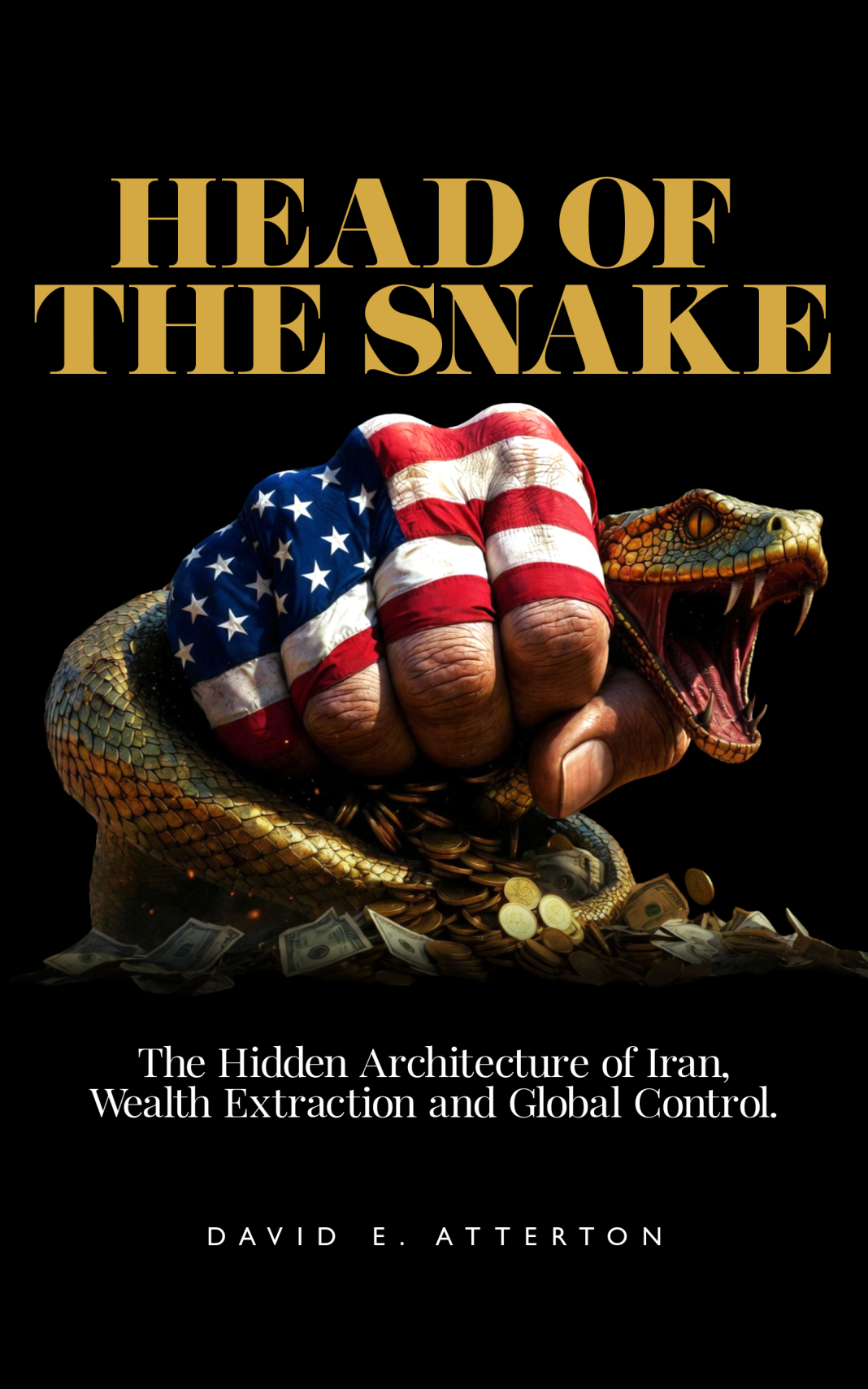
The design behind all of it is mapped in Head of the Snake, and the free guides live in the Iraqi dinar resource library.
Follow the daily intel free: Telegram · Facebook · Spotify · Odysee
Coffee with MarkZ joined by Zester 09/16/2026
Coffee with MarkZ joined by Zester 09/16/2026
MarkZ Disclaimer: Please consider everything on this call as my opinion. Be sure to consult a professional for any financial decisions
MZ: Crazy slow news day so far, factions, international deals, and global bankers. Zester has an update on the Clarity Act.
THE CONTENT IN THIS PODCAST IS FOR GENERAL & EDUCATIONAL PURPOSES ONLY&NOT INTENDED TO PROVIDE ANY PROFESSIONAL, FINANCIAL OR LEGAL ADVICE. PLEASE CONSIDER EVERYTHING DISCUSSED IN MARKZ’S OPINION ONLY
https://rumble.com/user/theoriginalmarkz
Kick: https://kick.com/theoriginalmarkz
Markz's linktree https://linktr.ee/theMarkZshow
FOLLOW MARKZ : TWITTER . https://twitter.com/originalmarkz?s=21. TRUTH SOCIAL . https://truthsocial.com/@theoriginalm...
Mod: MarkZ "Back To Basics" Pre-Recorded Call" for Newbies 10-19-2022 ) https://www.youtube.com/watch?v=37oILmAlptM
MARKZ DAILY LINKS: https://theoriginalmarkz.com/home/
THANK YOU FOR JOINING. HAVE A BLESSED DAY. SEE YOU IN THE MORNING FOR COFFEE @ 10:00 AM EST ~ UNLESS BREAKING NEWS HAPPENS! FOR UPDATES ON MARK’S PODCAST GO TO: https://t.me/+b3hYhYlhKM1hYzcx
News, Rumors and Opinions Wednesday 9-16-2026
GP Q: Why the Clarity Act Matters to Currency Holders
9-16-2026
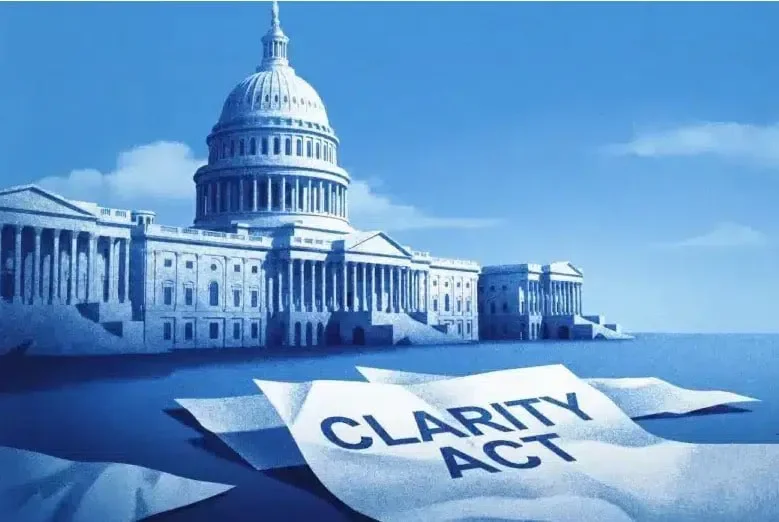
CLARITY ACT — WHY IT MATTERS TO CURRENCY HOLDERS
The Senate did fail to advance the CLARITY Act today. The cloture vote was a procedural step requiring 60 votes; it was not a final vote declaring the bill d**d forever.
WHAT WE KNOW: The bill concerns regulation of digital assets, including SEC/CFTC jurisdiction.
WHY CURRENCY HOLDERS MAY CARE: It could eventually affect how digital assets, tokenized money and financial platforms operate alongside the traditional financial system.
NOT PROVEN: This vote does not establish an RV, GCR, QFS, or new value for IQD/VND/ZIM.
Proof:
U.S. Senate floor information
https://periodicalpress.senate.gov/page/3/?utm_source=chatgpt.com
Reuters report
https://reuters.com/legal/government/us-senate-vote-advancing-landmark-crypto-bill-2026-09-15/?utm_source=chatgpt.com
Source(s):
• https://x.com/argosaki/status/2099993563920777288
https://dinarchronicles.com/2026/09/15/gp-q-why-the-clarity-act-matters-to-currency-holders/
**************
Courtesy of Dinar Guru: https://www.dinarguru.com/
Jeff Article quote: "The draft budget law for 2027 to the House of Representatives on October 15th." The correct currency value must exist in place before the budget can be sent to parliament for approval. That is an absolute requirement. The correct currency value has to exist prior before this law can be approved.
Frank26 The Rothschilds are literally the foundation of currency on this planet Earth. The Rothschilds are the backbone of the financial structure...The Rothschilds have the United States of America by their testicles and they're not letting go. It's called interest. The interest we pay to them every day is astronomical...They certainly don't need money because they are money...The Rothschilds are now interested in Iraq...Iraq is about to become a currency financial hub...part of their banking system...The United States of America is in debt to us [Rothschilds] until the end of time. That's what we want to do with Iraq as well...
Mnt Goat Article: "AN ECONOMIST PREDICTS THE RETURN OF THE 50 AND 100 DINAR DENOMINATIONS WITH THE CURRENCY CHANGE" Yes, the CBI can issue these two notes without any parliament approval, at any time...This is a VERY GOOD sign to us. It shows this removing of the zeros is going to come very soon. I do know that the 50 notes were once in circulation but the 100 note is a new. Getting back the 50 notes are also a very good sign.
Insiders Buying Gold - Public is Next | Andy Schectman
Liberty and Finance: 9-16-2026
Andy Schectman warns that tightening global oil supplies could trigger another wave of inflation just as central banks face limited room to respond.
He argues that rising Treasury yields, declining confidence in U.S. debt and increasing gold purchases reflect a broader trend toward what he calls “detreasurization.”
Schectman also explains how BRICS nations are building alternative payment infrastructure designed to reduce reliance on Western financial rails without necessarily creating a common currency.
The conversation breaks down the trade-offs between physical precious metals, private vault storage, precious-metals IRAs, tokenized gold and ETFs, with Schectman emphasizing ownership, auditing, and the ability to take possession.
He also discusses the growing adoption of tokenized metals and state-level efforts to facilitate gold and silver transactions as the global monetary system continues to evolve.
INTERVIEW TIMELINE: 0:00 Intro 2:30 Asset price distortion 11:00 BRICS meeting 17:20 Gold storage 30:00 Constitutional money
Seeds of Wisdom RV and Economics Updates Wednesday Morning 9-16-26
Good Morning Dinar Recaps,
FED RATE DECISION: FIRST HIKE SINCE 2023 COULD RESET THE OUTLOOK FOR INFLATION, DEBT AND THE DOLLAR
The Federal Reserve is expected to raise interest rates for the first time since 2023 as persistent inflation, oil prices above $100 and elevated Treasury yields create a new challenge for U.S. monetary policy, government debt and the dollar.
OVERVIEW
Markets are heavily expecting a quarter-point Federal Reserve rate increase today, which would lift the federal funds target range to approximately 3.75%–4.00% and mark the first Fed increase since July 2023.
The bigger story may be what comes next. Investors are closely watching Fed Chair Kevin Warsh's comments and the central bank's projections for clues about whether additional rate increases could follow as inflation remains elevated and energy prices continue to create pressure.
The decision reaches far beyond the Federal Reserve. Higher U.S. rates can influence Treasury yields, government borrowing costs, the dollar, international capital flows and currencies around the world.
KEY DEVELOPMENTS
1. The Fed Faces Its First Rate Hike Since 2023
The Federal Reserve's September meeting reaches its decision point today with financial markets expecting a 0.25 percentage-point increase.
If delivered, it would be the first U.S. rate hike since July 2023.
That would represent an important change in the monetary-policy environment after a period in which markets had been focused primarily on potential rate cuts.
The expected move would place the federal funds target range at approximately 3.75%–4.00%.
But the rate decision itself may not be the most important information coming from Washington.
Investors will be watching closely for indications of whether the Fed believes additional increases could be necessary.
2. Inflation Is Complicating the Fed's Decision
The Federal Reserve is confronting renewed inflation pressure at the same time that energy markets remain unsettled.
Oil prices have remained above $100 per barrel as disruptions in the Middle East continue to affect energy supplies and transportation.
Higher energy costs can move through the economy by increasing transportation, manufacturing and other operating costs.
That creates a difficult policy environment.
The Fed can raise interest rates to restrain demand, but higher interest rates cannot directly restore disrupted oil supplies.
The central bank therefore faces the challenge of determining whether the current inflation pressure is temporary or could become more persistent.
3. Treasury Yields Are Already Near a Critical Level
The Fed's decision comes after the U.S. 10-year Treasury yield moved above 5%, its highest level since 2007.
The rise in Treasury yields reflects a combination of inflation concerns, expectations for tighter monetary policy and worries about government borrowing and fiscal pressures.
Higher Treasury yields matter because they influence borrowing costs throughout the financial system.
Mortgage rates, corporate borrowing, consumer credit and government financing can all be affected.
This means the Fed's decision could have consequences far beyond the overnight interest rate it directly controls.
4. The Dollar Is Being Pulled by Interest-Rate Expectations
The dollar has strengthened alongside higher Treasury yields and expectations for tighter U.S. monetary policy.
Higher U.S. interest rates can make dollar-denominated assets more attractive to international investors seeking higher returns.
However, currency markets are influenced by many factors, including the interest-rate policies of other central banks, economic growth, energy prices and international capital flows.
The dollar's reaction to today's decision will therefore depend not only on whether the Fed raises rates, but also on how strongly the central bank signals that additional tightening may be necessary.
5. Government Debt Faces a Higher-Cost Environment
Higher interest rates and Treasury yields have direct implications for government finances.
When existing debt matures, governments must refinance it.
If refinancing takes place at higher interest rates, the cost of servicing that debt can increase over time.
For the United States, this creates an important connection between monetary policy and the federal government's fiscal position.
The potential chain becomes:
Higher Rates → Higher Treasury Yields → Higher Refinancing Costs → Greater Debt-Service Pressure
That is one reason today's Fed decision matters to the broader financial system.
WHY IT MATTERS
Today's expected rate increase is important because it comes at a time when several financial pressures are converging.
Oil prices remain elevated.
Inflation remains a concern.
Treasury yields are near multi-year highs.
Government debt remains substantial.
And central banks around the world are responding to different combinations of inflation, energy costs and economic pressures.
The Fed's challenge is therefore not simply deciding where to place one interest rate.
It is managing monetary policy while energy prices, inflation expectations, bond markets and government debt are all interacting at the same time.
WHY IT MATTERS TO FOREIGN CURRENCY HOLDERS
Readers hold foreign currency with the hopes that it will increase in value when the Global Reset occurs.
Today's Fed decision matters because U.S. interest rates influence international capital flows, currency values, bond markets and the relative attractiveness of dollar-denominated assets.
A higher U.S. rate can support demand for the dollar, while putting pressure on currencies whose countries have lower interest rates or significant dollar-denominated obligations.
But a Fed rate increase does not guarantee a currency revaluation or establish a date for a Global Reset.
The important development is the changing relationship among interest rates, debt, inflation and currencies.
Hope is understandable. Evidence is essential.
IMPLICATIONS FOR THE GLOBAL RESET
Pillar 1 — Monetary Policy
The expected Fed rate increase demonstrates how quickly an energy and inflation shock can influence central-bank policy.
If inflation remains elevated, the Fed may have less room to reduce rates.
That could keep borrowing costs higher for households, businesses and governments.
The direction of monetary policy will therefore remain an important signal for global financial markets.
Pillar 2 — Debt and Bond Markets
The relationship between interest rates and government debt becomes increasingly important when Treasury yields remain elevated.
Higher yields increase the cost of new borrowing and eventually affect the cost of refinancing existing obligations.
If this environment persists, debt-service costs could become a larger consideration for governments around the world.
The bond market is therefore a key area to watch as monetary policy changes.
Pillar 3 — Currencies and Global Capital
Interest-rate differences between countries can influence where investors place capital.
A shift toward higher U.S. rates can alter the relative attractiveness of dollar assets and affect currencies around the world.
At the same time, countries facing high energy-import costs or significant external debt can experience additional pressure when the dollar strengthens.
This creates another connection between U.S. monetary policy and the broader international financial system.
RUMOR SAFETY REMINDER
A Federal Reserve rate hike is NOT an announcement of a Global Reset or currency revaluation.
The expected increase reflects monetary-policy concerns involving inflation, economic conditions and financial stability.
It does not establish a timetable for any future monetary reset.
Likewise, higher interest rates do not automatically mean financial-system collapse.
Watch the data. Watch the debt. Watch the markets. Don't follow the hype.
THE BOTTOM LINE
The Federal Reserve's expected first rate increase since 2023 comes at a particularly important moment for global finance.
Oil remains elevated, Treasury yields are near 5%, inflation pressures remain significant and governments are managing large debt burdens.
The immediate question is whether the Fed raises rates today.
The larger question is whether today's decision marks the beginning of a longer period of tighter monetary policy—and how that could reshape the relationship between inflation, debt, bonds and currencies.
Seeds of Wisdom Team
Newshounds News™ Exclusive
SOURCES
~~~~~~~~~~
🌱 A Message to Our Currency Holders🌱
If you’ve been holding foreign currency for many years, you were not foolish.
You were not wrong to believe the global financial system would change.
What failed was not your patience — it was the information you were given.
For years, dates, rumors, and personalities replaced facts, structure, and proof. “This week” predictions created cycles of hope and disappointment that were never based on how currencies actually change.
That is not your failure.
Our mission here is different: • No dates • No rates • No hype • No gurus
Instead, we focus on:
• Verifiable developments • Institutional evidence
• Global financial structure • Where countries actually sit in the process
Currency value changes only come after sovereignty, trade, banking, settlement systems, and fiscal coordination are in place. History and institutions confirm this sequence.
You will see silence. You will see denials. That is not delay — that is discipline.
Protect your identity. Organize your documents. Verify everything.
Never hand your discernment to anyone who cannot show proof.
You deserve truth — not timelines.
Seeds of Wisdom Team
Newshounds News
~~~~~~~~~~
Seeds of Wisdom Team RV Currency Facts Youtube and Rumble
Newshound's News Telegram Room Link
RV Facts with Proof Links Link
RV Updates Proof links - Facts Link
Start Here room with Most Asked Questions Link
Follow the Gold/Silver Rate COMEX
Follow Fast Facts
Seeds of Wisdom Team™ Website
Thank you Dinar Recaps
Iraq Economic News and Points To Ponder Wednesday Morning 9-16-26
ADNOC Snaps Up Discounted Iraqi Crude
2026-09-15 16:31 Shafaq News- Baghdad Abu Dhabi National Oil Company (ADNOC) has bought millions of barrels of discounted Iraqi crude, becoming the largest lifter of Iraqi oil in August and September as Baghdad sought to restore exports disrupted by the Iran war, Reuters reported on Tuesday, citing three sources familiar with the matter.
Two Iraqi energy sources said the UAE state oil company, through its trading arm, emerged as Iraq’s biggest crude buyer during the two months, helping support exports that had fallen sharply during the earlier stages of the conflict.
One Iraqi source said ADNOC agreed to buy 32 million barrels of Iraqi crude for August at discounts ranging from $24.90 to $27 per barrel.
For September, the company agreed to purchase another 40 million barrels, including 10 million barrels at an $18-per-barrel discount and 30 million at a $25 discount, the source said.
A second Iraqi source said the State Oil Marketing Organization (SOMO) had allocated 32 million barrels to ADNOC for August, but the company ultimately lifted about 20 million because of export constraints and Basra Oil Company’s inability to provide sufficient crude.
ADNOC has lifted about 14 million barrels of Iraqi crude so far in September, according to the source.
A third source told Reuters that ADNOC had also bought about 20 million barrels from SOMO through tenders for September-October lifting at discounts of between $25 and $27 per barrel.
Other companies have also bought discounted Iraqi crude. Reuters said SOMO’s August-loading offers attracted PetroChina, Zhenhua Oil, TotalEnergies, Vitol, Trafigura, Mercuria and Cathay Petroleum.
Iran last month allowed several tankers carrying Iraqi oil to transit the Strait of Hormuz after repeated requests from Baghdad through several channels, according to Iran’s state news agency IRNA.
Iraq’s exports had fallen sharply during the early months of the war, partly because of its location at the northern end of the Gulf and its lack of a substantial state-controlled tanker fleet.
Kpler data cited by Reuters showed Iraq exporting about two million barrels per day this month, down from 2.354 million bpd in August but above 1.374 million bpd in July.
UAE crude exports, meanwhile, rose to 3.236 million bpd this month from 2.886 million bpd in August and 2.871 million bpd in July.
https://www.shafaq.com/en/Economy/ADNOC-snaps-up-discounted-Iraqi-crude
Iraq, Siemens Energy Sign Phase IV Power Framework
2026-09-15 15:44 Shafaq News- Berlin Iraq and Siemens Energy signed a fourth-phase power cooperation framework in Berlin on Tuesday covering new generation and transmission projects, maintenance, financing and workforce training.
Prime Minister Ali Al-Zaidi and German Chancellor Friedrich Merz oversaw the signing of the “Energy Cooperation Principles in Iraq – Phase IV” between Iraq’s Electricity Ministry and Siemens Energy AG.
Electricity Minister Ali Saadi Wahib signed the framework, which provides for new power-generation projects, including combined-cycle and thermal plants designed to use fuels available in Iraq.
The plan also calls for selecting project sites that can make use of existing infrastructure, transmission networks and fuel pipelines.
In the transmission sector, the framework includes new substations across Iraq, upgrades to existing facilities, measures to ease bottlenecks in the national grid and improvements aimed at speeding the response to emergency outages.
It also provides for continued maintenance contracts at operating power plants to improve efficiency and available generation capacity, while the two sides will examine project-financing mechanisms and expand training programs for Electricity Ministry personnel.
******
Iraqi Prime Minister Media Office
Key Points from Prime Minister Ali Faleh Al-Zaidi’s Remarks During the Joint Press Conference with the German Chancellor in Berlin
Relations between Iraq and Germany are strong and founded on mutual respect. We affirm that action is the language of the future.
Germany is a trusted and reliable partner, and we seek to build stronger economic bridges between our two countries.
Iraq possesses abundant resources and a strong workforce, while we need technology, expertise, and equipment that we will purchase from Germany.
The partnership between Iraq and Germany will be reciprocal and mutually beneficial, rather than one-sided.
We will export crude oil to Europe through Syria and Türkiye. We seek to diversify our export routes and will not remain dependent on a single corridor.
We share with Germany the goal of defusing the crisis between Iran and the United States.
The crisis has affected Iraq and the world due to the disruption of oil exports, which has negatively impacted global markets.
We discussed strengthening political engagement with Germany to help address regional issues and challenges.
Iraq remains committed to a moderate and balanced policy and distances itself from aggressive policies.
The issue of foreign prisoners affiliated with the terrorist organization ISIS falls under the jurisdiction of the judiciary, over which the government has no authority.
The Kurdistan Region of Iraq is an integral part of the Iraqi state.
Iraq’s security forces, across all branches, are capable of safeguarding the country’s security. We have discussed this matter with the Presidents of the United States and France and the Chancellor of Germany.
Arms will remain under state authority, and decisions of war and peace are the exclusive prerogative of the state.
We call on the countries that supported us during the war against ISIS to strengthen their economic partnerships with Iraq and contribute to the country’s development and reconstruction.
•••••
Media Office of the Prime MinisterSeptember 15, 2026
https://www.facebook.com/IraqiPMO.Eng/posts/1076222038637444?ref=embed_post
The agreement was signed during Al-Zaidi’s official visit to Berlin, where he held talks with Merz on economic cooperation and regional developments.
Speaking at a joint news conference with the German chancellor, Al-Zaidi described Germany as a reliable partner and said Iraq wanted a reciprocal economic relationship built around Iraqi resources and labor and German technology, expertise and equipment. “Iraq has many resources and a large workforce, and we need technology, expertise and equipment that we will purchase from Germany,” he said.
Al-Zaidi also said Iraq plans to diversify its crude-export routes, including by sending oil to Europe through Syria and Turkiye.
The prime minister said Baghdad and Berlin shared an interest in de-escalating tensions between Iran and the United States, arguing that disruption to oil exports had affected Iraq and global markets.
He said the two governments also discussed closer political coordination on regional issues, adding that Iraq remained committed to a balanced foreign policy and avoiding confrontational approaches.
On foreign detainees accused of ISIS membership, Al-Zaidi said their cases fell under judicial authority and were not subject to government intervention. He urged countries that supported Iraq during the war against ISIS to expand economic partnerships and contribute to reconstruction.
Al-Zaidi also said Iraqi security forces were “capable of protecting the country” and reiterated that weapons must remain under state control. “Decisions on war and peace belong exclusively to the state,” he said, adding that the Kurdistan Region is “an integral part of Iraq.”
Earlier on Tuesday, Al-Zaidi met German President Frank-Walter Steinmeier for talks on bilateral relations, expanding economic cooperation and increasing the participation of German companies in Iraqi development projects.
Al-Zaidi arrived in Berlin after concluding an official visit to France, where he met President Emmanuel Macron and oversaw the signing of six memoranda, declarations of intent and cooperation instruments covering defense, artificial intelligence, youth, research and innovation, development, energy and civil aviation.
Read more: Al-Zaidi’s Europe tour targets post-Coalition partnerships
https://www.shafaq.com/en/Economy/Iraq-Siemens-Energy-sign-Phase-IV-power-framework
Wed. Iraq News Posted by Tishwash at TNT 9—16-2026
TNT:
Tishwash: Al-Zaidi concludes his European tour, returning to Baghdad
Prime Minister Ali Faleh al-Zaidi concluded his official visit to the German capital, Berlin, on Tuesday, returning to Baghdad.
The Prime Minister’s Media Office stated in a statement that “Prime Minister Ali Faleh al-Zaidi concluded his official visit to the German capital, Berlin, and is returning to Baghdad.”
Prime Minister Ali Faleh al-Zaidi began his European tour on Sunday, September 13, 2026, with an official visit to the French capital, Paris, at the invitation of French President Emmanuel Macron, before heading on Tuesday, September 15, to the German capital, Berlin, to complete his tour.
The visit to Paris included a meeting between Al-Zaidi and the French President, as well as the signing of six memoranda of understanding and declarations of intent covering the fields of defense, artificial intelligence, energy, gas, youth opportunities, research and innovation, and civil aviation.
During his visit to Germany, Al-Zaidi will focus on strengthening Iraqi-German relations and expanding economic and investment partnerships before concluding his European tour and returning to Baghdad. link
Tishwash: Al-Zaydi: Iraq today is shaping the features of a new economy and a promising economic identity
Prime Minister Ali Faleh al-Zaidi affirmed that "Iraq is currently shaping a new economy and a promising economic identity, and it needs productive partnerships to support its development path."
During his participation in the German-Iraqi Business Dialogue Forum held in Berlin, under the theme "Economic Bridges for a Shared Future," al-Zaidi stated, "There are many commonalities that unite Iraq and Germany, an important industrial country with which the government looks forward to cooperating in various fields and sectors." He pointed out that Iraq is currently shaping a new economy and a promising economic identity, and it needs productive partnerships to support its development path.
According to a statement from his media office, the Prime Minister reviewed the investment map in Iraq, including the energy sector, oil and petrochemical industries, phosphates, clean energy, pharmaceutical industries, and support for the government's automation programs. He also presented the government's comprehensive plans, which are based on implementing a set of financial, tax, and banking reforms aimed at strengthening the investment environment and supporting economic growth.
He called on German companies to invest in Iraq, emphasizing the readiness to provide the necessary investment environment and remove any obstacles that might hinder their operations.
He explained that the investment law includes extensive facilities and guarantees, pointing to Iraq's political and economic stability and its democratic system that supports the work of institutions. link
****************
Tishwash: Washington brandishes the "dollar card"... a warning to Baghdad: disarm the factions or financial shipments will be halted
Informed government officials revealed to Kurdistan 24 today (Tuesday, September 15) that Washington has informed the Iraqi government of its intention to "stop dollar shipments" to Iraq if the factions do not adhere to the disarmament deadline.
The network, as reported by Baghdad Today, said that two Iraqi officials, who declined to reveal their identities, stated that Washington had informed Baghdad that it would "stop the monthly dollar shipments to Iraq if the factions do not comply with the disarmament deadline set for the 30th of this month."
She continued, "Officials confirmed that the first warning was delivered to al-Zaidi during his visit to Washington, where the US administration confirmed to him that failure to contain the threat of armed factions to US interests and the interests of countries in the region would have dire consequences for relations between the two countries, including Iraq's access to dollar liquidity."
It is noted that one of the sources confirmed to the network that Washington “had previously demonstrated its ability to influence and exert significant pressure on the Iraqi economy when it delayed dollar shipments to Iraq earlier,” as he described it link
Tishwash: As the last US troops pack up in Iraq, militias signal their weapons will stay
BAGHDAD (AP) — Two deadlines are looming for Iraq at the end of the month: the end of a decades-long U.S. military presence and the disarmament of non-state armed groups.
Two deadlines are looming for Iraq at the end of the month: the end of a decades-long U.S. military presence and the disarmament of non-state armed groups.
The U.S. withdrawal is underway, and officials say the hundreds of troops remaining in northern Iraq will be out by the Sept. 30 deadline.
The Iraqi government has linked the U.S. withdrawal to an ultimatum for militias to lay down their weapons. But most have indicated they have no plans to do so.
That leaves major questions about what the day after will look like in Iraq.
Iranian-backed Iraqi militias have struck U.S.-linked targets both inside and outside of Iraq since the U.S. and Israel attacked Iran on Feb. 28. They also have coordinated with Yemen’s Houthi rebels to attack Saudi Arabia.
With the war between the U.S. and Iran raging, Tehran is unlikely to give up the leverage it has in neighboring Iraq. U.S. officials are concerned about the militias' ability to continue carrying out attacks — but not enough to delay their withdrawal.
The end of the US mission
U.S. troops invaded Iraq in 2003 to topple Saddam Hussein. They departed in 2011, but three years later, Iraqi authorities invited a smaller U.S.-led mission to fight the Islamic State group, which had rampaged across Iraq, seizing large swaths of territory.
With the extremist group now reduced to scattered sleeper cells — a result of the intervention of Iran-backed militias as well as the U.S.-led coalition -- Washington and Baghdad agreed in 2024 to wind the mission down.
U.S. troops pulled out of bases in most areas of Iraq last year but maintained a presence in the semiautonomous northern Kurdish region. Bases there have regularly come under attack since the U.S. and Israel launched their war against Iran.
A U.S. military official said the withdrawal would be completed by Sept. 30, and the hundreds of troops still present in northern Iraq would mostly be redeployed to Jordan and other countries in the region. Military equipment, including air defense systems, will also be removed. He spoke on condition of anonymity because he was not authorized to comment publicly.
A “normal bilateral security cooperation” agreement could then be negotiated with the central government in Baghdad, he said, but it remains unclear what form that would take.
The official said that the counterterrorism base in Irbil had lost its importance for U.S. troops with the Islamic State threat receding.
During the war with Iran, northern Iraq for the most part did not serve as an “offensive platform,” but U.S. forces there were frequently targeted by Iran and Iran-backed Iraqi militias, so pulling troops out “will reduce our risk,” he said.
But the U.S. military remains concerned about the ability of the Iraqi militias to launch attacks on targets elsewhere in the region, including in Saudi Arabia, Jordan and Israel, and about the presence of Houthi rebel forces in Iraq, he said.
In the past, the U.S. has sometimes struck militia sites in Iraq in retaliation for attacks. Washington has slapped sanctions on some of the groups and could impose more.
Militias take a hard line on disarmament
Iraqi government officials have waffled over whether Sept. 30 is a hard deadline for disarmament of militias or merely the starting point for negotiations.
“There will be no disarming of any groups by the 30th of September,” said Iraqi analyst Sajad Jiyad, speaking at a panel convened by the Atlantic Center think tank last week. “I think that’s probably clear to anybody who watches Iraqi politics.”
While a handful of less-influential militias have agreed to turn over their weapons, the most powerful groups — and closest to Iran — Kataib Hezbollah, Harakat al-Nujaba and Kataib Sayyid al-Shuhada have rejected the prospect or set conditions for disarming that they know the government is unlikely to meet in the near future.
Those include bringing the Kurdish peshmerga security forces in northern Iraq under control of the central government’s military and expelling Iranian Kurdish dissident groups and the Kurdistan Workers’ Party, or PKK, that have bases in the region.
“After establishing these parameters, discussions will focus on regulating weapons, not surrendering them,” an official with one of the Iran-backed Iraqi militias said. “There is absolutely no decision among the factions to surrender weapons, and we have not surrendered any weapons.”
A government official said the government’s strategy currently focuses on bringing armed factions under the control of the Iraqi military. Already many of the militias are part of the Popular Mobilization Forces, a coalition of armed groups that is officially part of the Iraqi armed forces, although the individual militias often act on their own.
The official said the government wants the armed factions to hand over “dynamic weapons” including missiles and long-range aircraft, to the central leadership of the PMF and for the individual factions to be dissolved and placed under the command of the PMF and the Iraqi army.
The officials spoke on condition of anonymity because they were not authorized to speak publicly.
Iraqi government spokesperson Sabah al-Numan said last week that “discussions and dialogues are ongoing, and the file will be resolved after the withdrawal of the international coalition forces."
Kurds are anxious about the day after Sept. 30
While the withdrawal of U.S. troops removes one target from the Kurdish region, it may not halt the attacks.
Mohammed A. Salih, a non-resident senior fellow at the U.S.-based Foreign Policy Research Institute, and an expert on Kurdish and Iraqi affairs, noted that Iran and affiliated groups “have targeted other locations in the Kurdistan region that have not been related to the U.S. troops’ presence.”
Those include the bases of exiled Iranian Kurdish dissident groups, energy facilities, and even the office of the Kurdish region’s Prime Minister Masrour Barzani.
“The withdrawal will expose the Kurdistan region even further and make it an even easier target,” Salih said.
Regional government officials declined to comment, but Barzani has publicly expressed anxiety that the removal of U.S. air defenses would leave the area more vulnerable.
Numan said last week that the Iraqi government was close to procuring new air defense systems from South Korea, Turkey and the U.S.
He told The Associated Press that the new systems “will be deployed according to carefully devised military plans to ensure the complete protection of Iraqi airspace, including the Kurdistan region.” link
FRANK26…9-15-26….ANOTHER ECONOMIST (Parts 1 and 2)
KTFA
Tuesday Night video
FRANK26…9-15-26….ANOTHER ECONOMIST
This video is in Frank’s and his team’s opinion only
Frank’s team is Walkingstick, Eddie and Omar in Iraq and guests
Playback Number: 605-313-5163 PIN: 156996#
KTFA
Tuesday Night video
FRANK26…9-15-26….ANOTHER ECONOMIST
This video is in Frank’s and his team’s opinion only
Frank’s team is Walkingstick, Eddie and Omar in Iraq and guests
Playback Number: 605-313-5163 PIN: 156996#
What Frank’s suit color’s mean…. FRANKS SUIT COLORS FOR CC'S..... WHITE = NEW INFO…. SILVER = INTEL FROZEN…. RED= HIGH ALERT… PURPLE=GUEST WITH US…. BLUE = AIR FORCE…. BLACK = GROUND/FF’S…. GREEN= MR OR FAB 4 ... GOLD = CHANGE… ORANGE=IMPLEMENTATION
FRANK26…9-15-26….ANOTHER ECONOMIST PART 2