
MilitiaMan and Crew: IQD News Update-Iraq's Sovereign Direction-Stability of the State
MilitiaMan and Crew: IQD News Update-Iraq's Sovereign Direction-Stability of the State
2-7-2026
The Crew: Samson, PompeyPeter, Petra, Daytrader, Sunkissed, GIGI and Militia Man
Follow MM on X == https://x.com/Slashn
Be sure to listen to full video for all the news……..
MilitiaMan and Crew: IQD News Update-Iraq's Sovereign Direction-Stability of the State
2-7-2026
The Crew: Samson, PompeyPeter, Petra, Daytrader, Sunkissed, GIGI and Militia Man
Follow MM on X == https://x.com/Slashn
Be sure to listen to full video for all the news……..
Elon Musk warns America will ‘1,000%’ go bankrupt, ‘fail as a country’ due to crazy debt
Elon Musk warns America will ‘1,000%’ go bankrupt, ‘fail as a country’ due to crazy debt — protect your finances
Jing Pan Moneywise Fri, February 6, 202
Tesla CEO Elon Musk has just issued a dire warning for Americans.
In a Feb. 5 appearance on the Dwarkesh Podcast, Musk said America is barreling toward bankruptcy as its national debt continues to climb. “We are 1,000% going to go bankrupt as a country and fail as a country, without AI and robots,” he said (1). “Nothing else will solve the national debt.”
According to the Treasury Department, U.S. national debt now stands at $38.56 trillion — and it continues to grow as federal spending outpaces revenue (2). So far in fiscal year 2026, the government has already spent about $602 billion more than it has collected (3).
Elon Musk warns America will ‘1,000%’ go bankrupt, ‘fail as a country’ due to crazy debt — protect your finances
Jing Pan Moneywise Fri, February 6, 202
Tesla CEO Elon Musk has just issued a dire warning for Americans.
In a Feb. 5 appearance on the Dwarkesh Podcast, Musk said America is barreling toward bankruptcy as its national debt continues to climb. “We are 1,000% going to go bankrupt as a country and fail as a country, without AI and robots,” he said (1). “Nothing else will solve the national debt.”
According to the Treasury Department, U.S. national debt now stands at $38.56 trillion — and it continues to grow as federal spending outpaces revenue (2). So far in fiscal year 2026, the government has already spent about $602 billion more than it has collected (3).
Without a productivity breakthrough from artificial intelligence and robotics, Musk painted a bleak picture of what lies ahead, saying the country is “actually totally screwed because the national debt is piling up like crazy.”
He also warned that the cost of servicing that debt alone is becoming a heavy burden.
“The interest payments on national debt exceed the military budget, which is a trillion dollars. So we have over a trillion dollars just in interest payments,” he said.
And those costs could rise further. A recent report from the Committee for a Responsible Federal Budget projects that interest payments on America’s national debt will surpass $1.5 trillion in 2032 and reach $1.8 trillion by 2035 (4).
Musk isn’t the only one sounding the alarm over America’s debt and the soaring interest costs tied to it. Ray Dalio, founder of the world’s largest hedge fund, Bridgewater Associates, has warned that the U.S. is heading toward a “debt death spiral,” where the government must borrow simply to pay interest — a vicious cycle that feeds on itself.
But unlike Musk, Dalio doesn’t foresee a formal bankruptcy.
“There won't be a default — the central bank will come in and we'll print the money and buy it,” he said. “And that's where there's the depreciation of money.”
In other words, the government may never technically run out of dollars — but those dollars can lose value fast. Musk has warned in the past that if current trends continue, “the dollar’s going to be worth nothing.”
That erosion in the value of the dollar is already visible. According to the Federal Reserve Bank of Minneapolis, $100 in 2025 has the same purchasing power as just $12.06 did in 1970 (5).
The good news? Savvy investors have long found ways to protect their wealth — even when Washington’s fiscal math stops adding up.
A safe-haven shines again
To shock-proof your investments, Dalio emphasized the value of diversification — and highlighted one time-tested asset in particular.
To Continue and To Read More: https://www.yahoo.com/finance/news/elon-musk-warns-america-1-221300883.html
Iraq Economic News and Points To Ponder Saturday Afternoon 2-7-26
Elon Musk Predicts America Will Go Bankrupt Due To Mounting Debt.
Money and Business Economy News - Follow-up American businessman Elon Musk stated on Friday that "only robots and artificial intelligence are capable of helping the United States overcome the problem of accumulating public debt, which threatens the country with bankruptcy," as he put it.
Elon Musk Predicts America Will Go Bankrupt Due To Mounting Debt.
Money and Business Economy News - Follow-up American businessman Elon Musk stated on Friday that "only robots and artificial intelligence are capable of helping the United States overcome the problem of accumulating public debt, which threatens the country with bankruptcy," as he put it.
Musk added, in an interview with bloggers Duvarsh Patel and John Collison: "Perhaps we can slow down America's approach to bankruptcy and buy enough time until artificial intelligence and robots can help solve the problem. That is the only thing capable of addressing the public debt situation."
He explained that interest payments on the US public debt exceed the size of the country's military budget, saying, "More than a trillion dollars are paid in interest," expressing his displeasure with the matter.
Musk added: "Without artificial intelligence and robots, we are in trouble, because public debt is accumulating at an insane rate." https://economy-news.net/content.php?id=65376
The World's Richest Man Admits: Wealth Does Not Guarantee Happiness
Money and Business Economy News - Follow-up Elon Musk, whose net worth reached $668 billion and who became the richest man on Earth, believes that money does not bring happiness.
Although his wealth enables him to pursue his dream of colonizing Mars, make huge donations to politicians like US President Donald Trump, and not feel any financial hardship, it seems that it is not worth it for him.
“Whoever said money can’t buy happiness really knew what they were saying,” Musk wrote on the X platform, which he bought for $44 billion in 2022, according to Agence France-Presse (AFP).
The post, which included a sad emoji, had garnered more than 66 million views by Thursday morning.
Reactions to Musk ranged from sympathy to ridicule, with some advising him to turn to religion or charity work.
One of the replies from Charmaine Harbert's account, commenting on the relationship between wealth and happiness, said: "But it certainly gives you a good start."
Another added: "Are you worried about providing a home for your children?... No?... Then stop complaining and thank God for His blessings."
Musk's net worth is $668 billion, and late last year Tesla shareholders approved a compensation package for him as CEO that could be worth up to $1 trillion.
Musk's group includes Tesla, the electric car manufacturer; XAI, an artificial intelligence startup; and SpaceX, an aerospace company. https://economy-news.net/content.php?id=65380
Dollar Closes Strong In Baghdad, Erbil
2026-02-07 Shafaq News– Baghdad/ Erbil The US dollar closed Saturday’s trading at a higher rate in Baghdad and Erbil, rising by 100 Iraqi dinars compared with the previous session.
According to a Shafaq News market survey, the dollar traded in Baghdad at 149,950 Iraqi dinars per 100 dollars, after opening at 149,850 dinars in the previous session at the Al-Kifah and Al-Harithiya exchanges.
Local exchange shops in the capital sold the dollar at 150,500 dinars per 100 dollars, while buying prices stood at 149,500 dinars.
In Erbil, the selling price reached 149,750 dinars for every 100 dollars, and the buying price was 149,600.
https://www.shafaq.com/en/Economy/Dollar-closes-strong-in-Baghdad-Erbil-8
Surprise Deductions Hit Iraqi Salaries, Pensions
2026-02-07 Shafaq News- Baghdad Iraqi public-sector employees and retirees saw unexpected cuts to their monthly salaries and pensions on Saturday after state banks deducted multiple loan installments at once.
A source explained to our agency that the deductions were linked to outstanding loans and cash advances, but some state-run banks, including Rafidain and Rasheed, recovered two or more installments in a single payment instead of applying standard monthly deductions.
Several affected individuals told Shafaq News, on condition of anonymity, that the reduced payments disrupted household finances, prompting demands for an urgent investigation by parliament and oversight bodies.
Authorities, including the National Pensions Authority and the banks involved, have yet to issue an official explanation.
The salary shock comes as broader disruptions continue to strain state finances, such as decisions to raise customs tariffs on certain luxury goods, triggering protests and causing a buildup of cargo containers at border crossings and ports. The resulting slowdown in trade has weighed on public revenues, which economic experts say was among the factors contributing to delays in paying state employee salaries for January.
Read more: Iraq’s budget paralysis: How the 1/12 rule reduced state finances to salary payments
https://www.shafaq.com/en/Economy/Surprise-deductions-hit-Iraqi-salaries-pensions
Gold Prices Rise In Baghdad And Erbil Markets
2026-02-07 Shafaq News- Baghdad/ Erbil On Saturday, gold prices hovered around 1.06 million IQD per mithqal in Baghdad and Erbil markets, continuing their upward trend, according to a survey by Shafaq News Agency.
Gold prices on Baghdad's Al-Nahr Street recorded a selling price of 1,044,000 IQD per mithqal (equivalent to five grams) for 21-carat gold, including Gulf, Turkish, and European varieties, with a buying price of 1,040,000 IQD. The same gold had sold for 1,037,000 IQD on Thursday.
The selling price for 21-carat Iraqi gold stood at 1,014,000 IQD, with a buying price of 1,010,000 IQD.
In jewelry stores, the selling price per mithqal of 21-carat Gulf gold ranged between 1,045,000 and 1,055,000 IQD, while Iraqi gold sold for between 1,015,000 and 1,025,000 IQD.
In Erbil, 22-carat gold was sold at 1,150,000 IQD per mithqal, 21-carat gold at 1,095,000 IQD, and 18-carat gold at 940,000 IQD. https://www.shafaq.com/en/Economy/Gold-prices-rise-in-Baghdad-and-Erbil-markets-8-4
Basrah Oil Prices End Week In Decline
2026-02-07 Shafaq News- Baghdad Basrah Heavy and Basrah Medium crude grades closed the week lower, retreating as global oil markets eased amid reduced concerns over supply disruptions in the Middle East.
Basrah Heavy edged up 7 cents in its final Friday session to $63.35 a barrel, but posted a weekly loss of 40 cents, or 0.63%.
Basrah Medium also rose 7 cents on Friday to settle at $65.80 a barrel, recording a weekly decline of 40 cents, equivalent to 0.61%.
The pullback came as Brent and US crude headed for their first weekly losses in more than a month, trading more than 3% below their recent six-month highs.
Oil prices softened as fears of Middle East supply disruptions eased and investors shifted focus to the outcome of ongoing US–Iran nuclear talks. https://www.shafaq.com/en/Economy/Basrah-oil-prices-end-week-in-decline
“Tidbits From TNT” Saturday 2-7-2026
TNT:
Tishwash: Iraqi traders' association announces market closures in protest against customs duties
The Iraqi Traders Association announced on Friday its call for a general closure of all commercial markets throughout Iraq, starting next Sunday and continuing until further notice.
The group explained in a statement received by (Al-Mada) that this step comes in protest against the new customs fees, and to demand the immediate removal of the accumulated containers from the port of Umm Qasr.
The Iraqi Traders Association called on all merchants and market owners to adhere to the closure, stressing that this step aims to achieve legitimate demands and protect the interests of the commercial sector.
TNT:
Tishwash: Iraqi traders' association announces market closures in protest against customs duties
The Iraqi Traders Association announced on Friday its call for a general closure of all commercial markets throughout Iraq, starting next Sunday and continuing until further notice.
The group explained in a statement received by (Al-Mada) that this step comes in protest against the new customs fees, and to demand the immediate removal of the accumulated containers from the port of Umm Qasr.
The Iraqi Traders Association called on all merchants and market owners to adhere to the closure, stressing that this step aims to achieve legitimate demands and protect the interests of the commercial sector. link
Tishwash: The US Treasury freezes the assets of Halbousi and two of his party leaders
An official source in Anbar province revealed on Wednesday that Jordan and the UAE have frozen the assets of the head of the Progress Party, Mohammed al-Halbousi, and two of his party leaders, due to their inclusion in the US sanctions.
The source told Al-Maalomah News Agency that “Jordan and the UAE have frozen the assets of the head of the Progress Alliance, Mohammed al-Halbousi, the current governor of Anbar, Omar Mishaan Dabbous, and Hebat al-Halbousi, the Speaker of Parliament, due to their inclusion in the US Federal Reserve’s decision.”
He added that "the targeted party leaders stole huge sums of money after assuming leadership positions in the central and local governments and transferred them to banks outside Iraq."
He indicated that “Mohammed al-Halbousi and Speaker of Parliament Hebat al-Halbousi failed to convince the acting US ambassador in Baghdad to mediate to lift the freeze on his funds outside Iraq and the rest of the party leaders.”
He explained that "Al-Halbousi owns, undeclared, banks and exchange offices used in currency smuggling operations from Iraq to neighboring countries," stressing that "Al-Halbousi's talks with officials at the US Embassy in Baghdad and the Kuwaiti ambassador failed to release frozen assets outside Iraq due to their inclusion in the US sanctions." link
************
Tishwash: Al-Maliki maneuvers: “An honorable retirement” and restoring the golden age of “Da’wa”
Throwing the ball into the "framework's" court... and Washington brandishes the oil file.
Nouri al-Maliki, the candidate for the next prime minister, has thrown the ball into the court of the "Coordination Framework" regarding the decision to replace him, just hours before a meeting described as crucial to resolving the crisis surrounding the selection of the new prime minister.
It appears that Maliki has shifted his candidacy back to the Shiite alliance, at a time when data from the "Framework" indicates that two-thirds of its constituent groups, according to the majority definition within the alliance, still support the leader of the State of Law Coalition. This makes "withdrawal" the easiest way to end his candidacy.
Until recently, Maliki was clinging to the position, which he acquired as a result of what was described as a "sudden development"—one that he said personally surprised him—related to the stance of his political rival, Mohammed Shia al-Sudani, the outgoing prime minister.At the time of writing, the forces within the "Coordination Framework" were preparing to hold a meeting Wednesday evening, which sources told Al-Mada was expected to be "decisive," either to proceed with Maliki as a candidate or to move towards removing and replacing him.
However, informed political sources believe that Maliki will attempt during this meeting to obtain renewed confirmation that he is the "sole candidate," given the difficulty of his supporters within the coalition backing down.
Simultaneously, Maliki's nomination is facing increasing external and internal pressure. Washington is strongly pushing for his replacement, threatening to cut aid to Iraq, while the factions of Ammar al-Hakim, leader of the Hikma Movement, and Qais al-Khazali, leader of Asa'ib Ahl al-Haq, reject Maliki's appointment as prime minister.In his first media appearance after being nominated, Maliki affirmed that he is "committed to this nomination until the end," stating that "only the Coordination Framework will decide whether I continue or not, and it will decide on the alternative."
It is worth noting that the Coordination Framework voted for Maliki for the first time since its establishment nearly five years ago, with a majority, amidst divisions within the coalition, and there have been no indications so far of a change in this majority's position.
Within Shia circles, there is a prevailing opinion that Sudani's withdrawal from the race in favor of Maliki was a "political entrapment," given that the State of Law leader is rejected by several internal and external parties.According to former MP Mishaan al-Jubouri, "Sudani withdrew after hearing from Savia, Trump's envoy to Baghdad, who is the subject of much controversy, that Maliki would not succeed."Conversely, Maliki, according to political sources, is relying on the position of former US envoy Zalmay Khalilzad, who informed him that he was "acceptable in Washington."
What does Maliki want?Nouri al-Maliki waited four prime ministers for the position to return to him, as he views the premiership as a "dignified end," considering himself one of the founding fathers of the political system in Baghdad after 2003, according to a former MP.
Maliki received the first title of "leader" after the regime change, and his famous phrase "We won't give it up" was widely used, indicating his determination to cling to power.
Despite receiving more than 700,000 votes in the 2014 elections, the position went to Haider al-Abadi.Maliki believes today that “the time is right to restore the reputation of the Dawa Party,” according to a former deputy who asked not to be named, especially after the party lost “important positions” or what was known as the “deep state” since Adel Abdul Mahdi took over the premiership in 2018.According to his opponents, Maliki and his supporters are using a combination of intimidation and conspiracy theories to remain the sole candidate. These tactics include claims that three countries are inciting US President Donald Trump against him, and warning of a "danger threatening Iraq" should the coalition withdraw its support for him.
Hassan Fad'am, a leader and former member of parliament in the Hikma Movement, told Al-Mada that Maliki's primary motivation for clinging to the position is a "lust for power," adding that securing his appointment as prime minister will be extremely difficult.Maliki is in his late seventies, and the opposition suggests his health is unstable.
Qusay Mahbouba, a close associate of al-Sudani, countered that "age is not an obstacle in politics," pointing out to Al-Mada that many world leaders assume office at advanced ages.Mahbouba believes that talk of finding a "compromise candidate" implies a move towards a weak and easily manipulated figure, asserting that Maliki's decision to run for the position at this time stems from a "high sense of responsibility."
During the two months of negotiations within the Shiite alliance that followed the recent elections, the "Coordination Framework" was unable to dissuade Maliki from running for prime minister for a third term.
Ghalib al-Da'mi, an academic and political analyst, says that Maliki was not directly seeking the premiership, but rather that Sudani pushed him to do so.In an interview with Al-Mada, he points out that Maliki stated in a recent interview that he would withdraw if his personal interests conflicted with the national interest, but only on the condition that this was done through the party that nominated him and that the withdrawal did not open the door to foreign interference in Iraqi decision-making.
Consequently, the "Coordination Framework" may convene another meeting to nominate an alternative to Maliki if a political understanding with the United States regarding the next phase is not reached.
Al-Da'mi believes that the United States has become convinced that the current political class in Iraq is incapable of engaging with Washington's objectives, particularly concerning dealings with Iran, implementing UN resolutions on sanctions, financial support, and the operations of Iranian companies within Iraq.Al-Daami adds that the recent American stance, manifested in tweets and warning statements, is not targeting Nouri al-Maliki personally, but rather expresses a broader objection to the entire "coordination framework" due to its failure to adhere to these procedures.
According to al-Daami, al-Maliki was not initially attached to the premiership, nor was he seeking it. Rather, he was betting on Mohammed Shia al-Sudani stepping aside in favor of nominating another figure or a compromise candidate, before being surprised by al-Sudani's support for his own candidacy. Meanwhile, Washington is escalating its warnings.The US State Department confirmed it would halt aid to Iraq if Nouri al-Maliki were to assume the premiership, warning of the country's potential descent into chaos once again.
A State Department official told Al-Mada in an exclusive statement that Washington's position is based on the vision of US President Donald Trump, who had previously warned against al-Maliki's return to power. The official added, quoting Trump: "The last time al-Maliki was in power, the country descended into poverty and total chaos. That should not be allowed to happen again."The official explained that US policy toward Iraq "requires a government capable of working effectively and respectfully with the United States," emphasizing that his country is "prepared to use the full range of tools to implement the president's policy," and that this position "has been clearly communicated to the Iraqi political leadership."
In the same vein, Bloomberg reported last Tuesday, citing US officials, that Washington had informed Iraqi officials of the possibility of reducing Iraqi oil export revenues should Maliki assume the premiership. The agency added that a new warning was issued during a meeting held last week in Turkey between the Governor of the Central Bank of Iraq, Ali Al-Alaq, and senior US officials.Last week, Trump described Maliki's reappointment as prime minister as a "bad choice" for Iraq, asserting that his country "will not help Baghdad" if this scenario materializes. link
Mot: and How is Your Day!!!

Mot: . Always Awesome to be the ""Example""

Seeds of Wisdom RV and Economics Updates Saturday Morning 2-7-26
Good Morning Dinar Recaps,
ECB EXPANDS EURO LIQUIDITY ACCESS — A NEW FRONT IN GLOBAL CURRENCY COMPETITION
Europe opens its monetary umbrella wider, challenging dollar hegemony and reshaping reserve dynamics
Good Morning Dinar Recaps,
ECB EXPANDS EURO LIQUIDITY ACCESS — A NEW FRONT IN GLOBAL CURRENCY COMPETITION
Europe opens its monetary umbrella wider, challenging dollar hegemony and reshaping reserve dynamics
Overview
In a major shift with global-system implications, the European Central Bank (ECB) is expanding access to its euro liquidity facilities, making emergency euro funding cheaper and simpler for foreign central banks. The initiative forms part of a broader EU strategy to boost the euro’s global use, deepen geopolitical partnerships, and address doubts about U.S. monetary leadership. The move comes amid persistent concerns over dollar volatility and a multipolar reserve currency landscape.
Key Developments
Euro Liquidity Safety Net Expanded
The ECB is broadening access to its Eurep liquidity facility, allowing more non-euro-area central banks to borrow euros with eased terms — including lower rates and higher caps — during market stress. This is part of an EU strategy to build economic alliances and promote the euro’s international role.Strategic Currency Diplomacy
The liquidity expansion isn’t purely technical; it aligns with the EU’s efforts to court geopolitical partners and mitigate reliance on the U.S. dollar. Easier access to euro funding supports use of the euro in trade, finance, and regional liquidity networks.Broader Euro Policy Initiatives
Euro-zone ministers are reportedly preparing discussions on euro-denominated stablecoins and joint EU debt issuance to further strengthen the currency’s global footprint. These talks reflect an emerging push toward European monetary instruments that can compete with dollar-centered systems.Market and Geopolitical Context
The move occurs amid mounting concerns about dollar reliability — including policy unpredictability and growing diversification of central bank reserves. Investors are increasing allocations to gold and alternative assets as confidence in the existing fiat hierarchy weakens.
Why It Matters
Reserve Currency Competition: Expanding euro liquidity signals an active challenge to the dollar’s unrivaled position, pushing the global system toward a multipolar reserve currency structure.
Monetary Diplomacy Over Policy Neutrality: Central banks are no longer passive actors; they’re using liquidity access and credit arrangements as strategic tools to bind partners and influence global finance.
Institutional Confidence Shifts: With investors increasingly diversifying into gold and non-dollar assets, the ECB’s moves could entrench these trends and accelerate structural realignment.
Why It Matters to Foreign Currency Holders
Diversification Pressure: As central banks seek alternatives, currency reserve compositions are shifting, potentially weakening traditional dollar dominance and elevating the euro’s relative share.
Strategic Asset Importance: Growing euro liquidity access, emerging stablecoin frameworks, and joint debt issuance discussions may reshape how global capital allocates across fiat currencies and digital monetary instruments.
Implications for the Global Reset
Pillar 1 – Monetary Transition Stress
The ECB’s outreach reflects a monetary system under stress: the traditional dollar-centric framework is losing unchallenged control. As central banks seek alternatives and diversify reserves, confidence in long-established monetary hierarchies becomes fragile, accelerating structural transition pressures.
Pillar 2 – Paper vs. Physical Divide
While euro liquidity lines and policy instruments remain rooted in fiat structures, the trend of reserve diversification — including gold accumulation outside dollar assets — underscores the widening gap between paper monetary instruments and perceived tangible stores of value. This dynamic deepens systemic distrust in fiat dominance and reinforces demand for real assets.
Seeds of Wisdom Team View
The ECB’s expansion of euro liquidity access is a quiet revolution in global monetary policy — one that shifts from passive monetary stewardship to assertive currency diplomacy. This isn’t just about easing liquidity during stress; it’s about offering an institutional alternative to the U.S. dollar at a time when confidence in traditional fiat hierarchies is fraying. As reserve diversification intensifies and strategic instruments emerge, the global financial order is tilting toward a more multipolar architecture.
This is not just liquidity policy — it’s a strategic play to elevate the euro as a viable alternative in a fracturing global financial order.
Seeds of Wisdom Team
Newshounds News™ Exclusive
Sources
Reuters — “ECB’s safety net is part of EU plan to court new allies”
Reuters — “ECB to widen access to euro loans in bid to boost global role, sources say”
~~~~~~~~~~
TURKEY REKINDLES PUSH TO JOIN BRICS WITH CHINA’S HELP
Ankara deepens strategic ties with Beijing as part of a multipolar realignment of global alliances
Overview
Turkey has renewed its bid to join the BRICS bloc, actively seeking China’s diplomatic support to secure full membership at the 2026 summit. Although its 2024 application did not result in full accession — with BRICS instead offering “partner country” status — Ankara is intensifying negotiations with Beijing and other members to break the current impasse. This effort comes as the bloc continues to expand and as emerging powers seek alternatives to Western-centric structures.
Key Developments
Diplomacy with BRICS Members
Turkey’s Ambassador to China is now holding talks in Beijing to strengthen Ankara’s bid for full BRICS membership, reflecting a strategic outreach to one of the bloc’s largest and most influential members.Partner Country Status as Transitional Step
BRICS has previously offered Turkey “partner country” status, which may serve as a pathway to full membership — though Ankara has not publicly confirmed acceptance.Geopolitical Balancing Act
Turkey maintains complex ties with Western institutions (like NATO and the EU) while seeking to deepen economic and political cooperation with China, Russia, and other BRICS members — a multifaceted approach that reflects Ankara’s pursuit of strategic autonomy.Pakistan and Other Aspirants
Simultaneously, Pakistan’s desire to join BRICS has been reiterated by its government, highlighting a broader trend of Global South actors seeking inclusion in the bloc.
Why It Matters
Multipolar Shift: Turkey’s BRICS push signals a broader challenge to the traditional Western-led order, reinforcing the bloc’s role as a platform for alternative geopolitical alignments.
Economic Diversification: For Ankara, BRICS engagement represents access to alternative finance mechanisms, trade networks, and infrastructure cooperation beyond EU and Western frameworks.
Consensus Politics: Unlike NATO or the EU, BRICS decisions require unanimous approval, meaning Turkey’s bid — and China’s support — will test internal cohesion and strategic priorities among member states.
Why It Matters to Foreign Currency Holders
FX & Reserve Diversification: Successful Turkish accession would expand BRICS’ demographic and economic weight — reinforcing its argument for diversified reserves and alternatives to dollar-centric financial arrangements.
Regional Financial Integration: Deepening economic cooperation between Turkey and BRICS countries may accelerate trade settlement in local currencies, influencing long-term currency substitution trends.
Implications for the Global Reset
Pillar 1 – Monetary Transition Stress
Turkey’s bid to join BRICS exemplifies how middle powers are responding to stress in the existing monetary landscape — seeking alliances that may offer alternatives to traditional dollar-centric systems. This momentum suggests growing institutional competition between Western financial orders and emerging multipolar networks.
Pillar 2 – Paper vs. Physical Divide
The BRICS expansion debate highlights systemic friction between established fiat currency networks and emerging blocs that emphasize trade, infrastructure financing, and alternative reserve arrangements. Turkey’s pivot illustrates how nations are weighing strategic economic autonomy over entrenched financial dependencies.
Seeds of Wisdom Team View
Turkey’s renewed BRICS membership effort — backed by sustained engagement with China and broader BRICS members — is not merely diplomatic theatre. It reflects a strategic rebalancing in global governance and economic architecture. As Ankara moves to diversify alliances beyond Western institutions, its entry into BRICS would be a symbolic and practical milestone in the ongoing shift toward a multipolar global system.
This may not just be geopolitical posturing — it’s a deliberate pivot toward alternative economic and political networks that could reshape post-Western order dynamics.
Seeds of Wisdom Team
Newshounds News™ Exclusive
Sources
watcher.guru — “Efforts For Turkey To Join BRICS Underway With China’s Help”
Turkiye Today — “BRICS offers Türkiye ‘partner country’ status”
Business Recorder — “Pakistan reiterates desire to join BRICS”
~~~~~~~~~~
🌱 A Message to Our Currency Holders🌱
If you’ve been holding foreign currency for many years, you were not foolish.
You were not wrong to believe the global financial system would change.
What failed was not your patience — it was the information you were given.
For years, dates, rumors, and personalities replaced facts, structure, and proof. “This week” predictions created cycles of hope and disappointment that were never based on how currencies actually change.
That is not your failure.
Our mission here is different:
• No dates • No rates • No hype • No gurus
Instead, we focus on:
• Verifiable developments • Institutional evidence
• Global financial structure • Where countries actually sit in the process
Currency value changes only come after sovereignty, trade, banking, settlement systems, and fiscal coordination are in place. History and institutions confirm this sequence.
You will see silence. You will see denials. That is not delay — that is discipline.
Protect your identity. Organize your documents. Verify everything.
Never hand your discernment to anyone who cannot show proof.
You deserve truth — not timelines.
Seeds of Wisdom Team
Newshounds News
~~~~~~~~~~
Seeds of Wisdom Team RV Currency Facts Youtube and Rumble
Newshound's News Telegram Room Link
RV Facts with Proof Links Link
RV Updates Proof links - Facts Link
Follow the Gold/Silver Rate COMEX
Follow Fast Facts
Seeds of Wisdom Team™ Website
Thank you Dinar Recaps
Iraq Economic News and Points To Ponder Saturday Morning 2-7-26
S&P Affirms Iraq's Credit Rating With A Stable Outlook
Money and Business Economy News – Baghdad Standard & Poor's (S&P) credit rating agency has affirmed Iraq's credit rating at B-/B with a stable outlook.
According to a previous World Bank report, Iraq remains committed to pursuing stability and sustainable growth, despite the significant challenges it has faced in recent years, including the war against terrorism and economic fluctuations.
S&P Affirms Iraq's Credit Rating With A Stable Outlook
Money and Business Economy News – Baghdad Standard & Poor's (S&P) credit rating agency has affirmed Iraq's credit rating at B-/B with a stable outlook.
According to a previous World Bank report, Iraq remains committed to pursuing stability and sustainable growth, despite the significant challenges it has faced in recent years, including the war against terrorism and economic fluctuations.
The government has focused on rebuilding infrastructure, improving public services, and pushing forward economic reforms, supported by international partnerships aimed at promoting sustainable development and human capital development.
The World Bank noted that Iraq’s oil-based growth model has been a major source of economic instability, limiting its ability to achieve stable growth and sustainable development. Continued reliance on oil revenues makes the Iraqi economy more vulnerable to risks amid the accelerating global shift towards reducing carbon emissions.
The bank explained that Iraq is among the countries most exposed to the effects and shocks of climate change, both in terms of physical risks, such as rising temperatures, water scarcity and extreme weather events, and in terms of financial vulnerabilities that exacerbate these challenges. https://economy-news.net/content.php?id=65424
More Than 1.2 Million Tons... Remarkable Growth In Non-Oil Trade Between Iran And The Kurdistan Region
Money and Business Economy News – Baghdad The border crossings in the Kurdistan Region recorded a remarkable increase in non-oil trade with Iran, with exports coming from the Iranian Kurdistan province through these crossings reaching about 1.27 million tons, with a total value of $643 million.
Customs data indicated that the volume of goods imported through border crossings linked to the Kurdistan Region of Iraq reached approximately 217,000 tons, with an estimated value of $650 million, reflecting the growing land trade between the two sides.
The Kurdistan Region has several official border crossings with Iran, most notably the Haji Omran crossing located northeast of Erbil Governorate, opposite the Iranian Tamarjin (Piranshahr) crossing, and the Bashmakh crossing in Penjwen District of Sulaymaniyah Governorate, which is adjacent to Kurdistan Governorate in Iran.
The Bashmakh border crossing is one of the most prominent crossings linking Iraq, via the Kurdistan Region, with Iran, and it plays an important role in supporting trade and the flow of non-oil goods between the two countries. https://economy-news.net/content.php?id=65423
Iraq Faces A Crucial Economic Test: Customs Tariffs Caught Between The Flames Of Protests And The Option Of Reform.
Economy News – Baghdad Amid a volatile economic climate and increasing pressure on the local market, Iraq has entered a new phase of trade and economic tension with the General Authority of Customs announcing the implementation of the new customs tariff starting from the beginning of 2026, at a rate of 15% on luxury goods.
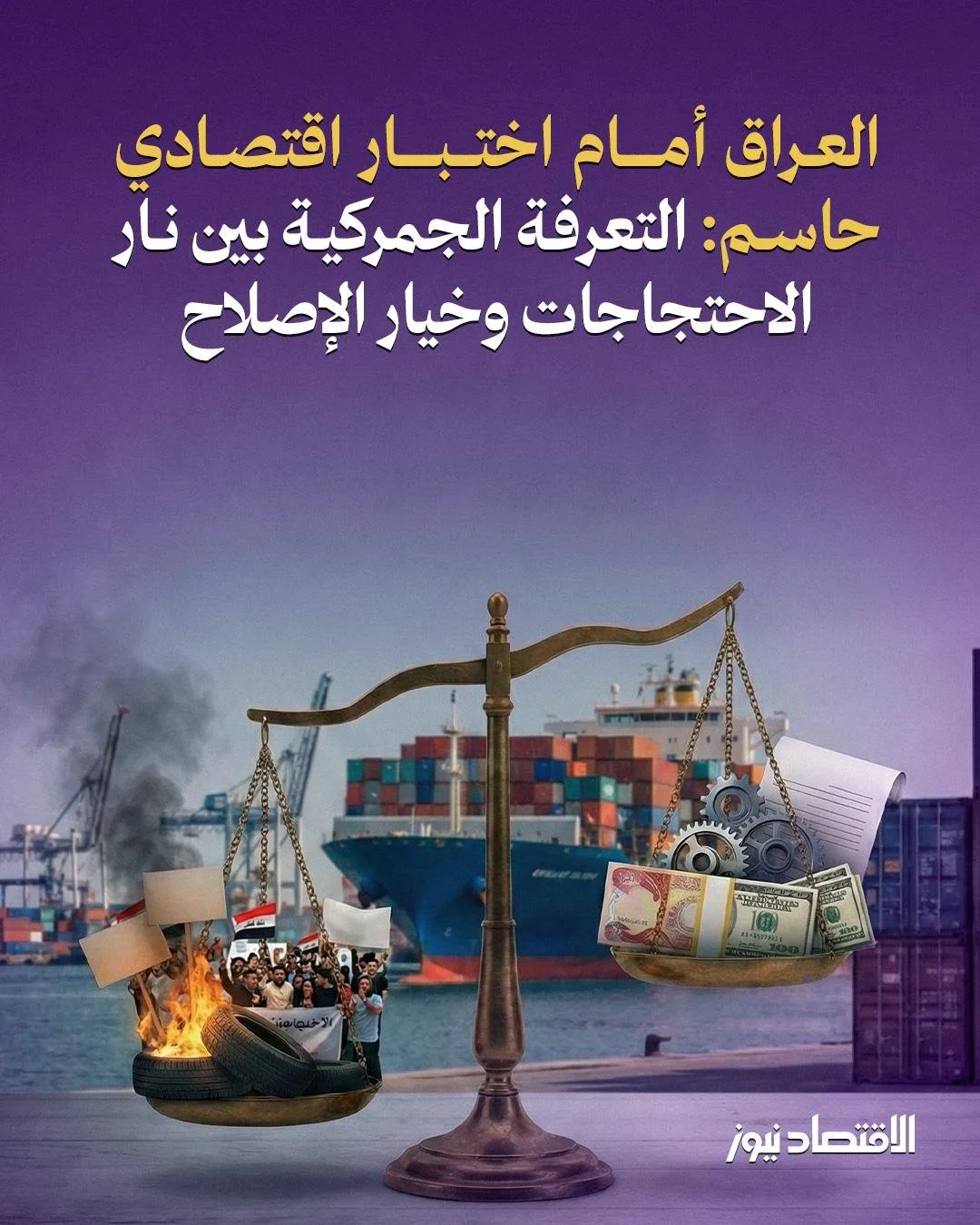
This move, which came under the slogan of "regulating trade and supporting the national product," sparked mixed reactions, which quickly turned into field protests and calls for a general strike, amid warnings of its repercussions on the Iraqi economy, traders, and consumers alike.
Earlier, the Director General of the Authority, Thamer Qasim Dawood, explained that the decision excludes basic and essential goods that affect the lives of citizens, noting that new fees were imposed that also included the automotive sector, through the mandatory application of Iraqi specifications to imported goods, and the imposition of fees on hybrid cars for the first time.
The amendments also included unifying the rates of fees on medicines and medical supplies at 5%, imposing a new tax at a similar rate on gold, in addition to adopting the electronic “ASYCUDA” system as a tool for collecting tax deposits and regulating import operations.
In contrast, the Prime Minister's financial advisor, Mazhar Muhammad Salih, believes that these measures—despite their difficulty—fall within the realm of financial and economic reform. He argues that they represent an attempt to reduce trade distortions, combat fraud and manipulation, protect external transfer channels from financial corruption, and support local production.
Saleh added during his interview with “Al-Eqtisad News” that these steps also contribute to maintaining the integrity of external transfer routes and reducing financial corruption phenomena, adding that the customs tariff came based on an economic policy reading of the country’s financial reality, and on orientations aimed at supporting the national product and regulating foreign trade, and that this option falls within the sovereign discretionary powers of economic policy.
He explained that imposing this tariff aims to achieve a delicate balance between maximizing public revenues on the one hand and maintaining economic stability and preventing market imbalances on the other, stressing that the success of these measures remains linked to the ability of the market and economic actors to gradually adapt to them.
The debate didn't stop at the government's explanation; it extended to the voices of experts and market players. Economist Nabil Al-Marsoumi warned that implementing the ASYCUDA system in conjunction with increased customs duties led to a sharp decline in trade volume and a drop in state customs revenues equivalent to 71 billion dinars in just one month.
He also pointed to the direct impact of these measures on more than one million traders and about 350,000 commercial establishments, which are now suffering from a slowdown in the movement of goods and the accumulation of containers in the country’s ports, especially in the port of Umm Qasr.
The crisis reached its peak with the Baghdad Chamber of Commerce announcing a complete closure of markets starting Sunday, February 2, 2026, in protest against what it described as the "excessive customs burden," demanding urgent government intervention to mitigate economic damage and expedite customs clearance procedures.
A few days ago, the General Authority of Customs in the Ministry of Finance issued a directive to adopt a reduction rate of 25% on the average import values recorded in the ASYCUDA system.
Over the past month, Iraq has witnessed angry demonstrations in several provinces, protesting the decision to impose new taxes and fees, and to apply customs tariffs to imported goods. https://economy-news.net/content.php?id=65418
Customs Denies "Unprecedented Increase": Current Tariff Conforms To International Standards; Traders Threaten Strike
Money and Business Economy News – Baghdad The director of the Iraqi Customs Authority, Thamer Qasim, confirmed on Saturday that the customs tariff currently in place is based on international standards, and there is no such thing as an "unprecedented increase" in the tariff.
Qasim said, "The General Authority of Customs is an executive body to implement the decisions issued by the government, and it has completed all procedures and implemented the ASYCUDA system and applied the Customs Tariff Law and the classification of goods based on type."
He explained that "some traders see an increase because the trader used to rely on a fixed fee, and this is not internationally acceptable. Today, we have adopted international standards, procedures, and demarcation as is the case in neighboring countries."
Qassem pointed out that there is no such thing as an "unprecedented increase in customs tariffs," but rather it is a departure from the fixed fee and the adoption of a system of tariffs on goods and merchandise.
He explained that "the customs tariff on cars exists, and the exemption was only on hybrid cars, and customs duties were imposed on the import of hybrids, and this exists and is approved in neighboring countries and regional countries."
Traders, who called for a general strike at all customs outlets, described the increase in tariffs and additional fees as an outrageous rise that will negatively affect trade and local markets. https://economy-news.net/content.php?id=65425
Iraq Ranks Seventeenth Globally On The List Of Countries With The Cheapest Gasoline Prices.
Economy News – Baghdad The Eco Iraq Observatory announced that Iraq ranks seventeenth globally on the list of countries with the cheapest gasoline prices. While revealing a government trend to increase the prices of oil derivatives in order to maximize state revenues, it warned of the repercussions of this step due to the direct economic damage it may cause to citizens and market activity.
The observatory said in a statement received by "Al-Eqtisad News" that "cars in Iraq consume about one billion liters of gasoline of various types every month, as well as similar quantities of gas oil."
He pointed out that “Iraq ranks seventeenth globally in terms of the cheapest fuel prices, with the price of a liter of gasoline being about $0.649, while the global average is $1.30 per liter,” indicating that “the government’s direction is towards raising prices under the pretext of the high cost of local production, as well as seeking to maximize the revenues of the state, which is suffering from a deficit.”
The observatory added that "the potential increase will include all products, including gasoline, gas oil, kerosene, jet fuel, and fuel oil."
The observatory strongly criticized this move, considering that it “will lead to higher transportation, production and service costs, and its direct impact on the prices of basic commodities, as well as putting pressure on citizens’ purchasing power and slowing down market activity.”
The observatory also warned that "raising fuel prices could exacerbate inflation rates and negatively affect commercial and industrial activity," calling on the government to carefully study financial alternatives and not impose additional burdens on citizens in light of the current economic conditions. https://economy-news.net/content.php?id=65417
MilitiaMan and Crew: IQD News Update-REER-Global Integration-Financial System-In Final Stage
MilitiaMan and Crew: IQD News Update-REER-Global Integration-Financial System-In Final Stage
2-6-2026
The Crew: Samson, PompeyPeter, Petra, Daytrader, Sunkissed, GIGI and Militia Man
Follow MM on X == https://x.com/Slashn
Be sure to listen to full video for all the news……..
MilitiaMan and Crew: IQD News Update-REER-Global Integration-Financial System-In Final Stage
2-6-2026
The Crew: Samson, PompeyPeter, Petra, Daytrader, Sunkissed, GIGI and Militia Man
Follow MM on X == https://x.com/Slashn
Be sure to listen to full video for all the news……..
Seeds of Wisdom RV and Economics Updates Friday Afternoon 2-6-26
Good Afternoon Dinar Recaps,
U.S. and EU Accelerate Critical Minerals Stockpiling
Strategic resources replace free-market assumptions
Good Afternoon Dinar Recaps,
U.S. and EU Accelerate Critical Minerals Stockpiling
Strategic resources replace free-market assumptions
Overview
The United States and European Union have accelerated coordinated efforts to stockpile critical minerals essential for defense systems, clean energy technologies, and advanced manufacturing. This marks a strategic shift away from just-in-time global supply chains toward national and bloc-level resource security.
Key Developments
The U.S. launched Project Vault, a multibillion-dollar initiative to secure critical mineral reserves.
EU nations including France, Germany, and Italy are leading coordinated stockpiling efforts.
Policies aim to reduce dependency on Chinese supply chains for rare earths and battery materials.
Governments are treating minerals as strategic assets rather than market commodities.
Why It Matters
Control over critical minerals now underpins industrial capacity, military readiness, and energy transition goals. Stockpiling reflects a structural shift toward economic nationalism and strategic planning.
Why It Matters to Foreign Currency Holders
As minerals become strategic reserves, currencies linked to resource security gain long-term relevance.
Reserve diversification weakens single-currency dominance, supporting multipolar trade settlement and regional monetary blocs.
Implications for the Global Reset
Pillar 1 – Supply Chain Sovereignty
Resource control replaces globalization assumptions with strategic stockpiling and domestic resilience.
Pillar 2 – Bloc Economics
Allied nations coordinate reserves, reinforcing bloc-based trade and financial systems.
In the new economy, resources are power — not just commodities.
Seeds of Wisdom Team
Newshounds News™ Exclusive
Sources
Reuters — “Sustainable Switch: U.S. and EU stockpile critical minerals”
Reuters — “Italy, France and Germany to lead EU critical materials stockpiling plan”
~~~~~~~~~~
Bank of England Holds Rates as Markets Reprice the Future
Monetary caution signals turning point
Overview
The Bank of England voted narrowly to hold interest rates steady, triggering immediate market reactions and reinforcing expectations of rate cuts later this year. The decision highlights growing concerns about slowing growth and softening inflation across major economies.
Key Developments
The Monetary Policy Committee voted 5–4 to hold rates unchanged.
Sterling weakened following the announcement as markets priced in future cuts.
UK gilt yields declined, reflecting shifting investor expectations.
Policymakers acknowledged rising downside risks to economic growth.
Why It Matters
Central bank caution signals the end of aggressive tightening cycles. As monetary policy pivots, capital flows, currencies, and asset valuations adjust globally.
Why It Matters to Foreign Currency Holders
Interest-rate divergence weakens currency stability and increases demand for diversification.
Reserve diversification weakens single-currency dominance, reinforcing hedging into alternative stores of value.
Implications for the Global Reset
Pillar 1 – Monetary Transition
Rate-holding and future easing reflect structural limits of debt-driven economies.
Pillar 2 – Capital Reallocation
Shifting yield expectations accelerate movement into hard assets, emerging markets, and non-traditional reserves.
When central banks hesitate, the system speaks
Sources
Reuters — “Bank of England leaves rates unchanged after tight vote, sterling falls”
Investing.com — “Bank of England governor signals possible rate cuts after close vote”
~~~~~~~~~~
BRICS Intra-Bloc Trade Surpasses US$1.2 Trillion as Global Commerce Shifts
Verified data confirms accelerating BRICS trade integration and multipolar realignment
Overview
Verified international trade data confirms that intra-BRICS trade exports exceeded US$1.2 trillion by 2024, reflecting a sustained and measurable expansion of economic integration among BRICS nations. While some reports have overstated recent milestones, authoritative sources such as UNCTAD show that BRICS trade growth is real, structural, and accelerating—reshaping global commerce patterns as emerging economies deepen cooperation outside traditional Western-centric systems.
Key Developments
1. Intra-BRICS Trade Exceeds US$1.2 Trillion
According to the UN Conference on Trade and Development (UNCTAD), exports traded within BRICS countries rose from just US$84 billion in 2003 to approximately US$1.2 trillion by 2024, marking one of the most significant long-term trade integration trends in the global economy.
2. BRICS Nations Account for a Major Share of Global Trade
Official BRICS data shows member nations now represent roughly 26% of global goods trade, with combined exports nearing US$6 trillion in recent reporting periods. This growth reflects expanding South-South trade relationships and reduced dependence on traditional trans-Atlantic trade corridors.
3. China, India, and Russia Drive Trade Momentum
China remains the dominant exporter within BRICS, while India’s total external trade exceeded US$800 billion, and Russia’s bilateral trade with China surpassed US$200 billion annually. These trade corridors form the backbone of BRICS economic integration.
4. Expansion Strengthens Trade Networks
The inclusion of newer members such as UAE, Iran, Egypt, Ethiopia, Indonesia, and Saudi Arabia has expanded trade connectivity across energy, manufacturing, logistics, and commodities, reinforcing the bloc’s economic gravity.
Why It Matters
The verified rise in BRICS trade highlights a durable shift toward multipolar commerce:
Trade is increasingly routed through non-Western corridors
Emerging economies are coordinating production and consumption internally
Supply chains are diversifying away from legacy hubs
This is not a short-term surge—it reflects two decades of compounding integration.
Why It Matters to Foreign Currency Holders
As BRICS trade volumes grow internally, local-currency settlements and bilateral trade agreements gain traction. While the US dollar remains dominant globally, expanding intra-BRICS trade reduces exclusive reliance on dollar-based settlement systems over time and introduces incremental pressure on legacy reserve structures.
Implications for the Global Reset
Pillar 1: Multipolar Trade Architecture
BRICS trade growth confirms the emergence of parallel trade ecosystems that operate alongside—rather than beneath—Western frameworks.
Pillar 2: Economic Sovereignty
Deeper intra-bloc trade enhances national policy flexibility, reduces exposure to external shocks, and supports long-term financial independence for participating nations.
This is not speculation — it is a data-verified structural transition.
This is not just trade — it is global economic re-balancing in motion.
Seeds of Wisdom Team / Newshounds News™ Exclusive
Sources
UNCTAD — “Trade and Development Report 2025: BRICS Trade Integration Trends”
BRICS Official Portal — “BRICS Foreign Trade Data and Global Trade Share”
~~~~~~~~~~
🌱 A Message to Our Currency Holders🌱
If you’ve been holding foreign currency for many years, you were not foolish.
You were not wrong to believe the global financial system would change.
What failed was not your patience — it was the information you were given.
For years, dates, rumors, and personalities replaced facts, structure, and proof. “This week” predictions created cycles of hope and disappointment that were never based on how currencies actually change.
That is not your failure.
Our mission here is different: • No dates • No rates • No hype • No gurus
Instead, we focus on:
• Verifiable developments • Institutional evidence
• Global financial structure • Where countries actually sit in the process
Currency value changes only come after sovereignty, trade, banking, settlement systems, and fiscal coordination are in place. History and institutions confirm this sequence.
You will see silence. You will see denials. That is not delay — that is discipline.
Protect your identity. Organize your documents. Verify everything.
Never hand your discernment to anyone who cannot show proof.
You deserve truth — not timelines.
Seeds of Wisdom Team
Newshounds News
~~~~~~~~~~
Seeds of Wisdom Team RV Currency Facts Youtube and Rumble
Newshound's News Telegram Room Link
RV Facts with Proof Links Link
RV Updates Proof links - Facts Link
Follow the Gold/Silver Rate COMEX
Follow Fast Facts
Seeds of Wisdom Team™ Website
Thank you Dinar Recaps
Gold Preserves Purchasing Power — Fiat Destroys It
Gold Preserves Purchasing Power — Fiat Destroys It
Lynette Zang: 2-6-2026
Inflation doesn’t happen by accident — it’s built into the fiat system.
While gold preserves purchasing power over decades, fiat currency is designed to lose value over time.
This video breaks down why gold remains real money, why purchasing power keeps eroding, and what history tells us about the fate of paper currencies.
Gold Preserves Purchasing Power — Fiat Destroys It
Lynette Zang: 2-6-2026
Inflation doesn’t happen by accident — it’s built into the fiat system.
While gold preserves purchasing power over decades, fiat currency is designed to lose value over time.
This video breaks down why gold remains real money, why purchasing power keeps eroding, and what history tells us about the fate of paper currencies.
Chapters:
00:00 – Fiat Money vs Sound Money
00:36 – The Paradigm Shift to Gold and Silver
01:07 – The Four Pillars of Sound Money
01:39 – Why Gold Forces Government Discipline
02:16 – Inflation by Design and Wealth Confiscation
03:17 – Will the Dollar Be Next?
03:46 – How Silver Was Removed From Money
04:35 – Silver Preserves Purchasing Power
05:11 – Why Sound Money Can’t Be Inflated Away
“Tidbits From TNT” Friday 2=6=2-26
TNT:
Tishwash: Indonesia's historic growth exceeds expectations amid geopolitical challenges and currency pressures
According to official figures released on Thursday, the Indonesian economy experienced a strong recovery in 2025, becoming the largest economy in Southeast Asia with a growth rate of 5.11 percent, surpassing the previous year's performance and achieving the fastest annual growth rate since 2022, thanks to a combination of strong consumer spending and massive investments.
These results were driven primarily by an exceptional performance in the last quarter of the year, which recorded growth of 5.39 percent, exceeding analysts’ expectations of only 5.01 percent, as a result of the financial stimulus packages injected by the government worth more than 16 trillion rupees, which included direct support measures such as rice distribution and tax exemptions for the tourism sector.
TNT:
Tishwash: Indonesia's historic growth exceeds expectations amid geopolitical challenges and currency pressures
According to official figures released on Thursday, the Indonesian economy experienced a strong recovery in 2025, becoming the largest economy in Southeast Asia with a growth rate of 5.11 percent, surpassing the previous year's performance and achieving the fastest annual growth rate since 2022, thanks to a combination of strong consumer spending and massive investments.
These results were driven primarily by an exceptional performance in the last quarter of the year, which recorded growth of 5.39 percent, exceeding analysts’ expectations of only 5.01 percent, as a result of the financial stimulus packages injected by the government worth more than 16 trillion rupees, which included direct support measures such as rice distribution and tax exemptions for the tourism sector.
Despite these positive figures, which bolster President Prabowo Subianto's ambitions to achieve 8 percent growth by 2029, the landscape is not without significant challenges, including international trade tensions, US tariffs, and declining foreign investor confidence.
This growth coincided with shifts in fiscal and monetary policy, including a 150-basis-point interest rate cut and a leadership change at the Ministry of Finance, with Purbaya Yodi Sadiwa replacing Sri Mulyani Indrawati.
This move triggered market turmoil, leading to capital outflows and a record low for the rupee against the dollar due to concerns about transparency and the budget deficit.
While the government is targeting 5.4 percent growth for 2026, relying on sovereign wealth fund investments and public spending programs, skeptical voices from economists and local research centers are emerging, pointing to a gap between official data and the reality on the ground.
Their doubts are based on contradictory indicators such as declining tax revenues, stagnant foreign investment, falling car sales, and a contraction in industrial activity, in addition to reports of layoffs that may suggest the announced household spending figures are inflated and do not reflect the true economic situation of citizens. link
************
Tishwash: The Central Bank Governor discusses with the American side support for monetary stability.
The Governor of the Central Bank of Iraq, Mr. Ali Mohsen Ismail Al-Alaq, received the Chargé d'Affaires of the United States Embassy in Iraq, Mr. Josh Harris. They discussed prospects for strengthening the strategic partnership between the two countries and emphasized the importance of supporting monetary and economic stability, in line with the requirements for political and security stability in Iraq.
For his part, the Governor expressed his gratitude for the continued support provided by the United States, represented by the Treasury Department and the Federal Reserve, particularly during the quarterly meetings.
He also reviewed the banking reform plan and the notable progress made in stabilizing foreign exchange transactions and regulating dollar sales according to best practices and international standards.
At the conclusion of the meeting, Mr. Harris expressed his full readiness to continue supporting the efforts of the Central Bank of Iraq, enabling it to achieve its goals in promoting financial and monetary stability.
Central Bank of Iraq,
Media Office,
February 5, 2026 link
************
Tishwash: The general budget law: Can it be issued in the event of a constitutional vacuum?
A financial advisor confirmed that the 2026 budget law can be issued in the event of any constitutional vacuum, after consulting the opinion of the Supreme Federal Court.
The Prime Minister’s financial advisor, Mazhar Muhammad Salih, explained on Thursday that government spending will continue according to the (1/12) rule until the 2026 budget is approved, while noting that the monthly salaries of employees, retirees and welfare amount to 8 trillion dinars.
Continuation of fiscal policy
Saleh said : “The fiscal policy has been carrying out its duties since the second month of this year 2026 in accordance with the provisions of the amended Federal Financial Management Law No. (6) of 2019, by spending at a rate of (1/12) of the actual current public expenditures for the year 2025.”
He explained that “public finances benefit from the provisions of paragraph (29) of the aforementioned law, which allows the financial authority to adopt temporary financing mechanisms and liquidity management in the event that spending cannot be carried out according to the legally legislated regular budget.”
He added that “the aforementioned provisions confirm the principle of temporary financing in the event of a delay in the approval of the budget law or a temporary shortage of liquidity necessary for spending. This allows the Ministry of Finance to take transitional financial measures that ensure the continued disbursement of priority expenditures without delay. Foremost among these are salaries, wages, pensions and social welfare allocations, which are estimated at about eight trillion dinars per month.”
The possibility of issuing the general budget law
Regarding the possibility of legislating the budget law in the event of a failure to elect a president, Saleh explained that “this is a rare occurrence, but it may impose itself due to the necessities of the supreme national interest, especially since the House of Representatives is the constitutional body competent to legislate the budget law. In this context, the possibility of issuing the 2026 budget law can be considered after consulting the opinion of the Supreme Federal Court, as it is a constitutional court specializing in resolving the problems of parliamentary sessions, especially in cases of the complete absence of the president.”
He also pointed out that “the President of the Republic, Abdul Latif Jamal Rashid, and the Prime Minister, Mohammed Shia Al-Sudani, are still in a position of legal responsibility at the moment, which allows, in principle, the request to prepare a draft of the federal general budget law and submit it to the House of Representatives to begin the legislative process, if the elected legislative authority wishes to do so.” link
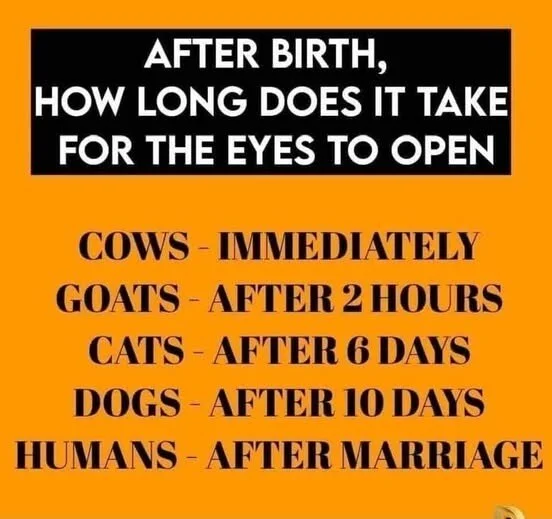
Mot: How Long Does it Take ~~~~
Mot: Should I Share -- I Shouldn't Have to Suffer Alone says I !!!!
Seeds of Wisdom RV and Economics Updates Friday Morning 2-6-26
Good Morning Dinar Recaps,
Russia’s Economy Enters Stagnation Phase — Strategic Implications Multiply
Sanctions pressure, war spending, and shrinking revenues collide
Good Morning Dinar Recaps,
Russia’s Economy Enters Stagnation Phase — Strategic Implications Multiply
Sanctions pressure, war spending, and shrinking revenues collide
Overview
Russia’s economy has entered a stagnation phase, according to recent assessments from international institutions and independent analysts. After years of wartime stimulus masking deeper structural weakness, growth is slowing sharply as energy revenues fall, labor shortages intensify, and fiscal strain mounts. This shift carries significant implications for global energy markets, geopolitical leverage, and the broader balance of economic power.
Key Developments
Russia’s GDP growth has slowed to near-zero levels as wartime stimulus loses momentum.
Oil and gas revenues — once accounting for roughly 40% of federal income — have declined to closer to 25%, tightening budget flexibility.
Labor shortages, inflation pressures, and rising corporate bankruptcies are weighing on productivity.
Analysts warn the Kremlin is increasingly relying on reserves and tax hikes to sustain spending.
Why It Matters
Economic stagnation limits Russia’s ability to project power abroad, sustain prolonged conflict, and maintain influence in global energy markets. As growth slows, Moscow’s leverage over trade partners weakens while domestic economic risks rise.
Why It Matters to Foreign Currency Holders
A weakening Russian economy reduces confidence in commodity-linked trade settlements and exposes vulnerabilities in currencies tied to energy exports.
Reserve diversification weakens single-currency dominance, reinforcing the global shift away from reliance on any one economic power.
Implications for the Global Reset
Pillar 1 – Financial Realignment
Reduced Russian economic output pressures alternative trade systems and accelerates demand for multipolar settlement frameworks.
Pillar 2 – Geopolitical Rebalancing
Economic stagnation constrains long-term strategic ambitions, reshaping power dynamics across Eurasia and energy markets.
Economic gravity is shifting — and even resource powers are not immune.
Seeds of Wisdom Team
Newshounds News™ Exclusive
Sources
IMF / United24 Media — “IMF forecasts sharp slowdown in Russian economic growth”
~~~~~~~~~~
Trump Unveils TrumpRx — Government Discount Prescription Drug Website
New federal platform aims to help Americans access lower‑priced medications amid rising healthcare costs
Overview
On February 5, 2026, President Donald Trump officially launched TrumpRx.gov, a new federal website designed to help consumers find and obtain discounted prescription drugs by connecting them with manufacturers’ direct‑to‑consumer purchasing channels and pharmacy discount coupons. Rather than acting as a pharmacy, the site serves as a centralized price‑comparison and discount portal, part of the administration’s broader effort to address high drug costs in the U.S. and ease the financial burden on patients.
What TrumpRx Is and How It Works
Not a direct seller: TrumpRx does not sell medications itself. The platform instead provides links to participating drug manufacturers’ own online ordering systems or offers printable discount coupons that patients can use at pharmacies.
Discount agreements: At launch, more than 40 medications from major pharmaceutical companies — including Pfizer, Eli Lilly, Novo Nordisk, AstraZeneca, and others — were featured at reduced cash prices negotiated through most‑favored‑nation‑style deals.
Who benefits most: The site is anticipated to be most useful for uninsured or cash‑paying patients, as purchases through TrumpRx normally will not count toward insurance deductibles or out‑of‑pocket maximums for those with coverage.
Medications included: Discounted drugs include diabetes treatments (e.g., Januvia), high‑cost GLP‑1 weight‑loss medications (e.g., Ozempic, Wegovy), fertility treatments, asthma inhalers, and other medicines across multiple therapeutic categories.
Why It Matters
Prescription drug prices in the United States are among the highest in the developed world, imposing significant out‑of‑pocket costs on many Americans — especially those without robust insurance. TrumpRx aims to:
Increase transparency around drug pricing
Offer alternatives to traditional pharmacy pricing
Provide tangible savings for some high‑cost, brand‑name medications
Exert pricing pressure on pharmaceutical manufacturers by spotlighting lower cash‑pay prices through federal negotiation leverage
The initiative is part of a broader political and policy push by the administration to show concrete action on cost‑of‑living issues as healthcare affordability remains a key concern for many voters.
Context and Debate
Although the TrumpRx launch has drawn praise from supporters who view it as a step toward lowering drug costs, critics and some health policy experts warn that:
The benefits may be limited for insured patients, since savings through the portal may not apply to insurance claims or be factored into annual deductibles.
Price reductions offered on the site may mirror existing manufacturer discounts available elsewhere, meaning some savings may not be unique to the portal itself.
Long‑term structural reform — such as changes to drug rebate rules, patent law, or insurance‑based pricing mechanisms — remains unresolved.
Still, supporters see TrumpRx as a symbolic and practical policy tool toward greater drug price transparency, and a potential model for future legislative reforms.
Why It Matters to Consumers
Uninsured patients now have a centralized platform to compare drug prices.
Patients with high drug costs may find significant savings on certain expensive prescriptions.
Transparency increases price competition between drug manufacturers and pharmacies, potentially improving affordability.
Implications for U.S. Healthcare Policy
TrumpRx represents a federal attempt to influence pricing behavior in the pharmaceutical marketplace without sweeping legislative changes. Its real‑world impact will depend on consumer adoption, manufacturer participation, and how insurers respond.
This is not just a technical website launch — it’s a high‑profile federal effort to reshape aspects of the U.S. prescription pricing ecosystem.
Seeds of Wisdom Team
Newshounds News™ Exclusive
Sources
Reuters — “Trump unveils TrumpRx discounted drugs website”
Associated Press — “Trump administration launches TrumpRx website for discounted drugs”
~~~~~~~~~~
BRICS vs G7: Trade and Economic Influence in a Shifting Global Order
Emerging markets close the gap with advanced economies as global trade patterns evolve
Overview
Over the past two decades, BRICS nations (Brazil, Russia, India, China, South Africa and expanding members like UAE, Iran and Egypt) have steadily increased their share of global economic output and trade — narrowing the historical gap with the Group of Seven (G7) advanced economies. Official data and respected economic reports show that while the G7 still leads in nominal trade volumes and GDP, BRICS economies are growing faster, capturing a rising share of global merchandise exports, and moving toward potential parity in key metrics within the next few years.
Trade Shares: BRICS Catching Up With G7
According to an Ernst & Young (EY) India report, the BRICS+ group’s share of global merchandise exports rose from about 10.7% in 2000 to 23.3% in 2023, while the G7 share declined from 45.1% to 28.9% over the same period. Projections suggested BRICS+ could overtake the G7’s export share by 2026 if trends continue.
By 2024, broader analyses show that BRICS export volumes approached parity with G7 countries, accounting for roughly 28% of world exports versus about 32% for the G7 — a historic narrowing of the trade share gap.
Drivers of the Shift
China’s dominance in manufacturing and export capacity — contributing a large share of BRICS trade volume — is a principal factor in the bloc’s rising global trade influence.
India’s expanding export base and younger, rapidly urbanizing population support broadening BRICS economic clout.
Newer members such as UAE, Indonesia, Iran, Egypt and Ethiopia further expand the bloc’s global trade footprint and diversify export bases across energy, agriculture, technology and manufacturing.
Comparative Economic Indicators
Trade is only one dimension of global economic influence. Broader structural data also shows key pattern shifts:
BRICS countries have increased their share of global GDP on a purchasing power parity (PPP) basis, overtaking the G7 bloc as early as 2018 and widening the lead in subsequent years.
Despite gains in aggregate GDP and trade, BRICS economies still lag behind the G7 on a per‑capita income basis, reflecting differing stages of development.
Why It Matters
Global Trade Architecture
The gradual rise of BRICS export share and narrowing of G7 dominance reflect long‑term structural change in global commerce. Expanding trade among emerging markets and with the wider world is transforming global supply chains and reducing dependency on traditional Western trade hubs.
Multipolar Economic Power
As BRICS nations grow their share of trade and GDP, policymakers and investors increasingly view global economic power as multipolar rather than Western‑centric. This shift influences currency demand, investment patterns, development financing, and geopolitical alignments.
Monetary & Trade Policy Impacts
The evolving balance between BRICS and G7 affects:
How governments negotiate trade agreements
Strategic priorities in export diversification
Long‑term forecasts for infrastructure and industry development
Implications for the Global Reset
Pillar 1 — Redefined Trade Leadership:
The narrowing trade share gap marks a move toward distributed economic leadership, reducing overconcentration of global trade influence in any single bloc.
Pillar 2 — Emerging Market Ascendancy:
BRICS’ growth demonstrates the expanding role of developing economies in setting global commerce and investment norms — a central theme in the global reset narrative.
This shift isn’t overnight — it’s a multi‑decade realignment of where economic activity flows and who writes the rules of global trade.
Seeds of Wisdom Team
Newshounds News™ Exclusive
Sources
Andaman Partners — “The Rise of BRICS in World Trade: Catching Up With the G7”
~~~~~~~~~~
Seeds of Wisdom Team RV Currency Facts Youtube and Rumble
Newshound's News Telegram Room Link
RV Facts with Proof Links Link
RV Updates Proof links - Facts Link
Follow the Gold/Silver Rate COMEX
Follow Fast Facts
Seeds of Wisdom Team™ Website
Thank you Dinar Recaps