
Seeds of Wisdom RV and Economic Updates Saturday Afternoon 6-21-25
Good Afternoon Dinar Recaps,
China Dumps $8.2 Billion in US Treasuries in Bold BRICS Counter-Attack
China has escalated its BRICS-led economic challenge to the United States by offloading $8.2 billion in U.S. Treasury bonds in April 2025. The aggressive move follows new U.S. tariffs imposed by President Trump in early April, signaling a major economic realignment by the world’s second-largest economy.
Good Afternoon Dinar Recaps,
China Dumps $8.2 Billion in US Treasuries in Bold BRICS Counter-Attack
China has escalated its BRICS-led economic challenge to the United States by offloading $8.2 billion in U.S. Treasury bonds in April 2025. The aggressive move follows new U.S. tariffs imposed by President Trump in early April, signaling a major economic realignment by the world’s second-largest economy.
China Unwinds Dollar Holdings in Strategic Shift
According to the U.S. Treasury Department, China’s sell-off is part of a larger trend away from U.S. dollar-denominated assets, a key plank in BRICS’ de-dollarization strategy.
In April 2025 alone, China sold $8.2 billion in U.S. Treasuries, accelerating its broader push to cut financial ties with the U.S. and accumulate gold and other non-dollar assets in its central bank reserves.
Beijing’s Treasury holdings, once at $1.35 trillion in FY 2012–13, have plummeted to $757 billion as of April 2025 — a 44% decline over 13 years and a clear signal of long-term decoupling.
Diversifying Away from the Dollar
China is not just reducing exposure to U.S. debt — it's also diversifying its reserves into gold and other local currencies, aiming to reduce dependence on the U.S. dollar and strengthen the BRICS bloc’s financial autonomy.
“China’s April reduction in US Treasury holdings is mainly due to the need for diversified foreign exchange reserve allocation,”
said Xi Junyang, professor at Shanghai University, to the Global Times.
He added that this trend may continue, noting China has been aggressively selling off Treasuries since 2022.
Implications for U.S. Deficit Funding
China remains the third-largest holder of U.S. Treasury debt, behind only Japan and the United Kingdom. If BRICS nations or other developing economies follow China’s lead, the United States could face serious difficulties funding its growing deficit.
This latest financial move is widely seen as a BRICS countermeasure to Trump’s trade tariffs and broader economic confrontation with the West.
A Steep Strategic Realignment
China’s evolving Treasury strategy signals more than portfolio diversification — it reflects a geopolitical shift designed to:
Undermine the U.S. dollar’s global supremacy,
Strengthen BRICS internal economic resilience, and
Accelerate a multipolar global financial system that challenges traditional Western institutions.
With the dollar’s role as the global reserve currency increasingly under scrutiny, China’s decisive actions may mark a tipping point in the ongoing East-West economic realignment.
@ Newshounds News™
Source: Watcher.Guru
~~~~~~~~~
Seeds of Wisdom Team RV Currency Facts Youtube and Rumble
Newshound's News Telegram Room Link
Follow the Roadmap
Follow the Timeline
Seeds of Wisdom Team™ Website
Thank you Dinar Recaps
Fed Rate Cut? Bubba Calls it a ‘Horrific Mistake’ that will Bankrupt Main Street
Fed Rate Cut? Bubba Calls it a ‘Horrific Mistake’ that will Bankrupt Main Street
Daneila Cambone: 6-20-2025
Veteran trader Todd “Bubba” Horwitz, founder of BubbaTrading.com, is sounding the alarm about a significant downturn brewing in the stock market. In a recent interview with Daniela Cambone on ITM Trading, Horwitz minced no words, predicting that “the next lows will take out the previous lows in the NASDAQ, the S&P, and the Dow.”
Horwitz’s grim outlook isn’t based on gut feeling, but rather on troubling underlying market dynamics. His primary concern is the severe lack of participation in the current market rally.
Fed Rate Cut? Bubba Calls it a ‘Horrific Mistake’ that will Bankrupt Main Street
Daneila Cambone: 6-20-2025
Veteran trader Todd “Bubba” Horwitz, founder of BubbaTrading.com, is sounding the alarm about a significant downturn brewing in the stock market. In a recent interview with Daniela Cambone on ITM Trading, Horwitz minced no words, predicting that “the next lows will take out the previous lows in the NASDAQ, the S&P, and the Dow.”
Horwitz’s grim outlook isn’t based on gut feeling, but rather on troubling underlying market dynamics. His primary concern is the severe lack of participation in the current market rally.
“Only 4–5% of the people in the population are trading these markets right now,” he explains, highlighting an alarming disconnect between the market’s perceived strength and the actual investor base. This limited participation, coupled with significantly reduced trading volume – “Volume is at about 50% of normal” – paints a picture of a fragile and unsustainable market propped up by a select few.
Beyond the market’s internal weaknesses, Horwitz also voiced strong opinions on monetary policy, particularly the potential for a rate cut. He believes that lowering interest rates would be a “horrific mistake,” arguing that such manipulation disproportionately benefits banks and the wealthy, leaving the average American behind.
This statement underscores his belief that current economic policies are exacerbating wealth inequality and further distorting the market’s true value.
While pessimistic about the near-term prospects for equities, Horwitz remains firmly bullish on gold. He predicts that the precious metal will eventually reach $5,000 per ounce, a significant increase from current levels. However, he also anticipates a short-term pullback in gold prices before the anticipated long-term surge. This suggests that while he views gold as a safe haven in the long run, investors should be prepared for potential volatility in the near future.
Horwitz’s stark warnings and insightful analysis offer a critical perspective on the current market landscape. He urges investors to look beyond the headlines and examine the underlying data, which he believes points towards an imminent market correction.
Investors looking to understand Horwitz’s detailed analysis and reasoning are encouraged to watch the full video interview from ITM Trading for a comprehensive understanding of his market predictions and investment strategies.
Ultimately, Horwitz believes that understanding the current market vulnerabilities is crucial for navigating the potential challenges ahead.
“Tidbits From TNT” Saturday 6-21-2025
TNT:
Tishwash: The budget includes... next Saturday's parliament session.
Member of Parliament Mohammed Al-Ziyadi confirmed that "the House of Representatives will begin its sessions on Saturday, as part of the final legislative term, after the legislative recess was canceled." He noted that the parliament's agenda includes a number of important laws that are a priority for the next phase.
Al-Ziyadi said on Thursday, in a statement seen by Al-Masry, that "the Iraqi parliament will resume its sessions starting next Saturday, after a decision was issued to cancel the legislative recess."
TNT:
Tishwash: The budget includes... next Saturday's parliament session.
Member of Parliament Mohammed Al-Ziyadi confirmed that "the House of Representatives will begin its sessions on Saturday, as part of the final legislative term, after the legislative recess was canceled." He noted that the parliament's agenda includes a number of important laws that are a priority for the next phase.
Al-Ziyadi said on Thursday, in a statement seen by Al-Masry, that "the Iraqi parliament will resume its sessions starting next Saturday, after a decision was issued to cancel the legislative recess."
He added, "Among the most prominent laws that will be discussed and approved during this session are the law restructuring the Popular Mobilization Forces, amending the Industrial Investment Law, and the Education Law, in addition to voting on the 2025 budget schedules." link
Tishwash: The Central Bank of Iraq Organizes a Workshop on National and Sector Assessment Procedures
The Central Bank of Iraq's Erbil Branch organized a training workshop on "National and Sector Assessment Procedures," attended by the Director General of the Erbil Branch, in cooperation with the Center for Banking Studies and the Compliance Supervisor's Office at the Central Bank of Iraq.
The workshop was attended by a group of private banks, non-banking financial institutions, and electronic payment companies operating in the region.
The workshop also addressed Anti-Money Laundering and Terrorist Financing Law No. (39) of 2015 and the Financial Action Task Force (FATF) recommendations, as well as the national assessment of money laundering and terrorist financing risks based on international standards.
The workshop focused on practical applications and operational risk assessment, and presented real-life case studies that contributed to enriching the discussion and developing the participants' analytical skills.
The lecturers emphasized the importance of private banks, non-banking financial institutions, and electronic payment companies adhering to updated compliance policies and effective cooperation between relevant units to ensure a cohesive banking environment that keeps pace with international standards and embodies the Central Bank of Iraq's vision in this regard.
This workshop comes as part of the vision of the Center for Banking Studies at the Central Bank of Iraq and the Office of the Compliance Controller of the Central Bank to prepare a qualified banking generation capable of meeting modern regulatory challenges and instilling a culture of compliance as the cornerstone of sound banking governance.
Central Bank of Iraq
Media Office
June 18, 2025 link
************
Tishwash: Early Warning"... Closing the US Embassy in Baghdad Will Be Followed by an Unprecedented Event
Member of the Parliamentary Security and Defense Committee, Mohammed Al-Shammari, warned on Friday of the "danger" of closing the US embassy in Baghdad, considering it an "early warning" of an unprecedented security event that Iraq and the region may witness.
Al-Shammari told Shafaq News Agency, "The closure of the US embassy is a dangerous sign and a warning that the United States and Israel may carry out a dangerous act that requires the evacuation of the embassy staff." He stressed that "these indicators require political and security preparation within Iraq."
He added, "The Parliamentary Security and Defense Committee is a regulatory and legislative body, and it is its duty to investigate the mechanisms behind Iraq's weak defense, which is largely due to the lack of financial sovereignty."
He explained that "Iraq does not possess full sovereign power, because oil revenues go to the US Federal Reserve, which controls the transfer of funds to Baghdad." He noted that "if Iraq concludes any arms contract with a country that Washington does not approve of, the US Federal Reserve will refrain from making the transfer."
Al-Shammari pointed out that "if the money were in Iraq's hands, its armaments, salaries, and retirement would be national," adding that "sovereignty is not just air and land sovereignty, but begins with financial sovereignty."
Regarding the departure of US forces, Al-Shammari confirmed the existence of a binding agreement stipulating their complete withdrawal from the country by 2026, noting that "the withdrawal will be in accordance with a timetable agreed upon by both parties."
Earlier on Friday, the US Embassy in Iraq issued a statement to Shafaq News Agency, stating that "there has been no change to the operational status of the Embassy in Baghdad and the Consulate General in Erbil."
She added, "The United States is firmly committed to advancing its policy priorities in Iraq, strengthening its sovereignty, and engaging with Iraqi leaders and the Iraqi people."
Last week, the US Embassy in Baghdad issued a security alert warning American citizens of the increased possibility of violence or attacks against its interests in Iraq .
In a statement seen by Shafaq News Agency, the embassy called on all American citizens in Iraq to avoid places frequented by foreigners, in addition to avoiding large gatherings and crowds .
The embassy affirmed that it will continue to closely monitor the security situation and provide necessary updates as they become available. The US State Department maintains its travel warning for Iraq at Level 4 (No Travel ).
Last Sunday, Kata'ib Hezbollah in Iraq threatened to target US interests and bases across the region if Washington intervenes militarily in the ongoing war between Iran and Israel. The group also sent a message to the Iraqi government and the Coordination Framework. link
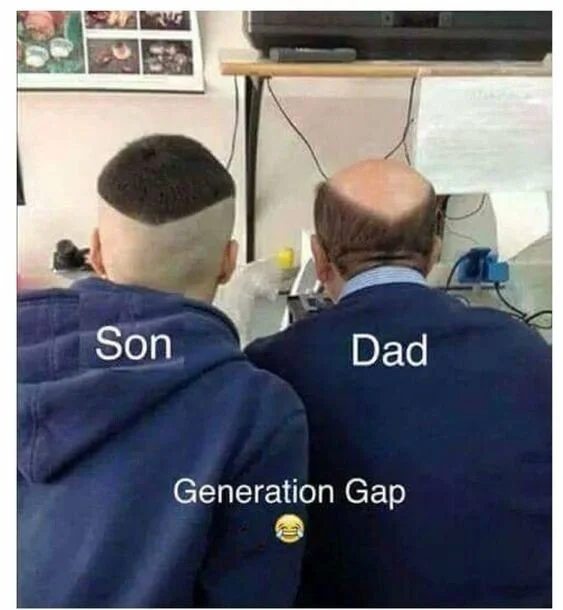
Mot: Like Father Like Son
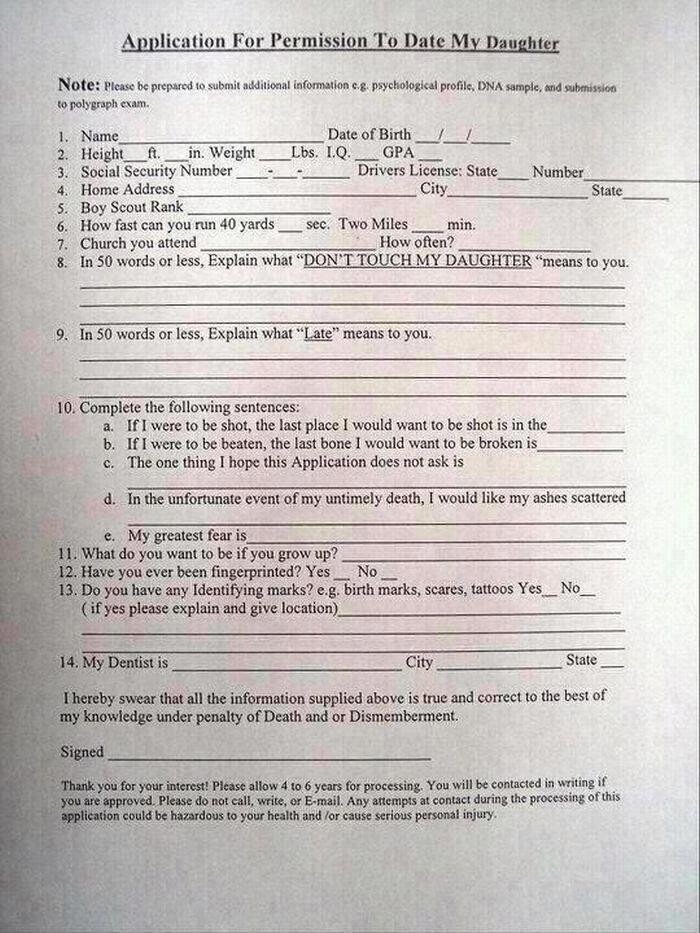
Mot . Here Ya Go -- When Ya Has a Daughter!!!
Iraq Economic News and Points To Ponder Saturday Morning 6-21-25
Low Inflation Or Early Warning? The Reality Of The Iraqi Economy According To Inflation Data.
Economy 2025-06-20 | 04:03 656 views Alsumaria NewsThe Iraqi Statistical Authority announced that the monthly inflation rate in the country declined by 0.3% during the month of April, while the annual general inflation rate recorded 1.6%, and core inflation 0.6%.
However, it is noteworthy that food prices continued to rise annually by 3.2%, despite the decline in the prices of bread, meat, and fish. This is due to sharp jumps in the prices of fruits and vegetables, which rose by 13.7% and 8.4%, respectively, according to the economic expert.Manar Al-Abidi.
Low Inflation Or Early Warning? The Reality Of The Iraqi Economy According To Inflation Data.
Economy 2025-06-20 | 04:03 656 views Alsumaria NewsThe Iraqi Statistical Authority announced that the monthly inflation rate in the country declined by 0.3% during the month of April, while the annual general inflation rate recorded 1.6%, and core inflation 0.6%.
However, it is noteworthy that food prices continued to rise annually by 3.2%, despite the decline in the prices of bread, meat, and fish. This is due to sharp jumps in the prices of fruits and vegetables, which rose by 13.7% and 8.4%, respectively, according to the economic expert.Manar Al-Abidi.
He saysAl-ObaidiIn a blog post, it was noted that tobacco prices declined by a significant 26%, while clothing and footwear prices saw a slight annual increase of 2%. Household appliances recorded a 1% decline, while furniture and office equipment prices rose by 0.5%.
In terms of geographical distribution, the annual inflation rates by region were as follows:
Kurdistan: 1.1%
Central Governorates: 1.4%
Southern Governorates: 3.1%
It shows that the decline in prices, despite its positive impact on the citizen, especially in sectors such as electrical appliances and furniture, mayReflectsA market recession is a result of weak consumer confidence, limited liquidity, and declining financing for the private sector, particularly given the weak insurance services provided by financial institutions.
Although lower inflation may appear to be a positive indicator, it may also be a bellwether.warningA recession threatens to reduce private sector job opportunities and weaken the competitiveness of local products due to rising costs.
This could lead to further pressure on the public sector, given the high unemployment rates, according to Al-Obaidi, who stresses that close monitoring of economic indicators is required, and serious steps are taken to stimulate economic activity and support the private sector, to prevent signs of recession from turning into a broader crisis affecting the entire Iraqi economy. LINK
The First Meeting Of The Special Committee For Establishing The Iraqi Media City
Posted on2025-06-20 by sotaliraq June 20, 2025: The Special Committee for the Establishment of the Iraq Media City held its first meeting, chaired by the Deputy Minister of Culture, Tourism and Antiquities, Fadel Al-Badrani. A statement from the Baghdad Governorate stated that the Technical Deputy Governor of Baghdad, Mr. Hani Al-Rubaie, participated in the first meeting of the committee in charge of establishing the Iraq Media City, which was held under the chairmanship of Dr. Fadel Al-Badrani, Undersecretary of the Ministry of Culture and Information.
He explained that the meeting was attended by a number of prominent media and artistic figures, including: Mohammed Al-Rubaie, Director General of the Directorate of Relations and Media in the Baghdad Municipality; Jabbar Judy, Director General of the Cinema and Theater House; Alaa Majeed, Director General of the Department of Musical Arts; Ali Sabah, representative of the Iraqi Media Network; Jabbar Trad, representative of the Iraqi Journalists Syndicate; and Mazen Mohammed, representative of the Iraqi Artists Syndicate.
He added that this meeting comes within the framework of efforts aimed at establishing an integrated media city, aiming to support and develop the media and arts sector in Iraq, and providing an incubator environment for media and artistic creativity, which contributes to the advancement of the Iraqi cultural reality. LINK
Iraqi Oil Prices Rise In Global Markets
Friday, June 20, 2025 12:15 | Economic Number of reads: 210 Baghdad / NINA / Iraqi oil prices rose on Friday during daily trading in the global market.
According to data, Basra Medium crude recorded $75.78 per barrel, while heavy crude recorded $72.83 per barrel, with a change rate of 1.11% for both.
The data also showed global oil prices, with British Brent crude recording $77.27, while US West Texas Intermediate crude recorded $75.67 per barrel, with a change rate of -1.58% and +0.56%, respectively. /End https://ninanews.com/Website/News/Details?key=1235421
For current and reliable Iraqi news please visit: https://www.bondladyscorner.com/
Seeds of Wisdom RV and Economic Updates Saturday Morning 6-21-25
Good Morning Dinar Recaps,
Ripple Unveils Urgent 4-Point Plan to Ignite UK Crypto Revolution
Ripple has issued a powerful call to action aimed at positioning the United Kingdom as a global leader in crypto innovation, unveiling a four-point regulatory strategy designed to unlock investment, expand financial access, and accelerate blockchain-driven modernization.
Good Morning Dinar Recaps,
Ripple Unveils Urgent 4-Point Plan to Ignite UK Crypto Revolution
Ripple has issued a powerful call to action aimed at positioning the United Kingdom as a global leader in crypto innovation, unveiling a four-point regulatory strategy designed to unlock investment, expand financial access, and accelerate blockchain-driven modernization.
New Recommendations Set Stage for UK’s Explosive Crypto Power Shift
On June 18, Ripple convened key stakeholders at the London Policy Summit, co-hosted with the UK Centre for Blockchain Technology and Innovate Finance, to assess the UK’s fast-evolving digital asset policy landscape.
The summit spotlighted recent UK government initiatives, including:
Chancellor Rachel Reeves’ April address supporting digital finance.
HM Treasury’s draft legislation on crypto-assets.
FCA consultations covering stablecoins, custody rules, and prudential oversight.
Launch of the Digital Securities Sandbox and pilot for a digital UK government bond (DIGIT).
Ripple used the summit to deliver a sharp message: Now is the time to act—boldly and fast.
Ripple’s 4-Point Plan for UK Crypto Leadership
In a whitepaper released after the summit, Ripple laid out four key regulatory priorities critical to the UK’s ascent in the digital economy:
1. Accelerate Regulatory Framework Finalization
“The government and regulators must act at pace to develop a crypto-asset regulatory framework that drives investment and growth.”
Ripple emphasized that early movers in crypto regulation will reap long-term rewards in global competitiveness and capital inflows.
2. Ensure Global Standards Alignment
Ripple urged the UK to harmonize its rules with international frameworks, helping firms avoid conflicting obligations and maintain global interoperability.
3. Advance Stablecoin Regulation
Ripple pushed for the swift regulation of stablecoins, including legal pathways to allow overseas-issued stablecoins to circulate in the UK without local issuance requirements—a move that would increase liquidity and stimulate market innovation.
4. Remove Legal, Regulatory, and Tax Barriers
To solidify leadership in tokenization, Ripple proposed an integrated approach to overcome legacy barriers that hinder the tokenization of traditional assets like bonds and equities.
“The opportunity for the UK is huge. If the regulatory framework is designed correctly, it can facilitate innovation, enhance financial inclusion, and solidify the UK’s position as a competitive global financial centre.”
— Ripple
A Strategic Moment for UK Finance
Ripple underscored the transformative role of blockchain in modernizing payments, increasing transparency, and broadening access to financial services. With over 90% of major financial institutions engaged in crypto by 2024, the stakes for leadership are rising fast.
Summit participants echoed a growing consensus:
Rapid regulatory clarity is no longer optional—it’s essential to unlocking crypto’s full potential and ensuring the UK remains at the forefront of global finance.
@ Newshounds News™
Source: Bitcoin.com
~~~~~~~~~
South Korea’s Central Bank Open to Stablecoin Amid Cautious Forex Outlook
South Korea may soon join the growing list of nations backing fiat-pegged stablecoins. The Governor of the Bank of Korea signaled openness to the issuance of a won-based stablecoin, though he voiced concerns over its foreign exchange impact, particularly in relation to dollar-backed tokens.
Cautious Approval from the Central Bank
At a press conference covered by Reuters, Bank of Korea Governor Rhee Chang-yong stated that while he does not oppose the creation of a won-pegged stablecoin, there are critical risks tied to its adoption:
“Issuing won-based stablecoin could make it easier to exchange them with dollar stablecoin rather than working to reduce use of dollar stablecoin.”
Rhee warned this could inadvertently increase demand for dollar stablecoins and complicate forex management, undermining efforts to strengthen South Korea’s own currency reserves and monetary autonomy.
Shrinking Forex Reserves Add Pressure
The concern comes amid declining national reserves.
At the end of December 2024, South Korea held $415.6 billion in forex reserves.
By May 2025, that figure dropped to $404.6 billion—a $11 billion decrease in just six months.
This underscores the urgency in crafting a stablecoin policy that enhances domestic financial resilience without unintentionally driving capital back into U.S.-dollar-based instruments.
Democratic Party Pushes Pro-Stablecoin Legislation
Newly elected President Lee Jae-myung is advancing crypto reform as part of his campaign promises. On June 10, his Democratic Party introduced the Digital Asset Basic Act, a legislative proposal that would:
Allow companies with at least $368,000 in equity capital to issue stablecoins.
Require issuers to maintain sufficient reserves for redemptions.
Mandate approval from the Financial Services Commission (FSC) prior to issuance.
This move aims to foster innovation, reduce U.S. dollar reliance, and offer a regulatory pathway for local stablecoin ecosystems to thrive.
Regulators Scrutinize Exchanges and Fees
South Korea’s FSC is currently probing local exchanges over the transaction fees they charge, aligning with President Lee’s pledge to lower trading costs for retail investors, especially younger users.
The regulatory scrutiny marks a shift toward a more competitive and transparent crypto exchange landscape, which could boost local investor confidence.
The Global Stablecoin Landscape Is Evolving
While U.S. dollar-backed stablecoins still dominate, with Tether (USDT) and Circle’s USDC leading at $156 billion and $61 billion respectively, non-USD options are starting to gain traction.
Circle’s euro-pegged EURC saw a 156% market cap increase since the start of 2025, now totaling $203 million. Momentum grew further after U.S. lawmakers backed the GENIUS Act, a key stablecoin regulatory bill, sending Circle’s stock sharply higher.
South Korea Eyes Its Own Path
As global stablecoin competition intensifies, South Korea’s measured but open stance on a won-based stablecoin could position the nation as a regional leader in digital finance, provided it carefully balances innovation with macroeconomic stability.
The next steps will likely involve regulatory fine-tuning, market feedback, and possible pilot programs to test the feasibility of stablecoin circulation under central bank oversight.
@ Newshounds News™
Source: Cointelegraph
~~~~~~~~~
Crypto ETF Approval Odds Surge to “90% or Higher,” Say Bloomberg Analysts
The approval of a broad array of U.S. crypto exchange-traded funds (ETFs) is now considered “almost certain,” according to top Bloomberg analysts. In a major shift in regulatory tone, the Securities and Exchange Commission (SEC) appears increasingly willing to approve spot ETFs for altcoins like XRP, Solana, Dogecoin, and Cardano, signaling expanding institutional access to digital assets.
Bloomberg: ETF Approval Odds at 90% or Higher
Analysts James Seyffart and Eric Balchunas raised their estimated approval odds to “90% or higher” on Friday, citing “very positive” engagement from the SEC in recent weeks.
“The tone and feedback from the SEC has shifted meaningfully,”
Seyffart said in a post on social media, emphasizing that this new posture marks a clear pro-crypto pivot at the regulatory agency.
One key reason for the rising optimism: The SEC appears to categorize many major cryptocurrencies — including XRP, Solana (SOL), Litecoin (LTC), Dogecoin (DOGE), and Cardano (ADA) — as commodities, not securities. This classification would place them largely outside of the SEC’s strictest enforcement scope, removing one of the biggest regulatory roadblocks.
Timeline Unclear, But Momentum Is Building
While approvals now seem likely, Seyffart cautioned that actual product launches may still take several months, potentially extending past October. The agency must still finalize reviews and respond to public comments on a number of ETF proposals — including XRP and SOL ETF filings by Franklin Templeton.
Bitcoin ETF Success Fuels Altcoin Hopes
The surge in altcoin ETF interest follows the historic success of spot Bitcoin ETFs, which have shattered records. BlackRock’s iShares Bitcoin Trust (IBIT) recently surpassed $70 billion in assets after just 341 days — making it the most successful ETF launch in U.S. history.
“There’s an arms race to replicate the Bitcoin ETF’s success,”
said Balchunas, pointing to strong demand for crypto exposure among institutional and retail investors alike.
However, not all crypto ETFs have performed equally. Ether ETFs, launched in July, have seen mixed reception, with Glassnode reporting in May that average ETH ETF investors were still “substantially underwater.”
Altcoins Rising, But Bitcoin Remains Dominant
While interest in altcoin ETFs is surging, analysts don’t expect any product to eclipse Bitcoin’s dominance in the near term. Still, the entry of top-tier asset managers like Franklin Templeton and the SEC’s willingness to open comment periods marks a turning point in mainstream crypto adoption.
With market watchers tracking every signal from Washington, these ETF developments could define the next chapter of crypto-finance integration in the United States.
@ Newshounds News™
Source: Cointelegraph
~~~~~~~~~
Seeds of Wisdom Team RV Currency Facts Youtube and Rumble
Newshound's News Telegram Room Link
Follow the Roadmap
Follow the Timeline
Seeds of Wisdom Team™ Website
Thank you Dinar Recaps
MilitiaMan & Crew: The IQD Update-Reality of the Federal Court-A Red Line-Salaries-Budget Tables for 2025
MilitiaMan & Crew: The IQD Update-Reality of the Federal Court-A Red Line-Salaries-Budget Tables for 2025
6-20-2025
The Crew: Samson, PompeyPeter, Petra, Daytrader, Sunkissed, GIGI and Militia Man
Be sure to listen to full video for all the news……..
MilitiaMan & Crew: The IQD Update-Reality of the Federal Court-A Red Line-Salaries-Budget Tables for 2025
6-20-2025
The Crew: Samson, PompeyPeter, Petra, Daytrader, Sunkissed, GIGI and Militia Man
Be sure to listen to full video for all the news……..
90% Market Crash Coming - What to Do Before & After It Hits
Harry Dent: 90% Market Crash Coming - What to Do Before & After It Hits
Wealthion: 6-18-2025
Economist and author Harry Dent delivers his most urgent warning yet: the U.S. economy is heading into the biggest crash in modern history, and the fallout will be far worse than 2008.
In this explosive interview with Maggie Lake, Dent explains why the bubble is already bursting, how stocks could fall up to 90%, and why real estate is ground zero for the coming collapse. In this hard-hitting interview:
Why $27 trillion in stimulus distorted the economy
Harry Dent: 90% Market Crash Coming - What to Do Before & After It Hits
Wealthion: 6-18-2025
Economist and author Harry Dent delivers his most urgent warning yet: the U.S. economy is heading into the biggest crash in modern history, and the fallout will be far worse than 2008.
In this explosive interview with Maggie Lake, Dent explains why the bubble is already bursting, how stocks could fall up to 90%, and why real estate is ground zero for the coming collapse. In this hard-hitting interview:
Why $27 trillion in stimulus distorted the economy
How zombie companies and malinvestment are dragging us down
What the Fed and Politicians still don’t understand about recessions
Why Millennials will be the biggest winners of the crash
The only true safe haven (hint: it’s not gold or Bitcoin)
And when Dent believes the crash will begin, and end
Chapters:
1:00 - Harry Dent’s Bold Prediction: The Greatest Crash in History
6:44 - The Walking Dead Economy: Malinvestment & Zombie Companies
10:09 - Has the Fed Already Lost Control?
13:32 - What Will Finally Trigger the Collapse?
17:07 - Real Estate Is Ground Zero for the Coming Crash
20:13 - How to Survive the Crash: Dent’s Safe Haven Picks
25:21 - Is Bitcoin the Big Winner After the Dust Settles?
27:48 - Are We Heading Into a 1930s-Style Depression?
30:22 - Will the Government Make It Even Worse?
32:29 - Is the U.S. Still the Safe Haven Everyone Thinks?
35:34 - AI vs Demographics: What Really Drives the Next Boom?
39:19 - Timing the Collapse: Dent’s 2025-28 Roadmap
This is How Fiat Currencies End and What will Replace it
This is How Fiat Currencies End and What will Replace it
VRIC Media: 6-19-2025
The global economic landscape feels increasingly precarious, riddled with uncertainty and simmering anxieties. In a recent interview with VRIC Media, Jay Martin sat down with market expert Matthew Piepenburg to dissect the forces driving this instability, offering insights into potential strategies for navigating the turbulence.
Their conversation paints a compelling picture of a world grappling with unprecedented debt, rising inflation, eroding trust, and shifting geopolitical alliances.
This is How Fiat Currencies End and What will Replace it
VRIC Media: 6-19-2025
The global economic landscape feels increasingly precarious, riddled with uncertainty and simmering anxieties. In a recent interview with VRIC Media, Jay Martin sat down with market expert Matthew Piepenburg to dissect the forces driving this instability, offering insights into potential strategies for navigating the turbulence.
Their conversation paints a compelling picture of a world grappling with unprecedented debt, rising inflation, eroding trust, and shifting geopolitical alliances.
One of the central themes explored was the crippling effect of global debt. Piepenburg argues that runaway debt fuels populist movements, as citizens become increasingly disillusioned with governments seemingly unable to manage finances effectively.
This economic stress, in turn, breeds civil unrest, as individuals grapple with rising costs and a perceived lack of opportunities. The interview raises a crucial question: Can the world still choose cooperation over conflict in the face of such widespread economic pressure?
Martin and Piepenburg delve into the idea that perhaps the system itself is fundamentally flawed. Was there ever real hope for reform, or are we simply witnessing the inevitable consequences of decades of unsustainable practices? This critical examination leads to a discussion on the players best positioned to navigate this complex environment.
The interview highlights China’s strategic approach to global power. By playing the long game, focusing on economic development and infrastructure investment, China has positioned itself as a significant player on the world stage.
This rise prompts the question: Can the West still lead through alliances? Can existing partnerships, like the one with Saudi Arabia, provide crucial resources, such as rare earth minerals, to bolster Western economies? The potential for rebuilding U.S. industry from scratch is also considered, questioning whether such a feat is feasible in the current globalized context.
Amidst this backdrop of economic and geopolitical uncertainty, the conversation turns to the quiet but significant accumulation of gold by central banks. Piepenburg suggests this stockpiling is not accidental. In a world where faith in fiat currencies is dwindling, and inflation continues to erode purchasing power, gold represents a tangible and historically reliable store of value.
Ultimately, the interview focuses on practical advice for investors navigating this uncertain world. Piepenburg emphasizes the importance of understanding risk, recognizing the power of currency fluctuations, and appreciating the evolving nature of sovereignty. He suggests that diversification and hedging strategies, including exploring alternative assets like gold, are crucial for protecting wealth in an era of unprecedented economic volatility.
The discussion between Jay Martin and Matthew Piepenburg provides a sobering yet insightful analysis of the current global landscape. It highlights the interconnectedness of debt, geopolitics, and individual financial well-being. By understanding the forces at play, and considering strategies for hedging against uncertainty, investors can better prepare for the challenges and opportunities that lie ahead.
For a more in-depth understanding of these critical issues, be sure to watch the full video interview from VRIC Media.
Seeds of Wisdom RV and Economic Updates Friday Afternoon 6-20-25
Good Morning Dinar Recaps,
BRICS vs NATO: Who Holds More Power in 2025—Military, Economic, and Strategic Influence Compared
The BRICS vs NATO rivalry has become the defining geopolitical fault line of 2025. While NATO leads in global military coordination, BRICS commands accelerating economic momentum and demographic dominance—reshaping the global power structure into an increasingly multipolar world.
Good Afternoon Dinar Recaps,
BRICS vs NATO: Who Holds More Power in 2025—Military, Economic, and Strategic Influence Compared
The BRICS vs NATO rivalry has become the defining geopolitical fault line of 2025. While NATO leads in global military coordination, BRICS commands accelerating economic momentum and demographic dominance—reshaping the global power structure into an increasingly multipolar world.
************************************
Military Power: NATO Dominates in Coordination and Budget, BRICS in Nuclear Arsenal
Defense Spending and Strategic Alignment
NATO commands unmatched military spending, led by the U.S., which contributed $877 billion to NATO’s total $1.3 trillion defense budget in 2024—over half of global military expenditures.
By contrast, BRICS nations collectively spent around $350 billion, with China contributing $225 billion and India significantly investing in regional and technological defense initiatives.
However, BRICS lacks unified military coordination, unlike NATO's Article 5 collective defense framework, which tightly integrates its 32 member states under a single strategic command.
Nuclear Capabilities
NATO maintains around 5,500 nuclear warheads, but BRICS—largely due to Russia—surpasses that with 6,360 warheads. While NATO leads in advanced military infrastructure, BRICS holds a quantitative edge in nuclear firepower, underscoring a more fragmented yet potent deterrence force.
Economic Power: BRICS Surpasses NATO in GDP and Trade Growth
GDP and Growth Trajectory
BRICS has surged ahead with a combined GDP of over $60 trillion in 2024, outpacing NATO’s $40 trillion. China ($18 trillion) and newcomers like Saudi Arabia and the UAE have significantly boosted the bloc’s global economic weight.
Growth rates underscore this shift:
BRICS: 4%+ annual GDP growth
NATO: 1–2.5% growth
Trade and Currency De-Dollarization
BRICS now accounts for 25% of global exports, driven by rising intra-bloc trade and new trade initiatives using local currencies—notably the Chinese Yuan and Indian Rupee—which challenge the US dollar’s global dominance.
Population and Global Influence: BRICS Leverages Demographics, NATO Holds Institutional Power
Demographics
BRICS nations represent 3.5 billion people, nearly 45% of the world’s population, compared to NATO’s 950 million. This massive demographic advantage drives consumer markets and economic scale, especially through India’s growing population and urbanization.
*************************************
Institutional Control vs. Multipolar Reforms
NATO members retain disproportionate sway over global institutions such as:
UN Security Council (permanent seats)
IMF (voting power)
World Bank (leadership roles)
However, BRICS is building alternative institutions like the New Development Bank (NDB) to challenge Western-led governance and promote multipolar frameworks, particularly in the Global South.
Future Trajectory: Two Pillars of Global Power
The NATO vs BRICS rivalry highlights two divergent yet increasingly complementary power centers:
NATO continues to lead in military strength, technology, and alliance integration, shaping global security architecture.
BRICS, propelled by economic momentum, population size, and alternative financial systems, is redefining global economic leadership.
Both blocs now represent dual axes of power—military and economic—that are not merely competitive, but also structurally embedded in the emerging multipolar order.
@ Newshounds News™
Source: Watcher.Guru
~~~~~~~~~
Seeds of Wisdom Team RV Currency Facts Youtube and Rumble
Newshound's News Telegram Room Link
Follow the Roadmap
Follow the Timeline
Seeds of Wisdom Team™ Website
Thank you Dinar Recaps
Iraq Economic News and Points To Ponder Late Thursday Evening 6-19-25
The National Investment Commission Grants (4) Investment Licenses For Strategic Projects In The Renewable Energy Sector In Baghdad And A Number Of Governorates.
Thursday, June 19, 2025, | Economic Number of reads: 234 Baghdad / NINA / The National Investment Commission granted (4) investment licenses for strategic projects in the renewable energy sector in Baghdad and a number of governorates during this year.
The National Investment Commission Grants (4) Investment Licenses For Strategic Projects In The Renewable Energy Sector In Baghdad And A Number Of Governorates.
Thursday, June 19, 2025, | Economic Number of reads: 234 Baghdad / NINA / The National Investment Commission granted (4) investment licenses for strategic projects in the renewable energy sector in Baghdad and a number of governorates during this year.
The Chairman of the National Investment Commission, Haider Mohammed Makiya, said in a statement: "The Commission granted an investment license to the French company Total to establish a solar power generation station with a capacity of (1000) megawatts in Basra Governorate, while the second license was granted to the Chinese company Shanghai to establish a waste-to-energy plant using high-efficiency incineration technology in Baghdad Governorate.
He explained that the third license was awarded to the Karbala Solar Energy Company to establish a solar power generation station with a capacity of (300) megawatts in Karbala Governorate, while the fourth license was awarded to the Babylon Solar Energy Limited Company to establish the Alexandria Power Plant project in Babylon Governorate for solar energy with a capacity of (225) megawatts." /End https://ninanews.com/Website/News/Details?key=1235295
Basra Oil Prices Rise By More Than 3%
Economy | 09:33 - 06/19/2025 Mawazine News - Baghdad - Basra Heavy and Medium crude oil prices rose on Thursday, despite a decline in global crude prices. Basra Heavy crude prices rose $2.29, or 3.30%, to reach $71.72, while Medium crude prices rose $2.29, or 3.16%, to reach $74.67.
Globally, oil prices fell as investors hesitated to take new positions after US President Donald Trump gave mixed signals about potential US involvement in the current conflict between Israel and Iran.
Brent crude prices reached $76.49, while US crude prices reached $75.09.
https://www.mawazin.net/Details.aspx?jimare=262775
A Slight Rise In The Dollar Exchange Rate In Baghdad.
Economy | 06:00 - 06/19/2025 Mawazine News - Baghdad - The dollar exchange rate witnessed a slight increase against the dinar in local markets on Thursday.
The dollar price rose on the Al-Kifah and Al-Harithiya stock exchanges to 143,850 Iraqi dinars for every $100, while it recorded 143,550 dinars for every $100 yesterday morning, Wednesday.
As for the selling prices in exchange shops in local markets in Baghdad, they rose, as the selling price reached 144,750 Iraqi dinars for every $100, and the buying price reached 142,750 dinars for every $100. https://www.mawazin.net/Details.aspx?jimare=262795
For current and reliable Iraqi news please visit: https://www.bondladyscorner.com/
Seeds of Wisdom RV and Economic Updates Friday Morning 6-20-25
Good Morning Dinar Recaps,
Death, Divorce, and Lost Keys: The Unspoken Crisis in Tokenized Property Succession
As tokenization reshapes real estate ownership around the world, a fundamental legal and technical issue is emerging that could undermine this revolution: inheritance.
The Hidden Threat to Blockchain Real Estate: Succession
Blockchain’s promise of democratized access to real-world assets (RWAs) is being widely embraced, with forecasts projecting $4 trillion in tokenized real estate by 2035. Yet this expansion is quietly jeopardized by an overlooked question:
Good Morning Dinar Recaps,
Death, Divorce, and Lost Keys: The Unspoken Crisis in Tokenized Property Succession
As tokenization reshapes real estate ownership around the world, a fundamental legal and technical issue is emerging that could undermine this revolution: inheritance.
The Hidden Threat to Blockchain Real Estate: Succession
Blockchain’s promise of democratized access to real-world assets (RWAs) is being widely embraced, with forecasts projecting $4 trillion in tokenized real estate by 2035. Yet this expansion is quietly jeopardized by an overlooked question:
What happens to tokenized assets when the owner dies?
From crypto-backed home loans to multi-billion-dollar tokenization deals, real estate on-chain is no longer speculative — it’s operational. Dubai’s first tokenized real estate launch in the MENA region and other global milestones signal the sector’s momentum. But amid the hype, succession protocols are missing, exposing a foundational vulnerability.
Current Gaps and Consequences
Inheritance is a cornerstone of traditional property law — but this logic hasn’t been translated to blockchain.
Today, if a keyholder dies without planning, heirs may face:
Complete loss of assets due to lost or inaccessible private keys
Jurisdictional ambiguities that prolong or block transfer of ownership
Manual and insecure workarounds that undermine decentralization
Cold wallets and handwritten key storage are often promoted as solutions, but these approaches don’t scale, and offer no guarantees in edge cases like accidents, divorce, or disputes.
Why a Native Inheritance Layer Is Critical
The absence of standardized, legally recognized and blockchain-native inheritance tools presents a fast-growing risk.
While regulatory frameworks like the EU’s MiCA focus on investor protections and compliance, succession planning remains largely ignored. Without it, high-value tokenized properties are left in limbo — or lost altogether — upon the death or incapacitation of the owner.
Possible Solutions: A Blueprint for Decentralized Succession
To protect generational wealth on-chain, developers and regulators must prioritize native inheritance mechanisms. One proposal is a Decentralized Data Survivability Protocol (DeDasP) — a layered infrastructure using:
Smart contracts to trigger asset transfer based on predefined conditions
Sharded private keys distributed as NFTs to multiple heirs, unlockable via multisig logic
Biometric authentication to secure heir access and prevent loss due to forgotten credentials
Such a system would bring clarity, automation, and resilience to succession planning — aligning with Web3’s values of permanence and decentralization.
Beyond Technology: Legal and Social Implications
Inheritance is not just a technical problem. It’s a legal and moral necessity in the transfer of wealth. Without a secure way to pass down digital real estate, the promise of accessible, inclusive property investment risks collapse.
"People shouldn’t lose their tokenized property because of poor planning, legal gray areas or forgotten passwords."
Tokenized property must not only be accessible — it must be inheritable.
Looking Ahead: A Generational Imperative
As the tokenization of real estate accelerates, the infrastructure for asset succession must evolve in parallel. The next frontier is not just who can buy tokenized assets — it’s who can inherit them.
By embracing emerging tools like biometrics, NFTs, smart contracts, and decentralized key management, the blockchain industry can build robust, automated systems to ensure digital assets survive their owners — and serve generations to come.
@ Newshounds News™
Source: Cointelegraph
~~~~~~~~~
Arizona Senate Revives Bill to Create Reserve Fund from Seized Crypto
In a renewed legislative push, Arizona’s Senate has revived House Bill 2324 (HB 2324), a proposal to establish a state-managed reserve fund for seized cryptocurrency assets. After initially failing in the House last month, the bill passed the Senate on Thursday by a narrow 16–14 margin, signaling renewed momentum in the state’s efforts to regulate and harness crypto-derived funds.
Key Highlights:
▪️ HB 2324 passed the Senate 16–14, moving the bill back to the House for further review.
▪️ The bill seeks to create a state-run Bitcoin and Digital Assets Reserve Fund using crypto seized via criminal asset forfeiture.
▪️ The proposal had previously failed a final House vote in May, but was reintroduced with amendments.
▪️ The legislation outlines how proceeds from forfeited crypto assets would be allocated, with an initial $300,000 going to anti-racketeering efforts.
▪️ Arizona continues to advance multiple crypto-related bills alongside HB 2749, which addresses unclaimed digital assets.
A Framework for Managing Seized Crypto
If enacted, HB 2324 would empower Arizona’s State Treasurer to manage seized digital assets and invest them through crypto assets or exchange-traded funds (ETFs). This represents a significant step toward institutionalizing crypto within state financial infrastructure.
The legislation would also authorize the Treasurer to invest, reinvest, or divest crypto assets, effectively turning forfeited funds into a managed pool for state benefit.
The fund would be known as the Bitcoin and Digital Assets Reserve Fund, establishing an official state reserve of cryptocurrency holdings.
Detailed Revenue Allocation Plan
The bill specifies a tiered distribution of funds from the sale of forfeited crypto:
First $300,000 → Anti-Racketeering Revolving Fund
Remaining balance (if above $300,000):
50% → Anti-Racketeering Revolving Fund
25% → Arizona General Fund
25% → Bitcoin and Digital Assets Reserve Fund
This approach aims to reinvest criminal proceeds into public benefit while giving Arizona a strategic crypto reserve.
Secure Custody Requirements for Digital Assets
To prevent mishandling or loss, HB 2324 includes mandates for secure custody of seized assets, including:
Obtaining private keys or passphrases
Securing digital wallets
Transferring assets to state-approved digital wallets or platforms
These safeguards reflect growing concern over digital asset security in government custody.
Arizona’s Broader Crypto Legislative Landscape
This bill joins a broader suite of crypto-related legislative efforts in Arizona:
HB 2749, passed last month, covers unclaimed crypto presumed abandoned.
Several other pending bills focus on crypto kiosks, payment solutions, and security infrastructure.
Arizona’s push reflects a trend seen nationwide: state-level crypto regulation picking up where federal efforts lag.
National Context: GENIUS Stablecoin Bill Gains Momentum
Arizona’s developments come as the U.S. Senate passed the GENIUS stablecoin bill this week, moving it to the House. Former President Donald Trump urged its swift passage, calling it critical for America to become the “undisputed leader” in the global crypto space.
Arizona’s HB 2324 marks a turning point in how states might begin monetizing and managing crypto from criminal seizures, transforming it from contraband into a strategic fiscal asset.
@ Newshounds News™
Source: The Block
~~~~~~~~~
@ Newshounds News™
Source: Watcher.Guru
~~~~~~~~~
Seeds of Wisdom Team RV Currency Facts Youtube and Rumble
Newshound's News Telegram Room Link
Follow the Roadmap
Follow the Timeline
Seeds of Wisdom Team™ Website
Thank you Dinar Recaps