
Iraq Economic News And Points To Ponder Thursday Afternoon 5-29-25
The Iraqi Dinar Is Recovering, While Markets Are Dying. An Economic Recession Is Hitting Kurdistan.
Baghdad Today – Kurdistan With markets hushed and shelves increasingly empty, the Kurdistan Region is experiencing economic stagnation despite signs of recovery in the rest of Iraq, with the dollar's exchange rate declining and the dinar's strength recovering.
While some provinces are breathing a sigh of relief, Kurdistan remains mired in a vicious cycle of mounting crises, with citizens seeing no sign of this apparent improvement.
The Iraqi Dinar Is Recovering, While Markets Are Dying. An Economic Recession Is Hitting Kurdistan.
Baghdad Today – Kurdistan With markets hushed and shelves increasingly empty, the Kurdistan Region is experiencing economic stagnation despite signs of recovery in the rest of Iraq, with the dollar's exchange rate declining and the dinar's strength recovering.
While some provinces are breathing a sigh of relief, Kurdistan remains mired in a vicious cycle of mounting crises, with citizens seeing no sign of this apparent improvement.
The Kurdish street isn't asking about economic indicators, but about a missing salary, a lost job opportunity, and cash flow that has become as scarce as rain in a time of drought.
There's no dinar in hand, no dollar in pocket, just a long wait for a hope that may never come, and
suffering that deepens with every day that salaries are delayed and the circles of unemployment expand.
"The problem is not the exchange rate"
In this context, experts are increasingly warning that the crisis lies not in the exchange rate,
but rather in the absence of economic policies that ensure the benefits of the improvement reach citizens.
This was pointed out by economic expert Farman Hussein on Wednesday (May 28, 2025), who
asserted that the Kurdistan Region remains outside the circle of economic recovery,
despite all the positive changes in the currency exchange rate.
Hussein told Baghdad Today, "Despite the decline in the dollar exchange rate and the recovery of the Iraqi dinar, the markets in the Kurdistan Region have yet to benefit from this decline and are still suffering from stagnation."
He added, "The region's problem lies in the lack of financial liquidity.
Citizens do not have dollars or dinars due to the non-payment of salaries, the scarcity of job opportunities, the high unemployment rate, and the weakness of banking transactions.
All of these factors lead to a lack of financial liquidity."
Variation in the Iraqi economic scene
For months, Iraq has witnessed a significant improvement in the value of the dinar against the dollar,
as a result of a series of government and banking measures aimed at regulating the market and controlling the flow of foreign currencies.
This has had a positive impact on purchasing power in a number of governorates and has contributed to a relative easing of economic pressures on Iraqi citizens.
However, this improvement was not comprehensive, as the Kurdistan Region remained in a state of marked economic recession, despite the decline in the dollar's value.
The structural problems plaguing the region, most notably the crisis of delayed salaries, high unemployment rates, and weak liquidity in the markets, prevented any real recovery that could be felt by citizens. https://baghdadtoday.news/275159-.html
Sudan's Financial Advisor: Cooperative Hypermarkets Reduced Demand For The Parallel Dollar And Prevented A Rise In Inflation.
May 29, 2025 Baghdad/Iraq Observer The Prime Minister's financial advisor, Mazhar Saleh, confirmed that the hypermarket policy has effectively contributed to reducing demand for dollars on the parallel market, which has had a positive impact on price stability.
In a press statement, he explained that this policy helped prevent inflation rates from rising, keeping them within the 3% range, noting that the measures implemented have boosted market confidence.
He added that the proliferation of hypermarkets has encouraged merchants to shift toward importing through official dollars instead of parallel currencies, which has contributed to regulating market activity and financing foreign trade in a legal and stable manner. https://observeriraq.net/المستشار-المالي-للسوداني-هايبر-ماركت/
Association Of Private Banks: Most Of Our Banks Have Adhered To Transparency And Compliance Standards And Followed National And International Regulations.
Wednesday, May 28, 2025 | Economic Number of readings: 168 Baghdad / NINA / The Iraqi Private Banks Association confirmed the ability of Iraqi banks to overcome this stage and return confidently to the global economic system.
"Our second conference is of exceptional importance in light of the escalating challenges facing Arab banks, particularly Iraqi banks, amid a complex economic and security environment that directly impacts our relations with the global financial system," said Wadih Al-Handhal, head of the Association of Private Banks, during the opening of the second session of the Anti-Money Laundering and Combating the Financing of Terrorism Conference in Baghdad.
He added, "Despite the recent measures imposed on some Iraqi banks, we affirm that these decisions do not reflect the reality of the sector.
The majority of banks have demonstrated a high commitment to transparency and compliance standards and have followed approved national and international regulations.
Despite the challenges, they continue to play their role in supporting the national economy and enhancing financial stability."
He explained: "These measures have had a negative impact on the image of the Iraqi banking system as a whole and have diminished the confidence of international partners, even among institutions that are leaders in compliance and governance."
Al-Handhal stressed that "the Iraqi banking sector is witnessing major transformations, and the Central Bank of Iraq, with direct government support, is currently implementing an ambitious reform plan aimed at enhancing international confidence and raising the sector's efficiency,
particularly in the areas of compliance and combating money laundering." He continued,
"During the conference, we will discuss research papers and specialized opinions that seek to overcome challenges and consolidate compliance rules.
The conference topics include the
challenges of opening accounts with correspondent banks,
enhancing cooperation between Arab banks, the
role of technology and artificial intelligence in
supporting compliance, local and international legislation, and the
role of central banks in consolidating sustainable compliance." / https://ninanews.com/Website/News/Details?key=1229496
Parliamentary Finance: We Support Efforts To Develop The Iraqi Banking Sector And Are Following Up On The Required Legislation.
Wednesday, May 28, 2025 | Economic Number of readings: 296 Baghdad / NINA / The Parliamentary Finance Committee affirmed its full support for efforts aimed at developing the Iraqi banking sector and its keenness to follow up on the legislation required to enhance Iraq's compliance with international standards. It also stressed the need to balance strict compliance with achieving economic growth goals, supporting the private sector, and facilitating investment.
“International regulatory obligations imposed on financial institutions,
particularly those related to combating money laundering and terrorist financing,
have become among the most prominent requirements that affect the nature of the relationship between local banks and their global counterparts,”
said committee chairman MP Atwan Al-Atwani during the Anti-Money Laundering and Combating the Financing of Terrorism conference, which kicked off Wednesday in Baghdad.
“Fulfilling these requirements is a prerequisite for developing a safe and stable banking environment
capable of interacting positively with the global financial system.”
He added, "Iraq's engagement, represented by its national banks, in this international regulatory environment is not an option, but rather a national necessity to protect the financial system from cross-border risks and to ensure the continued flow of investments and capital,
which directly contributes to supporting economic and social development efforts and enhancing confidence in the national economy."
He continued, "Iraq has made significant progress on this path over the past few years, as the Iraqi banking system has witnessed major developments,
represented by the modernization of the legal and regulatory structure, the
issuance of instructions related to compliance and tightening oversight, and
work to build qualified banking cadres capable of dealing with these changes."
“We have seen the Central Bank of Iraq’s keenness to adopt a reform and development approach, by imposing precise and updated instructions in line with international best practices, as well as its relentless efforts to enhance transparency and strengthen the system for combating money laundering and terrorist financing,” he added, noting
the importance of this conference, which constitutes an important platform for exchanging experiences and reviewing the latest developments in international legislation, and highlighting the experiences of other countries in this field, especially with regard to modern compliance techniques, best methods of internal control, and risk management. https://ninanews.com/Website/News/Details?key=1229562
For current and reliable Iraqi news please visit: https://www.bondladyscorner.com/
Vietnam News Posted by Henig at KTFA 5-29-2025
KTFA:
Henig: New Zealand, Việt Nam expand timber trade partnership
Wednesday, May 28, 2025 14:15 HÀ NỘI —
New Zealand Forestry and Trade Minister Todd McClay on Tuesday unveiled a new bilateral agreement with Vietnam designed to boost timber exports and remove potential trade barriers in the forestry sector between the two nations.
Under the agreement, New Zealand’s radiata pine will be recognised under Việt Nam’s evolving timber construction standards, paving the way for increased market access in the rapidly developing Vietnamese market.
KTFA:
Henig: New Zealand, Việt Nam expand timber trade partnership
Wednesday, May 28, 2025 14:15 HÀ NỘI —
New Zealand Forestry and Trade Minister Todd McClay on Tuesday unveiled a new bilateral agreement with Vietnam designed to boost timber exports and remove potential trade barriers in the forestry sector between the two nations.
Under the agreement, New Zealand’s radiata pine will be recognised under Việt Nam’s evolving timber construction standards, paving the way for increased market access in the rapidly developing Vietnamese market.
Minister McClay highlighted that the pact is expected to drive growth in the NZ$2.68 billion (US$1.59 billion) bilateral trade and expand the NZ$ 48 million worth of sawn timber New Zealand currently ships to Việt Nam.
He emphasised Việt Nam’s strong economic trajectory, noting that its economy has doubled over the past decade and is poised to lead global income growth.
This trend is expected to spur construction activity and demand for sustainable building materials, creating further opportunities for New Zealand’s wood sector.
The agreement is set to add value to New Zealand’s timber products and offer opportunities in addition to exporting logs. It boosts the country's export potential and helps double its exports by value in 10 years. — VNS
https://bizhub.vn/new-zealand-viet-nam-expand-timber-trade-partnership-post376566.html
************
Henig: PM Chính proposes financial centre connectivity among ASEAN, Gulf nations and China
May 27, 2025 - 18:17 PM
Phạm Minh Chính welcomed the fact that the world’s three leading economic engines — ASEAN, the GCC and China — are engaging in dialogue, strengthening coordination and opening up a historic opportunity to build a new inter-regional strategic cooperation space for a prosperous, inclusive and sustainable future for all countries.
HÀ NỘI — Prime Minister Phạm Minh Chính proposed enhancing financial centre connectivity among ASEAN countries, the Gulf Cooperation Council (GCC) and China at the ASEAN-GCC-China Summit in Kuala Lumpur on Tuesday.
He suggested establishing a robust financial connectivity network linking major regional centres such as HCM City, Kuala Lumpur, Singapore, Bangkok, Shanghai, Dubai and Riyadh, creating a seamless inter-regional financial ecosystem that could serve as a launchpad for breakthrough cooperation between ASEAN, the GCC and China.
At the summit, themed 'Synergising Economic Opportunities Towards Shared Prosperity', PM Chính welcomed the fact that the world’s three leading economic engines — ASEAN, the GCC and China — are engaging in dialogue, strengthening coordination and opening up a historic opportunity to build a new inter-regional strategic cooperation space for a prosperous, inclusive and sustainable future for all countries.
He highlighted the need to focus on cooperation in trade, investment and supply chain connectivity and to avoid politicising science and technology, investment and development.
He proposed effectively leveraging existing frameworks such as the ASEAN-China Free Trade Agreement, promoting the signing of the ASEAN-GCC Free Trade Agreement and studying the possibility of developing inter-regional connectivity into a comprehensive trilateral economic cooperation mechanism, including the potential formation of an ASEAN-GCC-China Free Trade Agreement.
The Vietnamese leader called for high priority to be given to strategic and breakthrough sectors. With ASEAN finalising its Digital Economy Framework Agreement, he stressed that this was a “golden moment” to build a connected, secure and sustainable digital space.
Reaffirming that capital flow is the lifeblood of strong, continuous and sustainable economic development, the PM expressed his belief that these directions would lay the foundation for strong development in other fields such as tourism, cultural exchange and connections among the civilisations of the three regions, setting a solid groundwork for deep, comprehensive and long-term cooperation among ASEAN, the GCC and China.
He affirmed that Việt Nam was committed to continuing its role as a reliable bridge and a responsible partner, and was ready to accompany and contribute to peace, stability and shared prosperity for all the peoples and nations of ASEAN, the GCC and China.
Leaders of the participating countries expressed confidence that ASEAN, the GCC and China could leverage the strengths of the three economies with a combined GDP of US$24.87 trillion and a population of approximately 2.15 billion.
The countries reaffirmed their commitment to promoting trade, investment, finance, supply chain connectivity and market access for ASEAN, GCC and China. They also emphasised advancing cooperation in emerging fields such as digital technology, artificial intelligence and renewable energy as well as enhancing cultural exchanges, educational collaboration and tourism development.
The nations also pledged to kick off new initiatives to foster mutual understanding and people-to-people connectivity across regions. During the conference, time was also allocated to discuss international and regional issues.
Participants shared concerns about the complex developments in the Gaza Strip, reaffirmed support for the peace process and the establishment of an independent Palestinian state under the two-state solution in accordance with international law and relevant United Nations Security Council resolutions.
Seeds of Wisdom RV and Economic Updates Thursday Morning 5-29-25
Good Morning Dinar Recaps,
U.S. Department of Labor Reverses 2022 Guidance That Blocked Digital Assets From 401(k) Plans
The U.S. Department of Labor (DOL) is scrapping a mandate in its 2022 guidance that prevented digital assets from being included in 401(k) retirement plans.
In a new press release, the DOL says it’s rolling back its 2022 compliance release, which previously instructed institutions to forgo using crypto assets as options for 401(k) plans.
Good Morning Dinar Recaps,
U.S. Department of Labor Reverses 2022 Guidance That Blocked Digital Assets From 401(k) Plans
The U.S. Department of Labor (DOL) is scrapping a mandate in its 2022 guidance that prevented digital assets from being included in 401(k) retirement plans.
In a new press release, the DOL says it’s rolling back its 2022 compliance release, which previously instructed institutions to forgo using crypto assets as options for 401(k) plans.
In 2022, the DOL warned fiduciaries to use "extreme care" before offering digital assets as options for retirement plans, language that was considered unusual at the time as the agency historically has taken a neutral approach toward the subject, according to the press release.
According to U.S. Secretary of Labor Lori Chavez-DeRemer, the DOL is rolling back the government overreach created by the Biden Administration.
Says Chavez-DeRemer,
"The Biden administration’s department of labor made a choice to put their thumb on the scale. We’re rolling back this overreach and making it clear that investment decisions should be made by fiduciaries, not D.C. bureaucrats."
The DOL says it’s neither endorsing nor disapproving of employers who choose to include crypto assets and notes that its reasoning extends to other crypto-related products, such as derivatives.
Previously, the DOL said it had "serious concerns" about people’s retirement funds being tied up in crypto due to "significant risks of fraud, theft, and loss."
@ Newshounds News™
Source: DailyHodl
~~~~~~~~~
Russia Allows Banks to Offer Crypto Products to Accredited Investors
Russian banks have started rolling out crypto investment products tied to the price of Bitcoin following a greenlight from the central bank.
The Bank of Russia has permitted financial institutions to offer certain cryptocurrency-based financial instruments to accredited investors.
Russian banks are now free to provide qualified investors with a range of crypto products, including crypto derivatives, securities, and other digital financial assets tied to crypto prices, the central bank announced on May 28.
A key stipulation, however, is that these products must not involve the "actual delivery of cryptocurrencies," the Bank of Russia emphasized.
The announcement came alongside the Bank of Russia reporting a 51% increase in crypto asset inflows by Russian residents in the first quarter of 2025, totaling 7.3 trillion rubles ($81.5 billion).
T-Bank Among the First to Offer Bitcoin Investment Products
Some major Russian banks started rolling out cryptocurrency investment products immediately following the Bank of Russia’s announcement.
T-Bank (formerly Tinkoff Bank), one of the largest commercial banks in Russia, announced on May 29 the offering of digital financial assets (DFA) tied to Bitcoin.
“The tool allows you to invest in cryptocurrency in rubles through a familiar application — safely and within the legal framework of the Russian Federation, without opening an account on a crypto exchange and difficulties with protecting your wallet,” the bank said.
T-Bank’s new “smart asset” offering is issued through the Russian state-backed tokenization platform Atomyze and is available exclusively to accredited investors.
Direct Crypto Investments Still Not Encouraged
While greenlighting local lenders to offer crypto products, the Russian central bank still maintains a restrictive approach regarding direct cryptocurrency investment.
“The Bank of Russia still does not recommend financial institutions and their clients to invest directly in cryptocurrencies,” the Bank of Russia said in a statement.
The central bank also noted the ongoing government discussions on the potential launch of an experimental regime that would allow certain investors to trade crypto assets like Bitcoin directly.
Russia’s Estimated CEX Holdings Are at $9.2 Billion
In its latest financial stability review, the Bank of Russia estimated Russians’ crypto holdings on centralized exchanges (CEXs) at 827 billion rubles ($9.2 billion).
According to the authority, Bitcoin is leading Russians’ CEX holdings with a 62% share, with Ether (ETH) following at 22%. Stablecoins like Tether (USDT) and Circle’s USDC ranked third with a share of 15.9%.
Some local crypto enthusiasts observed that the actual figure of cryptocurrency held by Russians is significantly bigger than the estimated CEX holdings reported by the Bank of Russia.
“I know that [Pavel] Durov and [Alexey] Bilyuchenko alone have more money in their wallets than this amount,” Sergey Mendeleev, founder of the digital settlement exchange Exved, wrote on his Telegram channel. He hinted that Russians hold much bigger crypto amounts in wallets and decentralized exchanges.
@ Newshounds News™
Source: Cointelegraph
~~~~~~~~~
Seeds of Wisdom Team RV Currency Facts Youtube and Rumble
Newshound's News Telegram Room Link
Follow the Roadmap
Follow the Timeline
Seeds of Wisdom Team™ Website
Thank you Dinar Recaps
“Tidbits From TNT” Thursday Morning 5-29-2025
TNT:
Tishwash: American company Starlink confirms its readiness to operate in Iraq: We will contribute to the digital transformation.
American company SpaceX "Starlink" confirmed on Wednesday its readiness to operate in Iraq and contribute to the digital transformation and its applications for public and private sector institutions.
The Prime Minister's Office stated in a statement received by ( IQ ), "Prime Minister Mohammed Shia Al-Sudani received, today, Wednesday, a delegation from SpaceX (Starlink), an American company specializing in network, information and communications technology. During the meeting, aspects of cooperation in the field of communications and services provided by the company, and its coverage areas, were reviewed."
TNT:
Tishwash: American company Starlink confirms its readiness to operate in Iraq: We will contribute to the digital transformation.
American company SpaceX "Starlink" confirmed on Wednesday its readiness to operate in Iraq and contribute to the digital transformation and its applications for public and private sector institutions.
The Prime Minister's Office stated in a statement received by ( IQ ), "Prime Minister Mohammed Shia Al-Sudani received, today, Wednesday, a delegation from SpaceX (Starlink), an American company specializing in network, information and communications technology. During the meeting, aspects of cooperation in the field of communications and services provided by the company, and its coverage areas, were reviewed."
During the meeting, Al-Sudani emphasized that "Iraq today boasts many promising investment opportunities, given the rapid growth and urban and service expansion it is witnessing," noting "the importance of the strategic relationship with the United States within the framework agreement and other bilateral memoranda of understanding, which extend to various economic, scientific, and developmental fields."
Al-Sudani directed the relevant authorities to "study ways to facilitate SpaceX (Starlink)'s work and expedite the necessary measures," expressing his welcome for major technology companies, particularly American ones, to operate in Iraq and the possibility of their cooperation with the Iraqi private sector, within the government's vision for digital transformation measures.
For its part, the company's delegation affirmed its readiness to operate in Iraq, provide services, and cooperate in the Iraqi market. It explained that Starlink's services will contribute to digital transformation and its applications for public and private sector institutions, develop communications, and achieve economic prosperity within the framework of bilateral cooperation between Iraq and the United States link
************
Tishwash: Will international agencies raise Iraq's credit rating soon?
British report points to Baghdad's financial and administrative reforms as possible reasons for the expected move.
The report indicates a significant improvement in the level of financial transparency through the issuance of annual public reports on public revenues and expenditures,
Iraq is moving toward a new economic phase aimed at improving its credit rating with international institutions through a series of financial and administrative reforms and a significant increase in foreign direct investment.
A new report issued by the London-based Global Center for Development Studies finds that the Iraqi government , led by Prime Minister Mohammed Shia al-Sudani, succeeded in attracting foreign investment exceeding $87 billion in 2024, with expectations of this amount rising to between $120 and $150 billion by 2029, in vital sectors including energy, petrochemicals, agriculture, and religious tourism.
Reforms to boost international confidence
The British report identified clear trends in Iraqi economic policy aimed at diversifying sources of income away from oil, strengthening financial governance, combating corruption, and increasing the independence of the Central Bank and improving monetary policy management. This has been reflected in declining inflation rates and a stable dinar exchange rate.
Iraq faces significant economic challenges due to fluctuating oil prices, rising spending, a worsening fiscal deficit, and exchange rate instability.
he report points to significant improvements in financial transparency through the issuance of public annual reports on public revenues and expenditures, and the updating of more than 200 laws over two years, enhancing the business climate and limiting the penetration of corruption networks into the state's institutions.
Cooperation with international institutions
According to the report, Iraq is in the process of signing consulting agreements with two international companies. One will provide technical support to the Commercial Bank of Iraq in compliance with international financial standards, while the other will manage a public relations campaign aimed at improving Iraq's economic image and enhancing its chances of obtaining a better credit rating from international rating agencies such as Standard & Poor's, Moody's, and Fitch.
The report indicated that Iraq's agricultural sector recorded a growth of approximately 15 percent in wheat production over the past three years, while the petrochemical sector achieved a rise of approximately 10 percent in 2023. Religious tourism, meanwhile, recorded a significant increase in exports, with the number of foreign visitors exceeding 20 percent, making it a promising sector for diversifying national income sources.
Although Iraq's rating remains at a low level of B- by Standard & Poor's and Fitch, and Caa1 by Moody's, its high foreign exchange reserves, ongoing reforms, and improved transparency indicators are all positive factors that could contribute to a rating upgrade in the near future, according to the report. link
************
Tishwash: Al-Sudani: Iraq has returned to leading the Arab world, and we held meetings between Iran and three Arab countries.
Prime Minister Mohammed Shia al-Sudani said that his government held dialogue sessions between Iran and three Arab countries, stressing that the new Iraq will not accept being subservient to anyone.
In an interview with the Egyptian newspaper Al-Ahram, followed by Mail, Al-Sudani said, "We preferred to be a bridge for dialogue, not an arena for settling scores." He explained, "We held meetings between Saudi Arabia, Iran, Jordan, Tehran, Egypt, and Iran."
He added, "We remember Iran for standing with us in the 2014 war against ISIS," noting that "what distinguishes Iraqis is their pride in their country, self-respect, and dignity, which do not allow them to be a prisoner or subservient to anyone."
He continued, "We only want Syria to implement the agreements, maintain a unified and stable Syria, and confront terrorism." He emphasized, "We have closed the gaps through which Iraq's enemies were infiltrating, and we have succeeded in achieving accomplishments on the ground that have restored confidence to the citizen."
He pointed out that "corruption was widespread, and efforts are being made to achieve progress, and citizens feel confident," explaining that "the government's performance has sparked interest among young people and new generations in the importance of participating in the elections."
He continued, "We not only completed the infrastructure, and our efforts were not limited to construction and reconstruction alone, but we also built an information infrastructure," noting that "Iraq has resumed its role in leading the Arab world."
He stated that "the new Iraq does not accept being subservient to anyone," stressing that "Iraq is strong and stable link
Mot: Marital Advice
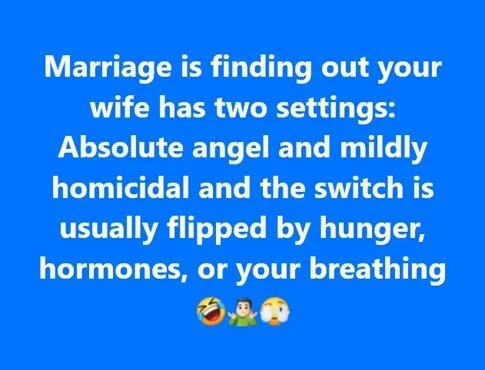
Mot: . Seeeee -- Again da Internet - Gives US Wisdom!!

MilitiaMan and Crew: Iraq Dinar Update-Combating Money Laundering- Conference-Revaluation-Critical Component-Commitment
MilitiaMan and Crew: Iraq Dinar Update-Combating Money Laundering- Conference-Revaluation-Critical Component-Commitment
5-28-2025
The Crew: Samson, PompeyPeter, Petra, Daytrader, Sunkissed, GIGI and Militia Man
Be sure to listen to full video for all the news……..
MilitiaMan and Crew: Iraq Dinar Update-Combating Money Laundering- Conference-Revaluation-Critical Component-Commitment
5-28-2025
The Crew: Samson, PompeyPeter, Petra, Daytrader, Sunkissed, GIGI and Militia Man
Be sure to listen to full video for all the news……..
Iraq Economic News And Points To Ponder Wednesday Afternoon 5-28-25
Union Of Arab Banks: We Support Iraqi Banking Institutions Within International Laws
Wednesday, May 28, 2025, | Economic Number of reads: 251 Baghdad / NINA / The Union of Arab Banks affirmed that supporting Iraqi banking institutions is a top priority through developing strategies or facilitating dialogue with international partners, within the framework of applicable international laws and regulations.
Union Of Arab Banks: We Support Iraqi Banking Institutions Within International Laws
Wednesday, May 28, 2025, | Economic Number of reads: 251 Baghdad / NINA / The Union of Arab Banks affirmed that supporting Iraqi banking institutions is a top priority through developing strategies or facilitating dialogue with international partners, within the framework of applicable international laws and regulations.
Secretary General of the Union of Arab Banks, Wissam Fattouh, said during the Anti-Money Laundering and Combating the Financing of Terrorism Conference, which kicked off today, Wednesday, in the capital, Baghdad, "Combating money laundering and terrorist financing has become, in recent years, a top priority, along with combating corruption, at the heart of the global agenda and has become one of the main indicators of the credibility of financial institutions and their countries before the international community and international banks."
He added, "The Arab region faces complex challenges, some of which result from political and security tensions, and some of which are related to the regulatory and technical level in a number of banking sectors. Matters are further complicated by the strict and inflexible application of digital standards by international bodies towards banks, regardless of the specificities or circumstances of some countries."
Fattouh stressed that "the battle for compliance is not just a technical issue, but rather a sovereign, institutional, and economic issue all at once, because failure to comply threatens our relationship with international banks, limits our ability to carry out transfers, imports, and exports, and directly impacts investment flows, aid, and trade cooperation."
He pointed to the urgent need for joint Arab action, particularly strengthening ties of joint cooperation between Iraqi banks operating in a complex political and economic environment, and the Union of Arab Banks.
He emphasized the importance of strategic partnerships to develop Iraqi banking and raise Iraq's voice in international forums, when we are ready to do so.
Fattouh emphasized the importance of working to integrate financial technology into internal control systems, including the use of artificial intelligence in compliance and risk assessment, noting the need to instill a culture of compliance at all levels, from board members to front-line employees.
He added, "The challenges we face today are a call for cooperation, reprioritization, and continuous work on banking reform." https://ninanews.com/Website/News/Details?key=1229559
Chairman Of The Finance Committee: The Integration Of Iraqi Banks Into The International System Is A National Necessity.
Banks Economy News – Baghdad Parliamentary Finance Committee Chairman Atwan Al-Atwani stressed on Wednesday that compliance with international standards and banks' integration into the international system is a national necessity to protect the financial system and a prerequisite for developing the banking environment.
During his speech at the second session of the Anti-Money Laundering and Combating the Financing of Terrorism Conference, which was attended by Al-Eqtisad News, Al-Atwani said, "At the outset, I would like to express my welcome to the convening of this distinguished conference, which comes at a very important time, given the fundamental transformations and increasing challenges that the financial and banking sector is witnessing at the local, regional and international levels.
These challenges require the highest levels of coordination and cooperation from all of us, legislative, executive and oversight institutions.
" He added, "International regulatory obligations imposed on financial institutions, particularly those related to combating money laundering and terrorist financing, have become among the most prominent requirements that affect the nature of the relationship between local banks and their global counterparts.
Meeting these requirements is a prerequisite for developing a safe and stable banking environment capable of interacting positively with the global financial system."
He continued, "Iraq's engagement, represented by its national banks, in this international regulatory environment is not an option, but rather a national necessity to protect the financial system from cross-border risks and to ensure the continued flow of investments and capital, which directly contributes to supporting economic and social development efforts and enhancing confidence in the national economy."
In his speech, Al-Atwani noted, "Iraq has made significant strides in this direction over the past few years. The Iraqi banking system has witnessed major developments, including the modernization of the legal and regulatory structure, the issuance of compliance instructions, tightening oversight, and the development of qualified banking cadres capable of dealing with these changes."
He added, "We have witnessed the Central Bank of Iraq's commitment to adopting an approach to reform and development by imposing precise and updated instructions in line with international best practices, in addition to its relentless pursuit of enhancing transparency and strengthening the system for combating money laundering and terrorist financing."
He continued, "Despite these commendable efforts, challenges remain, especially in light of growing regulatory complexities and the increasing requirements of correspondent banks, along with their precise and changing conditions.
Here, the need for the concerted efforts of all stakeholders, from banks, regulatory, legislative, and security bodies, to confront these challenges with high responsibility and professionalism is growing."
He noted in his remarks, "Hence the importance of this conference, which constitutes an important platform for exchanging expertise, reviewing the latest developments in international legislation, and highlighting the experiences of other countries in this field, particularly with regard to modern compliance techniques, best practices in internal control, and risk management."
He added, "We also affirm, from our position in the Parliamentary Finance Committee, our full support for all efforts aimed at developing the Iraqi banking sector, and our keenness to follow up on the legislation required to enhance Iraq's compliance with international standards, while emphasizing the need to balance strict compliance with achieving economic growth goals, supporting the private sector, and facilitating investment." https://economy-news.net/content.php?id=55942
Despite Global Increases, Basra Heavy And Medium Crude Prices Decline.
economy | 09:46 - 05/28/2025 Mawazine News - Baghdad - Basra Heavy and Basra Medium crude prices fell on Wednesday, despite the rise in global oil markets.
Basra Heavy crude prices fell 40 cents, or 65%, to $61.60, while Basra Medium crude prices fell 40 cents, or 62%, to $64.10.
Oil prices rose after the United States banned Chevron from exporting crude from Venezuela under a new license, increasing the possibility of supply shortages. Brent crude rose to $64.56 a barrel, and US West Texas Intermediate crude also rose to $61.38 a barrel. https://www.mawazin.net/Details.aspx?jimare=261976
Gold Prices Rise Globally
Economy | 10:20 - 05/28/2025 Mawazine News - Follow-up Gold prices rose on Wednesday as investors bought, but easing trade tensions between the United States and the European Union limited gains, while the market awaited the US core personal consumption expenditures report for clues on interest rates.
Spot gold rose 0.3% to $3,308.99 an ounce, recovering slightly from a 1% decline in the previous session, according to Reuters. US gold futures rose 0.2% to $3,308.30.
US President Donald Trump backed down from his threat to impose 50% tariffs on the European Union, postponing their implementation until July 9 to allow time for negotiations between the White House and the 27-nation bloc. https://www.mawazin.net/Details.aspx?jimare=261978
Again... The Dollar Price Drops In Baghdad.
Economy | 05/28/2025 Mawazine News – Baghdad - The dollar exchange rate against the dinar declined in Baghdad with the closing of the stock exchange. The selling price reached 140,000 dinars for $100, while the buying price was 142,000 dinars for $100. https://www.mawazin.net/Details.aspx?jimare=261989
For current and reliable Iraqi news please visit: https://www.bondladyscorner.com/
Iraq Economic News And Points To Ponder Wednesday Afternoon 5-27-28-25
The Central Bank Told Al-Eqtisad News: Our Measures Contributed To Lowering The Exchange Rate, And The Decline Is Not Temporary.
Money and Business Economy News – Baghdad The Director of the Investment Department at the Central Bank of Iraq, Muhammad Younis, confirmed on Wednesday that the decline in the dollar exchange rate in local markets is not temporary.
Younis told Al-Eqtisad News, "The Central Bank of Iraq's measures since 2023 have significantly contributed to limiting the rise in the dollar exchange rate against the Iraqi dinar," noting that "the slogan 'The Iraqi dinar is stronger' that the Iraqi government and the Central Bank began with is beginning to see the light of day."
The Central Bank Told Al-Eqtisad News: Our Measures Contributed To Lowering The Exchange Rate, And The Decline Is Not Temporary.
Money and Business Economy News – Baghdad The Director of the Investment Department at the Central Bank of Iraq, Muhammad Younis, confirmed on Wednesday that the decline in the dollar exchange rate in local markets is not temporary.
Younis told Al-Eqtisad News, "The Central Bank of Iraq's measures since 2023 have significantly contributed to limiting the rise in the dollar exchange rate against the Iraqi dinar," noting that "the slogan 'The Iraqi dinar is stronger' that the Iraqi government and the Central Bank began with is beginning to see the light of day."
He added, "The Central Bank has taken several steps, including fulfilling all requests received by the bank for trade and services financing, electronic payment settlements, and travel dollars for all those wishing to travel outside Iraq. It has facilitated access to cash dollars for travel, and prohibited any banks from imposing exchange rates other than the official ones."
He pointed to "assistance in opening accounts for Iraqi and foreign banks, thus enabling transfers in dollars, Jordanian dinars, and Emirati dirhams, and expanding transfer channels."
In response to "rumors" about a "temporary" decline in exchange rates, Younis affirmed that "this decline is not temporary, and the Central Bank possesses substantial foreign currency reserves and is capable of controlling exchange rates." https://economy-news.net/content.php?id=55932
Al-Alaq Details The Achievements Of Protecting The Financial System In Iraq
Banks Economy News – Baghdad The Governor of the Central Bank of Iraq, Ali Al-Alaq, announced on Wednesday that the results of the Mutual Evaluation in Iraq revealed strengths in the areas of transparency and financial statements. He also indicated that work is underway to build and relicense private and government banks.
Al-Alaq said in his speech at the second session of the Anti-Money Laundering and Combating the Financing of Terrorism Conference, which was attended by "Al-Eqtisad News," that "the Anti-Money Laundering and Combating the Financing of Terrorism Council continues reform and combating money laundering through the Anti-Money Laundering and Combating the Financing of Terrorism Council, the Central Bank of Iraq, the Anti-Money Laundering and Combating the Financing of Terrorism Offices, law enforcement agencies and institutions, and the ministries and entities that participate with us within and outside the Council, in order to consolidate the foundations of integrity and enhance financial stability."
He added: "We realize that money laundering and terrorist financing crimes are not just ordinary financial crimes, but rather a gateway to destabilization and strengthening confidence in financial, social, and political systems.
Therefore, local and international cooperation and joint action are no longer an option, but rather an urgent necessity to curb these crimes."
He pointed out that "we in the Republic of Iraq cooperate actively with our international partners, particularly with the Financial Action Task Force and the Middle East and North Africa Financial Action Task Force, to implement international standards in the field of combating money laundering and terrorist financing."
Al-Alaq explained that "Iraq underwent a mutual evaluation process, which determines the extent of its commitment to implementing international standards and reflects the soundness of the measures taken and the efforts made to combat these crimes.
The results of the mutual evaluation in Iraq revealed a distinct set of strengths in the areas of transparency, financial data and access to them by relevant authorities, and the quality of reporting, which resulted in significant confiscations and the extent of the recovery of funds."
He pointed out that "the multiplicity of international cooperation channels enabled Iraq to exchange high-value information quickly and efficiently with counterpart units through a secure communications network that ensures the confidentiality and speed of information."
He explained that "the report pointed to a number of weaknesses that need to be improved and addressed, which we have taken the initiative to address urgently and immediately by taking appropriate steps to overcome them, in a way that mitigates their risks and ensures that they are not exploited for money laundering operations.
This comes within the framework of the Republic of Iraq's commitment, at the highest levels, to continuous cooperation with the Financial Action Task Force concerned with the issue, similar to the rest of the member states mentioned above."
Al-Alaq emphasized that "the Republic of Iraq has achieved many important accomplishments to protect the financial and banking system, which is a fundamental pillar of the anti-money laundering and counter-terrorism financing system, and to protect it from misuse in suspicious or illegal operations, especially after completing the national risk assessment process. Among the most prominent of these measures were:
First - Enhancing the balances of Iraqi banks abroad so that they can directly carry out their customers’ requests through correspondent banks, through implementing these transfers through specialized international institutions, preventing the use of these transfers for purposes other than those intended, and came in response to mitigating the risks arising from external transfers.
We have made great efforts to enhance this practice and open multiple channels, and today we have succeeded in opening accounts with international correspondent banks in a large number and in different currencies, within a mechanism that is considered the most transparent and controlled within the framework of these important operations.
Second: Establishing a cash system for selling foreign currency through banking and non-banking financial institutions in a way that ensures that these currencies reach their true beneficiaries and for the purposes for which they are intended, without anyone engaging in suspicious transactions.
This international system is considered the dollar distribution system in Iraq and is considered the system among countries of the world.
Third: Establishing a central registry at the state level that includes data on the beneficial owner, allowing relevant authorities to access this registry and update its data regularly to enhance transparency and prevent misuse of the funds.
Fourth: Automating work in an integrated manner between the Anti-Money Laundering and Terrorist Financing Office, reporting and investigation agencies, oversight, and customs.
This represents a qualitative leap in the implementation of the procedures required to limit suspicious transactions and enhance the efficiency of response to threats. We are in the final stages of the integrated linkage process between the Central Bank, Customs, and Taxes, which will constitute an important framework for tightening control over all external financial transactions.
Fifth: Establishing an electronic platform to implement financial sanctions targeting Security Council resolutions and international standards immediately, allowing designated financial and non-financial professional institutions to access the names listed on global and local lists.
This will facilitate compliance and achieve greater effectiveness in implementing sanctions.
Sixth: Issuing a parallel financial investigations guide in Iraq, which represents an advanced stage in organizing and directing financial investigations in parallel with criminal investigations to dry up and confiscate the sources of financial crime.
Seventh: Due to the modernization of the real estate sector, which is one of the high-risk sectors, several measures were taken to mitigate these risks, the most important of which was the issuance of a mechanism for buying and selling real estate through the banking system.
Eighth: The Kurdistan Region shall participate effectively in efforts to combat money laundering and terrorist financing through its representation in the Anti-Money Laundering and Combating the Financing of Terrorism Council at the federal level.
This representation shall be part of the comprehensive national commitment to the Council’s decisions, with the identification of competent courts in the region to consider judicial procedures and expedite these cases in a manner consistent with national and international standards related to combating financial crimes in the region, and unifying these procedures with the central authority.
Ninth: We have taken a series of measures to enhance financial inclusion, not only with the aim of distributing the customer base for banking products, but also enabling the relevant authorities to track the movement of funds, understand their sources, and identify the true beneficiaries, which enhances integrity and transparency in the financial system.
In this context, digital transformation has emerged as a key tool to achieve these goals. We have worked to develop digital systems and enhance the technological infrastructure to enable access to data and its analysis accurately and quickly, enabling the tracking of financial transactions in a way that contributes to raising the level of compliance with international standards,
in addition to improving the customer experience and expanding the scope of electronic banking services. We seek to employ the use of artificial intelligence, which makes it difficult to hide the financial impact and helps in controlling financial operations in an organized manner.
He continued: "Work is underway to rebuild and relicense private and government banks based on advanced anti-money laundering practices and to enhance their role in the economy through diversification of services and products and digital transformation.
This plan represents a distinguished international model for subjecting all banks to advanced international standards and principles."
Al-Alaq explained that “these achievements would not have been possible without the political will and confidence that the government in general and Prime Minister Mohammed Shia al-Sudani in particular have given to the Anti-Money Laundering and Combating the Financing of Terrorism Organization, and in light of this, the efforts of all government institutions to keep Iraq away from suspicious activities.”
He stressed that “the efforts of the national system to combat money laundering and terrorist financing will not stop in combating these crimes, mitigating their effects, and developing its working mechanisms in a way that ensures that financial institutions, both banking and non-banking, do not become safe havens for money laundering arising from criminal operations. Here, we look forward to expanding the scope of partnership between local and international institutions for the benefit of the country.” https://economy-news.net/content.php?id=55936
Government Advisor: Iraq Has Made Significant Strides In Combating Money Laundering And Terrorist Financing
A wish | 03:18 - 05/28/2025 Mawazine News - Baghdad - The Prime Minister's Representative and Advisor for Banking Affairs, Saleh Mahoud, reviewed on Wednesday the most prominent achievements made in Iraq's commitment to international standards for combating financial crimes, noting that Iraq has made tangible progress in this regard.
Mahoud said, during the second session of the Anti-Money Laundering and Combating the Financing of Terrorism Conference, that "the government looks forward to this conference being an important opportunity for constructive dialogue and exchange of experiences, which will contribute to raising the level of awareness and commitment to international standards, and enhancing the knowledge of specialists in this vital field, especially in light of the growth of financial crimes and the development of their methods."
He explained that "the Iraqi government has committed to extensive reforms in this area, including issuing and updating laws and instructions, strengthening the role of regulatory and financial investigation bodies, and intensifying cooperation with international partners."
He pointed out that "the Governor of the Central Bank announced the completion of the mutual evaluation process for 2024, which revealed several strengths in Iraq's commitment to international standards for combating financial crimes, through the adoption of national strategies based on continuous self-assessments." https://www.mawazin.net/Details.aspx?jimare=261987
For current and reliable Iraqi news please visit: https://www.bondladyscorner.com/
Seeds of Wisdom RV and Economic Updates Wednesday Morning 5-28-25
Good Morning Dinar Recaps,
De-dollarization: SCO Nations Shift 92% of Trade Away from U.S. Dollar
De-dollarization is accelerating dramatically right now as Shanghai Cooperation Organization members are reducing their United States dollar dependency in international trade. SCO nations have also successfully implemented currency substitution strategies, with Russia reporting that national currencies now account for over 92% of trade settlements with fellow member states, and this marks a historic shift away from dollar-dominated global commerce.
“Our countries are increasing the use of national currencies in mutual settlements. For example, their share in Russia’s commercial transactions with members of the organization has already exceeded 92% in the first four months of this year.”
Good Morning Dinar Recaps,
De-dollarization: SCO Nations Shift 92% of Trade Away from U.S. Dollar
De-dollarization is accelerating dramatically right now as Shanghai Cooperation Organization members are reducing their United States dollar dependency in international trade. SCO nations have also successfully implemented currency substitution strategies, with Russia reporting that national currencies now account for over 92% of trade settlements with fellow member states, and this marks a historic shift away from dollar-dominated global commerce.
“Our countries are increasing the use of national currencies in mutual settlements. For example, their share in Russia’s commercial transactions with members of the organization has already exceeded 92% in the first four months of this year.”
How SCO Nations, BRICS, and Currency Substitution Are Driving De-dollarization Trends
The Shanghai Cooperation Organization’s coordinated approach to de-dollarization represents a fundamental shift in global financial architecture right now.
This massive economic bloc, which encompasses China, Russia, India, Pakistan, Iran, Kazakhstan, Kyrgyzstan, Tajikistan, and also Uzbekistan, controls approximately 42% of the world’s population and represents significant economic power that’s driving currency substitution initiatives across the region.
Putin also noted the broader economic success of SCO nations:
“The average GDP growth of the member countries of our organization last year amounted to more than 5%, industrial production to 4.5%, while the inflation rate is only 2.4%. At the same time, Russia’s trade with the SCO states has increased by a quarter.”
SCO’s Strategic De-dollarization Implementation
The de-dollarization movement within SCO represents more than just statistical changes—it also reflects systematic policy coordination among member nations at the time of writing. Putin emphasized Russia’s commitment to expanding non-dollar payment mechanisms, and he’s proposing an independent SCO settlement system that would further reduce United States dollar dependency.
BRICS nations are working closely with SCO countries to implement currency substitution across multiple economic sectors right now. China’s yuan has emerged as a primary alternative currency, while bilateral trade agreements are increasingly favoring national currencies over traditional dollar-denominated transactions, and this trend is gaining momentum.
The coordination between SCO nations and also BRICS members amplifies de-dollarization effects globally. These interconnected economic blocs represent countries that are seeking financial sovereignty through currency substitution, and they’re reducing exposure to United States dollar volatility and potential sanctions.
Putin highlighted the strategic importance of this transition:
“Regular meetings of economy and finance ministers and governors of central banks made a weighty contribution to the development of trade and investment in the SCO.”
Oil-producing nations that were traditionally tied to petrodollar systems are now exploring alternatives. Saudi Arabia’s openness to yuan-denominated oil transactions with China exemplifies how even traditional dollar allies are considering currency substitution options right now.
Since almost all of the trade settlements within the SCO avoid the dollar, this achievement shows that large-scale de-dollarization works well. This action by leading economies is now challenging the United States dollar’s long-standing place in global trade and it may play a major role in reshaping financial systems over the next few decades.
@ Newshounds News
Source: https://watcher.guru/news/de-dollarization-sco-nations-shift-92-of-trade-away-from-u-s-dollar
~~~~~~~~~
WisdomTree’s XRP ETF Approval Bid Gains Momentum with SEC Review
▪️SEC begins review of WisdomTree’s proposed spot XRP ETF, sparking optimism and driving XRP’s price to $2.30.
▪️Ripple pushes back on security claims as ETF approval could mark a turning point for XRP's regulatory and institutional future.
XRP is making noise in the market again, now trading around $2.30. Investors are getting bullish as excitement builds over a potential U.S. spot ETF approval. The market is responding with optimism, seeing the move as a major step toward broader institutional access and legitimacy for the token.
Though XRP cleared the securities tag partially, a final court judgement is awaited; however, the pace SEC is going with XRP ETFs, it seems all is under control and approval is on the way.
SEC Opens Door for XRP Spot ETF
The U.S. Securities and Exchange Commission (SEC) has officially started reviewing the WisdomTree XRP Trust, a proposed spot ETF that would allow investors to gain exposure to XRP without owning the token directly. This would be the first U.S.-based spot XRP ETF, potentially laying the groundwork for other crypto ETFs in the future.
Filed by Cboe BZX Exchange, the ETF aims to mirror the price of XRP via the CME CF Ripple-Dollar Reference Rate. If approved, it would enable XRP trading through traditional brokerage accounts, eliminating the need for crypto wallets or private keys.
Investor Protection at Play
As part of the process, the SEC has published a notice under Release No. 34-103124, calling for public feedback. The agency wants input on whether the product protects investors and how it plans to tackle market manipulation concerns. The Commission has 240 days to decide whether to approve or reject the application.
At the same time, Ripple’s Chief Legal Officer, Stuart Alderoty, fired back at the SEC’s broader crypto stance. In a recent letter to the agency’s crypto taskforce, he urged clearer rules, stating that XRP is not a security. He warned that vague regulatory terms like “decentralized” or “fully functional” only add confusion for both issuers and market participants.
With the SEC’s clock ticking and public comment now open, all eyes are on how the Commission handles this groundbreaking application. For now, bullish sentiment is picking up, and XRP’s rally suggests that traders are betting big on a regulatory breakthrough.
@ Newshounds News
Source: https://coinpedia.org/news/xrp-spot-etf-approval-hopes-rise-as-sec-reviews-wisdomtree-etf/
~~~~~~~~~
Seeds of Wisdom Team RV Currency Facts Youtube and Rumble
Newshound's News Telegram Room Link
Follow the Roadmap
Follow the Timeline
Seeds of Wisdom Team™ Website
Thank you Dinar Recaps
“Tidbits From TNT” Wednesday Morning 5-28-2025
TNT:
Tishwash: Kurdistan Showcases Investment Opportunities at Paris Forum
The Kurdistan Region is showcasing its investment potential at the French-Iraqi Economic Business Forum currently underway in Paris, with top officials encouraging French investors to explore opportunities in key sectors.
Mohammed Shukri, Head of the Kurdistan Region’s Investment Board, addressed a panel during the event, highlighting the Region’s supportive investment environment.
He emphasized the availability of promising opportunities in the industrial, agricultural, tourism, and energy sectors.
TNT:
Tishwash: Kurdistan Showcases Investment Opportunities at Paris Forum
The Kurdistan Region is showcasing its investment potential at the French-Iraqi Economic Business Forum currently underway in Paris, with top officials encouraging French investors to explore opportunities in key sectors.
Mohammed Shukri, Head of the Kurdistan Region’s Investment Board, addressed a panel during the event, highlighting the Region’s supportive investment environment.
He emphasized the availability of promising opportunities in the industrial, agricultural, tourism, and energy sectors.
“Now is the time for foreign investors, particularly our French partners, to engage with the Kurdistan Region’s growing economy,” Shukri said, according to a statement released by the Investment Board.
The statement noted that several foreign investors, particularly French businesspeople, expressed readiness to visit the Kurdistan Region to explore investment opportunities firsthand and potentially boost France’s economic footprint in the area.
More than 300 foreign investors and businesspeople—mostly French—are attending the forum, underscoring France’s continued interest in Iraq’s and the Kurdistan Region’s economic landscape.
This event builds on momentum from last year’s first French-Kurdistan Economic Forum, also held in Paris.
The gathering was organized in coordination with the Kurdistan Regional Government’s Investment Board and MEDEF, France’s largest business federation, to strengthen bilateral economic ties and attract more French investment to the Region. link
Tishwash: from Iran's news
Baghdad or Erbil? Who controls Iraq's wealth?
The Iraqi Ministry of Oil declared two agreements between two American energy companies and the Kurdistan Regional Government of Iraq "null and void" due to their failure to obtain federal approval.
The World - Correspondents
The tense relationship between Baghdad and Erbil has once again come to the fore after the Kurdistan Region of Iraq signed two massive gas field development agreements with two American companies worth more than $110 billion. This move sparked widespread political and legal controversy and brought to the fore an old question: Who owns the decision-making power over Iraq's resources?
Political analyst Naseem Abdullah told Al-Alam TV: "The Iraqi constitution states in Articles 110, 112, and 121 that the management of oil resources is a joint management between the region and the federal government. This provision is explicit, as the 2005 constitution stated that these resources are managed jointly by the region and the federal government. Currently, the region has violated the constitution through its unilateral management, which constitutes a breach of it."
The agreement, announced by the Prime Minister of the Kurdish region, Masrour Barzani , includes the development of massive oil and gas reserves in the Mizan, Topkhana, and Kordemir fields, potentially transforming Kurdistan into a regional energy hub. However, Baghdad, through the Ministry of Oil, quickly declared the agreement invalid, asserting that it violates the constitution and a ruling by the Federal Supreme Court.
Law professor Mohammed Adiq told Al-Alam TV: "Regarding the relationship between the Kurdistan Regional Government and the federal authorities, it is governed by Articles 110, 114, and 112. Therefore, the expired Kurdistan Regional Government must partner with the federal government in managing oil and gas and concluding oil contracts."
On the other hand, Erbil believes its actions are legal and within its jurisdiction, citing the absence of a federal law regulating the oil and gas sector. It asserts that the revenues will benefit both Kurdistan and Iraq.
Kurdish political analyst Hussein Al-Jaf said, "What happened is not a new contract, but rather the transfer of ownership of the project, which was operating in oil, from Kurdistan to another company. Therefore, there is no such thing as a renewed contract."
This sharp contrast raises a highly complex legal and political issue. While Baghdad champions sovereignty over resources, Erbil asserts that it is exercising a constitutional right that is absent from the national agreement.
The relationship between Baghdad and Erbil remains hostage to intense disagreements over resource management, with Baghdad insisting on centralized decision-making and Erbil insisting on its constitutional rights. The absence of a national agreement is evident, making every crisis a renewed conflict between Baghdad and Erbil. link
************
Tishwash: Speaking to CNN Arabic
President of the Republic: There are no Iranian forces in Iraq, nor any Iraqi forces in Iran.
Iraqi President Abdul Latif Rashid denied on Wednesday the presence of Iranian forces inside Iraq or vice versa, noting that the matter is limited to a regular exchange of delegations to discuss common issues. He also reiterated that the absence of an oil and gas law is behind the outstanding issues between the federal government and the Kurdistan Region, during a television interview with CNN Arabic.
The Arab Summit is essential in the current circumstances. The Middle East and Arab countries are suffering from several problems, most notably the aggression against the Palestinian people and the internal situations in Sudan, Syria, and Lebanon.
There is a genuine intention on the part of the Arab countries and the countries of the region to end the suffering of the Palestinian people.
We must work to stop the fighting in Palestine, deliver humanitarian aid to the Palestinian people, and then develop a political roadmap for Palestinians to achieve their legitimate rights in accordance with United Nations resolutions.
Syria is an important country for Iraq in all social, religious, and cultural aspects. We are connected to each other, and we want good and strong relations with Syria. We want the Syrian government to take into consideration the Syrian people in all their diversity and ensure their representation.
We have a long border with Syria, and there are terrorists on the border, either alone or with their families of various nationalities. This security issue must be resolved amicably with the Syrian side.
We are working to resolve the border security crisis with Türkiye and the presence of its forces inside Iraq, especially given the Kurdistan Workers' Party's decision to pursue peaceful means to resolve the issue.
Our relations with Türkiye are good in terms of trade and diplomacy, and our trade is strong, amounting to tens of billions annually. We hope to resolve the security issue.
Our relations with Iran are long-standing, normal, and strong. There are no Iranian forces inside Iraq or vice versa. There is a constant exchange of delegations to discuss all existing issues.
Most of Iraq's water resources come from Türkiye and Iran, and most of it comes from Türkiye. We need a fair share to meet the needs of the population and agricultural requirements.
Our relations with neighboring countries and the region, including Egypt and Jordan, are strong and solid, and there is an exchange of expertise and business to improve infrastructure.
Our relations with the United States are normal and good, and agreements exist between the two parties and are being studied jointly. The decision on whether or not to keep forces is left to the ongoing negotiations between the two parties.
We welcome the visit of President Trump and European delegations to the region to hear directly from the region's leaders about existing problems and work to resolve them.
We hope that the ongoing negotiations between the United States and Iran will be successful and will benefit everyone.
Iraq is ready to serve as a mediator between Iran and the United States to ensure the success of negotiations, if requested.
The absence of an oil and gas law is behind the outstanding issues between the federal government and the Kurdistan Region. Negotiations are ongoing between the two sides to resolve issues such as salaries, oil, and other matters.
The elections will be held on schedule, and we are working to ensure that they are safe, stable, and fair, ensuring broad participation by the Iraqi people.
(60%) of Iraq’s population are young people, and they constitute the largest group. They must be supported, and we need their participation in supporting the political process, defending security and stability, and for them to be an interested part in solving problems. link
Mot: If YOU Were Born in the 50s !!!!
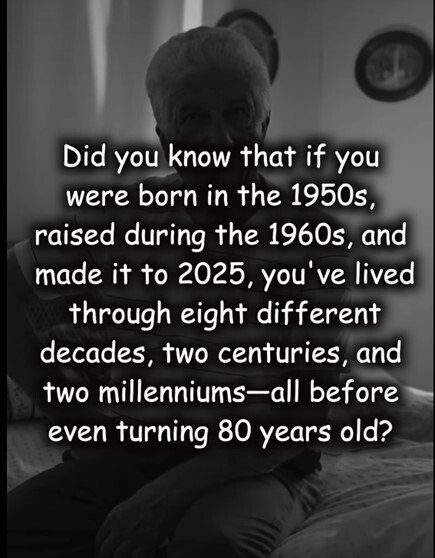
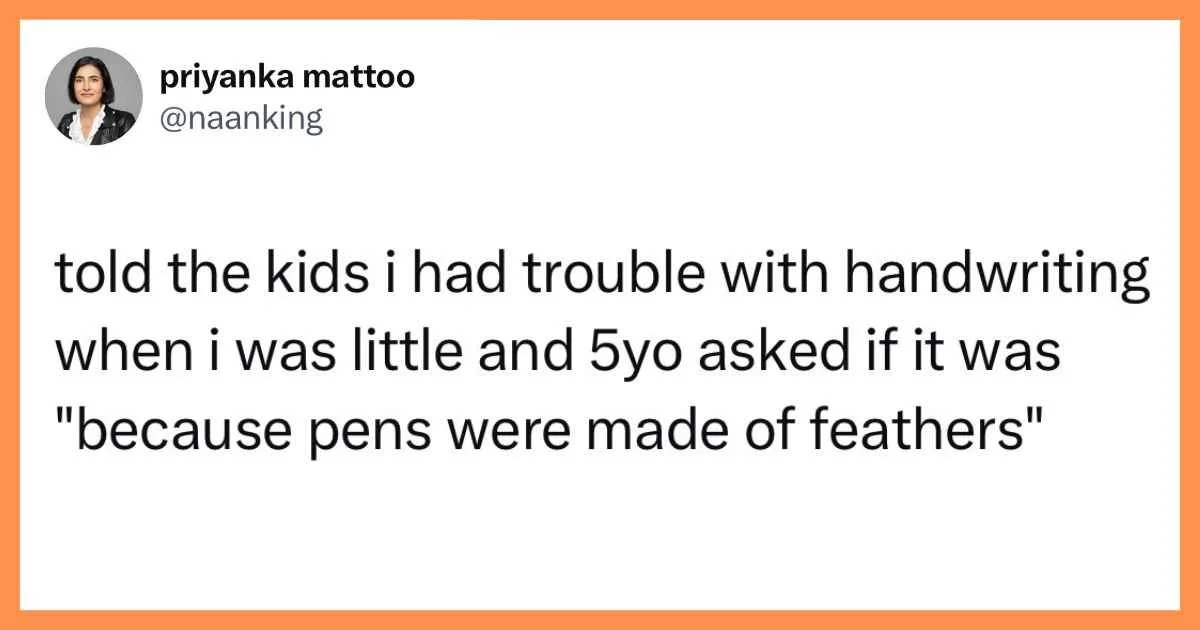
Mot: tweets from kids who made us feel ancient
MilitiaMan and Crew: Tnansit-Budget Law 2023-2025-Arab Economic Reform-World Trade-Finance
MilitiaMan and Crew: Tnansit-Budget Law 2023-2025-Arab Economic Reform-World Trade-Finance
5-27-2025
The Crew: Samson, PompeyPeter, Petra, Daytrader, Sunkissed, GIGI and Militia Man
Be sure to listen to full video for all the news……..
MilitiaMan and Crew: Tnansit-Budget Law 2023-2025-Arab Economic Reform-World Trade-Finance
5-27-2025
The Crew: Samson, PompeyPeter, Petra, Daytrader, Sunkissed, GIGI and Militia Man
Be sure to listen to full video for all the news……..
Iraq Economic News And Points To Ponder Tuesday Evening 5-27-25
Iraq To Be OAPEC's Second-Largest Oil Exporter By 2025
Energy Economy News – Baghdad The Organization of Arab Petroleum Exporting Countries (OAPEC) announced on Tuesday that Iraq ranked second among member states as a crude oil exporter during the first quarter of 2025.
According to a report, Iraq's exports reached 3.35 million barrels per day, placing it second after Saudi Arabia, which topped the list with exports reaching 5.89 million barrels per day. The UAE came in third place with a total of 2.86 million barrels per day, followed by Kuwait with exports of 1.32 million barrels per day.
Iraq To Be OAPEC's Second-Largest Oil Exporter By 2025
Energy Economy News – Baghdad The Organization of Arab Petroleum Exporting Countries (OAPEC) announced on Tuesday that Iraq ranked second among member states as a crude oil exporter during the first quarter of 2025.
According to a report, Iraq's exports reached 3.35 million barrels per day, placing it second after Saudi Arabia, which topped the list with exports reaching 5.89 million barrels per day. The UAE came in third place with a total of 2.86 million barrels per day, followed by Kuwait with exports of 1.32 million barrels per day.
He added that "Libya ranked fifth with average exports of 1.18 million barrels per day, while Qatar came in sixth with 605,000 barrels per day, and Algeria ranked last with exports of 378,000 barrels per day."
Regarding global oil trade, the report indicated that the United States maintained its position as a net importer of crude oil, but continued to be a net exporter of petroleum products, with its net exports of crude oil and its derivatives reaching approximately 2.7 million barrels per day during the first quarter of the year.
In contrast, China's net oil imports fell by approximately 385,000 barrels per day, settling at 10.7 million barrels per day, while India's imports rose by 3.3% quarter-on-quarter, reaching 4.6 million barrels per day.
It is worth noting that OAPEC was established on January 9, 1968, by agreement between Saudi Arabia, Kuwait, and Libya. Its headquarters are in Kuwait, and its founding members include Algeria, Iraq, Qatar, the United Arab Emirates, Bahrain, Syria, and Egypt. https://economy-news.net/content.php?id=55897
Iraq's Oil Exports To The US Reached 5 Million Barrels In A Month.
Energy Economy News – Baghdad The U.S. Energy Information Administration announced on Tuesday that Iraq exported more than 5 million barrels of crude oil and its derivatives to the United States during February 2025.
A table from the administration showed that "Iraq exported 5,427,000 barrels of oil and its products during February, down from 7,136,000 barrels in January."
The US Energy Information Administration reported that "the total crude oil exported from Iraq to the US in the same month amounted to 4,446,000 barrels, while the remaining 981,000 barrels were petroleum derivatives, which are non-condensate oils."
Iraqi oil exports to the United States have increased significantly in recent years, with export figures reaching record levels in some months, partly due to Iraq's ability to increase its oil production. https://economy-news.net/content.php?id=55899
Basra Crude Oil Rises Despite Falling Global Oil Prices
Tuesday, May 27, 2025 | Economic Number of reads: 144 Baghdad / NINA / Basra Heavy and Basra Medium crude prices rose on Tuesday, despite the decline in oil prices in global markets.
Basra Heavy crude prices rose 88 cents, or 1.45%, to reach $61.46, while Medium crude prices rose 88 cents, or 1.39%, to reach $64.41.
Oil prices fell as market participants assessed the possibility of OPEC+ deciding to increase its crude oil production at a meeting later this week.
Brent crude futures fell to $64.62 a barrel, while West Texas Intermediate crude fell to $61.38 a barrel. / End https://ninanews.com/Website/News/Details?key=1229220
Gold Prices Head To Highest Level In Two Weeks
Tuesday, May 27, 2025 | Economic Number of reads: 169 Baghdad / NINA / Gold settled near its highest level in two weeks on Tuesday, supported by a weaker dollar and concerns about the US fiscal outlook, while investors awaited more US economic data, seeking more clarity on the path of interest rates.
The price of spot gold settled at $3,339.99 per ounce.
US gold futures fell 0.8% to $3,339.80.
Among other precious metals, the price of spot silver rose 0.1% to $33.38 per ounce, platinum settled at $1,084.28, and palladium fell 0.3% to $984.25. / End https://ninanews.com/Website/News/Details?key=1229203
The Dollar Price Fell In Baghdad.
Time: 2025/05/27 Read: 2,340 times {Economic: Al Furat News} The exchange rate of the US dollar against the Iraqi dinar fell on Monday morning in Baghdad markets.
The prices are as follows:
The selling price was 141,250 dinars per $100, and the purchase price was 139,250 dinars per $100. LINK
For current and reliable Iraqi news please visit: https://www.bondladyscorner.com/