
Seeds of Wisdom RV and Economics Updates Thursday Morning 2-12-26
Good Morning Dinar Recaps,
Energy Chessboard: U.S. Moves to Revive Venezuela Oil While Countering China
Washington signals energy dominance strategy as sanctions flexibility meets geopolitical competition
Good Morning Dinar Recaps,
Energy Chessboard: U.S. Moves to Revive Venezuela Oil While Countering China
Washington signals energy dominance strategy as sanctions flexibility meets geopolitical competition
Overview
U.S. Secretary of Energy Chris Wright traveled to Venezuela in the highest-level U.S. energy-focused visit to Caracas in nearly 30 years, signaling a strategic push to revive Venezuelan oil production while challenging China’s role in the OPEC nation.
Meeting with interim President and Oil Minister Delcy Rodriguez, Wright emphasized that the United States is prepared to help expand Venezuela’s oil, natural gas, and electricity production. Venezuela currently produces approximately 1 million barrels of crude per day, a fraction of its historical output.
The visit reflects a broader U.S. strategy: reshape Western Hemisphere energy flows, counter Chinese and Russian influence, and reassert American leadership in global oil markets.
Key Developments
U.S. Push for Energy Expansion
Wright stated that Venezuela could significantly increase oil and gas production this year with proper investment and reforms. He framed the initiative as mutually beneficial — boosting Venezuelan employment and wages while strengthening energy supply security across the Western Hemisphere.
The U.S. recently issued a new general license to facilitate oil and gas exploration and production in Venezuela, expanding prior authorizations tied to exports and fuel imports.
China’s Role Under Scrutiny
While Wright acknowledged that legitimate Chinese investments are acceptable, he warned against what he described as “damaging” deal structures seen in other regions. Sanctions relief explicitly excludes companies and individuals from China, Iran, and Russia — a move Moscow criticized as discriminatory.
China has already purchased Venezuelan crude in recent months, illustrating the complex overlap of global energy interests inside Venezuela’s market.
Sanctions & Debt Restructuring Challenges
Wright clarified there is no fixed timeline for lifting all sanctions. Venezuela owes billions to foreign firms following past nationalizations, meaning debt restructuring will be essential before full capital flows resume.
Recent oil sector reforms were described as a positive step, but analysts caution they may not immediately unlock large-scale investment.
Energy Infrastructure Rebuild
The Trump administration has promoted a $100 billion reconstruction vision for Venezuela’s energy infrastructure, alongside a $2 billion oil supply agreement. Wright is also meeting with Chevron, Repsol, and visiting Petropiar in the Orinoco Belt — Venezuela’s primary oil-producing region.
Reviving production after decades of underinvestment and sanctions remains a massive operational and political challenge.
Why It Matters
This initiative intersects three major themes:
Western Hemisphere energy security
Strategic competition with China and Russia
Sanctions recalibration tied to geopolitical objectives
If successful, Venezuela could re-emerge as a meaningful supplier in global crude markets, potentially easing supply pressures and reshaping OPEC dynamics.
However, political instability, infrastructure decay, and lingering sanctions complexity pose substantial risks.
Why It Matters to Foreign Currency Holders
Energy flows directly influence:
Oil pricing and petro-currency strength
U.S. dollar demand in global commodity settlement
Latin American currency stability
OPEC production balance
An increase in Venezuelan output could soften oil prices, affecting energy-linked currencies while strengthening U.S. influence in Western Hemisphere trade settlement.
Conversely, instability or breakdown in reforms could tighten supply expectations and elevate volatility.
Implications for the Global Reset
Pillar 1: Energy Dominance & Supply Chain Reconfiguration
Reintegrating Venezuela into U.S.-aligned energy networks would reduce reliance on adversarial suppliers and strengthen dollar-based commodity flows.
Pillar 2: Geopolitical Currency Competition
Limiting Chinese and Russian participation in Venezuela’s energy sector signals broader strategic positioning in the battle for influence over commodity-backed economies.
Energy remains one of the primary levers in global financial restructuring.
This is not just about oil production — it is about who controls supply, settlement channels, and regional influence.
All information compiled from publicly available diplomatic, energy, and financial reporting.
Seeds of Wisdom Team
Newshounds News™ Exclusive
Sources
• Modern Diplomacy – US Pushes Venezuela Oil Revival as It Challenges China’s Role
• Reuters – U.S. Energy Secretary Visits Venezuela to Boost Oil Ties
• U.S. Department of Energy – Official Statements and Press Releases
~~~~~~~~~~
🌱 A Message to Our Currency Holders🌱
If you’ve been holding foreign currency for many years, you were not foolish.
You were not wrong to believe the global financial system would change.
What failed was not your patience — it was the information you were given.
For years, dates, rumors, and personalities replaced facts, structure, and proof. “This week” predictions created cycles of hope and disappointment that were never based on how currencies actually change.
That is not your failure.
Our mission here is different: • No dates • No rates • No hype • No gurus
Instead, we focus on:
• Verifiable developments • Institutional evidence
• Global financial structure • Where countries actually sit in the process
Currency value changes only come after sovereignty, trade, banking, settlement systems, and fiscal coordination are in place. History and institutions confirm this sequence.
You will see silence. You will see denials. That is not delay — that is discipline.
Protect your identity. Organize your documents. Verify everything.
Never hand your discernment to anyone who cannot show proof.
You deserve truth — not timelines.
Seeds of Wisdom Team
Newshounds News
~~~~~~~~~~
Seeds of Wisdom Team RV Currency Facts Youtube and Rumble
Newshound's News Telegram Room Link
RV Facts with Proof Links Link
RV Updates Proof links - Facts Link
Follow the Gold/Silver Rate COMEX
Follow Fast Facts
Seeds of Wisdom Team™ Website
Thank you Dinar Recaps
Iraq Economic News and Points To Ponder Thursday Morning 2-11-26
Iraq ranks second top importer of Jordanian goods in January
2026-02-12 Shafaq News- Baghdad/ Amman Iraq ranked second among the top importers of goods certified by the Amman Chamber of Commerce in January, with imports valued at 47 million Jordanian dinars (around $33 million), according to data released on Thursday.
The chamber said it issued 2,279 certificates of origin during the first month of the year, up 2.7% from 2,219 certificates in January last year. The total value of certificates of origin rose 32.2% to approximately 155 million dinars, compared with 116 million dinars in the same period a year earlier.
Iraq ranks second top importer of Jordanian goods in January
2026-02-12 Shafaq News- Baghdad/ Amman Iraq ranked second among the top importers of goods certified by the Amman Chamber of Commerce in January, with imports valued at 47 million Jordanian dinars (around $33 million), according to data released on Thursday.
The chamber said it issued 2,279 certificates of origin during the first month of the year, up 2.7% from 2,219 certificates in January last year. The total value of certificates of origin rose 32.2% to approximately 155 million dinars, compared with 116 million dinars in the same period a year earlier.
Switzerland topped the list of countries by value of certificates issued, with 52 million dinars through eight certificates. Iraq ranked second, followed by Saudi Arabia, Syria, and Egypt.
Separate data from the chamber showed that Jordan’s exports to Iraq rose 4.5% in 2025 to 1.016 billion dinars ($1.43 billion), compared with 972 million dinars ($1.37 billion) the previous year.
https://www.shafaq.com/en/Economy/Iraq-ranks-second-top-importer-of-Jordanian-goods-in-January
Global oil demand to rise 850 kb/d in 2026
2026-02-12 Shafaq News- London Global oil demand is forecast to grow by 850,000 barrels per day (kb/d) in 2026, up from 770 kb/d last year, with non-OECD economies accounting for the entire increase, the International Energy Agency (IEA) said in a new report.
According to IEA data, world oil supply fell sharply by 1.2 million barrels per day (mb/d) in January to 106.6 mb/d, as severe winter weather disrupted operations in North America, while outages and export constraints reduced flows from Kazakhstan, Russia, and Venezuela. After expanding by nearly 3.1 mb/d in 2025, global oil output is projected to rise by 2.4 mb/d in 2026 to reach 108.6 mb/d, with growth expected to be evenly split between OPEC+ producers and non-OPEC+ countries.
Global refinery crude throughputs declined from a record 86.3 mb/d in December to 85.7 mb/d in January, reflecting seasonal maintenance and weaker refining margins. For 2026, crude runs are forecast to increase by an average of 790 kb/d to 84.6 mb/d, led by non-OECD regions, compared with a rise of nearly 1 mb/d in 2025. Refining margins fell further in January as stronger December runs eased tightness in product markets.
Earlier today, oil prices edged higher, with Brent crude rising 27 cents to $69.67 a barrel and US West Texas Intermediate gaining 29 cents to $64.92, as escalating US-Iran tensions fueled concerns that potential attacks on Tehran or regional shipping routes could disrupt supply. https://www.shafaq.com/en/Economy/Global-oil-demand-to-rise-850-kb-d-in-2026
Iraq’s Imports From Brazil Exceed $1.4B In 2025
2026-02-12 Shafaq News- Baghdad Iraq’s imports from Brazil reached $1.49 billion in 2025, marking a 21.3% decline compared with 2024, according to data from the United Nations International Trade Statistics Database (COMTRADE).
The figures place Iraq as Brazil’s third-largest Arab trading partner during the year, after the United Arab Emirates and Saudi Arabia.
According to COMTRADE, sugar and related products ranked as the largest imported category at $374 million, followed by meat at $324 million. Oil seeds, vegetable oils, and related products totaled $263 million, while live animal imports reached $171 million. Grain imports amounted to $167 million, in addition to iron products, metal goods, and other commodities.
Data from Brazil’s Ministry of Development, Industry, Trade, and Services, compiled by the Market Intelligence department of the Arab-Brazilian Chamber of Commerce (ABCC), also showed that Iraqi imports from Brazil stood at $1.490 billion in 2025, down from $1.900 billion in 2024, but higher than the $1.300 billion recorded in 2023.
https://www.shafaq.com/en/Economy/Iraq-s-Imports-from-Brazil-exceed-1-4B-in-2025
Iraq Leads Importers Of Iranian Agricultural And Food Products
2026-02-12 Shafaq News- Baghdad/ Tehran Iraq ranked as the largest importer of Iranian agricultural and food products during the first nine months of the current Iranian year, which ends in March 2026, according to Iran’s National Center for Strategic Studies of Agriculture and Water, affiliated with the Iran Chamber of Commerce.
The report showed that Iraq accounted for 39% of Iran’s total agricultural commodity exports during the period, while its share of Iranian food industry exports reached 50%.
Key exports to Iraq included dairy products, vegetables such as tomatoes and cucumbers, fruits including apples and watermelons, as well as dates.
Most agricultural shipments to Iraq originated from Iran’s western and southwestern provinces, particularly Khuzestan, Kermanshah, and Ilam, which border Iraq and serve as key trade corridors.
After Iraq, the United Arab Emirates ranked second, accounting for 21% of Iran’s agricultural exports. Russia followed with 10%, Pakistan with 5%, and Afghanistan with 4%. Other destinations included Oman, Turkiye, Turkmenistan, India, and Qatar, each holding shares ranging between 2% and 3%.
Data from the Islamic Republic of Iran Customs Administration (IRICA) showed that Iraq also remained the top destination for Iranian agricultural and food exports in 2024, purchasing between $1.4 billion and $1.7 billion worth of goods during the first nine to eleven months of the year. The figure represented nearly one-third of Iran’s total exports in this category. https://www.shafaq.com/en/Economy/Iraq-leads-importers-of-Iranian-agricultural-and-food-products
Dollar Rise In Iraq's Baghdad And Erbil Markets
2026-02-12 Shafaq News- Baghdad/ Erbil The US dollar opened Thursday’s trading higher in Iraq, gaining 500 dinars in Baghdad compared with Wednesday’s rates.
According to a Shafaq News market survey, the dollar traded in Baghdad’s Al-Kifah and Al-Harithiya exchanges at 150,600 dinars per 100 dollars, up from 150,100 dinars.
In the Iraqi capital, exchange shops sold the dollar at 151,000 dinars and bought it at 150,000 dinars.
In Erbil, selling prices stood at 150,250 dinars per 100 dollars and buying prices at 150,150 dinars.
https://www.shafaq.com/en/Economy/Dollar-rise-in-Iraq-s-Baghdad-and-Erbil-markets
Precious Metals Retreat As Dollar Firms And Yields Reprice
2026-02-12 Shafaq News Gold prices dipped on Thursday as the U.S. dollar firmed after stronger-than-expected January jobs data dented expectation for near-term interest rate cuts, while investors awaited inflation data due on Friday for more monetary policy cues.
Spot gold edged 0.3% lower to $5,063.11 per ounce by 0453 GMT. It closed Wednesday with a more than 1% gain.
U.S. gold futures for April delivery lost 0.3% to $5,083.90 per ounce.
"The stronger jobs report leading to a slight pare back in Fed rate-cut expectations may have played a role in gold's lacklustre move," said Christopher Wong, a strategist at OCBC.
The U.S. dollar index (.DXY) rose following the surprisingly strong employment report that suggested underlying U.S. economic health. A stronger dollar makes greenback-priced metals more expensive for other currency holders.
"Sensitivity to the dollar, yield repricing, and uncertainty around Fed policy should continue to pose two-way risks for gold in the interim," Wong said.
U.S. job growth unexpectedly accelerated in January and the unemployment rate fell to 4.3%, though the largest increase in payrolls in 13 months likely exaggerates the labour market's health, as revisions showed the economy added only 181,000 jobs in 2025 instead of the previously estimated 584,000.
The U.S. budget deficit will grow slightly in fiscal 2026 to $1.853 trillion, the Congressional Budget Office forecast on Wednesday, showing that on balance, President Donald Trump's economic policies are worsening the country's fiscal picture amid low economic growth.
The Federal Reserve will keep rates unchanged through Chair Jerome Powell's term ending in May but cut immediately afterward in June, a Reuters poll showed, with economists warning that policy under his likely successor, Kevin Warsh, could become too loose.
Investors now await the weekly jobless claims report on Thursday and inflation data on Friday for more cues on the Fed's monetary policy path.
Spot silver fell 0.8% to $83.32 per ounce, after a 4% climb on Wednesday.
Spot platinum shed 0.8% to $2,113.79 per ounce, while palladium rose 0.9% to $1,715.30.
(Reuters) https://www.shafaq.com/en/Economy/Precious-metals-retreat-as-dollar-firms-and-yields-reprice
“Tidbits From TNT” Thursday Morning 2-12-2026
TNT:
Tishwash: The Cabinet directs the reduction of official working hours during Ramadan.
The General Secretariat of the Council of Ministers issued a directive today, Thursday, to reduce official working hours during the holy month of Ramadan .
The General Secretariat stated in a statement received by Al-Sa’a Network that “it has been decided to reduce official working hours by one hour in ministries and entities not affiliated with a ministry, and all governorates during the holy month of Ramadan .”
She explained that "the directive included authorizing the concerned authorities to determine this at the beginning or end of official working hours ."
TNT:
Tishwash: The Cabinet directs the reduction of official working hours during Ramadan.
The General Secretariat of the Council of Ministers issued a directive today, Thursday, to reduce official working hours during the holy month of Ramadan .
The General Secretariat stated in a statement received by Al-Sa’a Network that “it has been decided to reduce official working hours by one hour in ministries and entities not affiliated with a ministry, and all governorates during the holy month of Ramadan .”
She explained that "the directive included authorizing the concerned authorities to determine this at the beginning or end of official working hours ."
The statement continued, “The directive is based on paragraph four of Cabinet Resolution No. 128 of 2025, which includes the recommendations of the committee concerned with providing the appropriate legal recommendation regarding the adoption of the timings for the start and end of official working hours in government institutions link
Tishwash: Details of the meeting between Maliki and Sudani
Prime Minister Mohammed Shia al-Sudani met on Wednesday (February 11, 2026) with Nouri Kamel al-Maliki, head of the State of Law Coalition, to discuss the overall general situation and the course of dialogues between political forces regarding the upcoming constitutional entitlements.
The Prime Minister's Media Office said in a statement received by "Baghdad Today" that "the meeting witnessed a review of the understandings and dialogues between the national forces, and the efforts made to reach a political agreement that completes the selection of the President of the Republic in the House of Representatives, and proceeds with the rest of the constitutional entitlements."
The statement added that “Al-Sudani and Al-Maliki discussed the positions of the political blocs on the current course, in addition to emphasizing the government’s continued work to meet the requirements of services and development, and to strengthen the national economy in light of the current political circumstances.” link
*****************
Tishwash: Iraq has ‘huge plan’ to transform banking sector, says CBI governor
Ali al-Alaq told The New Region that citizens must not "rush to the market" amid a rise in unofficial dollar prices, insisting that the Central Bank is maintaining foreign reserves "at a very good level."
ERBIL, Kurdistan Region of Iraq – Central Bank of Iraq (CBI) Governor Ali al-Alaq told The New Region on Wednesday that Baghdad has a "huge plan" to change the banking sector in the next few years, reassuring the Iraqi population that the value of the Iraqi dinar compared to the US dollar is under control.
Alaq urged the Iraqi people to "calm down" and not to "rush to the market," amid a recent soaring rise in unofficial dollar prices, going from around 1,420 dinars per $1 in the black market to 1,570, before settling around 1,500. In comparison, the CBI has set the value at 1,300 dinars per $1.
The fluctuations have created uncertainty and unrest in the Iraqi market, with several videos circulating on social media showing people rushing to currency exchange centers across the country. In response to a question by The New Region regarding a potential problem with the Iraqi dinar's value, Alaq asserted, "not at all."
"We have foreign reserves at a very good level," Alaq said, reassuring that "we are not in a position that we cannot respond to these demands on the American dollars" as Baghdad has purchased large quantities of gold.
The interview came during the launch event of the Kurdistan Regional Government's (KRG) e-Psule initiative, a platform that will allow users to pay their utility bills electronically through several wallets and banks that have participated in the program.
Alaq praised the KRG's initiative, saying, "It won't change everything, but it will change something for sure."
"Especially, like, when you offer new tools for people, new technology, easy to use and you will save money, you will save time, ... I think you will attract more and more people," the CBI governor said, lauding Kurdistan Region Prime Minister Masrour Barzani's "vision" and "will" toward a cashless economy for the Region.
Speaking to Iraq's broader strides toward a better banking sector, Alaq said that Baghdad and Erbil are in "close coordination," adding that "the plan we have, really, it's a huge plan. It will change the whole sector."
"We expect that in two or three years we will see a totally different sector," he stressed. "I think one of the biggest plans within the country in general. So, we are very optimistic about the plan."
In late September, CBI announced a plan to end cash payments in government institutions by July 2026, as part of a nationwide shift to electronic payments.
“Iraq will completely eliminate cash transactions in state institutions and other facilities by July of next year,” Dhurgham Musa, director of supervision over non-banking financial institutions at CBI, told the state newspaper in September.
The plan is being carried out under the direct supervision of Prime Minister Mohammed Shia’ al-Sudani and other government ministries, according to Musa, adding that trillions of dinars have already been paid electronically and the interior ministry has completely halted the use of cash. ink
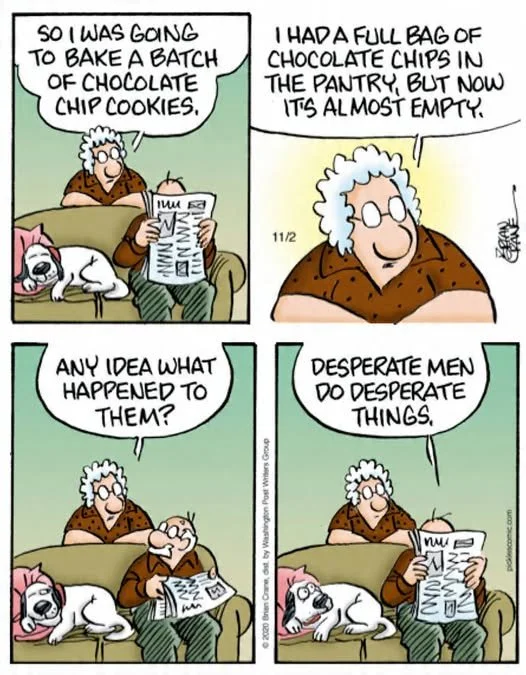
Mot: . Who Makes the bestest Valentines????

Mot: Desperate Men
Seeds of Wisdom RV and Economics Updates Wednesday Evening 2-11-26
Seeds of Wisdom RV and Economics Updates Wednesday Evening 2-11-26
Good Evening Dinar Recaps,
High-Stakes Summit: Netanyahu Pushes Trump to Broaden Iran Deal
White House talks could reshape nuclear diplomacy and Middle East security dynamics
Seeds of Wisdom RV and Economics Updates Wednesday Evening 2-11-26
Good Evening Dinar Recaps,
High-Stakes Summit: Netanyahu Pushes Trump to Broaden Iran Deal
White House talks could reshape nuclear diplomacy and Middle East security dynamics
Overview
U.S. President Donald Trump will host Israeli Prime Minister Benjamin Netanyahu at the White House on Wednesday, with Iran expected to dominate discussions amid renewed nuclear negotiations and heightened regional tensions.
This marks Netanyahu’s seventh visit with Trump since the president returned to office nearly 13 months ago — underscoring strong coordination, but also revealing potential policy divergences over the scope of U.S.–Iran diplomacy and the future of Gaza.
At the center of the meeting: whether negotiations with Tehran remain limited to nuclear restrictions or expand to address Iran’s missile program and regional proxy network.
Key Developments
Israel Seeks Expanded Negotiation Framework
Netanyahu is expected to press Trump to widen ongoing nuclear discussions to include Iran’s ballistic missile capabilities and its support for groups such as Hamas and Hezbollah. Israeli officials fear a narrow nuclear deal could leave Iran’s broader regional influence intact.
Iran, however, has stated negotiations remain confined to nuclear matters and has ruled out restrictions on its missile program.
Diplomacy Paired With Military Signaling
Trump has reiterated that any agreement must guarantee Iran has “no nuclear weapons,” and has hinted at tougher measures if negotiations fail. Reports indicate the U.S. may deploy a second aircraft carrier strike group to the region, reinforcing deterrence amid ongoing talks.
The United States previously supported Israeli strikes on Iranian nuclear facilities during a 12-day conflict last June, significantly damaging Iran’s air defenses. Israeli officials believe Tehran is now attempting to rebuild key capabilities.
Gaza Ceasefire & Regional Stability
Gaza is also expected to feature prominently in discussions. Trump has advanced a 20-point ceasefire and reconstruction framework aimed at ending the war and stabilizing the enclave. Progress remains stalled over issues such as phased Israeli withdrawal and Hamas disarmament.
Differences may also surface over Palestinian statehood. Trump has signaled openness to a broader peace framework, while Netanyahu maintains long-standing opposition to Palestinian statehood and annexation debates continue to spark international concern.
Strategic Balance in Flux
Iran’s regional influence has been weakened by Israeli military operations and setbacks across Gaza, Lebanon, Yemen, Iraq, and Syria. However, Israeli leadership remains wary of Tehran’s capacity to regroup.
For Washington, the challenge is balancing diplomatic engagement with credible deterrence. For Jerusalem, the objective is ensuring U.S. negotiations address what it views as the full spectrum of Iranian threats.
Why It Matters
This meeting could determine:
Whether U.S.–Iran talks remain nuclear-focused or expand strategically
The degree of U.S.–Israel policy alignment going forward
The trajectory of Middle East stability in 2026
The balance between diplomacy and military deterrence
Markets and global energy stakeholders are closely watching developments, as escalation risks in the region can directly affect oil prices, trade routes, and investor sentiment.
Why It Matters to Foreign Currency Holders
Geopolitical shifts of this scale influence:
Energy market volatility
Safe-haven currency flows (USD, gold)
Defense sector and regional infrastructure investments
Broader risk sentiment across emerging markets
Any escalation or breakdown in negotiations could trigger rapid capital movement into traditional safe assets.
Conversely, a structured agreement could stabilize regional risk premiums and reduce volatility in energy-linked currencies.
Implications for the Global Reset
Pillar 1: Energy & Security Realignment
Middle East stability directly impacts global energy pricing and reserve currency demand. A durable agreement could lower geopolitical premiums embedded in oil markets.
Pillar 2: Strategic Alliance Calibration
The outcome will test whether long-standing U.S.–Israel alignment remains unified amid shifting diplomatic strategies and evolving global power balances.
This is not just diplomacy — it is a recalibration of security architecture in a region central to global finance and energy stability.
All information compiled from publicly available diplomatic and international media reporting.
Seeds of Wisdom Team
Newshounds News™ Exclusive
Sources
~~~~~~~~~~
Ripple Expands UAE Footprint, Linking RLUSD with Dirham Stablecoin AEDZ
Cross-border settlement infrastructure deepens as stablecoins evolve into regulated financial rails
Overview
Ripple has expanded its partnership with UAE-based Zand Bank to strengthen stablecoin infrastructure in the Middle East. The collaboration connects Ripple’s U.S. dollar-pegged stablecoin, RLUSD, with Zand Bank’s dirham-backed stablecoin, AEDZ.
The move advances custody services, cross-border settlement efficiency, liquidity bridges between stablecoins, and potential issuance of AEDZ on the XRP Ledger. This signals a broader transformation: stablecoins are evolving from trading tools into regulated financial infrastructure.
Key Developments
1. RLUSD and AEDZ Liquidity Bridge
Ripple and Zand Bank plan to establish direct liquidity connectivity between RLUSD (USD-pegged) and AEDZ (AED-pegged). This would:
Improve cross-currency settlement efficiency
Reduce reliance on traditional correspondent banking
Enable faster institutional payment flows
Strengthen regional digital asset interoperability
By linking two regulated stablecoins, the partnership builds a programmable FX corridor between the U.S. dollar and UAE dirham.
2. Regulatory-Compliant Custody Integration
Zand Bank will support RLUSD within a compliant digital-asset custody framework. The UAE has positioned itself as a forward-leaning jurisdiction for digital finance, and both Abu Dhabi and Dubai regulators have approved structured usage of RLUSD under licensing guidelines.
This signals increasing regulatory normalization of stablecoins within traditional banking environments.
3. AEDZ Potential Issuance on XRP Ledger
The partnership includes discussions around issuing AEDZ directly on the XRP Ledger. If executed, this would:
Expand the XRP Ledger’s role in sovereign-linked token issuance
Enhance settlement speed and cost efficiency
Create programmable liquidity channels between fiat-backed digital assets
This development further integrates public blockchain rails into regulated banking ecosystems.
4. Stablecoins Expanding Beyond Trading
The collaboration illustrates a structural shift: stablecoins are no longer limited to crypto exchange liquidity. They are becoming tools for:
Corporate treasury management
Cross-border settlement
Tokenized asset infrastructure
Regulated payment corridors
The Middle East is emerging as a testing ground for these integrations.
Why It Matters
The UAE continues positioning itself as a digital finance hub bridging East and West. Ripple’s deeper integration with Zand Bank demonstrates:
Stablecoin infrastructure moving into formal banking channels
Regional currencies gaining programmable settlement capabilities
Increased interoperability between dollar-pegged and local-currency digital assets
This reduces friction in global payments and potentially bypasses legacy systems like SWIFT for certain transaction corridors.
Why It Matters to Foreign Currency Holders
For currency holders observing global monetary restructuring:
Dirham-backed stablecoin infrastructure strengthens regional currency digitization
Direct USD-AED digital bridges could influence settlement patterns
Stablecoin liquidity corridors may alter future reserve usage dynamics
Tokenized finance reduces settlement delays and counterparty exposure
Digital rails are increasingly layered on top of sovereign currencies rather than replacing them.
Implications for the Global Reset
Pillar 1: Digitized Fiat Infrastructure
The partnership reflects a broader shift toward fiat-backed stablecoins operating within regulatory frameworks. Rather than decentralized monetary replacement, the trend is regulated digitization of sovereign currencies.
Pillar 2: Regional Settlement Realignment
By enabling programmable liquidity bridges between USD and AED stablecoins, this move supports a multipolar settlement environment. Financial hubs like the UAE are becoming strategic intermediaries in global payment restructuring.
This is not speculative crypto expansion — it is the institutional wiring of digital currency infrastructure.
This is not just a partnership — it’s the building of programmable currency corridors within the evolving global financial system.
Seeds of Wisdom Team
Newshounds News™ Exclusive
Sources
~~~~~~~~~~
Yuan Breakout: China Curbs U.S. Treasuries as BRICS Currency Hits 2023 High
Beijing’s reserve strategy shift fuels dollar weakness and global diversification momentum
Overview
The Chinese yuan has surged to its strongest level against the U.S. dollar since May 2023, trading around 6.91 per dollar, following reports that Chinese regulators urged domestic banks to curb purchases of U.S. Treasuries.
The move is being interpreted as part of a broader strategic reserve diversification effort—one that is reinforcing BRICS currency positioning while amplifying pressure on the U.S. dollar.
China currently holds $682.6 billion in U.S. government debt (as of November 2025), ranking as the third-largest foreign holder behind Japan and the United Kingdom. However, signals from Beijing suggest a recalibration of exposure to U.S. sovereign debt markets.
The yuan is now on track for its seventh consecutive monthly gain, its longest streak since 2020–2021, and has appreciated roughly 5% since the start of 2025.
Key Developments
Chinese Regulators Signal Treasury Reduction
Bloomberg reported that Chinese officials advised banks to limit additional U.S. Treasury purchases, though the directive does not apply to existing state holdings. Analysts view this as a measured but strategic shift in reserve allocation policy ahead of recent high-level U.S.–China discussions.
Yuan Strength Fuels Broader Dollar Selling
Market strategists say yuan appreciation is contributing to broader U.S. dollar weakness. Chris Weston of Pepperstone noted that the People’s Bank of China (PBOC) appears more tolerant of a stronger yuan, creating tailwinds for pro-cyclical currencies and China-linked markets.
Inflation & Rate Concerns Surface in U.S.
Economist Peter Schiff warned that if China slows Treasury buying, the Federal Reserve may need to absorb more issuance—potentially increasing inflationary pressures. Senator Elizabeth Warren similarly cautioned that reduced foreign demand for Treasuries could translate into higher U.S. borrowing costs for mortgages and auto loans.
Global Reserve Diversification Accelerates
China’s move aligns with a broader pattern. Danish pension fund AkademikerPension reportedly plans to reduce U.S. Treasury exposure due to fiscal sustainability concerns. Meanwhile, foreign ownership of U.S. debt has fallen from nearly 40% in 2010 to roughly 15% today. The Federal Reserve has also reduced its balance sheet by approximately $1.5 trillion since May 2022.
Why It Matters
The yuan’s breakout is not merely a currency fluctuation — it reflects:
Strategic reserve realignment
Growing skepticism about long-term U.S. fiscal sustainability
Increasing global appetite for diversification away from dollar assets
If major holders gradually reduce Treasury exposure while the Fed continues balance sheet contraction, liquidity and yield volatility could intensify.
The shift also reinforces China’s ambition to position the yuan as a stronger player in cross-border trade settlement within the BRICS framework.
Why It Matters to Foreign Currency Holders
For those watching global monetary realignment:
A stronger yuan strengthens the case for multi-polar reserve structures
Reduced Treasury demand pressures U.S. rates higher
Sustained dollar weakness supports commodity-linked and emerging market currencies
BRICS trade settlement diversification gains credibility
This is not sudden de-dollarization — it is strategic, incremental repositioning.
Implications for the Global Reset
Pillar 1: Reserve Diversification Accelerates
Central banks and institutional funds are gradually reassessing sovereign credit exposure. The decline in foreign-held U.S. debt suggests structural—not cyclical—adjustments.
Pillar 2: Currency Power Rebalancing
The yuan’s strength, combined with BRICS payment system development, signals a shift toward a more distributed global currency architecture.
This is not just FX volatility — it is long-term reserve recalibration unfolding in real time.
All information compiled from publicly available financial reporting and institutional data.
Seeds of Wisdom Team
Newshounds News™ Exclusive
Sources
• Watcher Guru – BRICS: Yuan Hits 2023 High vs Dollar After China Limits US Bonds
• Bloomberg – China Urges Banks to Curb Treasury Purchases
• U.S. Treasury TIC Data – Major Foreign Holders of Treasury Securities
~~~~~~~~~~
Seeds of Wisdom Team RV Currency Facts Youtube and Rumble
Newshound's News Telegram Room Link
RV Facts with Proof Links Link
RV Updates Proof links - Facts Link
Follow the Gold/Silver Rate COMEX
Follow Fast Facts
Seeds of Wisdom Team™ Website
Thank you Dinar Recaps
The Global Dollar Reserve Currency Era Just Ended
The Global Dollar Reserve Currency Era Just Ended
Arcadia Economics: 2-11-2026
The global economy is undergoing a significant transformation, with far-reaching implications for the world’s financial systems, trade dynamics, and precious metals markets.
In a recent discussion, Vince Lanci highlighted the eroding status of the US dollar as the global reserve currency, a trend that is gaining momentum and has profound consequences for the global economy.
The Global Dollar Reserve Currency Era Just Ended
Arcadia Economics: 2-11-2026
The global economy is undergoing a significant transformation, with far-reaching implications for the world’s financial systems, trade dynamics, and precious metals markets.
In a recent discussion, Vince Lanci highlighted the eroding status of the US dollar as the global reserve currency, a trend that is gaining momentum and has profound consequences for the global economy.
The acknowledgment by Marco Rubio that the US dollar is losing its dominance as the global reserve currency marks a significant shift in the global economic landscape.
The recent trade agreement between Brazil and China, where they opted to transact in their own currencies rather than the dollar, exemplifies this trend.
As regional reserve currencies begin to replace the dollar’s singular dominance, the US’s ability to enforce sanctions and maintain economic control globally is being undermined.
This multipolar global economy is characterized by a decline in the dollar’s influence, and the emergence of new regional reserve currencies. As a result, countries are seeking alternatives to the dollar for international transactions, reducing their dependence on the US currency.
This development has significant implications for the global economy, as it challenges the US’s long-standing economic hegemony.
The discussion also shed light on the precious metals market, particularly gold and silver. A crucial distinction was made between monetary and nonmonetary gold.
While all gold is inherently monetary, only gold in specific forms and purity is classified as monetary gold. In contrast, gold used in jewelry or industrial applications is termed nonmonetary gold.
Interestingly, the US’s export of nonmonetary gold often results in foreign countries converting it into monetary gold, effectively transferring US economic gold to foreign monetary gold reserves.
The increasing gold purchases by Tether, a stablecoin issuer, suggest strategic positioning in response to global financial uncertainties. Tether’s accumulation of gold beyond its immediate needs signals a growing recognition of the metal’s importance as a safe-haven asset.
This development is particularly noteworthy, given the ongoing economic and geopolitical tensions that are driving investors towards precious metals.
The conversation also touched on recent market movements in precious metals and commodities, noting normal price behaviors and speculating on potential near-term trends in silver and gold prices.
As the global economy continues to evolve, the demand for precious metals is likely to increase, driven by investors seeking safe-haven assets and countries looking to diversify their reserves.
In an interview with Jim McDonald of Kuene Silver, the company’s significant silver reserves and potential leverage to future silver price increases were highlighted. As mining companies like Kuene Silver play an increasingly important role in the precious metals market, their ability to capitalize on fluctuating metal prices will be closely watched.
In conclusion, the shifting global economic landscape is having a profound impact on the precious metals market, particularly gold and silver.
As the US dollar’s dominance as the global reserve currency continues to erode, countries and investors are turning to alternative assets, including precious metals.
The implications of this trend are far-reaching, and will likely continue to shape the global economy and precious metals markets in the years to come.
Seeds of Wisdom RV and Economics Updates Wednesday Afternoon 2-11-26
Good Morning Dinar Recaps,
How Trump Could Turn Puerto Rico into the Singapore of the Caribbean
Energy reform, governance shifts, and trade law constraints shape the island’s economic future
Good Morning Dinar Recaps,
How Trump Could Turn Puerto Rico into the Singapore of the Caribbean
Energy reform, governance shifts, and trade law constraints shape the island’s economic future
Overview
Puerto Rico’s high electricity costs are not primarily driven by fuel scarcity — they are driven by policy structure. Despite the United States being the world’s largest LNG exporter, Puerto Rico has faced barriers to sourcing domestic liquefied natural gas due to Financial Oversight Board decisions and longstanding federal shipping laws.
Following leadership changes under President Donald Trump, approval for U.S. LNG sourcing moved forward. However, the Jones Act continues to require U.S.-flagged vessels for domestic maritime shipping, creating costly detours and inflating energy prices.
The broader question is whether structural reform could reposition Puerto Rico as a low-tax, energy-efficient financial and trade hub — the “Singapore of the Caribbean.”
Key Developments
1. LNG Access Approved — Structural Constraints Remain
Puerto Rico had previously been blocked from directly sourcing U.S. LNG under Financial Oversight Board decisions tied to fiscal restructuring under PROMESA. After board reshaping, U.S. LNG sourcing received approval.
However, the Jones Act mandates that goods shipped between U.S. ports must travel on U.S.-built, U.S.-flagged, and U.S.-crewed vessels. Because there are limited LNG carriers meeting those requirements, Puerto Rico often faces higher logistical costs.
2. Policy-Driven Power Inflation
The United States exports significant LNG globally, yet Puerto Rico may pay more for energy due to routing inefficiencies and regulatory layers. Higher electricity prices:
Raise manufacturing and operating costs
Reduce investment competitiveness
Suppress capital inflows
Constrain long-term growth
The issue is not supply — it is governance architecture.
3. Governance as an Economic Lever
Puerto Rico’s Financial Oversight and Management Board, established under PROMESA, has broad authority over fiscal and infrastructure decisions. Leadership direction and federal alignment influence:
Energy procurement strategy
Utility restructuring
Infrastructure investment
Public-private energy projects
Reform in governance mechanisms could accelerate modernization and reduce price distortion.
4. Strategic Repositioning Potential
If energy costs are reduced and regulatory friction eased, Puerto Rico could leverage:
Strategic geographic location between North and South America
U.S. legal framework and dollar backing
Tax incentives for business and capital migration
LNG-based power stabilization
These elements could position the island as a financial, logistics, and digital commerce hub in the Caribbean basin.
Why It Matters
Energy pricing is foundational to economic stability. When law overrides efficient market access, price signals distort capital allocation.
Lower-cost, reliable energy:
Strengthens manufacturing competitiveness
Encourages foreign direct investment
Stabilizes fiscal projections
Enhances currency-backed confidence
Conversely, structurally inflated costs suppress growth even when resources are abundant.
Why It Matters to Currency Holders
For currency holders and global reset observers:
Energy reform strengthens dollar-backed territories
Governance alignment influences regional trade flows
Shipping law constraints illustrate how statutory frameworks shape economic velocity
Infrastructure modernization impacts capital migration trends
Puerto Rico’s trajectory could influence broader discussions about U.S. territorial economic restructuring and trade law modernization.
Implications for the Global Reset
Primary Pillar: Finance
Energy efficiency directly impacts fiscal balance, capital efficiency, and long-term debt sustainability.
Secondary Pillars: Law · Governance · Trade & Infrastructure
This is fundamentally a systems issue. Legal structures — not supply shortages — determine pricing outcomes. Reforming statutory constraints could unlock growth without requiring new resource discovery.
The larger lesson extends beyond Puerto Rico: governance architecture can either amplify abundance or restrict it.
If structural reforms align with market access, Puerto Rico could transition from constrained territory to regional economic catalyst.
This is not an energy shortage — it is a governance design question with financial consequences.
Seeds of Wisdom Team
Newshounds News™ Exclusive
Sources
U.S. Maritime Administration — “Jones Act Overview”
https://www.maritime.dot.gov/ports/jones-actU.S. Energy Information Administration (EIA) — “Natural Gas Data & LNG Exports”
https://www.eia.gov/naturalgas/New Fortress Energy — “LNG Operations & Puerto Rico Projects”
https://www.newfortressenergy.com/Puerto Rico Financial Oversight and Management Board (PROMESA) — Official Site
https://oversightboard.pr.gov/
~~~~~~~~~~
Seeds of Wisdom Team RV Currency Facts Youtube and Rumble
Newshound's News Telegram Room Link
RV Facts with Proof Links Link
RV Updates Proof links - Facts Link
Follow the Gold/Silver Rate COMEX
Follow Fast Facts
Seeds of Wisdom Team™ Website
Thank you Dinar Recaps
Gold to Become the New Monetary Standard
Gold to Become the New Monetary Standard
VRIC Media: 2-10-2026
The United States is facing an unprecedented economic and manufacturing crisis, with far-reaching consequences for the nation’s future.
A recent video analysis by VRIC Media sheds light on the intricate web of factors contributing to this crisis, including the roles of gold, debt, and monetary policy.
Gold to Become the New Monetary Standard
VRIC Media: 2-10-2026
The United States is facing an unprecedented economic and manufacturing crisis, with far-reaching consequences for the nation’s future.
A recent video analysis by VRIC Media sheds light on the intricate web of factors contributing to this crisis, including the roles of gold, debt, and monetary policy.
The discussion is both alarming and enlightening, offering a glimpse into the potential trajectory of America’s economic landscape.
At the heart of the issue lies Triffin’s Dilemma, a concept that highlights the inherent contradictions of the U.S. dollar’s status as the global reserve currency. This has led to trade imbalances and the outsourcing of manufacturing to countries with cheaper labor costs, ultimately eroding America’s industrial base.
The rapid advancement of artificial intelligence (AI) further exacerbates the problem, threatening to eliminate millions of jobs and widening economic inequality in a K-shaped recovery.
Despite being overlooked or dismissed by many, gold is playing a pivotal role in the unfolding economic strategy.
A significant surge in gold imports into the U.S. signals a substantial shift among central banks and sophisticated traders, who are accumulating physical gold in anticipation of dollar devaluation.
This movement, largely invisible to main stream media and retail investors, underscores the growing recognition of gold’s importance as a safe-haven asset.
The video analysis proposes a two-part plan to restore American manufacturing and economic stability.
The first component is the Genius Act, which aims to revolutionize money movement in the U.S. by mandating stablecoins backed by short-term U.S. Treasuries for instant payments. This will create synthetic demand for Treasury bills, suppressing interest rates and funneling the earned interest to stablecoin issuers, who are expected to reinvest heavily in gold.
As a result, the price of gold is likely to rise, further devaluing the dollar.
The second element involves pegging long-term U.S. government bonds to gold, effectively linking the dollar’s value to the rising price of gold.
According to Judy Shelton, a key economic advisor and former Fed nominee, this peg is expected to debut on July 4, 2026, the nation’s 250th anniversary. The introduction of zero-coupon, gold-backed bonds will enable the U.S. to borrow at ultra-low or zero interest rates, funding the return of manufacturing to American soil.
As the dollar’s value declines, American goods will become competitively priced globally, fostering economic recovery.
The speaker warns that failure to adopt this plan will lead to economic collapse, emphasizing that saving in dollars now will result in financial ruin.
The rising gold price and falling dollar value are inevitable, and only a contrarian understanding of these forces can protect wealth in the coming years.
The video concludes with a call to recognize the “golden dots” connecting America’s economic future, urging viewers to understand the critical role gold and innovative monetary policy will play in restoring prosperity.
The United States is at a crossroads, facing a complex economic crisis that requires a comprehensive solution. The proposed plan, centered on gold and monetary policy reform, offers a potential path forward.
As the situation continues to unfold, it is essential to stay informed and adapt to the changing landscape. For those seeking to protect their wealth and navigate the uncertain economic future, understanding the critical role of gold and innovative monetary policy is crucial.
To gain a deeper understanding of the issues discussed in this blog post, watch the full video analysis by VRIC Media. The video provides a detailed examination of the United States’ economic crisis and the proposed plan to restore prosperity.
By staying informed and recognizing the “golden dots” connecting America’s economic future, viewers can position themselves for success in the years to come.
Seeds of Wisdom RV and Economics Updates Wednesday Morning 2-11-26
Good Morning Dinar Recaps,
Fed Signals Cooling Crypto Momentum as Markets Integrate with Traditional Finance
Federal Reserve commentary highlights volatility, regulatory delays, and structural shifts in digital asset markets
Good Morning Dinar Recaps,
Fed Signals Cooling Crypto Momentum as Markets Integrate with Traditional Finance
Federal Reserve commentary highlights volatility, regulatory delays, and structural shifts in digital asset markets
Overview
Federal Reserve Governor Chris Waller stated that the post-election crypto enthusiasm has begun to fade as digital assets become more deeply integrated with traditional finance (TradFi). While dismissing recent price volatility as “part of the game,” Waller pointed to risk recalibration among mainstream financial firms and ongoing regulatory uncertainty as contributing factors.
At the same time, the Federal Reserve is moving forward with plans for limited-access “payment accounts” — also known as “skinny master accounts” — for fintech and crypto firms, signaling a structured but cautious integration of digital finance into the U.S. banking system.
Key Developments
1. Crypto Euphoria Fading
Waller acknowledged that optimism tied to the current U.S. administration has cooled. The surge in institutional participation elevated valuations, but as risk conditions shifted, mainstream financial firms adjusted exposure — triggering broader market pullbacks.
Bitcoin has retraced sharply from its October highs, reflecting volatility that Waller characterized as inherent to the asset class.
2. TradFi Integration Amplifying Market Moves
Increased participation from traditional financial institutions has amplified both upside and downside price movements. As hedge funds, asset managers, and financial firms adjust portfolio allocations, crypto markets now respond more directly to broader liquidity and risk cycles.
This marks a structural transition: crypto is no longer isolated — it is increasingly synchronized with macroeconomic forces.
3. Regulatory Uncertainty Remains
Waller pointed to Congress’s delay in passing a comprehensive crypto market structure bill as a source of uncertainty. Without clear federal guidelines, institutional players remain cautious, affecting capital flows and investor confidence.
Regulatory clarity is becoming a key variable in crypto’s long-term stability.
4. “Skinny Master Accounts” Coming in 2026
The Federal Reserve plans to roll out limited-access payment accounts for fintech and crypto firms this year. These accounts would:
Allow limited interaction with the central banking system
Not earn interest
Have balance caps
The initiative aims to support innovation while protecting financial system stability — a balancing act between modernization and control.
Why It Matters
The Fed’s tone suggests a shift from speculative expansion toward structured integration. As crypto becomes intertwined with traditional finance:
Volatility increasingly mirrors broader macro conditions
Regulatory clarity becomes critical
Central banks move to define boundaries rather than exclude the sector
This is less about banning crypto — and more about absorbing it into the regulated financial architecture.
Why It Matters to Foreign Currency Holders
Digital assets, central bank access frameworks, and regulatory modernization all intersect with the broader restructuring of global finance.
For currency holders:
Integration of crypto into regulated banking reduces systemic unpredictability
Central bank oversight over fintech access suggests tighter monetary control
Payment system modernization aligns with global shifts toward digital settlement systems
This is not a collapse of crypto — it is institutional containment and assimilation.
Implications for the Global Reset
Pillar 1: Monetary Control Modernization
Central banks are redefining how private digital finance interacts with sovereign systems. Payment accounts for crypto firms indicate controlled access rather than exclusion — a sign of strategic adaptation.
Pillar 2: Market Discipline & Risk Repricing
As speculative hype fades, markets are repricing crypto based on liquidity conditions, regulation, and macro risk. This mirrors broader reset themes — capital flowing toward stability, transparency, and oversight.
The transition from enthusiasm to integration marks a maturing phase in digital finance’s role within the global system.
This is not just crypto volatility — it’s the institutional restructuring of digital finance within the global monetary framework.
Seeds of Wisdom Team
Newshounds News™ Exclusive
Sources
Cointelegraph — “Fed’s Waller says crypto hype ‘fading’ with TradFi tie-ins”
Reuters — “Federal Reserve officials discuss crypto oversight and payment system access”
~~~~~~~~~~
Macron Sounds Alarm on U.S. Ties, Calls for EU Power Reset
France urges strategic autonomy as Washington and Beijing reshape global power dynamics
Overview
French President Emmanuel Macron has warned that Europe must prepare for renewed friction with the United States, cautioning that any temporary easing of tensions under President Donald Trump should not be mistaken for lasting stability. Speaking to multiple European outlets, Macron described what he called the “Greenland moment” — U.S. pressure over territory, trade, technology, and regulatory power — as a wake-up call for the European Union.
His message is clear: Europe must strengthen its strategic autonomy, reform its economic model, and reduce dependency on external powers.
Key Developments
1. Warning of Renewed Transatlantic Friction
Macron argued that Washington’s posture toward Europe has become increasingly confrontational. He accused the U.S. administration of pursuing policies that undermine EU cohesion and economic sovereignty. Trade disputes, digital regulation enforcement, and tariff threats are expected to intensify if the EU presses forward with its Digital Services Act against major American technology firms.
Macron stressed that appeasement has failed to prevent escalating tensions.
2. The “Double Shock”: U.S. and China
Macron framed Europe’s challenge as a two-front economic and geopolitical test:
China presents what he described as a “trade tsunami,” pressuring Europe’s industrial base through competitive exports and state-backed production capacity.
The United States introduces unpredictability, using tariffs, regulatory pressure, and geopolitical leverage that destabilize European planning.
Together, these forces represent a structural rupture in the global order that Europe must confront collectively.
3. Push for EU Reform and Common Borrowing
Ahead of an EU summit in Belgium, Macron renewed calls for:
Reviving stalled economic reforms
Deepening fiscal coordination
Expanding common EU borrowing mechanisms
Financing large-scale strategic investments
He also reiterated support for a “Made in Europe” industrial strategy to prioritize domestic production and reduce reliance on both the U.S. and China. Macron insists this is about strategic protection — not protectionism.
4. Internal EU Tensions Remain
While Macron’s vision calls for stronger fiscal integration and industrial coordination, resistance from fiscally conservative EU member states remains a major obstacle. The debate centers on whether Europe is ready to evolve from a rules-based economic bloc into a geopolitical power center.
Why It Matters
Macron’s remarks reflect more than a policy disagreement — they signal a broader reassessment of Europe’s place in the global hierarchy.
If the EU accelerates fiscal integration, common borrowing, and industrial preference policies, it would mark a significant shift toward:
Reduced reliance on U.S. monetary dominance
Stronger euro-zone financial architecture
Strategic economic independence
Such moves could reshape capital flows, trade alliances, and the balance of transatlantic influence.
Why It Matters to Foreign Currency Holders
For currency holders and global reset observers, this development is critical:
Increased EU borrowing could strengthen euro-denominated financial instruments
Strategic autonomy efforts may reduce dollar dependence in trade
Industrial consolidation within Europe could shift trade settlement patterns
Transatlantic tensions could influence bond markets and reserve allocation decisions
Europe redefining its relationship with Washington alters global monetary alignment.
Implications for the Global Reset
Pillar 1: Multipolar Monetary Evolution
Macron’s push for reduced dependency and greater EU fiscal coordination aligns with broader trends toward a multipolar financial order. The euro’s strategic positioning could strengthen if integration deepens.
Pillar 2: Sovereign Industrial Realignment
A “Made in Europe” doctrine reflects the growing global shift toward regional manufacturing resilience — a key reset theme seen across the U.S., China, and BRICS economies.
The underlying message is clear: economic blocs are hardening, alliances are recalibrating, and monetary power is increasingly tied to industrial control.
This is not just diplomatic rhetoric — it is structural positioning within a transforming global system.
This is not just transatlantic tension — it’s Europe deciding whether to remain a market or become a geopolitical power.
Seeds of Wisdom Team
Newshounds News™ Exclusive
Sources
Modern Diplomacy — “Macron Sounds Alarm on U.S. Ties, Calls for EU Power Reset”
Reuters — “Macron urges Europe to strengthen strategic autonomy amid U.S. tensions”
~~~~~~~~~~
🌱 A Message to Our Currency Holders🌱
If you’ve been holding foreign currency for many years, you were not foolish.
You were not wrong to believe the global financial system would change.
What failed was not your patience — it was the information you were given.
For years, dates, rumors, and personalities replaced facts, structure, and proof. “This week” predictions created cycles of hope and disappointment that were never based on how currencies actually change.
That is not your failure.
Our mission here is different: • No dates • No rates • No hype • No gurus
Instead, we focus on:
• Verifiable developments • Institutional evidence
• Global financial structure • Where countries actually sit in the process
Currency value changes only come after sovereignty, trade, banking, settlement systems, and fiscal coordination are in place. History and institutions confirm this sequence.
You will see silence. You will see denials. That is not delay — that is discipline.
Protect your identity. Organize your documents. Verify everything.
Never hand your discernment to anyone who cannot show proof.
You deserve truth — not timelines.
Seeds of Wisdom Team
Newshounds News
~~~~~~~~~~
Seeds of Wisdom Team RV Currency Facts Youtube and Rumble
Newshound's News Telegram Room Link
RV Facts with Proof Links Link
RV Updates Proof links - Facts Link
Follow the Gold/Silver Rate COMEX
Follow Fast Facts
Seeds of Wisdom Team™ Website
Thank you Dinar Recaps
Iraq Economic News and Points To Ponder Wednesday Morning 2-11-26
The Federal Court Dismisses The Lawsuit Filed Against The Customs Tariff.
Money and Business Economy News – Baghdad Member of Parliament Mohammed Al-Khafaji announced on Wednesday that the Supreme Federal Court had rejected the lawsuit filed against Resolution 957 concerning customs identification. Al-Khafaji wrote in a post on the social networking site Facebook today that "the lawsuit related to increasing the customs tariff was dismissed due to the lack of a legitimate interest."
The Federal Court Dismisses The Lawsuit Filed Against The Customs Tariff.
Money and Business Economy News – Baghdad Member of Parliament Mohammed Al-Khafaji announced on Wednesday that the Supreme Federal Court had rejected the lawsuit filed against Resolution 957 concerning customs identification. Al-Khafaji wrote in a post on the social networking site Facebook today that "the lawsuit related to increasing the customs tariff was dismissed due to the lack of a legitimate interest."https://economy-news.net/content.php?id=65586
Iraq Advances In The Corruption Perceptions Index Report
Money and Business Economy News – Baghdad Iraq has made progress in the Corruption Perceptions Index report issued by Transparency International, as its score rose for the first time to (28) points, advancing four places, in a step that reflects the increasing pace of reforms and national efforts in the field of integrity and combating corruption.
The Integrity Commission’s media office stated in a statement received by “Al-Eqtisad News” that “this progress is due to a number of ongoing governmental and judicial measures and the efforts of oversight bodies to facilitate procedures within service departments, reduce opportunities for direct contact between the employee and the client, as well as the implementation of the National Strategy for Integrity and Combating Corruption, and the accelerated procedures in the field of digital transformation and e-governance.”
“Iraq’s commitment to international and regional anti-corruption agreements, expanding partnerships with the private sector and civil society, involving youth and women in integrity efforts, achieving advanced levels of electoral integrity, and striving to pass a law on the right to access information have all contributed to strengthening this positive path.”
He noted that "this progress confirms that Iraq is moving steadily towards improving its international standing and consolidating the international community's confidence in its efforts to combat corruption and build more transparent and efficient institutions."
It is noted that the Commission has intensified its cooperation and coordination with Transparency International in its endeavor to advance in the Corruption Perceptions Index issued by the organization. The latest of these activities was a meeting that brought together the head of the Iraqi delegation to the Conference of the States Parties to the United Nations Convention against Corruption, the head of the Federal Integrity Commission, Dr. (Mohammed Ali Al-Lami), with the head of Transparency International, Mr. (François Valérien), in the Qatari capital, Doha.https://economy-news.net/content.php?id=65553
UN: Digital Transformation In Iraq Reduces Corruption Risks And Strengthens Institutional Confidence
INA–Baghdad The United Nations Development Programme’s (UNDP) project to strengthen arbitration and combat corruption in Iraq confirmed on Tuesday that Iraq’s score of 28 out of 100 on the 2025 Corruption Perceptions Index reflects ongoing reform efforts. While noting that the National Anti-Corruption Strategy has enhanced institutional coordination, the project emphasized that Iraq’s expansion in digital public services has contributed to reducing opportunities for corruption.
Project Manager Yama Torabi told the Iraqi News Agency (INA) that Iraq’s score “was not surprising to many Iraqis, given the accumulated effects of corruption on citizens, particularly in obtaining licenses and approvals, accessing public services, and building trust in institutions.
” He added that “the fundamental question is not whether corruption exists, but what this result reveals about Iraq’s current position and its potential for future development.”
Torabi explained that the Corruption Perceptions Index is often misunderstood as a simple numerical ranking, whereas it is, in fact, a confidence indicator reflecting the views of citizens, the business community, investors, and international partners regarding the reliability of state institutions, the consistency of rule enforcement, the reality of accountability, and the sustainability of reforms.
He stressed the importance of the index for Iraq, noting that its direct impact influences the decisions of investors, lenders, and development partners, who rely on it to assess risks and determine the nature of economic engagement—whether short-term or long-term, speculative or productive, and limited or broad-based.
Torabi noted that Iraq has taken clear steps in recent years to strengthen its anti-corruption framework, including the National Anti-Corruption Strategy (2021–2025), which helped align institutions around shared priorities. He also pointed to the preparation of a follow-up strategy for 2025–2030, reflecting the intention to sustain reform efforts.
He observed that perception indicators, including the Corruption Perceptions Index, tend to improve very slowly, particularly at the stage where plans and announcements must be translated into consistent institutional practices.
In this context, he emphasized that institutions such as the Federal Integrity Commission and its counterpart in the Kurdistan Region are expected to go beyond case investigations and contribute to building a comprehensive integrity system encompassing prevention, oversight, coordination, and inter-agency cooperation.
Torabi explained that this shift reflects a broader understanding of corruption as not merely a legal issue but a governance challenge that arises when power remains unchecked, rules are unclear, and enforcement is uneven.
He noted that international experiences show many countries stumble after adopting strategies, before institutions are able to demonstrate equal application of rules across sectors and political phases.
He described Iraq as being in a similarly challenging consolidation phase, highlighting digital transformation as one of the most prominent examples. He stressed that Iraq’s expansion in digital public services—such as passport issuance, national ID cards, and the government portal—has reduced direct interaction, thereby limiting opportunities for corruption, enhancing transparency through standardized procedures, and increasing traceability. He added that these measures have been met with tangible public approval.
Torabi pointed out that international experience confirms digital transformation alone does not enhance credibility unless it is embedded within broader governance reforms. He cited Georgia and Estonia as examples where digitalization was accompanied by administrative and institutional reforms that strengthened discipline and accountability, making technology an essential tool for enforcing institutional rules.
He emphasized that digital transformation is fundamentally a governance choice, explaining that technology can build trust and limit discretionary power when rules are clear and oversight is effective. Conversely, digital systems may replicate existing power imbalances if these conditions are absent.
Torabi underscored the importance of digital public infrastructure that shifts the focus from individual services to integrated foundational systems through which institutional credibility is built on a wider scale. He noted that the Corruption Perceptions Index also reflects the daily concerns of Iraqis regarding equal rule enforcement, the independence of oversight bodies, and the consistency of accountability mechanisms.
He added that these challenges intersect with environmental and climate-related pressures, such as water scarcity, land degradation, and climate investment requirements, which further heighten the need for integrity and transparency in governance. He stressed that Iraq’s low score in the 2025 index highlights a gap between reform intentions and citizens’ lived experience.
Torabi concluded by emphasizing that UNDP’s engagement in Iraq—including its project to strengthen arbitration and combat corruption for environmental justice—focuses on institutionalizing reform, enhancing coordination, and consolidating digital transformation grounded in governance principles.
He noted that while perception indicators respond slowly, their improvement signals real and sustainable reforms, and that the core challenge remains transforming reform momentum into institutional trust and, ultimately, long-term prosperity.
Gold Prices Climb In Baghdad, Steady In Erbil
2026-02-11 Shafaq News- Baghdad/ Erbil Gold prices increased in Baghdad on Wednesday while remaining stable in Erbil, according to a survey by Shafaq News Agency.
In Baghdad’s wholesale markets on Al-Nahr Street, the selling price of one mithqal (approximately five grams) of 21-carat Gulf, Turkish, and European gold reached 1,066,000 IQD, with a buying price of 1,062,000 IQD. The same category had recorded 1,063,000 IQD on Tuesday.
The selling price of 21-carat Iraqi gold stood at 1,036,000 IQD, while the buying price was 1,032,000 IQD.
At retail jewelry shops, 21-carat Gulf gold was offered between 1,065,000 and 1,075,000 IQD per mithqal, whereas Iraqi gold ranged from 1,035,000 to 1,045,000 IQD.
In Erbil, gold rates held steady, with 22-carat gold priced at 1,157,000 IQD per mithqal, 21-carat at 1,105,000 IQD, and 18-carat at 948,000 IQD. https://www.shafaq.com/en/Economy/Gold-prices-climb-in-Baghdad-steady-in-Erbil-5-5
Dollar Slips In Baghdad And Erbil
2026-02-11 Shafaq News- Baghdad/ Erbil The US dollar opened Wednesday’s trading slightly lower in Iraq, slipping by 100 dinars in Baghdad and Erbil.
According to a Shafaq News market survey, the dollar traded in Baghdad's Al-Kifah and Al-Harithiya exchanges at 150,100 dinars per 100 dollars, down from Tuesday’s 150,200 dinars.
In the Iraqi capital, exchange shops sold the dollar at 150,500 dinars and bought it at 149,500 dinars.
In Erbil, selling prices stood at 149,850 dinars per 100 dollars and buying prices at 149,750 dinars.
https://www.shafaq.com/en/Economy/Dollar-slips-in-Baghdad-and-Erbil-7-3
“Tidbits From TNT” Wednesday Morning 2-11-2026
TNT:
Tishwash: of the “Asia Pay” e-wallet service in Baghdad
As part of the digital transformation, the electronic wallet service (Asia Pay) was launched today, Tuesday, in a number of Baghdad post offices.
A statement from the Ministry of Communications, followed by (Shafaqna Iraq), stated that “the Ministry of Communications, through the General Company for Post and Savings, launched the electronic wallet service “AsiaPay” at a number of postal locations in the capital.”
The service included the offices of (Baghdad, Al-Intisar, Aden, Al-Dubbat, Al-Jami’a, Palestine, Al-Mahmoudiya, Basmaya).
TNT:
Tishwash: of the “Asia Pay” e-wallet service in Baghdad
As part of the digital transformation, the electronic wallet service (Asia Pay) was launched today, Tuesday, in a number of Baghdad post offices.
A statement from the Ministry of Communications, followed by (Shafaqna Iraq), stated that “the Ministry of Communications, through the General Company for Post and Savings, launched the electronic wallet service “AsiaPay” at a number of postal locations in the capital.”
The service included the offices of (Baghdad, Al-Intisar, Aden, Al-Dubbat, Al-Jami’a, Palestine, Al-Mahmoudiya, Basmaya).
Ease and safety
“AsiaPay is a modern digital e-wallet that allows users to conduct various financial transactions easily and securely.”
He added that “the service is available to all Iraqi citizens after submitting the required documents, and non-Iraqis are required to submit a valid passport with an entry visa or a valid residence card.”
The wallet also offers a wide and diverse range of services, including free deposits without commission and withdrawals with a small commission, as well as the ability to pay government bills directly from the wallet.”
money transfer
He explained that “the service allows money transfers via MoneyGram to more than (200) countries around the world with reduced commissions, in addition to local transfers within Iraq from one wallet to another within “Asia Pay” without any commission, in addition to services for topping up phone and internet credit and purchasing various electronic cards, whether through the application or through authorized agents.” link
************
Tishwash: Five years of waiting... Thousands of angry students take to the streets of Baghdad to demand employment.
The capital, Baghdad, witnessed on Tuesday (February 10, 2026) massive demonstrations by students who have been waiting for appointments for five years, according to what one of the demonstrators told a reporter from "Baghdad Today".
Our correspondent explained that "the numbers are very large, close to a thousand demonstrators, as they gathered in the Alawi area and then headed towards Al-Salihiya, with the main streets closed during their march."
He added that "the protesters have now reached the front of the Iranian embassy and are on their way to the House of Representatives to demand their right to be appointed, as they say." link
***************
Tishwash: Iraq and Sweden discuss reactivating cooperation and holding joint economic forums.
he Undersecretary of the Ministry of Foreign Affairs for Bilateral Relations, Ambassador Mohammed Hussein Bahr Al-Uloom, discussed on Tuesday with the Chargé d'Affaires of the Swedish Embassy in Iraq, Jörgen Lindström, ways to enhance joint cooperation between the two countries.
A statement from the Ministry, received by “Dijlah News”, stated that during the meeting, bilateral cooperation relations between Iraq and the Kingdom of Sweden were reviewed, and prospects for developing them in a way that achieves common interests, in addition to discussing a number of political and economic issues of mutual interest.
For his part, Lindström affirmed his government's commitment to resuming the Swedish embassy's operations from Baghdad in the near future. He also indicated the Swedish government's intention to organize a business forum in Sweden after Ramadan, with a similar forum to be held in Iraq next summer, with the aim of strengthening economic cooperation and encouraging mutual investments between the two countries. link
**************
Tishwash: The Central Bank is preparing to launch a unified electronic payment system with the Kurdistan Region.
The Governor of the Central Bank of Iraq, Ali Al-Alaq, affirmed on Tuesday that developing the electronic payment system and digital transformation has become an urgent necessity to strengthen the Iraqi economy, expressing the bank’s readiness to cooperate and coordinate with the Kurdistan Regional Government to establish a unified and secure electronic payment system that includes all governorates of the country.
Al-Alaq said in a speech during the launch of the regional government's electronic services project that "this system will serve Iraq in general and the region in particular," noting that "excessive reliance on cash is no longer compatible with the requirements of the modern economy."
He added that “building a sophisticated financial system requires secure, fast, reliable and transparent electronic systems that contribute to enhancing confidence in the banking sector and supporting financial stability,” noting that “recent years have witnessed tangible developments in the field of electronic payment through the expansion of the use of bank cards.”
Al-Alaq explained that “financial integration is the cornerstone for developing this sector, through the adoption of new tools that are added to electronic payment systems,” stressing that “digital transformation represents an important launch and a qualitative step in the path of modernizing the financial and banking sectors and promoting the culture of electronic payment in Iraq.”
He continued, saying: “We affirm our full support for all services that contribute to the development of financial services throughout Iraq, including the Kurdistan Region, in the belief that developing the electronic payment system is not an option, but a necessity to strengthen the national economy.”
The Central Bank Governor pointed out that "electronic payment is an ongoing process that requires a strong infrastructure, in addition to raising public awareness of the importance of these transformations," stressing "the continued coordination with the regional government to establish a unified and secure system that serves citizens and institutions alike." link
Mot: poor ole ""Earl"" ~~~~

Mot: .. UH OOOOOH!!!!

Seeds of Wisdom RV and Economics Updates Tuesday Evening 2-10-26
Good Evening Dinar Recaps,
EU Escalates Financial Warfare as Sanctions Expand Into Crypto and Digital Finance
Brussels tightens control over digital money as sanctions enter a new phase
Good Evening Dinar Recaps,
EU Escalates Financial Warfare as Sanctions Expand Into Crypto and Digital Finance
Brussels tightens control over digital money as sanctions enter a new phase
Overview
The European Union has unveiled its 20th round of sanctions against Russia, marking a significant expansion into the cryptocurrency and digital finance sector. Announced by European Commission President Ursula von der Leyen on February 6, 2026, the new measures aim to close perceived loopholes that allow Russia to bypass traditional financial restrictions through digital assets.
Key Developments
The sanctions package targets crypto platforms, traders, and digital asset companies accused of facilitating sanctions evasion.
EU officials signaled tighter oversight of how Russian users interact with cryptocurrency services, including possible restrictions on the digital ruble.
Financial sanctions were expanded to include 20 regional Russian banks and select third-country institutions suspected of aiding circumvention.
A full ban on maritime services for Russian crude oil was introduced, with 43 additional shadow-fleet vessels added to sanctions lists.
Trade restrictions now cover over €360 million in EU exports and €570 million in Russian imports, including metals, chemicals, and minerals.
Why It Matters
Sanctions are no longer confined to physical trade and traditional banking. By targeting crypto infrastructure, the EU is acknowledging that digital finance has become systemically important to geopolitical power, sanctions enforcement, and capital mobility. This move signals a broader effort to bring decentralized financial activity under centralized regulatory control.
Why It Matters to Foreign Currency Holders
Expanding sanctions into crypto reinforces the reality that digital assets are now embedded in sovereign policy risk. Increased regulation and surveillance of digital payments may accelerate capital migration toward alternative settlement systems, decentralized finance, or non-Western financial rails — reshaping currency demand and reserve behavior.
Implications for the Global Reset
Pillar 1 – Digital Financial Control
The EU’s actions underscore a push to reassert state authority over digital money, challenging the premise of borderless finance.
Pillar 2 – Fragmentation of the Financial System
As Western regulators tighten controls, parallel financial ecosystems — including DeFi, P2P networks, and non-Western payment systems — are likely to expand.
This is not just sanctions policy — it’s a stress test for the future of digital sovereignty and financial freedom.
Seeds of Wisdom Team
Newshounds News™ Exclusive
Sources
CryptoRank — “EU’s 20th Russia Sanctions Hit Crypto: Brussels Targets Digital Finance”
Reuters — “EU proposes new Russia sanctions targeting banks, oil and crypto-related activity”
~~~~~~~~~~
EU Expands Financial Warfare as Sanctions Target Crypto and Digital Finance
Brussels moves to rein in digital money as sanctions evolve beyond banks and oil
Overview
The European Union has unveiled its 20th sanctions package against Russia, marking a decisive expansion into cryptocurrency platforms and digital assets. Announced by European Commission President Ursula von der Leyen on February 6, 2026, the measures reflect growing concern that digital finance is being used to bypass traditional sanctions enforcement.
Key Developments
The sanctions target crypto platforms, traders, and companies accused of facilitating sanctions evasion by Russian entities.
EU officials signaled tighter monitoring of how Russian users interact with crypto services, with reports suggesting possible restrictions on the Digital Ruble.
Platforms enabling cryptocurrency trading for Russian users may face new operational limits or compliance requirements.
Financial restrictions were expanded to include 20 regional Russian banks and third-country institutions suspected of aiding sanctions circumvention.
The package also introduces a complete ban on maritime services for Russian crude oil, with 43 additional shadow-fleet vessels sanctioned, raising the total to 640.
Why It Matters
Sanctions are no longer confined to physical trade, banking, or energy. By extending restrictions into crypto and digital payments, the EU is signaling that digital finance is now a core battleground in geopolitical conflict. This move underscores growing concern that decentralized financial tools undermine state-level economic controls.
Why It Matters to Foreign Currency Holders
Targeting crypto infrastructure highlights the rising policy risk attached to digital assets and cross-border payments. Increased regulation and surveillance may accelerate the migration of capital toward alternative settlement systems, decentralized finance, or non-Western financial rails — reshaping currency confidence and reserve strategies.
Implications for the Global Reset
Pillar 1 – Centralized Control vs. Decentralized Finance
The sanctions expose the tension between state authority and blockchain-based systems designed to operate beyond borders.
Pillar 2 – Financial System Fragmentation
As Western regulators tighten digital oversight, parallel ecosystems — including P2P markets, OTC trading, and DeFi protocols — are likely to expand outside traditional jurisdictional reach.
This is not just sanctions policy — it’s a stress test for the future of digital sovereignty and monetary control.
Seeds of Wisdom Team
Newshounds News™ Exclusive
Sources
CryptoRank — “EU’s 20th Russia Sanctions Hit Crypto: Brussels Targets Digital Finance”
Financial Times — “EU seeks to ban all Russian crypto transactions”
~~~~~~~~~~
BRICS Energy Dynamics – India Orders 2M Barrels of Venezuelan Oil
New Delhi’s oil procurement highlights shifting alliances and strategic diversification in global energy flows
Overview
India’s state refiners have secured 2 million barrels of Venezuelan crude oil for delivery in April 2026, marking a significant pivot in crude sourcing as New Delhi recalibrates energy ties amid evolving geopolitical and trade pressures. The purchase — made through trading intermediaries with authorization linked to U.S. licensing — underscores a broader effort to diversify away from Russian supplies and reflects the complex intersection of energy, diplomacy, and global alliances.
Key Developments
India’s state refiners Indian Oil Corp (IOC) and Hindustan Petroleum Corp (HPCL) jointly bought 2 million barrels of Venezuelan Merey crude through trading firm Trafigura, for delivery in the second half of April 2026.
The cargo will be shipped on a single very large crude carrier (VLCC), with IOC lifting ~1.5 million barrels and HPCL ~500,000 barrels.
This follows an earlier Venezuelan oil purchase by Reliance Industries, another major Indian refiner, illustrating growing participation from multiple players.
The deal comes as Indian refiners diversify crude sources and reduce reliance on Russian oil, reflecting broader geopolitical and market dynamics.
Why It Matters
Energy procurement decisions of a major oil consumer like India have global strategic ripple effects. Diversifying crude imports influences geopolitical alignments, reduces vulnerability to sanctions-related supply disruptions, and reshapes long-term trading patterns. India’s Venezuelan oil deal — facilitated under special U.S. licensing — also exemplifies how global energy flows are increasingly shaped by geopolitical coordination.
Why It Matters to Foreign Currency Holders
Moves toward diversified crude sourcing affect trade balances, import bill structures, and foreign exchange flows. Importing Venezuelan oil can alter India’s dollar outflows for energy, influence demand for other reserve currencies tied to energy settlement, and factor into long-term currency reserve strategies as nations hedge energy-trade exposure.
Implications for the Global Reset
Pillar 1 – Energy Trade Realignment:
India’s crude diversification reflects a broader transformation in global energy supply chains, where traditional supplier relationships are evolving toward multipolar engagement and strategic autonomy.
Pillar 2 – Geopolitical–Energy Nexus:
The intersection of energy procurement with U.S. policy, Western sanctions regimes, and BRICS dynamics highlights how energy security and geopolitical strategy are increasingly intertwined — reshaping the future of global economic influence.
India’s energy strategy is not just about crude — it’s about positioning in a changing geopolitical and economic order.
Seeds of Wisdom Team
Newshounds News™ Exclusive
Sources
~~~~~~~~~~
Seeds of Wisdom Team RV Currency Facts Youtube and Rumble
Newshound's News Telegram Room Link
RV Facts with Proof Links Link
RV Updates Proof links - Facts Link
Follow the Gold/Silver Rate COMEX
Follow Fast Facts
Seeds of Wisdom Team™ Website
Thank you Dinar Recaps