What Is Reserve Currency?
What Is Reserve Currency?
Definition & Examples of Reserve Currency
Justin Kuepper Updated July 24, 2020
A reserve currency is a currency held in significant quantities by governments and institutions. These currencies are used as a means of international payment and to support the value of national currencies.
Learn what makes a reserve currency and how it can impact global trade.
What Is Reserve Currency?
A reserve currency is a foreign currency or precious metal that is held in large quantities by a country's government, central bank, or other monetary authority. It is used for participating in the global economy, such as through international transactions or investments.
In general, a reserve currency is one that:
Has the depth and liquidity to allow for reliable and efficient international transactions
Can be freely and easily exchanged for other currencies
Is held by many monetary authorities and institutions, in significant amounts1
Before the mid-twentieth century, reserves were mostly gold and silver. Modern reserves are generally made up of strong foreign currencies, many of them specifically designated as reserve currencies by the International Monetary Fund. Reserve currencies can also be foreign currency securities, deposits, and loans.2
Starting in the mid-twentieth century, the U.S. dollar was designated the international reserve currency. Since then, however, strong economies in many countries have led to the rise of other international reserve currencies.3
There are several key factors that make a currency useful as a reserve currency. These include:
The size of the economy in the country where that currency comes from
How important that economy is internationally
How open its financial markets are
The currency's convertibility
Whether it is used as a regional or international currency peg
Domestic macroeconomic policies2
The countries with the most foreign reserve currency in 2019 were:
China: $3.2 trillion
Japan: $1.3 trillion
Switzerland: $855 billion
Russian Federation: $555 billion
United States: $517 billion
Saudi Arabia: $515 billion
These reserves (which are rounded up to the nearest billion) include gold, U.S. dollars, and other reserve currencies.4
To continue reading, please go to the original article here:
https://www.thebalance.com/what-is-a-reserve-currency-1978926
Stock Market Crash Risk Changed in Just 3 Days, Peter Grandich Says
Kitco News: 10-10-2026
Peter Grandich tells Kitco News anchor Jeremy Szafron gold may need one more brief drop under $4,000 to set up the strong bottom it needs, then a run toward record highs in 2028.
Gold bugs, he says, won’t like the first part. Grandich, who says he sold his gold before this year’s drop, explains why he changed his mind on a stock market crash in the last three days and why a 10-year Treasury yield above 6% would signal a financial crisis.
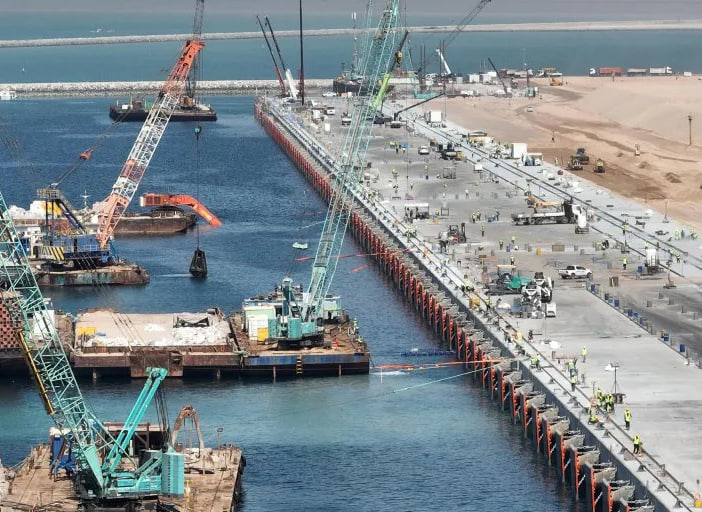
Softbank Seeks To Raise $100 Billion From Gulf Investors
Money and business Economy News - Follow-up Masayoshi Son, chief executive of SoftBank Group, is seeking to raise up to $100 billion from Gulf investors to fund a new wave of investment in artificial intelligence.
Over the past few weeks, Son has held discussions with senior figures, including in the UAE, about the potential fundraising process.
Good Afternoon Dinar Recaps,
GLOBAL ENERGY RESET WATCH: IRAN EXPANDS TANKER THREATS BEYOND HORMUZ AS SHIPPING RISKS GROW
New attacks and warnings across Gulf shipping routes are raising concerns about energy supplies, tanker costs and the economic consequences of prolonged instability, even as diplomatic efforts continue.
TNT:
Tishwash: Iraqi PM to visit Saudi Arabia, Kuwait
Iraqi Prime Minister Ali Al-Zaidi is expected to begin a Gulf tour on Wednesday, October 14, with visits to Saudi Arabia and Kuwait, a government source told Shafaq News.
The source said Al-Zaidi would discuss shared security and economic issues with Gulf officials, as well as regional developments and their impact on security and economic conditions.
During the tour, Al-Zaidi is expected to reaffirm Iraq’s rejection of any attacks launched from its territory against Gulf or other regional states and stress that his government would hold accountable any party involved in such cross-border operations, according to the source.
KTFA
Clare: Doberdani: Parliament will vote on Monday to complete the cabinet formation of al-Zidi's government.
10/9/2026
Member of Parliament Sherwan Dubardani, from the Kurdistan Democratic Party bloc, revealed that Parliament will vote, during its session scheduled for next Monday, on filling the vacant ministerial portfolios and completing the government formation of Prime Minister Ali Falih al-Zaidi.
Doberdani said that a series of talks between the main political forces and blocs led to an understanding regarding granting confidence to the candidates for the ministries that have not yet been decided within Al-Zidi's cabinet.
The Government Chose The Fastest Route, Not The Best One," Masoud Haider criticizes the exchange rate change, asserting that reforming the customs and tax system can generate double the revenue
Baghdad - One News Former Deputy Minister of Finance, Masoud Haider, criticized the Iraqi government's decision to change the dollar exchange rate, considering that resorting to reducing the value of the dinar is the fastest measure to provide financial liquidity and ensure the continued operation of state institutions, but it is not the best economic option, given the existence of alternatives capable of generating greater revenues without imposing additional burdens on citizens.
Good Morning Dinar Recaps,
INDIA RESET WATCH: RBI TAKES NEW STEPS TO DEFEND THE RUPEE AS DOLLAR PRESSURE MOUNTS
India’s central bank is redirecting major oil companies’ dollar purchases and tightening foreign-exchange rules as rising energy costs and global financial pressures push the rupee toward record lows.
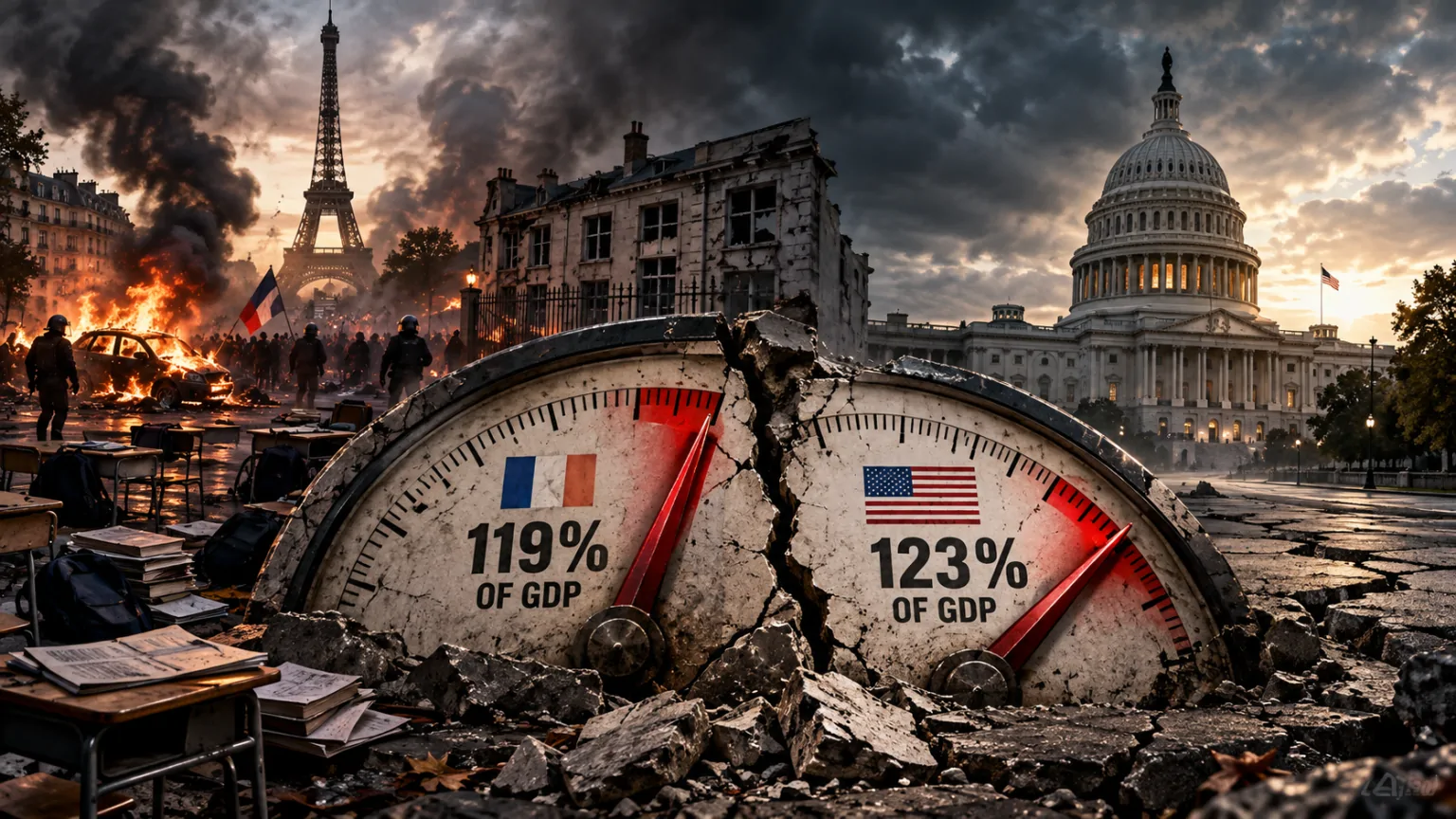
America's Debt Is Worse Than France's. Have You Seen France Lately?
Notes From the Field By James Hickman (Simon Black / Sovereign Man) October 8, 2026
It all started because the students wanted better quality education... and more teachers. Many schools in France are overcrowded. Some lack teachers. Buildings are crumbing.
So, two weeks ago, students at a high school outside Paris blocked the entrance to their own school to protest these conditions. And the movement caught on; students at hundreds of other schools did the same.
A Generational Financial Reset Is Here : Felix Nikolas Prehn
10-9-2026
On this episode of the WTFinance podcast I had the pleasure of welcoming back Felix Nikolas Prehn. Felix Nikolas Prehn is an economist and former investment banker, trained in London and Hong Kong.
His reading of markets was shaped by mentors who spent careers inside the institutions: hedge fund managers, Wall Street professionals, and senior banking figures.
We’re in a “WARTIME ECONOMY” & GOLD Is a National Security Asset | Graham Summers & Michelle Makori
Miles Franklin Media: 10-9-2026
Michelle Makori, President & Editor-in-Chief of Miles Franklin Media, speaks with Graham Summers, President and Chief Market Strategist at Phoenix Capital Research and Macroeconomics Fellow at the Homeland Defense Institute, about why he believes the U.S. is already operating on a wartime economic footing as its economic competition with China reshapes national security, critical minerals, financial markets, and gold.
Good Afternoon Dinar Recaps,
GLOBAL FINANCIAL INFRASTRUCTURE RESET: WALL STREET MOVES TOWARD TOKENIZED SECURITIES AS IMF WARNS OF NEW RISKS
Blockchain-based securities are moving closer to mainstream financial markets, while new warnings from the International Monetary Fund highlight why secure settlement, clear rules and investor protection will be essential to the next phase of digital finance.
“Still on Course” – RV/GCR Live Chat from Wolverine 7-8-26
We got some good news coming through. we are still on course to get this done and nothing has changed. The private contractor are waiting for notifications to get paid all contracts signed and waiting for banks to release the funds. We are talking about over quintillions of dollars, this amount of funds are not accomplished during regular banking hours, and people are waiting.
Tier4B I am not into that and Tony has given the intel for this.
I do have some good news regarding Dinar.
Emailed to Recaps~Thank you David
Reset Intelligence: Iraq Goes First
By Reset Intelligence | @EXIT_FIAT
Iraq's Central Bank moved the IQD to 1,500 on Wednesday. Read that cut as the end of the story and you miss what Iraq is doing.
It is the first move in a sequence. Lower the rate. Replace the currency. Raise the rate.
"A Hasty Decision That Harmed The Citizen," MP Walaa Al-Jizani Said: "Raising The Dollar Exchange Rate Has Had Negative Effects On The Street, And Parliament Is Moving To Discuss Its Repercussions"
Baghdad - One News - 10/07/2026 Deputy Walaa Al-Jizani, Vice President of the Badr parliamentary bloc, described the government’s decision to raise the dollar exchange rate as “hasty,” stressing that its repercussions have negatively affected the public and harmed citizens.
Good Morning Dinar Recaps,
GLOBAL AI DEBT RESET WATCH: OPEN AI REVENUE GAP RAISES NEW QUESTIONS ABOUT THE AI BORROWING BOOM
New questions about how AI companies report revenue are emerging as technology giants pursue enormous financing deals, putting investor confidence and the sustainability of the AI investment boom under greater scrutiny.
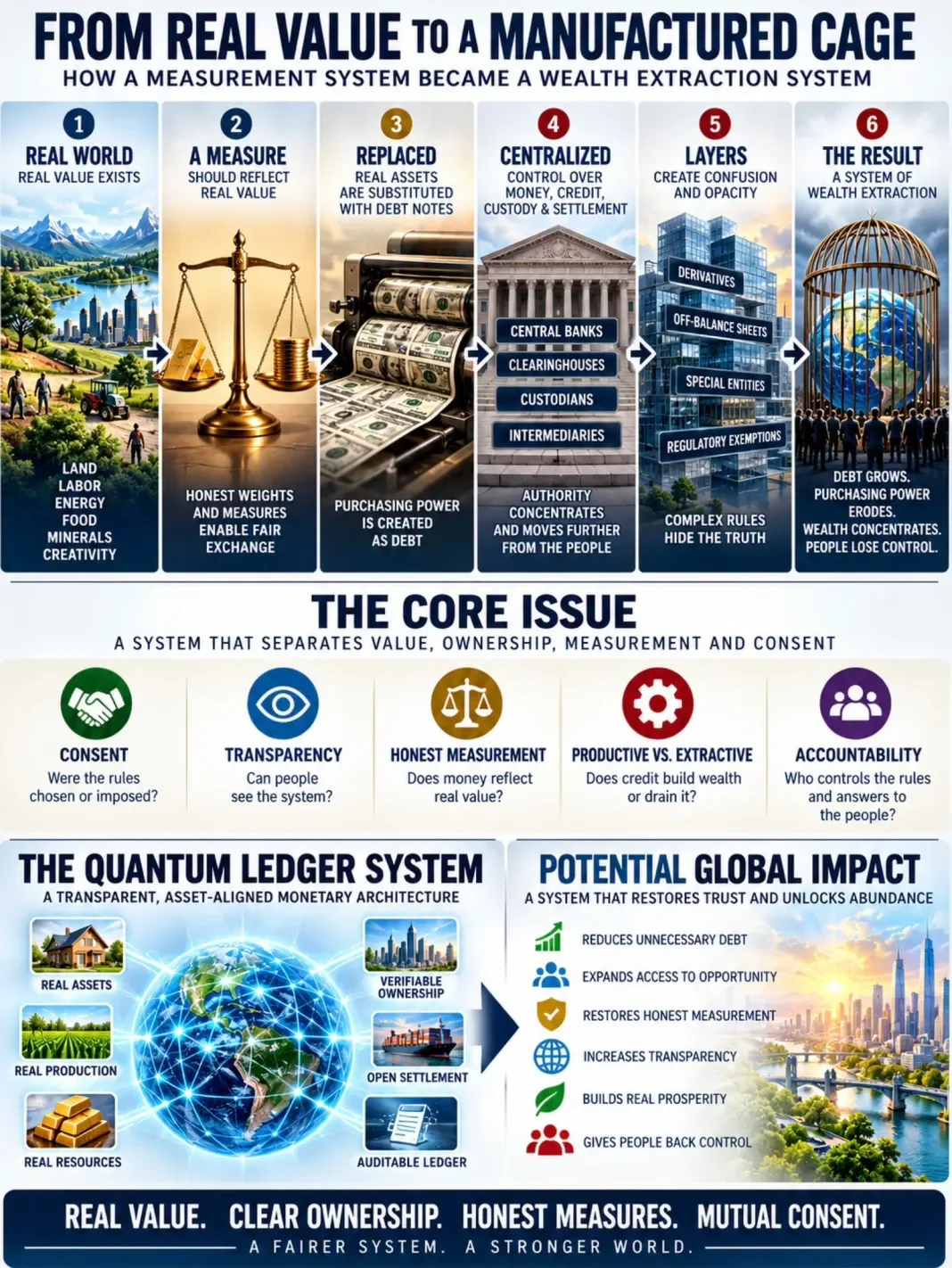
Rob Cunningham: Money is Getting a Makeover
10-8-2026
MONEY IS GETTING A MAKEOVER
Forget crypto jargon. Forget politics. Forget financial terms.
Think about something everybody understands:
We buy a house. We want a deed.
We buy a car. We want a title.
CBI Tells Lawmakers New Dollar Rate Is Final
2026-10-08 Shafaq News- Baghdad Central Bank of Iraq (CBI) governor Nizar Hussein has informed parliament's Finance Committee that the new official exchange rate of 1,500 dinars to the dollar is fixed and cannot be changed, a parliamentary source told Shafaq News on Thursday. Hussein told committee members that changing the rate in the budget law would mean redrawing every table and line item in the draft, which was built on 1,500 dinars to the dollar, the source said.
Should Paper Checks Be Abolished Like The Penny?
Good Partner Tue, September 8, 2026 Jay L. Zagorsky
While Americans are writing fewer checks, they haven't abandoned this means of payment.
Germany is getting rid of paper checks at the end of 2027. Australia is bidding them farewell by 2030. U.S. President Donald Trump followed up his order killing off the penny with an executive order stopping check writing by the federal government.
Should the U.S. follow these other countries and broadly eliminate the ability to write checks?
BRICS Not Opposed To the US Dollar, Confirms Diplomat
Vinod Dsouza September 30, 2026 BRICSBusiness
Russian Ambassador to India Denis Alipov confirmed at the NDTV Defense Summit that the BRICS alliance is not opposed to the US dollar. He stressed that no member nation has spoken in an anti-Western tone at the September summit in India. Member countries have also not promoted any form of anti-Western agenda to push policies, he said.
Dr. Scott Young: Is the US Treasury in Trouble? Gold and Trump’s Financial Plans
10-10-2026
Why is the Treasury about to sink? Are we about to lose all our money? When does the gold rise? Is the Gold a currency? What is happening to the Dinar? What does Trump know about the asset of the nation and what is he doing about it?
In recent financial discussions, few topics have sparked as much debate as the stability of the global monetary framework. A recent video featuring Dr. Scott Young brings these concerns to the forefront, offering a stark assessment of the current condition of the U.S. Treasury and the Federal Reserve.