How Billionaires See Themselves
By Nathan J. Robinson
Originally published in our magazine’s hallowed print edition2020SEPT/OCTDETAILS
Reading the dreadful memoirs of the super-rich offers an illuminating look at their delusions.
Most billionaires stay out of the public eye. This makes sense, because according to polls, far more people distrust billionaires than admire them, and the overwhelming majority of the public want the government to seize a portion of billionaires’ wealth. It’s easy for anyone in possession of a billion dollars to make their name widely known, but evidently wealth without fame is preferred to fame without wealth (or the possibility of losing a small chunk of wealth).
Some billionaires, however, write books. These are some of the only documents that the ruling class has produced for the consumption of the masses. What is it they wish us to know?
I have on my desk a stack of “billionaire books,” mostly memoirs. They include: Sam Zell’s Am I Being Too Subtle, Richard Branson’s Losing My Virginity, Richard DeVos’s Compassionate Capitalism, Charles Koch’s Good Profit, Ken Langone’s I Love Capitalism!, Stephen Schwarzman’s What It Takes, Peter Thiel’s Zero to One, Marc Benioff’s Trailblazer, Sam Walton’s Made in America, Joe Ricketts’ The Harder You Work, The Luckier You Get, and Michael Bloomberg’s Bloomberg by Bloomberg. (What a title. Bloomberg, whose company is Bloomberg L.P., also made his fortune on a device he invented called “the Bloomberg,” so it is clear he likes saying “Bloomberg.”)
What you may have noticed even from the titles of these books is that many billionaires are slightly defensive. Koch Industries, for instance, is significantly invested in fossil fuels and has been fined hundreds of millions of dollars for violations of environmental regulations. Charles Koch, however, wants us to know that he makes “good profit,” by which he means that he creates “value for others” rather than just enriching himself.
Richard DeVos (Amway) and Marc Benioff (Salesforce) have actually both written books called Compassionate Capitalism. John Mackey (Whole Foods) called his Conscious Capitalism. “I am good,” they are saying. “I am not what you think. Please don’t hate me.” (The plea falls on deaf ears; to me, all of these books might as well be titled Expropriate Me.)
Some, like Ken Langone (Home Depot), are a little less concerned with appearances. Titling a book I Love Capitalism! is bold for a billionaire, since it invites the obvious reaction: “Yes, well, of course you do. It gave you a *** billion dollars. If you were the king you would probably write a book called I Love Monarchy! but it wouldn’t tell us much about whether monarchy is good for anyone else.”
To continue reading, please go to the original article here:
https://www.currentaffairs.org/2021/01/how-billionaires-see-themselves/
5 Questions To Ask An Advisor About A Financial Windfall
Get help turning sudden wealth into a sustainable plan.
Fidelity Wealth Management
Key takeaways
A windfall can create new opportunities, but it can also bring emotional and financial complexity. Taking time to understand your new financial picture can help you avoid costly mistakes.
Significant increases in net worth may require updates to your portfolio, insurance coverage, estate plan, and approach to family and charitable giving.
Building the right team of financial, tax, legal, and insurance professionals can help you navigate new opportunities and challenges with confidence.
Did You Get Rich Quick? These 4 Steps Can Help You Stay That Way
By Jeremy DiTullio, CFP®, AWMA®, CRPC® Reviewed by Lisa Hitt
Published August 29, 2026 In Features
Sudden wealth is less about the money and more about the discipline required to manage it, so it's critical to pause and plan before making any major financial moves
Sudden wealth doesn't change who you are. It does reveal how prepared you are.
I recently read a news story in which a lottery winner who received a jackpot worth more than $167 million had reportedly been arrested four times within 14 months of receiving the money.
Rethinking the Inheritance Timeline
November 13, 2026 Wendy Farrissey
As lifespans increase, affluent investors may want to consider accelerating inheritances to help heirs at critical junctures in their lives.
For years, wealth advisors have been discussing the implications of the Great Wealth Transfer—the expected shift of some $124 trillion from older to younger generations over the next two decades.1

There’s a Different Way
Notes From the Field By James Hickman (Simon Black / Sovereign Man) November 6, 2026
A friend of mine got legal residency in New Zealand a couple of years ago as global tensions rose around wars in Ukraine and the Middle East. He was only half joking about why. His reasoning is that if WW3 breaks out and the nukes start flying, he would want to be in New Zealand.
But he’s not picking up his life, abandoning all caution, and permanently moving to a new country. He just has a plan, and the basics in place.
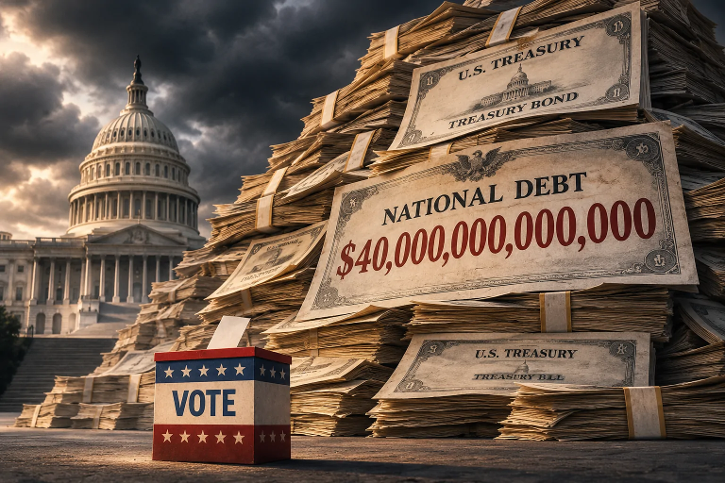
Tomorrow’s Election Changes Nothing About The National Debt
Notes From the Field By james Hickman (Simon Black/Sovereign Man) November 2, 2026
Johnny Moon was homeless and unemployed in the early 2000s. A high school dropout with a bad drug habit, Moon was hardly someone that banks would consider creditworthy.
And yet, over the course of a single year, he was able to borrow more than $600,000 to buy five different investment properties.
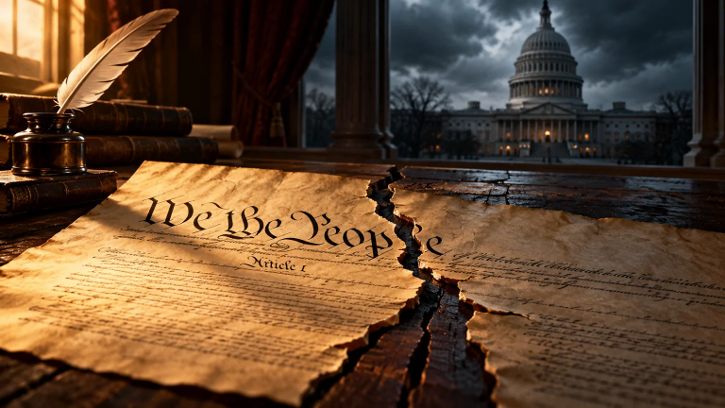
It’s Hard To Reform A Country That No Longer Shares Values
Notes From the Field By James Hickman (Simon Black / Sovereign Man) October 30, 2026
On September 17, 1787, 81 year old Benjamin Franklin sat in a room in Philadelphia with a speech in his hand that he was too weak to deliver.
A fellow delegate read it to the Constitutional Convention for him.
Franklin had reservations about the draft Constitution. His speech admitted there were “several parts of this constitution which I do not at present approve.”
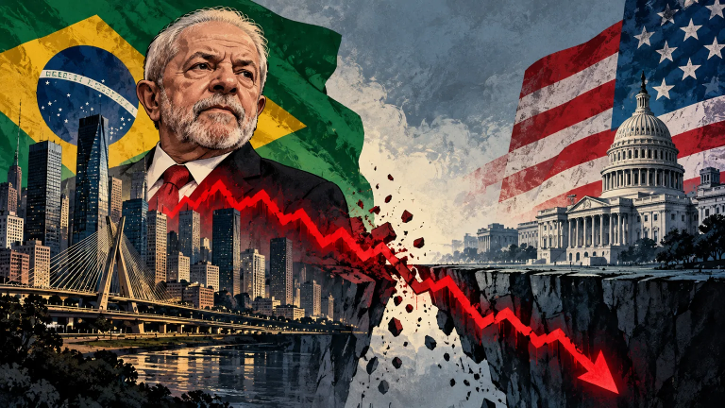
Brazil’s Massive Crash Is A Sign Of Things To Come In The West
Notes From the Field By James Hickman (Simon Black / Sovereign Man) October 29, 2026
On Sunday night, Brazil re-elected its left-wing president, Lula da Silva. On Monday morning the São Paulo stock market fell so hard at the open that the exchange halted trading for the first time since the pandemic. When trading resumed, Brazil’s stock market kept falling.
6 Attitudes That Breed Financial Failure
By Kentin Waits WiseBread
Financial success or failure is often the result of attitudes — both conscious and unconscious — that affect our behavior. No amount of budgeting and self-control can help us when we’re up against ingrained ideas about money management, spending, and debt. If you’re having a tough time shifting your financial behavior, maybe it’s time to change your mind about money. Here are six common attitudes that work against us financially.

Plan B Options for folks on Social Security
Notes From the Field By James Hickman (Simon Black / Sovereign Man) October 27, 2026
In the early morning hours of February 7, 1937, a young American named Stirling Dickinson got off a train in central Mexico and rode into San Miguel de Allende on a mule-drawn cart.
He and a Princeton classmate were months into a trip around Mexico looking for a quiet place to write, and a Mexican opera singer had told them to try San Miguel.

A Condo in this Ghost City Gets You Ten Years Residency
Notes From the Field By James Hickman (Simon Black / Sovereign Man) October 22, 2026
On March 6, 2016, Malaysia’s prime minister, Najib Razak, turned up for the grand opening of a city that did not exist yet, two kilometers off the coast from Singapore.
It was called Forest City, and the plan was enormous. One of the largest property developers in the world came in to build four artificial islands in the strait and put a “smart, green” city of 700,000 people on them, at a cost of roughly $100 billion.
Avoid These 4 Common Mistakes When You Get Rich Overnight
September 4, 2025 by Laura Bogart GoBankingRates
You’re about to score a financial touchdown. Maybe you’ve crushed it at work and landed a sweet promotion. Perhaps you’ve won a lottery or stumbled into a side hustle that suddenly pays off. As you near the end zone, heart pounding, head full of dreams, you can’t afford (literally) to fumble. Whether you’re blindsided by unexpected taxes or tripped up by bad financial advice, you have a lot to lose if you drop the ball.
16 Retirement Mistakes You Will Regret Forever
From saving too little to taking withdrawals from your retirement account too early, there are plenty of ways that current and future retirees can sabotage their golden years.
By Bob Niedt Contributions by Kathryn Pomroy, Alexandra Twin Last updated October 7, 2026 In Features
As more and more baby boomers and Gen Xers anticipate a happy retirement, thoughts turn from worry over the workday slog to concerns about how to bankroll their golden years. How prepared are you? How much money do you need to retire? The 2026 Planning & Progress Study by Northwestern Mutual says that number is $1.46 million.
Should Paper Checks Be Abolished Like The Penny?
Good Partner Tue, September 8, 2026 Jay L. Zagorsky
While Americans are writing fewer checks, they haven't abandoned this means of payment.
Germany is getting rid of paper checks at the end of 2027. Australia is bidding them farewell by 2030. U.S. President Donald Trump followed up his order killing off the penny with an executive order stopping check writing by the federal government.
Should the U.S. follow these other countries and broadly eliminate the ability to write checks?
The Surprising Risk Of Having Too Much Cash
September 17, 2026 Fidelity
Investing in stocks and bonds may reduce some types of risk and enhance return potential.
There are many wonderful attributes of cash and short-term investments. Money held in a bank account or in a short-term investment like a money market fund is generally easy to access. The risk of volatility or loss is extremely low—or even nonexistent. Many short-term options, like money-market funds or short-term CDs or Treasurys, even pay interest.
From Windfall to Financial Foundation
Marguerite C. Weese Chief Wealth Strategist
Practical first steps for turning unexpected money into greater security and long-term opportunity
Key Takeaways
Pause before making major decisions by keeping the money secure, gathering information, and avoiding pressure to spend, invest, or give before you have a plan
Match the money to your goals by separating short-term needs from long-term priorities so you know what should stay accessible and what may be invested for future growth
Get guidance before complexity creates mistakes, especially when taxes, inherited assets, debt, family requests, or investment choices may affect your next steps