Bretton Woods System and 1944 Agreement
Bretton Woods System and 1944 Agreement
How Bretton Woods Introduced a New World Order
By Kimberly Amadeo Updated December 07, 2019
The 1944 Bretton Woods agreement established a new global monetary system. It replaced the gold standard with the U.S. dollar as the global currency. By so doing, it established America as the dominant power in the world economy. After the agreement was signed, America was the only country with the ability to print dollars.
The agreement created the World Bank and the International Monetary Fund (IMF). These U.S.-backed organizations would monitor the new system.
The Bretton Woods Agreement
The Bretton Woods agreement was created in a 1944 conference of all of the World War II Allied nations. It took place in Bretton Woods, New Hampshire.
Under the agreement, countries promised that their central banks would maintain fixed exchange rates between their currencies and the dollar. How exactly would they do this? If a country's currency value became too weak relative to the dollar, the bank would buy up its currency in foreign exchange markets.
That would lower the currency's supply and raise its price. If its currency became too high, the bank would print more. That would increase the supply and lower its price.
Members of the Bretton Woods system agreed to avoid trade wars.1 For example, they wouldn't lower their currencies strictly to increase trade. But they could regulate their currencies under certain conditions. For example, they could take action if foreign direct investment began to destabilize their economies. They could also adjust their currency values to rebuild after a war.
How It Replaced the Gold Standard
Before Bretton Woods, most countries followed the gold standard. That meant each country guaranteed that it would redeem its currency for its value in gold. After Bretton Woods, each member agreed to redeem its currency for U.S. dollars, not gold. Why dollars?
To continue reading, please go to the original article here:
https://www.thebalance.com/bretton-woods-system-and-1944-agreement-3306133

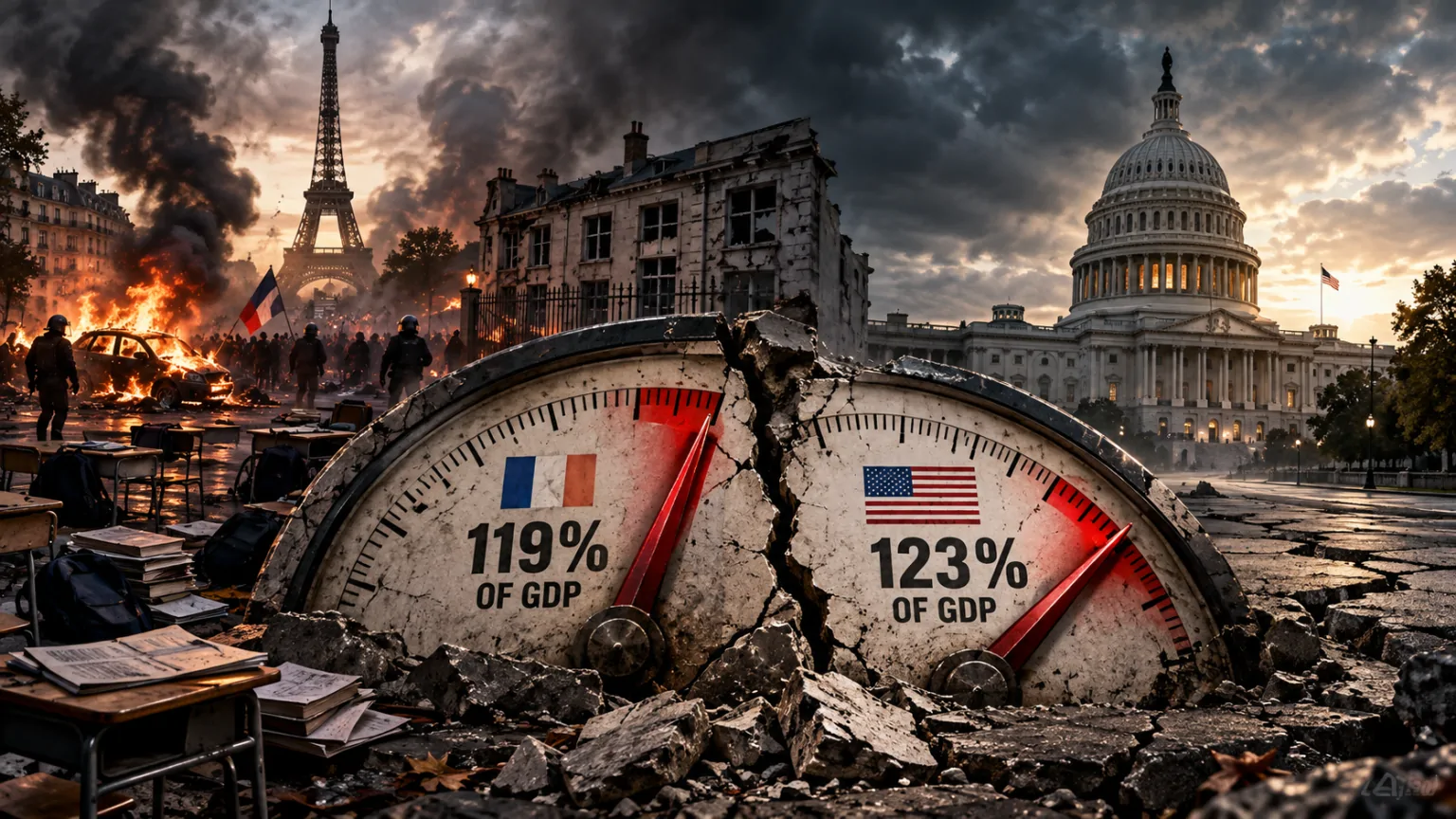
Dr. Scott Young: Is the US Treasury in Trouble? Gold and Trump’s Financial Plans
10-10-2026
Why is the Treasury about to sink? Are we about to lose all our money? When does the gold rise? Is the Gold a currency? What is happening to the Dinar? What does Trump know about the asset of the nation and what is he doing about it?
In recent financial discussions, few topics have sparked as much debate as the stability of the global monetary framework. A recent video featuring Dr. Scott Young brings these concerns to the forefront, offering a stark assessment of the current condition of the U.S. Treasury and the Federal Reserve.