Iraq Economic News and Points To Ponder Saturday Morning 6-27-26
USD/IQD Exchange Rates Stabilize In Baghdad, Surge In Erbil
2026-06-27 Shafaq News- Baghdad/ Erbil The US dollar was steady in Baghdad and edged higher in Erbil on Saturday as trading resumed for the week, hovering around 157,000 Iraqi dinars per 100 dollars.
According to Shafaq News market survey, the dollar traded at 156,850 dinars per 100 dollars in Baghdad's Al-Kifah and Al-Harithiya central exchanges, unchanged from Thursday's opening session.
USD/IQD Exchange Rates Stabilize In Baghdad, Surge In Erbil
2026-06-27 Shafaq News- Baghdad/ Erbil The US dollar was steady in Baghdad and edged higher in Erbil on Saturday as trading resumed for the week, hovering around 157,000 Iraqi dinars per 100 dollars.
According to Shafaq News market survey, the dollar traded at 156,850 dinars per 100 dollars in Baghdad's Al-Kifah and Al-Harithiya central exchanges, unchanged from Thursday's opening session.
In the Iraqi capital, exchange shops sold the dollar at 157,250 dinars and bought it at 156,250 dinars.
In Erbil, the dollar advanced, with selling prices reaching 156,900 dinars per 100 dollars and buying prices at 156,800 dinars.
https://www.shafaq.com/en/Economy/USD-IQD-exchange-rates-stabilize-in-Baghdad-surge-in-Erbil-7
Basrah Crudes Jump 17%+ For The Week
2026-06-27 Shafaq News- Basrah Basrah Heavy and Basrah Medium crude posted weekly gains of more than 17%, outperforming global oil benchmarks, which ended the week lower.
Basrah Heavy rose $1.76, or 2.97%, in the final trading session to settle at $61.05 a barrel, bringing its weekly gain to $10.57, or 17.3%. Basrah Medium also climbed $1.76, or 2.87%, to $63.15 a barrel, recording a weekly gain of $10.57, or 20.1%.
Meanwhile, Brent settled at $71.96 a barrel, down $3.30, or 4.38%, while US West Texas Intermediate fell $2.77, or 3.85%, to $69.12 a barrel. https://www.shafaq.com/en/Economy/Basrah-crudes-jump-17-for-the-week
Europe Gas Prices Edge Higher After Hormuz Tensions
2026-06-27 Shafaq News- Tehran/ Washington European natural gas prices climbed on Saturday after renewed US-Iran security tensions in the Strait of Hormuz, through which about 20% of global energy supplies pass, and an attack on a commercial vessel.
Benchmark gas futures rose 1.6% after declining in the previous two trading sessions. Although prices have traded within a narrow range this week, they remain more than 25% above pre-war levels.
Empty liquefied natural gas (LNG) carriers were seen waiting near Qatar's main export terminal in the Gulf, preparing to load new cargoes. At the same time, rising summer demand for cooling in Europe and Asia is expected to intensify competition for seaborne LNG shipments, potentially forcing European buyers to continue paying a premium to secure sufficient supplies.
European gas storage facilities are currently just over 47% full, remaining below the seasonal average.
Read more: Iran is losing the war, the US is losing the endgame
https://www.shafaq.com/en/Economy/Europe-gas-prices-edge-higher-after-Hormuz-tensions
Iraq Targets 7M Bpd Oil Output In Three Years
2026-06-27 Shafaq News- Baghdad Iraq aims to raise its crude oil production to 7 million barrels per day (bpd) within the next three years, Prime Minister Ali al-Zaidi said on Saturday,
Speaking to Sky News, the PM noted that Baghdad has already presented the production target to US energy companies as it seeks greater investment in Iraq's upstream oil sector.
Last week, Iraq pushed to expand production capacity while pressing for greater flexibility under OPEC output quotas. Baghdad, the organization's second-largest producer after Saudi Arabia, has repeatedly argued that its production limits do not reflect its growing capacity or long-term development plans.
Al-Zaidi did not address Iraq's future membership in OPEC directly, days after speculation over a possible withdrawal was dismissed by the Oil Ministry. Instead, he emphasized the government's commitment to expanding oil production through international partnerships and investment.
The target would represent an increase of roughly 55–65% from Iraq's current production levels of about 4.2–4.5 million bpd, which fell to about 1.3 million bpd during the Hormuz closure before recovering.
Read more: No exit but Hormuz: Iraq's economic vulnerability exposed
https://www.shafaq.com/en/Economy/Iraqi-targets-7M-bpd-oil-output-in-three-years
Gold Gains In Baghdad And Erbil
2026-06-27 Shafaq News- Baghdad/ Erbil On Saturday, gold prices hovered around 900,000 IQD per mithqal in Baghdad and Erbil markets, according to a survey by Shafaq News Agency.
Gold prices on Baghdad's Al-Nahr Street recorded a selling price of 898,000 IQD per mithqal (equivalent to five grams) for 21-carat gold, including Gulf, Turkish, and European varieties, with a buying price of 894,000 IQD. The same gold had sold for 880,000 IQD on Thursday.
The selling price for 21-carat Iraqi gold stood at 868,000 IQD, while the buying price reached 864,000 IQD.
In jewelry stores, the selling price per mithqal of 21-carat Gulf gold ranged between 890,000 and 900,000 IQD, while Iraqi gold sold for between 870,000 and 880,000 IQD.
In Erbil, 22-carat gold was sold at 956,000 IQD per mithqal, 21-carat gold at 912,000 IQD, and 18-carat gold at 782,000 IQD.
https://www.shafaq.com/en/Economy/Gold-gains-in-Baghdad-and-Erbil
Former Iraqi PM Warns Against OPEC Exit
2026-06-27 Shafaq News- Baghdad Former Iraqi Prime Minister Adel Abdul Mahdi on Saturday warned against any move to withdraw from OPEC, urging Baghdad instead to seek a larger oil production quota within the organization to strengthen its position in global energy markets.
OPEC was born in Iraq to regulate markets, promote fair competition, and protect the interests of both producers and consumers, Abdul Mahdi said, adding, "Let us secure our rights by strengthening the organization, not burying it."
He argued that leaving OPEC would ultimately harm Iraq despite allowing higher oil output. "We would produce more, others would follow, the market would become oversupplied, and prices and revenues would fall."
Last week, Oil Ministry spokesman Salim al-Rikabi and government sources suggestedIraq could reconsider its membership unless its production quota is raised to match its export capacity and fiscal needs. The Oil Ministry later dismissed reports of a possible withdrawal, reaffirming Iraq's commitment to OPEC and denying any intention to leave the organization.
Read more: No exit but Hormuz: Iraq's economic vulnerability exposed
https://www.shafaq.com/en/Economy/Former-Iraqi-PM-warns-against-OPEC-exit
Seeds of Wisdom RV and Economics Updates Saturday Morning 6-27-26
Good Morning Dinar Recaps,
US-Iran Ceasefire Under Pressure as Hormuz Strikes Threaten Peace Agreement
Fresh military exchanges between the United States and Iran have placed the recently signed Memorandum of Understanding (MoU) under renewed strain, raising concerns that the fragile 60-day peace process could unravel before a permanent agreement is reached.
Good Morning Dinar Recaps,
US-Iran Ceasefire Under Pressure as Hormuz Strikes Threaten Peace Agreement
Fresh military exchanges between the United States and Iran have placed the recently signed Memorandum of Understanding (MoU) under renewed strain, raising concerns that the fragile 60-day peace process could unravel before a permanent agreement is reached.
Overview
New military strikes between the U.S. and Iran have raised questions about the durability of the 60-day peace framework.
Control of the Strait of Hormuz remains the central point of contention as both sides seek strategic leverage.
Analysts warn that continued escalation could jeopardize negotiations aimed at restoring long-term regional stability.
Key Developments
1. Military Exchanges Test the Ceasefire
The U.S. military said it carried out strikes against Iranian missile, drone, and radar facilities after a commercial vessel in the Strait of Hormuz was reportedly attacked. Washington argued the strikes were intended to protect international shipping and enforce freedom of navigation.
Iran rejected the U.S. justification, calling the attacks a violation of the Memorandum of Understanding and responded with retaliatory strikes against U.S. military positions in the region. Bahrain also reported an alleged Iranian drone incident, highlighting the widening regional tensions.
2. Strait of Hormuz Remains the Key Dispute
At the center of the disagreement is control over the Strait of Hormuz, one of the world's most critical energy shipping lanes.
Iran maintains that, as a coastal state, it has sovereign rights over navigation management and has sought a greater role in regulating commercial traffic. The United States insists the waterway must remain open under international law without tolls or restrictions.
Although the interim agreement temporarily guarantees free commercial passage during the 60-day negotiation period, both sides continue to disagree over what long-term arrangements should look like.
3. Negotiations Continue Despite Rising Risks
The preliminary agreement signed earlier this month established a 60-day window for negotiators to pursue a broader peace settlement covering:
Regional security
Maritime navigation
Nuclear oversight
Long-term sanctions relief
Despite the latest military confrontation, officials from both governments have indicated they intend to continue negotiations, while mediators from Qatar and Pakistan remain engaged in facilitating dialogue.
Analysts caution, however, that additional military incidents could quickly overwhelm diplomatic progress.
4. Why the MoU Faces Growing Pressure
Several analysts believe the agreement remains highly fragile.
Some point to disagreements over enforcement of maritime security provisions, while others note continuing tensions involving Israel, Lebanon, and Hezbollah complicate the broader regional environment.
Although communication channels established during the Switzerland talks remain open, both Washington and Tehran continue to accuse each other of violating the spirit of the agreement.
Why It Matters
The current confrontation demonstrates how difficult it will be to transform a temporary ceasefire into a lasting diplomatic settlement. Even isolated military incidents now carry the potential to disrupt negotiations, impact global energy markets, and increase geopolitical uncertainty.
Why It Matters to Foreign Currency Holders
Regional stability directly affects global financial markets. Progress toward a durable U.S.-Iran agreement could reduce geopolitical risk, stabilize oil markets, improve investor confidence, and support broader international financial reforms that many global currency observers continue to monitor.
Implications for the Global Reset
Pillar 1 – Energy
The Strait of Hormuz remains one of the world's most important energy corridors. Any disruption influences global oil prices, inflation, shipping costs, and economic stability.
Pillar 2 – Trade
Secure maritime trade routes are essential to global commerce. Continued instability could accelerate efforts to diversify supply chains and strengthen alternative trade corridors.
Closing Thoughts
While diplomacy remains active, the latest exchange of strikes illustrates just how fragile the current peace process remains. The coming weeks will likely determine whether the interim agreement evolves into a broader regional settlement—or whether renewed military escalation derails negotiations before a permanent accord can be reached.
This is not just about a ceasefire—it reflects the ongoing struggle to reshape security, energy flows, and international trade across one of the world's most strategically important regions.
Seeds of Wisdom Team
Newshounds News™ Exclusive
Sources
Al Jazeera — US-Iran trade strikes: What to know, will it unravel the MoU?
Reuters — Middle East coverage and Strait of Hormuz developments
~~~~~~~~~~
🌱 A Message to Our Currency Holders🌱
If you’ve been holding foreign currency for many years, you were not foolish.
You were not wrong to believe the global financial system would change.
What failed was not your patience — it was the information you were given.
For years, dates, rumors, and personalities replaced facts, structure, and proof. “This week” predictions created cycles of hope and disappointment that were never based on how currencies actually change.
That is not your failure.
Our mission here is different: • No dates • No rates • No hype • No gurus
Instead, we focus on:
• Verifiable developments • Institutional evidence
• Global financial structure • Where countries actually sit in the process
Currency value changes only come after sovereignty, trade, banking, settlement systems, and fiscal coordination are in place. History and institutions confirm this sequence.
You will see silence. You will see denials. That is not delay — that is discipline.
Protect your identity. Organize your documents. Verify everything.
Never hand your discernment to anyone who cannot show proof.
You deserve truth — not timelines.
Seeds of Wisdom Team
Newshounds News
~~~~~~~~~~
Seeds of Wisdom Team RV Currency Facts Youtube and Rumble
Newshound's News Telegram Room Link
RV Facts with Proof Links Link
RV Updates Proof links - Facts Link
Start Here room with Most Asked Questions Link
Follow the Gold/Silver Rate COMEX
Follow Fast Facts
Seeds of Wisdom Team™Website
Thank you Dinar Recaps
FRANK26…6-26-26….FOREX FOR YOU
KTFA
Friday Night Video
FRANK26…6-26-26….FOREX FOR YOU
This video is in Frank’s and his team’s opinion only
Frank’s team is Walkingstick, Eddie and Omar in Iraq and guests
Playback Number: 605-313-5163 PIN: 156996#
KTFA
Friday Night Video
FRANK26…6-26-26….FOREX FOR YOU
This video is in Frank’s and his team’s opinion only
Frank’s team is Walkingstick, Eddie and Omar in Iraq and guests
Playback Number: 605-313-5163 PIN: 156996#
The Dollar Handshake By Reset Intelligence
The Dollar Handshake
By Reset Intelligence | @EXIT_FIAT
On Wednesday, two things happened on opposite sides of the world, and the headlines filed them on separate pages.
In Baghdad, Iraq’s new central bank governor shook the hand of Washington’s top diplomat. In Washington, the same day, the US Treasury Secretary named the dollar as the door every sanctioned nation has to walk back through.
The Dollar Handshake
By Reset Intelligence | @EXIT_FIAT
On Wednesday, two things happened on opposite sides of the world, and the headlines filed them on separate pages.
In Baghdad, Iraq’s new central bank governor shook the hand of Washington’s top diplomat. In Washington, the same day, the US Treasury Secretary named the dollar as the door every sanctioned nation has to walk back through.
What actually happened
The new governor of the Central Bank of Iraq, Nizar Nasser Hussein, received the senior US diplomat in the country, Charge d’Affaires Joshua Harris. The bank put the meeting at the top of its own news page. They discussed aligning Iraq’s external transfers and dollar sales to international standards – the exact files a country works through when it wants its banks back onto the global dollar system.
Hours away, on CNBC, Treasury Secretary Scott Bessent read out the list. Venezuela is coming back to invoice in dollars. Iran will do the same. Russia, he said, will want back in once the war in Ukraine ends. For years the story was that the world was leaving the dollar. He said the opposite, on camera.
And Baghdad spent the same week cleaning house in public.
• The handshake – CBI Governor Nizar Nasser Hussein met US Charge d’Affaires Joshua Harris, June 24.
• The declaration – Bessent: Venezuela and Iran to invoice in dollars, Russia to follow.
• The cleanup – the Jumaili oil-ministry corruption case has passed $106 million, and a former provincial governor has been arrested.
• The deadline – Iraq’s ASYCUDA customs verification turns mandatory July 10.
• The oil – West Texas crude near $69 as the Strait of Hormuz reopens.
That is the short version. The moves are public. The part we do every single day is connect how they fit together – and what they mean for the dinar in your drawer.
The dollar is not being abandoned. It is being rebuilt, one sanctioned nation at a time. The people who position before the announcement end up on a different side of the line than the ones who wait for the news.
Read the full daily briefing free for 5 days. Sign up here: resetintelligence.com
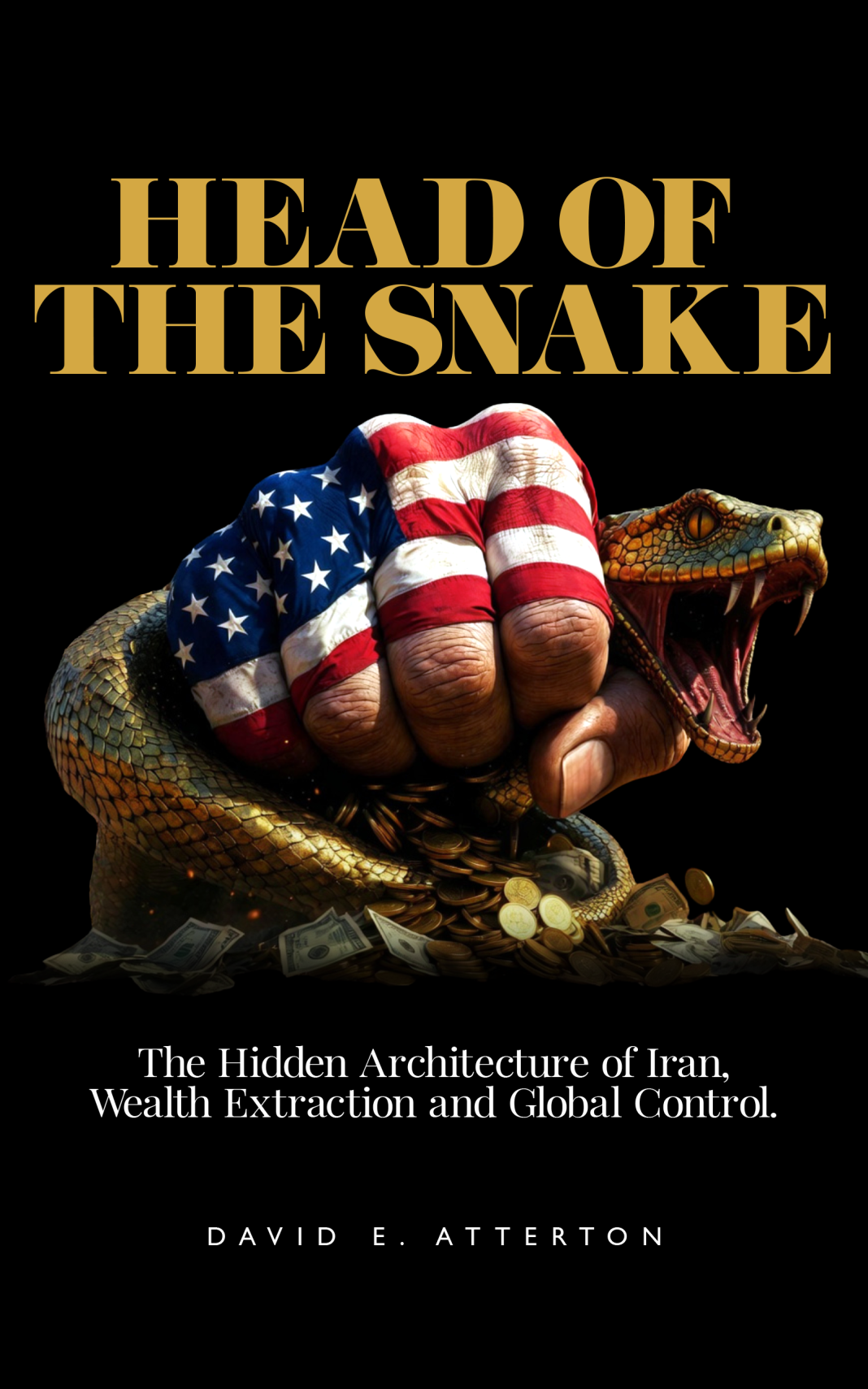
If you want the deeper backstory, the book that mapped this two years before Treasury named it is Head of the Snake, and the free guides and scenario reports are in the Resources library.
https://dinarchronicles.com/2026/06/25/reset-intelligence-the-dollar-handshake/
IQD Adjustment vs. Islamic Banking vs Western Banking
IQD Adjustment vs. Islamic Banking vs Western Banking
Edu Matrix: 6-25-2026
IQD Islamic Banking vs Western Banking vs IQD Adjustment: Western and Islamic Banking compared, and how this could affect the IQD currency adjustment.
In the evolving landscape of global finance, few regions present as complex a picture as the Middle East, particularly Iraq. In a recent informative video from the Edu Matrix YouTube channel, host Sandy Ingram delves into the sophisticated dual banking architecture of Iraq. Contrary to the common perception of a singular financial approach, Iraq’s Central Bank operates both Western and Islamic banking systems simultaneously.
IQD Adjustment vs. Islamic Banking vs Western Banking
Edu Matrix: 6-25-2026
IQD Islamic Banking vs Western Banking vs IQD Adjustment: Western and Islamic Banking compared, and how this could affect the IQD currency adjustment.
In the evolving landscape of global finance, few regions present as complex a picture as the Middle East, particularly Iraq. In a recent informative video from the Edu Matrix YouTube channel, host Sandy Ingram delves into the sophisticated dual banking architecture of Iraq. Contrary to the common perception of a singular financial approach, Iraq’s Central Bank operates both Western and Islamic banking systems simultaneously.
This nuanced strategy is not unique to Iraq—as it is also seen in Malaysia, the UAE, Saudi Arabia, and Qatar—but it plays a pivotal role in the ongoing discussions surrounding the Iraqi Dinar (IQD) and the nation’s broader economic reforms.
The fundamental distinction between Western and Islamic banking lies in their underlying philosophy regarding capital and risk. In the Western model, income is primarily generated through interest on loans. This is a globally recognized standard where money is treated as a commodity that can be lent at a price (the interest rate).
Conversely, Islamic banking operates under the principles of Sharia law, where interest—referred to as Riba—is strictly prohibited. From an Islamic perspective, charging interest is viewed as exploitative. Instead of traditional lending, Islamic banks utilize profit-sharing models. In these arrangements, the bank and the customer share both the risks and the rewards of a venture. This model creates a higher level of institutional responsibility, as the bank’s success is directly tied to the financial growth and stability of the client.
Beyond the concept of interest, the structural differences in how these institutions handle credit are significant. Western banks typically provide capital that must be repaid with interest over a set period. In contrast, Islamic banks prefer asset-based financing, leasing, or “profit-mark-up” sales.
In an asset-based transaction, the bank might purchase the equipment or property the customer needs and then sell it back to them at a higher price or lease it to them. This provides the bank with more direct control and oversight over the underlying assets, leading to a different power dynamic than that found in Western institutions. This emphasis on tangible assets ensures that the financial system remains anchored to the real economy rather than just speculative debt.
One of the most critical takeaways from Sandy Ingram’s analysis involves the concept of speculation, known as Gharar in Islamic finance. While Western banking allows for varying degrees of speculation, Islamic banking heavily restricts or prohibits activities involving excessive uncertainty or gambling-like risks.
This distinction has profound implications for the Iraqi Dinar. While Iraq maintains an active stock market, its stance on Forex trading remains cautious due to the speculative nature of currency fluctuations. This cultural and religious aversion to “excessive uncertainty” might explain why the IQD is often viewed as a “closed currency.” If Iraq continues to prioritize financial stability through an Islamic lens, the IQD may remain restricted to internal use for a longer period, with the Central Bank taking a very measured approach to currency liberalization and international trading.
Sandy Ingram also highlights that this trend toward varied banking models is not limited to the Middle East. Countries like Georgia are also exploring mixed banking systems and digital currency initiatives, reflecting a global movement toward financial diversity. For those observing the Iraqi economy, understanding these cultural and religious nuances is essential.
The takeaway for anyone following Iraq’s financial journey is that the country’s banking reforms are not just about modernizing technology, but about balancing Western economic standards with deeply rooted Islamic ethical frameworks. This dual-system approach suggests that any adjustment to the Iraqi Dinar will likely be a cautious, calculated move designed to protect the nation’s financial integrity while adhering to its moral values.
Bruce’s Big Call Dinar Intel Thursday Night 6-25-26
Bruce’s Big Call Dinar Intel Thursday Night 6-25-26
Transcribed By WiserNow Emailed To Recaps (INTEL ONLY)
So welcome everybody to the Big Call. It is Thursday, June 25th and you're listening to The Big Call. Thanks everybody for coming in, tuning in again. Good to have you here. Thank you, SAT team, for getting the call out all over the globe,
Thank you, Bob. Let's move into the intel portion, and it's not going to take a long time to get this out, because remember, we always, we said a few weeks ago, at least to me, it was said they want this to go by the end of June. Well, we're only five days away now from the end of June, so we're getting closer
Bruce’s Big Call Dinar Intel Thursday Night 6-25-26
Transcribed By WiserNow Emailed To Recaps (INTEL ONLY)
So welcome everybody to the Big Call. It is Thursday, June 25th and you're listening to The Big Call. Thanks everybody for coming in, tuning in again. Good to have you here. Thank you, SAT team, for getting the call out all over the globe,
Thank you, Bob. Let's move into the intel portion, and it's not going to take a long time to get this out, because remember, we always, we said a few weeks ago, at least to me, it was said they want this to go by the end of June. Well, we're only five days away now from the end of June, so we're getting closer
Now I always get a little squirrely when we get really close to the first day of the month, okay? Which is my calendar right in my head, okay? Today's the 25th 26th 27th 28th 29th
The next four days, which is Friday, Saturday, Sunday, Monday, are going to be days to watch what's happening, to watch communications, to watch events, things that are happening that are contributing to what we're doing. Now this is the main thing, the main thrust of what we got.
We did hear that the Rocky Dinar would have a new Sunday, that all the currencies would be up on Forex again on Sunday, and that we would have all new rates that would show up, probably to us on redemption screens Monday morning,
and that means that not only is Iraq going to have new rates Sunday, and their first business day remembers Sunday, so they may get them before nightfall in Iraq, or after the Forex has come back up. Remember, it comes back up at different times on Sunday throughout the globe.
We get to come up around five, 530 in the afternoon on Sunday. That's when the Forex reopens again, and people that have subscriptions to Forex can see the rates well. I'm testing them to light up with new rates Sunday night, and Iraq will have new lower denomination notes of their new dinar out Sunday night.
So, my personal feeling is that with these new notes and with a new rate in country it sounds to me like prices, if they haven't already been changed, would need to be changed in Iraq Sunday night for Monday morning's business.
Now I think we'll have our numbers on redemption center screens Monday , and we know that the redemption center leaders and the staff are going in at 9o'clock every morning until the end of the month at least, and so they should be able to see that now. Will they get an email prior to Monday morning?
Oh, I would think so just.. but that's, you know, this is what's interesting about this. We also heard that we, an escaper, 1 - - 2 – 2 different sources that we would have our notifications on Monday and or Tuesday, so Monday is the I'll be with my calendar.
Let's see, 25th 26th 27th 28 28/30 being the last day since Thursday, Friday, Saturday, Sunday, Monday, so Monday is the last day of the month, and that's when we should have our notifications.
Thank you, Sue. There you go. Monday is the 29th so that means Tuesday is the last day of the month, that's right, because Wednesday's the fourth is the first of July.
Okay, so on Monday or Tuesday we're going to be receiving notifications. Now one of our sources at a redemption center said that, and we've said this on the last two big calls, that Zim holders would be receiving notifications first,
And what was said to us today was that these notifications to Zim holders would come out 12 to 14 hours ahead of notifications that would go out to other currency holders, meaning non-Zim holders, or at least people that they don't think have Zim, and the people that have Zim, they want that Zm in there right away, so 12 to 14 hours after the initial notifications of 1.2 million zim holders, plus or minus, that is when the other notifications would go out, and I think what's going to happen Monday is Zim holders could get notified, and Tuesday the rest of the currency holders could get notified.
If that happens, this is a big if that were to happen. Zim holders might be able to get in to the reduction centers on Tuesday.
If not, Wednesday is the first of July, and maybe nobody starts exchanges until the first of July, Wednesday - but remember they do want that zim in there right away, and I think, why would they give us a 12 to 14 hour head start?
Why would they give us any head start unless they want us to book those appointments and go ahead and use the 800 number to call to set our appointments through the call centers and get relayed to a redemption center, you know, I mean, we don't, we can't say it's absolute, but it looks pretty good for Monday, Tuesday for our notifications and possibly Tuesday, Wednesday, start of exchange.
That's where we're looking at, which gets it done before the fourth of July.
Now it's pushing it right to the very end of the month. I get it, I get it all the way - but I believe what that does is that allows everything to go through. Remember, the quantum financial system is good to go and has us in that system.
On the fourth of July, we're looking at, I think, could be several announcements about NESARA about everything that's included in it, maybe an overview.
I don't know if we're going to get anything EBS before then, or even at that time, but I think we're looking like a start that takes place around the 30th of June or first of July
I would not surprise me a bit if we did, if we actually set our appointments to start on Wednesday, july 1, and then remember the Fourth of July is on Saturday, and by that time I think they would have quite a few people in and out of redemption centers by then.
I think med bed centers are close to that time frame, not if immediate, but within days of our exchanges be able to get in and start getting healed in the med bed centers.
I'm excited about that. Obviously, let's see if there's anything else.
I know that there's been a situation where some deep state printing press or for our fiat dollars in locations that you couldn't imagine, but they have, and I think they're running down those, or a couple of locations, they're trying to run those down and get that
I don't know, guys, I mean, there's there's a lot going on with the corruption, and I know in six states, picking people right and left that are involved in Medicare and Medicaid fraud and that type of thing. Obviously, California is huge, especially around LA, for that huge.
There are other states, obviously, Mogadishu, Minnesota, which I understand a little bit that area and others too, and I don't know all the other states, but I know those are two of them, Minnesota and California, so there are four other states where cleanup is ongoing and I think everybody should just pay attention to what they, what they see and hear.
Don't you know what's funny? You can't say, 'Oh, I watch I watch Fox' or 'I watch NBC or I watch some of these other channels. You're not going to get the truth on those channels every once in a while, Fox will have something real, but you know most of the time you've got to go deep under, and you guys know a lot of the sites probably that you're reading to understand what's really happening, and they're a lot happening behind the scenes, right now, there's quite a bit, and you know our guys are busy. We do have a tentative peace deal, like we said on Thursday or on Tuesday, rather we do have a peace deal with Iran, and I think just coming to a conclusion
Now, will all of the conflicts around the globe be done by then??
I understand they're moving forward with Cuba, and they're moving forward with Ukraine and Russia, and I know they have a time line to hit and make all that come together now.
We are, you know, we're coming down to the wire if we're going to get notified by the last day of this month, by Monday or Tuesday of this month, and you know they don't have a whole lot of time to get that done. I believe we're on track.
I know that we're on track, and I'm sure that they are getting everything done according to plan, let's just look forward to early next week, early next week, Monday, Tuesday, next week, Zim holders should have a slight head start based on mailing, emailing coming out from Wells Fargo throughout the 14 hr on head start on other currency holders, because they want that Zim in that works, it should be great. I don't think there's anything new as far as the call centers and the process. Just remember to take your currency with you. Don't forget it. Make sure you have one or two photo IDs of yourselves.
Take a one or two copies of a utility bill, or your cell phone bill. Let's say, take a copy of that, maybe a gas bill, or an electric bill, or something that has your address on it, shows roughly that you're a person lives in a location and obviously got a passport, take that, but driver's license student ID is good for any full idea.
I think I've been through everything so many times. I don't know of any super just looking forward to this coming to a nice end. Are we looking to get started, and I know that all of you are in that same camp. We do want to get this blessing and be thankful for it, and then move on into our next phase of life.
That's what I wanted to say. thank you, Big Universe, for listening to us over the past 15 years, and you guys haven't. I mean, I know it's been more recent for the rest of the get the big call, but thank you,. And thank you, Big Call Universe, for hanging in there. Many of you have not even ever missed one call, which is better than I can say I've missed a couple of calls,
So lets pray the call out and we look forward to talking again on Tuesday, we'll see what's happened by or on Tuesday
All right, everybody, have a great weekend. We're going to have a great Fourth of July coming up. We should be in and out, most of us out of redemption session, but let's keep an eye on this and we'll talk to Tuesday, God bless you all
Bruce’s Big Call Dinar Intel Thursday Night 6-25c-26 REPLAY LINK Intel Begins 1:18:00
Bruce’s Big Call Dinar Intel Tuesday Night 6-23-26 REPLAY LINK Intel Begins 1:13:15
Bruce’s Big Call Dinar Intel Thursday Night 6-18-26 REPLAY LINK Intel Begins 1:14:30
Bruce’s Big Call Dinar Intel Tuesday Night 6-16-26 REPLAY LINK Intel Begins 1:13:40
Bruce’s Big Call Dinar Intel Thursday Night 6-11-26 REPLAY LINK Intel Begins 1:12:20
Bruce’s Big Call Dinar Intel Tuesday Night 6-9-26 REPLAY LINK Intel Begins 1:20:30
Bruce’s Big Call Dinar Intel Thursday Night 6-4-26 REPLAY LINK Intel Begins 1:14:30
Bruce’s Big Call Dinar Intel Tuesday Night 6-2-26 REPLAY LINK Intel Begins 1:08:38
Bruce’s Big Call Dinar Intel Thursday Night 5-28-26 REPLAY LINK Intel Begins 1:20:00
https://www.freeconferencecallhd.com/wall/recorded_audio?audioRecordingUrl=https%3A%2F%2Frs0002.freeconferencecall.com%2Fstorage%2FsgetHD%2FHsCgW%2FOCkr
Bruce’s Big Call Dinar Intel Tuesday Night 5-26-26 REPLAY LINK Intel Begins 1:15:30
https://www.freeconferencecallhd.com/wall/recorded_audio?audioRecordingUrl=https%3A%2F%2Frs0002.freeconferencecall.com%2Fstorage%2FsgetHD%2FHsCgW%2FOCbV
Bruce’s Big Call Dinar Intel Thursday Night 5-21-26 REPLAY LINK Intel Begins 1:15:30
Bruce’s Big Call Dinar Intel Tuesday Night 5-19-26 REPLAY LINK Intel Begins 1:05:45
Seeds of Wisdom RV and Economics Updates Friday Afternoon 6-26-26
Good Afternoon Dinar Recaps,
Crypto Market Suffers Largest Liquidation Wave of the Year as Macro Pressures Intensify
More than $1 billion in leveraged crypto positions were wiped out as Bitcoin fell sharply, highlighting the growing influence of macroeconomic forces and investor migration toward artificial intelligence.
Good Afternoon Dinar Recaps,
Crypto Market Suffers Largest Liquidation Wave of the Year as Macro Pressures Intensify
More than $1 billion in leveraged crypto positions were wiped out as Bitcoin fell sharply, highlighting the growing influence of macroeconomic forces and investor migration toward artificial intelligence.
Overview
Bitcoin's sharp decline triggered the largest wave of crypto liquidations so far this year, erasing more than $1 billion in leveraged positions.
Analysts say the selloff reflects broader macroeconomic uncertainty rather than a fundamental weakness in blockchain technology.
Artificial intelligence is attracting increasing amounts of investor capital, talent, and institutional attention, creating new competition for the crypto sector.
Key Developments
1. Largest Liquidation Event of 2026
Bitcoin experienced a steep correction during June, falling nearly 20% for the month and more than 30% from its October 2025 all-time high. The decline pushed Bitcoin briefly to approximately $58,000, triggering automatic liquidations across the derivatives market.
More than $1.01 billion in leveraged crypto positions were liquidated within 24 hours, including approximately $715 million in long positions, illustrating how leverage amplified the market decline.
2. Crypto Increasingly Moves With Traditional Markets
Market analysts believe Bitcoin is now behaving more like a traditional risk asset than an isolated alternative investment.
Institutional ownership through ETFs and broader participation by professional investors have increased Bitcoin's sensitivity to:
Central bank monetary policy
Interest rate expectations
Global liquidity conditions
Institutional portfolio rebalancing
Macroeconomic risk sentiment
Rather than reacting solely to crypto-specific developments, digital assets are becoming increasingly integrated into global financial markets.
3. Artificial Intelligence Competes for Investment Capital
Another factor weighing on cryptocurrencies is the rapid expansion of the artificial intelligence sector.
Venture capital firms, institutional investors, and technology professionals continue shifting resources toward AI infrastructure, semiconductor development, and large-language model companies, reducing available investment flowing into blockchain projects.
Analysts expect this competition for capital could continue throughout the summer unless crypto markets regain stronger momentum.
Why It Matters
The correction demonstrates that digital assets are becoming deeply interconnected with the broader global financial system.
As institutional participation grows, cryptocurrencies are increasingly influenced by the same macroeconomic forces affecting equities, bonds, and technology investments rather than operating independently.
Why It Matters to Foreign Currency Holders
Digital assets continue to play an expanding role within the evolving global financial landscape.
As governments modernize payment systems, develop digital asset regulations, and institutional investors increase exposure to blockchain technology, crypto markets remain an important indicator of broader changes occurring across the international financial system.
Implications for the Global Reset
Pillar 1 – Technology
The growing competition between artificial intelligence and blockchain reflects a larger transformation in digital infrastructure, where investment increasingly flows toward technologies expected to define the next generation of the global economy.
Pillar 2 – Assets
Institutional adoption continues integrating Bitcoin and digital assets into mainstream portfolios, reinforcing their role as an emerging asset class while exposing them to traditional market cycles and global liquidity conditions.
Analysis
The recent correction highlights how much the cryptocurrency market has evolved over the past several years. Earlier market downturns were often driven by crypto-specific events such as exchange failures or regulatory actions. Today's price movements are increasingly tied to macroeconomic conditions, including interest rates, institutional fund flows, and overall investor risk appetite.
Another notable trend is the growing competition for capital between blockchain technology and artificial intelligence. AI companies are attracting record investment, public market attention, and engineering talent, temporarily diverting resources that previously flowed into crypto innovation.
Although investor sentiment has fallen into extreme fear, long-term institutional adoption of digital assets continues through ETFs, tokenization initiatives, and expanding regulatory frameworks. Market volatility remains high, but the broader integration of digital assets into the global financial system suggests cryptocurrencies are becoming a permanent component of modern capital markets rather than a separate financial ecosystem.
This is not just about cryptocurrency—it reflects the growing integration of digital assets into the global financial system as capital shifts toward the technologies shaping tomorrow's economy.
Seeds of Wisdom Team
Newshounds News™ Exclusive
Sources
Cointribune – "Crypto Market Suffers Its Largest Liquidation Wave Of The Year"
Bitcoin.com News – "Bitcoin Slides Nearly 20% in June as $715M in Crypto Long Bets Collapse"
~~~~~~~~~~
Seeds of Wisdom Team RV Currency Facts Youtube and Rumble
Newshound's News Telegram Room Link
RV Facts with Proof Links Link
RV Updates Proof links - Facts Link
Start Here room with Most Asked Questions Link
Follow the Gold/Silver Rate COMEX
Follow Fast Facts
Seeds of Wisdom Team™Website
Thank you Dinar Recaps
Ariel: Iraq is on their Way Back to the Global Table
Ariel: Iraq is on their Way Back to the Global Table
6-26-2026
On Your Mark, Get Set, ASYCUDA: Iraq On Their Way Back To The Global Table (Forex Market Preparation)
You Are Seeing Movement That Can Only Mean One Thing
Iraq positioning the dinar for forex market participation is the quiet revolution that changes everything.
Ariel: Iraq is on their Way Back to the Global Table
6-26-2026
On Your Mark, Get Set, ASYCUDA: Iraq On Their Way Back To The Global Table (Forex Market Preparation)
You Are Seeing Movement That Can Only Mean One Thing
Iraq positioning the dinar for forex market participation is the quiet revolution that changes everything.
Here Is What You Need To Know
Once redenomination happens (removing the three zeros) and the currency gains real usability, the path to floating on international forex platforms becomes viable. This isn’t about wild volatility or casino-style trading. It’s about controlled, monitored entry into global exchange mechanisms where supply, demand, and real economic fundamentals drive value instead of fixed auctions and political whims.
The new AML-hardened Governor, Starlink connectivity, ASYCUDA customs automation, and ISO 20022/Ripple rails create the transparency backbone required for credible forex participation. Legacy players who benefited from opaque dollar auctions and offshore parking are about to lose their favorite playground.
Why This Matters On A Deeper Level
Forex trading for the dinar would mean genuine market discovery investors, institutions, and sovereign funds able to hold and trade it directly. Combined with gold collateral (170+ tons), stabilized oil revenue via HCL, and diversified income from projects like the Path of Civilizations corridor (Asia-Europe digital and physical artery with Qatari GBI involvement), the dinar gains organic demand drivers.
Post-redenomination starting around 0.62, a managed float toward higher territory (functional 1:1 parity over time in-country) becomes realistic as stability compounds. This directly challenges the old merchant banking model that preferred managed weakness and dependency.
The Convergence Is Brutal For The Old System
• Starlink covers remote oil fields and borders for real-time production and customs data.
• ASYCUDA (July 10 implementation) standardizes trade flows between Baghdad and Erbil.
• Ripple/ISO 20022 expansion across 25+ banks by month’s end forces structured transparency on every cross-border transaction.
• The new Governor’s AML background ensures enforcement.
• Cashless government mandate by early July turns policy into daily reality.
• HCL final agreements lock oil revenue clarity.
All of this infrastructure makes forex entry credible instead of another failed experiment.
Read Full Article:
https://www.patreon.com/Prolotario1/posts/on-your-mark-get-162091700
https://dinarchronicles.com/2026/06/25/prolotario-iraq-is-on-their-way-back-to-the-global-table/
What Happens to your Money on Reset Day?
What Happens to your Money on Reset Day?
Taylor Kenny: 6-26-2026
he global economic landscape is constantly evolving, and discussions around potential monetary shifts are becoming increasingly relevant.
A recent video from ITM Trading offers insightful analysis into the concept of a “monetary reset,” exploring its historical underpinnings, potential implications, and strategies for individuals to consider. This post will delve into the key takeaways from that discussion, focusing on understanding these complex economic ideas and how one might approach them.
What Happens to your Money on Reset Day?
Taylor Kenny: 6-26-2026
he global economic landscape is constantly evolving, and discussions around potential monetary shifts are becoming increasingly relevant.
A recent video from ITM Trading offers insightful analysis into the concept of a “monetary reset,” exploring its historical underpinnings, potential implications, and strategies for individuals to consider. This post will delve into the key takeaways from that discussion, focusing on understanding these complex economic ideas and how one might approach them.
At its core, a monetary reset occurs when a government officially announces a significant change to its currency system. This can manifest as a “revaluation,” “reset,” or “restructuring,” often involving the introduction of a new currency or a dramatic alteration to the existing one.
The video highlights several preceding symptoms that typically signal such a shift: unsustainable levels of national debt, persistent trade imbalances, the imposition of tariffs, and rising inflation. These indicators have been observed in various economies throughout history, including examples from Mexico, Venezuela, and Zimbabwe.
A central theme of the discussion is the gradual erosion of purchasing power over time.
The video references the significant decline in the value of the US dollar since its inception in 1913, noting that its current purchasing power is dramatically reduced. This long-term trend underscores how fiat currencies, over decades, can diminish in their ability to acquire goods and services.
When faced with severe economic challenges, governments typically confront two main choices: default on their national debt or implement a currency reset.
For major economies, a direct default is often considered a less likely path due to the potential for widespread civil unrest and significant geopolitical repercussions. Consequently, a reset or restructuring often emerges as a more manageable, albeit still impactful, alternative.
To illustrate the mechanics of a monetary reset, the video uses Mexico’s historical experience as a compelling case study. Resets often involve the removal of zeros from the currency – for instance, a 1000-to-1 reset where a new unit of currency replaces a thousand old units.
While this is primarily an accounting convenience, it fundamentally alters the perceived value of money and, in effect, reduces the purchasing power of existing balances. The experts in the video paint a vivid picture of a hypothetical ten-to-one reset for individuals holding US dollars, emphasizing the substantial impact it could have on personal wealth if held exclusively in traditional fiat currency.
The video offers a contrast between holding wealth solely in fiat currency during such a reset, and the potential benefits of converting it into specific assets.
Gold is presented as a significant potential hedge in these scenarios. Historically, when fiat currencies are devalued during a reset, the value of gold has often tended to multiply relative to the devalued currency, helping to preserve purchasing power.
Beyond gold, the discussion extends to the broader importance of tangible investments as a part of a diversified financial strategy. The experts also underscore the critical role of liquidity and strategic asset conversion following a reset, advocating for individuals to engage with knowledgeable analysts who can provide guidance through intricate financial transitions.
Crucially, the video frames a monetary reset not merely as a potential financial challenge but also as a distinct opportunity for those who are adequately prepared with the right strategies and a diversified portfolio of assets, particularly gold and other tangible investments.
The presenters strongly encourage viewers to seek professional financial advice. They emphasize that expert guidance during periods of economic change can be instrumental not only in protecting one’s existing wealth but also in strategically positioning it for potential growth and long-term legacy building.
Friday Iraq News Posted by Tishwash at TNT 6-26-2026
TNT:
Tishwash: Head of Money Changers Syndicate: Recent Central Bank Changes a Positive Step to Enhance Financial Stability
The head of the Exchange and Mediation Syndicate, Diaa Al-Tai, confirmed that the recent changes made by the Central Bank of Iraq represent a positive step in the path of developing the financial sector, praising the selection of Nizar Nasser to assume his new duties due to his experience and competence in the field of combating money laundering and the financing of terrorism.
Al-Ta’i told “Al-Jarida” that Nizar Nasser’s expertise is in line with the requirements of the current stage and the challenges facing the financial sector, which contributes to enhancing compliance with international standards and consolidating financial stability in the country.
TNT:
Tishwash: Head of Money Changers Syndicate: Recent Central Bank Changes a Positive Step to Enhance Financial Stability
The head of the Exchange and Mediation Syndicate, Diaa Al-Tai, confirmed that the recent changes made by the Central Bank of Iraq represent a positive step in the path of developing the financial sector, praising the selection of Nizar Nasser to assume his new duties due to his experience and competence in the field of combating money laundering and the financing of terrorism.
Al-Ta’i told “Al-Jarida” that Nizar Nasser’s expertise is in line with the requirements of the current stage and the challenges facing the financial sector, which contributes to enhancing compliance with international standards and consolidating financial stability in the country.
He added that the previous changes in the Directorate of Supervision of Non-Bank Financial Institutions, which included the appointment of Dr. Dirgham and his assistant Zaid Hamid, proved successful thanks to their high professionalism and extensive experience in following up on the affairs of exchange companies and handling administrative and supervisory files.
He pointed out that these measures contributed to accelerating the completion of many pending files, as well as strengthening communication and coordination channels between exchange companies and the Central Bank of Iraq.
Al-Ta'i reiterated the Money Exchange and Mediation Syndicate's support for all steps and reforms aimed at developing the financial sector and consolidating the principles of oversight and compliance, thereby enhancing the stability of the financial market and raising the level of confidence in financial institutions operating in Iraq. link
Tishwash: Soon, Baghdad will host international figures: oil, electricity, and strategic partnerships.
Informed sources revealed on Thursday that important visits by international figures to Baghdad are expected, to conduct economic understandings that will bring mutual benefit to the parties concerned, just hours after reports spoke of the possibility of Iraq withdrawing from OPEC, and the repercussions of this decision on the global energy market.
A government source told Shafaq News Agency that “figures and representatives from some European Union countries will soon visit Iraq to reach understandings that achieve common interests, which will include presenting offers and economic partnerships in developing the energy sector in Iraq, including the oil and electricity sectors, in order to reach self-sufficiency and resolve the problem of supply hours.”
The source added that "among the proposed offers is the processing of associated gas and making the most of it in order to achieve self-sufficiency within a short-term plan not exceeding two years."
He pointed out that “supporting electricity production, along with proposals to implement projects to increase storage capacity and to acquire a joint maritime fleet with important countries, including the United States, is being arranged, with the aim of expanding the volume of Iraq’s crude oil exports.”
Oil Ministry spokesman Salim al-Rikabi had hinted, in a comment seen by Shafaq News, at the possibility of withdrawing from OPEC if the production level allocated to Iraq is not increased in line with its production capabilities and future needs.
In this context, economic analyst Joel Rimmer, who specializes in the global stock market, revealed on Thursday the repercussions of Iraq's exit from the Organization of the Petroleum Exporting Countries (OPEC) on the future of the global oil market, stressing that recent reports from Baghdad carried a message that said, "Either allow production to increase more freely or we will leave the organization."
Reimer said in an analysis published on the MarketWatch website and translated by Shafaq News Agency that “Iraq’s threat to withdraw from OPEC appeared deliberate and intentional, and any progress in this direction will have major repercussions on the global oil market, as an increase in Iraqi production outside the quota system could put strong pressure on prices that are already witnessing a significant decline.”
According to the analyst, Qatar's exit from OPEC in 2019 and the UAE's withdrawal on May 1, 2026, did not pose a major threat to the organization, given that Doha was primarily focused on gas production, while the UAE's production was only about 3.4 million barrels per day.
As for Iraq, the situation is different, as it is one of the founding members of the organization when it was established in 1960, and the second largest producer in it after Saudi Arabia, with a production of about 4.5 million barrels per day, according to him.
Reimer stressed that Iraq’s importance goes beyond its membership in OPEC, because the size of its production makes it a pivotal player in the global supply and demand equation, noting that the Iraqi position carries an indirect message to Saudi Arabia and the influential countries within the organization regarding Baghdad’s dissatisfaction with the current production ceilings imposed on it.
The US Energy Information Administration estimates that Iraq, if it ignores production quota restrictions, could raise its production to seven million barrels per day by 2029, an increase of more than 75% compared to current levels.
Reports also indicate that major American companies such as ExxonMobil, Chevron and Halliburton may be among the biggest beneficiaries of any anticipated investment expansion in the Iraqi oil industry.
Reimer concluded that OPEC losing a founding and major member like Iraq shortly after the UAE's withdrawal could lead markets to question the organization's ability to control or support oil prices when they decline.
The economic damage inflicted on the Gulf states by the war with Iran has created significant financial needs for reconstruction and investment, which may prompt some producers to demand an increase in their production quotas, raising the likelihood of a future oil supply surplus and increasing pressure on global prices. link
************
Tishwash: After the end of the war, the Iraqi economy is on the path to recovery.
The Iraqi government has reaffirmed its commitment to the stability of the exchange rate, in a move that should reassure markets against the backdrop of the US-Israeli war on Iran, the closure of the Strait of Hormuz, and the disruption of oil exports.
The Iraqi government joined the Central Bank in reassuring markets about the dinar's exchange rate, with its spokesman Haider al-Aboudi stressing that there was no intention to print currency or adjust the exchange rate to compensate for lost liquidity amid the repercussions of the Iran war.
Al -Aboudi said in a television interview on Tuesday that “there is no intention to print currency or raise the dollar exchange rate to compensate for the lost liquidity,” considering that such options “do not serve the citizen and constitute a burden on him.”
The Central Bank of Iraq denied last week its intention to amend the dinar's exchange rate, warning against the circulation of misleading news, after a forged document was spread claiming there was a request to change the rate to 1,600 dinars per dollar.
Pressure on the dinar
However, these assurances did not completely stop the pressure on the dinar in the parallel market, where the price of the dollar rose from about 1449 dinars ten days ago to between 1550 and 1560 dinars, compared to the official price of 1310 dinars.
Reducing dependence on oil in the budget
In parallel, Al-Aboudi said that the government is working to reduce the country’s budget dependence on oil and enhance non-oil revenues, noting that Prime Minister Ali Al-Zaidi heads a specialized committee that aims to reduce the budget’s dependence on oil to 45% instead of 90% during the next ten years.
Al-Aboudi did not explain the mechanism for achieving this goal, but he indicated that the committee will work to maximize revenues from border crossings and customs and activate collection, at a time when the government needs to secure at least 10 trillion dinars per month to cover salaries and public expenses.
He added that “this figure requires revenue engineering in light of the current crisis, which is not easy at all.”
These moves come as Iraq faces exceptional financial pressures since the closure of the Strait of Hormuz, given its almost complete dependence on oil to finance its budget and exports.
The financial advisor to the Iraqi cabinet, Mazhar Muhammad Salih, said last week that Baghdad has not yet decided to request a loan from the International Monetary Fund, but it will need to decide its position by July if estimates indicate that the Iran war will continue beyond October.
Saleh added that Iraq is “almost financially settled until next October,” but noted that there are intensive consultations with the IMF about the nature of possible assistance.
Jihad Azour, director of the Middle East and Central Asia Department at the International Monetary Fund, said in April that Iraq had few options other than reducing spending and temporarily resorting to foreign exchange reserves, at a time when Bloomberg Economics estimated that Iraq needed about $75 billion to maintain the fixed exchange rate of the dinar against the dollar, out of foreign reserves that amounted to $100 billion on the eve of the war.
The Washington-Tehran agreement eases the pressure
With a temporary agreement reached between Washington and Tehran that would reopen the Strait of Hormuz, pressure on the Iraqi economy is likely to ease.
The economy needs two months to recover.
Zafer Mahdi Abdullah, head of the Iraqi External Development Fund and Iraq’s governor at the OPEC Fund for International Development, predicted that the Iraqi economy would recover within two months from the impact of the Strait crisis, with the gradual return of oil flow.
He added: “After the Strait of Hormuz was opened and Iraqi oil flowed through it, the economic situation began to recover gradually. It certainly needs time, but it will not take more than a month or two.” link
Tishwash: A year without a budget... and the government is banking on comprehensive financial reforms in 2027.
In a new indication of the complexities of the financial and administrative landscape, attention is turning to the 2027 budget after the chances of approving the 2026 budget declined, as a result of the delay in completing the formation of the government and the continued vacancy in a number of key ministries.
On Thursday, Hussein Al-Darraji, a member of the Parliamentary Finance Committee, ruled out the possibility of the government finalizing the current year's budget within the required constitutional and administrative timeframes. He emphasized that the remaining time in the year is insufficient to prepare a comprehensive draft and present it to the Council of Representatives for approval.
Al-Darraji explained that the government is effectively moving toward preparing the 2027 budget, anticipating that the draft will be sent to Parliament this coming October or November, in preparation for debate and approval prior to the start of the new fiscal year.
He noted that the upcoming budget would undergo fundamental changes regarding the philosophy of its preparation and the mechanisms for organizing its financial schedules. Additionally, spending priorities will be re-evaluated and the actual needs of government institutions assessed to align with current economic and financial conditions.
This approach comes as the state continues to rely on the "1/12" provisional spending mechanism—authorized by current financial management laws—to cover employee salaries and essential operating expenses. This reliance follows the failure to pass the 2026 budget, a process that has since become complicated by accounting and technical challenges.
According to the Finance Committee, there is a preliminary consensus between Parliament and the government of Prime Minister Ali Al-Zaidi to focus efforts on drafting a new budget with a distinct economic vision. This new budget aims to rectify past imbalances and reduce the fiscal deficit, while ensuring readiness before the start of the upcoming fiscal year.
This delay is attributed to a range of political and administrative factors—most notably the recent election period and ongoing disputes regarding the completion of the current cabinet—which have hindered the ability of executive institutions to prepare a comprehensive draft budget during the first half of the year. link
News, Rumors and Opinions Friday 6-26-2026
KTFA:
Clare: The Prime Minister told an American journalist: American companies will be given priority in investment.
6/24/2026
Prime Minister Ali al-Zaidi announced that American companies will be given priority in investing in Iraq, during an interview with American journalist Hadley Gamble.
Gamble tweeted on the X platform, "Exclusive interview with Iraq's new prime minister in Baghdad. He tells me American companies will be given top priority in investing in Iraq."
KTFA:
Clare: The Prime Minister told an American journalist: American companies will be given priority in investment.
6/24/2026
Prime Minister Ali al-Zaidi announced that American companies will be given priority in investing in Iraq, during an interview with American journalist Hadley Gamble.
Gamble tweeted on the X platform, "Exclusive interview with Iraq's new prime minister in Baghdad. He tells me American companies will be given top priority in investing in Iraq."
She also quoted al-Zaidi as saying, "500,000 barrels per day of Iraqi oil will go toward replenishing the US Strategic Petroleum Reserve (SPR)."
He added, "Iraq will consider suspending its OPEC membership if it is prevented from producing according to its capacity," further stating, "This will stifle corruption." LINK
Clare: Iraq expands digital transit with Qatar agreement
6/25/2026
Iraq signed an agreement with Qatar's GBI to market cross-border internet transit capacity through the Civilizations Road Project and received its first payment in foreign currency, Communications Minister Mustafa Sanad announced on Thursday.
Sanad said the agreement adopts the Indefeasible Right of Use (IRU) model, a long-term telecommunications infrastructure framework, to lease strands of Iraq's fiber-optic network, marking the first time the country has used this system.
The project relies on a land corridor stretching from al-Faw in southern Iraq to Rabia near the Turkish border, linking data traffic from Asia and the Gulf to Europe through Turkiye. According to the minister, the route reduces latency compared with conventional submarine cables, strengthens Iraq's position as an international digital transit hub, and has already attracted requests from several Gulf countries over the past week to use the corridor.
The Communications Ministry launched the Civilizations Road Project into commercial operation in 2024 as Iraq's first internet transit network, a roughly 2,000-kilometer fiber-optic corridor linking the country with neighboring states through five border crossings: al-Faw, Safwan, al-Mundhiriya, Arar, and Rabia.
In March 2025, the ministry signed an agreement with Qatar's Ooredoo to establish Iraq's fourth submarine cable, and in May, Zain Omantel International announced a new telecommunications corridor linking the Gulf to Europe through Iraq. LINK
************
Courtesy of Dinar Guru: https://www.dinarguru.com/
Reset Intelligence For weeks the only question out of Baghdad was who. Who runs the central bank. Who fills the empty chairs. Today it turned into when, and Baghdad answered. Al Hikma, one of the blocs holding Iraqi Prime Minister Ali al-Zaidi's coalition together, confirmed a special session of Iraq's parliament for July 5 to seat the last 9 ministers. By the middle of July, al-Zaidi is on a plane to Washington...Swearing-in now has a deadline, and the deadline is a flight...A date this specific, tied to a trip this public, is a firmer promise than the open-ended waiting of the last 6 months.
Walkingstick [Iraqi Bank friend Aki update] At 3:00 in the morning, Aki told us get ready because the lower notes and the new exchange rate is coming.
StephenIraq is moving faster than I've ever seen them move before. They are rooting out corruption at levels I had never seen before. It all makes you wonder, hmmm, the timing is all very interesting. We have the Prime Minister Zaidi going to Washington in the middle of July. A lot can happen between now and the middle of July...If this much is happening on the surface and they're disclosing this, what's really happening behind the scenes? That's the exciting part.
Gold Is Trading Around $4,000 – So Why Is the U.S. Mint Selling a 1-Oz Coin for $20,000?
Miles Franklin Media: 6-26-2026
Michelle Makori, President & Editor-in-Chief of Miles Franklin Media, speaks with Andy Schectman, Founder & CEO of Miles Franklin Precious Metals, about the growing speculation surrounding the U.S. Mint’s newly released 1-ounce gold coin priced near $20,000 – while gold trades around $4,000 an ounce.
Schectman weighs in on whether the unusual pricing, along with a surge in December $20,000 gold call options, could be signaling something much bigger ahead for gold, the U.S. Treasury market, and America’s 250th anniversary.
He also discusses gold revaluation, the possibility of gold-linked Treasuries, why central banks are bringing gold home, and how the global gold infrastructure is shifting away from London and New York.
Schectman also breaks down the risks of central bank digital currencies, stablecoins, the GENIUS Act, and why he believes gold is becoming increasingly vital as a neutral reserve asset in a changing monetary system.
In this episode of The Real Story with Michelle Makori:
Why the U.S. Mint’s $20,000 1-ounce gold coin is raising questions
What December $20,000 gold call options may be signaling
Gold revaluation, gold-linked Treasuries, and July 4th speculation
Why central banks are buying and repatriating gold
CBDCs, stablecoins, and the future of programmable money
Alan Greenspan’s legacy, the Fed Put, and gold’s role in monetary history