
Seeds of Wisdom RV and Economics Updates Monday Morning 9-28-26
Good Morning Dinar Recaps,
U.S.-CHINA TRADE RESET WATCH: TWO-MONTH TRUCE EXTENSION OPENS NEW WINDOW FOR GLOBAL TRADE AND FINANCE
The extension of the U.S.-China trade truce through January 10 creates additional time for the world's two largest economies to reduce tariff barriers, expand economic dialogue and reshape the framework for global trade.
Good Morning Dinar Recaps,
U.S.-CHINA TRADE RESET WATCH: TWO-MONTH TRUCE EXTENSION OPENS NEW WINDOW FOR GLOBAL TRADE AND FINANCE
The extension of the U.S.-China trade truce through January 10 creates additional time for the world's two largest economies to reduce tariff barriers, expand economic dialogue and reshape the framework for global trade.
OVERVIEW
The United States and China have extended their trade truce by two months, through January 10, creating additional time to work through unresolved economic and trade issues.
A new trade council will address a proposed $30 billion reciprocal tariff reduction, while regular discussions will focus on investment opportunities, trade barriers and greater policy transparency.
Trade discussions are expanding beyond tariffs, with new cooperation involving agriculture, coal, financial services and artificial intelligence, creating a broader framework for economic relations.
KEY DEVELOPMENTS
1. Trade Truce Extended Through January 10
China's Commerce Ministry confirmed Monday that the United States and China have extended their trade truce through January 10.
The ministry said the additional two months would give both sides time to evaluate implementation of their existing economic and trade arrangements while considering how to advance negotiations.
China described the extension as providing a “relatively stable and predictable policy environment” for businesses and continued economic discussions.
The extension does not represent a final settlement of the broader U.S.-China trade relationship. Instead, it creates additional negotiating time while keeping the existing framework in place.
2. $30 Billion Tariff Reduction Moves Onto the Agenda
One of the first issues expected to be addressed through the new U.S.-China trade council is a proposed reciprocal tariff reduction covering approximately $30 billion in products.
The arrangement is intended to support more stable bilateral trade while creating better conditions for the movement of goods between the two economies.
China and the United States have also agreed to continue regular economic and trade discussions focused on investment opportunities and barriers, policy transparency, predictability and business concerns.
This is significant because the discussions are moving beyond simply negotiating individual tariffs toward questions about how businesses will operate within the two countries' economic systems.
3. Agriculture And Energy Become Part Of The Broader Framework
Agriculture remains another area of discussion, with the two countries establishing mechanisms to address agricultural trade.
The broader agreement also includes plans for China to import U.S. coal during 2027 and 2028, adding an energy component to the evolving trade relationship.
These developments demonstrate that the negotiations involve more than manufactured goods. Agriculture, energy, investment and industrial supply chains are all becoming part of the larger U.S.-China economic framework.
4. Financial Services And Investment Discussions Expand
China has indicated that it will examine and approve applications involving foreign financial-services institutions, including firms with U.S. capital, seeking to conduct business or establish branches in China.
At the same time, the two countries plan continued discussions about investment opportunities and barriers.
For global financial markets, this is an important area to watch because greater access for financial institutions can influence cross-border capital flows, investment activity and the international integration of financial markets.
5. AI Dialogue Adds A Technology Dimension
The two countries have also agreed to establish a China-U.S. AI Dialogue focused on the risks and benefits associated with artificial intelligence.
The next exchange is scheduled for November 2026, and the countries have agreed to establish a bilateral communication channel for AI-related incidents.
The addition of AI to the economic discussions shows how trade negotiations are increasingly connected with technology, financial infrastructure and future economic competitiveness.
WHY IT MATTERS
The U.S. and China account for a substantial share of global economic activity, manufacturing, trade and investment. Changes in their relationship can therefore affect supply chains, commodity demand, corporate investment, shipping, currencies and international capital flows far beyond their borders.
The two-month extension provides businesses with additional time to operate under a less immediately disruptive trade framework while negotiators continue working through more difficult structural issues.
However, the extension is not the same as a permanent trade agreement. Important questions remain unresolved, and future negotiations will determine whether the temporary framework develops into a longer-term arrangement.
WHY IT MATTERS TO FOREIGN CURRENCY HOLDERS
For foreign currency holders watching the evolution of the global financial system, the U.S.-China relationship is important because trade policy can influence currency demand, investment flows, commodity markets and the movement of capital between countries.
A more predictable trade environment could reduce some uncertainty surrounding international commerce, while renewed tariff escalation could have the opposite effect by increasing costs and disrupting supply chains.
The significance is therefore not that the trade truce guarantees a currency revaluation or a specific financial reset. Rather, it provides another documented example of the international economic infrastructure being negotiated and adjusted in real time.
IMPLICATIONS FOR THE GLOBAL RESET
Pillar 1: Trade
The extension gives the world's two largest economies additional time to address tariffs, trade barriers and supply-chain issues. A new trade council creates a continuing mechanism for managing these relationships rather than relying solely on occasional high-level negotiations.
Pillar 2: Assets
Expanded discussions involving investment opportunities and foreign financial institutions could influence cross-border investment and capital flows. Greater access to financial markets can become an important component of how global assets are connected and managed.
Pillar 3: Technology
The new AI dialogue adds technology governance to the broader economic relationship. As artificial intelligence becomes increasingly integrated into finance, manufacturing and commerce, cooperation between major economies could become part of the infrastructure supporting future international economic activity.
Pillar 4: Energy
The planned U.S. coal trade illustrates how energy remains intertwined with international trade negotiations. Energy flows affect transportation, manufacturing costs, inflation and trade balances, making them an important component of the broader global financial system.
WHAT TO WATCH NEXT
The immediate focus will be whether the newly established trade council can translate the $30 billion tariff-reduction framework into specific measures.
Markets and businesses will also be watching for progress on investment access, agricultural trade, U.S. coal purchases, financial-services opportunities and the November AI dialogue.
The larger question is whether the additional two months become simply another temporary pause or provide the foundation for a broader and more durable framework for U.S.-China economic relations.
THE BOTTOM LINE
The U.S.-China trade truce extension is not a completed restructuring of global trade, but it creates additional negotiating space and introduces new mechanisms covering tariffs, investment, finance, energy and technology.
For those following the evolution of the global financial system, the important development is the creation of new channels for managing cross-border economic relationships rather than simply the extension of an existing tariff pause.
The bigger story is not simply whether the U.S. and China reach another trade agreement—it is how trade, finance, technology and investment are increasingly being reorganized into the evolving architecture of the global financial system.
Seeds of Wisdom Team
Newshounds News™ Exclusive
SOURCES
Reuters — "China says US trade truce extension creates space to advance talks"
China — "China and the United States Reach Eight Deliverables and Understandings"
~~~~~~~~~~
🌱 A Message to Our Currency Holders🌱
If you’ve been holding foreign currency for many years, you were not foolish.
You were not wrong to believe the global financial system would change.
What failed was not your patience — it was the information you were given.
For years, dates, rumors, and personalities replaced facts, structure, and proof. “This week” predictions created cycles of hope and disappointment that were never based on how currencies actually change.
That is not your failure.
Our mission here is different: • No dates • No rates • No hype • No gurus
Instead, we focus on:
• Verifiable developments • Institutional evidence
• Global financial structure • Where countries actually sit in the process
Currency value changes only come after sovereignty, trade, banking, settlement systems, and fiscal coordination are in place. History and institutions confirm this sequence.
You will see silence. You will see denials. That is not delay — that is discipline.
Protect your identity. Organize your documents. Verify everything.
Never hand your discernment to anyone who cannot show proof.
You deserve truth — not timelines.
Seeds of Wisdom Team
Newshounds News
~~~~~~~~~~
Seeds of Wisdom Team RV Currency Facts Youtube and Rumble
Newshound's News Telegram Room Link
RV Facts with Proof Links Link
RV Updates Proof links - Facts Link
Start Here room with Most Asked Questions Link
Follow the Gold/Silver Rate COMEX
Follow Fast Facts
Seeds of Wisdom Team™ Website
Thank you Dinar Recaps
Iraq Economic News and Points To Ponder Late Sunday Evening 9-27-26
Iraq Economic Council Approves Draft 2027 Budget
2026-09-27 Shafaq News- Baghdad Iraq’s Ministerial Council for the Economy approved the draft 2027 federal budget on Sunday and referred it to the Council of Ministers, according to a Finance Ministry document.
Earlier today, the Finance Ministry said it had submitted the draft to the economic council after completing its preparation.
Iraq Economic Council Approves Draft 2027 Budget
2026-09-27 Shafaq News- Baghdad Iraq’s Ministerial Council for the Economy approved the draft 2027 federal budget on Sunday and referred it to the Council of Ministers, according to a Finance Ministry document.
Earlier today, the Finance Ministry said it had submitted the draft to the economic council after completing its preparation.
The ministry said the Higher Committee for Budget Preparation, overseen by Finance Minister Faleh Al-Sari, had held a series of meetings with representatives of federal ministries, the Kurdistan Region, and provincial governments, while also consulting Iraqi and foreign financial experts.
Al-Sari said the ministry completed the draft within the required timeframe. The proposal introduces the gradual use of program and performance budgeting in the Electricity Ministry and the provinces of Al-Diwaniyah and Saladin, linking allocations more closely to objectives, measurable results, and the impact of public spending.
The approach is intended to be expanded gradually across other state institutions.
According to the ministry, the draft places particular emphasis on increasing non-oil revenues and strengthening "fiscal discipline".
Al-Sari said last Sunday that the draft also includes a provision allowing contract employees to be transferred to permanent government positions.
Read more: $45B deficit looms over Iraq’s draft 2027 budget
https://www.shafaq.com/en/Economy/Iraq-economic-council-approves-draft-2027-budget
The Public Prosecution Clarifies The Mechanisms For The Recovery Of The Defendants And The Fugitive Funds Abroad
Money and business Economy News – Baghdad The Recovery Commission in the Presidency of the Public Prosecution, on Sunday, the mechanisms of recovering the accused and the money smuggled abroad.
A member of the Public Prosecution, Latif Hussein, said that "the Commission is considering the files of recovery received from the Legal Department of the Ministry of Foreign Affairs, for the accused who committed crimes outside Iraq, and a memorandum is submitted by the Chief Prosecutor to the President of the Supreme Judicial Council to obtain his approval to name a competent criminal court to consider the extradition request submitted by the state that committed the criminal act on its territory."
He added that "it is also the task of the Commission to consider requests for letters rogatory and legal assistance received from the Legal Department of the Ministry of Foreign Affairs, and send them to the competent courts."
Hussein pointed out that "the Commission is also responsible for auditing the recovery files of Iraqi and foreign defendants who committed crimes on Iraqi territory and fled outside Iraq, and received from the competent courts, after receiving a notification from the Ministry of Interior / Directorate of Arab and International Police to arrest them outside Iraq, and deposited with the Legal Department of the Ministry of Foreign Affairs, for the purpose of sending them through diplomatic means to the state on whose territory the accused was found."
Funds and people
Hussein pointed out that "recovery is on two sides, the first is the recovery of funds that have been smuggled to foreign countries, which is a complex and multi-level process, and is one of the important measures to combat corruption and recover stolen assets."
He added that "the recovery of funds may be the competence of the Integrity Commission, based on the law of the Integrity and Graft Commission No. 30 of 2011, but its work is linked to the presidency of the Public Prosecution through the submission of requests for legal assistance, as the approval of the President of the Supreme Judicial Council to send requests for legal assistance to the country in which the funds are to be seized."
With regard to the recovery of persons, the Prosecutor explained that “this is at the heart of the work of the Presidency of the Public Prosecution, on the basis of the provisions of articles 352-368 of the Public Prosecution Code, which provide for the prosecution of the extradition of accused and sentenced persons to the foreign State, taking into account the provisions of international treaties and conventions, the rules of international law and the principle of reciprocity.”
“Requests for legal assistance and letters rogatory are either from the judicial authorities of the foreign state or are issued by the judiciary in Iraq to a foreign state.”
Hussein explained the procedures followed, saying that "if the request is to be handed over to an Iraqi nationality, the request is rejected directly based on the Iraqi Constitution, and then the file is referred to the competent investigative court to take legal action against him, with the state notifying the requester of extradition."
If the person whose extradition is sought is a foreigner, he explains that “a criminal court is called to consider the extradition request, and in the event of approval or disapproval, the decision shall be submitted to the Minister for Foreign Affairs for a statement of opinion, based on the provisions of article 362 of the Code of Criminal Procedure.”
He added that "the opinion of the Minister of Foreign Affairs is then presented to the President of the Supreme Judicial Council exclusively, and in the event of approval from the President of the Council, he is handed over by the Ministry of Interior to the requesting state, but in the event of non-approval of the President of the Council, he is released and notified the requesting state by diplomatic means."
INTERPOL Newsletters
Hussein pointed out that "there are a number of types of bulletins issued by the Arab and International Police Directorate (INTERPOL) to track wanted internationally, and INTERPOL bulletins are the most popular tool of the international organization, as many fugitives are arrested every year thanks to red bulletins, while other types of bulletins are also used to locate missing children and alert the authorities to the methods of work of criminals."
“The Red Notice is a request to arrest a person whose extradition is required, while the Blue Bulletin is used to collect additional information about the identity or whereabouts of a person, and the Greens to warn of the criminal activity of a person who poses a risk to public safety, and the yellow to help find missing persons.”
He added that "the black bulletin is used to inquire about the identities of unknown bodies, and orange to warn of an imminent threat to people or property, while the purple bulletin is used to detect the methods of work of criminals and their techniques, and Interpol issues new silver bulletins to track and track stolen assets and restore them to their owners."
“Based on the provisions of Article 83 of the INTERPOL Data Treatment Regulations, conditions have been established for the issuance of red notices, including that the crime in question constitute a serious common-law crime, and that sufficient elements are available to identify the person, such as the family and personal name, the sex and the date of birth,” Hussein said.
He added that "the required data also include descriptions, DNA, fingerprints and identity documents, such as a passport or national identity, in addition to a summary of the facts of the case, a valid arrest warrant or a judicial decision, the charge against him, the maximum possible penalty or issued against him, or the remaining period of the penalty."
Hussein concluded by saying that "the public prosecution represents the link between the local judicial authorities in the state and international organizations, as it receives requests for recovery from the judicial authorities through diplomatic means, organizes the files of recovery of accused and fugitive convicts, and submits the request to the competent court, the Criminal Court, to consider extradition requests https://www.economy-news.net/content.php?id=74391
US Lifts Objection To Iraq Deputy PM Nominee: MP
Shafaq News- Baghdad Iraqi Prime Minister Ali Al-Zaidi secured US approval for an unnamed deputy prime minister candidate who had previously faced an American veto, lawmaker Abu Turab Al-Tamimi told Shafaq News on Sunday.
Al-Zaidi reached the understanding during his latest visit to the United States, with Washington lifting its objection after receiving unspecified guarantees from the prime minister, Al-Tamimi, a member of the Badr parliamentary bloc, said. However, he did not identify the nominee or elaborate on the assurances.
Read more: Source: US objections complicate Iraqi deputy PM picks
Addressing the outstanding cabinet appointments, al-Tamimi said the issue would be resolved after US troops withdraw from Iraq on Sept. 30.
He added that the State of Law Coalition, led by Nouri al-Maliki, remains committed to its nominee, Qasim Atta, for the post of interior minister, adding, “We support Atta’s nomination for the position.”
On the suspension of Iranian flights, the lawmaker criticized the measure and argued that restrictions on civilian or military aviation should be imposed through the United Nations or the International Civil Aviation Organization (ICAO)*, rather than unilaterally.
A senior Iraqi government source told Shafaq News earlier on Sunday that Washington had warned Baghdad against allowing Iranian carriers to continue using Iraqi airports, adding that potential penalties could extend beyond already sanctioned airlines to airports, companies, and other entities providing landing, ground handling, refueling, or related services.
Baghdad is negotiating with Washington over possible exemptions for humanitarian and civilian travel that would allow some services to resume without exposing Iraqi airports or companies to penalties, according to the source.
On Sept. 8, the US sanctioned 36 Iran-related targets, focusing on airlines and foreign networks accused of supporting Tehran’s aviation sector and facilitating the movement of weapons, personnel, and illicit cargo. Iraq initially issued no nationwide suspension, although airports in Baghdad, Najaf, Erbil, and Al-Sulaymaniyah halted connections with Iran.
Read more: US sanctions reshape Iraq-Iran travel, airline operations
*ICAO is a UN agency that sets international civil aviation standards.
https://www.shafaq.com/en/Iraq/US-lifts-objection-to-Iraq-deputy-PM-nominee-MP
SEC Quietly Made a Change That Could Reshape the Financial System | Hyunsu Jung & Michelle Makori
SEC Quietly Made a Change That Could Reshape the Financial System | Hyunsu Jung & Michelle Makori
Miles Franklin Media : 9-26-2026
Michelle Makori, President & Editor-in-Chief of Miles Franklin Media, speaks with Hyunsu Jung, CEO of Hyperion DeFi, about the rapid shift toward tokenized finance and what happens as AI agents gain the ability to trade, allocate capital, borrow, lend and potentially manage more of our financial lives.
Jung explains how tokenized stocks could reshape Wall Street, why AI-driven markets introduce new systemic risks, and how a large-scale exploit could create financial dislocations reminiscent of 2008.
SEC Quietly Made a Change That Could Reshape the Financial System | Hyunsu Jung & Michelle Makori
Miles Franklin Media : 9-26-2026
Michelle Makori, President & Editor-in-Chief of Miles Franklin Media, speaks with Hyunsu Jung, CEO of Hyperion DeFi, about the rapid shift toward tokenized finance and what happens as AI agents gain the ability to trade, allocate capital, borrow, lend and potentially manage more of our financial lives.
Jung explains how tokenized stocks could reshape Wall Street, why AI-driven markets introduce new systemic risks, and how a large-scale exploit could create financial dislocations reminiscent of 2008.
He also explores the growing role of Bitcoin, Ethereum and stablecoins as finance moves on-chain, while explaining why physical gold and silver remain important as the financial system becomes increasingly digital.
The conversation also examines gold’s role during currency crises and why Jung believes silver is particularly compelling as a key physical input for AI infrastructure.
In this episode of The Real Story with Michelle Makori:
How tokenization could transform Wall Street
AI agents and the risk of an AI-driven market crisis
Bitcoin, Ethereum and stablecoins in the new financial system
Why physical gold still matters in a digital world
Silver’s growing connection to the AI boom
00:00 Coming U
02:21 Introduction
06:27 What You Own On Chain
08:54 24/7 Trading And Disruption
14:02 New Risks And Smart Contracts
18:02 How Smart Contracts Work
22:37 Regulation Playing Catch Up
24:22 Stablecoins And Financial Control
26:35 Agentic Trading Goes Mainstream
33:37 Systemic Risk Nightmare Scenarios
36:23 AI Safety Warnings And Sentience
40:21 Regulatory Capture And AI Economics
42:06 Sentient AI Risks
44:54 On Chain Security
46:24 Does Trading Edge Vanish
49:28 AI IPO Timeline Update
50:37 Hyperliquid Pre IPO Perps
52:20 What You Actually Own
58:30 Who Takes Other Side
01:02:15 24 7 Markets Tokenization
01:04:43 Price Discovery vs Manipulation
01:06:29 Hyperion DeFi Business Model
01:09:33 How Investors Position
01:14:58 Gold Tokenization Link
01:18:33 Wrap Up and Where To Find
"It's Finally Happening" - Dollar Dumping Is Here | Peter Grandich
"It's Finally Happening" - Dollar Dumping Is Here | Peter Grandich
Liberty and Finance: 9-26-2026
Peter Grandich warns that rising interest rates, mounting government debt, and growing deficits could create a dangerous environment for the economy and financial markets.
He argues that gold could continue rising even as interest rates climb, while mining stocks may benefit from favorable supply-and-demand dynamics and growing demand for critical minerals.
"It's Finally Happening" - Dollar Dumping Is Here | Peter Grandich
Liberty and Finance: 9-26-2026
Peter Grandich warns that rising interest rates, mounting government debt, and growing deficits could create a dangerous environment for the economy and financial markets.
He argues that gold could continue rising even as interest rates climb, while mining stocks may benefit from favorable supply-and-demand dynamics and growing demand for critical minerals.
Grandich also highlights potential food and energy shortages, higher living costs, and mounting debt-service pressures as risks that could fuel another wave of inflation. He believes increasing geopolitical tensions and a shift toward resource independence could further strengthen demand for gold and strategic metals.
With so many economic and geopolitical pressures converging, Grandich urges viewers to spend less than they earn, reduce debt, and prepare for a more challenging financial environment.
INTERVIEW TIMELINE:
0:00 Intro
0:45 Bond market and gold
10:10 Strategic metals
18:22 Food shortages
20:40 Inflation
26:50 Budgeting
29:20 Peter Grandich & Co.
Iraq Economic News and Points To Ponder Sunday Afternoon 9-27-26
Justice Secures State Real Estate Electronically And Traps Manipulation And Fraud
Money and business Economy News — Baghdad The Ministry of Justice announced on Sunday that measures will be taken to prevent the implementation of cases of manipulation and forgery of documents and files of real estate and state-owned property in the real estate registration departments in the first step, including Baghdad, followed by the rest of the provinces in a later step.
Justice Secures State Real Estate Electronically And Traps Manipulation And Fraud
Money and business Economy News — Baghdad The Ministry of Justice announced on Sunday that measures will be taken to prevent the implementation of cases of manipulation and forgery of documents and files of real estate and state-owned property in the real estate registration departments in the first step, including Baghdad, followed by the rest of the provinces in a later step.
The spokesman for the ministry, Ahmed Laibi, said that "the real estate registration departments in Baghdad contracted with the Ministry of Industry to automate the work system in the first two departments of registration of the people and Karkh within the first phase and achieved success."
He added that "the process of automation will be applied successively in the rest of the real estate registration departments within Baghdad, and then will move in a later step to the real estate registration departments in the rest of the provinces."
He added that "the promotion of the transaction is through the archiving of the file and the land registry and the introduction of full data during the sale transaction," noting that "the process of archiving all documents in the file and the land registry prevents manipulation."
He explained that "the procedures also include the archiving and photography of all files of real estate and state property of the Secretariat of Baghdad and the municipal departments and the Ministry of Finance and stored in the public department, as well as providing the concerned authorities with copies of the bonds of those properties."
He pointed out that "the ministry resorts in cases of suspicion of manipulation or fraud in the documents of real estate to the formation of investigative committees and the referral of negligent to the judiciary." https://www.economy-news.net/content.php?id=74390
Planning Is Preparing To Launch The Program "Public Works In Iraq" To Provide Job Opportunities
Money and business Economy News — Baghdad The Ministry of Planning announced its intention to launch the program (public works in Iraq) before the end of 2026, which will include three categories.
The Director of the Department of Human Development in the Ministry, Maha Abdul Karim, said that "the ministry is in the process of launching this program, within one of its commitments to the government program and with the support of the International Labor Organization, will be before the end of this year, to provide job opportunities for three segments, namely women, youth and people with disabilities."
She pointed out that "the ministry continues to prepare policies and plans for the economic empowerment of women," stressing its keenness at the same time, that "there is integration of all its issues in the development plans and policies, in addition to having a role in all sectors and axes."
*******************
She added that "the ministry is working on the public and private sectors to provide work for all these groups," pointing out that "there is a focus on the private sector as the main partner who must bear a great responsibility in providing job opportunities during the next phase, as well as the existence of sectors that can accommodate women as small and medium enterprises."
She explained that "the ministry has already launched the national document for population policies for the year 2023," revealing that "it is working on the preparation of human capital policy, after the ministry launched last year, the first national report on the same subject." https://www.economy-news.net/content.php?id=74380
Finance Reviews The 2027 Budget In Preparation For Sending It To The Council Of Ministers
Money and business Economy News – Baghdad Finance Minister Faleh Sari chaired a meeting of the budget preparation committee on Saturday to review the draft federal budget for 2027 and complete its requirements, in preparation for sending it to the Council of Ministers during the coming period.
The Ministry of Finance said in a statement that "Sari chaired the meeting immediately after his return from New York, to follow up the stages of preparing the draft budget and review its paragraphs and complete the procedures and requirements associated with them."
The statement added that the Minister of Finance directed to "continue to work at an accelerated pace and complete the reviews and procedures related to the budget paragraphs according to the specified times."
He pointed out that the meeting comes within the efforts of the ministry to complete the draft federal budget for 2027 and prepare it for presentation to the Council of Ministers in preparation for the completion of constitutional and legislative procedures https://www.economy-news.net/content.php?id=74356
Finance Refers The Draft Federal Budget For 2027 To The Ministerial Council For The Economy
Money and business Economy News – Baghdad The Ministry of Finance referred the draft federal budget for 2027 to the Ministerial Council for the Economy, after completing the stages of its preparation.
The ministry said in a statement that the completion of the draft budget is the result of continuous working meetings of the Supreme Committee for the preparation of the budget, including hosting representatives of ministries, the Kurdistan region and the provinces, as well as consulting financial experts from inside and outside Iraq.
******************
The minister stressed that the ministry has fulfilled its obligations in the completion of the draft budget within the specified times, indicating that its preparation includes a gradual application of the approach of budgeting programs and performance in the electricity sector and the governorates of Diwaniyah and Salahuddin, in order to enhance the linkage of allocations to goals and results and measure the impact of spending, in preparation for the expansion of its application to state institutions.
He pointed out that the draft budget took into account the priorities of the government program, taking into account the economic and financial changes, spending priorities and the needs of important segments of society, within the limits of the available financial potential, with a focus on enhancing non-oil revenues and consolidating fiscal discipline.
The Ministerial Council of the Economy is scheduled to discuss the draft budget, in preparation for the completion of its discussions and submitted to the Council of Ministers in accordance with the approved contexts. https://www.economy-news.net/content.php?id=74395
China, Washington Agree To $30 Billion Tariff Cut
Money and business Economy News - Follow-up China and the United States have agreed on a mutual arrangement to reduce tariffs by $30 billion, as well as launch a dialogue on artificial intelligence, Chinese news agencies reported on Saturday.
The agreement is part of an eight-point consensus reached during Chinese President Xi Jinping's visit to the United States, the agencies said https://www.economy-news.net/content.php?id=74352
Seeds of Wisdom RV and Economics Updates Sunday Afternoon 9-27-26
Good Afternoon Dinar Recaps,
HORMUZ RESET WATCH: OIL FLOWS CONTINUE THROUGH STRAIT AS IRAN PRESSES DIPLOMACY AFTER U.S. REJECTS PLAN
Oil continues to move through the Strait of Hormuz despite severely reduced traffic, while renewed diplomatic activity keeps open the possibility of a negotiated path toward reopening the critical energy corridor.
Good Afternoon Dinar Recaps,
HORMUZ RESET WATCH: OIL FLOWS CONTINUE THROUGH STRAIT AS IRAN PRESSES DIPLOMACY AFTER U.S. REJECTS PLAN
Oil continues to move through the Strait of Hormuz despite severely reduced traffic, while renewed diplomatic activity keeps open the possibility of a negotiated path toward reopening the critical energy corridor.
OVERVIEW
Oil continues moving: Preliminary Kpler data showed 33.7 million barrels of crude moved out through the Strait of Hormuz during the week beginning September 20, roughly in line with the previous week's level.
Diplomacy remains active: Iran continues to press for a negotiated solution after President Donald Trump said he had rejected Tehran's proposal for reopening the Strait, while Trump has said he expects additional talks with Iran this week.
Global energy remains vulnerable: Hormuz traffic remains dramatically below pre-war levels, making the continued flow of oil dependent on a combination of limited shipping, alternative logistics and security measures.
KEY DEVELOPMENTS
1. Oil Flows Continue Despite Severe Shipping Constraints
Preliminary ship-tracking data from Kpler showed that 33.7 million barrels of crude moved out through the Strait of Hormuz during the week beginning September 20.
The traffic included 19 tankers, 17 of them very large crude carriers, with most of the tracked crude coming from Saudi Arabia followed by Iraq. The previous full week recorded approximately 49.2 million barrels of crude exports through the waterway.
The numbers demonstrate that the Strait has not completely stopped functioning as an energy corridor. However, the volume and vessel traffic remain well below normal.
Before the current war began, approximately 125 large commercial vessels per day typically passed through Hormuz, carrying roughly 20% of global oil and liquefied natural gas supplies.
2. Iran Continues to Push for a Diplomatic Solution
Iranian Foreign Minister Abbas Araghchi said Sunday that only diplomacy can resolve the conflict and that any reopening of the Strait of Hormuz remains conditional on Iran's stated requirements.
This followed Trump's statement that he had rejected Iran's proposal to reopen the Strait and end the fighting. Araghchi also said Iran was still waiting for mediators to communicate Washington's definitive position, indicating that the diplomatic channel has not necessarily closed.
The proposal reportedly included a seven-day pathway toward reopening Hormuz and restarting broader negotiations, potentially including discussions involving Iran's nuclear program.
3. Additional U.S.-Iran Talks Could Take Place This Week
A significant new development today is that Trump said he expects more talks with Iran this week, despite rejecting Tehran's latest proposal.
Regional sources told Axios that another round of indirect discussions could occur as early as Monday, with Qatari mediators continuing to carry messages between the two sides.
That does not mean an agreement has been reached. But it does indicate that diplomatic contacts remain active even after the latest proposal was rejected publicly.
WHY IT MATTERS
The Strait of Hormuz remains one of the world's most important energy corridors. Any sustained disruption can affect oil prices, shipping costs, inflation, industrial production and global trade.
At the same time, the continued movement of crude demonstrates how energy markets are adapting to geopolitical disruption. Producers and shipping companies are using limited tanker capacity, alternative logistics and security arrangements to keep some oil moving.
The combination of reduced traffic and continued exports is important. It shows that the global energy system can adapt to severe disruption, but often at a significantly higher cost.
WHY IT MATTERS TO FOREIGN CURRENCY HOLDERS
Energy prices can influence inflation, interest rates, trade balances, capital flows and currency values.
If diplomatic progress eventually leads to more reliable shipping through Hormuz, lower geopolitical risk could reduce some of the energy and transportation pressures affecting the global economy.
If disruption continues, however, elevated energy and shipping costs could continue influencing inflation and monetary policy across major economies.
For foreign currency holders watching the Global Financial Reset, the important point is not that Hormuz activity guarantees a currency revaluation. It is that energy flows, geopolitical relationships and the cost of international trade are all part of the financial environment in which currencies are valued.
IMPLICATIONS FOR THE GLOBAL RESET
Pillar 1: Trade
The continued movement of oil through Hormuz demonstrates the importance of secure international trade corridors. Any improvement in shipping conditions could help normalize energy trade and reduce some of the additional costs created by rerouting and security requirements.
Pillar 2: Energy
Hormuz remains central to the global energy system. Continued restrictions are forcing producers and shipping companies to develop alternative logistics and risk-management strategies, potentially changing how energy is transported in the future.
Pillar 3: Debt
Persistent energy and transportation costs can contribute to inflation, which can influence interest-rate decisions and government borrowing costs. Changes in those conditions can therefore feed into the broader global debt environment.
THE BIGGER PICTURE
Today's development presents a complicated picture: oil is still moving, shipping remains severely constrained, and diplomacy remains active despite the rejection of Iran's latest proposal.
That combination makes Hormuz an important RESET WATCH story because the outcome could influence several parts of the global economy simultaneously.
A sustained reopening could improve energy security and reduce some trade pressures. Continued disruption could keep transportation, energy and inflation risks elevated.
The next developments in the diplomatic channel—and whether they produce measurable changes in shipping through Hormuz—will be more important than any prediction about a specific outcome.
THE BOTTOM LINE
The Strait of Hormuz has not stopped functioning, but its reduced traffic shows how vulnerable the global energy system remains to geopolitical disruption.
At the same time, the continuation of diplomatic contacts means the situation remains fluid, with potential consequences for energy markets, inflation, trade and currencies.
The bigger story is that the global financial system is evolving in real time as energy routes, trade networks and geopolitical relationships are being forced to adapt to a world where financial stability increasingly depends on the resilience of the infrastructure connecting the global economy.
Seeds of Wisdom Team
Newshounds News™ Exclusive
SOURCES
~~~~~~~~~~
Seeds of Wisdom Team RV Currency Facts Youtube and Rumble
Newshound's News Telegram Room Link
RV Facts with Proof Links Link
RV Updates Proof links - Facts Link
Start Here room with Most Asked Questions Link
Follow the Gold/Silver Rate COMEX
Follow Fast Facts
Seeds of Wisdom Team™ Website
Thank you Dinar Recaps
~~~~~~~~~~
Seeds of Wisdom Team RV Currency Facts Youtube and Rumble
Newshound's News Telegram Room Link
RV Facts with Proof Links Link
RV Updates Proof links - Facts Link
Start Here room with Most Asked Questions Link
Follow the Gold/Silver Rate COMEX
Follow Fast Facts
Seeds of Wisdom Team™ Website
Thank you Dinar Recaps
GP Q: Currency Watch as of 26th September 2026
GP Q: Currency Watch as of 26th September 2026
9-27-2026
CURRENCY WATCH — 26 SEPTEMBER 2026
Facts only.
No rumour cycle.
GP Q: Currency Watch as of 26th September 2026
9-27-2026
CURRENCY WATCH — 26 SEPTEMBER 2026
Facts only.
No rumour cycle.
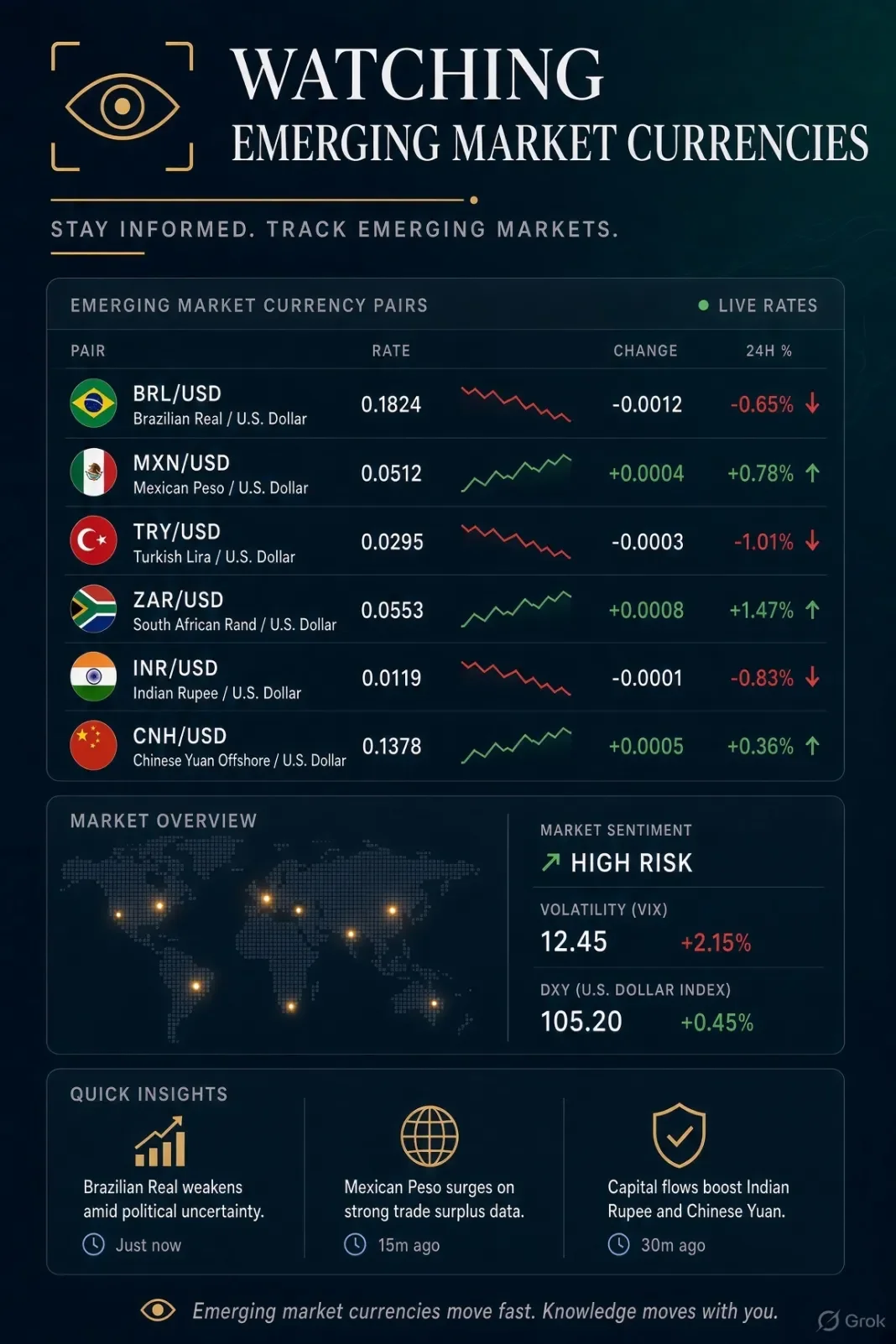
CROSS-BORDER SETTLEMENT
Saudi Arabia is no longer a public participant in mBridge, the multi-CBDC platform built for real-time, direct settlement between central banks.
SAMA told the Financial Times the kingdom completed its planned proof-of-concept on 13 May 2025 and then stepped off the participant list.
The BIS still marks the project as concluded. China, Hong Kong, Thailand and the UAE remain the core operators; Macao has since joined and begun live bank transactions.
IQD
Iraq is still pushing banking and compliance reform.
CBI notices this week cover auctions, reserves and dollar-sale operations — not a revaluation and not a redenomination.
The official budget rate remains 1,300 IQD per USD.
Treat parallel-market moves as market noise until the CBI publishes a new official rate.
VND
No redenomination.
No confirmed currency-reset decree.
Policy work is on FX accounts, accounting rules and cashless payments — not a new face value.
ZWG (ZiG)
RBZ posted an official average of 26.6294 ZWG per USD on 25 September.
That is a published interbank rate update.
It is not a revaluation.
IRR
Published official-track quotes around 26 September sit near 1.706 million IRR per USD on some feeds.
No central-bank announcement of a redenomination.
Parallel-market prints remain a separate story.
VES
BCV continues daily reference-rate publication.
No new reconversion or redenomination has been confirmed.
UNVERIFIED
No independently confirmed “sudden RV” across these currencies.
A posted rate, an auction, or a reform circular is not a revaluation.
Watch official notices.
Separate operations from narratives.
Sources to check
• FT — Saudi Arabia / mBridge
https://ft.com/content/ac104987-f43d-4e7d-97b6-057d98f7e422?utm_source=chatgpt.com
• BIS — Project mBridge (status: concluded)
https://bis.org/project/mbridge?utm_source=chatgpt.com
• Central Bank of Iraq — http://cbi.iq
https://cbi.iq/news?utm_source=chatgpt.com
• Reserve Bank of Zimbabwe — exchange rates
https://rbz.co.zw/index.php/13-daily-exchange-rates/16-rates.?utm_source=http://chatgpt.com
• BCV / official IRR rate pages
https://trend.az/iran/4228171.html?utm_source=chatgpt.com
Check the primary rate boards before sharing screenshots.
Source(s):
• https://x.com/argosaki/status/2103856549202632899
https://dinarchronicles.com/2026/09/26/gp-q-currency-watch-as-of-26th-september-2026/
Sunday Iraq News Posted by Tishwash at TNT 9-27-2026
TNT:
Tishwash: Iraq declares "Sovereignty Day" holiday from Wednesday to Sunday
On Saturday, the Cabinet issued a decision to suspend official working hours on the occasion of "Sovereignty Day".
An official statement from the media office of Prime Minister Ali al-Zaidi stated: It has been decided to suspend official working hours in state institutions starting from Wednesday, September 30, until Saturday, October 3, in celebration of the (Sovereignty Days) of the Republic of Iraq.
The complete withdrawal of foreign forces from Iraq is expected to be announced on September 30, after all their bases and camps have been handed over to the Iraqi side.
TNT:
Tishwash: Iraq declares "Sovereignty Day" holiday from Wednesday to Sunday
On Saturday, the Cabinet issued a decision to suspend official working hours on the occasion of "Sovereignty Day".
An official statement from the media office of Prime Minister Ali al-Zaidi stated: It has been decided to suspend official working hours in state institutions starting from Wednesday, September 30, until Saturday, October 3, in celebration of the (Sovereignty Days) of the Republic of Iraq.
The complete withdrawal of foreign forces from Iraq is expected to be announced on September 30, after all their bases and camps have been handed over to the Iraqi side.
Al-Zaydi had previously directed all ministries, non-ministerial entities, and governorates to take the necessary measures in accordance with the law, in coordination with the government media cell, regarding the celebration of "Iraqi Sovereignty Day".
Iraq and the United States had agreed in September 2024 to end the military mission of the international coalition led by Washington against the "Islamic State" organization in Iraq, as part of a phased plan to move the security relationship between the two countries from the framework of the coalition to a bilateral partnership.
The first phase of the mission ended in September 2025, while forces remained in the Kurdistan Region to support operations against the organization in Syria, with the final phase to be completed by the end of September 2026.
The international coalition was formed in 2014 to assist Iraqi forces in confronting ISIS, which at the time controlled large areas of Iraq and Syria. The mission of the coalition forces later shifted primarily to training, advising, and intelligence support, while Baghdad asserts that its forces are now capable of assuming responsibility for security and pursuing the organization's cells link
***********
Trump on al-Zaidi: A great man and a friend of mine... I supported him
US President Donald Trump said his meeting with Iraqi Prime Minister Ali Faleh al-Zaidi "went very well."
When a reporter asked Trump about the nature of the meeting with al-Zaidi, the US president replied, "It went very well. He's a great guy and a friend of mine, and I've supported him."
Three days earlier, Prime Minister Ali Faleh al-Zaidi met with US President Donald Trump in New York.
During the meeting, the two sides discussed bilateral relations and ways to strengthen cooperation and partnership between the two countries in the political, economic, and investment fields. They also reviewed the latest developments in the region and the joint efforts undertaken by Iraq and the United States to promote regional and international security and stability. link
************
Tishwash: The Minister of Finance directs that procedures related to budget items be completed according to the specified timelines.
Finance Minister Faleh Sari directed on Saturday that work continue at an accelerated pace and that reviews and procedures related to budget items be completed according to the established timelines.
The ministry stated in a press release received by the Iraqi News Agency (INA) that "upon his return from New York, Finance Minister Faleh Sari convened a meeting of the Budget Preparation Committee to review the draft federal budget for 2027 and finalize its requirements, in preparation for its submission to the Council of Ministers soon."
The minister directed "the continuation of work at an accelerated pace and the completion of reviews and procedures related to budget items according to the established timelines." likn
Tishwash: MP Amer Abdul-Jabbar calls for amending economic policies to stop the "bleeding of wealth" in the dollar market.
MP Amer Abdul Jabbar revealed on Saturday (September 26, 2026) statistics with figures relating to the size of the losses resulting from the price gap between the official exchange rate of the dollar and its price in the parallel market.
Abdul-Jabbar said in a statement received by “Baghdad Today” that “the losses of the Iraqi people as a result of the price gap during the period of the previous government amounted to more than 27 billion and 312 million dollars,” indicating that “the average daily losses during that period amounted to about 21 million dollars every 24 hours.”
Abdul-Jabbar added that "the losses continued to record more than $2 billion and 155 million during the current government's term until the end of last July," noting that "the price difference rose in the current month of September to 290 dinars per dollar, which is the highest since 2003."
Abdul Jabbar called on the Prime Minister to "urgently review economic, monetary, financial and trade policies to stop the bleeding of national wealth and transform it into sources that enhance the economic capabilities of the state and the people instead of depleting it." link
************
Tishwash: 40 American companies are waiting... Intensive Iraqi negotiations to resolve the issue of factions' weapons.
An informed source revealed on Saturday that private meetings are continuing between the Quartet Committee and the leaders of the armed resistance factions, with the aim of reaching final agreements on the management, storage and organization of weapons, stressing that resolving this issue paves the way for more than 40 American companies to enter Iraq to start their projects.
The source told Shafaq News Agency that “Iraqi Prime Minister Ali al-Zubaidi asked the political leaders within the coordination framework, specifically the four-party committee concerned with negotiating with the factions, to intensify dialogues and meetings to reach understandings that end the controversy over the management and organization of weapons, in a manner consistent with the interest of Iraq and the region.”
He added that "Washington demanded from al-Zaidi guarantees that American companies, which number more than 40 investment companies in various fields, would not be targeted by resistance factions."
According to the source, an important meeting will be held under the auspices of the Prime Minister after his return from Washington, between the Quartet Committee emanating from the Coordination Framework and the leaders of the factions that are hesitant to hand over weapons, in the presence of the Iranian ambassador or his representative, to discuss limiting and regulating the management of weapons officially, and to ensure that American companies that will arrive in Iraq after the official withdrawal of American forces from the country are not targeted.
He pointed out that "the meeting will also discuss the issue of integrating elements of those factions into the Popular Mobilization Forces within three months," noting that "the faction leaders reject this, but their position may change after the meeting, and everyone is counting on that."
For his part, Abdul Rahman al-Jazaeri, a leader in the National Oath Movement, which is part of the State of Law Coalition, confirmed to Shafaq News Agency that “the leaders of the four factions with whom negotiations are being conducted by the Quadripartite Committee have demanded the enactment of a special law to restrict, manage and regulate weapons by the House of Representatives, so that it acquires legal and official status, and preserves the rights of those factions under one name in the Popular Mobilization Forces.”
Al-Jazairi explained that "the issue of restricting weapons has become directly linked to the Iraqi-American relationship, as it is no longer an internal matter."
He continued, saying that "the Prime Minister will work upon his return to expedite the procedures for completing the cabinet, especially the Ministries of Interior and Defense, given that the withdrawal process, according to the approved protocol, requires that the handover and American withdrawal be carried out through the signing of an official protocol with the ministers concerned with the security file, and therefore it is necessary to choose the Ministers of Interior and Defense."
In a speech to the United Nations General Assembly on Friday, Iraqi Prime Minister Ali al-Zubaidi stressed that one of his government's priorities is for the state to be the decision-maker in peace and war, emphasizing that weapons and instruments of power must remain in the hands of the constitutional state institutions, and that the law should be the arbiter and the national interest the compass.
The issue of armed factions is one of the most sensitive issues facing the Iraqi government, with the approach of September 30, which the main political forces have set as the deadline for restricting weapons to official institutions.
The State Administration Coalition, which includes the most prominent Shiite, Sunni and Kurdish political forces, stressed during its meeting on August 5 the need to restrict weapons to the state, and considered the parties that carry out activities that threaten the security of the country outside the framework of official institutions as “outlaws and must be fought.”
The coalition warned that any armed activity outside the framework of the state after September 30 would be dealt with according to the anti-terrorism law.
Last month, Baghdad witnessed security tensions coinciding with threats by armed factions to retaliate against Saudi Arabia, following strikes targeting Popular Mobilization Forces sites. The tensions ended with contacts and a dawn meeting between Prime Minister Ali Faleh al-Zubaidi and Badr Organization leader Hadi al-Amiri, which led to a mutual calming of tensions and opened the way for diplomatic action to address the crisis.
Al-Amiri later called on the "Islamic Resistance" factions to postpone any military response against Saudi Arabia and to prioritize "Iraq's higher interest," but he returned and stressed during a meeting with a number of Popular Mobilization Forces leaders the importance of maintaining a high level of readiness.
The plan to restrict weapons does not have a unified position among the armed factions, as some forces have expressed a willingness to reorganize their military and security relationship with the state. Other factions, including Kataib Hezbollah, Harakat al-Nujaba and Kataib Sayyid al-Shuhada, have announced their refusal to give up their military capabilities, and have linked any discussion about their weapons to the end of the presence of foreign forces and ensuring the protection of Iraq from external attacks.
The September 30th date also coincides with the deadlines related to ending the military presence of the international coalition in Iraq, which some factions use as a basis for linking the future of their weapons to the withdrawal of foreign forces. link
The Economic Transition Begins, Fed Complies & Informs The Banks To Follow The Procedures
The Economic Transition Begins, Fed Complies & Informs The Banks To Follow The Procedures
X22 Report: 9-27-2026
The [CB] is now complying the Genius act and instructing the banks to back the stable coin with assets. The transition has begun
Some excerpts:
Trump and his team are already beginning the transition.
I believe Warsh has been put in place to restructure the entire Fed and follow the Genius Act and the Clarity Act to get the Federal Reserve in line so it could be brought into the Treasury.
The Economic Transition Begins, Fed Complies & Informs The Banks To Follow The Procedures
X22 Report: 9-27-2026
The [CB] is now complying the Genius act and instructing the banks to back the stable coin with assets. The transition has begun
Some excerpts:
Trump and his team are already beginning the transition.
I believe Warsh has been put in place to restructure the entire Fed and follow the Genius Act and the Clarity Act to get the Federal Reserve in line so it could be brought into the Treasury.
It looks like that is already happening. I do believe it is being prepared to change the Federal Reserve and the debt system into an income system.
To do this we will need something to back up the US dollar. Right now we use the Federal Reserve Note….but eventually it will be a US dollar. We are moving away from the “Federal Reserve Note.
Just like long ago we moved away from a US dollar and into the Federal Reserve note. Just like when they transitioned us in 1971……from the gold standard and into the petro dollar system…..Trump and his team will transitioning us from a debt backed system into a income based system.
I believe that what they are doing with the Genius Act , and when the Clarity Act passes we will have stablecoins , bitcoin and the blockchain to back the US dollar as we make this transition. Everything needs to be put in place and done right.
The deep state and CB bankers are fighting back with everything they have …but I believe they are losing that fight.
Trump is restructuring the system from debt based to an actual supply/demand income system which will take the US economy into a completely different direction. The foundation is growing by leaps and bounds.
The Central banks are now abiding by the Genius Act …they were told they had to follow this and back the stablecoins with Treasuries and other assets.
Federal Reserve unveils Stablecoin rules on Reserves and Capital: The Central Bank opened two proposals for comment under the GENIUS ACT, requiring issuers it supervises to back tokens fully with safe assets and creating an application process for banks seeking to issue stablecoins.
The transition has begun. We are on our way. They are ending the endless that started in 1913.
Please listen to the entire video. There is much more on the new financial system, revaluing gold, The end of income taxes and the end of the Federal Reserve and fiat worldwide. …….
Iraq Economic News and Points To Ponder Late Saturday Evening 9-26-26
Iraq Declares Four-Day Holiday For Sovereignty Days
2026-09-26 Shafaq News- Baghdad Iraq’s Cabinet on Saturday declared a four-day holiday in state institutions from September 30 through October 3 to mark the country’s “Sovereignty Days,” Prime Minister Ali Al-Zaidi’s media office said.
Iraq Declares Four-Day Holiday For Sovereignty Days
2026-09-26 Shafaq News- Baghdad Iraq’s Cabinet on Saturday declared a four-day holiday in state institutions from September 30 through October 3 to mark the country’s “Sovereignty Days,” Prime Minister Ali Al-Zaidi’s media office said.
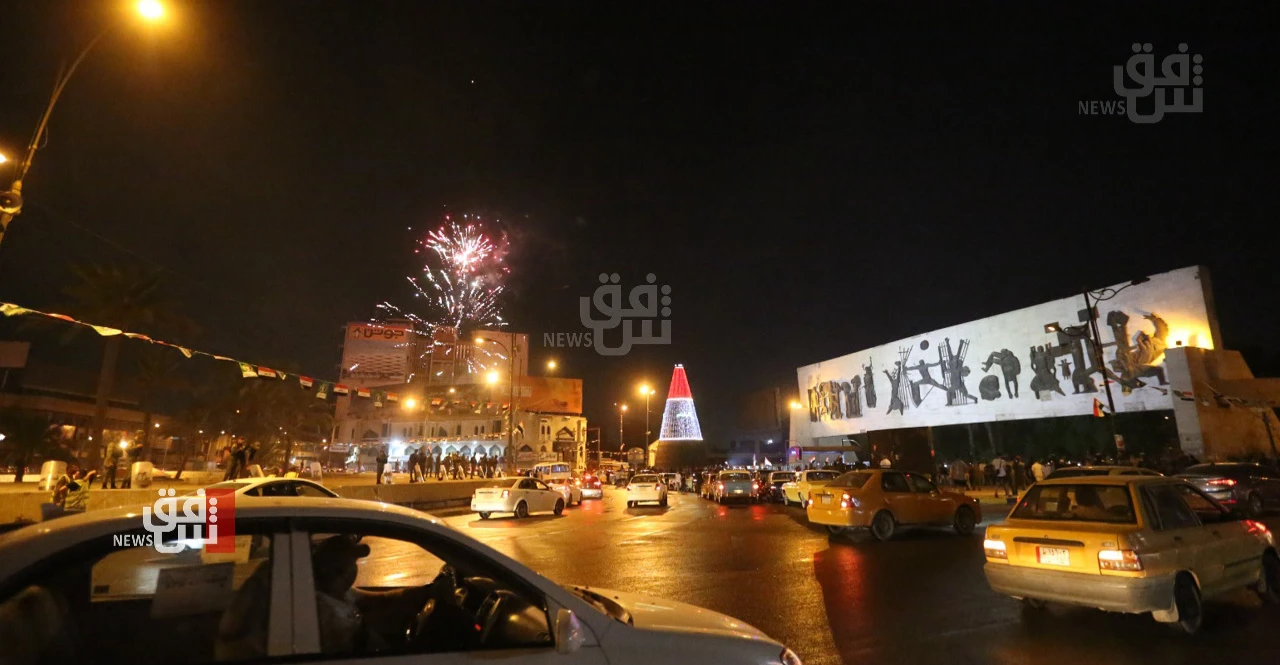
Al-Zaidi had previously instructed ministries, government bodies and provincial authorities to coordinate with the Government Media Cell on events marking Iraqi Sovereignty Day.
The Council of Ministers Declares an Official Holiday Across State Institutions from Wednesday, September 30, through Saturday, October 3, in Celebration of the Republic of Iraq’s Sovereignty Days
Media Office of the Prime Minister September 26, 2026
Iraq is expected to mark the completion of the US-led Coalition’s military withdrawal on September 30, following the handover of its remaining bases and facilities to Iraqi authorities.
Iraq and the United States agreed in September 2024 to end the US-led Coalition’s military mission against ISIS in Iraq through a phased plan shifting bilateral security relations from the Coalition framework to a direct partnership.
The first phase ended in September 2025, while Coalition forces remained in the Kurdistan Region to support operations against ISIS in Syria, with the final phase scheduled for completion by the end of September 2026.
The Global Coalition was formed in 2014 to support Iraqi forces against ISIS after the group seized large areas of Iraq and Syria. Its role later shifted largely to training, advising and intelligence support.
Read more: Iraqi Army after US-led Coalition withdrawal
https://shafaq.com/en/society/Iraq-declares-four-day-holiday-for-Sovereignty-Days
US Hands Over Diplomatic Center At Baghdad Airport To Iraqi Government
The center was previously part of the US’ Victory Base military installation, before being repurposed as a diplomatic support hub during the US troops’ withdrawal from Iraq in 2011.
ERBIL, Kurdistan Region of Iraq – Iraq and the US on Thursday signed an agreement to hand over the US Embassy’s Diplomatic support Center at Baghdad International Airport to the Iraqi government, as part of procedures paving the way for the US-led global coalition’s withdrawal by the end of September.
The agreement was signed by the Iraqi foreign ministry’s Undersecretary for Bilateral Relations Mohammed Hussein Bahr al-Uloom and the US Charge d’Affaires in Iraq Steven Fagin.
“This step is part of the Iraqi government’s efforts to finalize procedures regarding the conclusion of the International Coalition’s mission and the foreign military presence in Iraq,” the statement stressed.
The US-led coalition was brought to Iraq in 2014 at Baghdad’s invitation to help repel the Islamic State (ISIS) advance across the country. Under an agreement between Washington and Baghdad, the coalition is set to complete its withdrawal from all Iraqi territory by September 30.
The two sides affirmed that the agreement represents “a key step” in regulating relations between the two countries and establishing framework for a “new phase” of bilateral ties built on “expanding areas of convergence and joint action to serve the mutual interests.”
The Diplomatic support Center was a diplomatic and logistics facility run by the US State Department and situated on the west side of Baghdad International Airport. It was previously part of the US’ Victory Base military installation, before being repurposed as a diplomatic support hub during the US troops’ withdrawal from Iraq in 2011.
The center, alongside other US interests in Iraq, was subject to drone attacks from Iran-aligned armed factions during the regional conflict that began in late February.
The new Iraqi government under Prime Minister Ali al-Zaidi has sought to disram non-state armed actors and restrict weapons to the state; a campaign heavily supported by Washington, as US interests and facilities in Iraq and the Kurdistan Region have been repeatedly struck by these groups over the years. https://thenewregion.com/posts/6620
Barak: There Is No Justification For The Factions To Remain After The American Withdrawal And Their Integration Into State Institutions
Baghdad - One News - 9/25/2026 US Special Envoy to Syria and Iraq Tom Barrack affirmed that Iraqi Prime Minister Ali al-Zaidi’s approach to dealing with the militias is a smart move, based on ending their existence as independent entities and integrating their members into Iraqi state institutions.
Barak said that what the Prime Minister is doing in Iraq is “very smart,” explaining that when the militias begin to disband, their members can be integrated into the Iraqi government and receive the same salaries, provided that the integration process is carried out on an individual basis.
He added that the goal of this path is to reach a single state, by unifying individuals within its institutions instead of the continued existence of separate armed formations.
Barak pointed out that there was no reason for the militias to continue to exist, given the departure of the Coalition forces and United States. https://1news-iq.net/باراك-لا-مبرر-لبقاء-الفصائل-بعد-الانسح/
Iraq inflation rises 0.7% in August
2026-09-26 Shafaq News- Baghdad Iraq’s consumer price index rose 0.7% in August from July and increased 3.3% year on year, according to data from the country’s Statistics and GIS Authority.
The general consumer price index reached 110.9 in August, up from 110.1 in July.
Compared with August 2025, when the index stood at 107.4, consumer prices rose 3.3% year on year. https://shafaq.com/en/Economy/Iraq-inflation-rises-0-7-in-August
US Dollar Falls In Baghdad And Erbil
2026-09-26 Shafaq News- Baghdad/ Erbil The US dollar closed Saturday’s trading lower in Iraq, hovering around 156,300 dinars per 100 dollars.
According to a Shafaq News market survey, the dollar traded in Baghdad's Al-Kifah and Al-Harithiya exchange markets at 156,300 dinars per 100 dollars, down from the morning session’s 156,800 dinars.
In the Iraqi capital, exchange shops sold the dollar at 156,750 dinars and bought it at 155,750 dinars, while in Erbil, selling prices stood at 156,400 dinars and buying prices at 156,350 dinars.
https://shafaq.com/en/Economy/US-dollar-falls-in-Baghdad-and-Erbil
Seeds of Wisdom RV and Economics Updates Sunday Morning 9-27-26
Good Morning Dinar Recaps,
U.S.-CHINA RESET WATCH: TRUMP-XI SUMMIT PRODUCES TARIFF CUTS, TRADE COUNCIL AND AI DIALOGUE
The latest U.S.-China agreement reduces some trade barriers while creating new channels for economic and artificial-intelligence cooperation between the world’s two largest economies.
Good Morning Dinar Recaps,
U.S.-CHINA RESET WATCH: TRUMP-XI SUMMIT PRODUCES TARIFF CUTS, TRADE COUNCIL AND AI DIALOGUE
The latest U.S.-China agreement reduces some trade barriers while creating new channels for economic and artificial-intelligence cooperation between the world’s two largest economies.
OVERVIEW
Tariff reductions: The United States and China agreed on recommendations for more favorable tariff treatment covering approximately $30 billion of non-sensitive goods in each direction.
New cooperation mechanisms: The two countries agreed to establish a trade council while extending the results of earlier economic and trade consultations.
AI dialogue: Washington and Beijing agreed to establish a formal China-U.S. AI Dialogue, with the next discussions scheduled for November and a separate communication channel for AI-related incidents.
KEY DEVELOPMENTS
1. $30 Billion Tariff Arrangement Creates New Trade Opening
The three-day Trump-Xi summit produced an agreement for $30 billion in reciprocal tariff reductions on non-sensitive goods. The reported categories include U.S. agricultural products, wood and cosmetics, along with Chinese exports such as small appliances, toys and decorations.
The agreement does not eliminate the broader U.S.-China trade relationship's remaining disagreements, but it establishes a concrete reduction in some tariff barriers. The two countries also agreed to extend the outcomes of previous economic and trade consultations.
2. New Trade Council Creates a Permanent Cooperation Channel
The United States and China agreed to establish a Board of Trade and related mechanisms to continue addressing selected bilateral economic issues.
This is significant because the relationship between the world's two largest economies involves far more than tariffs. Supply chains, critical materials, technology, agriculture, manufacturing, investment and financial flows are all connected to the broader trade relationship.
A continuing trade mechanism gives both governments a structured channel for addressing economic disputes rather than relying solely on high-level meetings when tensions escalate.
***************
3. AI Dialogue Expands the Reset Beyond Traditional Trade
The summit also established a China-U.S. AI Dialogue focused on the risks and benefits of artificial intelligence. The next round is scheduled for November 2026, and the two countries agreed to establish a communication channel for AI-related incidents.
This adds a technology dimension to the economic relationship. Artificial intelligence is increasingly connected to productivity, investment, semiconductor demand, energy consumption, financial technology and national economic competitiveness.
The development shows that the next phase of global economic cooperation is increasingly extending beyond physical goods into digital and technological infrastructure.
WHY IT MATTERS
The U.S.-China relationship is one of the most important forces shaping global trade, investment and supply chains. Even partial reductions in trade barriers can affect shipping volumes, manufacturing decisions, commodity demand, corporate investment and international capital flows.
The new trade council and AI dialogue are also important because they create continuing mechanisms for cooperation in areas that increasingly influence the global economy.
For the evolving global financial system, the important development is the combination of trade normalization, institutional cooperation and technology dialogue between two economic powers whose decisions have worldwide consequences.
WHY IT MATTERS TO FOREIGN CURRENCY HOLDERS
Currency values are influenced by international trade, capital flows, economic growth, interest-rate expectations and investor confidence.
A reduction in trade friction between the United States and China could alter trade flows, commodity demand and investment patterns, while greater cooperation in technology could influence future economic growth and capital allocation.
This does not establish a currency revaluation or a specific Global Reset date. The more measurable development is that the economic relationships underlying global currency markets are continuing to evolve.
For currency holders watching the Global Financial Reset, this is another example of why the foundation of the system matters before any discussion of future currency values.
***************
IMPLICATIONS FOR THE GLOBAL RESET
Pillar 1: Trade
The tariff reductions and new trade council indicate movement toward more structured management of U.S.-China economic relations. If implemented, lower barriers could support greater trade flows and reduce some friction within global supply chains.
Pillar 2: Technology
The new AI Dialogue places artificial intelligence directly into the framework of bilateral economic cooperation. AI is becoming increasingly important to financial services, productivity, manufacturing, investment and digital infrastructure.
Pillar 3: Assets
Changes in trade relationships can influence commodity markets, corporate investment and international capital allocation. As major economies adjust their trade and technology relationships, the distribution of global investment can also evolve.
THE BIGGER PICTURE
The significance of the Trump-Xi summit extends beyond the immediate tariff agreement. The United States and China are establishing multiple channels for continued economic and technology discussions, including trade and AI.
That matters because the global financial system is not being transformed through one single event. It is evolving through many interconnected changes involving trade agreements, payment systems, technology, capital markets, energy and international economic relationships.
The U.S.-China developments therefore provide another piece of the larger picture: major economies are building new mechanisms for managing an increasingly interconnected global economy.
THE BOTTOM LINE
The Trump-Xi summit produced concrete steps involving tariffs, trade cooperation and artificial intelligence, while leaving broader economic issues for continued negotiations.
For those following the Global Financial Reset, the key takeaway is not a prediction about currencies but the continued restructuring of the economic relationships that influence them.
The bigger story is that the global financial system is evolving from a network built primarily around traditional trade and banking relationships into a more interconnected system shaped by trade corridors, technology, digital infrastructure and new forms of international cooperation.
Seeds of Wisdom Team
Newshounds News™ Exclusive
SOURCES
Reuters — "China, US agree to AI dialogue, tariff cuts on $30 billion in goods during Xi visit"
China.gov.cn / Xinhua — "China and the United States reach eight deliverables and understandings"
~~~~~~~~~~
🌱 A Message to Our Currency Holders🌱
If you’ve been holding foreign currency for many years, you were not foolish.
You were not wrong to believe the global financial system would change.
What failed was not your patience — it was the information you were given.
For years, dates, rumors, and personalities replaced facts, structure, and proof. “This week” predictions created cycles of hope and disappointment that were never based on how currencies actually change.
That is not your failure.
Our mission here is different: • No dates • No rates • No hype • No gurus
Instead, we focus on:
• Verifiable developments • Institutional evidence
• Global financial structure • Where countries actually sit in the process
Currency value changes only come after sovereignty, trade, banking, settlement systems, and fiscal coordination are in place. History and institutions confirm this sequence.
You will see silence. You will see denials. That is not delay — that is discipline.
Protect your identity. Organize your documents. Verify everything.
Never hand your discernment to anyone who cannot show proof.
You deserve truth — not timelines.
Seeds of Wisdom Team
Newshounds News
~~~~~~~~~~
Seeds of Wisdom Team RV Currency Facts Youtube and Rumble
Newshound's News Telegram Room Link
RV Facts with Proof Links Link
RV Updates Proof links - Facts Link
Start Here room with Most Asked Questions Link
Follow the Gold/Silver Rate COMEX
Follow Fast Facts
Seeds of Wisdom Team™ Website
Thank you Dinar Recaps