
MilitiaMan and Crew: IQD News Update-Exchange Rate-Stability
MilitiaMan and Crew: IQD News Update-Exchange Rate-Stability
1-12-2026
The Crew: Samson, PompeyPeter, Petra, Daytrader, Sunkissed, GIGI and Militia Man
Follow MM on X == https://x.com/Slashn
Be sure to listen to full video for all the news……..
MilitiaMan and Crew: IQD News Update-Exchange Rate-Stability
1-12-2026
The Crew: Samson, PompeyPeter, Petra, Daytrader, Sunkissed, GIGI and Militia Man
Follow MM on X == https://x.com/Slashn
Be sure to listen to full video for all the news……..
Seeds of Wisdom RV and Economics Updates Monday Evening 1-12-26
Good Evening Dinar Recaps
Gold Breaks Free: Shining as the Dollar Wavers
Tagline: When confidence falters, markets seek tangible certainty — and gold answers the call.
Good Evening Dinar Recaps
Gold Breaks Free: Shining as the Dollar Wavers
Tagline: When confidence falters, markets seek tangible certainty — and gold answers the call.
Overview
Gold prices surged to record levels as uncertainty hit currency markets.
The U.S. dollar weakened sharply amid political stress on the Federal Reserve.
Investors rotated toward safe-haven assets like precious metals.
Market dynamics signaled broader risk re-pricing across global finance.
Key Developments
Gold climbs as investors seek stability
Gold hit multi-year highs as traders shifted capital into assets perceived as reliable stores of value — especially amid eroding confidence in monetary institutions.
Dollar slides on rising political and policy risk
The U.S. dollar weakened across major currency pairs after political events shook investor trust in the Federal Reserve’s independence, prompting currency repositioning.
Safe havens benefit from risk aversion
Precious metals and other non-currency stores of value outperformed as the market’s risk appetite contracted sharply, reflecting hedging behavior.
Market indicators confirm shift in sentiment
Volatility metrics and FX flows suggested a broad repricing of risk — with traditional “risk on” assets losing ground while havens gained traction.
Why It Matters
Gold’s ascent amid a weakening dollar underscores how confidence lapses in monetary leadership can ripple into real asset markets. When central banks appear vulnerable to political pressure, capital seeks alternatives that are less subject to policy uncertainty.
Why It Matters to Foreign Currency Holders
For holders of foreign currency, this shift suggests broader repricing dynamics: weak confidence in dominant monetary institutions can strengthen the calculus for diversifying into real assets and currency alternatives — key themes tied to reset considerations.
Implications for the Global Reset
Pillar 1: Hard Assets Regain Strategic Relevance
As monetary credibility wavers, gold and similar assets reclaim strategic importance — potentially reshaping reserve allocations and weakening the monopoly of fiat anchors.
Pillar 2: Monetary Uncertainty Drives Structural Rebalancing
A sustained move into tangible stores of value may accelerate trends toward financial decentralization and monetary plurality, both core elements in reset scenarios.
This is not just politics — it’s global finance restructuring before our eyes.
Seeds of Wisdom Team
Newshounds News™ Exclusive
Sources
Reuters — “Gold leaps to record high, dollar drops as US prosecutors target Fed’s Powell”
Reuters — “Investors anxious over make-or-break fight for the Fed”
CNBC — “Gold prices hit record as dollar weakens on Fed political uncertainty”
~~~~~~~~~~
Make-or-Break Moment: Investors Confront a Fed Crisis
When faith in the referee wavers, markets start rewriting the rules.
Overview
Investors are increasingly alarmed by the escalating conflict surrounding the Federal Reserve.
Concerns center on whether political pressure could alter monetary policy outcomes.
Market volatility reflects growing uncertainty about future rate decisions.
Global investors are reassessing exposure to U.S. assets and the dollar.
Key Developments
Investors warn of a pivotal credibility test for the Fed
Market participants describe the current standoff as a “make-or-break” moment for the Federal Reserve, with long-term consequences for policy credibility and investor trust.
Uncertainty clouds future interest-rate expectations
The conflict has complicated expectations around rate cuts or tightening, as investors question whether economic data or political influence will guide future decisions.
Market volatility signals unease
Equities, bonds, and currency markets have all shown signs of stress, reflecting concern that monetary stability may be compromised during a politically charged period.
Global investors reassess U.S. financial leadership
International asset managers are increasingly focused on whether the U.S. can maintain institutional stability — a critical factor in global capital allocation.
Why It Matters
Investor confidence relies on predictable, rules-based monetary policy. When the Federal Reserve’s independence is questioned, uncertainty spreads beyond U.S. markets, affecting global liquidity, capital flows, and financial stability.
Why It Matters to Foreign Currency Holders
Foreign currency holders anticipating gains from a Global Reset closely watch moments like this. A weakening perception of Fed authority strengthens the narrative for currency realignment, diversification, and revaluation as confidence shifts away from traditional monetary anchors.
Implications for the Global Reset
Pillar 1: Confidence as the True Reserve Asset
The dollar’s dominance depends less on size and more on trust. A credibility crisis at the Fed challenges that foundation and accelerates discussions around alternative systems.
Pillar 2: Market Stress as a Catalyst for Change
Periods of institutional strain often precede structural reform — making investor anxiety a potential trigger rather than a byproduct of reset dynamics.
This is not just politics — it’s global finance restructuring before our eyes.
Seeds of Wisdom Team
Newshounds News™ Exclusive
Sources
Reuters — “Investors anxious over make-or-break fight for the Fed”
Reuters — “Global markets rattled as Fed independence comes under scrutiny”
MarketWatch — “Why Wall Street is worried about political pressure on the Fed”
~~~~~~~~~~
Seeds of Wisdom Team RV Currency Facts Youtube and Rumble
Newshound's News Telegram Room Link
RV Facts with Proof Links Link
RV Updates Proof links - Facts Link
Follow the Gold/Silver Rate COMEX
Follow Fast Facts
Seeds of Wisdom Team™ Website
Thank you Dinar Recaps
Seeds of Wisdom RV and Economics Updates Monday Afternoon 1-12-26
Fed Under Siege: The Dollar’s Untouchable Pillar Starts to Crack
When political power collides with monetary authority, global finance takes notice.
Fed Under Siege: The Dollar’s Untouchable Pillar Starts to Crack
When political power collides with monetary authority, global finance takes notice.
Overview
A criminal investigation involving the U.S. Federal Reserve Chair has triggered widespread concern over central bank independence.
Markets reacted swiftly, signaling anxiety over political influence on monetary policy.
The U.S. dollar weakened as investors reassessed institutional stability.
Safe-haven assets surged, reflecting a shift in global risk perception.
Key Developments
Unprecedented legal pressure on the Federal Reserve
For the first time in modern history, a sitting Fed Chair faces criminal scrutiny, raising alarms that monetary policy could be influenced by political objectives rather than economic data.
Public defense of monetary independence
Federal Reserve leadership pushed back forcefully, emphasizing that policy decisions must remain insulated from political forces to preserve credibility and market trust.
Markets respond to institutional uncertainty
Currency markets reacted immediately, with the dollar slipping and volatility rising as traders priced in long-term damage to policy predictability.
Global implications ripple outward
International observers warned that any erosion of U.S. central bank independence could destabilize global capital flows and accelerate diversification away from the dollar.
Why It Matters
Central bank independence underpins trust in modern financial systems. When that independence is questioned, markets begin to doubt not just policy decisions, but the durability of the entire monetary framework supporting global trade and finance.
Why It Matters to Foreign Currency Holders
Foreign currency holders anticipate gains tied to a future Global Reset, where currency values may realign. A weakened perception of U.S. monetary authority strengthens the case for currency repricing, diversification, and alternative stores of value as confidence shifts away from traditional anchors.
Implications for the Global Reset
Pillar 1: Reserve Currency Confidence at Risk
Political interference threatens the dollar’s role as the unquestioned global reserve, opening the door for accelerated reserve diversification and structural change.
Pillar 2: The Return of Hard Assets and Neutral Money
As trust in institutions erodes, capital gravitates toward assets perceived as politically neutral — reinforcing long-term reset dynamics already underway.
This is not just politics — it’s global finance restructuring before our eyes.
Seeds of Wisdom Team
Newshounds News™ Exclusive
Sources
Reuters — “Trump team ramps up attack on Fed’s Powell with criminal indictment threat”
Reuters — “Investors anxious over make-or-break fight for the Fed”
Reuters — “Gold leaps to record high, dollar drops as US prosecutors target Fed’s Powell”
Reuters — “Germany’s finance minister says central bank independence is a ‘clear line’”
~~~~~~~~~~
Europe Draws the Line: Germany’s Finance Chief Defends Central Bank Autonomy
When Washington’s monetary drama spills into transatlantic policy, global trust in currency safeguards becomes a global issue.
Overview
• German Finance Minister Lars Klingbeil publicly reaffirmed his commitment to central bank independence amid turmoil over U.S. pressure on the Federal Reserve.
• He described independence as a “clear line” that must not be crossed.
• The comments were made against the backdrop of ongoing controversy surrounding the U.S. Justice Department’s actions involving Fed leadership.
• Europe’s stance signals widening transatlantic divergence on monetary governance.Key Developments
Germany draws a bright line under central bank autonomy
Finance Minister Lars Klingbeil emphasized that central bank independence is non-negotiable, especially in light of events casting doubt on U.S. monetary insulation from political pressure.
Comments delivered in Washington at G7+ talks
Speaking during a meeting with other advanced economies’ finance leaders, Klingbeil warned that eroding confidence in monetary neutrality could have far-reaching consequences for global stability.
Transatlantic dialogue under strain
Klingbeil acknowledged that while Europe seeks cooperation with the U.S., differences are widening, particularly regarding how monetary institutions are treated amid political disputes.
Broader strategic considerations on the table
Beyond monetary policy, the meeting also touched on supply chain resilience and reducing dependencies on key global producers — illustrating how economic confidence and strategic security are now intertwined.
Why It Matters
Central bank independence is a cornerstone of credible monetary policy. When leaders of major economies reaffirm this principle, it reinforces market confidence — but it also highlights how fragile that confidence can be when global monetary leadership appears politically vulnerable.
Why It Matters to Foreign Currency Holders
Foreign currency holders watch central bank credibility closely: shifts in perceived autonomy can lead to portfolio reallocations, reserve reshuffling, and increased demand for alternatives — all foundational to reset dynamics.
Implications for the Global Reset
Pillar 1: Reinforcing Institutional Trust or Exposing Fault Lines
Germany’s stance strengthens the narrative that central bank independence must be preserved — a key tenet for stable cross-border reserve systems or potential alternatives.
Pillar 2: Transatlantic Monetary Friction as a Catalyst for Change
Growing divergence between European and U.S. policy philosophies could accelerate conversations on reserve diversification, regional monetary resilience, and new financial architectures.
This is not just politics — it’s global finance restructuring before our eyes.
Seeds of Wisdom Team
Newshounds News™ Exclusive
Sources
~~~~~~~~~~
Seeds of Wisdom Team RV Currency Facts Youtube and Rumble
Newshound's News Telegram Room Link
RV Facts with Proof Links Link
RV Updates Proof links - Facts Link
Follow the Gold/Silver Rate COMEX
Follow Fast Facts
“Tidbits From TNT” Monday 1-12-2026
TNT:
Tishwash: International Monetary Fund: Iraq's inflation rate is the lowest in the Arab world.
Data from the International Monetary Fund (IMF) showed that the inflation rate in Iraq reached about 1.5% by the end of 2025, making it among the lowest inflation rates in Arab countries, according to the Fund’s indicators for consumer price expectations.
According to data from World Economic Outlook and the IMF's country database, Iraq recorded a low inflation rate compared to a number of Arab economies that continued to experience high price pressures during the same year, reflecting relative stability in domestic prices.
TNT:
Tishwash: International Monetary Fund: Iraq's inflation rate is the lowest in the Arab world.
Data from the International Monetary Fund (IMF) showed that the inflation rate in Iraq reached about 1.5% by the end of 2025, making it among the lowest inflation rates in Arab countries, according to the Fund’s indicators for consumer price expectations.
According to data from World Economic Outlook and the IMF's country database, Iraq recorded a low inflation rate compared to a number of Arab economies that continued to experience high price pressures during the same year, reflecting relative stability in domestic prices.
Inflation rate in Iraq
The IMF data indicates that the decline in inflation in Iraq is linked to several factors, including improved availability of goods in the markets, relative stability of the exchange rate, and government policies related to imports and public spending, despite the continued regional and global economic challenges.
In the same context, the IMF data showed a wide disparity in inflation rates among Arab countries at the end of 2025, with some countries recording high rates, while others, including Iraq, maintained relatively low levels, reflecting the different economic conditions and monetary and fiscal policies adopted in each country.
A lower inflation rate is an important indicator of relatively stable purchasing power, but it does not necessarily reflect an overall improvement in living conditions, given the continued challenges of unemployment and income levels. link
Tishwash: Parliamentary signatures were collected to summon the Prime Minister and the Minister of Finance to discuss the tax decision.
text of the document:
Greetings,
Based on Article 28 of the 2005 Constitution of the Republic of Iraq, which stipulates that taxes and fees may only be imposed by law and in a manner that achieves social justice, and Article 61/Second, which concerns the oversight role of the Council of Representatives, and Article 61/First (b), which authorizes the Council to summon senior executive officials, in addition to Articles 30 and 14, which relate to a decent standard of living and equality before the law:
We kindly request your approval to summon the Prime Minister and the Minister of Finance to the Council of Representatives to discuss the procedures and policies related to imposing taxes and fees on citizens, to clarify their economic and social impacts, and to assess their compliance with the provisions of the Constitution and the principle of social justice.
We request that you take the necessary measures in this regard and schedule a suitable date for the hearing.
Thank you for your attention and consideration. link
************
Tishwash: A representative of Al-Mirbad: Today's session was a continuation of yesterday's session, hosting the directors of customs, taxes, and border crossings.
MP Raja Fadel Al-Hamdi said that today’s session was a continuation of yesterday’s session, which also included hosting the directors general of the border crossings, customs and tax authorities.
Al-Hamdi added in her statement to Al-Mirbad that the revenues from those bodies were discussed, as well as how to maximize resources, in addition to discussing the waste of some revenues and the lack of control over them by the competent authorities. She also indicated that the dues of the governorates were also addressed.
Al-Hamdi revealed that she called for attention to be paid to the border crossings, especially the Shalamcheh border crossing in Basra, which represents a gateway to the governorate and is linked to the state of Iran, from which millions of visitors come annually, indicating that she asked the head of the Border Crossings Authority to visit it and learn about its needs. link
************
Tishwash: Qasim al-Araji receives the Chargé d'Affaires of the US Embassy in Baghdad
National Security Advisor, Mr. Qasim Al-Araji, received the Chargé d'Affaires of the US Embassy in Baghdad on Sunday.
Mr. Joshua Harris.
Mr. Al-Araji stressed that the Iraqi government is making great efforts to spare Iraq the effects of the conflict in the region, and to ensure that Iraq does not become an arena for settling scores, praising the efforts of the political blocs to choose a government that meets the aspirations of the Iraqi people for security, stability and balanced relations with the international community.
During the meeting, a comprehensive review of the overall situation in the region and the latest regional and international developments was also conducted.
The meeting also addressed the continuation of cooperation and partnership between Iraq and the United States, in a way that serves the security and stability of the region and the world. link
************
Tishwash: Baghdad merchants take to the streets in a large demonstration protesting the fees
Traders in the capital have launched Baghdad Today, Sunday, a large demonstration took place near Baghdad Chamber of Commerce In protest against the fees Customs
The new regulations that the government began implementing with the arrival of the new year, which led to an increase in the value of fees on some goods, especially gold, cars, electronics and electrical appliances.
The lens captured Sumerian Protests by all merchants Baghdad Members in Baghdad Chamber of Commerce Those specializing in trading various goods raised banners containing slogans against the fees, especially the 30% fee.
oldsmiths, speaking to Alsumaria News, warned that the new fees will directly affect young people wishing to get married in Iraq This comes after the tariff increase. Customs On gold, 50 times.
One of the traders said that they used to pay 250,000 dinars in fees for every kilogram of imported gold, and today the fees have become 5%, which is equivalent to paying more than 12 million dinars in fees.
The traders confirmed that with one million dinars a young man about to get married could buy a good piece of furniture, but today it is impossible to get anything suitable for that price link
Mot: Are YOU OK!!!???

Mot: Is it Really True!!!???

Seeds of Wisdom RV and Economics Updates Monday Morning 1-12-26
Good Morning Dinar Recaps,
STABLECOINS, SANCTIONS AND SURVEILLANCE: WHY 2025 RESHAPED CRYPTO’S REGULATORY REALITY
From speculation to enforcement, digital money crossed the point of no return
Good Morning Dinar Recaps,
STABLECOINS, SANCTIONS AND SURVEILLANCE: WHY 2025 RESHAPED CRYPTO’S REGULATORY REALITY
From speculation to enforcement, digital money crossed the point of no return
Overview
As crypto entered 2026, the focus shifted decisively away from speculation toward infrastructure, compliance, and real-world use.
Stablecoins now account for more than 50% of all onchain transaction volume globally, overtaking most other crypto assets in practical usage.
Governments and regulators moved from exploratory policy to active enforcement and implementation during 2025.
Sanctions, surveillance, and geopolitical use of crypto became defining regulatory drivers.
Key Developments
Stablecoins moved to the center: Despite Bitcoin retaining roughly half of total crypto market capitalization, stablecoins now dominate transactional volume across payments, remittances, and trading.
Enforcement leverage expanded: Centralized stablecoin issuers have demonstrated the ability to freeze or burn tokens, giving regulators and law enforcement a powerful compliance tool.
Crypto crime evolved: Illicit crypto flows surged in 2025, driven largely by professionalized, state-linked activity rather than retail crime alone.
Sanctions evasion spotlight: Regulators identified stablecoins and state-backed crypto networks as tools increasingly used to bypass traditional financial restrictions.
Europe formalized oversight: Implementation of the Markets in Crypto-Assets Regulation (MiCA) progressed, establishing clearer rules for issuers, exchanges, and custodians.
Why It Matters
2025 marked a turning point where crypto became embedded in global financial governance rather than existing outside it:
Regulatory theory became practice: Oversight is now operational, not hypothetical.
Crypto is geopolitical: Digital assets are now intertwined with sanctions policy, national security, and cross-border enforcement.
Stablecoins became systemically relevant: Their scale and utility forced governments to treat them as financial infrastructure.
Surveillance increased: Transparency tools and blockchain analytics are now core components of enforcement strategies.
This transition effectively ended the era of crypto operating in a regulatory gray zone.
Why It Matters to Foreign Currency Holders
For those holding foreign currencies while watching for revaluation or systemic change:
Stablecoins are shadow dollars: Their dominance reflects demand for dollar-linked stability outside traditional banking systems.
Monetary trust is shifting: Users are choosing functional digital settlement over domestic fiat currencies in stressed economies.
Parallel currency systems are normalizing: This weakens exclusive reliance on sovereign banking rails.
Pre-reset infrastructure: Regulatory clarity around stablecoins suggests they may play a role in future cross-border settlement frameworks.
In essence, currency relevance is increasingly determined by usability, access, and trust — not just legal status.
Implications for the Global Reset
Digital Settlement Pillar: Stablecoins are now embedded in global commerce, even under heavy regulation.
Sovereignty Stress Pillar: Governments are adapting to monetary tools they no longer fully control.
This is not the end of crypto — it is the moment it became part of the system it was meant to disrupt.
Seeds of Wisdom Team
Newshounds News™ Exclusive
Sources
~~~~~~~~~~
RISING BRICS TRADE DEFICIT PUTS SOUTH AFRICA’S STRATEGY UNDER FIRE
When political alignment outpaces economic returns
Overview
South Africa’s trade deficit with BRICS partners widened by approximately $9.6 billion, triggering renewed scrutiny of the bloc’s economic value.
Analysts warn BRICS remains a political alliance without a binding trade framework, limiting tangible benefits.
South Africa continues to trade more profitably with Western partners than with BRICS members.
Tariff asymmetries within BRICS are disadvantaging South African exporters.
Key Developments
Persistent deficit: Research shows South Africa has run a consistent trade deficit with BRICS since joining in 2010, with no meaningful improvement over 14 years.
Intra-BRICS imbalance: BRICS countries trade more with non-BRICS partners than with each other, undermining claims of deep economic integration.
China as the exception: China remains the only BRICS partner delivering notable trade volume, while others lag significantly.
Tariff mismatch: South Africa maintains some of the lowest tariffs toward BRICS partners, while facing higher barriers exporting into their markets.
No formal framework: The absence of a BRICS trade agreement limits investment flows, export growth, and manufacturing integration.
Why It Matters
The growing deficit highlights a structural weakness in BRICS as an economic bloc:
Political alignment has outpaced economic coordination.
Without binding trade rules, BRICS lacks mechanisms to correct imbalances.
South Africa’s open market structure leaves it exposed to import-heavy trade.
Economic benefits remain uneven and largely concentrated with China.
This challenges the narrative that BRICS alone can serve as a viable alternative to Western trade systems without deeper institutional reform.
Why It Matters to Foreign Currency Holders
For currency holders monitoring global realignment and revaluation dynamics:
Trade imbalances weaken currency fundamentals: Persistent deficits pressure domestic currencies and foreign reserves.
BRICS fragmentation delays reset narratives: Without economic cohesion, BRICS cannot yet underpin a unified alternative monetary system.
Western trade still anchors value: South Africa’s stronger performance with the EU and U.S. reinforces where real settlement stability remains.
Future upside depends on reform: Any meaningful BRICS-based currency or settlement mechanism requires trade symmetry first.
In short, currency revaluation follows trade strength — not political symbolism.
Implications for the Global Reset
Trade Structure Pillar: Realignment fails without enforceable trade agreements.
Multipolar Reality Pillar: BRICS must mature economically to challenge existing systems.
This is not the collapse of BRICS — but a warning that economics, not politics, will decide its future.
Seeds of Wisdom Team
Newshounds News™ Exclusive
Sources
Watcher.Guru – “Rising BRICS Trade Deficit Puts South Africa’s Strategy Under Fire”
Business Day – “SA’s trade with BRICS under scrutiny as deficits widen”
~~~~~~~~~~
🌱 A Message to Our Currency Holders🌱
If you’ve been holding foreign currency for many years, you were not foolish.
You were not wrong to believe the global financial system would change.
What failed was not your patience — it was the information you were given.
For years, dates, rumors, and personalities replaced facts, structure, and proof. “This week” predictions created cycles of hope and disappointment that were never based on how currencies actually change.
That is not your failure.
Our mission here is different: • No dates • No rates • No hype • No gurus
Instead, we focus on:
• Verifiable developments • Institutional evidence
• Global financial structure • Where countries actually sit in the process
Currency value changes only come after sovereignty, trade, banking, settlement systems, and fiscal coordination are in place. History and institutions confirm this sequence.
You will see silence. You will see denials. That is not delay — that is discipline.
Protect your identity. Organize your documents. Verify everything.
Never hand your discernment to anyone who cannot show proof.
You deserve truth — not timelines.
Seeds of Wisdom Team
Newshounds News
Seeds of Wisdom Team RV Currency Facts Youtube and Rumble
Newshound's News Telegram Room Link
RV Facts with Proof Links Link
RV Updates Proof links - Facts Link
Follow the Gold/Silver Rate COMEX
Follow Fast Facts
Seeds of Wisdom Team™ Website
Thank you Dinar Recaps
Iraq Economic News and Points To Ponder Monday Morning 1-12-26
Global Assets Are Moving Amid Escalating Geopolitical Risks Between Iran And The United States.
Money and Business Economy News - Follow-up Financial markets are closely monitoring the accelerating pace of events in Iran, where protests continue in Iranian cities. Meanwhile, press reports indicate that US President Donald Trump will receive a briefing on Tuesday regarding specific options for responding to these protests.
Iran had threatened the United States and Israel with retaliation for any attack on the country. These developments have a significant impact on global asset movements.
Global Assets Are Moving Amid Escalating Geopolitical Risks Between Iran And The United States.
Money and Business Economy News - Follow-up Financial markets are closely monitoring the accelerating pace of events in Iran, where protests continue in Iranian cities. Meanwhile, press reports indicate that US President Donald Trump will receive a briefing on Tuesday regarding specific options for responding to these protests.
Iran had threatened the United States and Israel with retaliation for any attack on the country. These developments have a significant impact on global asset movements.
In his latest remarks, Trump indicated that Iran had called yesterday for negotiations on the nuclear program, suggesting the possibility of meeting with them.
Trump said on Sunday that the Iranian leadership had contacted him seeking to "negotiate" after he threatened military action amid mass anti-government protests in Iran.
Trump told reporters aboard Air Force One, "Iran's leaders called yesterday," adding that "a meeting is being arranged... They want to negotiate." But he continued, "We may have to act before a meeting takes place."
Trump had indicated that he intended to speak with Elon Musk in order to restore internet access in Iran via Starlink technology.
With the escalating unrest in Iran and growing fears of its impact on global energy markets, investors and analysts are turning their attention to the level of risk threatening oil supplies and the market's readiness to react to it.https://economy-news.net/content.php?id=64460
USD/IQD Exchange Rates Inch Higher In Baghdad, Erbil
Economy & Business 2026-01-12 Shafaq News– Baghdad/ Erbil The US dollar strengthened against the Iraqi dinar on Monday in Baghdad and Erbil markets.
According to a Shafaq News survey, Baghdad’s Al-Kifah and Al-Harithiya central exchanges registered a rate of 146,800 dinars per $100, up from 146,000 dinars on Sunday.
Exchange shops in the capital recorded a selling price of 147,250 dinars per $100 and a buying price of 146,250 dinars.
In Erbil, the dollar posted similar gains, selling at 146,100 dinars per $100 and buying at 145,950 dinars.
https://www.shafaq.com/en/Economy/USD-IQD-exchange-rates-inch-higher-in-Baghdad-Erbil-9-5
Iraq Maintains Stable Oil Production Despite OPEC Decline
Energy Economy News – Baghdad A Reuters survey showed that OPEC production fell in December 2025, while Iraq maintained stable production levels, despite the OPEC+ alliance agreeing to gradual increases, due to declining supplies from Iran and Venezuela as a result of US sanctions.
The survey showed that the total production of OPEC countries reached about 28.40 million barrels per day during December, recording a decrease of 100,000 barrels per day compared to the revised November, as this decline came mainly as a result of the decrease in production of Iran and Venezuela, which limited the impact of the planned increases within the OPEC+ agreement.
The survey indicated that the OPEC+ alliance has slowed the pace of monthly production increases, amid concerns about a supply glut in global markets, several member countries nearing their maximum production capacity, and some producers demanding compensatory cuts for previous production periods that exceeded their quotas.
Under an agreement involving eight members of the OPEC+ alliance and covering December production, five OPEC countries – Algeria, Iraq, Kuwait, Saudi Arabia and the United Arab Emirates – were scheduled to increase their output by about 85,000 barrels per day, before accounting for compensatory cuts totaling 135,000 barrels per day, which included Iraq and the United Arab Emirates, thus reducing the actual increase.
A Reuters survey showed that the actual increase achieved by the five countries did not exceed 20,000 barrels per day, while Iraq's production remained largely unchanged, as Reuters data and OPEC secondary sources showed Baghdad's adherence to its production quota, despite differing estimates from some external parties regarding actual production levels.
In contrast, the survey indicated that Iranian oil production fell by about 100,000 barrels per day during December, affected by US sanctions aimed at limiting Tehran's oil exports, in addition to a decline in Venezuelan production by about 70,000 barrels per day, with expectations that pressure on supplies will continue in the coming period. https://economy-news.net/content.php?id=64473
The European Union Is Preparing Sanctions Against US Companies Over Plans To Annex Greenland.
Money and Business Economy News — Follow-up The British weekly newspaper, The Sunday Telegraph, reported, citing sources, that the European Union is preparing sanctions against American companies if US President Donald Trump insists on his plans to annex Greenland.
According to the newspaper, these restrictive measures may target American technology giants: Meta (classified as extremist in Russia), Google, and Microsoft.
Brussels may also restrict the operations of the "X" platform and impose restrictions on US banks and financial institutions.
The newspaper confirmed that the scenario of European countries closing American military bases on their territories is also under consideration.
The Sunday Telegraph described these measures as a last resort, adding that they might be taken if Trump rejects a proposal from Britain and key EU member states to deploy a NATO force in Greenland to prevent the island from joining the United States.
According to a decision by the Tverskoy Court in Moscow dated March 21, 2022, Meta, the company that owns Facebook and Instagram, was recognized as extremist and its activities are prohibited in Russia. https://economy-news.net/content.php?id=64458
Highest In History: Egyptian Stock Exchange Achieves Unprecedented Feat
Stock Exchange The Egyptian Stock Exchange achieved a new historic milestone on Sunday, the first session of the week, witnessing a strong and collective rise in the indices, with the main index EGX30 jumping by 2.48%, equivalent to about 1038 points.
The main index closed at 42,895.41 points, recording its highest closing level in history, surpassing its previous peak. During the session, the index touched new record levels at 42,965 points before settling at the close above it.
The rise coincided with huge gains in market value, as the market capitalization of listed stocks gained about 46 billion pounds, supported by strong purchases from foreign and Arab institutions, while some local institutions and individuals moved towards limited profit-taking.
Most leading stocks closed in the green zone, with outstanding performance from the banking, real estate and industrial sectors, while the EGX70 index for small and medium-sized companies continued to approach the 13,000 point level, indicating a widening of the upward trend within the market.
The EGX30 index is the main measure of the performance of the Egyptian Stock Exchange, and it consists of the 30 most liquid stocks by market value, and is calculated based on free market value.
This achievement comes after 2025, which witnessed a record rise for the Egyptian market, with the index exceeding 42,600 points previously, supported by improved macroeconomic indicators, slowing inflation, relatively stable exchange rate, and increasing foreign investment flows.
The current rise is attributed to increasing confidence in the Egyptian economy, especially with positive expectations for GDP growth, the continuation of structural reforms, and the attractiveness of Egyptian stock prices compared to other emerging markets. https://economy-news.net/content.php?id=64444
A Government Advisor Predicts The Price Of A Barrel Of Oil In The 2026 Budget.
Baghdad (INA) - Nassar Al-Hajj The Prime Minister’s financial advisor, Mazhar Muhammad Salih, predicted on Monday that the average price of a barrel of oil in the 2026 budget would range between $55 and $62, noting that these estimates are subject to change due to several factors.
Saleh told the Iraqi News Agency (INA): “Global forecasts, based on OPEC analyses and the context of the global oil market, as well as estimates from a number of international financial institutions, indicate that the average price of a barrel of global oil (Brent crude) expected for 2026 may move within an approximate range of between $55 and $62 per barrel, with an average tendency of approximately $61 in a considerable number of market estimates.”
He pointed out that "these estimates are based on market analyses and informal research related to OPEC forecasts and supply and demand balances in the global economy, and do not represent an official price figure announced by the organization."
He added that "these estimates remain subject to change depending on a number of influencing factors, most notably developments in geopolitical conflicts, changes in the pace of global energy demand growth, production policy decisions within the framework of 'OPEC+', as well as the accelerating shift towards renewable energy and climate policies."https://ina.iq/ar/economie/252424-2026.html
CBI’s Ten Actions in 2025 and How they will Affect 2026
CBI’s Ten Actions in 2025 and How they will Affect 2026
Edu Matrix: 1-11-2026
As we dive into the latest analysis from Edu Matrix, led by the insightful Sandy Ingram, it becomes clear that the Central Bank of Iraq (CBI) has been working tirelessly behind the scenes.
The CBI’s efforts in 2025 were not about making headlines with speculative currency revaluations but were instead focused on laying a robust foundation for the country’s monetary stability, enhancing financial controls, and modernizing Iraq’s financial infrastructure.
CBI’s Ten Actions in 2025 and How they will Affect 2026
Edu Matrix: 1-11-2026
As we dive into the latest analysis from Edu Matrix, led by the insightful Sandy Ingram, it becomes clear that the Central Bank of Iraq (CBI) has been working tirelessly behind the scenes.
The CBI’s efforts in 2025 were not about making headlines with speculative currency revaluations but were instead focused on laying a robust foundation for the country’s monetary stability, enhancing financial controls, and modernizing Iraq’s financial infrastructure.
Iraq faces significant economic hurdles, one of the most pressing being the overprinting of its currency, the Iraqi dinar (IQD). This issue undermines the CBI’s control over the currency and poses a considerable risk to the economy.
To counter this, the Iraqi government is considering two major strategies: either introducing a new currency to replace the IQD or imposing restrictions on non-citizens holding the currency. Both approaches aim to regain control over currency circulation and stabilize the economy.
The CBI took a firm stance against speculation regarding potential changes to the dinar’s exchange rate, emphasizing that any adjustments would be made under fully controlled conditions to prevent economic disruption. This approach underscores the bank’s commitment to stability and its cautious stance on major monetary decisions.
While confirming the development of a digital dinar, the CBI noted that this is a long-term project requiring substantial infrastructure development. The introduction of a digital currency could revolutionize the Iraqi monetary system, offering a more controlled, efficient, and modern means of conducting transactions.
2025 was a year of discipline and consolidation for the Iraqi monetary system. The CBI’s focus on building credibility, enhancing stability, and laying the groundwork for potential future currency adjustments suggests that any revaluation or currency reform in 2026 will be preceded by a period of controlled transition.
This transition is likely to be supported by the technological and institutional advancements made in 2025.
For those looking for further insights into the CBI’s strategies and the future of Iraq’s monetary system, watching the full video analysis from Edu Matrix is a must.
As we look towards 2026, it’s clear that the stage is being set for a potentially significant shift in Iraq’s economic landscape, driven by the CBI’s steady and considered approach.
Seeds of Wisdom RV and Economics Updates Sunday Afternoon 1-11-26
Good Afternoon Dinar Recaps,
TETHER AT CENTER STAGE IN US–VENEZUELA CONFLICT AS 80% OF OIL REVENUE MOVES VIA STABLECOINS
Sanctions pressure accelerates digital money adoption and weakens traditional banking control
Good Afternoon Dinar Recaps,
TETHER AT CENTER STAGE IN US–VENEZUELA CONFLICT AS 80% OF OIL REVENUE MOVES VIA STABLECOINS
Sanctions pressure accelerates digital money adoption and weakens traditional banking control
Overview
Tether’s USDT stablecoin has emerged as a central financial tool in Venezuela following the arrest of Nicolás Maduro in the United States.
An estimated 80% of Venezuela’s oil-sector revenue is now being collected through stablecoins rather than traditional banking channels.
USDT has become critical both for state-level oil transactions and for everyday civilian use amid currency collapse.
Heightened scrutiny of Venezuela’s financial flows has placed stablecoins at the center of global sanctions and enforcement debates.
Key Developments
Sanctions-driven shift: Venezuela’s state oil company began accepting USDT for oil sales as early as 2020 to bypass restrictions on dollar-clearing banks.
Oil revenue transformation: Economists estimate that nearly four-fifths of Venezuela’s oil income now settles in stablecoins rather than fiat currency.
Civilian adoption accelerates: With the bolívar having lost over 99% of its value over the past decade, USDT has become a preferred store of value and medium of exchange for citizens.
Regulatory tension: Tether has cooperated with U.S. authorities to freeze wallets linked to sanctioned entities, highlighting the dual-use nature of stablecoins.
Maduro case intensifies scrutiny: The former president’s detention has renewed focus on tracking state-linked crypto flows tied to oil exports.
Why It Matters
This development reflects a structural change in how sanctioned economies function financially:
Banking systems are no longer mandatory: Stablecoins allow commodity trade to operate outside traditional correspondent banking networks.
Sanctions enforcement is evolving: Digital settlement challenges conventional financial controls designed around banks and SWIFT.
Parallel financial systems are forming: Stablecoins are now operating as functional money, not speculative instruments, in stressed economies.
Precedent-setting case: Venezuela provides a real-world example of how digital currencies can sustain national revenue under extreme pressure.
Why It Matters to Foreign Currency Holders
For those holding foreign currencies in anticipation of revaluation within a global reset framework, this shift is significant:
Dollar dominance is being quietly eroded: When oil revenue settles outside dollar-clearing systems, reserve-currency influence weakens.
Alternative settlement systems gain legitimacy: Stablecoins demonstrate how trade can persist without reliance on legacy fiat infrastructure.
Currency repricing signals: Monetary systems often fracture at the edges before broader revaluation events occur.
Hard lessons for fiat currencies: Trust, access, and usability matter more than official status during monetary stress.
This is a reminder that currency power follows utility, not declarations.
Implications for the Global Reset
Payment Systems Pillar: Stablecoins are proving capable of replacing banks in high-value trade under pressure.
Monetary Transition Pillar: The rise of digital dollars outside U.S. control exposes vulnerabilities in the existing fiat-dominated order.
This is not just a crypto story — it is a case study in how money systems evolve when traditional structures fail.
Seeds of Wisdom Team
Newshounds News™ Exclusive
Sources
CoinGape – “Tether in Focus as 80% of Venezuela Oil Revenue Moves via Stablecoins”
Crypto Economy – “Venezuela Captures 80% of Oil Revenue in USDT Amid Sanctions Pressure”
LiveBitcoinNews – “USDT Becomes Venezuela’s Financial Lifeline Amid Sanctions”
~~~~~~~~~~
BRICS PLAN TO MOVE FROM 50% TO 65–70% GLOBAL GOLD CONTROL IN 2026
Gold, not debt, is emerging as the backbone of the next monetary system
January 11, 2026
Overview
BRICS nations are accelerating a coordinated strategy to expand their control of global gold reserves from roughly 50% to an estimated 65–70% in 2026.
The strategy combines aggressive central-bank gold purchases, expanded domestic production, and gold-backed trade and settlement systems.
Since 2020, BRICS countries have increased gold’s share of their total reserves by more than 100%.
Central banks within the bloc accounted for over half of all global gold purchases between 2020 and 2024.
Key Developments
Production dominance: China produced approximately 380 tonnes of gold in 2024, while Russia added about 340 tonnes, underscoring BRICS’ internal supply strength.
Allied output expands control: When aligned producers such as Kazakhstan, Iran, and Uzbekistan are included, BRICS-aligned nations now represent close to 50% of global gold output.
Brazil resumes gold accumulation: Brazil purchased 16 tonnes of gold in September 2025 — its first major addition since 2021 — raising reserves to 145.1 tonnes.
Massive reserve buildup: Combined BRICS gold reserves now exceed 6,000 tonnes, led by Russia, China, and India.
Bloc expansion amplifies power: With 11 member nations, BRICS now represents roughly 46% of the world’s population and 37% of global GDP.
Why It Matters
This is not simply a commodities story — it is a monetary architecture shift.
Gold is being repositioned as strategic money, not just a reserve hedge.
Paper-based systems are being quietly sidelined in favor of physical settlement credibility.
Gold-backed trade infrastructure reduces reliance on dollar-denominated systems and Western financial rails.
Production plus reserves equals leverage: BRICS now controls both supply and storage — a rare historical combination.
Why It Matters to Foreign Currency Holders
For those holding foreign currencies in anticipation of revaluation within a global reset framework, this development is critical:
Gold accumulation precedes currency repricing: Historically, nations strengthen balance sheets with hard assets before resetting or revaluing currencies.
Gold-backed trade changes exchange dynamics: Settlement in gold or gold-linked units reduces artificial currency suppression.
Dollar dilution accelerates diversification: As BRICS reduces dollar exposure, alternative currencies gain relative strength.
Physical backing restores trust: In a reset environment, currencies tied to tangible assets tend to outperform fiat-only systems.
In short, gold is being positioned as the anchor asset for the next monetary era — and currency holders are watching the foundation being laid.
Implications for the Global Reset
Hard-Asset Pillar: Central banks are replacing debt exposure with physical gold at scale.
Monetary Realignment Pillar: Gold-backed trade and reserve systems signal preparation for a post-fiat monetary reset.
This is not speculation — it is balance-sheet warfare playing out in real time.
Seeds of Wisdom Team
Newshounds News™ Exclusive
Sources
~~~~~~~~~~
Seeds of Wisdom Team RV Currency Facts Youtube and Rumble
Newshound's News Telegram Room Link
RV Facts with Proof Links Link
RV Updates Proof links - Facts Link
Follow the Gold/Silver Rate COMEX
Follow Fast Facts
Seeds of Wisdom Team™ Website
Thank you Dinar Recaps
Iraq Economic News and Points To Ponder Sunday Afternoon 1-11-26
Iraq’s Non-Oil Revenues Hit Nearly $9B
2026-01-11 Shafaq News– Baghdad Iraq’s non-oil revenues have reached about 13 trillion dinars ($8.9B) but still fall well short of its economic capacity, lawmaker Shaimaa Abdul Sattar Al-Fatlawi said on Sunday.
Al-Fatlawi, a member of the National Al-Nahj (Approach) bloc, told Shafaq News that the total includes 2.5 trillion dinars ($1.7B) from direct taxes, 3.5 trillion dinars ($2.4B) from additional tax-related income, and 7 trillion dinars ($4.8B) from fees and other charges, describing the figures as inconsistent with Iraq’s scale of investment, trade, and agricultural activity.
Iraq’s Non-Oil Revenues Hit Nearly $9B
2026-01-11 Shafaq News– Baghdad Iraq’s non-oil revenues have reached about 13 trillion dinars ($8.9B) but still fall well short of its economic capacity, lawmaker Shaimaa Abdul Sattar Al-Fatlawi said on Sunday.
Al-Fatlawi, a member of the National Al-Nahj (Approach) bloc, told Shafaq News that the total includes 2.5 trillion dinars ($1.7B) from direct taxes, 3.5 trillion dinars ($2.4B) from additional tax-related income, and 7 trillion dinars ($4.8B) from fees and other charges, describing the figures as inconsistent with Iraq’s scale of investment, trade, and agricultural activity.
Identifying the housing sector as a major missed revenue source, she noted that investment companies held around 200,000 residential units in 2024 with an average value of 70 million dinars ($47.8K) each. A 15% levy on those properties alone, Al-Fatlawi estimated, could yield nearly 7 trillion dinars, excluding private universities, hospitals, and large commercial projects.
She blamed the shortfall on weak enforcement and ineffective digital tax systems, calling for staff rotation, tighter oversight, and a comprehensive review of collection mechanisms.
Her comments come as lawmakers began gathering signatures on Saturday to overturn the caretaker cabinet’s Decision No. 97 of 2025 on new tax measures, arguing it violates Article 28 of the constitution and the Customs Tariff Law by imposing or changing duties without parliamentary approval. https://shafaq.com/en/Economy/Iraq-s-non-oil-revenues-hit-nearly-9B
Iraq Will Be Among The Arab Countries With The Lowest Inflation By The End Of 2025.
Money and Business Economy News – Baghdad Iraq recorded a low inflation rate by the end of 2025, according to data issued by the International Monetary Fund (IMF).
According to the data, Iraq was among the Arab countries with the lowest inflation in terms of price increases, at 1.5%. This level reflects relative stability in the local market, especially in the prices of basic commodities, compared to other countries that experienced significant inflationary pressures during the same year.
This decline in inflation rates is attributed to several factors, most notably the relative stability of the exchange rate, the improved availability of goods in the markets, and government measures related to imports and subsidies, which have contributed to reducing the rising cost of living for citizens, despite the continued regional and global economic challenges.
As for other Arab countries, Sudan topped the list of highest inflation rates at 87.2%, followed by Yemen and Egypt at 20.4% each, then Tunisia at 5.9%, Somalia at 3.6%, and Algeria at 3.5%, amid clear effects of the economic and political conditions in those countries.
In contrast, Arab countries recorded low inflation rates, most notably Jordan and Kuwait at 2.2%, Saudi Arabia at 2.1%, Libya at 1.8%, the UAE at 1.6%, Morocco at 1.2%, and Oman at 0.9%, while Bahrain came in at 0.3%, and Qatar had the lowest Arab inflation rate at 0.1% by the end of 2025. https://economy-news.net/content.php?id=64425
Iraqis Bear The Brunt Of Government’s Fiscal Crisis As Fees Surge
2025-01-26 03:17 Shafaq News/ The Iraqi government’s recent decision to impose increased taxes and service fees has sparked widespread criticism from citizens, lawmakers, and experts. The measures, intended to address Iraq’s growing budget deficit, have been criticized for disproportionately affecting low- and middle-income families, adding to the financial strain during an already challenging economic period.
Root Causes: Budget Deficit and Economic Dependency
Iraq’s economic challenges are deeply rooted in its dependency on oil revenues, which account for 90% of the country’s state income. This reliance has made the economy highly vulnerable to fluctuations in global oil prices, leading to recurring budget deficits. In 2023, Iraq faced a deficit equivalent to 7.7% of its GDP. Efforts to diversify income streams have been insufficient, with a modest 22% rise in tax revenues in 2024 failing to address a projected budget deficit of 64 trillion dinars ($49.3 billion).
The 2024 federal budget, estimated at 211 trillion dinars ($161 billion), assumes an oil price of $70 per barrel. While oil prices currently hover above this figure, fiscal constraints remain tight. Domestic borrowing has surged to over 70 trillion dinars ($53.8 billion) to cover operational expenses, underscoring the unsustainable nature of current fiscal policies. Experts warn that Iraq’s financial challenges could deepen in 2025 as global oil prices are expected to decline further.
Impact of Tax Hikes on Everyday Iraqis
The new taxes and fees target essential services, placing an immediate financial burden on Iraqi citizens. For example, utility bills now include a surcharge of 2,000 dinars (approximately $1.37), while notary fees have risen from 1,000 dinars ($0.68) to 20,000 dinars ($13.70). Court fees have tripled to 6,000 dinars ($4.11), leaving many struggling to keep up.
“Court fees used to be 1,000 or 2,000 dinars, but now they’ve surged to 6,000 dinars,” said Abu Aqeel, a resident of Karbala. “Families like mine simply cannot afford these sudden increases.”
The financial strain has led to public frustration and protests, with citizens decrying the government’s inability to address their economic hardships.
Government’s Defense: A Necessary Move?
The government has defended the fee increases as necessary measures to boost state revenues and address liquidity shortages. The proposed “Law on Service Fees” grants ministers, governors, and other officials the authority to impose or modify fees.
MP Mohammad Jassim Al-Khafaji emphasized the urgency of this law, stating, “The government insists on this law because the country’s financial situation is dire.”
Despite this defense, critics argue that the lack of transparency and accountability undermines public trust. “Amid allegations of corruption and wasteful spending, it is difficult to convince citizens that these fees are for their benefit,” Al-Khafaji added.
Expert Criticism: Economic and Legal Concerns
Economists have labeled the fee hikes as a regressive measure that neglects Iraq’s long-term stability. Mustafa Hantoush, an economic expert, warned that these policies deepen poverty, which already affects 40% of the population in some provinces. “Raising taxes and fees without addressing systemic inefficiencies only exacerbates inequality and poverty,” he told Shafaq News.
Hantoush urged the government to “focus on diversifying the economy by investing in agriculture, industry, and transportation to create sustainable jobs.” Additionally, he highlighted “systemic corruption” in key revenue streams, including oil sales and currency exchanges, as “a significant drain on public finances.”
Legal experts have also raised concerns about the constitutionality of the fee increases. Article 28 of Iraq’s Constitution requires taxes and fees to be imposed or amended through enacted laws.
Mohammed Jumaa, a legal expert, argued, “Imposing fees without legal approval is essentially an illegal tax on citizens,” calling on Parliament to block the legislation, describing it as “a violation of constitutional safeguards.”
Calls for Change and Sustainable Solutions
Lawmakers and labor committees urge the government to adopt alternative strategies that alleviate the financial burden on citizens. Jassem Al-Mousawi, a member of the Parliamentary Labor Committee, emphasized, “The focus should be on alleviating the financial strain on Iraqis, not exacerbating it.”
Al-Mousawi called for ministries to identify sustainable revenue sources, such as enhancing non-oil sectors and combating corruption. He also announced plans to “summon ministry representatives to ensure accountability and transparency in government spending.”
The Bigger Picture: Structural and Policy Challenges
The fee hikes are part of broader economic and structural challenges facing Iraq. While the government aims to diversify revenue streams, efforts have been slow and insufficient. Economists have repeatedly called for reforms to reduce dependence on oil revenues and address inefficiencies in public spending.
Corruption remains a significant obstacle, with billions of dollars lost annually due to mismanagement and embezzlement. Without addressing these systemic issues, experts warn that Iraq’s financial crisis will persist, with low- and middle-income families bearing the brunt of the burden.
Looking Ahead: Fiscal Challenges in 2025
As Iraq prepares for 2025, fiscal challenges are expected to intensify. Global oil prices are predicted to decline, further straining the country’s budget. In this context, the government’s reliance on measures like tax hikes may prove unsustainable, potentially fueling more public discontent.
To avoid a deeper economic crisis, Iraq must implement comprehensive reforms. These include diversifying the economy, reducing corruption, and improving transparency and accountability in public finances. Without such measures, the cycle of budget deficits and economic instability is likely to continue.
https://www.shafaq.com/en/Report/Iraqis-bear-the-brunt-of-government-s-fiscal-crisis-as-fees-surge
From Burden To Strategy: Iraq Cuts Debt, Targets Growth
2025-07-09 Shafaq News – Baghdad Iraq is advancing a fiscal plan to reduce over $114B in public debt, aiming to enhance credit ratings, expand policy flexibility, and reallocate resources to long-term infrastructure development.
Domestic debt edged down in April to 85.5T IQD ($60.2B), from 85.53T ($60.23B) in March, according to Central Bank (CBI) data, after repayments to financial institutions, lowering their outstanding share to 19.11T IQD ($13.45B).
Additional internal liabilities include 756B IQD ($532M) owed by the Ministry of Finance, 51T IQD ($35.91B) in treasury transfers held by the central and commercial banks, 2.03T IQD ($1.43B) in ministry-backed treasury notes, and 12.57T IQD ($8.85B) in deferred payments, largely owed to farmers.
Foreign obligations have also declined. CBI reported on June 14 that Iraq’s external debt dropped to $54.6B in 2024, down 2.94% from $56.2B in 2023. About $9B is due by 2028, with an additional $9B linked to long-term loans from international reconstruction funds.
Debt Within Global Thresholds
Analysts highlight that Iraq’s debt ratios remain within safe international bounds. External debt constitutes less than 8% of GDP, placing Iraq in a low-risk category that supports credit stability and foreign investor interest.
Speaking to Shafaq News, Prime Minister's financial adviser Mudhhir Mohammed Saleh described the current policy direction as “fiscal consolidation,” where controlled debt growth aligns with reduced budget deficits, a central goal in the government's economic roadmap.
Decreasing reliance on borrowing, he added, "improves Iraq’s credit standing, lessens exposure to risk, and attracts foreign investment."
Additionally, easing internal debt alleviates pressure on local liquidity. “Lower sovereign borrowing allows commercial banks to extend more credit to the private sector, fueling domestic growth,” he noted.
Repayment Plans
Also speaking with Shafaq News, financial analyst Safwan Qusay proposed using state-owned assets to settle internal debt. “The Ministry of Finance can convert real estate into tradable shares and allocate them to creditors—removing interest burdens and preserving fiscal space.”
He added that Iraq’s external liabilities are mostly concessional, offering favorable repayment terms. "Demonstrating repayment ability enhances Iraq’s financial credibility and appeal to global investors."
Still, he cautioned against aggressive borrowing, even if global benchmarks allow debt up to 60% of GDP. “Iraq must use its resources wisely to avoid transferring today’s debt onto future generations.”
The World Stage
Placing Iraq’s debt within a global context, economist Karim al-Hilu told Shafaq News that sovereign borrowing is common among advanced economies. “The United States carries over $36T in internal debt, while Germany owes €2T."
"Domestic liabilities, denominated in local currency, are easier to manage. In contrast, external debts come with interest obligations and may expose a country to geopolitical pressures," he explained.
Al-Hilu emphasized that reducing debt levels will unlock funds for essential development. “Iraq needs over 1,000 strategic projects in transport, energy, and food security. Debt reduction can rechannel spending into these areas.”
However, he warned that fiscal gains alone won’t resolve deeper governance problems. “Administrative inefficiencies, political quotas, and corruption continue to block execution of approved plans,” he observed.
Even well-structured federal policies often stall at the local level. “Some tenders and investment projects require bribes to proceed, and provincial actors frequently obstruct implementation for partisan gain,” al-Hilu concluded.
Looking Ahead
Beyond immediate fiscal metrics, Iraq’s long-term financial outlook hinges on institutional credibility and transparent execution. Analysts emphasize that without reliable reporting standards and predictable budgeting cycles, credit agencies and investors may hesitate to reclassify Iraq into more favorable risk categories despite falling debt levels.
Another critical factor is the development of local capital markets. Strengthening domestic bond markets, improving regulatory oversight, and expanding non-oil revenue streams could give Iraq additional tools to manage debt sustainably without overreliance on external aid or emergency lending.
Iraq’s ability to balance debt reduction with inclusive growth will shape its role in regional economic dynamics. As global capital flows shift amid tightening monetary policies, countries like Iraq must demonstrate not only solvency, but also vision, transforming fiscal gains into enduring national development.
Written and edited by Shafaq News staff. https://www.shafaq.com/en/Report/From-burden-to-strategy-Iraq-cuts-debt-targets-growth
“Tidbits From TNT” Sunday 1-11-2026
TNT:
Tishwash: Sudanese advisor: Financial deficit is temporary and will not affect the development path
The financial advisor to the Prime Minister, Mazhar Muhammad Saleh, confirmed that the financial deficit in Iraq is short-term.
It does not pose an obstacle to the country's economic development path.
Saleh explained that the deficit is mostly linked to fluctuations in oil prices in global markets.
He pointed out that investors realize that these fluctuations do not reflect institutional weakness as much as they reflect market factors beyond national control.
TNT:
Tishwash: Sudanese advisor: Financial deficit is temporary and will not affect the development path
The financial advisor to the Prime Minister, Mazhar Muhammad Saleh, confirmed that the financial deficit in Iraq is short-term.
It does not pose an obstacle to the country's economic development path.
Saleh explained that the deficit is mostly linked to fluctuations in oil prices in global markets.
He pointed out that investors realize that these fluctuations do not reflect institutional weakness as much as they reflect market factors beyond national control.
He added that investor confidence is strengthened when deficits are accompanied by disciplined financing tools, such as issuing domestic bonds and prudent management of public spending.
He stressed that this sends a clear message about the government's ability to control the flow of public funds and avoid long-term imbalances. link
Tishwash: Oil Minister: More than 450 companies are participating in the energy exhibition.
Oil Minister Hayyan Abdul Ghani announced on Saturday the participation of more than 450 companies in the energy exhibition, emphasizing that this large turnout sends a message of stability to Iraq.
Speaking to the Iraqi News Agency (INA), Abdul Ghani said, "The energy exhibition, held at the Baghdad International Fairgrounds, is a distinguished event due to the active participation of many companies specializing in the oil and electricity sectors, in addition to other fields." He noted that "more than 450 companies were present and participating in the exhibition."
He explained that "through this participation, we will learn about the nature of the work these companies contribute to the development of the oil, electricity, and renewable energy sectors," stressing that "the presence of these companies in such numbers represents a clear message of stability in Iraq from a security, economic, and regulatory standpoint."
Prime Minister Mohammed Shia'a al-Sudani inaugurated the 11th Iraq Energy/IEE Exhibition and Conference on Saturday at the Baghdad International Fairgrounds. link
************
Tishwash: An economic observatory reveals the Central Bank of Iraq's conditions for banks to trade in currencies other than the dollar.
An economic observatory announced the new conditions set by the Central Bank of Iraq for banks wishing to trade foreign currencies other than the dollar, such as the European "Euro" and the Chinese "Yuan," noting that among these conditions is that "the bank's capital must be 300 billion Iraqi dinars."
The Eco Iraq Observatory explained in a press statement on Saturday, January 10, 2026, that “the Central Bank circulated a document entitled (Guidelines and Models for Assessing Minimum Requirements) for banks prohibited from dealing in dollars and wishing to work in other foreign currencies such as the European Euro, the Chinese Yuan, the UAE Dirham, and others, indicating that “this document is part of the banking sector reform program implemented by the Central Bank.”
The observatory noted that “the document included conditions, most notably that the bank’s capital be 300 billion dinars with a plan to reach 400 billion dinars by the end of 2028,” as well as “the bank having sufficient and regular liquidity to cover its obligations and the obligations of customers, in accordance with international banking regulations (LCR and NSFR).”
"The document emphasized the disclosure of the bank's ownership, i.e., providing a complete and approved list of shareholders, with full disclosure of related parties," according to the statement.
The Economic Affairs Observatory “Eco Iraq” had previously revealed that 35 out of 72 banks operating in Iraq were subject to US sanctions, either due to sanctions by the Office of Foreign Assets Control (OFAC), i.e., the bank being placed on an international blacklist and its financial transactions being paralyzed or its dollar transactions being stopped, or as a “temporary regulatory measure” and not a penalty, to force the bank to comply with transparency. link
************
Tishwash: US Chargé d'Affaires: The United States emphasizes the need for immediate action to dismantle "militias" in Iraq
The US Embassy in Baghdad stated that the United States will continue to clearly emphasize the need for immediate action to dismantle militias in Iraq.
In a post on its X platform, the embassy said that Chargé d'Affaires Joshua Harris met with Ammar al-Hakim, leader of the Hikma Movement, to discuss shared interests in protecting Iraqi sovereignty, defeating terrorism, enhancing regional security, and strengthening economic ties that benefit both Americans and Iraqis.
Harris reiterated that "the inclusion of Iranian-backed terrorist militias in the Iraqi government, in any capacity, is incompatible with a strong US-Iraqi partnership."
He added that "the United States will continue to clearly emphasize the need for immediate action to dismantle terrorist militias that serve foreign agendas and threaten Iraq's sovereignty, stability, and economy." link
Mot: Never a Break Does ole ""Earl"" get!!!
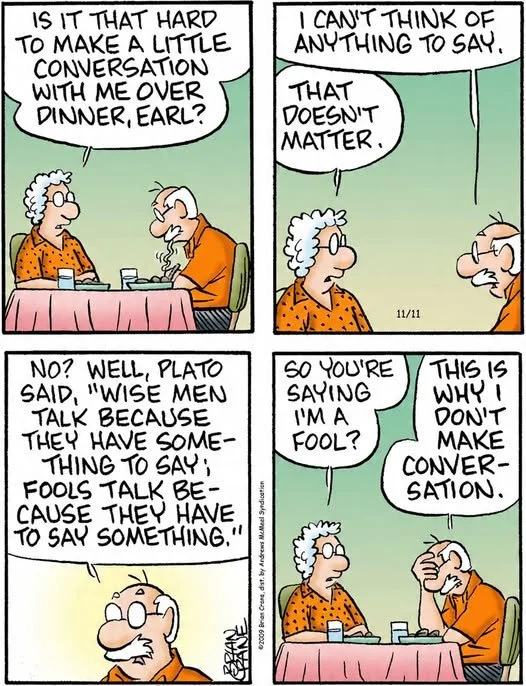
Mot: Big Win Today!!!! Heeeee heeeee heeeee!!!!

Seeds of Wisdom RV and Economics Updates Sunday Morning 1-11-26
Good Morning Dinar Recaps,
Central Bank Liquidity Operations Continue
Fed’s large hidden liquidity injections suggest deeper financial plumbing stress than official narratives imply
Good Morning Dinar Recaps,
Central Bank Liquidity Operations Continue
Fed’s large hidden liquidity injections suggest deeper financial plumbing stress than official narratives imply
Overview
The Federal Reserve, particularly via the New York Fed and its standing repo facilities, has been injecting large sums of liquidity into U.S. banks to keep short-term funding markets functioning.
Media and market data show usage of these liquidity windows — including repo operations and emergency cash injections — at unusually high levels, indicating systemic funding pressure.
These operations serve to supply cash against high-quality collateral (e.g., Treasury securities), a tool the Fed uses when private funding channels dry up.
Increased activity around year-end and after quant-tightening measures ended reflects banks leaning more on central bank support than usual.
Key Developments
High use of the Fed’s standing repo facility: Eligible financial institutions drew about $26 billion in overnight liquidity via this tool, among the highest levels since its creation to offer fast loans against collateral.
Record pressures around month-end: Usage of liquidity facilities surged, with nearly $50 billion in standing repo loans extended as banks sought cash amid funding volatility.
Larger context of tightening liquidity: Repo and funding markets have shown signs of strain due to quantitative tightening, reductions in bank reserves, and high Treasury issuance.
Why It Matters
Central bank liquidity operations — especially large or sustained ones — are more than routine technical plumbing:
Stress indicator: When banks increasingly tap central bank facilities, it shows that normal market funding channels are under pressure.
Hidden support: These injections often occur without headline announcements, meaning traditional market indicators (like monetary policy statements) may understate actual system reliance on the Fed.
Monetary policy tension: Such liquidity support can run counter to tightening narratives (like rate increases or QT), signaling that central banks are walking a fine line between stability and policy normalization.
Why It Matters to Foreign Currency Holders
For holders of foreign currencies eyeing positional shifts or revaluation opportunities, this trend has meaningful implications:
Signals potential systemic stress: Large liquidity injections suggest financial systems — especially U.S.-centered ones — may be under pressure, undermining confidence in dominant reserve currencies over time.
Dollar dynamics: Increased central bank liquidity can weaken the dollar’s perceived strength if markets see these moves as hidden easing, supporting diversification into foreign currencies and gold.
Global credit conditions: Excess liquidity dampens credit costs and can encourage capital flows into emerging markets, affecting exchange rates and asset valuations in those regions.
Monetary transition cues: When central banks shift quietly from tightening to liquidity provision, it can presage broader monetary adjustments, which historically precede currency repricing events.
These moves are not isolated cash swaps — they signal underlying liquidity fragility that can ripple through currency markets before traditional indicators catch up.
Implications for the Global Reset
Financial Stability Pillar: Stealth liquidity operations imply dependence on central bank backstops, highlighting fragilities that might accelerate structural reforms in how global finance functions.Monetary Transition Pillar: Hidden injections may reflect a pivot away from rigid tightening toward liquidity accommodation, a trend that often precedes broader currency and monetary system shifts.
This is not just technical operations — it’s central banking in crisis-management mode, with implications for currency valuations and systemic risk.
Seeds of Wisdom Team
Newshounds News™ Exclusive
Sources
Reuters – Banks tap Fed liquidity tool amid year-end pressures
Ainvest – Escalating Repo Fails and Systemic Liquidity Risks in 2025
~~~~~~~~~~
Historic EU–Mecosur Trade Deal Nears Completion
After 25 years of gridlock, a massive trade bloc emerges as the world quietly reorganizes economic power
Overview
The European Union has moved decisively toward finalizing the EU–Mercosur free trade agreement after more than two decades of negotiations.
Italy’s decision to back the pact broke a long-standing deadlock among EU member states.
The agreement would unite the EU with Brazil, Argentina, Uruguay, and Paraguay into a single trade zone of roughly 780 million people.
Combined, the bloc would represent close to 25% of global GDP — one of the largest free-trade areas ever formed.
Key Developments
Italy shifts position: Rome reversed earlier opposition after securing agricultural safeguards, helping unlock EU consensus.
Political resistance remains: France, Poland, and farming groups across Europe continue to voice environmental and food-standard concerns.
Strategic resources in focus: The deal improves EU access to South American agricultural output, energy, and critical raw materials.
Next steps underway: The pact still requires European Parliament approval and ratification by Mercosur nations before implementation.
Why It Matters
This agreement marks a structural realignment in global trade at a time when protectionism and fragmentation dominate headlines.
By deepening EU–South America integration, the deal:
Counters global trade fragmentation by reinforcing multilateral commerce instead of tariffs and blocs.
Diversifies supply chains away from over-reliance on China and geopolitically sensitive routes.
Strengthens Europe’s geopolitical leverage in Latin America, a region increasingly contested by major powers.
Why It Matters to Foreign Currency Holders
For those holding foreign currencies in anticipation of higher future valuations, this development is significant:
Trade blocs drive currency demand: Expanded trade volumes increase transactional demand for regional currencies rather than defaulting to the U.S. dollar.
Supports de-dollarization trends: Large multi-regional trade agreements often evolve toward local-currency settlement mechanisms over time.
Signals systemic restructuring: Long-term trade frameworks are typically aligned with broader monetary and financial realignments — not short-term politics.
Capital flow rebalancing: As investment shifts toward emerging trade corridors, currency repricing frequently follows structural integration.
In short, trade architecture precedes monetary change — and this deal is architecture on a historic scale.
Implications for the Global Reset
Trade Realignment Pillar: The EU–Mercosur pact accelerates the shift toward multipolar trade networks.
Monetary Transition Pillar: Sustained non-U.S. trade expansion lays groundwork for future currency revaluation and settlement reform.
This is not just trade — it’s global financial restructuring taking shape in real time.
Seeds of Wisdom Team
Newshounds News™ Exclusive
Sources
Reuters – “Italy backs EU–Mercosur trade deal after 25 years of talks”
Financial Times – “EU member states move to approve Mercosur trade pact”
Associated Press – “EU inches toward landmark Mercosur trade agreement”
~~~~~~~~~~
🌱 A Message to Our Currency Holders🌱
If you’ve been holding foreign currency for many years, you were not foolish.
You were not wrong to believe the global financial system would change.
What failed was not your patience — it was the information you were given.
For years, dates, rumors, and personalities replaced facts, structure, and proof. “This week” predictions created cycles of hope and disappointment that were never based on how currencies actually change.
That is not your failure.
Our mission here is different: • No dates • No rates • No hype • No gurus
Instead, we focus on:
• Verifiable developments • Institutional evidence
• Global financial structure • Where countries actually sit in the process
Currency value changes only come after sovereignty, trade, banking, settlement systems, and fiscal coordination are in place. History and institutions confirm this sequence.
You will see silence. You will see denials. That is not delay — that is discipline.
Protect your identity. Organize your documents. Verify everything.
Never hand your discernment to anyone who cannot show proof.
You deserve truth — not timelines.
Seeds of Wisdom Team
Newshounds News
~~~~~~~~~~
Seeds of Wisdom Team RV Currency Facts Youtube and Rumble
Newshound's News Telegram Room Link
RV Facts with Proof Links Link
RV Updates Proof links - Facts Link
Follow the Gold/Silver Rate COMEX
Follow Fast Facts
Seeds of Wisdom Team™ Website
Thank you Dinar Recaps