
Reset Intelligence: The Dinar’s Way Back in
Reset Intelligence: The Dinar’s Way Back in
7-15-2026
The Dinar’s Way Back In
By Reset Intelligence | @EXIT_FIAT
This week Washington reopened one country’s access to dollars and froze another’s – from the same desk, inside 48 hours.
Iraq is being drawn back into the financial system. Iran is being locked further out of it.
Reset Intelligence: The Dinar’s Way Back in
7-15-2026
The Dinar’s Way Back In
By Reset Intelligence | @EXIT_FIAT
This week Washington reopened one country’s access to dollars and froze another’s – from the same desk, inside 48 hours.
Iraq is being drawn back into the financial system. Iran is being locked further out of it.
Iraq’s dollar window reopens
On Wednesday, July 15, Iraq’s central bank issued an order letting local banks pay dollars out in cash again. It is not a giveaway. The cash only comes out once the bank parks the matching amount in an account overseas that Western regulators can watch. The governor who signed it is in Washington this week, sitting with the IMF and the assessors who decide whether the world will clear Iraqi money.
The freeze next door
One day earlier, the US Treasury sanctioned wallets tied to Iran’s central bank and froze over $130 million, part of nearly $1 billion clawed back since the war began. The same action hit more than 50 targets in the Shamkhani shipping network, pushing it past 200 designations.
The old way out gets welded shut
US Central Command put its blockade of Iran’s ports back in force, and Trump dropped the transit toll he had floated on the Strait of Hormuz in favour of shutting it outright. On Friday, Chevron signs a 2 million barrel a day pipeline from Basra to the Mediterranean, an export route that never touches the Strait.
The week’s moves, in one place:
• Iraq CBI dollar order – live July 15, cash on incoming and export dollars, matched to a watched account abroad
• Iran freeze – $130 million in central-bank wallets, nearly $1 billion since the war, Shamkhani network past 200 designations
• Strait of Hormuz – blockade reimposed, the transit toll dropped
• Chevron pipeline – 2 million barrels a day, Basra to the Mediterranean, signs Friday
• DTCC – the $114 trillion it holds begins moving onto tokenised rails this month
That is the short version, and every move above is public. The daily briefing is where we connect them: why the dollar order is a compliance move and not a giveaway, what the freeze tells you about the sequence, and what any of it means for the dinar.
Read the full daily briefing free for 5 days. Sign up here: resetintelligence.com
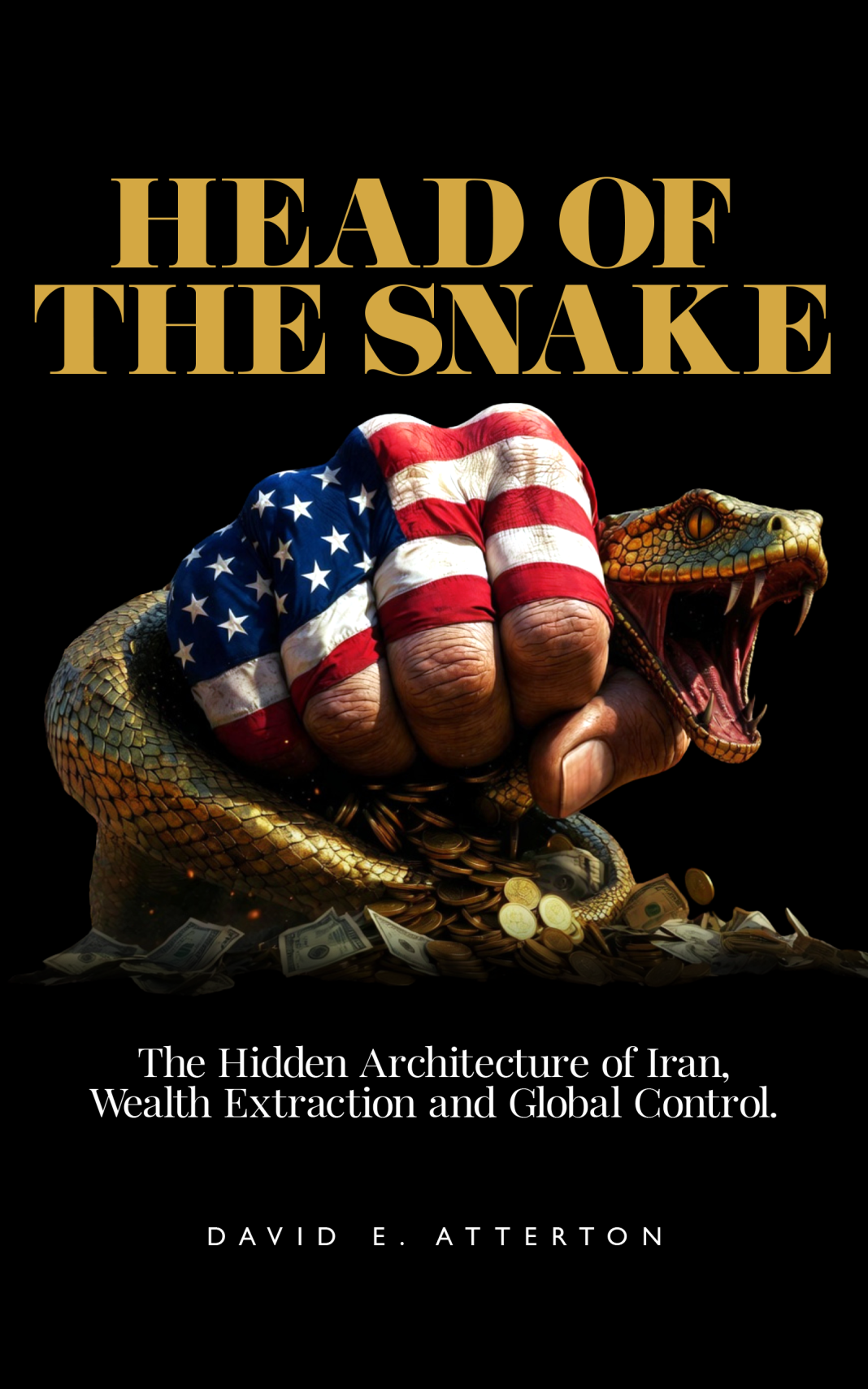
The documented case behind all of it is in the book, Head of the Snake (25% off with code 25XOFF), and the free guides are on the resources page.
In 1948 the United States sorted the world with a chequebook, and the countries it let in spent the next 75 years rich. This week it sorted two central banks the same way. The only question history will ask is who saw it while it was actually happening.
News, Rumors and Opinions Thursday 7-16-2026
Note: All intel should be considered as "Rumors" until we receive official announcements ...and “Rates and Dates” could change anytime until we get to the banks/redemption centers.
RV Excerpts from the Restored Republic via a GCR Update as of Wed. 15 July 2026
Compiled Wed. 15 July 2026 12:01 am EST by Judy Byington
What Lies Ahead …Web 3.0 ISO20022 on Telegram
The Quantum Financial System (QFS) is already live. Once the blackout begins, it will (allegedly) override all corrupt financial systems, securing your identity, assets, and data through biometric encryption. Your bank accounts will be safe. Your information protected. Fraud-proof. Tamper-proof. Immutable.
Note: All intel should be considered as "Rumors" until we receive official announcements ...and “Rates and Dates” could change anytime until we get to the banks/redemption centers.
RV Excerpts from the Restored Republic via a GCR Update as of Wed. 15 July 2026
Compiled Wed. 15 July 2026 12:01 am EST by Judy Byington
What Lies Ahead …Web 3.0 ISO20022 on Telegram
The Quantum Financial System (QFS) is already live. Once the blackout begins, it will (allegedly) override all corrupt financial systems, securing your identity, assets, and data through biometric encryption. Your bank accounts will be safe. Your information protected. Fraud-proof. Tamper-proof. Immutable.
Announcement and implementation of Nesara/Gesara Laws:
Nesara Law implements the following changes in the US:
• Zeros out all credit card, mortgage, and other bank debt due to illigal banking and government activities. This is the Federal Reserve’s worst nightmare: a “jubilee” or a forgiveness of debt.
• Abolishes the income tax
• Abolishes the IRS. IRS Employees have been transferred into the US Treasury national sales tax area.
• Creates a 14% flat rate non-essential ‘new items only’ sales tax revenue for the government. In other words food and medicine will not be taxed; nor will used items such as old homes.
• Increases benefits to senior citizens
• Creates a new U.S. Treasury, ‘rainbow currency,’ backed by gold, silver, and platinum precious metals, ending the bankruptcy of the United States initiated by Franklin Roosevelt in 1933.
• Initiates new U.S. Treasury Bank System in alignment with Constitutional Law
• Eliminates the Federal Reserve System. During the transition period the Federal Reserve will be allowed to operate side by side of the U.S. Treasury for one year in order to remove all Federal Reserve notes from the money supply.
• Restores financial privacy
• Releases enormous sums of money for humanitarian purposes.
~~~~~~~~~~~~~
Global Currency Reset:
Thurs. 25 June 2026 Bruce, The Big Call The Big Call Universe (ibize.com) 667-770-1866
The Military has shut down communication with Bruce’s sources
A source said that it looked good for Tier4b (us, the Internet Group) to be notified to set exchange appointments Wed, Thurs. or Fri. 15, 16, 17 July 2026, with appointments starting thereafter.
Tues. 14 July 2026 Redemption Centers Active right now in the US: Los Angeles, Chicago, Houston, Phoenix, New York City, Philadelphia, Seattle, and were about to go active in Texas, Florida, Arizona and Pennsylvania.…Web 3.0 ISO20022 on Telegram
Mon. 13 July 2026 MarkZ: The Indian Nations have received 80% of their funds.
Read full post here:https://dinarchronicles.com/2026/07/15/restored-republic-via-a-gcr-update-as-of-july-15-2026/
Courtesy of Dinar Guru: https://www.dinarguru.com/
Reset Intelligence Iraq does not publish announcements before an event and the central bank does not telegraph rate moves. The last arrives the way the last move arrived, overnight...with the architecture quietly underneath.
Frank26 Question: "How long do you think it'll take the float to go 1 to 1?" I don't know but it'll be quick. Not years. It'll be quick, the supply and demand. When this happens...you're going to see everybody, the man on the moon, will be talking about it. Because of that type of attention, oh my gosh, even whales and sharks would be willing to buy 1 million dinars now at $1 million because they know the potential of what is about to happen. They have a small window. They've got to move fast.
Mnt Goat Article: “ALI AL-ZAIDI ARRIVES IN WASHINGTON TO MEET TRUMP” Quote: "Prime Minister Ali al-Zubaidi arrived in Washington, D.C., on Monday (July 13, 2026), accompanied by a high-level delegation, to meet with U.S. President Donald Trump" ...coming changes...are dependent on what happens from this trip by the new prime minister al-Zaidi of Iraq to Washington. This is why this trip this week is like no other by no other prime minister...
*************
Back to the Basics II with MarkZ. 07/15/2026
7-15-2026
We focus on answering the basic questions about a possible RV
Seeds of Wisdom RV and Economics Updates Thursday Morning 7-16-26
Good Morning Dinar Recaps,
Fewer Vessels Transit Hormuz as U.S. Blockade Tightens Pressure on Global Trade
The renewed U.S. naval blockade and reduced shipping through the Strait of Hormuz are increasing pressure on global energy markets, trade flows, and alternative payment systems as geopolitical tensions continue to reshape international finance.
Good Morning Dinar Recaps,
Fewer Vessels Transit Hormuz as U.S. Blockade Tightens Pressure on Global Trade
The renewed U.S. naval blockade and reduced shipping through the Strait of Hormuz are increasing pressure on global energy markets, trade flows, and alternative payment systems as geopolitical tensions continue to reshape international finance.
Overview
Shipping traffic through the Strait of Hormuz declined sharply after the United States reinstated its naval blockade.
Higher transportation costs and energy risks are raising concerns about inflation, global supply chains, and international trade.
The prolonged disruption is renewing interest in alternative payment systems,including digital assets and non-dollar settlement mechanisms for sanctioned nations.
Key Developments
1. U.S. Blockade Reduces Shipping Through Hormuz
The United States reinstated its naval blockade, prompting a significant decline in vessel traffic through the Strait of Hormuz, one of the world's most important energy corridors. The blockade also includes a 20% reimbursement fee on cargo transiting under the security perimeter, increasing costs for shipping companies and energy importers.
2. Energy Markets Face Renewed Pressure
The Strait of Hormuz normally handles roughly one-fifth of global seaborne oil and liquefied natural gas exports. Reduced vessel traffic has renewed concerns over supply disruptions, placing upward pressure on oil prices and transportation costs while increasing uncertainty across global financial markets.
3. Alternative Payment Systems Gain Attention
With sanctions and shipping restrictions continuing, analysts note that countries under economic pressure may increasingly explore digital assets and alternative cross-border payment systems to facilitate international trade. While cryptocurrency remains a secondary factor, the broader trend reflects growing interest in reducing reliance on traditional financial channels during geopolitical crises.
Why It Matters
The renewed blockade demonstrates how quickly geopolitical conflict can disrupt global commerce. Higher shipping costs, elevated energy prices, and uncertainty surrounding one of the world's most critical maritime chokepoints have implications for inflation, monetary policy, and international investment.
Continued instability also increases pressure on governments and businesses to diversify supply chains and modernize payment infrastructure capable of operating during periods of geopolitical disruption.
Why It Matters to Foreign Currency Holders
For foreign currency holders following developments related to the Global Financial Reset, disruptions in the Strait of Hormuz highlight the close relationship between energy security, international trade, and monetary policy.
Extended instability could delay interest-rate reductions, strengthen inflationary pressures, accelerate adoption of alternative payment systems, and encourage greater diversification away from traditional dollar-based settlement for some international transactions.
Implications for the Global Reset
Pillar 2: Trade
Higher shipping costs and reduced vessel traffic through one of the world's busiest maritime corridors threaten global supply chains and increase the cost of international commerce.
Pillar 3: Assets
Geopolitical uncertainty often increases investor demand for hard assets, while sanctions and financial restrictions continue encouraging exploration of alternative settlement systems and digital assets.
Pillar 5: Energy
The Strait of Hormuz remains one of the world's most strategic energy chokepoints. Any sustained disruption directly affects global oil and LNG markets, influencing inflation and economic stability worldwide.
Looking Ahead
Attention now turns to whether diplomatic efforts can resume after reports that recent ceasefire negotiations have stalled. Although earlier discussions sought to establish a broader framework for peace, no comprehensive agreement has been finalized, and military tensions remain elevated.
Markets will continue watching shipping volumes, energy prices, and any renewed diplomatic engagement for signs that stability may return to one of the world's most critical trade routes.
This is not simply about oil—it reflects the broader transformation of the global financial system as energy security, trade flows, and geopolitical power increasingly shape the future of the world economy.
Seeds of Wisdom Team
Newshounds News™ Exclusive
Sources
~~~~~~~~~~
🌱 A Message to Our Currency Holders🌱
If you’ve been holding foreign currency for many years, you were not foolish.
You were not wrong to believe the global financial system would change.
What failed was not your patience — it was the information you were given.
For years, dates, rumors, and personalities replaced facts, structure, and proof. “This week” predictions created cycles of hope and disappointment that were never based on how currencies actually change.
That is not your failure.
Our mission here is different: • No dates • No rates • No hype • No gurus
Instead, we focus on:
• Verifiable developments • Institutional evidence
• Global financial structure • Where countries actually sit in the process
Currency value changes only come after sovereignty, trade, banking, settlement systems, and fiscal coordination are in place. History and institutions confirm this sequence.
You will see silence. You will see denials. That is not delay — that is discipline.
Protect your identity. Organize your documents. Verify everything.
Never hand your discernment to anyone who cannot show proof.
You deserve truth — not timelines.
Seeds of Wisdom Team
Newshounds News
~~~~~~~~~~
Seeds of Wisdom Team RV Currency Facts Youtube and Rumble
Newshound's News Telegram Room Link
RV Facts with Proof Links Link
RV Updates Proof links - Facts Link
Start Here room with Most Asked Questions Link
Follow the Gold/Silver Rate COMEX
Follow Fast Facts
Seeds of Wisdom Team™Website
Thank you Dinar Recaps
Iraq Economic News and Points To Ponder Thursday Morning 7-16-26
Unprecedented security measures accompanied the Iraqi Prime Minister's visit to Washington, causing the suspension of air traffic at Reagan Airport and the cancellation and delay of more than 400 flights
Washington -One News - 7/16/2026 The official visit of Iraqi Prime Minister Ali al-Zaidi to the US capital, Washington, turned into one of the most heavily secured foreign visits in recent months, after US authorities imposed exceptional measures that led to the suspension of air traffic at Ronald Reagan National Airport, one of the most sensitive airports and closest to federal institutions in the capital.
Unprecedented security measures accompanied the Iraqi Prime Minister's visit to Washington, causing the suspension of air traffic at Reagan Airport and the cancellation and delay of more than 400 flights
Washington -One News - 7/16/2026 The official visit of Iraqi Prime Minister Ali al-Zaidi to the US capital, Washington, turned into one of the most heavily secured foreign visits in recent months, after US authorities imposed exceptional measures that led to the suspension of air traffic at Ronald Reagan National Airport, one of the most sensitive airports and closest to federal institutions in the capital.
CBS News reported that takeoff and landing operations at Ronald Reagan National Airport (DCA) were halted for several hours on Tuesday afternoon as part of security arrangements accompanying al-Zaidi's movements, given the security circumstances related to the ongoing war with Iran, which directly impacted air traffic.
According to the report, the measures caused the cancellation of at least 126 flights, while more than 300 other flights were delayed between 11 a.m. and 3 p.m., in one of the most significant disruptions the airport has witnessed this year as a result of security arrangements related to a visit by a foreign official.
These measures coincided with the Iraqi-American summit that brought together Al-Zaidi and US President Donald Trump at the White House, and received widespread political and media attention, especially in light of the friendly atmosphere that prevailed during the meeting.
Trump praised his relationship with the Iraqi Prime Minister, stressing that there was "tremendous chemistry" between them, before deciding to extend the meeting and inviting al-Zaidi to a luncheon that was not on the official visit schedule, in a move that reflected the level of rapprochement that characterized the talks between the two sides.
The visit comes at a stage described as one of the most sensitive in Iraqi-American relations, as it coincides with the approaching end of the international coalition’s mission in Iraq on September 30, and the Iraqi government’s continued implementation of its program to restrict weapons to the state, in addition to discussing security cooperation, energy, investment and economic partnership files.
Observers believe that the level of security measures accompanying the visit reflects the importance that American institutions have attached to the summit, whether due to the position of the Iraqi Prime Minister in the current regional equation, or due to the rapid security developments in the Middle East, which prompted Washington to adopt the highest levels of protection during the movements of the Iraqi delegation within the capital.
This is al-Zidi's first visit to the United States since assuming the premiership, and it is seen as a pivotal moment in reshaping relations between Baghdad and Washington, amidst rapidly changing regional dynamics and anticipated agreements on security, energy, and investment. https://1news-iq.net/إجراءات-أمنية-غير-مسبوقة-رافقت-زيارة/
The "Axis Of Resistance" Is A Thing Of The Past After Al-Zaidi Entered The White House... And The Factions Are Worried About "Trump's Deception": He Wants To Overthrow The Iranian Regime
White House to meet with US President Donald Trump, armed factions in Iraq were monitoring the visit and keeping their finger on the trigger, amid a continuing escalation
Baghdad - One News - 7/16/2026 As Prime Minister Ali al-Zaidi crossed the threshold of the between Washington and Tehran that has revived fears that Iraq could once again become an arena for regional conflict.
According to a report published by Al-Mada newspaper, political circles in Baghdad believe that the real test for Al-Zaidi will not be in Washington, but after his return to Iraq, and his ability to consolidate his government and implement its pledges, in light of the possibility of Iran and the factions associated with it moving to weaken or overthrow it.
Al-Zaidi arrived in Washington with a large political and economic delegation, where he met with US President Donald Trump at the White House and also met with the US Secretary of Defense, in a visit that focused on security, energy and investment issues, as well as the future of US forces and the issue of restricting weapons to the state.
Independent politician and former MP Mithal Al-Alusi said that the Trump administration is giving the visit exceptional attention and is seeking to confirm its support for Al-Zaidi as the head of a government that is moving towards political, military, security, financial and economic reform.
Al-Alousi criticized the size of the Iraqi delegation and its composition based on power-sharing, arguing that Washington expects a more independent government capable of changing the course of the state, not a reproduction of traditional party balances.
Al-Mada quoted a source close to the armed factions as saying that these groups doubt the September 30 deadline, which is supposed to mark the end of the US forces’ mission in conjunction with the implementation of the weapons control plan.
The source added that some factions believe that Trump is pushing to accelerate the delivery of weapons while he is preparing a broader plan to overthrow the Iranian regime, which is prompting them to keep their weapons and prepare for the possibility of escalation.
In Baghdad, security and political sources reported that authorities are monitoring the movements of between seven and ten factions believed to be directly linked to the Iranian Revolutionary Guard, and are conducting undisclosed investigations to determine whether they were involved in attacks targeting American sites in Bahrain, Kuwait, and Jordan.
The sources warned that any new US strike against Iran could push some of these groups to move from waiting to direct engagement, threatening to bring Iraq back into the heart of the confrontation.
In contrast, Rahim Al-Aboudi, a member of the Wisdom Movement, said that the disarmament file has reached about 80 percent, and that between four and five factions still refuse to respond, while political sources doubted the seriousness of the handover operations, and said that some of them were limited to handing over old weapons while keeping ballistic missiles, drones and qualitative weapons.
Al-Zaidi is also visiting Washington weeks after the start of a campaign to pursue figures accused of corruption, and amid continued vacancies in the Interior and Defense Ministries.
Al-Alousi said that US financial authorities and anti-money laundering institutions are concerned about Iraqi funds located abroad, some of which are believed to belong to individuals and institutions linked to entities hostile to the United States.
He added that the most important issue for Washington remains al-Zaidi’s ability to confront the factions, remove weapons from outside the state, and enforce the law, considering that the delay in deciding on the two security ministries may be a message that they will be assigned to professional figures far removed from quotas.
Al-Alousi believes that the factions refusing to hand over weapons risk losing their political position, but he acknowledged that they are still capable of threatening the Iraqi interior.
He concluded by saying that the toughest test will begin after al-Zaidi's return to Baghdad, the selection of the Ministers of Interior and Defense, and the implementation of changes in the security apparatus.
He stressed that the success of the visit will not be measured by what was announced in Washington, but rather by the government's ability to fulfill its commitments regarding the issues of weapons, corruption, and reform.
https://1news-iq.net/محور-المقاومة-أصبح-من-الماضي-بعد-دخو/
Al-Zaidi To Former US Ambassadors To Iraq: We Look Forward To Building Balanced And Sustainable Relations With The United States
Washington - One News - 7/15/2026 Prime Minister Ali Faleh al-Zaidi met in Washington, D.C., with a number of former U.S. ambassadors to Iraq, as part of meetings aimed at strengthening bilateral relations and exchanging views on the future of cooperation between the two countries.
The meeting witnessed discussions on Iraqi-American relations and ways to develop them in various fields, in addition to discussing the latest developments in Iraq and the region, and emphasizing the importance of expanding joint cooperation in a way that serves the interests of the two countries and the two friendly peoples.
Al-Zaydi stressed that Iraq looks forward to building balanced and sustainable relations with the United States, based on common interests and mutual respect, noting that the government continues to implement its program aimed at consolidating security and stability, strengthening the rule of law, combating corruption, and advancing development and economic reform.
https://1news-iq.net/الزيدي-لسفراء-أميركيين-سابقين-بالعرا/
Thursday Iraq News Posted by Tishwash at TNT 7-16-2026
TNT:
Tishwash: Al-Zaidi meets with the Chairman of the Senate Foreign Relations Committee
Prime Minister Ali Faleh al-Zaidi met on Wednesday with Senator Jim Risch, Chairman of the Senate Foreign Relations Committee, as part of his official visit to Washington, D.C.
The Prime Minister’s Media Office stated in a statement received by Kalima News that Al-Zaidi held a meeting with Senator Jim Risch at the US Congress building.
TNT:
Tishwash: Al-Zaidi meets with the Chairman of the Senate Foreign Relations Committee
Prime Minister Ali Faleh al-Zaidi met on Wednesday with Senator Jim Risch, Chairman of the Senate Foreign Relations Committee, as part of his official visit to Washington, D.C.
The Prime Minister’s Media Office stated in a statement received by Kalima News that Al-Zaidi held a meeting with Senator Jim Risch at the US Congress building. link
Tishwash: The Prime Minister holds a meeting with the Chairman and members of the Foreign Affairs Committee of the US House of Representatives.
Prime Minister Ali Faleh al-Zaidi met on Wednesday in Washington, D.C., with a number of former U.S. ambassadors to Iraq to discuss the future of bilateral relations and developments in Iraq and the region.
The Prime Minister’s Media Office stated in a statement that the meeting addressed ways to develop Iraqi-American relations in various fields, in addition to discussing regional developments and the importance of strengthening joint cooperation in a way that serves the interests of the two countries and the two friendly peoples.
Al-Zaydi stressed Iraq’s keenness to build balanced and sustainable relations with the United States, based on common interests and mutual respect, noting that the government continues to implement its program aimed at consolidating security and stability, strengthening the rule of law, combating corruption, and supporting development and economic reform paths.
The statement added that the Prime Minister listened to the views of former US ambassadors on the future of relations between Baghdad and Washington, in light of their diplomatic experiences in Iraq, stressing the importance of benefiting from these experiences to enhance understanding and expand the prospects of cooperation between the two countries link
************
Tishwash: Al-Zaidi's visit to Washington was a success by all measures, and Iraq is on the verge of an economic revival.
Economic expert Dr. Safwan Qusay confirmed that the Prime Minister’s reception at the White House carries important economic implications and sends positive messages regarding Iraq’s status as an economic and financial partner.
Qusay told Iraq Observer that “the next phase may witness broader cooperation with the United States in the areas of developing the financial sector, globalizing Iraqi banks, the stock market and insurance companies, in coordination with the US Treasury Department and the Federal Reserve.”
He added that “there are strategic files awaiting the entry of American companies, most notably the investment in associated gas, enhancing energy security, increasing oil exports, in addition to diversifying export outlets through the Syrian port of Banias or the Jordanian port of Aqaba, as well as the project to link Basra oil with Kirkuk oil, which contributes to maintaining export levels and expanding them towards European markets.”
He pointed out that “Iraq is looking forward to building economic partnerships that contribute to diversifying sources of income, proposing the establishment of an economic fund in cooperation with American companies, with the possibility of exporting at least 500,000 barrels of oil per day to the United States, which would allow the use of oil revenues to support economic diversification projects and promote sustainable growth.” link
************
Tishwash: The US Department of Defense sets a date for ending the international coalition's mission in Iraq.
The US Department of Defense confirmed on Wednesday (July 15, 2026) that the international coalition's mission in Iraq will end at the end of next September.
The ministry said in a statement received by Baghdad Today: “Secretary of Defense Pete Hegseth met at the Pentagon – following meetings in the Oval Office – with Iraqi Prime Minister Ali al-Zaidi to discuss the international coalition to defeat ISIS, ending the mission of Operation Inherent Resolve from Iraq, and the future of US-Iraqi relations.”
According to the statement, Secretary Hegseth reaffirmed "the United States' commitment to the full implementation of the joint statement issued in September 2024, which announced the timeline for ending the military mission of the international coalition to defeat ISIS in Iraq, and ending the mission of Operation Inherent Resolve operating from Iraq by September 30."
The minister welcomed "the initiative led by the Iraqi government to restrict weapons, to affirm Iraq's sovereignty and the supreme democratic authority of its leadership over all armed groups." link
Tishwash: Minister of Trade: Talks in Washington focused on partnership and supporting Iraq's accession to the World Trade Organization
Trade Minister Mustafa Al-Ani confirmed on Wednesday that the White House talks focused on economic cooperation and future partnership between Baghdad and Washington, while noting that talks are underway for Iraq to join the World Trade Organization.
Al-Ani told the Iraqi News Agency (INA): “One of the most important stops on the visit was the meeting at the White House between Prime Minister Ali al-Zaidi and US President Donald Trump, where many issues related to future cooperation and partnership between Iraq and the United States were discussed, in addition to exploring ways of cooperation and removing obstacles for American investors.”
He added that "the official government delegation includes a select group of Iraqi businessmen with the aim of strengthening communication between the Iraqi private sector and its American counterpart, and will also hold a meeting with the American Chamber of Commerce to discuss a number of common issues."
He noted that "the delegation concluded meetings with a group of American companies to discuss prospects for future cooperation, particularly in areas that serve the Iraqi farmer, as it was agreed to present ideas clearly for study, interaction, and taking practical measures regarding them."
He explained that "these companies specialize in the fields of irrigation, transportation and vehicles, and some of their specializations may not be directly related to the Ministry of Trade, but they can contribute, through the Ministry, to supporting the rest of the Iraqi institutions."
He added, "The Minister of Trade heads the Iraqi side of the US-Iraq Business Council with regard to Iraqi businessmen, and the reactivation of agreements signed between Iraq and the United States and their implementation will be discussed."
He confirmed that "the talks will also include a request for US support for Iraq's accession to the World Trade Organization, after Iraq has completed all the requirements and is awaiting the organization's decision to approve its accession."
He explained that “Iraq’s accession to the World Trade Organization will have a positive impact on various economic aspects,” noting that “Iraq completed all its commitments during the fourth round of negotiations last year, and only the vote by the member states remains.”
He expressed his hope that "the United States will take a supportive stance towards Iraq joining the organization," noting that "the oil and energy sectors represent the most prominent aspects of this tour, as a number of contracts will be signed with American companies by the Ministries of Oil and Electricity."
He added, "The Development Fund was present in the discussions and is considered one of the most prominent outcomes of the visit, as it is hoped that it will contribute to the implementation of new projects that are not limited to the oil and energy sector, but extend to technology and others,thus enabling the transfer of American expertise to Iraq." link
************
Tishwash: Al-Zidi and Al-Safadi meet in Washington: Accelerating the Basra-Aqaba pipeline and electrical interconnection
Prime Minister Ali al-Zubaidi met on Wednesday (July 15, 2026) with Jordanian Foreign Minister Ayman Safadi in Washington to discuss ways to accelerate the implementation of the strategic Basra-Aqaba oil pipeline project and to complete the bilateral electricity interconnection project. He added that he had received an official invitation from King Abdullah II to visit Amman. He explained that the meeting focused on advancing economic partnership and coordinating diplomatic positions to enhance regional stability.
The Prime Minister’s Media Office stated in a statement, a copy of which was received by 964 Network, that “Al-Zidi received today, Wednesday, at his residence in Washington, the Jordanian Foreign Minister, Mr. Ayman Safadi, on the sidelines of his official visit to the United States of America, during which His Excellency received an official invitation from His Majesty King Abdullah bin Al-Hussein II to visit the Kingdom.”
He added that “during the meeting, ways to develop bilateral relations were discussed, as well as the possibility of enhancing cooperation in various economic and development sectors, and proceeding with the implementation of the Basra-Aqaba oil pipeline project and completing the electrical interconnection project between the two countries, in a way that fulfills the aspirations and interests of the two brotherly peoples.”
He explained that “the meeting addressed developments in regional and international affairs, and views were exchanged on the most prominent issues of common interest, with emphasis on the importance of strengthening security and stability in the region, through supporting diplomatic options in resolving conflicts.”
He added that “for his part, the Jordanian Foreign Minister conveyed the greetings of the King of the Hashemite Kingdom of Jordan to the Prime Minister, and stressed his country’s keenness to enhance partnership opportunities and develop relations between the two countries.” link
Seeds of Wisdom RV and Economics Updates Wednesday Evening 7-15-26
Good Evening Dinar Recaps,
Cooling U.S. Inflation Reshapes Fed Outlook as Global Markets Reprice Interest Rate Expectations
New inflation data showed U.S. price pressures eased more than expected, reducing expectations of another immediate Federal Reserve rate increase and triggering a broad reassessment across global financial markets.
Good Evening Dinar Recaps,
Cooling U.S. Inflation Reshapes Fed Outlook as Global Markets Reprice Interest Rate Expectations
New inflation data showed U.S. price pressures eased more than expected, reducing expectations of another immediate Federal Reserve rate increase and triggering a broad reassessment across global financial markets.
Overview
U.S. inflation cooled more than economists expected, easing pressure on the Federal Reserve.
Markets sharply reduced expectations for a near-term interest rate increase following the report.
Investors remain cautious as higher energy prices tied to Middle East tensions could still reignite inflation later this year.
Key Developments
1. Inflation Comes in Below Expectations
New economic data showed core inflation posted its smallest monthly increase in more than six years, suggesting underlying price pressures continue to moderate despite ongoing geopolitical uncertainty.
The report strengthened investor confidence that inflation may be moving closer to the Federal Reserve's long-term target.
2. Markets Reprice Federal Reserve Expectations
Following the inflation release, financial markets significantly lowered expectations that the Federal Reserve will raise interest rates at its next policy meeting.
Treasury yields declined, the U.S. dollar weakened against several major currencies, and equity markets responded positively as investors anticipated a less aggressive monetary policy path.
3. Energy Risks Continue to Cloud the Outlook
Despite improving inflation data, policymakers cautioned that higher oil prices resulting from renewed U.S.-Iran tensions could place fresh upward pressure on inflation in the months ahead.
The Federal Reserve is expected to continue monitoring both domestic inflation trends and geopolitical developments before making additional policy decisions.
Why It Matters
Inflation remains one of the most important drivers of global financial markets. Lower inflation reduces pressure on central banks to keep interest rates elevated, helping support borrowing, investment, and economic growth.
However, renewed geopolitical disruptions—particularly involving global energy supplies—could quickly reverse recent progress and force policymakers to maintain tighter monetary conditions for longer.
Why It Matters to Foreign Currency Holders
For foreign currency holders, changes in U.S. monetary policy often influence exchange rates, sovereign debt markets, and capital flows worldwide.
If inflation continues to moderate, central banks may gradually shift toward more accommodative policies, supporting greater financial stability. If energy-driven inflation returns, however, higher interest rates and stronger currency volatility could delay broader monetary adjustments many Global Reset observers continue watching.
Implications for the Global Reset
Pillar 1: Debt
Lower inflation reduces pressure for additional interest-rate increases, easing borrowing costs for governments, businesses, and consumers.
Pillar 3: Assets
Financial markets responded positively as investors adjusted expectations for future Federal Reserve policy, supporting equities while reducing Treasury yields.
Looking Ahead
Markets will closely monitor upcoming inflation reports, employment data, and Federal Reserve communications to determine whether the recent moderation in prices represents a lasting trend or only a temporary improvement.
At the same time, developments in the Middle East remain a major variable, as any sustained increase in energy prices could quickly alter the inflation outlook and central bank policy expectations.
This is not simply about inflation—it reflects the broader transformation of the global financial system as monetary policy, capital flows, and central bank decisions increasingly shape the future of the world economy.
Seeds of Wisdom Team
Newshounds News™ Exclusive
Sources
Reuters — "Stocks rise after soft U.S. inflation reading with Middle East in focus"
U.S. Bureau of Labor Statistics — "Consumer Price Index Summary – June 2026"
~~~~~~~~~~
Seeds of Wisdom Team RV Currency Facts Youtube and Rumble
Newshound's News Telegram Room Link
RV Facts with Proof Links Link
RV Updates Proof links - Facts Link
Start Here room with Most Asked Questions Link
Follow the Gold/Silver Rate COMEX
Follow Fast Facts
Seeds of Wisdom Team™Website
Thank you Dinar Recaps
Fort Knox Standoff: Bessent Says All The Gold Is There, Says America 'Used To Be Backed' By It
Fort Knox Standoff: Bessent Says All The Gold Is There, Says America 'Used To Be Backed' By It
Zero Hedge by Tyler Durden
U.S. Treasury Secretary Scott Bessent has once again assured the public that America's gold reserves remain fully intact, pushing back against years of speculation surrounding the legendary vaults at Fort Knox. In a Fox News interview with Jesse Watters that aired Monday night, Bessent reiterated his standing assurance that every ounce of the nation's bullion is "present and accounted for" - while making no plans to visit the Kentucky depository himself.
Fort Knox Standoff: Bessent Says All The Gold Is There, Says America 'Used To Be Backed' By It
Zero Hedge by Tyler Durden
U.S. Treasury Secretary Scott Bessent has once again assured the public that America's gold reserves remain fully intact, pushing back against years of speculation surrounding the legendary vaults at Fort Knox. In a Fox News interview with Jesse Watters that aired Monday night, Bessent reiterated his standing assurance that every ounce of the nation's bullion is "present and accounted for" - while making no plans to visit the Kentucky depository himself.
"I am happy to say all gold is present and accounted for. The U.S. has the largest pile of gold in the world, over a trillion dollars, at current market value," Bessent told Watters.
His comments come amid renewed calls from lawmakers and gold advocates for a comprehensive, independent audit - the first large-scale public verification since 1974.
But as ZH contributor Phoenix Capital Research notes, Bessent prefaced his comment with something even more interesting...
Treasury Secretary Scott Bessent appeared on Fox News business yesterday. During the conversation with Jesse Waters, he made several key statements.
One of them... "we [the $USD] used to be backed by silver, sometimes gold."
And a few moments later regarding Fort Knox...
"all gold is present and account for... the U.S. has the largest pile of gold in the world, over a $1 trillion at current market value.
Officially, the United States holds the world's largest gold stockpile, valued at more than $1 trillion at current market prices. According to Treasury data, the Fort Knox depository alone contains 147,341,858.382 fine troy ounces of gold - roughly 56% of the federal government's total reserves, and about 59% of the bullion held in the Mint's deep storage. Additional holdings are stored at West Point, Denver, and the Federal Reserve Bank of New York.
Also officially, no gold has left Fort Knox in any significant documented capacity since 1974, aside from limited testing samples. Bessent has said he has no plans to travel to Kentucky himself, pointing instead to the Treasury's annual internal verifications and offering to arrange a visit for any senator who asks.
The U.S. shifted to a pure fiat currency system in the 1970s, ending the requirement to back paper money with gold or silver.
TO CONTINUE AND READ MORE:
Central Banks Now Own More Gold than US Treasuries
Central Banks Now Own More Gold than US Treasuries
VRIC Media: 7-15-2026
At the recent Vancouver Resource Investment Conference (VRIC), Matthew Piepenburg of Von Greer offered a compelling and data-driven analysis of the precious metals markets, central banking policies, and the pervasive issue of currency debasement.
Drawing from his extensive background on Wall Street, Piepenburg illuminated why gold continues to stand as a superior long-term store of value, urging investors to look beyond daily price fluctuations and grasp the profound monetary shifts unfolding globally.
Central Banks Now Own More Gold than US Treasuries
VRIC Media: 7-15-2026
At the recent Vancouver Resource Investment Conference (VRIC), Matthew Piepenburg of Von Greer offered a compelling and data-driven analysis of the precious metals markets, central banking policies, and the pervasive issue of currency debasement.
Drawing from his extensive background on Wall Street, Piepenburg illuminated why gold continues to stand as a superior long-term store of value, urging investors to look beyond daily price fluctuations and grasp the profound monetary shifts unfolding globally.
Piepenburg’s perspective challenges the notion that gold’s relevance is solely tied to immediate market headlines. Instead, he positions gold as an essential asset driven by deep, systemic factors.
Despite short-term volatility, his analysis underscores its inherent value in protecting wealth over extended periods. He meticulously outlines how gold’s trajectory is not a mere speculation but a response to global monetary shifts, the escalating burden of sovereign debt, and a growing erosion of trust in paper assets and fiat currencies, particularly the U.S. dollar.
For those seeking wealth preservation amidst financial uncertainty, Piepenburg’s insights offer a sober look at gold’s enduring role.
A significant portion of Piepenburg’s discussion centers on the intricate actions of central banking entities and their impact on the global financial framework.
He highlights the consistent trend of central banks globally accumulating substantial quantities of gold, an action that speaks volumes about their assessment of future economic stability. This buying trend, he explains, is directly linked to an expansive money supply and the inherent vulnerabilities of fiat currencies.
Piepenburg offers a critical examination of how governmental bodies report inflation, suggesting that official figures may not always capture the full scope of purchasing power erosion.
Furthermore, he delves into the Federal Reserve’s complex “hawk-dove” stance under new leadership, explaining how their policy decisions, though seemingly contradictory, contribute to a broader environment of monetary instability. This ongoing currency debasement erodes the value of traditional paper assets, making the argument for tangible alternatives increasingly potent.
An intriguing aspect of Piepenburg’s presentation is his observation of a significant eastward flow in gold accumulation. He details how countries, particularly in Asia, are steadily increasing their gold reserves, a trend that could fundamentally reshape global financial power dynamics.
This eastward shift isn’t just about accumulation; it’s also influencing the very mechanisms of gold price setting. Piepenburg points to the emergence of new gold trading platforms, notably in China, which signifies a potential rebalancing of influence away from traditional Western financial centers. This development has significant implications for the future of precious metals markets and the global monetary system.
Ultimately, Matthew Piepenburg’s message to investors is one of informed patience and strategic foresight. He emphasizes the critical need to understand the fundamental principles of currency debasement and sustained inflation.
In his view, these are not transient issues but deep-seated challenges within the current monetary design. He strongly advocates for considering physical gold as a cornerstone of an investment strategy, particularly for safeguarding wealth against a deeply unstable monetary system.
His counsel isn’t about short-term gains but about long-term resilience. By appreciating the intricate interplay between central bank actions, sovereign debt, trust in fiat currencies, and global economic shifts, investors can make more informed decisions to protect and grow their assets. Piepenburg’s expert analysis from the VRIC serves as a vital resource for anyone looking to navigate the complex financial landscape with a clearer understanding of gold’s enduring value.
Watch the full video from VRIC Media on YouTube for further insights and information.
Seeds of Wisdom RV and Economics Updates Wednesday Afternoon 7-15-26
Good Afternoon Dinar Recaps,
Iran Threatens Wider Shipping Disruptions as Peace Talks Continue Under Mounting Pressure
Iran warned that additional strategic maritime routes could become targets as military tensions with the United States intensified, placing renewed pressure on global energy markets even as diplomatic negotiations continue.
Good Afternoon Dinar Recaps,
Iran Threatens Wider Shipping Disruptions as Peace Talks Continue Under Mounting Pressure
Iran warned that additional strategic maritime routes could become targets as military tensions with the United States intensified, placing renewed pressure on global energy markets even as diplomatic negotiations continue.
Overview
Iran warned it could disrupt additional shipping corridors beyond the Strait of Hormuz if military pressure continues.
Peace negotiations remain active, but the interim 14-point Memorandum of Understanding (MoU) is under growing strain following renewed military operations.
Oil prices climbed as investors weighed the risk of broader disruptions to global energy supplies.
Key Developments
1. Iran Expands Maritime Warning
Iran's Islamic Revolutionary Guard Corps (IRGC) warned that regional energy exports would either remain available to everyone or to no one, suggesting additional maritime routes could become targets if military operations continue.
Analysts believe the warning extends beyond the Strait of Hormuz and could include the strategically important Bab el-Mandeb Strait, a critical shipping route connecting the Red Sea and Gulf of Aden.
2. Military Pressure Continues Despite Diplomacy
The United States has continued military operations against Iranian targets while maintaining pressure on Tehran's military capabilities. At the same time, Iran has continued threatening retaliation against regional shipping and U.S. interests.
These developments illustrate the fragile balance between ongoing diplomacy and continued military confrontation.
3. Peace Talks Continue but the MoU Is Under Strain
Negotiations have not collapsed. Regional mediators, including Oman, Qatar, and Pakistan, continue working to keep both sides engaged.
However, the 14-point Memorandum of Understanding, which originally established the ceasefire framework and outlined negotiations toward a permanent agreement, has become increasingly fragile. Both governments have accused one another of failing to fully implement commitments, while unresolved disputes over Iran's nuclear program, sanctions relief, and maritime security continue to delay meaningful progress.
Why It Matters
The latest escalation demonstrates how quickly geopolitical tensions can threaten the world's most important energy transportation routes. Any disruption beyond the Strait of Hormuz would affect global oil supplies, shipping costs, inflation, and international trade, increasing uncertainty for businesses and financial markets worldwide.
Although diplomacy continues, renewed military activity reminds investors that the path toward a lasting settlement remains uncertain.
Why It Matters to Foreign Currency Holders
For foreign currency holders following developments surrounding the Global Financial Reset, stability in the Middle East remains an important economic indicator.
Extended conflict could strengthen inflationary pressures, delay interest-rate adjustments, increase volatility across currency markets, and complicate broader efforts to modernize the international financial system. Conversely, successful negotiations could improve market confidence, stabilize energy prices, and support global economic stability.
Implications for the Global Reset
Pillar 1: Debt
Higher energy prices could prolong inflationary pressures, making it more difficult for central banks to reduce interest rates and ease global debt burdens.
Pillar 2: Trade
Any disruption to major shipping corridors threatens international supply chains, increasing transportation costs and slowing global commerce.
Pillar 3: Energy
The Strait of Hormuz and surrounding maritime routes remain among the world's most critical energy corridors. Continued instability could significantly impact global oil and liquefied natural gas supplies.
Looking Ahead
Diplomatic channels remain open despite renewed military activity, with regional mediators continuing efforts to preserve the negotiating process.
The immediate focus remains on protecting international shipping, reducing military escalation, and preserving enough confidence in the existing MoU to allow negotiations on Iran's nuclear program, sanctions relief, and long-term regional security to continue.
This is not just politics—it is global finance restructuring before our eyes.
Seeds of Wisdom Team
Newshounds News™ Exclusive
Sources
~~~~~~~~~~
Seeds of Wisdom Team RV Currency Facts Youtube and Rumble
Newshound's News Telegram Room Link
RV Facts with Proof Links Link
RV Updates Proof links - Facts Link
Start Here room with Most Asked Questions Link
Follow the Gold/Silver Rate COMEX
Follow Fast Facts
Seeds of Wisdom Team™Website
Thank you Dinar Recaps
The Meeting Every Dinar Investor was Waiting for
The Meeting Every Dinar Investor was Waiting for
The Dinar Den: 7-14-2026
The geopolitical landscape of the Middle East is shifting, and for those closely following Iraq’s economic trajectory, a recent high-profile meeting has provided significant food for thought.
In a recent analysis from The Dinar Den, Stephen—a seasoned entrepreneur and long-time observer of Iraqi affairs—delved into the nuances of the Oval Office meeting between U.S. President Donald Trump and Iraqi Prime Minister Al-Zaidi.
The Meeting Every Dinar Investor was Waiting for
The Dinar Den: 7-14-2026
The geopolitical landscape of the Middle East is shifting, and for those closely following Iraq’s economic trajectory, a recent high-profile meeting has provided significant food for thought.
In a recent analysis from The Dinar Den, Stephen—a seasoned entrepreneur and long-time observer of Iraqi affairs—delved into the nuances of the Oval Office meeting between U.S. President Donald Trump and Iraqi Prime Minister Al-Zaidi.
While main stream media often focuses on the optics of such events, Stephen’s breakdown offers a deeper look into what these diplomatic maneuvers mean for Iraq’s sovereignty and its financial future.
One of the primary takeaways from the meeting was the distinction between the public-facing ceremonial segments and the substantive discussions held behind closed doors.
The 30-minute public session served largely as a media event, designed to project a specific image to the global community. However, Stephen emphasizes that the real “heavy lifting” occurred during private consultations.
The rapport between President Trump and Prime Minister Al-Zaidi was notably strong, suggesting a level of personal chemistry that could facilitate closer ties. This relationship indicates a potential increase in U.S. influence over Iraq’s political and economic direction, moving the nation toward a more Western-aligned framework for growth.
The core of the discussions centered on economic cooperation, specifically regarding Iraq’s massive oil and gas reserves. According to the analysis, the strategy involves more than just increasing production; there are active discussions regarding Iraq’s potential departure from OPEC to gain more autonomy over its exports.
Furthermore, strategic pipeline projects through Turkey and Syria were discussed as a means to bypass the Strait of Hormuz. By creating these alternative routes, Iraq aims to insulate its energy exports from regional volatility, positioning itself as a reliable global energy provider and a cornerstone of Middle Eastern economic stability.
President Trump’s rhetoric during the meeting portrayed Iraq not merely as a nation in recovery, but as an emerging regional leader. This shift in perception is vital for international trade and development. By highlighting Iraq’s potential to spearhead economic growth in the Middle East, the U.S. is signaling its support for a modernized Iraqi infrastructure.
This vision includes a diversified economy that leverages its natural resources to foster a robust internal market, potentially transforming the country into a hub for trade and logistics in the region.
For many viewers, the most pressing question involves the Iraqi dinar and the potential for a currency revaluation (RV). Stephen offers a grounded and realistic perspective, urging investors to manage their expectations.
He notes that such a significant monetary shift is rarely a standalone event; rather, it is inextricably linked to legislative progress, such as the long-awaited Hydrocarbon Law (HCL). While the meeting was a major diplomatic success, it does not serve as an immediate trigger for a revaluation. Instead, it serves as a piece of a larger puzzle that includes legislative stability and increased national revenue.
Despite the positive momentum, regional complexities remain a factor. Geopolitical tensions with Iran continue to influence Iraq’s trajectory and regional stability. However, Stephen highlights the significant progress made over the past three months as a strong signal that the nation is moving in the right direction.
By focusing on observable legislative and economic milestones rather than speculative timelines, investors can maintain a more accurate view of Iraq’s development. The consensus from the analysis is one of cautious optimism: the foundation for a prosperous Iraq is being laid, but patience remains the most valuable asset for any observer.
News, Rumors and Opinions Wednesday 7-15-2026
Note: All intel should be considered as "Rumors" until we receive official announcements ...and “Rates and Dates” could change anytime until we get to the banks/redemption centers.
Majeed KSA: Iraq is Entering a New Phase of Economic Reform
7-15-2026
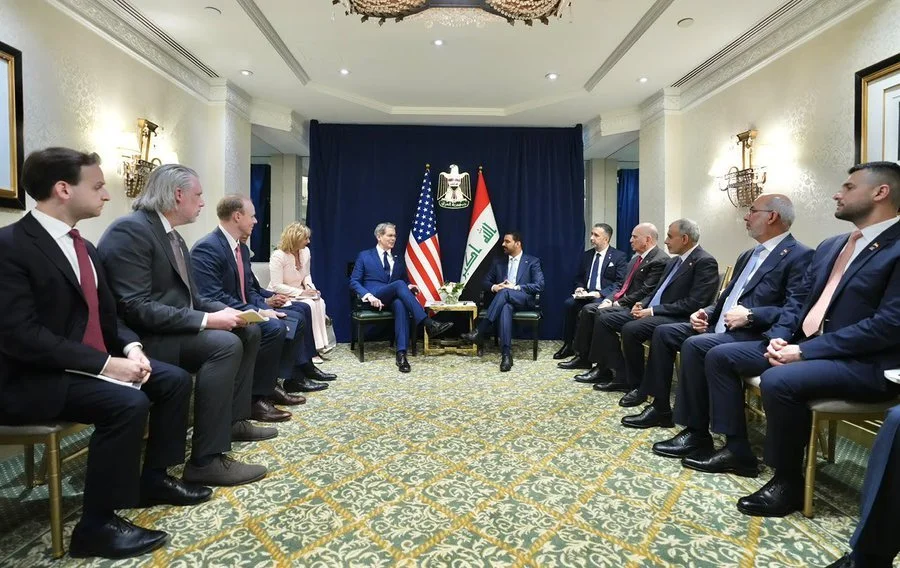
Iraq’s Prime Minister met with US Treasury Secretary Scott Bessent in Washington on Tuesday, saying Iraq is entering “a new phase” of economic reform and state-building. Al-Zaidi said his government is prioritizing:
Note: All intel should be considered as "Rumors" until we receive official announcements ...and “Rates and Dates” could change anytime until we get to the banks/redemption centers.
Majeed KSA: Iraq is Entering a New Phase of Economic Reform
7-15-2026
Iraq’s Prime Minister met with US Treasury Secretary Scott Bessent in Washington on Tuesday, saying Iraq is entering “a new phase” of economic reform and state-building. Al-Zaidi said his government is prioritizing:
overhauling the banking,
insurance,
tax,
customs sectors,
with gains expected next year in energy, investment, and stability
For his part, US Treasury Secretary Scott Bessent reaffirmed Washington’s support for Iraq’s reform agenda and its efforts to shift bilateral ties from security cooperation toward investment, economic development, and private-sector growth.
Zoom News: #BREAKING: Iraqi Prime Minister Ali al-Zaidi met with US Treasury Secretary Scott Bessent in Washington on Tuesday, saying Iraq is entering “a new phase” of economic reform and state-building. Al-Zaidi said his government is prioritizing anti-corruption efforts, placing all weapons under state authority, and overhauling the banking, insurance, tax, and customs sectors, with gains expected next year in energy, investment, and stability - statement For his part, US Treasury Secretary Scott Bessent reaffirmed Washington’s support for Iraq’s reform agenda and its efforts to shift bilateral ties from security cooperation toward investment, economic development, and private-sector growth.
Source(s):
• https://x.com/majeed66224499/status/2077232823119831164
https://dinarchronicles.com/2026/07/14/majeed-ksa-iraq-is-entering-a-new-phase-of-economic-reform/
************
Courtesy of Dinar Guru: https://www.dinarguru.com/
Walkingstick What is the monetary reform trying to do with the currency of Iraq? It is trying to get the currency of Iraq to be at least on par 1 to 1 with the American dollar. If you have an Iraqi dinar in your hand you want it to have purchasing power of at least $1.00. That's the whole purpose...After the 10th we are actually seeing all of these mechanisms come into effect...Many things are trying to get the Iraqi dinar to 1 to 1 with the American dollar.
Militia Man The Washington visit is being framed as the next big catalyst for investment, tech transfer, and deeper global integration — all of which strengthen the fundamentals for long-term REER stability and monetary moves going forward.
Reset Intelligence Iraq's prime minister is in Washington ...He brought his entire economic cabinet and booked 5 days...The finance minister sits with the World Bank, the IMF and the US Treasury, working to clear Iraq off the FATF grey list it landed on last month. The oil minister carries a development fund...to 400 billion dollars...with the proceeds held in US banks ... Every file points the same way - out of Tehran's orbit and into Washington's ...What looks like a handshake is the new financial system being built, and Iraq is the country they are building it on first...When a country is finally let back inside the system, the thing that gets repriced is its currency...
Central Banks Hid MASSIVE Gold Buying! What Happens Next? | Andy Schectman
Liberty and Finance: 7-14-2026
Andy Schectman joins Liberty & Finance to discuss why a sharp selloff in AI stocks could be an early warning sign of broader market instability and why he believes central banks are quietly positioning for a different financial future.
He explains why official data showing just 16 tonnes of central bank gold purchases in the first quarter was challenged by the World Gold Council, which estimated actual purchases were closer to 240 tonnes, highlighting what he sees as a major disconnect between public narratives and underlying demand.
Andy also shares his views on why gold prices have remained subdued despite geopolitical tensions, the surge in COMEX deliveries, and the growing role of new precious metals exchanges in Asia.
The conversation also covers retail precious metals premiums, the bankruptcy of a major bullion dealer, and what investors should look for when buying physical gold and silver.
INTERVIEW TIMELINE:
0:00 Intro
1:26 Stock market decline
14:14 War & gold
21:20 COMEX inventories
27:00 Rosland Capital bankruptcy