Seeds of Wisdom RV and Economics Updates Saturday Morning 6-13-26
Good Morning Dinar Recaps,
CLARITY Act Moves Closer to Senate Vote as White House Hosts Key Crypto Policy Meeting
White House officials, lawmakers, and major law enforcement organizations met this week to discuss the CLARITY Act, signaling growing momentum behind legislation that could establish a comprehensive regulatory framework for digital assets in the United States.
Good Morning Dinar Recaps,
CLARITY Act Moves Closer to Senate Vote as White House Hosts Key Crypto Policy Meeting
White House officials, lawmakers, and major law enforcement organizations met this week to discuss the CLARITY Act, signaling growing momentum behind legislation that could establish a comprehensive regulatory framework for digital assets in the United States.
Overview
• A White House-hosted meeting brought together lawmakers, administration officials, and law enforcement groups to discuss the CLARITY Act and cryptocurrency regulation.
• Discussions focused heavily on the Blockchain Regulatory Certainty Act (BRCA), a key provision designed to protect blockchain developers and infrastructure providers.
• The meeting highlighted the importance of securing bipartisan support ahead of a potential Senate floor vote before the August recess.
Key Developments
1. White House Hosts High-Level Crypto Policy Meeting
The meeting was hosted by the White House Crypto Council and included administration officials, congressional staff, law enforcement representatives, and lawmakers actively involved in digital asset legislation. Participants discussed both regulatory clarity and enforcement challenges surrounding cryptocurrency markets.
2. Blockchain Regulatory Certainty Act Takes Center Stage
Much of the discussion focused on the Blockchain Regulatory Certainty Act (BRCA), which seeks to clarify that developers and operators of decentralized blockchain infrastructure should not be treated as traditional financial intermediaries.
3. Law Enforcement Input Seen as Critical
Representatives from major law enforcement organizations, including police associations and prosecutors' groups, participated in discussions regarding crypto crime reporting, compliance standards, and enforcement tools. Their support could influence undecided lawmakers.
4. Bipartisan Support Remains Essential
While Republican lawmakers generally support the legislation, the bill will require support from several Democratic senators to advance. Reports indicate that gaining acceptance from moderate Democrats could be one of the final hurdles before a floor vote.
5. Senate Vote Could Arrive Before August Recess
Supporters of the legislation, including Senator Cynthia Lummis, continue to push for a Senate floor vote before lawmakers leave Washington for the August recess. Industry groups view the coming weeks as a critical window for passage.
Why It Matters
The CLARITY Act represents one of the most significant efforts to establish a comprehensive regulatory framework for digital assets in the United States. For years, uncertainty surrounding jurisdiction between regulators has created compliance challenges for businesses, investors, and blockchain developers.
Supporters argue that regulatory clarity could encourage innovation, investment, and job creation while keeping digital asset development within the United States rather than pushing projects offshore.
Why It Matters to Foreign Currency Holders
Digital asset regulation is increasingly becoming part of the broader evolution of the global financial system. As governments establish legal frameworks for blockchain-based assets, they are laying the groundwork for future tokenized financial markets, digital payments, and next-generation settlement systems.
For those monitoring potential changes to the international monetary system, the CLARITY Act reflects how major economies are preparing legal infrastructure for an increasingly digital financial environment.
Implications for the Global Reset
Pillar 1: Technology
The legislation advances the integration of blockchain technology into regulated financial markets, potentially accelerating adoption of tokenized assets and digital infrastructure.
Pillar 2: Assets
Clear regulations could encourage greater institutional participation in digital assets, expanding their role within the broader financial ecosystem.
Pillar 3: Trade and Finance
A defined regulatory framework may strengthen America's position in shaping future digital payment networks, cross-border transactions, and financial innovation standards.
The debate surrounding the CLARITY Act extends beyond cryptocurrency regulation. It reflects a broader competition among nations to establish leadership in the next generation of global financial infrastructure.
This is not just politics — it’s global finance restructuring before our eyes.
Seeds of Wisdom Team
Newshounds News™ Exclusive
Sources
~~~~~~~~~~
🌱 A Message to Our Currency Holders🌱
If you’ve been holding foreign currency for many years, you were not foolish.
You were not wrong to believe the global financial system would change.
What failed was not your patience — it was the information you were given.
For years, dates, rumors, and personalities replaced facts, structure, and proof. “This week” predictions created cycles of hope and disappointment that were never based on how currencies actually change.
That is not your failure.
Our mission here is different:
• No dates • No rates • No hype • No gurus
Instead, we focus on:
• Verifiable developments • Institutional evidence
• Global financial structure • Where countries actually sit in the process
Currency value changes only come after sovereignty, trade, banking, settlement systems, and fiscal coordination are in place. History and institutions confirm this sequence.
You will see silence. You will see denials. That is not delay — that is discipline.
Protect your identity. Organize your documents. Verify everything.
Never hand your discernment to anyone who cannot show proof.
You deserve truth — not timelines.
Seeds of Wisdom Team
Newshounds News
~~~~~~~~~~
Seeds of Wisdom Team RV Currency Facts Youtube and Rumble
Newshound's News Telegram Room Link
RV Facts with Proof Links Link
RV Updates Proof links - Facts Link
Follow the Gold/Silver Rate COMEX
Follow Fast Facts
Seeds of Wisdom Team™Website
Thank you Dinar Recaps
What Is the Ideal GDP Growth Rate?
What Is the Ideal GDP Growth Rate?
The ideal growth rate is not too hot, not to cold, but just right
By Kimberly Amadeo Updated on January 26, 2023
A healthy gross domestic product (GDP) growth rate sustains the economy in the expansion phase of the business cycle for as long as possible. GDP is the total market value of the goods and services produced within a country in a year.
What Is the Ideal GDP Growth Rate?
The ideal growth rate is not too hot, not to cold, but just right
By Kimberly Amadeo Updated on January 26, 2023
A healthy gross domestic product (GDP) growth rate sustains the economy in the expansion phase of the business cycle for as long as possible. GDP is the total market value of the goods and services produced within a country in a year.
The GDP growth rate is how much more the economy produced than in the previous quarter.
Key Takeaways
The ideal GDP growth rate is between 2% and 3%.
The GDP growth rate was 2.9% for the fourth quarter of 2022, compared to the third quarter's 3.2% rise.1
The GDP growth rate measures how healthy the economy is. When the number is positive, the economy is growing. When the number is negative, the economy is contracting.
Why a Healthy Rate of GDP Growth Matters to You
Growth, unemployment, and inflation are in balance in a healthy economy. Most economists agree the ideal GDP growth rate is between 2% and 3%.2
Many politicians think more growth is always better. A healthy GDP growth rate is like a body temperature of 98.6 degrees. You know you're sick if your temperature is lower than ideal. You may be near death if it's too low. A higher temperature can also mean you're sick. If it's over 100 degrees, you have a fever. If it's above 104 degrees for any period, you may be seriously ill.
Note
If the economy grows too slowly or even contracts, it's not healthy. On the other hand, if it grows too rapidly, that's not ideal either.
An asset bubble may be forming if GDP growth starts spiking above 4% for several years, as it did between 1996 and 1999.3 The economy begins to overheat when it grows too fast. An overheating economy is unsustainable because it can't meet the demands of consumers, businesses, and the government.
The natural unemployment rate falls. Prices for everything from paper towels to stocks go up. The economy quickly begins to contract. A recession becomes likely unless action is taken to bring everything back to a slowly increasing growth rate.
Note
The Federal Reserve, the nation's central bank, uses monetary policy to influence inflation and economic activity.
The Federal Reserve raises the federal funds rate target range to raise interest rates if the economy expands too fast. when the economy is shrinking (or 'contracting), the Fed lowers the rate. Using this and other monetary policy tools, it tries to keep an inflation rate of 2% over the longer run.4 This helps to manage GDP growth at the same time. If inflation rises too quickly, consumers spend more because their money will be worth less in the future.
The following chart visualizes the difference between a healthy growth rate and rates that are too high or too low. It features quarterly statistics from 1995 to 2021, showing how recessions followed dangerously high growth rates. The exception was the recession in 2020, which was caused by a pandemic. LINK
Historical GDP Growth Rates
During 1999 and 2000, U.S. inflation was between 2.2% and 3.4%.5 While these rates are ideal according to the Federal Reserve, the Fed didn't start targeting long-term inflation until 2012.6
In between the 2001 recession and the 2008 recession, the annual economic growth rate was healthy:7
2003: 2.8%
2004: 3.9%
2005: 3.5%
2006: 2.8%
2007: 2.0%
Between 2003 and 2005, inflation was between 2.3% and 3.4%. The economy grew 4.5% in the first quarter of 2005 and 5.5% in the first quarter of 2006. An asset bubble began to grow in the housing market by the end of 2006.8
Note
Once a bubble bursts, the economy enters the contraction phase of the business cycle.
GDP growth tends to decline and go into negative territory in an economic contraction. This can indicate that the economy is in trouble. If the shrinkage continues for more than two quarters in a row, it indicates a recession might be brewing.
During the 2008 recession, GDP growth rates were abysmal. The troubles in housing had spread to the investors in mortgage-backed securities, as the financial crisis infected the rest of the economy:
Q1 2008: -1.6%
Q2 2008: 2.3%
Q3 2008: -2.1%
Q4 2008: -8.5%
The American Recovery and Reinvestment Act (ARRA) spurred the economy back into health in March 2009. The first two quarters of 2009 were still negative before ARRAA began to affect the economy. Growth rates returned to positive territory in the third quarter:
Q1 2009: -4.6%
Q2 2009: -0.7%
Q3 2009: 1.5%
Q4 2009: 4.3%
Growth rates in each quarter of 2010 remained positive, between 2.0% and 3.9%. The economy contracted in the first and third quarters of 2011. High foreclosures from the subprime mortgage crisis were preventing the housing market from recovering.
Can GDP Alone Tell Us If the Economy Is Healthy?
GDP growth is one of the most used metrics economists follow to decide whether a national economy is operating smoothly, but it is only one of the many metrics used to gauge a healthy economy. If only GDP and its growth are considered, then the economy is doing well if they are positive or only negative for a short time.
However, economists consider other metrics for a full view of the economy. Some of these are the unemployment rate, consumer price index, the purchasing manager's index, and others.
Here are the quarterly growth rates for 2021 and the previous five years: LINK
TO CONTINUE TO READ MORE: https://www.thebalancemoney.com/what-is-the-ideal-gdp-growth-rate-3306017
Reset Intelligence: Zero Downtime
Reset Intelligence: Zero Downtime
6-12-2026
Zero Downtime
By Reset Intelligence | @EXIT_FIAT
Iraq’s central bank is licensing a kind of bank the country has never had: no branches, no physical vaults, no paper archives. The launch standard written into the reform programme is zero downtime – transactions running 24 hours a day, 365 days a year.
Nobody writes that spec for a currency worth a tenth of a US cent.
Reset Intelligence: Zero Downtime
6-12-2026
Zero Downtime
By Reset Intelligence | @EXIT_FIAT
Iraq’s central bank is licensing a kind of bank the country has never had: no branches, no physical vaults, no paper archives. The launch standard written into the reform programme is zero downtime – transactions running 24 hours a day, 365 days a year.
Nobody writes that spec for a currency worth a tenth of a US cent.
Four Moves In One Day
June 10 was not one story out of Baghdad. It was 4, and they all moved inside the same day.
• Digital bank licences – 79 applications sit with Governor al-Alaq. This is the third stage of the Oliver Wyman reform plan, and the first that replaces banks rather than upgrades them: banks that cannot survive an audit exit the market, and banks born clean take their place.
• ASCUDA customs expansion – the Finance Ministry set the next stage for early July, bringing the Kurdistan Region’s border crossings onto the same electronic rail as federal Iraq. Every dinar of customs revenue in the country lands in one ledger both capitals read.
• 500,000 barrels per day – Prime Minister al-Zaidi is preparing his first foreign trip since taking office, carrying an offer to lift Iraq’s oil exports to the United States to 500,000 barrels per day, at Trump’s personal invitation.
• The exchange houses – the CBI ordered every Category A and B exchange company and every currency brokerage to begin filing enhanced reporting data, the same day the dollar moved on the Baghdad street exchanges.
The Spec Is the Tell
Governor al-Alaq has said in public that the digital dinar project is under implementation and that paper notes are to be replaced. The infrastructure he said it was waiting on is the one being licensed right now. A banking system forbidden from going dark for even a single hour is not being built to clear the dinar at its current value. It is being built for the value and the volume it is expected to carry.
The Precedent Nobody Is Quoting
There is an American precedent for this exact sequence – a government that shut down and culled its broken banking system, and then, with the system clean, repriced the money itself. Which year it happened, what the repricing looked like, and what that order of operations says about the dinar’s number is in today’s full briefing.
Read the full daily briefing free for 5 days. Sign up here: resetintelligence.com
And the short version is now free every single day at the same page – bookmark it.
The Source Documentation
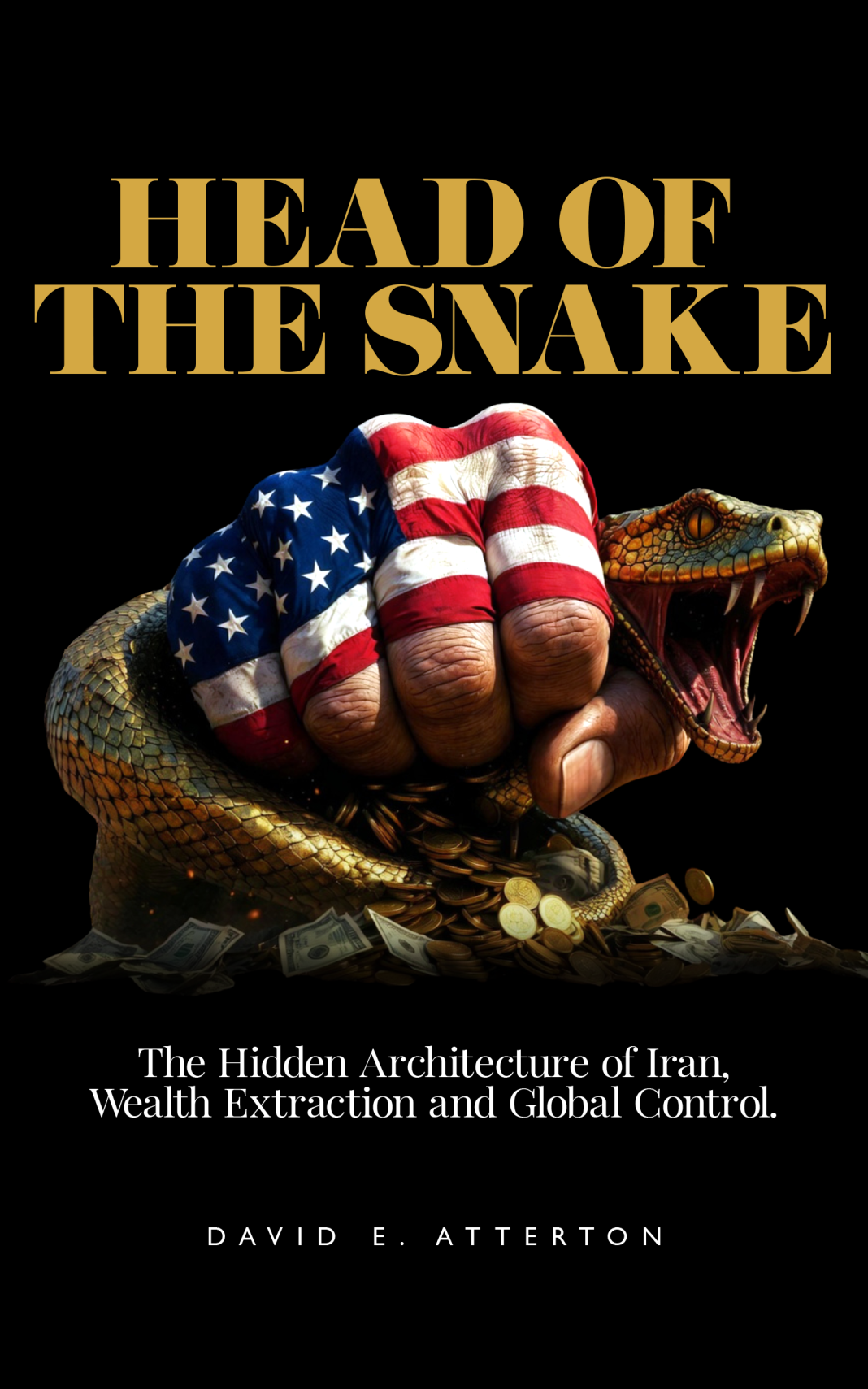
Reset Intelligence published the source-level documentation behind this architecture in Head of the Snake. 1,000+ hours of independent research. DOJ filings, Federal Register executive orders, CBI statements, FinCEN advisories, central bank records.
25% off all formats with code 25XOFF: resetintelligence.com/head-of-the-snake
Watch the system being built, not the missiles flying over it.
https://dinarchronicles.com/2026/06/11/reset-intelligence-zero-downtime/
Ross: Controlled Chaos is Iraq’s Catalyst to the IQD RV
Ross: Controlled Chaos is Iraq’s Catalyst to the IQD RV
6-12-2026
Controlled Chaos is Iraq’s #1 Catalyst to RV IQD
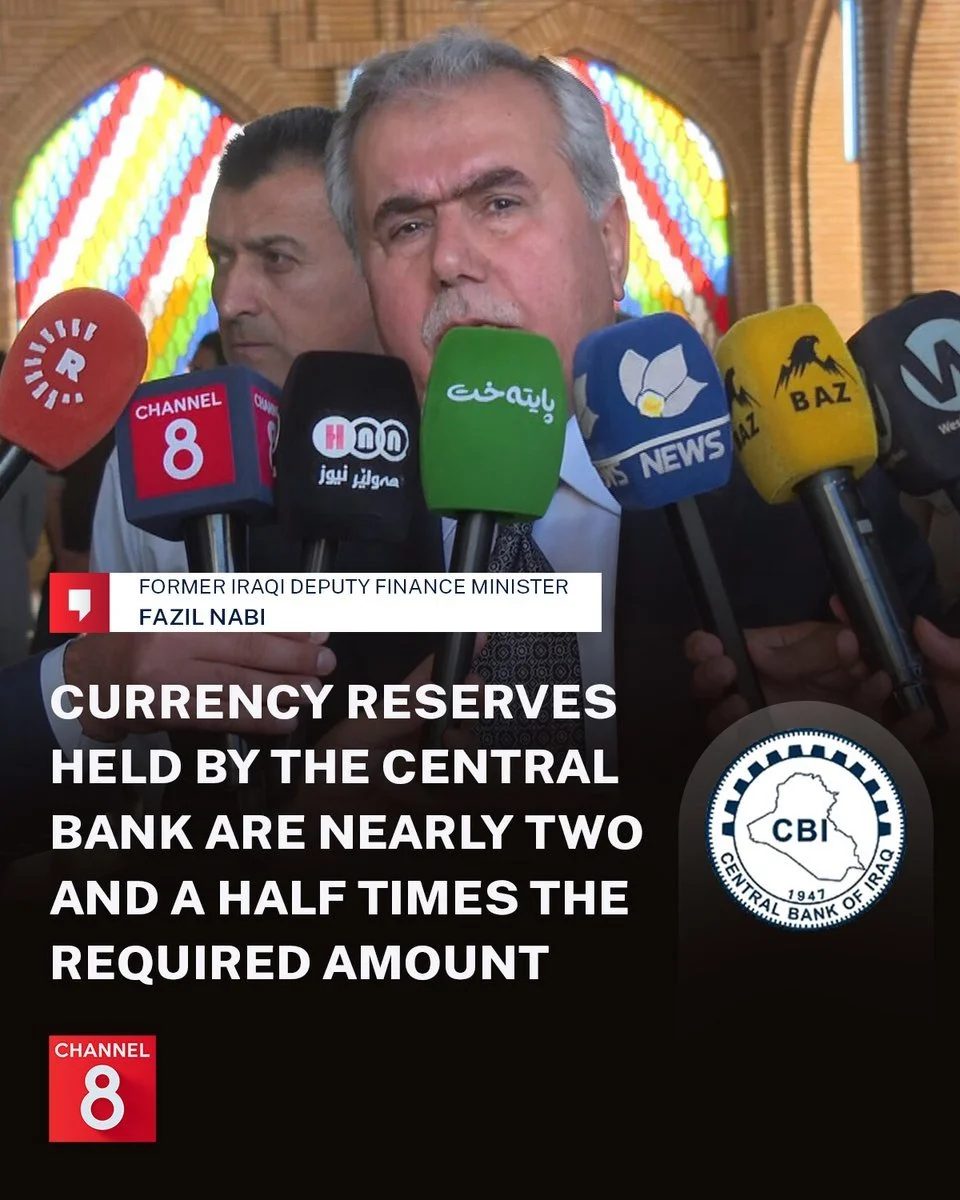
Reserves at 2.5x the required amount is fortress-level — one of the strongest fundamentals for a revaluation.
High-quality reserves give the CBI real ammunition to defend a new rate, manage imports, and absorb shocks.
The workaround is clean: Government routes support through state-owned banks into the CBI system.
Ross: Controlled Chaos is Iraq’s Catalyst to the IQD RV
6-12-2026
Controlled Chaos is Iraq’s #1 Catalyst to RV IQD
Reserves at 2.5x the required amount is fortress-level — one of the strongest fundamentals for a revaluation.
High-quality reserves give the CBI real ammunition to defend a new rate, manage imports, and absorb shocks.
The workaround is clean: Government routes support through state-owned banks into the CBI system.
It’s the legal bridge that keeps central bank independence intact while delivering liquidity under pressure.
This matters for IMF credibility… and for any future tokenized dinar rollout.
The “Wealthy Country” message during Hormuz pain is strategic.
It reminds everyone that Iraq’s oil wealth + massive reserves equal real staying power when the old system gets stress-tested.
Hormuz crisis = short-term revenue pain.
Long-term = global oil supply shock creates higher prices.
When the strait eases or alternative routes come online, windfall revenues will supercharge reserves and fiscal space.
Geopolitical shocks like this historically force the exact reforms an RV needs:
• Accelerated HCL passage sparking massive IOC investment & infrastructure
• Banking modernization + digital rails
• Reduced single-chokepoint vulnerability
These are the precise boxes for credible RV and integration into new tokenized systems.
Iraq sits in a prime position as a first-basket currency in any reset.
The man who stood at Ground Zero on 9**1 — who knew — is now the one forcing the controlled chaos that’s pushing Iraq’s financial reforms…
Nearly 25 years later President Trump is the force of righteous karmic vengeance.
No coincidences.
Channel 8 English:Former Iraqi Deputy Finance Minister Fazil Nabi told reporters today that Iraq is “a wealthy country,” and although the government is prohibited from using the Central Bank’s currency reserves, the government can utilize them through state-owned banks, and those banks in turn igate the financial impacts caused by the closure of the Strait of Hormuz.
Seeds of Wisdom RV and Economics Updates Friday Afternoon 6-12-26
Good Afternoon Dinar Recaps,
The Geopolitics of Critical Minerals: The New Resource Race Reshaping the Global Economy
As the world transitions toward green energy and a multipolar economic order, critical minerals have become strategic assets at the center of global competition, raising questions about sovereignty, supply chains, and the future balance of economic power.
Good Afternoon Dinar Recaps,
The Geopolitics of Critical Minerals: The New Resource Race Reshaping the Global Economy
As the world transitions toward green energy and a multipolar economic order, critical minerals have become strategic assets at the center of global competition, raising questions about sovereignty, supply chains, and the future balance of economic power.
Overview
• Critical minerals such as lithium, copper, rare earths, and antimony have become essential to the global energy transition and advanced technologies.
• Major powers are increasingly competing for access to these resources as they seek to secure supply chains independent of geopolitical rivals.
• The growing battle over mineral resources is accelerating economic realignment and contributing to the emergence of a multipolar global economy.
Key Developments
1. Critical Minerals Become Strategic Assets
The shift toward electric vehicles, renewable energy systems, battery storage, and advanced defense technologies has dramatically increased demand for critical minerals. Governments increasingly view access to these resources as a national security issue rather than simply an economic concern.
2. China Maintains Dominance in Processing
While many nations possess mineral reserves, China continues to dominate the global processing and refining infrastructure for many critical minerals. This position gives Beijing significant influence over supply chains that support both civilian and military industries worldwide.
3. Nations Seek Alternative Supply Networks
The United States, Europe, and regional partners are actively searching for new sources of critical minerals and alternative processing capabilities. Resource-rich countries are becoming increasingly important players in global geopolitical negotiations as major powers seek secure long-term access to raw materials.
4. Resource Security Becomes Part of Economic Sovereignty
The debate is no longer limited to energy independence. Policymakers increasingly view mineral ownership, refining capacity, and supply chain control as essential components of national economic sovereignty and long-term strategic resilience.
5. Multipolar Trade Networks Continue to Expand
The competition for critical minerals is contributing to broader efforts to build alternative trade corridors, payment systems, and economic partnerships outside traditional Western-dominated structures. These developments are reinforcing the trend toward a more decentralized global economic order.
Why It Matters
The global economy is entering a new phase where control of strategic resources may become as important as control of financial capital. Countries capable of securing mineral supplies and developing domestic processing capabilities will likely gain competitive advantages in emerging industries.
At the same time, growing competition for resources is reshaping international alliances, trade relationships, and investment flows. The struggle for critical minerals is becoming one of the defining economic and geopolitical themes of the coming decade.
Why It Matters to Foreign Currency Holders
For those following potential currency realignments and global monetary changes, the race for critical minerals highlights a broader shift toward asset-backed economic strength. Nations with strategic resources, manufacturing capacity, and energy independence may strengthen their economic positions as global supply chains evolve.
As countries seek to reduce external dependencies and build regional economic blocs, resource ownership could increasingly influence future trade settlements, reserve management strategies, and long-term currency stability.
Implications for the Global Reset
Pillar 1: Assets
Critical minerals are emerging as strategic hard assets that underpin future industrial growth, technological advancement, and national competitiveness.
Pillar 2: Trade
New supply chain alliances and resource partnerships are accelerating the restructuring of global trade networks and reducing dependence on traditional economic centers.
Pillar 3: Technology
Control over mineral processing and refining capacity is becoming a crucial element of technological leadership in the digital and green energy economies.
The transition underway is not simply about renewable energy. It represents a broader competition over who will control the resources, infrastructure, and supply chains that power the next generation of the global economy.
This is not just politics — it’s global finance restructuring before our eyes.
Seeds of Wisdom Team
Newshounds News™ Exclusive
Sources
~~~~~~~~~~
Seeds of Wisdom Team RV Currency Facts Youtube and Rumble
Newshound's News Telegram Room Link
RV Facts with Proof Links Link
RV Updates Proof links - Facts Link
Follow the Gold/Silver Rate COMEX
Follow Fast Facts
Seeds of Wisdom Team™Website
Thank you Dinar Recaps
Friday Iraq News Posted by Tishwash at TNT 6-12-2026
TNT:
Tishwash: Minister of Finance: We are proceeding with preparing the program budget and modernizing banking systems.
Finance Minister Falih Sari affirmed on Friday the continuation of modernizing banking, tax and customs systems and developing mechanisms for preparing program budgets, while expressing Iraq's aspiration to benefit from Australian expertise to support development and diversify the economy.
The Ministry of Finance stated in a statement received by Al-Furat News that "the Minister of Finance received the Australian Ambassador to Iraq, Glenn Miles, to discuss ways to strengthen economic relations and expand cooperation in the financial and banking fields between the two countries."
TNT:
Tishwash: Minister of Finance: We are proceeding with preparing the program budget and modernizing banking systems.
Finance Minister Falih Sari affirmed on Friday the continuation of modernizing banking, tax and customs systems and developing mechanisms for preparing program budgets, while expressing Iraq's aspiration to benefit from Australian expertise to support development and diversify the economy.
The Ministry of Finance stated in a statement received by Al-Furat News that "the Minister of Finance received the Australian Ambassador to Iraq, Glenn Miles, to discuss ways to strengthen economic relations and expand cooperation in the financial and banking fields between the two countries."
According to the statement, Sari emphasized "the Ministry's keenness to develop sound international partnerships and benefit from Australian expertise in supporting sustainable development projects and diversifying the national economy."
He pointed out that "the ministry is proceeding with updating banking, tax and customs systems, and developing mechanisms for preparing program budgets, in order to enhance the efficiency of financial management and raise the level of institutional performance."
For his part, the Australian ambassador affirmed his country’s desire to strengthen joint cooperation and exchange experiences, in order to support economic reform efforts and the development of the financial sector in Iraq. link
*************
Tishwash: Al-Fahdawi: Iraq does not need Gulf loans and its economy is collapsing, but it will recover.
On Thursday, Muhammad al-Fahdawi, a leader in the Azm Alliance, revealed that the Gulf states refused to lend to Iraq due to the lack of political guarantees because of the tense situation in the region resulting from the war with Iran and the closure of the Strait of Hormuz.
Al-Fahdawi told Al-Maalouma News Agency that “the weakness of the country’s financial management is behind its resorting to asking the Gulf states to support it financially, and all data indicates that the Iraqi economy will recover without the need to borrow from the Gulf states, which handed over the management of their countries’ affairs to the Trump administration, and that the economic crisis that the country is going through has not led to the collapse of its economy.”
He added that "the Gulf states stipulated guarantees from Iraq in order to lend to it and provide financial support to rescue its economy, which is burdened with debt due to weak financial management and its inability to address the economic crisis in a well-thought-out manner, away from the improvisations that destroyed the country's economy."
He explained that "the lending process is difficult in light of the current circumstances in the region resulting from the Zionist-American aggression against Iran, the closure of the Strait of Hormuz, and the cessation of oil exports outside of Iraq."
He affirmed that "the Iraqi economy is not suffering from a major financial crisis domestically, but it is experiencing a shortage of liquidity," ruling out the collapse of the Iraqi economy in the current period. link
************
Tishwash: Al-Tamimi: Competent economic advisors are the key to overcoming the financial crisis
Economic researcher Qasim Al-Tamimi explained on Thursday that the government needs high-level economic advisors to get Iraq out of its current crisis, after the decline in oil revenues due to the current situation in the region.
Al-Tamimi told Al-Maalomah, "Prime Minister Ali al-Zubaidi can overcome the current economic crisis in the country by finding highly specialized advisors, far removed from the traditional advisors who have served in successive governments without contributing anything to the Iraqi economy."
He added, "There is a pressing need for a group of economic advisors who can provide the new government with more solutions to overcome the current crisis.
Therefore, the economic situation in Iraq can be addressed, but it is somewhat difficult."
He explained that "Iraq is currently suffering from many economic problems due to the decline in oil revenues caused by the current regional crisis and the ongoing military escalation. This necessitates taking decisions that will save Iraq from its crisis without harming the living conditions of its citizens." link
************
Tishwash: Al-Zidi discusses investment opportunities and joint cooperation with Spain
Prime Minister Ali Faleh al-Zaidi discussed on Thursday (June 11, 2026) with the Ambassador of the Kingdom of Spain to Iraq, Alicia Rico Perez, ways to enhance investment opportunities and expand areas of joint cooperation between Baghdad and Madrid in various economic and development sectors.
The Prime Minister's Media Office stated in a statement received by "Baghdad Today" that "Prime Minister Ali Faleh Al-Zaidi received today the Ambassador of the Kingdom of Spain to Iraq, Alicia Rico Perez."
The statement added that "Perez conveyed the congratulations of Spanish Prime Minister Pedro Sanchez to Al-Zaidi on gaining the confidence of the House of Representatives and forming the new government, stressing her country's keenness to strengthen bilateral relations between Iraq and Spain and expand the prospects of joint cooperation in various fields."
During the meeting, the Prime Minister affirmed, according to the statement, "the depth of the distinguished relations that unite the two countries, and Iraq's readiness to develop and enhance them, especially in the economic, developmental and investment fields, in a way that serves the common interests of the two friendly peoples."
He added that "the Spanish ambassador praised the successes achieved by the Iraqi government in strengthening state sovereignty and restricting weapons to its own hands, stressing that these steps contribute to consolidating stability and improving the investment environment, and expressed the desire of Spanish companies to expand their presence and investments in Iraq and participate in the development opportunities that the country is witnessing." link
Tishwash: Samsung opens its largest branch in Baghdad and launches exceptional offers.
Samsung has opened its largest smartphone branch in the Levant region inside "Iraq Mall" in the capital, Baghdad, in a move the company described as a historic milestone reflecting its confidence in the Iraqi market and its commitment to providing a direct global experience to consumers.
During the opening ceremony, the company confirmed that choosing Iraq to host the largest mobile phone exhibition in the region stems from its belief in the country’s economic potential and its desire to strengthen its presence and expand its services to the Iraqi user.
She explained that the choice of "Mall of Iraq" came as a result of its strategic location in the capital, Baghdad, and the modern and vibrant environment it provides, which is consistent with Samsung's identity as a leading company in the fields of technology and innovation.
Samsung indicated that the project will contribute to supporting the local economy by providing new job opportunities for Iraqi youth, as well as providing specialized training programs according to the latest global standards in the retail and technology sector, which will contribute to developing the professional skills of workers.
The new showroom offers visitors the opportunity to experience Samsung’s latest smartphones and wearable devices, learn about artificial intelligence technologies and modern features firsthand before purchasing, and receive technical advice from specialized and trained staff.
The branch also provides officially certified after-sales services, with direct warranties and guarantees from Samsung, as well as providing technical support and original spare parts, which enhances the Iraqi consumer's confidence in the products and services provided.
The company announced the launch of exceptional offers to mark the opening, stressing that the new branch represents the beginning of an ambitious expansion plan aimed at enhancing its presence in various Iraqi governorates and providing the latest technological innovations to users in conjunction with their global launch.
For his part, the regional director of Samsung Electronics Levant, Moataz Al-Aqrabawi, said that the opening of the showroom represents a fundamental turning point in the company’s strategy within Iraq, stressing that Samsung views the challenges as an incentive to continue developing and strengthening its commitment to the Iraqi consumer.
The largest mobile phone exhibition in the Levant
Al-Aqrabawi pointed out that the presence of the largest smartphone exhibition in the Levant region inside Iraq reflects the extent of the confidence that Samsung places in the Iraqi economy, and confirms its desire to provide a direct global experience for users without intermediaries.
He added that the choice of “Mall of Iraq” came after an extensive study of the location, as it represents a modern and advanced destination in the heart of the capital, Baghdad, and provides easy access for customers from different areas, in addition to its modern environment being in harmony with Samsung’s identity based on innovation and modern technologies. link
News, Rumors and Opinions Friday 6-12-2026
Note: All intel should be considered as "Rumors" until we receive official announcements ...and “Rates and Dates” could change anytime until we get to the banks/redemption centers.
Ross: Iraq’s Meaningful Fiscal Reform Before the Revaluation
6-11-2026
US is backing Iraq’s shift to program-based budgeting with World Bank support.
A new independent investment vehicle backed by $100-150 billion in guarantees has been approved, separate from the traditional general budget.
Note: All intel should be considered as "Rumors" until we receive official announcements ...and “Rates and Dates” could change anytime until we get to the banks/redemption centers.
Ross: Iraq’s Meaningful Fiscal Reform Before the Revaluation
6-11-2026
US is backing Iraq’s shift to program-based budgeting with World Bank support.
A new independent investment vehicle backed by $100-150 billion in guarantees has been approved, separate from the traditional general budget.
This new vehicle is meant to be cleaner and more focused on actual investment projects (infrastructure, development, etc.).
It gives international partners and investors more confidence that their money won’t disappear into the old system
The U.S. support is also tied to progress on consolidating state control over weapons by September.
Quiet but meaningful fiscal reform that is required before the revaluation of IQD
Release your FUD. (Fear, Uncertainty and Doubt)
We’re getting closer.
Source(s):
• https://x.com/Ross_ptm/status/2064897915051757964
https://dinarchronicles.com/2026/06/11/ross-iraqs-meaningful-fiscal-reform-before-the-revaluation/
************
Courtesy of Dinar Guru: https://www.dinarguru.com/
Reset Intelligence The precedent is March 1933, when Roosevelt shut every bank in America, culled the ones that could not survive examination, and within a year repriced gold from $20.67 to $35 an ounce. Cleanse and filter the system first. Reprice the money second. Iraq is running the same sequence in daylight.
Sandy Ingram Iraq cannot fully move forward economically if armed groups are operating both inside and outside the control of the government of Iraq...This is not new. But what is new is a prime minister has been elected on the basis that he's going to bring the country together and unarm the Iraqi militants...If Iraq can actually do it, if they can change the way investors look at the country, everything can change, including the currency rate of the IQD.
Jeff Budgets are calculated off the currency value. Theoretically...the budget has to come forward right after the rate changes. But rate would have to change in what is called a budget period...The rate has to change in approximate budget period...Very solid confirmation that the rate could be changing in June...It's not 100%. No body knows when the rate change is, month or date...We have enough solid data to know...the budget is going to come forward to be implemented in the second half [of the year], which would be July on. That means the rate would most likely need to change in June...I needed more data. We now have it to really pin down the approximate period in which the rate could be changing. This data strongly suggests June.
Stephen It's a very fluid situation. There's a lot going on. Iraq is moving forward. There's a lot of positive things happening in Iraq. Everything is coming together. The dominoes are falling. If you are an Iraq dinar investor...the end is near...I believe everything is lining up in our favor. I can see the light at the end of the tunnel...Iraq is positioning themselves to be a powerhouse of the Middle East again and the Iraqi dinar is going to be one of the most valuable currencies in the world in the very near future.
Jon Dowling & Larry Ballard Discuss The Wealth Transfer, Currencies & Financial Updates
6-11-2026
Iraq Economic News and Points To Ponder Friday Morning 6-12-26
Finance Minister: We Look Forward To Benefiting From Australian Expertise To Support Development And Diversify The Economy.
Money and Business Economy News – Baghdad Finance Minister Faleh Sari received Australian Ambassador to Iraq Glenn Miles to discuss ways to strengthen economic relations and expand cooperation in the financial and banking sectors between the two countries.
Finance Minister: We Look Forward To Benefiting From Australian Expertise To Support Development And Diversify The Economy.
Money and Business Economy News – Baghdad Finance Minister Faleh Sari received Australian Ambassador to Iraq Glenn Miles to discuss ways to strengthen economic relations and expand cooperation in the financial and banking sectors between the two countries.
The minister stressed the ministry’s keenness to “develop solid international partnerships and benefit from Australian expertise in supporting sustainable development projects and diversifying the national economy, noting that the ministry is proceeding with modernizing banking, tax and customs systems, and developing mechanisms for preparing program budgets, in order to enhance the efficiency of financial management and raise the level of institutional performance.”
For his part, the Australian ambassador affirmed his country’s desire to strengthen joint cooperation and exchange experiences, in order to support economic reform efforts and the development of the financial sector in Iraq.
https://www.economy-news.net/content.php?id=70148
The Dollar Stabilizes Thanks To Hopes Of A Middle East War End.
Money and Business Economy News - Follow-up The dollar recovered in early trading on Friday after falling to its lowest level in a week, as traders assessed news suggesting a possible agreement to end the war in the Middle East soon.
The US dollar rose 0.1% to 160.07 yen. The Australian dollar fell 0.1% to $0.7045, and its New Zealand counterpart also declined 0.1% to $0.5830.
The euro was last trading at $1.1576, near its highest level in a week, after the European Central Bank raised interest rates for the first time in three years on Thursday. Sterling was steady at $1.3414.
"Market sentiment shifted late in the U.S. session after President Trump called off planned attacks on Iran, suggesting a possible deal could be signed over the weekend," analysts from Westpac wrote in a note to clients.
Brent crude fell 1.6% to $88.94 a barrel as trading resumed in Asia, after President Donald Trump said on Thursday that the United States and Iran could sign a peace agreement early next week, which would reopen the Strait of Hormuz to shipping. Iran responded that it had not yet reached a final decision on the agreement.
https://www.economy-news.net/content.php?id=70135
Gold Is Heading For A Weekly Loss Amid Inflation Fears And Expectations Of An Interest Rate Hike.
Money and Business Economy News — Follow-up Gold prices fell on Friday, heading for a weekly loss under pressure from concerns about inflation and the possibility of a US interest rate hike.
By 0252 GMT, spot gold had fallen 0.5% to $4,191.17 per ounce, heading for a weekly loss of 3.2%. Meanwhile, U.S. gold futures for August delivery rose 2.4% to $4,212.70.
Gold fell to its lowest level in more than six months on Thursday before closing higher at $4,219.69, after US President Donald Trump called off planned military strikes against Iran and hinted at an imminent peace agreement.
Iran Responds To Trump: Oil And Gas Exports Will Either Be Open To Everyone Or To No One.
Energy Economy News - Follow-up In response to US threats to target Iranian oil infrastructure, the commander of the Khatam al-Anbiya headquarters in Iran asserted that "oil and gas exports will either be available to everyone or they will not be available to anyone."
Major General Ali Abdollahi said in statements carried by official Iranian media: “America talks about agreement and negotiation on one hand, and on the other hand engages in hostile acts. This clear contradiction between its words and actions is the main factor of insecurity in the region, which has endangered the security of international trade and the economy, and the security of countries, especially the Strait of Hormuz.”
Abdullahi added: “American officials, due to their lack of proper understanding of the proud and courageous nature of the Iranian people and their capable armed forces, continue to spin in a vicious cycle, and the repeated American lies are one of the most prominent signs of this.
They will never be able, through propaganda and media warfare, to compensate for the humiliation and successive defeats they have suffered in their confrontation with the Islamic Republic of Iran, or to hide their tendency to ignite wars.”
Abdullahi warned the United States against launching new attacks against Iran, stressing that it would receive a harsher response than before and that the flames of war would widen and spread, along with exacerbating the state of instability in the region.
He concluded by saying: “In light of the recent American threats against Iranian oil infrastructure, we declare that oil and gas exports will either be open to everyone, or they will be open to no one.”
US President Donald Trump threatened on Thursday that the United States would "hit Iran very hard again tonight" and that "at some point in the not-too-distant future, we will take over Kharg Island and other oil infrastructure points and take full control of the (Iranian) oil and gas markets," but he backed down from the plan to strike Iran later that same day "because discussions with the Islamic Republic of Iran have been raised to the highest levels of the Iranian leadership and have been approved."
https://www.economy-news.net/content.php?id=70149
The First Person In The World... Elon Musk's Wealth Exceeds One Trillion Dollars
Money and Business Economy News - Follow-up SpaceX, the space technology company owned by American businessman Elon Musk, announced on Friday that it had launched its shares on the global market at an initial price of $135 per share, raising approximately $75 billion.
SpaceX said it sold about 555.6 million shares at the offering price, giving the company a market value of about $1.77 trillion.
This valuation would make Musk the first person whose net worth exceeds $1 trillion, based on the value of his stakes in SpaceX and electric car manufacturer Tesla.
SpaceX’s financial results contrast sharply with its market value, highlighting investors’ expectations for future growth, as the company reported a net loss of nearly $5 billion last year on revenues of $18.67 billion.
Much of the spending has been directed toward developing the company's giant Starship rocket, and SpaceX's main source of revenue is its Starlink satellite internet business. The company has also promoted artificial intelligence and space-based data infrastructure as future growth opportunities.
Musk will retain control of SpaceX after the listing through shares that carry enhanced voting rights, leaving him with more than 80% of the voting power.
Unlike most initial public offerings, SpaceX set its own offering price in advance, whereas companies typically market shares within a price range and determine the final price based on investor demand.
https://www.economy-news.net/content.php?id=70140
Cross-Border Drug Operations Reach 65 Since 2023
2026-06-12 Shafaq News- Baghdad Daily raids across Baghdad, provincial cities, and border crossings have netted tens of thousands of suspects and dozens of tons of controlled substances in 2026, as Iraqi security forces press “an open war” against narcotics networks, according to the General Directorate for Narcotics Affairs and Psychotropic Substances at the Interior Ministry.
Security Operations
The directorate's Media and Public Relations Director, Col. Abbas al-Bahadli, told Shafaq News that the campaign marks a structural turning point for Iraqi counter-narcotics efforts.
The directorate, he said, was previously composed of small units attached to police and intelligence services with limited capacity to confront the scale of the threat. The Interior Ministry has since expanded it into a standalone general directorate with a direct ministerial reporting line and a provincial field presence.
Operational strategy has also shifted, according to al-Bahadli. The directorate has moved from a containment phase to confrontation and pre-emptive operations, he said, adding that thousands of networks have been dismantled and the country's most significant traffickers arrested in recent years.
Iraqi forces have conducted approximately 65 operations outside Iraq since 2023, coordinated with regional and international partners, with the stated aim of intercepting shipments before they reach Iraqi territory. The operations target local dealers, major traffickers, and cross-border smuggling rings beyond Iraqi territory.
“The external operations are the ministry’s broader strategy to block narcotics at their source.”
Smuggling methods have also grown more sophisticated, including the use of airborne balloons to cross the border —a technique documented in a recent operation in western al-Anbar province, where authorities intercepted a consignment of more than 198,000 narcotic tablets.
Read more: The Smuggler's Almanac: Iraq's war against narco-innovation
Rehabilitation and Social Dimensions
Alongside the security operations, Iraq has established 16 rehabilitation centers offering psychological, medical, and social treatment for addicts, including three in Baghdad, al-Bahadli said. More than 7,270 individuals have completed treatment and reintegrated into society since 2023.
A policy change separating addicts from traffickers in the custodial system was also cited as a significant procedural reform; previously, addicts were held alongside dealers in the prison population.
Al-Bahadli also pointed to price movements in the narcotics market as evidence of operational impact: crystal methamphetamine prices have risen from approximately 10,000 dinars ($7.63) per gram to around 200,000 dinars ($152.6), a shift he attributed to reduced supply resulting from sustained security pressure on distribution networks.
“Youth are the primary target demographic of narcotics networks,” al-Bahadli warned, with individuals between 16 and 40 years of age most at risk. He described the pattern as a deliberate effort to drain the country of its productive human capital.
Read more: From cell to center: Iraq tests a new answer to addiction
https://www.shafaq.com/en/Security/Cross-Border-drug-operations-reach-65-since-2023
Seeds of Wisdom RV and Economics Updates Friday Morning 6-11-26
Good Morning Dinar Recaps,
Global Markets Rally as Iran Peace Hopes Drive Oil Prices Lower
Investor optimism surged across global markets after President Donald Trump indicated that a peace agreement with Iran could be finalized within days, fueling expectations of improved energy stability and easing inflation pressures worldwide.
Good Morning Dinar Recaps,
Global Markets Rally as Iran Peace Hopes Drive Oil Prices Lower
Investor optimism surged across global markets after President Donald Trump indicated that a peace agreement with Iran could be finalized within days, fueling expectations of improved energy stability and easing inflation pressures worldwide.
Overview
Global financial markets moved sharply higher after President Trump suggested that negotiations with Iran were progressing toward a potential peace agreement. The prospect of ending a three-month conflict in the Gulf boosted confidence among investors, sending stocks higher across Asia, Europe, and the United States.
At the same time, oil prices fell to their lowest levels in two months as traders anticipated reduced risks to energy supplies moving through the Strait of Hormuz, one of the world's most critical shipping corridors.
The market reaction highlights the growing connection between geopolitics, energy security, inflation trends, and the broader global financial system.
Key Developments
1. Global Stocks Advance on Peace Optimism
Equity markets across South Korea, Japan, Hong Kong, China, Europe, and the United States rallied as investors welcomed signs that diplomatic negotiations between Washington and Tehran may be nearing a breakthrough.
The shift toward risk assets reflected growing confidence that a prolonged disruption to global energy markets could be avoided.
2. Oil Prices Fall to Two-Month Lows
Crude oil prices declined sharply as traders reduced expectations of supply disruptions through the Strait of Hormuz.
Lower oil prices immediately eased concerns about energy shortages and reduced fears that inflation could accelerate further in major economies.
3. Investors Reassess Inflation Risks
The decline in energy prices has led many investors to lower expectations for additional interest rate increases by central banks.
Because energy costs impact transportation, manufacturing, food production, and consumer spending, falling oil prices are viewed as a positive development for inflation-sensitive sectors of the economy.
4. Safe-Haven Assets Retreat
As investor confidence improved, money flowed out of traditional safe-haven assets.
Bond yields moved lower, the U.S. dollar weakened, and capital shifted back toward equities and growth-oriented investments.
5. SpaceX IPO Adds to Market Excitement
Investors are also closely watching the historic public debut of SpaceX following reports of a record-breaking $75 billion offering.
The event has added another source of enthusiasm for markets already benefiting from improving geopolitical sentiment.
Why It Matters
The market rally demonstrates how quickly geopolitical developments can influence the global economy.
For months, uncertainty surrounding the Iran conflict contributed to higher energy prices, inflation concerns, and fears of slower economic growth. Even the possibility of a diplomatic resolution has significantly altered investor expectations.
The reaction also underscores the importance of the Strait of Hormuz, where disruptions can impact energy supplies, shipping costs, inflation, and economic stability around the world.
Why It Matters to Foreign Currency Holders
Foreign currency holders should closely watch developments because lower energy prices often reduce inflation pressures and can influence central bank policies worldwide.
A successful peace agreement could improve global trade flows, stabilize commodity markets, and reduce volatility in foreign exchange markets. At the same time, easing geopolitical tensions may lessen short-term demand for safe-haven currencies while supporting broader international trade and investment activity.
For those monitoring potential currency revaluations and global financial restructuring, energy stability remains one of the most important variables affecting international monetary systems.
Implications for the Global Reset
Pillar 1: Energy Stability Supports Economic Rebalancing
A reopening and normalization of Gulf energy flows would reduce pressure on global supply chains and support economic stability.
Pillar 2: Inflation Pressures Could Continue Easing
Lower oil prices may help central banks move closer to ending restrictive monetary policies, potentially improving financial conditions worldwide.
Pillar 3: Multipolar Financial Trends Remain in Focus
Even if tensions ease, recent disruptions have accelerated discussions regarding alternative trade settlement systems, energy security strategies, and financial diversification among major global economies.
This is not just a geopolitical story — it is another example of how energy security, financial markets, and global economic restructuring are becoming increasingly interconnected.
Seeds of Wisdom Team
Newshounds News™ Exclusive
Sources
Reuters — "Global Stocks Rise as Iran Peace Hopes Push Oil Lower"
Modern Diplomacy — "Global Stocks Surge as Iran Peace Hopes Push Oil Lower"
~~~~~~~~~~
🌱 A Message to Our Currency Holders🌱
If you’ve been holding foreign currency for many years, you were not foolish.
You were not wrong to believe the global financial system would change.
What failed was not your patience — it was the information you were given.
For years, dates, rumors, and personalities replaced facts, structure, and proof. “This week” predictions created cycles of hope and disappointment that were never based on how currencies actually change.
That is not your failure.
Our mission here is different: • No dates • No rates • No hype • No gurus
Instead, we focus on:
• Verifiable developments • Institutional evidence
• Global financial structure • Where countries actually sit in the process
Currency value changes only come after sovereignty, trade, banking, settlement systems, and fiscal coordination are in place. History and institutions confirm this sequence.
You will see silence. You will see denials. That is not delay — that is discipline.
Protect your identity. Organize your documents. Verify everything.
Never hand your discernment to anyone who cannot show proof.
You deserve truth — not timelines.
Seeds of Wisdom Team
Newshounds News
~~~~~~~~~~
Seeds of Wisdom Team RV Currency Facts Youtube and Rumble
Newshound's News Telegram Room Link
RV Facts with Proof Links Link
RV Updates Proof links - Facts Link
Follow the Gold/Silver Rate COMEX
Follow Fast Facts
Seeds of Wisdom Team™Website
Thank you Dinar Recaps
Iraq Economic News and Points To Ponder Thursday Evening 6-11-26
Al-Zaydi Proposes Raising The Dollar Exchange Rate And Selling Government Institutions To Pay Off Debts
Baghdad - Al-Sa'a Network Leaks from a meeting held by the leaders of the Coordination Framework at the home of the leader of the Wisdom Movement, Ammar al-Hakim, in the Jadriya area of Baghdad, revealed a rare political consensus on a broad economic plan presented by Prime Minister Ali al-Zubaidi, aimed at addressing the financial crisis and reducing public debt, but at the same time it raised widespread concerns among economists and academic circles.
Al-Zaydi Proposes Raising The Dollar Exchange Rate And Selling Government Institutions To Pay Off Debts
Baghdad - Al-Sa'a Network Leaks from a meeting held by the leaders of the Coordination Framework at the home of the leader of the Wisdom Movement, Ammar al-Hakim, in the Jadriya area of Baghdad, revealed a rare political consensus on a broad economic plan presented by Prime Minister Ali al-Zubaidi, aimed at addressing the financial crisis and reducing public debt, but at the same time it raised widespread concerns among economists and academic circles.
According to what was reported by Al-Mada newspaper, the plan, which was approved by the leaders of the framework, includes in its first stage raising the exchange rate of the dollar again as one of the options proposed to reduce the financial deficit and increase government revenues, a step that would directly affect commodity prices and the purchasing power of citizens.
The government's vision also includes addressing the public debt, estimated at about $83 billion, by transferring ownership of a number of struggling productive government institutions or restructuring them within a new economic program. This has raised warnings about the possibility that these measures could turn into selling state assets at prices lower than their real value, and the potential for corruption or mismanagement that may accompany this.
On another front, the plan links the security and economic files, as it speaks of launching a broad campaign to recover looted funds and prosecute senior figures accused of corruption, similar to the "Ritz-Carlton" experience, with the aim of recovering approximately $50 billion of public funds.
The plan also requires strengthening security stability, restricting weapons to the state, and addressing the issue of factions that reject integration and organization programs, considering this a fundamental step to create a suitable environment to attract American and Gulf investments estimated at about $50 billion.
Supporters of the project see it as a radical economic transformation aimed at moving Iraq towards a more open economy and reducing dependence on the state, while opponents warn that some of its provisions may lead to additional living burdens on citizens and open the door to the ill-considered privatization of state assets.
https://alssaa.com/post/show/54014-الزيدي-يطرح-رفع-الدولار-وبيع-مؤسسات-حكومية-لسداد-الديون
Prime Minister's Advisor: Growing International Interest In Iraq's Banking Reform Program
Localities The Prime Minister's Advisor for Banking Affairs, Saleh Mahoud, affirmed on Wednesday that Iraq is making steady progress towards building a more efficient, open, and integrated financial sector within the global economy. He noted the growing international interest in the country's banking reform program.
In a statement received by Al-Eqtisad News, Mahoud said he participated over the past three days in a working visit to London as part of an Iraqi banking delegation that included representatives from the Central Bank of Iraq, the Association of Iraqi Private Banks, and several other banks and electronic payment companies.
The visit aimed to strengthen international cooperation and support the financial and banking reform process in Iraq.
He added that the visit, organized in coordination with the British Embassy in Iraq, provided a platform for dialogue between Iraqi and British financial and banking institutions, thereby enhancing economic and financial cooperation between the two countries.
He explained that on the first day, the delegation held meetings with Hogan Lovells, a firm specializing in legal consulting on financial and banking legislation, and also participated in a dialogue with Chatham House. He emphasized the government's full support for the banking reform projects led by the Central Bank of Iraq in cooperation with international consulting firms.
He noted that the meetings held at the British Parliament addressed the development of banking and economic cooperation, encouraging British investment in Iraq, and strengthening partnerships between financial institutions in both countries.
Mahoud explained that the visit reflected the level of international interest in Iraq's banking reform program, emphasizing that Iraq continues to implement plans to develop its financial sector in accordance with international standards and to enhance the investment climate and economic growth. https://www.economy-news.net/content.php?id=70085
Iraq Is Moving Towards Balancing Programs With US Support And In Coordination With The World Bank
Money and Business Economy News – Baghdad Finance Minister Faleh Sari discussed on Wednesday with the US Chargé d'Affaires to Iraq, Joshua Harris, prospects for economic cooperation between Baghdad and Washington and ways to strengthen the partnership with US financial institutions, while both sides affirmed their support for the path of economic and financial reforms.
The Ministry of Finance said in a statement received by "Al-Eqtisad News" that the minister stressed that the government has given the economic file high priority within its program, noting that the next stage will witness reforms aimed at addressing economic and financial challenges in a radical way, and in cooperation with international partners.
The minister revealed a government trend towards preparing a program budget and gradually moving away from the traditional budget system, with the aim of raising the efficiency of spending and linking financial allocations to goals and results, in line with the requirements of financial and administrative reform.
For his part, the US Chargé d'Affaires affirmed his country's support for the Iraqi government and its readiness to enhance economic and financial cooperation, in a way that contributes to supporting stability and achieving sustainable economic growth in Iraq.
This trend coincides with what the government spokesman, Haider al-Aboudi, announced, that the Council of Ministers approved a directive to proceed with drafting a "program budget" in coordination with the World Bank and the Parliamentary Finance Committee, within the framework of economic reform. https://www.economy-news.net/content.php?id=70077
Al-Marsoumi: The Economic Reform Program Includes Abolishing The Ration Card And Reducing Salaries.
Baghdad - Al-Sa'a Network Economic expert Nabil Al-Marsoumi revealed that the economic reform program presented by Prime Minister Ali Al-Zidi includes measures such as abolishing government subsidies, the food ration card, and reducing allocations for the social protection network and salaries .
Al-Marsoumi said in a televised interview followed by Al-Sa’a Network, “Governments say that they have reduced inflation, but the market says something else. We live in Iraq and we know the level of commodity prices and how they have risen today, starting from consumer goods to cars and other things, and their rise has increased after the closure of the Strait of Hormuz.
As for talking about an inflation rate of 1% or 2%, it is a theoretical and inaccurate proposition, as the level of inflation has risen significantly, especially after the closure of the strait and the Iraqi citizen was affected by that .”
Al-Marsoumi warned that “reducing the exchange rate of the dinar against the dollar comes at an inappropriate time, in light of the economic recession that Iraq is experiencing, and the near-total shutdown of the private sector and other productive sectors.
Therefore, we should be cautious in taking such decisions, especially since they are not taken by the government alone, but rather in agreement with the political blocs .”
He pointed out that "the options have become limited, but there are difficult options, including selling state assets. Let us remember the Russian experience, as privatizing government assets in the context of corruption may mean wasting public money. In the early 1990s, the privatization of government projects led to significant losses, increased poverty rates, and a decline in living standards ."
He revealed “the existence of loopholes that, in the context of corruption, could lead to government assets being valued at less than their true value. Selling these assets will also face a problem related to the employees working in them, which could lead to an expansion of unemployment, undermine social stability, and create a state of popular discontent .”
He pointed out that "the financial situation will not improve much during the current year, in the absence of a sovereign wealth fund, which may lead to withdrawals from the cash reserve.
According to official figures, the foreign currency reserve decreased by 10 trillion dinars between February and mid-May, compared to an increase in the issuance of money to 113 trillion dinars, an increase of 8 trillion dinars, which makes the options more limited ."
He explained that “selling government assets worth trillions of dollars at symbolic prices is not in the interest of the state or the people, and requires careful study and the adoption of the principle of gradualism in dealing with this issue. Although these measures seem good in theory, they will face many obstacles on the ground .”
He explained that "the economic reform program presented by the Prime Minister includes the elimination of government subsidies on fuel, the liberalization of prices, and possibly the floating of the currency, in addition to reducing government spending and salaries.
It appears that the privatization of government projects is part of this reform package, as well as other measures that include the cancellation of the ration card and the reduction of the social safety net, and other issues that the government may move towards implementing if the current situation continues
Al-Mada: Al-Zaydi Insists On Opening Major Corruption Files And Returning Historic Sums To The Treasury For The First Time Since 2003
Baghdad - One News 6/11/2026 Al-Mada revealed that the government is preparing to launch a broad campaign to combat corruption and recover public funds, expecting that these measures will contribute to returning sums it described as “historic” to Iraq for the first time since 2003.
The newspaper said that a list is currently being prepared within the framework of the Supreme Council for Integrity and Oversight, which was formed during the tenure of Prime Minister Ali al-Zaidi, that includes figures suspected of involvement in major corruption cases.
She added that the number of people under surveillance is estimated at about 50, including deputies, ministers, and former and current officials, some of whom reside outside Iraq, while others manage major investment and service projects in Baghdad and the provinces, including the housing, hospitals, entertainment, oil and infrastructure sectors.
The sources indicated that estimates circulating regarding the size of the looted funds range between $150 billion and $250 billion, while some estimates raise the figure to about $350 billion, noting that part of these funds is believed to have been used to finance armed groups. https://1news-iq.net/المدى-الزيدي-مُصر-على-فتح-ملفات-فساد-كب/
Seeds of Wisdom RV and Economics Updates Thursday Evening 6-11-26
Good Evening Dinar Recaps,
U.S. and Iran Move Closer to Deal as Negotiators Finalize Key Details
A potential agreement between Washington and Tehran could ease regional tensions, reopen critical trade routes, and reshape energy and financial markets worldwide.
Good Evening Dinar Recaps,
U.S. and Iran Move Closer to Deal as Negotiators Finalize Key Details
A potential agreement between Washington and Tehran could ease regional tensions, reopen critical trade routes, and reshape energy and financial markets worldwide.
Overview
The United States and Iran appear to be closer than at any point in recent months to reaching a formal agreement aimed at reducing hostilities and stabilizing the Middle East. Reports indicate that negotiators have reached a broad political understanding, with discussions now focused on technical details involving sanctions relief, frozen Iranian assets, and security arrangements.
While President Donald Trump has suggested a deal could be signed soon, Iranian officials caution that no final agreement has been approved and several issues remain unresolved.
If completed, the agreement could become one of the most significant geopolitical developments of 2026, with implications for energy markets, trade routes, inflation, and the global financial system.
Key Developments
1. Negotiators Reportedly Reach Political Understanding
Sources familiar with the talks indicate that the United States and Iran have reached a broad political framework for an interim agreement.
Negotiators are now working through technical details involving sanctions, financial assets, and implementation timelines.
2. Frozen Iranian Funds Remain a Major Issue
One of the most important remaining obstacles involves the release of Iranian funds held abroad.
Iran is reportedly seeking immediate access to billions of dollars in frozen oil revenues, while U.S. officials favor a phased release tied to humanitarian and economic conditions.
3. Strait of Hormuz Could Reopen Fully
The proposed framework reportedly includes measures designed to improve shipping access through the Strait of Hormuz.
The waterway is one of the world's most important energy corridors, carrying a significant share of global oil and natural gas shipments.
4. Energy Markets Respond Positively
Oil prices declined after reports emerged that diplomatic progress was being made and planned military actions were postponed.
Markets interpreted the developments as reducing the immediate risk of a broader regional conflict that could disrupt global energy supplies.
5. Nuclear Issues Remain Unresolved
Although negotiators have reportedly made progress on ceasefire and economic issues, Iran's nuclear program remains a central point of disagreement.
Further negotiations are expected if a preliminary agreement is finalized.
Why It Matters
A successful agreement could reduce tensions in one of the world's most strategically important regions while helping stabilize energy markets that have faced months of uncertainty.
The talks also demonstrate how geopolitical conflicts increasingly intersect with economic issues such as sanctions, trade routes, inflation, and financial stability.
Why It Matters to Foreign Currency Holders
• Reduced energy market volatility could ease inflation pressures globally.
• Lower geopolitical risk often influences currency valuations and capital flows.
• Reopening trade routes may improve international commerce and shipping activity.
• Sanctions relief could alter regional trade patterns and financial relationships.
Implications for the Global Reset
Pillar 1: Energy Security and Global Trade
The Strait of Hormuz remains a critical artery for global commerce. Any agreement that improves shipping security could have far-reaching effects on inflation, supply chains, and economic growth.
Pillar 2: Financial Realignment Through Diplomacy
Potential sanctions relief and the release of frozen assets highlight how financial tools have become central components of modern geopolitical negotiations.
Pillar 3: Multipolar Negotiations Continue Expanding
The agreement reflects the growing role of regional and international diplomacy in shaping economic outcomes, energy markets, and global financial stability.
Closing Insight
While significant obstacles remain, the latest developments suggest both Washington and Tehran recognize the economic costs of prolonged conflict. The outcome of these negotiations could influence energy prices, inflation trends, and geopolitical stability well beyond the Middle East.
This is not just a diplomatic negotiation—it is a potential turning point for energy security, international finance, and the evolving global economic order.
Seeds of Wisdom Team
Newshounds News™ Exclusive
Sources
Reuters — "US, Iran Haggle Over Frozen Funds as They Inch Toward Interim Deal"
Reuters — "Iran Says No Final Decision Made on Possible US Agreement"
~~~~~~~~~~
Seeds of Wisdom Team RV Currency Facts Youtube and Rumble
Newshound's News Telegram Room Link
RV Facts with Proof Links Link
RV Updates Proof links - Facts Link
Follow the Gold/Silver Rate COMEX
Follow Fast Facts
Seeds of Wisdom Team™Website
Thank you Dinar Recaps