
Seeds of Wisdom RV and Economics Updates Friday Afternoon 3-20-26
Good Afternoon Dinar Recaps,
Central Banks Shift Course: War-Driven Inflation Shock Reshapes Global Monetary Policy
Energy crisis forces policymakers into a tightening stance, signaling stress across the financial system
Overview
Global central banks are rapidly shifting toward a more hawkish stance as the Middle East conflict fuels a renewed inflation surge.
Good Afternoon Dinar Recaps,
Central Banks Shift Course: War-Driven Inflation Shock Reshapes Global Monetary Policy
Energy crisis forces policymakers into a tightening stance, signaling stress across the financial system
Overview
Global central banks are rapidly shifting toward a more hawkish stance as the Middle East conflict fuels a renewed inflation surge.
The war involving Iran, United States, and Israel has triggered a sharp rise in energy prices, forcing policymakers to reconsider earlier expectations of rate cuts.
Markets are now adjusting to a new reality: higher inflation, higher interest rates, and tighter financial conditions.
This marks a critical shift because monetary policy is one of the core pillars of the global financial system.
Key Developments
1. Central Banks Turn Hawkish Amid Energy Shock
Major central banks—including the European Central Bank and Bank of England—are signaling potential rate hikes instead of cuts due to rising inflation risks.
This reflects a major pivot from earlier expectations of easing monetary policy in 2026.
2. Inflation Risks Surge Due to Energy Prices
Oil and gas price spikes are feeding directly into global inflation forecasts, with worst-case scenarios rising significantly.
Energy-driven inflation is particularly dangerous because it spreads across:
Transportation
Food production
Manufacturing
Consumer goods
3. Interest Rate Expectations Rapidly Reprice
Markets that previously expected rate cuts are now pricing in hikes, especially in Europe and other developed economies.
This shift is tightening global liquidity conditions.
4. Currency Markets Begin to Realign
The divergence in central bank policy is already impacting currencies:
The U.S. dollar is weakening against major currencies
The euro, yen, and pound are gaining strength
This reflects capital moving toward regions with higher expected interest rates.
5. Growth Risks Increase as Policy Tightens
Central banks now face a difficult balancing act:
Control inflation
Avoid triggering recession
Higher rates may slow growth, especially in energy-dependent economies.
Why It Matters
Monetary policy determines:
Cost of borrowing
Liquidity in markets
Investment and growth cycles
A global shift toward tighter policy signals rising systemic stress.
Why It Matters to Foreign Currency Holders
Changing interest rate expectations directly impact:
Currency valuations
Capital flows
Purchasing power
As currencies realign, global exchange dynamics are being reshaped in real time.
Implications for the Global Reset
Pillar 1: Monetary System Under Pressure
The shift from easing to tightening highlights fragility in the global monetary system.
Pillar 2: Policy Divergence Accelerates Change
Different responses among central banks could:
Fragment financial systems
Accelerate regional currency blocs
Shift global capital flows
Conclusion
The energy-driven inflation shock is forcing central banks into a rapid and coordinated policy shift.
This is more than a short-term reaction—it signals deeper structural pressure within the global financial system.
As interest rates rise and liquidity tightens, the foundation of global finance is being actively tested.
Seeds of Wisdom Team
Newshounds News™ Exclusive
Sources
Reuters / Economic Times — "Dollar toppled as oil shock turns central banks hawkish"
Wall Street Journal — "Iran war scrambles calculus for central banks"
~~~~~~~~~~
Energy Crisis Escalates: Global Markets Shake as Oil Shock Triggers Financial Strain
Rising oil prices, supply disruptions, and market volatility signal systemic risk across the global economy
Overview (Key Points)
A deepening global energy shock is sending ripple effects across financial markets, economies, and trade systems worldwide.
Escalating conflict in the Middle East is threatening critical supply routes, particularly the Strait of Hormuz, a key artery for global oil flows.
Oil prices have surged above $100 per barrel, with spikes nearing $119, triggering widespread volatility.
This is evolving into a multi-layered crisis impacting inflation, markets, and economic stability.
Key Developments
1. Oil Prices Surge to Multi-Year Highs
Crude prices have risen sharply due to:
Supply disruption fears
Attacks on energy infrastructure
Reduced shipping through key routes
Brent crude briefly exceeded $119 per barrel, shaking global markets.
2. Strait of Hormuz Disruptions Threaten Global Supply
The Strait of Hormuz carries about one-fifth of global oil supply, making it a critical vulnerability point.
Disruptions are already:
Slowing tanker traffic
Increasing insurance costs
Raising fears of prolonged shortages
3. Financial Markets Turn Volatile
Global stock markets have:
Declined sharply during price spikes
Recovered partially as oil pulled back
This volatility highlights how energy prices are driving broader market behavior.
4. Borrowing Costs and Yields Rise
Bond markets are reacting to inflation fears:
Yields are climbing globally
Borrowing costs are increasing
In some economies, borrowing costs are reaching levels not seen since 2008.
5. IMF Warns of Global Economic Impact
The International Monetary Fund (IMF) warns that prolonged high energy prices could:
Increase global inflation
Reduce economic growth
Weaken emerging markets
Even a modest slowdown could have global ripple effects.
Why It Matters
Energy shocks affect:
Inflation
Economic growth
Financial markets
Government policy
Because oil is foundational, price spikes quickly translate into global instability.
Why It Matters to Foreign Currency Holders
Energy-driven instability leads to:
Currency volatility
Shifting capital flows
Pressure on import-dependent nations
This can significantly impact currency values and purchasing power globally.
Implications for the Global Reset
Pillar 1: Energy as a Catalyst for Systemic Change
Energy disruptions are exposing vulnerabilities in the global economic system.
Pillar 2: Acceleration of Structural Shifts
Countries may respond by:
Diversifying energy sources
Restructuring trade relationships
Exploring alternative financial systems
Conclusion
The current energy crisis is not just a commodity story—it is a systemic financial event.
With oil prices surging, markets volatile, and inflation rising, the global economy is entering a period of heightened stress and transformation.
In a world built on interconnected systems, energy disruption is one of the fastest ways to trigger a broader financial reset.
Seeds of Wisdom Team
Newshounds News™ Exclusive
Sources
Reuters — "Global markets wrap-up: Stocks decline as crude gains"
IMF — "Energy price surge could boost inflation, lower growth"
~~~~~~~~~~
Seeds of Wisdom Team RV Currency Facts Youtube and Rumble
Newshound's News Telegram Room Link
RV Facts with Proof Links Link
RV Updates Proof links - Facts Link
Follow the Gold/Silver Rate COMEX
Follow Fast Facts
Seeds of Wisdom Team™Website
Thank you Dinar Recaps
CBI Says Iraq’s Finances are Stable
CBI Says Iraq’s Finances are Stable
Edu Matrix: 3-20-2026
In a recent Edu Matrix video, Sandy Ingram shared a positive update on the financial stability of Iraq, a country that has been navigating through challenging regional conflicts.
Contrary to previous reports that raised concerns about the country’s financial health, the Central Bank of Iraq (CBI) has confirmed that Iraq’s financial foundations are strong and resilient.
CBI Says Iraq’s Finances are Stable
Edu Matrix: 3-20-2026
In a recent Edu Matrix video, Sandy Ingram shared a positive update on the financial stability of Iraq, a country that has been navigating through challenging regional conflicts.
Contrary to previous reports that raised concerns about the country’s financial health, the Central Bank of Iraq (CBI) has confirmed that Iraq’s financial foundations are strong and resilient.
According to the CBI, Iraq’s foreign currency reserves are robust, sufficient to cover around one full year of imports.
This significant financial cushion ensures that the government can continue to pay salaries and meet its expenses without interruption, providing a sense of stability and security for its citizens.
The CBI’s assurance is a welcome respite from earlier reports that suggested otherwise, and it’s a testament to the country’s effective financial management.
The CBI is also taking proactive measures to ensure that local banks have adequate cash availability, enabling individuals and businesses to access funds and conduct daily transactions smoothly.
This move is expected to maintain the continuity of international payments and trade, which is crucial for the country’s economic well-being. By doing so, the CBI is demonstrating its commitment to maintaining the stability of Iraq’s financial system.
Furthermore, the CBI has conducted thorough risk assessments and is prepared to act swiftly if economic conditions change.
This forward-thinking approach underscores the bank’s dedication to navigating the complexities of the regional economy and ensuring that Iraq’s financial system remains robust and resilient.
The message from the CBI is clear: Iraq’s financial system is stable, well-managed, and prepared to face current and future challenges. Amidst ongoing regional conflicts, this news is a significant confidence booster, not just for Iraq’s citizens but also for international investors and trading partners.
For those interested in gaining further insights into Iraq’s financial stability, I recommend watching the full Edu Matrix video featuring Sandy Ingram. The video provides a more in-depth analysis of the CBI’s measures to maintain financial stability and the implications for Iraq’s economy.
In conclusion, the Central Bank of Iraq’s recent announcements are a positive development for the country’s economy, and a testament to its ability to navigate complex regional challenges.
As the situation continues to unfold, it’s reassuring to know that Iraq’s financial foundations are strong, and the country is well-equipped to face the future with confidence.
News, Rumors and Opinions Friday 3-20-2026
Note: All intel should be considered as "Rumors" until we receive official announcements ...and “Rates and Dates” could change anytime until we get to the banks/redemption centers.
RV Excerpts from the Restored Republic via a GCR Update as of Fri. 20 March 2026
Compiled Fri. 20 March 2026 12:01 am EST by Judy Byington
Quantum Financial System – Global Currency Reset:
Thurs. 19 March 2026: With the (alleged) historic midnight passage of H.R. 7741 (The Quantum Financial Settlement Act), Vice President JD Vance (allegedly) verified that the Federal Reserve US Note would be de-listed as legal tender on Wed. 1 April 2026. In line with the fiat US Dollar no longer worth anything by April, the Gold/asset-backed currency of 209 nations including the new US Note of the new Quantum Financial System (QFS), would(allegedly) activate worldwide on Wed. 1 April 2026.
Note: All intel should be considered as "Rumors" until we receive official announcements ...and “Rates and Dates” could change anytime until we get to the banks/redemption centers.
RV Excerpts from the Restored Republic via a GCR Update as of Fri. 20 March 2026
Compiled Fri. 20 March 2026 12:01 am EST by Judy Byington
Quantum Financial System – Global Currency Reset:
Thurs. 19 March 2026: With the (alleged) historic midnight passage of H.R. 7741 (The Quantum Financial Settlement Act), Vice President JD Vance (allegedly) verified that the Federal Reserve US Note would be de-listed as legal tender on Wed. 1 April 2026. In line with the fiat US Dollar no longer worth anything by April, the Gold/asset-backed currency of 209 nations including the new US Note of the new Quantum Financial System (QFS), would(allegedly) activate worldwide on Wed. 1 April 2026.
Thurs. 19 March 2026 Bruce, The Big CallThe Big Call Universe (ibize.com) 667-770-1866, pin123456#:
RUMIORS
– Four different sources were saying the same thing: Mon. 24 March or Tues 25 March the email notifications will go out to Tier4b (us the Internet Group) currency and Zim holders to set their exchange appointments. Another source said it would happen on Wed. 26 March.
– Everything will be wrapped up this week: Iran War, Cuba and Tier4b currency and Zim Holder appointments to exchange.
– Everyone who has an email who bought currency or Zim will get an email from Wells Fargo on how to set your exchange/redemption appointment.
– DOGE, R&R, Tariff Dividends, Zim holders have to exchange at a Redemption Center, not a bank, so they can move the money into your Quantum Account. Banks can’t do that.
– You will get a Quantum Card and a Q Phone at the Redemption Center so you can access your money.
– Some Redemption Centers are separate from a bank and some are connected to a bank.
~~~~~~~~~~~~
Judy Note:We have been told that Wells Fargo, which is owned by the Chinese Elders – (the ones who (allegedly) own the gold behind the Global Currency Reset) – will send out emails to currency and bond holders worldwide telling them how to set redemption & exchange appointments.
It is advised to exchange/redeem your foreign currency at an official Redemption Center (RC) rather than a bank.
You can only (allegedly) redeem Zim at a RC, the Dinar Contract Rate can (allegedly) only be given at a RC and banks will(allegedly) offer you lower exchange rates than what you can obtain at a RC.
Banks cannot set you up on the new Global Financial System. That can (allegedly) only be done at a RC. It was my understanding that most banks were under control of the Cabal and would soon play a different roll in the Global Financial System.
Read full post here: https://dinarchronicles.com/2026/03/20/restored-republic-via-a-gcr-update-as-of-march-20-2026/
**************
Courtesy of Dinar Guru: https://www.dinarguru.com/
Frank26 I agree there's no definition of security nor stability in [Iraq region] right now. But I want you to notice something, after next week as we close this month, BOOM! Just like that, just like the snap of a finger, just like the flip of a switch for the light to come on, that's how quickly your security and stability will come back.
Militia Man Real acceleration towards WTO... concrete progress...Integration is imminent. I believe gatekeepers are fully engaged.
Mnt Goat We hear all kinds of articles in the news lately as to when the Iraq government will be formed such words as formation of a government after eid al-fitr...Then we hear next week it will be formed so on and so forth ...Folks it all can happen suddenly when the time is right... we just have to wait it out.
Jeff Ramadan's either ending today, tomorrow...then Eid's going to run through next Monday.
Big News! -The Dinar Dominoes Are Falling Into Place
Dinar For Dummies: 3-19-2026
In this video I go over current events that are affecting the possible revaluation of the Iraqi Dinar.
Seeds of Wisdom RV and Economics Updates Friday Morning 3-20-26
Good Morning Dinar Recaps
Global Reset Series Part 3
The Rise of Digital Sovereign Currencies: Governments Prepare for the Next Era of Money
More than 130 countries are now exploring digital versions of national currencies, signaling a major technological shift in the global monetary system.
Overview
Governments around the world are studying or developing Central Bank Digital Currencies (CBDCs) — digital versions of national currencies issued directly by central banks.
Good Morning Dinar Recaps
Global Reset Series Part 3
The Rise of Digital Sovereign Currencies: Governments Prepare for the Next Era of Money
More than 130 countries are now exploring digital versions of national currencies, signaling a major technological shift in the global monetary system.
Overview
Governments around the world are studying or developing Central Bank Digital Currencies (CBDCs) — digital versions of national currencies issued directly by central banks.
According to the Bank for International Settlements, over 130 countries representing the vast majority of global GDP are researching or piloting CBDC systems.
These digital currencies could allow faster transactions, more efficient payment systems, and new methods for cross-border settlement.
Key Developments
1.Major economies are testing digital currencies
Several large economies have already begun pilot programs:
• China has launched trials of the Digital Yuan through the People's Bank of China• India is testing the e-Rupee through the Reserve Bank of India• The European Central Bank is studying a potential Digital Euro
These projects are designed to explore secure digital payments issued by central banks rather than private financial institutions.
2.CBDCs could transform payment efficiency
Digital currencies issued by central banks may allow:
• instant settlement of transactions• lower transaction costs• improved financial transparency
Some experimental systems are also designed to allow direct cross-border settlement between central banks.
3.Financial institutions are studying the implications
International organizations such as the International Monetary Fund are examining how CBDCs could affect:
• banking systems
• financial stability
• monetary policy transmission
Why It Matters
Digital sovereign currencies represent a major technological evolution in how money moves through the global financial system.
If widely adopted, CBDCs could significantly modernize payment infrastructure and financial settlement.
Why It Matters to Foreign Currency Holders
Digital currencies issued by central banks could eventually change how cross-border transactions occur, including trade and international payments.
Understanding these developments helps explain how future financial systems may operate more digitally.
Implications for the Global Reset
Pillar 1 — Digital Infrastructure
CBDCs could become core components of next-generation financial systems.
Pillar 2 — Monetary Sovereignty
Digital currencies allow central banks to maintain direct control over sovereign money in a digital economy.
Seeds of Wisdom Team View
Money itself is entering the digital age.
While physical cash and traditional banking will continue to exist, central banks are clearly preparing for a future where digital currency infrastructure plays a larger role in global finance.
Seeds of Wisdom Team
Newshounds News™ Exclusive
Sources
~~~~~~~~~~
🌱A Message to Our Currency Holders🌱
If you’ve been holding foreign currency for many years, you were not foolish.
You were not wrong to believe the global financial system would change.
What failed was not your patience — it was the information you were given.
For years, dates, rumors, and personalities replaced facts, structure, and proof. “This week” predictions created cycles of hope and disappointment that were never based on how currencies actually change.
That is not your failure.
Our mission here is different: • No dates • No rates • No hype • No gurus
Instead, we focus on:
• Verifiable developments • Institutional evidence
• Global financial structure • Where countries actually sit in the process
Currency value changes only come after sovereignty, trade, banking, settlement systems, and fiscal coordination are in place. History and institutions confirm this sequence.
You will see silence. You will see denials. That is not delay — that is discipline.
Protect your identity. Organize your documents. Verify everything.
Never hand your discernment to anyone who cannot show proof.
You deserve truth — not timelines.
Seeds of Wisdom Team
Newshounds News
~~~~~~~~~~
Seeds of Wisdom Team RV Currency Facts Youtube and Rumble
Newshound's News Telegram Room Link
RV Facts with Proof Links Link
RV Updates Proof links - Facts Link
Follow the Gold/Silver Rate COMEX
Follow Fast Facts
Seeds of Wisdom Team™Website
Thank you Dinar Recaps
Iraq Economic News And Points To Ponder Friday Morning 3-20-26
Hebrew Media: 19 Days Of War Cost Israel $6.4 Billion
Money and Business Economy News - Follow-up An Israeli newspaper revealed the cost of the war that Israel is waging on Iran and Lebanon, saying that it cost the treasury about $6.4 billion during the first 19 days of the ongoing war.
The Israeli economic newspaper "The Marker" said: "It is a particularly costly war, with weapons in huge quantities, dozens of fighter jets flying to Iran daily and 200 aircraft on the opening day (the start of the war).
Hebrew Media: 19 Days Of War Cost Israel $6.4 Billion
Money and Business Economy News - Follow-up An Israeli newspaper revealed the cost of the war that Israel is waging on Iran and Lebanon, saying that it cost the treasury about $6.4 billion during the first 19 days of the ongoing war.
The Israeli economic newspaper "The Marker" said: "It is a particularly costly war, with weapons in huge quantities, dozens of fighter jets flying to Iran daily and 200 aircraft on the opening day (the start of the war).
She explained that "drones are present in Iran almost around the clock, and 60 aircraft operate as aerial refueling stations thanks to the United States, as well as interceptor aircraft, reserves, in addition to the Lebanese arena."
The newspaper stated that the cost of the war on Iran and Lebanon is estimated at more than one billion shekels per day ($322 million), and that the cost in the first 19 days amounted to about 20 billion shekels ($6.4 billion).
She added: "These are direct defense costs only, without civilian expenditures or loss in GDP."
The newspaper indicated that the amount allocated for waging the war is 39 billion shekels ($12.5 billion).
She added: "If the budget reflects the estimated duration of the war, it can be concluded that it will last about 39 days, which means there are three weeks left until the end of the war, or the end of the budget. The war may end before or after, in line with a number of statements in recent days."
Hebrew media outlets had quoted Israeli officials in the past two days as estimating that the war would continue for "several more weeks".
Since February 28, Israel and the United States have been launching attacks on Iran, killing at least 1,332 people, including 202 children, 223 women, and Supreme Leader Ali Khamenei, in addition to more than 15,000 wounded and widespread destruction.
Tehran responds by launching missiles and drones towards Israel, killing at least 16 people and injuring 4,099, in addition to attacks that killed 13 American soldiers and injured 200.
The war on Iran has expanded regionally to include Lebanon, where Israel began a new aggression on March 2 by launching raids on the southern suburbs of Beirut and areas in the south and east, and the following day it began a limited ground incursion into the south. https://www.economy-news.net/content.php?id=66934
Al-Sharaa: Syria's New Budget For 2026 Amounted To Approximately $10.5 Billion.
Money and Business Economy News — Follow-up Ahmad al-Sharaa announced that the value of the general budget in Syria for 2026 amounted to about $10.5 billion, during a speech he delivered at the People’s Palace in Damascus after performing the Eid prayer, according to what was reported by Syrian television.
Al-Sharaa pointed out that the country is facing a number of economic and political challenges, in light of the repercussions of regional and international turmoil, stressing that the government took over in very difficult circumstances that require exceptional efforts to restore balance to the economy.
He explained that the gross domestic product (GDP) has declined sharply to about $20 billion by 2024, compared to about $60 billion in 2010 before the years of decline, reflecting the extent of the contraction that has affected the economy during the past period.
He also pointed out that the general budget witnessed a significant decline, as it decreased from about $20 billion previously to only about $2 billion, before showing improvement in the 2026 budget.
Al-Sharaa stressed that the current stage requires focusing on economic and living issues alongside political files, noting that there are many vital issues on the scene, at a time when the government is seeking to enhance stability and drive the economic recovery. https://www.economy-news.net/content.php?id=66919
Oil Prices Fall Amid US Efforts To Increase Supplies And Resolve The Strait Of Hormuz Crisis
Follow up-INA Oil prices fell on Friday after major European countries and Japan offered to join forces to ensure safe passage for ships through the Strait of Hormuz, along with the United States announcing steps to support supplies.
In a renewed effort to curb soaring oil prices, U.S. Treasury Secretary Scott Bessent said the United States could soon lift sanctions on Iranian oil transported by tankers, adding that it was also possible more crude oil could be released from the U.S. Strategic Petroleum Reserve.
Brent crude futures fell $1.27, or 1.17%, to $107.40 a barrel, while U.S. West Texas Intermediate crude futures dropped $1.60, or 1.67%, to $93.95.
Oil: Ongoing Coordination To Secure Crude Oil For Southern Refineries And Ensure Uninterrupted Product Supply
Baghdad-INA The Ministry of Oil announced on Friday its plans to dispose of critical products and ensure fuel supply, while confirming the continued supply of petroleum products without interruption.
Salman Hadar, director of the production department at the South Refineries Company, affiliated with the Ministry of Oil, told the Iraqi News Agency (INA): "The department is working to prepare crude oil in a manner appropriate to the current situation and the operational nature of the units at the Basra refinery, "He explained that "there is ongoing communication with the Basra Oil Company to secure the required crude oil, and all quantities are available."
He added that "some critical products, particularly fuel oil, may hinder operations despite the availability of storage capacity," He noted that "the Ministry of Oil has developed plans to manage these products, and the supply of petroleum products is continuous without any interruption."
Hadar pointed out that "the FCC (Fluid Catalytic Cracking) unit project is still within the Japanese contract," explaining that "the Japanese company has not left Iraq and is present, but it has taken precautionary measures, and the FCC refinery is operational."https://ina.iq/en/economy/46851-oil-ongoing-coordination-to-secure-crude-oil-for-southern-refineries-and-ensure-uninterrupted-product-supply.html
China Records Highest Imports Of Russian Crude Oil In January And February
Money and Business Economy News - Follow-up Customs data released on Friday showed that China's crude oil imports from Russia, its largest supplier, reached 21.8 million tons in the first two months of 2026, equivalent to 2.7 million barrels per day, a 41% increase compared to the same period last year.
According to Reuters calculations based on customs data, the daily import rate in the first two months reached an unprecedented level, at least since 2015.
Gold falls more than 3% after the US Federal Reserve holds interest rates steady
Imports from Malaysia, the largest transshipment hub for sanctioned Iranian oil, fell 21% to 7.78 million tons or 0.96 million barrels per day in January and February.
Imports from Indonesia in the first two months amounted to 5.09 million tons or 0.63 million barrels per day.
Imports from Saudi Arabia, China’s second-largest supplier, reached 12.05 million tons or 1.49 million barrels per day in the first two months, up 3% from the same period last year.
Imports from the UAE rose 22% year-on-year in the first two months to 6.46 million tons, or 0.8 million barrels per day. However, this represents a slowdown from the 1.44 million barrels per day recorded in December, which was the highest monthly import volume on record. The customs data did not include any imports from Venezuela or Iran. https://www.economy-news.net/content.php?id=66920
Revolutionary Guard: Our Missile Capabilities Are Constantly Increasing, And Surprises Await The Enemies.
Time: 2026/03/20 {International: Al-Furat News} The Iranian Revolutionary Guard announced that its missile system is operating at full capacity without interruption.
The Revolutionary Guard indicated that the strategic stockpile of missiles is proceeding at comfortable levels that do not raise any concern, even under exceptional circumstances.
The Guard confirmed that the missile industry has reached an unprecedented peak, noting that the next stage will bring qualitative developments that will surprise adversaries, in light of an expected escalation in the complexity of military operations. LINK
“Tidbits From TNT” Friday 3-20-2026
TNT:
Tishwash: The office of Grand Ayatollah Sistani: Tomorrow, Friday, is the last day of Ramadan.
Saturday is the first day of Eid.
The office of Grand Ayatollah Ali al-Sistani announced today, Thursday (March 19, 2026), that the crescent moon of Shawwal could not be sighted, therefore Friday will be the completion of the month of Ramadan and Saturday will be the first day of Eid al-Fitr.
The office said in a statement received by Network 964 , “The office of His Eminence Sayyid al-Sistani (may his shadow last) in Najaf al-Ashraf announces that tomorrow, Friday, is the last day of the blessed month of Ramadan, and Saturday, corresponding to (March 21, 2026), is the first day of Shawwal for the year 1447 AH.”
TNT:
Tishwash: The office of Grand Ayatollah Sistani: Tomorrow, Friday, is the last day of Ramadan.
Saturday is the first day of Eid.
The office of Grand Ayatollah Ali al-Sistani announced today, Thursday (March 19, 2026), that the crescent moon of Shawwal could not be sighted, therefore Friday will be the completion of the month of Ramadan and Saturday will be the first day of Eid al-Fitr.
The office said in a statement received by Network 964 , “The office of His Eminence Sayyid al-Sistani (may his shadow last) in Najaf al-Ashraf announces that tomorrow, Friday, is the last day of the blessed month of Ramadan, and Saturday, corresponding to (March 21, 2026), is the first day of Shawwal for the year 1447 AH.” link
Tishwash: The Pentagon is sending 2,200 troops to the Middle East.
The US Department of Defense (Pentagon) announced on Thursday that three Navy ships carrying approximately 2,200 soldiers will head to the Middle East next week .
Politico quoted a Pentagon official, in a report followed by Al-Sa’a Network, as saying that “the Department is also considering sending more troops to the region.”
He added that "the military movements are part of plans to strengthen the American military presence in the Middle East during the next phase." link
**************
Tishwash: The Strait of Hormuz: Five European countries and Japan are on the front lines of the crisis
Five European countries, along with Japan, announced on Thursday their readiness to put in place plans to ensure navigation in the Strait of Hormuz, which was closed by Iranian military forces following the US-Israeli war on their country.
A joint statement issued by Britain, France, Germany, Italy, the Netherlands and Japan on the sidelines of the Brussels summit read: "We condemn Iran's attacks on commercial vessels in the Gulf."
The European countries and Japan added: "We are ready to contribute to ensuring passage through the Strait of Hormuz, and we will take steps to stabilize energy markets."
The countries continued in their statement: "We will work to support the most affected countries through the United Nations," calling for "an immediate halt to attacks on oil and gas facilities."
Iran is exploiting its location in the Strait of Hormuz to put pressure on the energy market and force countries to negotiate for safe passage, which raises the cost of conflict for the United States and its allies.
The recent attacks have caused unprecedented disruption to shipping and increased risks, with the number of passing ships declining sharply.
Asian countries such as India, Turkey and Pakistan began negotiating with Tehran to secure supplies, amid a de facto closure of the strait to "enemy ships".
In contrast, Washington is finding it difficult to form a maritime coalition, and the resumption of normal navigation could take weeks even in the best-case scenario. link
Tishwash: Sudani: Iraq supports a ceasefire and warns against its expansion.
Sudani: Iraq supports a ceasefire and warns against its expansion.
Prime Minister Mohammed Shia al-Sudani affirmed Iraq's support for all international efforts aimed at ending the war in Iran, warning of the conflict's potential to escalate in the region.
During a phone call with NATO Secretary General Mark Rutte, the two discussed regional developments and the rapidly escalating conflict.
Al-Sudani emphasized that Iraq "supports all efforts by countries and international organizations to stop the war," stressing the importance of strengthening stability and restoring security in the region.
He added that the solution must be achieved through "dialogue and addressing issues and problems without resorting to military action."
The Prime Minister underscored Iraq's full commitment to protecting diplomatic missions, stating that security forces "in all their branches are prepared to protect embassies and missions operating in Iraq," as part of their constitutional duties.
He also affirmed Baghdad's rejection of "the use of Iraqi territory or airspace to attack others," while emphasizing the importance of not dragging the country into the conflict or expanding it.
Al-Sudani reiterated the necessity for NATO countries "not to become involved in this war," calling for maximum efforts to support diplomatic solutions.
For his part, Rutte expressed his appreciation for the Iraqi positions, praising the efforts to protect diplomatic missions, and emphasizing the "constructive partnership between NATO and Iraq." link
*************
Mot: Great Plan

Seeds of Wisdom RV and Economics Updates Thursday Evening 3-19-26
Good Evening Dinar Recaps,
XRP and the Future of Money: How Digital Assets Are Connecting to Global Payment System Transformation
As financial infrastructure evolves, XRP highlights the intersection of crypto, banking, and cross-border settlement.
Overview
The global financial system is undergoing a quiet but significant transformation, driven by the modernization of payment systems, digital currencies, and financial infrastructure.
Good Evening Dinar Recaps,
XRP and the Future of Money: How Digital Assets Are Connecting to Global Payment System Transformation
As financial infrastructure evolves, XRP highlights the intersection of crypto, banking, and cross-border settlement.
Overview
The global financial system is undergoing a quiet but significant transformation, driven by the modernization of payment systems, digital currencies, and financial infrastructure.
At the center of this shift is the growing role of blockchain-based assets like XRP, which are increasingly being discussed in the context of cross-border payments and financial system efficiency.
While cryptocurrencies began as alternatives to traditional finance, some are now being evaluated for how they might integrate into the existing global monetary framework.
Key Developments
1. Cross-Border Payment Systems Are Being Redesigned
Global institutions such as the Bank for International Settlements and the Financial Stability Board are actively working to improve cross-border payment systems, which today are often:
• Slow• Costly• Opaque
The G20 roadmap aims to enable faster, cheaper, and more transparent global transactions — a major structural upgrade to financial infrastructure.
2. XRP’s Core Use Case Aligns With Payment Efficiency Goals
Unlike many digital assets, XRP was designed specifically for:
• Real-time cross-border settlement• Liquidity bridging between currencies• Reducing reliance on intermediary banks
Ripple Labs has positioned XRP as a tool that could help streamline international payments, aligning with global efforts to modernize financial systems.
3. Central Bank Digital Currencies Are Expanding Globally
More than 130 countries are now exploring or developing central bank digital currencies (CBDCs).
Examples include:
• Digital yuan (China)
• e-rupee (India)
• Digital euro (European Union)
These initiatives reflect a broader shift toward digitized monetary systems, where faster settlement and improved transparency are key priorities.
4. Integration Between Blockchain and Traditional Finance Is Increasing
Financial institutions are increasingly exploring how blockchain technology can be integrated into existing systems.
This includes:
• Tokenized assets• Digital settlement layers• Hybrid financial infrastructure
Assets like XRP are part of this conversation because they operate at the intersection of crypto innovation and institutional finance.
Why It Matters
Payment systems are the foundation of the global economy.
Changes to how money moves across borders can reshape:
• Global trade efficiency• Currency demand• Financial system interoperability
Why It Matters to Foreign Currency Holders
For those tracking a potential shift in the global monetary system, this trend highlights a critical evolution:
• Faster settlement may change currency flows• Digital infrastructure could reduce friction in global trade• New systems may alter how value is transferred internationally
This is directly connected to broader themes such as CBDCs, reserve diversification, and financial system modernization.
Implications for the Global Financial System
This development ties into two major pillars of the evolving system:
• Pillar 1 — Financial InfrastructureDigital assets and blockchain technology may contribute to faster and more efficient global payment rails.
• Pillar 2 — Monetary IntegrationThe coexistence of CBDCs, traditional currencies, and digital assets suggests a more interconnected and flexible monetary system.
Closing Perspective
XRP’s relevance today is not about replacing traditional finance — it is about how emerging technologies are being evaluated as part of the system’s evolution.
As global institutions work to modernize payments and introduce digital currencies, the lines between crypto and traditional finance are beginning to blur.
This is not just about cryptocurrency — it is about the future architecture of how money moves around the world.
Seeds of Wisdom Team
Newshounds News™ Exclusive
Sources
~~~~~~~~~~
XRP Gains Attention as U.S. Crypto Regulation Debate Intensifies
Regulatory clarity efforts could reshape digital asset markets and investor focus.
Overview
XRP is drawing renewed attention as discussions around U.S. cryptocurrency regulation accelerate, with lawmakers working toward clearer rules for digital assets.
While Bitcoin remains the largest cryptocurrency by market value, XRP is increasingly viewed by some analysts as a key asset to watch due to its regulatory positioning and ties to cross-border payments.
The growing debate in Washington reflects a broader effort to define how cryptocurrencies are classified, regulated, and integrated into the financial system.
Key Developments
1. Regulatory Clarity Efforts Gain Momentum
U.S. lawmakers are continuing to work on legislation aimed at providing clear rules for digital assets, often referred to as market structure or “clarity” frameworks.
These efforts are designed to:
• Define which assets are securities vs. commodities• Establish regulatory oversight responsibilities• Provide legal certainty for investors and companies
While progress is ongoing, no final legislation has been passed yet, and timelines remain uncertain.
2. XRP Benefits From Prior Legal Developments
Ripple Labs and XRP have already been at the center of one of the most significant crypto legal battles involving the U.S. Securities and Exchange Commission.
A key U.S. court ruling previously determined that XRP is not inherently a security in all contexts, giving it a degree of regulatory clarity compared to some other cryptocurrencies.
This has positioned XRP as a case study for how digital assets may be treated under future regulations.
3. Market Attention Shifts Toward Utility-Focused Tokens
Unlike Bitcoin, which is often viewed as a store of value, XRP is designed for:
• Cross-border payments• Financial institution settlement• Liquidity provisioning in global transactions
This functional use case has led some analysts to argue that XRP could play a role in future financial infrastructure, particularly if regulatory clarity improves.
4. Investor Sentiment Reacts to Policy Signals
The cryptocurrency market is highly sensitive to regulatory developments.
As policymakers move closer to clearer frameworks, investor focus often shifts toward assets that may:
• Benefit from compliance clarity• Integrate with financial institutions• Align with emerging regulatory standards
This has contributed to renewed discussion around XRP’s potential role.
Why It Matters
Regulation is one of the most important factors shaping the future of the cryptocurrency market.
Clear rules could:
• Increase institutional adoption• Reduce legal uncertainty• Strengthen market stability
Why It Matters to Foreign Currency Holders
For those tracking the evolution of the global financial system, digital assets represent an emerging layer of financial infrastructure.
Key considerations include:
• Digital assets may complement traditional currency systems• Blockchain technology could impact cross-border payments• Regulatory clarity influences adoption and trust
These developments intersect with broader trends such as CBDCs and payment system modernization.
Implications for the Global Financial System
The XRP narrative highlights a larger structural shift:
• Digital assets entering regulated financial frameworks• Governments defining the future of crypto markets• Integration between traditional finance and blockchain technology
If regulatory clarity is achieved, cryptocurrencies could play a more formal role in global finance.
Closing Perspective
XRP’s growing attention is less about replacing Bitcoin and more about how regulation is shaping the next phase of the digital asset market.
As governments move toward clearer frameworks, the focus is shifting toward which assets can operate within the evolving financial system.
This is not just a crypto story — it is part of the broader transition toward a more digitized and regulated financial landscape.
Seeds of Wisdom Team
Newshounds News™ Exclusive
Sources
~~~~~~~~~~
Seeds of Wisdom Team RV Currency Facts Youtube and Rumble
Newshound's News Telegram Room Link
RV Facts with Proof Links Link
RV Updates Proof links - Facts Link
Follow the Gold/Silver Rate COMEX
Follow Fast Facts
Seeds of Wisdom Team™Website
Thank you Dinar Recaps
Ever Wonder Where $7 TRILLION Goes? So Does the Government
Ever Wonder Where $7 TRILLION Goes? So Does the Government
Notes From the Field By James Hickman (Simon Black) March 17, 2026
On March 10, a nonpartisan Washington think tank called the Committee for a Responsible Federal Budget published a report called: "Break Glass: A Plan for the Next Economic Shock."
It points out that the United States has never entered an economic downturn as indebted as it is today— meaning there is essentially zero fiscal space to respond to the next crisis. When the financial crisis hit in 2008, national debt stood at roughly 35% of GDP. By the time it was over, debt had ballooned to about 70%.
Ever Wonder Where $7 TRILLION Goes? So Does the Government
Notes From the Field By James Hickman (Simon Black) March 17, 2026
On March 10, a nonpartisan Washington think tank called the Committee for a Responsible Federal Budget published a report called: "Break Glass: A Plan for the Next Economic Shock."
It points out that the United States has never entered an economic downturn as indebted as it is today— meaning there is essentially zero fiscal space to respond to the next crisis. When the financial crisis hit in 2008, national debt stood at roughly 35% of GDP. By the time it was over, debt had ballooned to about 70%.
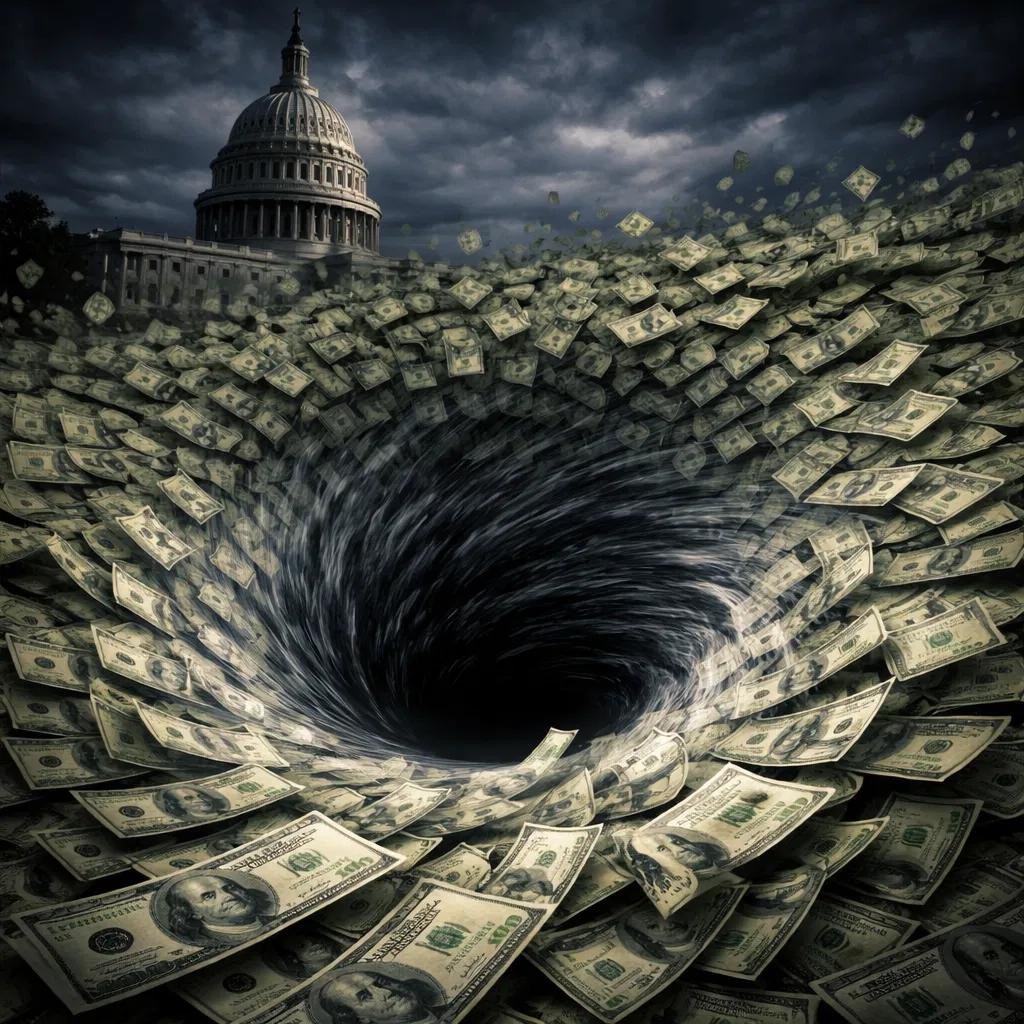
Then, when COVID hit in 2020, debt was already at 80% of GDP. By the time that was over, it had surged past 100%.
Today the official national debt is almost at 130% of GDP. That's well beyond the World War II record.
Each economic crisis starts from a worse position, requires more borrowing, and leaves the country deeper in the hole.
None of this should be surprising to anyone who's been paying attention. We've been writing about this for years.
We said it in 2019 when everything was going great— record stock market, record tax revenue, healthy economy— and the government still ran a trillion dollar deficit.
We wondered out loud— if the government still runs a $1 trillion deficit when everything is great, how bad will the deficit be when there’s an actual crisis?
We didn’t have to wait long to find out; Covid hit shortly thereafter, causing the government deficit to surge to $5+ trillion.
So what happens when the next recession hits? Where does the money come from?
The CRFB's proposed emergency plan gives you the answer. First, freeze Social Security, Medicare, and all discretionary spending — no cost-of-living adjustments, no growth, nothing.
Then, freeze tax brackets too, so that inflation quietly pushes more Americans into higher brackets.
And on top of all that, phase in a brand new "deficit reduction surtax": an additional tax on income above $100,000 that ratchets up every year until deficits fall to 3% of GDP.
Of course this would all be so politically toxic that the report concedes nothing will be done until... a crisis forces it.
But that doesn’t mean Americans aren’t already feeling the consequences of higher deficits.
Last year, a Yale Budget Lab report found that federal deficit spending since 2015 has pushed interest rates up by nearly a full percentage point.
The government borrows so much money that it crowds out private lending, forcing everyone else to pay more. You’re essentially competing with the government for a loan.
For a new homebuyer, that single percentage point adds $76,014 in extra costs over a 30-year mortgage — roughly $2,534 per year, or about $211 every single month. Auto loans cost an extra $670. Small business loans cost an extra $7,723.
So when a young couple can't afford their first house, or a small business owner pays more to expand, part of that cost is a direct, measurable consequence of Washington's borrowing binge.
The national debt isn't an abstract number on a screen in Washington. It's higher interest rates on mortgages, auto loans, and credit cards.
And the government borrowing is only accelerating.
Over the past year, the debt grew by $2.7 trillion; that’s a sharp increase from the $1.8 trillion federal deficit in fiscal year 2025.
So not only is the national debt growing, but the rate at which the national debt is growing... is growing. (If you’re a math wonk, the second derivative is positive.)
At the current trajectory, the debt will cross $39 trillion by the end of this month. And $40 trillion by the summer... not long after America celebrates its 250th birthday.
What’s crazy is that the people in charge of tracking all of this spending can't figure out where the money goes.
On March 5, a government auditor reported that the Office of Management and Budget cannot even produce a complete inventory of federal programs, despite being legally required to do so.
It’s not that the OMB is lazy or incompetent; it’s that there are simply too many federal programs... and the complex web of spending makes it virtually impossible to tally up all the various offices, agencies, sub-departments, committees, special advisory boards, emergency programs, etc. that exist in the federal government.
Congress makes things much worse when they appropriate annual funding for some program— sort of ‘fire and forget’. So decades go by since a program was originally created...yet it continues to receive money each year even though nobody knows what it’s for.
Bottom line, the government now spends $7 trillion each year. And they can’t figure out where it goes.
We've spent the last 16 years helping people build a Plan B— because even back in 2010, the trajectory of fiscal spending was obvious.
Look, the world’s not coming to an end. But it would be naive and foolish to think there won’t be consequences to such a dismal financial situation. There already are.
And it’s important to think about this, because the earlier you start preparing, the more options you’ll have to mitigate the consequences.
To your freedom, James Hickman Co-Founder, Schiff Sovereign LLC
Fed Forced to Act as Private Credit Bubble Collapses, Banks on Brink
Fed Forced to Act as Private Credit Bubble Collapses, Banks on Brink
David Lin: 3-19-2026
The current economic landscape is marked by a complex interplay of factors, including inflation, interest rates, and the health of the private credit market.
In a recent in-depth discussion featured in a video by David Lin, Chris Whalen, chairman of Whalen Global Advisor, shared his critical perspective on the Federal Reserve’s recent decisions and the broader economic challenges facing the United States.
Fed Forced to Act as Private Credit Bubble Collapses, Banks on Brink
David Lin: 3-19-2026
The current economic landscape is marked by a complex interplay of factors, including inflation, interest rates, and the health of the private credit market.
In a recent in-depth discussion featured in a video by David Lin, Chris Whalen, chairman of Whalen Global Advisor, shared his critical perspective on the Federal Reserve’s recent decisions and the broader economic challenges facing the United States.
The Federal Reserve’s decision to maintain steady interest rates amidst rising oil prices and a weakening labor market has been a subject of considerable debate.
Chris Whalen critiqued the Fed’s approach, pointing out the multifaceted nature of inflation, which is influenced by factors such as tariffs and oil prices.
The challenge lies in accurately measuring the impact of these factors, making it difficult for the Fed to make informed decisions. Whalen’s insights underscore the complexity of managing inflation in an economy subject to various external pressures.
One of the most significant concerns highlighted by Whalen is the stress building in the private credit market. This market expanded substantially in the post-CociD era due to low interest rates, but it is now facing serious challenges, including large redemptions and liquidity issues.
These problems are compounded by increasing default rates and the prevalence of payment-in-kind (PIK) loans, which are indicative of underlying distress. Whalen also raised concerns about the opacity and potential inflation of private credit valuations due to conflicts of interest among fund sponsors. This situation could lead to widespread markdowns and losses, posing a risk to financial stability.
Interestingly, Whalen suggested that despite these challenges, an exodus from private credit to public equities might provide some support to public markets. This potential shift highlights the interconnectedness of different segments of the financial market and the complex dynamics at play.
The labor market is exhibiting signs of weakening, partly due to AI-driven layoffs that disproportionately affect lower-income workers. In contrast, consumption among the wealthy remains robust, indicating a divergence in economic fortunes across different income groups. This dichotomy is a critical aspect of the current economic landscape, with implications for overall economic health and policy responses.
The conversation also touched on the US housing market, where high inflation and limited supply continue to drive prices upward, particularly in regions like New York. Recent executive orders aimed at easing regulatory barriers to affordable housing construction are a step towards addressing these issues.
However, the impact of these measures remains to be seen, and the housing market’s challenges are likely to persist in the near term.
Whalen highlighted the rapidly increasing government debt interest payments as a significant fiscal challenge. This situation may compel the Fed to engage in more quantitative easing, potentially fueling inflation. The interplay between fiscal policy and monetary policy is critical in this context, as it can have far-reaching implications for economic stability and growth.
In the face of these challenges, Whalen advises caution in financial markets. He recommends favoring precious metals and income-producing assets as a hedge against uncertainty.
Moreover, he warns that rising long-term interest rates could trigger more corporate defaults and economic slowdown ahead. This cautious outlook underscores the need for vigilance and strategic planning in navigating the current economic environment.
In conclusion, the insights from Chris Whalen’s discussion with David Lin offer a nuanced understanding of the current economic landscape, marked by challenges in managing inflation, stress in the private credit market, and broader fiscal and economic risks.
As the situation continues to evolve, staying informed and adopting a cautious, well-considered approach will be crucial for investors and policymakers alike. For a more detailed exploration of these themes, watching the full video from David Lin is recommended.
Freedom Fighter: This Connects to all Global Currencies via Forex
Freedom Fighter: This Connects to all Global Currencies via Forex
3-19-2026
Freedom Fighter @FreedomFight12
WHOA – This directly connects to the ALL Global Currencies via FOREX— not just crypto.
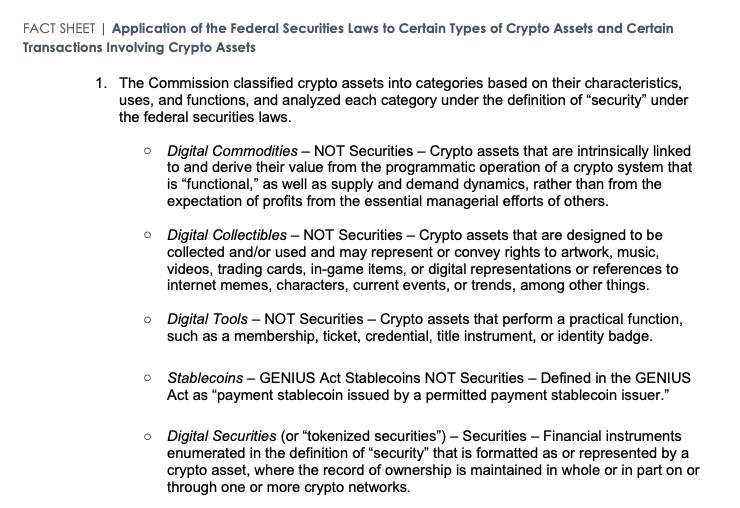
Classifying assets like $XRP as digital commodities aligns with their role in global financial infrastructure.
WHY
Freedom Fighter: This Connects to all Global Currencies via Forex
3-19-2026
Freedom Fighter @FreedomFight12
WHOA – This directly connects to the ALL Global Currencies via FOREX— not just crypto.
Classifying assets like $XRP as digital commodities aligns with their role in global financial infrastructure.
WHY
ISO 20022 isn’t just messaging — it’s the standard for cross-border value transfer between currencies – FOREX
XRP sits at the intersection of:
liquidity
settlement
interoperability
Solana: BREAKING: The SEC has formally classified SOL as a digital commodity in its new crypto asset taxonomy, alongside BTC, ETH, and 14 other assets. SOL is not a security.
Explained in detail here (global currencies + XRP)
https://youtu.be/irS2uYNX36U?list=PLsFvxx-OqfFl7TLwbZdh0U_H0q73ytqBY
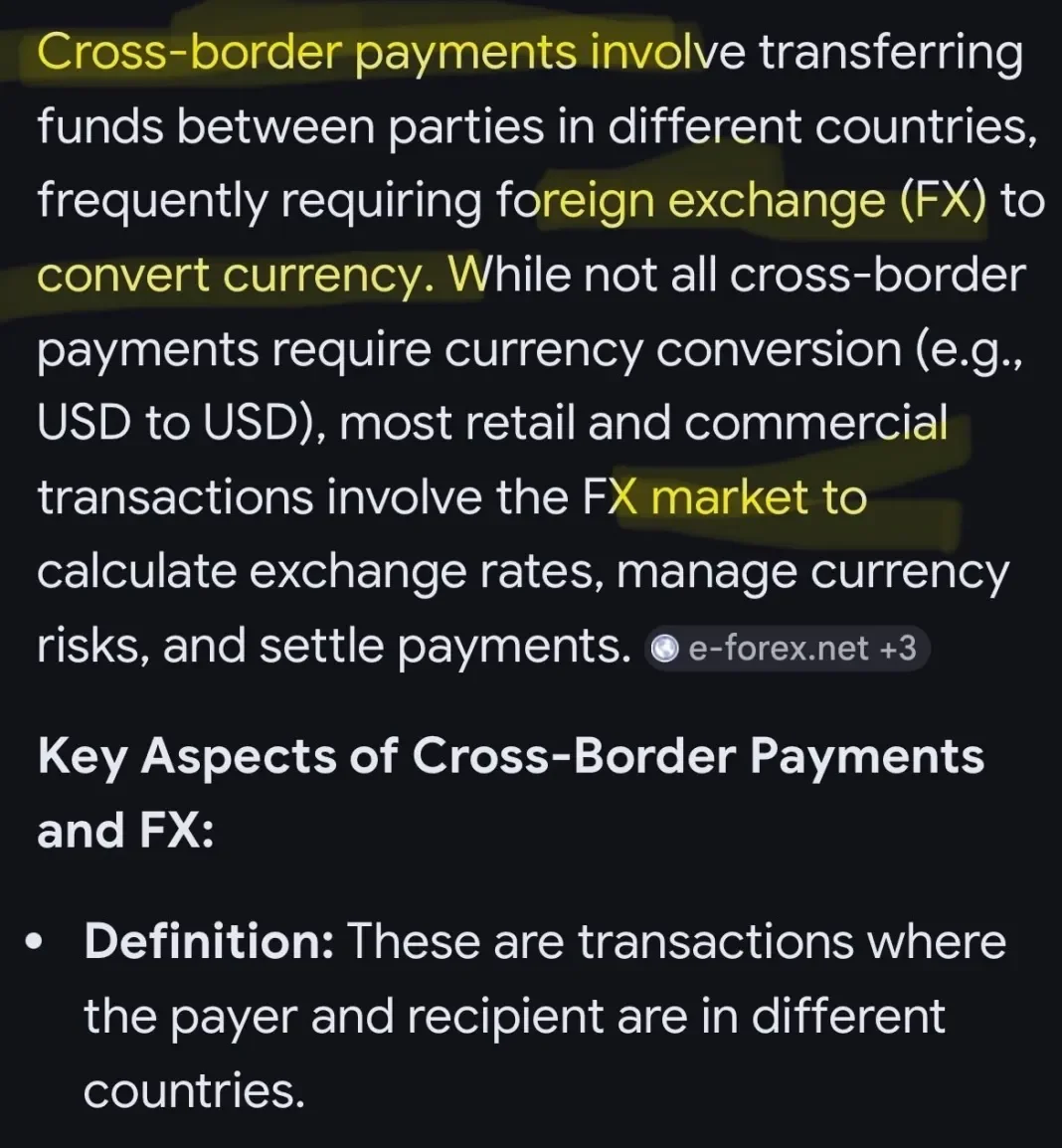
As I showed on last Saturday’s Live that Cross Border Payments = FOREX
Seeds of Wisdom RV and Economics Updates Thursday Afternoon 3-19-26
Good Afternoon Dinar Recaps,
Oil, Inflation, and Instability: Iran Conflict Sends Shockwaves Through the Global Financial System
Energy markets react as geopolitical tensions threaten supply routes and economic stability.
Overview
The escalating conflict involving Iran is no longer just a regional security issue — it is rapidly becoming a global financial event, with direct consequences for oil markets, inflation, and economic stability worldwide.
Good Afternoon Dinar Recaps,
Oil, Inflation, and Instability: Iran Conflict Sends Shockwaves Through the Global Financial System
Energy markets react as geopolitical tensions threaten supply routes and economic stability.
Overview
The escalating conflict involving Iran is no longer just a regional security issue — it is rapidly becoming a global financial event, with direct consequences for oil markets, inflation, and economic stability worldwide.
As tensions rise, fears of disruption to the Strait of Hormuz—a critical energy corridor—are driving volatility in oil prices and increasing uncertainty across global markets.
Because this narrow waterway handles roughly 20% of the world’s oil supply, any sustained disruption could have immediate and far-reaching effects on energy costs, inflation, and global growth.
Key Developments
1. Oil Markets React to Supply Risk
Oil prices have shown heightened volatility as traders respond to the possibility of disrupted shipments through the Persian Gulf.
Even the threat of disruption is enough to move markets, as energy supply remains one of the most sensitive components of the global economy.
2. Strait of Hormuz Remains a Critical Chokepoint
The Strait of Hormuz is one of the most strategically important trade routes in the world.
Roughly one-fifth of global oil consumption passes through this corridor, making it a focal point for both geopolitical tension and market sensitivity.
Any limitation on tanker traffic could trigger sharp increases in oil prices and supply chain disruptions.
3. Rising Energy Costs Fuel Inflation Concerns
Higher oil prices often lead to broader inflation because energy costs impact:
• Transportation and shipping• Manufacturing and production• Consumer goods pricing
As energy prices rise, central banks may face increased pressure when managing interest rates and economic growth.
4. Markets Shift Toward Safe-Haven Assets
During periods of geopolitical instability, investors often move toward perceived safe-haven assets such as:
• Gold• U.S. dollar• Government bonds
This shift reflects rising caution and can influence currency values and capital flows across global markets.
Why It Matters
Energy markets sit at the core of the global economy.
When supply uncertainty increases, the effects ripple across:
• Inflation levels• Consumer spending• Business investment• Global trade flows
Why It Matters to Foreign Currency Holders
For those monitoring potential changes in the global financial system, this situation highlights how energy and currency systems are deeply connected.
Key insights include:
• Oil trade plays a major role in currency demand• Energy shocks can shift global capital flows• Volatility can accelerate financial system adaptation
These forces often influence how countries approach reserve management and trade settlement strategies.
Implications for the Global Financial System
This development connects directly to broader structural trends:
• Energy security influencing economic policy• Inflation pressures shaping central bank decisions• Geopolitical tensions affecting global financial alignment
When combined with ongoing changes in digital currencies, payment systems, and reserve diversification, these events contribute to a gradual transformation of the financial landscape.
Closing Perspective
The Iran conflict is a powerful reminder that energy, geopolitics, and finance are tightly interconnected.
Disruptions in one area quickly cascade into others, influencing markets, currencies, and global economic stability.
This is not just an energy story — it is a financial signal of how interconnected and sensitive the global system has become.
Seeds of Wisdom Team
Newshounds News™ Exclusive
Sources
~~~~~~~~~~
Netanyahu Claims Iran’s Uranium Enrichment Capability Eliminated Amid Escalating Conflict
Military strikes raise major questions about nuclear capability, regional stability, and global financial risk.
Overview
Israeli Prime Minister Benjamin Netanyahu has stated that Iran no longer has the capacity to enrich uranium, following a series of coordinated military strikes targeting nuclear and military infrastructure.
The claim comes amid a rapidly escalating regional conflict involving Israel, Iran, and U.S. involvement, which has already begun impacting energy markets, global trade routes, and financial stability.
However, analysts and international observers note that independent verification of Iran’s full nuclear capability status remains limited, and Iran continues to demonstrate ongoing military and strategic capacity.
Key Developments
1. Netanyahu Declares Enrichment Capability “Eliminated”
Netanyahu stated that Iran’s ability to enrich uranium and develop key weapons infrastructure has been significantly degraded or removed following recent strikes.
The operations reportedly targeted:
• Nuclear enrichment facilities• Missile production infrastructure• Drone and weapons manufacturing sites
However, no detailed public evidence has been released to fully substantiate the extent of the damage.
2. Ongoing Conflict Raises Uncertainty About True Capabilities
Despite these claims, Iran continues to demonstrate military response capabilities, including missile and drone activity across the region.
Reports indicate:
• Continued retaliatory strikes on regional targets• Ongoing tensions across Gulf energy infrastructure• Persistent security risks in key shipping lanes
This suggests that while infrastructure may be damaged, Iran’s overall strategic capacity has not been fully neutralized.
3. Nuclear Status Remains Difficult to Verify
Independent verification of Iran’s nuclear program remains challenging due to:
• Limited access to damaged facilities• Restricted international inspections in conflict zones• Uncertainty over remaining uranium stockpiles
Some reports indicate that enriched uranium may still exist but be inaccessible or buried under damaged infrastructure, adding another layer of uncertainty to the situation.
4. Conflict Expands Beyond Nuclear Concerns
The broader conflict is now impacting:
• Energy markets and oil supply routes• Global shipping through the Strait of Hormuz• Regional financial markets and investor sentiment
These developments connect the situation directly to global economic stability, not just regional security.
Why It Matters
Nuclear capability is one of the most sensitive components of global geopolitical stability.
Any shift—real or perceived—in a country’s nuclear capacity can influence:
• Military strategy and alliances• Energy markets and inflation expectations• Investor confidence across global markets
Why It Matters to Foreign Currency Holders
For those tracking potential changes in the global financial system, this situation highlights how geopolitical events can quickly influence financial structures.
Key takeaways include:
• Energy security directly impacts currency stability• Conflict can accelerate shifts in trade and payment systems• Market volatility increases demand for safe-haven assets
These dynamics often intersect with broader trends such as reserve diversification and payment system evolution.
Implications for the Global Financial System
This development sits at the intersection of several major financial forces:
• Geopolitical conflict influencing markets• Energy supply risks affecting global inflation• Strategic competition shaping financial alliances
Periods of heightened geopolitical tension often act as catalysts for structural financial changes, particularly in how countries manage reserves, trade, and currency exposure.
Closing Perspective
Netanyahu’s statement marks a significant moment in the ongoing conflict—but uncertainty remains about the full reality on the ground.
What is clear is that the situation is no longer isolated to regional politics.
It is directly influencing energy flows, financial markets, and global economic stability.
This is not just a military development — it is a geopolitical event with global financial consequences.
Seeds of Wisdom Team
Newshounds News™ Exclusive
Sources
Reuters — “Netanyahu Says Iran No Longer Has Uranium Enrichment Capacity”
Associated Press — “Iran Retaliates as Netanyahu Claims Nuclear Capabilities Reduced”
~~~~~~~~~~
Seeds of Wisdom Team RV Currency Facts Youtube and Rumble
Newshound's News Telegram Room Link
RV Facts with Proof Links Link
RV Updates Proof links - Facts Link
Follow the Gold/Silver Rate COMEX
Follow Fast Facts
Seeds of Wisdom Team™Website
Thank you Dinar Recaps