
“Tidbits From TNT” Friday Morning 3-6-2026
TNT:
Tishwash: Al-Araji: The coming days will end the disputes over the presidency.
The head of the Reconstruction and Development bloc, Bahaa al-Araji, confirmed on Thursday that the next few days will witness the resolution of the positions of President of the Republic and Prime Minister, noting that this step will contribute to ending the state of stagnation that the political process has reached.
Al-Araji said that “disagreements between the two Kurdish parties are still hindering agreement on a candidate for the position of President of the Republic,” indicating that “achieving agreement between the Kurdish forces is a fundamental step before moving to the national arena to resolve this entitlement.”
TNT:
Tishwash: Al-Araji: The coming days will end the disputes over the presidency.
The head of the Reconstruction and Development bloc, Bahaa al-Araji, confirmed on Thursday that the next few days will witness the resolution of the positions of President of the Republic and Prime Minister, noting that this step will contribute to ending the state of stagnation that the political process has reached.
Al-Araji said that “disagreements between the two Kurdish parties are still hindering agreement on a candidate for the position of President of the Republic,” indicating that “achieving agreement between the Kurdish forces is a fundamental step before moving to the national arena to resolve this entitlement.”
He added that “the delay in deciding on the presidency has negatively affected the rest of the political and constitutional issues,” noting that “the next stage may witness a breakthrough in the political process after reaching an agreement on the candidates.”
Al-Araji pointed out that “the House of Representatives is waiting for the completion of these constitutional requirements to move on to other files related to the formation of the government,” stressing that “resolving these files is imminent and requires serious political will from all parties.” link
Tishwash: Parliament session next Saturday
Parliament session next Saturday
The Speaker of Parliament confirmed that the agenda for next Saturday's session includes a discussion of the security challenges in Iraq and the region.
Parliament session next Saturday link
*************
KRG Ministry of Natural Resources Reports Production Halt at HKN Oil Field Following Attack
The KRG Ministry of Natural Resources strongly condemned the attack, describing it as a direct assault on the economic infrastructure and resources of the people of the Kurdistan Region.
The Kurdistan Regional Government (KRG) Ministry of Natural Resources announced on Friday that a terrorist attack targeted the HKN oil field in Sarsang, Duhok province, causing damage to the facility and forcing a temporary halt in production.
According to the ministry, the attack occurred late Thursday night and was carried out by a group described as “outlaws” operating within Iraq. The assault damaged the oil field’s infrastructure, leading authorities to suspend operations at the site.
The KRG Ministry of Natural Resources strongly condemned the attack, describing it as a direct assault on the economic infrastructure and resources of the people of the Kurdistan Region.
In its statement, the ministry said responsibility for the incident lies with the party controlling the area from which the attack was launched, noting that such actions harm the Kurdistan Region and reduce revenues that benefit all of Iraq.
The ministry also called on the Federal Government of Iraq to take necessary measures to prevent further attacks targeting civilians in the Kurdistan Region, as well as its economic infrastructure, including the oil and gas sector.
Authorities have not yet provided details on casualties or the extent of the damage, and the resumption date for production at the HKN oil field has not been announced. link
*************
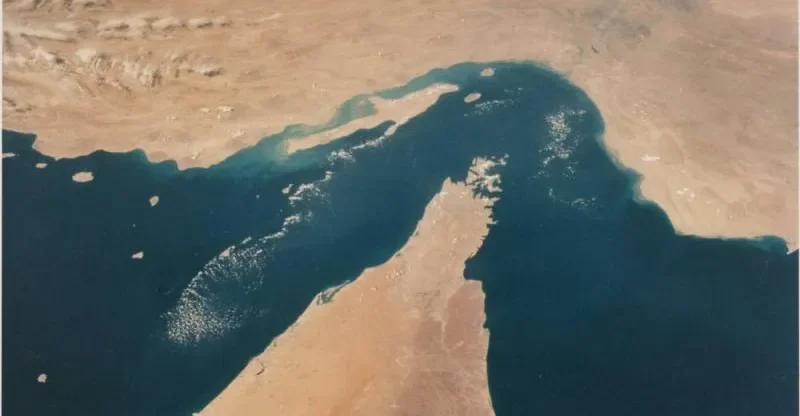
Tishwash: Iran says Strait of Hormuz remains open but “unsafe” amid US tensions
Iran on Friday rejected reports that it had closed the Strait of Hormuz to maritime traffic, warning that the strategic waterway has become “unsafe due to US provocations.”
In remarks carried by Iranian media, military spokesperson indicated that the country had entered a conflict it did not seek and cautioned that any miscalculation by its adversaries “would result in heavy losses.” link
Mot: Brother

Seeds of Wisdom RV and Economics Updates Thursday Evening 3-5-26
Good Evening Dinar Recaps,
Energy Shock and Bank Liquidity Moves Signal Stress in the Global Financial System
Oil surges, bond markets strain, and China injects billions into banks as geopolitical conflict shakes the foundations of global finance.
Overview
In the past 24 hours, three powerful forces impacting the global financial system have converged: energy market disruption, rising global debt stress, and emergency banking support from major economies.
Good Evening Dinar Recaps,
Energy Shock and Bank Liquidity Moves Signal Stress in the Global Financial System
Oil surges, bond markets strain, and China injects billions into banks as geopolitical conflict shakes the foundations of global finance.
Overview
In the past 24 hours, three powerful forces impacting the global financial system have converged: energy market disruption, rising global debt stress, and emergency banking support from major economies.
Escalating conflict involving Iran, the United States, and Israel has triggered sharp spikes in global oil prices, unsettling markets and raising the risk of renewed inflation.
At the same time, China announced a $44 billion capital injection into its state-owned banks, highlighting mounting pressure within the global banking system.
It is a critical moment for the evolving global financial architecture, as energy shocks, sovereign debt burdens, and liquidity risks collide.
Key Developments
1.Energy Shock Sends Global Markets Into Turbulence
The Middle East conflict has rapidly reshaped global energy markets, with crude oil prices surging toward $80 and higher within days.
The surge comes amid fears that shipping routes near the Strait of Hormuz — through which roughly 20% of the world’s oil supply normally flows — could face disruptions.
Within a week, oil prices jumped roughly 15%, triggering concerns that inflation could return just as many central banks hoped to begin easing monetary policy.
Markets reacted immediately:
• Energy prices surged
• Global equities sold off
• Treasury yields rose as inflation fears returned
In fact, the Dow Jones Industrial Average plunged more than 1,000 points during recent trading, as investors priced in the risk of prolonged energy disruption.
2.China Injects $44 Billion Into State Banks
In a separate but equally significant development, China announced plans to inject approximately $44 billion into major state-owned banks.
The move was outlined during the annual session of the National People's Congress, where policymakers emphasized the need to guard against systemic financial risks and increase lending to strategic sectors such as technology.
This capital injection is designed to:
• Strengthen bank balance sheets
• Support economic growth during geopolitical tension
• Ensure liquidity in financial markets
China’s decision highlights growing concern among policymakers that global financial conditions could tighten quickly if energy prices remain volatile or economic growth slows.
3.Global Debt Markets Face a “Stress Test”
Behind the scenes, the world’s debt markets are facing one of the most significant stress tests in decades.
According to the Organisation for Economic Co-operation and Development, global governments and corporations are expected to borrow around $29 trillion this year, up from $25 trillion the previous year.
This surge in borrowing comes at a dangerous time:
• Interest rates remain historically elevated
• Energy shocks threaten inflation stability
• Large portions of global debt are maturing soon
Emerging markets are particularly vulnerable, with about 35% of their debt maturing within the next three years, increasing refinancing risks.
If borrowing costs rise further, many governments could face mounting fiscal pressure, potentially accelerating structural changes in the global financial system.
Why This Matters
These developments matter because they represent three core pillars of the global financial order shifting simultaneously.
Energy:
Oil price shocks historically trigger inflation waves, economic slowdowns, and financial instability.Banking Liquidity:
When governments begin injecting capital into banks, it often signals early stress in the financial system.Debt Sustainability:
Record global borrowing levels mean that even small changes in interest rates or inflation can have massive consequences.
Together, these forces create the kind of environment that often precedes major financial restructuring or policy shifts.
Implications for the Global Financial Reset
Many analysts believe the world is entering a period of financial realignment driven by geopolitical fragmentation and structural debt burdens.
Key trends emerging from today’s news include:
Energy is becoming a geopolitical weapon again.
Control over oil supply routes can directly influence inflation, currency values, and central bank policy.Governments are strengthening banking systems ahead of potential shocks.
Large liquidity injections may be preventive measures against financial instability.Global debt levels are approaching historic limits.
With borrowing costs rising, some economies may eventually face restructuring pressures.
In short, the financial system is entering a phase where energy security, banking stability, and sovereign debt sustainability are tightly intertwined.
This is not only energy wars affecting the markets, it is the global financial order shifting.
Seeds of Wisdom Team
Newshounds News™ Exclusive
Sources
Reuters — China plans $44 billion capital injection into banks
OECD / Reuters — Rising energy prices and inflation threaten global debt markets
~~~~~~~~~~
ECB Warns Iran Conflict Could Trigger Indirect Shock to Europe’s Banking System
Limited direct exposure masks deeper risks tied to energy prices, inflation, and economic slowdown across the euro zone.
Overview
A senior supervisor at the European Central Bank (ECB) has warned that while euro-zone banks have minimal direct financial exposure to the Iran conflict, the greater risk lies in indirect economic fallout that could ripple through Europe’s financial system.
In a recent interview, ECB supervisor Pedro Machado emphasized that energy price shocks, inflation pressure, and weaker economic growth could ultimately impact bank balance sheets if geopolitical tensions in the Middle East escalate.
For now, European banks remain resilient, but regulators are watching closely for second-order effects that could emerge if the conflict disrupts global energy markets or trade routes.
Key Developments
1.Limited Direct Exposure to the Conflict Zone
According to the ECB’s analysis, direct financial links between euro-zone banks and the countries involved in the conflict remain relatively small.
Current estimates show:
• Loans and financial assets linked to Iran and Israel equal about 0.7% of banks’ core capital
• Liabilities such as bonds account for roughly 0.6% of core capital
Even when including neighboring economies in the region, total exposure remains below 1% of the sector’s overall assets.
However, the scale of Europe’s banking system means that even small percentages translate into large absolute sums. Large euro-area banks collectively manage around €27.8 trillion in assets, meaning exposure could still total approximately €278 billion.
Despite the headline figure, regulators believe this level remains manageable relative to the size and capital buffers of the banking sector.
2.Energy Prices Pose the Real Threat
The greater danger for Europe’s financial system lies in energy markets and global supply chains.
Europe still relies heavily on energy imports from Gulf producers, and many goods traveling between Asia and Europe move through the Suez Canal.
If conflict disrupts these routes or drives up oil and gas prices, inflation could surge again across the euro zone.
Higher energy prices could lead to:
• Renewed inflation pressures
• Higher interest rates or tighter financial conditions
• Slower economic growth
If borrowing costs remain elevated while economic activity weakens, households and businesses may struggle to service loans, increasing the risk of defaults across the banking sector.
3.Rising Scrutiny of Complex Financial Deals
Beyond geopolitical risks, the ECB is also closely monitoring the rapid growth of complex financial instruments used by banks to transfer risk.
One area under increased scrutiny is synthetic securitisation, where banks use derivatives or guarantees to shift credit risk from loan portfolios to investors.
These structures allow banks to:
• Reduce regulatory capital requirements
• Free up balance sheet capacity for additional lending
However, regulators fear that hidden financial links could bring risk back into the banking system during periods of stress.
To address this concern, the ECB plans to collect more detailed data on these transactions to better assess their scale and potential systemic impact.
4.Private Credit Markets Also Under Watch
Supervisors are also paying attention to turbulence in private credit markets, particularly in the United States.
Recent market volatility involving funds linked to Blackstone has raised questions about whether stress in the rapidly expanding “shadow banking” sector could spill into traditional financial institutions.
So far, ECB officials say there is no clear evidence of contagion affecting European banks, but regulators remain cautious.
Non-bank financial institutions now play an increasingly large role in global credit markets, and their growing influence introduces new layers of systemic risk.
Why This Matters
The ECB’s warning highlights an important reality of modern finance: banking systems can be vulnerable to geopolitical events even when direct financial exposure appears small.
Today’s financial system is deeply interconnected with:
• Energy markets
• Global trade routes
• Inflation cycles
• Supply chains
For Europe, the biggest vulnerability is not financial ties to the Middle East but its structural reliance on external energy supplies and maritime trade routes.
Any sustained disruption in these areas could slow economic growth across the euro area, indirectly affecting banks through rising credit stress and loan defaults.
Why It Matters to Foreign Currency Holders
From a global monetary perspective, banking stability in the euro zone is critical to the broader international financial system.
The euro remains one of the world’s primary reserve currencies, and stress within European banks could influence:
• global capital flows
• currency valuations
• central bank policy responses
If geopolitical tensions lead to persistent energy inflation or economic contraction, financial authorities may need to adjust monetary strategies to stabilize markets.
These developments are part of a broader trend where geopolitical shocks increasingly intersect with financial stability concerns, shaping the evolving structure of the global financial system.
Seeds of Wisdom Team
Newshounds News™ Exclusive
Sources
Reuters — “ECB supervisor warns Iran conflict could pose indirect risks to euro zone banks”
Modern Diplomacy — “Iran War and Global Financial Stability Risks”
~~~~~~~~~~
Seeds of Wisdom Team RV Currency Facts Youtube and Rumble
Newshound's News Telegram Room Link
RV Facts with Proof Links Link
RV Updates Proof links - Facts Link
Follow the Gold/Silver Rate COMEX
Follow Fast Facts
Seeds of Wisdom Team™ Website
Thank you Dinar Recaps
Iraq Economic News and Points To Ponder Thursday Evening 3-5-26
Foreign Minister: Iraq Is Committed To Protecting Diplomatic Missions And Not Allowing Its Territory To Be Used For Hostile Acts
Thursday, March 5, 2026 Baghdad – One News 3/05/2026 During his meeting with US Chargé d'Affaires Joshua Harris in Baghdad, Foreign Minister Fuad Hussein affirmed Iraq's commitment to shielding the country from the repercussions of the war, emphasizing the government's commitment to protecting and ensuring the security of diplomatic missions operating in Iraq.
Foreign Minister: Iraq Is Committed To Protecting Diplomatic Missions And Not Allowing Its Territory To Be Used For Hostile Acts
Thursday, March 5, 2026 Baghdad – One News 3/05/2026 During his meeting with US Chargé d'Affaires Joshua Harris in Baghdad, Foreign Minister Fuad Hussein affirmed Iraq's commitment to shielding the country from the repercussions of the war, emphasizing the government's commitment to protecting and ensuring the security of diplomatic missions operating in Iraq.
The minister reiterated that Iraq will not allow its territory to be used as a launching pad for any hostile acts against neighboring countries, stressing his country’s commitment to maintaining the security and stability of the region.
https://1news-iq.net/وزير-الخارجية-العراق-ملتزم-بحماية-الب/
Iraq's Central Bank: Foreign Currency Reserves At $97.4 Billion At End Of 2025
2026-03-05 Shafaq News- Baghdad Iraq’s foreign currency reserves fell to $97.433 billion by the end of 2025, down from $100.367 billion a year earlier, according to official statistics released by the Central Bank of Iraq.
The bank said the reserves were equivalent to about 126.661 trillion Iraqi dinars at the end of last year, compared with 130.347 trillion dinars recorded in 2024.
The data also showed that reserves in 2024 had already declined compared with 2023, when they reached $111.736 billion, equivalent to 145.257 trillion dinars.
According to the central bank’s figures, gold holdings accounted for 31.488 trillion dinars of the total reserves, while external investments amounted to 93.266 trillion dinars.
Cash holdings in the Central Bank of Iraq’s vaults were valued at about 1.907 trillion dinars.
Reduced Gas Supplies Leave 6-6.5gw Generation Gap
5th March 2026 in Iraq Industry & Trade News By John Lee. The Ministry of Electricity has confirmed that imported gas supplies from Iran are continuing at a reduced level of six million cubic metres per day (6mcm/d).
Official spokesperson Ahmed Mousa Al-Abadi said the current volumes remain below contracted levels and continue to affect generation units and power stations. He noted that milder temperatures have helped contain demand and maintain relative grid stability.
According to the ministry, the available gas is being directed to key generating units at major load-centre stations, including Basmaya [Bismaya] and Al-Mansouriya. However, reduced flows continue to constrain electricity production.
The ministry estimates that the power system is currently short of approximately 6,000 to 6,500MW of capacity, across both simple and combined-cycle operations, due to limited gas supplies.
It added that coordination is ongoing with the Gas Company to explore the possibility of increasing imported volumes, particularly ahead of the summer peak demand period. The ministry also said that cooperation between the electricity and oil sectors has helped provide alternative fuel to affected generating units.
(Source: Ministry of Electricity)
https://www.iraq-businessnews.com/2026/03/05/reduced-gas-supplies-leave-6-6-5gw-generation-gap/
Iraq Leaders Reaffirm Ban On Attacks From Iraqi Territory
2026-03-05 Shafaq News- Baghdad Iraq’s four presidencies reiterated on Thursday their longstanding rejection of using the country’s territory as a launchpad for attacks against neighboring states, according to an official statement.
During a meeting at Baghdad Palace, President Abdullatif Rashid, caretaker Prime Minister Mohammed Shia Al-Sudani, Parliament Speaker Haibet Al-Halbousi, and Supreme Judicial Council President Judge Faiq Zaidan stressed the need to prevent Iraq from being drawn into external conflicts, voicing support for government measures aimed at maintaining security and stability, protecting diplomatic missions, and safeguarding national sovereignty.
nseptoSdrof513302im0a297162tf2f61tll300067hi2guhgg294g794695 ·
Presidents hold a meeting in Baghdad Palace to research developments in the region and their serious consequences
The Presidencies held a meeting in Baghdad Palace, today Thursday, March 5, 2026, in the presence of the President of the Republic, Dr. Abdul Latif Jamal Rashid, the Prime Minister of the Cabinet, Mr. Mohammed Shia Al-Sudani, the President of the House of Representatives, Mr. Hibet Al-Halbousy, and the President of the Supreme Court, Justice Faiq Zidane.
The meeting witnessed an in-depth review of the latest security and political updates on the regional and international spheres, and their direct reflections on the internal situation in Iraq, the community also discussed the mechanisms the government is using to prevent the country from being drawn to external conflicts, emphasizing the support of the government's actions in imposing security, stability and protecting the sovereignty of the country, and the commitment to protecting the security of diplomatic missions.
Stressing on the necessity of maintaining Iraq's central and balanced role in promoting security and stability in the region.
The presidents have renewed Iraq's firm position by refusing to use its territories to attack neighboring countries or threaten their security, as well as rejecting the assaults that span cities, governorates of Iraq and Kurdistan Region, which are a violation of national sovereignty.
The meeting emphasized the necessity of an immediate halt of military operations in the region and respect for the sovereignty and independence of countries, calling for the international community to move urgently for Hiloula without widening the conflict patch. The meeting also stressed that the approach to the negotiation and diplomatic solutions is the best way to avoid the region the consequences of serious conflict on both regional and international levels.
On the domestic level, communities are studying the importance of accelerating the completion of constitutional rights, strengthening national unity to face the current circumstances, as well as supporting government efforts to consolidate security, stability, improving the living and service conditions of citizens, and moving forward on the path of reform and sustainable development.
At the end of the meeting, the attendees stressed the need to support the strategic security measures to simplify security and order, and to hold the rumor promoters accountable through social media platforms for what constitutes a direct threat to the family ladder and internal security, according to legal and judicial procedures.
They also condemned attacks targeting Iraqi cities and provinces, including the Kurdistan Region, describing them as violations of Iraq’s sovereignty.
While calling for an immediate halt to military operations across the region and urging the international community to act swiftly to prevent further escalation, the leaders stressed that negotiations and diplomatic solutions remain the most effective path to spare the region the dangerous consequences of widening conflict.
The statement comes as regional tensions intensify following joint US–Israeli strikes on sites inside Iran on February 28, which prompted Tehran to launch retaliatory missile and drone attacks against Israel and US military bases across the region.
In Iraq, factions aligned with Tehran have stepped up activity under the banner of the Islamic Resistance in Iraq, claiming rocket and drone attacks against what they describe as “enemy bases” in Iraq and neighboring areas. Al-Sudani had affirmed that Baghdad will not permit any threats to arise from its territory against Tehran.
Read more: Post-Khamenei Iraq: Factional pressure Vs. state sovereignty
https://www.shafaq.com/en/Iraq/Iraq-leaders-reaffirm-ban-on-attacks-from-Iraqi-territory
Iraqi factions: Europe’s forces legitimate targets if they back US-Israel strikes on Iran
2026-03-05 / 03:40 Shafaq News- Baghdad The Islamic Resistance in Iraq, an umbrella for Iran-aligned armed factions, has warned that European countries supporting US and Israeli military operations against Iran could see their forces and interests in Iraq and across the region targeted.
In a statement on Thursday, the group described the United States and Israel as “mobilizing allies” against “the free people of the Islamic Republic and the region.” It warned that any European country participating in the military campaign “will be considered an enemy of our peoples and sanctities.”
The warning comes as fighting between the United States and Israel on one side and Iran on the other has intensified since Feb. 28, when joint strikes targeted sites inside Iran, prompting Tehran to launch retaliatory missile and drone strikes on Israel and US military bases in Bahrain, Iraq, Jordan, Kuwait, Oman, Qatar, Saudi Arabia, and the United Arab Emirates.
In Iraq, factions aligned with Tehran have stepped up activity under the banner of the Islamic Resistance in Iraq, claiming rocket and drone attacks against what they describe as “enemy bases” in Iraq and neighboring areas.
Several European countries have also taken steps tied to the conflict. The United Kingdom allowed the United States to use its military bases for what Prime Minister Keir Starmer described as “defensive strikes,” and deployed helicopters with anti-drone systems and a warship toward Cyprus after a drone struck a British base there earlier this week.
France reinforced its presence on the island with a frigate and additional air defense assets, according to President Emmanuel Macron. Spain, however, rejected the US strikes, prompting US President Donald Trump to threaten a full American embargo on Madrid in response to the socialist government’s position.
Read more: Post-Khamenei Iraq: Factional pressure Vs. state sovereignty
Iraq Braces For Escalation Amid Fears Of Fallout From Iran-Israel-US War
Iraq Braces For Escalation Amid Fears Of Fallout From Iran-Israel-US War
Iraq/Security The story: The continued region-wide confrontation has put Iraq on a knife’s edge, driving fears that the country could be dragged further into the Iran-Israel-US war. Protests against the Israeli-US attack on Iran have continued for a second day, as have airstrikes targeting Iraqi armed groups close to Tehran. A protracted conflict could threaten to collapse Iraq’s oil-dependent economy, raising concerns that the worst might be to come.
The coverage: Iran’s confirmation of Khamenei’s death in a Feb. 28 Israeli airstrike in Tehran has been received with a mixture of anger and mourning across the Iraqi political spectrum.
Iraq’s Popular Mobilization Units (PMU) issued a statement mourning Iran’s slain supreme leader, saying that Khamenei had “ascended to the highest abode following a treacherous Zionist-American aggression.”
The office of Najaf-based Grand Ayatollah Ali Al‑Sistani circulated a message urging Iranians to preserve national unity and deny their “enemies” the fruits of Khamenei’s assassination.
Iraqi President Abdul Latif Rashid, Kurdistan Region President Nechirvan Barzani and caretaker Prime Minister Muhammad Shia’ Al‑Sudani each offered condolences while calling for de‑escalation and endorsing an official three‑day mourning period.
A military spokesperson for Sudani, who is also Iraq’s commander-in-chief, stated that the caretaker premier “condemned the unjustified aggression against the Islamic Republic.”
Supporters of Iran-allied armed groups have renewed demonstrations near Baghdad’s Green Zone, where the US embassy compound is located.
Videos of the protests showed chaotic scenes, with reports of live ammunition, stun grenades and tear gas being fired by security services. Seemingly more peaceful demonstrations were also seen in the shrine city of Najaf.
Iraqi parliamentary sources have reported that the legislature’s scheduled session for Mar. 1 had been cancelled partly due to the unrest.
An apparent strike on a PMU convoy near the Iranian border in Diyala Governorate reportedly killed several fighters affiliated with Shiite armed group Asa’ib Ahl Al-Haq. It was unclear whether the attack was carried out by Israeli or US forces.
The targeted killing is speculated to be geared to send the message that the movements of Iran’s allies are being closely watched.
The PMU “temporarily” evacuated civilian staff from bases in Nineveh Governorate in response to two apparent Israeli-US drone attacks earlier on Mar. 1. However, Iraqi outlet Shafaq News reported that troops have maintained “tight security” at their posts.
Later on Mar. 1, reports emerged that Kata’ib Hezbollah fighters had been targeted at the group’s Jurf Al-Sakhar base—the same site of another strike the previous day. A second site at the Al-Qaim border crossing with Syria was also reportedly hit. No group or government has claimed responsibility for the attacks.
Senior Kurdistan Region Government (KRG) officials appear to have remained notably taciturn on the Iran-Israel-US conflict so far despite ongoing strikes in the semi-autonomous region.
One site housing US troops stationed in Erbil has come under sustained Iranian missile and drone barrages that seemed to intensify into the night on Mar. 1.
A statement issued by the Iran-backed armed group Saraya Awliya Al-Dam has taken responsibility for a purported ballistic missile strike on Erbil.
The claimed strike suggests that lower-profile members of the Shiite alliance of armed groups known as the “Islamic Resistance of Iraq” may be entering the fray.
The development also indicates that what previously was an external conflict dragging in Iraqi actors now seems to involve Iraqi parties striking perceived domestic rivals.
Amid the widespread coverage of the material impact of the conflict on Iraq, other reports stressed Iraq’s profound economic vulnerability.
Analysts warn that any prolonged closure of the Strait of Hormuz by Iranian forces could slash Iraq’s oil revenues, which fund more than 90% of the federal budget.
The context/analysis: The recent regional escalation, part of a broader Israeli-US campaign to degrade the Islamic Republic, has again turned into a target and corridor for conflict.
As in previous flare-ups, top Iraqi authorities have insisted that the country remains officially neutral, and must not become a staging ground for regional disputes.
Iraqi officials have condemned the Israeli-US strikes on Iran and on PMU sites as “unjustified” violations of Iraq’s sovereignty while warning against the use of Iraqi airspace to attack Iran.
Protests outside Baghdad’s Green Zone show how Iran-allied groups can quickly channel grief into street pressure on Iraq’s government.
Drone attacks and falling debris across Erbil, Kirkuk and Nineveh highlight Iraq’s fragmented security map—where PMU brigades, Kurdish forces and the Iraqi Army overlap.
All this appears to put the PMU in a difficult position. Evacuation orders such as those in Nineveh while retaining armed guards point to an attempt to reduce exposure without ceding influence in sensitive minority areas.
Among Iraq’s political elite, fears of military escalation are likely matched by concern over the economic ramifications of a prolonged conflict.
Lasting instability in neighboring Iran, one of Iraq’s largest trading partners, would have a profound effect on Iraq’s economy. This could demand a radical reshaping of Iraqi markets.
For actors critical of Iran’s influence in its western neighbor—and the significant economic power of Tehran’s allied Iraqi armed groups—such a shift likely cannot come soon enough.
The future: Further regional instability and a possible prolonged disruption to transit through the Strait of Hormuz and the Red Sea could prove decisive tests for both Sudani’s caretaker government and Iraq’s struggling rentier economy.
Economic specialists calculate that a full closure to tanker traffic in the Red Sea could wipe out more than 90% of Iraq’s monthly oil income. This could cut Baghdad’s hydrocarbon receipts from roughly 7B USD dollars to less than 1B USD.
Officials at Iraq’s Ministry of Oil have reportedly convened an “emergency” meeting aimed at developing plans for alternate export routes.
Such contingency planning will likely involve pipelines and storage projects, but these remain years from fully compensating for Gulf terminals.
On the political stage, calls for de‑escalation and unity indicate elite desire to steer Iran-allied armed factions and their supporters on the Iraqi street away from a wider confrontation.
China’s Next Move, Financial War to Crush the Dollar
China’s Next Move, Financial War to Crush the Dollar
Liberty and Finance: 3-5-2026
The geopolitical landscape is heating up, and the consequences are being felt far beyond the Middle East.
As tensions between Iran, the United States, and Israel continue to rise, the world is bracing for a potentially protracted and destructive conflict.
Alasdair Macleod, a renowned expert in finance and head of research at goldmoney.com, has provided a stark warning about the far-reaching implications of this crisis on global energy markets, precious metals, and the stability of the US dollar and financial system.
China’s Next Move, Financial War to Crush the Dollar
Liberty and Finance: 3-5-2026
The geopolitical landscape is heating up, and the consequences are being felt far beyond the Middle East.
As tensions between Iran, the United States, and Israel continue to rise, the world is bracing for a potentially protracted and destructive conflict.
Alasdair Macleod, a renowned expert in finance and head of research at goldmoney.com, has provided a stark warning about the far-reaching implications of this crisis on global energy markets, precious metals, and the stability of the US dollar and financial system.
Macleod argues that the US administration, led by President Trump, has miscalculated the consequences of engaging militarily with Iran.
The Iranian government has been preparing for this moment for years, and its deep-rooted resolve makes it a formidable opponent. The conflict is likely to disrupt oil supplies through the Persian Gulf and the Red Sea, sending shockwaves through global energy markets and causing significant knock-on effects on shipping insurance and energy prices.
As the crisis unfolds, Macleod anticipates a further decline in the fiat currency system, particularly the US dollar.
Rising bond yields will trigger a major correction in overvalued equity markets, and the Federal Reserve will likely intervene to prop up markets.
However, such actions will only serve to further erode the dollar’s purchasing power. This crisis may mark the terminal phase of American financial hegemony, as the world begins to lose faith in the dollar’s ability to maintain its status as a global reserve currency.
The conversation around the Middle East crisis is not just about the conflict itself but also about the broader geopolitical alignments that are emerging.
The strategic cooperation between China, Russia, and Iran is a significant development, with China making deliberate moves to decouple from the dollar.
By instructing its banks to reduce US Treasury holdings, China is signaling its preparation for a financial conflict rather than a direct military confrontation.
The potential for China to back the yuan with gold, undermining the dollar’s dominance and supporting its alliances and energy security, is a worrying prospect for the US.
In this increasingly unstable environment, individual financial protection is more crucial than ever. Macleod stresses the importance of moving away from credit-based currencies and preserving wealth rather than seeking new asset accumulation. With his educational work on his Substack (Macleodfinance.com), Macleod aims to inform the public about these unfolding risks and strategies for safeguarding assets.
As the Middle East crisis continues to unfold, it’s clear that the consequences will be far-reaching and potentially devastating. The world is on the cusp of a significant shift in the global financial landscape, and investors need to be prepared.
By understanding the risks and taking proactive steps to protect their wealth, individuals can navigate this treacherous terrain and emerge stronger on the other side.
For further insights and information, watch the full video from Liberty and Finance, where Alasdair Macleod provides a detailed analysis of the crisis and its implications. Stay informed, stay vigilant, and take control of your financial future.
Seeds of Wisdom RV and Economics Updates Thursday Afternoon 3-5-26
Good Afternoon Dinar Recaps,
UAE Financial System Holds Firm Amid Missile Attacks
Central bank reassures markets as regional war tests resilience of a major global financial hub
Overview
The Central Bank of the United Arab Emirates has confirmed that the country’s banking and financial system remains fully operational despite escalating regional conflict involving Iran, Israel, and the United States.
Good Afternoon Dinar Recaps,
UAE Financial System Holds Firm Amid Missile Attacks
Central bank reassures markets as regional war tests resilience of a major global financial hub
Overview
The Central Bank of the United Arab Emirates has confirmed that the country’s banking and financial system remains fully operational despite escalating regional conflict involving Iran, Israel, and the United States.
The announcement comes after missile and drone attacks struck areas within the United Arab Emirates, prompting concerns about the stability of one of the Middle East’s most important financial centers.
Officials emphasized that banks, insurers, and financial institutions continue operating with full efficiency, highlighting strong liquidity, capital buffers, and business continuity plans designed to withstand geopolitical shocks.
The reassurance is critical because the UAE has become a major global hub for banking, trade finance, and digital assets, making its stability highly relevant for the global financial system and emerging payment networks.
Key Developments
1.Central Bank Confirms Financial Stability
Governor Khaled Mohamed Balama stated that the UAE’s financial sector remains resilient and stable, even as regional tensions escalate.
Key indicators underline that strength:
• Capital adequacy ratio: about 17% — well above global regulatory minimums
• Liquidity coverage ratio: 146.6%, signaling strong short-term funding capacity
• Total banking assets: more than 5.42 trillion dirhams ($1.48 trillion)
These figures show deep financial buffers capable of absorbing external shocks, a key requirement for maintaining investor confidence during geopolitical crises.
2.Missile and Drone Attacks Test Infrastructure
The reassurance follows intercepted missile and drone attacks attributed to Iran, with debris reportedly causing fires and damage near strategic locations in Dubai.
Areas near Jebel Ali Port and Dubai International Airport were affected.
Despite the incidents, authorities stressed that core financial infrastructure and banking operations were not disrupted.
Maintaining stability during such events is critical because Dubai functions as a major gateway for global capital flows across the Middle East, Asia, and Africa.
3.UAE’s Crypto Sector Activates Emergency Protocols
The UAE is also one of the fastest-growing digital asset hubs in the world.
• More than 1,800 crypto companies operate across the UAE
• Over 600 Web3 firms are based in the Dubai Multi Commodities Centre (DMCC) free zone
• The sector employs more than 8,600 people
Major exchanges including Bybit and Bitget activated emergency operational protocols to protect staff and maintain trading operations.
These actions demonstrate how digital finance companies are adapting to geopolitical risks while ensuring continuity in global crypto markets.
4.UAE’s Role as a Financial and Digital Asset Hub
The UAE has spent the last decade building a globally competitive financial ecosystem combining:
• International banking and trade finance
• Energy and commodity trading markets
• Rapidly expanding digital asset regulation
Cities like Dubai and Abu Dhabi increasingly function as financial bridges between Asia, Europe, and Africa, especially as geopolitical fragmentation reshapes traditional financial corridors.
Why It Matters
Financial stability in a war zone is crucial for global markets
The UAE sits along critical energy and trade routes, making its financial stability vital to global capital flows and commodity markets.
Regional financial hubs must prove resilience
By maintaining operations during attacks, the UAE signals that modern financial infrastructure can withstand geopolitical shocks.
Digital finance ecosystems are now part of national resilience
The presence of hundreds of crypto and Web3 firms shows that digital finance is becoming integrated into national economic security strategies.
Why It Matters to Foreign Currency Holders
For observers of the evolving global financial system, the situation offers key insights.
Financial hubs are becoming geopolitical shock absorbers
Nations with strong liquidity and regulatory systems can maintain stability even amid military conflict.
Digital assets are now embedded in global finance
The rapid growth of crypto firms in Dubai highlights how digital finance is becoming a parallel financial ecosystem alongside traditional banking.
Dubai’s Financial Engine Holds Steady Under Fire.
Resilience is the new financial currency
Countries able to protect banking operations during geopolitical turmoil will attract global capital.
Implications for the Global Reset
Pillar 1: Financial resilience is becoming a strategic asset
Nations that maintain stable banking systems under stress will gain influence in the evolving multipolar financial order.
Pillar 2: Digital finance hubs are reshaping global payments
The UAE’s rise as a crypto and Web3 center suggests future financial systems may combine traditional banking infrastructure with decentralized digital networks.
Together, these trends indicate a world where financial stability, technological innovation, and geopolitical positioning are increasingly intertwined.
Seeds of Wisdom Team
Newshounds News™ Exclusive
Sources
Cointelegraph — “UAE central bank says banks operational amid regional tensions”
Associated Press — “Missile attacks raise tensions across Gulf states amid Iran conflict”
~~~~~~~~~~
BRICS Fractures: India Breaks Ranks as Iran War Exposes Deep Divisions
New Delhi’s silence and quiet alignment with Israel and the U.S. raises questions about the bloc’s unity
Overview
The escalating Israel–Iran war is exposing deep fractures within the BRICS alliance, with India diverging sharply from other member nations in its response to the crisis.
While Russia, China, Brazil, and South Africa have openly condemned the attacks on Iran, India has remained notably silent—a move widely interpreted as tacit support for Israel and the United States.
The diplomatic split comes at a sensitive moment, as India currently chairs the 2026 BRICS summit scheduled in New Delhi, raising questions about the bloc’s ability to maintain unity during major geopolitical crises.
Key Developments
1.Global Markets Rattled by Escalating Conflict
The war has triggered sharp volatility across global financial markets, with Asian equities suffering some of the steepest losses.
Major indexes including the Hang Seng Index, Nikkei 225, BSE Sensex, and KOSPI all plunged toward yearly lows as investors reacted to the risk of a broader Middle East conflict.
The sell-off underscores how regional wars can rapidly transmit shockwaves through global financial systems.
2.BRICS Members Rally Behind Iran
Several founding members of BRICS issued strong statements criticizing the strikes on Iran.
Russia called the attacks “premeditated armed aggression against a sovereign state.”
China condemned the operation as a “grave violation of sovereignty and the UN Charter.”
Brazil emphasized diplomacy, stating negotiations remain the only viable path to peace.
South Africa warned that anticipatory self-defense violates international law.
Together, these responses signaled a broad alignment among BRICS members in support of Iran’s sovereignty.
3.India Takes a Different Path
In contrast, India has avoided issuing a direct statement supporting Iran.
Instead, Prime Minister Narendra Modi reportedly held discussions with Benjamin Netanyahu, Israel’s prime minister, shortly after the conflict escalated.
India also condemned an Iranian strike on the United Arab Emirates, further reinforcing perceptions that New Delhi is leaning closer to Israel and Western partners rather than aligning with its BRICS counterparts.
4.Strategic Diplomacy Before the Strikes
Just days before the conflict intensified, Modi visited the United Arab Emirates, another key regional partner.
The timing of these diplomatic engagements has added to speculation that India is prioritizing strategic partnerships outside the BRICS framework as geopolitical tensions rise.
Why It Matters
The situation highlights a critical challenge for BRICS as it attempts to present itself as a unified geopolitical and economic alternative to Western institutions.
Internal divisions weaken the bloc’s geopolitical influence
When members respond differently to major crises, BRICS risks appearing fragmented rather than cohesive.
India’s balancing act reflects broader strategic realities
New Delhi maintains deep economic ties with Western economies while also participating in BRICS initiatives, forcing it to navigate competing geopolitical interests.
The war tests BRICS’ ability to act as a unified global actor
The conflict may ultimately reveal whether BRICS is a coordinated geopolitical bloc or primarily an economic forum with diverse political agendas.
Why It Matters to Foreign Currency Holders
For those watching global financial realignments, the crisis highlights important signals about the evolving structure of international alliances.
BRICS unity remains fragile
While the bloc often promotes alternatives to Western financial systems, divergent geopolitical interests can complicate coordinated action.Geopolitical fragmentation increases market volatility
Wars and diplomatic splits among major economies can accelerate capital flight, currency fluctuations, and commodity price swings.Global alliances are becoming more fluid
Countries increasingly pursue multi-alignment strategies rather than strict bloc loyalty, creating a more complex global economic landscape.
Implications for the Global Reset
Pillar 1: Multipolar alliances are still forming
Events like the Iran war demonstrate that emerging blocs such as BRICS are still evolving and testing their internal cohesion.Pillar 2: Strategic autonomy is replacing rigid alliances
Countries like India are balancing relationships across competing geopolitical spheres, signaling a shift toward flexible multi-alignment rather than fixed blocs.
This dynamic could shape the future architecture of global trade, energy flows, and financial systems.
Seeds of Wisdom Team
Newshounds News™ Exclusive
Sources
Watcher Guru — “India Snubs BRICS Member Iran, Supports Israel and the US”
Reuters — “Global markets fall as Middle East conflict rattles investors”
~~~~~~~~~~
Seeds of Wisdom Team RV Currency Facts Youtube and Rumble
Newshound's News Telegram Room Link
RV Facts with Proof Links Link
RV Updates Proof links - Facts Link
Follow the Gold/Silver Rate COMEX
Follow Fast Facts
Seeds of Wisdom Team™ Website
Thank you Dinar Recaps
Ariel: Did you Hear that Tree Fall in the Forest?
Ariel: Did you Hear that Tree Fall in the Forest?
3-5-2026
Prolotario @Prolotario1
Did You Hear That Tree Fall In The Forest? Uprooting Weeds From The Garden Of What Will Become Eden
What A Day What A Time What A Life (A Mixed Bag)
Ladies and gentlemen, gather close, for what I’m about to unfold isn’t the sanitized drivel peddled in boardrooms or whispered in marble halls
Ariel: Did you Hear that Tree Fall in the Forest?
3-5-2026
Prolotario @Prolotario1
Did You Hear That Tree Fall In The Forest? Uprooting Weeds From The Garden Of What Will Become Eden
What A Day What A Time What A Life (A Mixed Bag)
Ladies and gentlemen, gather close, for what I’m about to unfold isn’t the sanitized drivel peddled in boardrooms or whispered in marble halls it’s the raw mechanics of power shifting beneath the surface, where empires built on ink and illusion begin to crumble.
Picture this: a fortress of legacy finance, guarded by names that echo through centuries, now facing a siege from the digital frontier.
Kraken’s quiet coup securing that elusive Federal Reserve master account on March 4, 2026 marks the breach. No more groveling at the gates of intermediary banks; direct access to Fedwire, the vein pulsing trillions daily, just like JPMorgan or Citigroup. This isn’t mere convenience; it’s a dagger to the heart of the old guard’s monopoly on money movement.
Here Is What You Are In For Folks
The Rothschild Reckoning and the Crypto Bill’s Battlefield
Oh, how the mighty squirm. The Rothschilds those architects of central banking, with tentacles in everything from Edmond de Rothschild Group’s asset plays to their historical grip on global reserves see their parasitic web unraveling.
Their model thrives on opacity: layered fees, controlled liquidity, and the eternal churn of fiat debt. Kraken’s master account bypasses that, slashing costs and accelerating flows for crypto-fiat bridges. Faster deposits, instant settlements, lower barriers for institutional floods it’s the death knell for their intermediary rake-offs.
And the Crypto Market Structure Bill? That beast, clawing through the Senate as the Digital Asset Market Clarity Act (H.R. 3633’s Senate twin), is the accelerant.
Stalled in February 2026 over stablecoin yield disputes banks demanding a two-year study to hobble rewards, fearing deposit drains the bill’s passage would codify crypto’s parity with TradFi.
No more SEC-CFTC turf wars; clear lanes for digital commodities. Rothschild-linked lobbies, via the Banking Policy Institute, cry “financial instability,” but it’s code for protecting their trillions in manipulated metals and bonds.
Basel III’s capital hikes, ISO-20022’s data transparency, and SOFR’s rate reforms? They force banks to hold more skin in the game, exposing inefficiencies crypto exploits ruthlessly.
Excitement? This liberates the masses: sovereign wealth in your pocket, unmediated by gatekeepers who skim 2-5% on every cross-border wire. Financial freedom means dethroning the debt-mongers, one blockchain transaction at a time.
Petrodollar’s Twilight: Iraq’s Zero-Shedding Gambit
Now, let’s venture into the sands where oil meets intrigue. The Deep State’s petrodollar that USD hegemony propped by Saudi deals and enforced by proxy wars teeters as Iraq primes to delete three zeros from its dinar program rate.
Not a revaluation myth, mind you, but a redenomination hammer: slashing the nominal bloat from 1,320 IQD per USD to something leaner out the gate, say 1.32, (Or higher) while preserving purchasing parity.
Baghdad’s Central Bank, under Governor Ali Al-Alaq, has this in motion since late 2025, integrating with Temenos for Forex fluency.
Why the thrill? It unshackles Iraq from militia-tainted oil contracts, allowing direct non-dollar trades with America once Iranian shadows lift.
The Rockefellers? Their iron fist on the Middle East via historical pacts with Tehran proxies kept this suppressed, funneling black-market billions through Basra ports to sustain the fiat illusion.
A U.S. strike on Iran? It severs that grip, flooding Iraq with stability and gold-backed reserves. Gold eclipsing USD as global reserve in early 2026? That’s the fuse.
Silver’s $50 floor under BRICS? A Man can dream right? The explosion. Excitement surges because this redistributes trillions from elite vaults to everyday holders your dinar stash could pivot to parity, birthing a multipolar economy where freedom isn’t leased from bankers.
Read Full Article: https://www.patreon.com/posts/did-you-hear-in-152248567
https://dinarchronicles.com/2026/03/05/prolotario-did-you-hear-that-tree-fall-in-the-forest/
News, Rumors and Opinions Thursday 3-5-2026
KTFA:
Clare: Iraqi Kurdistan did not interfere in the Iranian events; the opposition denies Western reports.
Iranian Kurdish parties in Iraqi Kurdistan deny any operations inside Iran and describe Western reports as rumors.
3/5/2026
The Iranian Kurdish parties present in the Kurdistan Region denied carrying out any movements or operations inside Iran. Kurdish media quoted officials in the main Kurdish opposition parties as saying that all news about movements from inside the Kurdistan Region of Iraq towards Iran is completely false.
KTFA:
Clare: Iraqi Kurdistan did not interfere in the Iranian events; the opposition denies Western reports.
Iranian Kurdish parties in Iraqi Kurdistan deny any operations inside Iran and describe Western reports as rumors.
3/5/2026
The Iranian Kurdish parties present in the Kurdistan Region denied carrying out any movements or operations inside Iran. Kurdish media quoted officials in the main Kurdish opposition parties as saying that all news about movements from inside the Kurdistan Region of Iraq towards Iran is completely false.
Rudaw Network quoted an official in the Komala Party denying his party’s involvement in any operation.
The statements come amid a series of rumors and Western and Arab reports about ground operations led by the opposition in Iranian Kurdish regions. LINK
Clare: A move in the Iraqi parliament to cancel the security agreement with Washington and replace it with "China or Russia"
3/4/2026
On Wednesday, MP Miqdad al-Khafaji, from the parliamentary rights bloc, confirmed that US and Israeli forces targeted several sites belonging to the security forces, the Popular Mobilization Forces, and resistance factions in Iraq.
Al-Khafaji told Shafaq News Agency that "the (American-Israeli) operations resulted in the killing of 19 people and the wounding of dozens of members of the Popular Mobilization Forces and the security forces."
He pointed out that no airdrop of US forces on Iraqi territory had been recorded, indicating that the House of Representatives would present in the next session a draft bill to cancel the security agreement with the US side to protect Iraqi airspace, and at the same time another agreement would be sought with global countries such as Russia and China.
According to Al-Khafaji, there is no specific date set for the next session of the House of Representatives, as it was scheduled to be held last Sunday, but some representatives requested its postponement with unrealistic pretexts.
He continued, saying that "the United States of America has proven its conspiracy against the Iraqi people and government by targeting security sites belonging to the Popular Mobilization Forces, as well as civilian sites, and by exploiting Iraqi airspace to strike other countries."
Sites belonging to the Popular Mobilization Forces in Iraq were subjected to American and Israeli strikes, carried out via drones and missiles, according to informed sources who spoke to Shafaq News Agency earlier.
In response, the factions retaliated by shelling the city of Erbil (the capital of the Kurdistan Region) and some areas of Sulaymaniyah Governorate, which led to an escalation of tension and a widening of the confrontation.
Since Saturday morning, February 28, 2026, the United States and Israel have been waging a large-scale military strike against Iran, targeting leaders, officials, and military and nuclear facilities, while Iran has responded by launching missiles and drones at Israel and American bases in Gulf countries. LINK
**************
Courtesy of Dinar Guru: https://www.dinarguru.com/
Militia Man The stage is set for real effective exchange rate (REER). They have the digital tools. They have the non-oil growth. These things are already in place. It's complete. I think that's what they're doing. We're waiting for a prudent time frame. The way I see it, the next phase is closer than we've ever seen before...It looks really good.
Frank26 [Iraq boots-on-the-ground report] FIREFLY:There's news today one of the close leaders of the Framework is saying in the coming days we will see Maliki withdraw his candidacy to be the Prime Minister. FRANK: As of 3-3-2026, let it be known to you IMSO Maliki is now officially removed from the political scene in Iraq. That means parliament is no longer infected with that group of bad people...From now on we are bringing the security and stability that your monetary reform needs to bring out your new exchange rate.
Jeff The Trump administration is saying...the overall progress in the war against Iran is far ahead of schedule, far ahead of what's expected...The more conservative leaning news was saying the war could take 'up to' four weeks. I'm thinking right now maybe two and a half to around March 17th...
Clif High and Bix Weir EXPOSE the 2026 Financial Crash – Are You Prepared?
3-4-2026
Clif High and Bix Weir dive deep into the looming 2026 crash and why the financial system may be closer to breaking than most realize.
From stock market volatility and debt explosions to Federal Reserve policy and global instability, this explosive interview covers the warning signs investors can’t afford to ignore. Is another 2008-style collapse coming — or something even bigger? Watch now before the next shock hits.
Seeds of Wisdom RV and Economics Updates Thursday Morning 3-5-26
Good Morning Dinar Recaps,
UN Investigation Condemns Iran War Escalation — Civilian Casualties Trigger Global Legal Alarm
UN probe warns attacks by all sides violate international law as civilian deaths mount
Overview
A new investigation by the United Nations has sharply criticized the ongoing war involving Iran, Israel, and the United States, concluding that the attacks violate the UN Charter’s prohibition against the use of force against a nation’s sovereignty.
Good Morning Dinar Recaps,
UN Investigation Condemns Iran War Escalation — Civilian Casualties Trigger Global Legal Alarm
UN probe warns attacks by all sides violate international law as civilian deaths mount
Overview
A new investigation by the United Nations has sharply criticized the ongoing war involving Iran, Israel, and the United States, concluding that the attacks violate the UN Charter’s prohibition against the use of force against a nation’s sovereignty.
The report highlights a particularly disturbing incident: an airstrike on the Shajareh Tayyebeh girls’ school in southern Iran, which killed numerous children between the ages of seven and twelve. UN investigators described the strike as a “shocking violation” of international humanitarian law, underscoring the severe toll the conflict is taking on civilians.
As the war intensifies, the investigation warns that Iranian civilians are trapped between external military strikes and internal repression, raising concerns about both the legal legitimacy of the war and its growing humanitarian catastrophe.
Key Developments
UN Investigation Declares Strikes Illegal Under International Law
According to the UN probe, military actions by Israel and the United States — as well as Iran’s retaliatory strikes — violate the UN Charter, which strictly prohibits the use of force against the territorial integrity or political independence of another state without clear legal justification.School Bombing Sparks Global Outrage
One of the most alarming findings involves the strike on the Shajareh Tayyebeh girls’ school, where young schoolchildren were among the primary victims. UN experts described the attack as a potential breach of international humanitarian law protecting civilians and educational institutions during armed conflict.Children Bear the Heaviest Cost
A separate UN expert panel reported that more than 160 children have already been killed since the conflict escalated. Investigators warn that the true number may be higher, as large areas remain difficult for humanitarian monitors to access.Iran’s Internal Crisis Deepens
The report also highlighted Iran’s domestic turmoil. Since economic protests began on December 28, 2025, tens of thousands of people have reportedly been detained, with human rights organizations warning of torture, executions, and widespread repression amid the war.
Why It Matters
The UN’s findings introduce a major legal dimension to the expanding Middle East conflict.
Key implications include:
Potential war crimes investigations and international legal challenges.
Increased diplomatic pressure on all parties involved.
Heightened scrutiny from international institutions and human rights organizations.
If the conflict continues to escalate while violating established legal frameworks, global diplomatic institutions may face pressure to intervene more aggressively, potentially reshaping alliances and geopolitical calculations across the region.
Why It Matters to Foreign Currency Holders
While the UN probe focuses on humanitarian and legal issues, the financial implications are significant.
Geopolitical Instability Drives Market Volatility
Escalating war in the Middle East often triggers oil price spikes, currency volatility, and risk-off behavior in global markets.Energy Supply Disruptions Affect Inflation
If conflict spreads or disrupts major shipping routes such as the Strait of Hormuz, energy prices could surge, fueling inflation across global economies.Legal Pressure Could Shift Alliances and Trade
International legal condemnation may lead to sanctions, diplomatic rifts, or realignment of trade partnerships, all of which influence global capital flows and reserve currency stability.
Implications for the Global Reset
Pillar 1: Geopolitical Conflict Accelerates Economic Fragmentation
Wars that involve major powers and key energy regions often reshape financial alliances and payment networks, pushing nations toward alternative trade corridors and currency arrangements.Pillar 2: Institutional Legitimacy Under Stress
The conflict is also testing the authority of global institutions such as the United Nations, raising broader questions about how international law will function in an increasingly multipolar world.
These pressures could contribute to structural changes in global governance, financial systems, and geopolitical alignments.
War, Law, and Civilians: The Legal Fallout of the Iran Conflict.
Seeds of Wisdom Team
Newshounds News™ Exclusive
Sources
Reuters — “UN probe: Iran war illegal under Charter, school attack a shocking violation”
Modern Diplomacy — “UN probe: Iran war illegal under Charter, school attack a shocking violation”
~~~~~~~~~~
Dollar Dominance Returns: Global Crisis Sends Investors Rushing Back to the U.S. Currency
Safe-haven demand surges as the Israel–Iran conflict rattles global markets
Overview
Despite years of debate about de-dollarization, the global financial system is once again demonstrating the dominance of the U.S. dollar.
Amid escalating geopolitical tensions surrounding the Israel–Iran conflict, investors worldwide are rushing into the U.S. dollar as the ultimate safe-haven asset. The U.S. Dollar Index surged above 98, rebounding sharply after dipping to around 95 just a month earlier.
The rapid rebound signals something critical for global finance: in times of crisis, capital still flows toward the dollar, even as countries continue exploring alternatives to reduce reliance on it.
Key Developments
Dollar Strength Reasserts Itself During Global Crisis
As war fears ripple through financial markets, the U.S. dollar has strengthened significantly, reinforcing its reputation as the world’s primary reserve and safe-haven currency.
The Dollar Index (DXY) — which measures the dollar against major currencies — jumped back above 98, reflecting renewed global demand from investors seeking stability during geopolitical uncertainty.
2. De-Dollarization Momentum Temporarily Slows
While many nations have spent years exploring alternative payment systems and currency diversification, analysts say the latest crisis shows no immediate rival can replace the dollar’s liquidity and trust.
Currencies often discussed as alternatives — including the Euro, Chinese yuan, Japanese yen, and British pound sterling — have all struggled to maintain safe-haven status under market pressure.
3. China Encourages Dollar Accumulation
In a notable development, officials in China have reportedly urged state-owned banks and companies to increase their holdings of U.S. dollars.
The move is intended to stabilize and weaken the yuan, illustrating the paradox at the heart of the global financial system: even nations advocating reduced dollar dependence still rely on the currency during volatility.
4. Swiss Central Bank Steps In to Stabilize Currency
The Swiss National Bank signaled a willingness to intervene in foreign exchange markets to prevent excessive appreciation of the Swiss franc, warning that rapid currency strength could threaten domestic price stability.
The intervention highlights how even traditional safe-haven currencies face limitations compared with the depth and scale of dollar markets.
Why It Matters
The dollar’s resurgence carries major implications for global finance and geopolitical strategy.
Safe-Haven Demand Reinforces Dollar Dominance
Periods of geopolitical crisis consistently trigger global capital flight into dollar-denominated assets, reinforcing the currency’s dominant role.Financial Systems Still Depend on U.S. Liquidity
Despite diversification efforts, global banking systems, commodities markets, and international trade remain heavily tied to dollar liquidity.Currency Alternatives Remain Fragmented
While emerging financial blocs and alliances are experimenting with alternative payment systems and currency settlements, none yet provide the scale, trust, and deep capital markets that support the U.S. dollar.
Why It Matters to Foreign Currency Holders
For currency investors and those watching global monetary shifts, the dollar surge delivers several key signals.
Crisis Still Strengthens the Dollar
Even as discussions about multi-currency systems grow, geopolitical shocks continue to drive capital toward the dollar first.Alternative Systems Are Still Developing
Payment networks and trade arrangements outside the dollar system are expanding, but they remain incomplete and fragmented.Volatility May Accelerate Long-Term Change
Ironically, each crisis that strengthens the dollar also motivates other nations to accelerate financial diversification efforts.
Implications for the Global Reset
Pillar 1: The Dollar Remains the System’s Anchor
Despite geopolitical tensions and global financial experimentation, the U.S. dollar still acts as the central stabilizing force in global markets.Pillar 2: Pressure for a Multi-Currency World Continues
While the dollar dominates today, the persistence of geopolitical fragmentation and economic rivalry may gradually push the system toward a more diversified reserve structure over time.
The current crisis reveals a critical truth: the transition away from dollar dominance, if it occurs at all, will likely unfold slowly rather than suddenly.
In Turbulent Times, the World Still Trusts the Dollar.
Seeds of Wisdom Team
Newshounds News™ Exclusive
Sources
Watcher Guru — “There’s No De-Dollarization: US Dollar Surges Again”
Reuters — “Dollar rises as investors seek safe-haven amid geopolitical tensions”
~~~~~~~~~~
****************************
🌱 A Message to Our Currency Holders🌱
If you’ve been holding foreign currency for many years, you were not foolish.
You were not wrong to believe the global financial system would change.
What failed was not your patience — it was the information you were given.
For years, dates, rumors, and personalities replaced facts, structure, and proof. “This week” predictions created cycles of hope and disappointment that were never based on how currencies actually change.
That is not your failure.
Our mission here is different: • No dates • No rates • No hype • No gurus
Instead, we focus on:
• Verifiable developments • Institutional evidence
• Global financial structure • Where countries actually sit in the process
Currency value changes only come after sovereignty, trade, banking, settlement systems, and fiscal coordination are in place. History and institutions confirm this sequence.
You will see silence. You will see denials. That is not delay — that is discipline.
Protect your identity. Organize your documents. Verify everything.
Never hand your discernment to anyone who cannot show proof.
You deserve truth — not timelines.
Seeds of Wisdom Team
Newshounds News
~~~~~~~~~~
Seeds of Wisdom Team RV Currency Facts Youtube and Rumble
Newshound's News Telegram Room Link
RV Facts with Proof Links Link
RV Updates Proof links - Facts Link
Follow the Gold/Silver Rate COMEX
Follow Fast Facts
Seeds of Wisdom Team™ Website
Thank you Dinar Recaps
Iraq Economic News and Points To Ponder Thursday Morning 3-5-26
The Ministry of Labor announces the release of the social assistance payment for March.
Money and Business Economy News – Baghdad The Ministry of Labor and Social Affairs announced today, Thursday, the release of the social assistance payment for March 2026, which included nearly two million (2,070,000) families in Baghdad and the governorates, excluding the Kurdistan Region, with a total amount exceeding 444 billion dinars.
The Ministry of Labor announces the release of the social assistance payment for March.
Money and Business Economy News – Baghdad The Ministry of Labor and Social Affairs announced today, Thursday, the release of the social assistance payment for March 2026, which included nearly two million (2,070,000) families in Baghdad and the governorates, excluding the Kurdistan Region, with a total amount exceeding 444 billion dinars.
The head of the Social Protection Authority, Ahmed Al-Mousawi, explained in a statement received by “Al-Eqtisad News” that the number of families supported by men amounted to more than 1,499,000 families, with a total amount exceeding 358 billion dinars, while the number of families supported by women amounted to more than 570,000 families, with an amount exceeding 85 billion dinars.
Al-Mousawi called on the beneficiary families to visit the disbursement outlets to receive the aid allocated to them, stressing the keenness of the Authority and the Ministry to deliver support to those who deserve it, and to strengthen the social protection system for vulnerable groups. https://www.economy-news.net/content.php?id=66393
Dollar Prices Rise Again In Baghdad Markets
Money and Business Economy News – Baghdad The exchange rate of the US dollar against the Iraqi dinar rose this morning, Thursday, in the markets of the capital, Baghdad.
The dollar exchange rate in Baghdad’s main Al-Kifah and Al-Harithiya exchanges was recorded at 156,000 dinars per 100 dollars, compared to 155,600 dinars per 100 dollars on Wednesday.
Selling prices also rose in exchange shops in the local markets of Baghdad, where the selling price reached 156,500 dinars for 100 dollars, while the buying price recorded 155,500 dinars for 100 dollars.https://www.economy-news.net/content.php?id=66396
The Central Bank Of Iraq Reveals A Decrease In Foreign Currency Reserves.
Banks Economy News – Baghdad The Central Bank of Iraq revealed on Thursday that its foreign currency reserves will decrease by the end of 2025.
The bank said in an official statistic that its foreign currency reserves at the end of last year amounted to $97.433 billion, or the equivalent of 126.661 trillion dinars, down from 2024 when they amounted to $100.367 billion, or the equivalent of 130.347 trillion dinars.
He pointed out that the reserves for 2024 also decreased compared to 2023, reaching $111.736 billion, or the equivalent of 145.257 trillion dinars.
He indicated that the value of gold within these reserves amounted to 31.488 trillion dinars, while foreign investments amounted to 93.266 trillion, while the cash holdings in the Central Bank’s vaults amounted to 1 trillion and 907 billion dinars. https://www.economy-news.net/content.php?id=66401
Equating Risks In Oil And Financial Markets And The Geopolitical Tensions In The Middle East
Economy News – Baghdad Dr. Haitham Hamid Mutlaq Al-Mansour / Economist
Amid the rapidly escalating events on the regional and international stages, particularly the Iranian-American-Israeli conflict, its direct and indirect effects on global economic variables, especially energy and financial markets, are increasing. Recent data shows a significant rise in oil prices following the military strikes and heightened tensions, with Brent crude reaching nearly $70 per barrel, its highest level since mid-2015.
This upward trend is expected to continue if the conflict is prolonged or if supplies through the Strait of Hormuz, one of the world's most vital energy chokepoints, are affected. Approximately 20% of global oil exports pass through this strait.
Consequently, any threat to the security of this waterway will have a swift and significant impact on the stability of international markets.
Past experience suggests that escalating geopolitical tensions, even in the absence of actual supply disruptions, prompt markets to reprice risk to maintain expected returns, leading to higher prices and a shift by investors toward more conservative portfolio management strategies.
In this context, the current rise in oil prices not only reflects traditional supply and demand dynamics but also incorporates the so-called "geopolitical risk premium," an indirect cost imposed by investors and speculators due to growing concerns about supply disruptions or the expansion of conflict.
Price movements in the current phase are more closely linked to political and military developments than to purely economic indicators, contributing to increased uncertainty in global financial markets.
This has been clearly reflected in stock and currency markets, where capital has flowed towards safe-haven assets, while shares of industrial, transportation, and energy companies have come under increasing pressure due to rising operating and production costs.
The price of gold rose from $1,950 per ounce to $1,985 per ounce, marking a 1.8% increase, while the yield on 10-year US Treasury bonds fell from 3.76% to 3.64%, reflecting increased demand for safety.
On the other hand, industrial, transportation, and energy stocks were clearly affected. The S&P 500 Energy Index fell from 650 to 635, a 2.3% decline, while shares of major airlines like Delta and United dropped by 2.7%.
This was attributed to increased operating costs resulting from the rise in crude oil prices, which jumped from $68 to $72.50 per barrel for Brent crude and from $64.50 to $67 per barrel for West Texas Intermediate.
These figures reflect the close correlation between energy and financial markets, where any supply disruption or price increase can quickly lead to significant shifts in stocks and a flight to safe-haven assets.
In the oil market, and in the medium term, if the escalation continues without an effective political settlement, oil prices are likely to move towards levels between $80 and $100 per barrel, especially if crude flows are directly disrupted by the closure of the Strait of Hormuz or attacks on oil infrastructure in the region.
In such a scenario, energy-importing economies will face rising inflationary pressures and declining growth rates, while producing countries, including Iraq, may achieve temporary financial gains in the short term, but these will be accompanied by high risks stemming from price volatility and revenue instability.
Due to recent tensions and their impact on markets, in the short term, markets typically slow down when oil prices rise because higher energy costs increase companies' expenses and affect their profits.
In the medium term, however, if there is no actual disruption to supply, prices may remain relatively high as global demand continues, but they could gradually decline if tensions subside or major producers increase their output.
For example, Brent crude rose to around $72-73 per barrel last week amid escalating military tensions with Iran, its highest level in about seven months. There are expectations that the conflict could push prices towards $80 and even exceed $100 if supplies through the Strait of Hormuz are disrupted.
These price increases have also been priced in with a risk premium of $4-$10 per barrel in some bank forecasts, reflecting concerns about the potential security implications for the markets.
Indeed, oil markets recorded a clear rise today, March 1, 2026, as a result of the escalating geopolitical factor in the Middle East, especially after the American-Israeli strikes against Iran and its military responses, which increased the risks of disrupting supplies through the Strait of Hormuz, as follows:
Brent crude settled around $72.50 a barrel at the close of trading, up more than 2% during the session.
US West Texas Intermediate (WTI) crude closed at $67 a barrel.
After adding a geopolitical risk premium of between $8-$10 per barrel above the base level due to concerns about the impact of the conflict on supplies.
Current estimates suggest that Brent crude prices could rise to around $80 per barrel if tensions persist, and might even exceed $100 in a worst-case scenario involving a complete disruption of oil supplies through the Strait of Hormuz.
In light of these developments, OPEC+ is seriously considering a further increase in supply at its emergency meeting today, in an effort to contain price pressures and provide sufficient liquidity to global markets.
This trend comes amid escalating risks of a wider regional war threatening the world's most important oil shipping lanes, most notably the Strait of Hormuz, a vital artery for international energy trade.
In this tense atmosphere, major energy companies and producing nations are working to calm markets as the conflict in the Middle East reaches a critical stage, particularly after recent military operations effectively closed a brief window of diplomatic opportunity that had opened in February.
The heightened security risks have also increased the likelihood of an Iranian response targeting US bases or oil facilities in the Gulf states, a threat Tehran has repeatedly issued in recent weeks. This situation places additional pressure on the OPEC+ alliance to prevent sharp price spikes that could undermine the global economic recovery and exacerbate inflation.
In this context, the primary concern for market participants is no longer the mere threat of conflict itself, but rather the potential for an actual blockade of the Strait of Hormuz or direct damage to regional processing and export facilities.
This puts OPEC+ production decisions to a real test at this stage, as they represent one of the most prominent remaining instruments of stability in a market experiencing its highest levels of uncertainty in years.
In light of these factors, the current phase represents a true test of the resilience of the global oil system and the ability of producing countries and international institutions to contain recurring geopolitical shocks.
Continued tensions will only increase the fragility of the oil market and deepen its dependence on political risks.
This necessitates that rentier states, particularly Iraq, adopt more disciplined fiscal policies, strengthen economic diversification programs, and build financial safety nets to reduce their over-reliance on oil revenues and address potential future instability. https://www.economy-news.net/content.php?id=66273
“Tidbits From TNT” Thursday Morning 3-5-2026
TNT:
Tishwash: America sends military reinforcements to Iraq
The Associated Press reported on Thursday (March 5, 2026), citing US officials, that Washington has begun sending new military reinforcements to its bases in Iraq.
This move comes amid escalating regional tensions and fears of attacks on US facilities, and as part of the Pentagon's efforts to strengthen defense capabilities and secure forces deployed in the region against any potential threats.
TNT:
Tishwash: America sends military reinforcements to Iraq
The Associated Press reported on Thursday (March 5, 2026), citing US officials, that Washington has begun sending new military reinforcements to its bases in Iraq.
This move comes amid escalating regional tensions and fears of attacks on US facilities, and as part of the Pentagon's efforts to strengthen defense capabilities and secure forces deployed in the region against any potential threats. link
Tishwash: Sudani: We will not allow Iraq to be dragged into war
The Commander-in-Chief of the Iraqi Armed Forces, Mohammed Shia al-Sudani, affirmed on Saturday the government’s commitment to protecting Iraq from any attempts to drag the country into armed conflicts, directing that any security shortcomings be held strictly accountable, coinciding with decisions that included major changes in the intelligence structure in Nineveh Governorate.
Al-Sudani’s remarks came during his visit to the Joint Operations Command headquarters, where he chaired an expanded security meeting immediately upon his arrival, in the presence of the Minister of Interior, the Chief of Staff of the Army, the Deputy Commander of Joint Operations, the Head of the Counter-Terrorism Service, the Secretary of the Commander-in-Chief, in addition to a number of leaders of military and security agencies and formations.
The media office of the Commander-in-Chief stated that the meeting included a comprehensive review of the security situation in various governorates, with a focus on current developments in the region and the repercussions of ongoing military operations on Iraq’s security and regional and international security.
During the meeting, Al-Sudani stressed "no leniency towards any attempt to embroil Iraq in war or threaten its stability," affirming that the armed forces will continue to work to strengthen national security and protect the country's higher interests.
In a speech addressed to security leaders, Al-Sudani said: “Your legitimate and legal responsibility requires you to put the interest of Iraq above all considerations, to commit to enforcing the law with the highest levels of readiness, and not to allow any party to drag the country into conflicts or destabilize it.”
The Commander-in-Chief also ordered that any entity or security element proven to have failed in performing its duties during this "sensitive phase" that Iraq and the region are going through be held accountable, directing that all efforts be mobilized to protect the security of the country and the interests of the people.
The Commander-in-Chief of the Armed Forces, Federal Prime Minister Mohammed Shia al-Sudani, issued a decision on Wednesday, March 4, 2026, to relieve all intelligence officials in the Nineveh Plains Operations Sector of their positions.
The Prime Minister’s Media Office stated in an official statement that this decision comes within the framework of close monitoring of the security file and the progress of operations in vital sectors, as the directive included relieving all intelligence leaders responsible for the aforementioned sector.
These moves and warnings come amid an unprecedented military escalation in the region, where the United States and Israel launched extensive air attacks on Iranian territory on Saturday morning, February 28, 2026, resulting in the deaths of a number of Iranian leaders.
Tehran responded immediately by launching missile barrages towards Israel, in addition to targeting a number of US military bases and facilities in countries of the region, raising fears of the entire region sliding into a full-blown war. link
************
Tishwash: Baghdad in the "eye of the storm": Regional complexities hinder government formation - Urgent
Former MP Aref Al-Hamami confirmed on Wednesday (March 4, 2026) that the formation of the government will be delayed due to the ongoing war in the region, while pointing out that Baghdad is still in the eye of the storm amid the complexities of the regional scene.
Government formation and the repercussions of the war
Al-Hamami told Baghdad Today, “The regional situation in the Middle East, especially the Arabian Gulf region, is extremely sensitive in light of the ongoing war, the scenarios and end date of which cannot be predicted.” He pointed out that “we are facing an exceptional and very dangerous situation, and Baghdad is at the heart of this storm.”
The former MP explained that "one of the repercussions of this war is the delay in forming a government, which may take even longer, especially given the lack of any indication so far of parliamentary sessions or direct meetings with the country's main political leaders." He added that "the current situation is difficult, and all possibilities are open regarding the nature of the military confrontation in the region in the coming days, weeks, and perhaps months."
The absence of agreements and the third phase
Al-Hamami points out that "forming the government will take some time, especially with the absence of decisive Kurdish-Kurdish understandings that would end the debate on presenting a consensus candidate for the position of President of the Republic," explaining that "the failure to resolve this entitlement hinders the transition to the third and final stage, which is assigning the candidate of the largest bloc, in reference to the coordination framework."
The position of President of the Republic is one of the most important constitutional entitlements that requires broad political consensus, especially between the two main Kurdish parties that share influence within the Kurdistan Region.
This move comes amid the overlap between the presidential file and the negotiations to form the federal government, which makes any agreement in Erbil contingent on the pace of understandings in Baghdad, and puts the scene before two options: a last-minute settlement or resorting to the ballot box inside parliament.
Political observers indicated that the repercussions of the relationship between the United States and Iran will not be isolated from the Iraqi political scene, especially with regard to the negotiations to form the next government, stressing that the forces concerned with choosing the Prime Minister are closely monitoring the nature of regional developments and what they may impose in terms of new conditions or equations on the form of the next government and its executive program.
Observers explained that the Iraqi crisis is inseparable from international interventions, including the American position, which has always been linked to the formation of successive governments, noting that some political parties seek to avoid getting involved in any confrontation between Washington and Tehran, and to try to distance themselves from the repercussions of the conflict. link
Tishwash: The foreign minister and his Russian counterpart discussed by phone the rapidly escalating military developments in the region and their political and economic repercussions.
Deputy Prime Minister and Foreign Minister Fuad Hussein held a telephone conversation on Wednesday with Russian Foreign Minister Sergey Lavrov, during which they discussed the rapidly escalating military developments in the region and their political and economic repercussions.
During the call, the Russian minister outlined his country's position on the ongoing war, noting that he had contacted several of his counterparts in the Gulf states and Iran. He emphasized that the best way to resolve the situation lies in returning to the negotiating table and prioritizing the diplomatic track to contain the escalation. He also mentioned sending an official letter to Fuad Hussein, clarifying his country's position and its vision for de-escalating tensions.
For his part, Fuad Hussein expressed his gratitude to the Russian minister for his communication and for taking the initiative to send the letter, stressing the importance of continued coordination and consultation between the two countries during this critical phase.
The Foreign Minister explained that Iraq has become one of the countries directly affected by the ongoing conflict, as it is subjected to attacks from both sides, placing it in the position of a victim rather than a participant. He affirmed that the solution lies in an immediate ceasefire, but current indicators do not reflect any serious practical steps in this direction.
He noted that the expansion of the conflict and the intensification of attacks have become a daily feature of the conflict, warning that the closure of the Strait of Hormuz and the continuation of military operations have disrupted maritime traffic in the region.
He explained that Iraq is facing increasing difficulties in exporting its oil, a situation shared by some countries in the region, which portends serious repercussions for global energy markets. He also warned that the continuation of the war will lead to an energy market crisis and price hikes, negatively impacting the economies of the region and the world.
Regarding bilateral relations, the Russian minister extended an invitation to his Iraqi counterpart to participate in the eleventh meeting of the Iraqi-Russian Joint Committee, scheduled for May of this year.
The two sides also discussed the deal concerning some oil fields in Basra Governorate, involving the Russian company Gazprom and the American company Chevron, in addition to the resulting financial implications and mechanisms for addressing them in a way that ensures the protection of national interests.
The two sides concluded the call by emphasizing the need for continued communication and joint coordination in light of the sensitive circumstances the region is experiencing. /End link
*******************
Mot: Karma

Seeds of Wisdom RV and Economics Updates Wednesday Evening 3-4-26
Good Evening Dinar Recaps,
GLOBAL DEBT UNDER PRESSURE — OECD WARNS OF THE BIGGEST STRESS TEST EVER
Inflation, Energy Prices, and Shifting Market Structures Push Debt Markets to the Brink
Overview
The Organization for Economic Cooperation and Development (OECD) released a stark warning that inflation-fueled stress across global debt markets is the most significant systemic risk facing the global financial system in 2026.
Good Evening Dinar Recaps,
GLOBAL DEBT UNDER PRESSURE — OECD WARNS OF THE BIGGEST STRESS TEST EVER
Inflation, Energy Prices, and Shifting Market Structures Push Debt Markets to the Brink
Overview
The Organization for Economic Cooperation and Development (OECD) released a stark warning that inflation-fueled stress across global debt markets is the most significant systemic risk facing the global financial system in 2026.
This comes as governments, corporations, and central banks grapple with record borrowing needs — now projected to hit $29 trillion this year — alongside tightening monetary policy and energy-price shocks.
The timing could not be more critical: sovereign yields are climbing, refinancing risks are rising, and the investor base in debt markets is becoming more volatile. This report may mark a turning point in how global finance adapts to ongoing geopolitical and economic fragmentation.
Key Developments
Record Borrowing Meets Rising Yields
Governments and companies are expected to borrow $29 trillion in 2026, up from over $25 trillion last year. Shorter maturities and higher yields amplify refinancing risk as debt comes due faster and investors demand higher returns in the face of inflation uncertainty.Changing Investor Base = More Volatility
The OECD report highlighted a structural shift in bond market participation. Traditional long-term holders are giving way to more price-sensitive investors like hedge funds and leveraged players, which can magnify market moves and increase vulnerability to shocks.Rising Interest Costs = Fiscal Strain
Interest payments on sovereign debt now consume a growing share of budgets, outpacing defense spending in some countries. With shorter maturities and more frequent refinancing, higher yields can deepen stress on public finances just as growth prospects remain uncertain.
Why It Matters
The OECD warning underscores a convergence of debt vulnerabilities that could accelerate a phase change in the global financial system:
Higher yields and inflation pressures push up cost of capital globally.
Emerging markets with large upcoming maturities face acute refinancing risks.
Debt markets, long considered a cornerstone of global finance, may become a source of fragility instead of stability.
This dynamic has the potential to reshape monetary policy, fiscal strategies, and cross-border investment flows.
Why It Matters to Foreign Currency Holders
For holders of major currencies and reserve assets:
Inflation as a Dollar Driver
Energy-induced inflation can boost dollar safe-haven demand, but long-term structural shifts (like de-dollarization trends) add complexity.Yield Curve Dynamics Affect FX and Reserves
Rising yields affect currency valuations, capital flows, and reserve diversification strategies — especially for countries managing external debt.Market Composition Shifts Influence Volatility
The growing role of price-sensitive investors means credit markets may transmit shocks more quickly to FX, equities, and risk assets.
The stress test ahead is not just about debt issuance — it’s about the entire risk transmission mechanism in global finance.
Implications for the Global Reset
Pillar 1: Debt Sustainability Rewrites Policy Frameworks
High borrowing needs require countries to reconsider fiscal priorities, monetary policy settings, and risk buffers. Traditional models that tolerated prolonged low yields may no longer be viable.Pillar 2: Market Fragmentation Drives Structural Change
With a changing investor base and geopolitical tensions influencing capital flows, debt markets could fragment along regional lines or evolve into new risk pools, accelerating the move toward alternative financial architectures.
In this environment, resilience and adaptability are more important than ever — and structural debt risk may be the catalyst for a broader financial reset.
Seeds of Wisdom Team
Newshounds News™ Exclusive
Sources
Reuters (via Global Banking & Finance Review) — “Inflation biggest risk to debt markets facing ‘big stress test’, OECD official says”
OECD — “With pressures rising in global debt markets, maintaining resilience will require sound public finances, strong institutions and policies that support growth and innovation”
~~~~~~~~~~
JAPAN–U.S. NUCLEAR SURGE: $550 Billion Energy Alliance Signals Strategic Reset
Tokyo and Washington Align on Reactors, AI Power Demand, and Supply Chain Security
Overview
Japan and the United States are advancing talks on a massive $550 billion investment framework, with nuclear energy at its core. The proposal reportedly includes major participation from Westinghouse Electric Company, positioning nuclear power as a central pillar of energy security and AI-driven electricity expansion.
The discussions are expected to intensify when Japanese Prime Minister Sanae Takaichi meets U.S. President Donald Trump in Washington on March 19.
This is more than infrastructure. It is geopolitical energy alignment under pressure from Middle East instability and surging AI power demand.
Key Developments
Nuclear Expansion at the Center
The proposed project could involve:
Construction of pressurized water reactors
Development of small modular reactors (SMRs)
Project valuations potentially reaching $100 billion
Westinghouse — owned by Cameco and Brookfield Corporation — is reportedly evaluating large-scale reactor expansion.
This aligns with Washington’s prior $80 billion nuclear expansion partnership aimed at boosting domestic baseload power generation.
2. Japanese Industrial Giants in Play
Potential contributors include:
Mitsubishi Heavy Industries
Toshiba
IHI Corporation
Participation ensures Japan maintains influence over next-generation reactor standards while securing long-term manufacturing contracts in the U.S.
3. Investment Package Under Tariff Framework
Tokyo is accelerating projects tied to its broader investment commitment under a U.S.-Japan tariff arrangement.
So far announced:
$36 billion across three projects
Including a natural gas plant in Ohio
Japanese Trade Minister Ryosei Akazawa is expected to meet U.S. Commerce Secretary Howard Lutnick to advance negotiations.
4. Critical Minerals & Copper Strategy
A parallel proposal includes a copper smelting and refining facility — reinforcing supply chain resilience for:
Clean energy technologies
Semiconductor production
AI infrastructure expansion
Energy and minerals are being negotiated together — a clear signal of integrated strategic planning.
Why It Matters
This initiative sits at the intersection of three transformative forces:
1. Energy Security Amid Middle East Volatility
Oil and gas supply disruptions have renewed urgency around stable baseload power.
2. AI-Driven Electricity Demand
Data centers powering artificial intelligence are driving unprecedented grid stress.
3. Industrial Realignment
Supply chains for energy, minerals, and technology are being reshaped around trusted allies.
Nuclear power is re-emerging not just as a climate solution — but as a geopolitical stabilizer.
Why It Matters to Foreign Currency Holders
This development intersects directly with global reset themes:
Stable Baseload = Monetary Stability
Energy reliability underpins industrial output and currency confidence.Uranium & Nuclear Supply Chains Gain Strategic Weight
Commodity flows tied to nuclear fuel may see elevated geopolitical importance.U.S.-Japan Financial Integration Deepens
Large-scale cross-border capital deployment strengthens bilateral monetary alignment.AI Infrastructure Becomes Energy-Backed
Digital growth now depends directly on hard-asset energy expansion.
When energy supply chains strengthen, financial resilience follows.
Implications for the Global Reset
Pillar 1: Energy Security Replaces Fossil Dependency
Nuclear power offers:
Long-term baseload stability
Reduced exposure to maritime chokepoints
Lower geopolitical vulnerability compared to oil transit routes
This shifts leverage from short-term commodity shocks to long-horizon infrastructure control.
Pillar 2: Industrial Capital as Strategic Tool
The $550 billion framework represents:
State-backed capital deployment
Allied industrial coordination
Strategic counterweight to rival economic blocs
Capital flows are being weaponized for stability.
In a volatile world, energy independence becomes monetary influence.
Seeds of Wisdom Team View
This proposed nuclear alliance reflects a deeper reality:
Energy volatility is accelerating strategic partnerships.
Japan gains:
Industrial footprint expansion
Long-term reactor influence
Supply chain resilience
The United States gains:
AI-compatible baseload energy
Domestic production expansion
Allied capital support
But nuclear projects carry:
Long timelines
Regulatory hurdles
Political sensitivity
If executed efficiently, this could mark a nuclear renaissance anchored in geopolitical alignment.
If delayed or mismanaged, it risks becoming symbolic diplomacy.
Either way, nuclear power has re-entered the strategic mainstream.
Energy Security Is the New Financial Security.
This is not just energy policy — it is global finance restructuring before our eyes.
Seeds of Wisdom Team
Newshounds News™ Exclusive
Sources
~~~~~~~~~~
Seeds of Wisdom Team RV Currency Facts Youtube and Rumble
Newshound's News Telegram Room Link
RV Facts with Proof Links Link
RV Updates Proof links - Facts Link
Follow the Gold/Silver Rate COMEX
Follow Fast Facts
Seeds of Wisdom Team™ Website
Thank you Dinar Recaps