
Security Tips From Security Pro Part 1 of 2
Security Tips From Security Pro Part 1 of 2
A Post From Dinar Recaps Archives
Think Security - Serious Info on ALL Safety Measures Good Read
I just wanted to pass on a bit of caution. As a former professional Executive Protection Specialist (Bodyguard to the Super Rich) Many of you will walk out of the bank as millionaires, multi-millionaires and some of you Billionaires. You have been given great advise when it comes to Identity and computer security and some things to do to protect your identity. (All Computers should have VPN protection and encrypted emails -)
All great information and thought. But, please think about this! Please don't let the most blessed day of your life be the beginnings of some of the most frightening and horrific experiences of your life!
Security Tips From Security Pro Part 1 of 2
A Post From Dinar Recaps Archives
Think Security - Serious Info on ALL Safety Measures Good Read
I just wanted to pass on a bit of caution. As a former professional Executive Protection Specialist (Bodyguard to the Super Rich) Many of you will walk out of the bank as millionaires, multi-millionaires and some of you Billionaires. You have been given great advise when it comes to Identity and computer security and some things to do to protect your identity. (All Computers should have VPN protection and encrypted emails -)
All great information and thought. But, please think about this! Please don't let the most blessed day of your life be the beginnings of some of the most frightening and horrific experiences of your life!
That's when you get that dreaded call that your daughter, son or wife will not be coming home unharmed until a paper bag full of un-marked 100 dollar bills is brought to this remote location and traded for the safe return of your beloved. (please, please, please) don't think this plot is reserved for the movies.
It happens all the time, 100s of kidnapping cases each year occur and are never on the daily news channel. These unscrupulous types are what my team always referred to as land sharks. Yes they are out there, they are hungry and they are dangerous. It is true these land sharks smell blood 1000 miles away and the blood these pirates smell is money, Easy money!
The day you walk out of that bank with that receipt for 1 mill plus, your blood trail just started! They will be watching, car, yacht, expensive homes etc. being purchased. Don't think for a second that don't have feelers out there, car dealers, bank employees, construction workers, you name it. Yes, even Baby sitters. These dirty players have feelers everywhere.
One case a team member worked on shortly after I got out of the business involved a baby sitter who gave out security codes, travel plans, work schedules and this teenager even left the lock on the basement door unlocked all for a few hundred bucks.
The bad guys walked in, the three year old girl was taken, the parents forked out 3 million dollars and the money was gone in a flash and the three year old is still a picture on a milk carton somewhere!! I really don't want to scare you or insult your intelligence. But you WILL be a target of these evil players.
How do you protect your family and yourself? you contact a professional security specialist, a reputable Private Investigation firm can direct you. I strongly suggest that you get a hold of ESI (Executive Security International) it is a very well run Bodyguard training center.
The instructors are former Secret Service Agents. They train hundreds of protection specialist (both men and woman) They are the best of the best and can hook you up with the right people.
It is not my intention to scare anybody, I hope you find this information useful and thought provoking. If this post makes it and gets your attention I would be glad to write part 2 and tell you how to make sure you are hiring a true professional and not being taken by con men.
Security is a business full of snakes and I will tell you how to avoid them as well as some things you should start doing right away to prepare for your wealthy future Think Security
I suppose that after such a tremendous response to my post called Think security part 1, I owe it to my new friends to post part 2 and to answer some great questions when it comes to the security of your family and I will share how I will go about protecting my own family. Also I will attempt to correct my writing skills to make this more readable.
According to Sun Tzu in "The Art of War" It says ""If you know the enemy and know yourself, you need not fear the result of a hundred battles." Based on this idea, let me use a scenario to illustrate the point.
Put yourself in the position of the land pirate. Remember that most pirates run with a crew. They work as teams and they don't care who gets hurt as long as they get what they want and we all know that is money!
They have done some snooping and have identified you as a potential target. In clandestine interviews with neighbors etc. These deviants learned that you have a wife, four kids at the ages of 2 to 8 yrs. old. They learn that your oldest son attends the local elementary school and that he rides the bus, which leaves and arrives at the same time every day.
These criminals sit outside of your home and take diligent notes on what time you leave for work and the fact that your wife stays home with the other kids most of the day occasionally leaving at random times to run errands etc. They make tedious notes about the activities and routines of your family. Information is vital to these scurvy dogs.
They have to decide how they will get you to part with your money and the easiest way to do that, extortion, blackmail, theft/robbery or kidnapping. Kidnapping is one of the most common methods with the least risks on their part. You are now the distraught loving parent and are under their control.
You are too afraid to call the authorities and you are now motivated to give up the money because they have your child or wife and we all would do anything on earth to keep our loved ones safe.
Ok, let me drive to the point and this is a crucial point when thinking about what security expert or agency you hire. These pirates have already determined through multiple ways, paid off bank employees, yard workers, remodeling contractors etc. (these info sources are endless.)
That you are a target and that In order to be successful they must gather as much information as possible in order pull off a successful kidnapping to assure that you willingly give them the money they desire. By watching your every move and noting the activities of each of your family members they can determine how vulnerable your family is as well as the best plan to make their move.
Ok I know this is very long and to spare you having to read all day I will post part 3 this evening I will go over all about hiring professional executive / family protection specialists and how they function in and around you family to keep you safe. Here is a parting tip.
Start getting used to changing your routines. This is the first thing a protection specialist should train you to do is to change the times you leave, the times you come home, especially your routes, start taking your kids to school, stop sending them on the bus, that is too predictable.
Change all the established patterns that you do day to day. Deviate your routes as much as possible. I must implore, don't, and I repeat! DO NOT live your life in fear, just go about your life, live well and help others as much as possible just take necessary precautions. Follow the advise of your protection agent like you will your wealth managers, attorneys etc.
In Answer to a question about how many bodyguards will you need to hire. (you are millionaires now, you can afford it) One good agent can train and protect your family, he/she will work with alarm companies to set up the best security system around your homes he/she will also work with trained dogs. Will you have them or not? I will have very well trained Dobermans and German Shepherds.
Your agent should be a counter surveillance expert. Stopping the free information flow simply cuts out the bad guys ability to plan any event against you or your family. Most protection experts work with teams as well.
Keep These Financial Records in Your 'Go Bag'
Keep These Financial Records in Your 'Go Bag'
Lisa Rowan
But even if you don’t live in a hurricane-prone area like I do, there’s no excuse for not having an emergency kit ready for the worst-case scenario, whether it be a wildfire or a flood or an earthquake.
Beyond evacuation essentials like clothing, toothpaste and a flashlight, you’ll also want to have a substantial amount of financial information on hand. This information can help you make payments, access assistance, and otherwise go about daily life during or after an emergency. Since cell phone or internet service may not be available, it’s important not to rely on just having your username and password memorized to access various financial services.
Keep These Financial Records in Your 'Go Bag'
Lisa Rowan
But even if you don’t live in a hurricane-prone area like I do, there’s no excuse for not having an emergency kit ready for the worst-case scenario, whether it be a wildfire or a flood or an earthquake.
Beyond evacuation essentials like clothing, toothpaste and a flashlight, you’ll also want to have a substantial amount of financial information on hand. This information can help you make payments, access assistance, and otherwise go about daily life during or after an emergency. Since cell phone or internet service may not be available, it’s important not to rely on just having your username and password memorized to access various financial services.
Plus, you’ll need a lot of that financial information to help you rebuild: For instance, you may need to show proof of income if you apply for Federal Emergency Management Agency (FEMA) disaster relief assistance. And the last thing you want to be doing as you’re trying to rush your family out of your house is trying to dig up your last pay stub.
The following are the financial documents you should pack copies of in your evacuation bag.
Identification
Driver’s license and/or passport
Social security card
Birth certificate
Contact numbers for family, friends or neighbors
School registration forms
Family
Alimony payment agreement
Child support payment agreement and payment receipts
Elder care payment records
Will or trust
Power of attorney
Home
The deed to your house or your rental lease
Home or renter’s insurance policy
Other home loans, like a home equity line of credit
Photos of your property, including photos of valuable items that have separate insurance coverage
Flood insurance policy
Property tax statement
Car
Title or loan records
Registration
Insurance policy Banking, Investing And Credit Cards
Account numbers, routing numbers, verification codes and institution contact information
Account information for stocks, bonds or mutual funds
Retirement account records
Other Financial Records
Most recent tax return
Employment record (an offer letter or pay stubs) and contact information for workplace
Government benefits documentation (Social Security, TANF, veterans benefits)
Utility account information
Student loan agreements
Cash
Along with your documents, you’ll want to have cash available for expenses if payment systems are unavailable or the power is out. How much should you have handy?
To continue reading, please go to the original article here:
https://lifehacker.com/keep-these-financial-records-in-your-go-bag-1835947477
9 Little Ways to Be Better with Your Money
9 Little Ways to Be Better with Your Money
By Chris Reining
Some random guy from the internet emailed me wanting to meet up. This happens more than you think, and usually I’d say no because saying no to everything was the only way to protect my time so I could focus on my goals in life. But now that I have my time back I’m starting to say yes. So we meet up and he’s not weird or anything like that, and we talk about a lot of stuff but one thing really stuck out: How broke we used to be.
When you’re in your 30s you start forgetting about your early 20s. How hard it is being an adult and trying to make it on your own. He’s telling me about selling his saxophone for money, and that makes me remember when I had to borrow money for my first apartment.
9 Little Ways to Be Better with Your Money
By Chris Reining
Some random guy from the internet emailed me wanting to meet up. This happens more than you think, and usually I’d say no because saying no to everything was the only way to protect my time so I could focus on my goals in life. But now that I have my time back I’m starting to say yes. So we meet up and he’s not weird or anything like that, and we talk about a lot of stuff but one thing really stuck out: How broke we used to be.
When you’re in your 30s you start forgetting about your early 20s. How hard it is being an adult and trying to make it on your own. He’s telling me about selling his saxophone for money, and that makes me remember when I had to borrow money for my first apartment.
But here’s the thing. Starting out broke with no money or advantage or anything like that is how you should start out. Because if you’re just given everything you’ll never appreciate what you have. I mean, we all know that spoiled rich kid that doesn’t appreciate anything.
Anyways, I’m going to tell you what I’ve learned about money so you can start using it. Right now. So here are 9 little ways to be better with your money.
1. Increasing Your Value Increases Income
When you’re continually becoming better at your profession what you’re doing is becoming more valuable, and when you’re more valuable people will pay you more for what you do. And you’ll have more options, too. I spent most of my 20s partying and horsing around until I realized if I wanted to earn more I had to become more valuable. So read books, get mentors, and surround yourself with the right people.
2. Start Marrying Together Skillsets
Learn skills like public speaking, psychology, writing, design, conversation, persuasion, technology, a second language. Because when you’ve plateaued in your profession you’re going to need these skills to earn more. This is like the architect who’s a great public speaker and writer. Or the personal trainer with a mastery of psychology, persuasion, and conversation. (Btw, I learned this from Scott Adams.)
3. You Get To Choose Your Lifestyle
To continue reading, please go to the original article here:
Beware the Advice of the Rich
Beware the Advice of the Rich
Chris Reining
Does it seem like everyone but you is becoming fabulously rich and famous?
It makes for a good story. Someone goes from living out of their car to driving a Ferrari. The problem is when they go on to say their success is a result of their morning routine or this one book they read or some random tactic.
You’ve probably heard business icons or celebrities giving this advice. It typically goes something like: “Look, all you need to do is this one thing, and then you’ll be rich and famous too.”
Beware the Advice of the Rich
Chris Reining
Does it seem like everyone but you is becoming fabulously rich and famous?
It makes for a good story. Someone goes from living out of their car to driving a Ferrari. The problem is when they go on to say their success is a result of their morning routine or this one book they read or some random tactic.
You’ve probably heard business icons or celebrities giving this advice. It typically goes something like: “Look, all you need to do is this one thing, and then you’ll be rich and famous too.”
It’s nice of them to share what worked for them. It’s often useful advice. You can apply the little tip to your life, and see what happens.
But isn’t it like saying if you do a few things Justin Timberlake did to become Justin Timberlake you can be the next Justin Timberlake? (Or LeBron James, Oprah Winfrey, Bill Gates, whoever.)
The point is, if it were possible to rerun history with everything seemingly identical it would generate a different winner each time. Justin Timberlake would become popular in this world, but in another version he’d be a nobody, and someone you’d never heard of would be in his place.
Why? Luck.
Luck is why there’s tons of talented and hardworking people in this world who will never reach the level of success they want, because the level of success they want is maybe half “the things you do” and half luck.
So how do you know which is which. In other words, can you separate work ethic from luck?
To continue reading, please go to the original article here:
The Effects of Trauma on Personal Finance
The Effects of Trauma on Personal Finance
Tawnya Redding 02/11/2023 Money Lessons
A plethora of things effect our personal finances and the development of our financial habits. From family, to culture, to media, to unprecedented global pandemics, our money lives are constantly being molded and shaped by things both within and beyond our control.
While the majority of things that help shape our financial lives are relatively easy to see (but not necessarily to change or resist), there is a silent epidemic running throughout the world. One that affects as many as 70% of people in the U.S.
This silent epidemic is trauma.
The Effects of Trauma on Personal Finance
Tawnya Redding 02/11/2023 Money Lessons
A plethora of things effect our personal finances and the development of our financial habits. From family, to culture, to media, to unprecedented global pandemics, our money lives are constantly being molded and shaped by things both within and beyond our control.
While the majority of things that help shape our financial lives are relatively easy to see (but not necessarily to change or resist), there is a silent epidemic running throughout the world. One that affects as many as 70% of people in the U.S.
This silent epidemic is trauma.

Trauma is a pervasive aspect of our society that affects every aspect of the lives of those who have experienced it. Although the link between trauma and personal finance may not be clear, rest assured that it is there.
This article will discuss some of the main effects of trauma on personal finance.
First, we’ll define trauma and its prevalence. Next, we’ll discuss how trauma effects brain development and one of the most eye-opening studies ever done regarding trauma and its effects.
Finally, we’ll conclude by making the connection between trauma and personal finance crystal clear and offer ways to combat its effects.
What Is Trauma?
According to the American Psychological Association, trauma is “an emotional response to a terrible event.” It occurs when the extreme stress of the event(s) overwhelms the person’s ability to cope.
People impacted by trauma often have feelings of fear and helplessness, and their inability to cope or escape the trauma often leads to the development of maladaptive means of coping.
Experiencing trauma can be the result of a one-time event such as an accident, assault, or natural disaster, but it can also be the result of persistent negative experiences such as abuse or neglect.
While not all who experience traumatic events are severely affected by trauma long-term, it is safe to say that the majority are.
As previously mentioned, 70% of U.S. adults (or 223.4 million people) have experienced a traumatic event at least once. Furthermore, 90% of clients in public behavioral health have experienced trauma.
Post-traumatic stress disorder (PTSD) is a common manifestation of trauma and is characterized by flashbacks, nightmares, and acute anxiety.
While most commonly associated with soldiers returning from war, PTSD is far more prevalent in our everyday society.
And one of the most startling populations of victims is children.
Almost all children who witness parental homicide or sexual assault develop PTSD. Furthermore, 90% of those who’ve experienced sexual abuse, 77% of those who’ve experienced a school shooting, and 35% of those exposed to community violence will also develop PTSD.
Aside from the high likelihood of developing PTSD, experiencing trauma is linked to a host of other negative outcomes, especially when experienced in childhood.
Adverse Childhood Experiences (Aces)
There have been a host of studies linking childhood trauma to negative outcomes later in life, but the largest of these was conducted by Kaiser Permanente in the mid-90.
Called the Adverse Childhood Experiences (ACE) Study, researchers surveyed over 17,000 individuals about their childhood experiences and correlated them with later life outcomes.
To continue reading, please go to the original article here:
https://savoteur.com/web-stories/12-scariest-active-volcanoes-in-the-united-states-story/
What Everyone forgets About Money
What Everyone forgets About Money
By Chris Reining
Washing dishes was how I earned my first paycheck. When you’re 15 years old and don’t get money from your parents to buy things then you have to work. So there I was scrubbing dishes in the filthy kitchen of a small family-owned Italian restaurant, and it’s where I learned a little life lesson.
Work is nothing more than trading time for money. A medium of exchange.
You provide one hour of time to an employer and they provide an hour’s wage. I quickly discovered teenager’s time isn’t worth all that much, a measly $4.25 per hour.
What Everyone forgets About Money
By Chris Reining
Washing dishes was how I earned my first paycheck. When you’re 15 years old and don’t get money from your parents to buy things then you have to work. So there I was scrubbing dishes in the filthy kitchen of a small family-owned Italian restaurant, and it’s where I learned a little life lesson.
Work is nothing more than trading time for money. A medium of exchange.
You provide one hour of time to an employer and they provide an hour’s wage. I quickly discovered teenager’s time isn’t worth all that much, a measly $4.25 per hour.
Not long after starting that job I wanted this Blind Melon album. You might remember their catchy song “No Rain.” One Saturday afternoon, wandering the aisles in Kmart’s electronics department, I saw it for sale. “Cool, I’m getting it.” The price was $16.98. For whatever reason I did the mental math to figure out the album didn’t really cost me $17.
No, it cost four hours on your feet washing never-ending streams of bus tubs overflowing with half-finished plates of meatballs. “Is this CD worth four hours of my time?”
In this case it was, but more importantly you realize the money tucked in your wallet isn’t money at all, it’s time disguised as money.
In fact, it was Benjamin Franklin who said, “Time is money.” But in our hectic day-to-day lives it’s easy to forget this.
That when you spend your money what you’re really doing is spending your time. Which means if you waste your money you waste your time.
To continue reading, please go to the original article here:
The One Tiny Habit That Leads to Wealth
The One Tiny Habit That Leads to Wealth
Kathleen Elkins
Chris Reining's career started out according to plan. "I was working in IT and it was my dream job for a while," the now 38-year-old tells CNBC. He bought a condo and a BMW and shopped at Whole Foods every week: "I was living a pretty good lifestyle. But in my late 20s, I started becoming a little disillusioned with the whole 9-to-5 grind. It was so repetitive."
Reining, who is based in Madison, Wisc., wanted something different, he says: "The freedom to do what I want to do, when I want to do it."
The One Tiny Habit That Leads to Wealth
Kathleen Elkins
Chris Reining's career started out according to plan. "I was working in IT and it was my dream job for a while," the now 38-year-old tells CNBC. He bought a condo and a BMW and shopped at Whole Foods every week: "I was living a pretty good lifestyle. But in my late 20s, I started becoming a little disillusioned with the whole 9-to-5 grind. It was so repetitive."
Reining, who is based in Madison, Wisc., wanted something different, he says: "The freedom to do what I want to do, when I want to do it."
Reining set the goal of building a $1 million portfolio by age 35 and started working to save and invest, rather than working to spend. He got to the point where he was saving more than half his income, reached the $1 million mark at 35 and officially retired at 37.
He did it thanks to one simple habit: He automated his finances, he writes on his blog. That not only saved him money but saved him time and simplified his life.
Start by automating your retirement savings and have a portion of your paycheck sent directly to a tax-advantaged retirement account, such as a 401(k), Roth IRA or traditional IRA. Reining, along with most money experts, recommends investing at least 10 percent of your gross income.
If you're not comfortable making a 10 percent contribution, it's better to start small than not begin at all. "You can start with as little as $50," Reining writes. "The key is to start saving for retirement rather than doing nothing because you'll be better off than mostly everyone else."
Don't stop with your retirement savings. "Each month you can automatically pay your student loans, credit cards and rent," says Reining.
You can also automatically set aside money in an emergency fund or for bigger savings goals, such as a home, car and vacations. Simply link your accounts so that a specific amount of money goes from your checking account to your savings account, and set up the exact day you want to make transfers.
"I automated my money years ago and the benefit is I don't have to make decisions about where my money should go: 'How much I should invest, what I can spend, do I have enough savings,' and so on," says Reining.
In addition to simplifying your life and freeing up mental energy, you'll never forget a payment again or be tempted to skimp on savings. The best part is, you can start implementing this wealth-building habit today.
Here is the full story of his one tiny habit:
The One Tiny Habit That Leads to Wealth
https://www.yahoo.com/news/m/8bf79e97-b17d-306e-83e7-5e45030b0a0b/ss_38-year-old-retired.html
8 Critical Personal Finance Numbers You Need To Know
8 Critical Personal Finance Numbers You Need To Know
Do you know your financial status?
If not, you’re not alone. A recent Gallup poll found that only 32% of Americans have a household budget. Furthermore, a recent Bankrate survey found that 55% of Americans don’t think their financial situation will improve this year, with 44% who think their situation will stay the same and another 12% saying they think their situation will get worse.
While you may feel your financial situation won’t improve, you are guaranteeing it won’t improve if you don’t know where you stand or if you’re actively ignoring your finances. Like any path taken in life, you need to know where you’re starting so you know how far you’ll need to go before you reach your destination. Every journey has a beginning, and you must know yours.
8 Critical Personal Finance Numbers You Need To Know
Do you know your financial status?
If not, you’re not alone. A recent Gallup poll found that only 32% of Americans have a household budget. Furthermore, a recent Bankrate survey found that 55% of Americans don’t think their financial situation will improve this year, with 44% who think their situation will stay the same and another 12% saying they think their situation will get worse.
While you may feel your financial situation won’t improve, you are guaranteeing it won’t improve if you don’t know where you stand or if you’re actively ignoring your finances. Like any path taken in life, you need to know where you’re starting so you know how far you’ll need to go before you reach your destination. Every journey has a beginning, and you must know yours.
It’s important to be able to accept the things you did know, didn’t know, or ignored that have impacted your current financial situation. Only then can you build an effective financial plan.
You can start your journey any place or any time, but more importantly, start now.
Here are 8 critical personal finance numbers you need to know no matter where you are on your financial journey.
8 Critical Personal Finance Numbers You Need To Know
1. After-tax Income
The first critical personal finance number you need to know is your after-tax income.
This means you must know what money you’re actually putting in your pocket every month (net) as opposed to your overall income (gross).
For those that are salaried, simply look at your paycheck to see what money you’re taking home every month.
After-tax income will be harder for those with a variable income or who freelance, but close estimations can still be made. Plus, if you’re income is variable, it’s essential to know how much it varies when making other financial decisions so you don’t overstretch yourself.
Knowing how much money you actually have to allocate is the first step in taking control of your financial situation.
2. Monthly Expenses
Once you know how much money you have coming in you need to determine how much money you have going out. You also need to make sure you’re covering all your necessities and not overspending for non-essentials.
They only way to truly know what’s going out each month is to build a budget.
Many think of a budget as restrictive, but really it’s simply a way to track what you’re spending each month and on what. Once you know how much money is going out and for what, you can make changes based on your goals if needed.
To continue reading, please go to the original article here:
The Paradoxes Of Wealth: Misaligned Beliefs About Money
The Paradoxes Of Wealth: Misaligned Beliefs About Money
By Financial Samurai / 06/28/2023
The 2023 Charles Schwab Modern Wealth Survey highlights the many paradoxes of wealth in America. Over 1,000 individuals of all different backgrounds filled out the survey.
Overall, the survey, conducted between March 1 and March 23, 2023, says it takes a net worth of $2.2 million to be considered wealthy in 2023. The net worth amount is the same as it was in 2022 but up from $1.9 million in 2021.
If there's one positive thing a bear market does, it's that it lowers wealth expectations.
The Paradoxes Of Wealth: Misaligned Beliefs About Money
By Financial Samurai / 06/28/2023
The 2023 Charles Schwab Modern Wealth Survey highlights the many paradoxes of wealth in America. Over 1,000 individuals of all different backgrounds filled out the survey.
Overall, the survey, conducted between March 1 and March 23, 2023, says it takes a net worth of $2.2 million to be considered wealthy in 2023. The net worth amount is the same as it was in 2022 but up from $1.9 million in 2021.
If there's one positive thing a bear market does, it's that it lowers wealth expectations.
In this post, I'd like to look more closely at the data and point out the wealth paradoxes. Americans don't seem to understand what it means to be wealthy. We also don't seem to act according to our financial goals and personal beliefs!
Wealth Paradox #1: Inflation Is Not As Bad As It Seems
The first paradox of wealth is Americans' inability to accept reality. Americans believe inflation is a big negative to lifestyle quality.
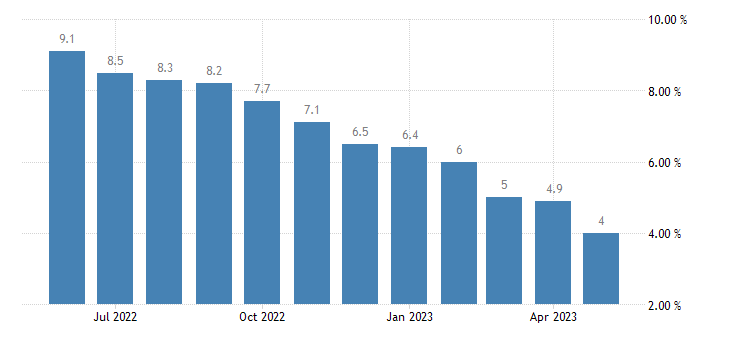
High inflation is why the Federal Reserve has aggressively raised interest rates since 2022. However, despite inflation reaching 40-year highs, the amount of net worth necessary to feel wealthy has not increased.
With inflation up between 4% to 6.4% YoY in 2023, it would be logical to believe the net worth required to be wealthy in 2023 would also rise by 4% to 6.4%. If so, the net worth range in 2023 should be between $2.288 and $2.34 million. But paradoxically, the net worth amount stayed flat.
So maybe, the threat of inflation to American livelihoods is overstated. Just as life goes on whether you take action or not, inflation goes on whether you're accumulating more wealth or not.
Wealth Paradox #2: Feeling Wealthy Despite Not Having Enough
48% of Schwab's Wealth Survey respondents feel wealthy, yet the average net worth of those who feel wealthy is only $560K. Yet, we just learned that $2.2 million is the net worth considered by survey respondents to be considered wealthy! A $1.64 million shortfall is huge, especially in terms of percentage.
Therefore, either the respondents are lying about the amount needed to feel wealthy, lying about their net worth, or are inexperienced about how much it really takes to feel wealthy. Or maybe Americans are simply delusional about money.
To continue reading, please go to the original article here:
Organize Important Papers in Case of Emergency
Organize Important Papers in Case of Emergency
Help others find key documents and records if you are incapacitated
Based on content from the NIH/National Institute on Aging AgePage "Getting Your Affairs In Order."
No one ever plans to be sick or disabled. Yet, planning ahead can make all the difference if you take an unexpected trip to the hospital or suffer a health problem making it hard to remember where you put everything. Good planning and organization is a gift to those who will help you manage your health and financial affairs if needed.
Organize Important Papers in Case of Emergency
Help others find key documents and records if you are incapacitated
Based on content from the NIH/National Institute on Aging AgePage "Getting Your Affairs In Order."
No one ever plans to be sick or disabled. Yet, planning ahead can make all the difference if you take an unexpected trip to the hospital or suffer a health problem making it hard to remember where you put everything. Good planning and organization is a gift to those who will help you manage your health and financial affairs if needed.
Steps for Getting Your Affairs in Order
Put your important papers and copies of legal documents in one place. You could set up a file, put everything in a desk or dresser drawer, or just list the information and location of papers in a notebook. If your papers are in a bank safe deposit box, keep copies in a file at home. Check each year to see if there's anything new to add.
Tell a trusted family member or friend where you put all your important papers. You don't need to tell this friend or family member about your personal affairs, but someone should know where you keep your papers in case of emergency. If you don't have a relative or friend you trust, ask a lawyer to help.
Give consent in advance for your doctor or lawyer to talk with your caregiver as needed. There may be questions about your care, a bill, or a health insurance claim. Without your consent, your caregiver may not be able to get needed information. You can give your okay in advance to Medicare, a credit card company, your bank, or your doctor. You may need to sign and return a form.
Which Legal Documents Are Needed?
There are many different types of legal documents that can help you plan how your affairs will be handled in the future. Many of these documents have names that sound alike, so make sure you are getting the documents you want. Also, state laws do vary, so find out about the rules, requirements, and forms used in your State.
Wills and trusts let you name the person you want your money and property to go to after you die.
Advance directives let you make arrangements for your care if you become sick. There are two ways to do this:
A living will gives you a say in your health care if you are too sick to make your wishes known. In a living will, you can state what kind of care you do or don’t want. This can make it easier for family members to make tough health care decisions for you.
To continue reading, please go to the original article here:
https://www.nextavenue.org/organize-important-papers-case-emergency/
How Life Changes When You Get Out of Debt
How Life Changes When You Get Out of Debt: 3 Stories To Spark Your Debt-Free Journey
Andrew Lisa Wed, June 28, 2023
According to the Money and Mental Health Policy Institute, problem debt is a primary contributor to mental health issues. It destroys relationships, suffocates personal and professional growth, and kills marriages.
Since debt makes future borrowing both necessary and more expensive, it leads to an endless cycle of financial insecurity characterized by perpetual anxiety and stress.
How Life Changes When You Get Out of Debt: 3 Stories To Spark Your Debt-Free Journey
Andrew Lisa Wed, June 28, 2023
According to the Money and Mental Health Policy Institute, problem debt is a primary contributor to mental health issues. It destroys relationships, suffocates personal and professional growth, and kills marriages.
Since debt makes future borrowing both necessary and more expensive, it leads to an endless cycle of financial insecurity characterized by perpetual anxiety and stress.
The result is that millions of people feel they exist only to make their minimum payments and keep the wolves at bay for one more month. But, some people overcome the odds and break the cycle.
According to Debt.org, 340 million Americans share $16.9 trillion in household debt — but GOBankingRates spoke to three who found a way out. Overcoming debt is no easy task, but those who break free find that personal, professional and financial goals that previously seemed impossible are suddenly within reach.
The following three stories offer proof.
A Debt Professional Teaches From Experience
Few people know more about debt than Jake Hill, CEO of DebtHammer, a personal finance site dedicated to the subject. However, his experience with the topic isn’t purely professional.
He excels at helping others conquer debt because he knows firsthand what it feels like to exhale after making that final credit card payment.
“The biggest difference I noticed once I’d paid off my debt was how much more money I had each month,” Hill said. “When you’re paying off large amounts of debt, it can be easy to lose track of just how much the monthly fees are costing you; and, once you no longer have those payments, suddenly you have $600-plus, in my case, of extra money every month.
This was a pretty significant upgrade for me personally, as it took so much strain off my finances and allowed me to actually begin creating meaningful savings for the future.”
For One Business Leader, the End of Debt Was the Start of Financial Security
To continue reading, please go to the original article here:
https://finance.yahoo.com/news/life-changes-debt-3-stories-130044657.html