
Thank you to all the subscribers to our Early Access program…we thank you for your continued support.
We are excited to offer this new service to keep you informed and up-to-date on the latest Dinar and currency news.
Iraq Economic News and Points To Ponder Monday Afternoon 7-27-26
Brazil's Exports To Iraq Fall To $208M In Q2 2026
2026-07-26 Shafaq News- Brasilia/ Baghdad Iraq's imports from Brazil fell 37.5% in the second quarter of 2026 to $208 million, down from $333 million in the first quarter, the Brazilian Ministry of Development, Industry, Trade and Services said on Sunday.
Brazil's Exports To Iraq Fall To $208M In Q2 2026
2026-07-26 Shafaq News- Brasilia/ Baghdad Iraq's imports from Brazil fell 37.5% in the second quarter of 2026 to $208 million, down from $333 million in the first quarter, the Brazilian Ministry of Development, Industry, Trade and Services said on Sunday.
According to the ministry's data, cane or beet sugar and chemically pure sucrose topped Brazil's exports to Iraq at $70 million, followed by live cattle ($58M), soybeans ($40M), and poultry meat ($35M). Iraq also imported frozen beef ($2.8M), manufactured tobacco ($1.4M), hair care products ($608,000), prepared and preserved meat ($378,000), orthopedic and medical devices ($364,000), and appliances for spraying liquids or powders ($220,000) from Brazil.
Earlier this year, UN COMTRADE data showed that Iraq's exports to Brazil remained limited in 2025, totaling just $3.06 million, compared with the much larger value of Brazilian exports to Iraq.
https://www.shafaq.com/en/Economy/Brazil-s-exports-to-Iraq-fall-to-208M-in-Q2-2026
Oil Prices Drop 4% On US-Iran De-Escalation Signs
2026-07-27 01:17 Shafaq News Oil prices tumbled 4% on Monday after the U.S. and Iran paused strikes over the weekend after two weeks of attacks, raising hopes of a diplomatic solution that would de-escalate the conflict and allow shipping to resume in the Strait of Hormuz.
Brent crude futures fell $3.96, or 4.1%, to $92.82 by 0329 GMT after briefly slipping under the key support level of $90 earlier in the session.
U.S. West Texas Intermediate crude was at $85.29 a barrel, down $4.02, or 4.5%.
Both contracts are trading at their lowest levels in nearly a week after rising for the past three weeks.
Brent had reached $100 per barrel as the conflict, which reduced oil shipments via the Strait of Hormuz, spilled over to the Red Sea, hindering exports from the world's top exporter, Saudi Arabia, via the Bab el-Mandeb strait to Asia.
The U.S. ambassador to the United Nations, Mike Waltz, told "Fox News Sunday" and other U.S. media that President Donald Trump had decided to pause U.S. attacks to allow more time for diplomacy.
"Oil prices fell sharply in early trading as the U.S. and Iran refrained from further military action, offering the first tangible signs of a potential de-escalation in tensions," said ING analysts in a client note.
"The price action in oil this morning clearly reflects the market's desperation for positive news."
Despite the pause in attacks, fewer than 10 commodity vessels passed through the Strait of Hormuz daily during the weekend, shipping data from Kpler showed.
"Any rebound in flows through the Strait of Hormuz is likely to prove slow and partial, as many shippers remain wary and will want greater confidence in their safety before they bring more empty ships into the Strait," MST Marquee analyst Saul Kavonic said.
In addition, ship traffic through the Bab el-Mandeb strait fell on Sunday after Yemeni Houthis attacked Saudi oil installations along the Red Sea coast, although a third Chinese supertanker exited via the Bab el-Mandeb strait.
However, some analysts are still expecting markets to be supported if crude supplies stay affected by ongoing shipping risks in the Middle East and the Russia-Ukraine war.
"As the Middle East conflict widened to the Red Sea and Ukrainian drones struck Russian ships and refineries...Sustained (supply) disruption would likely keep oil prices elevated and continue to pose upside risks to global inflation," said UOB analysts in a note. (REUTERS) https://www.shafaq.com/en/Economy/Oil-prices-drop-4-on-US-Iran-de-escalation-signs
USD/IQD Exchange Rates Surge In Baghdad, Erbil
2026-07-27 04:34 Shafaq News- Baghdad/ Erbil TGFThe US dollar strengthened against the Iraqi dinar on Monday morning, hovering around 150,000 dinars per $100 in Baghdad and Erbil, according to a Shafaq News market survey.
In Baghdad, the dollar traded at 150,050 IQD per $100 at the Al-Kifah and Al-Harithiya central exchanges, up from 149,650 IQD on Sunday.
Exchange shops in the capital offered the dollar at 150,500 IQD per $100, with a buying price of 149,500 IQD.
In Erbil, the capital of the Kurdistan Region, the dollar was selling at 150,200 IQD per $100 and buying at 150,100 IQD per $100. https://www.shafaq.com/en/Economy/USD-IQD-exchange-rates-surge-in-Baghdad-Erbil-7-4
Gold Prices Climb In Baghdad, Erbil
2026-07-27 05:30 Shafaq News- Baghdad/ Erbil Gold prices rose in Baghdad and Erbil on Monday, with 21-carat gold hovering around 860,000 Iraqi dinars ($656) per mithqal (equivalent to five grams), according to a Shafaq News market survey.
On Baghdad's Al-Nahr Street, 21-carat Gulf, Turkish and European gold was selling for 858,000 IQD ($655) per mithqal and buying at 854,000 IQD ($652), up from 852,000 IQD on Sunday.
The selling price for 21-carat Iraqi gold stood at 828,000 IQD ($632) per mithqal, with a buying price of 824,000 IQD ($629).
In jewellery stores, 21-carat Gulf gold ranged between 860,000 and 870,000 IQD ($656-$664) per mithqal, while Iraqi gold sold for 830,000-840,000 IQD ($634-$641).
In Erbil, 22-carat gold sold for 905,000 IQD ($691) per mithqal, 21-carat gold for 865,000 IQD ($660), and 18-carat gold for 742,000 IQD ($566). https://www.shafaq.com/en/Economy/Gold-prices-climb-in-Baghdad-Erbil-7
Five-Part Energy Plan Targets Iraq’s Power Shortages
2026-07-27 08:29 Shafaq News- Baghdad Iraq’s Electricity Ministry on Monday outlined a five-part plan to address widespread power cuts through additional fuel supplies, the return of stalled generating units, domestic gas development, solar projects, and electricity links with neighboring countries.
Ministry spokesperson Ahmed Jiyad told Shafaq News that regional tensions had contributed to the crisis but were not its only cause, citing lower domestic and imported gas supplies, unprecedented temperatures, and rising demand on the national grid.
The ministry is now “coordinating with relevant authorities” to secure fuel, restore offline units, accelerate local gas investment, expand solar generation, and diversify electricity supplies.
Under Iraq’s latest agreement with GE Vernova, the US energy company must arrange up to 10,000 megawatts of electricity imports from neighboring countries by 2027, parliamentary Electricity and Energy Committee member Riyad Adday told Shafaq News.
The ministry previously projected peak summer generation of about 30,000 megawatts against demand of 55,000 to 60,000 megawatts, indicating that scheduled cuts would continue even if plants operated at full planned capacity.
Read more: 40-GW electricity gap forces Iraq to back private generators
https://www.shafaq.com/en/Economy/Five-part-energy-plan-targets-Iraq-s-power-shortages
Lawmakers Endorse Reforms To Ease Iraq's Power Shortages
2026-07-27 13:17 Shafaq News- Baghdad The Iraqi parliament voted on Monday to approve a package of recommendations to address the country's electricity crisis, including reopening all corruption cases related to the Electricity Ministry dating back to 2005 and strengthening oversight.
**********************
According to a statement, the measures require the ministry to submit a detailed annual plan before each summer season outlining completion rates, implementation timelines, and performance indicators, with regular reviews by parliament.
The suggestions also call for reviewing all contracts and projects awarded through exemptions or found to lack technical or economic viability, while taking legal action against those responsible for wasting public funds.
They further called for adopting a national renewable energy program by expanding the use of solar power systems for households and the agricultural and industrial sectors to ease pressure on the national grid and reduce fuel consumption.
The Central Bank of Iraq, in coordination with public and private banks, was tasked with launching a soft-loan initiative offering subsidized or interest-free financing, flexible repayment terms, and simplified guarantees for citizens wishing to install solar power systems. In addition, the Electricity Ministry was directed to establish technical and administrative mechanisms to facilitate connecting solar power systems to the national grid.
Read more: Iraq needs ≈25M solar panels to ease power crisis
A joint committee comprising the parliamentary committees on Electricity, Finance, Planning, Investment, Oil, Services, and Integrity will oversee implementation of the measures and submit periodic progress reports to parliament on achievement rates and obstacles.
Earlier today, Electricity Minister Ali Saadi Wahib reportedly told parliament that Iraq needs 60,000 MW of electricity but is generating only 20,000 MW after losing about 7,000 MW of capacity. He pledged to restore 9,000 MW within 15 days through increased Iranian gas supplies and discussions with Turkiye on electricity imports.
https://www.shafaq.com/en/Iraq/Lawmakers-endorse-reforms-to-ease-Iraq-s-power-shortages
Iraqi Dinar Sunday Update - Things Are Heating Up
Iraqi Dinar Sunday Update - Things Are Heating Up
The Dinar Den: 7-26-2026
In the world of international currency speculation, few topics generate as much discussion as the Iraqi dinar. For long-term investors like Stephen, an entrepreneur who has been following the dinar since 2011, the current economic climate in Iraq signals a potential turning point.
In a recent update from The Dinar Den, Stephen provides a balanced perspective on the anticipated revaluation of the currency, blending deep-rooted experience with a grounded, realistic outlook on the complexities of Iraqi financial reform.
Iraqi Dinar Sunday Update - Things Are Heating Up
The Dinar Den: 7-26-2026
In the world of international currency speculation, few topics generate as much discussion as the Iraqi dinar. For long-term investors like Stephen, an entrepreneur who has been following the dinar since 2011, the current economic climate in Iraq signals a potential turning point.
In a recent update from The Dinar Den, Stephen provides a balanced perspective on the anticipated revaluation of the currency, blending deep-rooted experience with a grounded, realistic outlook on the complexities of Iraqi financial reform.
Beyond the numbers and economic charts, Stephen’s recent update highlights the human element of investing. He recently shared the personal challenges his family faced with the birth of his second son, Roman. Despite a difficult stay in the NICU, Stephen reports that Roman is recovering well—a blessing that he views as a reminder of what truly matters. This vulnerability resonates with his audience, anchoring the technical discussion of “wealth transfers” in a broader context of gratitude and personal values. It serves as a reminder that while financial goals are important, they are often secondary to the health and well-being of our loved ones.
One of the most critical aspects of Stephen’s analysis is the distinction between redenomination and revaluation.
The Iraqi government has been vocal about its plans to “delete the zeros” from the currency. To the casual observer, this might seem like a simple cosmetic change. However, Stephen explains that this redenomination is a strategic move to simplify the currency and restore public confidence.
By removing the large nominal values, the government hopes to encourage citizens to move hoarded cash into the formal banking system.
The real excitement for investors, however, lies in the potential for a simultaneous revaluation (RV). While redenomination is an accounting adjustment, a revaluation increases the actual purchasing power of the currency. Stephen suggests that these two processes, when paired together, could modernize Iraq’s economy and provide significant benefits to both domestic citizens and foreign participants.
A significant indicator of Iraq’s progress is the recent modernization of its banking institutions.
Stephen points to the scheduled technical upgrades at the Iraqi Trade Bank (TBI) as a pivotal sign. These upgrades, which temporarily suspended withdrawals and deposits to implement new systems, are essential for supporting a 21st-century financial framework. A modernized banking infrastructure is a prerequisite for any major currency overhaul, as it ensures that the system can handle increased liquidity and more sophisticated digital transactions.
Furthermore, the Iraqi government’s push toward digital banking adoption is a clear attempt to move away from a cash-heavy economy. By integrating more citizens into the formal financial sector, the Central Bank of Iraq gains better control over the money supply, which is a necessary step toward stabilizing the dinar’s value on the global stage.
Investors often pore over Iraqi news articles looking for “signals” of an imminent change. However, Stephen offers an insightful correction to this approach. He notes that the primary audience for these government communications is the Iraqi public, not foreign investors. The goal of these articles is to educate the local population on how to use new denominations and how to interface with the evolving banking system.
Understanding this distinction helps investors manage their expectations. The transparency of the Iraqi government regarding its “Project to Delete the Zeros” is an educational campaign designed to prevent domestic panic and ensure a smooth transition. While these reports are encouraging, they are part of a structured internal policy rather than a countdown clock for international markets.
Despite his long-term involvement and optimism—noting that August could be a significant month for developments—Stephen remains a voice of caution. He emphasizes that the timeline for such a massive economic shift remains fluid and is known only to a few high-level officials. He urges his viewers to avoid over-speculation and to remain patient, trusting that the reforms currently underway are laying the groundwork for a more prosperous future.
Monday Iraq News Posted by Tishwash at TNT 7-27-2026
TNT:
Tishwash: Iraq: Non-oil revenues hit record high
The Eco Iraq Observatory announced on Saturday that the contribution of non-oil revenues to Iraq’s total financial revenues has risen to 16%, the highest percentage recorded so far.
The observatory said in a statement received by Al-Sa’a that “this is the first time that the percentage of non-oil revenues has risen to 16% during the months of May and June, after it had remained for years not exceeding 5%.”
He explained that "non-oil revenues rose for the first time to about 10% during the government of Mustafa Al-Kadhimi, and stabilized at this level during the government of Mohammed Shia Al-Sudani, before recently recording its highest percentage."
TNT:
Tishwash: Iraq: Non-oil revenues hit record high
The Eco Iraq Observatory announced on Saturday that the contribution of non-oil revenues to Iraq’s total financial revenues has risen to 16%, the highest percentage recorded so far.
The observatory said in a statement received by Al-Sa’a that “this is the first time that the percentage of non-oil revenues has risen to 16% during the months of May and June, after it had remained for years not exceeding 5%.”
He explained that "non-oil revenues rose for the first time to about 10% during the government of Mustafa Al-Kadhimi, and stabilized at this level during the government of Mohammed Shia Al-Sudani, before recently recording its highest percentage."
The observatory explained that "non-oil revenues include commodity taxes and production fees, general fees, taxes on income and wealth, transfer revenues, as well as other revenues."
He pointed out that "the revenues of the Kurdistan Region represent about 5.5% of the total non-oil revenues, through the funds that the region delivers to the federal government." link
************
Tishwash: Al-Halbousi receives the US Chargé d'Affaires and emphasizes the importance of the economic partnership with Washington.
The head of the Progress Party, Mohammed al-Halbousi, discussed today, Sunday (July 26, 2026), with the US Chargé d'Affaires, Joshua Harris, the political developments and the economic partnership, and explained that the meeting addressed the results of the Prime Minister’s visit to Washington and the regional and international challenges.
The media office of the Progress Party, as reported by Network 964, stated that Al-Halbousi “received today, Sunday, the Chargé d'Affaires of the US Embassy in Iraq, Mr. Joshua Harris.”
He added that “the meeting addressed the political situation in the country, and supported the recent visit of the Prime Minister to the United States of America, which contributed to launching a comprehensive and diversified economic partnership that supports the Iraqi economy and expands investment opportunities.”
He added that “the meeting discussed developments in regional and international affairs, the challenges facing the region, and a number of topics of common interest.” link
************
Tishwash: Parliamentary Finance Committee sets priority for new government legislation
The Parliamentary Finance Committee held a closed meeting on Saturday to discuss draft laws referred by the Iraqi government to the Council of Representatives, within its purview.
The meeting reviewed the draft laws submitted to the committee, examining their content and financial and legal implications, in preparation for further discussion and the formulation of necessary recommendations that align with current requirements and serve the public interest.
The head of the Parliamentary Finance Committee emphasized the importance of expediting the review of priority draft laws, according to a vision that ensures the strengthening of the state's financial management, supports economic reforms, and develops the legislative environment to meet the needs of government institutions and citizens.
The committee also discussed mechanisms for coordination with relevant government entities and preparations to host representatives of ministries and specialized institutions to hear their technical and legal observations, ultimately aiming to draft sound legislation that contributes to enhancing institutional performance and achieving sustainable development. link
************
Tishwash: What prompted the American company JPMorgan to operate in Iraq?
Political analyst Alaa al-Aqabi stated on Sunday that the agreement with JPMorgan Chase includes allocating the proceeds from the sale of 500,000 barrels of oil per day to finance projects within Iraq, denying that this constitutes a free concession of Iraqi oil .
Al-Aqabi said in a televised interview followed by Al-Sa’a Network that “the opening of JPMorgan Chase Bank in Iraq aims to finance American projects and companies operating in the country, especially after a number of European banks refrained from working in the Iraqi market .”
He added that "the agreement includes the sale of 500,000 barrels of oil per day, with the proceeds to be deposited through JPMorgan Chase to finance the agreed-upon projects, and not the transfer of oil or its revenues to the United States for free ."
He explained that "some critics described the agreement as an occupation or colonialism, but that is not true, because the money will go back to finance projects inside Iraq ."
He pointed out that "these quantities are not counted within Iraq's quota in OPEC, which gives Baghdad an opportunity to increase its oil exports without affecting its official quota, according to him ."
Al-Aqabi stressed that “Iraq needs international banking guarantees to attract investments and finance projects, given the continued reluctance of a number of European banks to enter the Iraqi market link
************
Tishwash: The Central Bank of Iraq is restructuring its departments and creating a department to supervise non-bank financial institutions.
The Central Bank of Iraq has decided to implement extensive changes to its organizational structure, including elevating the Directorate of Supervision of Non-Bank Financial Institutions to a general department called the Department of Supervision of Non-Bank Financial Institutions, as part of efforts to improve institutional performance and enhance operational efficiency.
The decisions also included transferring the Operations and Settlements Section from the Information Technology and Payments Department to the Accounting Department, along with transferring the Policies and Regulations and Digital Financial Solutions and Services Sections to the Department of Supervision of Non-Bank Financial Institutions. The name of the Information Technology and Payments Department was also changed to the Information Technology Department.
Furthermore, the bank decided to abolish the Financial Inclusion Section and distribute its responsibilities among the Banking Supervision, Accounting, Statistics and Research, and Non-Bank Financial Institutions Supervision Departments. The Information Security Section was also abolished, and its responsibilities were transferred to the Risk Management Section in coordination with the Information Technology Department.
The measures also included abolishing the Office for Monitoring and Coordinating the Work of Central Bank Branches and linking the Basra, Mosul, and Erbil branches directly to the Deputy Governor. Finally, the Corporate Identity Division was transferred to the Total Quality Management and Institutional Development Department, which will report to the Deputy Governor instead of the Governor.
The Central Bank explained that these changes will take effect no later than July 30, 2026, with the Human Resources Department responsible for redistributing employees according to the new structure. The bank emphasized that these steps aim to enhance institutional performance and develop the organizational structure in line with its objectives and responsibilities. link
News, Rumors and Opinions Monday 7-27-2026
Ariel: What the Naysayers Severely Underestimate
7-27-2026
If you think this entire event is not being meticulously coordinated when looking at Japan and where the IQD is along with the Clarity Act you are not paying attention at all.
This is what many naysayers severely underestimate.
They are not looking at this as a global restructuring of how assets are treated and how it will be managed under the new financial system.
Ariel: What the Naysayers Severely Underestimate
7-27-2026
If you think this entire event is not being meticulously coordinated when looking at Japan and where the IQD is along with the Clarity Act you are not paying attention at all.
This is what many naysayers severely underestimate.
They are not looking at this as a global restructuring of how assets are treated and how it will be managed under the new financial system.
Iraq told you they are doing a overhaul of their monetary system.
They represent the microscopic aspect of what will occur in most countries.
The debt based system is about to be removed. And people that hold foreign currency will be there to take advantage of it.
Source(s):
• https://x.com/Prolotario1/status/2081483850023117233
https://dinarchronicles.com/2026/07/26/prolotario-what-the-naysayers-severely-underestimate/
****************
Stephanie Starr: Iraq is Already Looking Ahead to the 2027 Federal Budget
7-27-2026
Iraq is already looking ahead to the 2027 federal budget, and that’s telling.
The Parliamentary Finance Committee is reviewing:
Fiscal plans
Spending reforms
Fee adjustments
Revenue optimization
Performance-based budgeting
This isn’t just about writing another budget, it’s about transforming Iraq into a modern, sustainable economy with stronger non-oil revenues, greater fiscal discipline, and improved government accountability.
Over the past few years Iraq has:
Modernized its banking sector
Expanded electronic payments
Increased tax and customs collection
Advanced digital transformation
Worked to reconnect its financial system with global markets!
Preparing the 2027 budget while these reforms continue signals that Baghdad is planning beyond today’s challenges and building the financial framework for long-term economic growth (that we all know will increase the value of the dinar)
The foundation is being laid. Watch the reforms not just the headlines.
Channel 8 English:The Iraqi Parliamentary Finance Committee met with the Director General of the Budget Department, where officials reviewed fiscal plans, fee adjustments, and expenditure ceilings to curb spending, maximize state revenues, and align project listings with the 2027 performance-budget framework. Read more: https://channel8.com/english/news/62091
Source(s):
• https://x.com/StephanieStarrC/status/2081440040413004002
***************
Courtesy of Dinar Guru: https://www.dinarguru.com/
Jeff REER means Real Effective Exchange Rate. Depending on where the country's inflation is, is going to determine the direction the rate is going to go, whether it goes up or down. Iraq has...almost no inflation so the REER is going to go in a positive direction through a redenomination. There's nothing to worry about here.
Reset Intelligence Iraq's prime minister signed a rail line to carry trade into Iran, and in the same week let a US-led group begin engineering...the Kirkuk to Baniyas line out to the Mediterranean...Baghdad is turning itself into the crossroads the whole region has to run through....The dinar is the currency sitting on that ground, still priced from before any of this was signed.
Guy It's very clear in the last week we've had roughly 10 years worth of solid news packed in one week. For those of us who've been invested for a long time...if you're a new investor, trust us, we've never seen this much movement ever, ever...it just wasn't the prime minister. He had the Governor of the Central Bank, his finance minister, an entire delegation of economic advisers and finance people...There were a lot of back channel meetings going on. We don't know what happened but why would they be having those unless something's going to move?
*************
Iraqi Dinar Update: CBI Important Announcement
Edu Matrix: 7-26-2026
Learn how the Central Bank of Iraq plans to support currency exchange companies and improve their role in the national economy.
This update covers the recent meeting between Governor Nazar Hassar Hussein and executives from major currency exchange companies.
The discussion focused on practical steps to revitalize the sector, ensuring these firms can operate more effectively within the current financial landscape. By prioritizing better compliance and governance, the Central Bank of Iraq aims to create new revenue streams for these businesses.
If you follow the Iraqi economy, this summary explains the upcoming initiatives intended to expand the operational scope for currency exchange companies and strengthen their overall contribution to the financial system.
https://www.youtube.com/watch?v=jAa_wdS2Zx8
Iraq Economic News and Points To Ponder Monday Morning 7-27-26
The Iraqi Economy: From Fragility To Sustainable Reform
Economic 2026/07/26 At the heart of the economic, financial and banking field...and the suffering of the Iraqi economy from challenges, crises and fragility .
Economic and banking advisor, *Samir Al-Nassiri*, presents us with his sixteenth publication ..."
His new book (The Iraqi Economy: From Fragility to Sustainable Reform) is published by the Arab House for Science Library - Baghdad. It is a specialized diagnosis of the reality of the national economy from 2003 to 2026 .
The Iraqi Economy: From Fragility To Sustainable Reform
Economic 2026/07/26 At the heart of the economic, financial and banking field...and the suffering of the Iraqi economy from challenges, crises and fragility .
Economic and banking advisor, *Samir Al-Nassiri*, presents us with his sixteenth publication ..."
His new book (The Iraqi Economy: From Fragility to Sustainable Reform) is published by the Arab House for Science Library - Baghdad. It is a specialized diagnosis of the reality of the national economy from 2003 to 2026 .
The result of years of continuous research, analysis, study and documentation in the files of economic, financial and banking reform .
Reviewing previous economic policies up to what the new government presented in its ministerial program in the twelfth axis and the 12 paragraphs that outlined the government’s goal for economic reform for the coming years .
The book consists of 285 pages, five chapters, and sixty-one specialized sections, supported by information, data, statistics, appendices, documents, and sources that make it a comprehensive national and strategic economic reference.
Advisor Samir Al-Nassiri explains the government's new vision and methodology for restructuring the economy and consolidating its leadership of the state, not the other way around.
This involves shifting from line-item budgeting to program and performance-based budgeting, in harmony with a new economic management methodology that activates investment, energy, electricity, transportation, technology, digital transformation, banking sector reform and restructuring, and empowering the private sector to manage the economy based on facts and practical solutions for transitioning from fragility to sustainability and development .
This is not just a book... it is a practical, scientific and documented roadmap .
By shifting the economy from crisis management to opportunity management .
lt embodies the vision for a prosperous economic future for Iraq. https://alsabaah.iq/135684-.htm
Foreign Policy magazine describes al-Zaidi as "The Most Powerful Man In Iraq": Trump's Bet On His Leadership To Reshape The Iraqi Landscape May Run Into Obstacles Within The Political System
Latest News Sunday, July 26, 2026 Baghdad - One News - Foreign Policy Magazine believes that the warm welcome shown by US President Donald Trump during his reception of Iraqi Prime Minister Ali al-Zaidi at the White House was not merely a diplomatic courtesy, but rather reflects a new American approach based on supporting leaders capable of consolidating state power, reducing Iranian influence, and opening their countries’ economies to American companies.
According to the magazine's report, the Trump administration, led by its envoy to the region, Tom Barrack, is betting on a "strongman" model in Iraq, after previous US administrations focused on political compromises and power-sharing.
Washington believes that having a single leader capable of exerting control over state institutions and security services is more effective in achieving its interests than systems of governance based on balances and coalitions.
The report indicated that the search for “Washington’s man” in Baghdad began after the 2025 elections, when Trump publicly rejected the nomination of former Prime Minister Nouri al-Maliki, whom the US administration considered close to Iran, before Iraqi political forces turned to nominating Ali al-Zaidi, who at the time was a young banker with no political base or government experience.
The report argues that al-Zaidi was a consensus candidate for Iraqi political forces, while Washington considered him a figure who could be supported to implement an agenda based on strengthening state authority, restricting weapons to the government, and reducing the influence of armed factions, in parallel with launching a broad campaign to combat corruption.
He added that al-Zaidi made Washington his first foreign destination after assuming the premiership, and pledged to proceed with the project of integrating and disarming armed factions, including groups close to Iran, within an American vision that considers these steps part of a broader project to rebuild the Iraqi state.
However, the report indicates that this bet faces significant challenges, because the Iraqi political system was designed after 2003 to prevent the monopolization of power by one person, and previous attempts to integrate armed factions have not succeeded in ending their loyalties, as they have retained their leadership and organizational structures despite their members receiving salaries and positions within state institutions.
He added that some factions announced their readiness to coordinate with the government, while others, including Kataib Hezbollah and Harakat al-Nujaba, refused to engage in the weapons control project, making the implementation of this plan more complicated.
The report also argues that the recent war has strengthened the presence of the Iranian Revolutionary Guard inside Iraq and solidified the ties of some factions to Tehran, which makes it more difficult for any government attempt to impose a state monopoly on weapons within a short period of time.
The report stressed that many Iraqi officials want to strengthen state sovereignty and reduce the influence of armed groups, but desire alone is not enough given the political, military and economic influence that these factions possess, as well as the connection of some of them to Iran.
The report concludes that the Trump administration's bet on transforming Ali al-Zaidi into a central leader capable of reshaping the Iraqi landscape may face structural obstacles related to the nature of the Iraqi political system, the entanglement of power centers, and internal balances of power. It warns that the pursuit of quick results could lead to an escalation of internal conflict rather than the consolidation of stability. https://1news-iq.net/مجلة-فورين-بوليسي-الأميركية-تصف-الز/
The Judiciary Announces The Seizure Of Another 27 Billion Dinars In The Case Of Former Deputy Minister Of Oil Adnan Al-Jumaili
latest news Sunday, July 26, 2026 Baghdad - One News -On Sunday, the investigating judge of the Central Anti-Corruption Criminal Court announced the seizure of another 27 billion Iraqi dinars as part of the investigation into the case of the detained Undersecretary of the Ministry of Oil for Liquidation Affairs, Adnan al-Jumaili , and the parties involved with him.
The judge explained that the money was seized after careful monitoring to track the financial proceeds resulting from waste in projects implemented by the accused and those involved in the case, indicating that the money was hidden with a number of people.
He stressed that investigations are still ongoing to reach all those involved and take legal action against them. https://1news-iq.net/القضاء-يعلن-ضبط-27-مليار-دينار-في-قضية-وك/
Adnan Al-Jumaili's Cave... 27 Billion New Dinars Hidden With A Number Of Individuals Are Now In The Hands Of The Judiciary, And Investigations Are Ongoing To Track Down The Rest Of The Funds And Reach All Those Involved
latest news Sunday, July 26, 2026 Baghdad - One News - On Sunday, the investigating judge of the Central Anti-Corruption Criminal Court announced the seizure of 27 billion Iraqi dinars as part of the ongoing investigations into the case of the Deputy Minister of Oil for Liquidation Affairs, the detained defendant Adnan Al-Jumaili, and the parties involved with him.
The judge explained that the seizure came after careful monitoring of the financial proceeds resulting from waste in the implemented projects, indicating that the money was hidden with a number of people, before the competent authorities were able to seize it.
He added that these funds represent a part of the financial proceeds under investigation, stressing that legal procedures are continuing to track down the rest of the funds, reach all those involved in the case, and take legal action against them.
He noted that investigations are still ongoing as part of efforts to uncover the entire network linked to the case, recover public funds, and hold all those involved accountable according to the law. https://1news-iq.net/مغارة-عدنان-الجميلي-27-مليار-دينار-جديد/
Oman Proposes The "Malacca" Model For Managing The Strait Of Hormuz: A Regional Proposal To Finance Shipping Services Without Imposing Transit Fees
latest news Sunday, July 26, 2026 Amman - One News - 7/26/2026 CNN has revealed a new Omani proposal aimed at reorganizing the management of navigation in the Strait of Hormuz, through the creation of a regional cooperation mechanism for providing maritime services, inspired by the model adopted in the Straits of Malacca and Singapore, in an effort to secure one of the most important maritime routes in the world and alleviate the tensions it has witnessed in recent months.
According to the report, the proposal is not based on creating a new military alliance or naval force, but rather focuses on establishing a regional framework to manage and finance navigational services, including the maintenance of buoys and lighthouses, regulating ship traffic, enhancing maritime safety procedures, and responding to emergencies and environmental pollution, similar to the mechanism that has been in place for years in the Straits of Malacca and Singapore.
The report explained that the Sultanate of Oman presented the proposal to the United States and a number of international partners, stressing that the goal is not to impose transit fees on ships, but rather to create contributions or fees related to maritime services provided, in order to ensure the continued funding of safety operations without compromising the principle of freedom of international navigation.
The report indicated that the proposal also includes a vision for regulating navigation through two maritime corridors, one in Omani waters that remains open to international navigation, and the other in Iranian waters that is subject to coordination mechanisms agreed upon by the parties, within the framework of efforts to reduce military friction and prevent a recurrence of the crises that the strait has recently witnessed.
The Omani proposal comes amid growing international concerns about the impact of security tensions in the Strait of Hormuz on global energy markets, especially since the strait is one of the most important arteries for oil and gas trade in the world, while the recent military escalation has led to higher shipping and insurance costs and raised fears of disruption to international trade.
CNN confirmed that the proposal is still in the consultation phase and has not yet reached a final agreement, as the parties are still discussing the nature of the fees, the mechanism for their administration, and the entity that will oversee the proposed system.
Diplomatic contacts continue between Oman, Iran, the United States, and several other countries concerned with maritime security in the Gulf. https://1news-iq.net/عُمان-تطرح-نموذج-ملقا-لإدارة-هرمز-م/
Seeds of Wisdom RV and Economics Updates Monday Morning 7-27-26
Good Morning Dinar Recaps,
Ballooning U.S. Debt Strengthens Gold and Bitcoin as Investors Seek Alternatives
Growing concerns over America’s expanding national debt and long-term fiscal outlook are prompting investors to increase allocations to gold and Bitcoin, signaling a broader shift in how global markets view traditional safe-haven assets.
Good Morning Dinar Recaps,
Ballooning U.S. Debt Strengthens Gold and Bitcoin as Investors Seek Alternatives
Growing concerns over America’s expanding national debt and long-term fiscal outlook are prompting investors to increase allocations to gold and Bitcoin, signaling a broader shift in how global markets view traditional safe-haven assets.
Overview
The U.S. national debt has climbed to approximately $39.3 trillion, raising concerns about long-term fiscal sustainability.
Investors are increasingly moving toward gold and Bitcoin as hedges against potential dollar weakness and inflation.
The trend reflects broader changes in global reserve preferences and the evolving financial landscape.
Key Developments
1. U.S. Debt Continues to Reach Historic Levels
America's national debt has expanded to nearly $39.3 trillion, with analysts projecting additional deficits over the coming years. Rising borrowing costs and larger interest payments are placing increasing pressure on future federal budgets.
Many economists warn that persistent debt growth could gradually reduce confidence in long-term fiscal stability if deficits continue expanding faster than economic growth.
2. Gold and Bitcoin Attract Safe-Haven Demand
As concerns surrounding fiscal policy increase, investors are allocating more capital toward gold and Bitcoin as alternative stores of value.
Gold continues to benefit from its long-standing reputation as a monetary reserve asset, while Bitcoin is increasingly viewed by some institutional investors as a digital hedge against currency debasement and monetary uncertainty.
Although the U.S. dollar remains the world's primary reserve currency, market participants are increasingly diversifying portfolios to reduce concentration risk.
3. Dollar Faces Growing Long-Term Questions
The movement into alternative assets does not indicate an imminent collapse of the U.S. dollar. Rather, it reflects growing efforts by investors to diversify as governments around the world carry higher debt burdens.
Central banks have also continued adding gold reserves over recent years, reinforcing gold's role as an important reserve asset alongside traditional currencies.
4. Markets Watch Federal Reserve and Fiscal Policy
Future Federal Reserve decisions on interest rates, inflation, and balance sheet policy will remain major drivers of investor sentiment.
Should inflation remain elevated or debt continue growing rapidly, demand for alternative assets could remain strong as investors seek additional protection from fiscal uncertainty.
Why It Matters
Debt has become one of the defining economic issues of the decade. As governments continue financing large deficits, investors are reassessing where they preserve wealth, balancing traditional financial assets with physical gold and digital assets.
These developments highlight how fiscal policy increasingly influences capital flows, reserve management, and confidence across the global financial system.
Why It Matters to Foreign Currency Holders
For those monitoring long-term monetary reform, rising government debt strengthens interest in asset-backed stores of value and diversified reserve strategies. While this does not signal an immediate currency revaluation, it reflects the broader financial trends encouraging nations and investors to reduce dependence on any single asset or currency.
Implications for the Global Reset
Pillar 1: Debt
Growing sovereign debt levels continue driving discussions about fiscal sustainability, monetary policy, and long-term confidence in government-issued currencies.
Pillar 3: Assets
Increasing investment in gold and Bitcoin demonstrates how both central banks and private investors are diversifying into alternative stores of value amid rising financial uncertainty.
Pillar 4: Technology
The continued adoption of Bitcoin alongside traditional reserve assets reflects the growing role of digital financial infrastructure in the evolving global monetary system.
Future Outlook
Markets will closely monitor Federal Reserve policy, Treasury borrowing needs, inflation trends, and future debt projections. If fiscal pressures continue building, investor demand for diversified reserve assets—including gold and digital assets—could remain an important feature of global markets.
This is not simply about rising government debt—it reflects a broader shift in how investors, institutions, and nations are positioning for a financial system increasingly shaped by fiscal sustainability, reserve diversification, and the search for long-term monetary stability.
Sources
CryptoBriefing — Ballooning US debt drives investors to bitcoin, gold as dollar weakens
Reuters — Global markets, U.S. debt and investor demand for gold
~~~~~~~~~~
🌱 A Message to Our Currency Holders🌱
If you’ve been holding foreign currency for many years, you were not foolish.
You were not wrong to believe the global financial system would change.
What failed was not your patience — it was the information you were given.
For years, dates, rumors, and personalities replaced facts, structure, and proof. “This week” predictions created cycles of hope and disappointment that were never based on how currencies actually change.
That is not your failure.
Our mission here is different: • No dates • No rates • No hype • No gurus
Instead, we focus on:
• Verifiable developments • Institutional evidence
• Global financial structure • Where countries actually sit in the process
Currency value changes only come after sovereignty, trade, banking, settlement systems, and fiscal coordination are in place. History and institutions confirm this sequence.
You will see silence. You will see denials. That is not delay — that is discipline.
Protect your identity. Organize your documents. Verify everything.
Never hand your discernment to anyone who cannot show proof.
You deserve truth — not timelines.
Seeds of Wisdom Team
Newshounds News
~~~~~~~~~~
Seeds of Wisdom Team RV Currency Facts Youtube and Rumble
Newshound's News Telegram Room Link
RV Facts with Proof Links Link
RV Updates Proof links - Facts Link
Start Here room with Most Asked Questions Link
Follow the Gold/Silver Rate COMEX
Follow Fast Facts
Seeds of Wisdom Team™ Website
Thank you Dinar Recaps
FRANK26….7-26-26……6-PHASE ROLLOUT STRUCTURE
KTFA
Sunday Night Video
FRANK26….7-26-26……6-PHASE ROLLOUT STRUCTURE
This video is in Frank’s and his team’s opinion only
Frank’s team is Walkingstick, Eddie and Omar in Iraq and guests
Playback Number: 605-313-5163 PIN: 156996#
KTFA
Sunday Night Video
FRANK26….7-26-26……6-PHASE ROLLOUT STRUCTURE
This video is in Frank’s and his team’s opinion only
Frank’s team is Walkingstick, Eddie and Omar in Iraq and guests
Playback Number: 605-313-5163 PIN: 156996#
Holly Celiano: Latest Weekly Iraq and Financial Updates as of 24th July 2026
Holly Celiano: Latest Weekly Iraq and Financial Updates as of 24th July 2026
7-25-2026
The global financial landscape is currently undergoing a transformation of historic proportions.
According to recent updates from industry observers like Holly Celiano, who recently shared insights from Scott Brunswick and other corroborated sources, the transition from traditional fiat-based systems to a more secure, asset-backed model is well underway.
Holly Celiano: Latest Weekly Iraq and Financial Updates as of 24th July 2026
7-25-2026
The global financial landscape is currently undergoing a transformation of historic proportions.
According to recent updates from industry observers like Holly Celiano, who recently shared insights from Scott Brunswick and other corroborated sources, the transition from traditional fiat-based systems to a more secure, asset-backed model is well underway.
At the heart of this evolution is the Quantum Financial System (QFS), a sophisticated technological framework designed to bring transparency, security, and stability to international trade and personal banking.
The Quantum Financial System is no longer a mere concept; reports indicate it is now fully operational on a global scale. This system is instrumental in facilitating the transition of 209 nations away from fiat currencies—which are backed by government decree—toward systems backed by tangible assets, primarily gold.
This shift suggests a level of international coordination and banking readiness that many have anticipated for years. By grounding currency in gold, the global economy aims to move toward a more stable valuation model, reducing the volatility often associated with traditional central banking.
A pivotal piece of this financial puzzle is the nation of Iraq. In recent updates, Iraq has been identified as a “catalyst nation,” having finalized its currency readiness. This milestone is significant because it serves as an initiating force for the broader Global Currency Reset (GCR).
When a key nation like Iraq completes its internal protocols and aligns with the new system, it signals trust and validation to the rest of the world. This step is expected to accelerate a sequence of “unlocks” that will eventually allow other participating nations to follow suit in the global reset.
The transition to a new financial architecture is not being handled lightly. It is governed by a series of strict protocols and legal frameworks to ensure a secure rollout. A major component of this is ISO 20022, a modern international messaging standard for electronic data interchange between financial institutions.
By utilizing this standard alongside executive orders and Non-Disclosure Agreements (NDAs), the transition ensures a high level of precision. These measures are designed to eliminate the risk of fraud, disruption, or manipulation as the world’s financial plumbing is essentially replaced.
One of the more intriguing aspects of the current transition is the gap between “behind-the-scenes” progress and public perception. Information suggests that much of what the public currently witnesses is a “reenactment” of events that have already been finalized in private sectors or high-level government circles.
This reframes the way we interpret daily news; what may seem like a delay or a scripted event is often a public-facing mirror of a reality that has already been secured. Understanding this helps observers maintain perspective as the full disclosure of the new system approaches.
For those awaiting specific dates for the completion of the GCR, the current advice is to focus on milestones rather than the calendar. The transition is not date-driven; rather, it is a procedural evolution that depends on fulfilling specific “tiers” of readiness.
This focus on process over arbitrary deadlines prevents disillusionment and underscores the complexity of reconfiguring the world’s economy. While legislative milestones, such as the anticipated movement regarding the Clarity Act in the coming months, provide markers for progress, patience remains the most valuable asset for the general public.
Beyond the technical and legislative aspects of the QFS, there is a significant psychological component to this era of change. The transition is often described as a “live audition” for the future. Individuals are encouraged to cultivate a mindset of positivity, kindness, and helpfulness. By focusing on personal growth and community support, people can better prepare themselves for the new opportunities that a gold-backed, transparent financial system provides. Preparing your mindset is just as critical as understanding the financial mechanics of the shift.
As we move further into this transitional period, it is essential to stay informed through reliable sources and remain patient as the final stages of the Global Currency Reset unfold.
The shift to the Quantum Financial System represents a move toward a more equitable and secure financial future for 209 nations.
For those looking for more in-depth insights, the full update provided by Holly Celiano offers a comprehensive look at how these changes are manifesting globally.
News, Rumors and Opinions Sunday 7-26-2026
Ariel: Do you know How Long we’ve been Waiting to Hear this?
7-26-2026
Currency Overhaul
New Bank Notes
Raise The Dinar Value
Ariel: Do you know How Long we’ve been Waiting to Hear this?
7-26-2026
Currency Overhaul
New Bank Notes
Raise The Dinar Value
Do you know how long we have been waiting to officially hear this from Iraq?
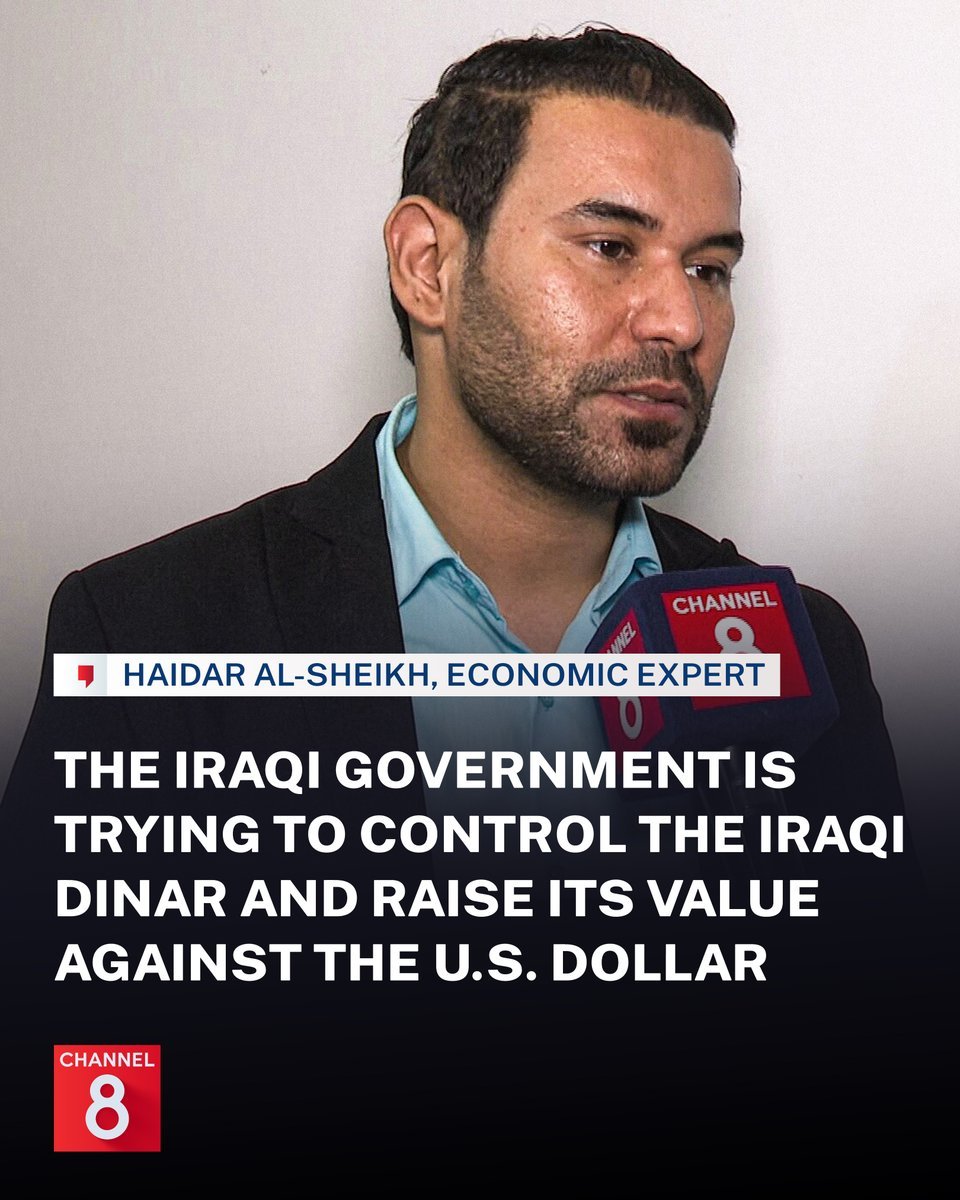
Channel 8 English:To strengthen state reserves and stabilize the Iraqi dinar, economic expert Haidar al-Sheikh said the government is considering a currency overhaul. The proposal includes introducing new banknote denominations or removing a zero from the currency to draw hoarded cash back into the banking system and support the dinar's value against the U.S. dollar.
Source(s):
• https://x.com/Prolotario1/status/2081126986232013286
************
Courtesy of Dinar Guru: https://www.dinarguru.com/
Jeff Article: "New collapse for the Iranian currency: $100 jumps to more than 19 million Tomans" The Iranian currency value and economy are collapsing.
Militia ManThe Development Road Project is not stopping...Some of the largest energy companies in the world are still in Iraq. They're still moving forward. They're signing contracts. Why would they be doing that if Iraq was never going anywhere and the dinar was a scam? ...It's not random activity that's taking place. It's multi-track coordination...The fundamentals required for a sustainable Real Effective Exchange Rate adjustment are being strengthened in real time...
Mnt Goat Article: "THE PARLIAMENTARY FINANCE COMMITTEE IS DISCUSSING A NUMBER OF DRAFT LAWS" Quote: "...The committee discussed the proposed Investment Law for 2026, and the possibility of making the necessary amendments to it...in order to contribute to providing an attractive environment for investment, maximizing non-oil revenues, and supporting the general budget." Can you say RV, can you say WTO? WOW!
************
China Says "GET OUT" To Paper Gold Market Traders | Chris Whalen
Liberty and Finance: 7-25-2026
Chris Whalen, Chairman of Whalen Global Advisors, joins Liberty and Finance to discuss the future of gold and silver amid changing global markets.
Whalen explains why central banks continue accumulating gold as they seek reserve diversification away from the dollar system, while silver’s outlook remains tied to industrial demand.
He also analyzes China’s shift toward physical delivery markets, rising commodity pressures, and why inflation risks may persist due to energy and supply chain constraints.
Whalen warns about growing vulnerabilities in private credit markets, margin debt, and the broader financial system.
He concludes by emphasizing the importance of fiscal discipline, preparedness, and maintaining exposure to real assets during uncertain economic conditions.
INTERVIEW TIMELINE:
0:00 Intro
1:00 Gold & silver update
3:00 Shanghai rule changes
8:00 Double digit inflation
14:19 Interest on gold
17:50 Biggest risks in economy
Seeds of Wisdom RV and Economics Updates Sunday Afternoon 7-26-26
Good Afternoon Dinar Recaps,
U.S.–Iran Conflict Enters New Phase as Red Sea Attacks Expand Regional Risk
With direct U.S. airstrikes paused, the conflict is widening through proxy attacks, threatening critical global shipping routes and adding new uncertainty to energy markets, trade flows, and financial stability.
Good Afternoon Dinar Recaps,
U.S.–Iran Conflict Enters New Phase as Red Sea Attacks Expand Regional Risk
With direct U.S. airstrikes paused, the conflict is widening through proxy attacks, threatening critical global shipping routes and adding new uncertainty to energy markets, trade flows, and financial stability.
Overview
No new U.S. airstrikes were reported overnight, suggesting Washington may be leaving room for diplomatic contacts while maintaining military pressure.
Iran-backed Houthi forces launched attacks on Saudi oil facilities along the Red Sea, raising concerns that another major energy corridor could face disruption.
Global markets remain focused on the combined risks surrounding the Strait of Hormuz and the Bab el-Mandeb Strait, two of the world's most important maritime energy chokepoints.
Key Developments
1. U.S. Military Operations Pause While Diplomatic Channels Remain Open
After 13 consecutive nights of U.S. airstrikes targeting Iranian military infrastructure, no additional strikes were reported overnight, marking the first operational pause since the latest escalation began.
According to multiple reports, indirect communications between Washington and Tehran continue through regional mediators, although officials acknowledge that major differences remain over sanctions, security guarantees, and regional military activity. While no breakthrough has been announced, the temporary pause suggests diplomacy has not been abandoned.
2. Houthis Open Another Front Against Saudi Arabia
Even as direct U.S.-Iran military activity slowed, Iran-backed Houthi forces escalated attacks against Saudi Arabia, launching missiles and drones toward Saudi Aramco facilities near Jizan and Yanbu on the Red Sea.
Saudi air defenses reportedly intercepted several incoming missiles, while Saudi military aircraft continued strikes against Houthi positions in Yemen following recent attacks on commercial shipping.
The developments demonstrate that regional proxy forces remain highly active, increasing uncertainty even during periods of reduced direct U.S.-Iran confrontation.
3. Two Global Energy Chokepoints Face Elevated Risk
Financial markets continue monitoring two of the world's most strategically important shipping routes:
The Strait of Hormuz, through which roughly one-fifth of global oil shipments normally pass.
The Bab el-Mandeb Strait, connecting the Red Sea with the Gulf of Aden and the Suez Canal.
While Bab el-Mandeb remains open, shipping companies continue reassessing routes after repeated Houthi attacks. Industry analysts note that simultaneous disruptions at both waterways would significantly affect global energy transportation, insurance costs, and international supply chains.
4. Energy Markets Continue Pricing Geopolitical Risk
Although oil prices have fluctuated with reports of paused U.S. strikes, traders remain highly sensitive to developments across the region.
Energy markets continue assigning a geopolitical premium to crude prices because any expansion of attacks against shipping infrastructure could quickly tighten global supplies. Investors also remain focused on possible inflationary effects should transportation costs continue rising.
Why It Matters
This conflict has evolved beyond a bilateral U.S.-Iran confrontation into a broader regional security challenge affecting global commerce. Even without new U.S. strikes, proxy conflicts involving shipping lanes, energy infrastructure, and regional allies continue to influence international markets.
For investors, central banks, and governments, the focus increasingly extends beyond military operations to the resilience of global trade routes, energy supplies, inflation, and financial stability.
Why It Matters to Foreign Currency Holders
For those following long-term global monetary changes, continued instability across major energy corridors reinforces why governments are emphasizing financial resilience, diversified reserves, secure payment systems, and stronger cross-border settlement infrastructure. While these developments do not indicate an imminent currency revaluation, they continue supporting structural reforms designed to reduce vulnerabilities during periods of geopolitical disruption.
Implications for the Global Reset
Pillar 2: Trade
Disruptions to major maritime shipping lanes highlight the importance of building more resilient global trade networks and reducing dependence on vulnerable transportation corridors.
Pillar 5: Energy
Growing instability around both the Strait of Hormuz and Bab el-Mandeb Strait demonstrates how energy security increasingly influences inflation, monetary policy, investment decisions, and the evolution of the international financial system.
Future Outlook
Attention now turns to whether diplomatic contacts can prevent renewed direct military operations while also containing proxy conflicts across the broader Middle East. Markets will closely monitor shipping activity, oil infrastructure, and official statements from Washington, Tehran, Saudi Arabia, and regional mediators for signs of either de-escalation or further expansion of the conflict.
This is not simply about military operations—it reflects the broader transformation of the global financial system as energy security, trade flows, and geopolitical stability increasingly shape the future of the world economy.
Sources
Al Jazeera — New front in US-Iran war escalates as Houthis fire at Saudi oil facilities
Reuters — Middle East conflict and global oil market coverage
~~~~~~~~~~
Seeds of Wisdom Team RV Currency Facts Youtube and Rumble
Newshound's News Telegram Room Link
RV Facts with Proof Links Link
RV Updates Proof links - Facts Link
Start Here room with Most Asked Questions Link
Follow the Gold/Silver Rate COMEX
Follow Fast Facts
Seeds of Wisdom Team™ Website
Thank you Dinar Recaps
Iraq Economic News and Points To Ponder Sunday Afternoon 7-25-26
US Imports No Iraqi Crude For Fourth Straight Week
2026-07-26 02:34 Shafaq News- Baghdad/ Washington Iraq, OPEC's second-largest oil producer, recorded no crude oil exports to the United States for the fourth consecutive week, according to data released Sunday by the US Energy Information Administration (EIA).
US imports of Iraqi crude remained at zero in the week ending July 17, after averaging 71,000 barrels per day (bpd) in the week ending June 19, before halting over the following four weeks.
US Imports No Iraqi Crude For Fourth Straight Week
2026-07-26 02:34 Shafaq News- Baghdad/ Washington Iraq, OPEC's second-largest oil producer, recorded no crude oil exports to the United States for the fourth consecutive week, according to data released Sunday by the US Energy Information Administration (EIA).
US imports of Iraqi crude remained at zero in the week ending July 17, after averaging 71,000 barrels per day (bpd) in the week ending June 19, before halting over the following four weeks.
Canada remained the largest crude supplier to the United States with 3.635 million bpd, followed by Venezuela at 688,000 bpd and Mexico at 480,000 bpd.
The United States also imported 242,000 bpd from Brazil, 141,000 bpd from Colombia, 103,000 bpd from Ecuador, and 8,000 bpd from Libya. No crude imports were recorded from Saudi Arabia and Nigeria during the reporting week.
https://www.shafaq.com/en/Economy/US-imports-no-Iraqi-crude-for-fourth-straight-week
Iraq Pushes To Expand Exports Through Turkish Pipeline
2026-07-25 Shafaq News- Baghdad An Iraqi government delegation held talks in Turkiye on expanding crude oil exports through the Iraq-Turkiye pipeline, a government source told Shafaq News on Saturday.
The delegation was headed by Deputy Oil Minister for Extraction Affairs Nasser Aziz and included State Organization for Marketing of Oil (SOMO) Director General Nizar Al-Shatri, North Oil Company Director General Faisal Hamadi Ramadan, and senior officials from the ministry's legal, economic, and internal audit departments.
According to the source, discussions with Turkiye's Ministry of Energy and Natural Resources focused on the Iraq-Turkiye Pipeline Agreement, increasing the pipeline's export capacity beyond previous levels, and strengthening security along the route from Kirkuk to the Turkish port of Ceyhan.
The proposed increase is intended to offset the impact of regional security developments that have disrupted Iraqi crude exports and weighed on government revenues, the source said.
The talks preceded an expected visit by Iraqi Prime Minister Ali Al-Zaidi to Turkiye, where the two countries are expected to discuss a range of bilateral agreements, including cooperation in the energy sector.
Earlier this month, Oil Minister Bassem Khudair said Baghdad was accelerating plans to build a pipeline linking Iraqi oil fields to Mediterranean ports in Turkiye and Syria. Last week, the state-run North Oil Company (NOC) announced it had completed the technical and engineering preparations required to resume crude pumping from Kirkuk to the Turkish port of Ceyhan, saying the system was ready to begin operations.
Read more: Preparatory studies begin on Kirkuk-Baniyas pipeline rehabilitation
https://www.shafaq.com/en/Economy/Iraq-pushes-to-expand-exports-through-Turkish-pipeline
Dollar Declines In Baghdad, Erbil Markets
2026-07-26 04:15 Shafaq News- Baghdad/ Erbil The US dollar opened Sunday’s trading lower in Iraq, hovering around 150,000 dinars per 100 dollars.
According to Shafaq News market survey, the dollar traded in Baghdad's Al-Kifah and Al-Harithiya exchanges at 149,650 dinars per 100 dollars, down from the previous session’s 150,500 dinars.
In the Iraqi capital, exchange shops sold the dollar at 150,000 dinars and bought it at 149,000 dinars, while in Erbil, selling prices stood at 150,150 dinars and buying prices at 150,050 dinars.
https://www.shafaq.com/en/Economy/Dollar-declines-in-Baghdad-Erbil-markets-2-6
Gold Prices Fall In Baghdad And Erbil
2026-07-26 04:43 Shafaq News- Baghdad/ Erbil On Sunday, gold prices hovered around 850,000 IQD per mithqal in Baghdad and Erbil markets, according to Shafaq News market survey.
Gold prices on Baghdad's Al-Nahr Street recorded a selling price of 852,000 IQD per mithqal (equivalent to five grams) for 21-carat gold, including Gulf, Turkish, and European varieties, with a buying price of 848,000 IQD. The same gold had sold for 856,000 IQD on Saturday.
The selling price for 21-carat Iraqi gold stood at 822,000 IQD, with a buying price of 818,000 IQD.
In jewelry stores, the selling price per mithqal of 21-carat Gulf gold ranged between 850,000 and 860,000 IQD, while Iraqi gold sold for between 820,000 and 830,000 IQD.
In Erbil, 22-carat gold was sold at 894,000 IQD per mithqal, 21-carat gold at 855,000 IQD, and 18-carat gold at 732,000 IQD.
https://www.shafaq.com/en/Economy/Gold-prices-fall-in-Baghdad-and-Erbil-5-7
Syria Launches Major Highway Restoration Plan
2026-07-26 08:00 Shafaq News- Damascus Syria is moving ahead with plans to rehabilitate several major highways to modernize its network and strengthen domestic and cross-border connectivity, the head of the General Establishment for Road Transport said on Sunday.
Director General Moaz Najjar said the projects will facilitate the movement of goods and agricultural and industrial products between Syrian provinces, reduce obstacles to land transport, and lower shipping costs. He added that upgrading the road corridors will increase transit traffic with neighboring countries, boosting regional and domestic trade while enhancing competitiveness.
Najjar said Jordan, Turkiye, Iraq, and the Gulf States will be among the main regional beneficiaries of the scheme, noting that the Nassib-Aleppo highway forms part of the international M45 corridor linking the Jordanian and Turkish borders.
According to Najjar, work on the Nassib-Damascus highway is expected to take about 400 days, while work on the Damascus-Homs, Homs-Aleppo, and Saraqib-Idlib road plan is projected to last around 500 days each. The rehabilitation and expansion of the Damascus-Palmyra and Palmyra-Deir ez-Zor highways is expected to take approximately 900 days.
Regarding commercial transport routes, he pointed out that the General Establishment for Road Transport is updating the economic feasibility studies for the North-South and East-West route projects ahead of their implementation as toll roads under the build-operate-transfer (BOT) model, aiming to improve commercial transport infrastructure and enhance freight movement across Syria.
https://www.shafaq.com/en/Economy/Syria-launches-major-highway-restoration-plan
ISX Turnover Jumps 240% In Weekly Trade
2026-07-26 08:22 Shafaq News- Baghdad Trading activity on the Iraq Stock Exchange (ISX) surged last week, with the value of traded shares rising 240.21% and trading volume climbing 256.45% from the previous week, while the benchmark ISX60 index gained 2.04%.
According to the exchange's weekly report, trading took place over five sessions involving 72 listed companies. Shares of 21 companies were not traded because buy and sell orders failed to match, while 10 companies remained suspended for failing to meet disclosure requirements.
A total of 93.98 billion shares, worth 47.99 billion Iraqi dinars (about $36.6 million), were traded in 5,782 transactions, compared with 26.36 billion shares, valued at 14.10 billion dinars (about $10.8 million), a week earlier. The ISX60 closed the week at 1,044.25 points.
Foreign investors bought 23.36 million shares worth 133.7 million dinars (about $102,000) in 93 transactions, while selling 14.67 billion shares valued at 20.69 billion dinars (about $15.8 million) through 150 transactions.
The Iraq Stock Exchange lists 103 companies across sectors including banking, telecommunications, industry, agriculture, tourism, services, investment and insurance.
https://www.shafaq.com/en/Economy/ISX-turnover-jumps-240-in-weekly-trade
Iraq Seeks 10 GW Regional Power Imports Under New GE Deal
2026-07-26 10:20 Shafaq News- Baghdad Iraq's new agreement with GE Vernova requires the US energy company to secure 10,000 megawatts of electricity imports from neighbouring countries by 2027, a member of parliament's Electricity and Energy Committee revealed to Shafaq News on Sunday.
The committee hosted Electricity Minister Ali Saadi Waheeb yesterday to discuss the country's worsening power shortages, including Baghdad's latest agreement with GE.
Committee member Riyadh Adday noted that lawmakers questioned the minister about the new contract, noting that Iraq has maintained agreements with the company since 2008 “without achieving tangible results.”
According to Adday, the minister said the latest agreement differs from previous contracts and includes a condition requiring GE to arrange the supply of 10 GW of electricity to Iraq from countries across the region by next year.
During the parliamentary session, Waheeb also said completing cross-border electricity interconnection projects and reducing transmission and distribution losses would help increase available generation and improve power supply.
Since 2023, GE has promoted plans to expand Iraq's electricity production by capturing associated gas that is currently flared. The company has previously said its mobile gas turbine technology could generate up to 10 GW of electricity if all associated gas burned in Iraq were utilised.
Read more: Iraq's gas flaring paradox
Power cuts have long been one of Iraq's public grievances, with summer temperatures frequently exceeding 50°C and millions of households relying on private generators to compensate for limited state electricity.
According to the Electricity Ministry, peak summer demand has surpassed 60,000 megawatts, while available generation remains nearly 40,000 megawatts short, a deficit the ministry attributes to illegal grid connections and reduced natural gas supplies following the regional conflict and disruptions linked to the closure of the Strait of Hormuz.
Read more: Beyond 50°C: How decades of conflict are heating Iraq
https://www.shafaq.com/en/Economy/Iraq-seeks-10-GW-regional-power-imports-under-new-GE-deal
MilitiaMan & Crew: The IQD Shift Happening Now – Don't Miss this
MilitiaMan & Crew: The IQD Shift Happening Now – Don't Miss this
7-25-2026
The Crew: Samson, PompeyPeter, Petra, Daytrader, Sunkissed, GIGI and Militia Man
No drama. No intrigue. No songs and dances. Just straight, factual news that I read and interpret to the best of my ability after being an avid Dinar investor and insanely obsessed Dinarian for over 15 years.
Follow MM on X == https://x.com/Slashn
MilitiaMan & Crew: The IQD Shift Happening Now – Don't Miss this
7-25-2026
The Crew: Samson, PompeyPeter, Petra, Daytrader, Sunkissed, GIGI and Militia Man
No drama. No intrigue. No songs and dances. Just straight, factual news that I read and interpret to the best of my ability after being an avid Dinar investor and insanely obsessed Dinarian for over 15 years.
Follow MM on X == https://x.com/Slashn
Be sure to listen to full video for all the news……..
FRANK26….7-25-26…..DE LARUE BANK STORY
KTFA
Saturday Night Video #2
FRANK26….7-25-26…..DE LARUE BANK STORY
This video is in Frank’s and his team’s opinion only
Frank’s team is Walkingstick, Eddie and Omar in Iraq and guests
Playback Number: 605-313-5163 PIN: 156996#
KTFA
Saturday Night Video #2
FRANK26….7-25-26…..DE LARUE BANK STORY
This video is in Frank’s and his team’s opinion only
Frank’s team is Walkingstick, Eddie and Omar in Iraq and guests
Playback Number: 605-313-5163 PIN: 156996#