
Thank you to all the subscribers to our Early Access program…we thank you for your continued support.
We are excited to offer this new service to keep you informed and up-to-date on the latest Dinar and currency news.
Iraq Economic News And Points To Ponder Monday Morning 5-12-25
How Did The Central Bank's Strategic Plan Control The Dollar Price?
Banks Economy News – Baghdad The Prime Minister's financial advisor, Mazhar Mohammed Saleh, confirmed on Sunday that the strategic plan adopted by the Central Bank, in cooperation with banks, focused on controlling the buying and selling of dollars outside official channels.
This was achieved by accommodating foreign trade requirements and meeting demand through open and correspondent accounts. This contributed to a decline in demand for dollars in the parallel market.
Saleh explained that "the narrowing gap between the official exchange rate and the parallel (black) market exchange rate is one of the most prominent indicators of the success of the strategic approach to controlling the currency market outside official channels, which has had a positive impact on economic stability and the interconnectedness of the Iraqi economy."
How Did The Central Bank's Strategic Plan Control The Dollar Price?
Banks Economy News – Baghdad The Prime Minister's financial advisor, Mazhar Mohammed Saleh, confirmed on Sunday that the strategic plan adopted by the Central Bank, in cooperation with banks, focused on controlling the buying and selling of dollars outside official channels.
This was achieved by accommodating foreign trade requirements and meeting demand through open and correspondent accounts. This contributed to a decline in demand for dollars in the parallel market.
Saleh explained that "the narrowing gap between the official exchange rate and the parallel (black) market exchange rate is one of the most prominent indicators of the success of the strategic approach to controlling the currency market outside official channels, which has had a positive impact on economic stability and the interconnectedness of the Iraqi economy."
He added, "This approach has contributed significantly to enhancing the stability of the monetary market, which benefits the strength of the Iraqi dinar and represents a key factor in improving the business environment and attracting local and foreign investments, particularly those operating under the Investment Law."
He noted that "these measures also contribute to strengthening financial and banking governance by supporting transparency and restricting cash transactions to official channels, which helps combat money laundering, terrorist financing, and illegal financial activities."
Regarding the operational aspect of the Central Bank's strategy, Saleh noted that "supporting commercial and investment banks and linking them to the SWIFT system and international correspondents represents a fundamental step towards enhancing compliance with international standards."
He emphasized that "the Central Bank has succeeded in establishing an electronic monitoring system to track transfers and banking operations in foreign currency. This system has passed multiple testing stages and proven its effectiveness."
Regarding monetary policy and enhancing confidence in the banking system, he stated that "the strategy adopted has contributed to reducing annual inflation rates by limiting exchange rate fluctuations in the parallel market and providing foreign currency through official channels.
This has helped boost confidence in banks and reduce reliance on the informal market, thus gradually supporting the value of the dinar."
He continued, "These measures are pivotal within the Central Bank's strategy to reform the financial and banking system," stressing that "the continued success of this process requires sustained cooperation and commitment between the Central Bank and national banks, particularly with regard to strengthening governance and compliance to ensure transparency, integrity, and effectiveness in the financial system." https://economy-news.net/content.php?id=55350
After The Dollar's Decline Against The Dinar, The Government Announces The Central Bank's Success In Establishing An Electronic Monitoring System To Track Transfers
Buratha News Agency1372025-05-11 The Prime Minister's financial advisor, Mazhar Mohammed Salih, revealed on Sunday the reason for the dollar's decline against the dinar in Iraqi markets.
"The narrowing gap between the official exchange rate and the parallel (black) market exchange rate is one of the most prominent indicators of the success of the strategic approach to controlling the currency market outside official channels, which has had a positive impact on economic stability and the interconnectedness of the Iraqi economy," Saleh told the official agency.
He added, "This approach has contributed significantly to enhancing the stability of the monetary market, which benefits the strength of the Iraqi dinar and represents a key factor in improving the business environment and attracting local and foreign investments, particularly those operating under the Investment Law."
He noted that "these measures also contribute to strengthening financial and banking governance by supporting transparency and restricting cash transactions to official channels, which helps combat money laundering, terrorist financing, and illegal financial activities."
Regarding the operational aspect of the Central Bank's strategy, Saleh noted that "supporting commercial and investment banks and linking them to the SWIFT system and international correspondents represents a fundamental step towards enhancing compliance with international standards."
He emphasized that "the Central Bank has succeeded in establishing an electronic monitoring system to track transfers and banking operations in foreign currency. This system has passed multiple testing stages and proven its effectiveness."
Regarding monetary policy and enhancing confidence in the banking system, he stated that "the strategy adopted has contributed to reducing annual inflation rates by limiting exchange rate fluctuations in the parallel market and providing foreign currency through official channels. This has helped boost confidence in banks and reduce reliance on the informal market, thus gradually supporting the value of the dinar."
He continued, "These measures are pivotal within the Central Bank's strategy to reform the financial and banking system," stressing that "the continued success of this process requires sustained cooperation and commitment between the Central Bank and national banks, particularly with regard to strengthening governance and compliance to ensure transparency, integrity, and effectiveness in the financial system." https://burathanews.com/arabic/economic/459997
A Government Advisor Reveals The Reason For The Dollar's Decline Against The Dinar.
Economy 2025-05-11 | 08:49 5,764 views The Prime Minister's financial advisor, Mazhar Mohammed Salih, revealed on Sunday the reason for the dollar's decline against the dinar in Iraqi markets.
official exchange rate and the exchange rate in the
"The shrinking gap between the parallel (black) market is one of the most prominent indicators of the success of the strategic directions to control the currency market outside official channels, which has had a positive impact on economic stability and the interconnectedness of the Iraqi economy,"
Saleh said in an interview with the official agency, followed by Sumaria News.
He added, "This approach has contributed significantly to enhancing the stability of the monetary market, which benefits the strength of the Iraqi dinar and represents a key factor in
improving the business environment and
attracting local and foreign investments,
particularly those operating under the Investment Law."
He noted that "these measures also contribute to strengthening financial and banking governance
by supporting transparency and restricting cash transactions to official channels,
which helps combat money laundering, terrorist financing, and illegal financial activities."
Regarding the operational aspect of the Central Bank's strategy, Saleh noted that supporting commercial and investment banks and linking them to the SWIFT system and international correspondents represents a fundamental step towards enhancing compliance with international standards."
He emphasized that "the Central Bank has succeeded in establishing an electronic monitoring system
to track transfers and banking operations in foreign currency.
This system has passed multiple testing stages and proven its effectiveness."
Regarding monetary policy and enhancing confidence in the banking system, he stated that
"the strategy adopted has contributed to reducing annual inflation rates by
limiting exchange rate fluctuations in the parallel market and
providing foreign currency through official channels.
This has helped boost confidence in banks and reduce reliance on the informal market, thus
gradually supporting the value of the dinar."
He continued, "These measures are pivotal within the Central Bank's strategy to reform the financial and banking system," stressing that "the continued success of this process requires sustained cooperation and commitment between the Central Bank and national banks, particularly with regard to
strengthening governance and compliance to
ensure transparency, integrity, and effectiveness in the financial system."
https://www.alsumaria.tv/news/economy/525851/مستشار-حكومي-يكشف-سبب-تراجع-الدولار-أمام-الدينار
For current and reliable Iraqi news please visit: https://www.bondladyscorner.com/
Seeds of Wisdom RV and Economic Updates Monday Morning 5-12-25
Good Morning Dinar Recaps,
U.S. ANNOUNCES CHINA TRADE DEAL IN GENEVA
Secretary of the Treasury Scott Bessent: “I’m happy to report that we made substantial progress between the United States and China in the very important trade talks. First, I want to thank our Swiss host. The Swiss government has been very kind in providing us this wonderful venue, and I think that led to a great deal of productivity we’ve seen. We will be giving details tomorrow, but I can tell you that the talks were productive.
We had the vice premier, two vice ministers, who were integrally involved, Ambassador Jamieson, and myself. And I spoke to President Trump, as did Ambassador Jamieson, last night, and he is fully informed of what is going on. So, there will be a complete briefing tomorrow morning.”
Good Morning Dinar Recaps,
U.S. ANNOUNCES CHINA TRADE DEAL IN GENEVA
Secretary of the Treasury Scott Bessent: “I’m happy to report that we made substantial progress between the United States and China in the very important trade talks. First, I want to thank our Swiss host. The Swiss government has been very kind in providing us this wonderful venue, and I think that led to a great deal of productivity we’ve seen. We will be giving details tomorrow, but I can tell you that the talks were productive.
We had the vice premier, two vice ministers, who were integrally involved, Ambassador Jamieson, and myself. And I spoke to President Trump, as did Ambassador Jamieson, last night, and he is fully informed of what is going on. So, there will be a complete briefing tomorrow morning.”
U.S. Trade Representative Ambassador Jamieson Greer: “This was, as the Secretary pointed out, a very constructive two days. It’s important to understand how quickly we were able to come to agreement, which reflects that perhaps the differences were not so large as maybe thought.
That being said, there was a lot of groundwork that went into these two days. Just remember why we’re here in the first place — the United States has a massive $1.2 trillion trade deficit, so the President declared a national emergency and imposed tariffs, and we’re confident that the deal we struck with our Chinese partners will help us to work toward resolving that national emergency.”
@ Newshounds News™
Source: The White House
~~~~~~~~~
BRICS OR THE US? SAUDI ARABIA MAY HAVE CHOSEN A SIDE AMID THE FACEOFF
Since the start of the year, the BRICS economic alliance and the US have seen tensions explode, and Saudi Arabia has unwillingly sat at the center. Indeed, their issues have reached a fever pitch amid a brewing trade war between the United States and China. Now, all eyes are on Riyadh and where its loyalties could lie in a geopolitical sense.
The country was among the first to be included in the bloc’s landmark expansion plan. However, since accepting an invitation to join, Saudi Arabia has yet to fully become a part of the collective. Now, that may never come, as it stands in a complicated position with both allies.
Saudi Arabia Stands at the Center of US & BRICS Conflict: Which Side Are They On?
Since his return to the White House, US President Donald Trump has not minced words regarding the BRICS bloc. Indeed, he warned that the bloc would face a 150% tariff for its attempts at creating a currency to rival the US dollar. Moreover, it has hit China with import duty increases as high as 245% amid its ongoing challenges.
Those issues have only continued to fester throughout the year. Moreover, it has created a rather uncertain geopolitical dynamic for one nation at the center. Specifically, as the BRICS and the US face off, Saudi Arabia may soon be forced to choose a side. That is, if it hasn’t already done so.
Saudi Arabia was present at a BRICS meeting last week, according to sources. Moreover, it is still considered a potential BRICS nation after accepting its invitation to join as an expanding country.
However, that may not tell the whole story. Specifically, the country is worried that its BRICS relations will threaten its partnership with the US, Reuters reports.
Saudi Arabia “does not want to risk US anger as negotiations are underway in Washington,” the report noted. This created a notable balancing act between its US and Chinese relations. On the one side, China is its biggest oil exporter. Alternatively, Washington is a key security and tech partner.
The decision may have already been made due to its inaction; however, Riyadh has yet to officially join BRICS. Therefore, it may be able to salvage its relationship with China on its own. Subsequently, ensuring its partnership with both nations could endure, with only BRICS suffering in the end.
@ Newshounds News™
Source: Watcher Guru
~~~~~~~~~
DEMOCRATIC SENATORS PROPOSE BAN ON CRYPTO PROMOTION BY TRUMP, SENIOR GOVERNMENT OFFICIALS AMID STABLECOIN BILL SPAT
▪️__A group of 20 Democratic Senators__ has introduced legislation that would ban the creation and promotion of cryptocurrencies by the President, Vice President, Congress, and Senate-confirmed Cabinet members, among some others.
▪️__The legislation was introduced amid growing tensions__ over the Senate’s stablecoin bill, after a number of Democrats withdrew their support from the current version of the bill.
▪️__The bill would attempt to prohibit Trump and Melania from profiting from their memecoins, though it would not necessarily impact the World Liberty Financial project.
▪️Elon Musk, as a Special Government Employee, would also be barred from promoting crypto.
A group of 20 Democratic Senators have unveiled new legislation that seeks to prohibit senior government officials from issuing or endorsing cryptocurrencies, as key Democrats raise concerns about President Trump's business dealings in the crypto sector.
The so-called “End Crypto Corruption Act of 2025” would prohibit the President, Vice President, members of Congress, individuals appointed to Senate-confirmed positions, and certain other special government employees in the Executive Office, plus their spouses and dependent children, from issuing, sponsoring, or endorsing any cryptocurrencies or other digital assets.
One such special government employee: Elon Musk, alongside other members of the Department of Government Efficiency (DOGE) team. Musk recently clarified that the department has no plans to use the memecoin of the same name in its official capacity.
Normal sale transactions would be permitted in the current form of the bill, which imposes fines and possible jail times on offenders. The bill covers government employees and their families during their term and for one year after, and was introduced on May 7.
The bill, the Senate counterpart of similar House legislation introduced earlier this year, is the latest response to the escalating political negotiations over the Senate's stablecoin bill.
A number of Senate Democrats voted against the legislation in its current form, accusing Republicans of not compromising on key issues like anti-money laundering legislation and foreign issuer oversight.
The bill seeks to prevent President Trump and his wife Melania from profiting from their memecoins, which were issued shortly before the inauguration. $TRUMP has recently traded higher after Trump announced its top holders would be personally invited to a White House dinner, raising conflict of interest concerns from some Democrats.
However, it's unclear whether Trump’s position as “chief crypto advocate” at the World Liberty Financial firm — more closely associated with his sons and senior administration members — would be prohibited under the bill in its current form.
Senate Democrats have recently raised concerns about a planned $2 billion deal between an Abu Dhabi investment firm and Binance with the firm’s WLD1 stablecoins.
“Our concerns about Binance’s compliance obligations are even more pressing given recent reports that the company is using the Trump family’s stablecoin to partner with foreign investment companies,” several Democratic senators wrote last week.
Senator Elissa Slotkin (MI), a co-sponsor of the bill, told Michigan Advance that preventing Trump from profiting from his memecoin is more pressing than broader crypto regulation:
“We’ve got a more immediate crocodile closer to the boat, and that’s the president of the United States, selling his own currency and marketing his own currency and using it as a form of payment to line his pockets,” Slotkin said.
@ Newshounds News™
Source: The Block
~~~~~~~~~
Seeds of Wisdom Team RV Currency Facts Youtube and Rumble
Newshound's News Telegram Room Link
Follow the Roadmap
Follow the Timeline
Seeds of Wisdom Team™ Website
Thank you Dinar Recaps
“Tidbits From TNT” Monday Morning 5-12-2025
TNT:
Tishwash: Monetary policy raises the value of the dinar and reduces reliance on the parallel market
The Iraqi dinar has recently recorded strong performance against the dollar, driven by a series of monetary measures adopted by the Central Bank, which have contributed to reducing demand for hard currency in the parallel market and enhancing the confidence of traders in official channels.
This improvement comes amid ongoing government efforts to consolidate financial stability and stimulate business activity through effective monetary instruments and transparent and direct financing mechanisms.
Deputy Governor of the Central Bank of Kuwait, Dr. Ammar Hamad, confirmed to Al-Sabah that this increase reflects the success of the monetary policy pursued by the bank in reducing reliance on the parallel market and providing safe and transparent sources of financing for foreign trade. He explained that this policy has enabled the commercial family to obtain dollars through official channels that adhere to international standards, without having to resort to the unregulated market.
TNT:
Tishwash: Monetary policy raises the value of the dinar and reduces reliance on the parallel market
The Iraqi dinar has recently recorded strong performance against the dollar, driven by a series of monetary measures adopted by the Central Bank, which have contributed to reducing demand for hard currency in the parallel market and enhancing the confidence of traders in official channels.
This improvement comes amid ongoing government efforts to consolidate financial stability and stimulate business activity through effective monetary instruments and transparent and direct financing mechanisms.
Deputy Governor of the Central Bank of Kuwait, Dr. Ammar Hamad, confirmed to Al-Sabah that this increase reflects the success of the monetary policy pursued by the bank in reducing reliance on the parallel market and providing safe and transparent sources of financing for foreign trade. He explained that this policy has enabled the commercial family to obtain dollars through official channels that adhere to international standards, without having to resort to the unregulated market.
Hamad noted that the Central Bank continues to work toward consolidating the local banking system and raising its operational efficiency to levels consistent with international banking standards, making it a fundamental pillar in driving economic development in Iraq. He added that the bank is adopting advanced mechanisms that enable banks to offer diverse banking products that support various economic sectors and facilitate financing and cash flow operations.
For his part, the Prime Minister's Advisor for Financial Affairs, Dr. Mazhar Mohammed Salih, explained that a number of factors contributed to strengthening the value of the dinar, most notably the weak demand for the dollar in the parallel market, as a result of the Central Bank's policies regarding financing foreign trade for the private sector. He explained that the bank strengthens Iraqi banks' dollar balances through their correspondents abroad, especially banks with a high credit rating (AAA), which speeds up the execution of international transfers and reduces the need for dollars in the local market.
He also indicated that the move towards using alternative currencies such as the euro, yuan, dirham, and lira in banking transactions has helped reduce excessive reliance on the dollar.
Saleh also noted that enabling small businesses to access financing sources directly through Iraqi banks, without costly intermediaries, has helped reduce operating costs and improved commercial efficiency, as this segment represents approximately 60% of private sector trade. He added that travelers can now easily obtain their foreign currency dues via payment cards at a subsidized exchange rate of 1,320 dinars to the dollar, in addition to the ability to receive dollars in cash at Iraqi airports, which has eased pressure on the parallel market.
In the same context, economic expert Nazir Al-Saadi emphasized that the money transfer services provided by the Central Bank have become safer and more effective, which has prompted business families to move away from the parallel market, which is characterized by significant risks and high costs.
He explained that relying on official transfers not only ensures the safety of transactions, but also reduces the final cost of imports, which is positively reflected in the prices offered to consumers. He added that random transfers from the parallel market often caused losses to importers due to failure to implement them or due to price fluctuations, while the Central Bank mechanism provides a stable financial system that preserves the value of the currency and reduces Opportunities for manipulation. link
*************
Tishwash: The US Embassy: the participation of an Iraqi delegation in an annual investment summit.
The US Embassy in Baghdad announced on Sunday that an Iraqi delegation will participate in the annual SelectUSA Investment Summit this May.
The embassy said in a statement that it is leading a delegation of 46 business leaders from Iraq, including the Kurdistan Region of Iraq, to the United States to participate in the annual SelectUSA Investment Summit, which is being held in the Washington, D.C., area from May 11-14.
The embassy added that the delegation "includes a diverse range of sectors, including technology, cybersecurity, tourism, hospitality, food and beverage, franchising, agriculture, construction, investment, pharmaceuticals, real estate, and oil and gas. This diversity highlights the broad opportunities for cooperation and investment between the United States and Iraq."
It emphasized that the summit "is the largest event dedicated to promoting foreign direct investment in the United States," noting that it "brings together international investors, representatives from state and local governments, and government officials to facilitate investment in the American economy."
She explained that the summit "is organized by the Ministry of Trade and provides essential information and services to help foreign investors navigate the investment process in the United States," noting that it "aims to help Iraqis identify investment opportunities in the United States and grow their businesses."
The embassy continued in its statement, "This visit is part of a series of important visits aimed at strengthening economic relations between Iraq and the United States across various sectors."
It concluded by saying, "During May, a delegation from the U.S. International Development Finance Corporation visited Baghdad, and in April, more than 100 businessmen and companies from the American-Iraqi Chamber of Commerce participated in a business forum in Baghdad." link
*************
Tishwash: The 2025 budget schedules will be finalized by the end of May.
MP Baqir Al-Saadi stressed that "the existence of 2025 budget schedules is important to ensure project funding and provide financial support for local governments, enabling them to proceed with implementing service projects across all sectors."
Al-Saadi indicated in a press interview seen by (Al-Masry Al-Youm, Sunday 5/11/2025) that “the 2025 budget schedules will be decided by the end of this May.”
He said, "Despite talk of the possibility of postponing the budget resolution until after the November 2025 elections, there are indications that the budget schedules may be finalized by the end of this month. Thus, after the end of the legislative recess, the parliament will have the opportunity to finalize it or hold extraordinary sessions to discuss and vote on it."
He explained that "the delay in finalizing these schedules and the Cabinet's failure to send them to the Parliamentary Finance Committee for review before submitting them to the Parliament Presidency for a vote has negative repercussions on the funding of service projects in ministries and local governments." link
************
Mot: ... Don't Forget – Grandma


Iraq Economic News And Points To Ponder Sunday Morning 5-11-25
Government Advisor: Contracting With International Auditing Firms Is A Key Step To Modernizing The Economic Structure
Economy Baghdad - INA - Nassar Al-Hajj Adviser to the Prime Minister, Mazhar Mohammed Salih, confirmed today, Friday, that contracting with international auditing firms to evaluate the banking sector is a key step to modernizing the economic structure.
While explaining that these firms are independent and unaffected by pressures and interests, he indicated that this modernization contributes to strengthening confidence in the Iraqi financial market and reform in this sector, and encourages a move away from the informal cash economy.
Government Advisor: Contracting With International Auditing Firms Is A Key Step To Modernizing The Economic Structure
Economy Baghdad - INA - Nassar Al-Hajj Adviser to the Prime Minister, Mazhar Mohammed Salih, confirmed today, Friday, that contracting with international auditing firms to evaluate the banking sector is a key step to modernizing the economic structure.
While explaining that these firms are independent and unaffected by pressures and interests, he indicated that this modernization contributes to strengthening confidence in the Iraqi financial market and reform in this sector, and encourages a move away from the informal cash economy.
Advisor to the Prime Minister, Mazhar Mohammed Salih, told the Iraqi News Agency (INA):
"The statements made by Prime Minister Mohammed Shia al-Sudani during his recent important meeting with the chairmen of the boards of directors of private banks in Iraq or their representatives are consistent with the banking reform policy in Iraq, particularly
highlighting the importance of contracting with international firms for financial auditing and assessing the status of the banking market in our country.
This represents a fundamental step and a foundation towards comprehensively modernizing the economic structure, while
simultaneously reflecting a drive to rebuild trust and cohesion within the financial sector in general and the banking market in particular."
He added, "Prime Minister Mohammed Shia al-Sudani's statements undoubtedly represent reform axes that do not deviate from the principles of the government's approach that state institutions have followed over the past few years.
The primary goal of banking reform is to modernize it to align with international standards in governance, compliance, and transparency, particularly in providing confidence and efficiency in the provision of banking services to society with a broad framework of integrity and credibility in banking work."
He noted that "the Prime Minister's speech focused on the need to encourage investment by ensuring a reliable banking system that supports financial inclusion and efforts to transition to a digital economy, electronic payments, and all digital transactions."
He explained that "the Prime Minister's speech focused on the importance of contracting with international auditing firms to re-evaluate the conditions of banks, both private and government-owned, based on a single premise:
ensuring their institutional capabilities to
uncover any financial loopholes in the country's banking system,
verify the integrity of accounting and administrative procedures within local banks, and
provide an accurate assessment of the financial suitability of banking institutions.
This supports reform plans with real data to take effective steps to build a long-awaited, integrated and efficient banking system."
He indicated that "these international companies possess advanced auditing expertise and technologies, undoubtedly supported by local competence.
In addition, the international auditing and accounting firms currently undertaking the banking sector evaluation process
are independent entities, unaffected by pressures and interests, and
provide greater credibility to the international community and investors,
which enhances confidence in our country's financial market." He continued,
"Prime Minister Mohammed Shia al-Sudani's speech did not depart from the
fundamental principles of financial and banking reform, which are based on
encouraging citizens and companies to deposit funds and
engage in credit transactions with banks instead of the informal cash economy.
This is achieved by creating an attractive investment environment based on transparent and stable banking institutions,
with the goal of supporting the private sector with effective loans and financial services.
This contributes to creating job opportunities and sustainable development within the aforementioned private sector, which is the true partner of the state in economic progress and prosperity in Iraq."
Prime Minister Mohammed Shia al-Sudani chaired a meeting of the heads of the boards of directors of Iraqi banks,
during which mechanisms for implementing the banking reform plans prepared by the government were discussed as part of comprehensive reforms of the economic sector.
During the meeting, according to an official statement, the Prime Minister emphasized that "all state sectors are linked to the existence of an effective and flexible banking system that relies on modern technologies."
He noted that "the government has adopted comprehensive plans for banking reform and contracted with private financial auditing companies, including all banks, and has made significant progress in implementation."
He explained that "the work of the First Rafidain Bank will launch with a new look and vision, in partnership with specialized and well-known banks."
He pointed to "the formulation of a clear roadmap to address the conditions of the private banking sector, as a partner in development."
He emphasized the need for cooperation during the next phase to take effective steps in economic reform.
He pointed to "the state's distancing from detailed intervention in sectors and assuming a regulatory role," indicating efforts to
"engage the private sector and foreign companies in all mega-projects, as well as
support local productive sectors and
absorb the imported cash flow."
Providing domestic goods and services to citizens as an alternative to imports and
ensuring support for local investment.
The Prime Minister directed "banks to
simplify procedures and
participate broadly in the development process, as well as to
participate as investors in all available opportunities,
move toward partnerships with foreign companies, and
work to build trust with citizens,
which will help ensure they feel confident depositing their money in banks."
https://www.ina.iq/233881--.html
For current and reliable Iraqi news please visit: https://www.bondladyscorner.com/
Seeds of Wisdom RV and Economic Updates Sunday Morning 5-11-25
Good Morning Dinar Recaps,
XRP BECOMES FIRST REGULATED CRYPTO IN THE U.S. AFTER RIPPLE-SEC SETTLEMENT
▪️__Ripple settles with the SEC, paying a reduced $50 million fine.__
▪️__The SEC acknowledges XRP is not a security on public exchanges, making it uniquely regulated in the US.__
▪️__This clarity is expected to boost XRP adoption and allow Ripple to focus on global expansion.__
Good Morning Dinar Recaps,
XRP BECOMES FIRST REGULATED CRYPTO IN THE U.S. AFTER RIPPLE-SEC SETTLEMENT
▪️__Ripple settles with the SEC, paying a reduced $50 million fine.__
▪️__The SEC acknowledges XRP is not a security on public exchanges, making it uniquely regulated in the US.__
▪️__This clarity is expected to boost XRP adoption and allow Ripple to focus on global expansion.__
The long-running Ripple vs. SEC battle has finally reached a conclusion, and the outcome could reshape the crypto industry.
Ripple Labs has agreed to settle with the U.S. Securities and Exchange Commission, ending a legal fight that has lasted for years. As part of the settlement, Ripple will pay a reduced fine of $50 million. But the real headline is this: the SEC has officially acknowledged that XRP is not a security when traded on public exchanges.
XRP is now the only cryptocurrency with clear legal recognition in the United States. And that could open the door to serious institutional adoption.
Ripple Cuts Deal, SEC Walks Back Without Admitting Defeat
Originally, Ripple was ordered to pay a $125 million fine. But under the new agreement, the company will pay just $50 million, with $75 million being returned. Ripple and the SEC will ask the court to lift the previous injunction, closing the case and canceling any ongoing appeals.
The SEC made it clear in its statement that settling the case doesn’t mean it was wrong in its approach. Instead, it says this move reflects a shift in how it plans to handle crypto regulation going forward.
It also stressed that this settlement applies only to Ripple and won’t affect other enforcement actions in the crypto space.
Regulatory Attitudes Are Starting to Shift
Italian crypto expert Fabio Zuccara believes the U.S. government’s approach to crypto is becoming more constructive. He said the Biden administration, once viewed as destructive to the industry, now seems to be taking a more balanced approach.
Zuccara also pointed out that several crypto-related lawsuits have recently been dropped, further suggesting a change in direction from regulators.
XRP Trading Volume and Price Surge
The news has caused a major surge in XRP trading activity. The daily trading volume spiked from $1.2 billion to $4.2 billion, and the price climbed rapidly:
May 1: $2.19
May 8: $2.32 (9.5% daily jump)
May 10: $2.37 (2.4% 24-hour surge)
In total, XRP has gained nearly 11.92% since May 8, and is up 7.6% over the last seven days.
What’s Next for XRP and Ripple?
Zuccara states that XRP now holds a unique advantage as the only crypto with legal clarity in the U.S. — a factor that may boost institutional investment and corporate adoption.
With the lawsuit behind them, Ripple is expected to resume global expansion, focusing on cross-border payments and liquidity solutions using XRP.
Earlier reports suggested the legal fight had distracted Ripple from its core business operations, but the company can now refocus on innovation and growth.
Institutional Interest in XRP Grows
Ripple’s legal clarity is already paying off. Recently, CFTC-regulated XRP futures products were launched in the U.S., signaling increased institutional confidence in the digital asset.
Conclusion
The Ripple-SEC settlement marks a historic turning point in U.S. crypto regulation. With XRP now legally recognized and regulated, it opens a new path for other crypto firms seeking similar clarity. As regulatory uncertainty fades, Ripple is poised for global growth, and XRP may emerge as the go-to digital asset for institutions and enterprises alike.
@ Newshounds News™
Source: Coinpedia
~~~~~~~~~
SAUDI ARABIA ESCHEWS FORMAL BRICS MEMBERSHIP TO AVOID ANTAGONIZING US: REPORT
The nation of Saudi Arabia is reportedly forgoing formal membership in the intercontinental economic alliance BRICS as a means of avoiding antagonizing the US.
According to a new report by Reuters, two anonymous sources familiar with the matter say that Saudi Arabia – which was invited to BRICS in 2023 – is holding off on formally joining the alliance despite joining one of their meetings in Brazil last week and being listed as a member on the group’s website.
The inclusion of Saudi Arabia in BRICS is a diplomatically sensitive issue, and the nation has refrained from formally joining the economic bloc as it did not want to anger the US and President Trump.
BRICS – which officially formed in 2009 – is an alliance between Brazil, Russia, India, China, South Africa and other countries as a means of countering Western economic dominance. In 2024, it expanded to include other nations, such as Iran, Egypt, Ethiopia, and the United Arab Emirates.
Saudi Arabia’s hesitancy to join is due to it being caught between China, its biggest exporter of oil, and the US, its security and technology partner. The US is poised to offer Saudi Arabia a $100 billion arms deal.
Last December, Trump threatened to raise tariffs on all BRICS nations to 100% if the alliance committed to creating a new currency or to another currency that would usurp the US dollar.
As stated by Trump at the time:
“The idea that the BRICS Countries are trying to move away from the dollar while we stand by and watch is OVER. We require a commitment from these countries that they will neither create a new BRICS currency, nor back any other currency to replace the mighty US dollar or, they will face 100% tariffs, and should expect to say goodbye to selling into the wonderful US economy.”
@ Newshounds News™
Source: DailyHodl
~~~~~~~~~
3 NON-BRICS NATIONS HAD PLANNED TO LAUNCH OWN CURRENCY, WHAT HAPPENED?
Burkina Faso, Mali, and Niger’s Proposed Currency to Replace Dollar and Franc Fizzles Out
Initial Ambition: In 2023, Burkina Faso, Mali, and Niger announced plans to launch a new regional currency, seeking independence from the US dollar and the French-backed CFA franc—symbols of their colonial past.
Aims of the Currency: The initiative was positioned as a sovereignty move, part of broader efforts by the military-led Alliance of Sahel States (AES) to assert autonomy following a string of coups.
No Follow-Through: Nearly a year later, no concrete updates or progress have been reported. Experts now doubt the viability of the project due to:
Weak domestic currencies
Limited institutional capacity
Low international trust or demand for a new currency
Rhetoric vs. Reality: Analysts argue the proposal was more symbolic than strategic, noting even larger economies like BRICS have struggled to create a rival currency to the dollar.
Implication: The stalled effort underscores how currency independence is a monumental task, requiring more than political will—especially for nations grappling with economic instability and weak global leverage.
@ Newshounds News™
Source: Watcher Guru
~~~~~~~~~
Seeds of Wisdom Team RV Currency Facts Youtube and Rumble
Newshound's News Telegram Room Link
Follow the Roadmap
Follow the Timeline
Seeds of Wisdom Team™ Website
Thank you Dinar Recaps
“Tidbits From TNT” Sunday Morning 5-11-2025
TNT:
Tishwash: The Parliamentary Legal Committee obliges the government to send budget tables.
Parliamentary Legal Committee member Aref Al-Hamami pointed out that "the government is legally obligated to submit the budget tables as soon as possible to ensure they are passed and voted on in Parliament before the end of the current legislative session."
In a press interview published by Al-Masry on Saturday, May 10, 2025, Al-Hamami warned that “continuing this delay will negatively impact vital projects across various sectors.”
He explained that "the government's delay in sending the budget tables to the House of Representatives constitutes a legal violation that threatens the stability of government work and disrupts the implementation of service and investment projects."
TNT:
Tishwash: The Parliamentary Legal Committee obliges the government to send budget tables.
Parliamentary Legal Committee member Aref Al-Hamami pointed out that "the government is legally obligated to submit the budget tables as soon as possible to ensure they are passed and voted on in Parliament before the end of the current legislative session."
In a press interview published by Al-Masry on Saturday, May 10, 2025, Al-Hamami warned that “continuing this delay will negatively impact vital projects across various sectors.”
He explained that "the government's delay in sending the budget tables to the House of Representatives constitutes a legal violation that threatens the stability of government work and disrupts the implementation of service and investment projects."
In the same context, he stressed that "any further delay in submitting these schedules could exacerbate the financial crisis and hamper public spending." link
***********
Tishwash: CBI: Iraq sees drop in foreign assets, domestic debt
Iraq's Central Bank (CBI) reported a decline in net foreign assets and a slight decrease in domestic public debt for January 2025, according to new financial data released on Saturday.
The CBI’s monthly bulletin on financial and monetary indicators showed that foreign assets stood at 128.97 trillion IQD ($98.5B) in January, reflecting a 1.41% decrease compared to 130.18 trillion IQD ($99.5B) in December 2024, and a sharper drop from 140.77 trillion IQD ($107.5B) in January 2024.
Meanwhile, Iraq’s domestic debt dropped slightly to 80.4 trillion dinars in January 2025, compared to 80.5 trillion IQD ($61.45B) in December 2024. However, this figure still represents an increase from 73.25 trillion IQD ($55.9B) in January 2024.
“The decrease in domestic debt this January is primarily due to reduced borrowing by the Ministry of Finance,” the report clarified.
Data also showed that treasury bonds and discounted treasury transfers held by the Central Bank remained stable, indicating that the Iraqi government has started repaying part of its financial obligations. link
************
Tishwash: The Central Bank of Iraq explains the reasons for the rise of the dinar against the dollar.
The Central Bank Governor explained the reason for the rise of the Iraqi dinar against the dollar.
Deputy Governor of the Central Bank, Ammar Hamad, said in a statement to the official newspaper that "this increase reflects the success of the monetary policy pursued by the bank in reducing reliance on the parallel market and providing safe and transparent sources of financing for foreign trade."
He explained that "this policy has enabled the commercial community to obtain dollars through official channels that adhere to international standards, without having to resort to the unregulated market."
Hamad pointed out that "the Central Bank continues to work towards consolidating the local banking system and raising its operational efficiency to levels that keep pace with international banking standards, making it a fundamental pillar in driving economic development in Iraq." link
************
Tishwash: An economist identifies the "most important reason" behind the dollar's decline in Iraq.
Economist Nabil Al-Marsoumi said on Friday (May 9, 2025) that progress in the Iranian-American negotiations is the most important reason behind the rise in the exchange rate of the Iraqi dinar against the dollar.
Al-Marsoumi said in an analysis published and followed by Baghdad Today: "Although the rise in the dinar's exchange rate against the dollar is linked to many factors, I believe the most important reason is the progress in the Iranian-American negotiations."
He added, "If the negotiations lead to an agreement between Iran and the US, the exchange rate of the dollar against the dinar on the parallel market will be very close to the official rate between them."
The Iraqi dinar's exchange rate against the dollar has risen relatively over the past few days on the parallel market, while the official market rate has remained stable. The selling price for $100 reached 142,000 dinars.
The Prime Minister's financial advisor, Mazhar Mohammed Saleh, said in a press statement that demand for dollars declined for three main reasons: "The Central Bank's success in financing and encouraging small businesses immediately after lifting restrictions, and facilitating travelers' access to dollars via cards and at airports at the official exchange rate." link
************
Mot: Mother day plans

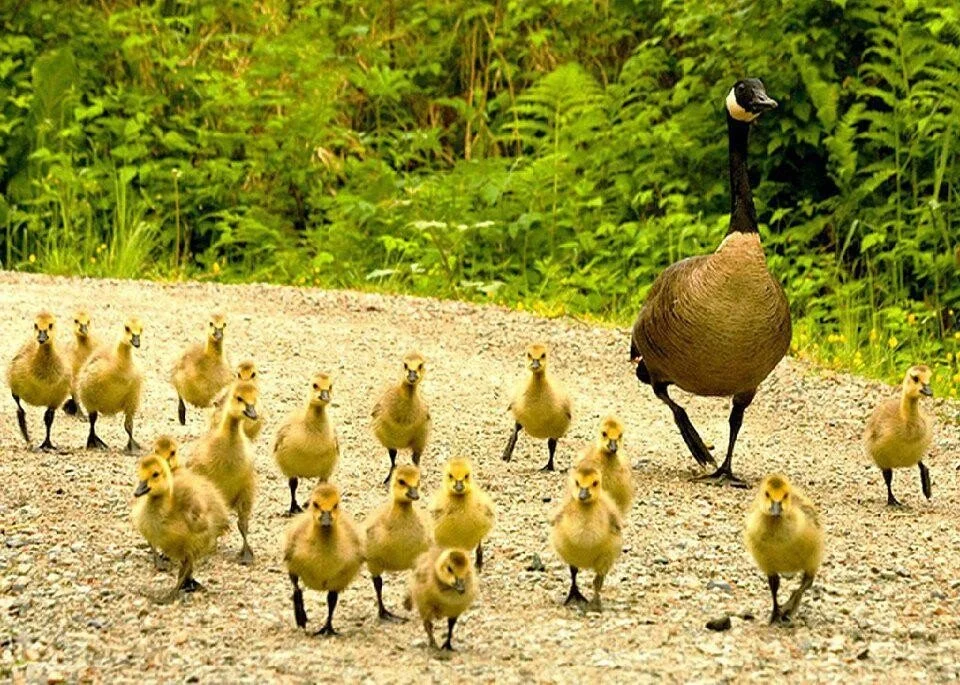
Mot and you thought You were busy duck and ducklings
MilitiaMan & Crew: Iraqi Dinar News Update-United Nations-Arab Summit-$500 Billion Investment-Digital Banking
MilitiaMan & Crew: Iraqi Dinar News Update-United Nations-Arab Summit-$500 Billion Investment-Digital Banking
5-9-2025
The Crew: Samson, PompeyPeter, Petra, Daytrader, Sunkissed, GIGI and Militia Man
Be sure to listen to full video for all the news……..
MilitiaMan & Crew: Iraqi Dinar News Update-United Nations-Arab Summit-$500 Billion Investment-Digital Banking
5-9-2025
The Crew: Samson, PompeyPeter, Petra, Daytrader, Sunkissed, GIGI and Militia Man
Be sure to listen to full video for all the news……..
Iraq Economic News And Points To Ponder Saturday Afternoon 5-10-25
The Central Bank Records A Decline In Net Foreign Assets
Saturday, May 10, 2025, Economics Number of reads: 159 Baghdad / NINA / The Central Bank of Iraq revealed a decrease in its net foreign assets, in addition to a slight decrease in domestic debt for January 2025.
The bank said in a report on financial and monetary indicators in Iraq, today: "The net foreign assets of the Central Bank for January 2025 amounted to 128.97 trillion dinars, a decrease of 1.41% compared to December of last year, which amounted to 130.180 trillion dinars, and a decrease from January of last year, which amounted to 140.77 trillion dinars."
The Central Bank Records A Decline In Net Foreign Assets
Saturday, May 10, 2025, Economics Number of reads: 159 Baghdad / NINA / The Central Bank of Iraq revealed a decrease in its net foreign assets, in addition to a slight decrease in domestic debt for January 2025.
The bank said in a report on financial and monetary indicators in Iraq, today: "The net foreign assets of the Central Bank for January 2025 amounted to 128.97 trillion dinars, a decrease of 1.41% compared to December of last year, which amounted to 130.180 trillion dinars, and a decrease from January of last year, which amounted to 140.77 trillion dinars."
He added: "The domestic public debt for January of this year decreased slightly to reach 80.4 trillion dinars, compared to December of last year, which amounted to 80.5 trillion dinars, and an increase from January of last year, which amounted to 73.25 trillion dinars."
According to the report, "the decline in debt for the month of January of this year is due to the decline in debt owed to the Ministry of Finance," noting that "bonds and discounted treasury transfers have settled at the Central Bank, which means that the government has paid part of its financial obligations." /End https://ninanews.com/Website/News/Details?key=1225959
Minister Of Finance: ASYCUDA System Implemented In 15 Customs Centers, Increasing Revenues By More Than 59 Billion Dinars
Finance Minister Taif Sami announced that the General Authority of Customs has begun implementing the ASYCUDA customs automation system in 15 customs centers across Iraq, noting a significant increase in customs revenues after the implementation of the system.
Sami explained, in a statement on Saturday, May 10, 2025, that the centers covered include: Air Cargo Customs, Dry Port, Baghdad International Airport Terminal, Grand Welcome Square Customs, Trebil, Safwan, Arar, Middle Umm Qasr, Southern Umm Qasr, Kirkuk Airport, Zurbatiyah, Al-Mundhiriya, Mandali, Al-Sheeb, and Shalamcheh.
She explained that customs revenues before implementing the system amounted to three hundred and seventy-five billion, six hundred and seventy-five million, seven hundred and thirty-two thousand, three hundred and sixty dinars, while after implementation they increased to four hundred and thirty-five billion, four hundred and twenty-one million, six hundred and seventy-two thousand, eight hundred and five dinars, an increase of more than fifty-nine billion dinars.
https://www.radionawa.com/all-detail.aspx?jimare=41810
Basra Crude Records Weekly Gains
Saturday, May 10, 2025, | EconomicNumber of reads: 156 Baghdad / NINA / Basra Heavy and Medium crude oil recorded significant weekly gains of more than 2% with the return of oil prices rising in global markets.
Basra Heavy crude closed in its last session, yesterday, Friday, with an increase of $2.16 to reach $61.16, recording weekly gains of $1.24, equivalent to 2.07%.
Basra Medium crude closed in its last session with an increase of $2.16 as well, reaching $64.31, recording weekly gains of $1.24, or 1.97%.
Global oil prices rose $1.07, or 1.7%, to achieve weekly gains of 4%, or one dollar per barrel, amid expectations that trade talks between the United States and China will be positive for oil, as tariffs at their current maximum levels keep recession risks high. /End https://ninanews.com/Website/News/Details?key=1225887
The International Development Bank Launches The "Arab Tourist Card"
Banks Economy News – Baghdad The International Development Bank announced on Saturday the launch of the "Arab Tourist Card," in partnership with the Visit Iraq platform, to facilitate financial transactions for Arab tourists in Iraq.
A statement by the bank, seen by Al-Eqtisad News, stated that "the International Development Bank launched the "Arab Tourist Card" in partnership with the official platform Visit Iraq to facilitate financial transactions for Arab tourists in Iraq."
The statement added that "the launch of the "Arab Tourist Card" in Iraq was carried out in partnership between the International Development Bank and the national platform Visit Iraq to support tourism and enhance digital financial services.
" The statement continued, "the International Development Bank was chosen to exclusively offer the "Arab Tourist Card" in cooperation with the official platform Visit Iraq to support tourism and enhance digital financial services for visitors." https://economy-news.net/content.php?id=55318
The Dollar Rose Slightly Against The Dinar In Baghdad And Erbil
Economy | 10/05/2025 Mawazine News – Baghdad The US dollar exchange rate rose on Saturday morning in both Baghdad and Erbil markets.
It rose on the Al-Kifah and Al-Harithiya stock exchanges to 142,400 Iraqi dinars for every $100, while last Thursday it recorded 142,000 dinars for every $100.
Selling prices also rose in exchange shops in local markets in Baghdad, where the selling price reached 143,500 Iraqi dinars for every $100, and the buying price reached 141,500 dinars for every $100.
In Erbil, the dollar also rose, where the selling price reached 142,550 dinars for every $100, and the buying price reached 142,200 dinars for every $100. https://www.mawazin.net/Details.aspx?jimare=261245
For current and reliable Iraqi news please visit: https://www.bondladyscorner.com/
Seeds of Wisdom RV and Economic Updates Saturday Afternoon 5-10-25
Good Afternoon Dinar Recaps,
US SENATORS CRITICIZE DEMOCRATS FOR ‘PARTISAN POLITICS’ AMID STABLECOINS BILL FAILURE
In a negative development for the U.S. crypto industry, the highly anticipated stablecoins legislation failed to advance in the U.S. Senate after not receiving enough support from Senate Democrats. Several Republican senators have slammed the Democrats for putting “partisan politics above policy.”
Good Afternoon Dinar Recaps,
US SENATORS CRITICIZE DEMOCRATS FOR ‘PARTISAN POLITICS’ AMID STABLECOINS BILL FAILURE
In a negative development for the U.S. crypto industry, the highly anticipated stablecoins legislation failed to advance in the U.S. Senate after not receiving enough support from Senate Democrats. Several Republican senators have slammed the Democrats for putting “partisan politics above policy.”
Democrats Block Stablecoins Bill
On Thursday, the Guiding and Establishing National Innovation for US Stablecoins (GENIUS) Act failed to pass the cloture vote in the Senate. Only 49 senators voted to advance the bill, falling short of the 60-vote threshold required to end debate.
Notably, two Republican senators also voted against advancing the bill alongside Democrats.
In February, Senator Bill Hagerty introduced the GENIUS Act to create a framework allowing tokens like USDT and USDC to fall under Federal Reserve rules.
The bill, co-sponsored by Senators Tim Scott, Cynthia Lummis, Kirsten Gillibrand, and Angela Alsobrooks, was designed to establish a:
“safe and pro-growth regulatory framework that will unleash innovation and advance the President’s mission to make America the world capital of crypto.”
Despite being considered bipartisan, ten Senate Democrats expressed last-minute concerns on May 3, with four former supporters reversing their positions.
Their objections included:
Missing AML (Anti-Money Laundering) and national security safeguards
Ambiguous regulations that could expose crypto markets to abuse
Senator Elizabeth Warren took the strongest stance, urging rejection of the GENIUS Act. On May 4, she claimed the Trump family could benefit from World Liberty Financial’s USD1 stablecoin deal with MGX, a UAE-based firm.
This deal involved a $2 billion investment linked to Binance and WLFI’s stablecoin, which Warren said would “enable this type of corruption.”
US Senators Call Out ‘Political Gamesmanship’
Senator Tim Scott, a co-sponsor of the bill and Chairman of the Senate Banking Committee, denounced the opposition on May 8:
“It should have been a historic day for Americans (...) Instead, we witnessed a disappointing display of political gamesmanship that puts partisan politics above policy, and obstruction above innovation.”
Scott insisted the shift wasn't about the bill’s content, but a political move against President Trump and his legislative goals.
Senator Lummis echoed this on X:
“Make no mistake, digital assets are the future and America must lead the way.”
“It’s important that we continue moving digital asset legislation forward that preserves America’s dollar dominance and makes America the crypto capital of the world.”
Bessent Blasts Missed Opportunity
Treasury Secretary Scott Bessent also weighed in, saying the world needs American leadership for stablecoins and digital assets to thrive.
“Without it, stablecoins will be subject to a patchwork of state regulations instead of a streamlined federal framework.”
“The world is watching while American lawmakers twiddle their thumbs. Senators who voted to stonewall U.S. ingenuity today face a simple choice: Either step up and lead or watch digital asset innovation move offshore.”
@ Newshounds News™
Source: Bitcoinist
~~~~~~~~~
BLACKROCK, CRYPTO TASK FORCE DISCUSS ETP STAKING, TOKENIZATION
Staking for Ether ETFs has been one of the hot topics in 2025, with Grayscale and Fidelity both filing for rule changes that would allow this staking functionality.
Wall Street giant BlackRock recently met with the SEC’s Crypto Task Force to discuss two key areas:
Staking within crypto exchange-traded products (ETPs)
Tokenization of securities
These discussions could significantly advance institutional interest in crypto markets.
ETP Staking and SEC Conversations
According to a May 9 memo published by the task force, BlackRock initiated the meeting to:
“[d]iscuss perspectives on treatment of staking, including considerations for facilitating ETPs with staking capabilities.”
BlackRock has emphasized that while Ether ETFs have seen success, they are less effective without staking.
Other ETF issuers echo this sentiment. On Feb. 15, the New York Stock Exchange proposed a rule change to enable staking services for Grayscale’s spot Ether ETFs.
In April, the SEC delayed its decision on this proposal. As it stands, BlackRock and Grayscale remain behind the largest Ether ETFs by market cap, according to Sosovalue.
Proof-of-stake blockchains allow users to lock their tokens to earn yield. If the SEC approves staking for Ether ETFs, this could pave the way for similar requests for altcoins, including Solana ETFs.
Tokenization Also in Focus
In addition to staking, BlackRock addressed the tokenization of securities within the federal securities regulatory framework.
Securities include stocks and bonds—assets where investors expect monetary gain. Tokenization offers several benefits:
Faster settlement times
Lower costs vs. traditional finance infrastructure
24/7 market access
BlackRock already runs a tokenized U.S. federal debt fund called BUIDL, which is currently the largest of its kind, with a $2.9 billion market cap.
Other players include Franklin Templeton, whose BENJI fund also tokenizes securities.
Robinhood Enters the Game
Meanwhile, brokerage firm Robinhood is exploring tokenization as well. It is reportedly working on a blockchain solution to allow European retail investors to trade U.S. securities such as stocks.
@ Newshounds News™
Source: CoinTelegraph
~~~~~~~~~
Seeds of Wisdom Team RV Currency Facts Youtube and Rumble
Newshound's News Telegram Room Link
Follow the Roadmap
Follow the Timeline
Seeds of Wisdom Team™ Website
Thank you Dinar Recaps
Iraq Economic News And Points To Ponder Saturday Morning 5-10-25
An Economist Identifies The "Most Important Reason" Behind The Dollar's Decline In Iraq
Buratha News Agency1512025-05-09 Economist Nabil Al-Marsoumi said on Friday (May 9, 2025) that progress in the Iranian-American negotiations is the most important reason behind the rise in the exchange rate of the Iraqi dinar against the dollar.
Al-Marsoumi said in an analysis he published, "Although the rise in the dinar's exchange rate against the dollar is linked to many factors, I believe the most important reason is the progress in the Iranian-American negotiations."
An Economist Identifies The "Most Important Reason" Behind The Dollar's Decline In Iraq
Buratha News Agency1512025-05-09 Economist Nabil Al-Marsoumi said on Friday (May 9, 2025) that progress in the Iranian-American negotiations is the most important reason behind the rise in the exchange rate of the Iraqi dinar against the dollar.
Al-Marsoumi said in an analysis he published, "Although the rise in the dinar's exchange rate against the dollar is linked to many factors, I believe the most important reason is the progress in the Iranian-American negotiations."
He added, "If the negotiations lead to an agreement between Iran and the US, the exchange rate of the dollar against the dinar on the parallel market will be very close to the official rate between them."
The Iraqi dinar's exchange rate against the dollar has risen relatively over the past few days on the parallel market, while the official market rate has remained stable. The selling price for $100 reached 142,000 dinars.
The Prime Minister's financial advisor, Mazhar Mohammed Saleh, said in a press statement that demand for dollars declined for three main reasons: "The Central Bank's success in financing and encouraging small businesses immediately after lifting restrictions, and facilitating travelers' access to dollars via cards and at airports at the official exchange rate." https://burathanews.com/arabic/economic/459908
The Dollar's Exchange Rate Is Stabilizing Towards Its Target: Adaptation Or Adjustment?
Dr. Haitham Hamid Mutlaq Al-Mansour It became clear in the period from last April until this May that the dollar exchange rate in Iraq began to stabilize, declining towards the (official) target level. Therefore, a question may be raised in this context: Is this stability the result of “adaptation” or “adaptation”?
To answer this question, we examine the reality of monetary policy measures that strengthened the foreign exchange signal's response to the downward trend, which can be described in the following paragraphs:
1. The Central Bank's restrictive policy of controlling dollar sales to banks through transparency measures for transfers of unclear origin aimed at combating smuggling. This increased the official supply and eased pressure on the exchange rate.
2. The effectiveness of monetary policy in financing foreign trade through highly rated correspondent banks, within the framework of the US Treasury and Federal Reserve's conditions. This is in addition to the trend toward settlement in euros, yuan, and UAE dirhams, which has facilitated remittance transactions in our trade with China, Turkey, and the UAE.
3. Added to this is the decline in demand for the dollar due to the increased level of banking compliance with international conditions on dollar transfers to prevent their smuggling to Iran, Syria, and Turkey via Iraq. As a result, suspicious transfers have decreased, and illicit demand for dollars has declined, contributing to the stability of the dollar exchange rate.
4- The effectiveness of the Central Bank’s foreign reserves management to compensate for the decline in the dollar supply in the parallel market, thus curbing the exchange rate towards the target.
5- The effectiveness of the inflation targeting policy led to a slowdown in the rise in the general price level (inflation) in Iraq, which limited the phenomenon of dollarization and raised the real value of the dinar.
6- Decline in speculation in the parallel market. Following the regulatory measures, the activity of unlicensed money changers and speculators who artificially raised prices declined.
7- The effectiveness of financing travelers in dollars through the official rate using payment cards at reduced costs and at the official exchange rate of 1320 dinars per dollar, in addition to collecting cash dollars through Iraqi airports, in the amount of 3000 dollars at the official rate for each traveler per month who carries an electronic payment card.
8- External international factors related to a general weakness in purchasing power in global markets and a decline in stocks, which caused a decline in the value of the dollar and a rise in gold, leading to a decline in demand for it globally and locally.
From the above-mentioned reasons, we find that exchange rate stability, despite its importance as a short-term objective of monetary policy, was achieved through “adjustment,” i.e., a short-term price adjustment trend resulting from short- or medium-term measures and treatments for exchange rate fluctuations.
The aim was to restore temporary economic equilibrium without changing the basic structure of the economy and without deep-rooted long-term policies, which reduces the effectiveness of targeting the exchange rate at the long-term target level. Stability could have been achieved as a result of long-term structural “adjustment” by following long-term policies as follows:
1- Decrease in demand for the dollar due to the availability of agricultural or industrial GDP revenues as a substitute for imports.
2- Improvement in the balance of payments thanks to non-oil agricultural and industrial exports.
3- Structurally reforming the banking system and activating the role of monetary tools, especially the interest rate structure, in a way that restores the overall balance to its natural state without a split between what is real and what is monetary.
4. Reducing rentierism by diversifying the economy through allocating resources based on foreign trade to generate national surplus value. The result: more sustainable stability, as the economy becomes less dependent on external factors.
If the current balance remains in place, the dollar supply will still be vulnerable to depletion within a year of imports if oil exports cease due to wars and threats, for example, or if the economy is exposed to similar external shocks. Furthermore, reliance on reserve management and other stringent measures will not be sufficient to ensure long-term exchange rate stability.
In conclusion, while ensuring that the exchange rate stabilizes near its target level is a significant achievement for monetary policy, the absence of structural reforms, economic diversification, improving the business environment, combating corruption, and other factors will make any exchange rate stability vulnerable to reversal, particularly with oil price fluctuations, political crises, and external shocks. This underscores the importance of planning for long-term structural adjustment at the macroeconomic policy level. https://economy-news.net/content.php?id=55289
The Central Bank Announces More Than 41 Billion Dinars In Fines Against Banks And Companies
Buratha News Agency1762025-05-09 The Central Bank of Iraq announced on Thursday that the value of fines imposed on banks and non-banking institutions, including exchange companies, amounted to more than 41 billion dinars during the first three months of the current year.
According to a table issued by the bank, the fines imposed on these entities from January to the end of March amounted to 41 billion, 268 million, 578 thousand and 75 dinars, noting that this value decreased compared to the same period last year, which recorded fines amounting to 138 billion, 377 million, 321 thousand and 527 dinars.
The bank explained that the fines were accompanied by 54 administrative penalties, including warnings, notices, and grace periods, and were distributed to a number of banks and non-banking financial institutions.
The table also showed that March saw the highest value of fines, amounting to 28 billion, 759 million, 847 thousand, and 795 dinars, with 14 administrative penalties, while February recorded the lowest value of fines, approximately 4 billion, 628 million, 140 thousand, and 368 dinars, despite witnessing the highest number of administrative penalties, with 25 penalties.
The table did not mention the names of the banks or companies that were subject to fines and administrative penalties. https://burathanews.com/arabic/economic/459899
Gold Rises Amid Buying And Anticipation Of US-China Trade Talks
Friday, May 9, 2025 12:39 | Economic Number of reads: 185 Baghdad / NINA / Gold prices rose on Friday as investors rushed to buy the precious metal after its earlier decline, while markets awaited US-China trade talks scheduled for early next week.
By Friday morning, spot gold rose 0.3% to $3,316.29 per ounce. US gold futures rose 0.5% to $3,321.60.
Spot gold fell about 2% yesterday to $3,274.38 after US President Donald Trump announced a trade deal with Britain, according to Reuters.
The agreement maintains a 10% tariff on goods imported from Britain, while Britain agreed to reduce its tariffs from 5.1% to 1.8% and further open its market to US goods.
Trump also stated that he expects the United States and China to hold substantive trade negotiations early next week and that the 145% tariff imposed on Beijing is likely to be reduced.
Several Federal Reserve officials are scheduled to speak later today to offer further insights on the economy and the central bank's policy path. The Fed held interest rates steady on Wednesday and warned of rising inflation and unemployment risks.
Among other precious metals, spot silver was steady at $32.48 an ounce. Platinum rose 0.5% to $980.55, and palladium gained 0.2% to $978.21. https://ninanews.com/Website/News/Details?key=1225718
An Expert Sounds The Alarm: The Monopoly Of Foreign Banks Operating In Iraq Over Remittances Must Stop Immediately.
May 9, 2025 Baghdad/ Iraq Observer The expert on financial and banking, Mustafa Hantoush, said that the control of Jordanian and Gulf banks on Iraqi remittances, is something that cannot be tolerated, ignored or continued, and needs immediate and rapid treatment from the Central Bank of Iraq.
Hantoush expressed in an interview with Iraq Observer that "the remedies that require the Central Bank to take towards this file are almost non-existent,"
calling for the need for
the Central Bank to conduct a detailed study to review the financial situation in the country by creating a policy to strengthen Iraqi banks at the expense of foreign."
"At the very least, it is possible for Iraqi foreign banks to participate and be dealt with Iraqis in conjunction with the work of radical steps to develop monetary policy," pointing out that
"as long as convictions are directed towards not developing the banking system in Iraq,
it is difficult to control the work of those banks during their foreign dealings on behalf of Iraqi banks."
Experts and specialists have long criticized foreign banks operating in Iraq, in that they
do not provide development plans, especially in poor areas in Iraq, but
focus their activity in commercial areas where traders are present for the purpose of foreign transfers, and
foreign banks operating in Iraq
do not provide real electronic applications that serve citizens and
do not contribute to vital projects such as oil banks.
Thus, all international banks operating in Iraq
are linked to the American correspondent bank and
their activity is centered on making profits from remittances and
when the remittances are closed,
their branches are closed and
returned with profits to their countries.
https://observeriraq.net/خبير-يدق-ناقوس-الخطر-احتكار-المصارف-ال/
For current and reliable Iraqi news please visit: https://www.bondladyscorner.com/
Seeds of Wisdom RV and Economic Updates Saturday Morning 5-10-25
Good Morning Dinar Recaps,
SEC MOVES TO END RIPPLE CASE AS COMMISSIONER REBELS: $75M RETURNS TO XRP GIANT
The SEC Ripple lawsuit has just reached a pivotal turning point as the Securities and Exchange Commission recently filed a motion seeking court approval for a settlement with Ripple Labs. Under the proposed deal that’s currently being reviewed, Ripple would recover $75 million of the $125 million that was held in escrow, while the SEC would receive the remaining $50 million.
Ripple’s $75M SEC Settlement: What It Means for XRP and Crypto Regulation
Good Morning Dinar Recaps,
SEC MOVES TO END RIPPLE CASE AS COMMISSIONER REBELS: $75M RETURNS TO XRP GIANT
The SEC Ripple lawsuit has just reached a pivotal turning point as the Securities and Exchange Commission recently filed a motion seeking court approval for a settlement with Ripple Labs. Under the proposed deal that’s currently being reviewed, Ripple would recover $75 million of the $125 million that was held in escrow, while the SEC would receive the remaining $50 million.
Ripple’s $75M SEC Settlement: What It Means for XRP and Crypto Regulation
The SEC Ripple lawsuit settlement marks what appears to be the potential end to a legal battle that first began back in December 2020. As per the May 8 court filings, both parties have agreed to withdraw their appeals, virtually ending one of the most important and keenly followed cases in crypto regulation news.
Commissioner’s Opposition Reveals SEC Division
Not everyone at the SEC supports the resolution. Commissioner Caroline A. Crenshaw issued a public dissent:
“This settlement is a tremendous disservice to the investing public.”
Crenshaw warned that the SEC Ripple lawsuit settlement could weaken the agency’s enforcement power and negatively impact future XRP price prediction analyses in unexpected ways.
XRP’s Market Struggle During Litigation
The XRP lawsuit impact was immediate and significant when the case began. According to the crypto analyst behind the account All Things XRP:
“It didn’t just slow XRP down — it stole years of growth.”
While Bitcoin and Ethereum surged during the 2021–2023 bull market, XRP stagnated between approximately $0.30–$0.50, missing out on substantial gains and altering many XRP price predictions at the time.
Settlement Terms and Future Implications
The SEC Ripple lawsuit resolution preserves Judge Torres’ 2023 ruling that only institutional XRP sales violated securities laws. This legal distinction remains critical for ongoing crypto regulation news and Ripple’s future operations.
If the $125 million penalty clears the court in the next few days:
$75 million would be returned to Ripple
$50 million would remain with the SEC
This result may provide badly needed regulatory clarity and underscore the lasting effects of prolonged litigation on XRP price forecasts and broader digital asset regulation.
@ Newshounds News™
Source: Watcher Guru
~~~~~~~~~
US TREASURY SECRETARY BESSENT LAMBASTS SENATE FOR BLOCKING STABLECOIN BILL, CALLS IT ‘MISSED OPPORTUNITY’ FOR AMERICAN LEADERSHIP
▪️ U.S. senators voted Thursday to halt progress on a stablecoin regulation bill amid escalating tensions over President Donald Trump’s crypto involvement.
▪️ Treasury Secretary Scott Bessent said American leadership is needed for stablecoins and other digital assets to thrive globally, lambasting the Senate’s “missed opportunity.”
U.S. Treasury Secretary Scott Bessent lambasted the Senate's decision on Thursday to halt the progress of the GENIUS Act amid rising tensions over President Trump's increasing crypto involvement and concerns about specific aspects of the proposed stablecoin bill.
"For stablecoins and other digital assets to thrive globally, the world needs American leadership," Bessent posted on X. "The Senate missed an opportunity to provide that leadership today by failing to advance the GENIUS Act."
Secretary Bessent described the bill as a "once-in-a-generation opportunity" to expand dollar dominance and boost U.S. influence in financial innovation. He argued that without such legislation, stablecoins will remain governed by a fragmented set of state rules rather than a unified federal approach that better supports growth and global competitiveness.
"The world is watching while American lawmakers twiddle their thumbs," Bessent said. "Senators who voted to stonewall U.S. ingenuity today face a simple choice: Either step up and lead or watch digital asset innovation move offshore."
A not-so-brilliant delay for the GENIUS Act
The Senate Banking Committee earlier voted to advance the GENIUS Act in March. The bill requires:
100% reserve backing with U.S. dollars and similarly liquid assets
Annual audits
Prohibits foreign issuance in the country
The Senate voted 49-48 against the bill in its current form on Thursday, with Sens. Josh Hawley (R-Mo.) and Rand Paul (R-Ky.) joining Democrats in opposing the procedural vote.
While the GENIUS Act bill resulted from bipartisan negotiations, Democrats recently raised concerns about unfinished bill text, foreign issuer oversight, and anti-money laundering provisions.
Senator Mark Warner (D-Va.) said he couldn't support legislation that wasn't yet finalized. Senate Majority Leader John Thune (R-S.D.), despite also voting no, said he did so to allow the bill to be reconsidered later, criticizing the Democrats amid multiple revised versions:
"I just have to say, frankly, I just don't get it," Thune said. "I don't know what more they want."
Tensions deepened as Trump’s personal and financial ties to crypto — including memecoin launches, $1.5 million-per-plate crypto fundraisers, and backing DeFi project World Liberty Financial — sparked accusations of conflict of interest ahead of the vote.
Some Democrats, including Rep. Maxine Waters (D-Calif.), also boycotted a crypto-focused House hearing this week, citing the president's direct crypto holdings and influence over agencies. The House Financial Services Committee also recently voted to advance a similar bill, the STABLE Act, with anti-money laundering and reserve requirements.
@ Newshounds News™
Source: The Block
~~~~~~~~~
Seeds of Wisdom Team RV Currency Facts Youtube and Rumble
Newshound's News Telegram Room Link
Follow the Roadmap
Follow the Timeline
Seeds of Wisdom Team™ Website
Thank you Dinar Recaps
“Tidbits From TNT” Saturday Morning 5-10-2025
TNT:
Tishwash: Iraq's customs revenues reached 59 billion dinars after implementing the ASYCUDA system.
Finance Minister Taif Sami announced on Friday a significant increase in customs revenues following the implementation of the ASYCUDA Customs Automation System, amounting to more than 59 billion dinars.
Sami said in a statement to the official agency, followed by "Al-Eqtisad News," that "customs revenues before the implementation of the ASYCUDA system amounted to 375,675,732,360 dinars, while after the implementation they rose to 435,421,672,805 dinars, an increase of 59,745,940,445 dinars."
She added, "The General Authority of Customs has begun implementing the ASYCUDA system in 15 customs centers, including: Air Cargo Customs, Dry Port, Baghdad International Airport Terminal, Grand Welcome Square Customs, Trebil, Safwan, Arar, Umm Qasr Middle, Umm Qasr South, Kirkuk Airport, Zurbatiyah, Al-Mundhiriyah, Mandali, Al-Shaib, and Al-Shalamcheh."
TNT:
Tishwash: Iraq's customs revenues reached 59 billion dinars after implementing the ASYCUDA system.
Finance Minister Taif Sami announced on Friday a significant increase in customs revenues following the implementation of the ASYCUDA Customs Automation System, amounting to more than 59 billion dinars.
Sami said in a statement to the official agency, followed by "Al-Eqtisad News," that "customs revenues before the implementation of the ASYCUDA system amounted to 375,675,732,360 dinars, while after the implementation they rose to 435,421,672,805 dinars, an increase of 59,745,940,445 dinars."
She added, "The General Authority of Customs has begun implementing the ASYCUDA system in 15 customs centers, including: Air Cargo Customs, Dry Port, Baghdad International Airport Terminal, Grand Welcome Square Customs, Trebil, Safwan, Arar, Umm Qasr Middle, Umm Qasr South, Kirkuk Airport, Zurbatiyah, Al-Mundhiriyah, Mandali, Al-Shaib, and Al-Shalamcheh."
She explained that "the Authority has currently begun implementing the second phase of the system, which will extend over two years. This phase includes its implementation in eight remaining customs centers, in addition to linking 12 electronic applications to the system, including: land transport clearance, the value system, smart selectivity, the exemptions system, and licenses and certificates. This will enable the system to be linked with all ministries." link
**************
Tishwash: Legal expert: The House of Representatives has the right to extend its legislative session for 30 days to approve the budget schedules.
Legal expert Ali Al Tamimi stressed on Friday the utmost importance of approving the financial budget schedules.
Al-Tamimi explained in a statement to Al-Furat News Agency that “Article 57 of the Iraqi Constitution stipulates an annual session for the Council of Representatives with two legislative chapters, but it excludes the case of discussing and approving the general budget, as it stipulates that “the legislative chapter does not end if it includes the general budget law except after voting on it.”
The legal expert stressed that this constitutional text is considered “governing” and imposes the necessity of approving budget schedules as soon as possible, due to its direct impact on “the livelihood of society” and the stability of economic and living conditions.
In a related context, Al-Tamimi pointed out that Article 57 itself allows the possibility of extending the current legislative chapter, based on a request from one of the three presidencies or with the signatures of no less than fifty members of the Council of Representatives. In this case, an extraordinary session is held, and its meetings are limited to the matters that called for this extension.
Al-Tamimi explained that the duration of the extension of the legislative chapter is limited to “only thirty days,” and the Council’s discussions and sessions during this period must be limited to “matters related to the budget only.”
The legal expert concluded his statement by emphasizing that “the budget file is important It is necessary to extend the sessions of the House of Representatives in order to accomplish this national task that the Iraqi people are waiting for.
A parliamentary source told Al-Furat News last Tuesday that the Presidency of the House of Representatives decided to end the first legislative session of the fourth legislative year on May 9th {today, Friday} in accordance with Article (57) of the Constitution and Article (22) of the House of Representatives’ internal regulations. link
*************
Tishwash: Iranian Foreign Minister Anticipates Trump's Arrival in the Region, Visits Saudi Arabia and Qatar Tomorrow
Ahead of US President Donald Trump's scheduled tour of the region next week, Iranian Foreign Minister Abbas Araghchi will travel to Saudi Arabia and Qatar tomorrow, Saturday, the Iranian Foreign Ministry announced.
The Iranian Foreign Ministry indicated in a statement published on its website on Friday that Araghchi will first travel to Riyadh "to meet and hold talks with senior Saudi officials."
She added that he will later visit Doha "to participate in the Arab-Iranian Dialogue Conference."
This comes as a fourth round of nuclear talks between Iran and the United States is likely to be held next Sunday in the Omani capital, Muscat.
US President Donald Trump is also scheduled to visit Saudi Arabia, Qatar, and the UAE next week.
Trump, who withdrew the United States from the 2015 nuclear agreement between Tehran and world powers, has previously threatened military action if his administration fails to reach an agreement to resolve the long-running dispute over Iran's nuclear program.
It is noteworthy that since April 12, the United States and Iran have begun indirect talks on the nuclear issue, mediated by Oman.
The two sides have held three rounds so far (two in Muscat and one in Rome), which were described as positive and constructive. link
*************
Mot: babies forever

Mot: Get Ready Ladies!!!!

Seeds of Wisdom RV and Economic Updates Friday Afternoon 5-9-25
Good Afternoon Dinar Recaps,
THREE NEW U.S. STATE-LEVEL BITCOIN BILLS SIGNED INTO LAW
From New Hampshire to Arizona to Oregon, more proposed Bitcoin legislation has become law in recent days.
This week, three U.S. states have enacted bitcoin-related bills into law.
On Tuesday, New Hampshire became the first state to sign into law a bill that would allow for the creation of a strategic bitcoin reserve (SBR).
On Wednesday, Arizona enacted its second bill related to bitcoin, blockchain, and digital assets.
Also on Wednesday, Oregon’s governor signed a bill into law that updates the state’s commercial code to recognize digital assets such as bitcoin as collateral.
Good Afternoon Dinar Recaps,
THREE NEW U.S. STATE-LEVEL BITCOIN BILLS SIGNED INTO LAW
From New Hampshire to Arizona to Oregon, more proposed Bitcoin legislation has become law in recent days.
This week, three U.S. states have enacted bitcoin-related bills into law.
On Tuesday, New Hampshire became the first state to sign into law a bill that would allow for the creation of a strategic bitcoin reserve (SBR).
On Wednesday, Arizona enacted its second bill related to bitcoin, blockchain, and digital assets.
Also on Wednesday, Oregon’s governor signed a bill into law that updates the state’s commercial code to recognize digital assets such as bitcoin as collateral.
New Hampshire Can Now Establish An SBR
On Tuesday, New Hampshire signed HB302 into law, making it the first state in U.S. history with the legal footing to create an SBR.
The new law enables the state treasurer to invest in digital assets that have a market cap of over $500 billion. (Bitcoin is the only digital asset that currently meets this criteria.)
While the law doesn’t specifically call for the creation of an SBR, it does enable the state’s treasurer to create one.
This historic law was enacted thanks in part to the efforts of Rep. Keith Ammon, the primary sponsor for this bitcoin-related bill.
Arizona Governor Vetoes One Bitcoin Bill But Signs Another
On May 2, Arizona Governor Katie Hobbs vetoed SB1025, which would have enabled the state treasurer and retirement system to invest 10% of their available funds into virtual currencies.
The bill was known as the “Arizona Strategic Bitcoin Reserve Act”.
However, on May 7, Governor Hobbs signed HB2749 into law — a bill that also establishes a state-level digital assets reserve.
HB2749 amends Arizona’s unclaimed financial property statutes to allow the state to claim bitcoin or digital assets that have been abandoned or unclaimed after three years.
This is the second bitcoin-related bill Governor Hobbs has signed in recent weeks — the first being HB2342 on April 18, which protects individuals running blockchain nodes from local restrictions.
New Oregon Law Recognizes Bitcoin As Collateral
On Wednesday, Oregon Governor Tina Kotek signed SB167 into law.
This law updates Oregon’s Uniform Commercial Code (UCC) to:
Recognize digital assets such as bitcoin as collateral
Introduce Article 12, which establishes a legal framework for “controllable electronic records,” including cryptocurrencies
This sets the legal groundwork for bitcoin and other digital assets to be used in traditional financial products in Oregon.
Picking Up The Pace
Prior to this week, only three bitcoin-related bills had been signed into law:
Utah’s HB0230 (signed March 12): Defined and regulated digital assets
Kentucky’s HB701 (signed March 24): Offered protections for individuals and businesses engaging with digital assets
Arizona’s HB2342 (discussed above)
If this week is any indication, more Bitcoin legislation may be codified into law in the near future.
@ Newshounds News™
Source: Bitcoin Magazine
~~~~~~~~~
BRICS: ASIA COULD DUMP $2.5 TRILLION WORTH OF US DOLLAR CURRENCY
The US dollar may face a huge crisis from BRICS and other Asian currencies, as Stephen Jen, CEO of Eurizon SLJ Capital, revealed to Bloomberg that an “avalanche” of USD selling worth $2.5 trillion could come from Asian countries.
He explained that Asian exporters and investors have stockpiled a massive amount of USD over the years, which could soon be dumped as the greenback weakens against local currencies in 2025.
The Bloomberg currency index shows that the USD is down 8% since February, while local currencies are outperforming the global reserve currency.
This trend gives the BRICS alliance more momentum to push the de-dollarization agenda, as $2.5 trillion worth of USD now hangs on a thread.
“We suspect these dollar hoardings by Asian exporters and institutional investors may be extremely large. Possibly on the order of $2.5 trillion or so. And pose sharp downside risks to the dollar vis-à-vis these Asian currencies,”
– Jen and Joana Freire
BRICS: US Dollar Faces a Threat of $2.5 Trillion Sell-off
BRICS and other developing nations are now economically strong enough to offload their US dollar reserves.
There is a growing belief in an “important imbalance in the world” that puts the US dollar in a vulnerable position, said Jen.
The long-term appeal of the USD is fading, as local currencies offer advantages like:
No excessive debt burdens
Mutual GDP strengthening when used for trade
The dollar’s dominance is shrinking globally.
De-Dollarization Expands Beyond BRICS
Beyond BRICS, de-dollarization is also accelerating in countries such as:
Taiwan
Malaysia
Vietnam
In these regions, the US dollar is becoming secondary in trade and investment.
Jen further noted that Asian nations have external surpluses, which allow them to hedge against USD fluctuations with more flexibility.
“The American economy is at the crossroads of a global paradigm shift where its power is on the decline.”
@ Newshounds News™
Source: Watcher Guru
~~~~~~~~~
Seeds of Wisdom Team RV Currency Facts Youtube and Rumble
Newshound's News Telegram Room Link
Follow the Roadmap
Follow the Timeline
Seeds of Wisdom Team™ Website
Thank you Dinar Recaps