News, Rumors and Opinions Friday 1-2-2025
KTFA:
Frank26: "TARIFFS WORKING ON GLOBAL CURRENCIES"....F26
Major Currency and Financial Resets That Took Effect on January 1
January 1 is ideal for currency resets because it aligns with the start of the fiscal year, offering clarity, a fresh beginning, and minimal disruption to economic activities.
12/31/2025
January 1 has repeatedly served as a symbolic and practical launch date for some of the world’s most consequential currency reforms, redenominations and financial resets, as governments sought clean accounting transitions, psychological breaks from crisis, and alignment with fiscal calendars.
Economists say the date is favored because it coincides with new budgets, accounting years and tax cycles, reducing operational disruption while signaling a “new start” to markets and citizens.
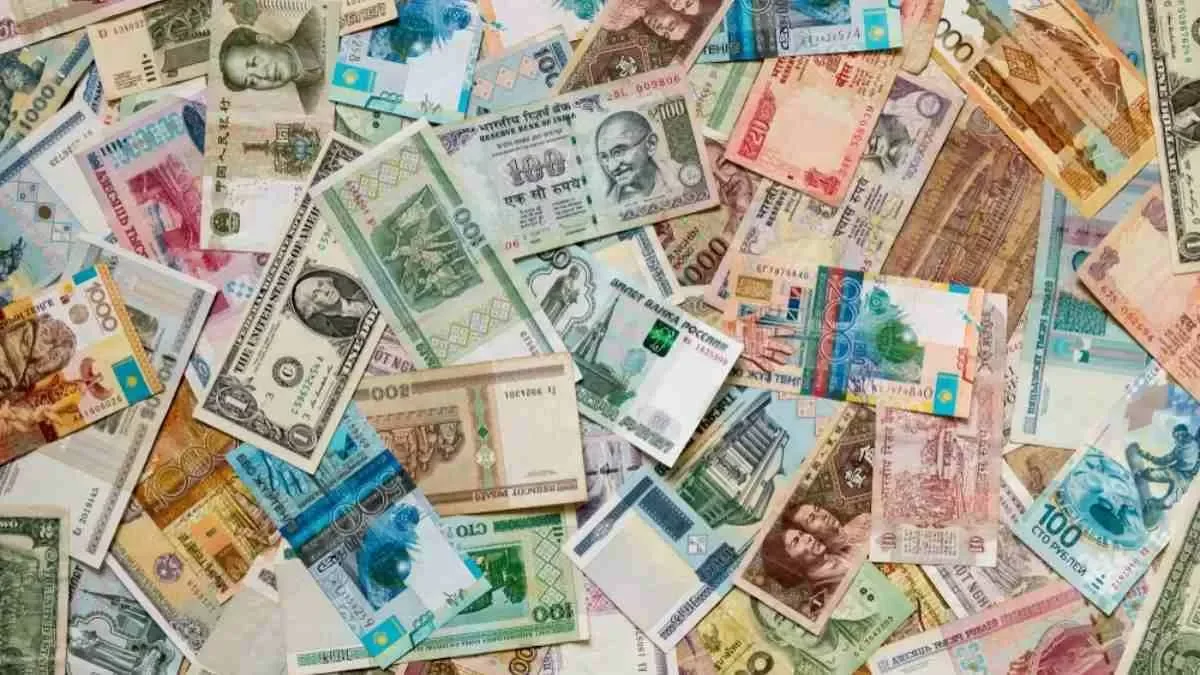
The Euro: Europe’s Historic Monetary Reset (1999–2002)
Jan. 1, 1999: The euro was launched as a virtual currency for accounting and financial markets, replacing national currencies in 11 EU states.
Jan. 1, 2002: Euro banknotes and coins entered circulation, permanently ending the franc, mark, lira and others.
Impact: One of the largest financial resets in history, affecting over 300 million people and reshaping global reserve currency dynamics.
Sources: European Central Bank, Reuters, IMF.
Turkey: Lira Redenomination After Hyperinflation (2005)
Jan. 1, 2005: Turkey removed six zeros from its currency.
1,000,000 old lira = 1 new lira (TRY).
Context: Years of inflation had rendered prices unmanageable. The reset followed IMF-backed reforms and restored confidence.
Sources: Turkish Central Bank, IMF, Reuters.
Russia: Post-Soviet Ruble Reform (1998)
Jan. 1, 1998: Russia cut three zeros from the ruble.
1,000 old rubles = 1 new ruble.
Context: Designed to stabilize the economy after post-Soviet collapse and before the 1998 financial crisis.
Sources: Russian Central Bank, World Bank.
Brazil: Real Plan Consolidation (1994)
Jan. 1, 1994: Brazil introduced the real (BRL), ending decades of hyperinflation.
Replaced multiple failed currencies.
Context: One of the most successful inflation-control programs in emerging markets.
Sources: Banco Central do Brasil, IMF.
Poland: Zloty Redenomination (1995)
Jan. 1, 1995: Poland removed four zeros from the zloty.
10,000 old zloty = 1 new zloty.
Context: Part of post-communist economic transition and EU accession path.
Sources: National Bank of Poland, ECB.
Romania: Leu Redenomination (2005)
Jan. 1, 2005: Romania cut four zeros from the leu.
10,000 old lei = 1 new leu (RON).
Context: Aimed at simplifying transactions ahead of EU membership.
Sources: Romanian Central Bank, Reuters.
Argentina: Peso Convertibility Reset (1992)
Jan. 1, 1992: Argentina introduced a new peso, pegged 1:1 to the U.S. dollar.
10,000 australes = 1 peso.
Context: Temporarily curbed inflation but later collapsed in the 2001 crisis.
Sources: IMF, World Bank.
Zimbabwe: Dollarization Reset (2009)
Jan. 1, 2009: Zimbabwe effectively abandoned its currency, allowing foreign currencies for transactions after hyperinflation.
Context: One of history’s most extreme monetary collapses.
Sources: IMF, Reserve Bank of Zimbabwe.
Why January 1?
Economists identify four key reasons:
Fiscal year alignment
Accounting clarity
Public psychology of renewal
Lower transactional disruption
“Currency resets are as much about confidence as arithmetic,” IMF economists note. “January 1 provides a psychological reset alongside a technical one.”
Current Context
Several countries, including Syria, have chosen January 1 for planned redenominations or currency transitions, continuing a long-standing global pattern of using the date to mark economic turning points. LINK
Courtesy of Dinar Guru: https://www.dinarguru.com/
Frank26 The float like this <snap>. The float and the REER like, boom!
Frank26 Preparation is being made for a new exchange rate. When is it coming? God only knows. But it's in the works because as of today 1310 does not exist anymore. Now, that's what they said to everyone. They have the articles to prove it.
Militia Man Reforms like deleting the 3 zeros simplify transactions preparing for a real effective exchange rate adjustment based on reserves and growth...Growth is part of the non-oil resources...These developments indicate readiness for a managed revaluation of the dinar to reflect fundamentals. That's what a REER is about. It's about fundamentals such as...$16 trillion worth of natural resources, historic low inflation, political soothness, which we've just witnessed [with the election]...
***************
China Has Changed the SILVER Game From Paper to PHYSICAL - 'Watch Shanghai': Francis Hunt
Commodity Culture: 1-1-2026
Francis Hunt thinks there's a fundamental shift underway in the global silver market and the spread in price between West and East is painting a picture of physical metal replacing paper contracts as the strategic value of silver becomes more apparent.
Francis breaks out the charts to dive into Shanghai's impact on the silver market, why he thinks a $1000 price is possible, and why the gold-silver ratio could be headed to single digits ahead.
00:00 Introduction
01:14 Silver's Incredible Run
08:34 Silver Spread in Shanghai
16:32 Geopolitical Outlook for Silver
23:09 Is the Broad Market in a Bubble?
36:27 Preparing For What's to Come