Iraq Economic News and Points To Ponder Wednesday Evening 5-6-26
70+ Iraqi Tankers Reach Syria On Transcontinental Fuel Delivery Path
2026-05-06 Shafaq News- Nineveh More than 70 Iraqi fuel tankers entered Syria through the Rabia–al-Yarubiyah border point, marking a third convoy of its kind within days, Shafaq News learned on Wednesday.
The shipment proceeded toward the Syrian coastal city of Baniyas before continuing along Mediterranean routes to its final destination in Europe.
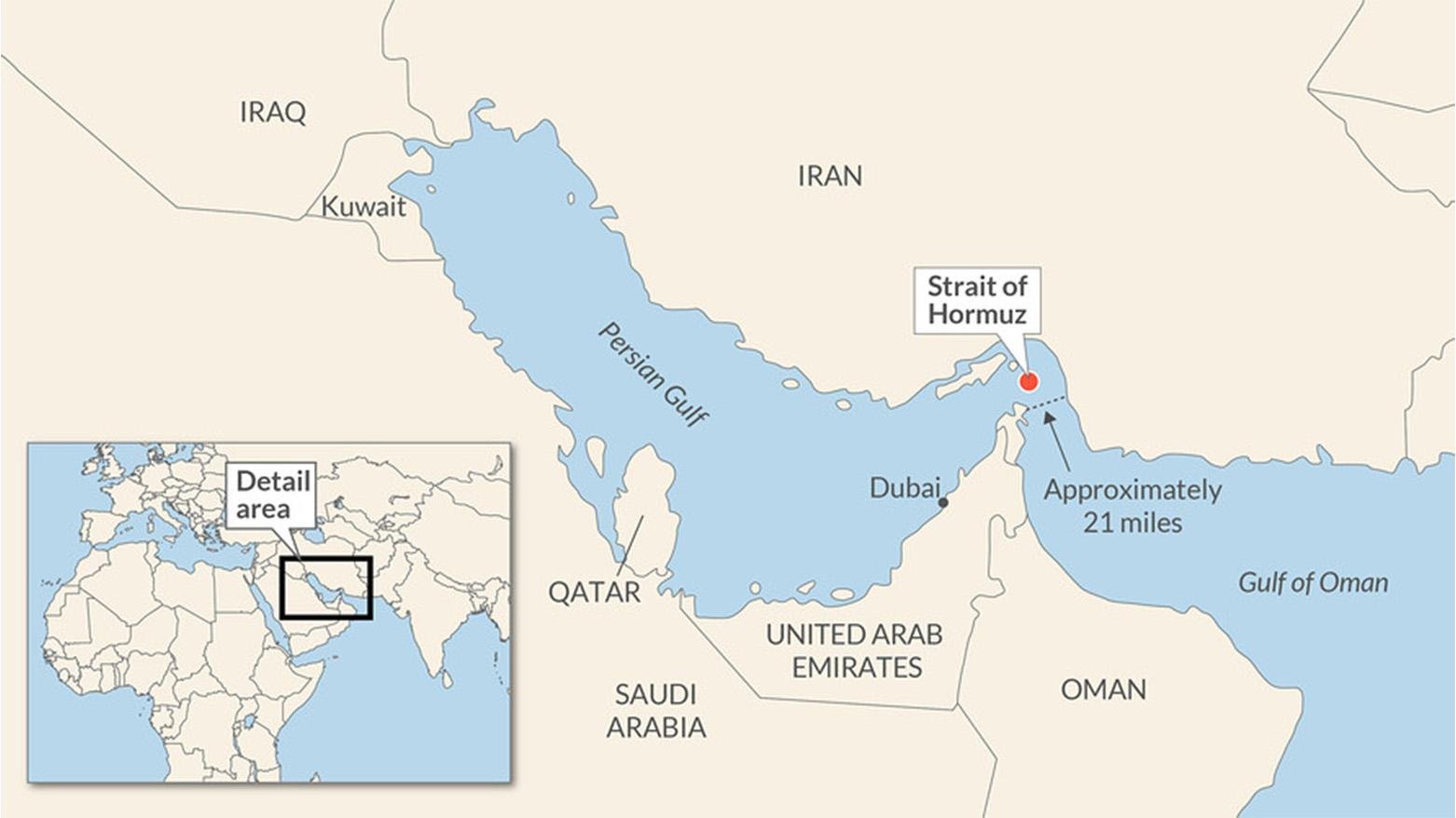
Baghdad and Damascus have recently established a framework to facilitate the transit of Iraqi petroleum products across Syrian territory, amid regional disruptions to maritime traffic, particularly in the Strait of Hormuz, a key passage handling about one-fifth of global oil consumption.
On May 1, Iraq conducted its first crude oil export operation via the same route, dispatching an initial shipment of 70 tanker trucks. The Rabia–al-Yarubiyah crossing between Iraq and Syria resumed trade and passenger movement on April 22 after 13 years of closure due to security conditions during the fight against ISIS.
Both authorities have gradually restored several border points, including al-Waleed and al-Yarubiyah, as part of efforts to revive trade routes and support the movement of goods and travelers. https://www.shafaq.com/en/Economy/70-Iraqi-tankers-reach-Syria-on-transcontinental-fuel-delivery-path
Global Markets Rally As Oil Prices Plunge On Hopes Of Iran Deal
According to a report by Axios, United States officials believe an agreement is close that could reopen the strategically vital Strait of Hormuz and ease tensions disrupting global energy supplies.
ERBIL (Kurdistan24) – Global oil prices fell sharply on Wednesday while stock markets surged, as investors reacted to growing optimism that a deal to end the conflict involving Iran may be within reach.
According to a report by Axios, United States officials believe an agreement is close that could reopen the strategically vital Strait of Hormuz and ease tensions disrupting global energy supplies.
International oil benchmark Brent North Sea plunged by double digits to below $100 per barrel before recovering slightly after US President Donald Trump warned of potential renewed military action against Iran. Meanwhile, West Texas Intermediate dropped more than 12 percent to below $90 per barrel before trimming losses.
Equity markets responded positively to the prospect of de-escalation. Major European stock exchanges posted strong gains, with Paris rising nearly three percent, while Frankfurt and London each closed more than two percent higher.
Market sentiment was buoyed by expectations that easing geopolitical tensions could stabilize energy markets and reduce inflationary pressures. Analysts noted that bond yields and the US dollar weakened as investors shifted toward riskier assets.
Axios reported that the potential agreement could take the form of a preliminary memorandum outlining steps to end hostilities and establish a framework for broader nuclear negotiations. The proposal reportedly includes a temporary halt to Iran’s nuclear enrichment activities in exchange for the release of billions of dollars in frozen Iranian assets.
Washington is now awaiting a response from Tehran on key elements of the proposal within the next 48 hours, raising the possibility of a significant breakthrough in the crisis.
U.S. Forces Disable Iranian-Flagged Tanker in Gulf of Oman
CENTCOM said the tanker, identified as M/T Hasna, was intercepted at approximately 9 a.m. Eastern Time while transiting international waters en route to an Iranian port.
ERBIL (Kurdistan24) — U.S. forces operating in the Gulf of Oman disabled an Iranian-flagged oil tanker on Wednesday after it allegedly violated a maritime blockade imposed by Washington, according to a statement from U.S. Central Command (CENTCOM).
CENTCOM said the tanker, identified as M/T Hasna, was intercepted at approximately 9 a.m. Eastern Time while transiting international waters en route to an Iranian port. U.S. forces issued multiple warnings to the vessel, informing its crew that it was in breach of the blockade.
When the crew failed to comply, a U.S. Navy F/A-18 Super Hornet launched from the aircraft carrier USS Abraham Lincoln fired several rounds from its 20mm cannon, disabling the tanker’s rudder and preventing it from continuing its course. CENTCOM confirmed that the vessel is no longer heading toward Iran.
The U.S. military emphasized that the tanker was unladen at the time of the incident and that the operation was carried out in a “deliberate and professional” manner to enforce compliance with ongoing maritime restrictions.
The incident comes amid heightened tensions between Washington and Tehran, particularly over the strategically vital Strait of Hormuz and surrounding waterways, including the Gulf of Oman. The United States has imposed a naval blockade targeting vessels it says are supporting Iran’s military or economic activities, a move Tehran has strongly condemned as unlawful.
The blockade has disrupted shipping routes and raised concerns over potential confrontations in one of the world’s most critical oil transit corridors.
The Gulf of Oman serves as a key maritime passage linking the Arabian Sea to the Strait of Hormuz, through which a significant portion of global oil exports flows. Any escalation in the area risks broader economic repercussions, particularly for energy markets already sensitive to geopolitical instability.
CENTCOM reiterated that enforcement operations will continue as long as the blockade remains in place, signaling the potential for further incidents at sea.
https://www.kurdistan24.net/en/story/912525/us-forces-disable-iranian-flagged-tanker-in-gulf-of-oman
Iran Accuses US Of Seeking ‘Surrender’ As Tensions Persist Over Peace Proposal
In a voice message published on his official Telegram channel, Ghalibaf said “the enemy” was pursuing a strategy aimed at undermining Iran’s internal cohesion through economic pressure and media influence, alongside efforts to restrict maritime activity.
ERBIL (Kurdistan24) – Iran’s top negotiator Mohammad Bagher Ghalibaf on Wednesday accused Washington of attempting to force Tehran into surrender through a combination of military and non-military pressure, including what he described as a naval blockade.
In a voice message published on his official Telegram channel, Ghalibaf said “the enemy” was pursuing a strategy aimed at undermining Iran’s internal cohesion through economic pressure and media influence, alongside efforts to restrict maritime activity. He did not provide further details on the status of a potential peace agreement with the United States.
The remarks come as Tehran continues to assess elements of a proposal from Washington aimed at ending the ongoing conflict. Iranian officials have not publicly disclosed the specifics of the plan, but discussions are believed to center on de-escalation measures and restoring stability in key waterways, including the Strait of Hormuz.
Foreign Ministry spokesperson Esmaeil Baqaei said Iran would soon communicate its finalized position to Pakistan, which has been acting as a key mediator in the crisis.
Earlier on Wednesday, U.S. President Donald Trump reiterated his desire to see the conflict come to an end, but warned that Washington would intensify military action if Tehran refused to accept its conditions.
Tensions between Iran and the United States have escalated in recent weeks amid clashes affecting regional security and global energy markets. The situation has drawn international concern due to the strategic importance of the Strait of Hormuz, a critical oil transit route through which a significant portion of the world’s supply passes. Diplomatic efforts involving regional intermediaries, including Pakistan, have so far sought to prevent further escalation and push both sides toward a negotiated settlement.
Iran Urges UN To Reject U.S. Draft Resolution On Strait Of Hormuz
In a statement posted on X, the Iranian mission said “the only viable solution” to the crisis in the strategic waterway is a lasting end to the conflict, the lifting of what it called a maritime blockade, and the restoration of normal shipping passage.
ERBIL (Kurdistan24) – Iran’s mission to the United Nations on Wednesday called for a permanent end to ongoing tensions in the Strait of Hormuz, urging UN member states to reject a U.S.-backed draft resolution it described as politically motivated and ineffective.
In a statement posted on X, the Iranian mission said “the only viable solution” to the crisis in the strategic waterway is a lasting end to the conflict, the lifting of what it called a maritime blockade, and the restoration of normal shipping passage.
The statement accused the United States of promoting a “flawed” draft resolution at the UN Security Council under the pretext of protecting freedom of navigation, arguing that the move seeks to advance Washington’s political agenda and legitimize what Tehran considers unlawful actions.
Iran further called on UN member states to act based on “logic, fairness, and principle,” urging them to reject or refrain from supporting the proposed resolution.
The Strait of Hormuz, a narrow but vital oil transit route between the Persian Gulf and the Gulf of Oman, has long been a flashpoint for regional and international tensions. A significant portion of the world’s oil supply passes through the strait, making security there a top priority for global powers.
Recent months have seen heightened friction involving Iran, the United States, and Israel, with incidents affecting commercial shipping and raising concerns over the safety of maritime navigation. Washington has repeatedly emphasized the need to safeguard shipping lanes, while Tehran has criticized foreign military presence in the region, arguing it escalates instability rather than resolving it.